
Free visual inspection and a written scope of work before any mitigation begins - photos, moisture readings, and drying logs go in your claim file
The scope we write is the scope we bill. Anything new gets shown to you, in writing, before we touch it.
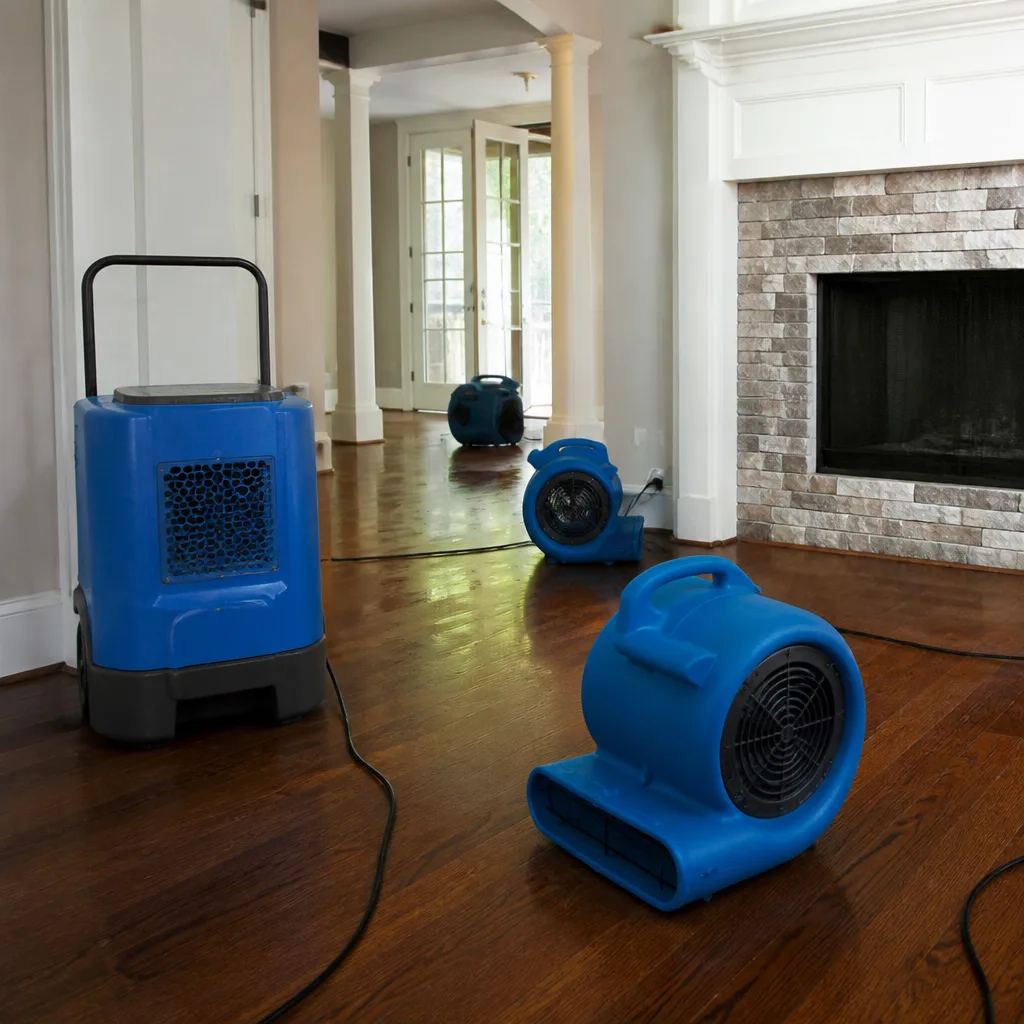
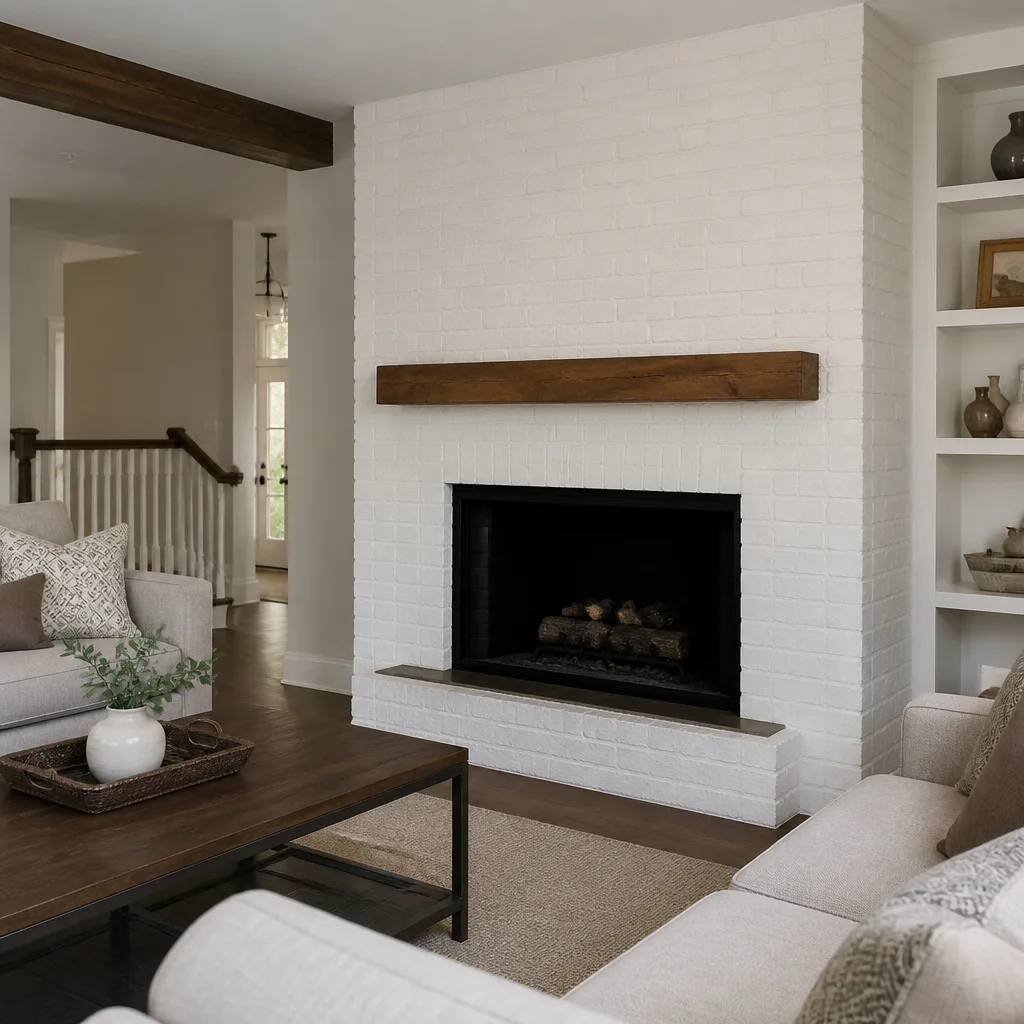
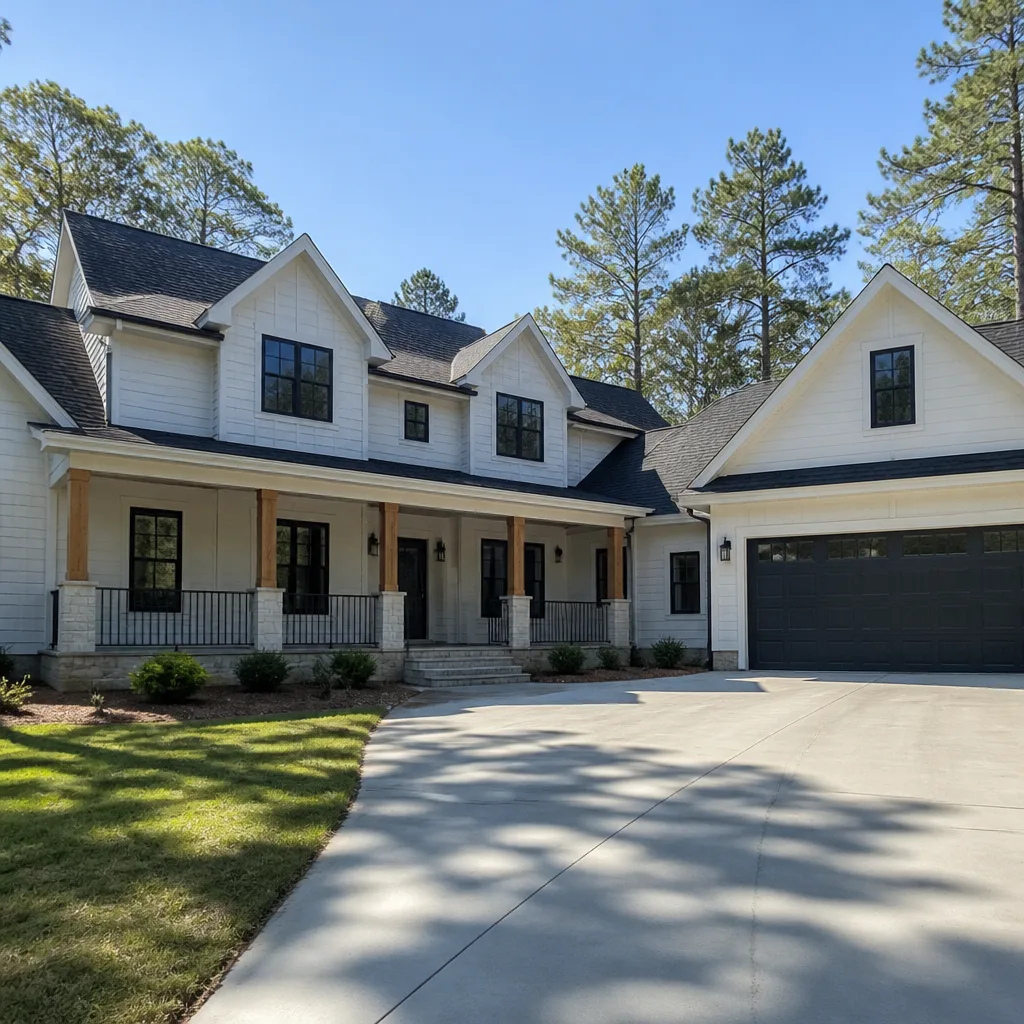
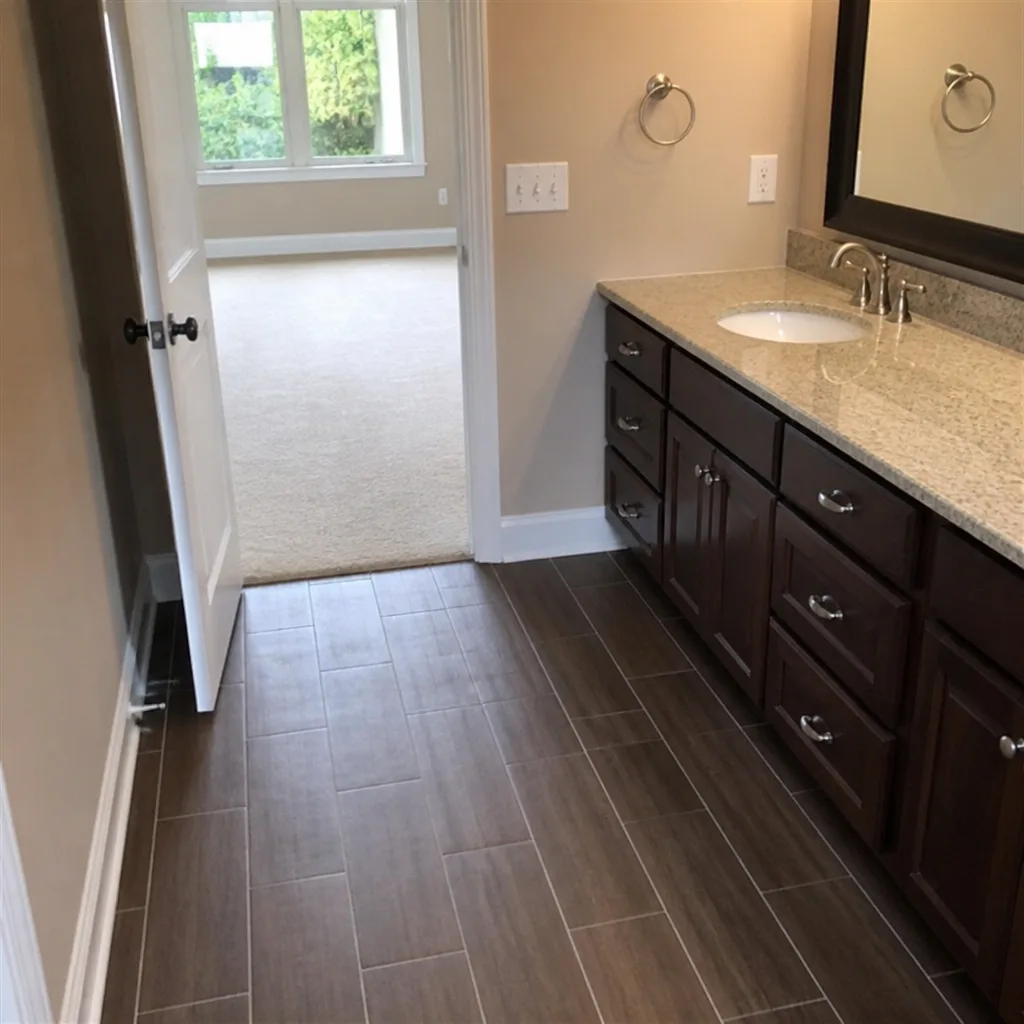
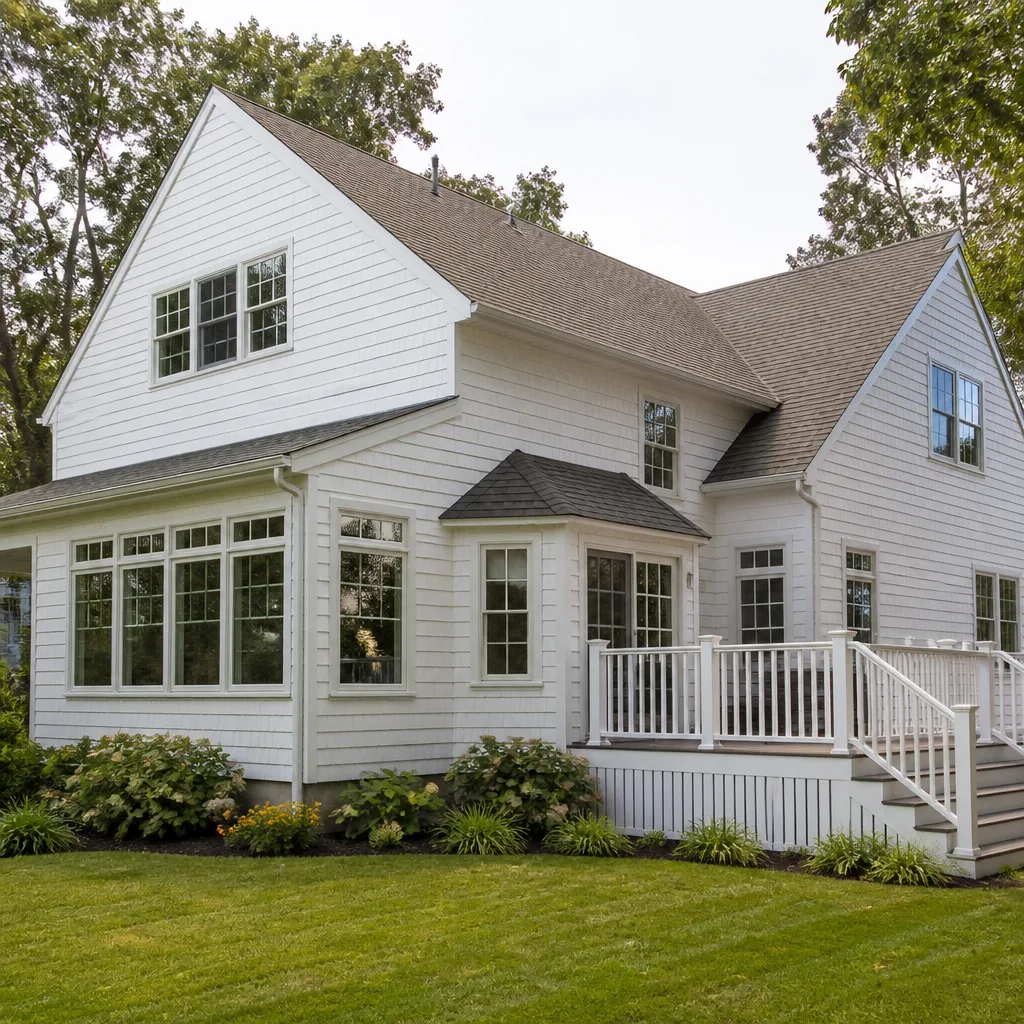
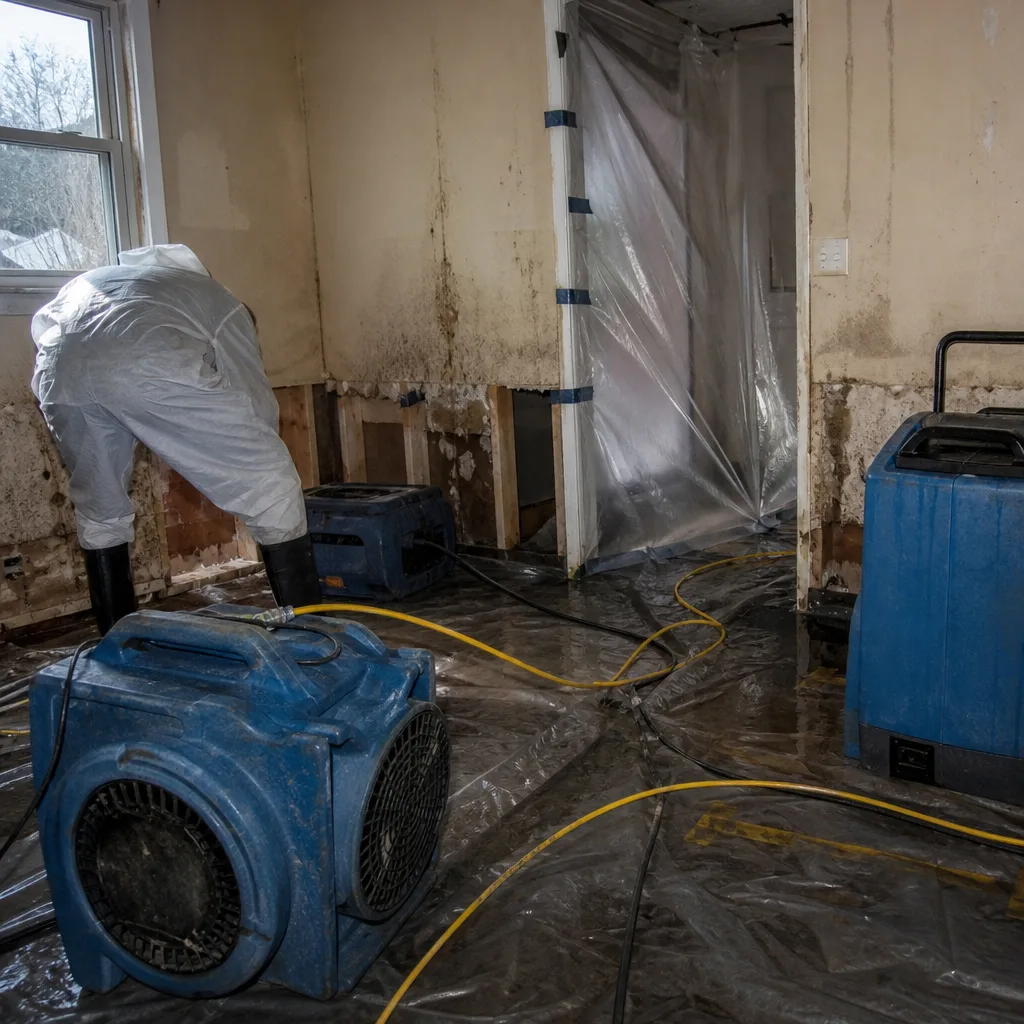 Before
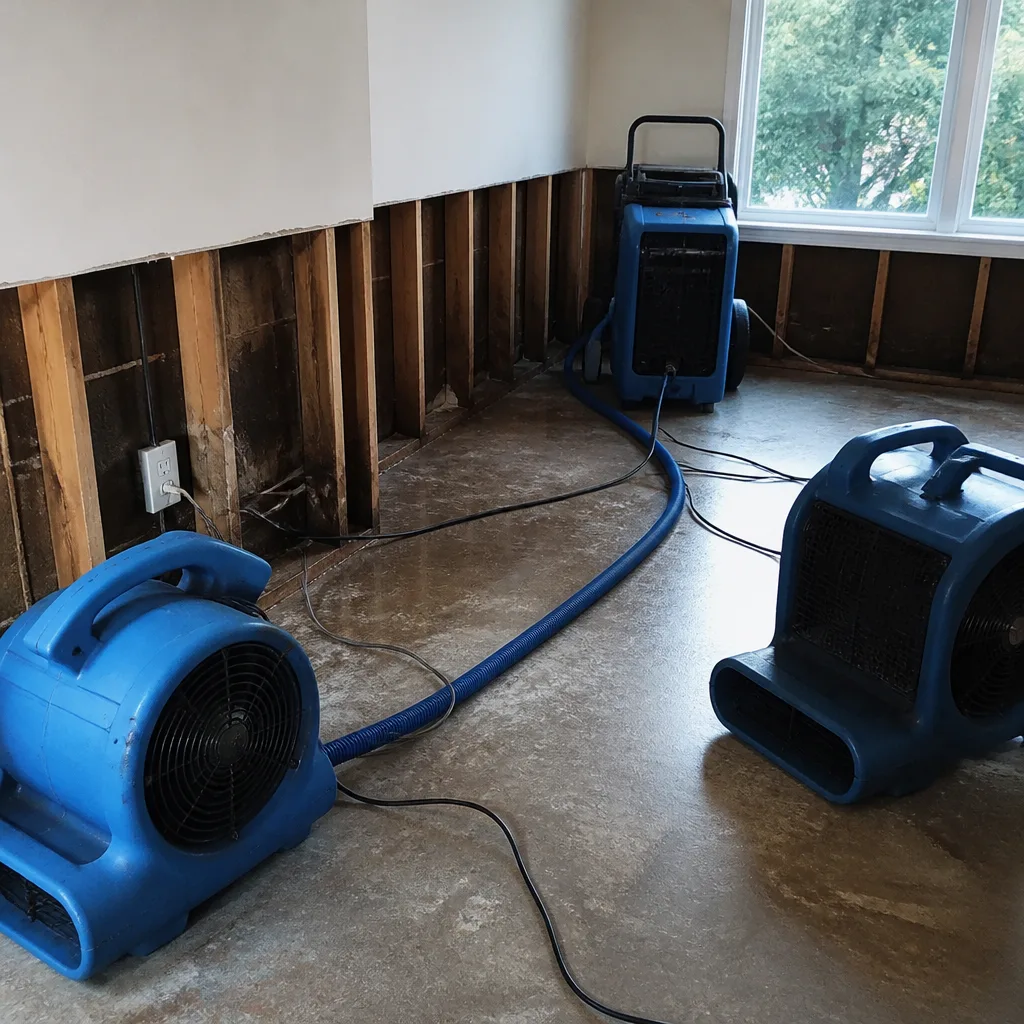 After
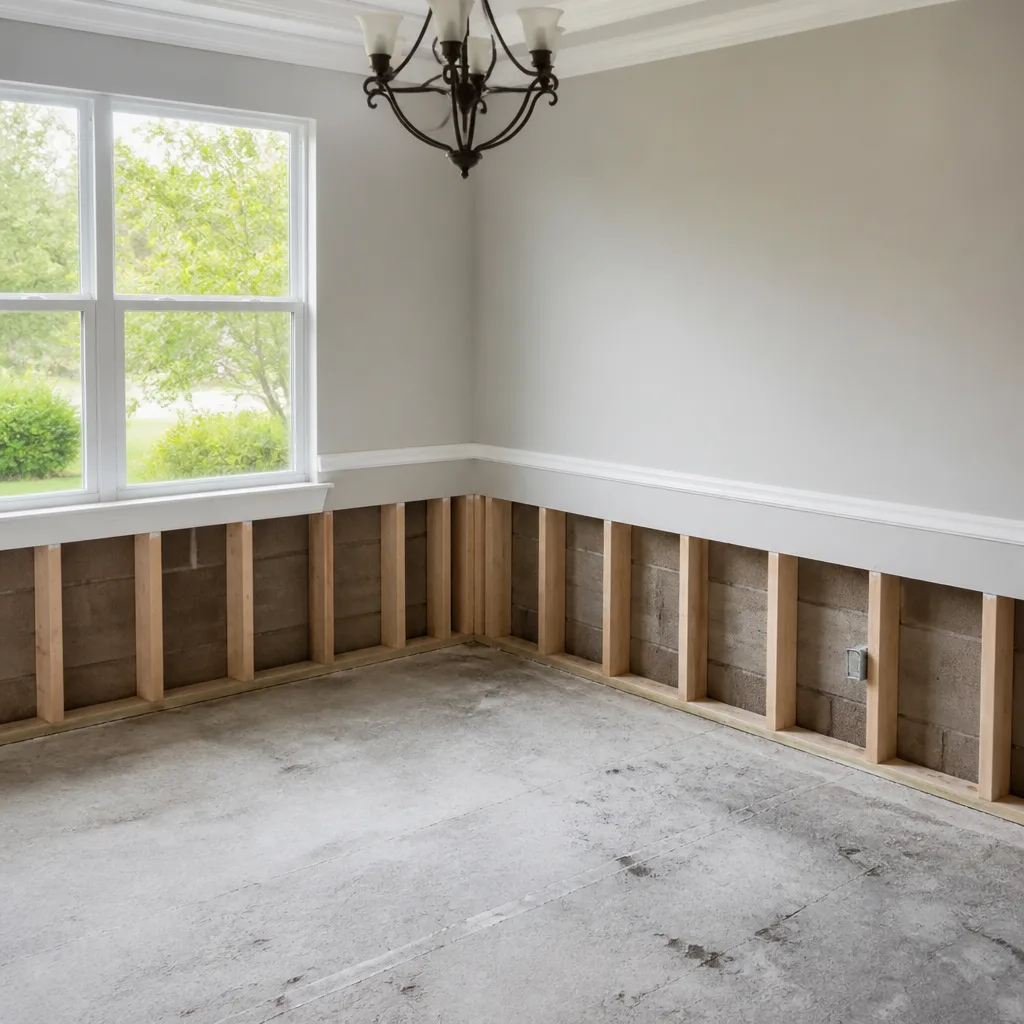
After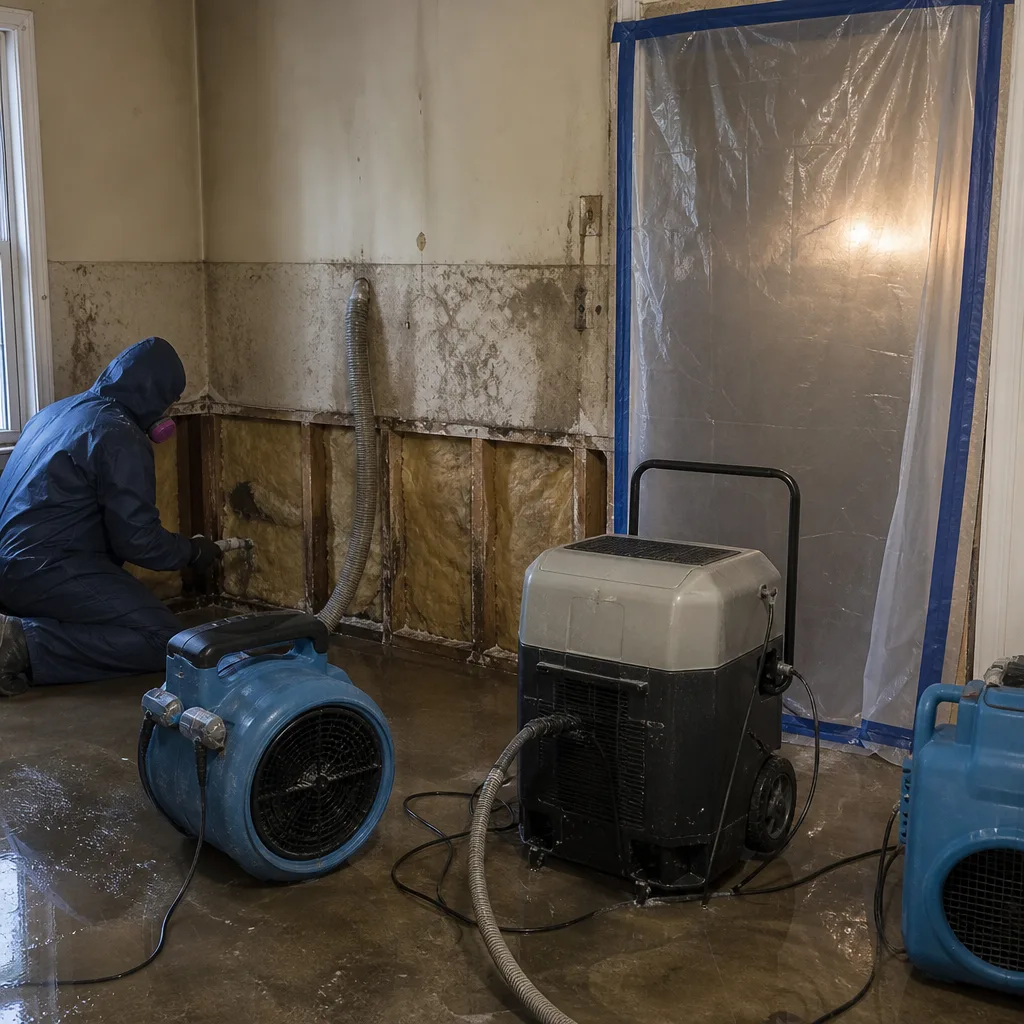 Before
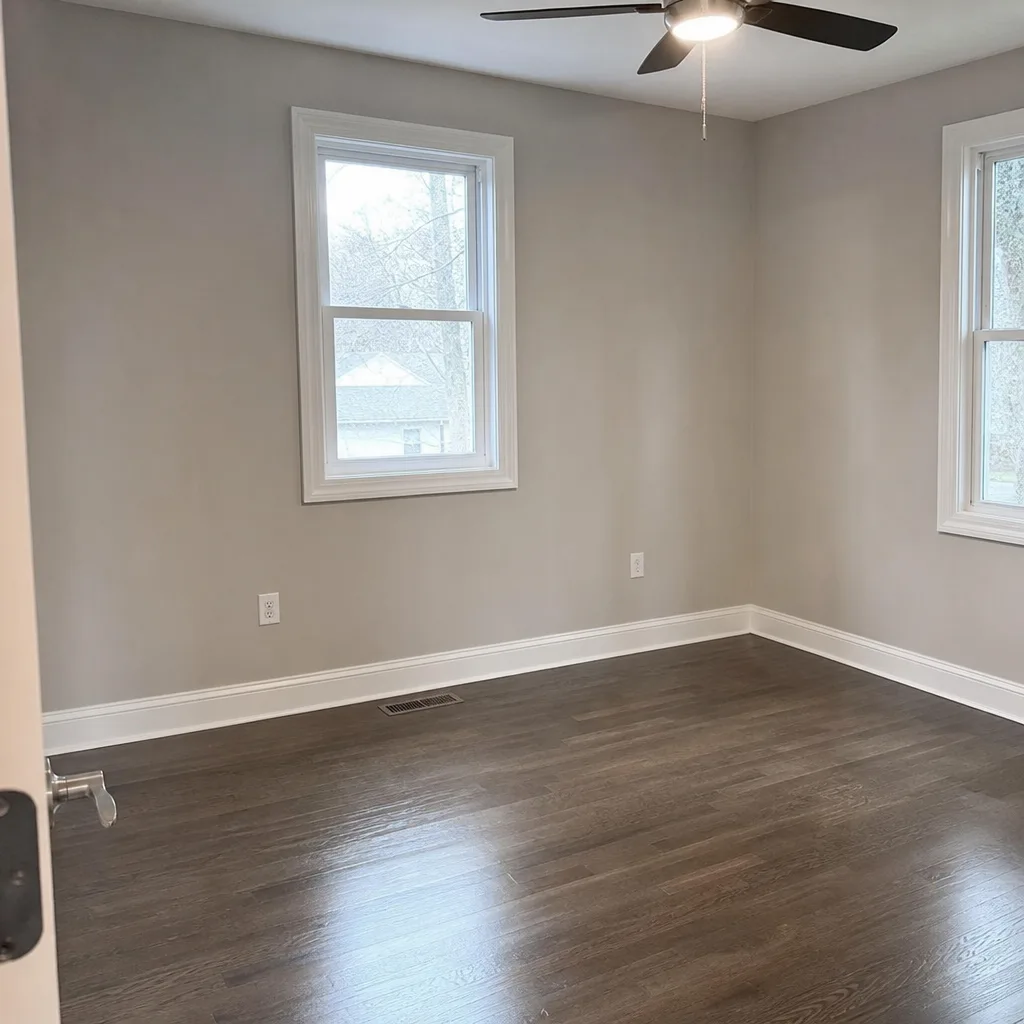 After
After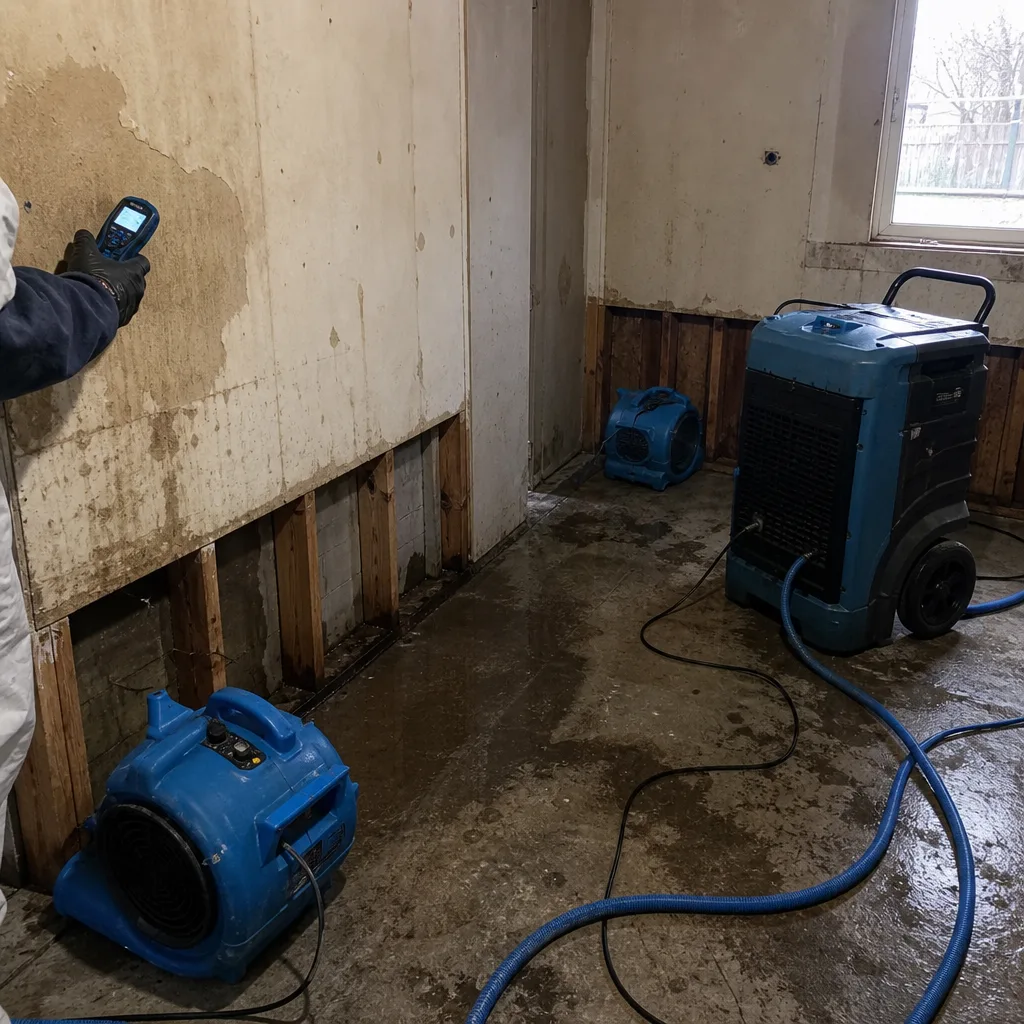 Before
 After
After24/7 Emergency Water Damage Restoration in Fort Lee
Water damage restoration in Fort Lee typically runs $2,800-$7,500 for a standard high-rise unit, with emergency extraction starting at $450 and full structural drying averaging 3-5 days. Crews from our Fort Lee response route answer live at (845) 875-4326, 24 hours a day, with no voicemail on emergency lines. The first hour determines whether a leak stays contained to one unit or cascades through a shared pipe chase into three more. We dispatch with thermal imaging, moisture meters, and the documentation kit that turns your drying log into a payable claim.
Fort Lee’s tower density means water moves vertically before it shows horizontally. A pinhole leak on floor 11 can saturate concrete and appear as a stain on floor 8. Waiting even a few hours turns a single-unit extraction into a multi-floor, multi-insurer project requiring HOA coordination and elevator-access scheduling. That’s why our crews arrive with containment materials for adjacent units and a written scope protocol designed for Fort Lee’s 1960s-1980s concrete high-rises.
Understanding Water Damage Restoration Severity in Fort Lee Properties
Water damage in Fort Lee falls into three categories under IICRC standards, and the wrong classification costs homeowners their claim. Category 1 is clean water from a broken supply line. Category 2 carries contaminants from dishwasher discharge or a failed washing machine hose. Category 3 is black water from sewage backup, ground flooding, or a compromised flat-roof membrane breach that has picked up roofing tar, rodent waste, and HVAC condensation.
Fort Lee’s building stock skews the severity profile. The 1970s galvanized supply risers in towers along Hudson Terrace and Lemoine Avenue corrode from the inside, so a pinhole releases pressurized water that starts as Category 1 but becomes Category 2 within 48 hours as it wicks through concrete aggregate and wall cavity insulation. Curtain-wall facades on buildings from the post-George Washington Bridge construction boom have failing caulk joints and spandrel seals that admit wind-driven rain during nor’easters, introducing Category 3 contamination from exterior grime and bird waste.
Moisture mapping with thermal imaging reveals what surface inspection cannot. Concrete slabs in these high-rises hold moisture for weeks after drywall reads dry. Our crews document vapor pressure differential, the force that drives hidden moisture into adjacent units, and tertiary drying, the final phase where we target bound water in dense assemblies that primary air movement cannot reach.
Why Fort Lee Property Owners Choose DryMark Restoration Englewood
- 45-minute response commitment to Fort Lee from our New York City dispatch office, with crews carrying HOA-compliant documentation packets pre-loaded with certificate of insurance and license verification.
- 24/7 live answer by a real person, never an automated system or callback queue, because water in a shared pipe chase doesn’t wait for business hours.
- IICRC-certified crews holding WRT (Water Damage Restoration Technician), ASD (Applied Structural Drying), and AMRT (Applied Microbial Remediation Technician) credentials, with license numbers documented on every job.
- Free visual inspection with moisture readings, thermal imaging, and a written scope delivered before any equipment is powered on.
- Direct insurance billing with daily drying logs, photo documentation, and adjuster coordination that turns restoration invoices into paid claims.
- One team from extraction through reconstruction, eliminating the handoff gaps that leave Fort Lee high-rise units in limbo between mitigation and rebuild.
BeforeAfterOur Water Damage Restoration Process
1. Inspection & Assessment
We arrive with FLIR thermal imaging, penetrating and non-penetrating moisture meters, and psychrometric data loggers. In Fort Lee’s high-rises, we inspect the full vertical run of shared pipe chases, not just the unit with the visible stain. Moisture readings are recorded floor by floor, with photos timestamped to the minute.
2. Extraction & Stabilization
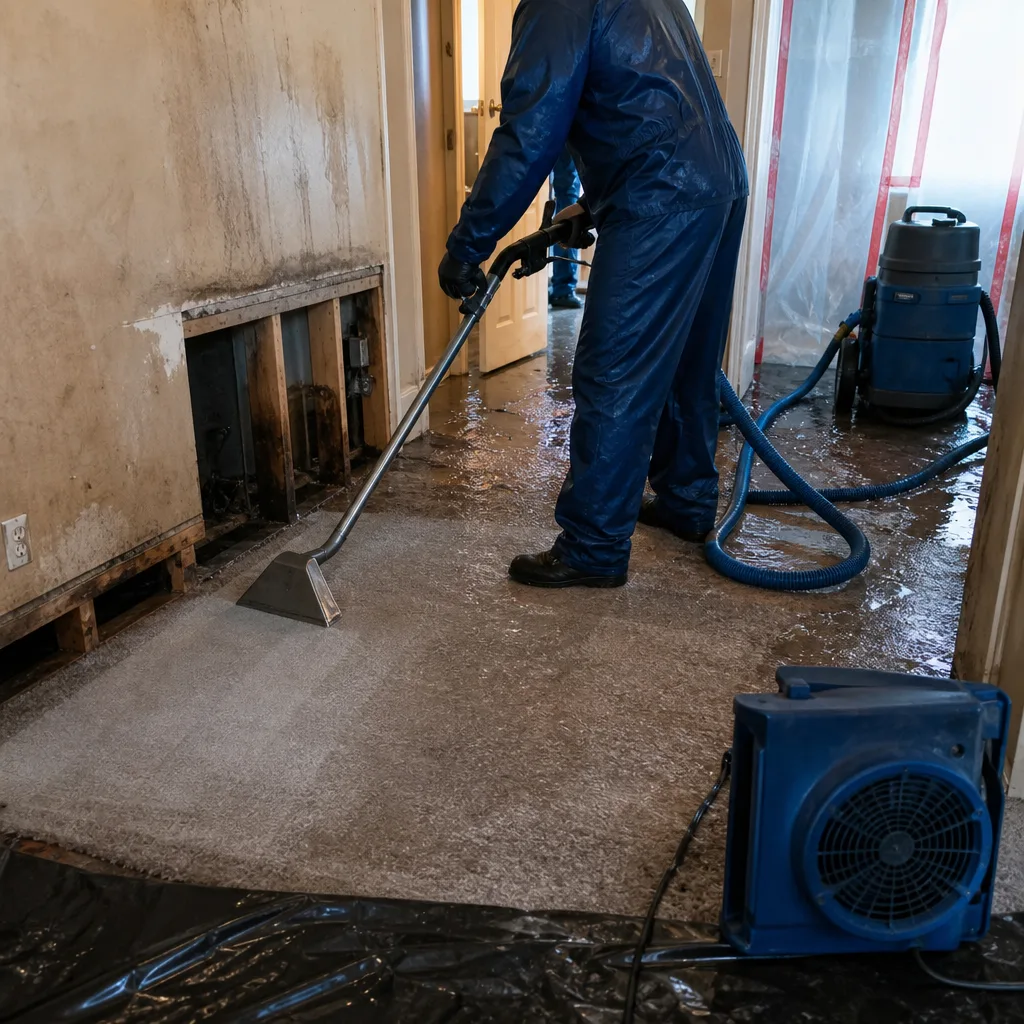
Standing water is removed with portable extraction units sized for high-rise elevator capacity. We deploy weighted extraction tools on saturated carpet and deploy emergency shoring where ceiling assemblies show deflection from water loading. Containment barriers seal affected units from common corridors.
3. Drying & Dehumidification
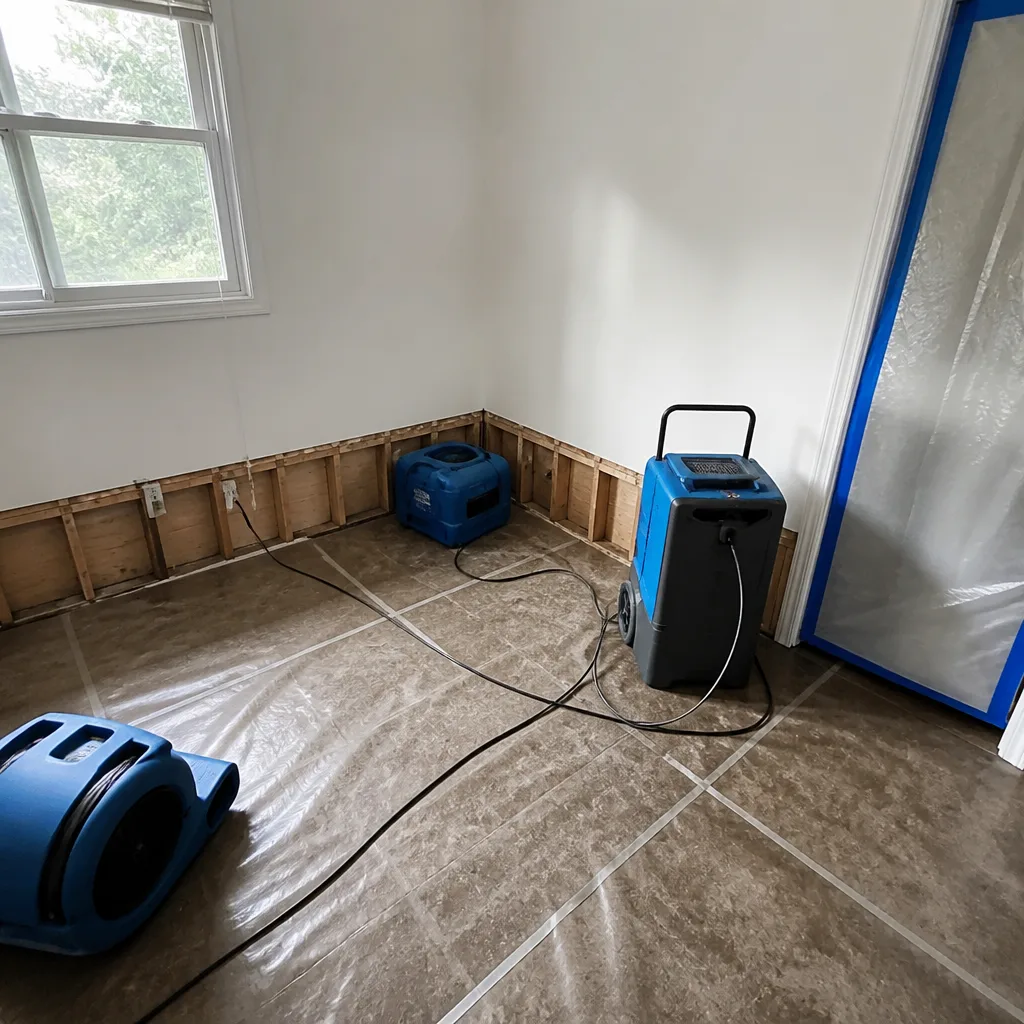
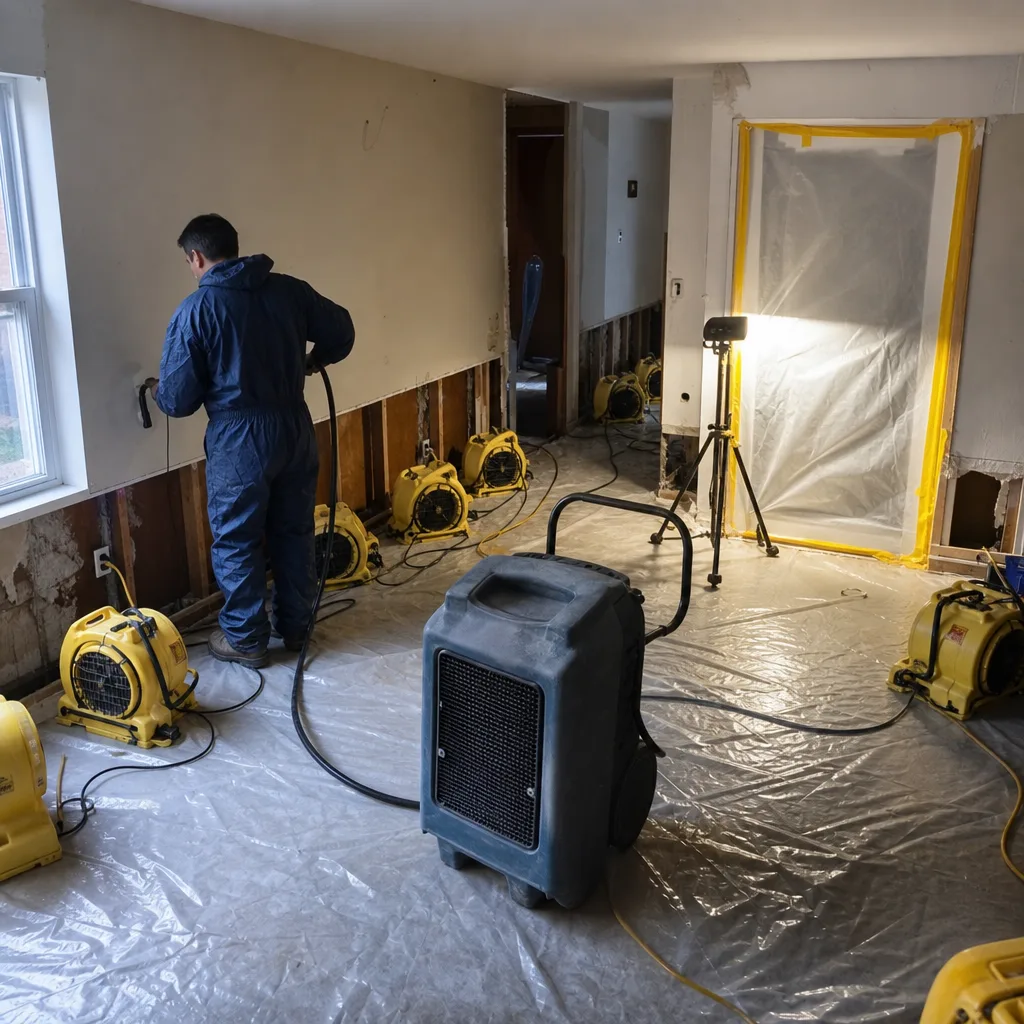
We size the drying system to the cubic volume of each affected space, deploying Dri-Eaz and Phoenix LGR dehumidifiers alongside XPOWER and B-Air air movers. In Fort Lee’s concrete-and-brick construction, we add Injectidry panel drying systems to force dry air into wall cavities and slab penetrations where standard airflow cannot reach.
4. Cleaning & Sanitization
Category 2 and 3 losses receive antimicrobial treatment with EPA-registered products, documented by product lot number and application time. HEPA air scrubbers run during all active work to protect adjacent units and common corridors. We clean to IICRC S500 standards, not to visual appearance alone.
5. Moisture Verification & Documentation
Daily moisture logs track every affected material until it reaches the dry standard for Fort Lee’s climate zone, typically 12-16% moisture content for wood framing and <4% for concrete. We provide the drying log, photo record, and equipment placement map as standard deliverables, never as upsells.
6. Repairs & Restoration
Our reconstruction scope matches pre-loss condition using materials that comply with your building’s alteration agreement. We coordinate with HOA boards and property managers on approved door styles, paint colors, and finish specifications so restoration work passes architectural review without revision cycles.
Need Emergency Water Damage Restoration in Fort Lee Now?
Crews minutes away, answering live 24 hours a day. The sooner we start, the less it costs.
Working With Your Insurance Company
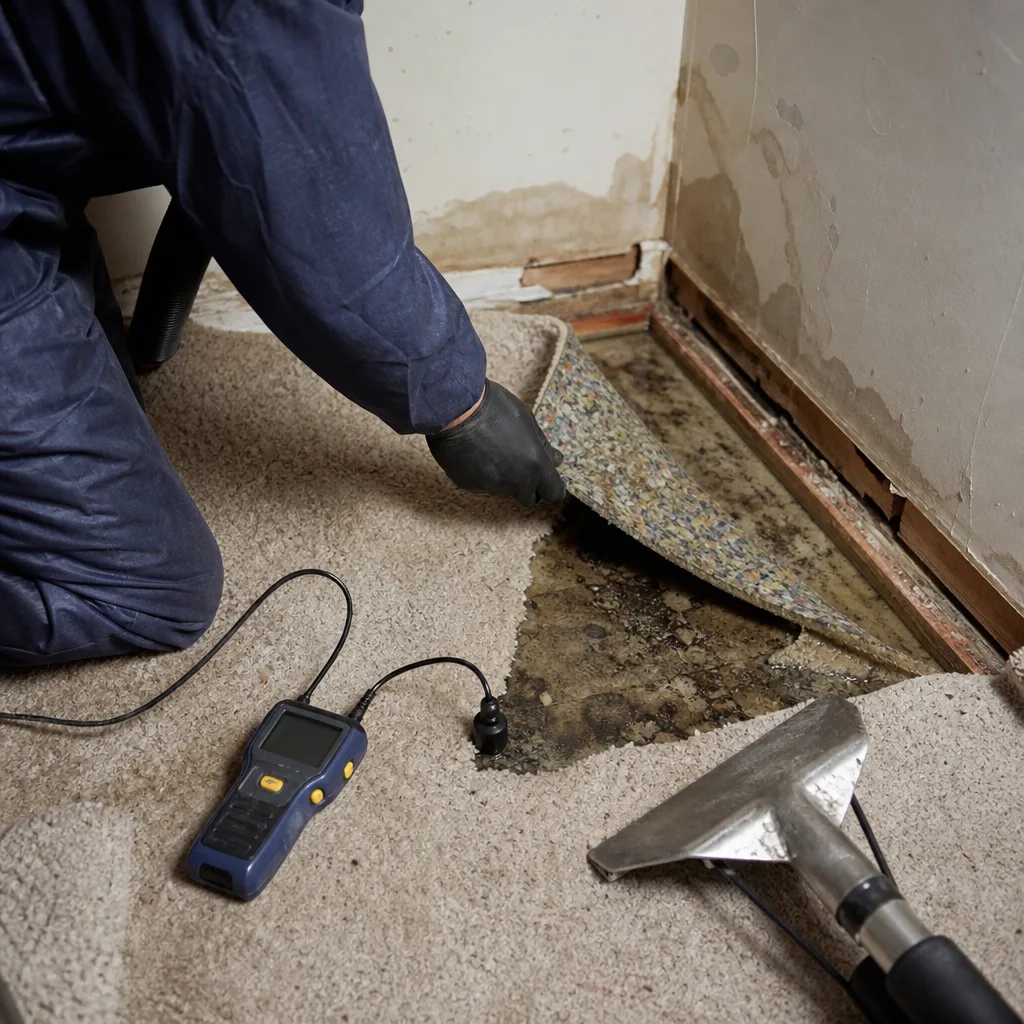
Documentation from the first hour determines whether your claim pays without dispute. We photograph every room before moving anything, record moisture readings at every structural contact point, and build estimates using industry-standard pricing databases adjusted for Fort Lee’s labor and material rates. Your adjuster receives the same file we give you: complete, dated, and organized by room.
Our Water Damage Restoration team speaks adjuster because Alicia Brennan founded this company in 2011 after years handling claims from the carrier side. She built DryMark around the documentation gap that costs homeowners their settlements. That means no missing photos, no guessed measurements, no scope-creep additions after work starts. Haven Standard, Clause 1: written price before work begins, every time, with no exceptions.
What We Provide Your Insurer
- Thorough documentation of the loss
- Photos of all damage, room by room
- Moisture readings and drying logs
- A detailed, line-item scope of work
- Direct coordination with your carrier
Built for Fort Lee’s Loss Calendar
January deep freezes split aging galvanized risers in towers along Main Street and Center Avenue when overnight lows hit single digits and wind chill off the Hudson drives pipe temperatures below freezing in exterior wall chases. We see burst pipe calls cluster the week after the first sustained cold snap, often involving multiple units in the same building.
March and April bring spring thaw basement seepage in the lower-lying blocks near the Hudson waterfront, still in the post-Hurricane Sandy flood-hazard awareness zone. Groundwater pushes through foundation walls and slab joints in garden-level units.
Summer thunderstorms deliver flash flooding through overwhelmed roof drains on flat-membrane roofs original to the 1970s construction. September and October nor’easters channel wind and rain up the Palisades cliffs at velocities that defeat aged window glazing and spandrel seals, driving water through curtain-wall systems that were never designed for sustained wind-driven rain at elevation.
Year-round, the dominant pattern is silent interstitial migration: water traveling inside concrete slabs and wall cavities for days or weeks before surfacing as a stain, a musty odor, or a neighbor’s complaint. That’s why our Fort Lee protocol includes full vertical stack inspection on every call.
Water Damage Restoration Across Fort Lee’s Neighborhoods
North Fort Lee, the corridor along Hudson Terrace and the Palisades Interstate Parkway, holds the densest concentration of 1960s-1970s concrete towers. Losses here typically involve shared plumbing stacks and curtain-wall infiltration. We coordinate with building management on elevator protection, corridor containment, and quiet-hour equipment scheduling before any crew enters.
The commercial-residential mix along Main Street and Lemoine Avenue includes smaller mid-rise buildings from the 1980s with original flat roofs and rooftop HVAC units. Summer storms overwhelm condensate drains and roof drains simultaneously, sending water through ceiling tiles in retail spaces below residential units. These jobs require dual-use occupancy coordination and after-hours access scheduling.
The Radnor-Hamilton area near the George Washington Bridge approach sees heavy turnover in rental units where maintenance histories are fragmented. We document pre-loss condition meticulously here because landlord-tenant disputes over damage origin are common, and our photo record becomes the neutral evidence both parties need.
Lower Fort Lee toward the waterfront includes garden-apartment complexes and converted industrial buildings with basement mechanical rooms. Post-Sandy flood awareness keeps mold remediation demand elevated; we treat these as potential Category 3 losses until proven otherwise, given groundwater contamination history in this zone.
Specialized Water Damage Restoration Services We Offer in Fort Lee
Emergency Water Extraction
Portable extraction equipment sized for high-rise elevator capacity removes standing water within hours of your call. In Fort Lee’s towers, we extract from multiple units simultaneously using coordinated crew deployment, with containment barriers protecting common corridors from cross-contamination.
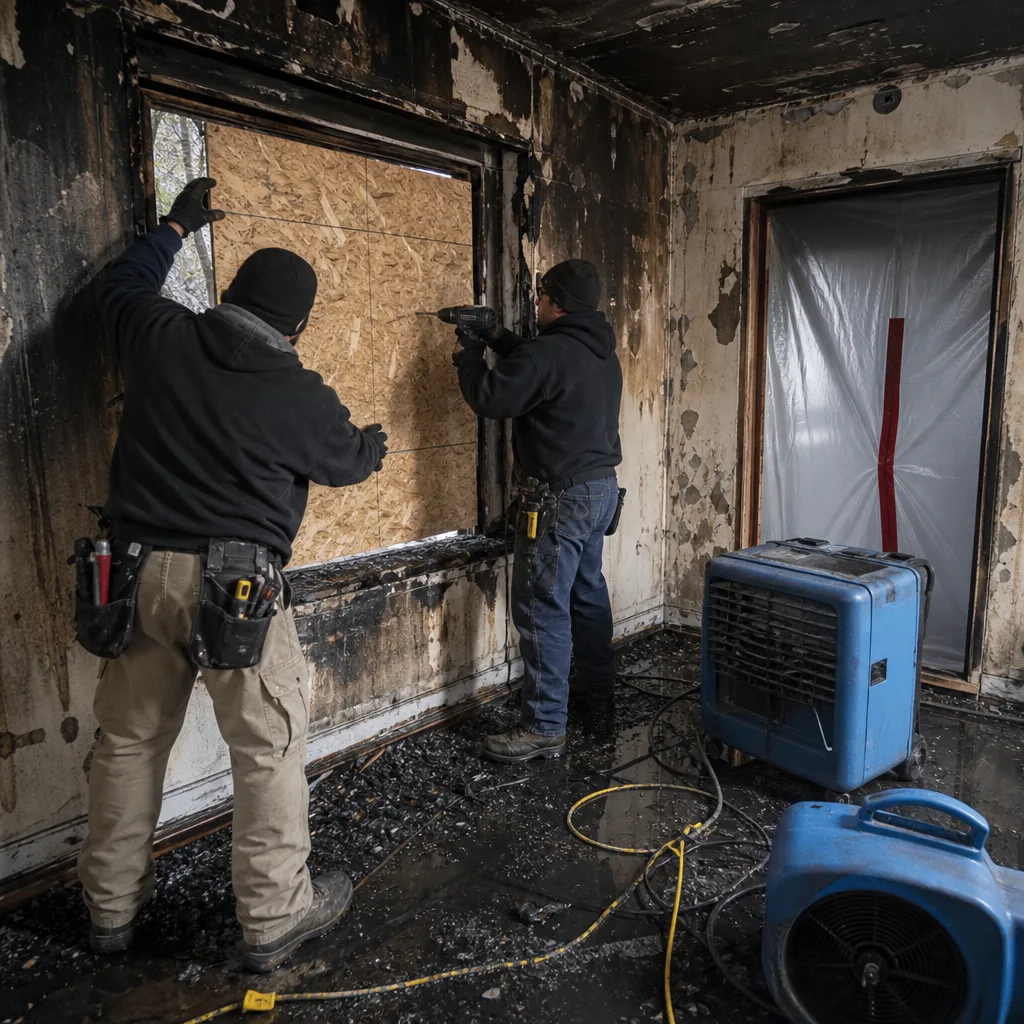
Structural Drying & Dehumidification
We calculate the exact dehumidification load for each affected space using psychrometric formulas, not rule-of-thumb guesses. Fort Lee’s concrete construction demands extended drying cycles with targeted vapor pressure reduction. Dri-Eaz and Phoenix LGR units pull moisture from dense assemblies that conventional refrigerant dehumidifiers cannot touch.
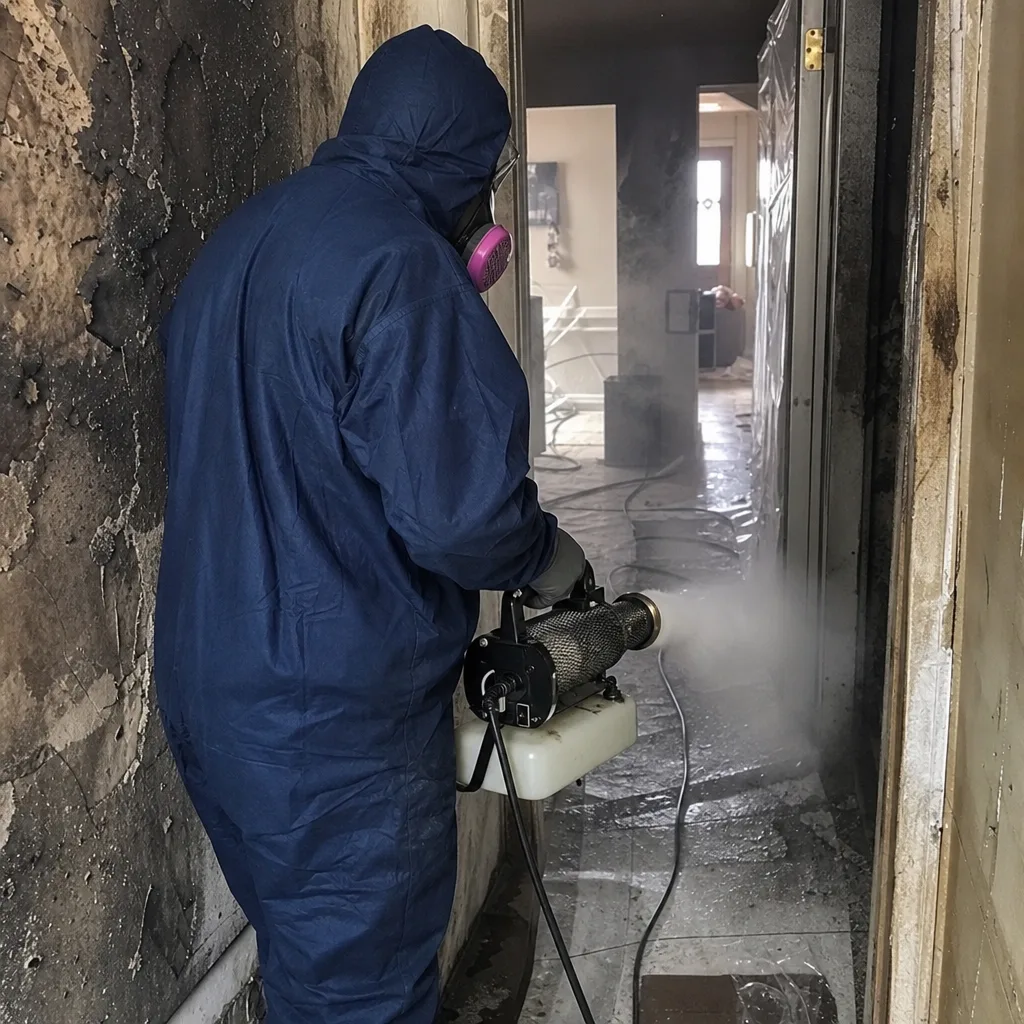
Flood Cleanup
Ground-floor and basement units in Fort Lee’s flood-aware zones receive Category 3 protocols: removal of porous materials, antimicrobial treatment of remaining assemblies, and HEPA air scrubbing until clearance testing confirms safe reoccupancy. We document contamination extent with photo evidence that satisfies both insurers and municipal inspectors.
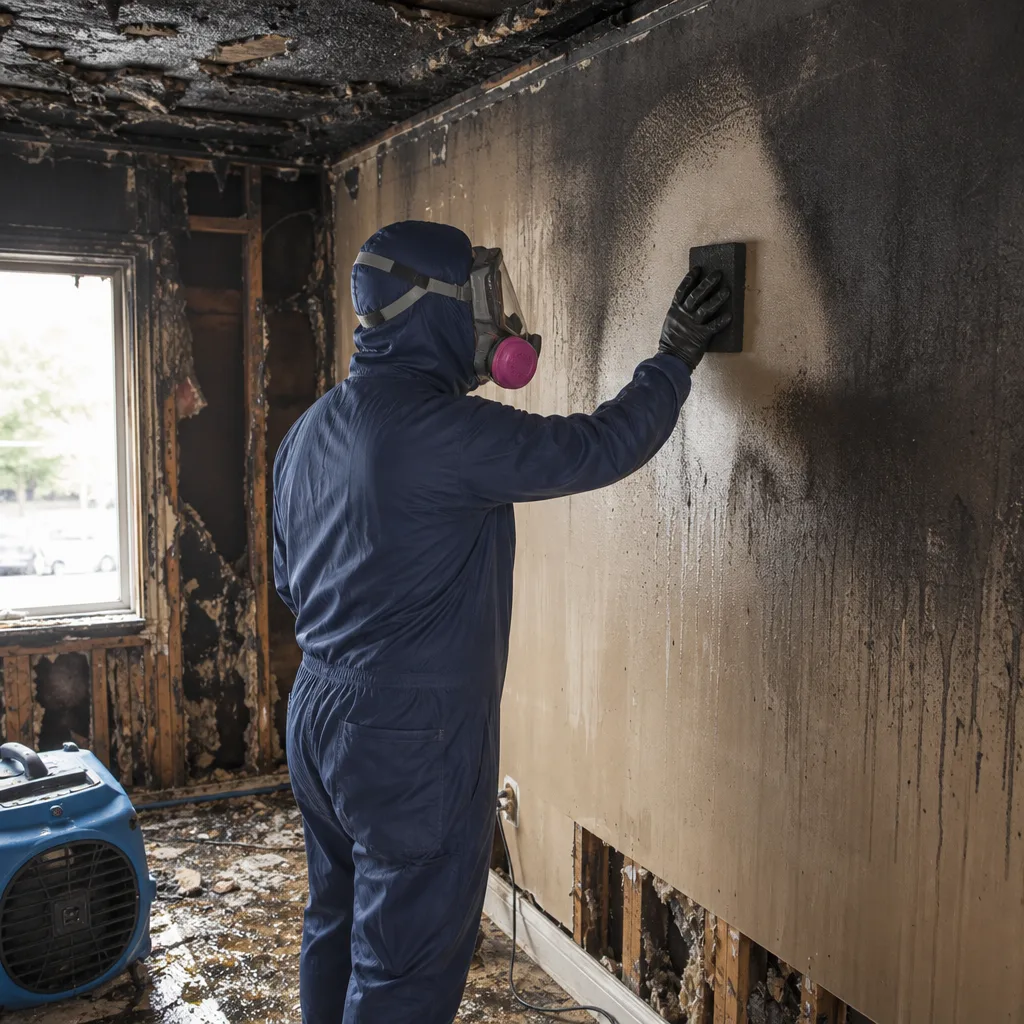
Burst Pipe Restoration
Our most frequent Fort Lee call. We trace the full extent of water migration from the rupture point, including slab penetration and wall cavity saturation invisible to casual inspection. Thermal imaging on the rupture floor and two floors above and below prevents the missed interstitial water that causes re-wet callbacks.
Basement Water Removal
Sub-slab drainage systems in Fort Lee’s older buildings often lack sump backup power. We extract, dry, and document secondary damage to electrical panels, HVAC equipment, and stored contents, with pack-out services for salvageable items requiring off-site drying.
Ceiling & Roof Leak Water Damage
Flat-roof membrane breaches and failed caulk joints on curtain-wall facades send water through ceiling assemblies in unpredictable paths. We map the true source before cutting drywall, avoiding unnecessary demolition and preserving the fire-rated assemblies that Fort Lee building codes require.
What happens when you call
- 1
A real person answersNo phone trees - you reach a local pro.
- 2
You get an upfront price rangeHonest numbers before anyone is dispatched.
- 3
A background-checked tech heads outLicensed & insured, dispatched right away.
- 4
You approve before work beginsNothing starts until you say go.
Water Damage Restoration Costs in Fort Lee, NJ
A typical emergency water extraction in a Fort Lee high-rise unit runs $450-$1,200 depending on standing water volume and access constraints. Structural drying for a standard one-bedroom unit with interstitial wall cavity moisture averages $2,800-$4,500. Multi-unit losses involving three to six apartments with HOA coordination and elevator-access scheduling range $8,500-$22,000.
What moves the price: the number of affected floors in a shared stack, whether Category 3 contamination requires material removal, and whether your building’s alteration agreement mandates specific replacement materials. Insurance typically covers sudden and accidental water damage from burst pipes and storm infiltration; gradual leaks from deferred maintenance often fall under building or personal coverage limits that vary by policy.
We deliver a written price before work starts, every time. Haven Standard, Clause 1. Bring a competitor’s written estimate and we’ll review it free. Call (845) 875-4326 for a firm scope after visual inspection.
We Also Serve Cities Near Fort Lee
Our crews respond from the same New York City dispatch office to Leonia, Palisades Park, Edgewater, and Ridgefield with the same 45-minute commitment, the same documentation protocol, and the same written-price guarantee. Each city’s building stock and loss patterns shape how we scope, but the Haven Standard applies everywhere we work.
Serving Fort Lee, NJ - Our Local Coverage Area
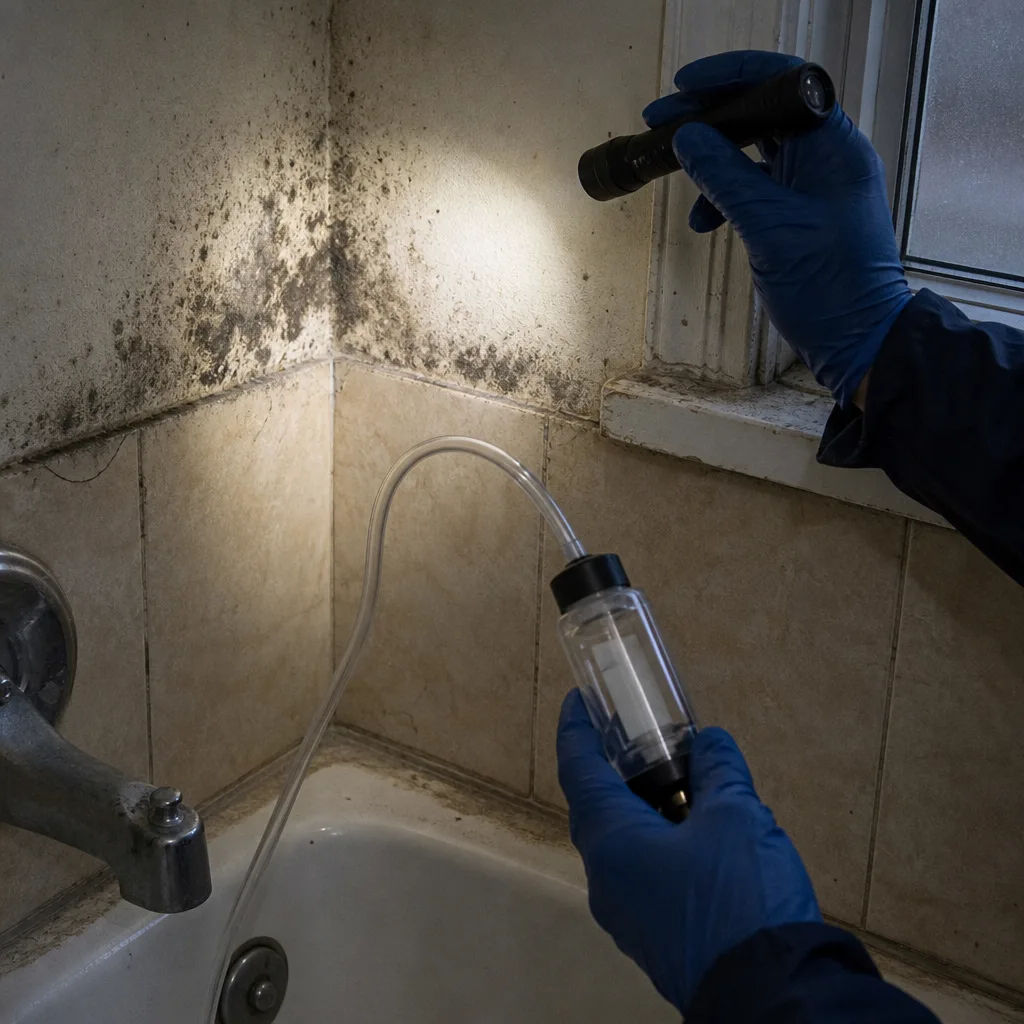
We’re based in the Fort Lee area and know this community well. Use the map below to see our service coverage - if you’re nearby, we can almost certainly help.
Fort Lee Water Damage Restoration Questions, Answered
Does my Fort Lee high-rise HOA need to approve water damage restoration before work starts?
Yes, virtually all Fort Lee co-op and condo boards require pre-approval for any work affecting common elements, shared pipe chases, or corridor access. We arrive with a certificate of insurance, license verification, and a scope summary formatted for board review. Our crew coordinates with building management on elevator protection mats, corridor containment, and quiet-hour scheduling before equipment enters the building. Call (845) 875-4326 and we’ll walk through your building’s specific requirements during the free inspection.
Why did a water stain on my floor 8 ceiling come from a unit three floors above?
Fort Lee’s 1960s-1980s concrete high-rises use shared vertical pipe chases and slab penetrations that allow water to migrate inside walls and concrete before surfacing. A pinhole leak in a 1970s galvanized supply riser on floor 11 can saturate the slab, travel through the pipe chase, and appear as discoloration two or three floors below. We scope the full vertical stack with thermal imaging, not just the unit with the visible stain, to find the true source and prevent re-wet after drying is complete.
Can you run drying equipment in a Fort Lee co-op or condo without violating quiet hours?
We schedule equipment operation around your building’s quiet hours, typically 10 p.m. to 7 a.m., and use variable-speed air movers that run at reduced decibel levels during restricted periods. Dehumidifiers operate within noise limits continuously. We document the schedule with building management before placement and adjust runtime to maintain drying progress without violation. If your building has specific restrictions, we build them into the drying plan from day one.
A nor’easter drove rain through my window seals - is that a flood cleanup or a roof leak job?
Wind-driven rain through failed window glazing or spandrel seals is classified as storm damage, not ground flooding, which affects insurance coverage and restoration protocol. The water path determines the category: if it entered through the building envelope and contacted exterior grime, we treat it as Category 2 with antimicrobial application. If the same storm overwhelmed a flat roof and combined with roofing tar or HVAC waste, Category 3 protocols apply. We determine the correct classification during inspection and document it for your adjuster. Call (845) 875-4326 for same-day assessment.
How quickly do we need to start drying after a burst pipe in a Fort Lee tower?
Within 24 hours for Category 1 water, within 12 hours for Category 2, and immediately for Category 3. In Fort Lee’s concrete high-rises, the real deadline is before water reaches shared slab penetrations and pipe chases. Once it enters the building’s structural pathways, a single-unit job becomes a multi-unit, multi-insurer project requiring HOA coordination. Our 45-minute response commitment exists to beat that transition. The sooner we extract and establish vapor pressure control, the smaller the final scope and cost.
Will my insurance cover water damage restoration in my Fort Lee condo?
Sudden and accidental damage from burst pipes, appliance failures, and storm infiltration is typically covered under HO-6 condo policies or building master policies for common elements. The critical factor is documentation: photos before anything moves, moisture readings at every point, and a written scope tied to the specific policy language. We build every estimate to carrier standards and coordinate directly with adjusters. Gradual leaks from deferred maintenance may be excluded; our inspection determines origin and documents it accordingly. Call (845) 875-4326 and we’ll review your coverage scenario during the free inspection.
How long does structural drying take in Fort Lee’s concrete high-rises?
Standard drywall and wood framing in a Fort Lee unit typically reaches dry standard in 3-5 days with LGR dehumidification and targeted air movement. Concrete slabs and dense masonry assemblies require 7-14 days with Injectidry panel systems forcing dry air into cavities. We verify with daily moisture logs, not calendar guesses, and keep equipment in place until readings confirm materials have reached equilibrium moisture content for our climate zone. Premature equipment removal causes re-wet and microbial growth.
What certifications do your Fort Lee water damage restoration crews hold?
Our lead technicians hold IICRC WRT (Water Damage Restoration Technician), ASD (Applied Structural Drying), and AMRT (Applied Microbial Remediation Technician) certifications. All crews are background-checked, uniformed, and insured, with license numbers documented on every job. Equipment operation follows manufacturer protocols for Dri-Eaz, Phoenix, XPOWER, B-Air, and Injectidry systems, and all work is documented to IICRC, RIA, and IFA standards. We don’t send trainees to lead Fort Lee high-rise jobs; every crew has managed multi-unit, multi-floor losses before.
What should I do in the first 30 minutes after discovering water damage?
Shut off the water source if it’s a supply line break, turn off electrical power to affected areas if safe to do so, and call (845) 875-4326. Do not enter standing water if electrical outlets are submerged. Move small valuables and documents to dry areas, but don’t shift heavy furniture onto wet carpet, as dye transfer and rust staining worsen with time. Take photos of everything before moving anything; our documentation protocol starts with your timestamped images. Then let us handle extraction and assessment before any permanent decisions about removal or repair.
Water damage in Fort Lee’s high-rise environment demands a restoration company that understands shared building systems, HOA coordination, and the documentation standards that turn mitigation invoices into paid claims. We’ve restored 12,000+ homes since 2011, every one with a written price before work started and a photo record when the crew left. The 365-Day Done Right Promise under The Haven Standard means if it’s not done right, we make it right. No verbal assurances. Signed guarantees.
Written by Alicia Brennan, Owner at DryMark Restoration Englewood, serving Fort Lee since 2011.
Water Damage Restoration in Nearby Areas