
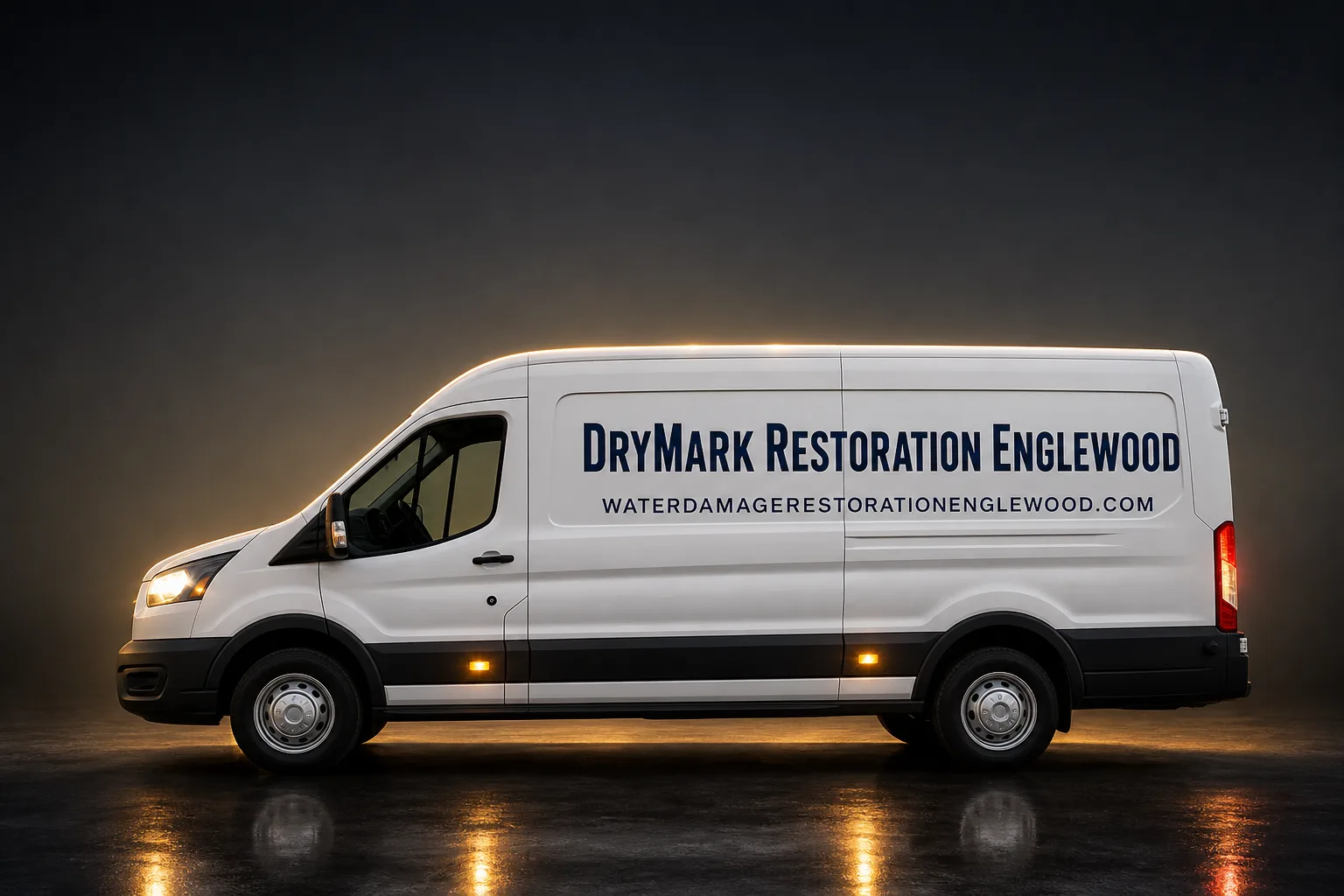
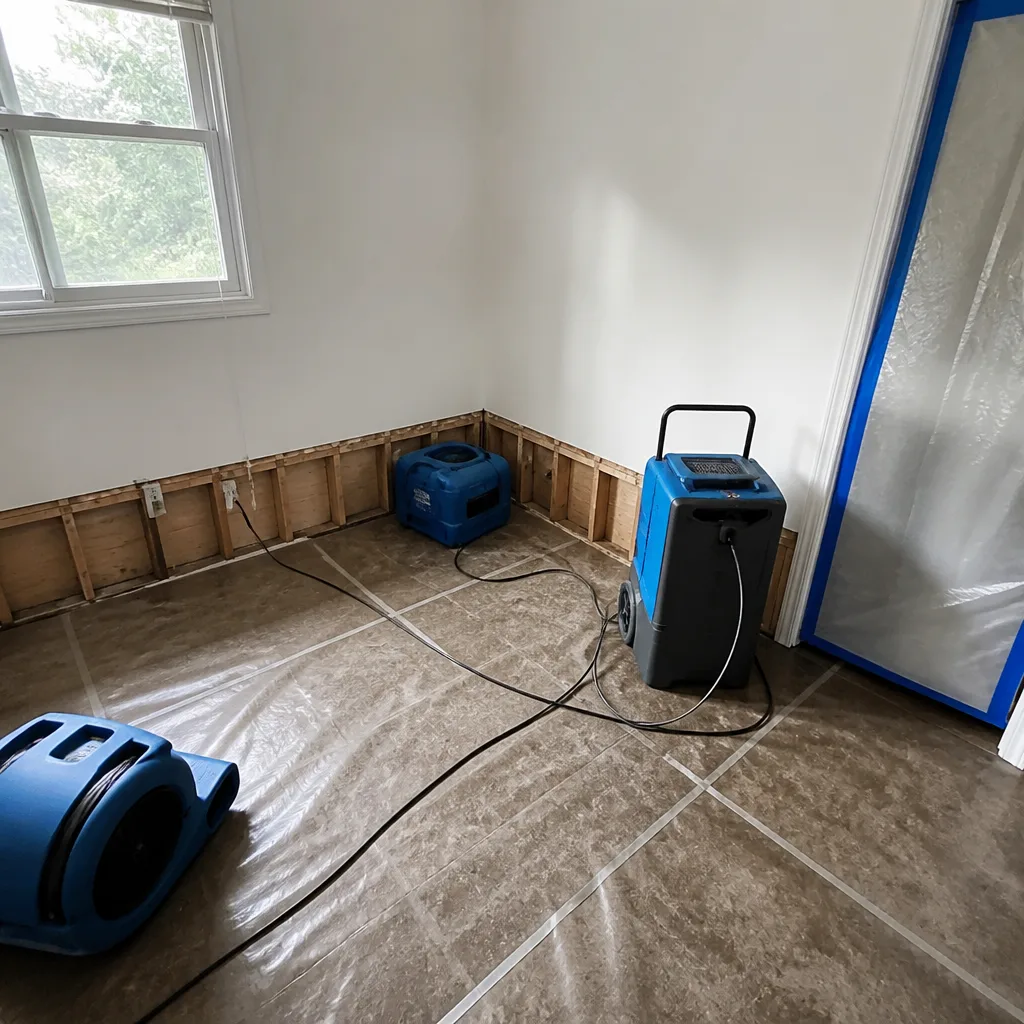
Free visual inspection and a written scope of work before any mitigation begins - photos, moisture readings, and drying logs go in your claim file
The scope we write is the scope we bill. Anything new gets shown to you, in writing, before we touch it.
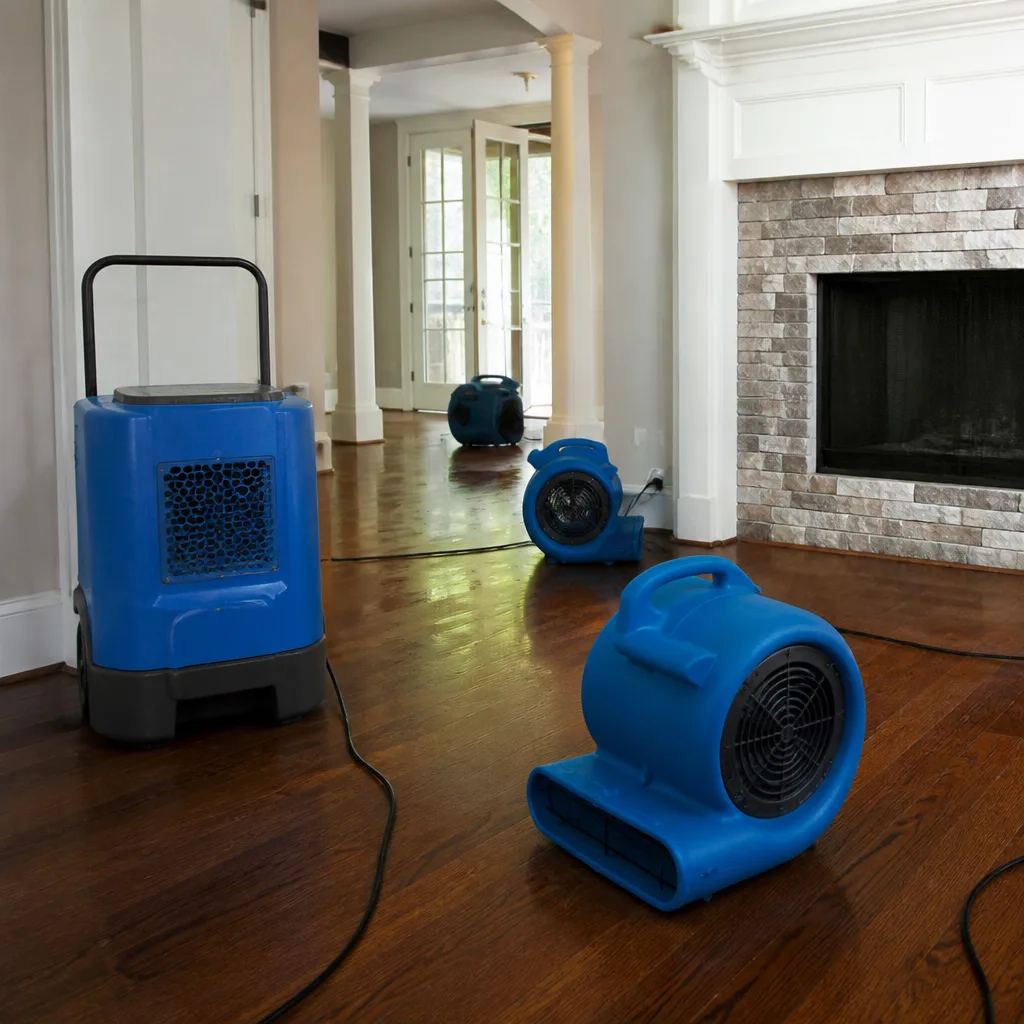
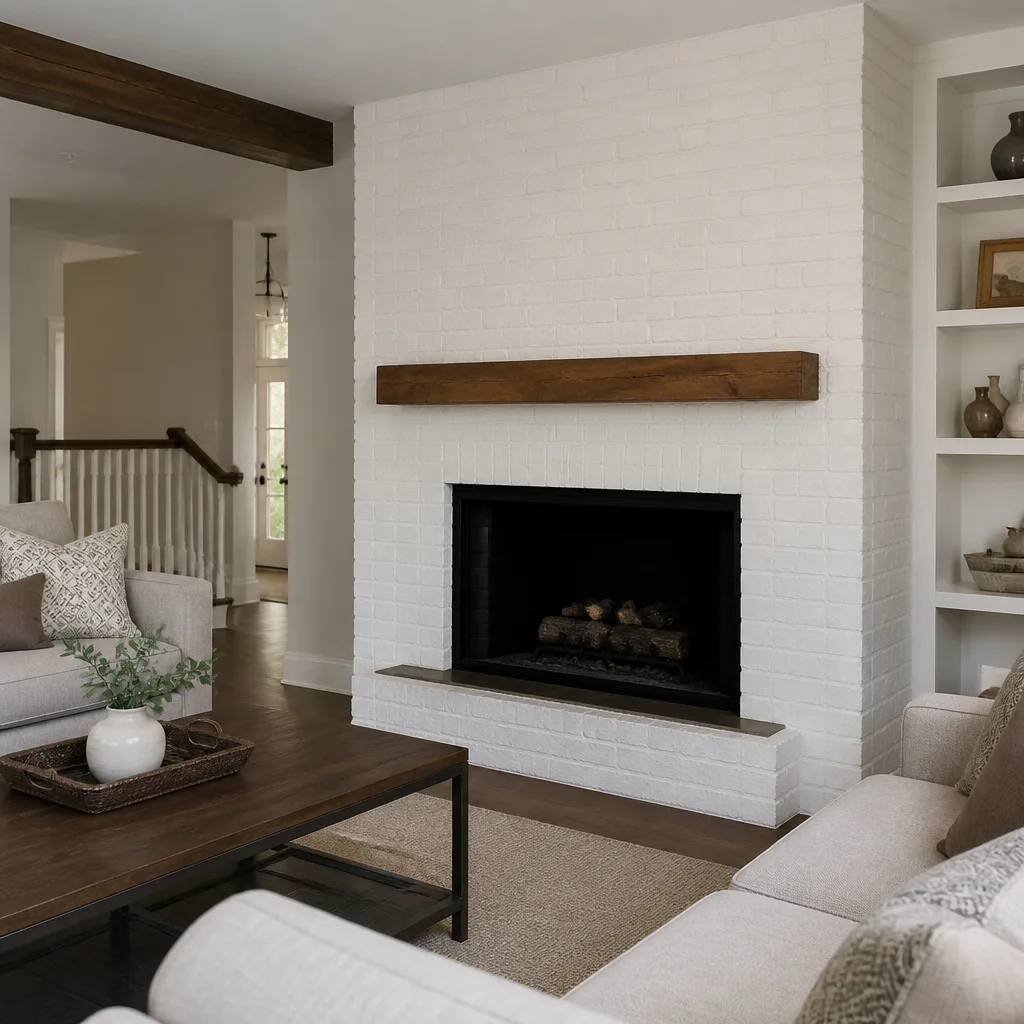
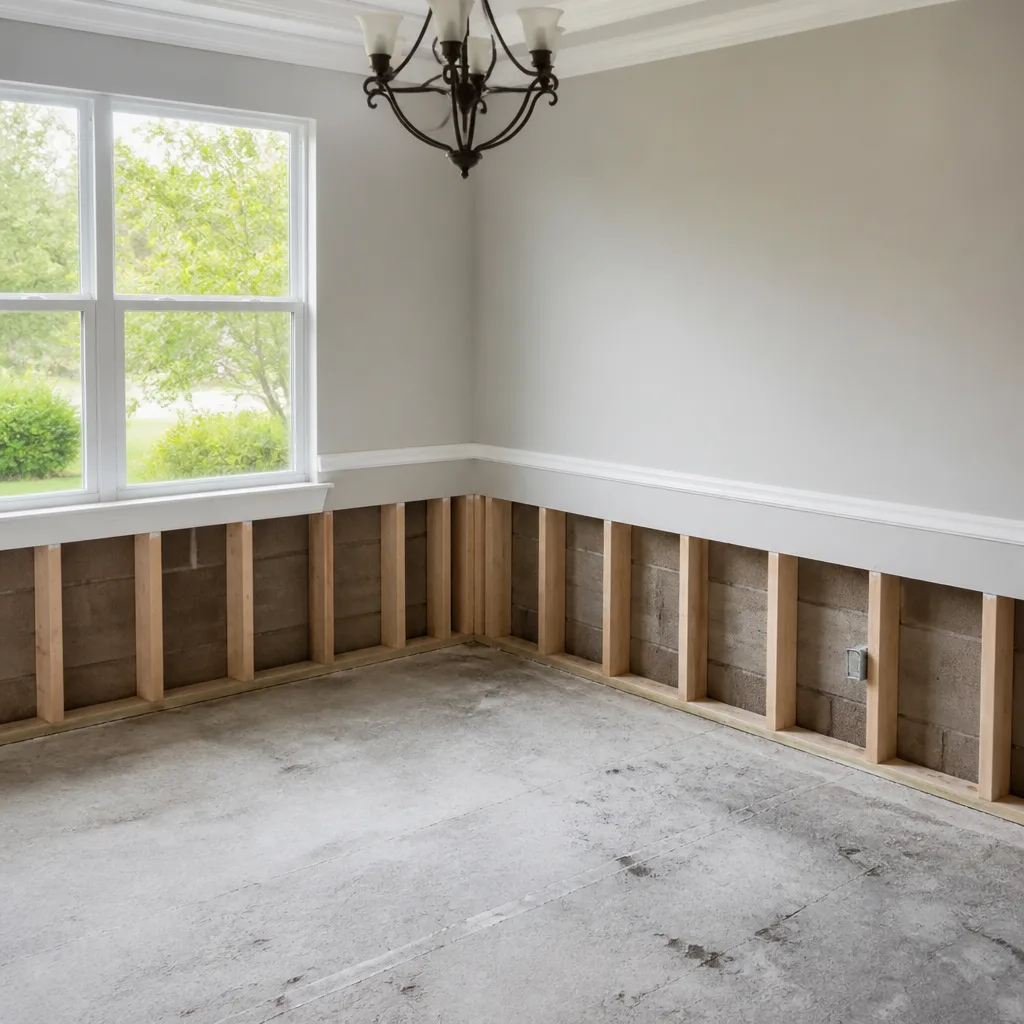
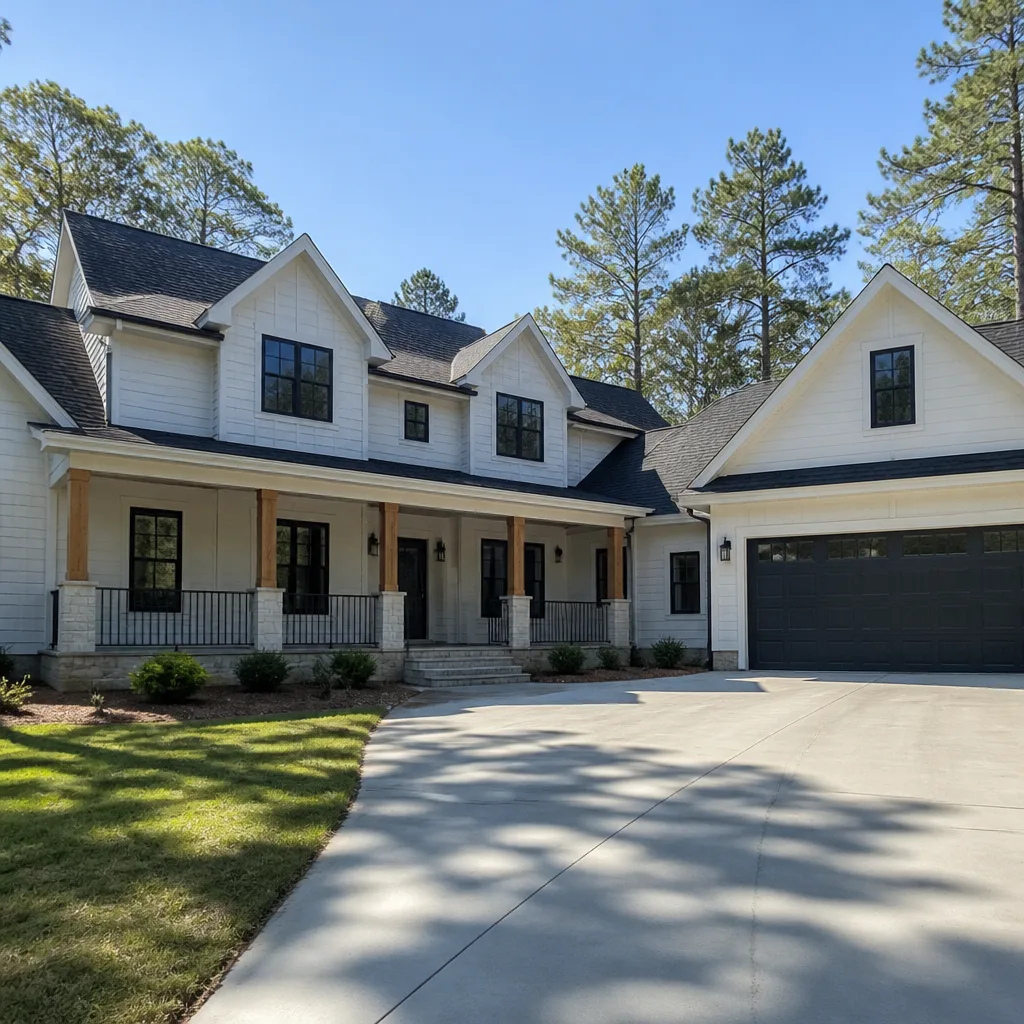
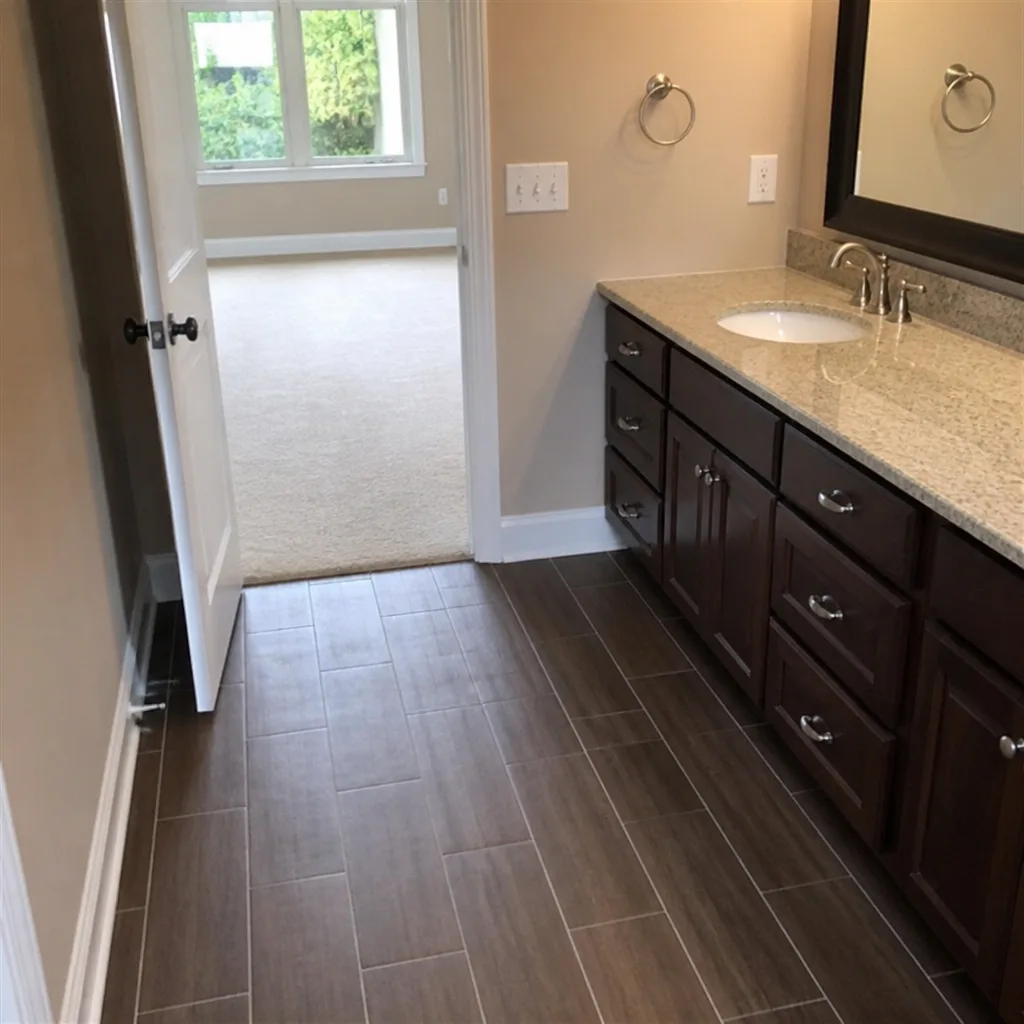
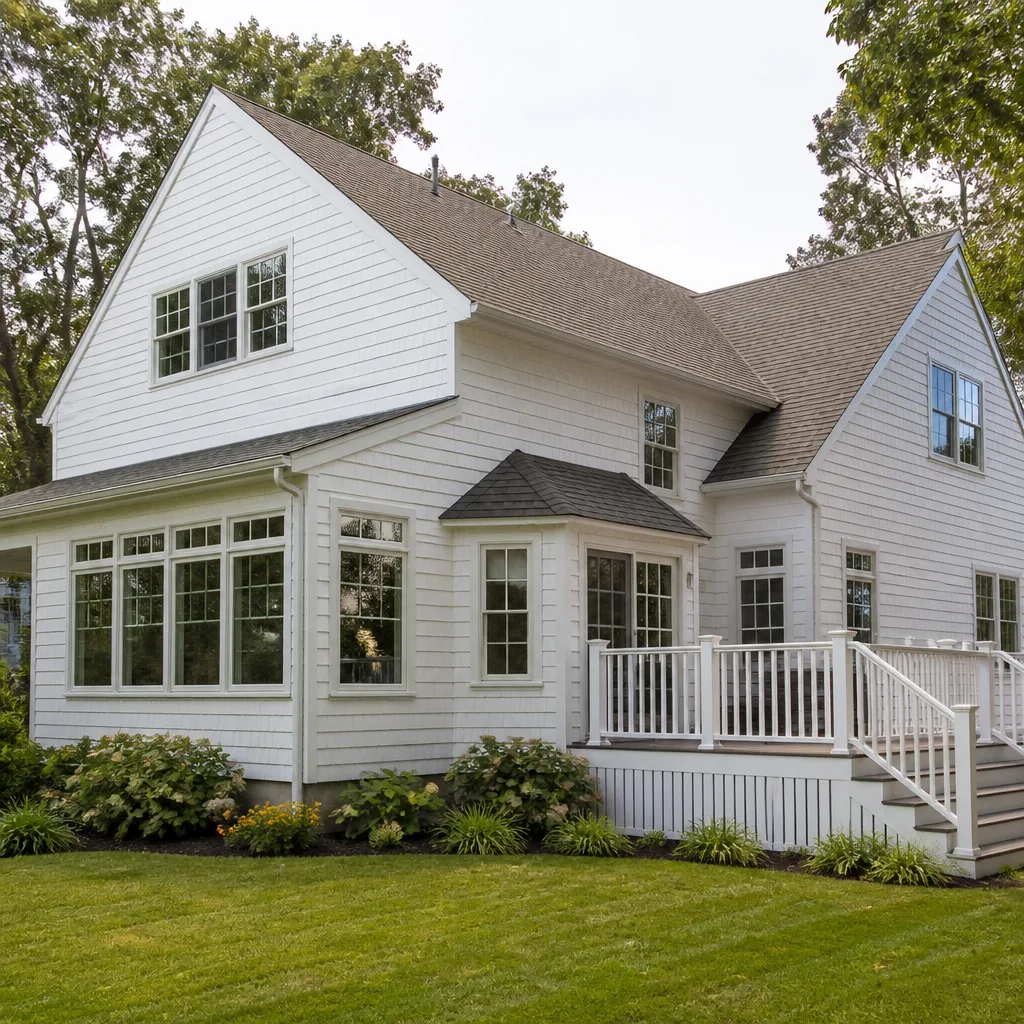
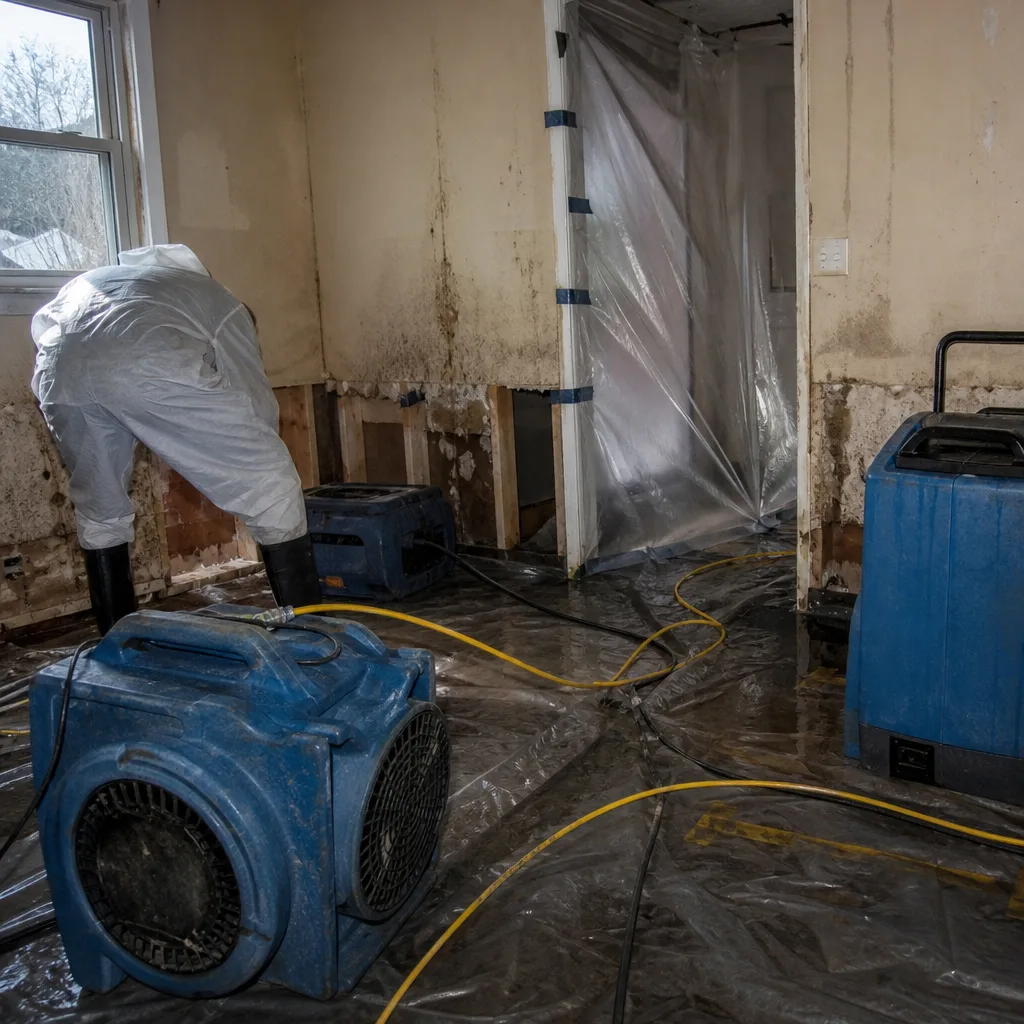 Before
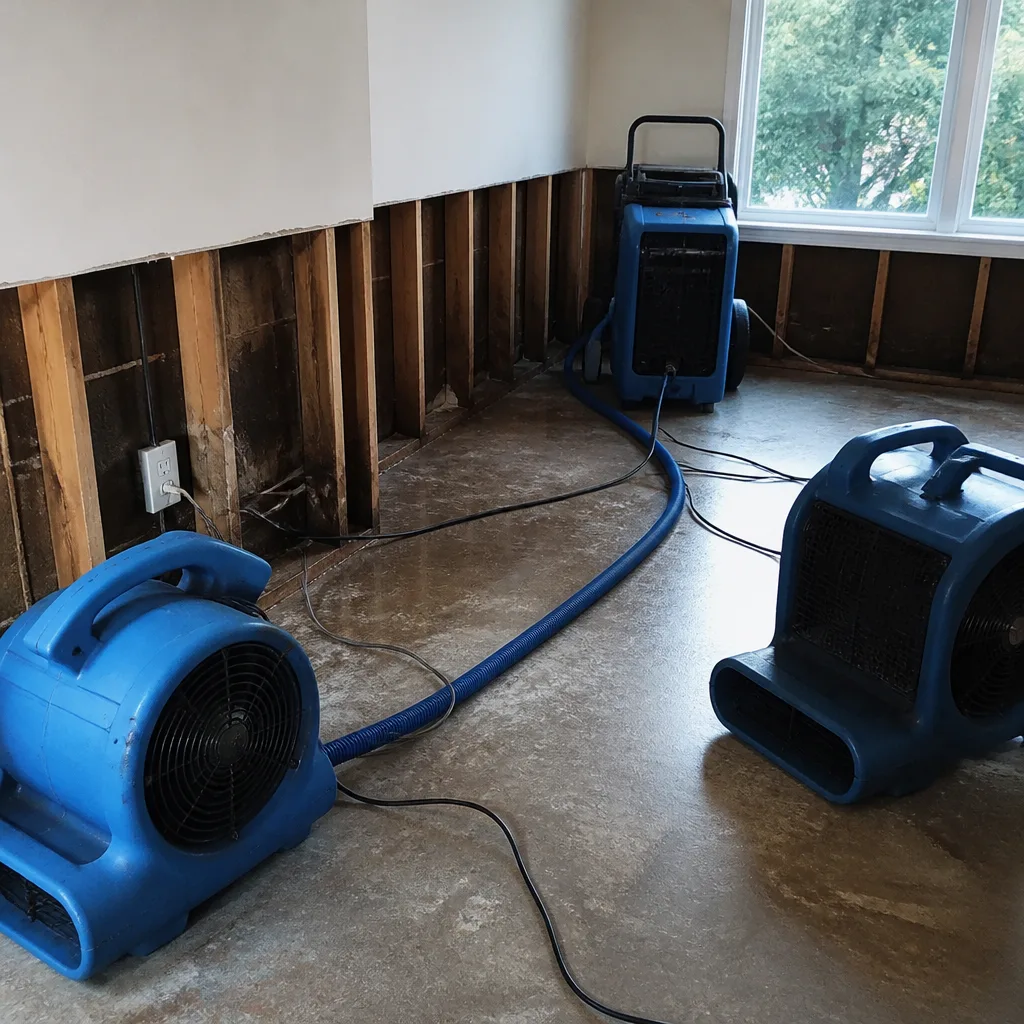 After
After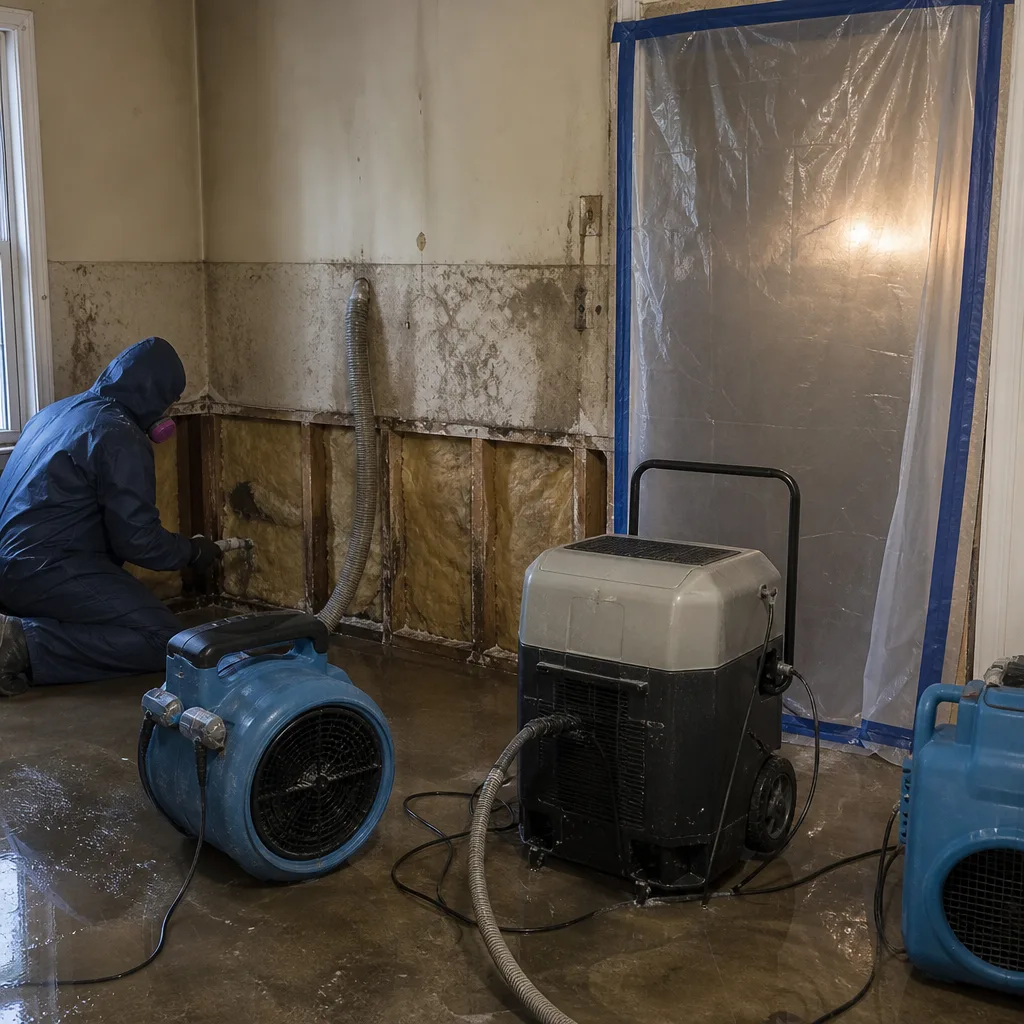 Before
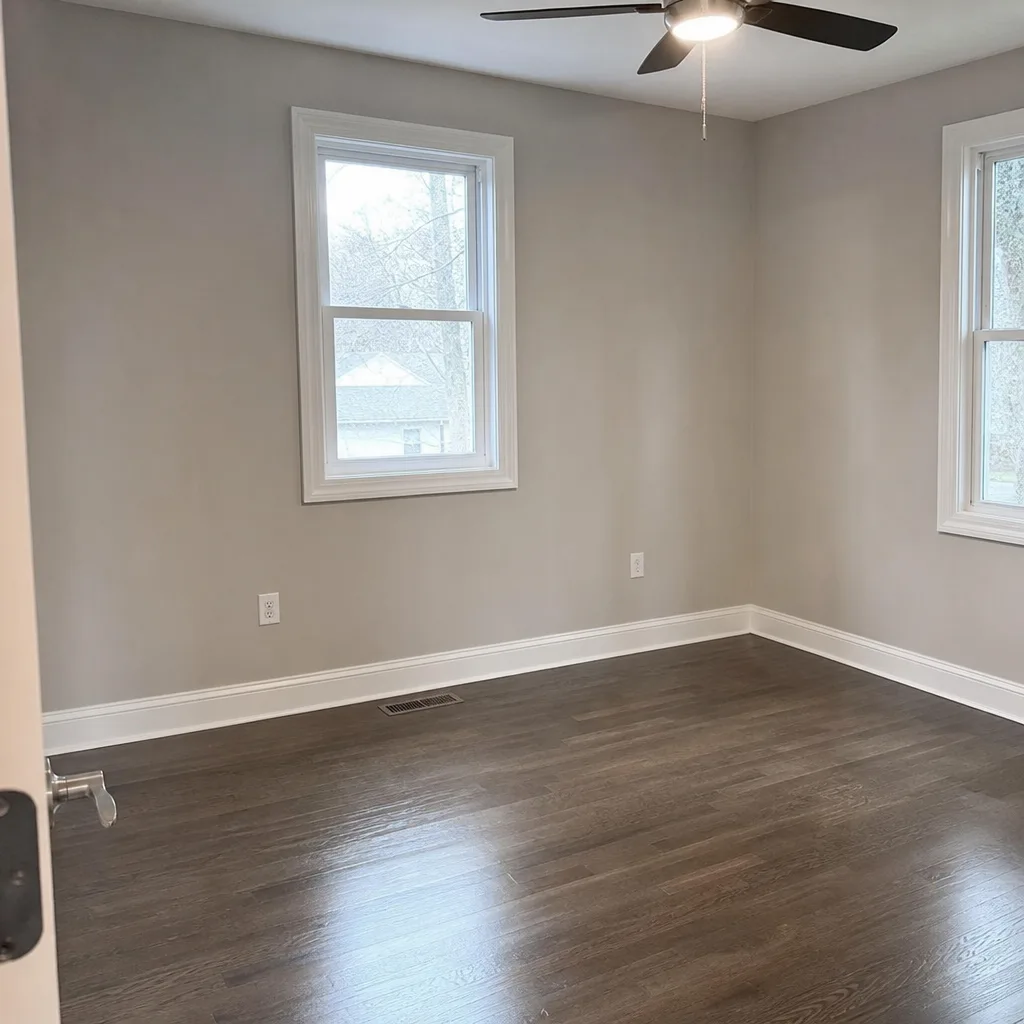 After
After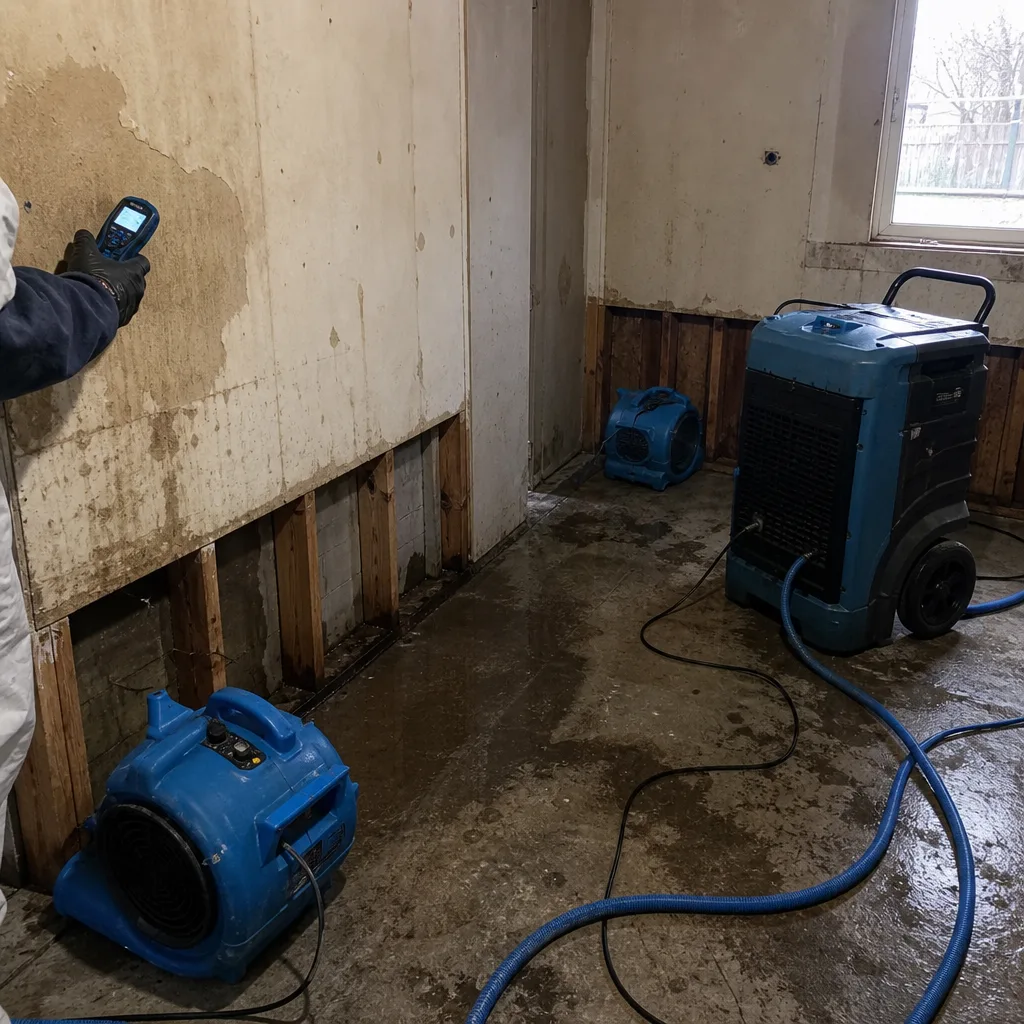 Before
 After
After24/7 Emergency Fire & Smoke Damage Restoration in Fort Lee
Fire and smoke damage restoration in Fort Lee typically costs $3,200-$8,500 for a contained apartment unit and $12,000-$35,000 for multi-floor high-rise losses, with our crews on-site within 45 minutes of your call to (845) 875-4326. We answer live, 24 hours a day, 7 days a week - no voicemail, no callbacks tomorrow. The first hour after a fire is when smoke residues set into porous surfaces and acidic soot begins etching metal fixtures; delay turns a cleaning job into a replacement job. We provide a free visual inspection, a written price before any work starts, and photo-documented assessments from the moment we arrive.
Understanding Fire & Smoke Damage Restoration Severity in Fort Lee Properties
Fire damage in Fort Lee’s 1960s-1980s high-rise stock follows patterns rarely seen in single-family markets. Soot residue classification drives our response: dry smoke residue from fast-burning, high-heat fires produces powdery, easily smeared deposits; wet smoke residue from slow, oxygen-starved burns creates sticky, acidic films that bond to surfaces; protein residue from kitchen fires yields nearly invisible but pungent varnishes that standard cleaning misses entirely. Smoke migration through shared vertical pipe chases - the dominant construction feature in Fort Lee’s post-GWB boom towers - carries these residues floor-to-floor through slab penetrations before any odor complaint surfaces. Tertiary smoke damage, the odor and residue deposited in HVAC systems and wall cavities days after the visible fire is out, is routine in these buildings. We map migration with thermal imaging and document vapor pressure differentials - the force that drives smoke into cooler, lower-pressure cavities - to ensure the scope captures every affected unit, not just the one with the charred cabinets.
Why Fort Lee Property Owners Choose DryMark Restoration Englewood
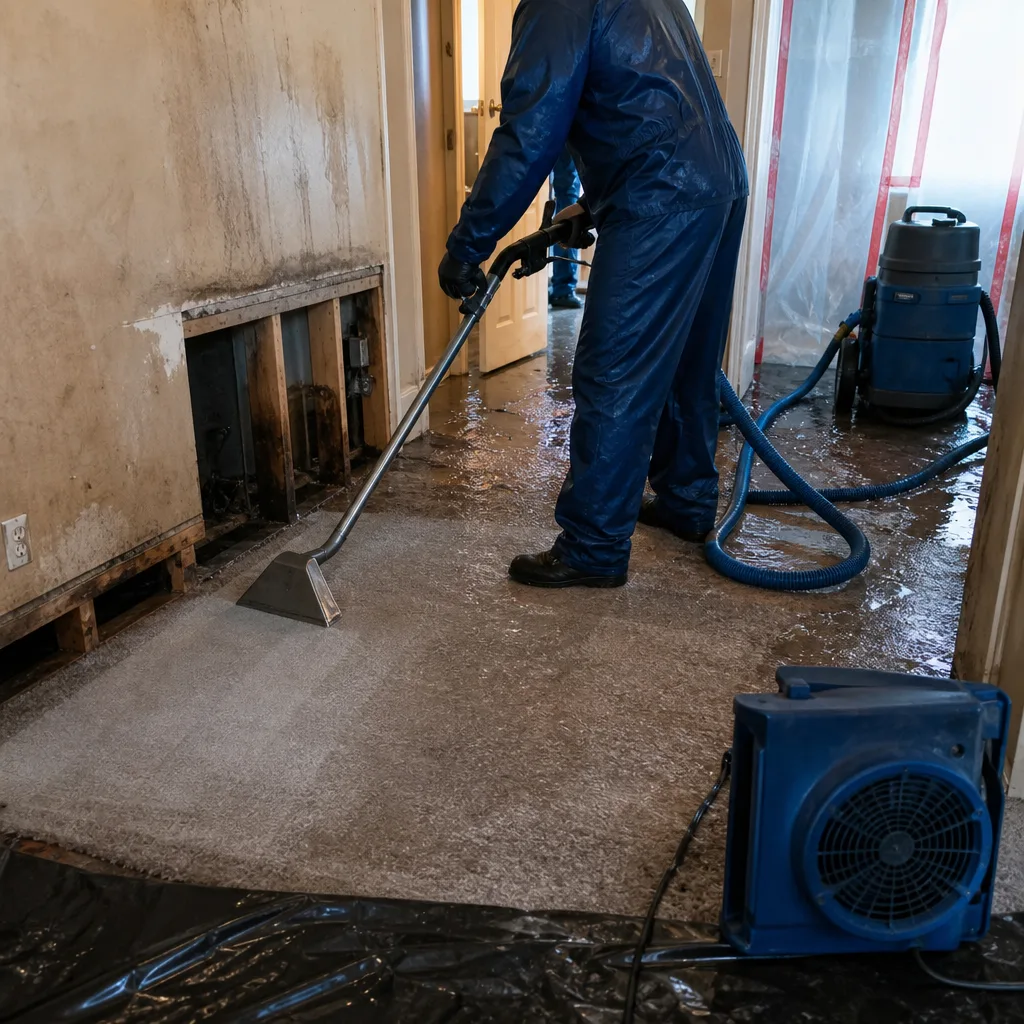
- 45-minute response commitment to Fort Lee properties, with crews staged for immediate dispatch across the Palisades corridor.
- 24/7 live answer - a real person, never an automated system, picks up every call to (845) 875-4326.
- IICRC-certified crews holding FSRT (Fire and Smoke Restoration Technician) and WRT (Water Damage Restoration Technician) credentials, with license numbers provided on request.
- Free visual inspection with a written scope delivered before any work begins, per Haven Standard, Clause 1.
- Direct insurance billing with photo-documented estimates that adjusters pay without dispute.
- One team from emergency board-up through final reconstruction - no handoffs to unknown subcontractors.
BeforeAfterOur Fire & Smoke Damage Restoration Process
1. Inspection & Assessment
We arrive with thermal imaging cameras, hygrometers, and moisture meters to trace smoke migration through shared pipe chases and slab penetrations. Every affected unit is documented with dated photos before any equipment enters the space.
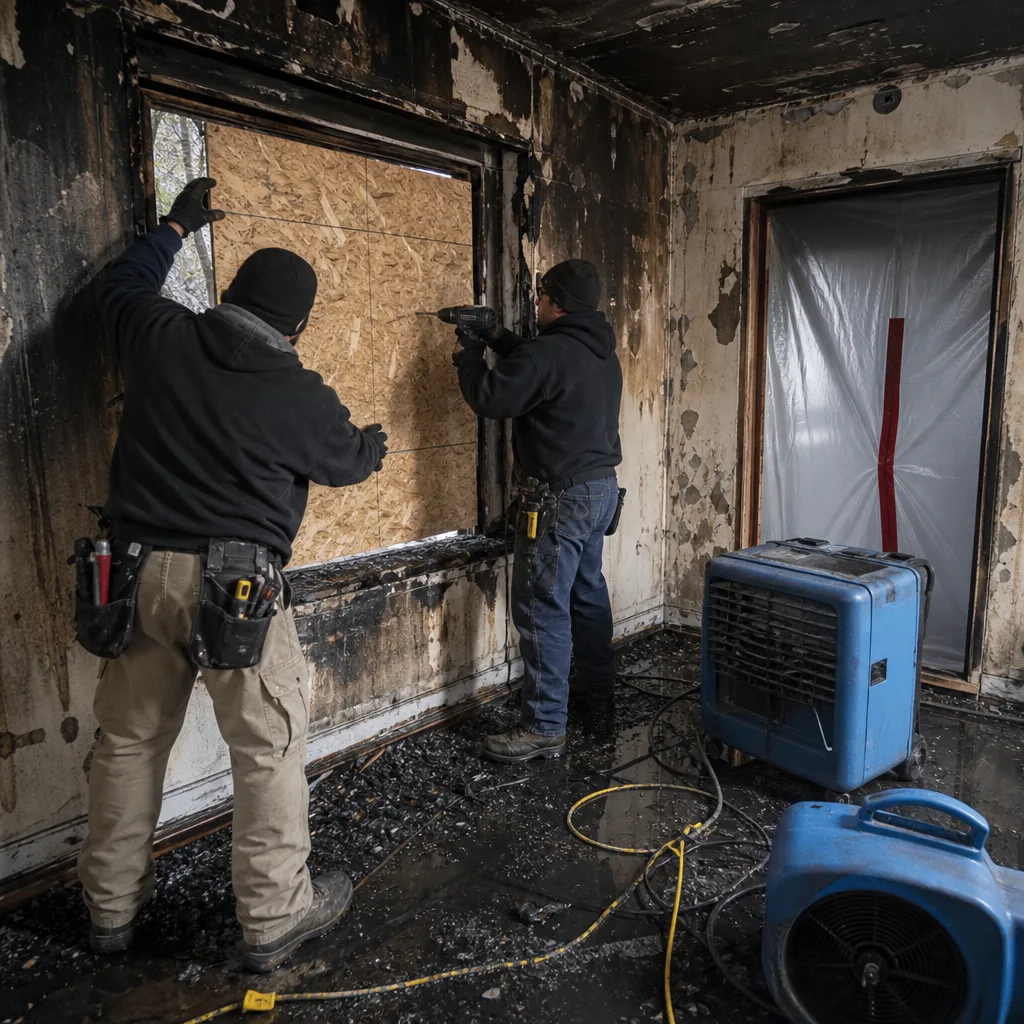
2. Emergency Board-Up & Stabilization
Broken windows and compromised doors are secured with fire-rated board-up materials. In Fort Lee’s cliff-top towers, we account for wind-driven rain infiltration through fire-damaged glazing - a secondary water loss we prevent, not discover later.
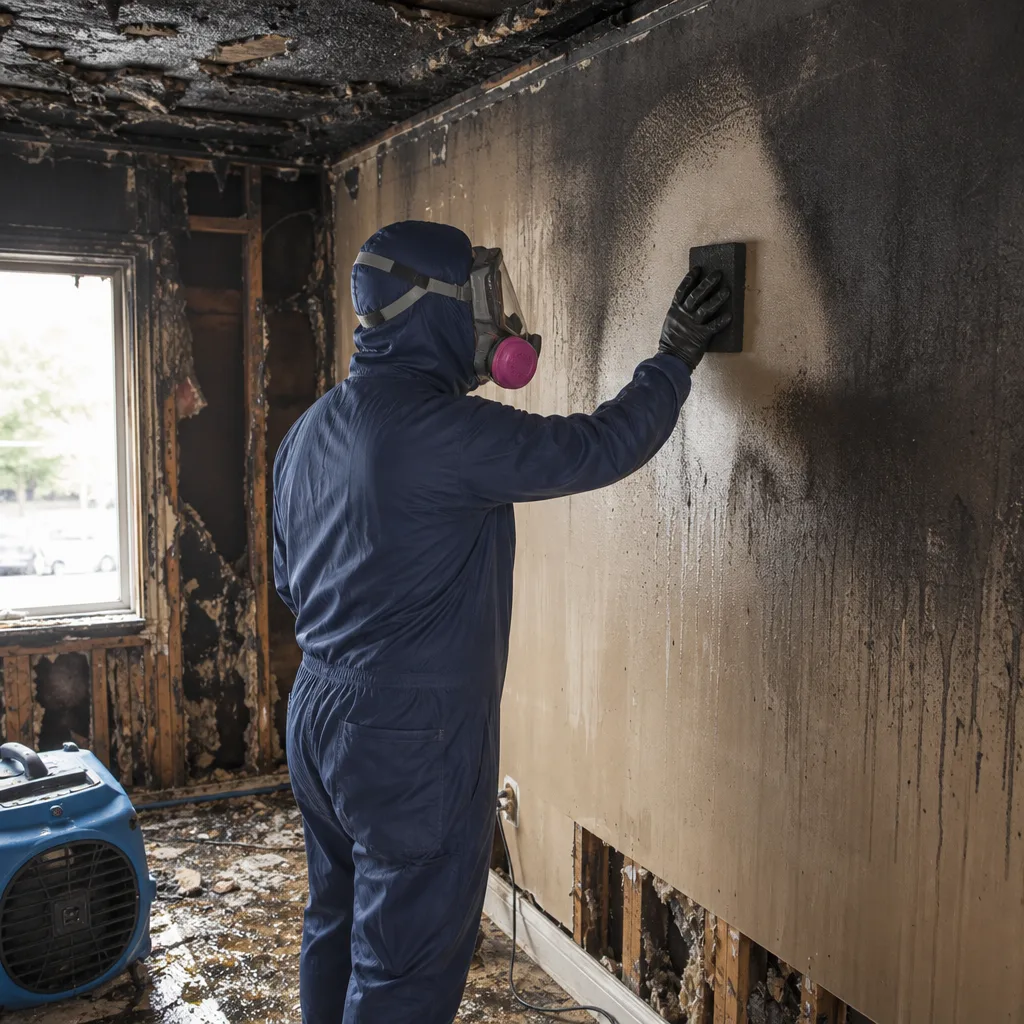
3. Smoke & Soot Extraction
HEPA air scrubbers and negative-air machines establish containment while our FSRT-certified technicians apply dry-ice blasting or ultrasonic cleaning matched to the residue type. We deploy Phoenix and Dri-Eaz equipment documented to IICRC standards.
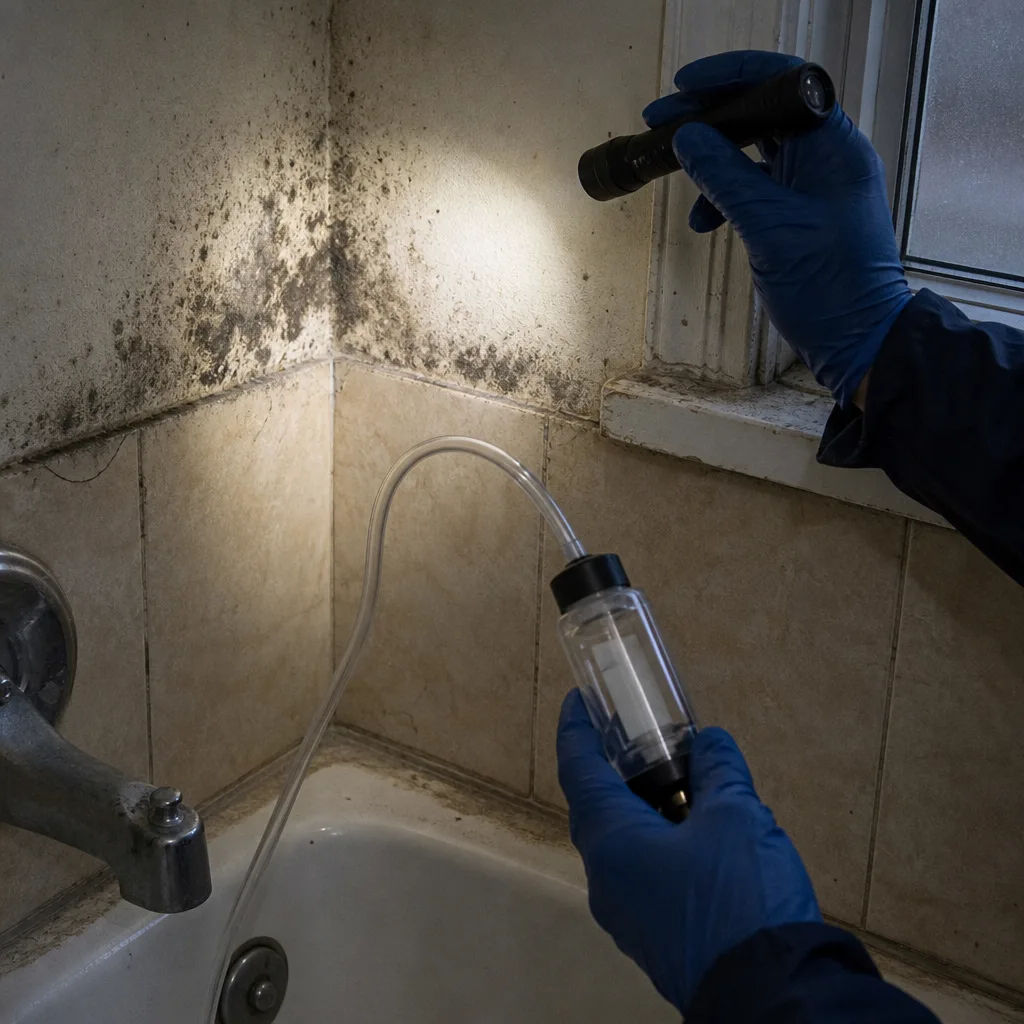
4. Cleaning & Sanitization
All salvageable surfaces receive pH-neutral cleaning agents followed by antimicrobial treatment. In Fort Lee’s concrete-and-brick towers, we pay particular attention to exposed aggregate ceilings and textured finishes where soot embeds deeply.
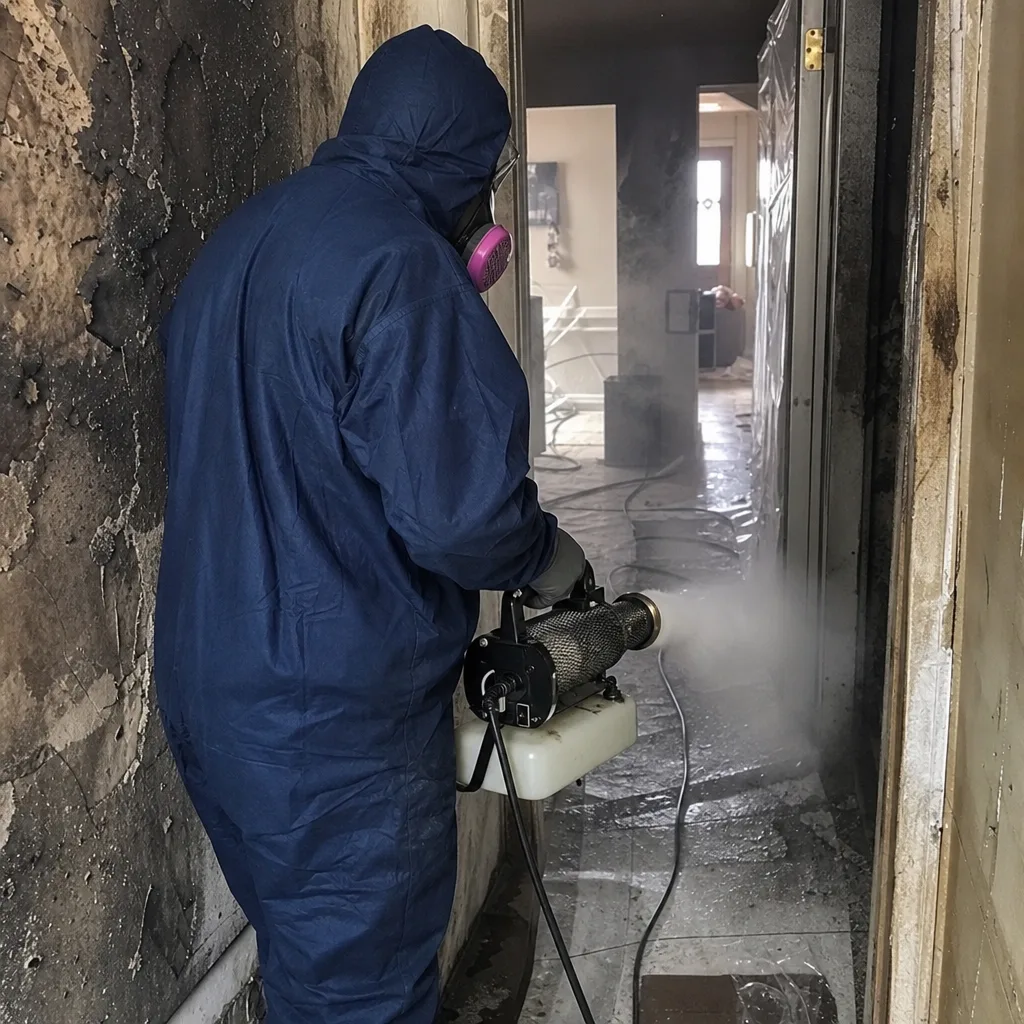
5. Odor Removal & Deodorization
Thermal fogging and ozone treatment neutralize odor molecules in wall cavities and HVAC runs. For protein residues from kitchen fires, we run multiple vapor-phase treatments until odor readings confirm elimination, not masking.
6. Repairs & Restoration
Our reconstruction team replaces damaged drywall, flooring, and fixtures to pre-loss condition. A final walkthrough with the property owner and written sign-off close the job under our 365-Day Done Right Promise.
Need Emergency Fire & Smoke Damage Restoration in Fort Lee Now?
Crews minutes away, answering live 24 hours a day. The sooner we start, the less it costs.
Working With Your Insurance Company
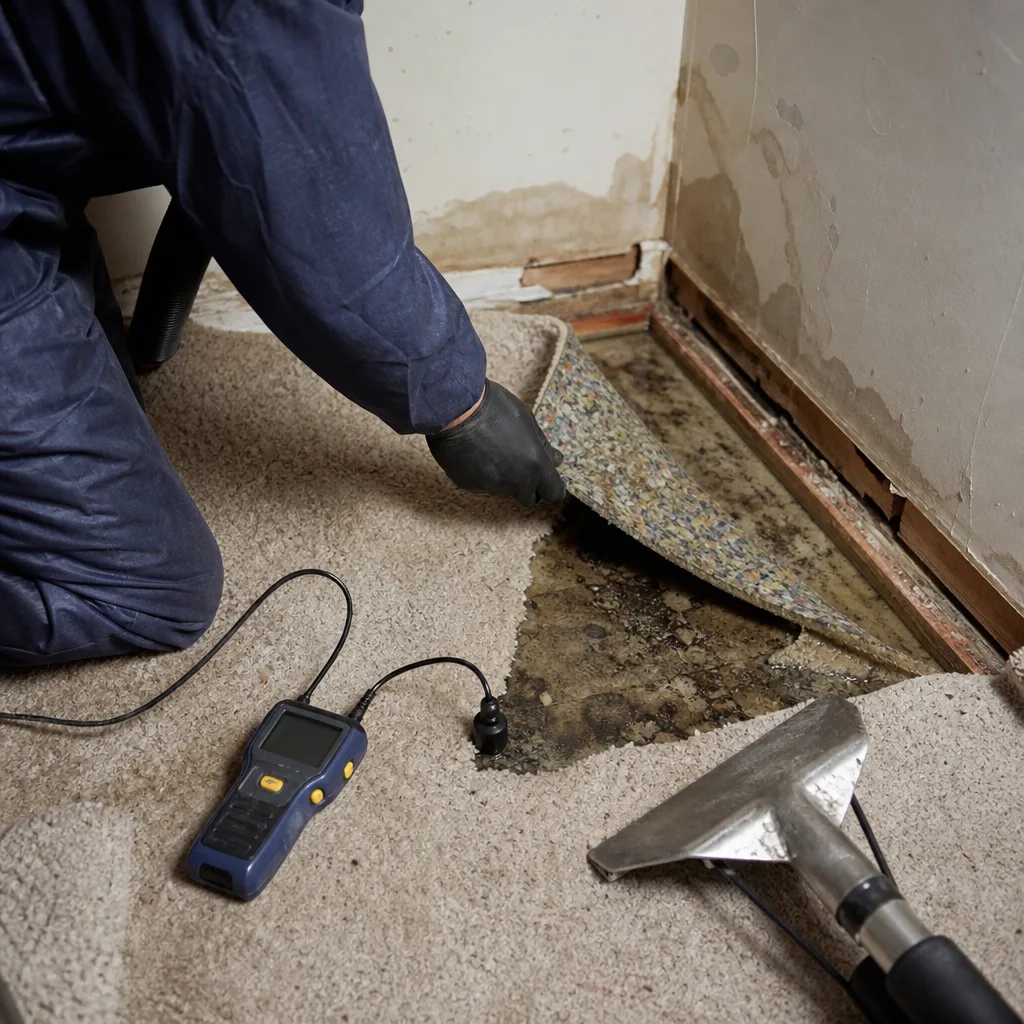
Fire claims in Fort Lee’s multi-unit towers involve complexities single-family adjusters rarely encounter: multiple policies, HOA master coverage questions, and the challenge of proving which damage originated from which floor. We begin documentation the moment we arrive. Our estimates follow industry-standard Xactimate pricing with line-item detail that carriers recognize and pay. We speak directly with your adjuster, provide moisture readings and drying logs for any water damage component, and coordinate with the building’s master policy carrier when common-area systems are affected. You receive the same documentation we send them: nothing hidden, nothing summarized away.
What We Provide Your Insurer
- Thorough documentation of the loss with room-by-room photo records
- Photos of all damage, dated and geotagged, on every visit
- Moisture readings and drying logs for fire-water hybrid losses
- A detailed, line-item scope of work with Xactimate pricing
- Direct coordination with your carrier and the HOA’s master policy adjuster
Built for Fort Lee’s Loss Calendar
January deep freezes crack aging galvanized risers in Fort Lee’s 1970s towers, producing pipe-chase moisture that complicates any winter fire loss with pre-existing humidity in wall cavities. Spring nor’easters drive salt-laden Hudson River spray against cliff-top facades at wind velocities that test every window seal; fire-heated glass fails more readily when thermal stress combines with corroded glazing. Summer kitchen fires spike with increased cooking activity in dense high-rise populations, and the same shared ventilation systems that spread cooking odors spread smoke residues with equal efficiency. Fall’s dry air increases static-electric ignition risks in aging electrical panels, while the heating season’s first furnace startups reveal soot-clogged ducts from prior losses that were never properly scoped. Our Fire & Smoke Damage Restoration team calendars these patterns and stocks accordingly.
Fire & Smoke Damage Restoration Across Fort Lee’s Neighborhoods
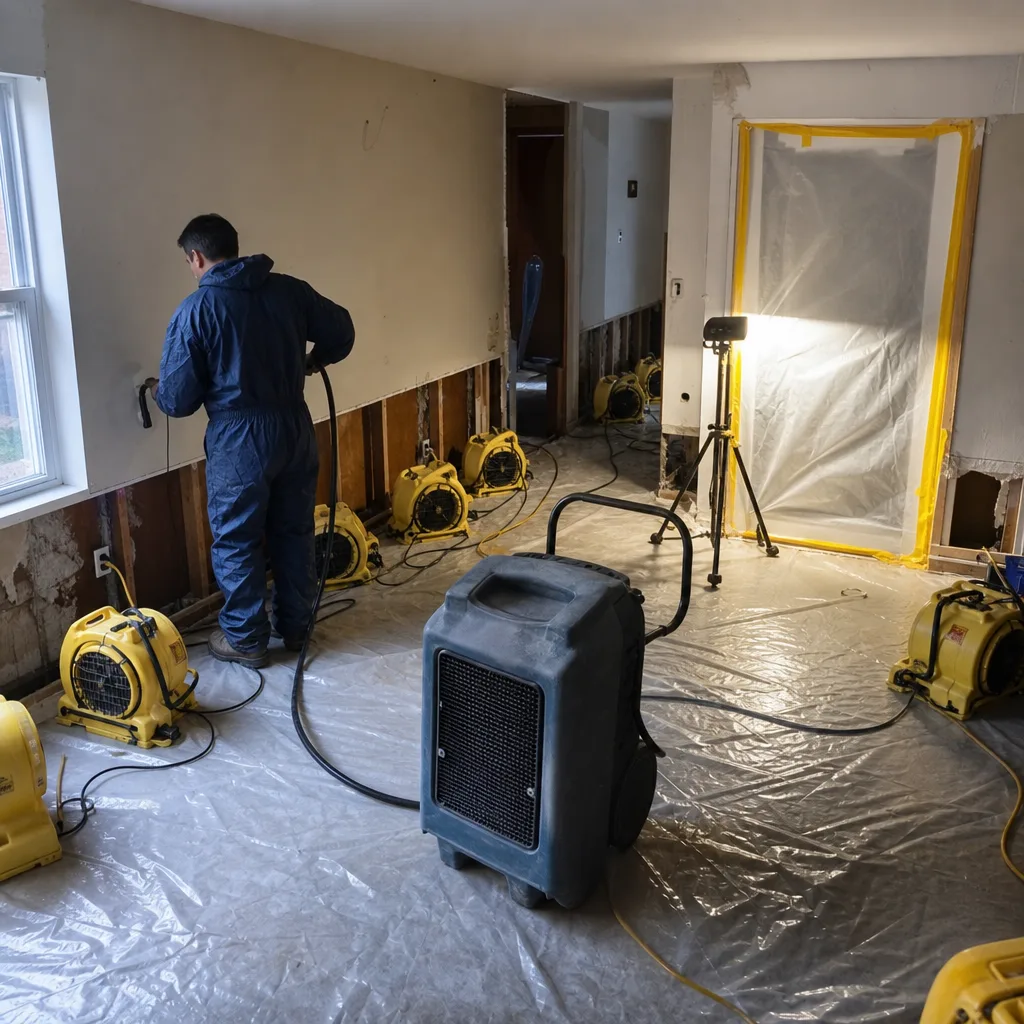
Our crews know the response routes and building patterns across Fort Lee’s distinct zones. In the high-rise corridor along Palisade Avenue and Lemoine Avenue, 1960s-80s concrete towers dominate; a single kitchen fire in these buildings routinely requires simultaneous containment on three to six floors, with elevator-access scheduling and HOA notification as baseline requirements, not complications. The Hudson Terrace and Center Avenue mid-rise zone presents similar vertical migration risks in slightly smaller buildings where original construction quality varies more widely. Near the waterfront along Main Street and the lower-lying blocks toward the Edgewater border, ground-floor and basement units sit in the post-Sandy flood-hazard awareness zone; fire losses here combine with chronic moisture in concrete slabs, demanding extraction and containment before structural drying can begin. The residential pockets near Fort Lee Historic Park and the Monument area include some of the city’s few detached and semi-attached homes, where smoke migration is horizontal through attached walls rather than vertical through pipe chases - a completely different scoping challenge. We adjust our equipment loadout and crew size for each zone before we leave our New York City dispatch office.
Specialized Fire & Smoke Damage Restoration Services We Offer in Fort Lee
Smoke & Soot Removal
Smoke residue in Fort Lee’s towers travels through pathways invisible to standard inspection. We use thermal imaging and borescope cameras to trace migration through shared pipe chases, then apply dry-ice blasting, ultrasonic cleaning, or chemical sponging matched to the residue type. Surface cleaning without cavity verification is a common failure mode in these buildings; we document the full path before we declare the job scoped.
Odor Removal & Deodorization
Protein residues from kitchen fires produce odors that penetrate concrete and linger in HVAC systems for months. Our vapor-phase deodorization with thermal fogging and ozone treatment reaches interstitial spaces where surface sprays fail. We verify elimination with odor readings, not nose checks.
Contents Cleaning & Pack-Out
When smoke damage affects multiple units simultaneously, on-site cleaning is often impractical. We inventory, photograph, and transport salvageable contents to our climate-controlled facility for ultrasonic and specialized textile cleaning. Each item is barcoded and tracked; nothing disappears into a generic box.
Emergency Board-Up & Tarping
Fire-damaged windows and compromised doors in Fort Lee’s cliff-top towers face immediate secondary damage from wind-driven rain and salt spray. Our board-up uses fire-rated materials rated for the wind exposure at Palisades elevation, not standard plywood that warps and leaks within days.
What happens when you call
- 1
A real person answersNo phone trees - you reach a local pro.
- 2
You get an upfront price rangeHonest numbers before anyone is dispatched.
- 3
A background-checked tech heads outLicensed & insured, dispatched right away.
- 4
You approve before work beginsNothing starts until you say go.
Fire & Smoke Damage Restoration Costs in Fort Lee, NJ
A contained single-unit smoke and soot cleanup in Fort Lee runs $3,200-$5,800. Multi-unit losses with vertical migration through shared pipe chases range $8,500-$18,000 depending on the number of floors and units affected. Full reconstruction after structural fire damage in a typical high-rise apartment starts at $12,000 and can exceed $35,000 when flooring, cabinetry, and HVAC replacement are required. Contents pack-out and cleaning adds $1,800-$4,200 based on volume. What moves the price: the residue type (protein fires require more labor than dry smoke), the migration path length, whether water damage from suppression requires extraction and drying, and the number of units involved. Most fire losses are insurance-covered; we provide the documentation that makes that coverage pay without dispute. Call (845) 875-4326 for a free visual inspection and written scope - Haven Standard, Clause 1: the price is delivered before any work starts.
We Also Serve Cities Near Fort Lee
Our crews respond throughout the Palisades corridor, including Fire & Smoke Damage Restoration in Fort Lee and neighboring Leonia, Palisades Park, Edgewater, and Ridgefield. The same building-stock patterns - 1960s-80s high-rises, shared vertical systems, cliff-top wind exposure - appear across these communities, and we scope and staff accordingly.
Serving Fort Lee, NJ - Our Local Coverage Area
We’re based in the Fort Lee area and know this community well. Use the map below to see our service coverage - if you’re nearby, we can almost certainly help.
Fort Lee Fire & Smoke Damage Restoration Questions, Answered
Why does a small kitchen fire in my Fort Lee high-rise sometimes require cleanup in multiple units?
Smoke and soot travel through shared vertical pipe chases and slab penetrations that are standard construction in Fort Lee’s 1960s-1980s towers. A fire on floor 11 routinely deposits residue in units on floors 9, 10, and 12 before any odor complaint surfaces. We map the full migration path with thermal imaging and scope every affected unit, not just the one with the burned pan. Call (845) 875-4326 for a free inspection.
How does the salt air near the Palisades cliffs affect fire damage restoration in Fort Lee?
Salt-laden Hudson River air corrodes window glazing and spandrel seals at Palisades elevations, weakening the barriers that contain smoke to a single unit. Fire-heated glass fails more readily, and compromised seals let smoke enter wall cavities and interstitial spaces that standard surface cleaning never reaches. We inspect seal condition as part of every scoping visit. Call (845) 875-4326 for an assessment.
Do you handle the HOA coordination and elevator scheduling required for fire restoration in Fort Lee towers?
Yes. Elevator access scheduling and HOA notification are baseline requirements for multi-unit fire restoration in Fort Lee, not add-on services. We coordinate with building management before our crews arrive, reserve freight elevators for equipment transport, and provide the documentation package that satisfies most HOA insurance requirements. Call (845) 875-4326 to discuss your building’s specific protocols.
What is the first thing you do when you arrive at a fire-damaged unit in a Fort Lee tower?
We photograph the condition before any equipment enters, test for smoke migration into adjacent units and vertical chases with thermal imaging, and establish containment with HEPA air scrubbers if multiple floors are affected. Only then do we begin residue removal. This sequence prevents cross-contamination and documents the full scope for insurance. Call (845) 875-4326 for immediate response.
Can you clean and store my belongings during fire restoration in Fort Lee?
Yes. Our contents pack-out service inventories, photographs, and barcodes every item before transport to our climate-controlled cleaning facility. Textiles receive specialized odor removal; hard goods get ultrasonic cleaning. Each item is tracked and returned when reconstruction is complete. Call (845) 875-4326 to schedule pack-out.
How fast can someone actually get to my Fort Lee building?
Our commitment is 45 minutes from your call to on-site arrival for Fort Lee properties. We stage crews for the Palisades corridor and coordinate dispatch from our New York City office. Live answer 24/7 means no delay for callback queues. Call (845) 875-4326 now.
Will insurance cover my fire damage restoration, or will I pay out of pocket?
Most fire losses are covered under standard homeowner or HO-6 policies, with the building’s master policy typically covering common-area damage. We provide the photo documentation, line-item scopes, and moisture readings that adjusters need to approve claims. Our direct billing means you are not floating costs while waiting for reimbursement. Call (845) 875-4326 and we will review your coverage specifics.
How long does fire and smoke damage restoration take in a Fort Lee high-rise?
A contained single-unit smoke and soot cleanup typically takes 3-5 days. Multi-unit vertical migration losses require 7-14 days depending on the number of floors affected and whether water from suppression requires structural drying. Reconstruction adds 2-6 weeks based on material availability and HOA approval timelines. We provide a written schedule with the scope. Call (845) 875-4326 for a firm timeline on your specific loss.
After a kitchen fire on the 11th floor of a 1970s concrete-and-brick tower near the George Washington Bridge, our crew found smoke residue had migrated through the shared vertical pipe chase into units on floors 9, 10, and 12. We set up containment and air movers in each affected unit, ran thermal imaging and moisture mapping to confirm the full scope, and completed soot removal and antimicrobial treatment on all four floors simultaneously while coordinating elevator access and HOA notifications with the building manager.
Because Fort Lee’s towers sit directly atop the Palisades basalt cliffs and the Hudson River channel, wind-driven rain and salt-laden air infiltrate through spandrel seals and window glazing at elevations that accelerate corrosion of galvanized risers and structural fasteners far faster than in inland Bergen County. This same exposure pattern means fire-heated glass and compromised seals create entry points for smoke into wall cavities that standard surface cleaning never reaches. Our scoping protocol includes seal-condition assessment and cavity inspection as standard practice, not optional add-ons. This Fort Lee fire and smoke damage page is the only one that explains how the city’s cliff-top salt-air exposure and 1960s-80s shared-pipe-chase construction combine to spread fire residue across multiple floors and units - a pattern you will not find in any inland Bergen County restoration guide.
Written by Alicia Brennan, Owner at Back to Dry Restoration, serving Fort Lee since 2011.
Fire & Smoke Damage Restoration in Nearby Areas