
Free visual inspection and a written scope of work before any mitigation begins - photos, moisture readings, and drying logs go in your claim file
The scope we write is the scope we bill. Anything new gets shown to you, in writing, before we touch it.
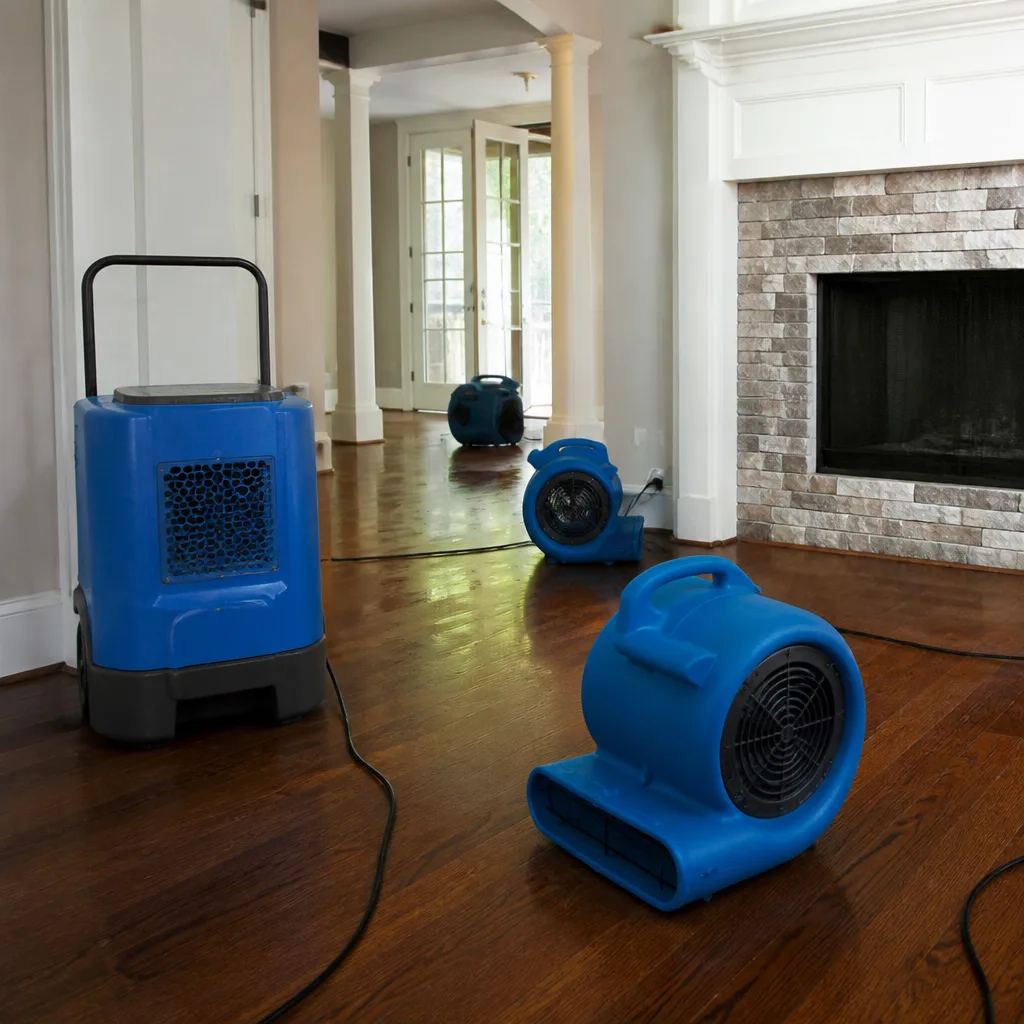

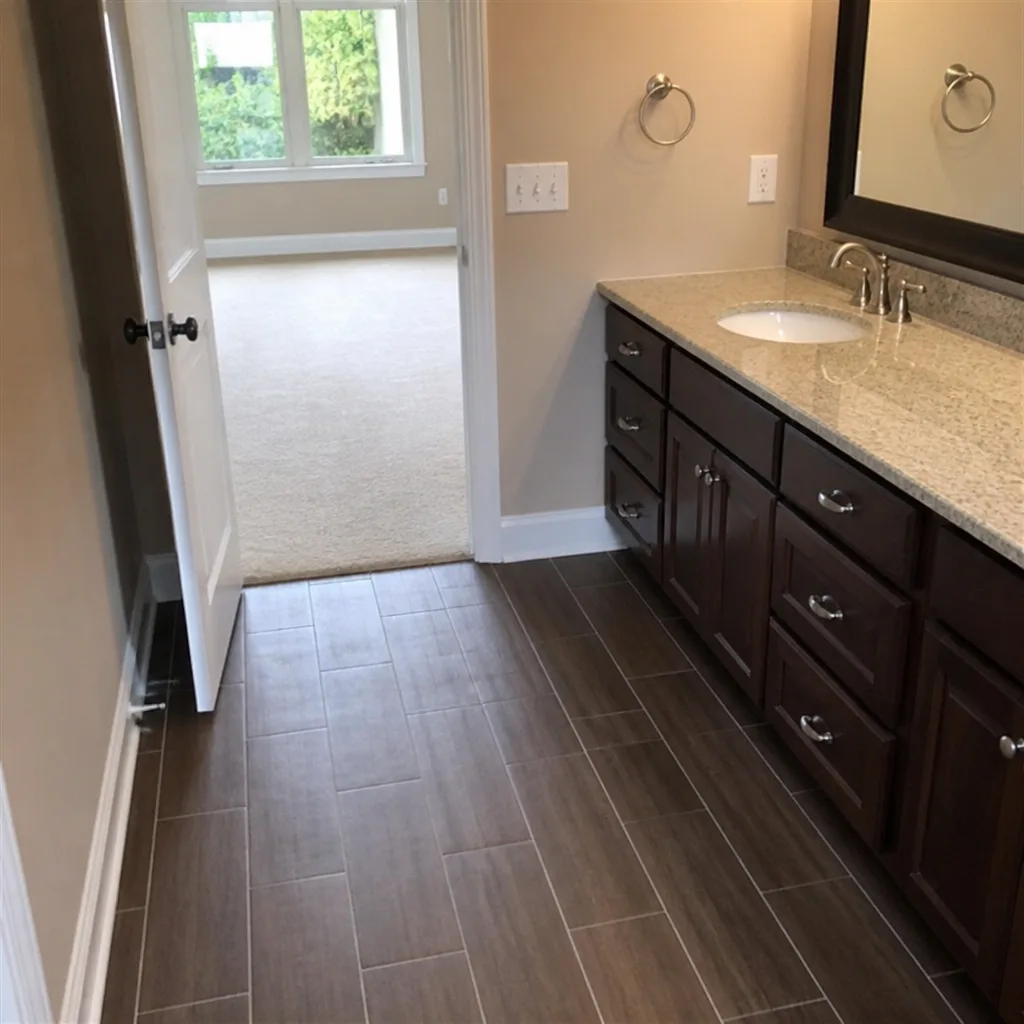
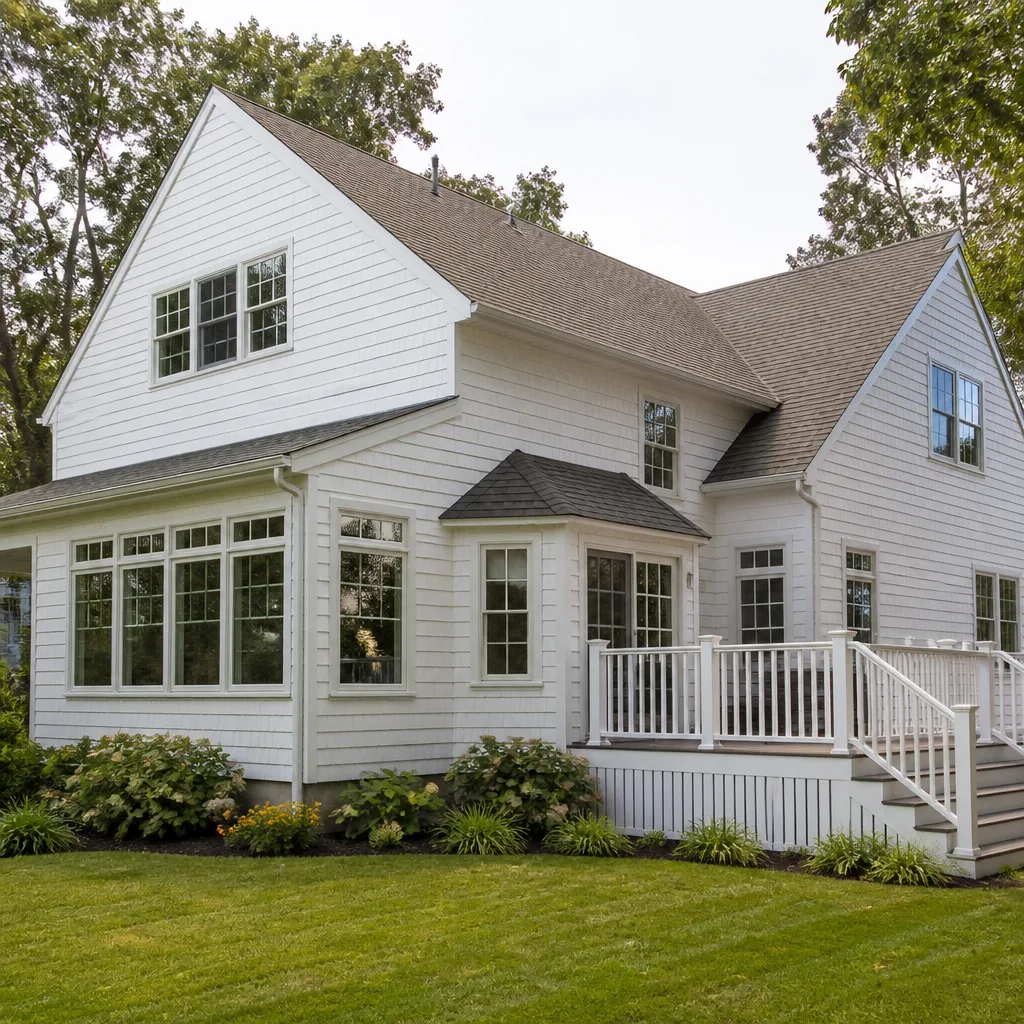
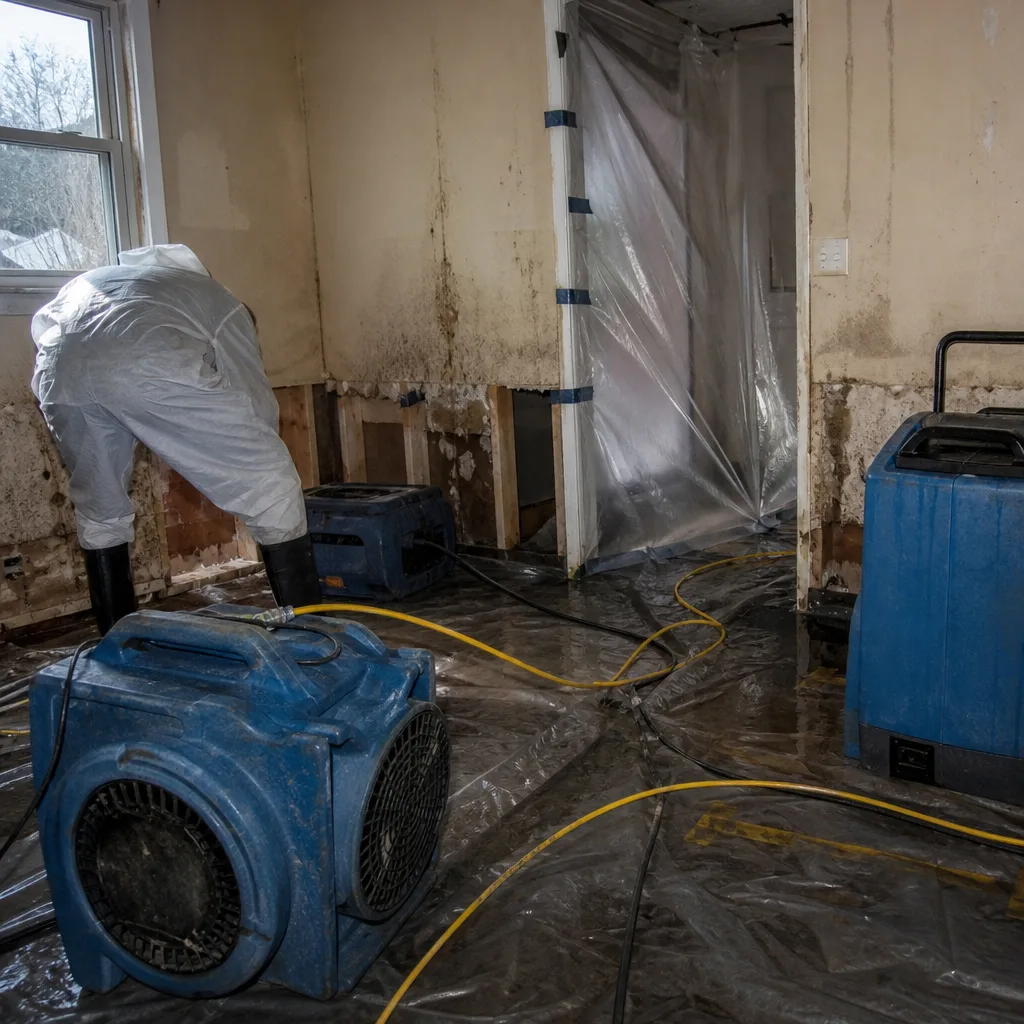 Before
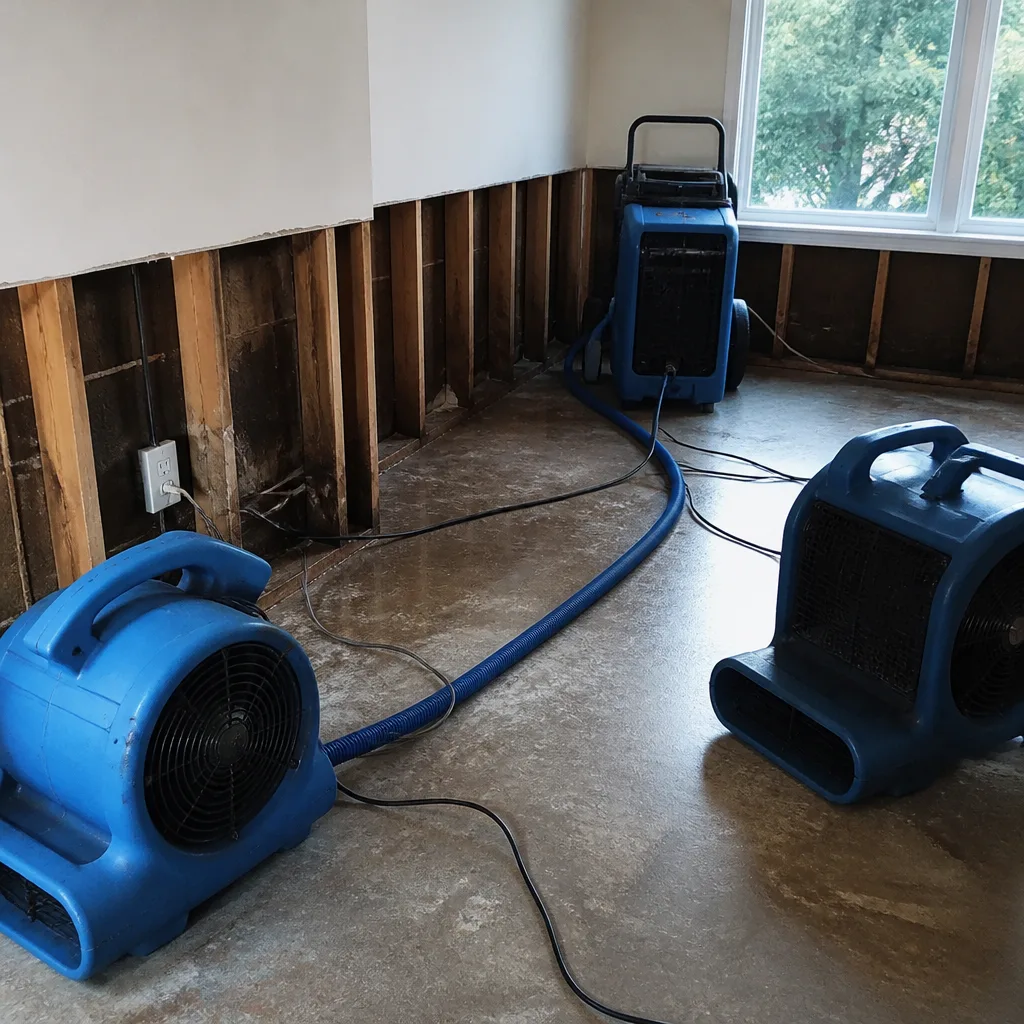 After
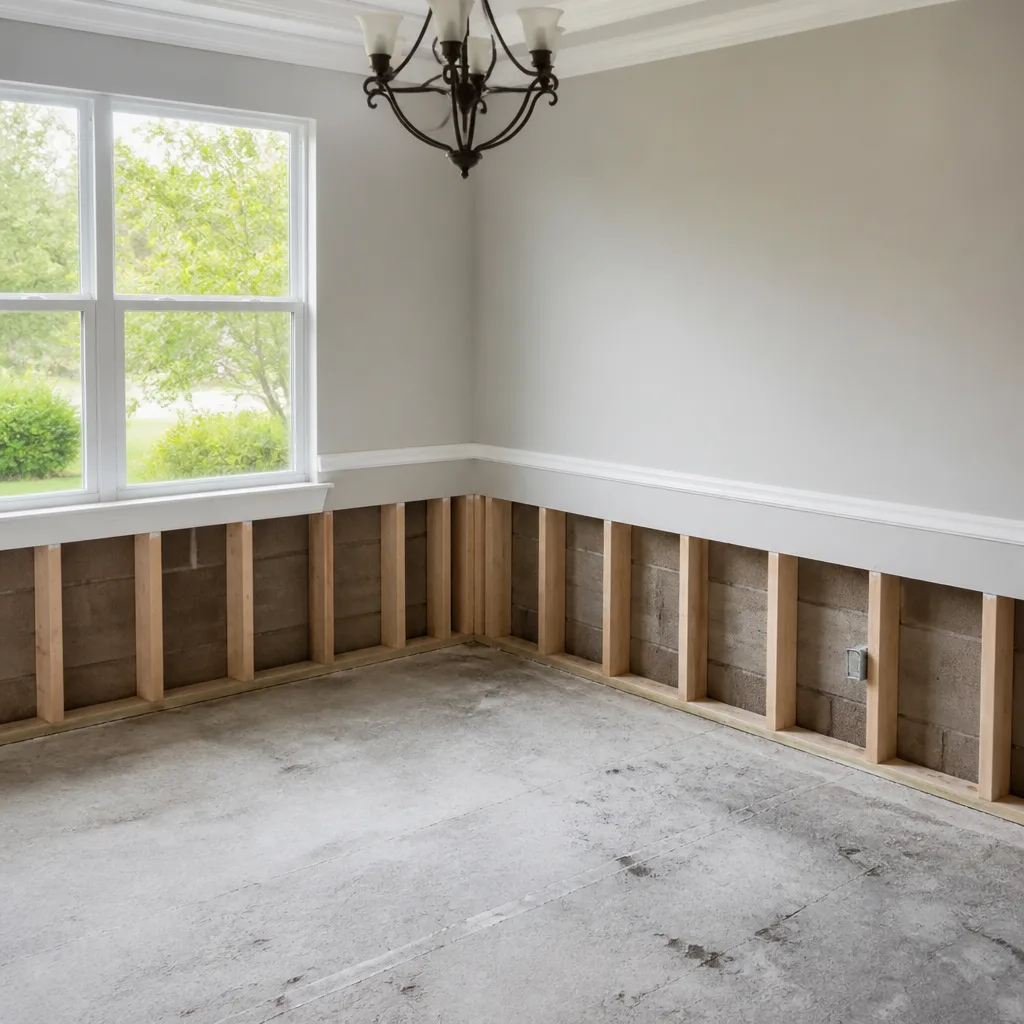
After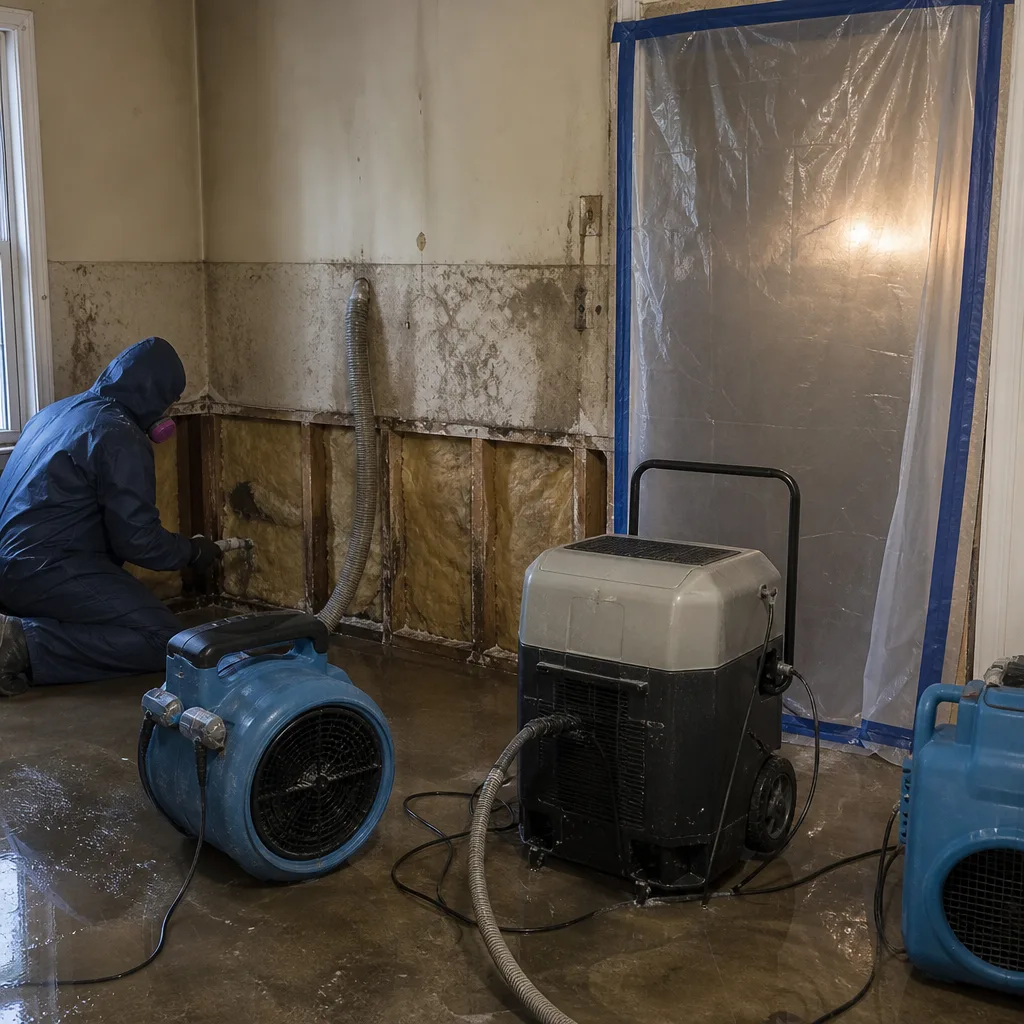 Before
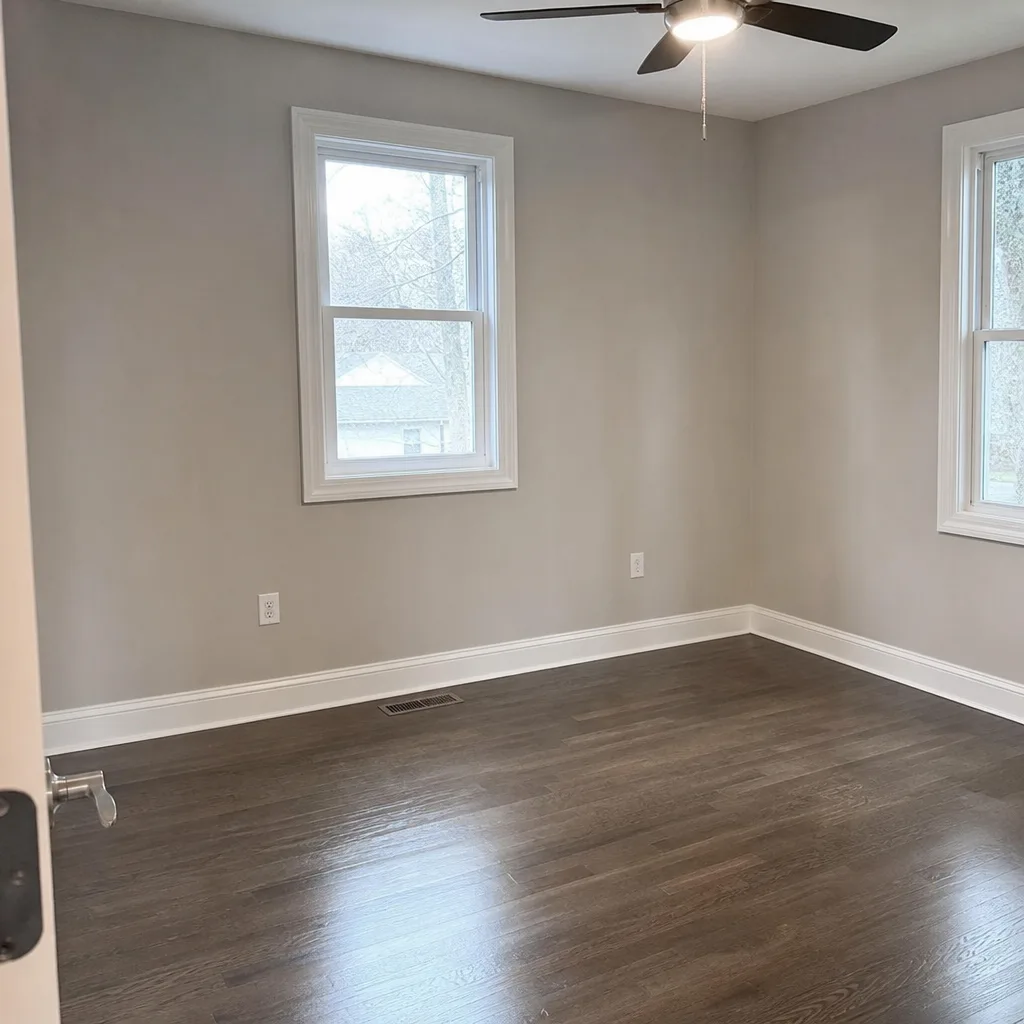 After
After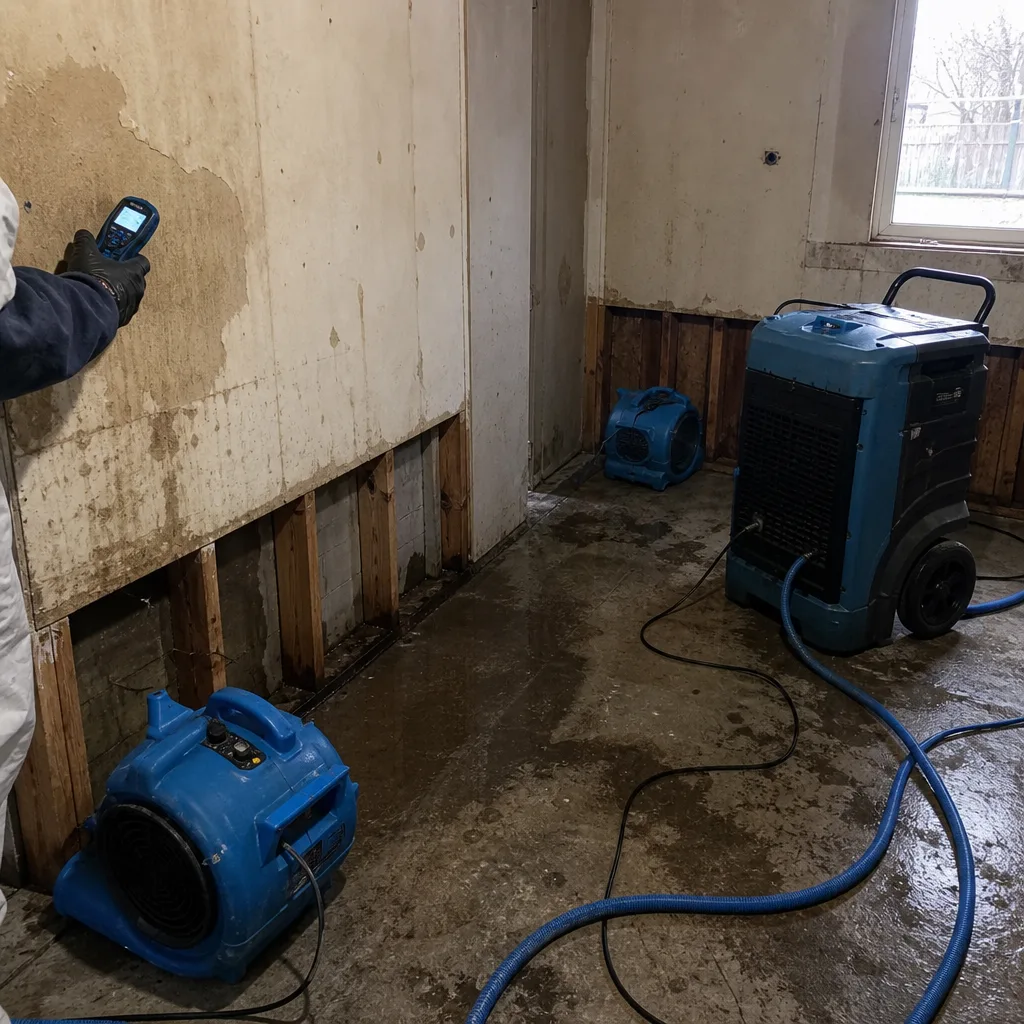 Before
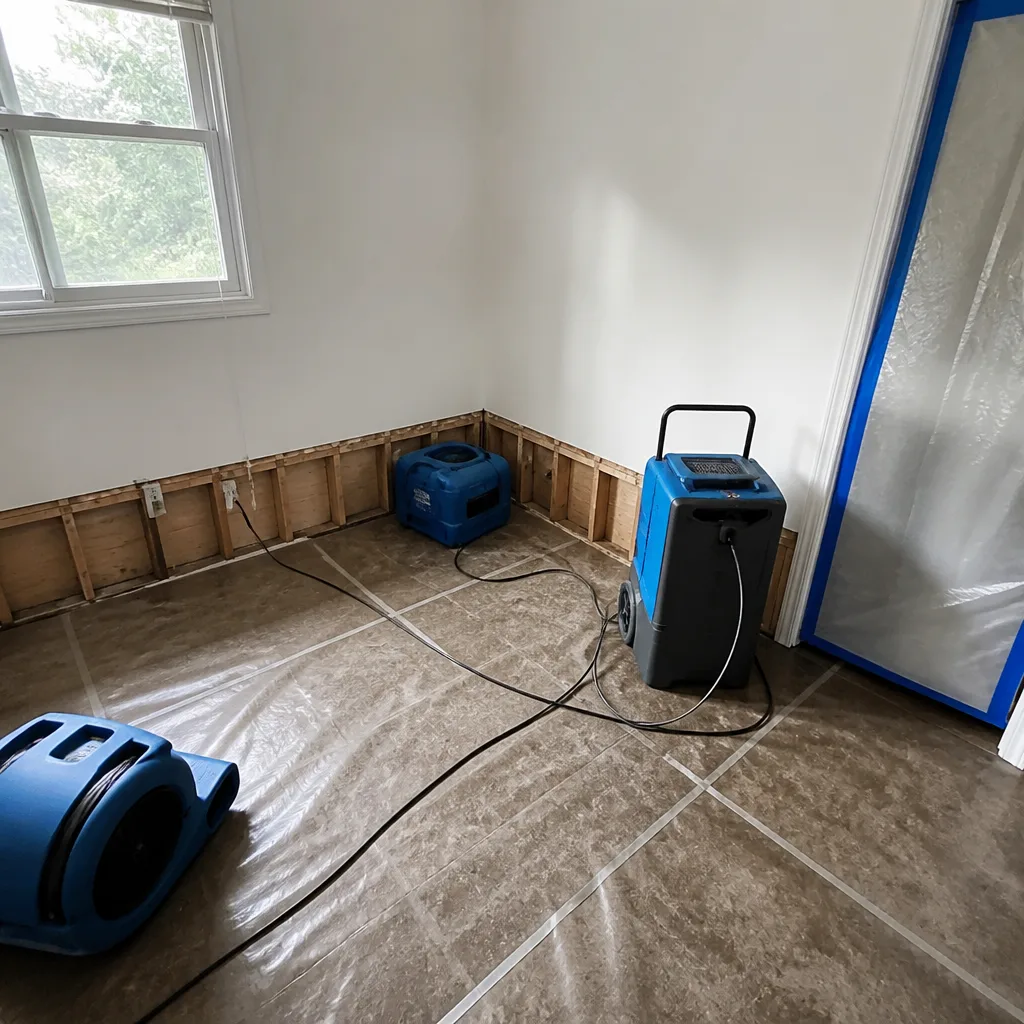 After
After24/7 Emergency Water Damage Restoration in Ridgefield
Water damage restoration in Ridgefield typically costs $1,800-$6,500 depending on contamination level and affected square footage, with emergency extraction starting at $350-$750 for the first two hours. Our crews answer live at (845) 875-4326, 24 hours a day, with no voicemail trees or next-business-day callbacks while water is still moving through your property. We dispatch within 45 minutes to Ridgefield addresses, carry out a free visual inspection, and deliver a written price before any equipment runs - Haven Standard, Clause 1.
The first hour determines whether a water loss stays a drying job or becomes a reconstruction project. In Ridgefield’s lower western sections, tidal pressure from the Hackensack River floodplain means groundwater keeps seeping through block foundations long after the visible water is gone. Starting extraction and establishing vapor pressure differential immediately limits lateral wicking into framing and insulation. Waiting even a few hours lets Category 1 water degrade to Category 2, or lets Category 2 floodwater pick up sediment and become Category 3.
Understanding Water Damage Restoration Severity in Ridgefield Properties
Water damage falls into three categories under IICRC S500 standards. Category 1 is clean water from a broken supply line or overflowing sink. Category 2 is gray water with elevated contamination, think dishwasher discharge or sump pump failure. Category 3 is black water: sewage, ground surface water, or tidal floodwater carrying sediment, hydrocarbons, and microbial load - the classification that applies to most Hackensack River surge events in Ridgefield’s floodplain-affected blocks.
Moisture mapping with thermal imaging and pinless meters lets us trace migration paths behind baseboards and under vinyl flooring. In Ridgefield’s post-WWII Cape Cods and ranches, we regularly find water traveling laterally through porous concrete-block foundation walls rather than pooling visibly. Structural drying then requires calculating vapor pressure differential, the measurable force that drives moisture from wet materials into the dehumidified air stream. Tertiary drying, the final phase where bound moisture releases from dense substrates like plaster or dimensional lumber, often takes 72+ hours in river-adjacent Ridgefield basements because tidal groundwater replenishes wall moisture faster than standard equipment cycles can pull it.
Ridgefield’s housing stock compounds these dynamics. The 1940s-1960s concrete-block foundations common throughout the borough were never designed for the seasonal water table at lower elevations. Block walls absorb groundwater through capillary action, then release it inward as vapor pressure equalizes. A ranch on a slab near Shaler Boulevard faces different drying parameters than a two-family Cape Cod near the river’s edge. We scope each structure by foundation type, elevation, and proximity to tidal influence, not by square footage alone.
Why Ridgefield Property Owners Choose DryMark Restoration Englewood
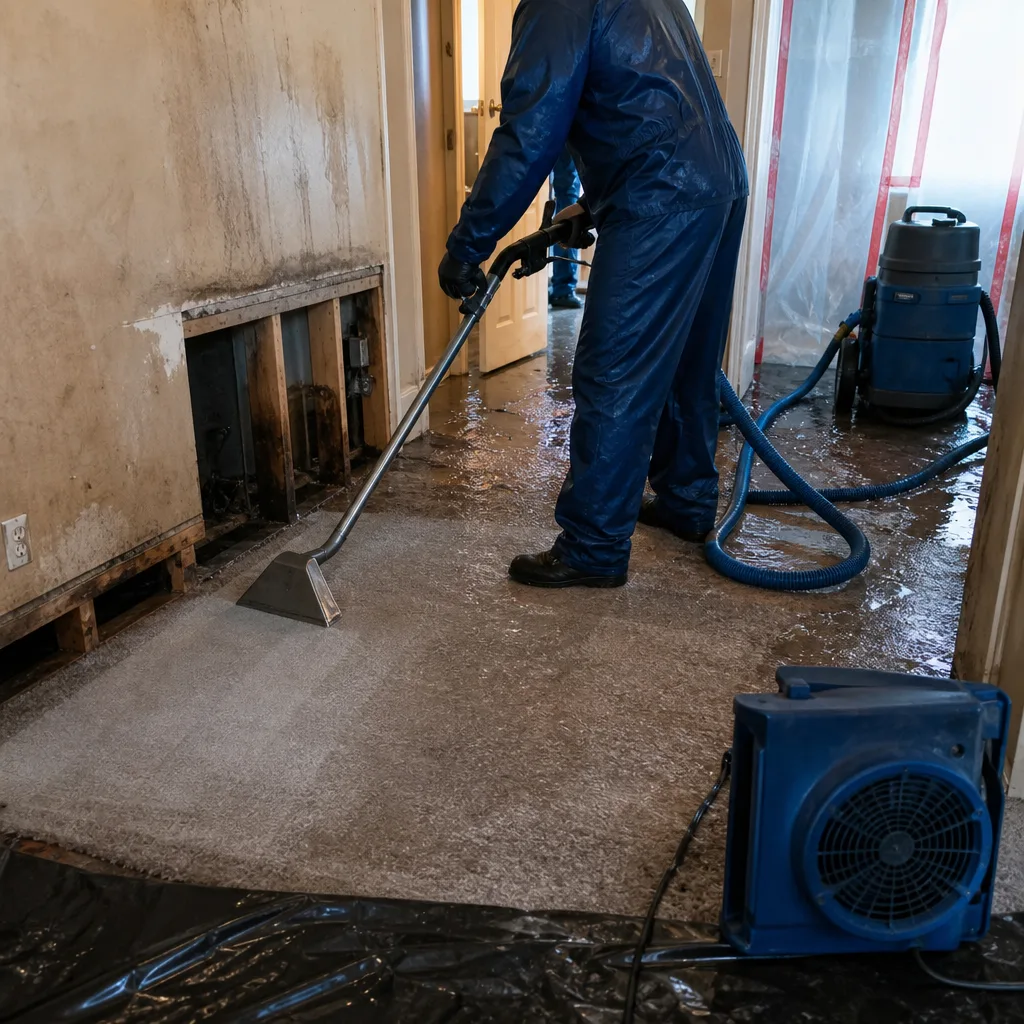
- 45-minute response commitment to Ridgefield addresses, with crews staged for Bergen County dispatch.
- 24/7 live answer by a real person, never an automated system - emergency lines ring to our New York City coordination office around the clock.
- IICRC-certified crews holding WRT (Water Damage Restoration Technician) and ASD (Applied Structural Drying) certifications, with AMRT (Applied Microbial Remediation Technician) on staff for Category 3 losses.
- Free visual inspection and written estimate before any work begins, every time, with no exceptions - Haven Standard, Clause 1.
- Direct insurance billing and adjuster coordination, with photo-documented drying logs that turn restoration invoices into payable claims.
- One team from extraction through reconstruction, so your scope doesn’t get handed off to a subcontractor who never saw the original loss conditions.
BeforeAfterOur Water Damage Restoration Process
1. Inspection & Assessment
We arrive with thermal imaging cameras, pin and pinless moisture meters, and hygrometers to map the full extent of migration. In Ridgefield’s river-adjacent neighborhoods, we specifically evaluate foundation type, tide cycle timing, and whether groundwater intrusion is ongoing. You receive a written scope and price before any equipment starts - Haven Standard, Clause 1.
2. Water Extraction & Stabilization
Truck-mounted extraction units remove standing water from flooring, followed by weighted extraction on carpets and light demolition if necessary. For Category 3 floodwater from Hackensack River surge, we establish containment barriers immediately and deploy negative air pressure with HEPA scrubbers to prevent cross-contamination to unaffected areas.
3. Structural Drying & Dehumidification
We deploy Dri-Eaz and Phoenix LGR dehumidifiers sized to the affected cubic footage, plus XPOWER and B-Air air movers positioned for optimal airflow across wet surfaces. In Ridgefield’s lower western sections, we extend standard drying cycles because tidal pressure keeps block foundations seeping for 48-72 hours post-storm. Daily moisture logs track specific humidity, temperature, and grain depression until materials reach dry standard.
4. Cleaning & Sanitization
All affected surfaces receive antimicrobial treatment appropriate to water category. Category 3 losses in Ridgefield’s floodplain get full wash-down with EPA-registered disinfectants targeting river-borne contaminants, plus HEPA vacuuming of settled sediment. We document every treated surface with photos for your adjuster.
5. Moisture Verification & Clearance
No job clears until moisture mapping confirms dry standard across all affected materials, including the concrete-block foundation walls that hide residual moisture in Ridgefield’s older housing stock. We provide a signed drying log with dated readings, photo documentation, and a 365-Day Done Right Promise under The Haven Standard.
6. Repairs & Restoration
Our reconstruction crew replaces removed drywall, flooring, and trim to pre-loss condition. Where storm entry points are identified, we reinforce or replace wind-rated doors and seal gaps that would allow re-saturation in the next event. One team, one scope, one accountable party from first extraction to final walkthrough.
Need Emergency Water Damage Restoration in Ridgefield Now?
Crews minutes away, answering live 24 hours a day. The sooner we start, the less it costs.
Working With Your Insurance Company
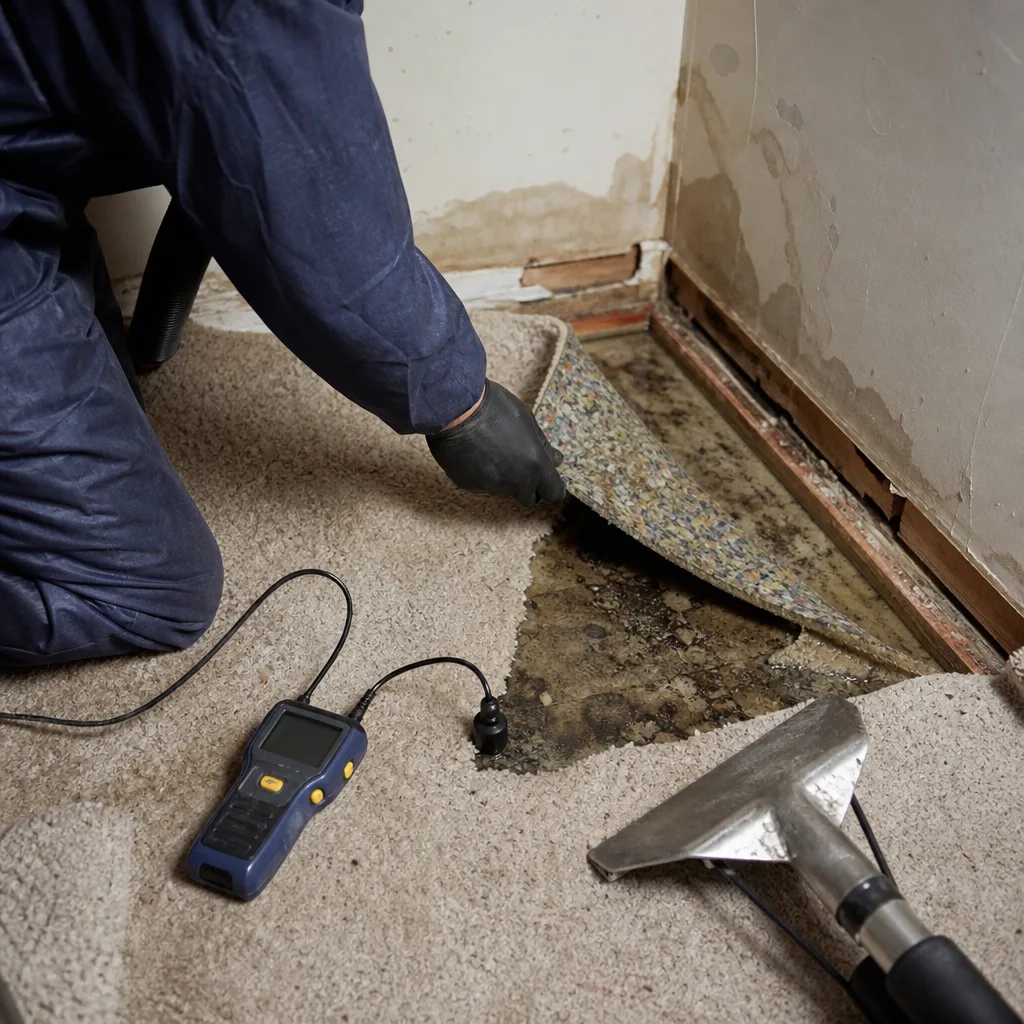
Documentation from the first hour is what separates a paid claim from a disputed one. We photograph every room before touching anything, record moisture readings at each structural point, and maintain daily drying logs that adjust equipment placement based on psychrometric data. Your adjuster receives a line-item estimate built to Xactimate standards, with direct coordination from our claims team. We don’t hand you an invoice and wish you luck with reimbursement.
Our Water Damage Restoration team has handled claims with every major carrier writing in Bergen County. We know what documentation triggers approval and what gaps generate requests for more information. The photo record we build on every visit becomes your evidence if coverage questions arise later.
What We Provide Your Insurer
- Thorough documentation of the loss
- Photos of all damage, room by room
- Moisture readings and drying logs
- A detailed, line-item scope of work
- Direct coordination with your carrier
Built for Ridgefield’s Loss Calendar
January deep freezes split copper supply lines in Ridgefield’s unheated crawl spaces and exterior walls, particularly in the older Cape Cods with minimal insulation at the rim joist. February and March bring freeze-thaw cycling that opens new cracks in block foundations, creating intrusion points that weren’t there the previous spring. April and May stack Bergen County’s heaviest rainfall onto saturated ground, pushing groundwater through those freshly opened pathways.
June through September thunderstorms can dump two inches in an hour onto Ridgefield’s impervious surfaces, overwhelming older storm drains and sending sheet flow toward lower elevations. Nor’easters from October through December combine coastal wind driven rain with tidal surge that pushes the Hackensack River into streets and basements along the western blocks. Each season produces distinct loss patterns, and our equipment staging and crew routing adjust accordingly. We keep additional LGR dehumidifiers in rotation for the extended cycles that river-adjacent properties require after fall and winter storm events.
Water Damage Restoration Across Ridgefield’s Neighborhoods
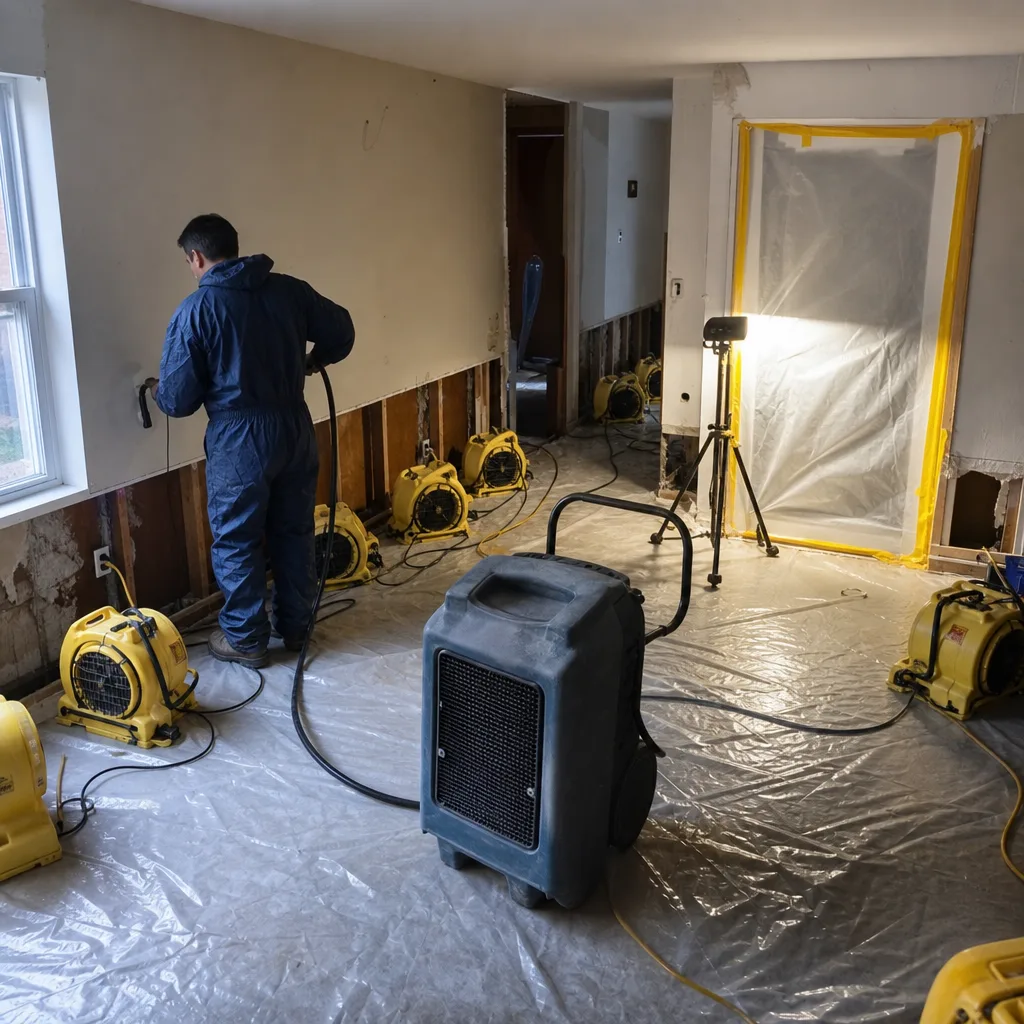
Near the intersection of Broad Avenue and Shaler Boulevard, the elevated Palisades-side streets drain faster and dry on more predictable timelines. Foundations here are more likely to be poured concrete from later construction, and water losses tend to be supply-line breaks rather than groundwater intrusion. Our crews can often clear these jobs in standard 48-60 hour cycles with standard dehumidifier placement.
The blocks west of Route 93, descending toward the Hackensack River, tell a different story. Cape Cods and two-family homes on Lincoln Street, Raymond Boulevard, and the streets feeding into Morse Place sit in the tidal floodplain. We’ve restored dozens of properties in this corridor where the basement was “dry” at 48 hours but re-wetted by tidal pressure at 60. Our scopes here build in extended dehumidifier runs, secondary moisture mapping at 72 and 96 hours, and contingency equipment on standby.
On a two-family Cape Cod near the river-adjacent streets in Ridgefield’s lower western section, our techs found a Category 3 finished basement after a nor’easter pushed tidal water through the concrete-block foundation. We set containment and ran Injectidry and Dri-Eaz dehumidifiers for an extended cycle because tidal pressure kept the block walls seeping well past the storm. Moisture mapping and drying logs confirmed dry standard before we cleared the job.
Properties near Veterans Field and the Ridgefield Community Center typically see roof and window leaks during wind events, with water traveling through ceiling assemblies and down interior wall cavities. These require careful moisture mapping to trace the full migration path, since the visible stain rarely marks the farthest extent of saturation.
Specialized Water Damage Restoration Services We Offer in Ridgefield
Emergency Water Extraction
Truck-mounted and portable extraction units remove standing water within the first hour of arrival. In Ridgefield’s floodplain-affected blocks, we pair extraction with immediate moisture mapping to identify whether groundwater is still actively entering through block foundations, which determines whether standard or extended drying protocols apply.
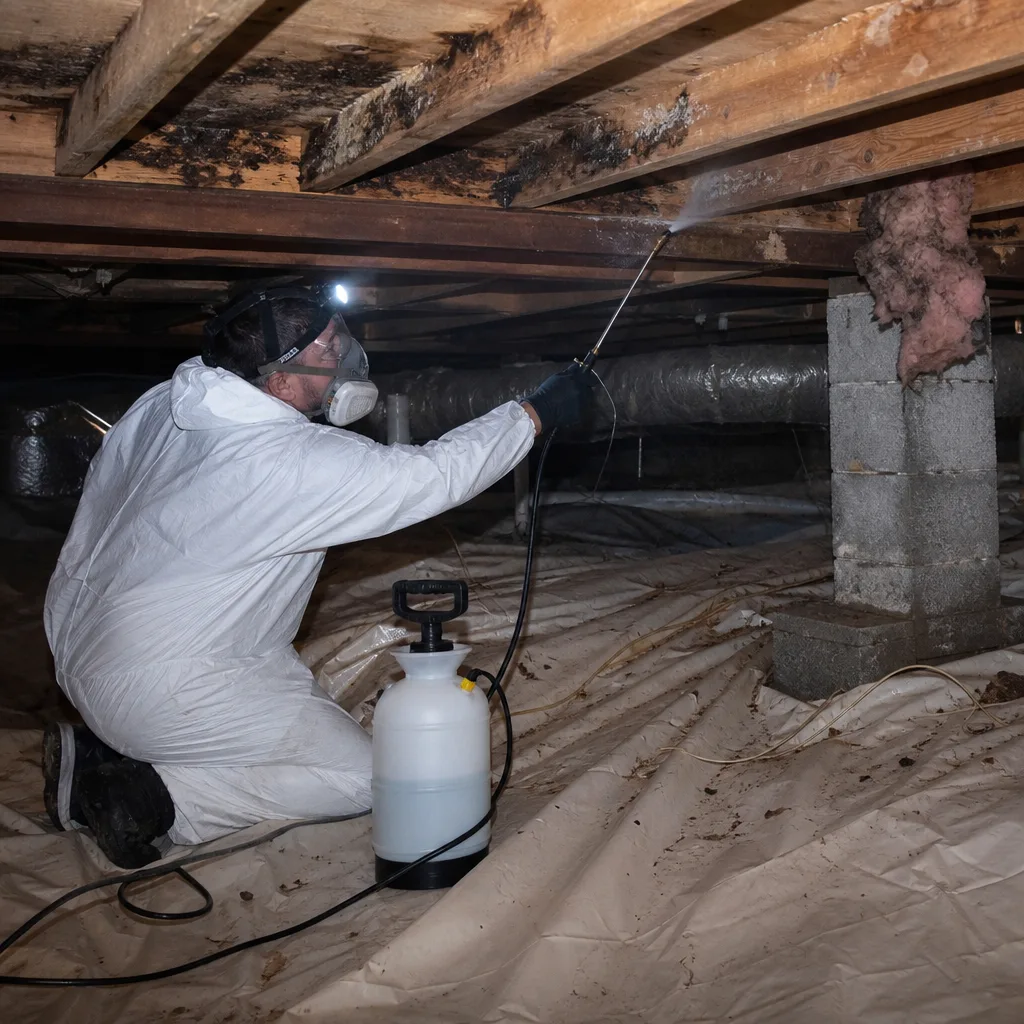
Structural Drying & Dehumidification
Our primary emphasis in Ridgefield. We calculate equipment loads based on cubic footage, material permeance, and vapor pressure differential, then adjust for tidal groundwater conditions that extend drying timelines in river-adjacent neighborhoods. Dri-Eaz and Phoenix LGR units maintain low specific humidity even at cooler basement temperatures, while Injectidry systems deliver targeted airflow into wall cavities and under hardwood flooring.
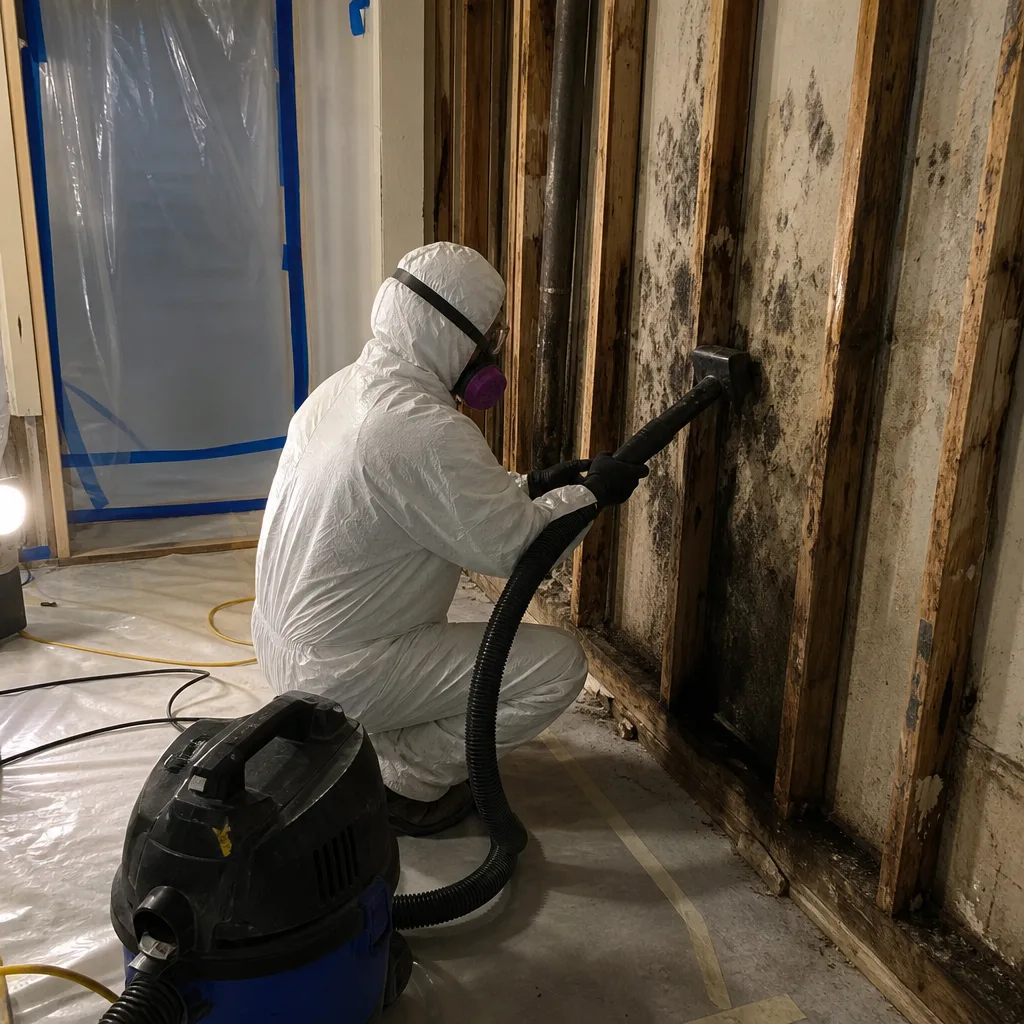
Flood Cleanup
Hackensack River surge and backed-up tidal water carry Category 3 contamination requiring full PPE, containment, and antimicrobial treatment. We document sediment deposition, test for hydrocarbons where industrial upstream sources may affect the river, and provide the photo record and drying logs your adjuster needs for contamination-related coverage verification.
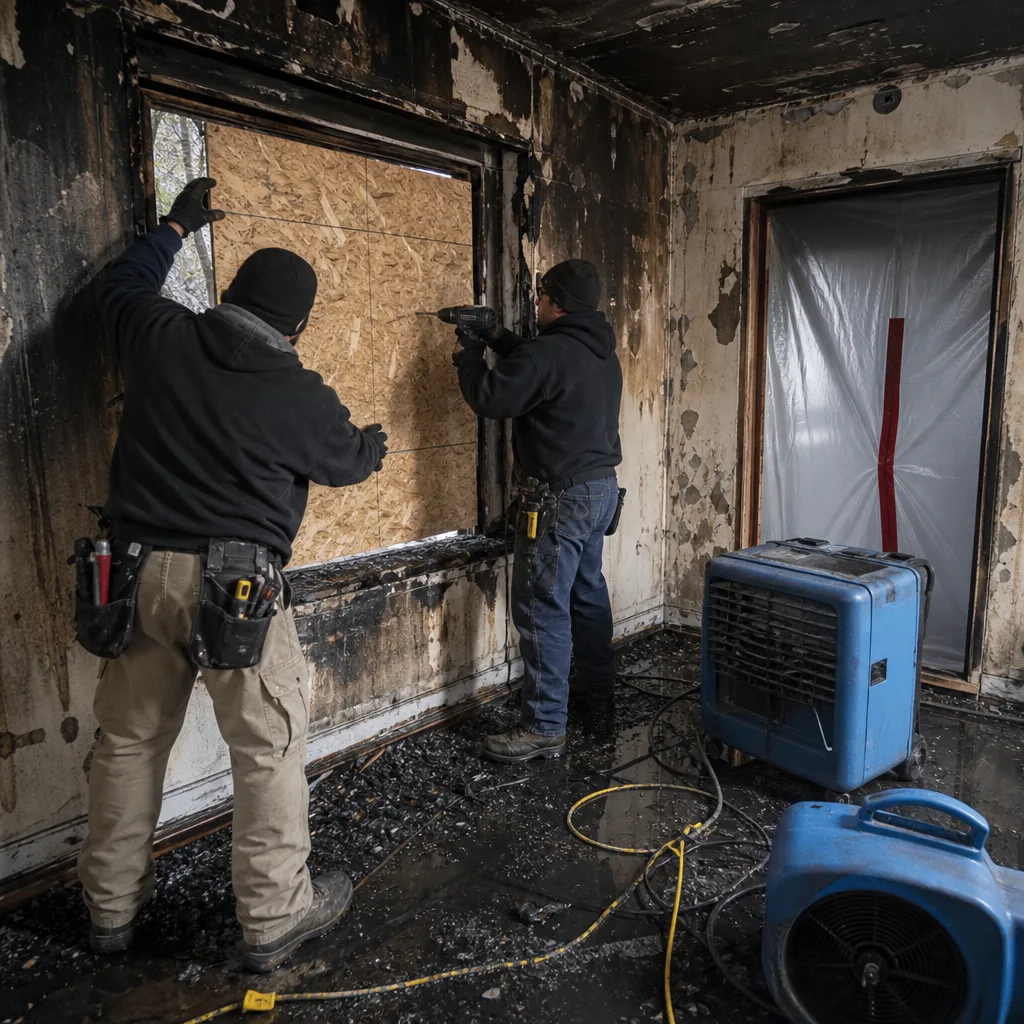
Burst Pipe Restoration
Winter freeze events in Ridgefield’s older housing stock often split copper at the meter or at exterior wall penetrations. We extract, dry, and scope the full migration path, including hidden runs through soffits and behind cabinets that slower leaks saturate before anyone notices.
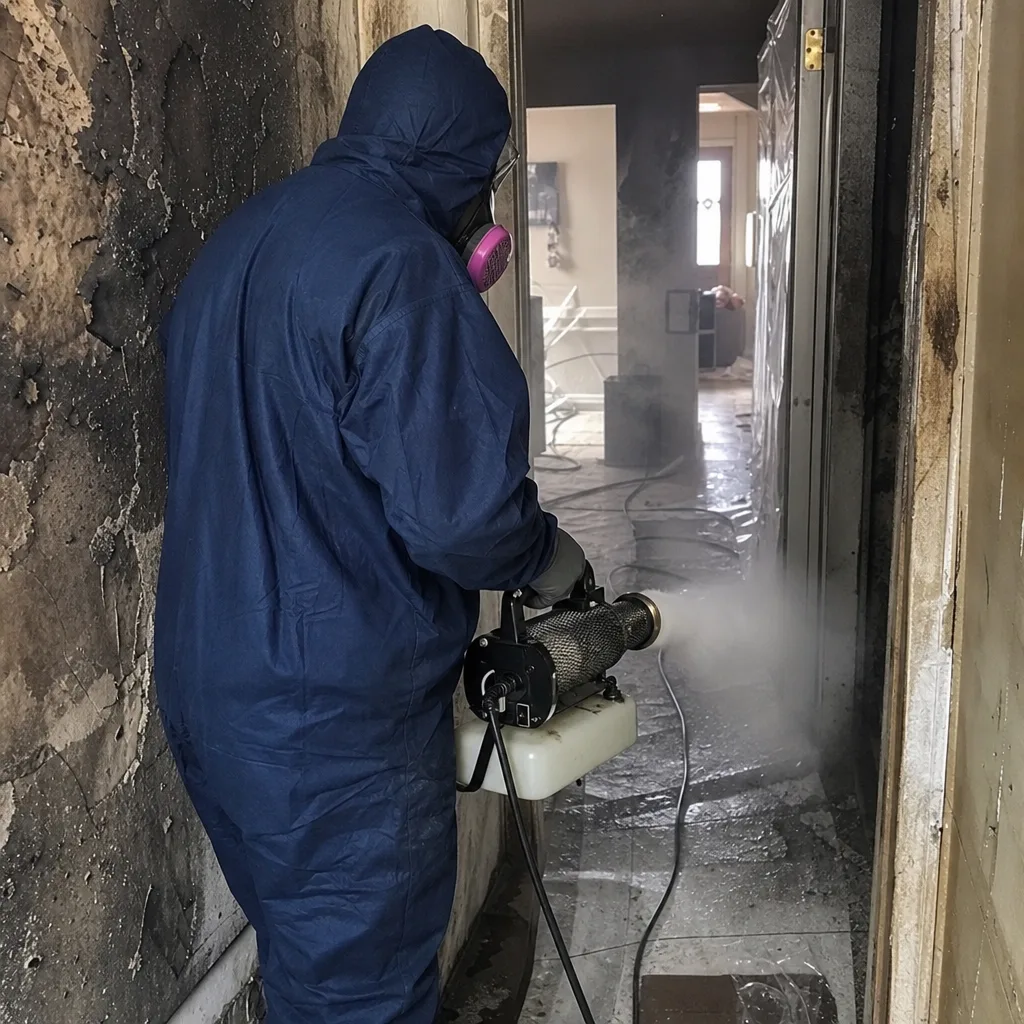
Basement Water Removal
Ridgefield’s block-foundation basements are our most frequent call type. We evaluate whether water is entering through floor cracks, wall seepage, or bulkhead failure, then design extraction and drying protocols that address the specific pathway. Extended dehumidifier runs are standard for river-adjacent properties, with follow-up readings at 72 and 96 hours.
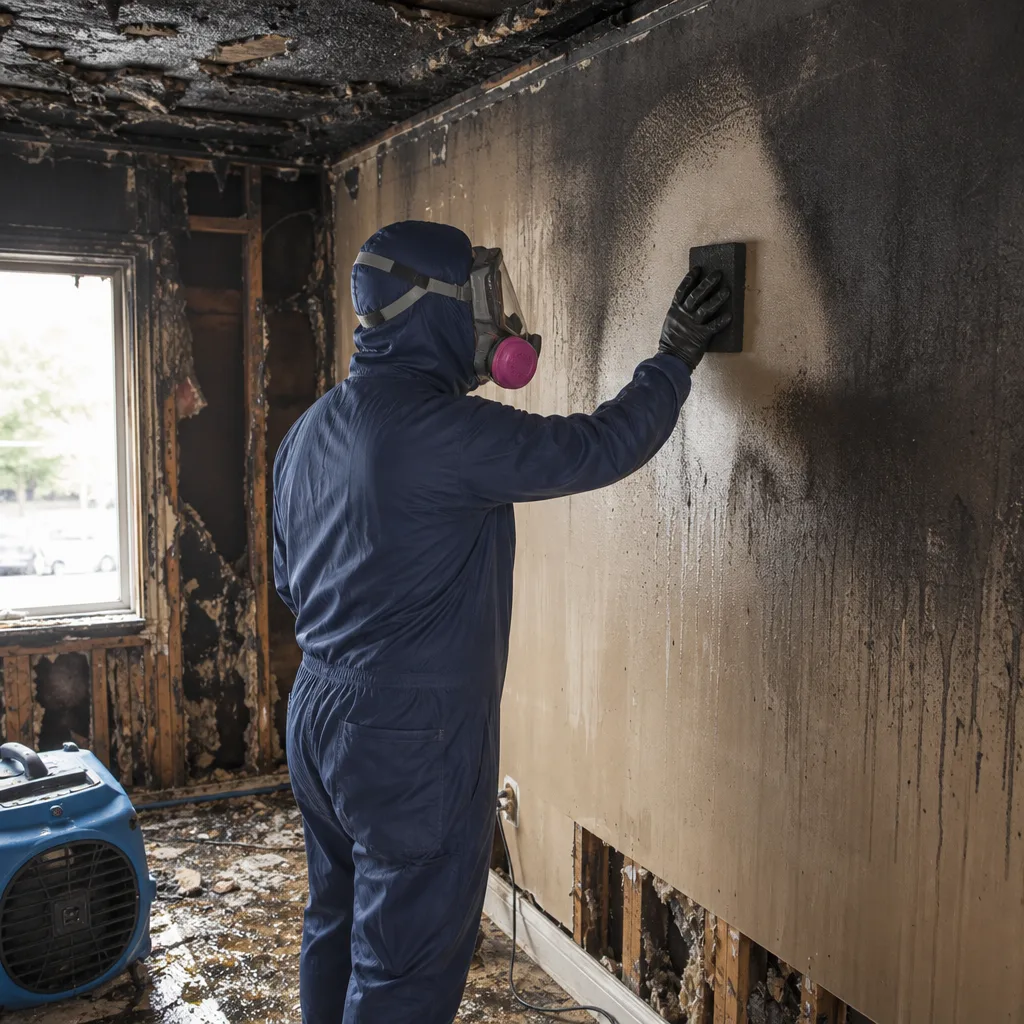
Ceiling & Roof Leak Water Damage
Nor’easter wind driven rain exploits aging ridge vents, flashing gaps, and ice dam conditions on Ridgefield’s older roofs. We trace water migration through insulation and drywall, remove unsalvageable materials, and dry remaining structural members before mold colonization can establish.
What happens when you call
- 1
A real person answersNo phone trees - you reach a local pro.
- 2
You get an upfront price rangeHonest numbers before anyone is dispatched.
- 3
A background-checked tech heads outLicensed & insured, dispatched right away.
- 4
You approve before work beginsNothing starts until you say go.
Water Damage Restoration Costs in Ridgefield, NJ
Emergency water extraction in Ridgefield runs $350-$750 for the first two hours of truck-mounted extraction, with additional hours at $175-$225. Category 1 structural drying for a typical 800-square-foot basement with standard timeline: $1,800-$3,200. Category 2 losses with gray water contamination, requiring antimicrobial treatment and extended air scrubbing: $2,800-$4,500. Category 3 flood cleanup from Hackensack River surge, with full containment, PPE, sediment removal, and extended drying: $4,200-$6,500+ depending on finished square footage and contents packout requirements.
What moves the price: water category, affected square footage, whether walls and flooring require removal, contents handling, and whether tidal conditions force extended equipment cycles. Insurance typically covers sudden and accidental water losses, including burst pipes and storm intrusion, minus your deductible. Gradual seepage from foundation deterioration may be excluded depending on your policy language. We review your coverage with you during the free inspection and coordinate directly with your adjuster on covered items.
Every estimate is free, every price is written before work starts, and we offer a free second opinion on any competitor’s written estimate. Call (845) 875-4326 to schedule.
We Also Serve Cities Near Ridgefield
Our crews respond throughout the lower Bergen County corridor, including Ridgefield and neighboring Palisades Park, Cliffside Park, Fairview, and Edgewater. Each municipality has distinct flood risk profiles, building ages, and foundation types, and our scopes adjust accordingly. Dispatch and scheduling are coordinated from our New York City office; crews serve all five communities locally with the same 45-minute response commitment and Haven Standard documentation.
Serving Ridgefield, NJ - Our Local Coverage Area
We’re based in the Ridgefield area and know this community well. Use the map below to see our service coverage - if you’re nearby, we can almost certainly help.
Ridgefield Water Damage Restoration Questions, Answered
How long does structural drying take in Ridgefield’s river-adjacent neighborhoods?
Standard structural drying runs 48-72 hours, but in Ridgefield’s lower western blocks near the Hackensack River floodplain, we typically need 72-96 hours and sometimes longer. Tidal groundwater pressure keeps seeping through porous concrete-block foundations for two to three days after the storm passes, replenishing wall moisture that standard dehumidifier cycles can’t pull fast enough. We schedule follow-up moisture mapping at 72 and 96 hours and keep extended dehumidifier runs in our scopes for these properties. Call (845) 875-4326 for a free inspection and timeline specific to your address.
Why do Ridgefield block-foundation basements keep getting wet after we dry them?
The post-WWII concrete-block foundations common throughout Ridgefield are inherently porous and were built without modern waterproofing membranes. In lower-elevation blocks, capillary action wicks groundwater from the surrounding soil into the block cells, then releases it inward as vapor pressure equalizes. Drying the interior air doesn’t stop the source if groundwater is still migrating through the wall matrix. We identify active seepage paths with moisture meters and recommend appropriate exterior or interior water management solutions as part of our restoration scope, not as a separate upsell. Call (845) 875-4326 for an assessment.
What category is floodwater from a Hackensack River surge in Ridgefield?
Category 3, black water. Tidal surge carries sediment, hydrocarbons, microbial contaminants, and whatever the river has picked up upstream. This classification requires full PPE for our crews, containment barriers with negative air pressure, HEPA air scrubbing, and EPA-registered antimicrobial treatment of all affected surfaces. We document sediment type and depth for your adjuster, since Category 3 losses often trigger specific coverage provisions or limits. Never assume river floodwater is “mostly clean” because it looks clear. Call (845) 875-4326 for immediate containment and assessment.
Does winter freeze-thaw really create new water-intrusion points in Ridgefield?
Yes, and we see it every spring. Water enters existing hairline cracks in block and mortar, freezes, expands, and widens the crack by fractions of a millimeter each cycle. After a Bergen County winter with multiple freeze-thaw events, cracks that were previously non-leaking become active intrusion points. Our April and May calls in Ridgefield regularly trace new basement seepage to cracks that weren’t visible the previous fall. We map these during restoration and note them in our photo documentation for your records. Call (845) 875-4326 for a free inspection after any seasonal seepage event.
Can a failing entry door make storm water damage worse in Ridgefield?
A failing or non-wind-rated entry door is a direct pathway for wind-driven rain and storm surge into your structure. In Ridgefield’s nor’easter exposure, a door with compromised weatherstripping, a warped jamb, or inadequate latch engagement can admit gallons of water per hour while the storm rages. We inspect entry points during every water damage assessment and can reinforce or replace wind-rated doors as part of the restoration scope, preventing re-saturation in the next event. A door that failed once will fail again. Call (845) 875-4326 to include entry-point reinforcement in your restoration plan.
Will my insurance cover water damage restoration in Ridgefield?
Most homeowners policies cover sudden and accidental water damage, burst pipes, and storm intrusion, subject to your deductible and policy limits. Gradual seepage from foundation deterioration or maintenance issues may be excluded. We review your coverage during the free inspection, photograph all damage for your claim file, and coordinate directly with your adjuster on covered scope items. Our documented drying logs and line-item estimates are built to Xactimate standards to minimize disputes. Call (845) 875-4326 and we’ll walk through your specific situation.
Do I need to leave my home during water damage restoration?
For Category 1 and most Category 2 losses, you can usually stay in unaffected areas of the home. Category 3 flood cleanup requires containment and negative air pressure that may make portions of the structure temporarily inaccessible, and the antimicrobial treatments we apply need cure time before re-occupancy. We discuss livability during our initial assessment and schedule work phases to minimize disruption. Your safety and the crew’s access to equipment are the deciding factors. Call (845) 875-4326 for a specific recommendation based on your loss category.
What should I do in the first 30 minutes after discovering water damage?
Shut off the water source if it’s a supply line break, turn off electricity to affected areas if water has reached outlets or switches, and call (845) 875-4326 for live dispatch. Don’t enter standing water if electrical hazard is possible. Move small valuables and documents to dry areas if safe to do so, but don’t attempt extensive contents handling before our crew arrives with proper PPE and documentation protocols. The photo record we build starts with the undisturbed loss scene, so limit movement until we arrive if the situation allows. Every minute counts for limiting migration and category escalation.
Written by Alicia Brennan, Owner at DryMark Restoration Englewood, serving Ridgefield since 2011.
Water Damage Restoration in Nearby Areas