
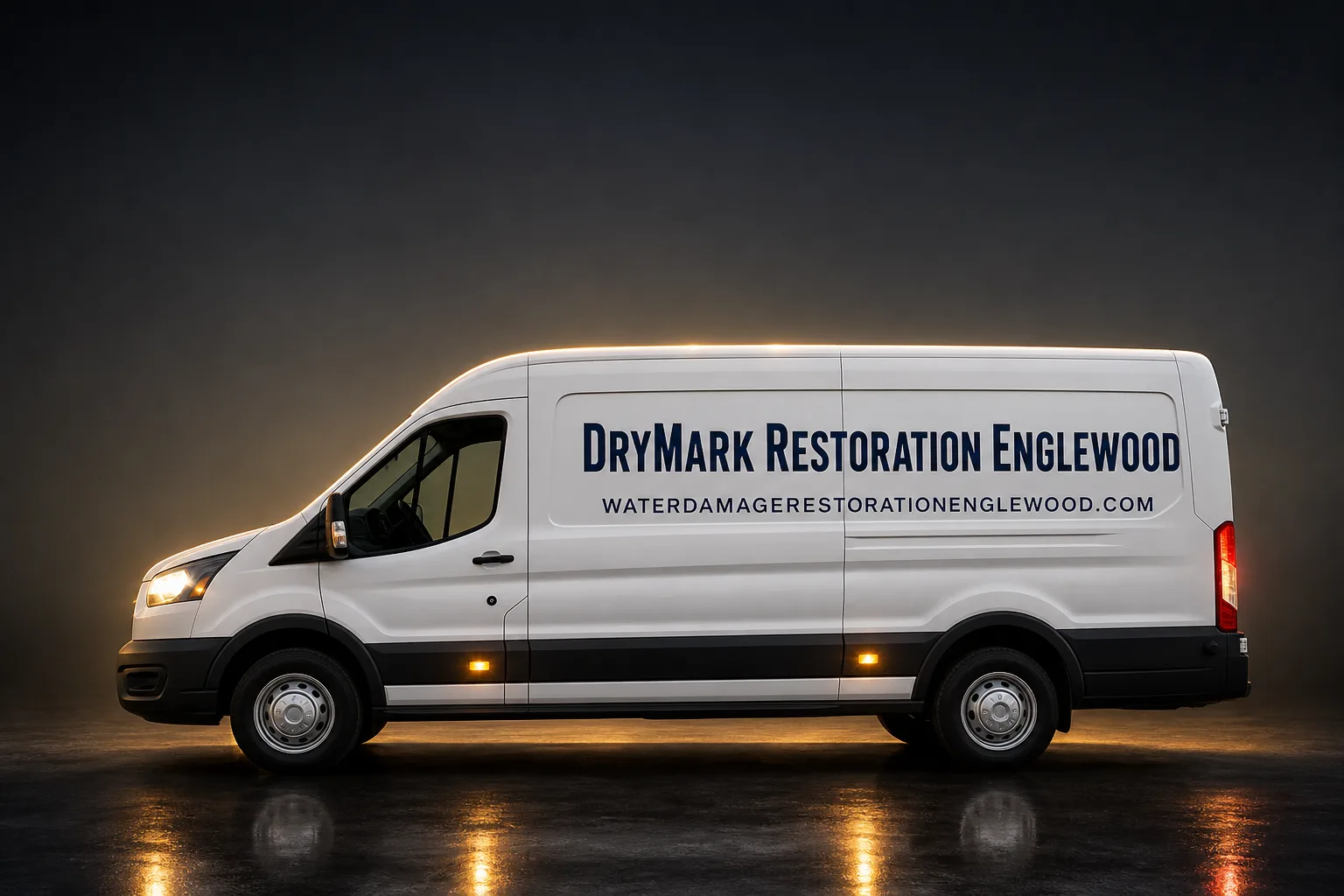
Free visual inspection and a written scope of work before any mitigation begins - photos, moisture readings, and drying logs go in your claim file
The scope we write is the scope we bill. Anything new gets shown to you, in writing, before we touch it.
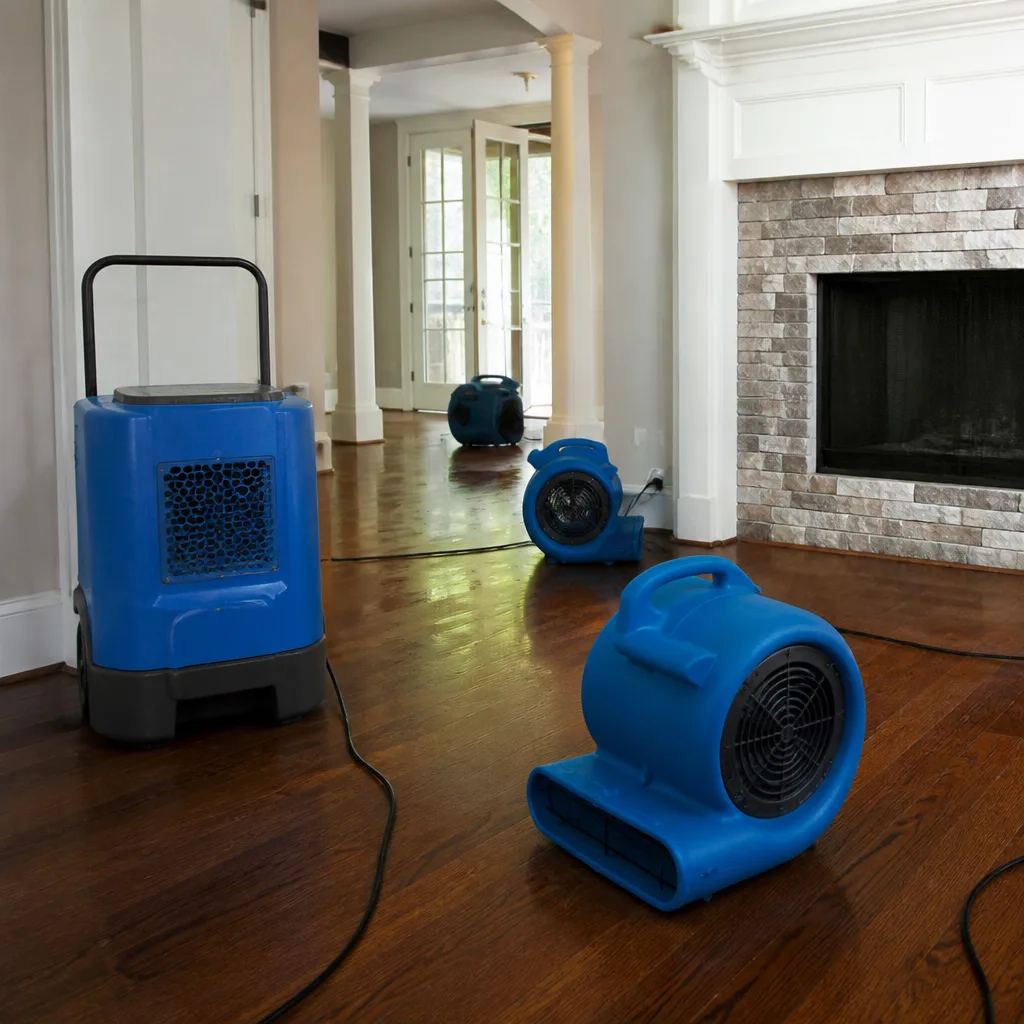
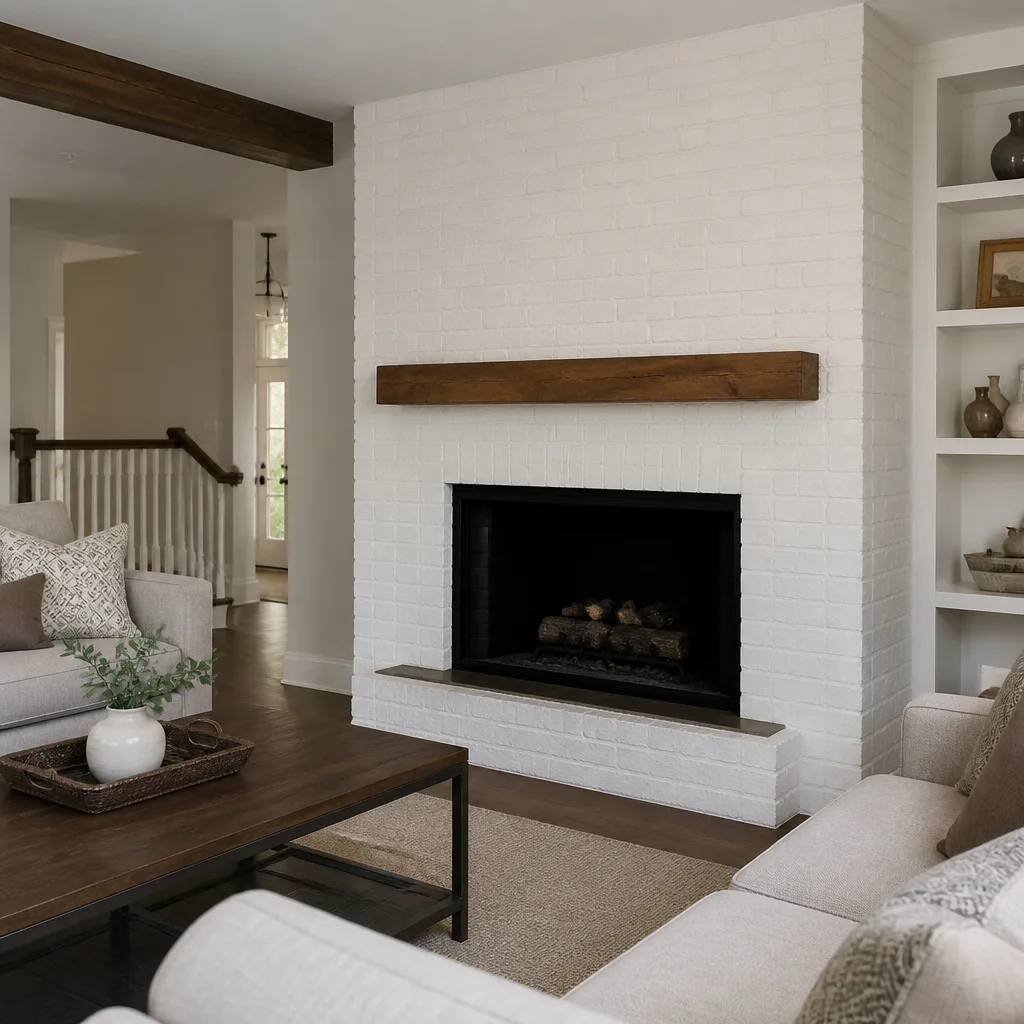
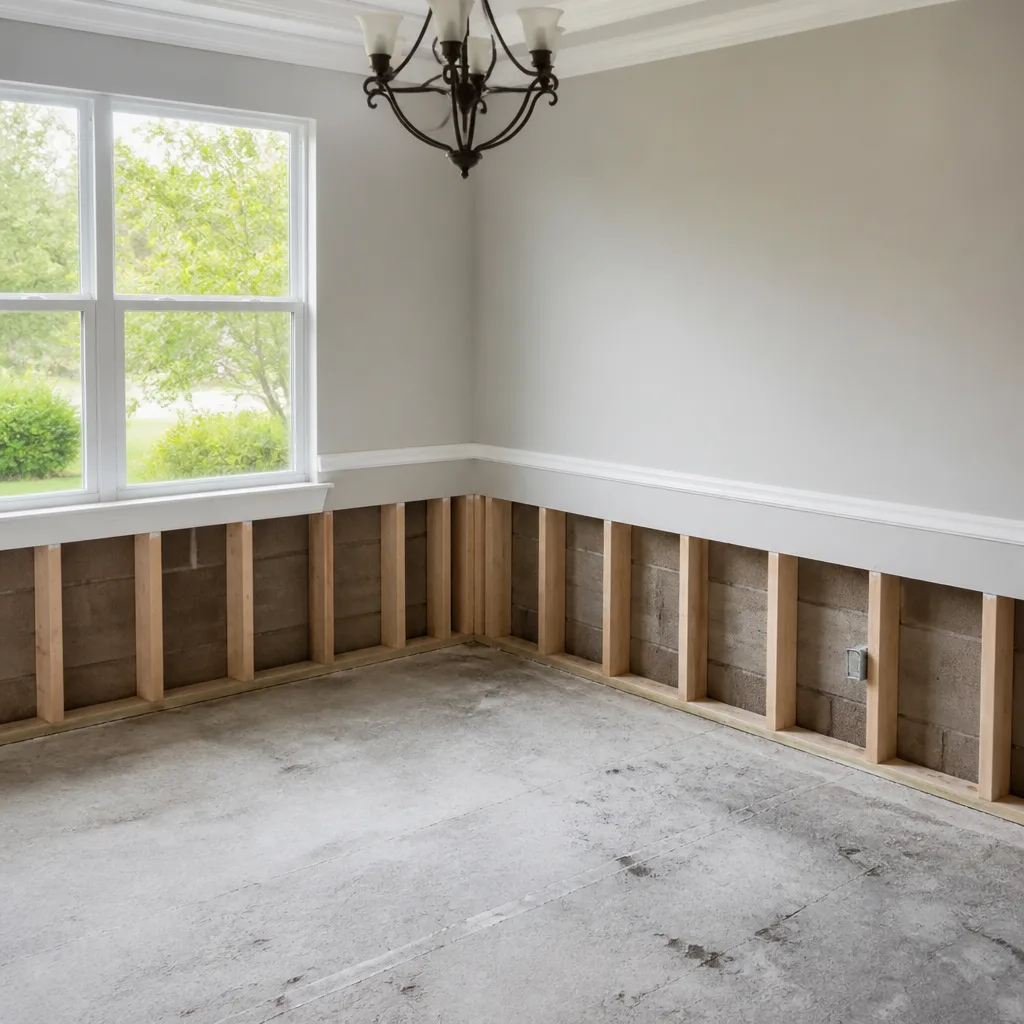
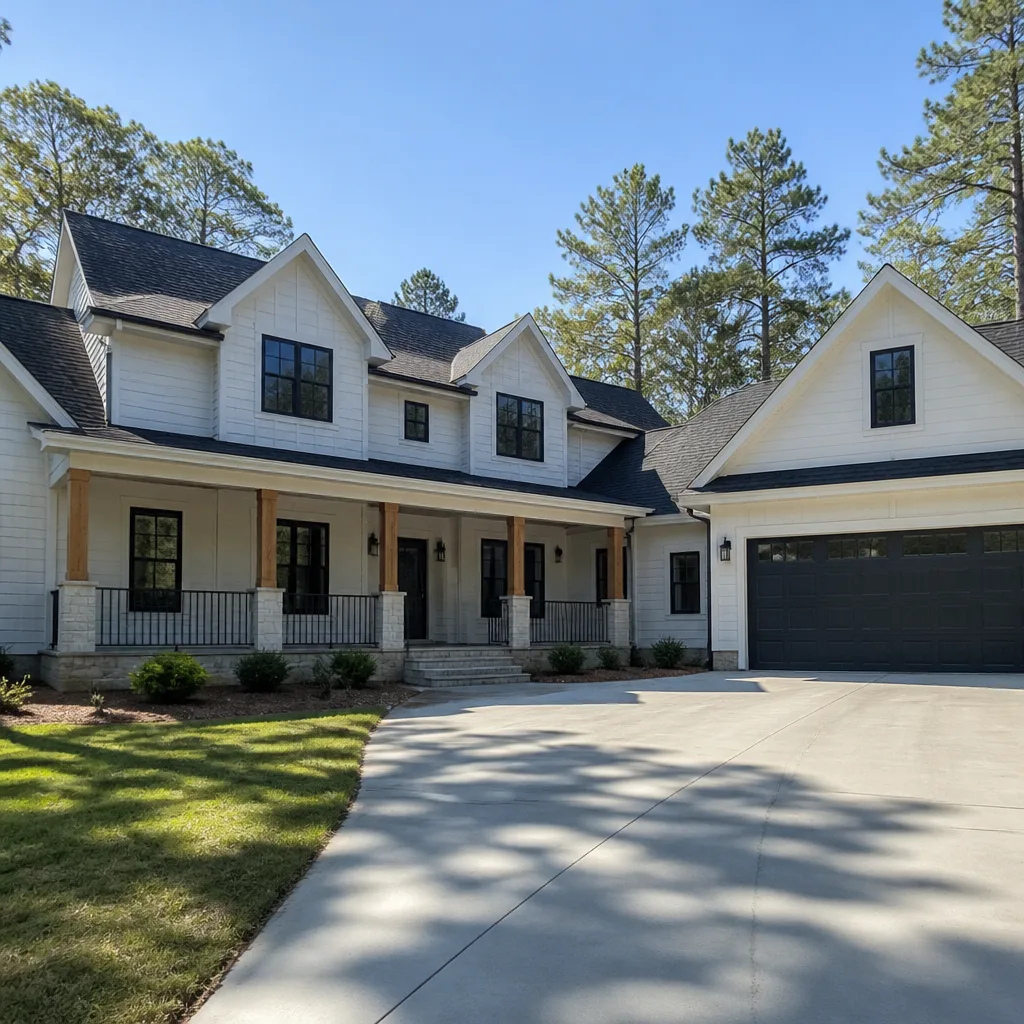
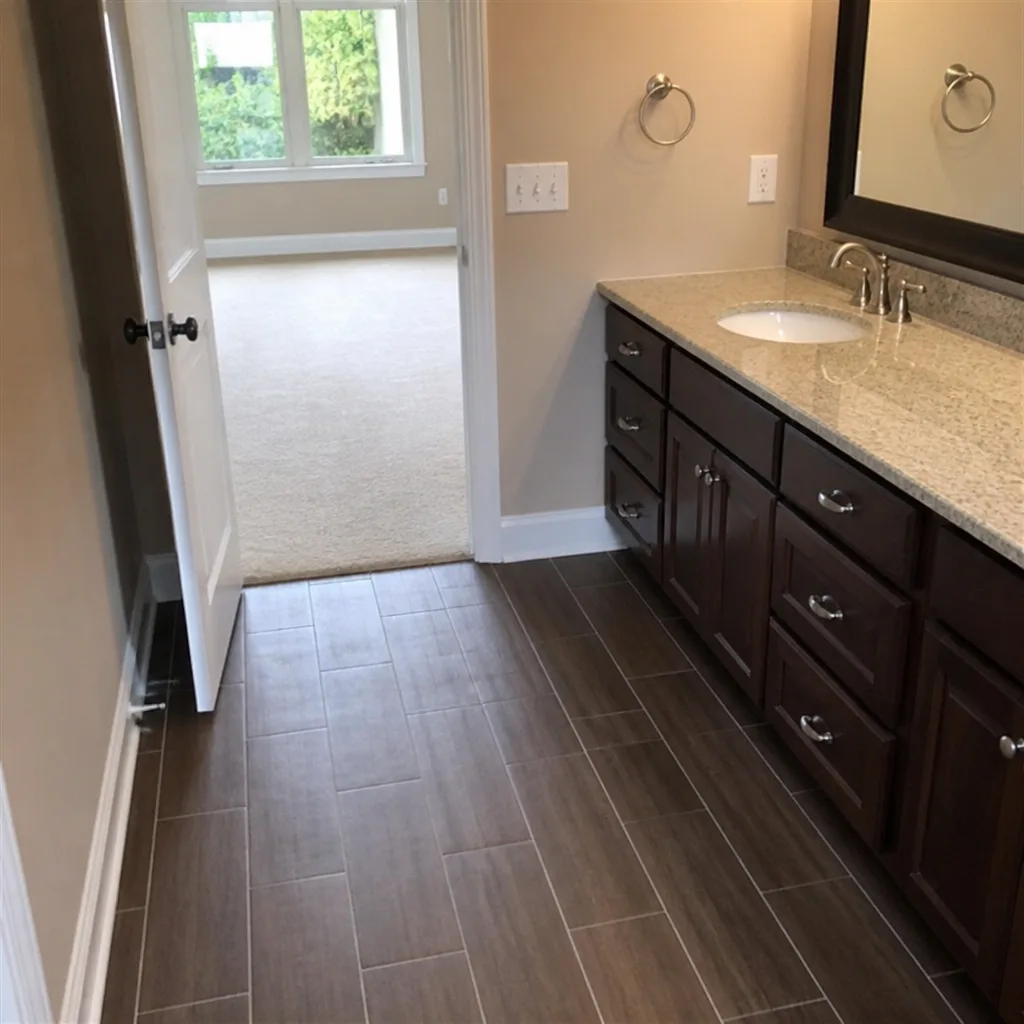
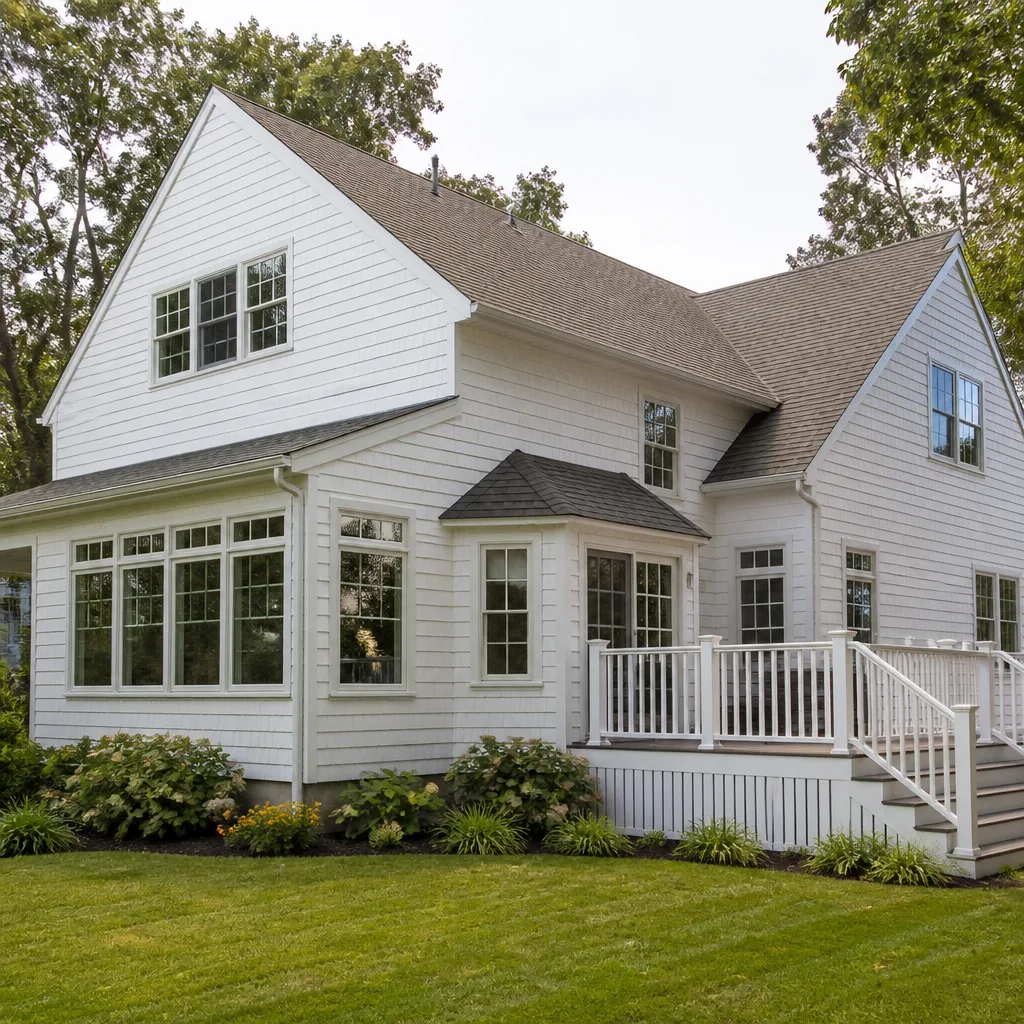
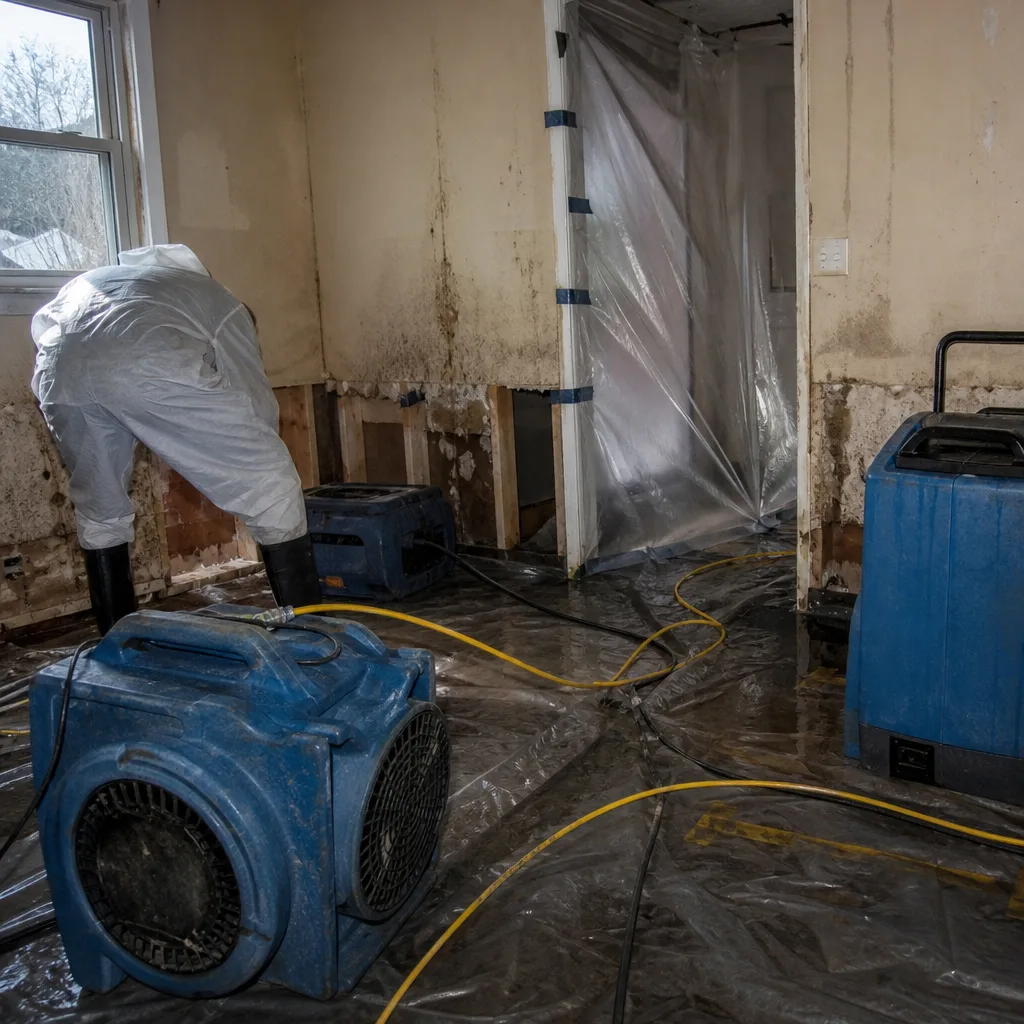 Before
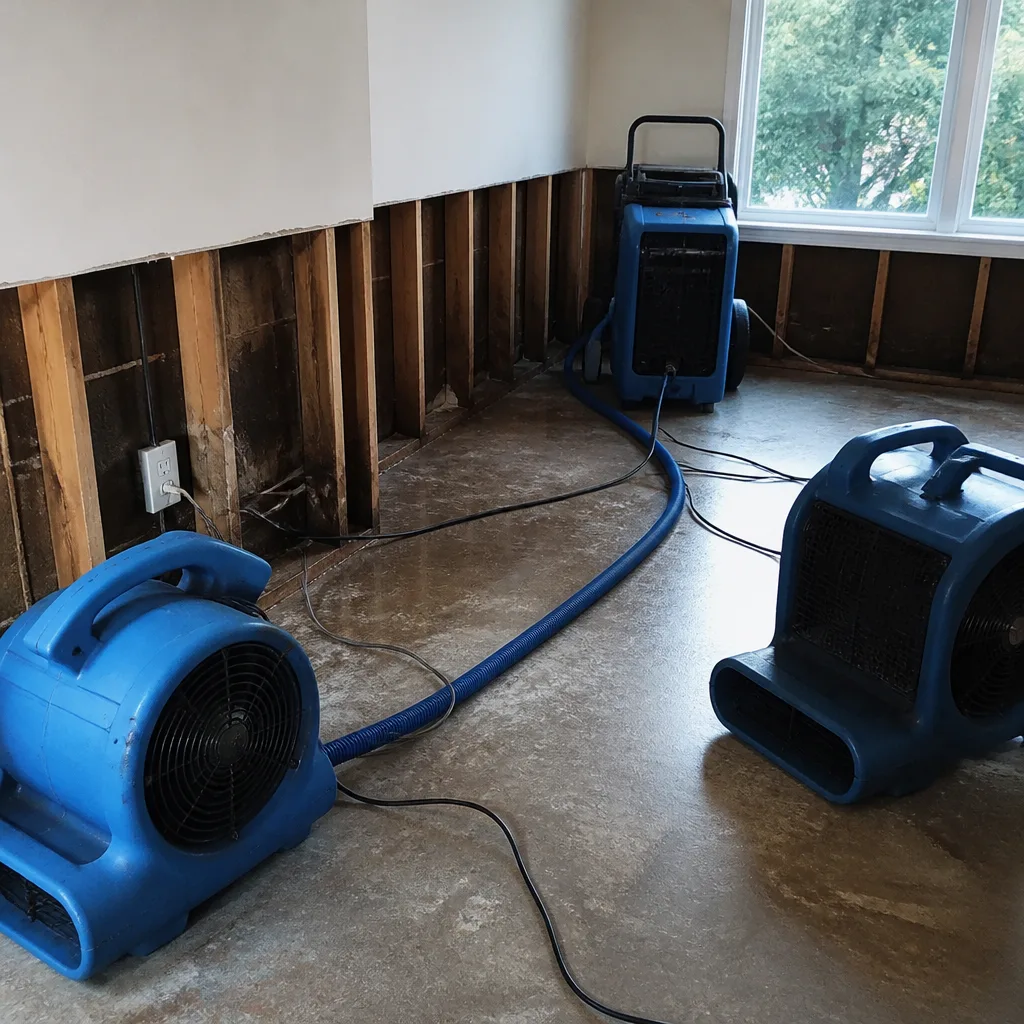 After
After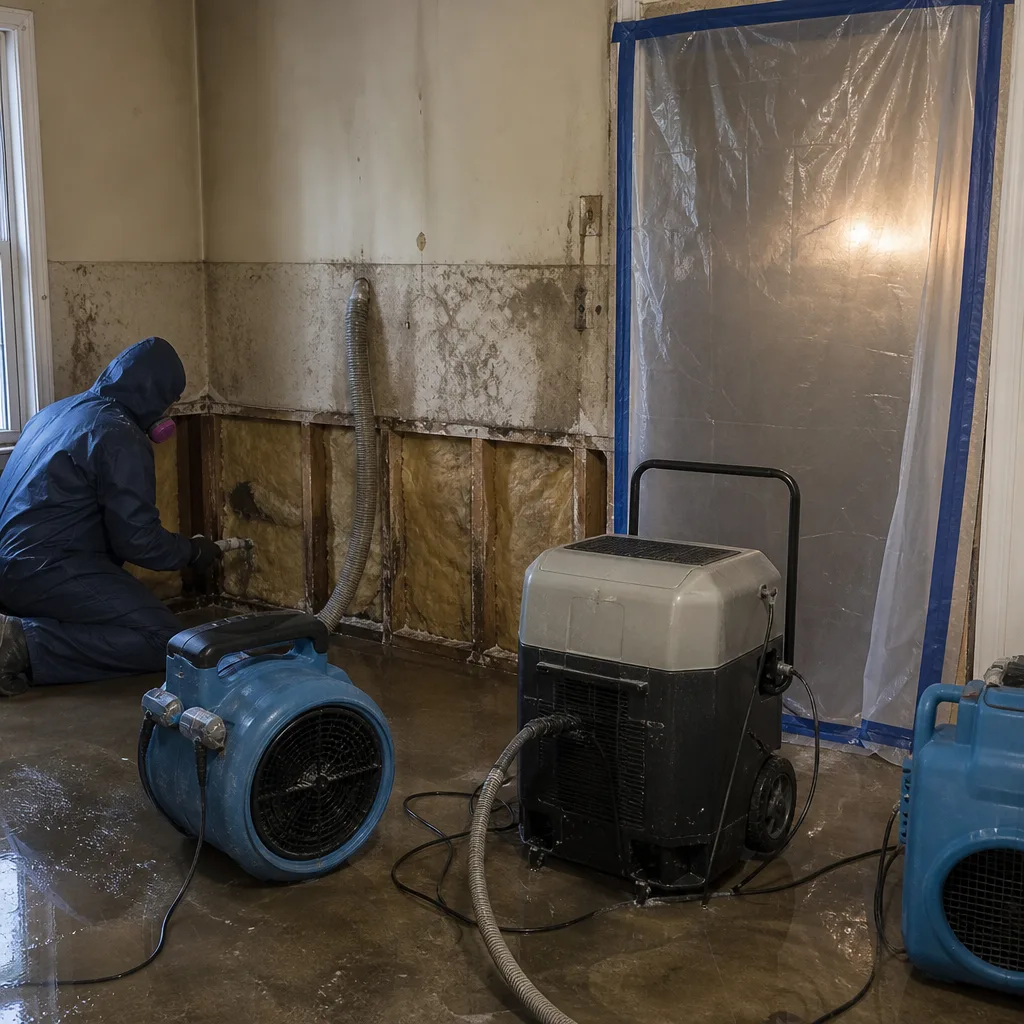 Before
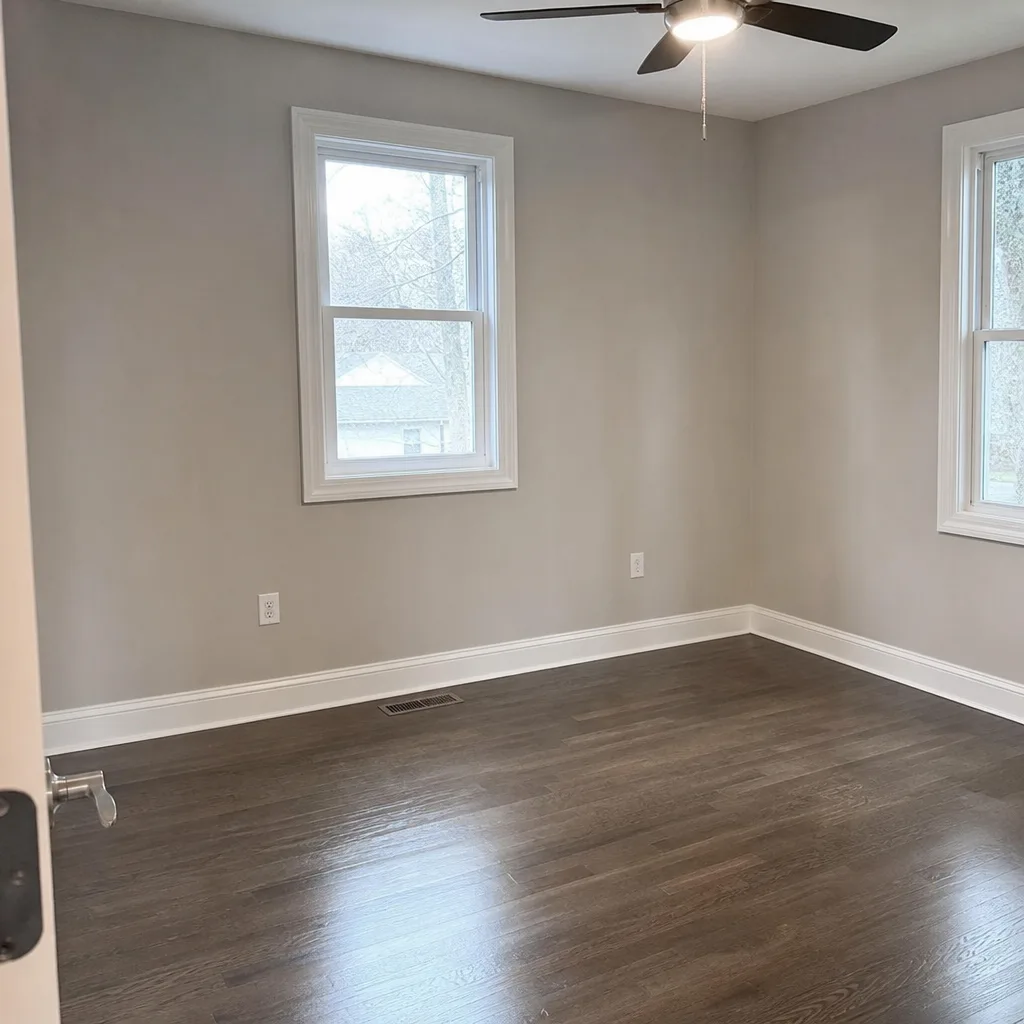 After
After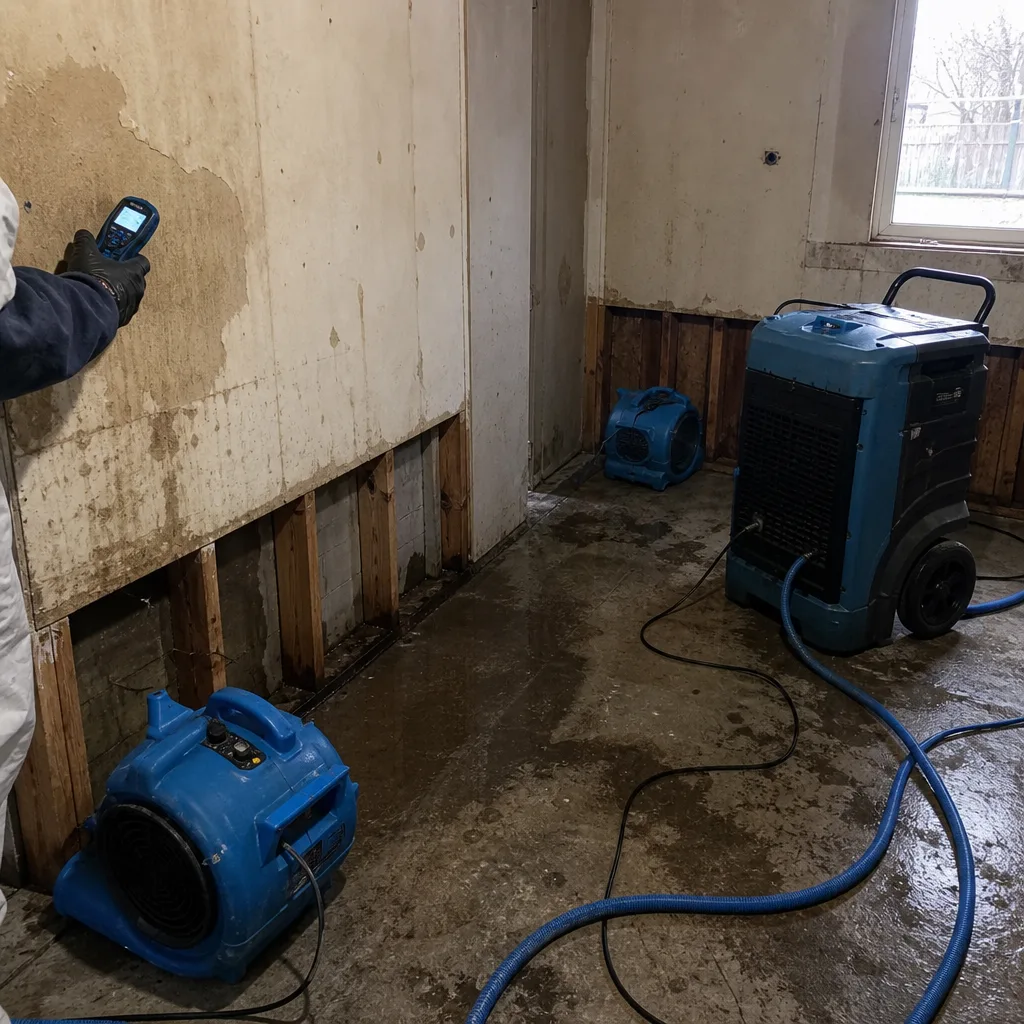 Before
 After
After24/7 Emergency Water Damage Restoration in Palisades Park
Water damage in a Palisades Park multi-family building rarely stays in one unit. Call (845) 875-4326 now and a live person answers, 24 hours a day, 7 days a week - no voicemail, no callback queue while water moves through shared walls. We dispatch crews into the Palisades Park area with a 45-minute response commitment, because the first hour determines whether a Category 1 supply-line leak becomes a Category 2 or 3 loss with microbial growth in the party-wall cavity. Our free visual inspection includes moisture mapping of the called-in unit and the adjoining spaces, documented with photos before any equipment runs. The longer water sits in a 1950s-era shared drain stack or plaster-and-lath party wall, the more units, more policies, and more adjusters get involved. Starting extraction and containment fast limits that spread.
Understanding Water Damage Restoration Severity in Palisades Park Properties
Water damage classification follows IICRC standards: Category 1 is clean water from a supply line, Category 2 carries significant contamination from washing machines or dishwashers, and Category 3 is grossly contaminated from sewage or ground flooding. In Palisades Park, these categories escalate faster than in detached housing because of shared building assemblies. A washing-machine overflow on the second floor of a Grand Avenue two-family starts as Category 2 but becomes Category 3 within 48 hours if it reaches the common basement where floor drains and sewer connections sit.
Moisture mapping with thermal imaging and penetrating hygrometers tells us where water traveled, not just where it pooled. Structural drying uses psychrometric data - temperature, relative humidity, and vapor pressure differential - to calculate exactly how much moisture the air can hold and how fast we can pull it from wet materials without causing secondary damage. In Palisades Park’s post-WWII brick and frame homes, original plaster walls dry differently than modern drywall, and the lath behind plaster can hold moisture for weeks if the drying plan doesn’t account for it. Tertiary drying, the final phase where we target bound water in dense materials, often takes longest in these older shared-wall structures.
Why Palisades Park Property Owners Choose DryMark Restoration Englewood
- 45-minute response commitment to Palisades Park - our crews are dispatched from the metro area and know the local street grid, including the tight parking and shared driveways common on Fletcher Avenue and Grand Avenue.
- 24/7 live answer on emergency lines: a real person, never an automated system or voicemail tree, because water doesn’t wait for business hours and neither do we.
- IICRC-certified crews holding WRT (Water Damage Restoration Technician) and AMRT (Applied Microbial Remediation Technician) credentials, with FSRT (Fire and Smoke Restoration Technician) cross-training for combined losses.
- Free visual inspection with moisture readings and photo documentation before any work is authorized or priced.
- Direct insurance billing and adjuster coordination, including multi-policy losses where a single water event crosses unit lines and triggers separate claims.
- One team from extraction through reconstruction - no handoffs to unknown subcontractors, no gaps in documentation between mitigation and rebuild.
BeforeAfterOur Water Damage Restoration Process
1. Inspection & Assessment
We arrive with thermal imaging cameras, penetrating and non-penetrating moisture meters, and hygrometers to map the full extent of water migration. In Palisades Park’s attached housing, this always includes the adjoining unit’s shared wall and the common basement, even when the initial call came from one side. We document pre-loss conditions with photos and written notes before any equipment touches the space.
2. Extraction & Stabilization
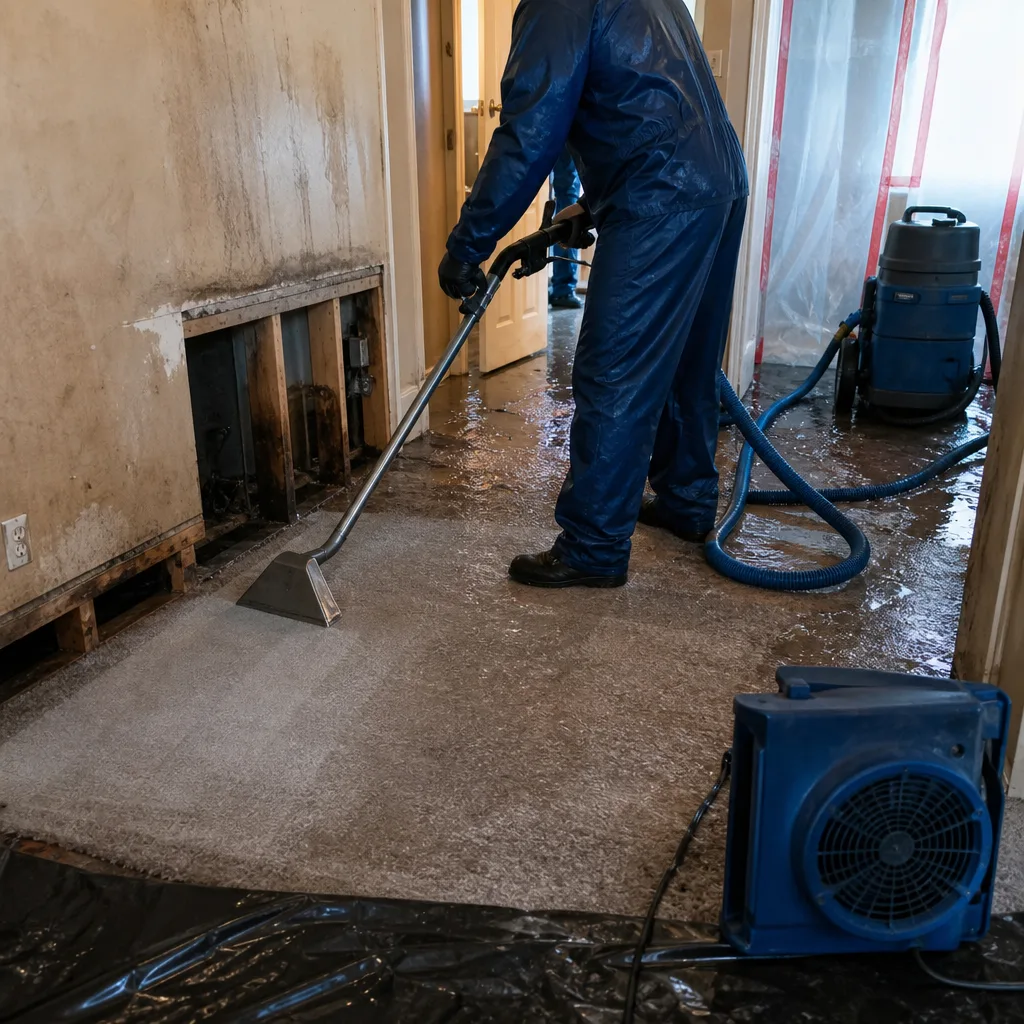
Standing water comes out first with truck-mounted extraction systems and portable units for tight basement stairs and garden-apartment access. We set containment barriers around affected areas to prevent cross-contamination, especially critical when Category 2 water has reached shared hallways or stairwells used by multiple families.
3. Drying & Dehumidification
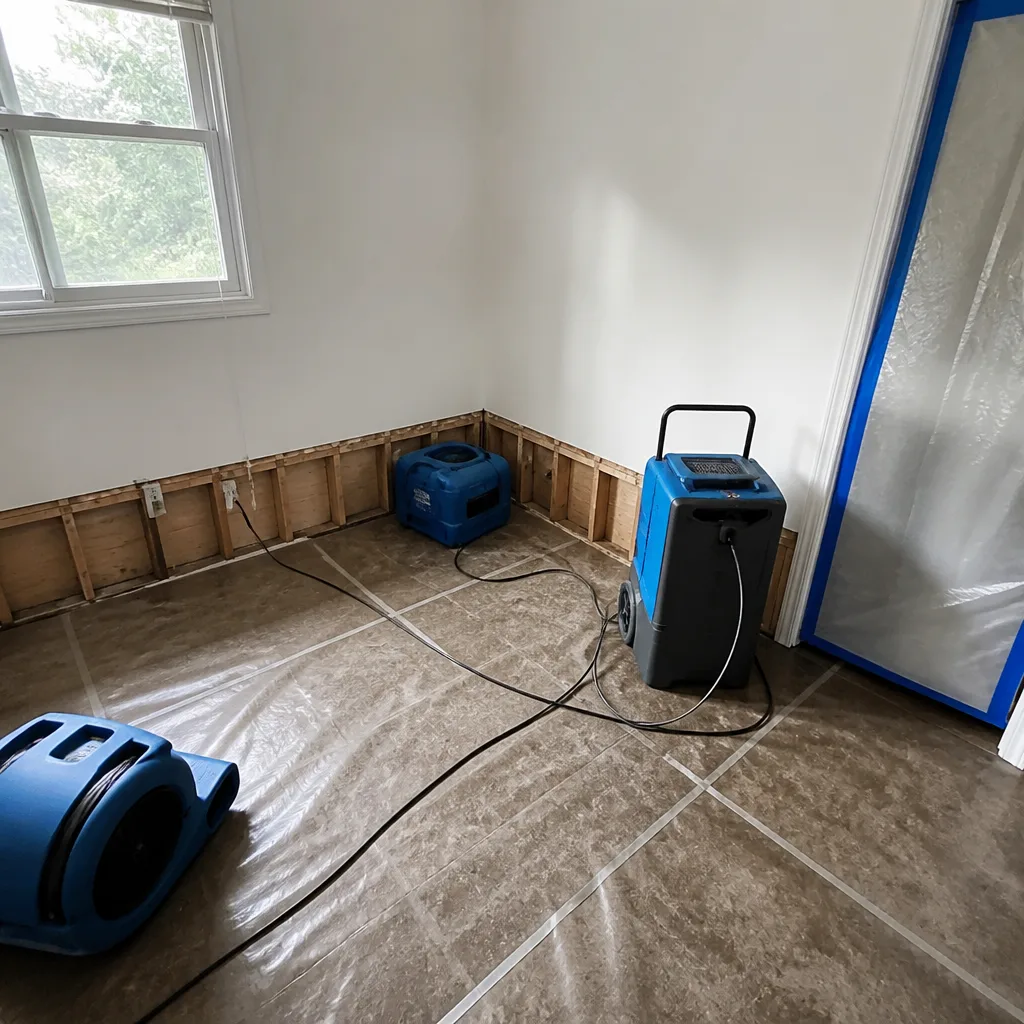
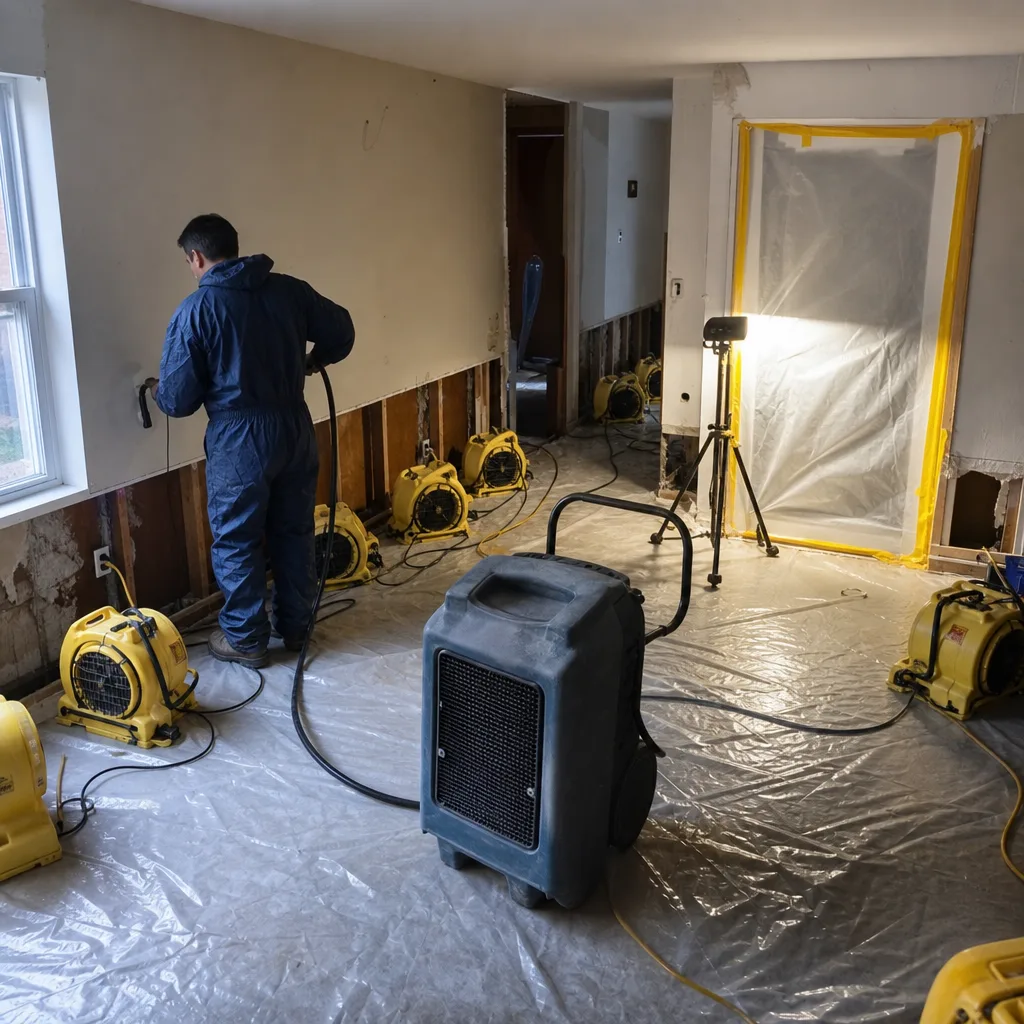
We deploy Phoenix LGR dehumidifiers and Dri-Eaz air movers sized to the cubic footage and material types in the loss. In Palisades Park’s older homes with plaster walls and dense framing, we calculate vapor pressure differential to determine equipment count and placement, then log daily moisture readings until materials return to dry standard.
4. Cleaning & Sanitization
All affected surfaces receive antimicrobial treatment appropriate to the water category. Shared spaces - stairwells, basements, utility chases - get particular attention because multiple families use them. We document every treated area with photos for the insurance file.
5. Multi-Unit Coordination & Documentation
When water crosses party walls or shared drain stacks, we produce separate drying logs and scope documentation for each affected unit and each insurance policy. This includes moisture readings from both sides of shared assemblies, equipment placement maps, and daily psychrometric data formatted to each adjuster’s requirements.
6. Repairs & Restoration
Once drying is verified, we deliver a written repair scope with line-item pricing before any reconstruction begins. Our crews handle drywall, plaster repair, flooring, and finish carpentry to return the space to pre-loss condition, with the 365-Day Done Right Promise backing every completed job.
Need Emergency Water Damage Restoration in Palisades Park Now?
Crews minutes away, answering live 24 hours a day. The sooner we start, the less it costs.
Working With Your Insurance Company
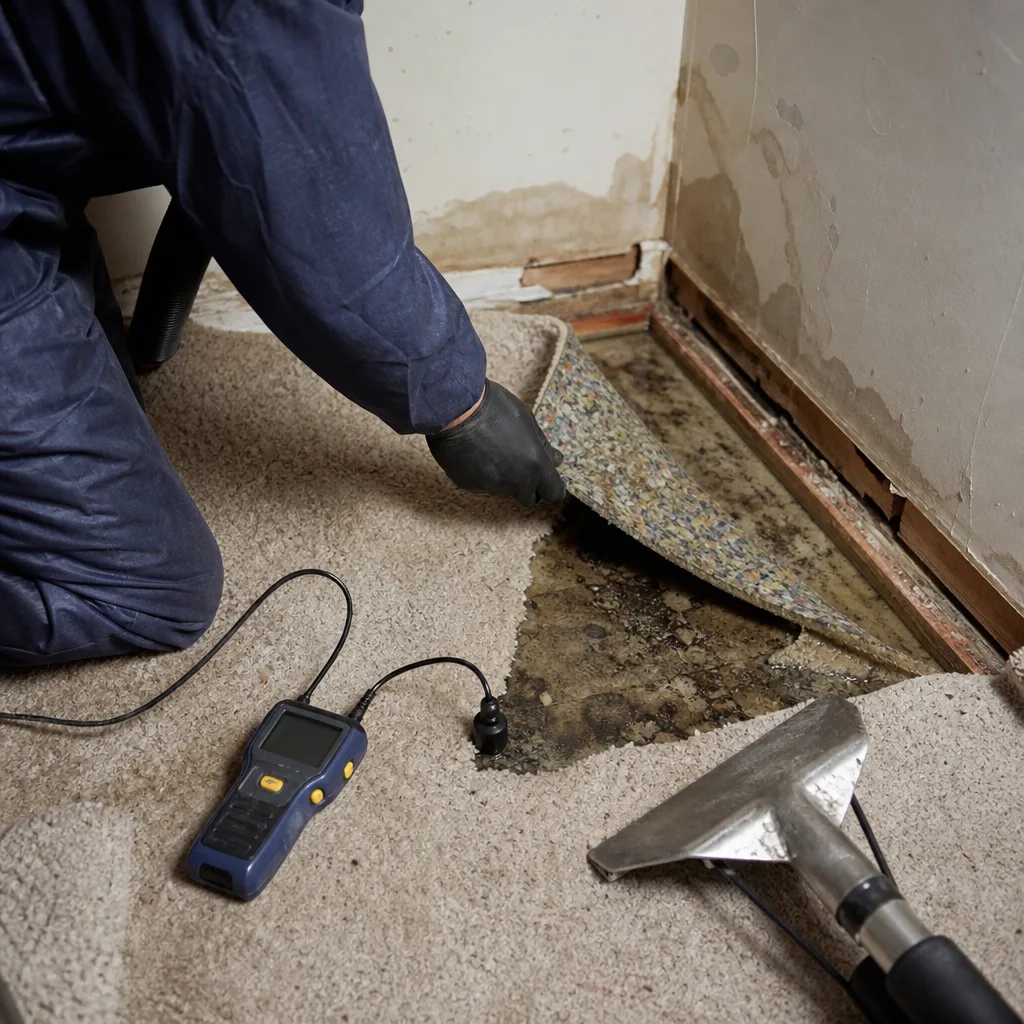
Documentation from the first hour is what turns a restoration invoice into a paid claim. We photograph everything before we move it, record moisture readings at every visit, and produce daily drying logs that show exactly what dried, how fast, and when it reached standard. Our estimates follow industry-standard formats that adjusters recognize, and we coordinate directly with your carrier’s representative rather than handing you a bill to explain.
Multi-policy losses are common in Palisades Park’s attached housing, and we’ve handled dozens where one water event generated two or three separate claims. Each adjuster gets a complete file: photos of their insured’s specific damage, moisture readings from their side of shared assemblies, and a scope of work that clearly separates unit-specific repairs from common-area work.
What We Provide Your Insurer
- Thorough documentation of the loss
- Photos of all damage, room by room
- Moisture readings and drying logs
- A detailed, line-item scope of work
- Direct coordination with your carrier
Built for Palisades Park’s Loss Calendar
January through March, Bergen County’s freeze-thaw cycle hits Palisades Park harder than lower-lying neighbors because the borough sits atop the Palisades ridge, exposed to wind chill that drives pipe bursts in exterior walls and unheated utility chases. The original galvanized supply lines in 1950s-era homes reach predictable failure points after 70 years of corrosion in moderately hard water. We see burst pipe calls spike after every sustained cold snap, often in garden-apartment complexes where one frozen riser floods multiple ground-floor units.
April and May bring spring thaw and basement seepage through aging foundation walls, especially in the lower-lying blocks near the ridge edge. Summer thunderstorms can overwhelm flat-roof drains on 1960s garden apartments, dumping thousands of gallons into top-floor units. September through November, nor’easter wind loads tear at roofing membranes and siding on exposed ridge properties, letting driven rain into wall cavities that don’t show damage until the drywall softens weeks later. Every season has its pattern, and our equipment inventory and crew scheduling anticipate them.
Water Damage Restoration Across Palisades Park’s Neighborhoods
The blocks along Grand Avenue and Fletcher Avenue form the core of Palisades Park’s 2-4 family housing stock, with attached brick and frame homes sharing party walls and common drain stacks. A water loss here is almost never single-unit. Our crews know to check the adjoining unit’s ceiling and basement before finishing moisture mapping, because we’ve seen too many jobs where the neighbor’s damage showed up two days later, uncaught and unlogged.
The garden apartment complexes near Broad Avenue and the central business district present different challenges: flat roofs with aging EPDM or built-up membranes, stacked plumbing in central chases, and multiple ground-floor units that flood simultaneously when a membrane fails or a drain backs up. Response routes to these complexes account for limited parking and narrow service drives.
The residential blocks climbing toward the Palisades ridge top, including sections of Central Boulevard and Highland Avenue, catch more wind exposure than lower areas. Ice dams form at roof edges during freeze-thaw cycles, backing water under shingles and into wall cavities. These losses often present as slow leaks that homeowners discover only when interior paint bubbles or plaster cracks, by which time the insulation and framing behind are saturated.
Near the borough’s eastern edge toward Fort Lee, the housing transitions to slightly newer stock from the 1960s and 1970s, but the construction methods remain similar: shared walls, galvanized supply lines reaching end of life, and basements that take seepage from the slope drainage. Our Water Damage Restoration in Palisades Park coverage extends to every block, with crews that understand the building-specific patterns before they arrive.
Specialized Water Damage Restoration Services We Offer in Palisades Park
Emergency Water Extraction
Standing water comes out first, within minutes of arrival. Truck-mounted extraction handles large volumes in basements and common areas; portable units navigate the tight stairs and narrow hallways typical of Palisades Park’s older multi-family buildings. We document gallons extracted for the insurance file.
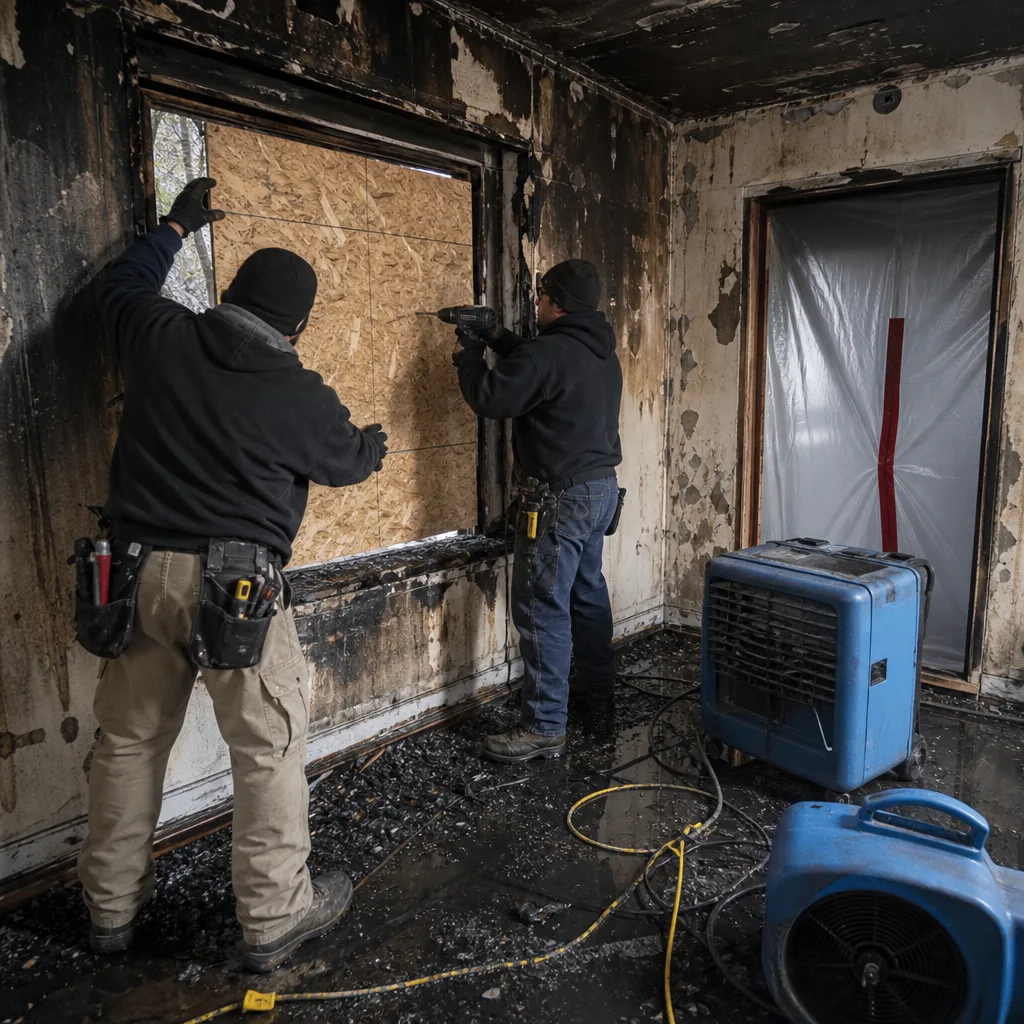
Structural Drying & Dehumidification
We size Phoenix and Dri-Eaz equipment to the specific cubic footage, material types, and vapor pressure conditions in your space. In shared-wall construction, we calculate drying loads for both sides of the assembly and monitor until both reach dry standard, not just the called-in unit.
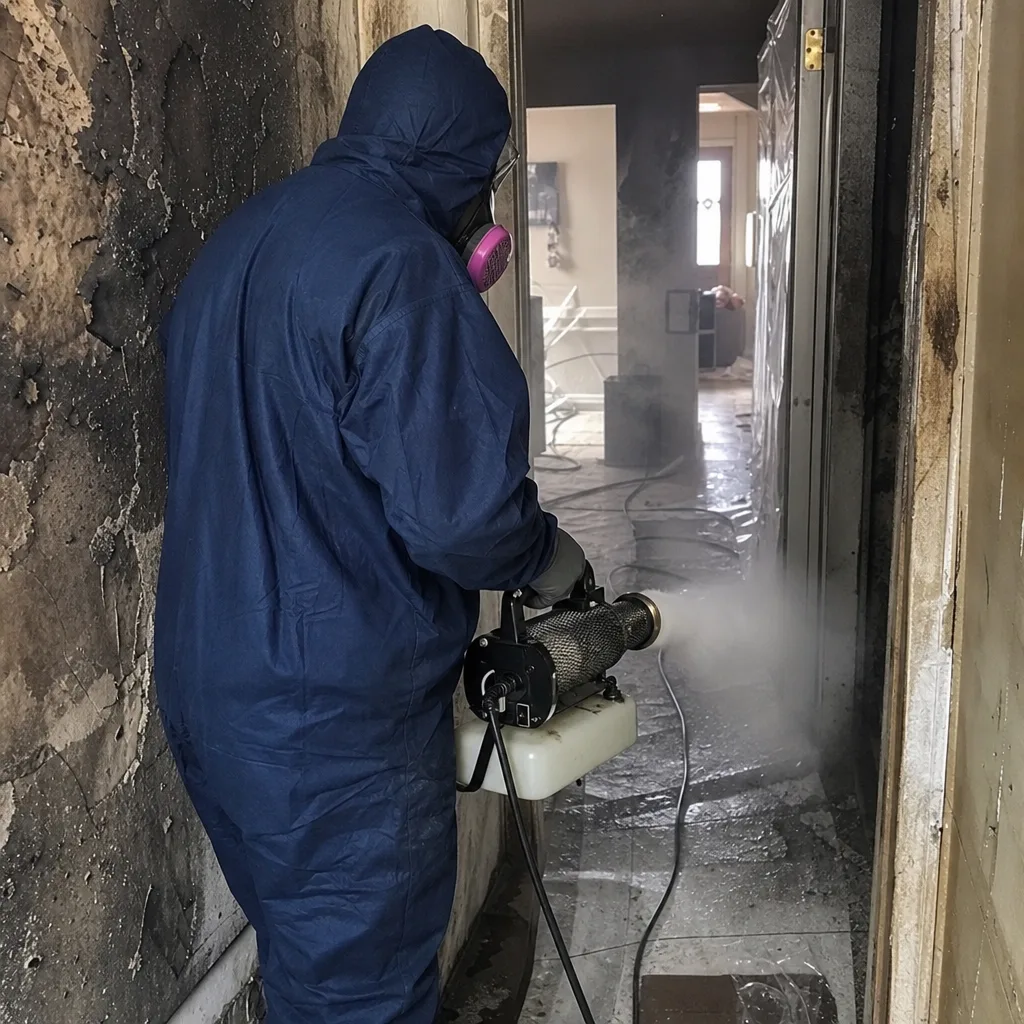
Flood Cleanup
Ground flooding and sewer backups in Palisades Park’s lower blocks require Category 3 protocols: full PPE, antimicrobial treatment, and often removal of porous materials that cannot be sanitized. We handle the documentation and disposal documentation that adjusters require for contaminated-loss claims.
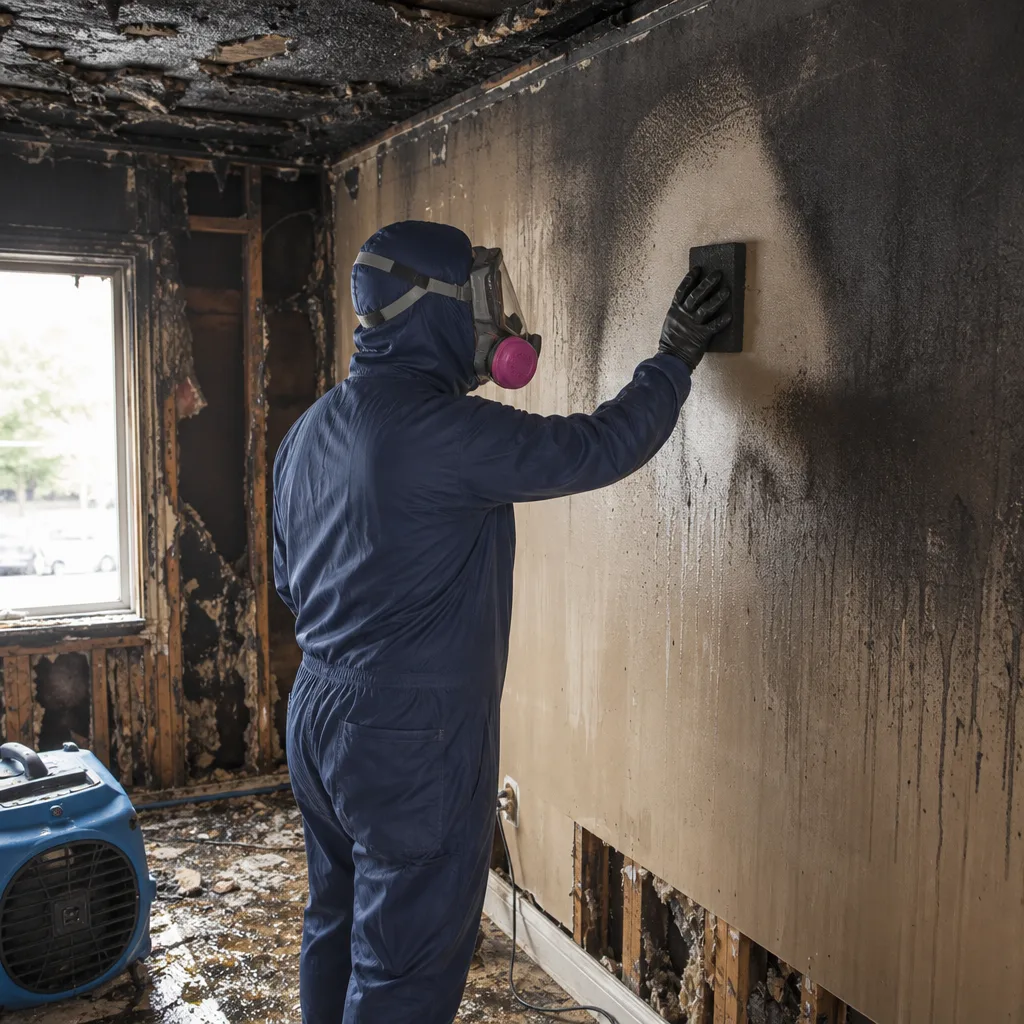
Burst Pipe Restoration
Original galvanized supply lines in Palisades Park’s post-WWII housing fail on predictable corrosion curves, not random chance. When we mitigate a burst pipe loss, we document the line condition with photos and recommend replacement scope to the adjuster, because drying a room and leaving failing plumbing behind invites a second claim.
Basement Water Removal
Common basements in 2-4 family buildings collect water from multiple units’ drain stacks, water heaters, and laundry facilities. We extract, sanitize, and dry these shared spaces with containment that protects adjacent storage and utility areas while maintaining access for all residents.
What happens when you call
- 1
A real person answersNo phone trees - you reach a local pro.
- 2
You get an upfront price rangeHonest numbers before anyone is dispatched.
- 3
A background-checked tech heads outLicensed & insured, dispatched right away.
- 4
You approve before work beginsNothing starts until you say go.
Water Damage Restoration Costs in Palisades Park, NJ
Water damage restoration pricing in Palisades Park reflects the borough’s dense, multi-unit housing stock and the complexity of shared-loss mitigation. A typical single-room extraction and drying job runs $1,200-$2,800. Multi-unit losses with party-wall migration and separate drying zones for adjoining units range $4,500-$9,500. Burst pipe restoration that includes line replacement and wall repair after drying adds $2,000-$5,500 depending on access and material matching.
What moves the price: the water category (Category 3 losses require more protective equipment and material removal), the number of affected units, whether original plaster or modern drywall needs repair, and whether the loss requires full reconstruction or just mitigation. Insurance typically covers sudden and accidental water damage from supply lines and storms; gradual leaks and maintenance-related failures often fall to the owner. We deliver a written price before any work begins, every time, with no additions once the crew is inside. Haven Standard, Clause 1. Bring a competitor’s written estimate and we’ll review it free - our Free Second Opinion policy.
We Also Serve Cities Near Palisades Park
Our crews respond throughout the immediate area, including Water Damage Restoration calls from Ridgefield, Fort Lee, Leonia, and Edgewater. Each municipality has distinct housing stock and loss patterns, and our documentation protocols adapt to the specific building types and insurance requirements in each.
Serving Palisades Park, NJ - Our Local Coverage Area
We’re based in the Palisades Park area and know this community well. Use the map below to see our service coverage - if you’re nearby, we can almost certainly help.
Palisades Park Water Damage Restoration Questions, Answered
A pipe burst in my second-floor unit and water is coming through my downstairs neighbor’s ceiling - who handles that in Palisades Park?
Both units need documentation, both policies likely trigger, and both adjusters need separate files. We moisture-map both sides of the shared assembly, set containment to protect common areas, and deliver distinct drying logs and scopes for each carrier. Call (845) 875-4326 and we’ll sort the logistics on arrival.
How fast do we need to start drying after water gets into the shared walls of a Palisades Park two-family?
Within 24 hours to prevent microbial growth in the cavity, and ideally within 4 hours for Category 2 water. Plaster and lath in these older homes hold moisture longer than drywall, so starting extraction and dehumidification fast prevents the 48-hour mold window that turns a mitigation job into a remediation project.
Can our 1950s galvanized supply lines be dried out and saved, or does a burst pipe mean replacing them?
The lines that didn’t burst are often as corroded as the one that did. We document their condition with photos for the adjuster, but we don’t recommend drying a room and hoping the remaining lines hold. Replacement scope is typically covered when the burst is sudden and accidental, and documenting the corrosion pattern helps make that case.
Water from our garden-apartment unit spread across several ground-floor units - how is that handled?
Each affected unit gets individual moisture mapping, separate equipment placement, and its own drying log and scope documentation. We coordinate with each unit’s insurance carrier and deliver the photo records and line-item estimates that multi-policy losses require. The common-area work is scoped separately and allocated by agreement among the carriers.
Does the freeze-thaw cycle here really cause more water damage claims than in neighboring towns?
Yes, because Palisades Park’s elevation on the Palisades ridge exposes it to higher wind loads and more extreme temperature swings than lower-lying Leonia or Ridgefield. The combination of older galvanized plumbing, shared-wall construction with minimal insulation in utility chases, and ridge-top wind chill produces more pipe-burst claims per housing unit than in surrounding single-family neighborhoods.
How long does structural drying take in Palisades Park’s older homes?
Three to five days for standard drywall and framing, five to ten days for plaster and lath with dense wood framing, and longer if bound water is trapped in shared assemblies that can’t be opened without demolition. We log daily moisture readings and don’t remove equipment until materials hit the dry standard for the specific material class, not a calendar guess.
Can we stay in our unit during drying?
Sometimes, for Category 1 losses in isolated areas with equipment noise and airflow that residents can tolerate. Category 2 and 3 losses, multi-unit containment, or drying in bedrooms and kitchens usually requires temporary relocation. We document livability conditions daily for the adjuster if displacement coverage applies.
What certifications do your technicians hold?
IICRC Water Damage Restoration Technician (WRT), Applied Microbial Remediation Technician (AMRT), and Fire and Smoke Restoration Technician (FSRT) credentials. All work is documented to IICRC, RIA, and IFA standards. License numbers and certification details are available on request.
Written by Alicia Brennan, Owner at Back to Dry Restoration, serving Palisades Park since 2011.
Water Damage Restoration in Nearby Areas