
Free visual inspection and a written scope of work before any mitigation begins - photos, moisture readings, and drying logs go in your claim file
The scope we write is the scope we bill. Anything new gets shown to you, in writing, before we touch it.
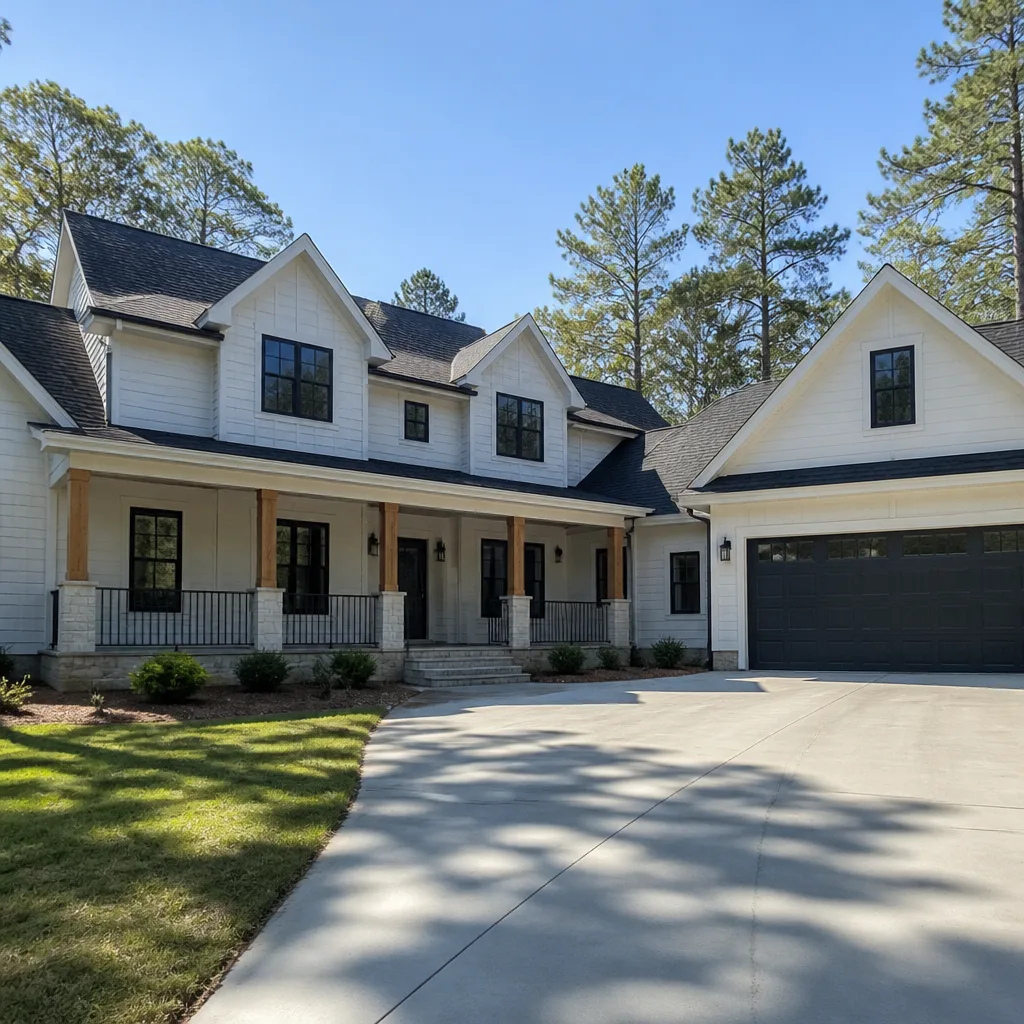
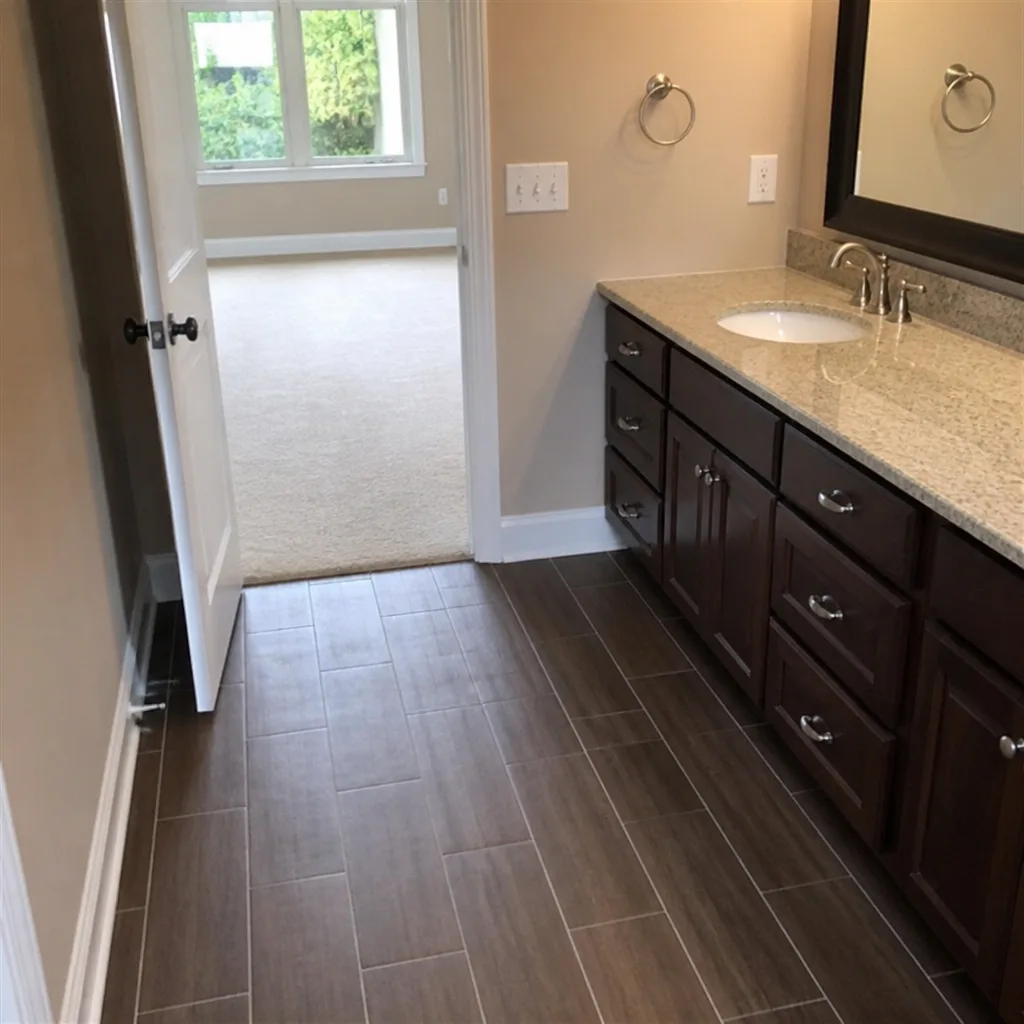
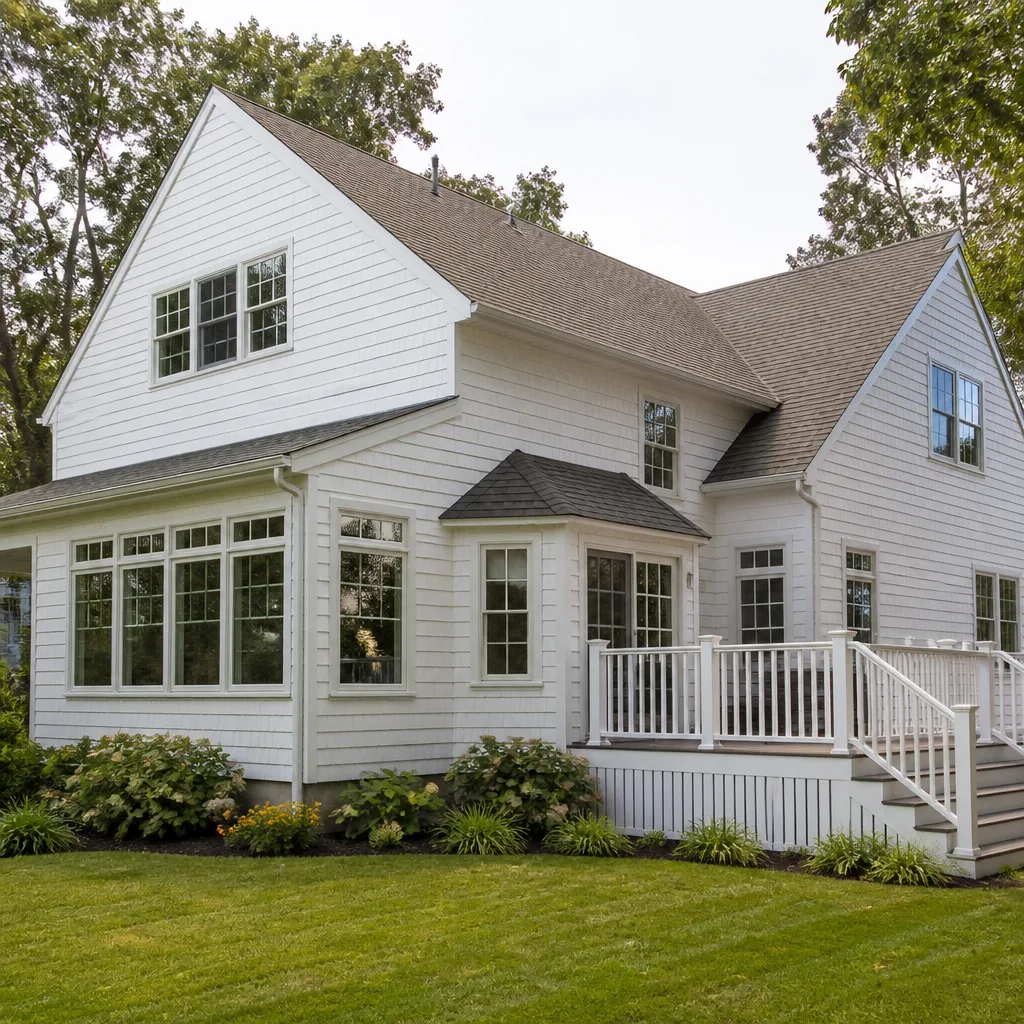
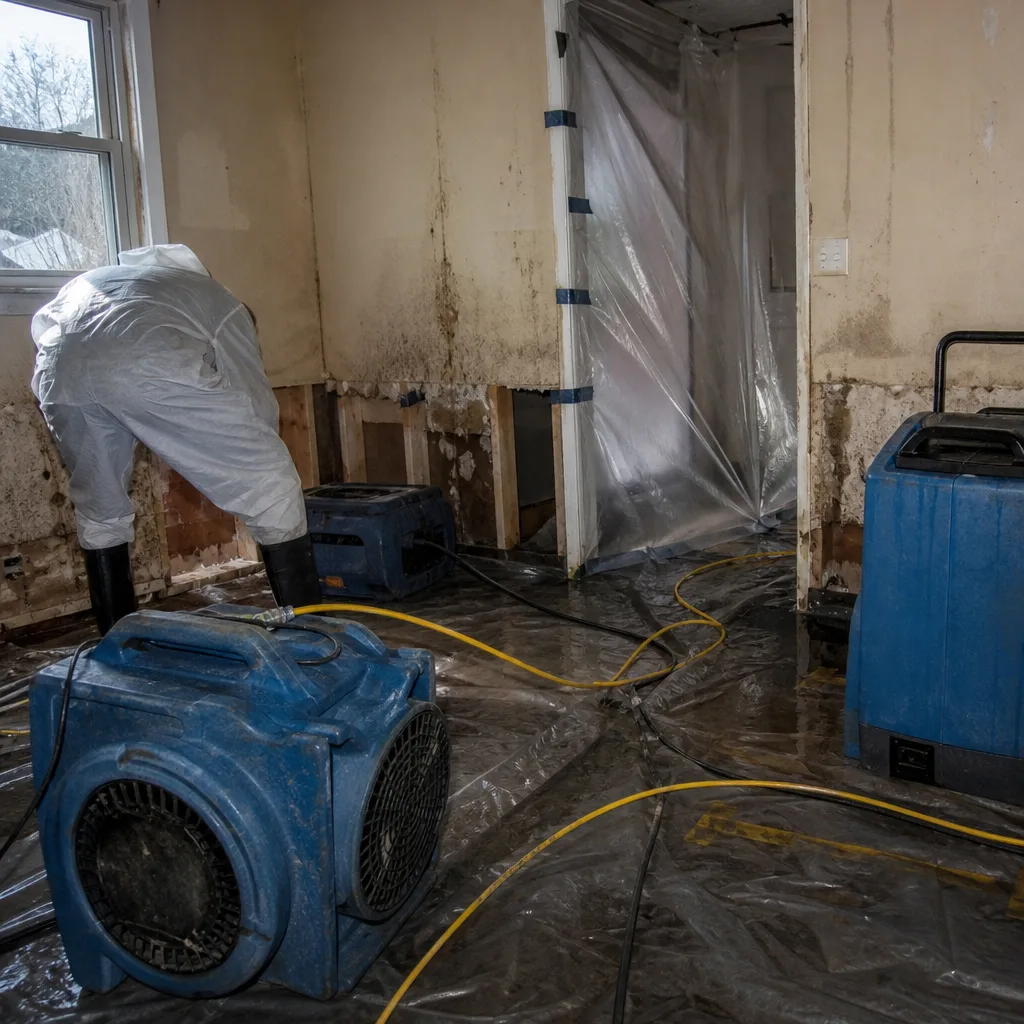 Before
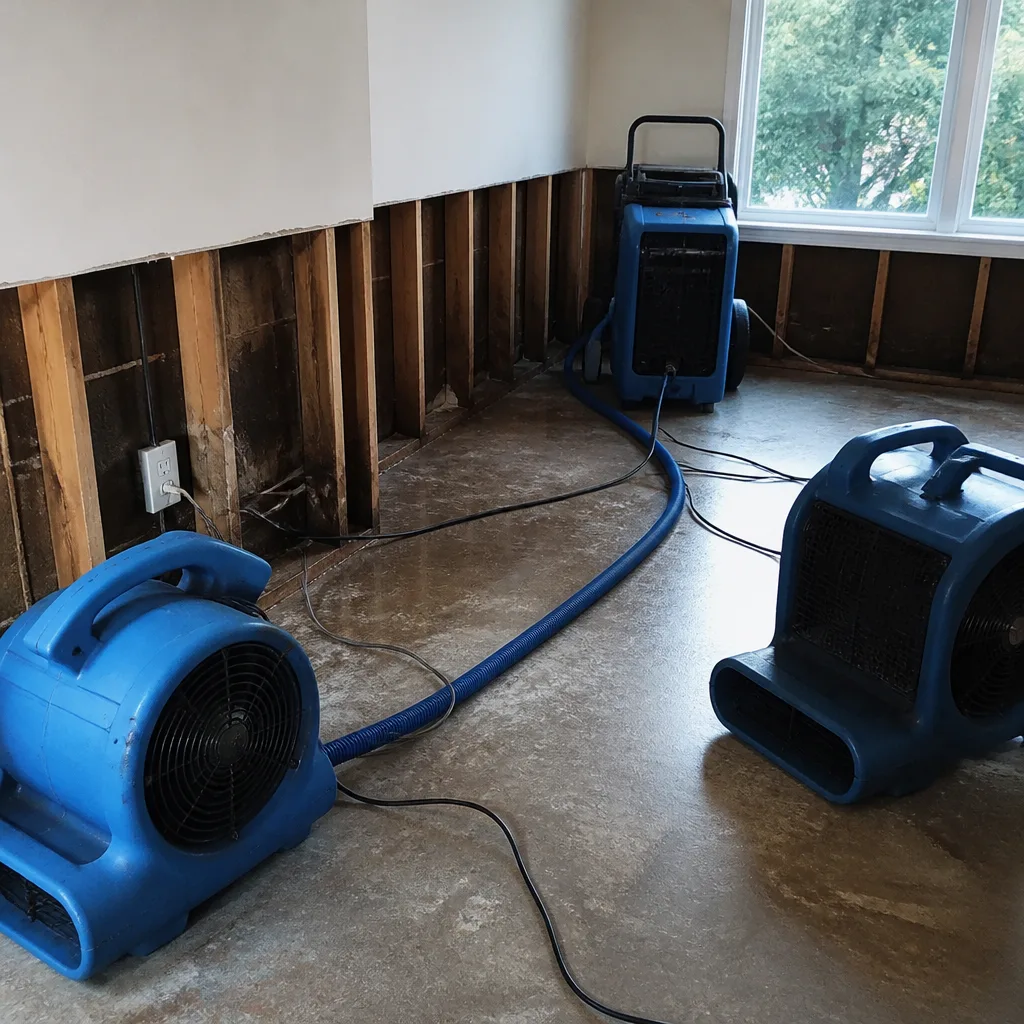 After
After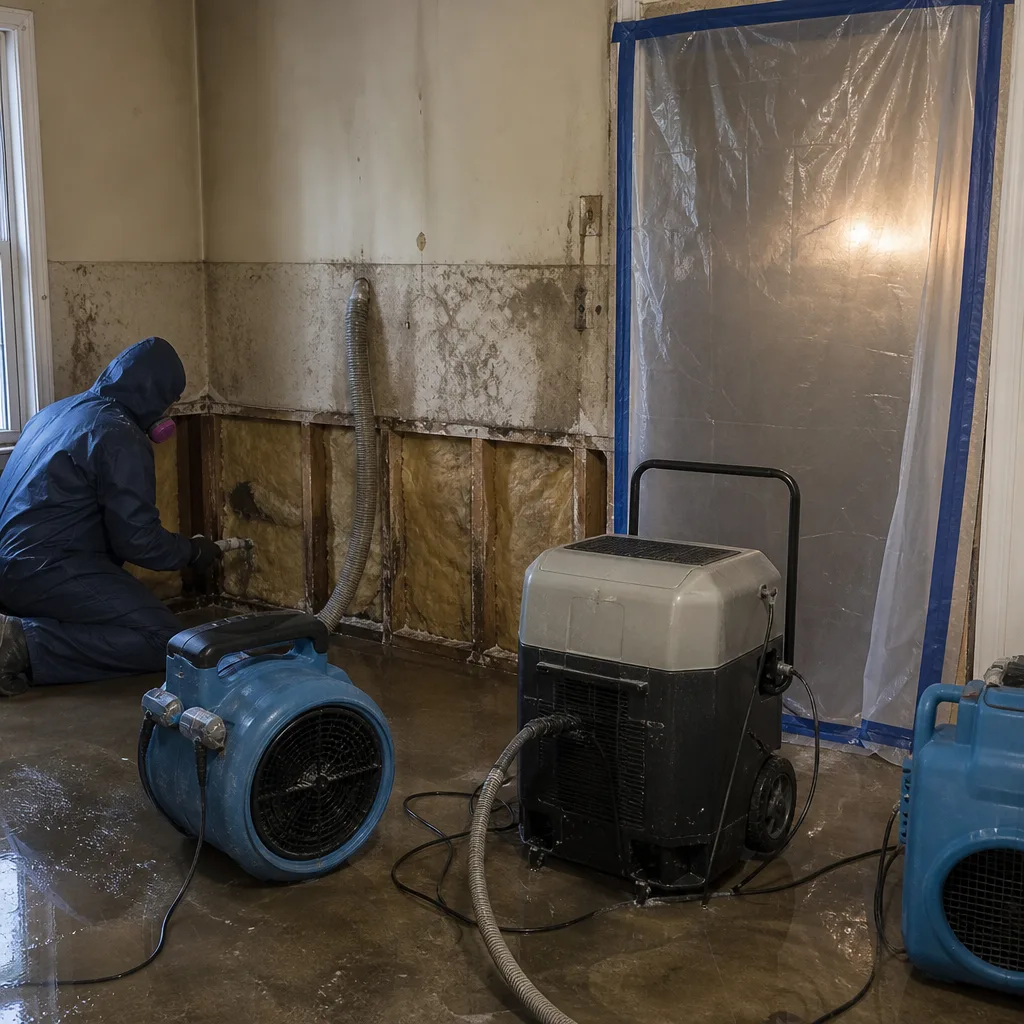 Before
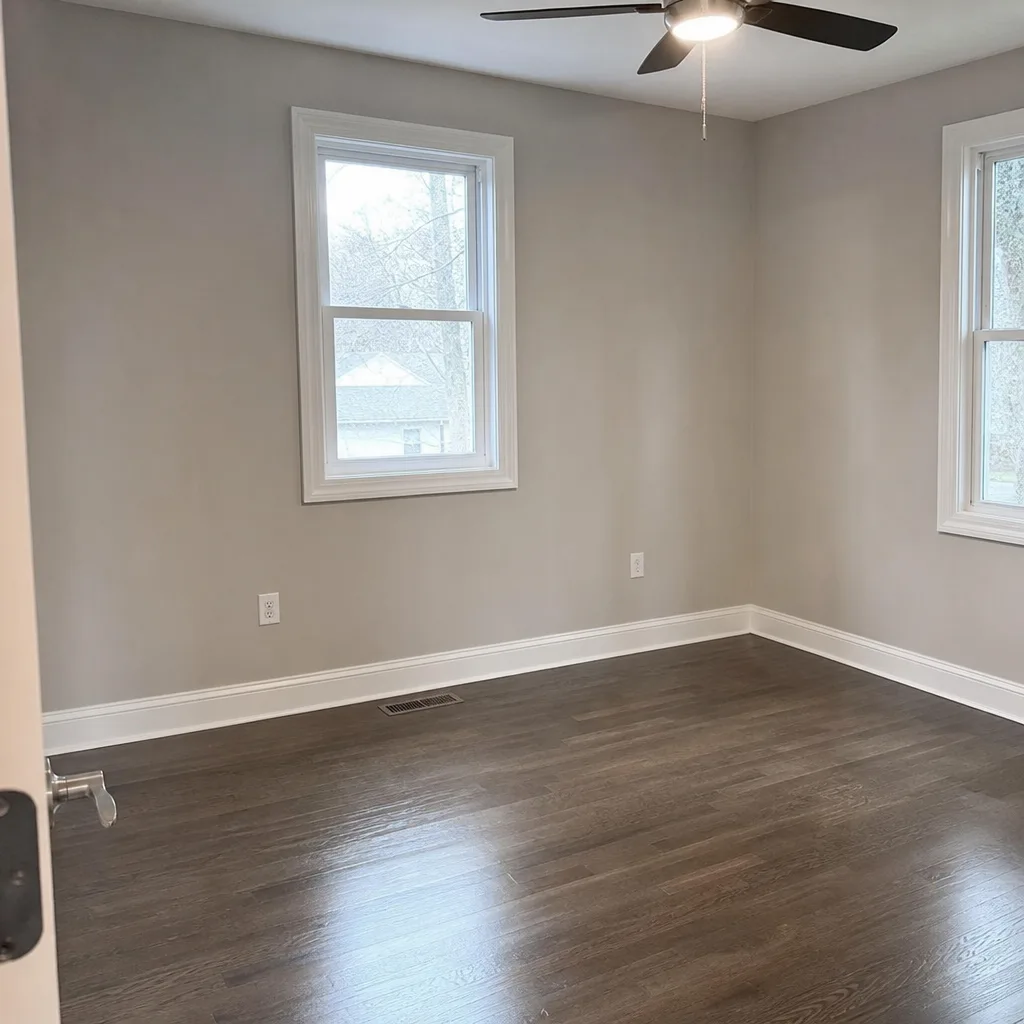 After
After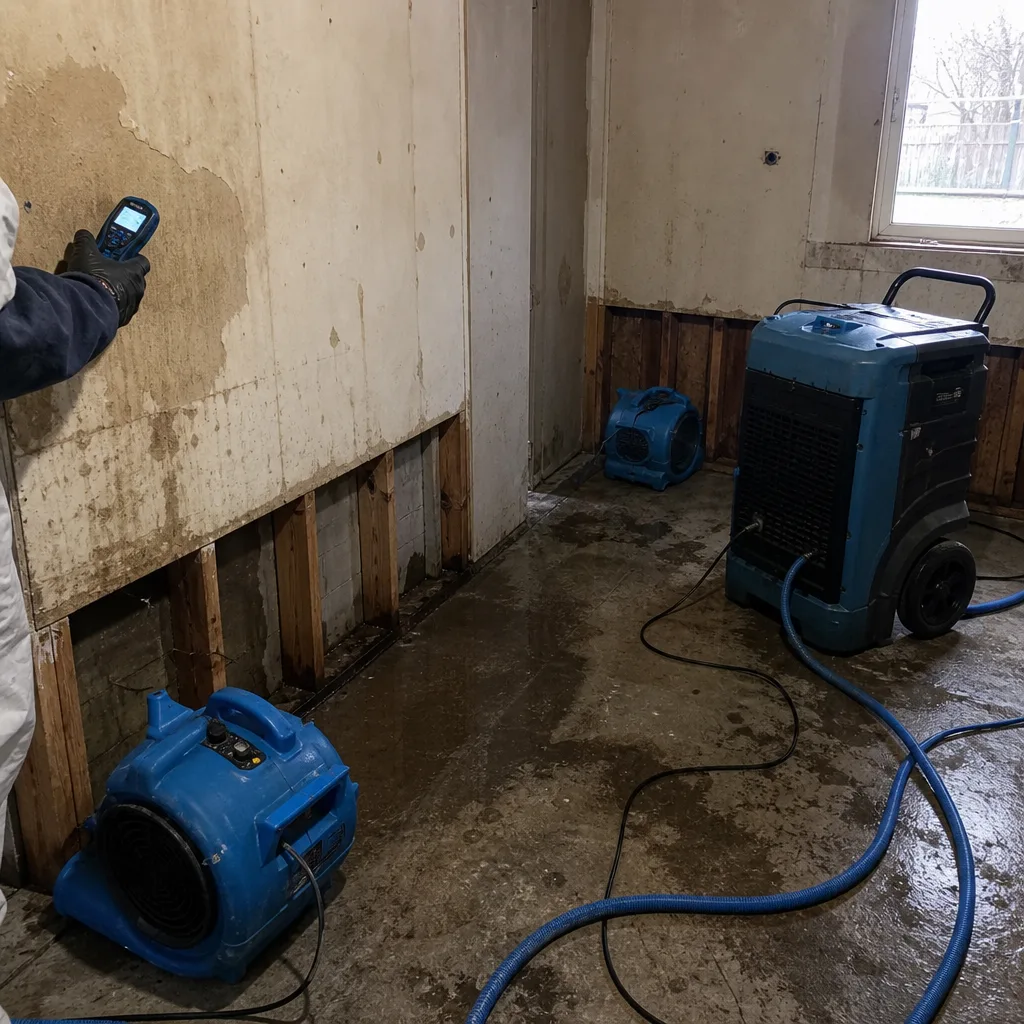 Before
 After
After24/7 Emergency Water Damage Restoration in Lodi
Water damage restoration in Lodi, NJ typically costs $2,800-$6,500 for a standard residential loss, with emergency extraction starting at $450 and full structural drying running $1,800-$4,200 depending on affected square footage and water category. Most Lodi properties require 3-5 days of active drying, and our crews can be on-site within 45 minutes of your call. Call (845) 875-4326 - a live person answers 24 hours a day, no voicemail, no callback queues while water is still spreading through your floors.
The first hour determines whether a Lodi water loss stays a cleanup job or becomes a rebuild. Water moves horizontally through post-WWII Cape Cod subfloors and vertically through shared walls in two-family colonials faster than most owners realize. Our dispatch is coordinated from our New York City office, but crews serve Lodi locally with equipment staged for Bergen County response. We arrive with thermal imaging, moisture meters, and extraction gear already loaded - no depot stops, no delays.
Understanding Water Damage Restoration Severity in Lodi Properties
Water damage falls into three categories that dictate what can be dried and what must be removed. Category 1 is clean water from a burst supply line - salvageable if addressed quickly. Category 2 carries significant contamination from washing machine discharge or sump pump failures. Category 3 is grossly contaminated: sewage, Saddle River floodwater, or any water that has passed through soil or building materials. In Lodi’s River Road corridor, we treat most basement flood events as Category 2 at minimum, and often Category 3, because river backwater carries petroleum residue, pesticides from upstream agricultural runoff, and raw sewage from overwhelmed municipal systems.
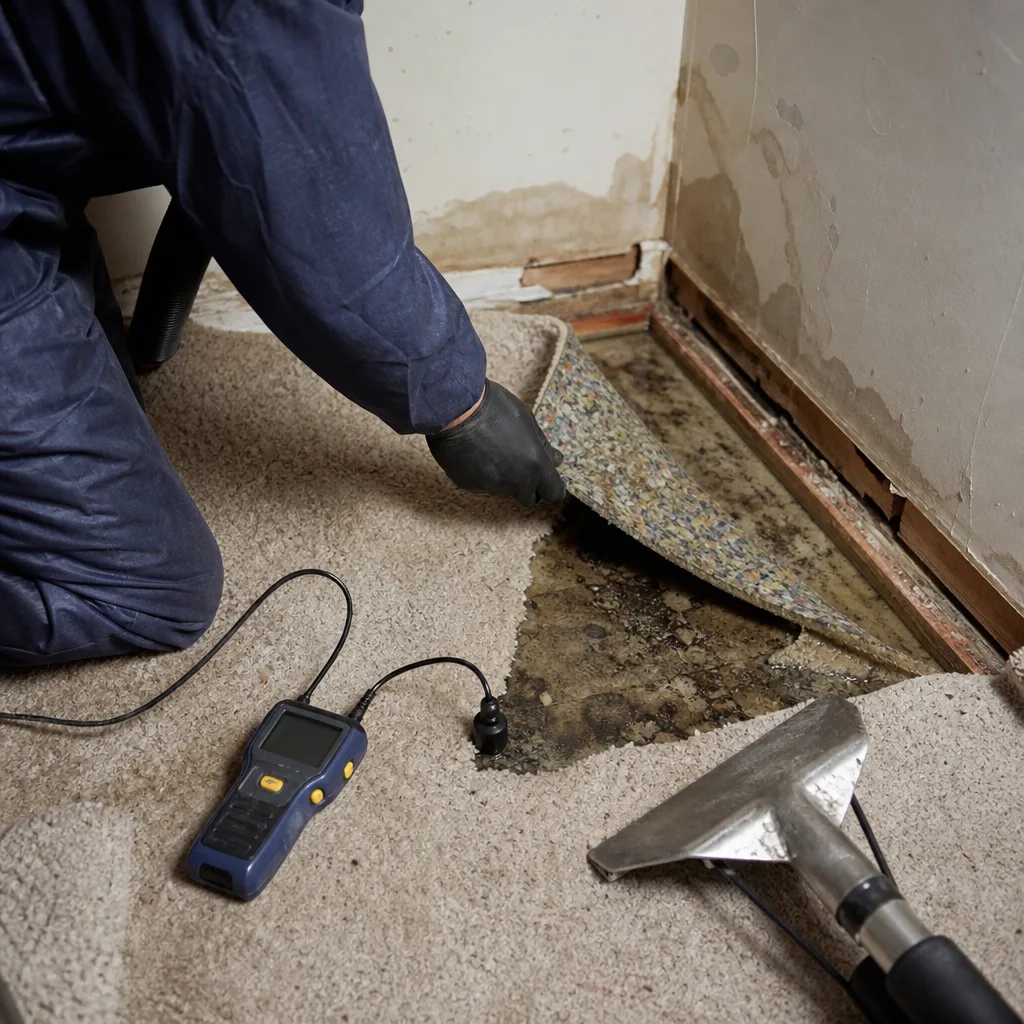
Moisture mapping with thermal imaging and non-penetrating meters lets us trace water migration without tearing into every wall. Lodi’s housing stock complicates this: 1940s-1960s Cape Cods often have no vapor barriers beneath slab floors, so groundwater wicks upward through capillary action even after surface water is extracted. Two-family colonials share party walls that transmit moisture between units. Row-style homes on narrow lots have minimal exterior drainage, forcing water into basement perimeters. We document every reading, every affected material classification, and every vapor pressure differential - the force that drives moisture from wet materials into drier air - so your insurer sees why each line item on the scope is necessary.
Why Lodi Property Owners Choose DryMark Restoration Englewood
- 45-minute response commitment to Lodi properties - crews are minutes away, not hours.
- 24/7 live answer: a real person, never an automated system, picks up every emergency call.
- IICRC-certified crews holding WRT (Water Damage Restoration Technician) and ASD (Applied Structural Drying) credentials - license numbers provided on request.
- Free visual inspection and written scope before any work begins, every time.
- Direct insurance billing with photo-documented estimates that adjusters recognize and approve.
- One team from extraction through reconstruction - no handoffs between subcontractors that lose continuity on your job file.
BeforeAfterOur Water Damage Restoration Process
1. Inspection & Assessment
We arrive with FLIR thermal cameras, penetrating and non-penetrating moisture meters, and hygrometers to map the full extent of water migration. In Lodi’s older homes, we specifically check block foundation walls for efflorescence - the white mineral deposits that signal chronic moisture intrusion - and test finished basements for concealed damage behind prior remediation work.
2. Extraction & Stabilization
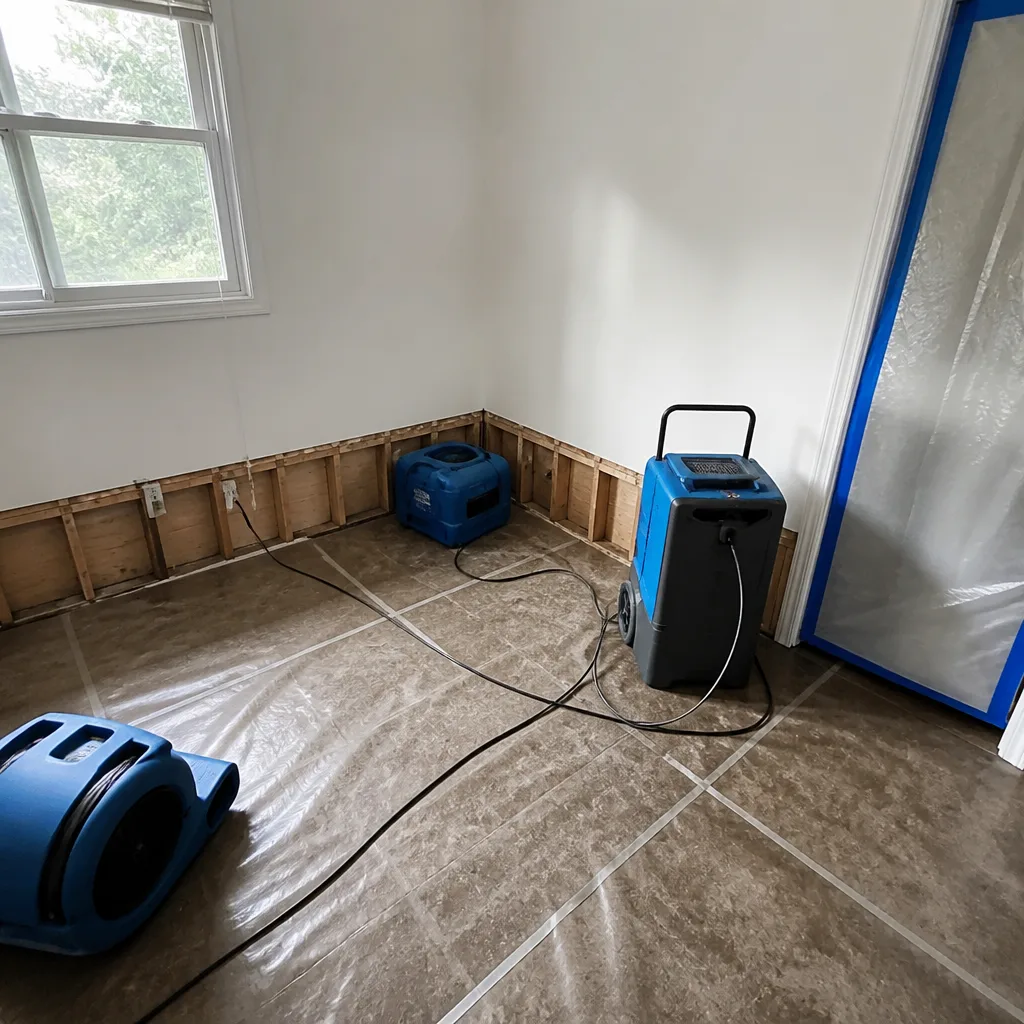
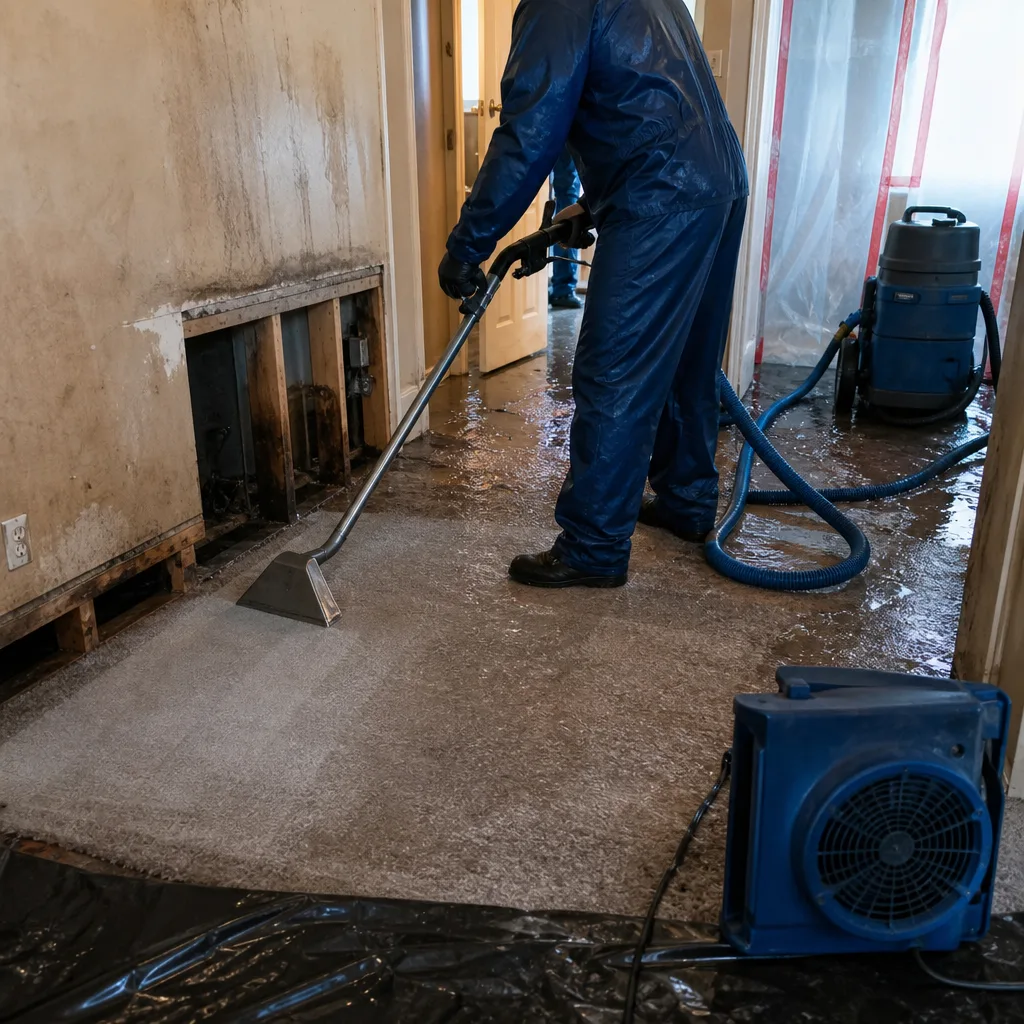
Standing water comes out first with truck-mounted extractors and portable submersible pumps. We remove saturated carpet pad, affected insulation, and any Category 2 or 3 materials that cannot be salvaged. Containment barriers go up to isolate unaffected areas and prevent cross-contamination.
3. Drying & Dehumidification
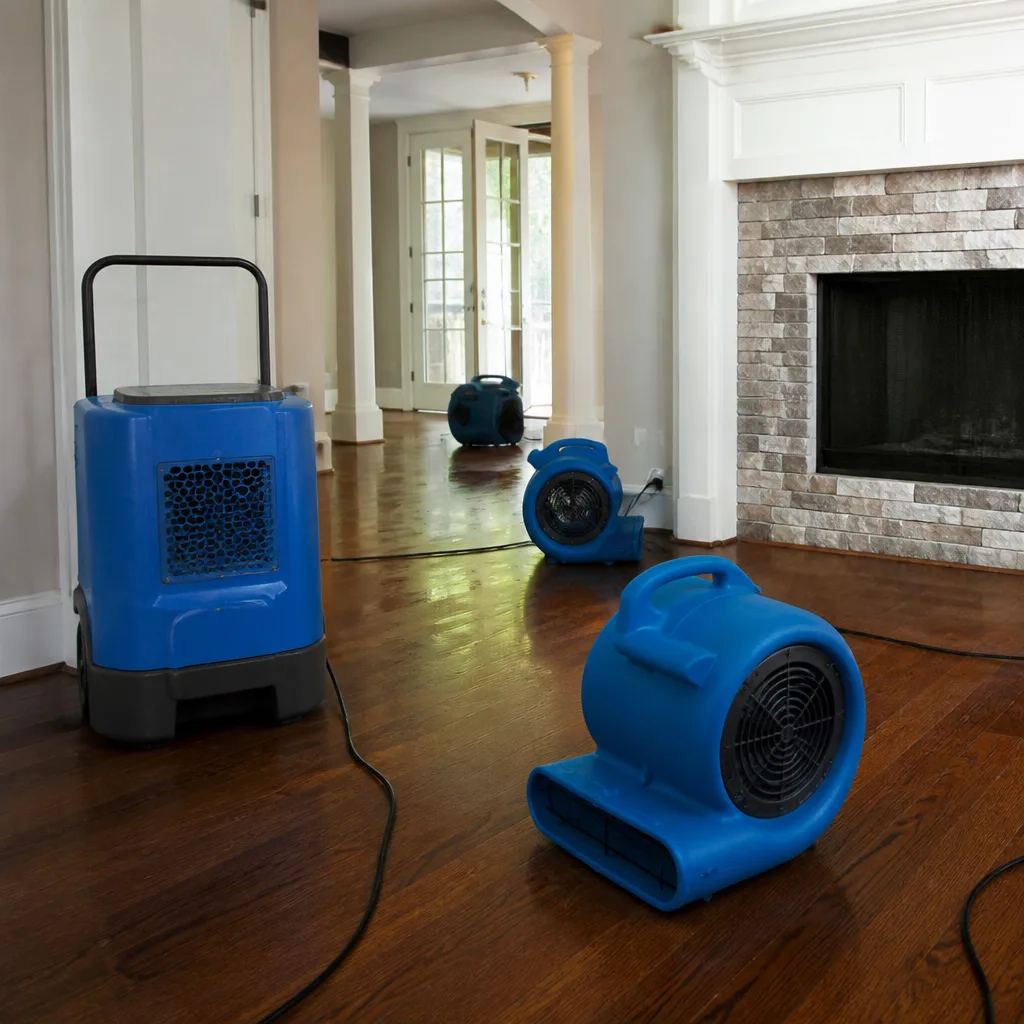
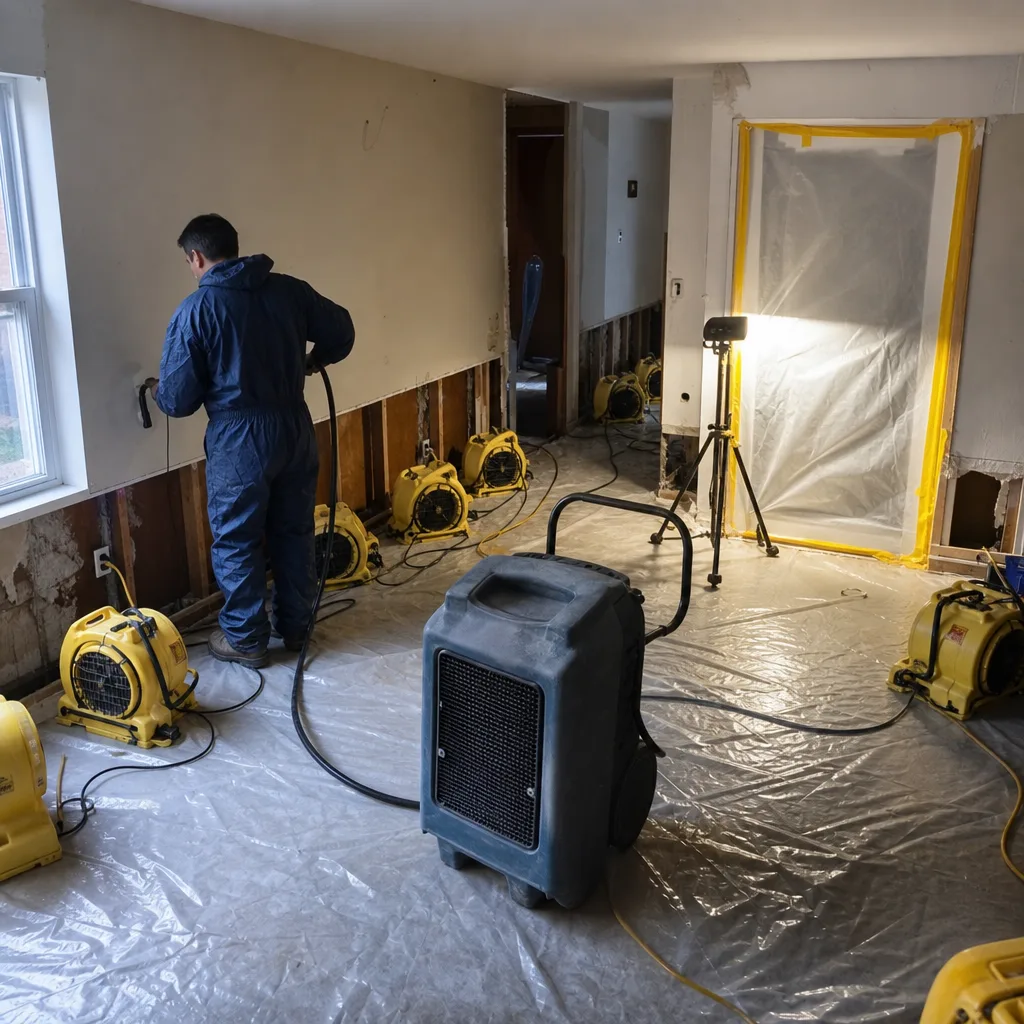
We deploy Dri-Eaz and Phoenix low-grain refrigerant dehumidifiers alongside XPOWER and B-Air axial air movers positioned to create controlled airflow across wet surfaces. Psychrometric data - temperature, relative humidity, and specific humidity readings - is logged daily to prove drying progress to your insurer and verify we have reached industry-standard equilibrium moisture content.
4. Cleaning & Sanitization
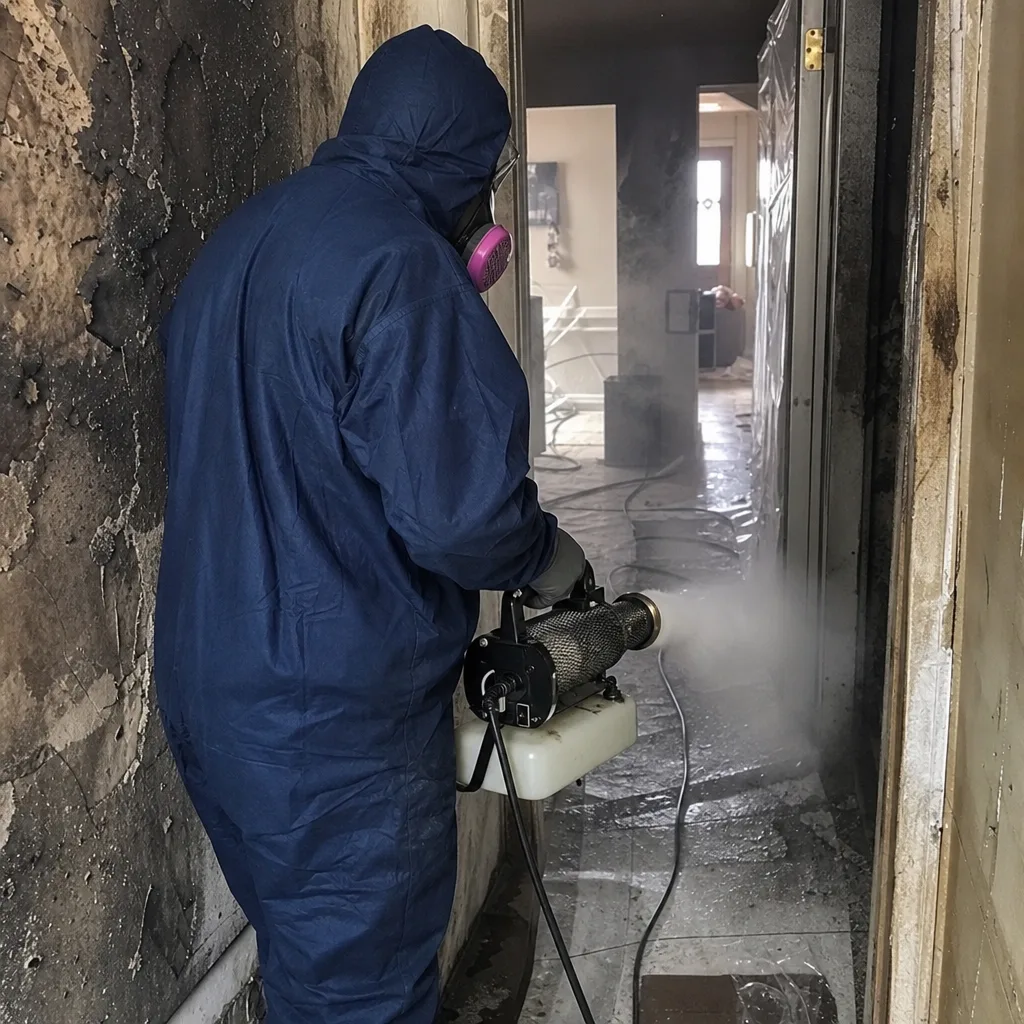
All affected surfaces receive antimicrobial treatment appropriate to the water category. HEPA air scrubbers run continuously during this phase to capture airborne mold spores and particulates. We document every product used and every application with time-stamped photos.
5. Concealed Damage Investigation
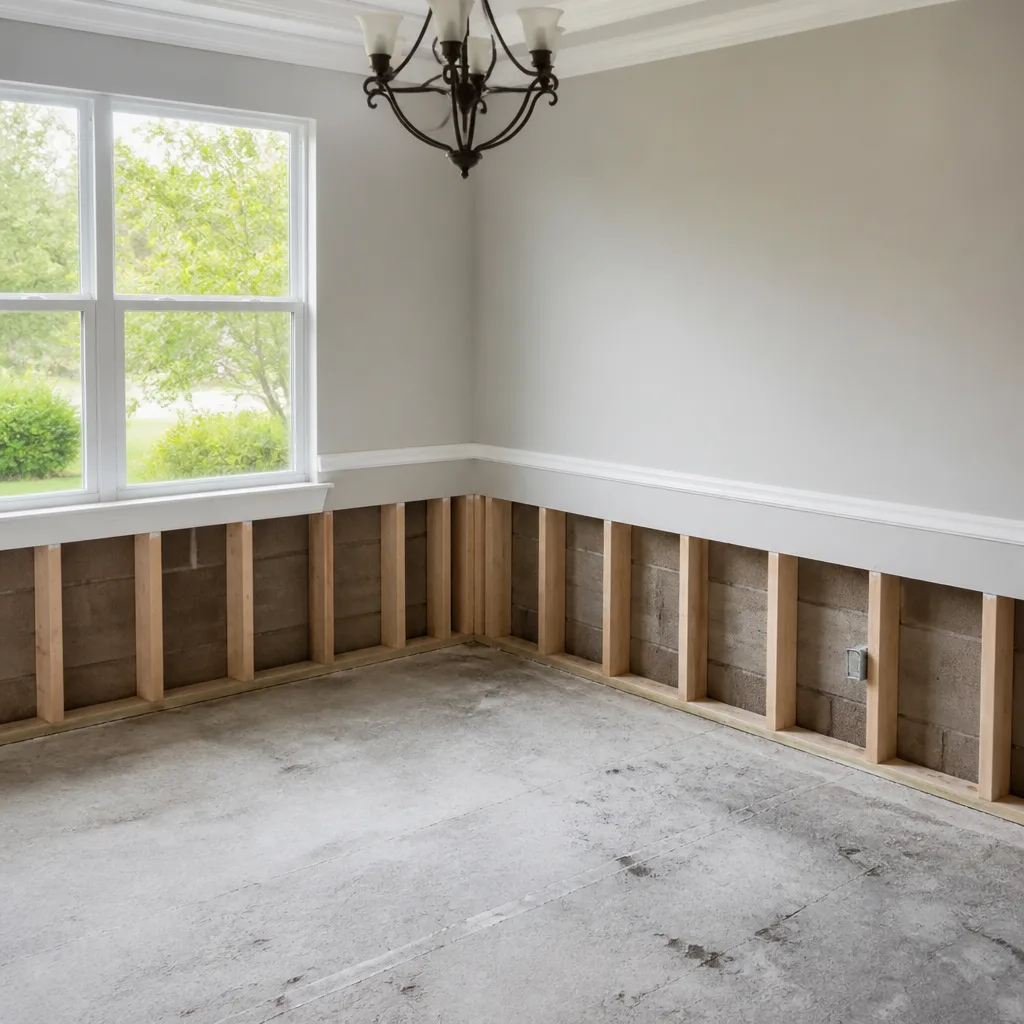
This is where Lodi work diverges from standard protocol. In Saddle River floodplain homes, we cut inspection openings into finished drywall that prior contractors may have reinstalled over mold. We have found concealed fungal growth behind “completed” remediation in River Road corridor homes more times than we can count. If we find it, we document it, expand the scope in writing, and treat it before closing any wall.
6. Repairs & Restoration
Once moisture readings confirm the structure is dry to IICRC standards, we rebuild: new drywall, insulation, flooring, trim - whatever was removed. Every repair is scoped in writing before work begins, with no additions once the crew is inside your home. Haven Standard, Clause 1.
Need Emergency Water Damage Restoration in Lodi Now?
Crews minutes away, answering live 24 hours a day. The sooner we start, the less it costs.
Working With Your Insurance Company
Insurance claims succeed or fail on documentation. We start building your file from the first minute we arrive: photos of the loss scene, moisture readings with equipment serial numbers, material classifications by trade name, and a written scope with line-item pricing before any work begins. Our estimates follow Xactimate pricing standards that major carriers recognize, and we communicate directly with your adjuster - not through you as a relay - to resolve questions about scope or methodology.
We have handled claims with every major carrier writing policies in Bergen County. The photo record we provide is not an upsell; it is standard on every visit, included in our base service, because a former claims adjuster founded this company in 2011 specifically to close the documentation gap that costs homeowners their settlements.
What We Provide Your Insurer
- Thorough documentation of the loss
- Photos of all damage, room by room
- Moisture readings and drying logs
- A detailed, line-item scope of work
- Direct coordination with your carrier
Built for Lodi’s Loss Calendar
January deep freezes split copper supply lines in uninsulated crawlspaces and exterior walls of Lodi’s 1950s-era Cape Cods. The thaw that follows sends water through finished basements before owners realize a pipe has burst. Late February through March brings snowmelt combined with rain; the Saddle River rises quickly, and Lodi’s flat topography means water backs into low-lying streets before storm drains can clear it. April and May see basement seepage from saturated soils pressing against deteriorated block foundations.
Summer thunderstorms drop intense rainfall on impervious surfaces - Lodi’s dense development leaves little ground absorption - and overwhelmed municipal systems backflow through basement drains. September and October tropical storm remnants follow the same Saddle River corridor that Hurricane Irene used in 2011. Then late-autumn nor’easters return, with wind-driven rain finding every gap in aging flashing and window seals. We have restored 12,000+ homes since 2011, and Lodi’s calendar is predictable: the same properties flood repeatedly, and each event layers new damage atop incompletely resolved prior losses.
Water Damage Restoration Across Lodi’s Neighborhoods
The River Road / Lodi Street corridor is our most frequent call zone. Homes here sit closest to the Saddle River floodplain, and many have flooded three or more times since 2011. Restoration scopes here always include inspection openings into prior finished work - we assume concealed secondary damage until proven otherwise. Crews know which properties have chronic efflorescence, which block walls have been parge-coated repeatedly without resolving the underlying moisture source, and which homes need vapor barrier installation as part of any legitimate drying plan.
South Lodi, toward the Essex County line, has slightly more elevated terrain but denser row-style housing with shared basement walls. A water loss in one unit typically affects neighbors; we coordinate multi-unit assessments and document party-wall moisture migration for each owner’s separate claim. The area around Memorial Drive and the Lodi High School vicinity has more 1960s split-levels with below-grade family rooms - vulnerable to hydrostatic pressure from saturated backfill, especially after the ground has frozen and thawed. Our Water Damage Restoration team carries specific protocols for each Lodi neighborhood’s building type and flood history.
Specialized Water Damage Restoration Services We Offer in Lodi
Emergency Water Extraction
Standing water removal within 45 minutes of your call, using truck-mounted extractors rated for Category 3 losses and portable units for tight basement access. In Lodi’s older homes with narrow stairwells, we often need portable equipment to reach below-grade spaces - we arrive prepared for both.
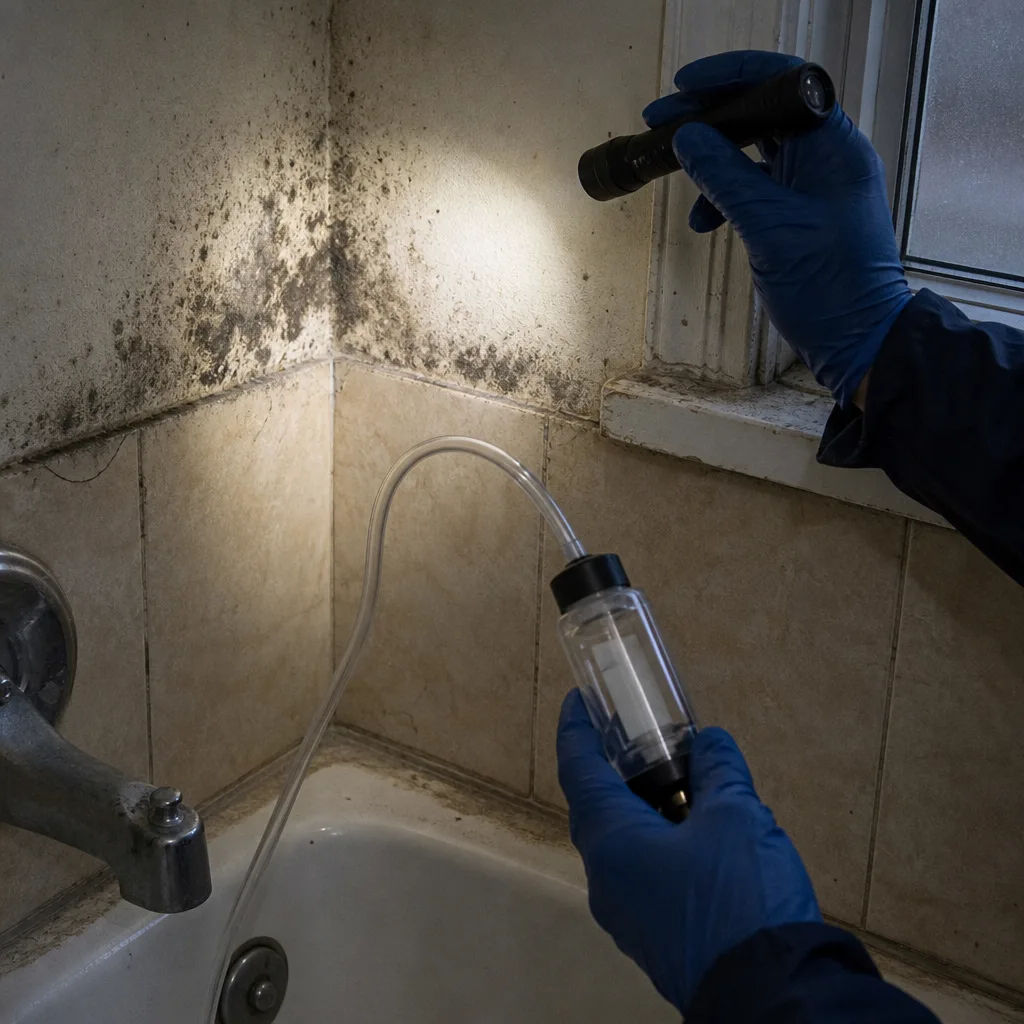
Structural Drying & Dehumidification
Low-grain refrigerant dehumidifiers and high-velocity air movers deployed in calculated ratios based on affected cubic footage. Daily psychrometric logging proves drying progress to your insurer. In Lodi’s chronically damp basements, we often extend drying timelines and add supplemental heat to overcome cold foundation temperatures that slow evaporation.
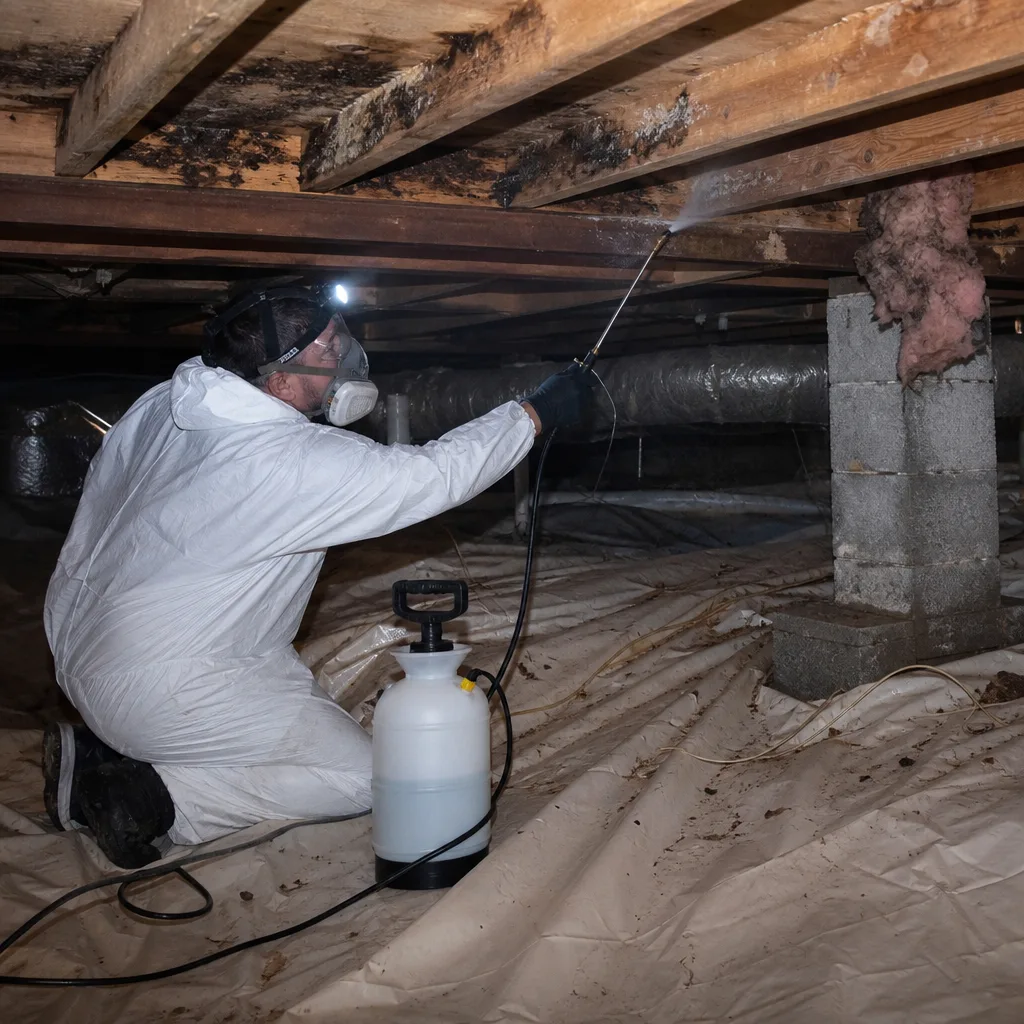
Flood Cleanup
Saddle River floodwater is never Category 1. We treat it as contaminated from arrival, removing affected porous materials, applying EPA-registered antimicrobials, and documenting contamination classification for your claim. Flood cleanup in Lodi requires familiarity with FEMA flood zone AE requirements and local elevation certificate data - we reference both when building scopes.
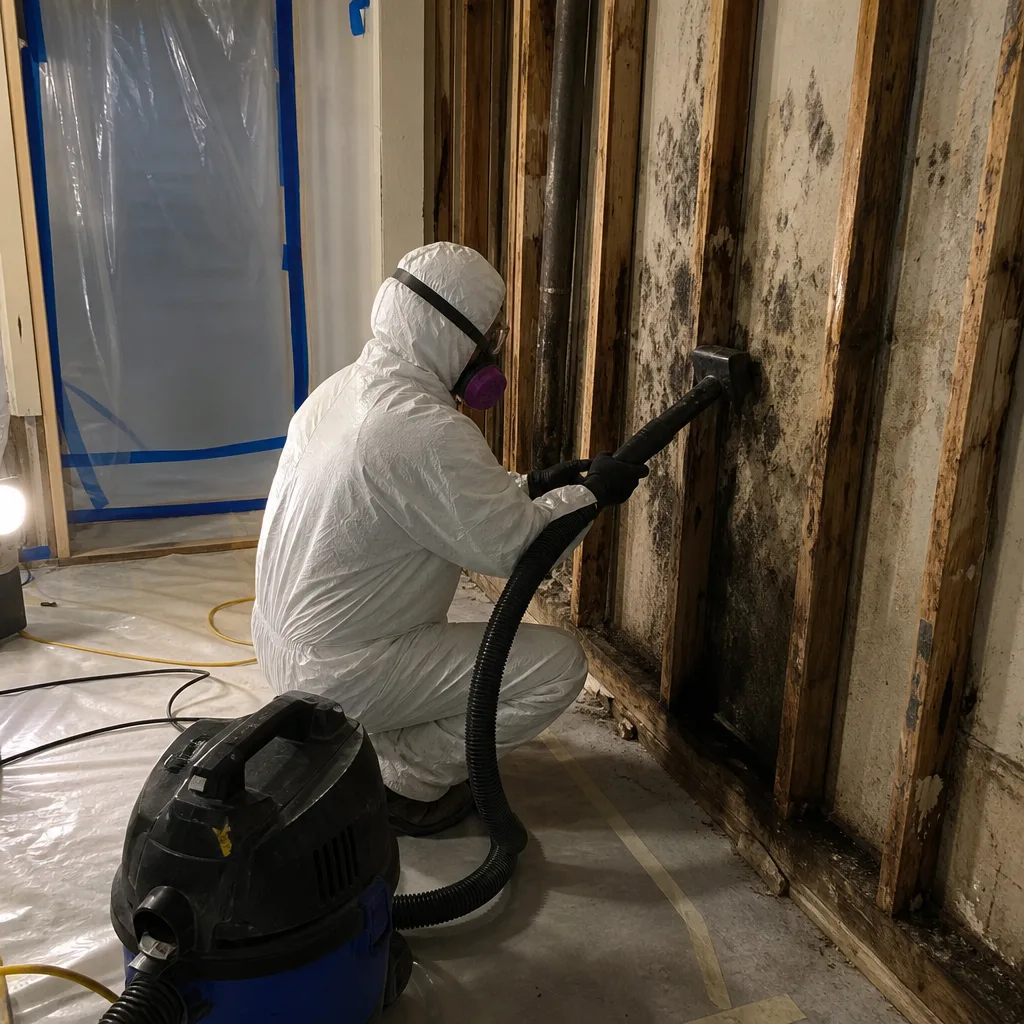
Burst Pipe Restoration
Winter freeze events in Lodi’s uninsulated exterior walls and crawlspaces split copper and PEX alike. We extract, dry, and document the water loss; coordinate with licensed plumbers for repair; and scope any secondary damage to insulation, drywall, or flooring. The written price covers all of it, agreed before work starts.
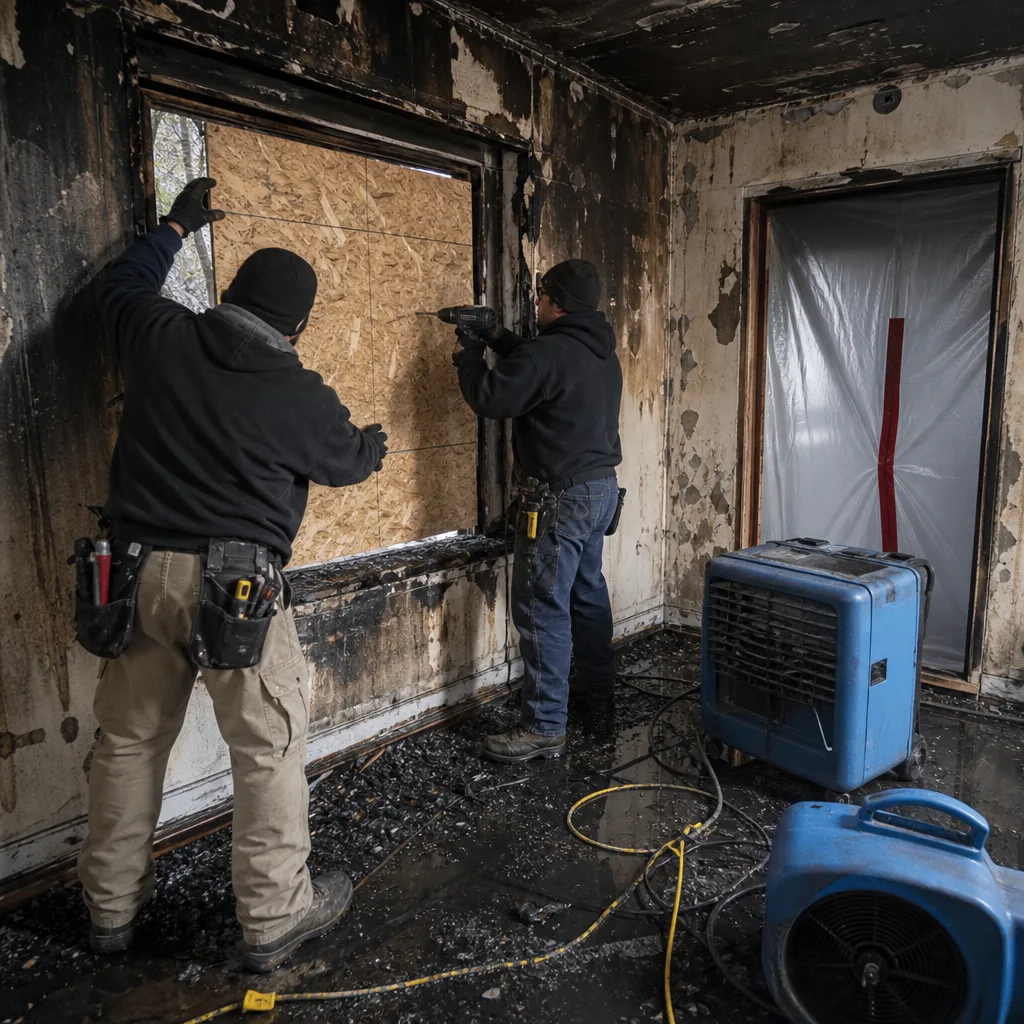
Basement Water Removal
Lodi’s unfinished and partially finished basements are the most common loss site we see. We pump, extract, and dry - but we also investigate why the water entered. Deteriorated block walls, failed sump pumps, and improper exterior grading are fixable conditions; ignoring them guarantees repeat losses. Our scopes note each contributing factor with photo documentation.
What happens when you call
- 1
A real person answersNo phone trees - you reach a local pro.
- 2
You get an upfront price rangeHonest numbers before anyone is dispatched.
- 3
A background-checked tech heads outLicensed & insured, dispatched right away.
- 4
You approve before work beginsNothing starts until you say go.
Water Damage Restoration Costs in Lodi, NJ
These are actual ranges for Lodi’s market, based on jobs we have completed in Bergen County:
| Service | Typical Range |
|---|---|
| Emergency water extraction (up to 1,000 sq ft) | $450-$950 |
| Structural drying & dehumidification (3-5 day cycle) | $1,800-$4,200 |
| Basement flood cleanup (Category 2-3, including partial demo) | $3,500-$7,800 |
| Burst pipe restoration (extraction, drying, basic repairs) | $2,200-$5,400 |
| Full-service water damage restoration with reconstruction | $6,500-$18,000+ |
What moves the price: water category (Category 3 requires more demolition and antimicrobial treatment), affected square footage, whether finished materials must be removed, and whether concealed mold from prior events is discovered. Insurance typically covers sudden and accidental water losses; gradual seepage or maintenance-related issues may not be covered. We provide a free visual inspection and written scope so you know exactly what your situation involves before deciding how to proceed. Call (845) 875-4326 for your exact quote - estimates are free.
We Also Serve Cities Near Lodi
Our crews respond throughout central Bergen County, including Lodi and neighboring Hasbrouck Heights, Hackensack, Bogota, and Little Ferry. Each municipality has distinct flood patterns, building ages, and municipal infrastructure that affect restoration approach - we adjust our protocols accordingly rather than applying a one-size template.
Serving Lodi, NJ - Our Local Coverage Area
We’re based in the Lodi area and know this community well. Use the map below to see our service coverage - if you’re nearby, we can almost certainly help.
Lodi Water Damage Restoration Questions, Answered
How fast can you get to my Lodi property?
We commit to 45 minutes from your call to on-site arrival for Lodi addresses. Crews are staged for Bergen County response, and our dispatch operates 24 hours a day with a live person answering every call - no voicemail, no callback delays while water spreads.
Will my insurance cover water damage restoration in Lodi?
Most homeowners policies cover sudden and accidental water losses - burst pipes, appliance failures, storm damage - but exclude gradual seepage or maintenance issues. We document your loss as Category 1, 2, or 3 with photo evidence and moisture readings that support your claim, then coordinate directly with your adjuster. Call (845) 875-4326 and we will review your policy type and loss circumstances at no charge.
Do I need full remediation or just water extraction?
Extraction alone is rarely sufficient. Water migrates into wall cavities, subfloors, and insulation where it cannot be seen or reached with pumps. Without structural drying and moisture verification, you get mold growth and structural deterioration within 48-72 hours. Our written scope defines exactly what your property needs based on moisture mapping, not guesswork.
Why do Lodi basement floods near the Saddle River take longer to remediate than a typical water loss?
Three factors extend timelines: chronically damp block foundations that re-wick groundwater after surface drying; prior “completed” remediation that concealed mold behind reinstalled drywall; and Category 2-3 contamination from river backwater requiring more extensive demolition and antimicrobial treatment. A typical Lodi River Road corridor job runs 5-7 days of active drying versus 3-4 for a clean supply-line burst in a drier location.
A previous contractor already remediated my Lodi Street basement flood. Why would it need to be opened up again?
We have cut into finished basement walls on Lodi Street and found concealed mold behind drywall that a prior contractor reinstalled after flooding. In this corridor, prior remediation cannot be trusted without verification. Our scopes include inspection openings and moisture readings behind finished surfaces; if we find concealed damage, we document it, expand the scope in writing, and treat it properly before closing anything. Haven Standard, Clause 1: the price is agreed before any additional work begins.
How fast does mold matter after water backs into a Lodi basement?
Mold colonization begins 24-48 hours after water intrusion on organic materials like drywall, wood framing, and carpet pad. In Lodi’s chronically damp basements with poor ventilation, that window shortens. We deploy HEPA air scrubbers and antimicrobial treatment during extraction to suppress spore amplification, but the only reliable prevention is rapid structural drying verified with daily moisture logs.
What makes Saddle River flood cleanup different from a burst pipe in Lodi?
Saddle River floodwater carries agricultural chemicals, petroleum residue, and sewage from overwhelmed municipal systems - it is Category 2 or 3 by definition, not the clean Category 1 of a burst supply line. Porous materials that absorb floodwater must be removed, not dried in place. Antimicrobial treatment requirements are stricter. Documentation for insurance must explicitly classify the water source and contamination level. We handle both scenarios, but the protocols are fundamentally different.
Do you document moisture readings for Lodi flood and water damage jobs?
Yes - daily moisture logs with equipment readings, psychrometric data, and time-stamped photos are standard on every job, included at no additional charge. This documentation is what turns a restoration invoice into a claim an insurer pays without dispute. We provide your adjuster with the same records we use to verify drying completion. Call (845) 875-4326 to discuss documentation standards for your specific loss.
A Cape Cod on Lodi Street near the Saddle River came in after a nor’easter backed water through the block foundation into a partially finished basement. We extracted standing water, mapped moisture through the finished drywall a previous contractor had reinstalled after flooding, and found concealed mold growth behind it; we cut out the wet sections, ran Dri-Eaz and Phoenix air movers with dehumidification under containment, applied antimicrobial treatment, and logged daily moisture readings until the structure dried. The owner had a complete photo record, a written drying log, and a signed 365-Day Done Right Promise when we finished.
That job is why we do not trust prior remediation in Lodi’s floodplain. It is also why every scope we write for Water Damage Restoration in Lodi includes language about inspection openings and concealed damage investigation - because the alternative is finishing a basement over mold that will cost the owner thousands more when it reappears.
Written by Alicia Brennan, Owner at Back to Dry Restoration, serving Lodi since 2011.