
Free visual inspection and a written scope of work before any mitigation begins - photos, moisture readings, and drying logs go in your claim file
The scope we write is the scope we bill. Anything new gets shown to you, in writing, before we touch it.
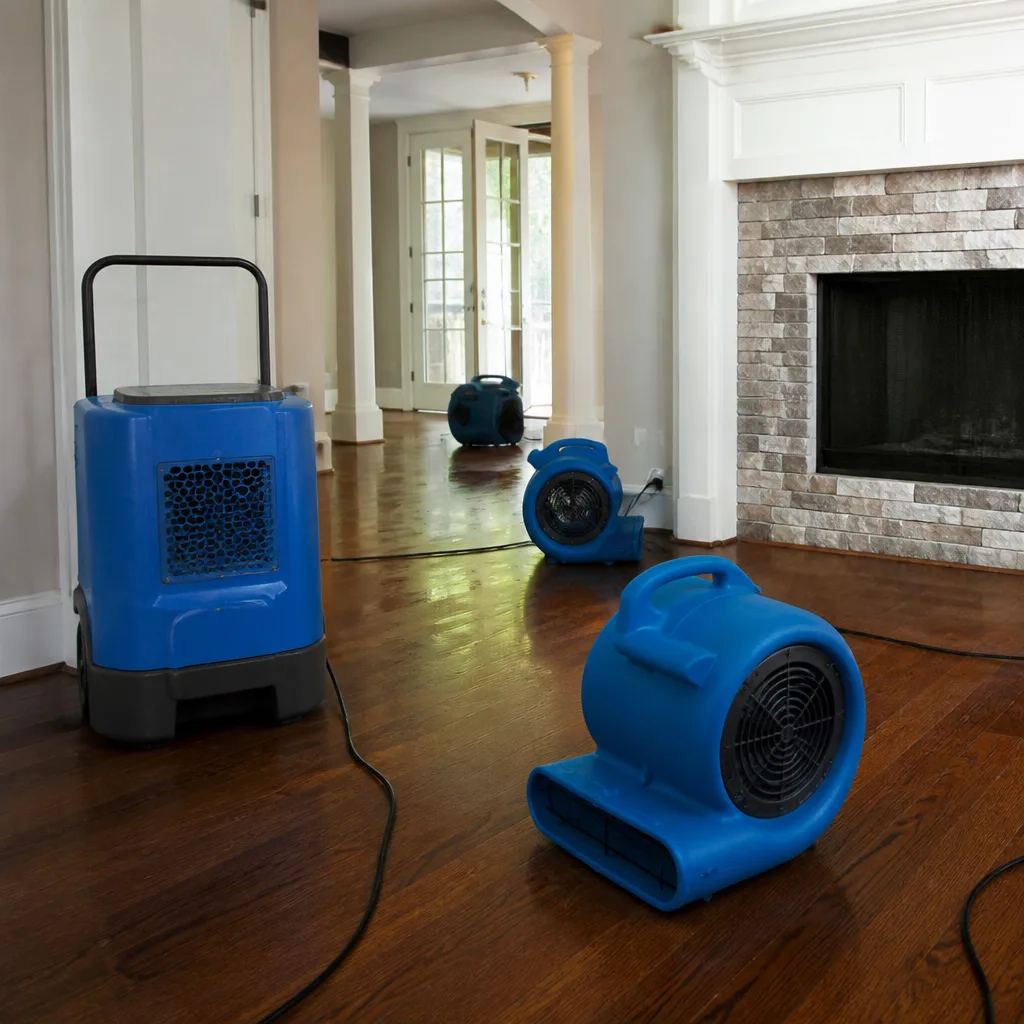

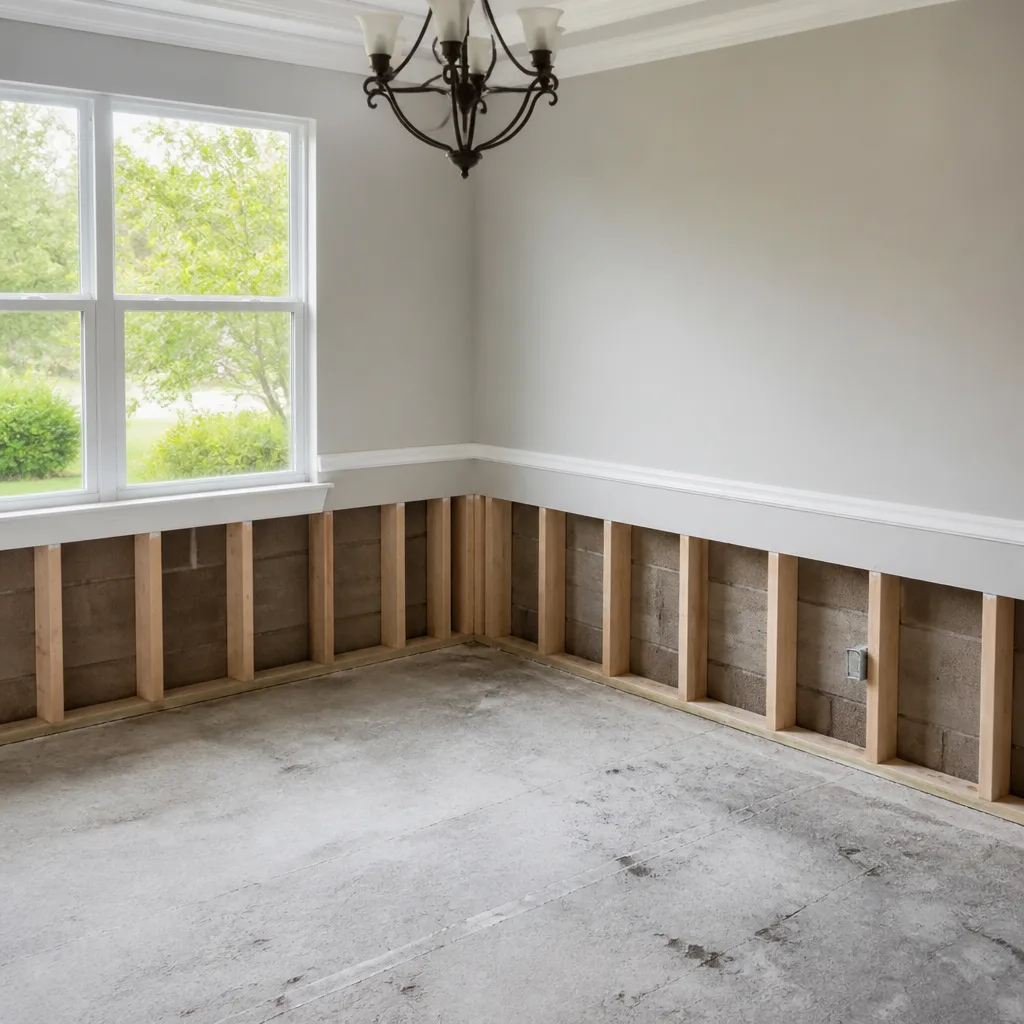
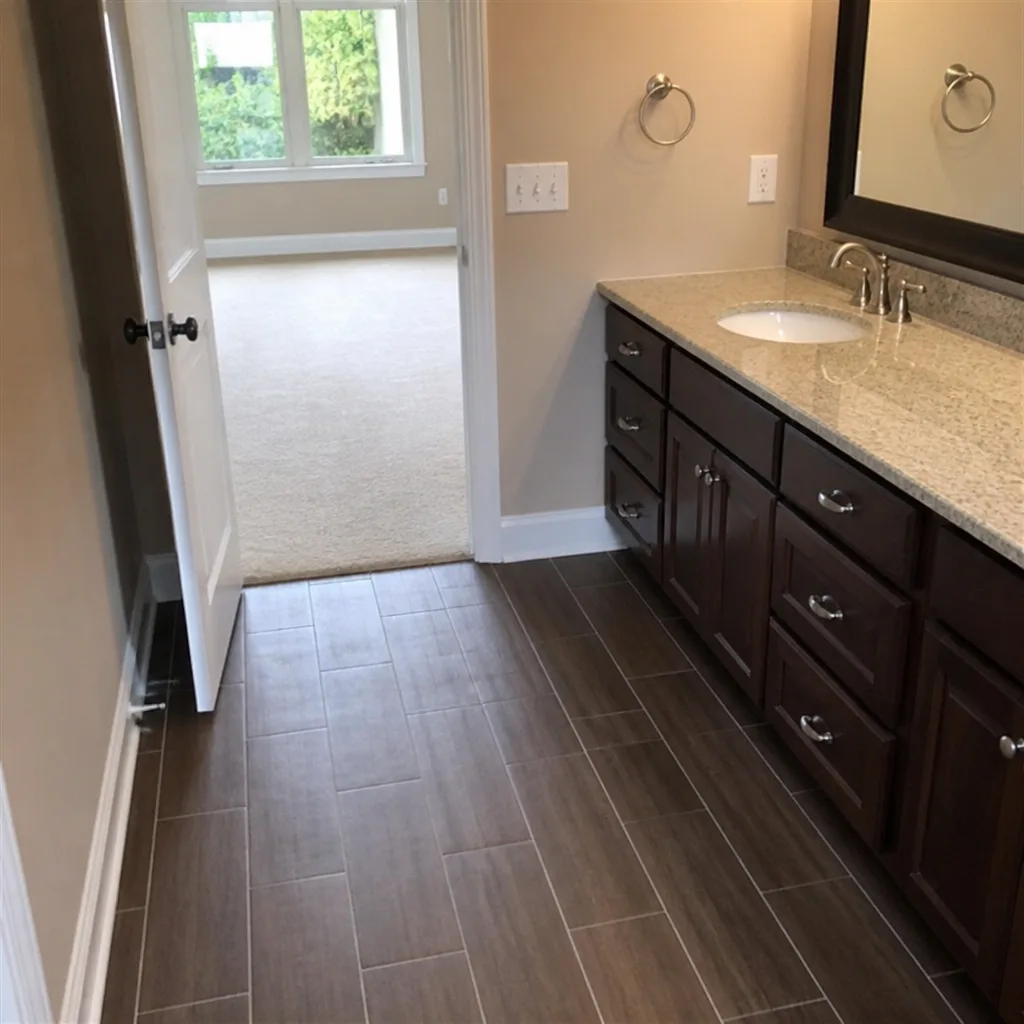
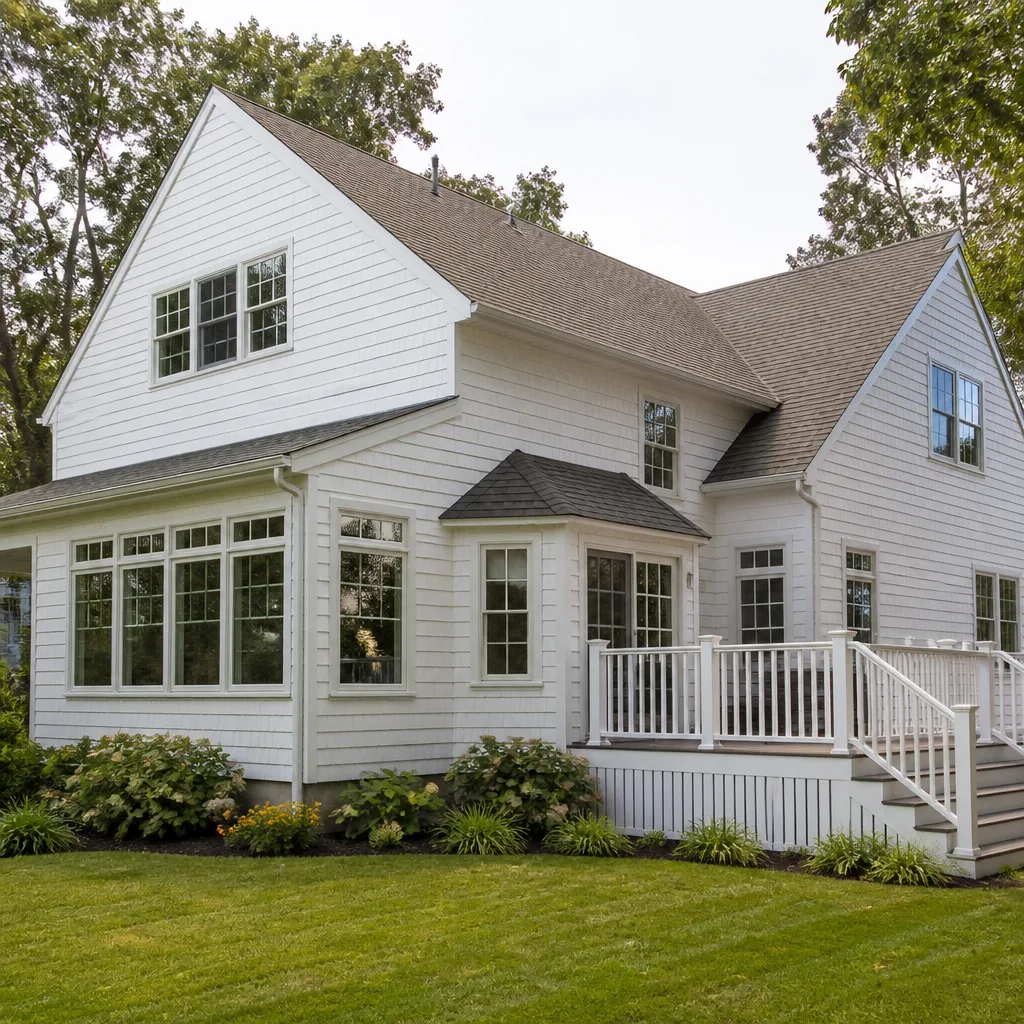
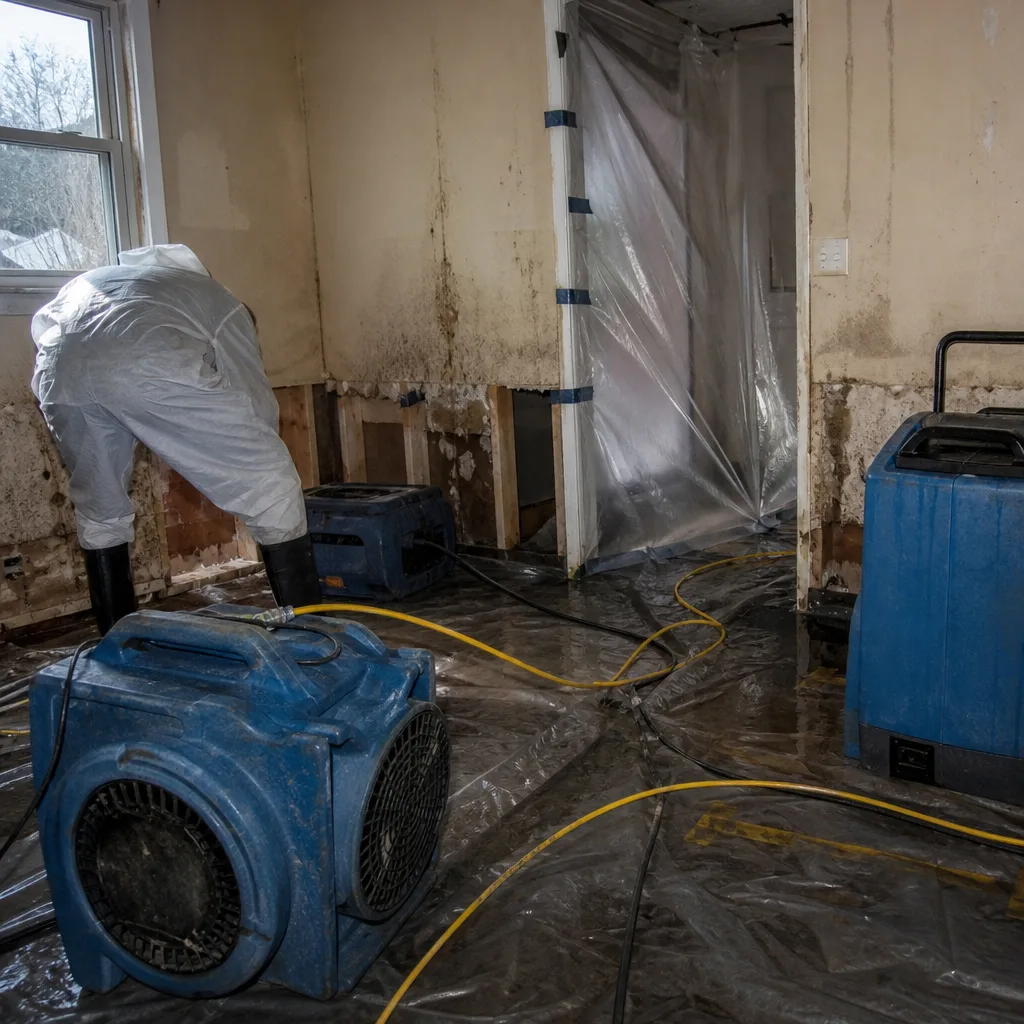 Before
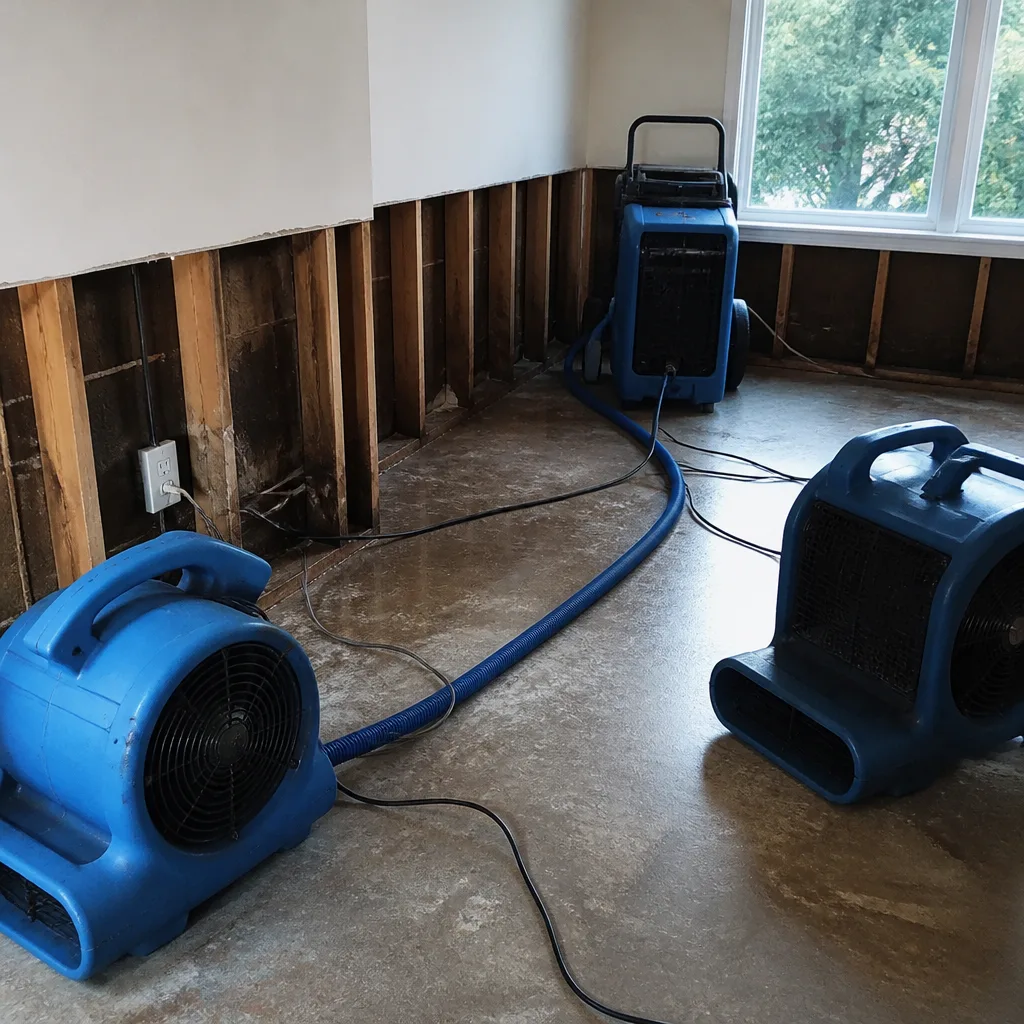 After
After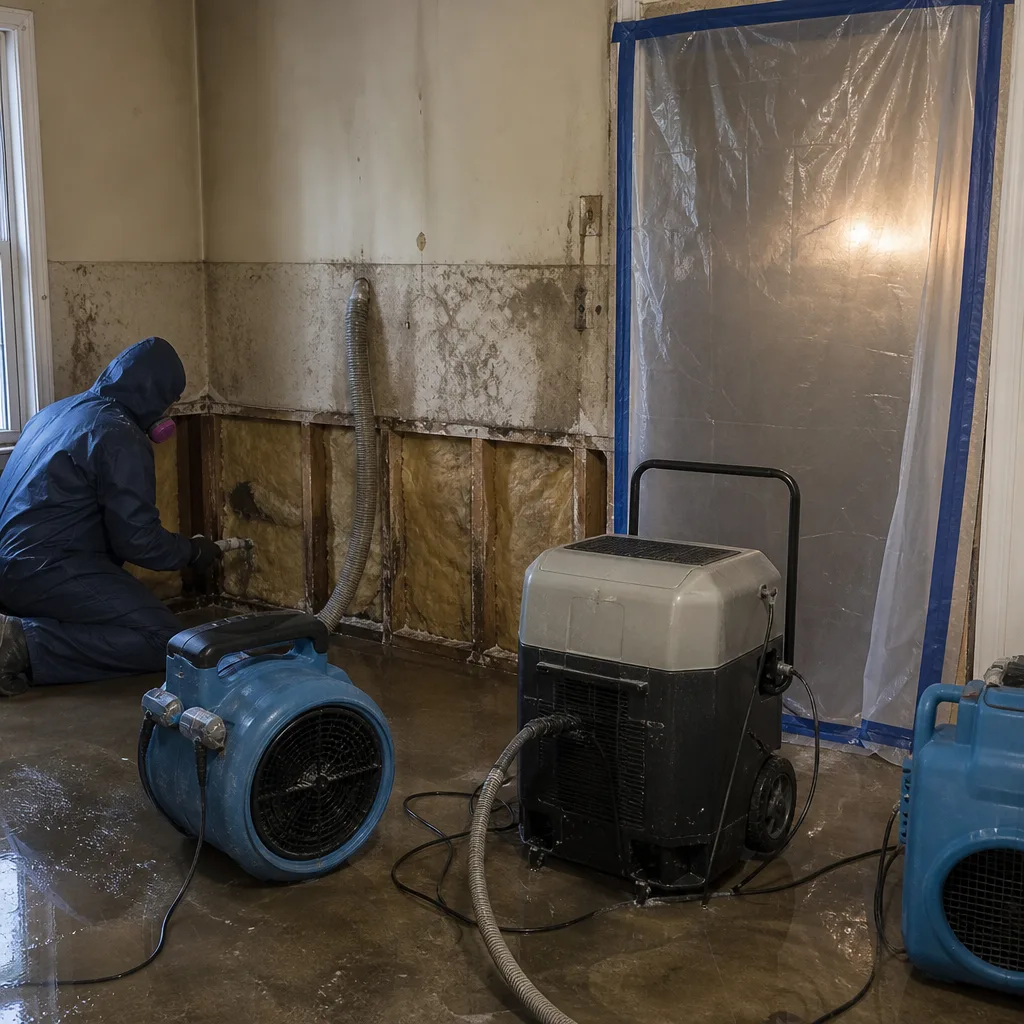 Before
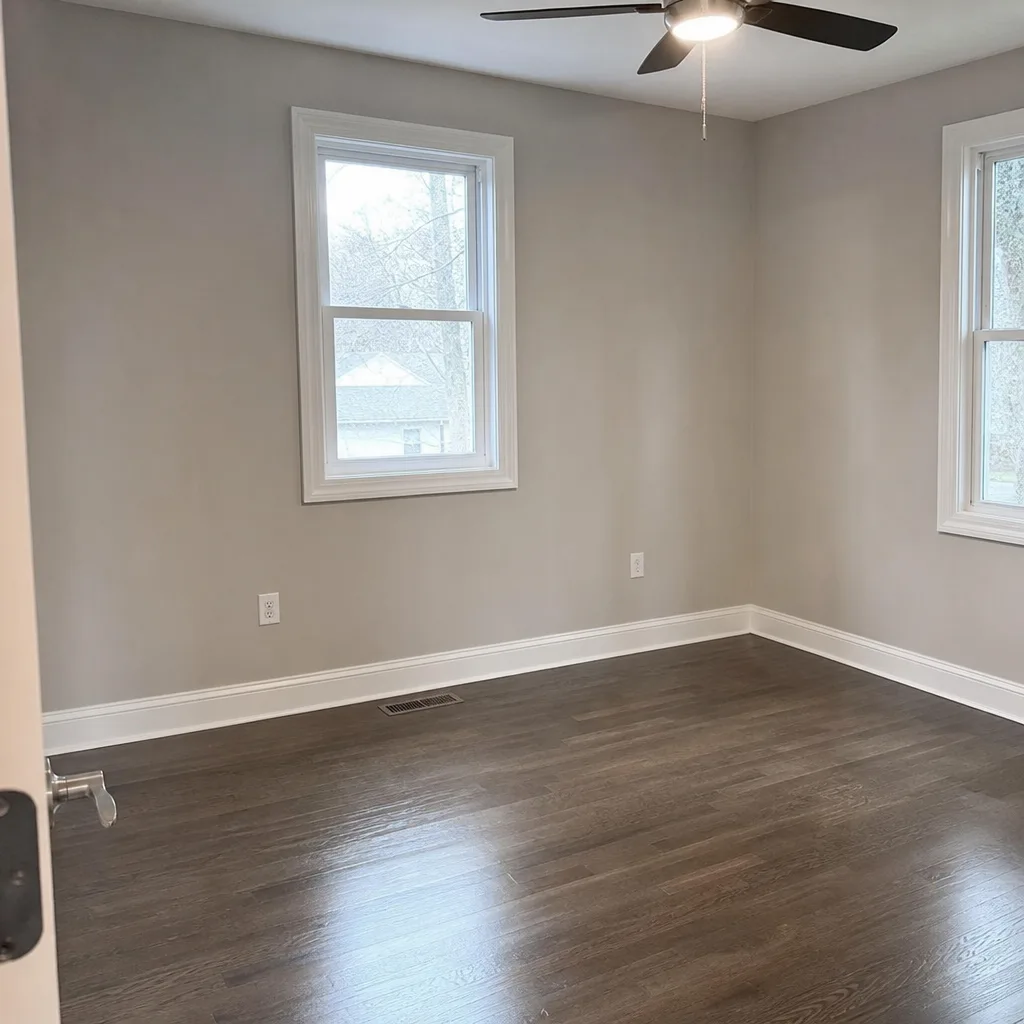 After
After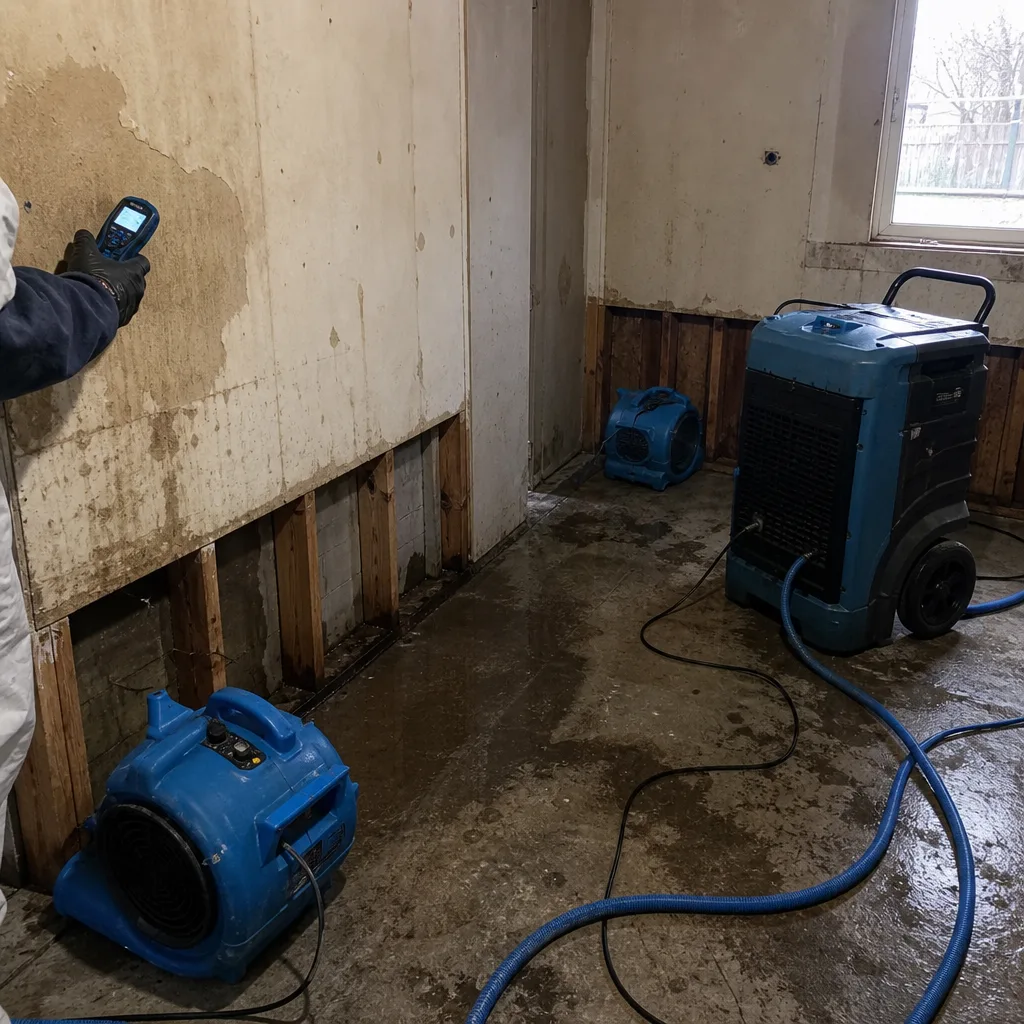 Before
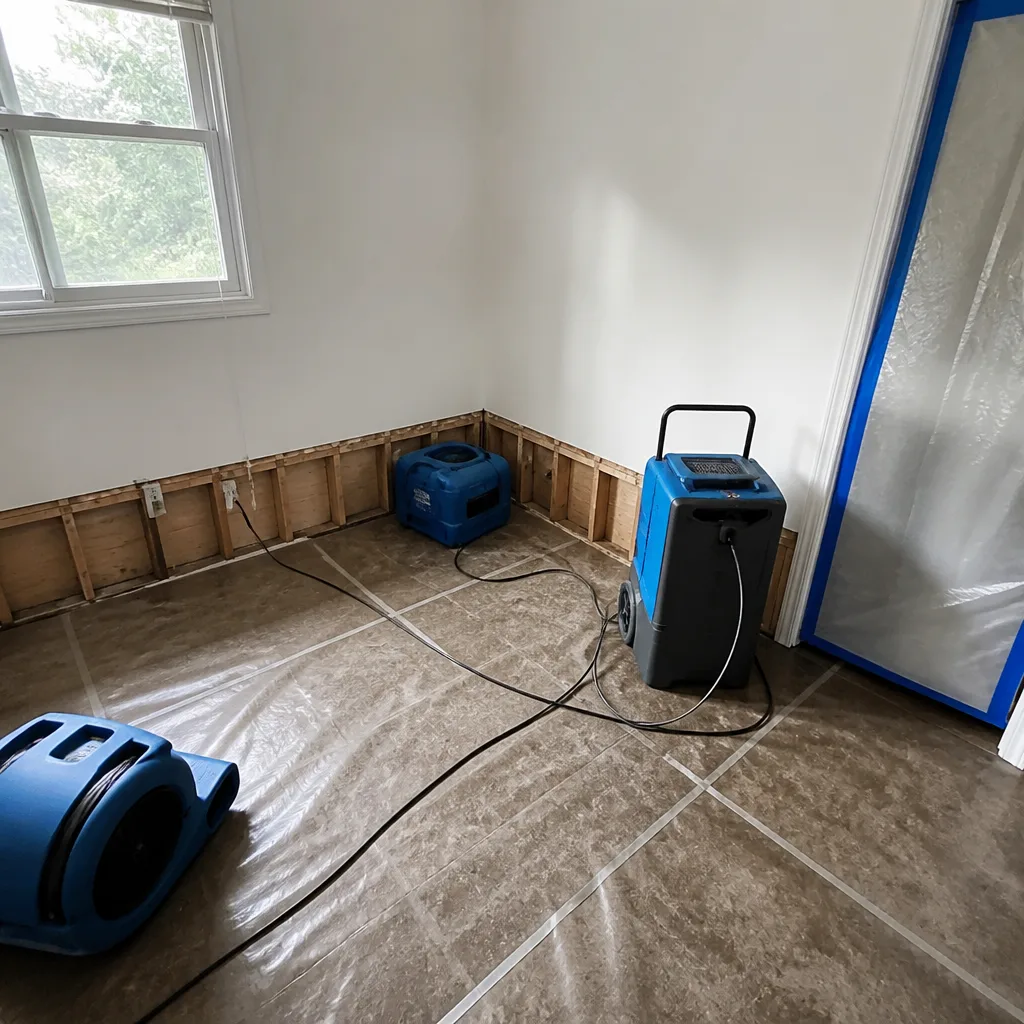 After
After24/7 Emergency Water Damage Restoration in Little Ferry
A live person answers our emergency line at (845) 875-4326 every hour of every day. When water is moving through your Little Ferry property, we dispatch crews from our metro coordination office and can typically be on-site anywhere in the borough within 45 minutes. The first hour determines whether a manageable extraction becomes a full gut-and-rebuild. Water follows gravity and capillary action through wall cavities, subfloors, and HVAC chases; every minute of delay expands the affected square footage and the documentation burden your insurer will require. We start with a free visual inspection, then deliver a written scope and price before any equipment runs.
Understanding Water Damage Restoration Severity in Little Ferry Properties
Water damage in Little Ferry falls into three categories under IICRC standards. Category 1 is clean water from a burst supply line or failed water heater. Category 2 is gray water with chemical or biological loading, typical of washing machine overflows or sump pump failures in low-lying blocks near the Hackensack River. Category 3 is black water: sewage backup, ground-level flooding from Overpeck Creek overtopping, or storm surge carrying river sediment and petroleum residue into basements.
Category 3 losses in Little Ferry require full PPE, antimicrobial treatment, and often removal of porous materials that Category 1 would allow us to dry in place. The borough’s housing stock complicates this calculus. Post-WWII Cape Cods and ranches built between the 1940s and 1970s dominate Little Ferry’s neighborhoods. Most have full basements with original plaster walls over wood lath, not modern drywall. Plaster holds moisture longer and releases it slower than gypsum board. Older fiberglass batt insulation, common in these homes, acts as a reservoir once saturated. Without moisture mapping using thermal imaging and pinless moisture meters, a crew can declare a wall dry when the cavity behind it still reads 18-20% wood moisture content, well above the 12% threshold for safe reconstruction.
Why Little Ferry Property Owners Choose DryMark Restoration Englewood
- 45-minute response commitment to any address in Little Ferry, including the low-lying blocks between the Hackensack River and Overpeck Creek where flooding moves fastest.
- 24/7 live answer - a real person, never an automated system or voicemail tree, picks up every call to (845) 875-4326.
- IICRC-certified crews holding WRT (Water Damage Restoration Technician) and AMRT (Applied Microbial Remediation Technician) certifications, with FSRT (Fire & Smoke Restoration Technician) cross-training for compound losses.
- Free visual inspection with moisture readings and thermal imaging before any commitment or charge.
- Direct insurance billing with photo-documented scopes and daily drying logs formatted for adjuster review.
- One team from extraction to reconstruction - no handoffs between mitigation and rebuild contractors that fragment your documentation trail.
BeforeAfterOur Water Damage Restoration Process
1. Inspection & Assessment
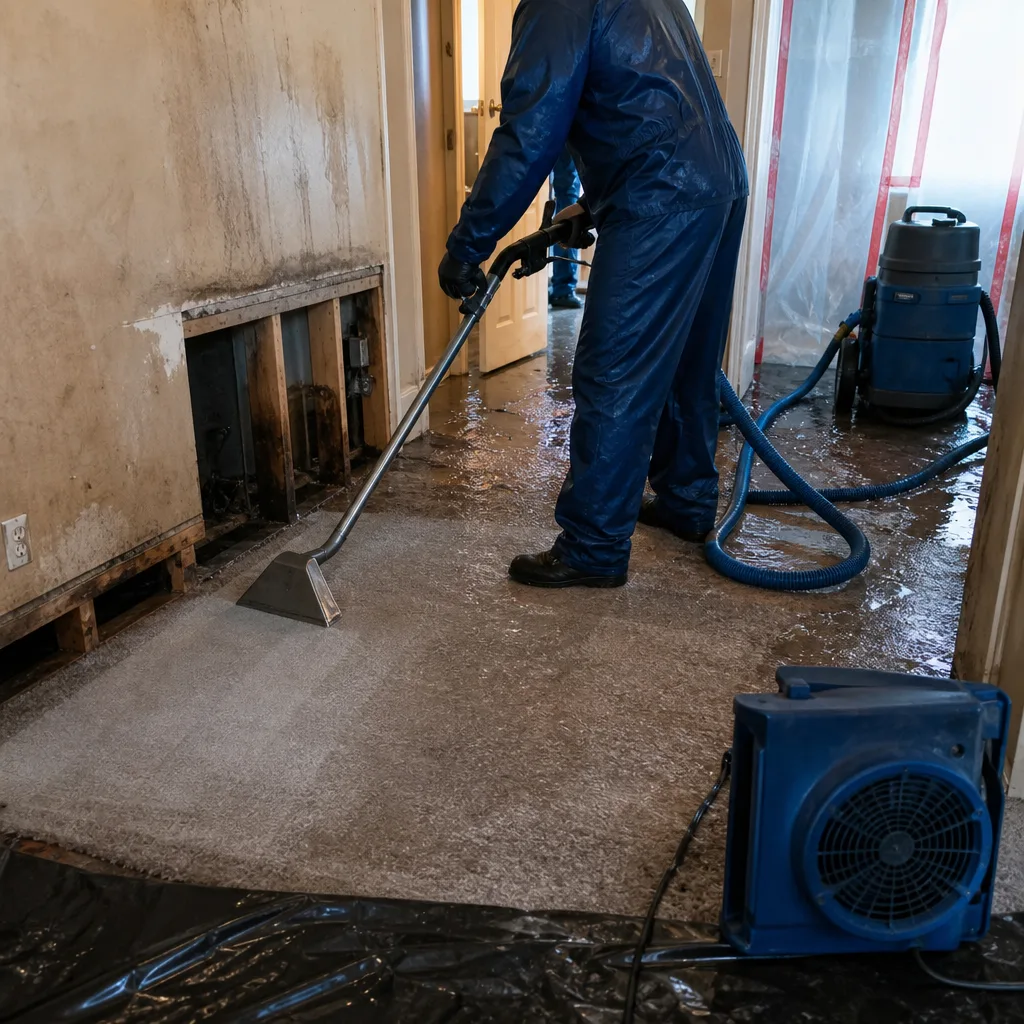
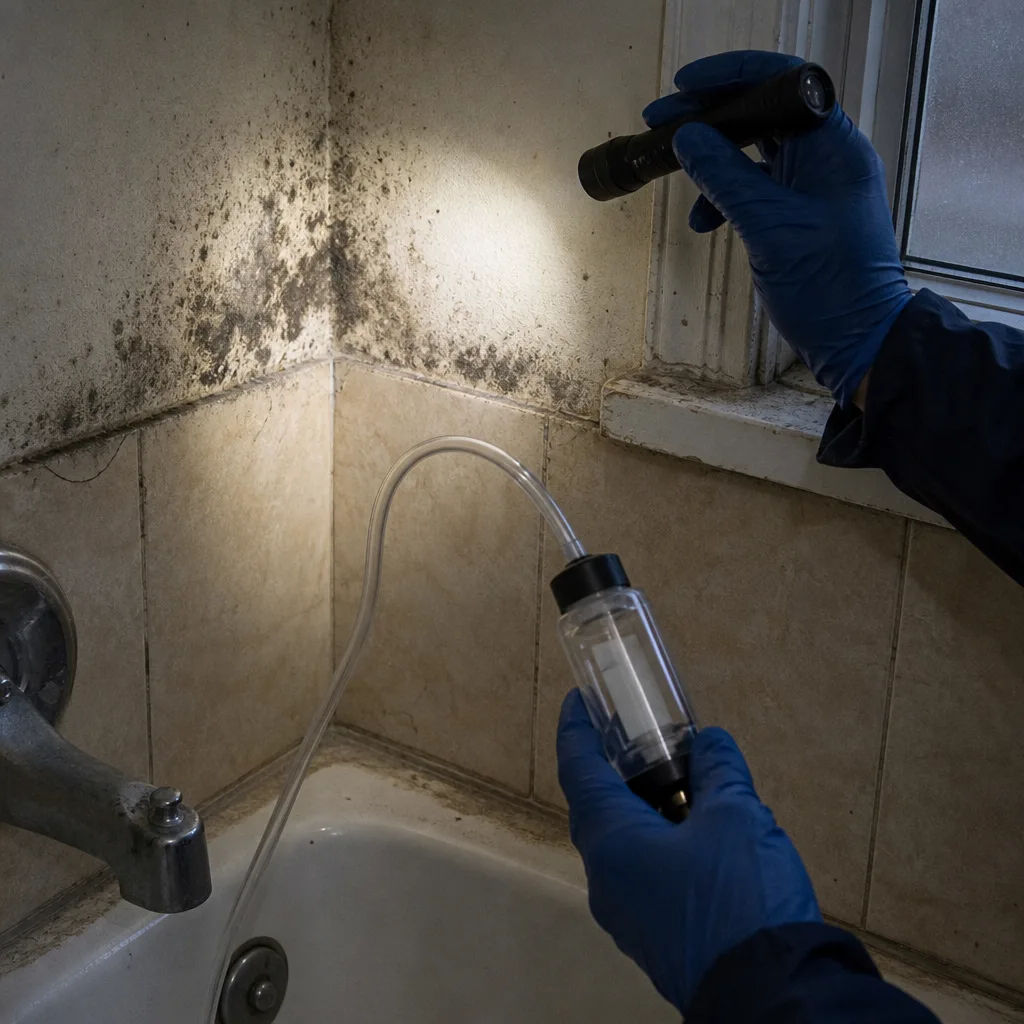
We moisture-map every affected room with FLIR thermal imaging, pinless moisture meters, and penetrating probes to establish a baseline. In Little Ferry’s older plaster-and-batt homes, surface dryness means nothing. We document pre-loss condition with dated photos and written notation before any water moves.
2. Extraction & Stabilization
Truck-mounted extraction removes standing water; portable units reach basements with limited access. We identify and stop the source, whether it’s a burst supply line, failed sump pump, or river intrusion. Electrical hazards are isolated before equipment placement.
3. Drying & Dehumidification
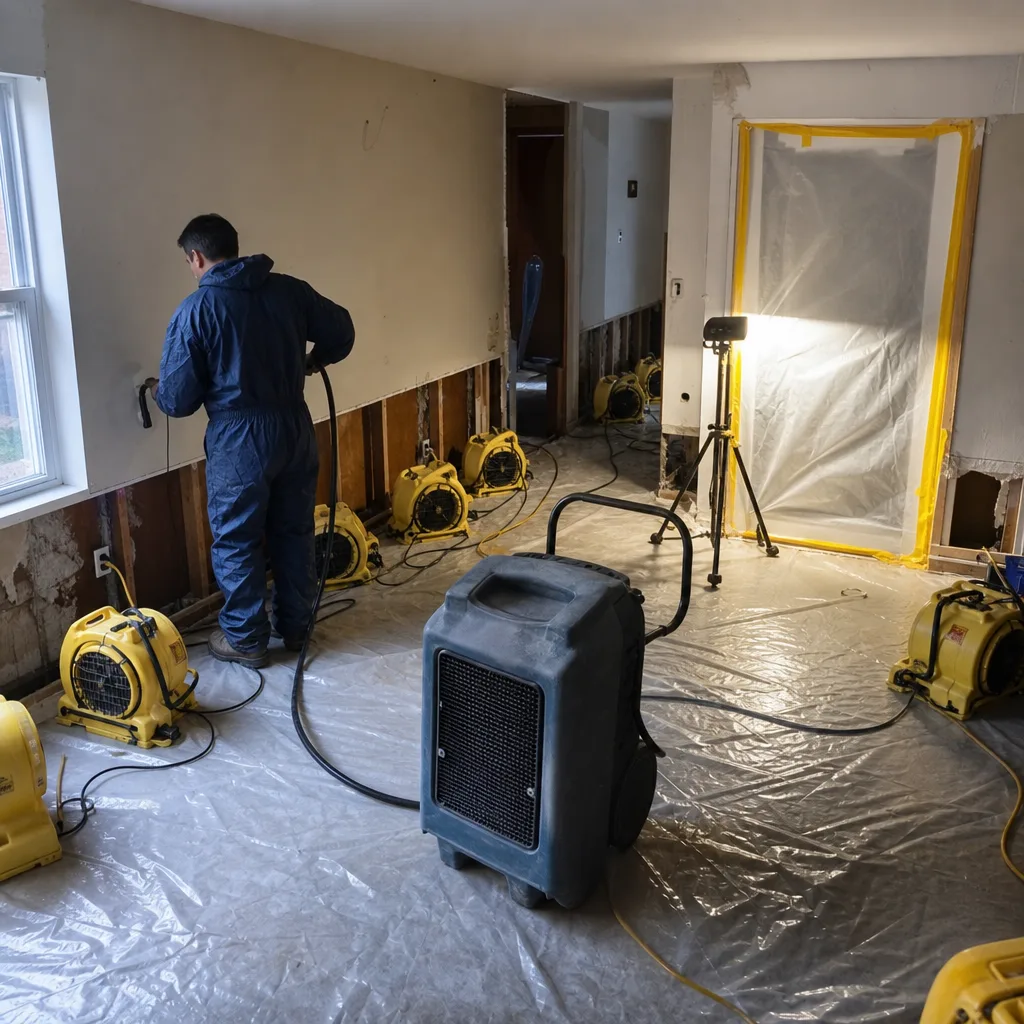
We deploy Dri-Eaz and Phoenix LGR dehumidifiers with XPOWER and B-Air axial air movers positioned for optimal vapor pressure differential, the measurable force that pulls moisture from materials into the air. Daily psychrometric readings track temperature, relative humidity, and specific humidity until materials reach dry standard.
4. Cleaning & Sanitization
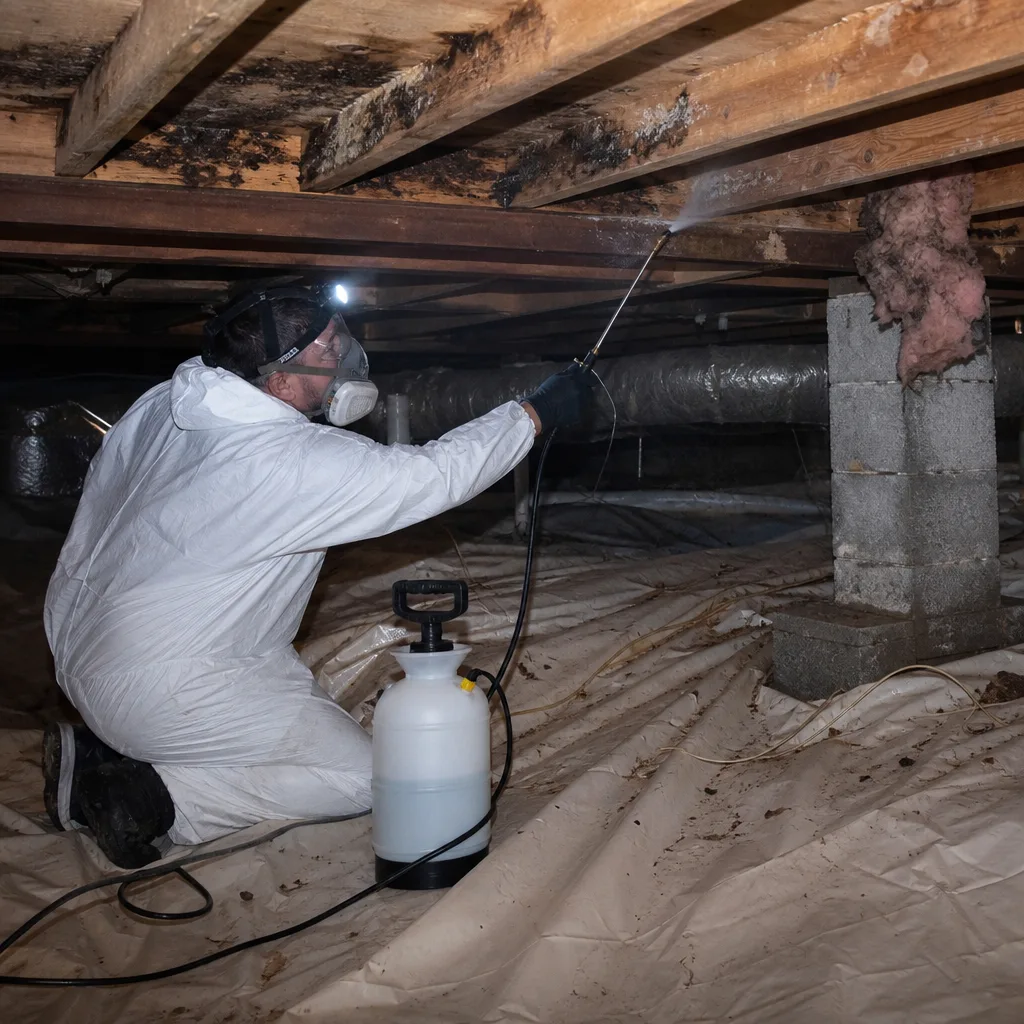
Category 2 and 3 losses receive antimicrobial treatment at the plate line and subfloor. HEPA air scrubbers run during work to capture airborne particles. In Little Ferry’s Sandy-legacy homes, we treat visible and hidden biological growth with documented application.
5. Tertiary Drying & Verification
Tertiary drying targets residual moisture in dense materials like plaster lath and dimensional lumber that primary drying cannot reach. We verify with probe readings, not touch or appearance, before any reconstruction begins. This step is where competitors often fail in Little Ferry’s older housing stock.
6. Repairs & Restoration
Our reconstruction crew rebuilds to pre-loss condition with the same documentation standard: written scope, photo record, and signed completion. The 365-Day Done Right Promise under The Haven Standard covers all work.
Need Emergency Water Damage Restoration in Little Ferry Now?
Crews minutes away, answering live 24 hours a day. The sooner we start, the less it costs.
Working With Your Insurance Company
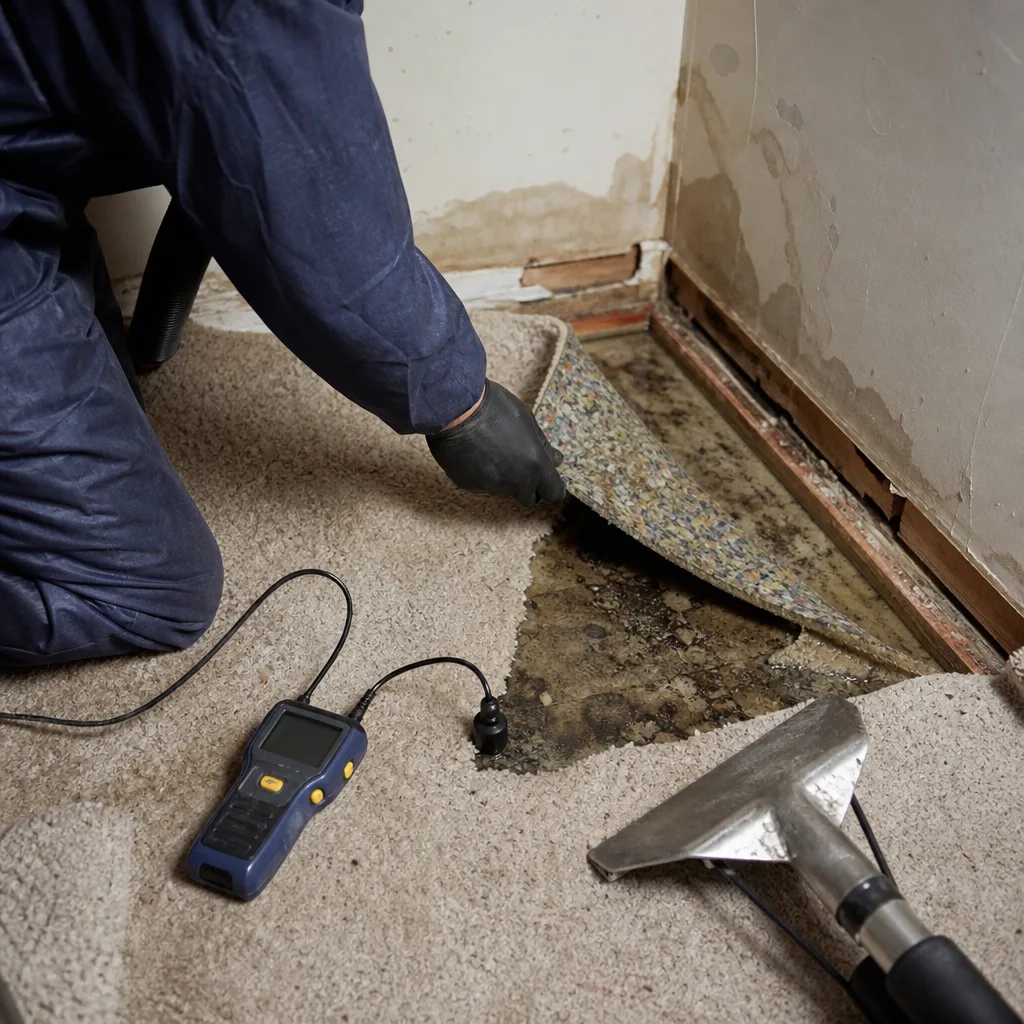
Insurance claims fail on documentation gaps. We close those gaps from the first hour. Every DryMark Restoration Englewood crew carries a standardized documentation kit: moisture meters, thermal cameras, and a tablet-based photo logging system that timestamps every image to the minute. We produce industry-standard estimates in Xactimate format, the same platform adjusters use, eliminating the back-and-forth of scope disputes. Our project managers speak directly with your adjuster, not through you as a relay.
The Haven Standard requires a written price before work begins on every job, including insurance claims. This is not a marketing position. It is Clause 1 of our operating protocol, developed in 2011 by Alicia Brennan, a former claims adjuster who built Back to Dry around the documentation failures that deny homeowners their coverage.
What We Provide Your Insurer
- Thorough documentation of the loss
- Photos of all damage, room by room
- Moisture readings and drying logs
- A detailed, line-item scope of work
- Direct coordination with your carrier
Built for Little Ferry’s Loss Calendar
Little Ferry’s flood risk runs year-round, not just during hurricane season. January deep freezes split copper supply lines in unheated crawl spaces and exterior walls of 1960s ranches. March snowmelt coincides with spring rains, saturating ground that pushes hydrostatic pressure against basement walls on blocks near the Hackensack. Summer thunderstorms deliver localized flash flooding that overwhelms aging municipal drainage on Bergen Turnpike and adjacent corridors. Fall nor’easters push tidal surge up the Hackensack River and Overpeck Creek simultaneously, the combination that devastated the borough in October 2012 and still threatens the lowest-lying properties with water levels measured in feet, not inches.
Each season produces different water categories and different documentation requirements. Winter pipe bursts are typically Category 1 with clean, pressurized water. Spring and fall flooding carries Category 2 or 3 loading depending on whether the source is creek overflow, river surge, or backed-up sewer systems stressed by stormwater infiltration. We adjust our antimicrobial protocol and material removal recommendations accordingly, and we document the source classification in every drying log so your adjuster has no basis to dispute coverage.
Water Damage Restoration Across Little Ferry’s Neighborhoods
Our crews know the borough’s elevation contours and how they drive loss patterns. Properties on the eastern side toward the Hackensack River, including blocks off Main Street and Liberty Street, sit lowest and flood first during river surge events. These neighborhoods saw the deepest Sandy inundation and still contain the highest concentration of post-storm rebuilds with potential hidden moisture issues. We approach these jobs with extended moisture mapping protocols and longer drying timelines.
The Bergen Turnpike corridor runs through the commercial and mixed-use center, where older buildings with flat roofs and parapet walls suffer chronic leakage that owners mistake for plumbing failures until we trace the water path with thermal imaging. Residential blocks west of the Turnpike, toward Ridgefield Park, include more 1970s split-levels and raised ranches with finished basements that flood from hydrostatic pressure rather than overtopping, producing slower, less dramatic but equally destructive moisture intrusion.
Industrial parcels near the river, including some converted to residential use, present compound challenges: aging flat roofs, obsolete drainage, and slab-on-grade construction with no basement sump system. Each neighborhood in Little Ferry requires different equipment configurations and different documentation emphasis. We do not run the same playbook on every job.
Specialized Water Damage Restoration Services We Offer in Little Ferry
Emergency Water Extraction
Standing water in a Little Ferry basement or first floor demands immediate removal to prevent wicking into drywall, insulation, and subflooring. Our truck-mounted and portable extraction systems handle everything from two inches of seepage to several feet of floodwater. On a slab-and-basement Cape Cod off Bergen Turnpike, our crew pulled saturated fiberglass batt from a finished basement wall and moisture-mapped the adjacent framing, which read high even though the drywall felt dry to the touch. We set containment, ran Dri-Eaz dehumidifiers and XPOWER air movers to complete structural drying, applied antimicrobial treatment to the plate line, and logged daily moisture readings so the homeowner could see the wall was actually dry before anything went back up. The hidden growth we found behind that wall was a leftover from a Sandy-era gut-and-reseal, not the current flood.
Structural Drying & Dehumidification
Surface drying with household fans leaves structural cavities wet. Our structural drying protocol uses commercial LGR dehumidifiers and air movers positioned to create vapor pressure differential, the measurable force that draws moisture from wood framing and concrete into the air stream. In Little Ferry’s plaster-and-batt homes, this process runs 3-5 days, longer than modern drywall construction, because plaster and dimensional lumber hold more moisture and release it slower. We verify completion with probe readings, not appearance.
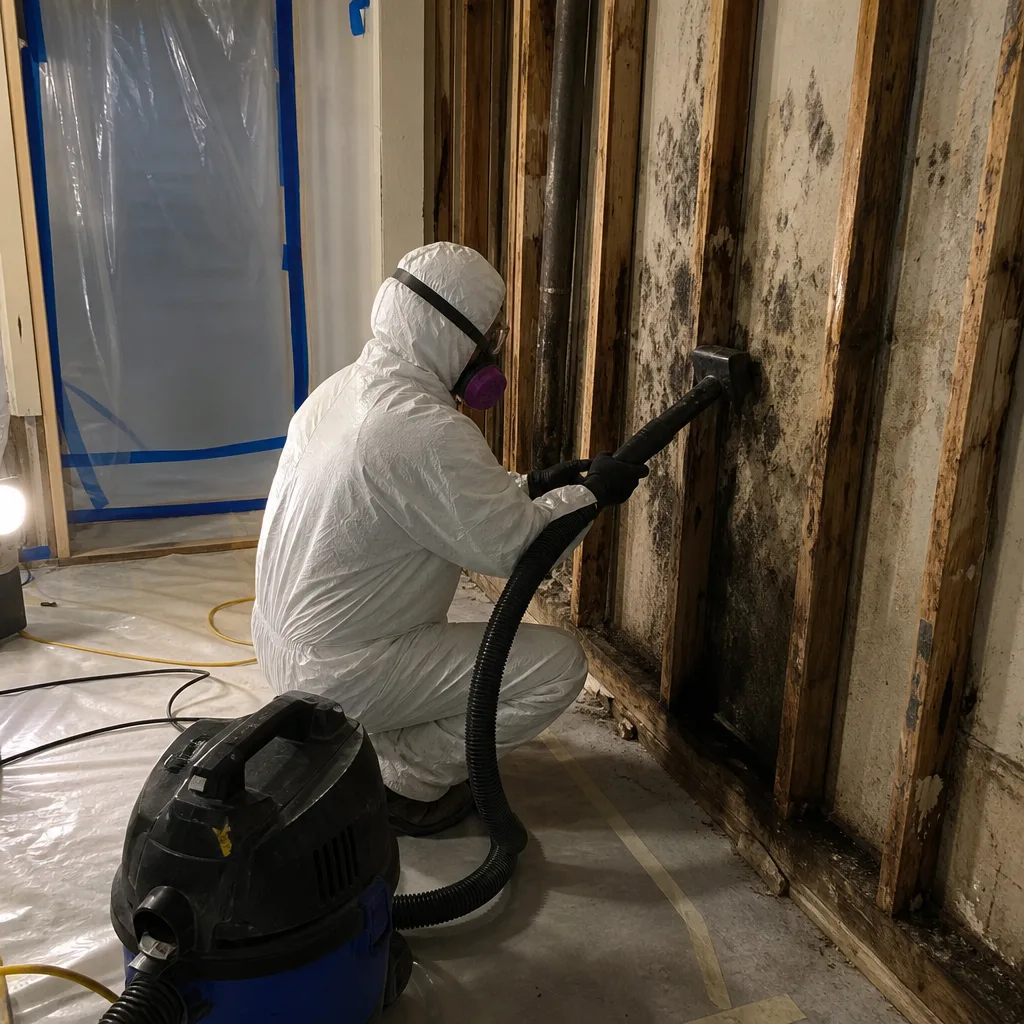
Flood Cleanup
Little Ferry’s position between the Hackensack River and Overpeck Creek puts much of the borough in FEMA AE flood zones, so basement water intrusion is a recurring seasonal event rather than a one-off. Flood cleanup here means category assessment first, then source-specific treatment. River surge carries sediment, petroleum residue, and biological loading that requires full antimicrobial application and often removal of porous materials. We document flood height, contamination category, and pre-loss condition for your insurer before any demolition begins.
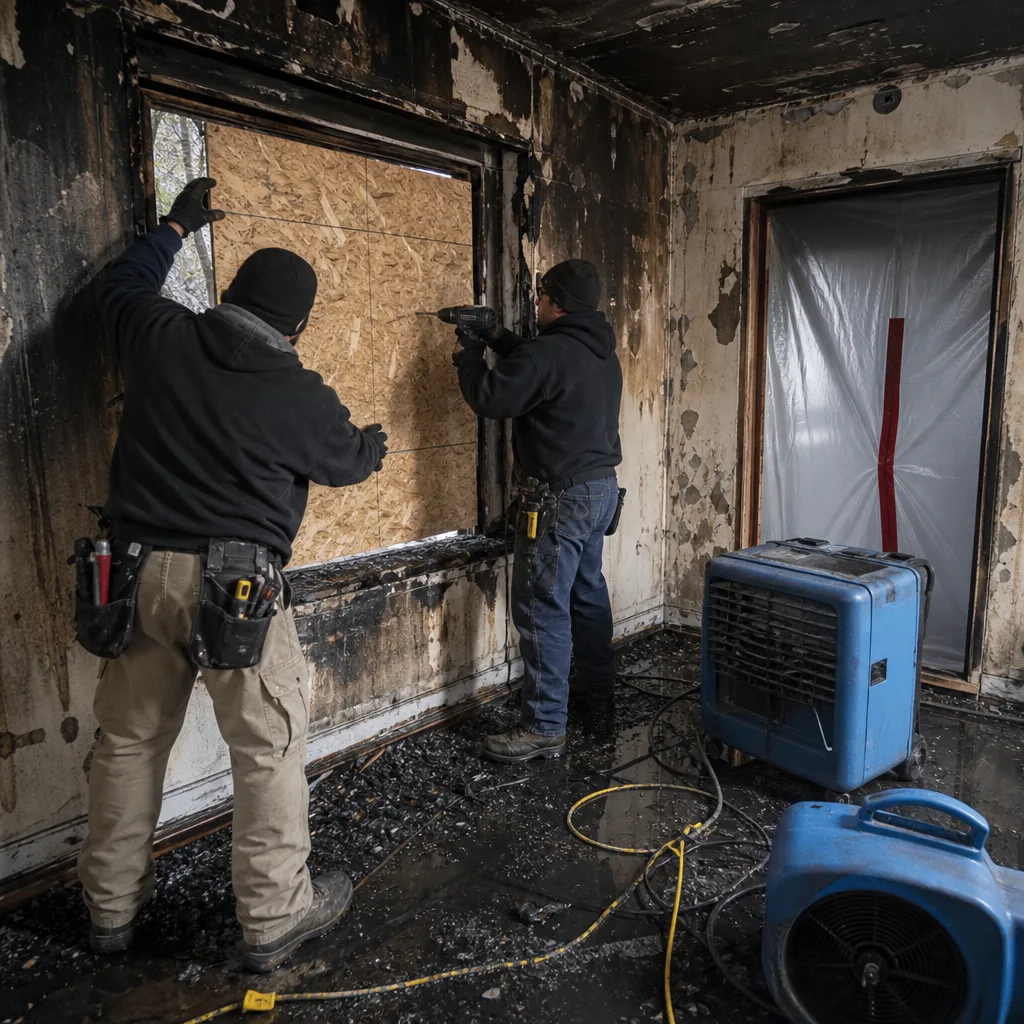
Burst Pipe Restoration
January temperatures in the Bergen County metro area regularly drop below 20°F, splitting copper and PEX lines in exterior walls and unheated crawl spaces common in Little Ferry’s 1950s and 1960s housing stock. We extract the water, dry the affected assemblies, and coordinate with licensed plumbers for permanent repair. Our documentation includes the burst location, water category, and affected square footage for your claim file.
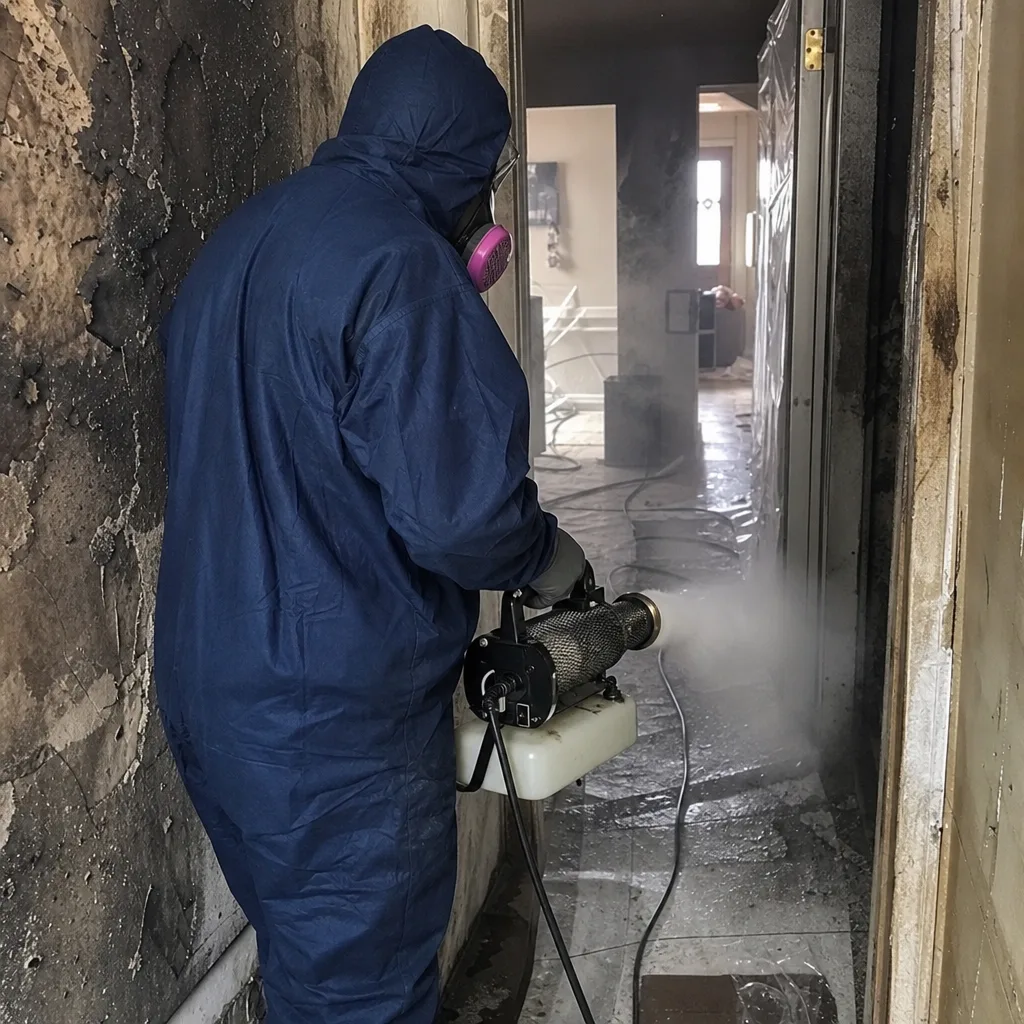
Basement Water Removal
Basements in Little Ferry flood from multiple sources: hydrostatic pressure through foundation walls, sump pump failure, sewer backup during heavy rain, and direct river or creek intrusion during surge events. Each source produces different water categories and different restoration requirements. We identify the source, pump or extract the water, and determine whether the finished surfaces can be dried in place or must be removed to access wet cavities. This decision is documented in writing before work proceeds.
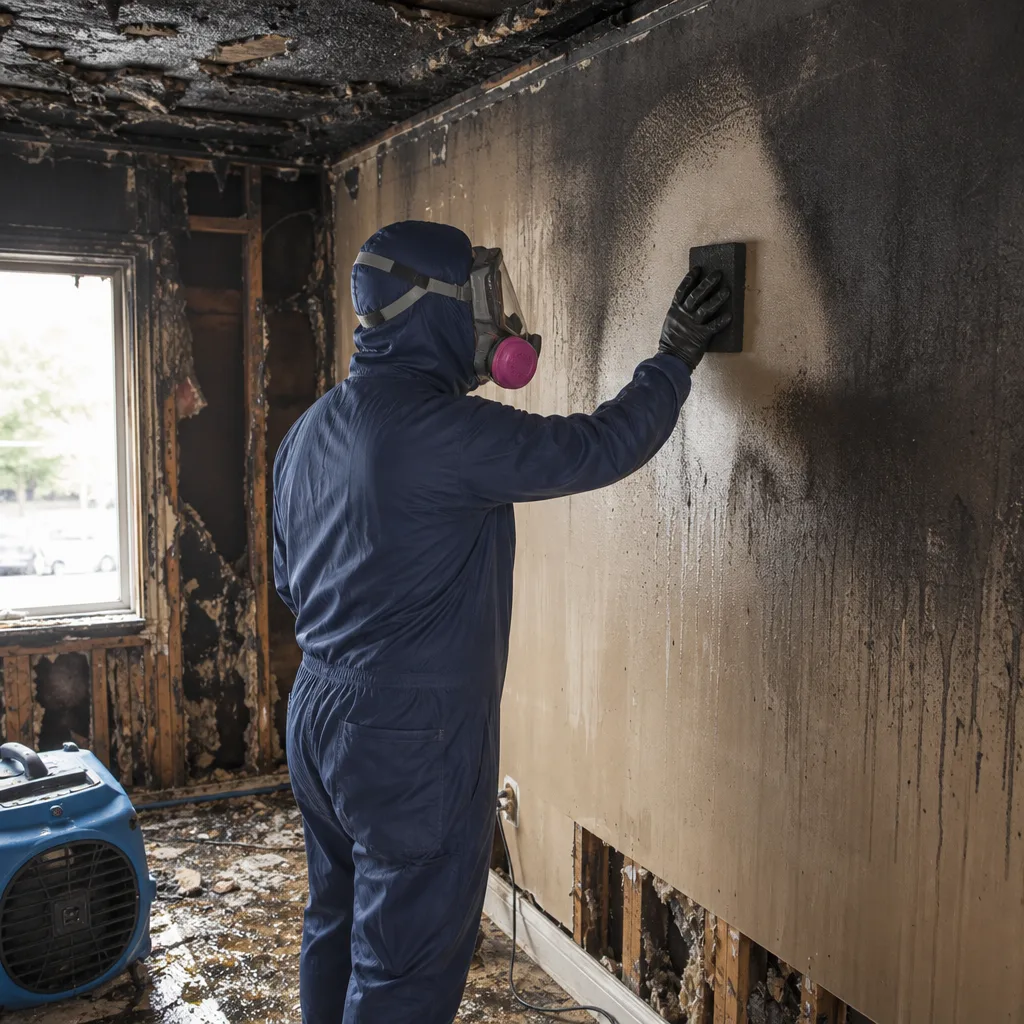
Ceiling & Roof Leak Water Damage
Flat roofs and parapet walls on commercial and mixed-use buildings along Bergen Turnpike and adjacent corridors produce chronic leakage that travels along ceiling joists before appearing as stains. We trace the water path with thermal imaging, dry the affected insulation and drywall, and document the full extent for your insurer, including hidden areas that a surface repair would miss.
What happens when you call
- 1
A real person answersNo phone trees - you reach a local pro.
- 2
You get an upfront price rangeHonest numbers before anyone is dispatched.
- 3
A background-checked tech heads outLicensed & insured, dispatched right away.
- 4
You approve before work beginsNothing starts until you say go.
Water Damage Restoration Costs in Little Ferry, NJ
We publish ranges because Haven Standard, Clause 1 requires a written price before work starts, and that price should not be a surprise. These are typical Little Ferry market ranges for water damage restoration services we perform regularly:
| Service | Typical Range in Little Ferry |
|---|---|
| Emergency water extraction (up to 1,000 sq ft) | $1,200 - $2,800 |
| Structural drying & dehumidification (3-5 day standard) | $1,800 - $4,500 |
| Basement water removal with pump-out | $900 - $2,200 |
| Flood cleanup (Category 2, with antimicrobial) | $3,500 - $7,500 |
| Flood cleanup (Category 3, with full PPE and removal) | $5,500 - $12,000 |
| Burst pipe restoration (extraction + drying only) | $1,500 - $3,800 |
What moves the price: water category (Category 3 requires more labor and material removal), affected square footage, whether basement finishing must be removed to access cavities, and the presence of Sandy-era hidden moisture that extends the drying timeline. Insurance typically covers sudden and accidental water damage from burst pipes and storm intrusion; gradual seepage or maintenance-related sump pump failure may be excluded. We provide a free inspection and written scope so you know your coverage position before authorizing work.
Call (845) 875-4326 for your exact quote - estimates are free.
We Also Serve Cities Near Little Ferry
Our crews respond throughout the immediate Bergen County area from our metro coordination office. We regularly perform Water Damage Restoration in Ridgefield Park, Bogota, Hasbrouck Heights, and Ridgefield, with the same documentation standard and response commitment we bring to Little Ferry.
Serving Little Ferry, NJ - Our Local Coverage Area
We’re based in the Little Ferry area and know this community well. Use the map below to see our service coverage - if you’re nearby, we can almost certainly help.
Little Ferry Water Damage Restoration Questions, Answered
Why does my Little Ferry basement keep flooding even without a hurricane?
Little Ferry sits on extremely low-lying land between the Hackensack River and Overpeck Creek, with much of the borough just a few feet above mean sea level. Heavy rainfall, spring snowmelt, and routine nor’easters cause the Hackensack to overtop its banks or push groundwater up through foundation walls via hydrostatic pressure. Basement flooding here is a seasonal, recurring problem, not a once-in-a-decade emergency. Call (845) 875-4326 for a free inspection to identify your specific water entry path and document it for insurance.
Can mold from Hurricane Sandy still be in my Little Ferry home?
Yes. Restoration technicians working Little Ferry jobs frequently discover active mold colonies behind drywall and beneath subfloors in homes that were supposedly dried out after Sandy. In the chaotic weeks of November-December 2012, many properties were pressure-washed and quickly resealed before structural framing reached safe moisture readings, trapping moisture and allowing hidden biological growth to spread undetected for twelve years. We find this with thermal imaging and moisture probes, not visual inspection. Call (845) 875-4326 if your home was remediated after Sandy and you suspect lingering issues.
What does the water category mean for my Little Ferry flood cleanup?
Category 1 is clean water from a burst pipe or water heater. Category 2 is gray water with chemical or biological loading, common with sump pump failures or washing machine overflows. Category 3 is black water: sewage backup, river surge from the Hackensack or Overpeck, or storm flooding carrying sediment and petroleum residue. Category determines antimicrobial treatment level, PPE requirements, and which materials must be removed rather than dried in place. We classify your water source and document it in your drying log before work begins. Call (845) 875-4326 for classification and scope.
My Little Ferry home has original plaster walls and old fiberglass batt - can you dry them?
Yes, but it requires longer drying timelines and moisture verification that surface-dry contractors skip. Plaster over wood lath holds moisture longer than modern drywall. Older fiberglass batt, once saturated, acts as a reservoir that re-wets adjacent materials if not fully dried or removed. We use penetrating moisture probes to verify that framing behind plaster has reached 12% wood moisture content or below before declaring the job complete. This typically adds 1-2 days to the drying schedule but prevents the mold and structural damage that rushed jobs leave behind. Call (845) 875-4326 for moisture mapping and timeline.
Do you document Little Ferry water damage for insurance?
Documentation is our core service, not an add-on. Every job includes dated photos of all damage room by room, daily moisture readings and drying logs, a detailed line-item scope of work, and direct coordination with your adjuster. This standard was developed by Alicia Brennan, a former claims adjuster who founded Back to Dry in 2011 specifically to close the documentation gap that costs homeowners their claims. We format estimates in Xactimate, the same platform adjusters use, to eliminate scope disputes. Call (845) 875-4326 to start your documented claim file.
How fast can your crew actually get to my Little Ferry property?
We commit to 45 minutes from call to on-site anywhere in Little Ferry. Our metro coordination office dispatches crews who know the borough’s street layout and elevation patterns, including which blocks flood first and which access routes stay open during high-water events. A live person answers (845) 875-4326 24 hours a day, 7 days a week. Call now to confirm current response time.
Will my insurance cover the full restoration, or just the cleanup?
Coverage depends on your policy and the water source. Sudden and accidental damage from burst pipes, storm intrusion, and most flood events is typically covered, including drying, demolition, and reconstruction to pre-loss condition. Gradual seepage, maintenance-related failures, and some sump pump backups may be excluded or limited. We document the source, category, and pre-loss condition to support your coverage position, and we provide a written scope that your adjuster can review before work proceeds. Call (845) 875-4326 for a free inspection and coverage assessment.
How long does structural drying take in a typical Little Ferry home?
Modern drywall construction typically dries in 2-3 days. Little Ferry’s older plaster-and-batt homes require 3-5 days, sometimes longer for dense assemblies or hidden cavities. Tertiary drying of wood framing and concrete slabs adds time but prevents mold recurrence and structural degradation. We verify completion with probe readings, not calendar estimates, and we log daily moisture data so you and your insurer can see the drying curve. Call (845) 875-4326 for timeline specific to your construction type and loss severity.
Water damage in Little Ferry demands more than fast extraction. It demands documentation that holds up to adjuster review, moisture verification that accounts for the borough’s older housing stock, and crews who understand the specific flood patterns between the Hackensack River and Overpeck Creek. DryMark Restoration Englewood provides all three under The Haven Standard, with a written price before work begins and a 365-Day Done Right Promise on every job. Call (845) 875-4326 now for a free inspection and written scope.
Written by Alicia Brennan, Owner at Back to Dry Restoration, serving Little Ferry since 2011.
Water Damage Restoration in Nearby Areas