
Free visual inspection and a written scope of work before any mitigation begins - photos, moisture readings, and drying logs go in your claim file
The scope we write is the scope we bill. Anything new gets shown to you, in writing, before we touch it.
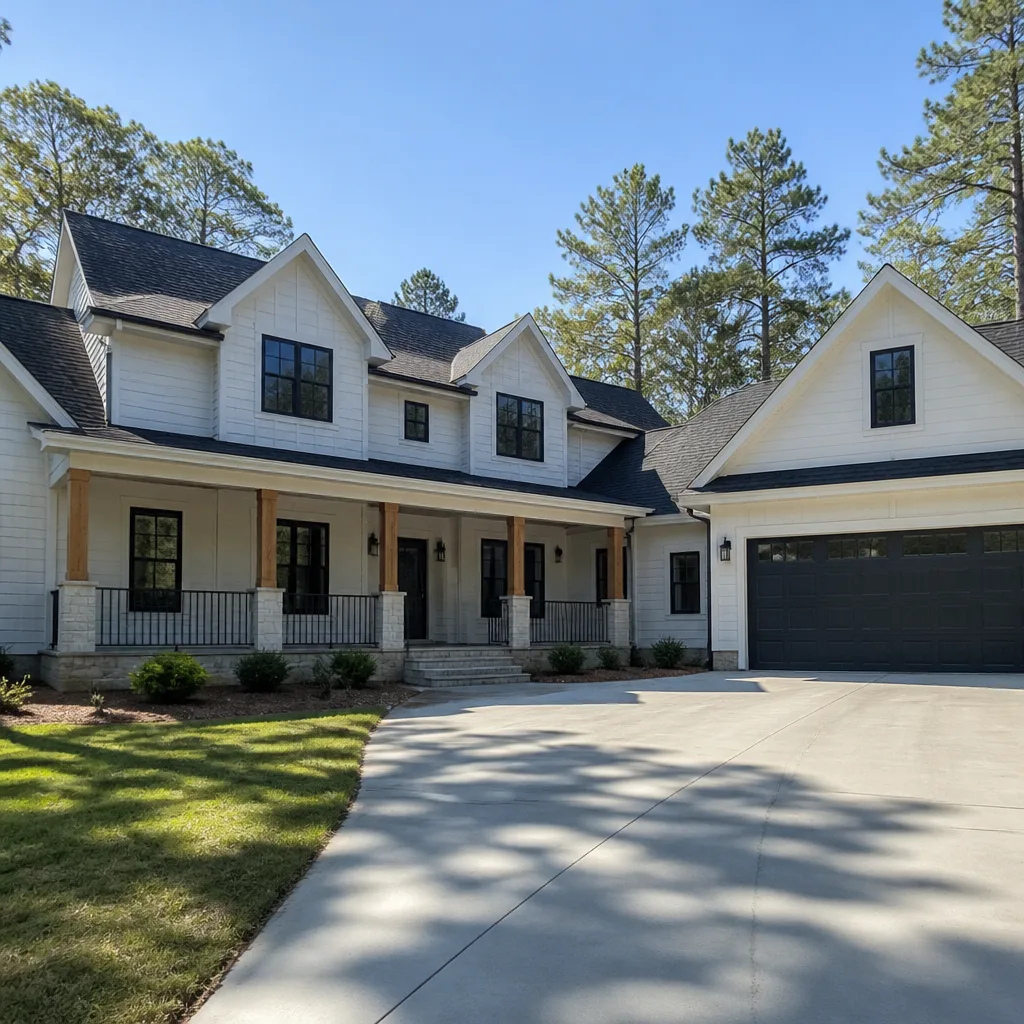
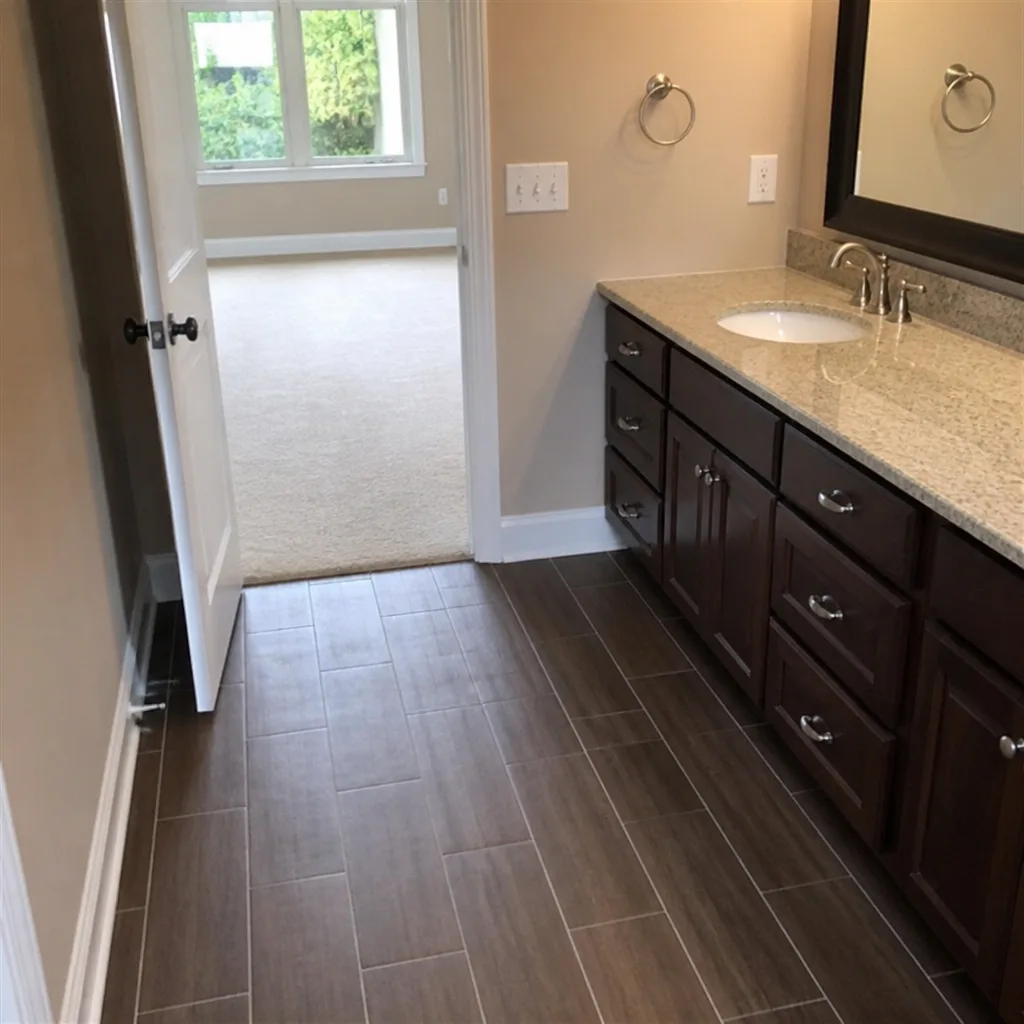
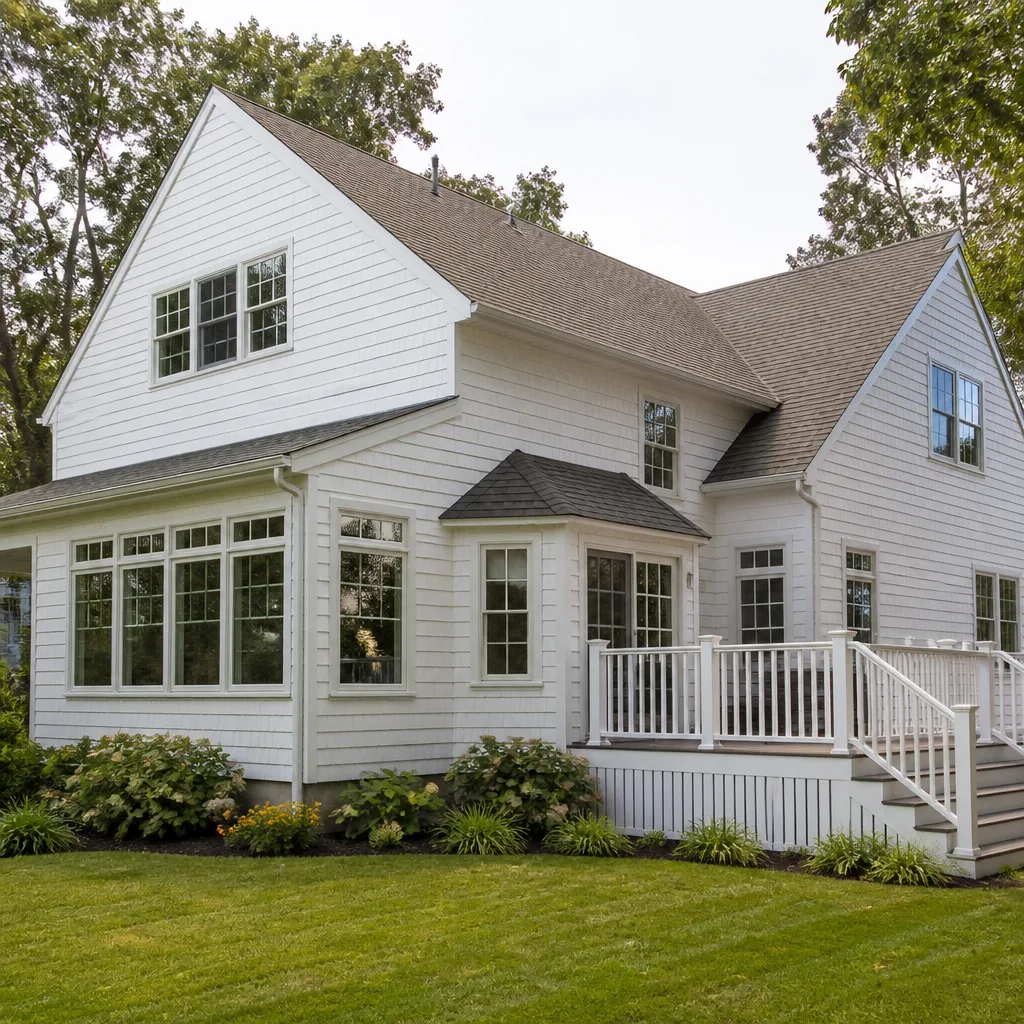
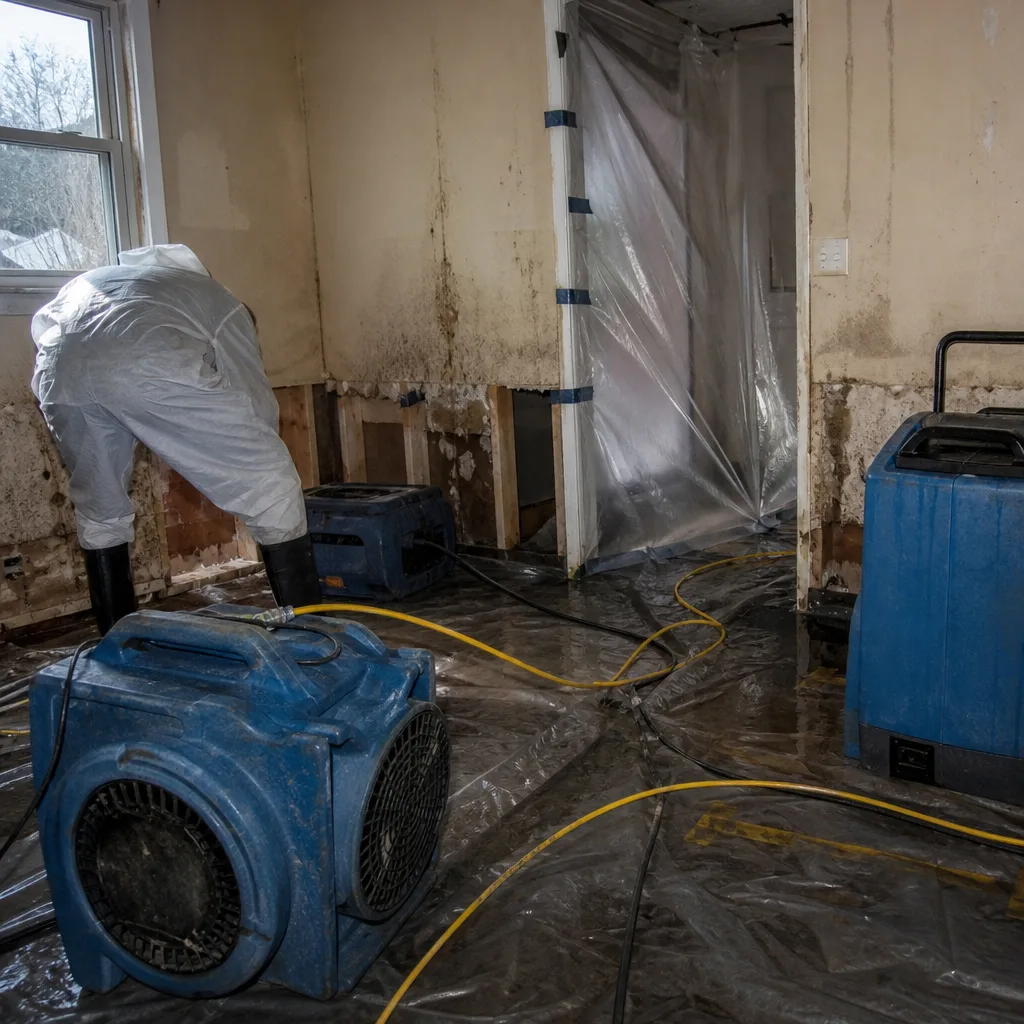 Before
 After
After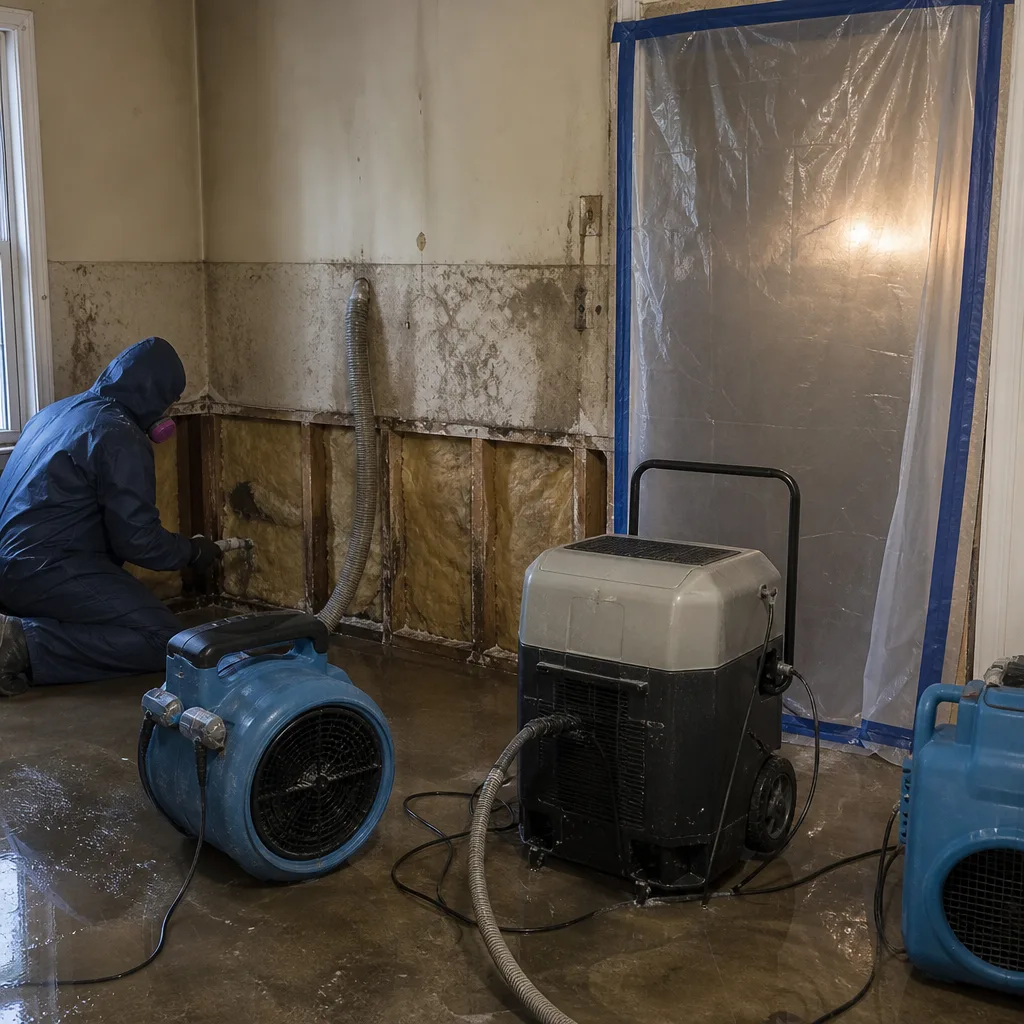 Before
 After
After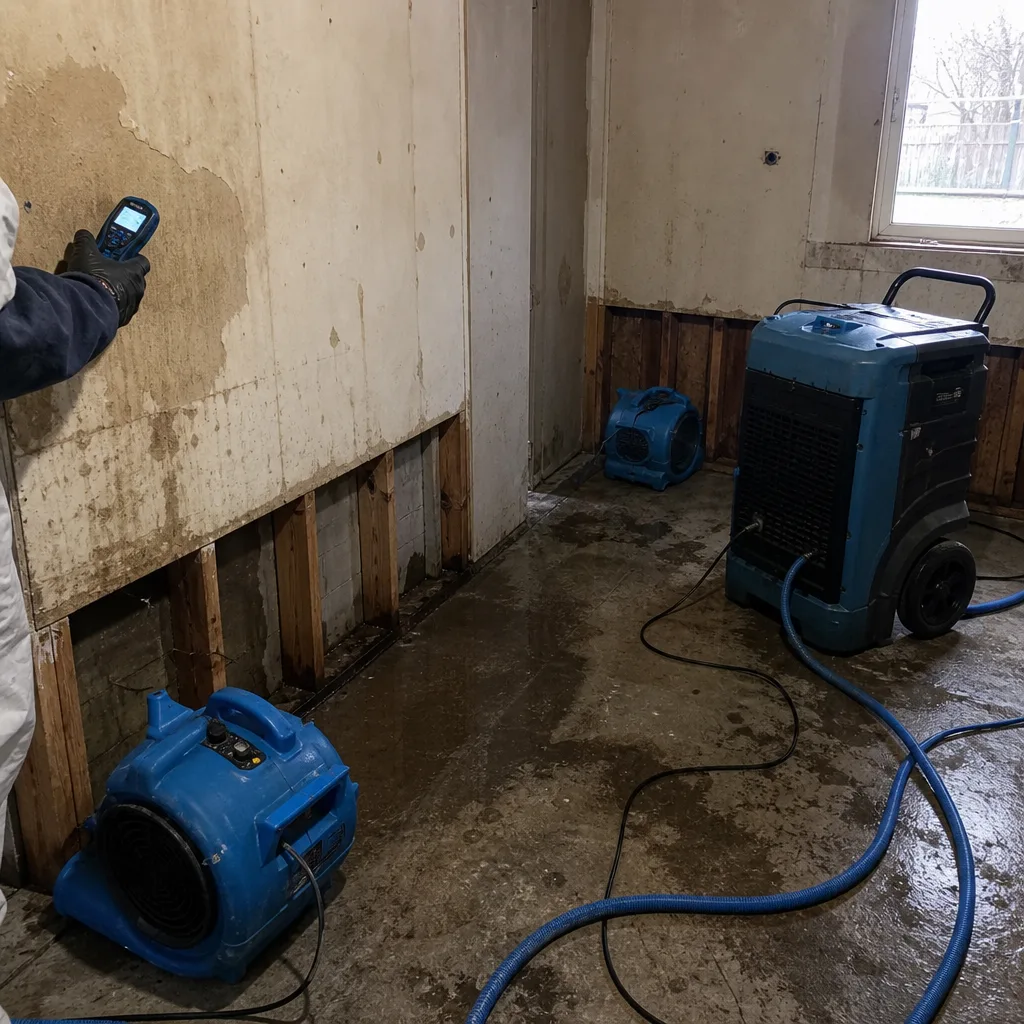 Before
 After
After24/7 Emergency Mold Remediation in Lodi
Mold remediation in Lodi, NJ typically costs $1,800-$4,500 for contained basement or crawl space jobs, with full-structure treatments running $5,500-$12,000 depending on square footage and concealed damage. Our crews answer live at (845) 875-4326, 24 hours a day, and can be on-site anywhere in Lodi within 45 minutes. The first hour matters because mold colonies double in mass every 24-48 hours under favorable conditions, and in Lodi’s flat, river-adjacent terrain, favorable conditions persist long after the visible water is gone - which is why our Lodi Water Damage Restoration crews prioritize rapid response.
We offer free visual inspections with moisture mapping, and every job starts with a written price before work begins - Haven Standard, Clause 1. No exceptions.
Understanding Mold Remediation Severity in Lodi Properties
Mold severity in Lodi follows a pattern we don’t see in elevated Bergen County boroughs. The Saddle River corridor’s recurring flood history means we classify most Lodi jobs as stacked-loss scenarios: the current visible growth may be tertiary colonization behind drywall that was never properly dried after a 2019, 2021, or 2023 event. Our Mold Remediation team uses Category 2 or 3 water protocols on most river-adjacent calls because stormwater backflow and sewage infiltration are common when the Saddle River overtops its banks.
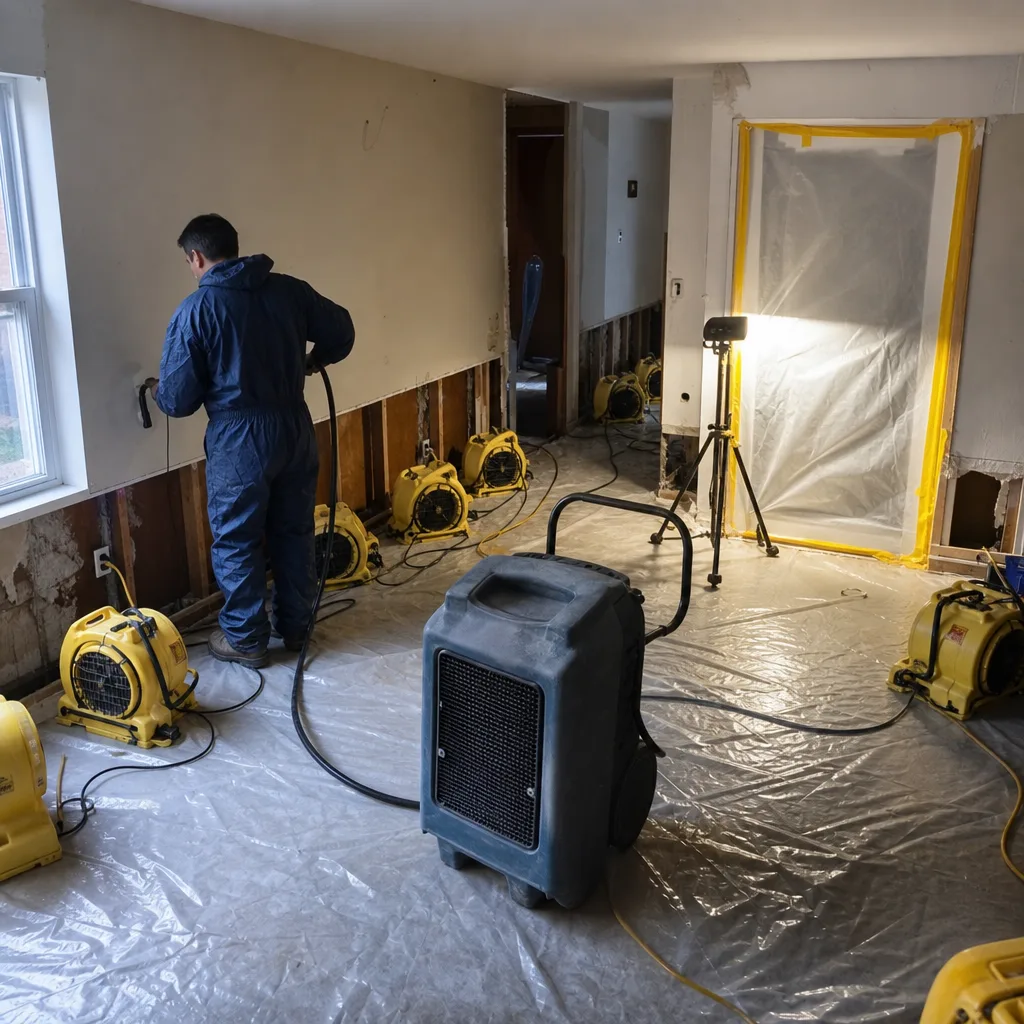
Containment barriers isolate the affected zone; negative air pressure prevents spore migration through Lodi’s typical post-WWII forced-air ductwork. Air scrubbers with HEPA filtration run continuously during removal. Clearance testing, including air sampling and surface swabs, confirms spore counts return to ambient levels before we release containment. Psychrometric data - temperature, relative humidity, and vapor pressure differential - drives our drying strategy, not guesswork. Vapor pressure differential is simply the force that moves moisture from wet materials to drier air; we measure it, then engineer the air to pull moisture out of block walls and framing at measurable rates.
Why Lodi Property Owners Choose DryMark Restoration Englewood
- 45-minute response commitment to any Lodi address, with dispatch coordinated from our metro office.
- 24/7 live answer - a real person, never an automated system or voicemail tree, on every call.
- IICRC-certified crews holding WRT (Water Damage Restoration Technician) and AMRT (Applied Microbial Remediation Technician) credentials.
- Free visual inspection with moisture mapping and documented photo record.
- Direct insurance billing with adjuster coordination and line-item estimates built to industry standard.
- One team from containment through reconstruction - no handoffs to unknown subcontractors.
BeforeAfterOur Mold Remediation Process
1. Inspection & Assessment
We moisture-map every surface with thermal imaging and pinless meters, then probe behind baseboards and finished drywall where Lodi’s stacked-loss history hides secondary damage. The written scope specifies square footage, material classifications, and equipment counts before any work starts.
2. Containment & Air Filtration
Polyethylene barriers seal the work zone; negative air machines maintain inward pressure. HEPA scrubbers capture 99.97% of particles 0.3 microns and larger, protecting Lodi’s typical connected row-house layouts from cross-contamination.
3. Mold Removal & Source Extraction
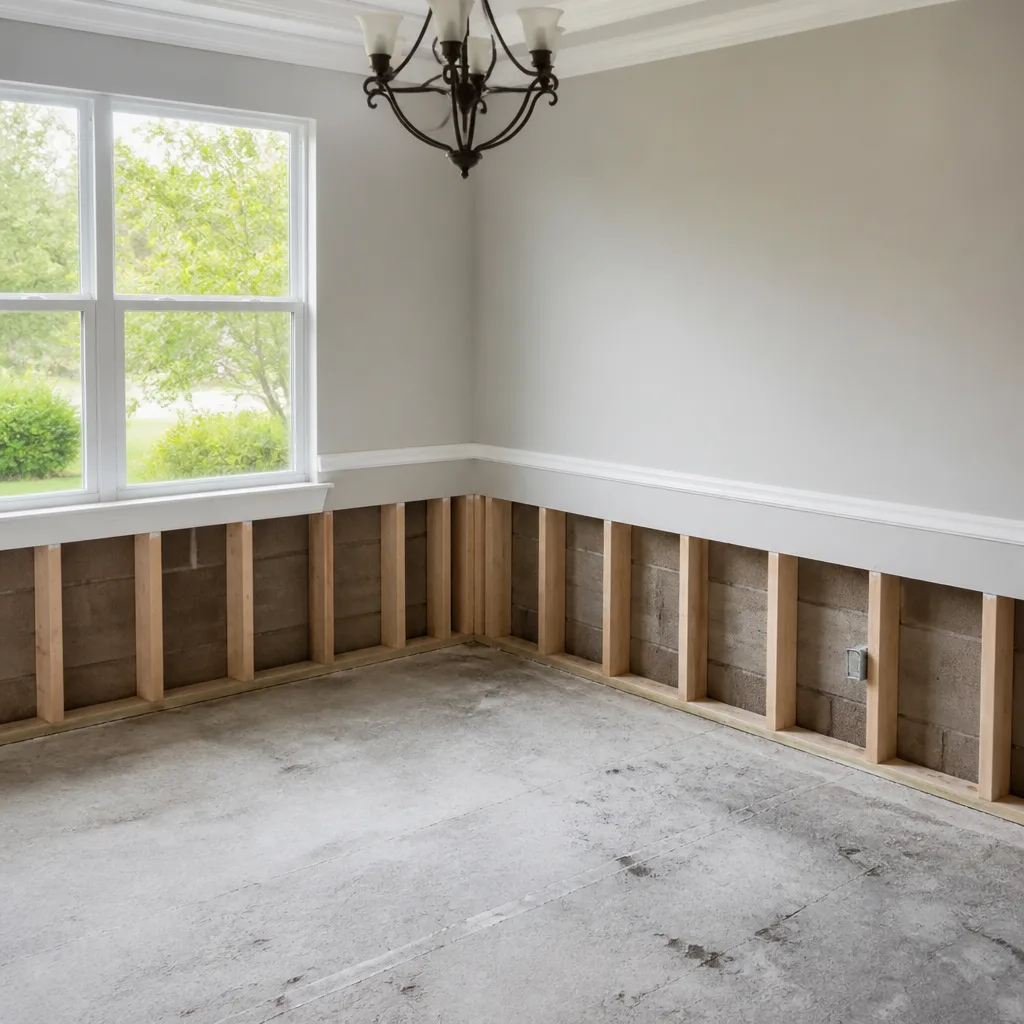
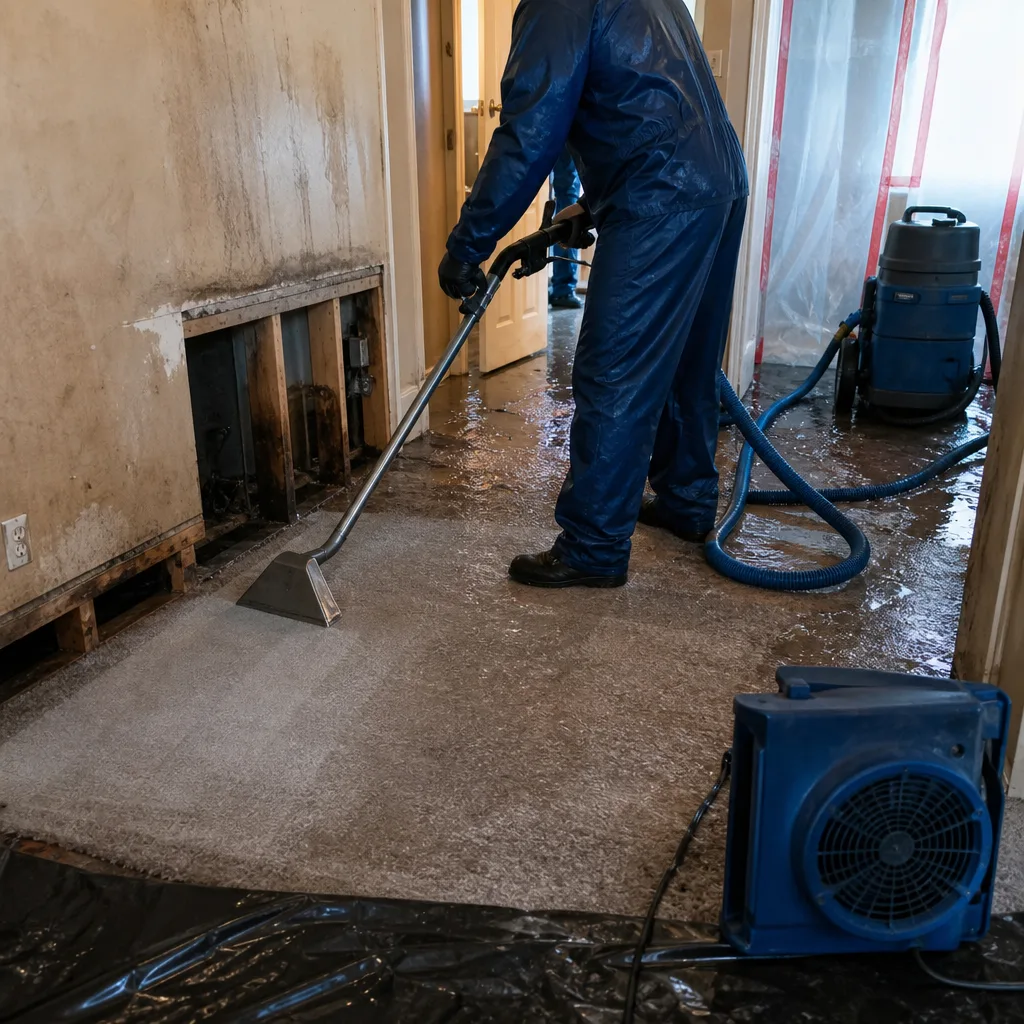
Non-salvageable porous materials - drywall, insulation, carpet pad - are removed per IICRC S520 standards. Semi-porous and non-porous surfaces undergo HEPA vacuuming and antimicrobial treatment. We log every removed material by dimension and location.
4. Structural Drying & Dehumidification
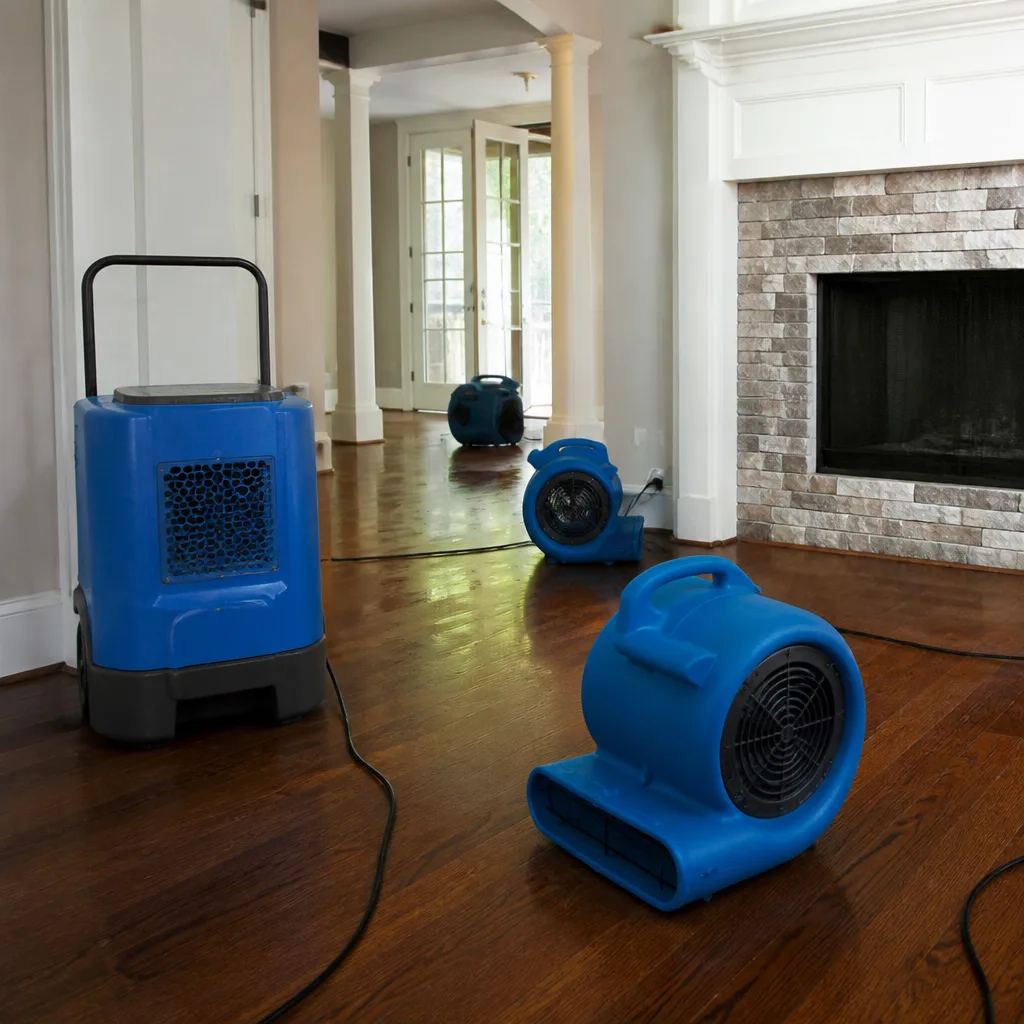
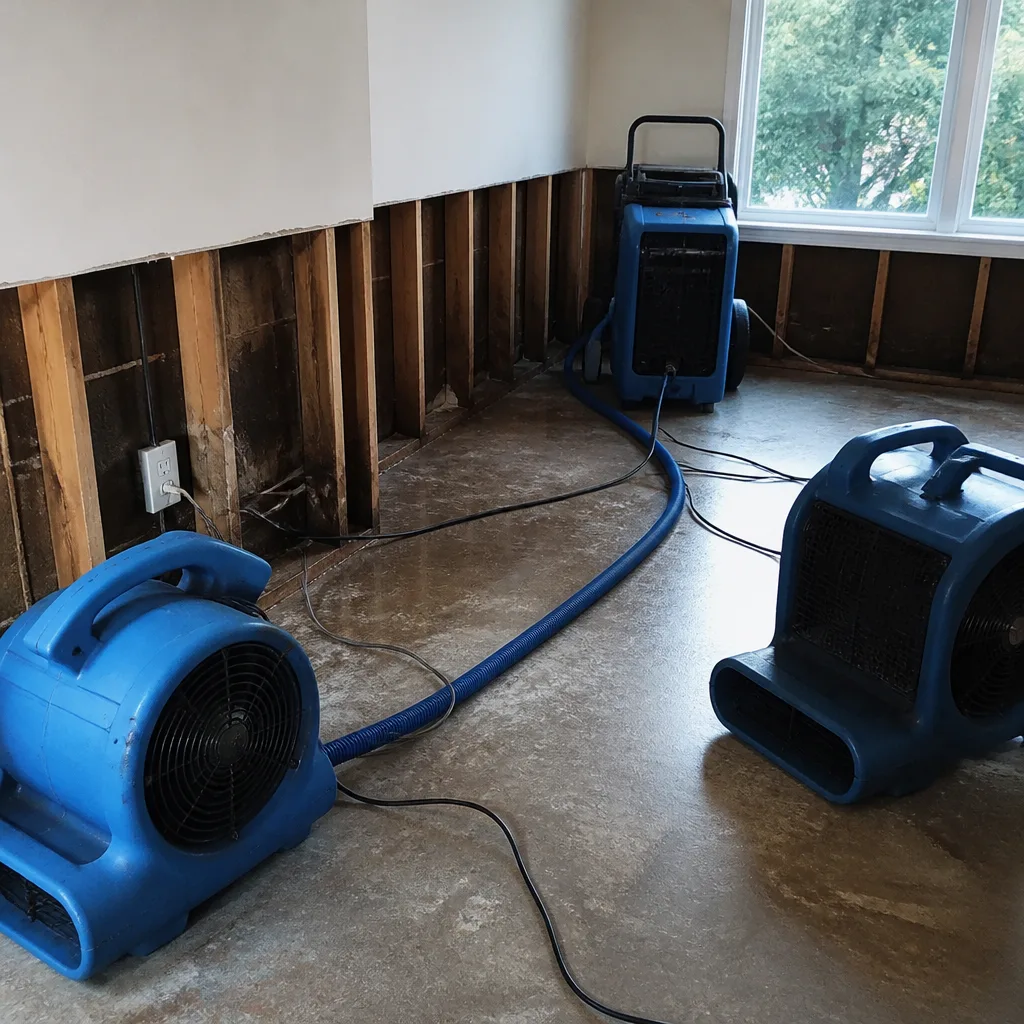
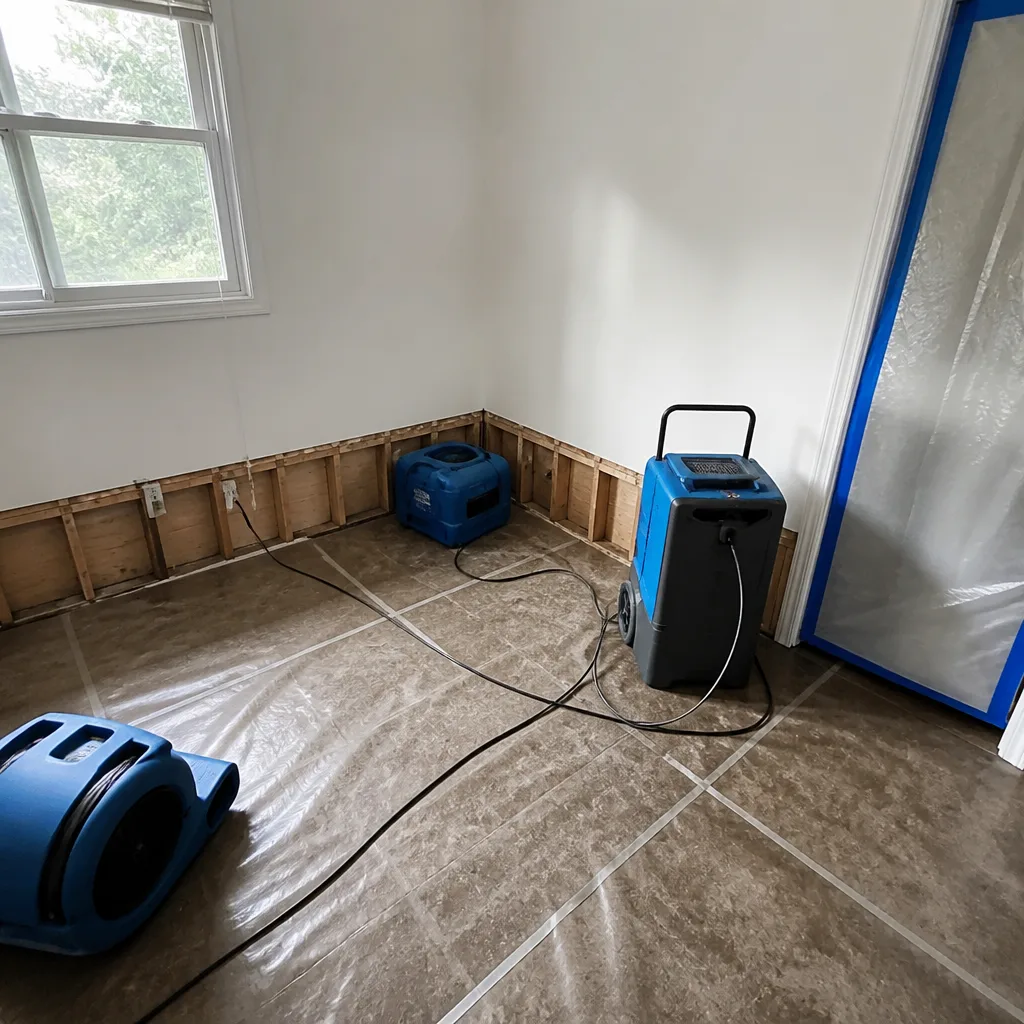
Dri-Eaz and Phoenix LGR dehumidifiers pull vapor from the air; Injectidry mat systems and air movers target embedded moisture in subfloors and block walls. Daily moisture readings document progress to pre-loss equilibrium.
5. Antimicrobial Treatment & Air Quality Restoration
EPA-registered antimicrobials treat remaining surfaces. HEPA scrubbers continue running through clearance testing. We measure airborne spore counts against outdoor baseline samples taken the same day, not generic thresholds.
6. Repairs, Reconstruction & Documentation
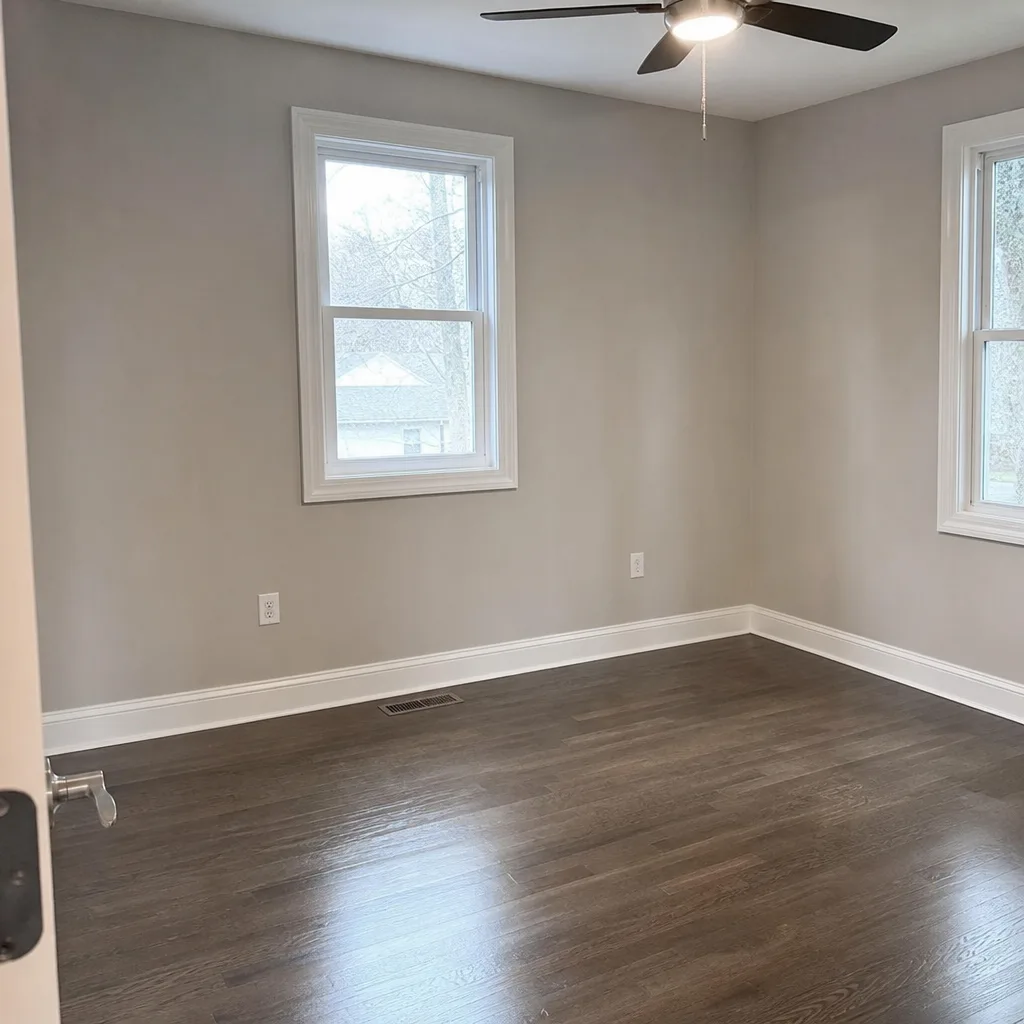
Drywall, insulation, flooring, and trim are restored to match. The final packet includes all moisture logs, photo records, material invoices, and the signed 365-Day Done Right Promise under The Haven Standard.
Need Emergency Mold Remediation in Lodi Now?
Crews minutes away, answering live 24 hours a day. The sooner we start, the less it costs.
Working With Your Insurance Company
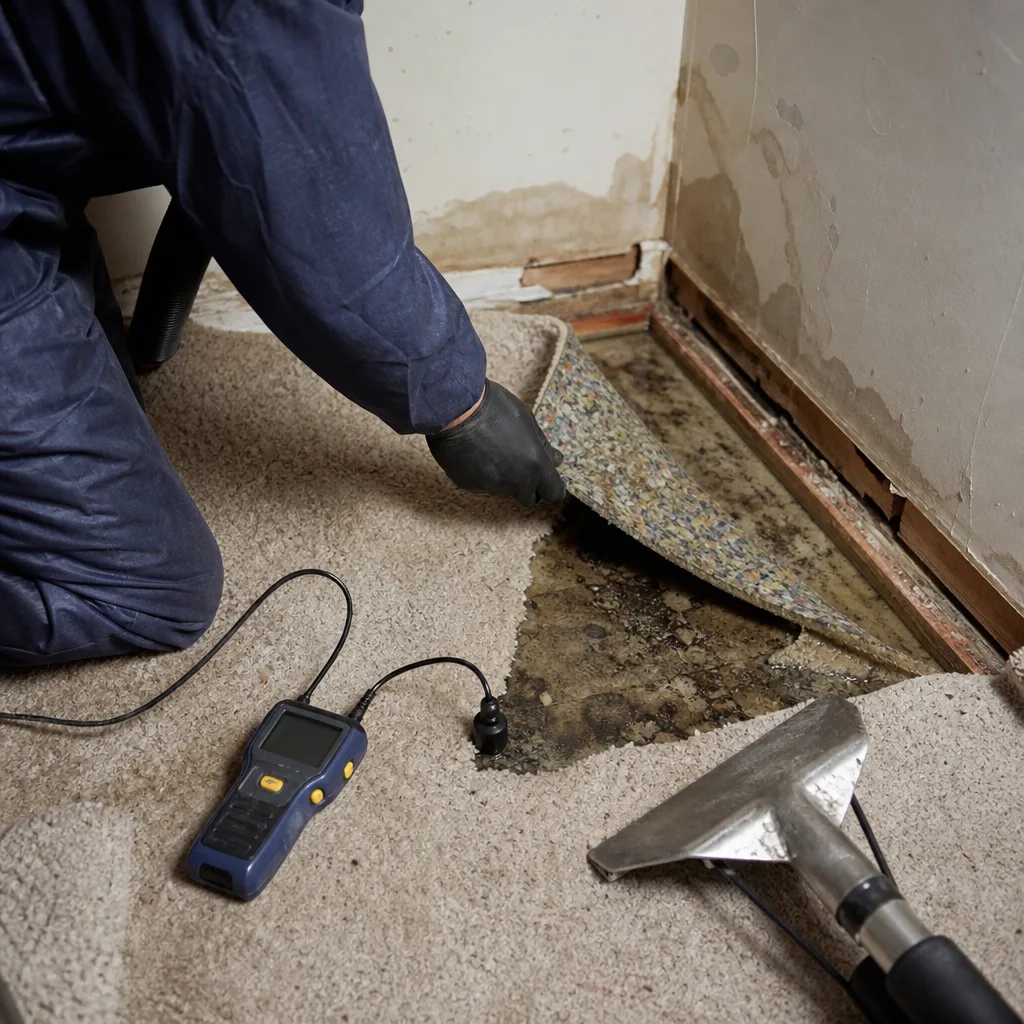
Insurance claims for mold damage in Lodi succeed or fail on documentation. We start building the file during the first site visit: dated photos of every affected surface, moisture readings with meter model and calibration date, and a narrative tying the loss to the triggering event - whether that’s a named storm, a supply line failure, or Saddle River backflow.
Our estimates follow Xactimate or Symbility pricing structures that adjustors recognize immediately. We communicate directly with your carrier’s assigned representative, not through a portal black hole. If your claim is denied or underpaid, we provide the technical documentation to support your appeal, including third-party clearance testing results when appropriate.
What We Provide Your Insurer
- Thorough documentation of the loss with event causation narrative
- Photos of all damage, room by room, with date and time stamps
- Moisture readings and daily drying logs with equipment deployment records
- A detailed, line-item scope of work priced to industry standard
- Direct coordination with your carrier’s adjuster, including field meetings
Built for Lodi’s Loss Calendar
Lodi’s mold season doesn’t follow a simple calendar. January deep freezes split copper supply lines in post-WWII Cape Cods with original plumbing. February and March bring snowmelt that the frozen Saddle River cannot absorb, backing into basements through foundation cracks left by prior hydrostatic pressure. April through June, nor’easters and tropical storm remnants deliver 4-6 inch rainfall events that overwhelm stormwater infrastructure designed for a different era.
July and August humidity, combined with already-saturated soil, keeps block walls weeping even without new precipitation. September and October tropical systems - the remnants of storms that made landfall hundreds of miles south - can still top the Saddle River banks. By November, the cycle resets: freeze-thaw weathering opens new foundation pathways for the next spring’s water.
This means Lodi properties often enter winter with elevated moisture content in basements and crawl spaces, creating ideal mold incubation conditions during the heating season when windows stay closed and air circulation drops.
Mold Remediation Across Lodi’s Neighborhoods
The River Road / Lodi Street corridor demands our most careful assessment protocols. Homes here have flooded multiple times in a single decade, and prior remediation jobs - often performed by out-of-area contractors chasing storm work - frequently concealed mold behind finished drywall that was never moisture-mapped at depth. At a post-WWII Cape Cod off Lodi Street, our tech found the homeowner’s ‘fixed’ 2021 flood job had only been dried at the surface - moisture readings through the finished drywall came back 22%+ because the last crew skipped moisture mapping behind the baseboard. We established containment, ran Injectidry mats and Dri-Eaz dehumidification as part of a structural drying scope, cut out the wet drywall, applied antimicrobial treatment, and re-dried the block foundation wall to pre-loss condition, logging every moisture reading daily.
South Lodi, near the Bergen County border toward Hasbrouck Heights, sits slightly more elevated but still draws Saddle River tributary overflow during major events. The two-family colonials here often have shared basement walls, meaning mold in one unit frequently colonizes the adjacent property through common framing. We coordinate dual-unit containment when both owners agree, or seal party walls with negative air isolation when they don’t.
The Main Street commercial corridor presents different challenges: mixed-use buildings with residential units above retail, aging HVAC systems that distribute spores floor-to-floor, and landlord-tenant disputes over responsibility that we document carefully for insurance subrogation.
Near Memorial Drive and the cemetery district, older homes on tighter lots have exterior drainage compromised by decades of driveway and sidewalk modifications. We inspect downspout termination, grade slope, and sump pump discharge as standard - these are often the moisture source that out-of-town mold companies miss entirely.
Specialized Mold Remediation Services We Offer in Lodi
Mold Inspection & Testing
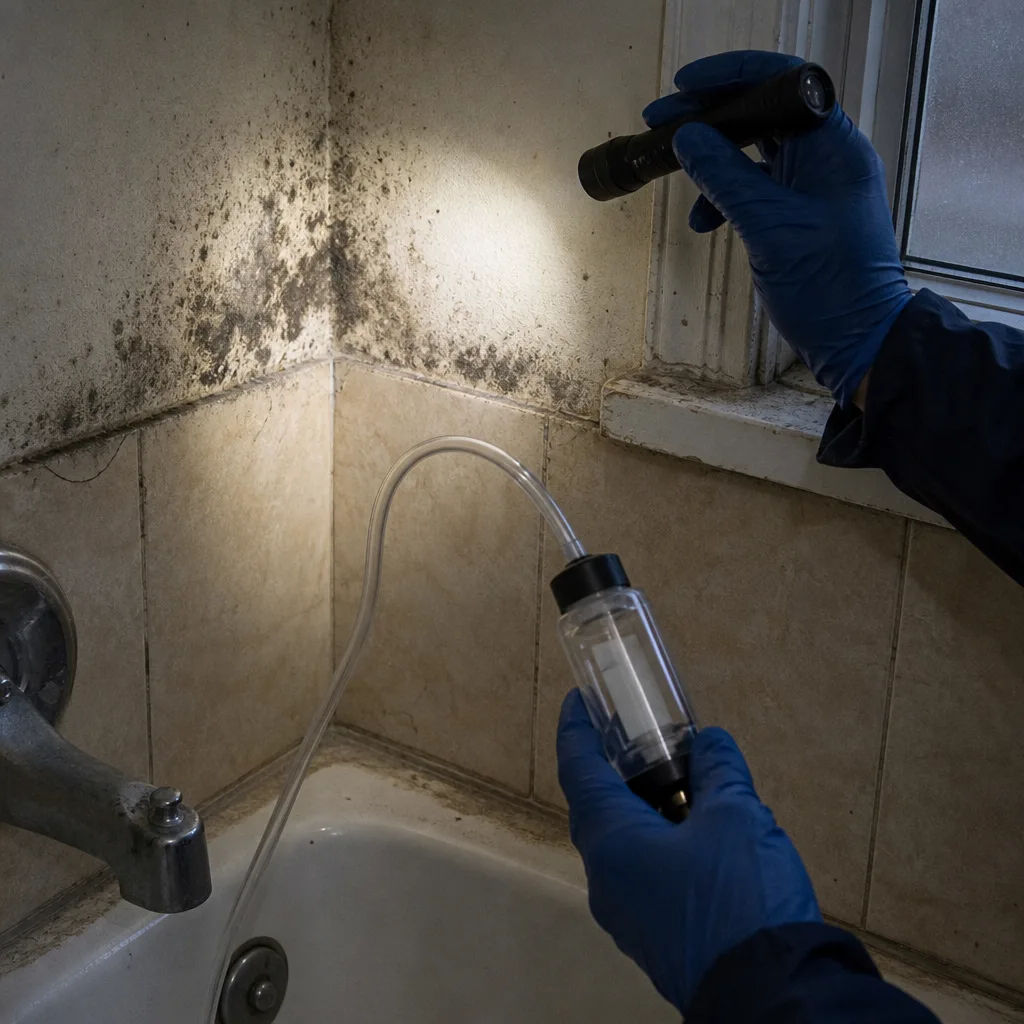
Every Lodi inspection includes air sampling, surface swabs, and moisture mapping with thermal imaging. We sample outdoor ambient air the same day for comparison, because spore counts mean nothing without local baseline context. In the Saddle River corridor, we automatically extend inspection scope to include concealed wall cavities and subfloor voids where prior flood damage likely lurks.
Black Mold Remediation
Stachybotrys chartarum and other toxigenic species require full containment with negative air pressure, not simple surface cleaning. Lodi’s post-WWII housing stock - with its paper-faced drywall, fiberglass insulation, and minimal vapor barriers - provides ideal substrate for these species after water intrusion. Our AMRT-certified crews follow IICRC S520 protocols for health-protective removal.
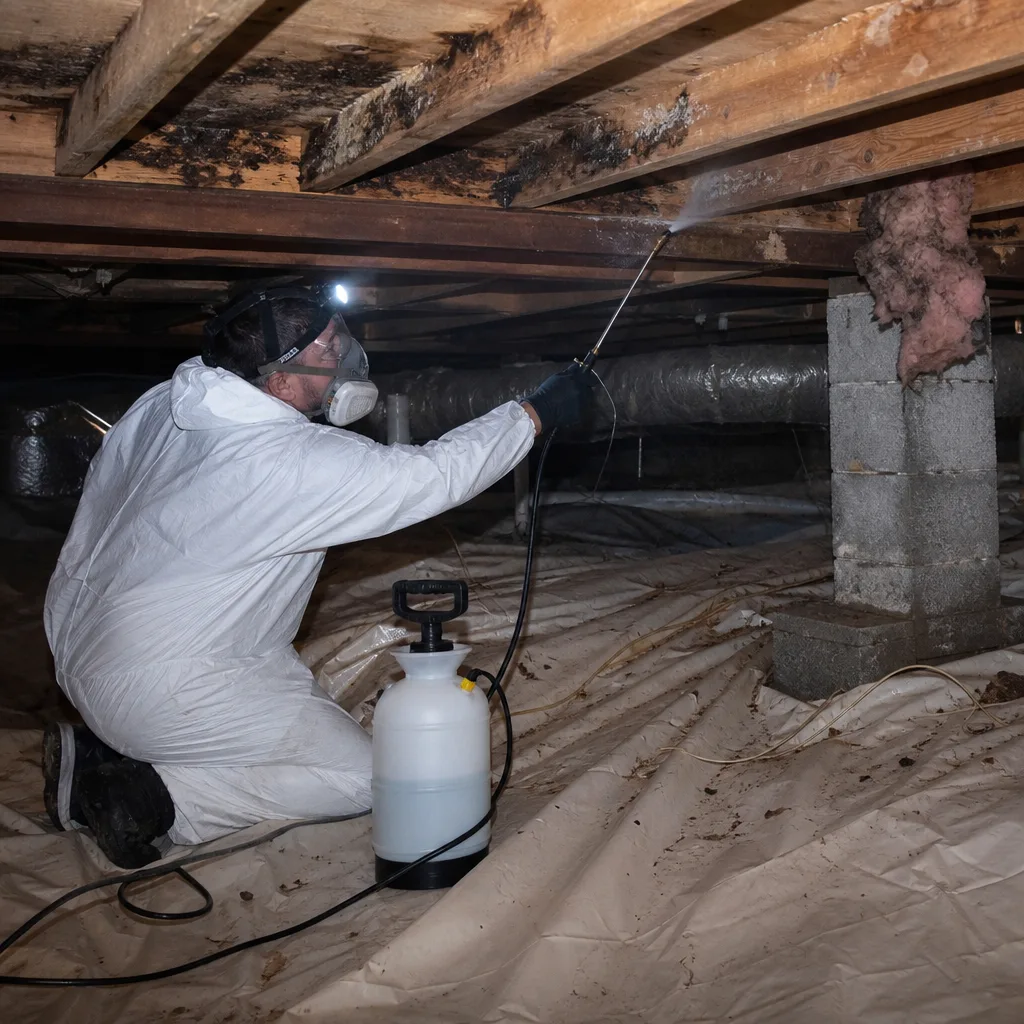
Moisture & Humidity Control
Permanent mold prevention in Lodi requires controlling the source, not just removing the growth. We install permanent dehumidification, improve ventilation in crawl spaces, and specify vapor barrier installation where block walls weep chronically. Without this step, Lodi’s river-adjacent humidity guarantees recurrence within 12-18 months.
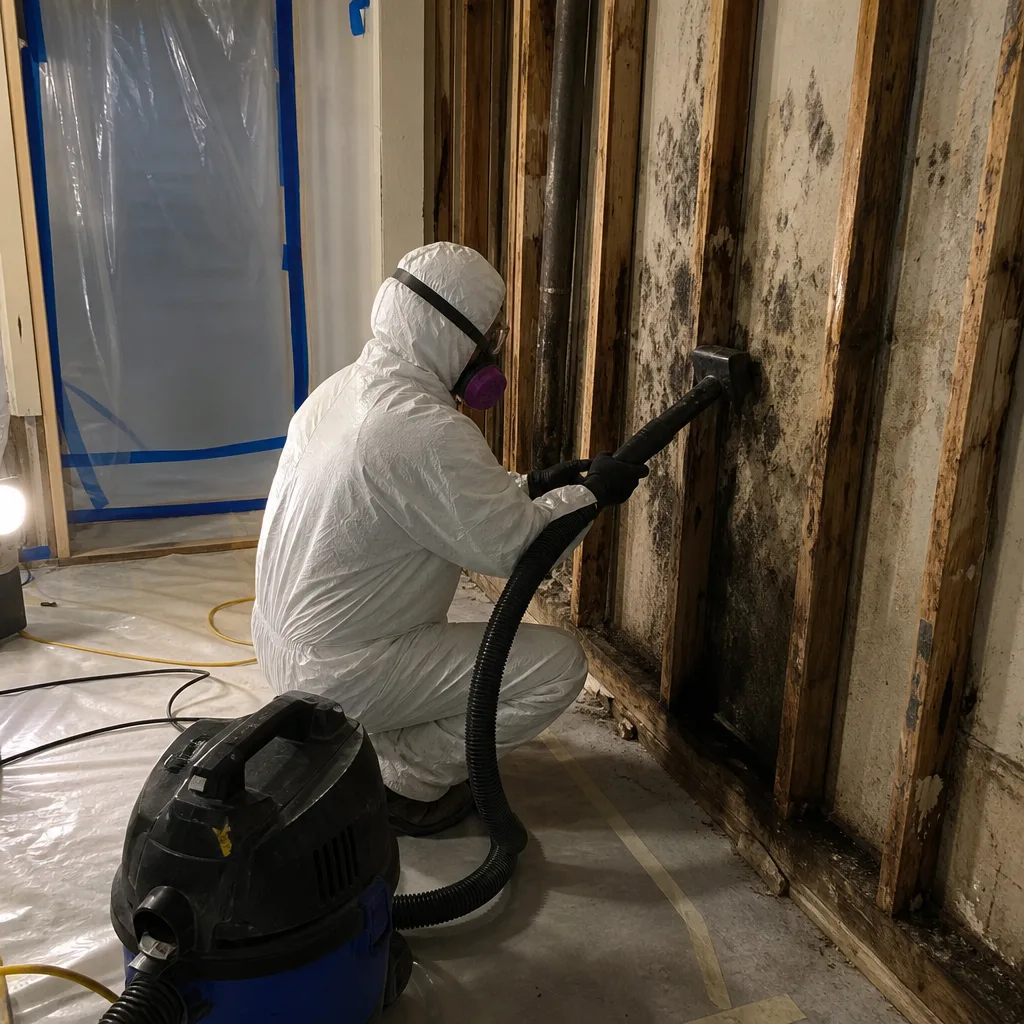
Air Quality Restoration
Post-remediation, we verify air quality through third-party clearance testing or our own documented sampling protocol. Duct cleaning with HEPA-contact vacuums follows when the HVAC system operated during active colonization.
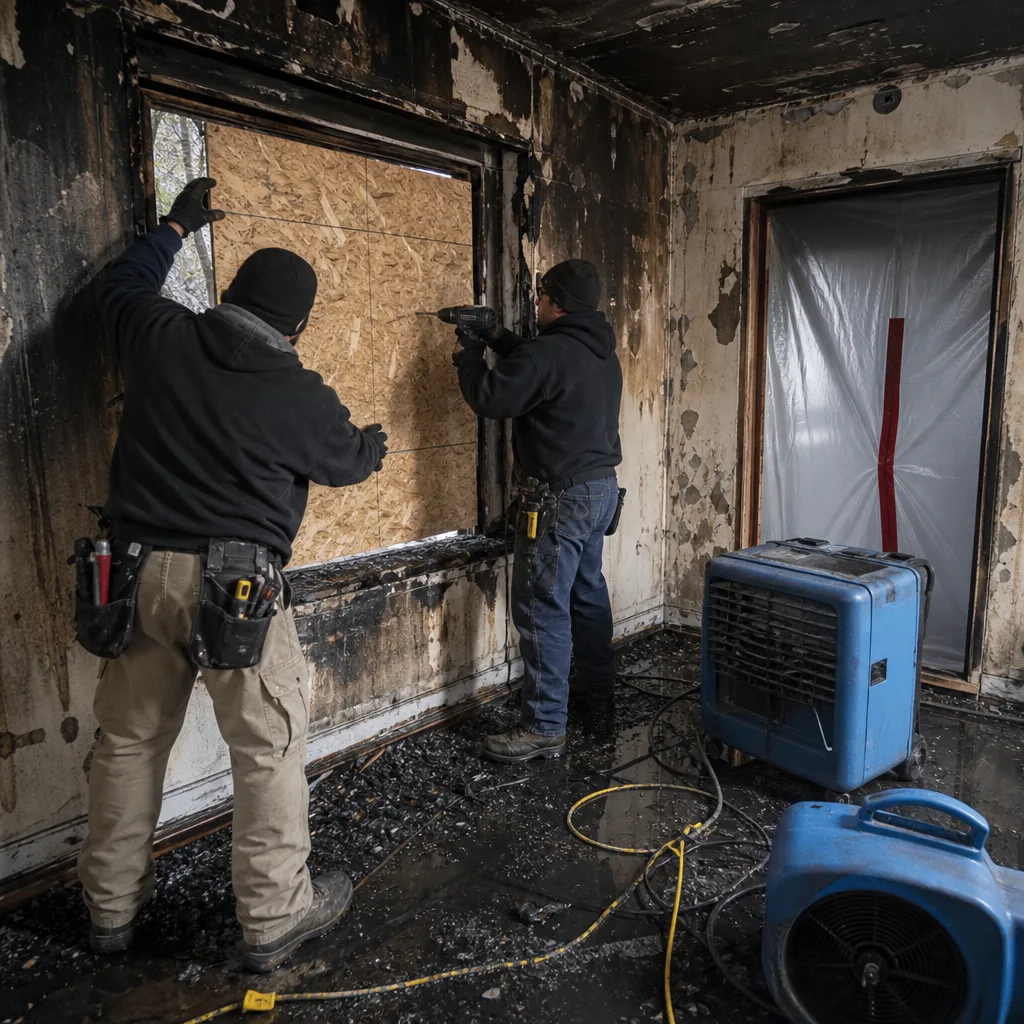
Crawl Space Treatment
Lodi’s unfinished and minimally finished basements often include crawl space areas with dirt floors and deteriorated block walls. We treat these with vapor barrier installation, dehumidification, and structural drying to prevent the humidity migration that feeds upper-level mold.
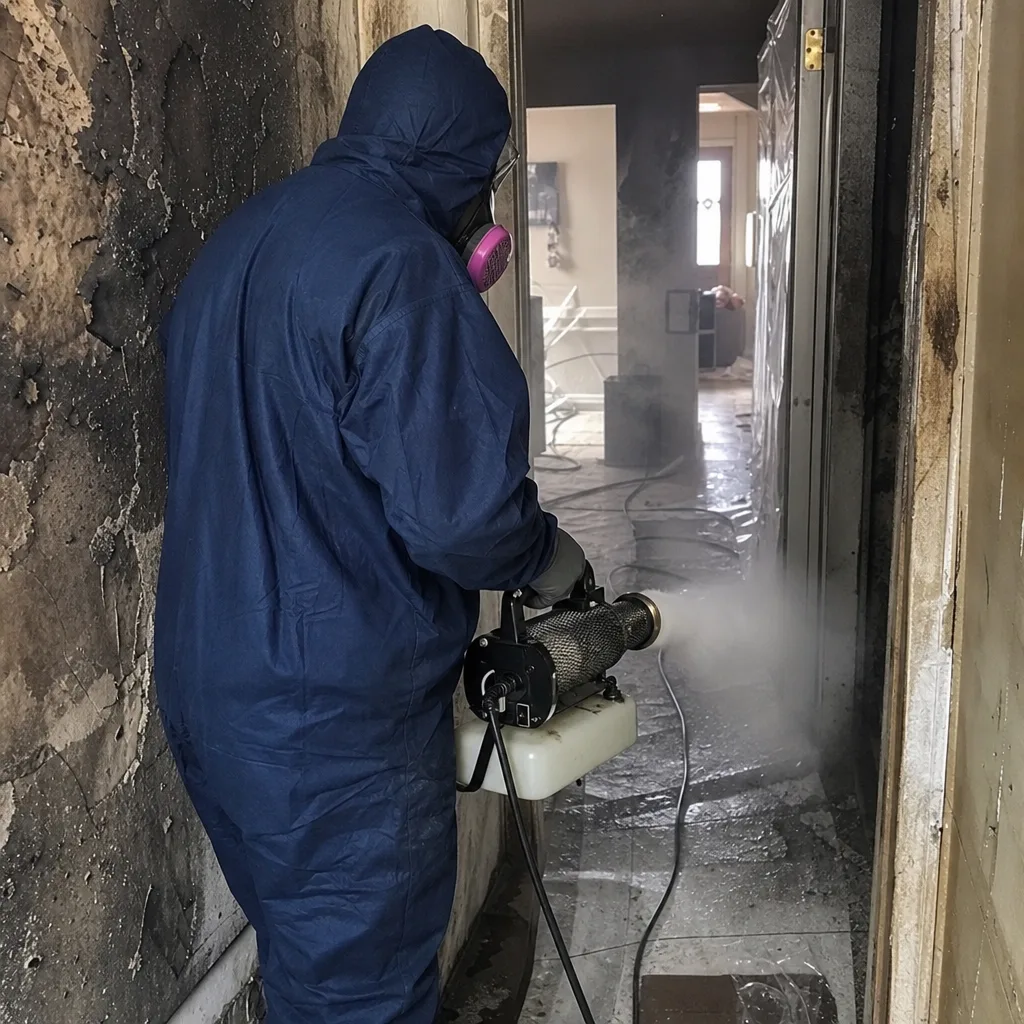
What happens when you call
- 1
A real person answersNo phone trees - you reach a local pro.
- 2
You get an upfront price rangeHonest numbers before anyone is dispatched.
- 3
A background-checked tech heads outLicensed & insured, dispatched right away.
- 4
You approve before work beginsNothing starts until you say go.
Mold Remediation Costs in Lodi, NJ
A typical contained basement mold job in Lodi runs $1,800-$4,500, covering up to 500 square feet with standard containment, HEPA air scrubbing, removal of non-salvageable materials, and antimicrobial treatment. Full-structure remediation with multiple affected rooms, HVAC contamination, or concealed damage behind finished surfaces ranges $5,500-$12,000. Black mold remediation with full containment and third-party clearance testing adds 15-25%.
What moves the price: square footage of visible growth, concealed damage requiring demolition, Category 2 or 3 water source (more extensive PPE and disposal costs), and whether the HVAC system distributed spores. Insurance typically covers mold remediation when it’s secondary to a covered water loss - burst pipe, storm intrusion, appliance failure - but may exclude long-term maintenance-related moisture. We review your policy language and document the triggering event to support coverage.
Every job starts with a free visual inspection and written scope. No estimate without a site visit - Haven Standard, Clause 1. Bring a competitor’s written estimate and we’ll provide a free second opinion.
We Also Serve Cities Near Lodi
Our crews respond throughout the Saddle River watershed and adjacent Bergen County communities, including Lodi neighbors in Hasbrouck Heights, Hackensack, Bogota, and Little Ferry. Each shares Lodi’s flat terrain and river-adjacent flood risk, though elevation differences mean mold patterns vary block by block.
Serving Lodi, NJ - Our Local Coverage Area
We’re based in the Lodi area and know this community well. Use the map below to see our service coverage - if you’re nearby, we can almost certainly help.
Lodi Mold Remediation Questions, Answered
Why does mold keep coming back in my Lodi basement after a previous flood cleanup?
Prior remediation in Lodi’s River Road corridor often addressed only visible surfaces while moisture remained trapped behind finished drywall or in block wall cavities. We moisture-map every surface with pin and pinless meters, then specify removal of concealed wet materials before drying and treatment. Call (845) 875-4326 for inspection - estimates are free.
How fast does mold grow after a Saddle River backflow event in Lodi?
Colonies can establish within 24-48 hours of water intrusion, but Lodi’s recurring flood history means many properties already harbor dormant spores that activate within hours. We recommend inspection within 24 hours of any basement water entry, even if the visible water has receded. Call (845) 875-4326 for same-day assessment.
Does Lodi’s post-WWII housing stock change how you scope black mold remediation?
Yes. The Cape Cods and two-family colonials built from the late 1940s through 1960s use paper-faced drywall and minimal vapor barriers that degrade predictably after water exposure. Our scopes specify removal of these compromised substrates rather than surface treatment that will fail. Call (845) 875-4326 for a written scope on your property.
Does a flood from the Saddle River in Lodi count as Category 3 water?
Typically yes. The Saddle River carries agricultural runoff, urban pollutants, and potential sewage overflow during backflow events. We classify most river-corridor flooding as Category 2 or 3, requiring full extraction, antimicrobial treatment, and porous material removal per IICRC standards, not just air movers. Call (845) 875-4326 to confirm classification for your specific event.
What does crawl space treatment involve for a Lodi home near the river?
We remove contaminated vapor barriers, treat soil and block surfaces with antimicrobial application, install new 6-mil or thicker vapor barrier, and specify permanent dehumidification sized to the cubic volume. Without humidity control, Lodi’s river-adjacent soil moisture guarantees recurrence. Call (845) 875-4326 for crawl space assessment.
How long does mold remediation take in a typical Lodi home?
Contained basement jobs: 3-5 days. Full-structure remediation with concealed damage: 7-14 days. The drying phase cannot be rushed - we log daily moisture readings and hold reconstruction until substrates reach pre-loss equilibrium. Call (845) 875-4326 for timeline specifics on your property.
Can my family stay in the home during mold remediation?
For contained basement or crawl space jobs with proper negative air isolation, usually yes. For whole-house colonization, toxigenic species, or HVAC contamination, we recommend temporary relocation during active removal. We specify occupancy recommendations in the written scope before work begins. Call (845) 875-4326 to discuss your situation.
What certifications do your Lodi mold technicians hold?
Our crews hold IICRC WRT (Water Damage Restoration Technician) and AMRT (Applied Microbial Remediation Technician) credentials, with continuing education on S520 mold remediation standards and RIA advanced drying protocols. License numbers and certification dates are provided on request. Call (845) 875-4326 to verify current credentials.
Back to Dry Restoration serves Mold Remediation in Lodi with the documentation-first approach that turns restoration invoices into payable claims. Every job starts with a written price, includes a photo record on every visit, and ends with the 365-Day Done Right Promise under The Haven Standard. Free second opinions on any competitor’s written estimate.
Written by Alicia Brennan, Owner at Back to Dry Restoration, serving Lodi and the Saddle River corridor since 2011.