

Free visual inspection and a written scope of work before any mitigation begins - photos, moisture readings, and drying logs go in your claim file
The scope we write is the scope we bill. Anything new gets shown to you, in writing, before we touch it.
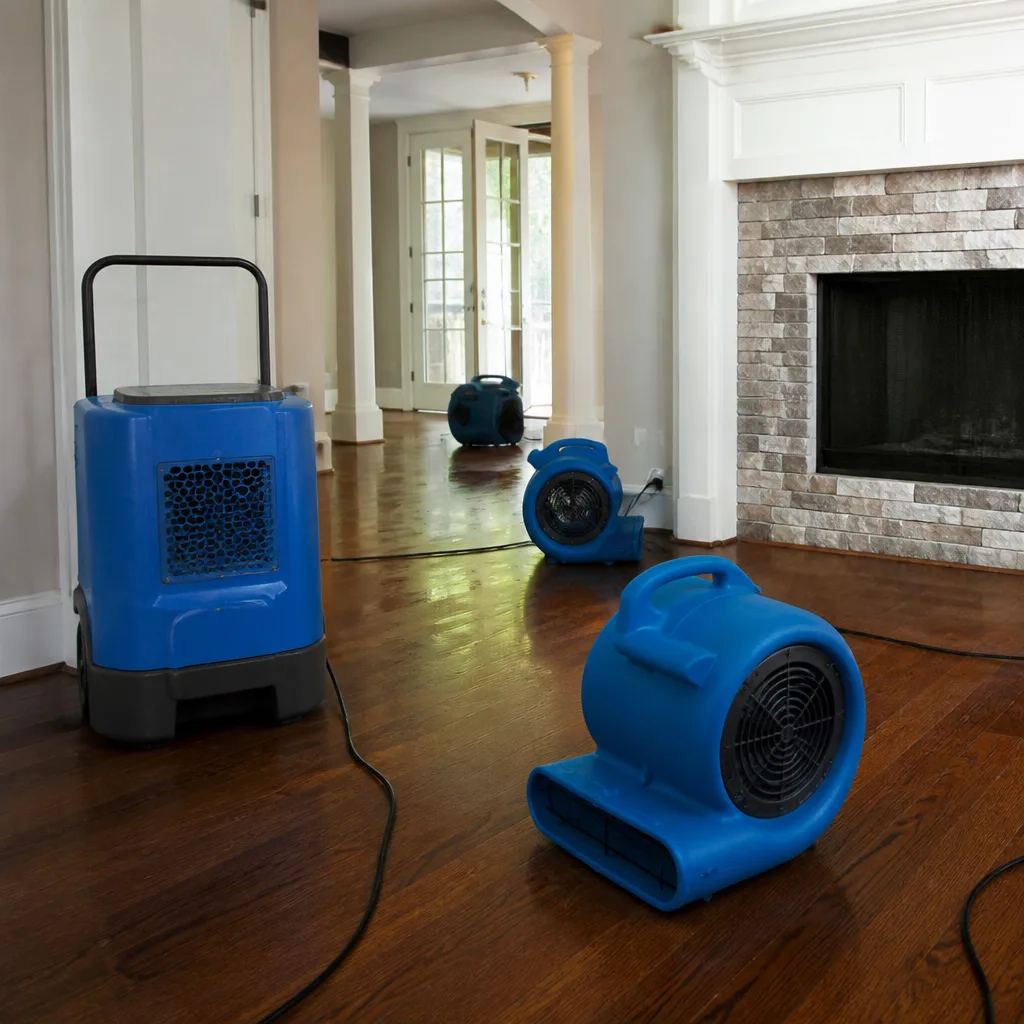

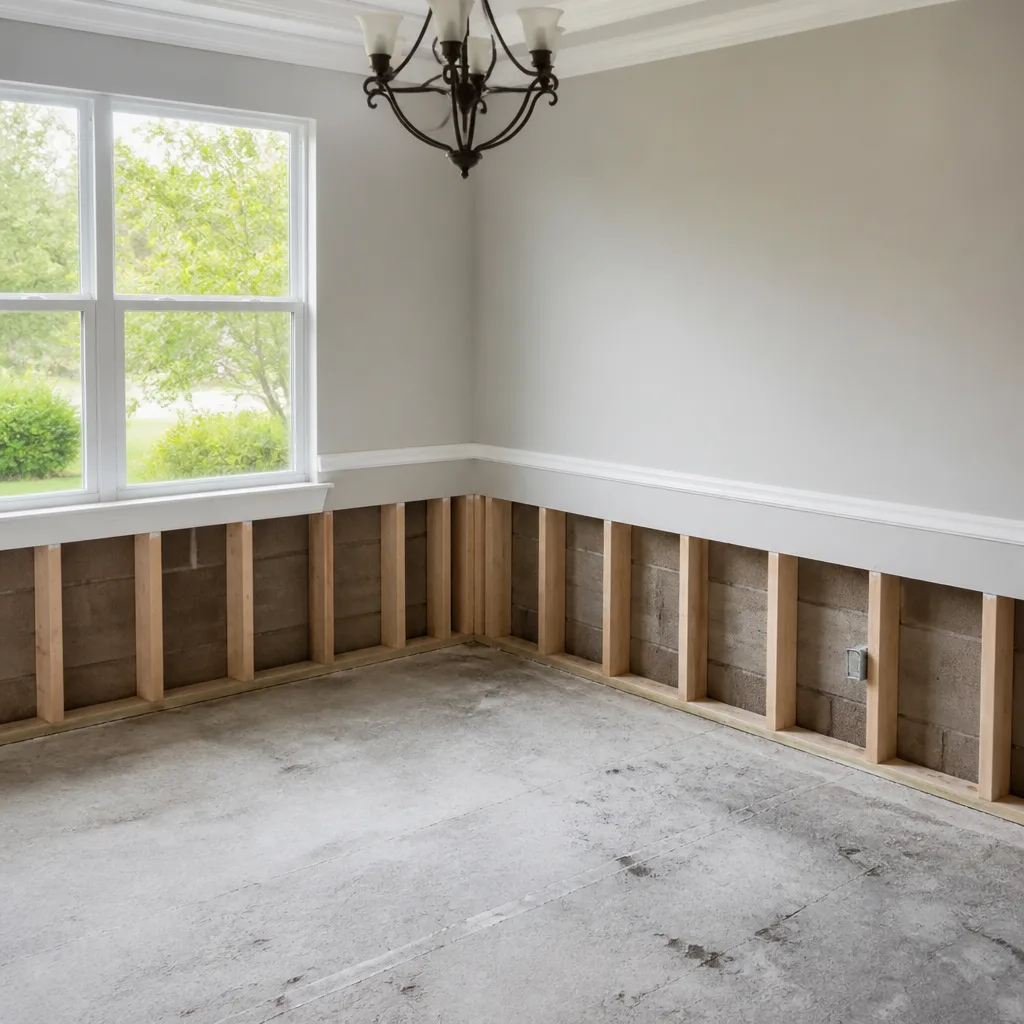
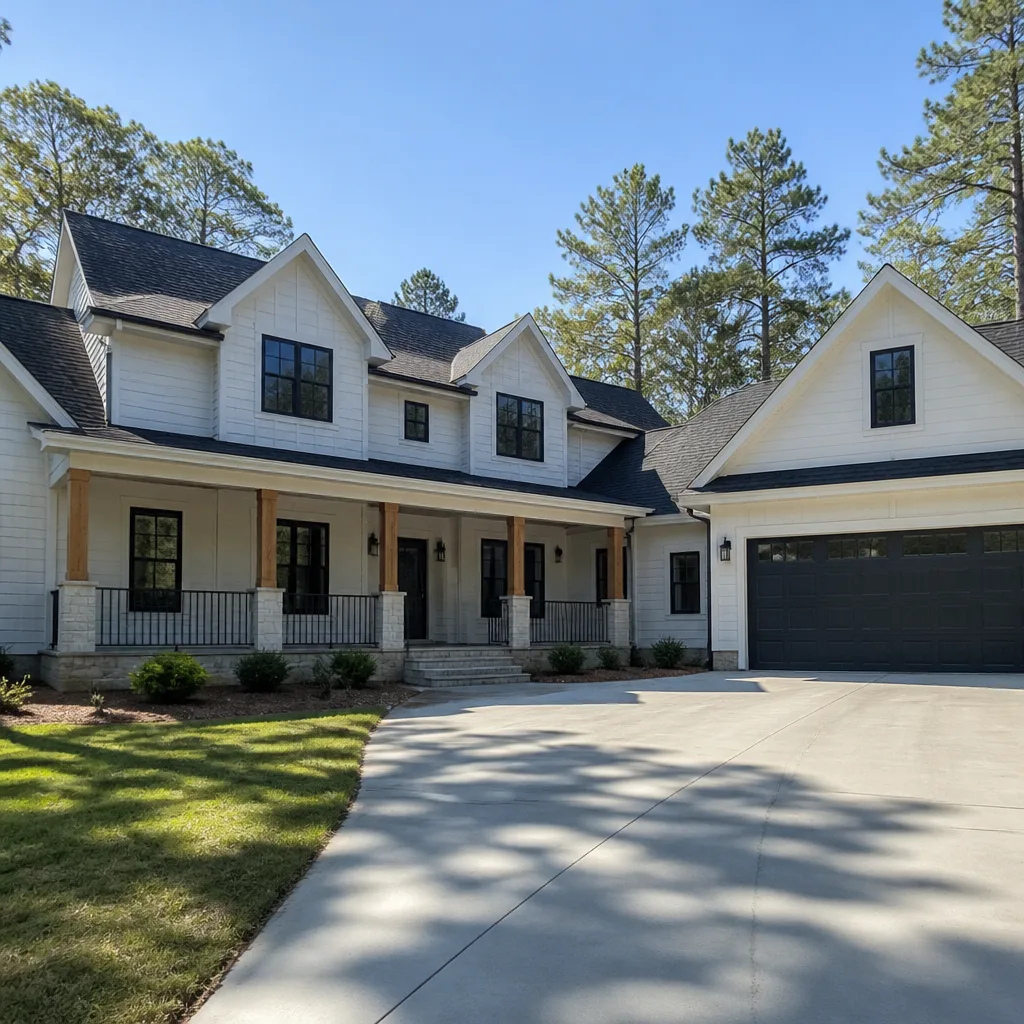
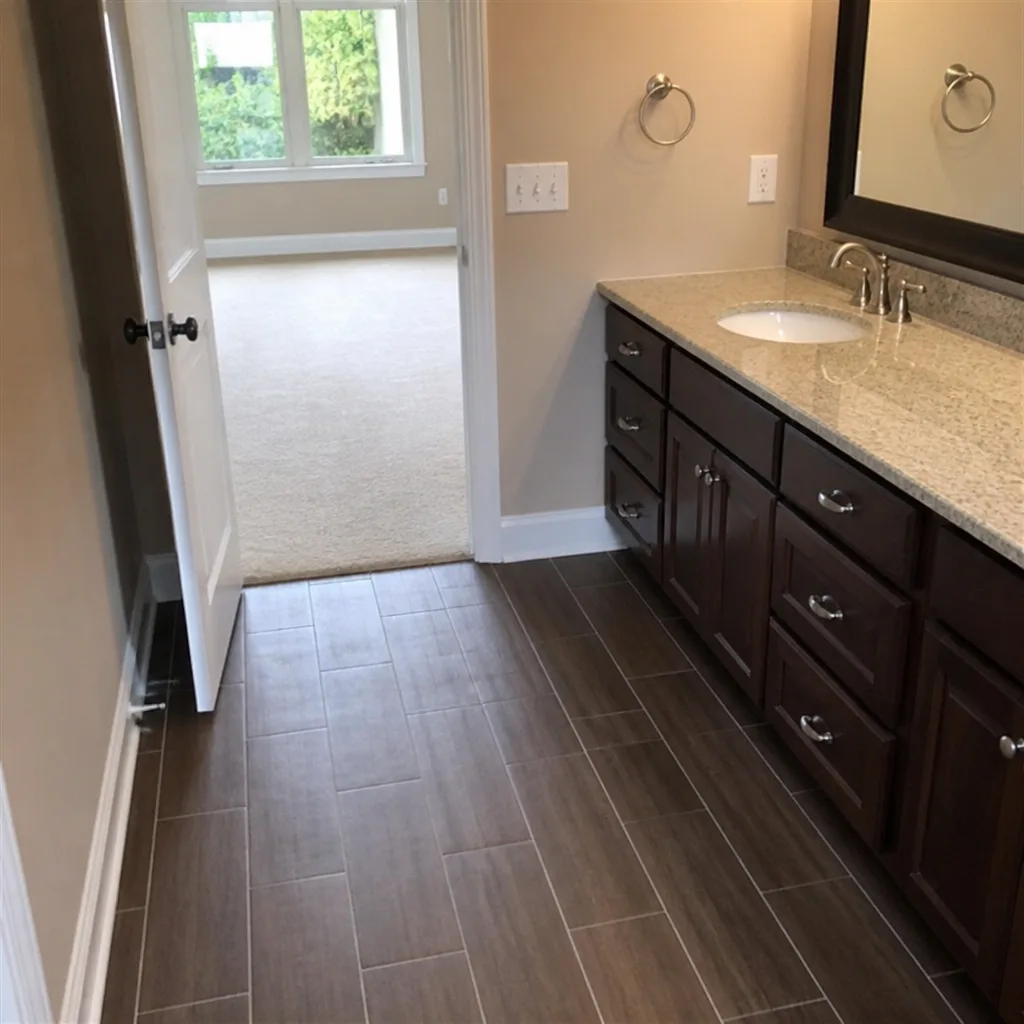
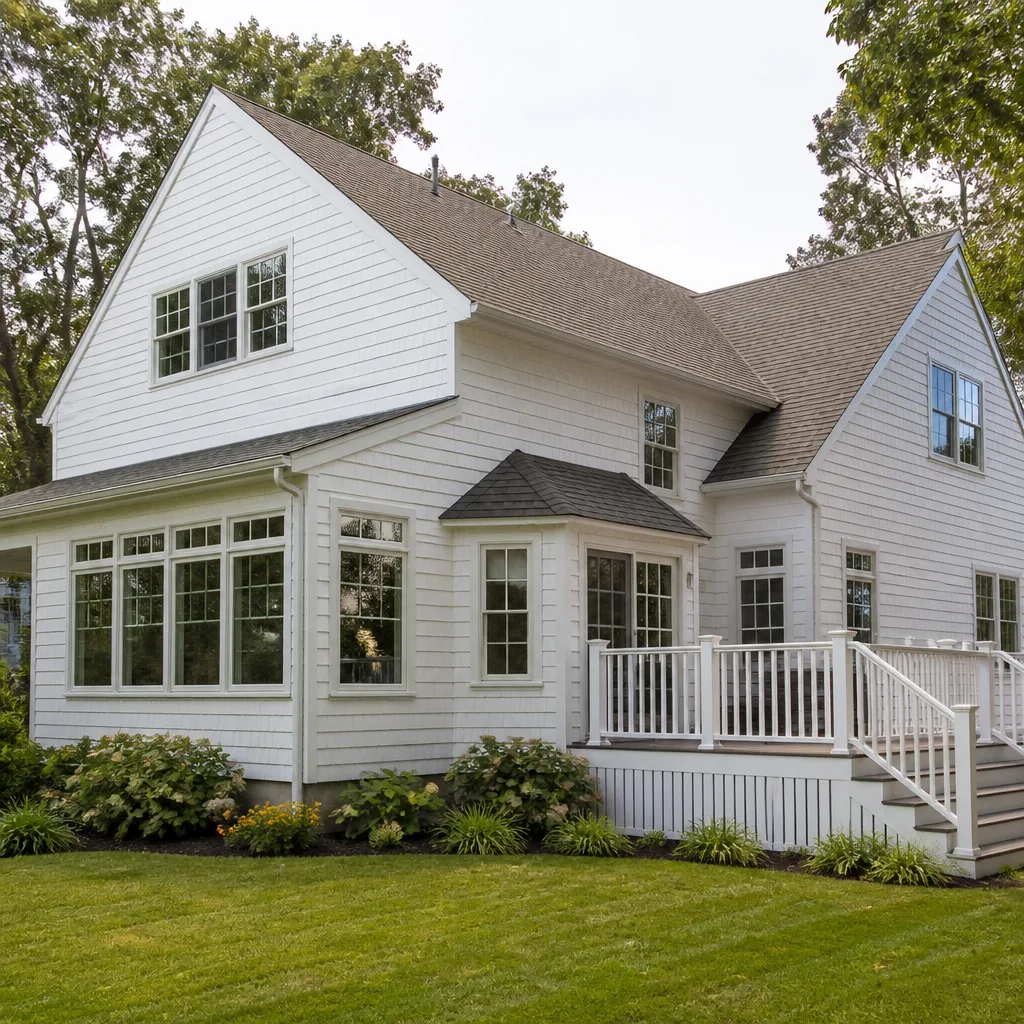
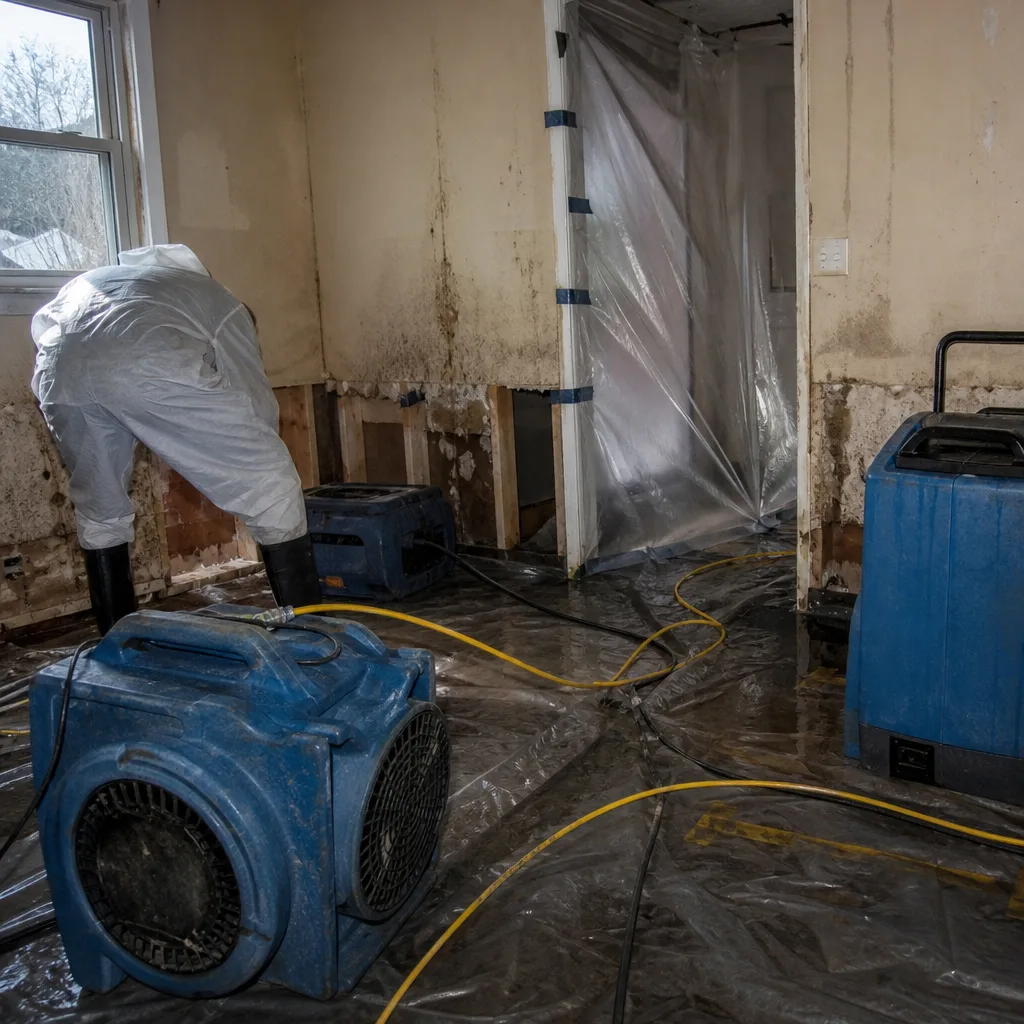 Before
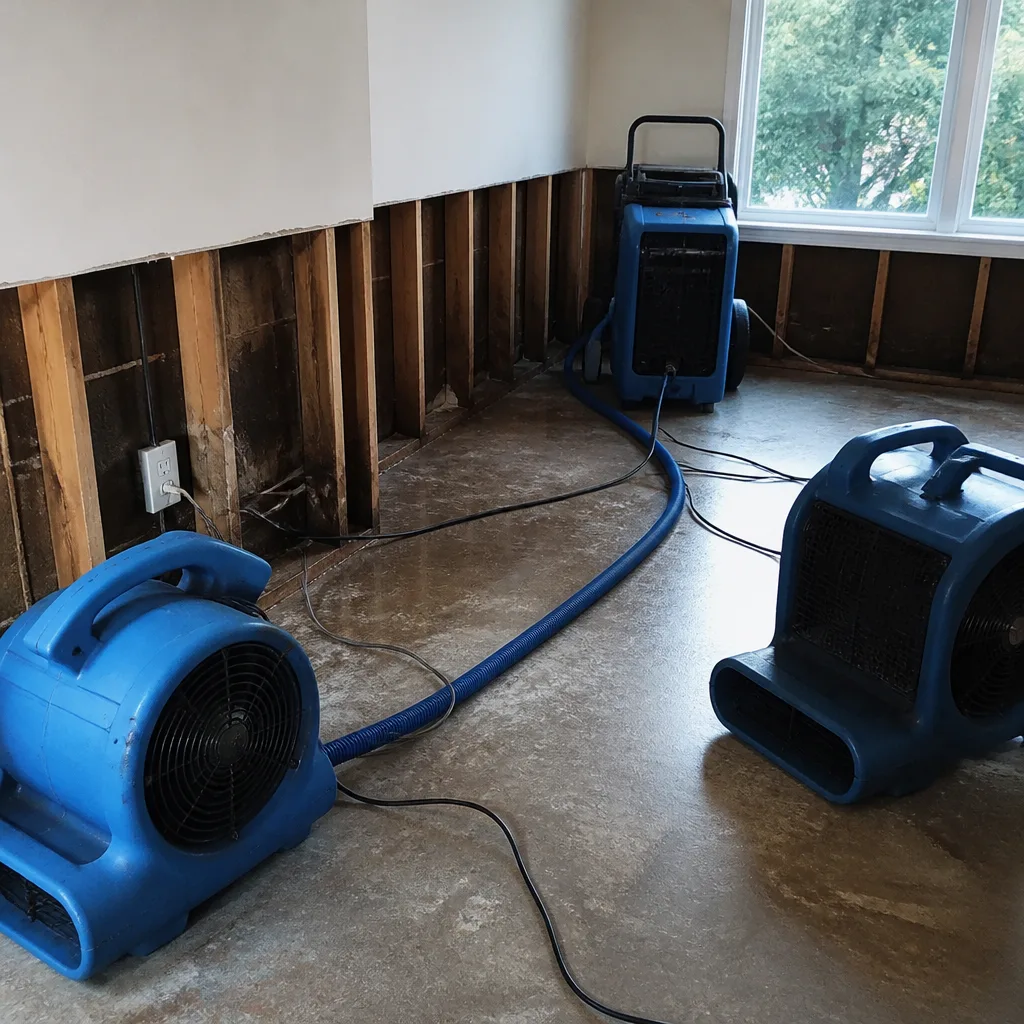 After
After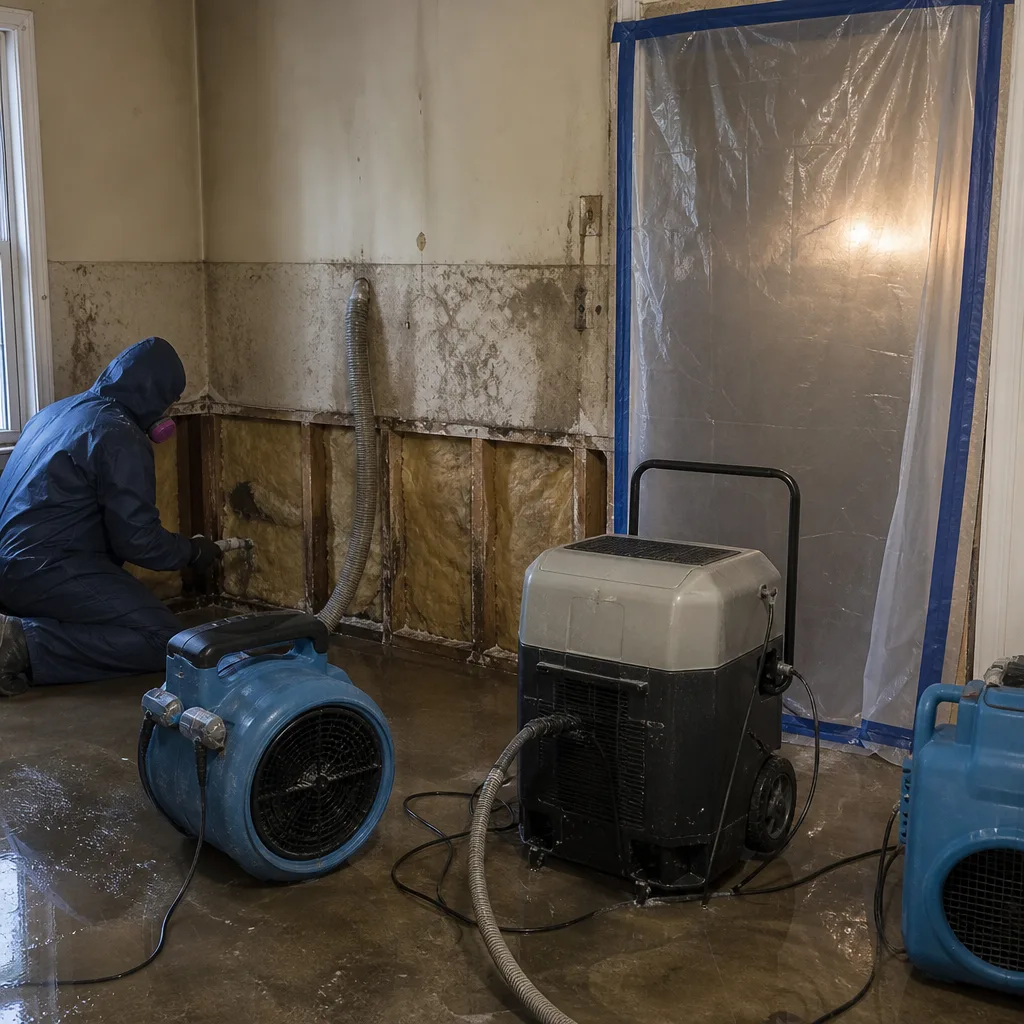 Before
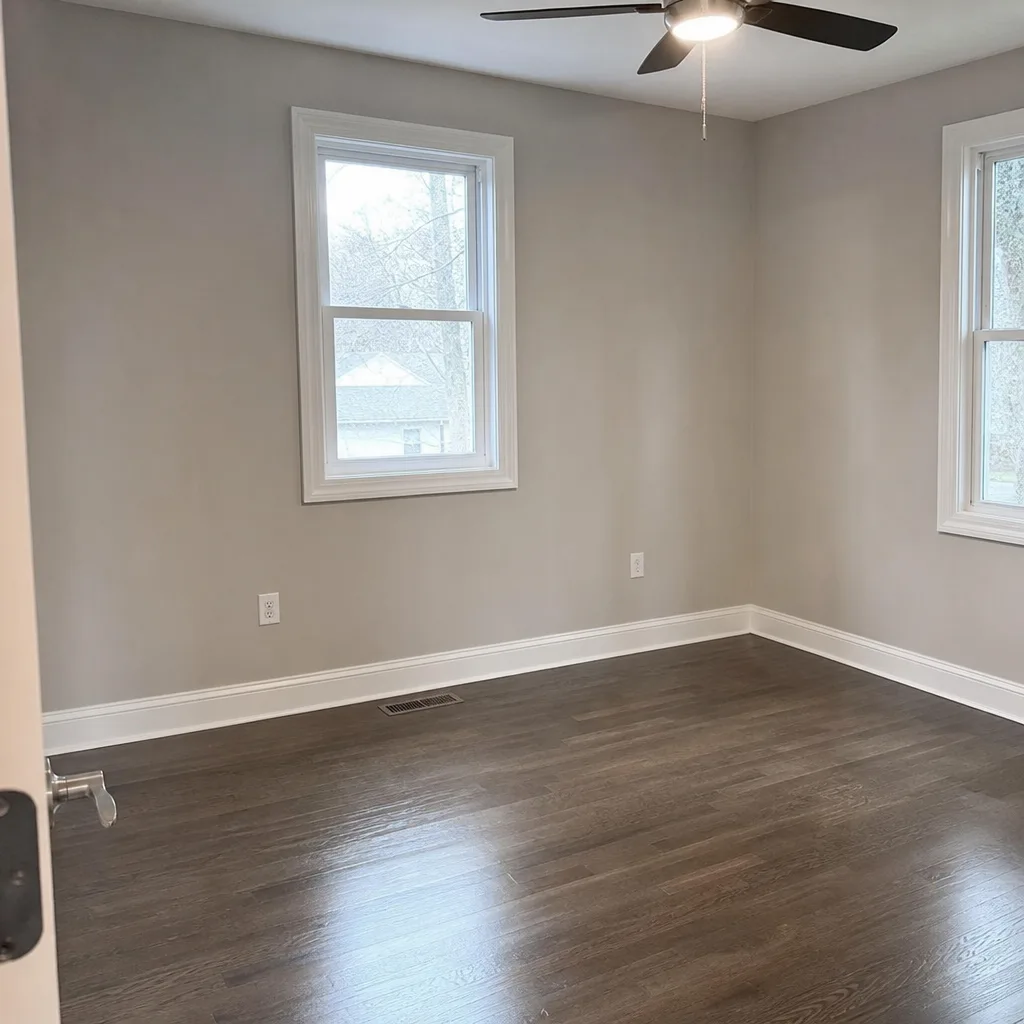 After
After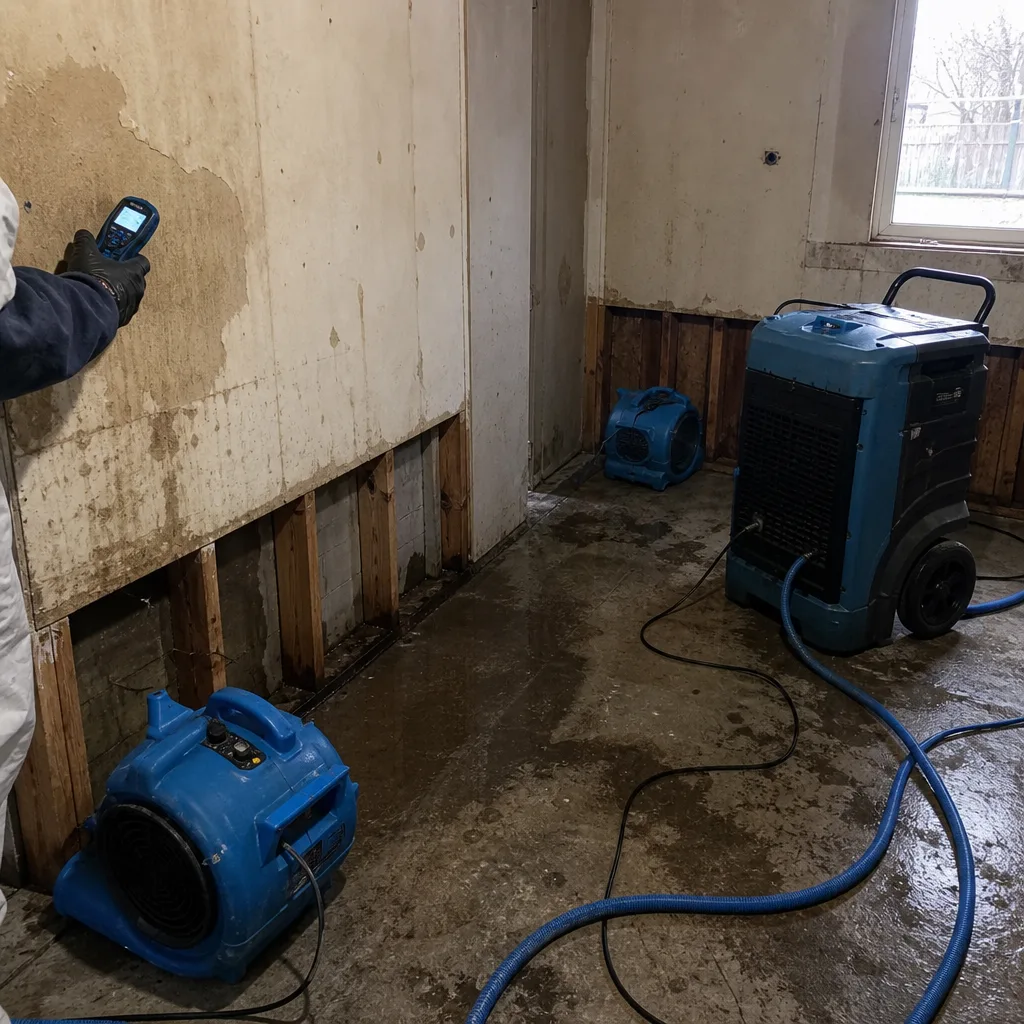 Before
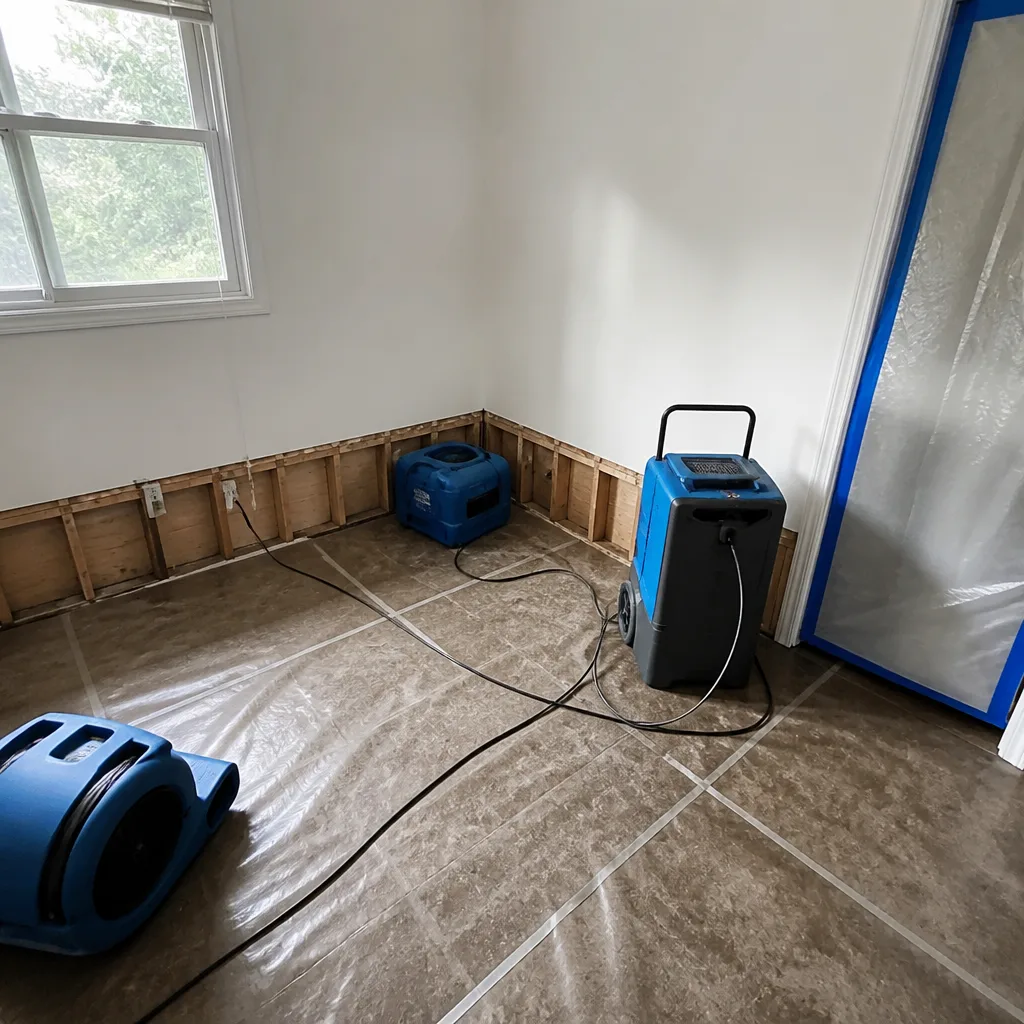 After
After24/7 Emergency Mold Remediation in Little Ferry
Mold remediation in Little Ferry typically costs $1,200-$4,500 for contained basement or crawl-space jobs, with full-structure remediation running $5,000-$15,000 depending on square footage and hidden damage. Most Little Ferry properties need same-day inspection because mold spreads fastest in the first 24-48 hours after moisture intrusion, and in this borough’s flood-prone Cape Cods and ranches, that timeline shrinks even further. Call (845) 875-4326 now - a live person answers, no voicemail, and our crews dispatch to Little Ferry around the clock. We perform a free visual inspection, document moisture readings with thermal imaging, and deliver a written scope and price before any work begins, Haven Standard, Clause 1.
Understanding Mold Remediation Severity in Little Ferry Properties
We classify mold contamination by affected square footage, substrate material, and whether the underlying moisture source remains active. Category 1 water - clean supply-line breaks - can trigger mold in 48-72 hours in Little Ferry’s humid basement environments. Category 2, gray water from sump failures or seepage, accelerates colonization and requires antimicrobial treatment. Category 3, black water from Hackensack River flooding or sewage backflow, demands full containment, negative air pressure, and disposal of porous materials per IICRC S520 standards.
Little Ferry’s housing stock makes severity assessment uniquely challenging. Post-WWII Cape Cods on Liberty Street and Mehrhof Road often have original plaster walls over wood lath that wick moisture laterally, spreading hidden colonies behind intact surfaces. Ranch homes near the Overpeck Creek corridor frequently sit on slab-on-grade foundations with no vapor barrier, where capillary moisture wicks upward through concrete and into baseplate framing. We map every job with FLIR thermal imaging and penetrating hygrometers, then produce psychrometric data - temperature, relative humidity, and vapor pressure differential - that shows exactly where the building envelope is still breathing moisture.
Why Little Ferry Property Owners Choose DryMark Restoration Englewood
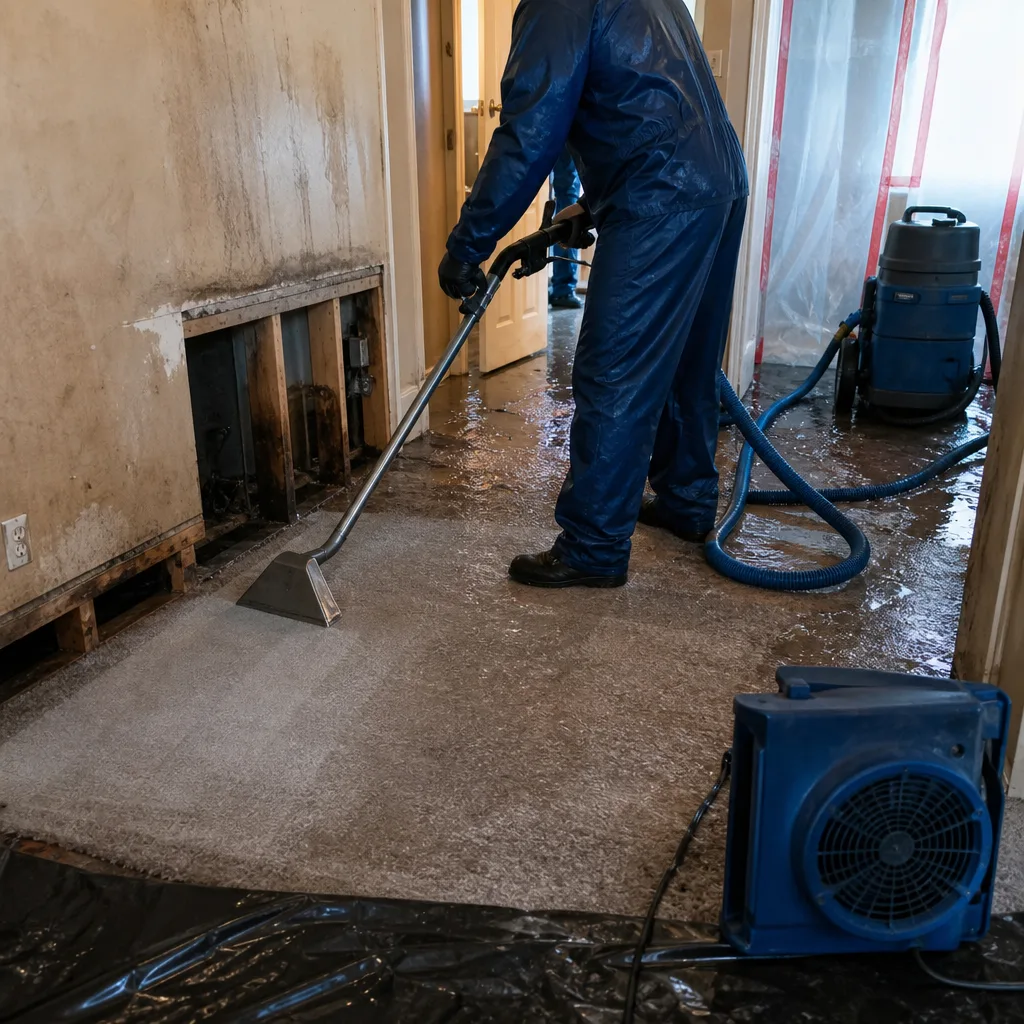
- 45-minute response commitment to Little Ferry from our New York City dispatch office, with crews already staged for Bergen County flood events.
- 24/7 live answer - a real person, never an automated system or callback queue, because mold doesn’t wait for business hours.
- IICRC-certified crews holding WRT (Water Damage Restoration Technician), AMRT (Applied Microbial Remediation Technician), and FSRT (Fire & Smoke Restoration Technician) credentials.
- Free visual inspection with moisture mapping and thermal imaging, documented with photos before we leave.
- Direct insurance billing with adjuster coordination from day one - we speak the language of claims because our founder, Alicia Brennan, came from that world.
- One team from containment to reconstruction, so no handoff gaps where moisture gets missed.
BeforeAfterOur Mold Remediation Process
1. Inspection & Assessment
We arrive with moisture meters, thermal cameras, and borescopes to inspect wall cavities without destructive testing. In Little Ferry’s Sandy-legacy homes, we specifically probe former flood lines and resealed areas where quick 2012 remediation may have trapped moisture. Every reading is logged.
2. Containment & Air Filtration
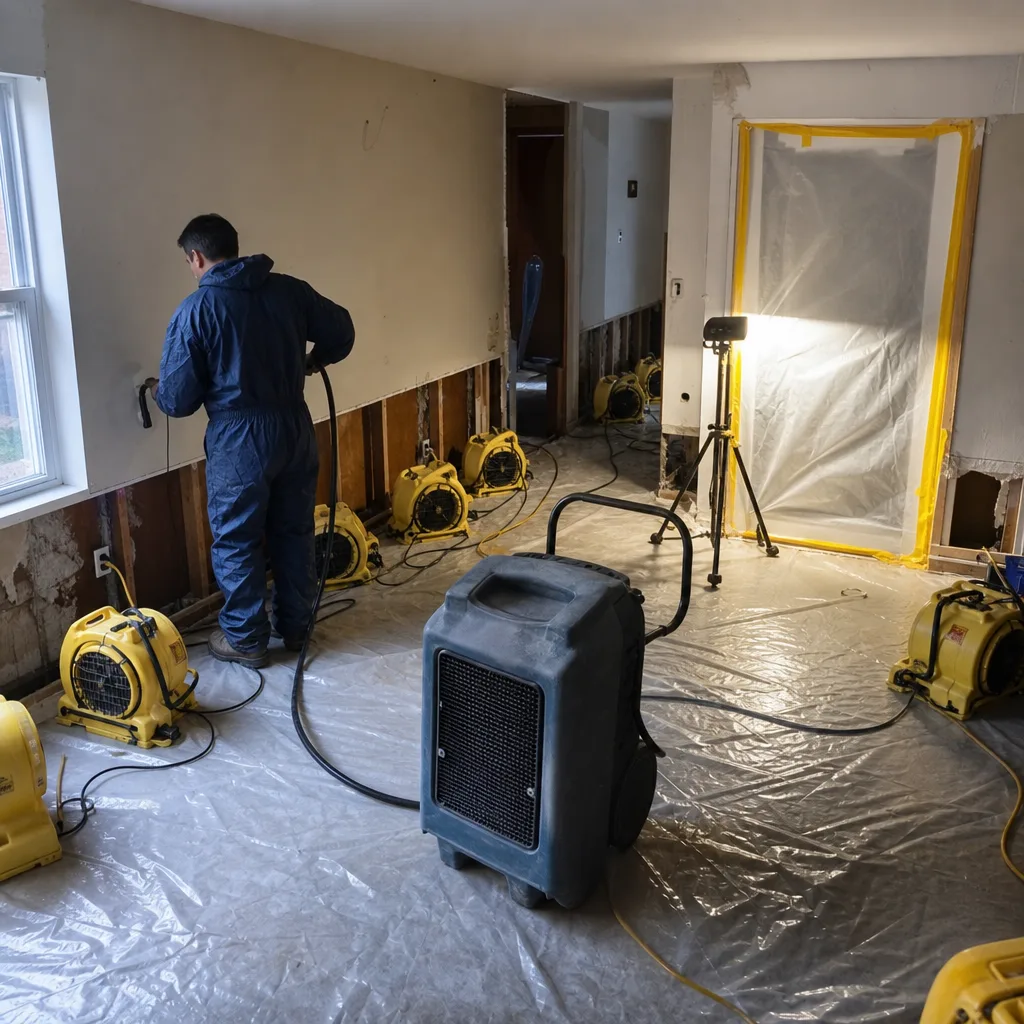
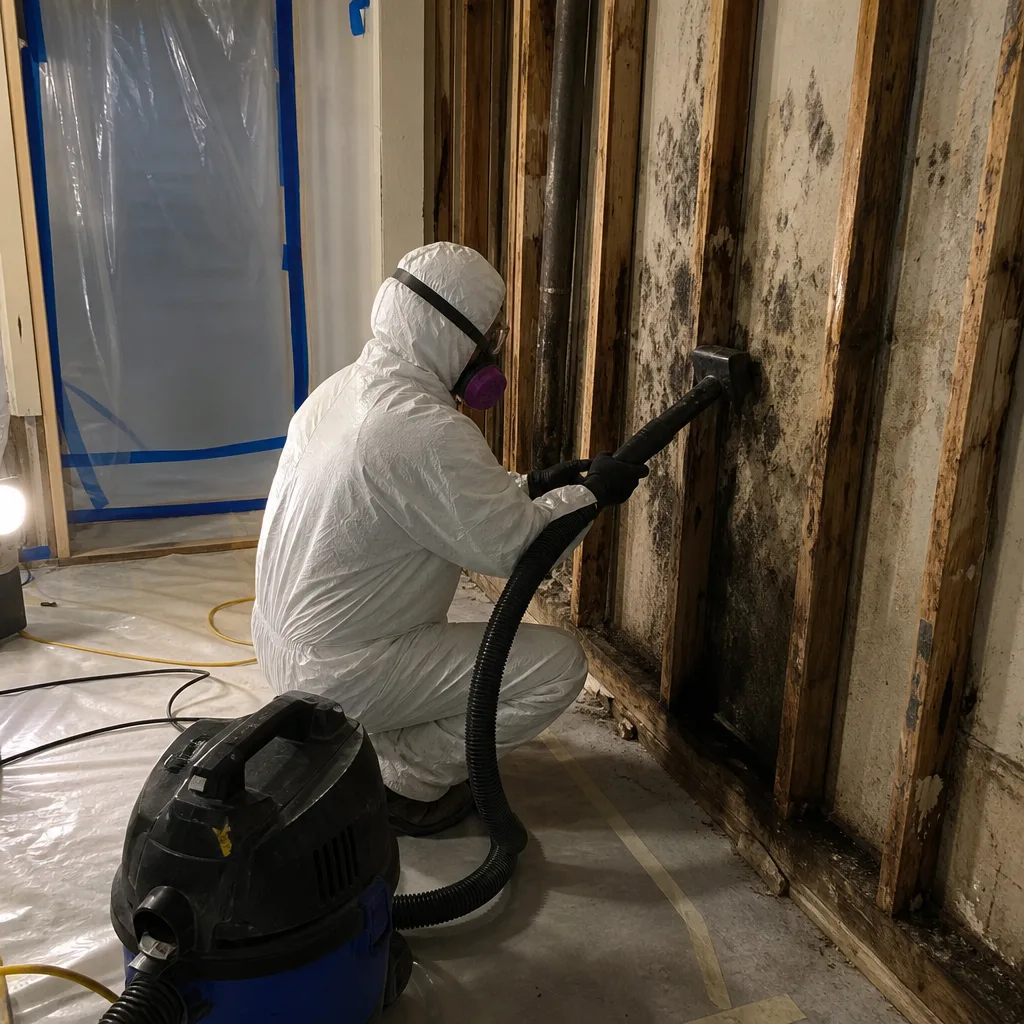
We establish polyethylene containment barriers and run negative air machines with HEPA filtration to prevent cross-contamination. Air scrubbers from Phoenix and XPOWER maintain containment pressure while we work.
3. Moisture Source Elimination
Before removing mold, we stop the water. This means repairing sump failures, sealing foundation cracks, or addressing Hackensack River seepage. Our Dri-Eaz and Injectidry systems establish vapor pressure differential - pulling moisture from deep in framing rather than just surface-drying.
4. Removal & Antimicrobial Treatment
Non-salvageable drywall, insulation, and subflooring come out. Remaining hard surfaces receive HEPA vacuuming and antimicrobial application. We don’t paint over mold. We don’t spray and walk away.
5. Structural Drying & Verification
Air movers and dehumidifiers run until daily moisture logs prove wood moisture content below 16% - the threshold where mold cannot regenerate. This is where 2012 remediation failed Little Ferry: wet framing was enclosed before hitting these numbers.
6. Repairs & Clearance
We rebuild with moisture-resistant materials where appropriate and provide third-party clearance testing or our own documented photo record showing dry, clean cavities. The 365-Day Done Right Promise applies to all work under The Haven Standard.
Need Emergency Mold Remediation in Little Ferry Now?
Crews minutes away, answering live 24 hours a day. The sooner we start, the less it costs.
Working With Your Insurance Company
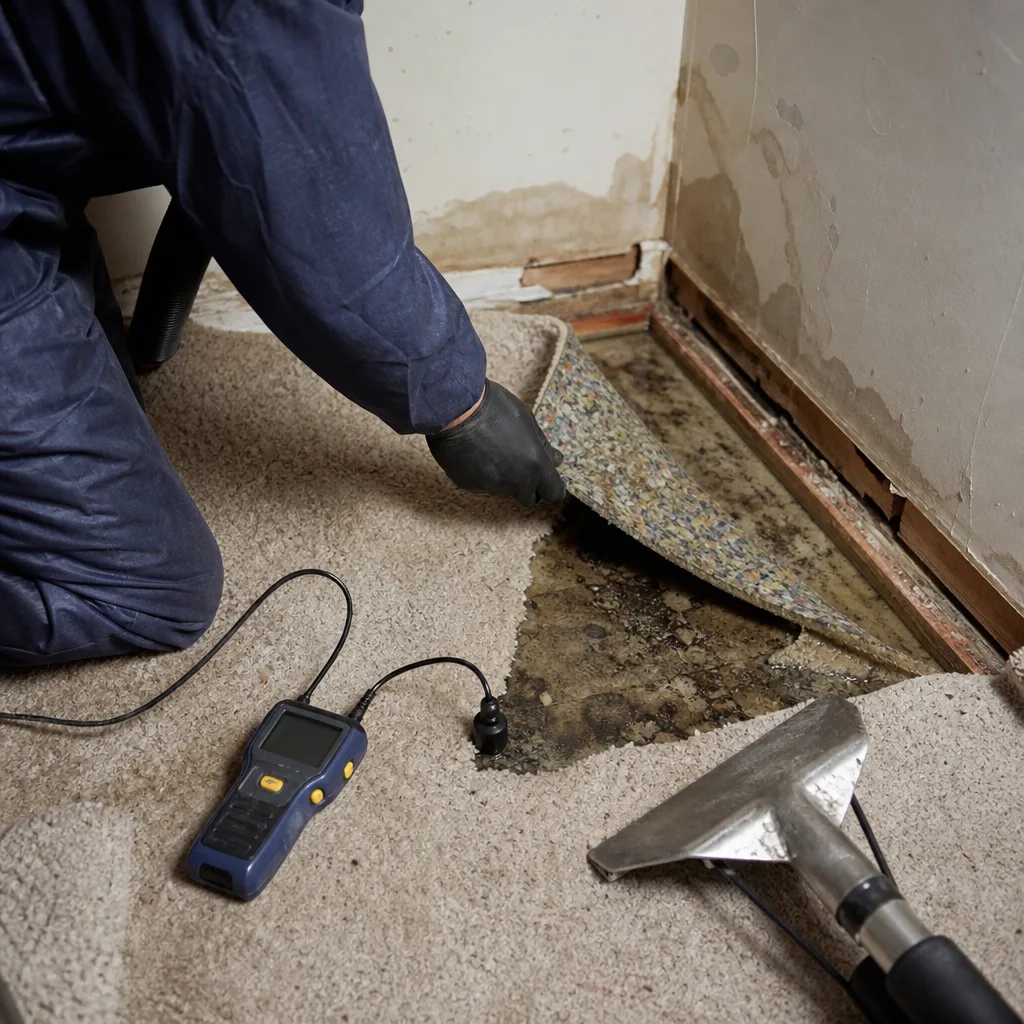
Insurance coverage for mold in Little Ferry hinges on documentation proving the mold resulted from a covered water loss, not long-term maintenance neglect. We start building that file the moment we arrive. Our technicians photograph every affected room, record moisture readings with timestamps, and produce industry-standard Xactimate estimates that adjusters recognize immediately.
Alicia Brennan founded this company in 2011 after watching homeowners lose legitimate claims to sloppy documentation. That origin shapes every interaction with your carrier. We don’t inflate scopes, and we don’t leave gaps an adjuster can exploit. Our written price before work begins, Haven Standard, Clause 1, means your insurer sees exactly what they’re paying for and why.
What We Provide Your Insurer
- Thorough documentation of the loss
- Photos of all damage, room by room
- Moisture readings and drying logs
- A detailed, line-item scope of work
- Direct coordination with your carrier
Built for Little Ferry’s Loss Calendar
January deep freezes split supply lines in unheated Cape Cod crawl spaces. March nor’easters push the Hackensack River over its banks, sending category 3 water into basements on Main Street and Ridgefield Avenue. Summer humidity - 70% relative humidity is routine in July - reactivates dormant mold in previously flooded cavities. September tropical remnants and October hurricane remnants bring the worst: repeat flooding in the same homes that got wet in 2012, re-wetting original wood framing and fiberglass batt insulation that never fully dried.
We schedule preventive moisture mapping for Little Ferry properties in late August, before the fall storm season. For homes with Sandy-era remediation history, we recommend annual inspection of former flood lines. The cost of catching hidden growth early is a fraction of full remediation after it spreads.
Mold Remediation Across Little Ferry’s Neighborhoods
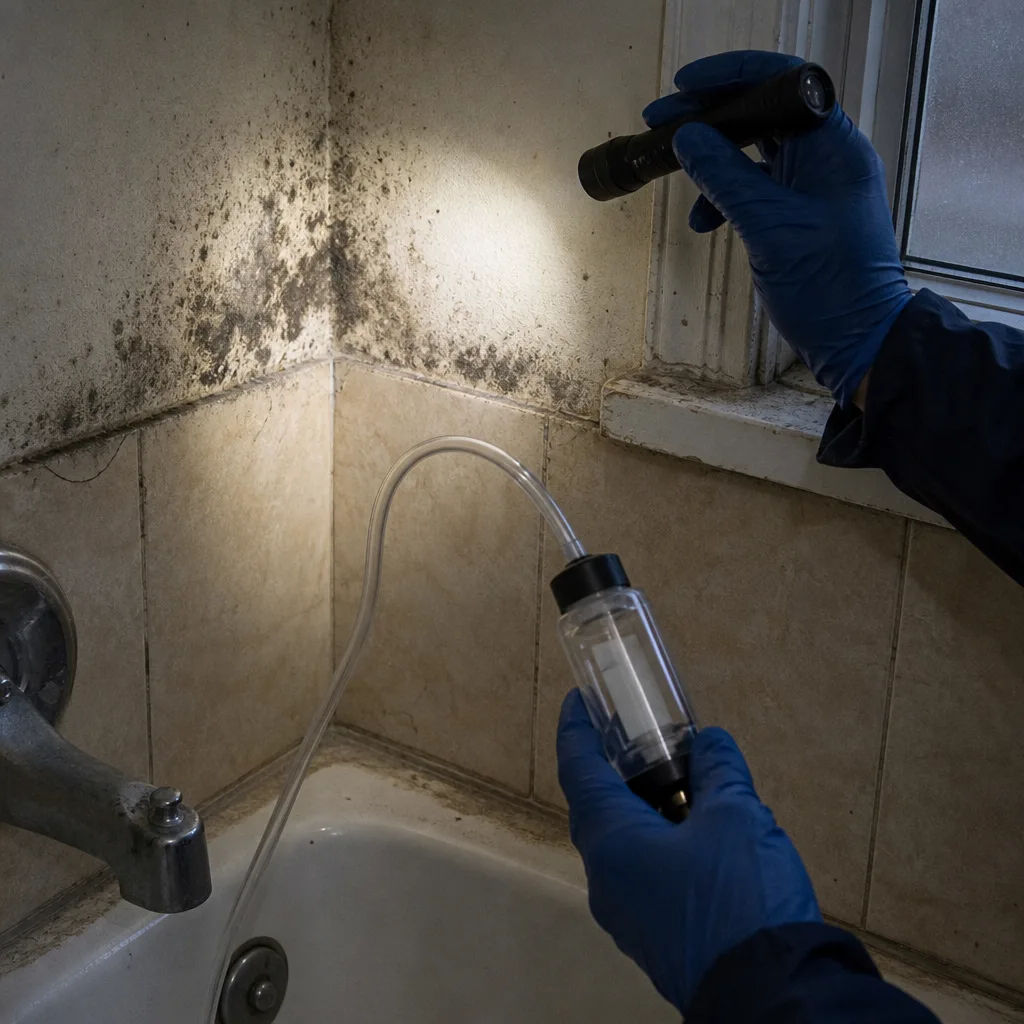
Liberty Street and the Mehrhof Road corridor contain dense clusters of 1950s Cape Cods with full basements and original construction materials. We’ve found active mold behind preserved plaster walls in three homes on this block alone - all traced to November 2012 resealing. Our Little Ferry crews know to probe the base of exterior walls first, where capillary wicking meets the lowest point of the flood line.
Properties near the Hackensack River waterfront, including portions of Main Street, sit within FEMA AE flood zones and experience seasonal seepage even without named storms. These homes often have slab-on-grade construction with no basement access for inspection, so we use borescope cameras through utility penetrations and thermal imaging to identify subsurface moisture patterns.
The Ridgefield Avenue corridor toward the Bogota border has a mix of elevated post-Sandy rebuilds and original ranches. The rebuilt homes aren’t immune - we’ve treated mold in second-floor framing where improper vapor barrier installation trapped construction moisture. Original ranches here have the same vulnerability as Liberty Street: quick post-storm drying that never reached safe moisture content.
Industrial-adjacent properties near the Route 46 corridor face a different pattern. Older commercial conversions and mixed-use buildings have flat roofs with inadequate drainage, creating chronic ceiling leaks that spawn hidden mold above drop tiles. Our Mold Remediation team maps these with infrared before any ceiling panels come down.
Specialized Mold Remediation Services We Offer in Little Ferry
Mold Inspection & Testing
We don’t guess. Our Little Ferry inspections combine air sampling, surface sampling, and moisture mapping to establish contamination extent and species identification. Air quality data establishes baseline and post-remediation verification. For Sandy-legacy homes, we specifically inspect former flood lines and any walls resealed in late 2012.
Mold Removal
Physical removal of contaminated materials, not chemical masking. In Little Ferry’s plaster-wall Cape Cods, this means controlled demolition of affected sections, HEPA vacuuming of cavities, and antimicrobial treatment of remaining structural members. We bag and dispose per New Jersey DEP regulations.
Black Mold Remediation
Stachybotrys and other toxigenic species require full containment, negative air pressure, and technician PPE. We establish containment before disturbing any material, preventing spore release into occupied spaces. Documentation includes pre- and post-air quality readings.
Air Quality Restoration
After remediation, we restore breathable air through HEPA filtration, activated carbon for volatile organic compounds, and balanced ventilation. For Little Ferry homes with chronic moisture issues, we recommend permanent dehumidification as part of the scope.
Crawl Space Treatment
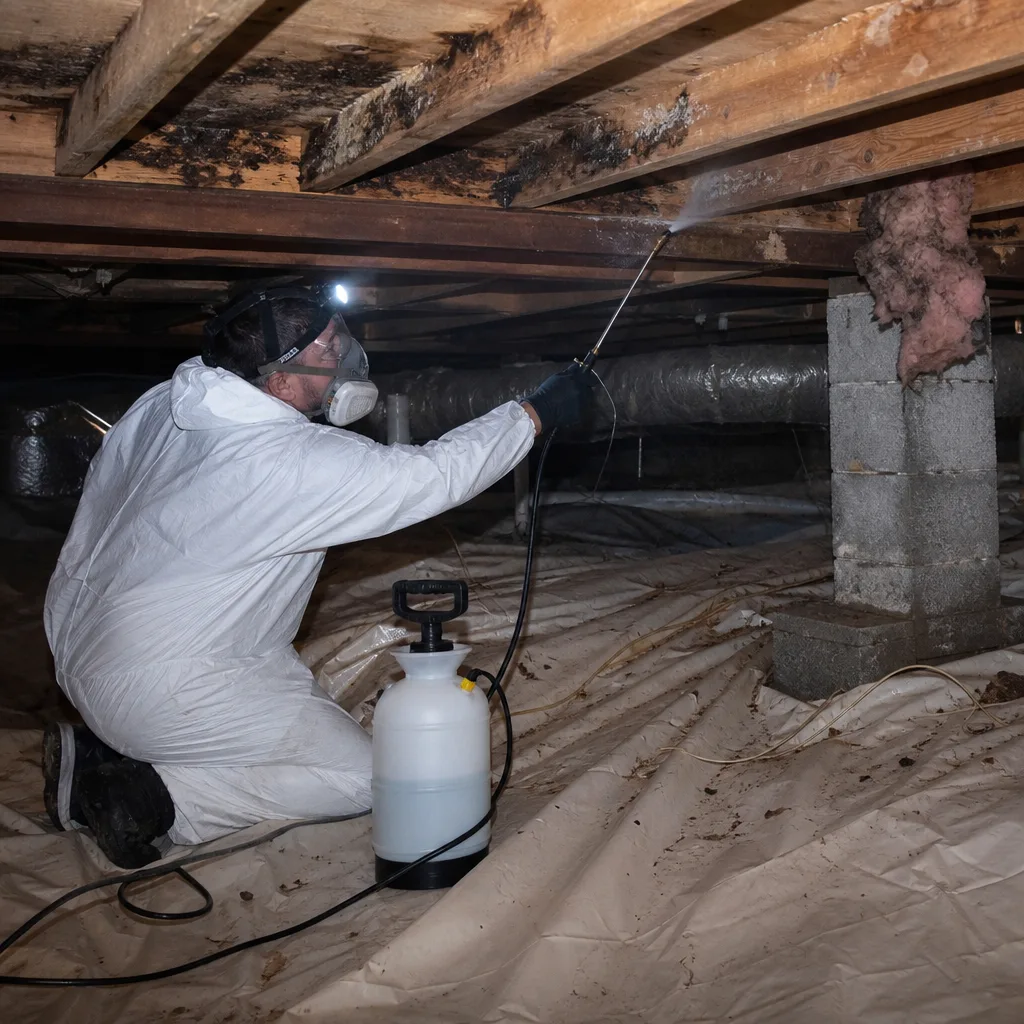
Little Ferry’s Cape Cods and ranches often have vented crawl spaces that become mold incubators. We seal vents, install vapor barriers, and treat existing colonization. For homes that flooded during Sandy, we inspect sill plates and rim joists - common failure points where wood meets masonry.
Moisture & Humidity Control
Permanent solutions for recurrent problems. We size and install commercial-grade dehumidifiers, improve drainage, and seal foundation penetrations. The goal is vapor pressure differential management - keeping the interior drier than the surrounding soil and air, so mold cannot reestablish.
What happens when you call
- 1
A real person answersNo phone trees - you reach a local pro.
- 2
You get an upfront price rangeHonest numbers before anyone is dispatched.
- 3
A background-checked tech heads outLicensed & insured, dispatched right away.
- 4
You approve before work beginsNothing starts until you say go.
Mold Remediation Costs in Little Ferry, NJ
A typical contained basement or crawl-space remediation in Little Ferry runs $1,200-$4,500. This covers up to 100 square feet of affected area, containment setup, HEPA air scrubbing, removal of non-salvageable materials, antimicrobial treatment, and structural drying to verified moisture content.
Whole-basement remediation in Sandy-legacy homes with hidden wall cavity mold: $5,000-$8,500. Full-structure jobs where mold has spread to multiple levels, requiring extensive demolition and reconstruction: $10,000-$15,000+.
What moves the price: square footage of visible and hidden contamination, whether original plaster and lath must come out, presence of category 3 water requiring hazmat disposal, and whether the home needs temporary relocation during work. Insurance typically covers mold resulting from sudden, documented water losses - not long-term humidity or maintenance issues. We provide the documentation that makes the difference.
Every job starts with a free visual inspection and written scope. No exceptions. Haven Standard, Clause 1.
We Also Serve Cities Near Little Ferry
Our crews respond throughout the lower Bergen County corridor, including Ridgefield Park, Bogota, Hasbrouck Heights, and Ridgefield. Each shares Little Ferry’s Hackensack River flood exposure and post-Sandy legacy, and our documentation-first approach applies equally across these communities.
Serving Little Ferry, NJ - Our Local Coverage Area
We’re based in the Little Ferry area and know this community well. Use the map below to see our service coverage - if you’re nearby, we can almost certainly help.
Little Ferry Mold Remediation Questions, Answered
Why does mold keep coming back in my Little Ferry home even after I had it treated?
Because the moisture source wasn’t eliminated and the original growth wasn’t fully removed. In Little Ferry, we frequently find that post-Sandy remediation in 2012 pressure-washed visible mold, resealed walls without verifying wood moisture content below 16%, and left active colonies behind drywall and under subfloors. Those colonies have been spreading for over a decade. Our moisture-mapping-first approach finds hidden growth, establishes vapor pressure differential with Injectidry and Dri-Eaz equipment, and verifies dryness with daily logs before closing cavities. Call (845) 875-4326 for a free inspection - we’ll show you what’s actually there.
How quickly can mold start growing in a Little Ferry basement after a flood?
Mold can begin colonizing within 24-48 hours of water intrusion, and in Little Ferry’s humid summer conditions, that timeline can compress to 18-24 hours. Basements with original fiberglass batt insulation and wood lath plaster - common in 1950s Cape Cods - provide ideal organic food sources. After Hackensack River flooding or nor’easter seepage, immediate extraction and structural drying are critical. Our crews arrive with moisture meters and thermal imaging to map saturation extent before visible growth appears. Call (845) 875-4326 for emergency response.
Do you use drying logs and moisture readings for mold remediation in Little Ferry?
Yes. Every remediation includes daily moisture logs showing wood moisture content, relative humidity, and temperature readings until the structure reaches IICRC-dry standards. This documentation is standard deliverable, never an upsell. For Little Ferry’s Sandy-legacy homes, these logs are especially critical - they prove that framing previously enclosed wet is now actually dry, preventing the repeat failures we’ve seen from 2012-era work. Your insurer receives these logs as part of our standard claim documentation. Call (845) 875-4326 to schedule.
What’s the difference between category 1, 2, and 3 water when it comes to mold in my Little Ferry home?
Category 1 is clean water from supply lines - mold risk is present but treatment is straightforward. Category 2, gray water from sump pumps or seepage, contains nutrients that accelerate mold growth and requires antimicrobial treatment. Category 3, black water from Hackensack River flooding or sewage backup, carries pathogens and mandates removal of porous materials plus full containment during remediation. Little Ferry’s flood history means many homes have experienced category 3 events, and we treat these with IICRC S520 protocols for microbial remediation. Call (845) 875-4326 to assess your specific situation.
Can you treat crawl spaces in Little Ferry homes that flooded during Sandy and still have mold?
Yes. Crawl space treatment is one of our most requested services in Little Ferry. We inspect sill plates, rim joists, and subfloor decking with borescopes and thermal imaging, then establish containment, remove contaminated insulation, treat structural members, and install vapor barriers and permanent dehumidification where needed. Many Sandy-era crawl spaces were never properly dried - we verify moisture content with daily logs before declaring the job complete. Call (845) 875-4326 for a free crawl space inspection.
How fast can your crew actually get to my Little Ferry property?
We commit to 45-minute response for Little Ferry from our New York City dispatch office, with crews staged for Bergen County emergencies. A live person answers (845) 875-4326 24 hours a day - no voicemail, no callback queues. For active water intrusion, speed matters: every hour of delay expands the contaminated area and increases remediation cost. For established mold, we schedule inspection within the same day.
Will my insurance cover mold remediation in Little Ferry?
Coverage depends on proving the mold resulted from a sudden, documented water loss covered by your policy - not long-term humidity or maintenance neglect. We document everything from arrival: photos, moisture readings, water source identification, and line-item scope. Our founder’s background as a claims adjuster means we understand what adjusters need to see. We coordinate directly with your carrier and provide Xactimate-standard estimates. Call (845) 875-4326 - we’ll review your situation and insurance documentation requirements at no charge.
Can my family stay in the home during mold remediation?
For contained, limited-area jobs with proper negative air pressure and HEPA filtration, occupants often remain. For whole-structure remediation, category 3 water involvement, or toxigenic species like Stachybotrys, we recommend temporary relocation until clearance testing confirms safe air quality. We discuss this during the initial inspection and include any relocation considerations in the written scope. Your safety and the documentation of that safety are both part of our standard process. Call (845) 875-4326 to discuss your specific situation.
We got a call from a homeowner on Liberty Street whose Cape Cod had a musty odor that returned every spring; our techs used moisture mapping and thermal imaging to find active mold behind the original plaster walls and under the subfloor - leftovers from a quick Sandy-era reseal. We set up containment, performed antimicrobial treatment, and used Injectidry and Dri-Eaz equipment for structural drying, then provided drying logs that showed the framing finally hit safe moisture readings before we closed it back up.
Little Ferry’s position on low-lying land between the Hackensack River and Overpeck Creek, with much of the borough sitting just a few feet above mean sea level, creates a unique mold pressure that doesn’t exist in nearby Ridgefield or Hasbrouck Heights. Flood risk here is seasonal and recurring, not theoretical. The 2012 Sandy recovery left a hidden legacy: mold colonies sealed behind drywall and beneath subfloors, spreading undetected for over a decade because wet framing was enclosed before safe moisture readings were reached. Our moisture-mapping-first approach breaks this cycle by finding what quick fixes missed, documenting what we find, and proving dryness before we close anything back up.
Written by Alicia Brennan, Owner at Back to Dry Restoration, serving Little Ferry since 2011 under The Haven Standard.
Mold Remediation in Nearby Areas