Free visual inspection and a written scope of work before any mitigation begins - photos, moisture readings, and drying logs go in your claim file
The scope we write is the scope we bill. Anything new gets shown to you, in writing, before we touch it.
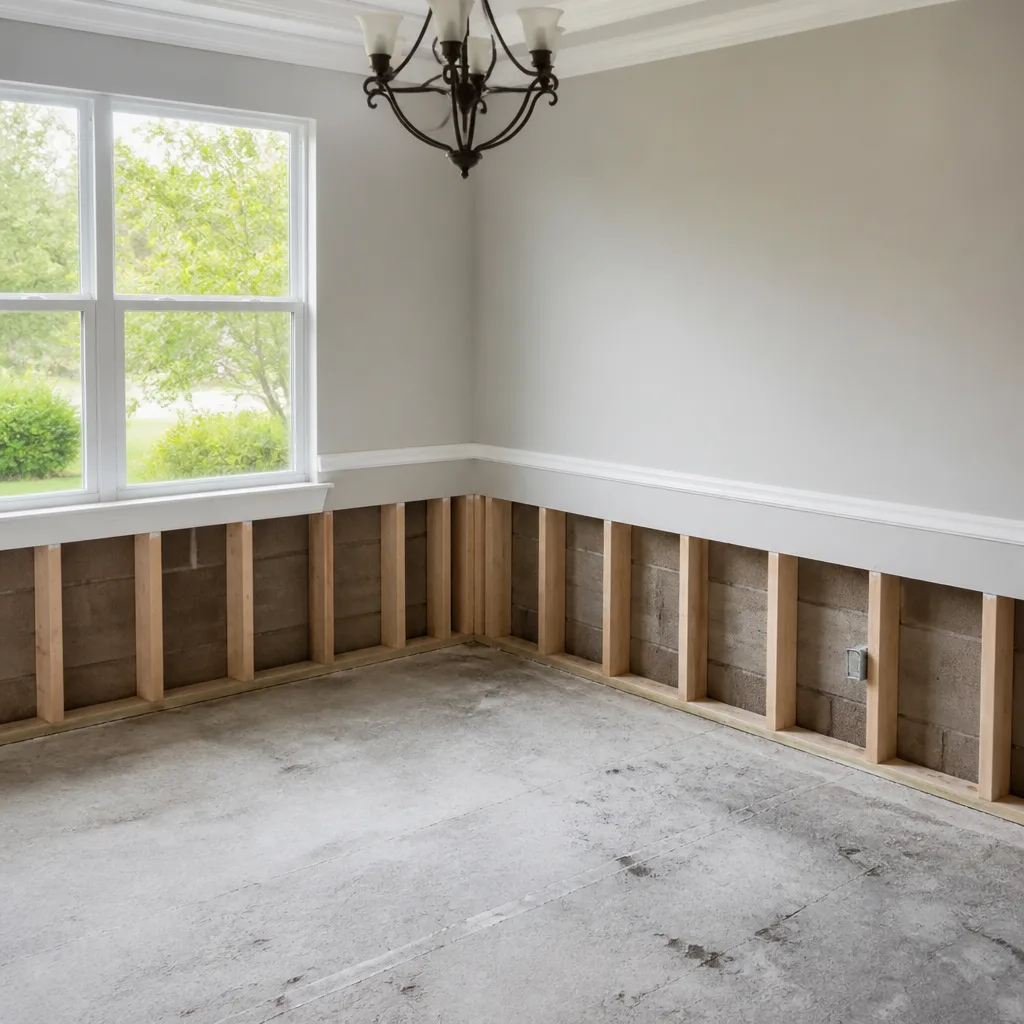
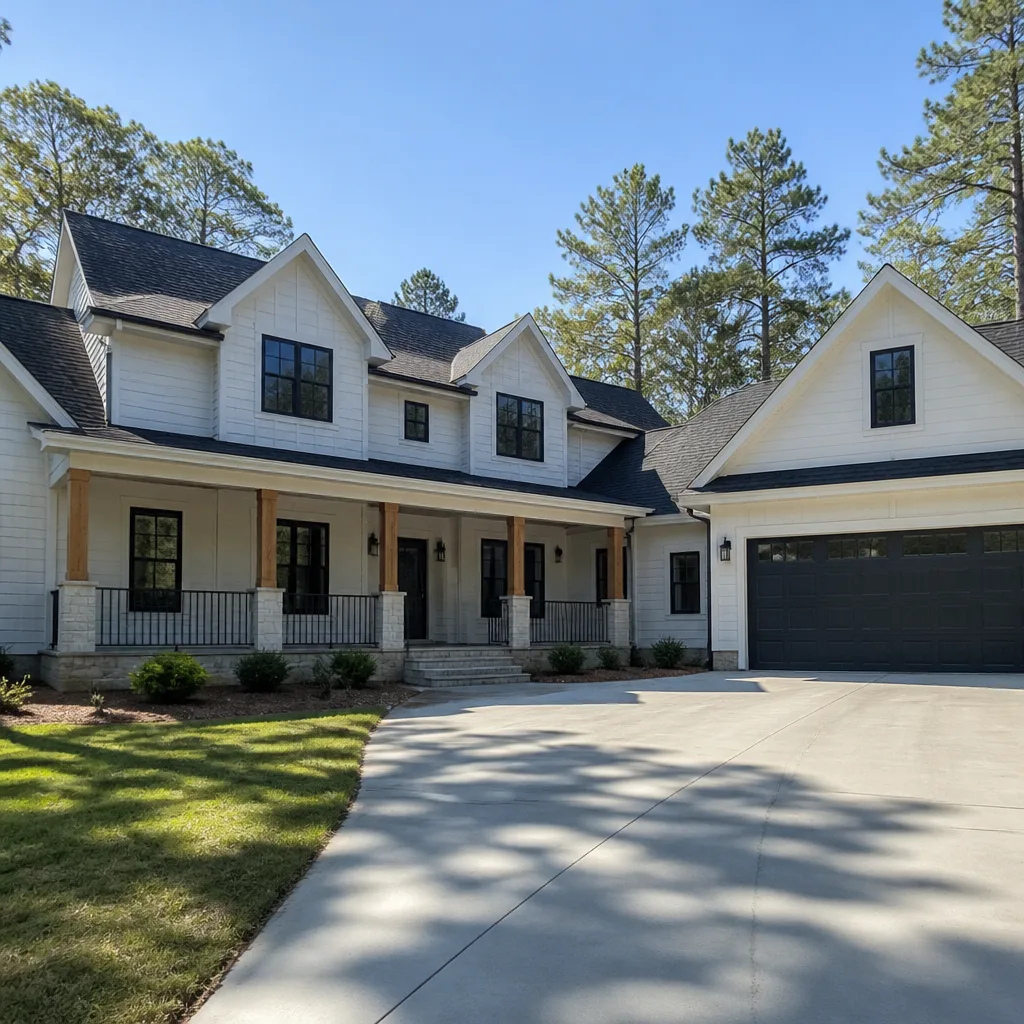
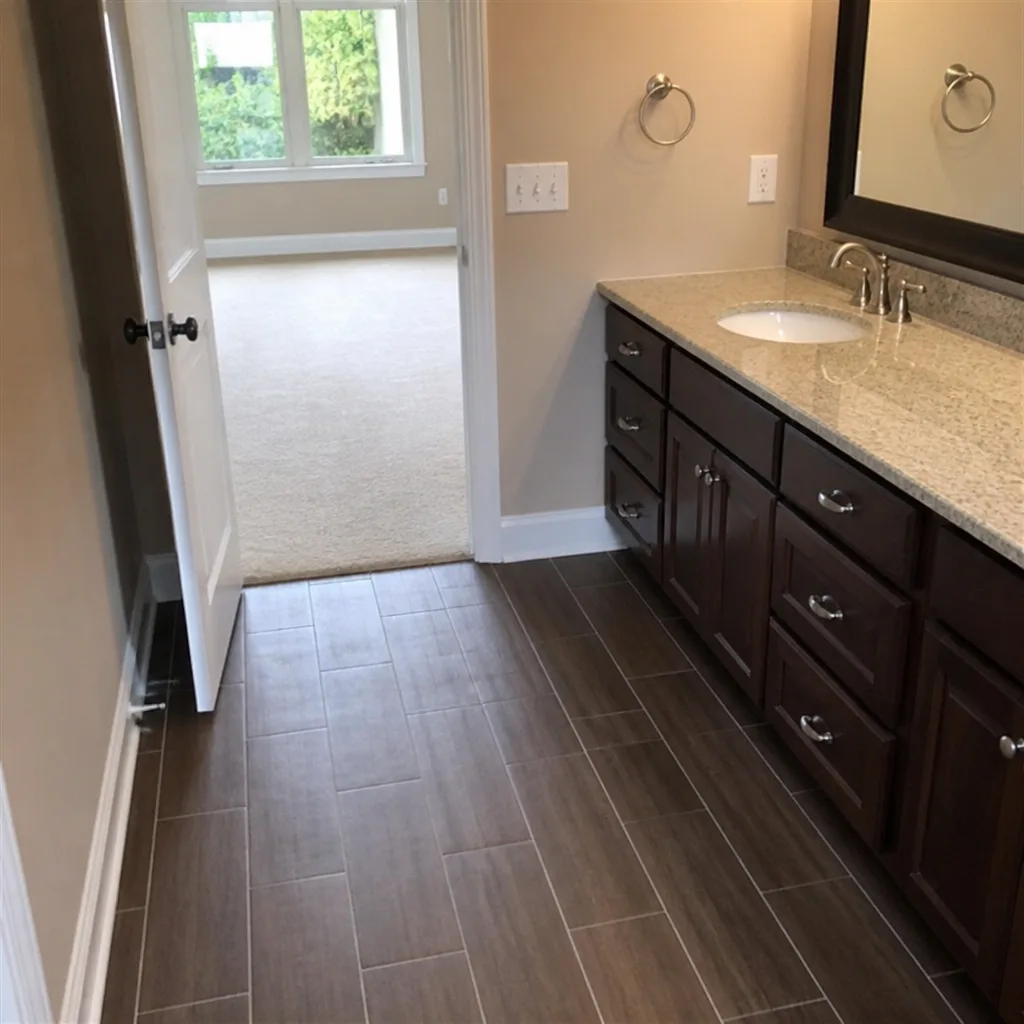
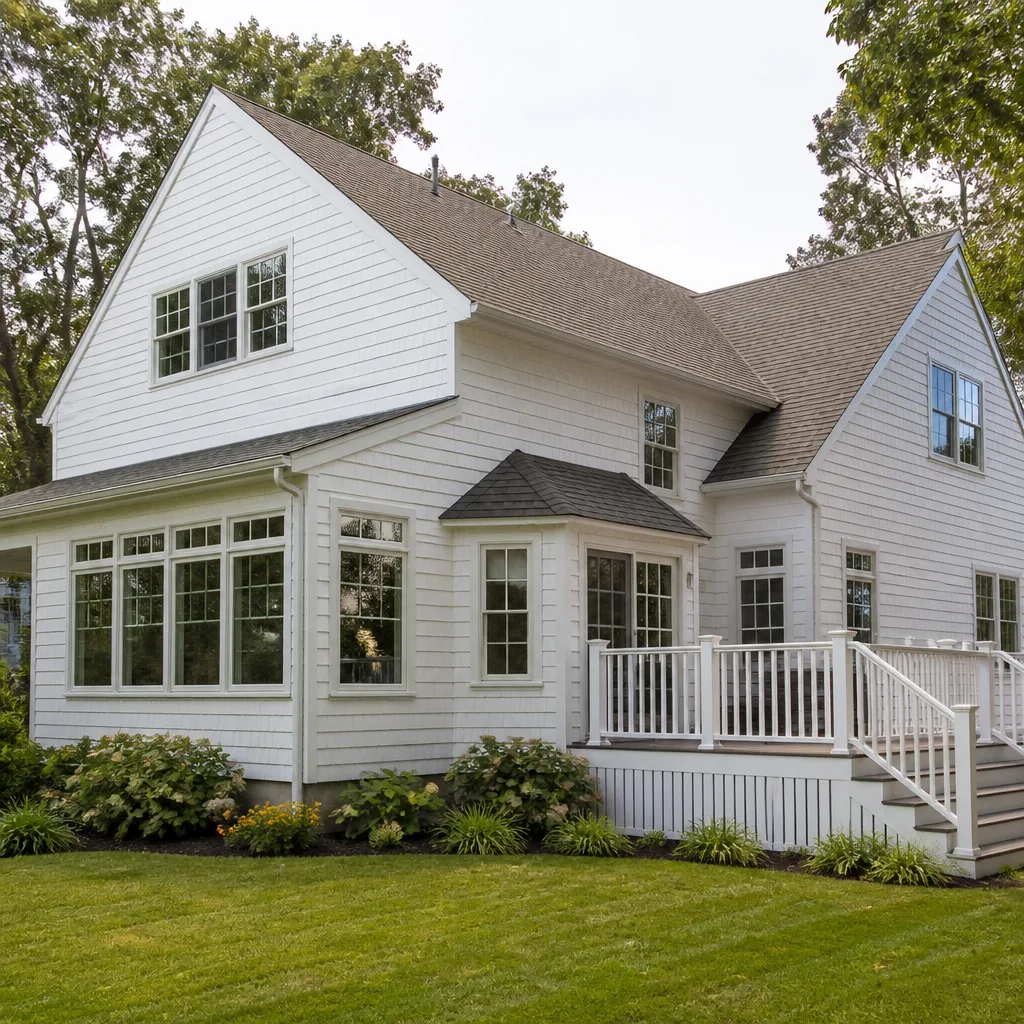
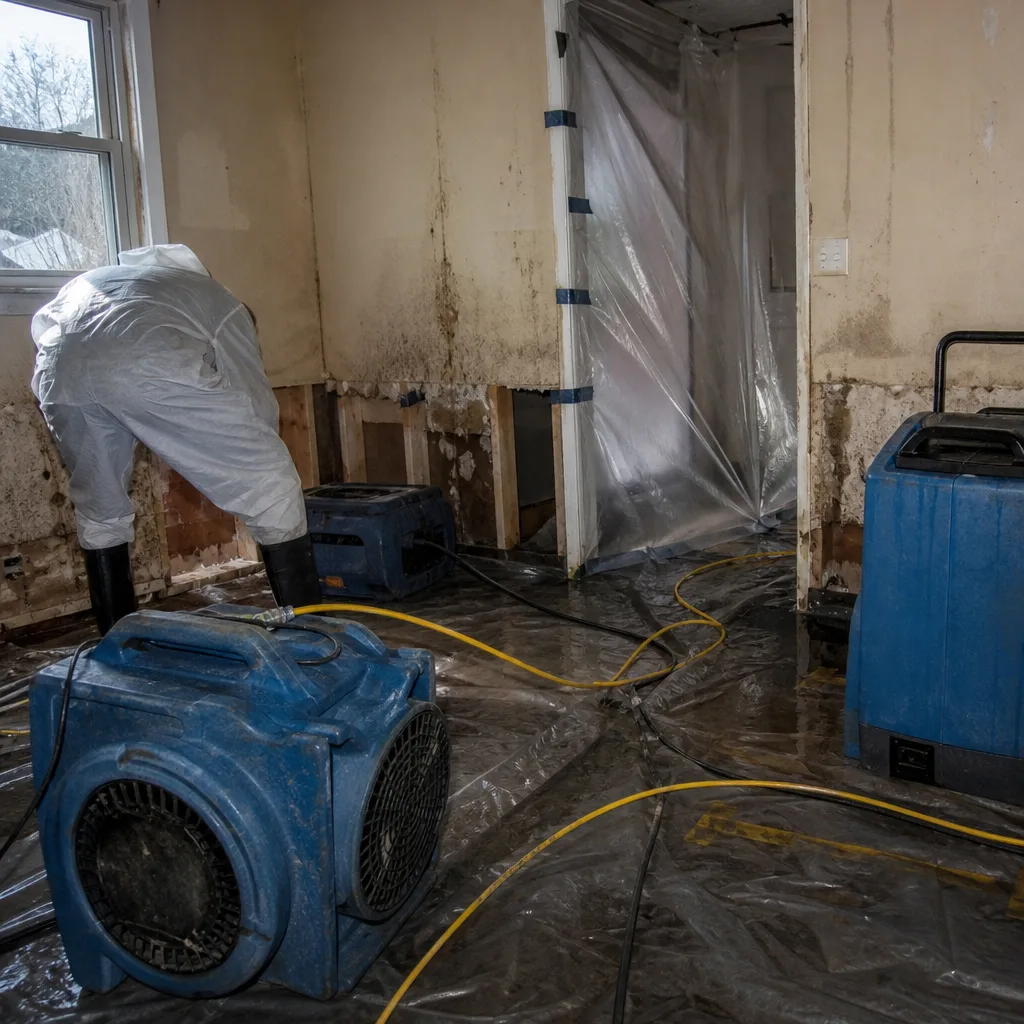 Before
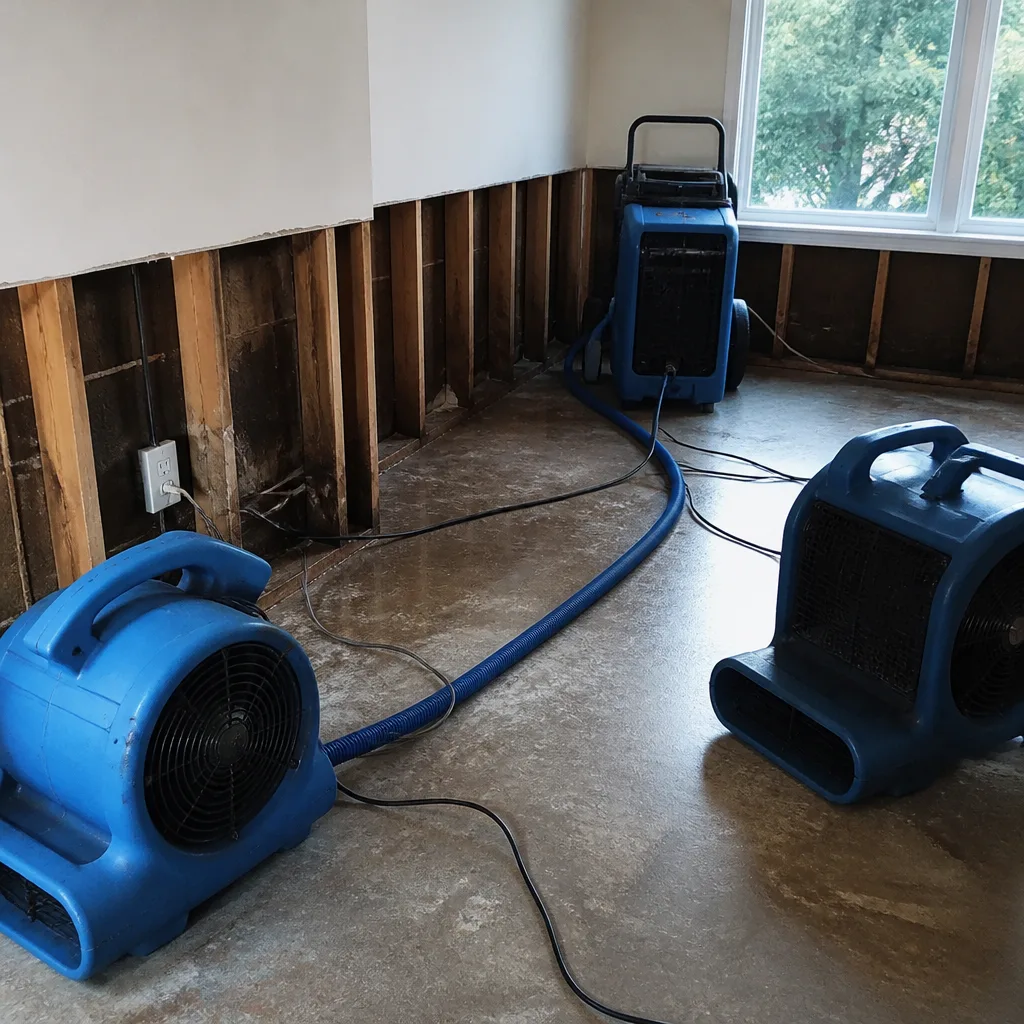 After
After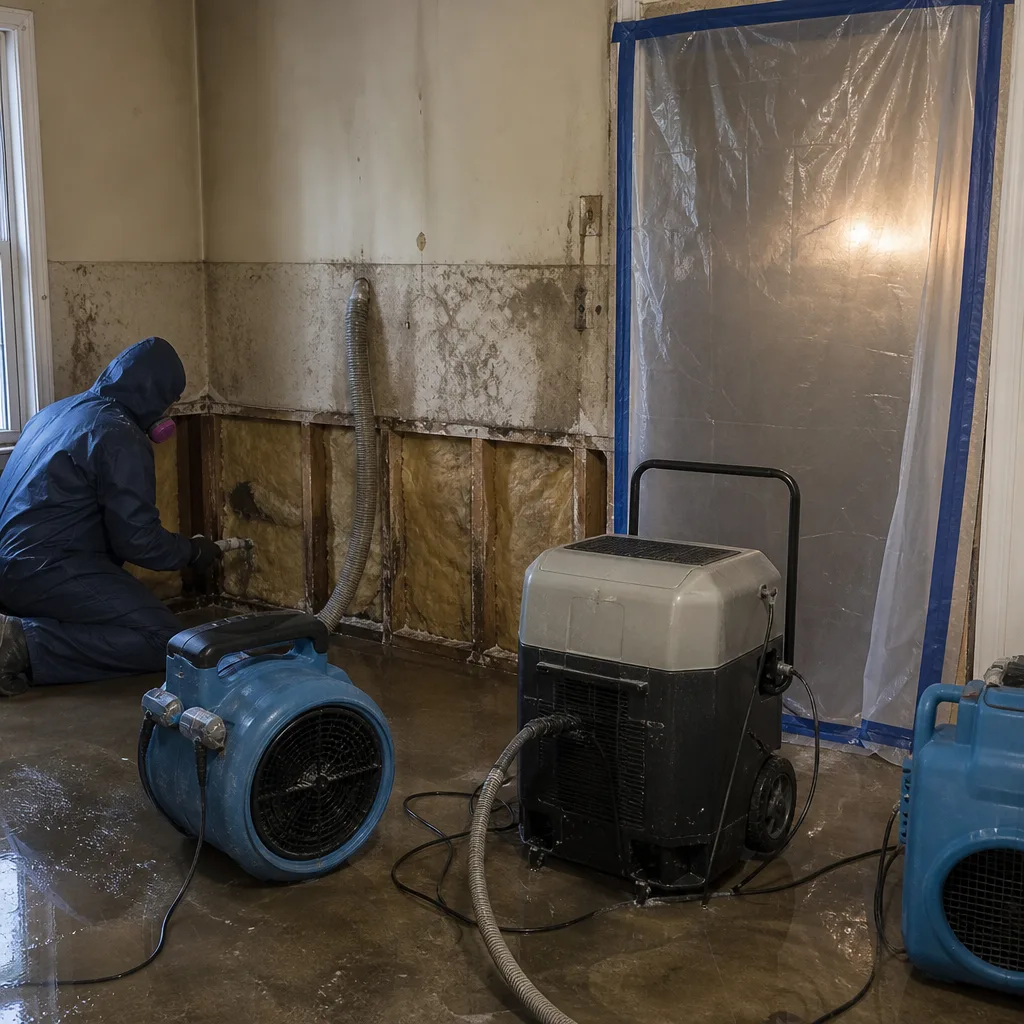 Before
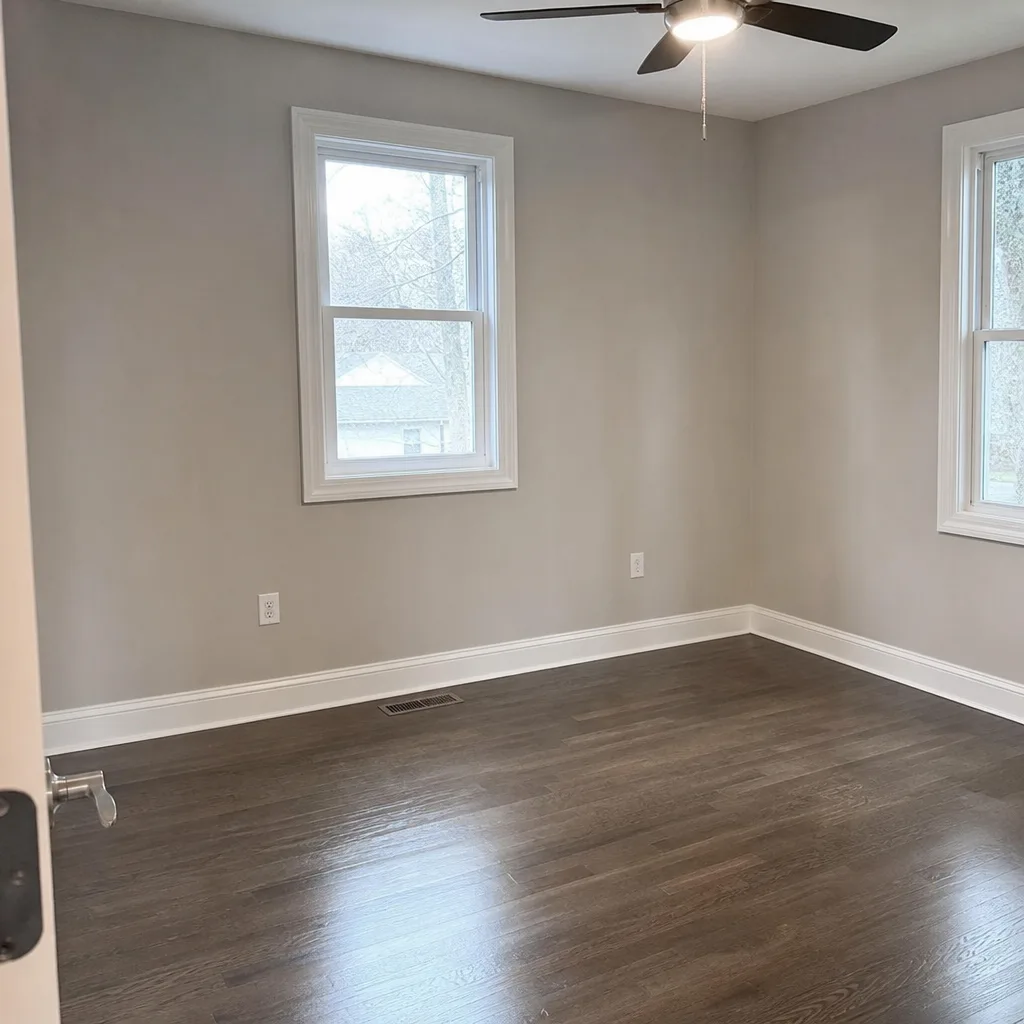 After
After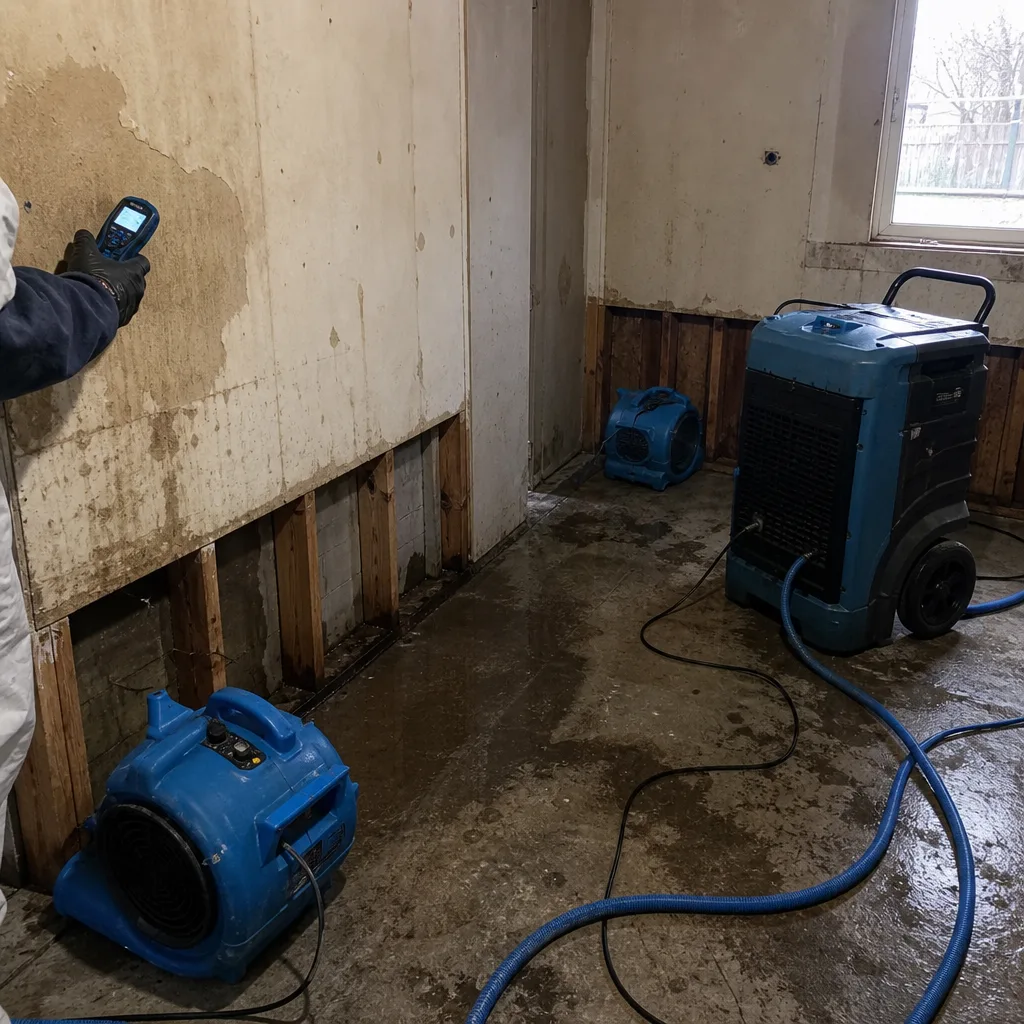 Before
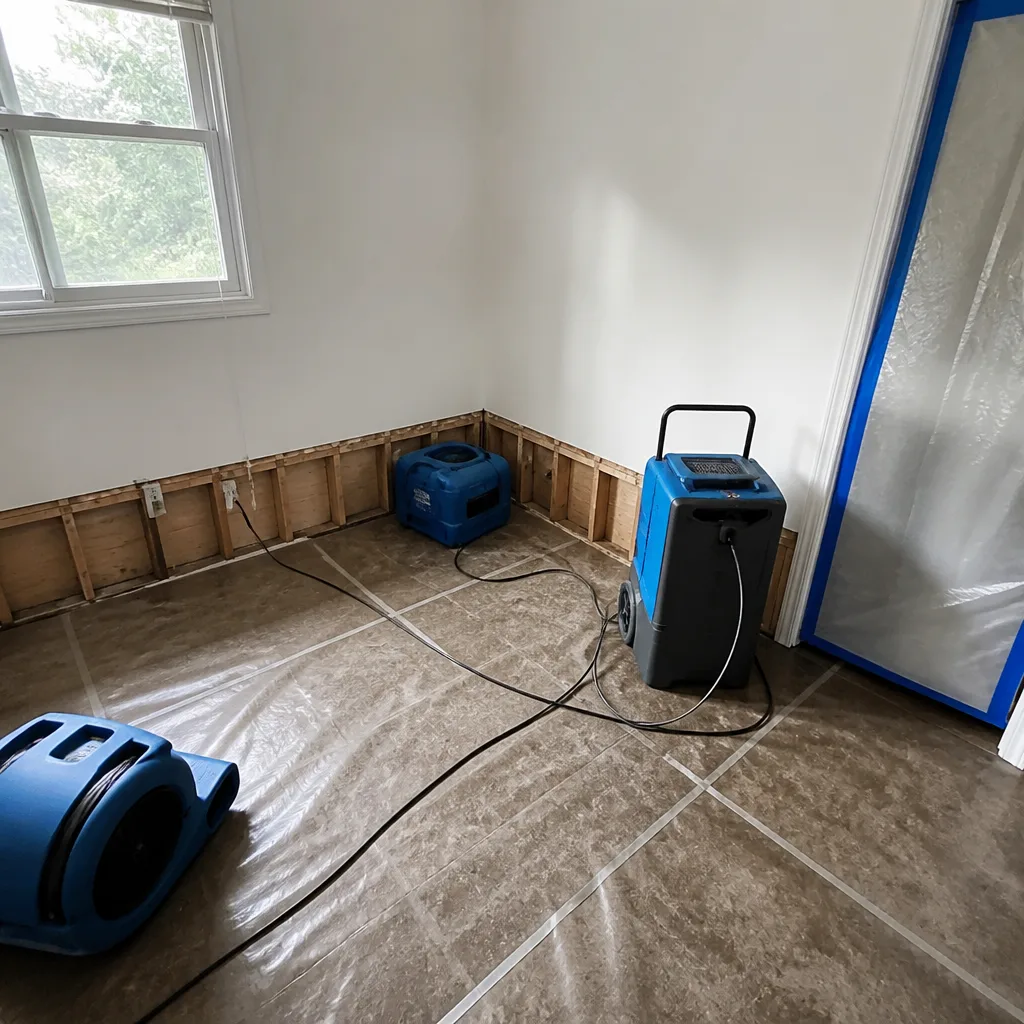 After
After24/7 Emergency Fire & Smoke Damage Restoration in Edgewater
Fire and smoke damage in Edgewater’s high-rise condos and cliff-side homes demands a response that accounts for multi-unit migration, groundwater intrusion, and brownfield contamination risks. Our crews answer live at (845) 875-4326, 24 hours a day, 7 days a week, with no voicemail trees. We dispatch to Edgewater within 45 minutes of your call and provide a free visual inspection on arrival. The first hour after a fire determines whether smoke residue sets permanently into porous surfaces, whether suppression water reaches below-grade levels, and whether neighboring units require testing. Every minute of delay expands the documented scope and the final restoration cost.
We coordinate dispatch from our New York City office, with crews serving Edgewater locally and carrying the equipment to handle both the immediate stabilization and the documentation your insurer will need.
Understanding Fire & Smoke Damage Restoration Severity in Edgewater Properties
Fire damage in Edgewater follows a severity scale that maps directly to the borough’s unusual building stock. Light damage, limited to a single room with dry smoke residue on non-porous surfaces, typically responds to HEPA vacuuming and thermal fogging within 48-72 hours. Moderate damage, where wet smoke from slow-burning synthetic materials has coated surfaces and smoke has migrated through door gaps into adjacent spaces, requires alkaline cleaning agents, media blasting for soot-etched finishes, and controlled demolition of charred structural elements. Heavy damage, involving structural compromise, significant water from suppression systems, and smoke penetration into HVAC risers, triggers full containment protocols, negative air pressure systems, and coordination with condo association engineers.
Edgewater’s housing stock intensifies these categories. The post-1990s luxury towers along River Road contain shared mechanical shafts that act as smoke highways; a Category 2 fire in one unit routinely becomes a Category 3 odor job across multiple floors. The older mid-century homes pressed against the Palisades basalt on upper streets face a different complication: groundwater migrating through fractured volcanic rock keeps foundation walls and slab perimeters saturated, so fire suppression water added to an already wet envelope requires extended psychrometric monitoring, vapor pressure differential calculations, and tertiary drying protocols that standard residential jobs rarely need.
Our Fire & Smoke Damage Restoration teams classify every Edgewater job by residue type (dry smoke, wet smoke, protein smoke, fuel oil soot), affected square footage, and migration path before selecting equipment. This classification determines whether we deploy Phoenix 200MAX dehumidifiers, Dri-Eaz HEPA 500 air scrubbers, or Injectidry floor-drying systems, and it produces the documented moisture readings that turn restoration invoices into payable claims.
Why Edgewater Property Owners Choose DryMark Restoration Englewood
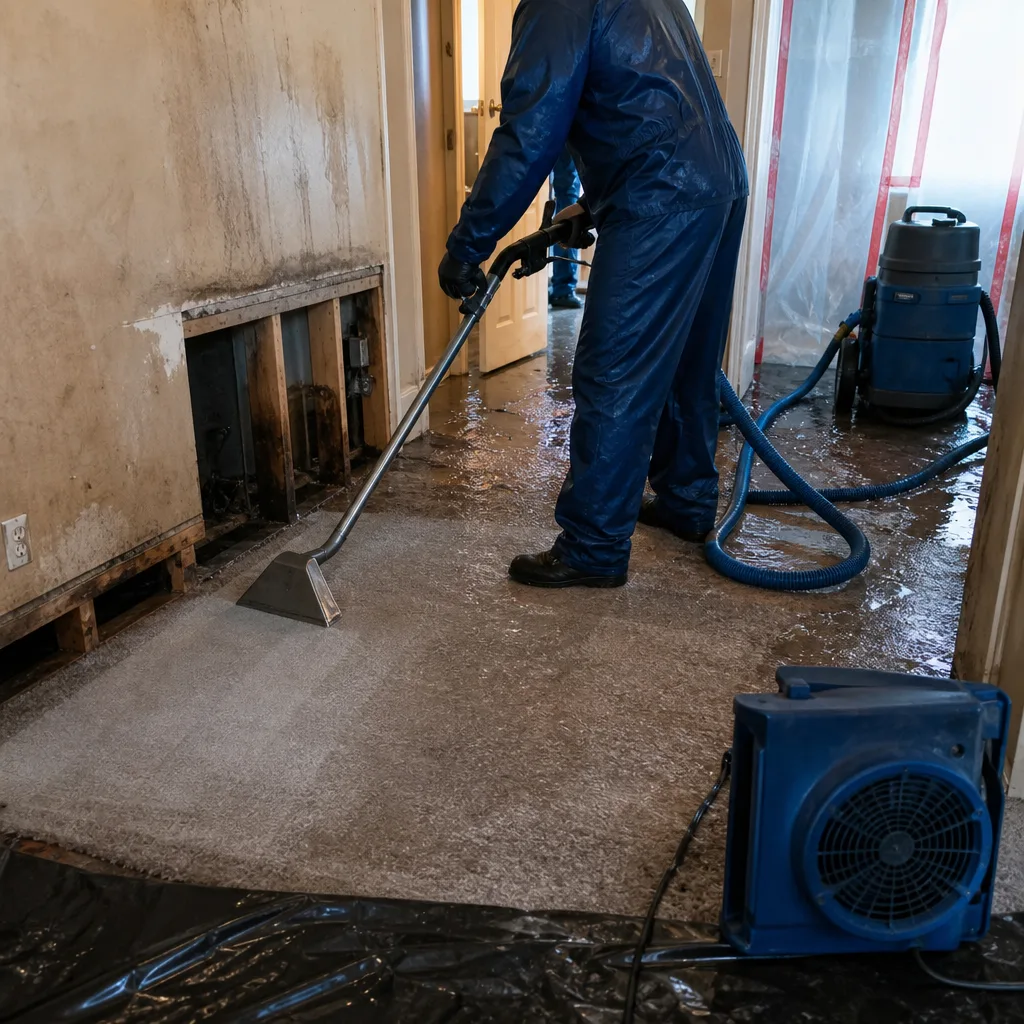
- 45-minute response commitment to Edgewater addresses, measured from call confirmation to crew arrival, because smoke residue begins acid-etching finishes within the first hour.
- 24/7 live answer by a real person, never an automated system or voicemail queue, on every call to (845) 875-4326.
- IICRC-certified crews holding FSRT (Fire and Smoke Restoration Technician) and WRT (Water Damage Restoration Technician) credentials, with license numbers documented on every job file.
- Free visual inspection with written scope delivered before any work begins, per Haven Standard, Clause 1.
- Direct insurance billing with photo-documented loss records, daily drying logs, and adjuster coordination handled by our in-house claims team.
- One team from emergency board-up through final reconstruction, eliminating handoff gaps that leave smoke odor trapped behind new drywall.
BeforeAfterOur Fire & Smoke Damage Restoration Process
1. Inspection & Assessment
We arrive with thermal imaging cameras, hygrometers, and moisture meters to map smoke migration, water intrusion, and structural compromise. In Edgewater’s River Road towers, this includes testing adjacent units and common corridors for smoke particulate, plus moisture mapping of below-grade levels for suppression water. Every reading is photographed and logged.
2. Emergency Board-Up & Stabilization
Broken windows, compromised doors, and damaged roofing receive temporary weather protection to prevent secondary water damage. In high-rise buildings, we coordinate with condo management to secure common-element access points and maintain life-safety systems during stabilization.
3. Water Extraction & Structural Drying
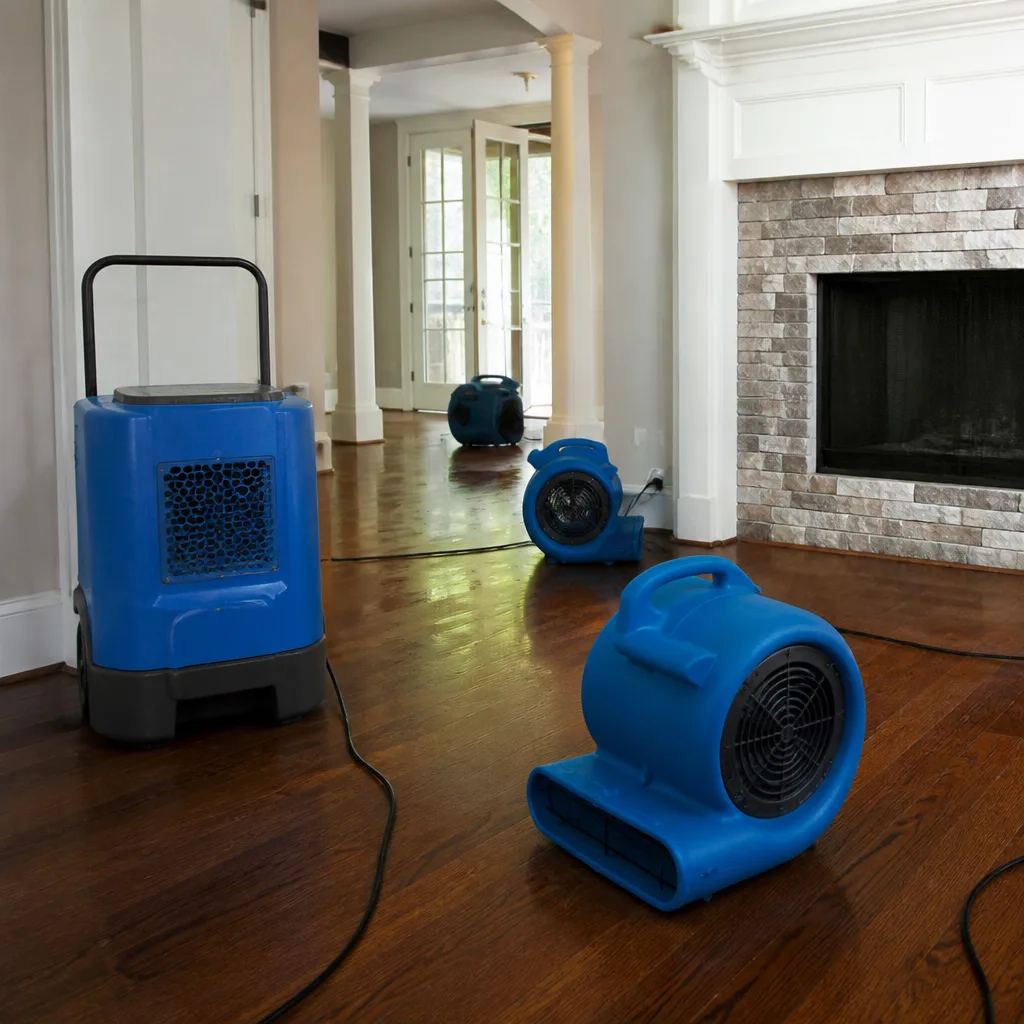
Fire suppression water is extracted using truck-mounted and portable systems, followed by deployment of Dri-Eaz and Phoenix dehumidifiers, XPOWER air movers, and Injectidry cavity-drying equipment. On cliff-side properties, we monitor for groundwater intrusion through the Palisades basalt that can sustain elevated moisture readings after apparent surface drying.
4. Smoke & Soot Removal
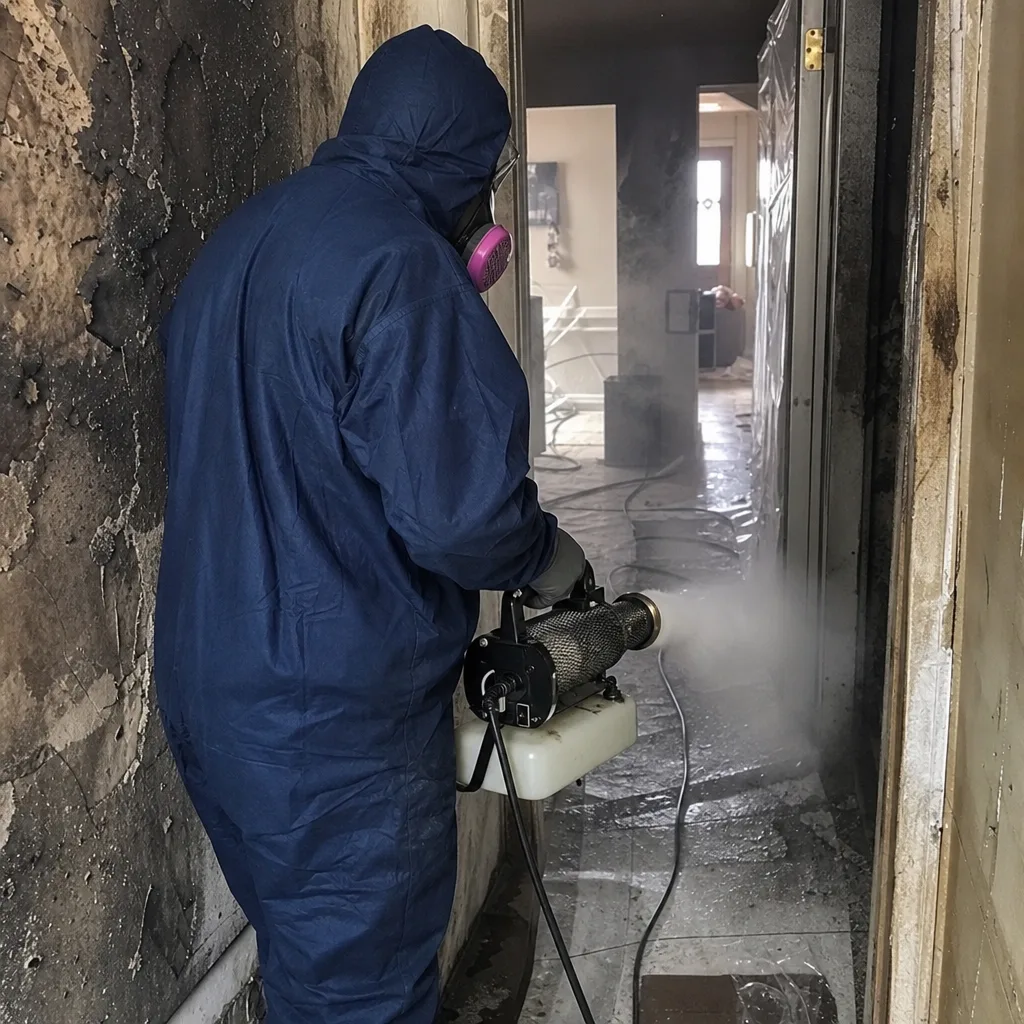
Residue-specific cleaning: dry smoke receives HEPA vacuuming and dry-sponge cleaning; wet smoke requires alkaline detergent solutions and, for heavily etched surfaces, soda or dry-ice media blasting. Protein residues from kitchen fires demand enzyme-based cleaners. All work is contained with negative air pressure and HEPA filtration.
5. Odor Removal & Deodorization
Thermal fogging, ozone treatment, and hydroxyl generation neutralize odor molecules at their source. In Edgewater’s multi-unit buildings, we treat shared HVAC risers and common corridors to prevent recontamination. Odor clearance is verified with calibrated electronic nose sensors, not subjective smell tests.
6. Repairs & Restoration
Charred structural elements are removed and replaced. Finishes are restored to pre-loss condition. A final photo record, moisture verification, and signed 365-Day Done Right Promise under The Haven Standard close every file. Haven Standard, Clause 1: the written price you received before work began is the price you pay.
Need Emergency Fire & Smoke Damage Restoration in Edgewater Now?
Crews minutes away, answering live 24 hours a day. The sooner we start, the less it costs.
Working With Your Insurance Company
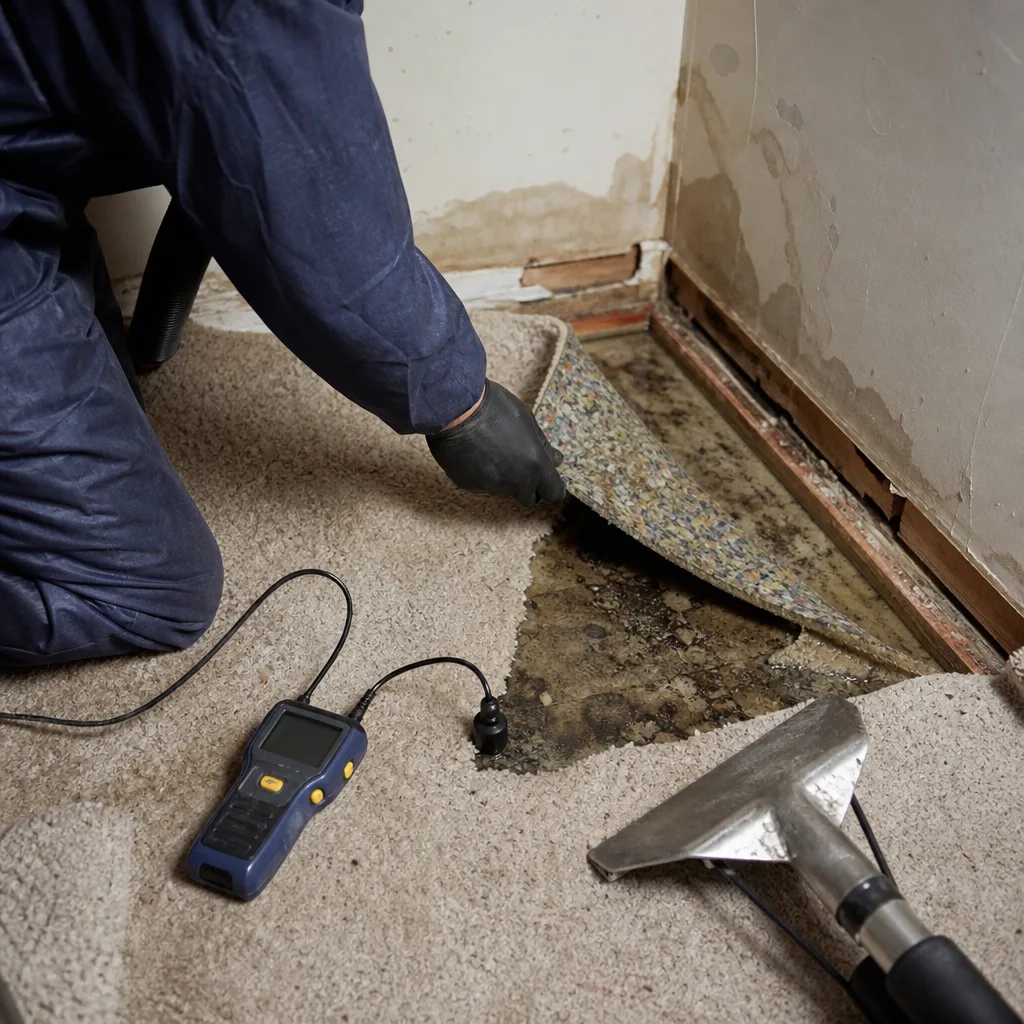
Fire claims fail when documentation gaps let adjusters dispute the extent of smoke migration or the necessity of odor treatment in adjacent units. We eliminate those gaps from the first hour. Our techs photograph every room before touching anything, record moisture readings at each structural contact point, and maintain daily drying logs that track specific humidity, temperature, and vapor pressure differential throughout the job. These logs, formatted to IICRC and RIA standards, are submitted with our line-item scope of work directly to your adjuster.
We have handled claims with every major carrier serving Edgewater’s condo market and understand the additional documentation required when association master policies and individual HO-6 policies overlap. Our written scope separates unit-specific damage from common-element damage, with photo evidence for each, so there is no dispute about which policy pays which portion.
What We Provide Your Insurer
- Thorough documentation of the loss
- Photos of all damage, room by room
- Moisture readings and drying logs
- A detailed, line-item scope of work
- Direct coordination with your carrier
Built for Edgewater’s Loss Calendar
Edgewater’s fire damage calendar follows patterns shaped by its geography and building types. January through March, heating system failures in the older cliff-side homes and space-heater misuse in high-rise units spike kitchen and electrical fires. The deep freeze events that stress aging infrastructure in pre-war buildings across the metro area affect Edgewater’s limited older stock but also trigger sprinkler system malfunctions in the newer towers.
April and May bring nor’easters and heavy convective rain that test the borough’s narrow drainage capacity between river and cliff. Lightning strikes to River Road high-rises, with their extensive metal cladding and rooftop mechanical equipment, cause electrical fires that often trigger full-building sprinkler activation. The resulting water damage, combined with smoke migration through shared risers, produces the multi-unit, multi-peril jobs that define our Edgewater caseload.
June through August, the summer cooking and entertaining season drives kitchen grease fires, particularly in units with inadequate ventilation in buildings where condo association rules restrict exterior modifications. September through November, hurricane season and early nor’easters bring the combined threat of wind-driven fire spread and storm-surge flooding that Edgewater experienced catastrophically during Sandy. December’s holiday lighting and candle use round out the year with predictable but preventable residential fires.
Fire & Smoke Damage Restoration Across Edgewater’s Neighborhoods
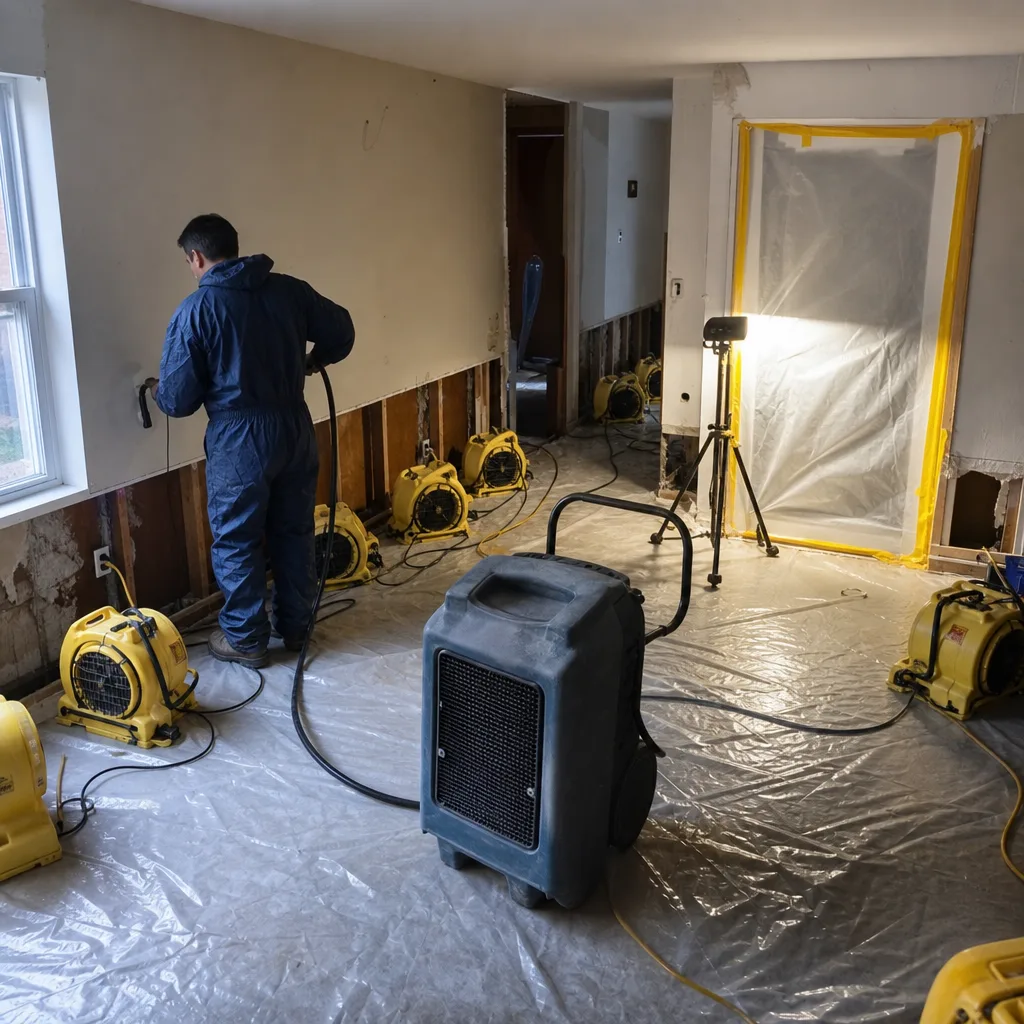
Edgewater’s geography creates distinct fire restoration zones, each with its own technical demands. The River Road corridor, from the George Washington Bridge approach south to the borough line, is dominated by post-1990s luxury high-rises built on former Alcoa and Hess industrial sites. Fires here are rarely contained to one unit. Smoke pushes through shared HVAC risers, elevator shafts, and corridor pressurization systems. We routinely deploy to buildings where a single kitchen fire has affected six to twelve units, requiring coordination with property management, the condo board, and multiple individual insurers. The below-grade parking and storage levels in these towers, built over capped brownfield soils, demand contamination testing when firefighting water reaches them.
The upper streets, River Road’s western parallel roads pressed against the Palisades basalt, hold Edgewater’s remaining mid-century homes and smaller multi-family buildings. Fires here are more conventional in scope but complicated by groundwater. After suppression water is extracted, moisture meters often show readings at structural contact points that refuse to drop. The cause is not residual fire water; it’s groundwater migrating through fractured volcanic rock against the foundation wall. Standard evaporative drying fails. We implement negative-side waterproofing assessments and extended dehumidification protocols, documented with daily psychrometric logs.
The commercial strip along River Road between the residential towers, with its restaurants and service businesses, sees grease fires and electrical fires in mixed-use buildings where residential units occupy upper floors. Smoke and odor migration between commercial and residential spaces requires separate containment strategies and distinct cleaning protocols for food-service residues versus standard household soot.
Edgewater’s single public school and its small park system see minimal fire damage but matter for our response routing; crews familiar with the borough’s narrow streets and limited parking access move faster to actual loss sites.
Specialized Fire & Smoke Damage Restoration Services We Offer in Edgewater
Fire Damage Cleanup
We remove charred structural materials, debris, and compromised contents, with hazardous waste separation for materials exposed to high-heat pyrolysis. In Edgewater’s brownfield-adjacent buildings, we test debris for legacy contamination before disposal, documenting chain-of-custody for association records.
Smoke & Soot Removal
Residue-specific cleaning for dry smoke, wet smoke, protein smoke, and fuel oil soot, using HEPA vacuuming, chemical sponges, alkaline detergents, and media blasting as appropriate. In River Road towers, we treat shared corridors and adjacent units that competitors often miss, with photo documentation of pre-existing versus fire-related damage.
Odor Removal & Deodorization
Thermal fogging, ozone treatment, and hydroxyl generation neutralize odor at the molecular level. Multi-unit buildings receive riser treatment and common-area decontamination. We verify clearance with electronic sensors, not guesswork, and document readings for association and insurer review.
Contents Cleaning & Pack-Out
Salvageable contents are inventoried, photographed, packed, and transported to our facility for ultrasonic cleaning, deodorization, and storage until structural restoration completes. Non-salvageable items are documented for replacement-value claims with photo evidence.
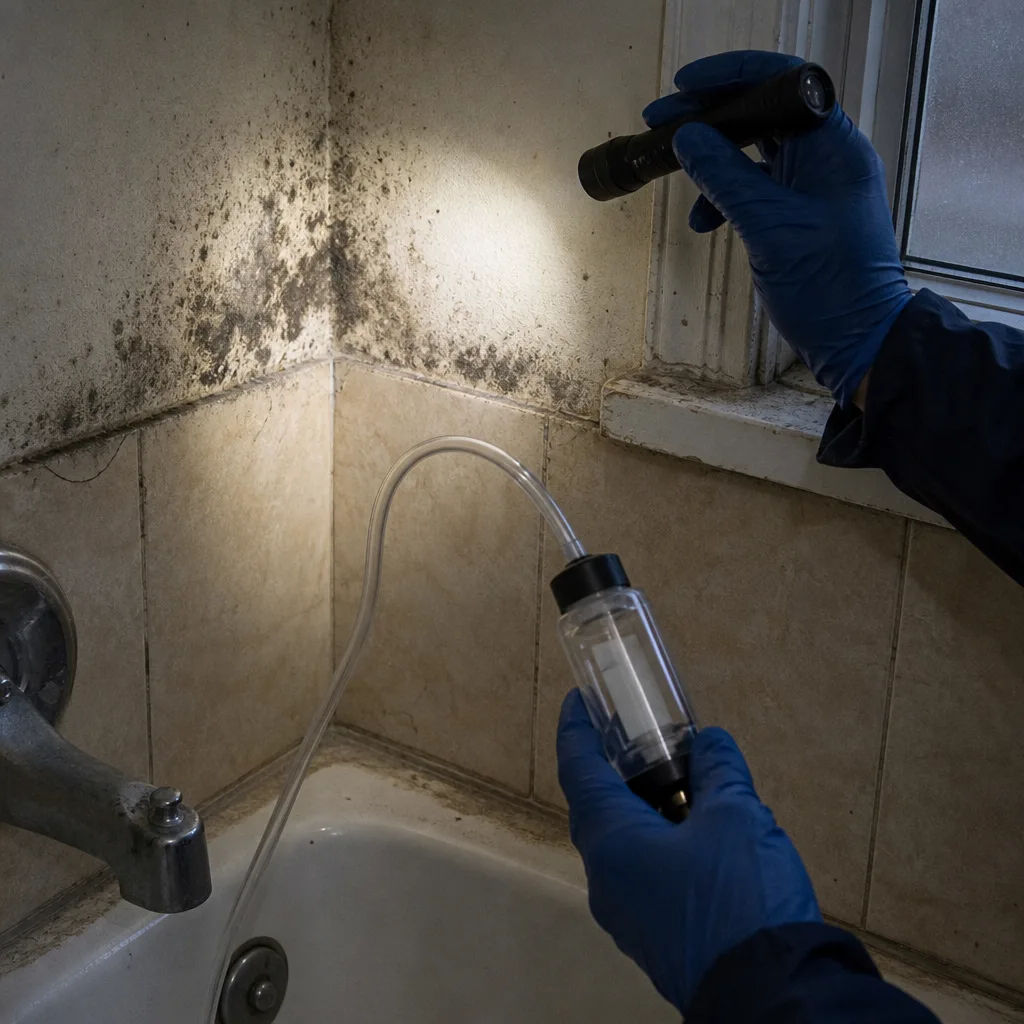
Emergency Board-Up & Tarping
Immediate weather protection for compromised envelopes, coordinated with condo management for high-rise access and life-safety compliance. Our board-ups include security screening and temporary climate control to prevent secondary damage while scope and pricing are finalized.
What happens when you call
- 1
A real person answersNo phone trees - you reach a local pro.
- 2
You get an upfront price rangeHonest numbers before anyone is dispatched.
- 3
A background-checked tech heads outLicensed & insured, dispatched right away.
- 4
You approve before work beginsNothing starts until you say go.
Fire & Smoke Damage Restoration Costs in Edgewater, NJ
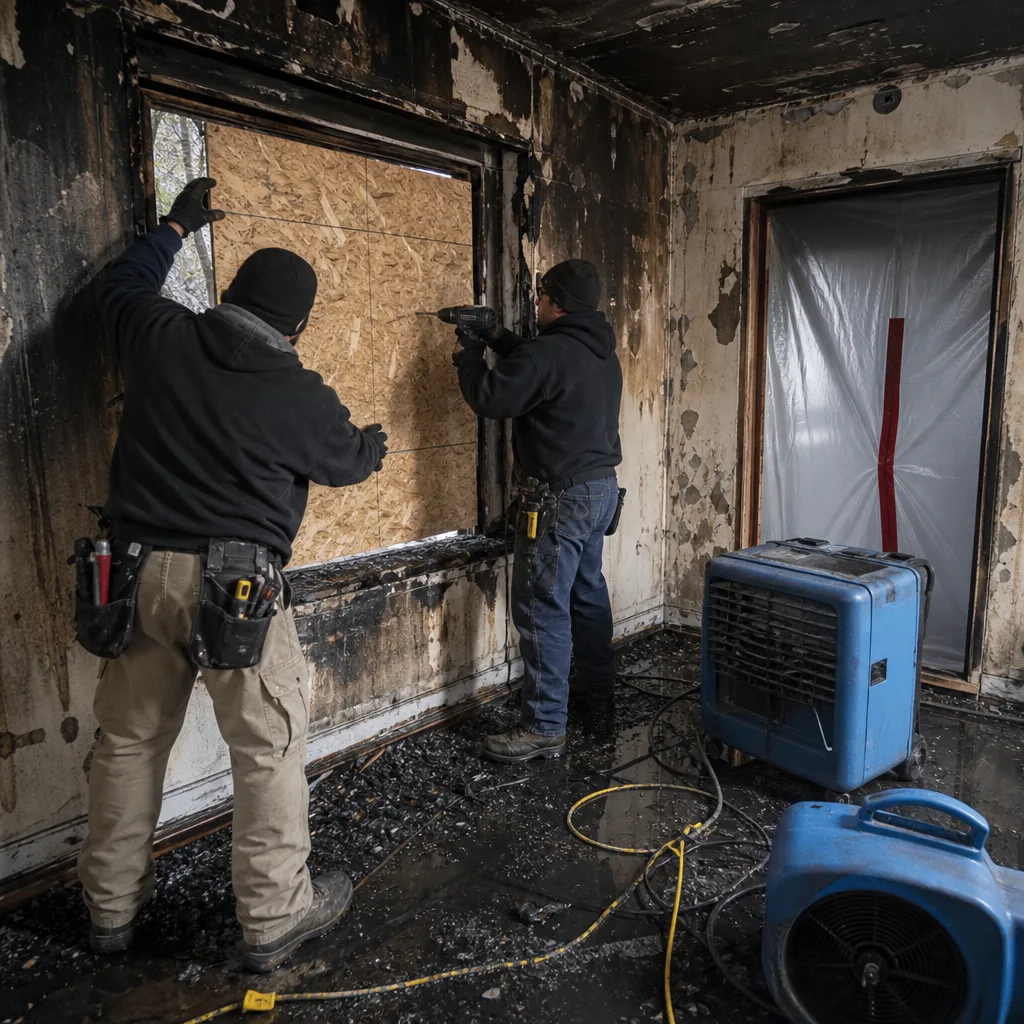
Fire damage restoration in Edgewater runs higher than inland Bergen County markets due to the multi-unit complexity, brownfield contamination testing, and extended drying protocols that cliff-side groundwater demands. A light smoke and odor job in a single River Road condo unit typically ranges $3,200-$5,800. Moderate damage with soot removal, content cleaning, and partial reconstruction in a two-bedroom unit runs $8,500-$16,000. Heavy damage involving structural compromise, multi-unit smoke migration, and below-grade water extraction in a high-rise can exceed $35,000, with association common-area work billed separately.
What moves the price: the residue type (wet smoke from synthetic materials requires more labor than dry smoke), the square footage affected, whether smoke penetrated HVAC systems, and whether groundwater intrusion on cliff-side properties extends drying time. Insurance typically covers direct fire and smoke damage, plus water damage from suppression systems, under standard HO-6 and master association policies. Out-of-pocket costs arise when policies carry high deductibles, when documentation fails to prove migration to adjacent units, or when contamination testing reveals conditions excluded by the policy.
Haven Standard, Clause 1 applies: we deliver a written price before any work begins, with no scope-creep additions once the crew is inside. Our free visual inspection produces a firm scope and price you can submit to your insurer before authorizing work. Call (845) 875-4326 for an exact quote on your specific loss.
We Also Serve Cities Near Edgewater
Our crews respond to Fire & Smoke Damage Restoration in Edgewater and surrounding communities including Cliffside Park, Fort Lee, Ridgefield, and Palisades Park. Each of these Hudson River municipalities shares Edgewater’s high-density housing, shared-infrastructure complexity, and exposure to metro-area fire risks, and each receives the same documentation-first protocol and written-price guarantee under The Haven Standard.
Serving Edgewater, NJ - Our Local Coverage Area
We’re based in the Edgewater area and know this community well. Use the map below to see our service coverage - if you’re nearby, we can almost certainly help.
Edgewater Fire & Smoke Damage Restoration Questions, Answered
After a small kitchen fire in my Edgewater high-rise, why are you testing the unit next door and the hallway?
Smoke migrates through gaps around doors, shared HVAC risers, and corridor pressurization systems in high-rise buildings, and the unit next door and common hallway almost always contain detectable particulate even when the fire was contained quickly. We test adjacent spaces to document the full scope of loss before residue sets permanently and to establish which damage is claimable under your policy versus the association’s master policy. Call (845) 875-4326 for a free inspection and written scope.
Does Edgewater’s waterfront location change how you dry a unit after a fire?
Yes. The Hudson River exposure means higher ambient humidity, especially in summer, which slows evaporative drying and requires more aggressive dehumidification. In below-grade levels, storm surge history and capillary moisture from the riverfront create baseline dampness that must be distinguished from fire-suppression water. We use psychrometric data, vapor pressure differential calculations, and daily moisture logs to separate the two and document each for your insurer.
What about fire damage in a condo built on a former brownfield site along River Road?
These buildings sit on capped industrial soils, and firefighting water that reaches below-grade parking or storage levels can entrain legacy contaminants. We test discharge water and affected soils before standard extraction, document findings with chain-of-custody records, and adjust our mitigation protocol if contamination is present. This protects you from liability and provides the documentation your association needs for environmental carrier notification. Call (845) 875-4326 for assessment.
How quickly do you need to start smoke and soot cleanup in Edgewater?
Within 24 hours, and ideally within the first 4-6 hours. Smoke residue is acidic; within hours it begins etching painted surfaces, corroding metal fixtures, and embedding permanently into porous materials like upholstery and unsealed wood. In Edgewater’s humid riverfront environment, this timeline compresses. Our 45-minute response commitment exists because delayed cleanup turns restorable contents into replacement claims. Call (845) 875-4326 for immediate dispatch.
Can the groundwater coming through the Palisades affect a fire repair on the upper streets?
Absolutely. Properties on the cliff-side western edge of Edgewater routinely show elevated moisture readings long after fire-suppression water has been extracted, because groundwater migrates through fractured basalt directly against foundation walls. Standard structural drying alone leaves hidden moisture that later feeds mold and compromises reconstruction. We identify this condition with moisture mapping, implement negative-side waterproofing assessments when indicated, and document the extended drying protocol for your claim file.
Will my insurance cover smoke damage to neighboring units?
Coverage depends on your policy language and the association’s master policy. Most HO-6 policies include liability coverage that may respond if your fire caused damage to adjacent units, but insurers dispute these claims without documentation proving the migration path and pre-loss condition of affected spaces. We photograph and test neighboring units and common areas, document smoke particulate levels, and produce a scope that separates unit-specific from common-element damage so each policy pays its proper share.
How long does the full fire restoration process take in Edgewater?
A single-unit light smoke and odor job typically completes in 3-5 days. Moderate damage with content cleaning and partial reconstruction requires 1-2 weeks. Heavy damage involving structural repair, multi-unit coordination, and extended drying on cliff-side properties can extend to 4-8 weeks. We provide a written timeline with our scope, update it daily, and never advance to the next phase without your authorization and documented moisture clearance.
Can we stay in our Edgewater home during fire damage restoration?
Sometimes, for very light smoke damage limited to one room with no structural compromise and functional HVAC. Most Edgewater fire jobs, especially in multi-unit buildings where shared systems require cleaning and containment, require temporary relocation for at least the initial cleanup phase. We coordinate with your insurer on additional living expense documentation and provide a written assessment of habitability after our initial inspection.
We were called to a kitchen fire in a ground-floor condo off River Road where the fire itself was out in minutes, but smoke had already pushed through the building’s shared corridor and into two adjacent units. Our techs set containment at the corridor doors, ran HEPA air scrubbers and air movers, and used moisture mapping and moisture readings to confirm that no suppression water had reached the below-grade parking level. The job grew into a multi-unit odor and soot cleanup with a documented scope of work for the condo board, and the hardest part was proving pre-loss condition in the shared hallway so the association could see which damage was ours to remediate and which was pre-existing.
Every Edgewater fire job carries this potential for complexity. The riverfront high-rises with their shared infrastructure, the brownfield history beneath them, and the groundwater dynamics of the Palisades cliff face create restoration scenarios that template-based companies miss. We document what we find, write what we will do, and guarantee what we deliver.
Call (845) 875-4326 for a free visual inspection and written scope. Our live answer team is available now.
Written by Alicia Brennan, Owner at Back to Dry Restoration, serving Edgewater since 2011 under The Haven Standard.
Fire & Smoke Damage Restoration in Nearby Areas