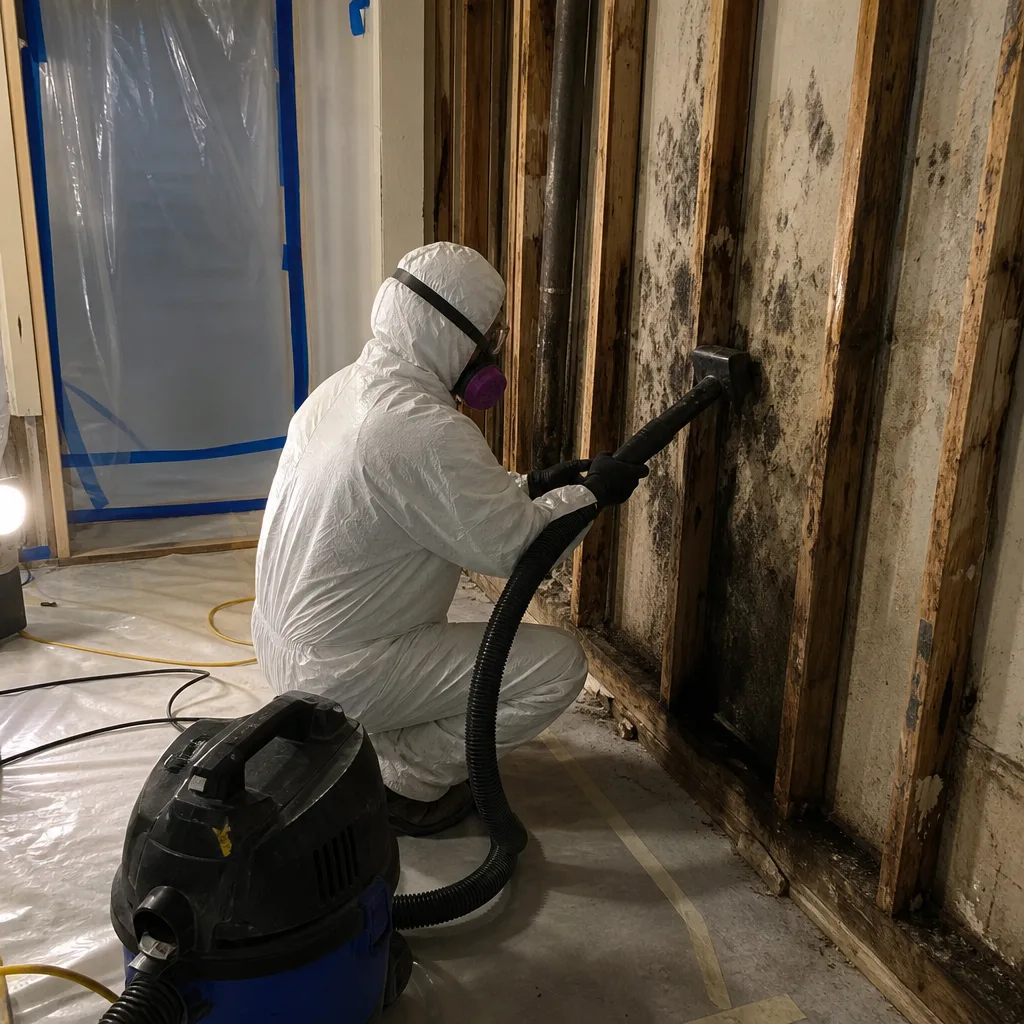
Free visual inspection and a written scope of work before any mitigation begins - photos, moisture readings, and drying logs go in your claim file
The scope we write is the scope we bill. Anything new gets shown to you, in writing, before we touch it.
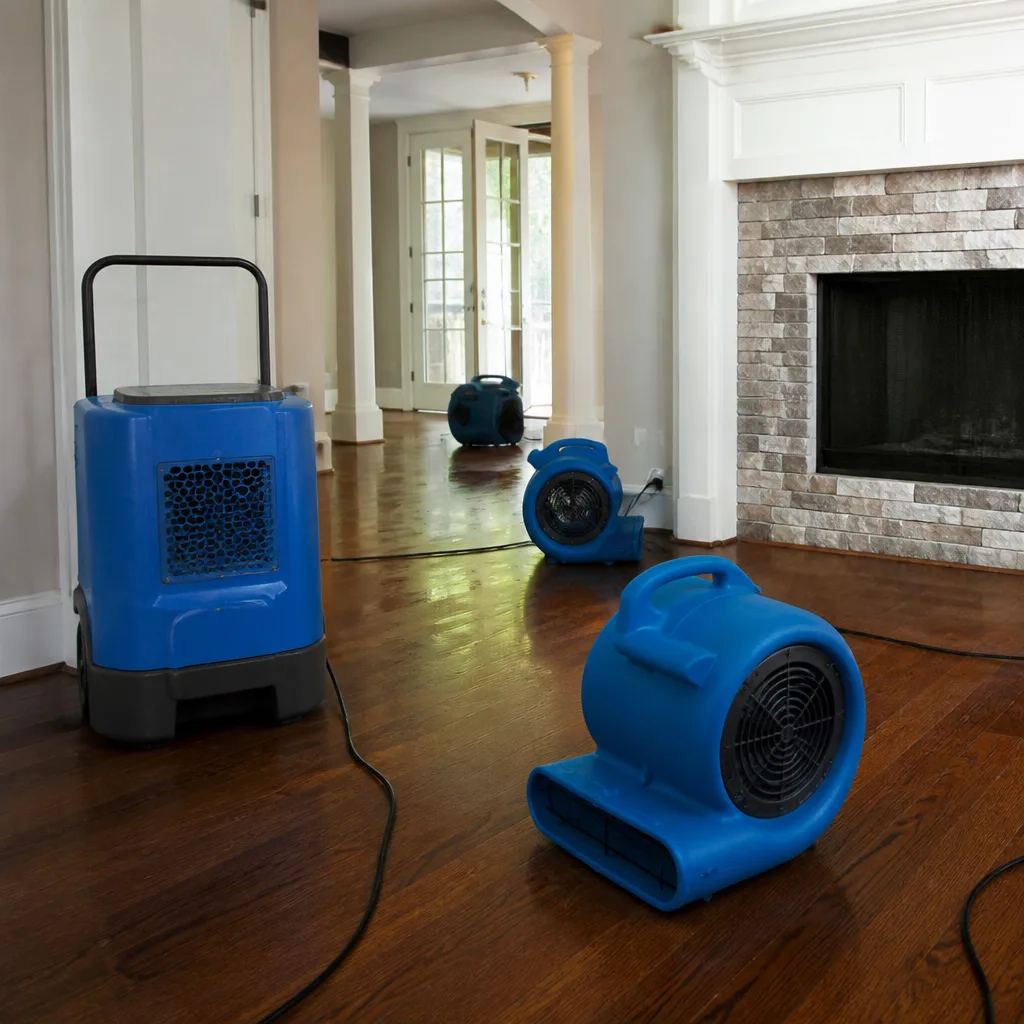
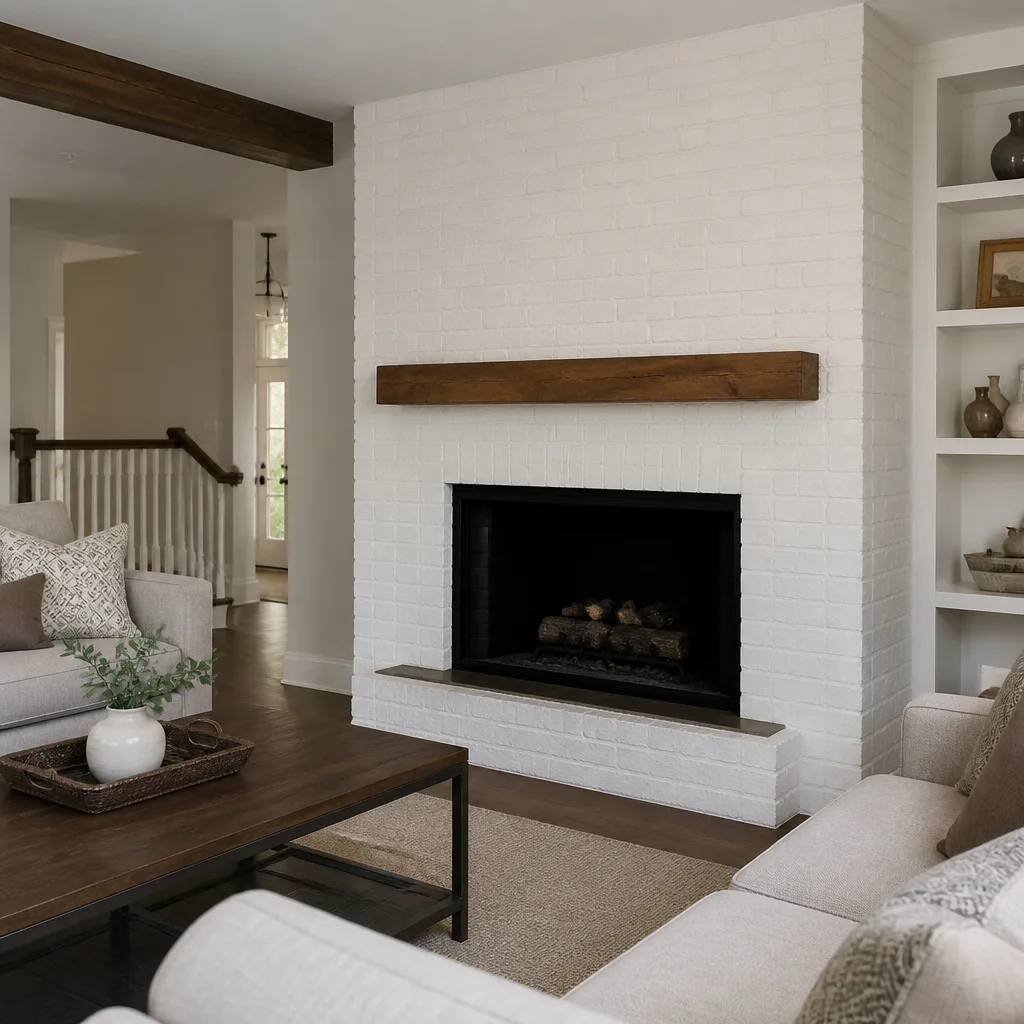
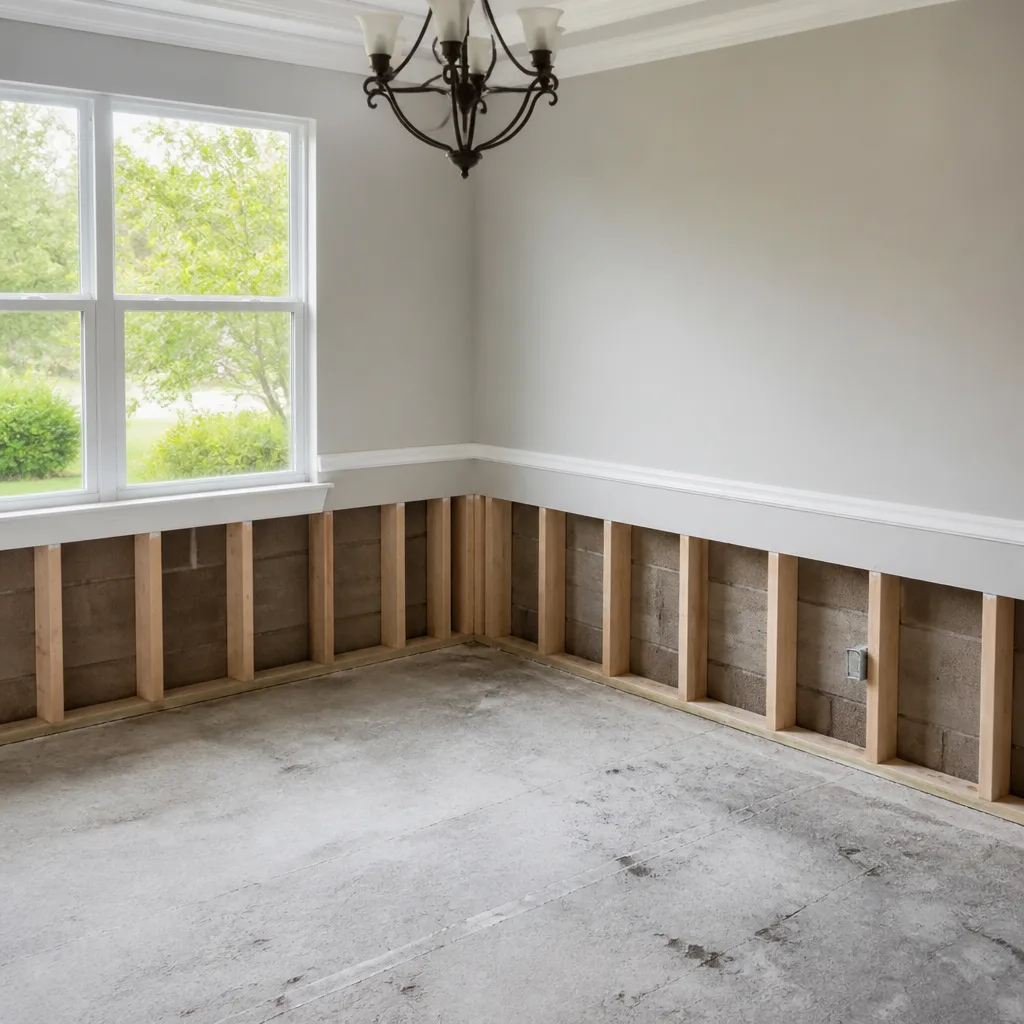
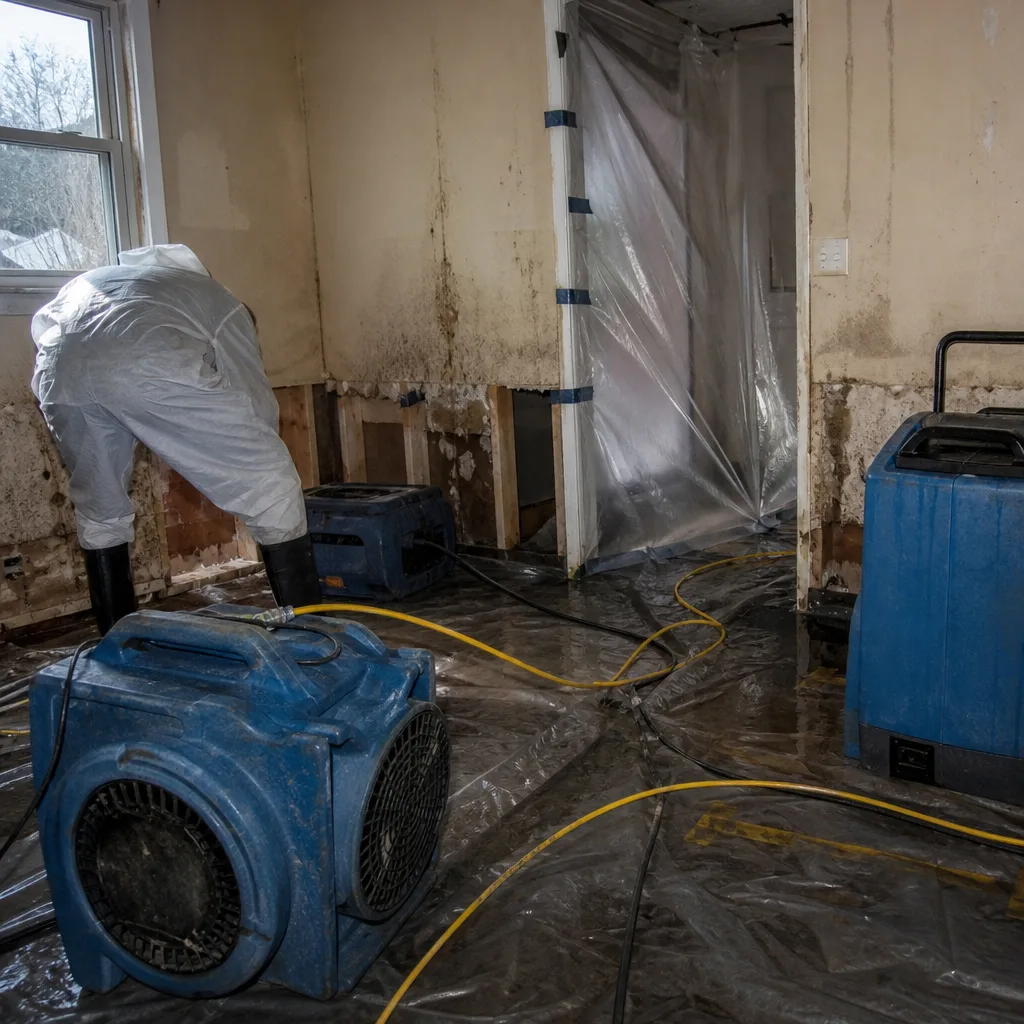 Before
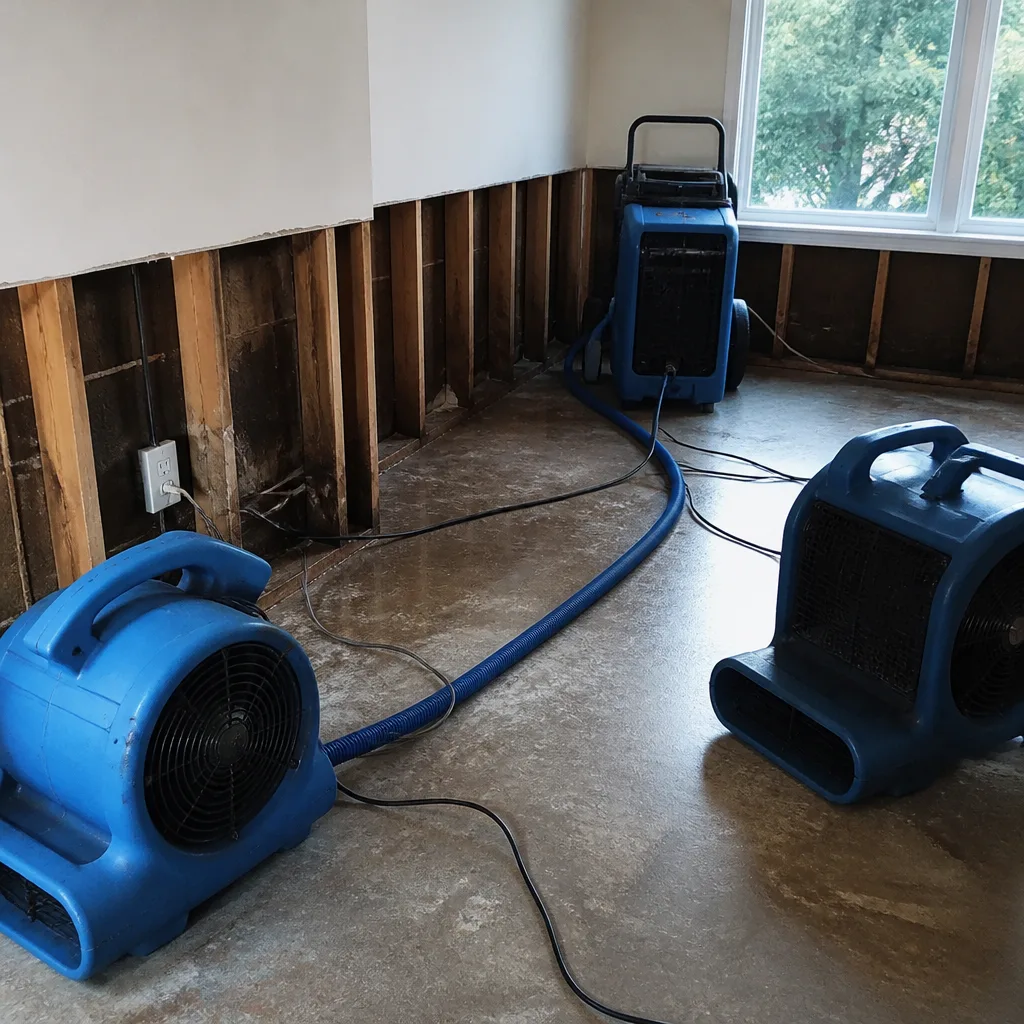 After
After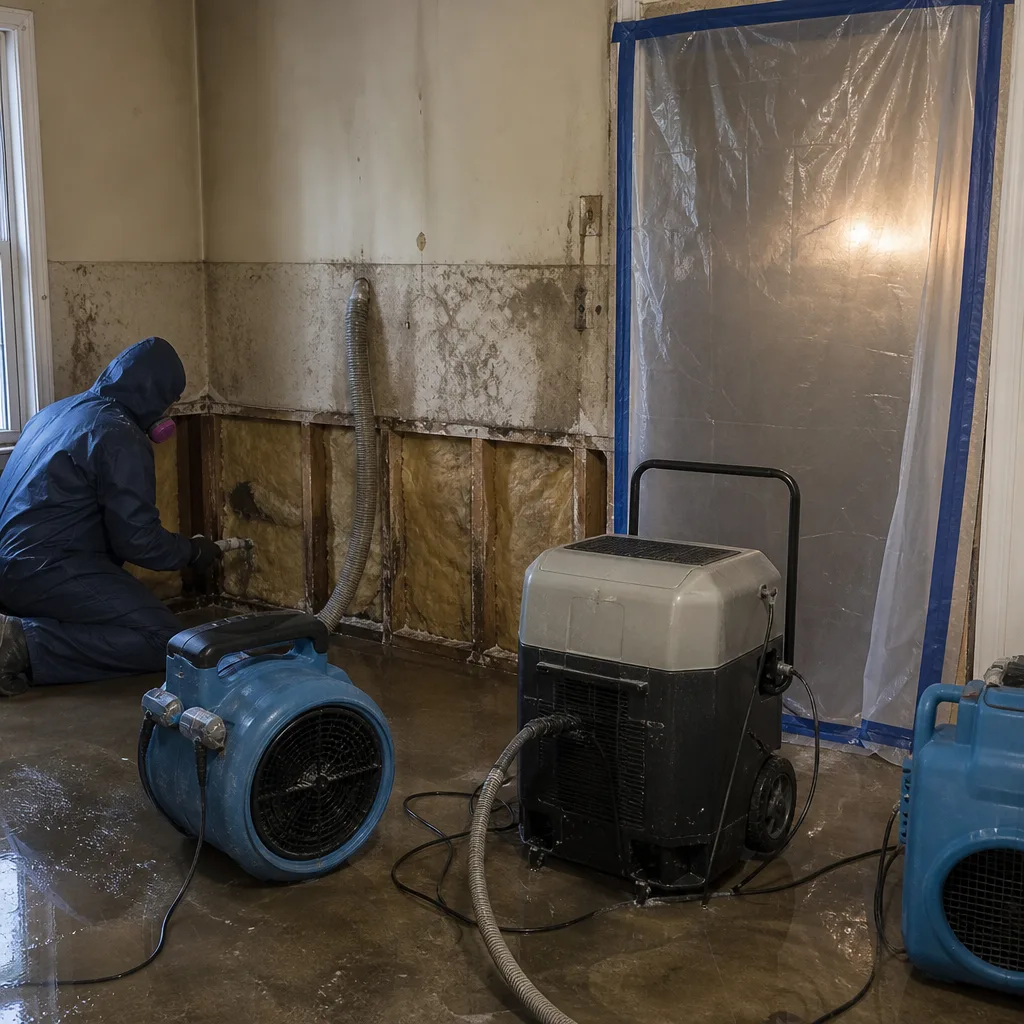 Before
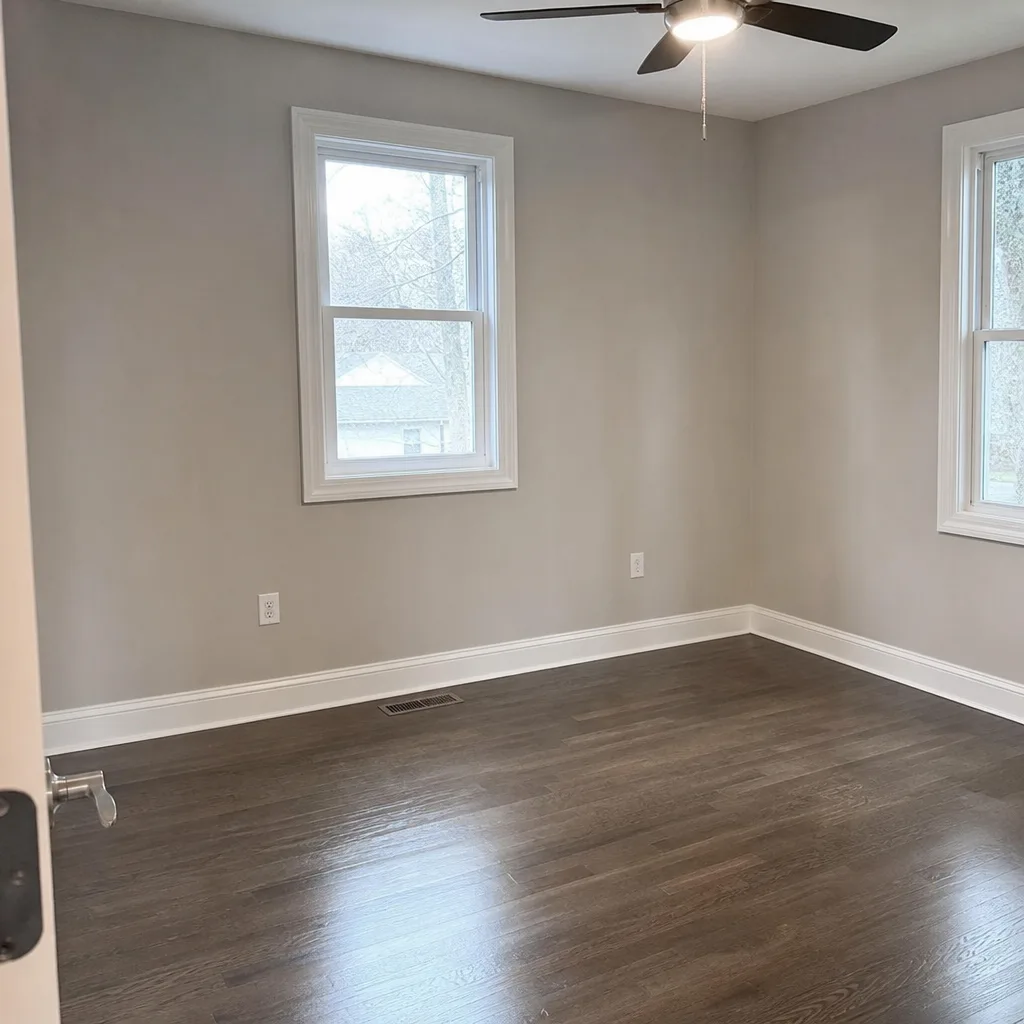 After
After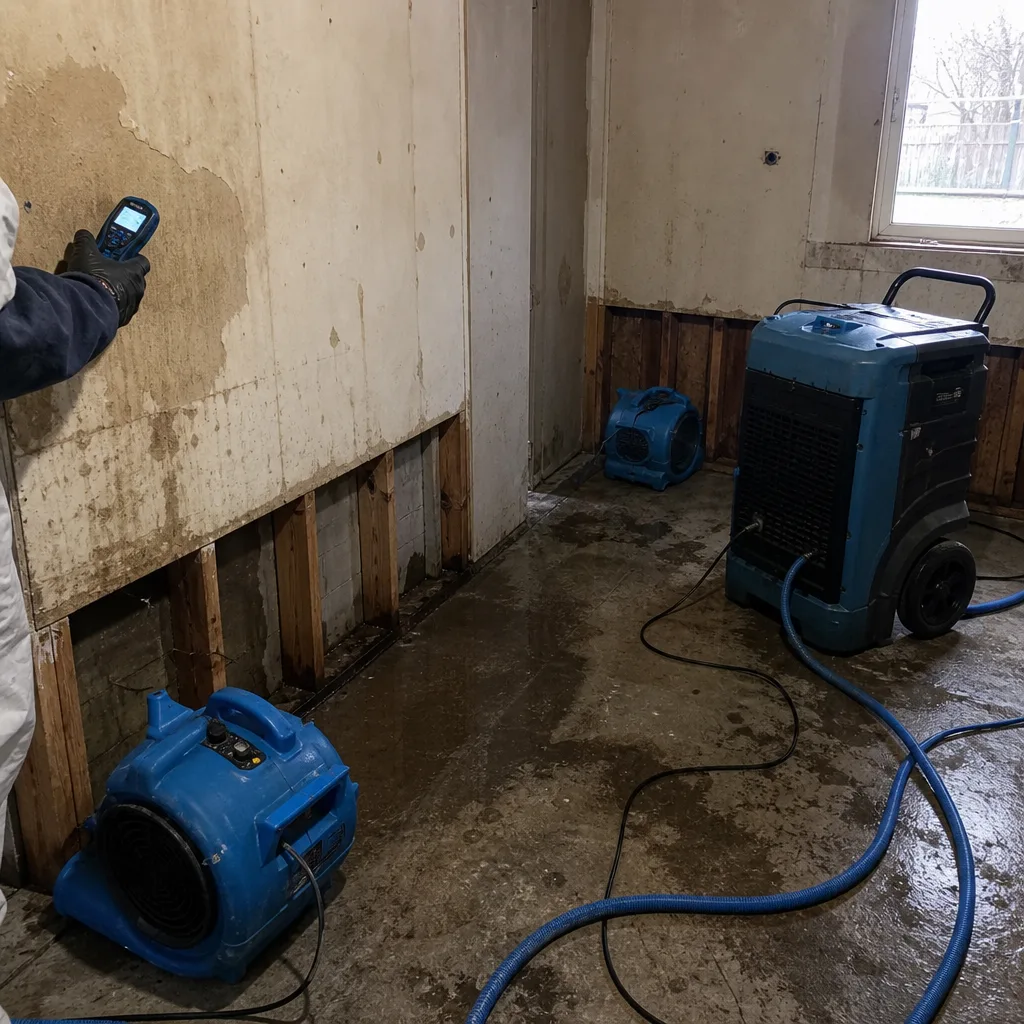 Before
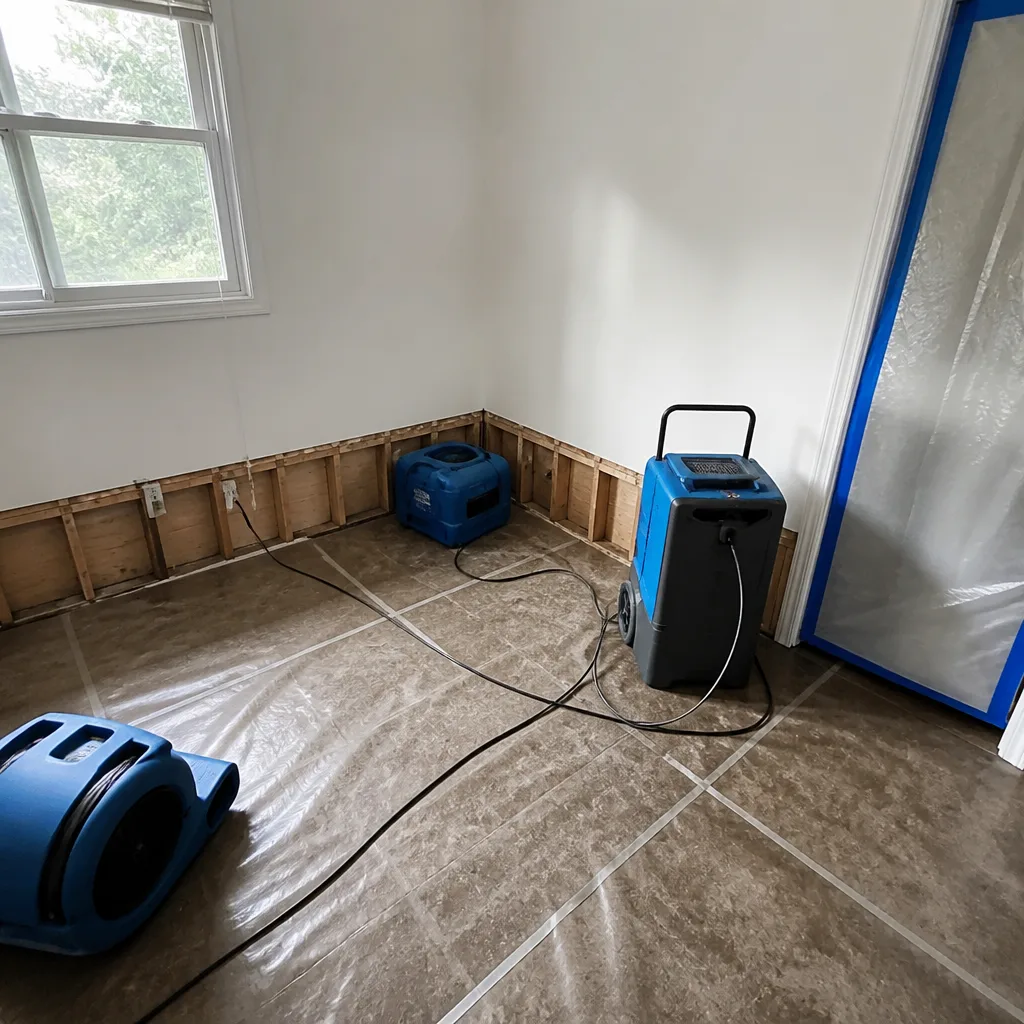 After
After24/7 Emergency Mold Remediation in Fort Lee
Mold remediation in Fort Lee typically costs $1,800-$6,500 depending on affected square footage and whether the source spans multiple units, and our crews are dispatched with containment gear and thermal imaging within 45 minutes of your call. Call (845) 875-4326 now - a live person answers, never a voicemail tree, and we perform a free visual inspection before any work is discussed.
The first hour matters because Fort Lee’s 1960s-1980s high-rise towers share vertical pipe chases and slab penetrations that let moisture migrate silently across units and floors. What looks like a small ceiling spot in one apartment may already involve saturated concrete and hidden growth in the wall cavity above. We document the full vertical path with thermal imaging, moisture mapping, and photo records from the start so your insurer sees the complete scope and nothing gets denied later for being “unrelated pre-existing damage.”
Understanding Mold Remediation Severity in Fort Lee Properties
Mold severity in Fort Lee is rarely contained to the unit with visible growth. The city’s tower-heavy building stock, built during the post-George Washington Bridge construction boom, features original galvanized supply risers, failing curtain-wall caulk joints, and flat membrane roofs that channel Hudson River wind and rain into interstitial spaces. We classify every Fort Lee mold job by three factors: the category of water that initiated growth (Category 1 clean water, Category 2 gray water, or Category 3 black water from sewage or ground flooding), the extent of hidden colonization in concrete and wall cavities, and whether the source unit differs from the affected unit.
Category 2 or 3 water losses in these buildings automatically expand remediation scope. Gray water from dishwasher or washing machine overflows carries enough organic load that mold can establish visible colonies within 48-72 hours in Fort Lee’s humid river-valley climate. Black water losses require full removal of porous materials and antimicrobial treatment of structural elements. Our crews use psychrometric data - temperature, relative humidity, and vapor pressure differential readings - to calculate exactly how much dehumidification capacity each unit needs, then document those readings in daily drying logs that satisfy both IICRC standards and insurance adjusters reviewing multi-unit claims.
Why Fort Lee Property Owners Choose DryMark Restoration Englewood
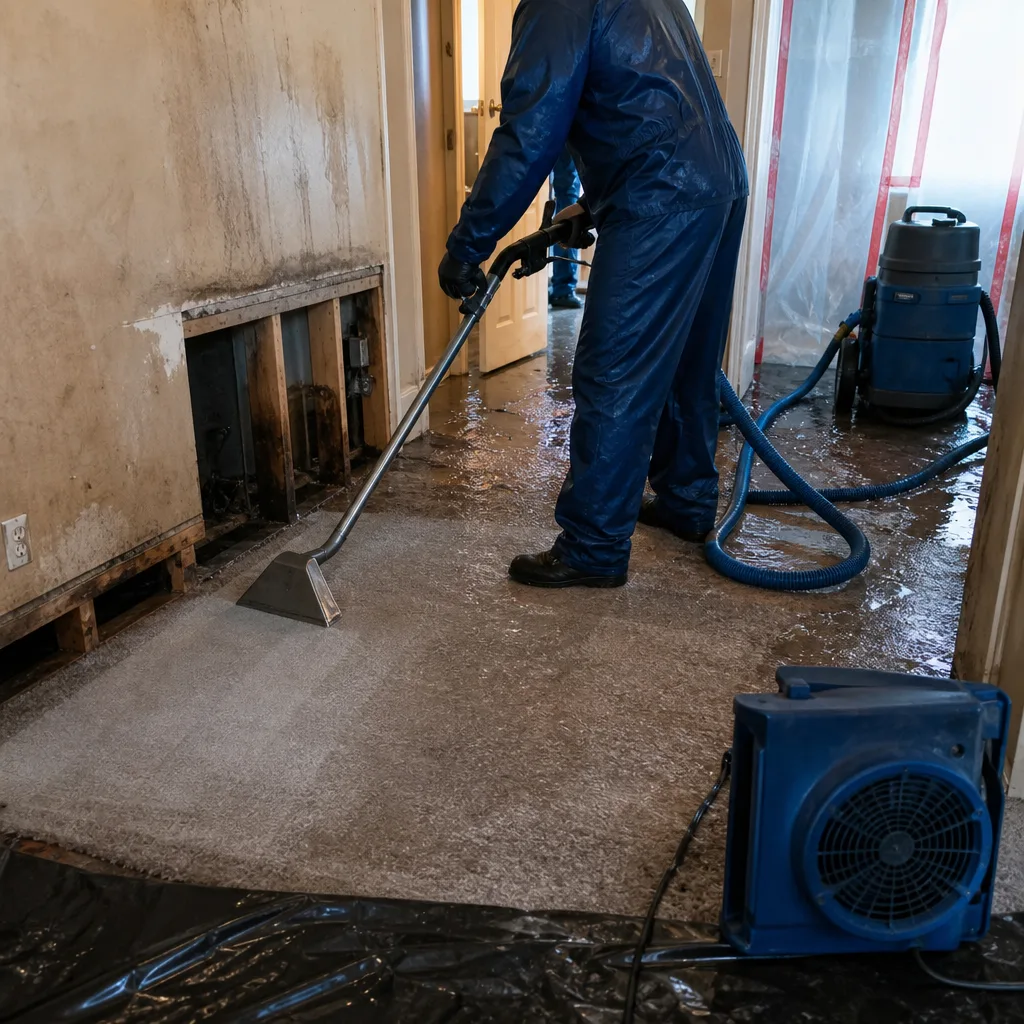
- 45-minute response commitment to Fort Lee properties, with crews carrying containment barriers, negative-air HEPA scrubbers, and thermal imaging cameras on every truck.
- 24/7 live answer - a real person, never an automated system or next-business-day callback, because mold in a shared high-rise stack doesn’t wait.
- IICRC-certified crews holding WRT (Water Damage Restoration Technician), AMRT (Applied Microbial Remediation Technician), and FSRT (Fire & Smoke Restoration Technician) credentials where cross-trained for complex losses.
- Free visual inspection with moisture mapping and thermal imaging before any pricing discussion, so you know what you’re actually dealing with.
- Direct insurance billing with photo-documented scopes and daily drying logs that keep adjusters from disputing line items.
- One team from containment through reconstruction, including ARB-compliant material matching for Fort Lee HOAs, so no handoff gaps or color-mismatch do-overs.
BeforeAfterOur Mold Remediation Process
1. Inspection & Assessment
We map moisture with thermal imaging and penetrating hygrometers, then trace the water path vertically through pipe chases and slab penetrations. In Fort Lee towers, this means checking two to four floors above the visible damage, because the source unit and the affected unit are rarely the same.
2. Containment & Air Quality Control
We establish polyethylene containment barriers and run negative-air HEPA scrubbers to prevent spore migration through shared HVAC risers and corridors. Equipment is selected for quiet operation to stay within building work-hour rules and avoid noise complaints in occupied towers.
3. Source Elimination & Structural Drying
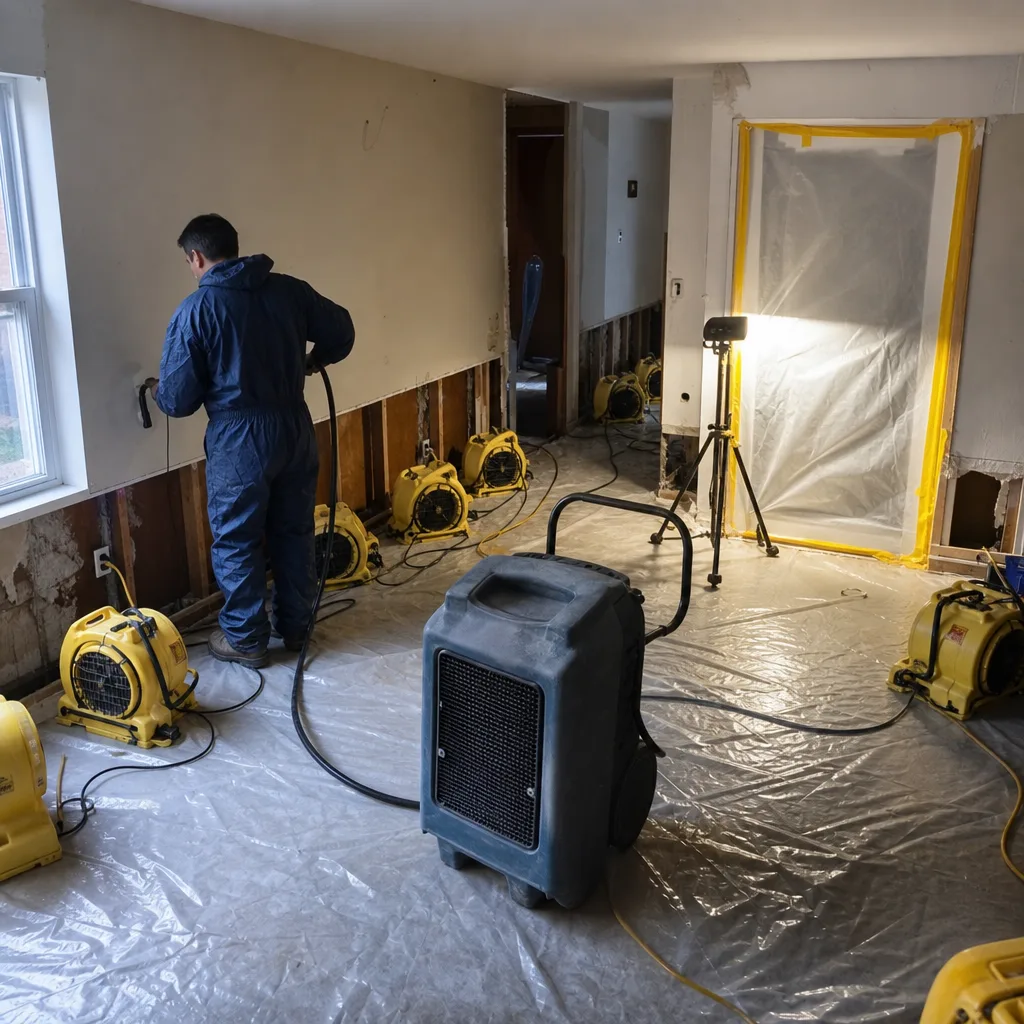
The leak is stopped, saturated concrete and wall cavities are dried using Dri-Eaz and Phoenix LGR dehumidifiers with calculated air-mover placement based on psychrometric readings. Daily moisture logs track progress to IICRC S520 and S500 standards.
4. Cleaning & Antimicrobial Treatment
Non-porous surfaces are HEPA-vacuumed and treated with EPA-registered antimicrobial solutions. Porous materials with Category 2 or 3 water exposure are removed per IICRC protocol, with photo documentation of each disposal for insurance records.
5. Black Mold & Air Quality Restoration
Stachybotrys and other toxigenic species receive extended containment, sealed removal, and post-remediation air sampling with laboratory analysis. We run XPOWER air scrubbers during this phase and verify clearance with third-party testing where required by the HOA or insurer.
6. ARB-Compliant Repairs & Restoration
Drywall, trim, and door replacements are spec’d to Fort Lee HOA architectural review board standards, with color and profile matching documented before installation. We provide the photo record and written scope that satisfies both your insurer and your building’s ARC.
Need Emergency Mold Remediation in Fort Lee Now?
Crews minutes away, answering live 24 hours a day. The sooner we start, the less it costs.
Working With Your Insurance Company
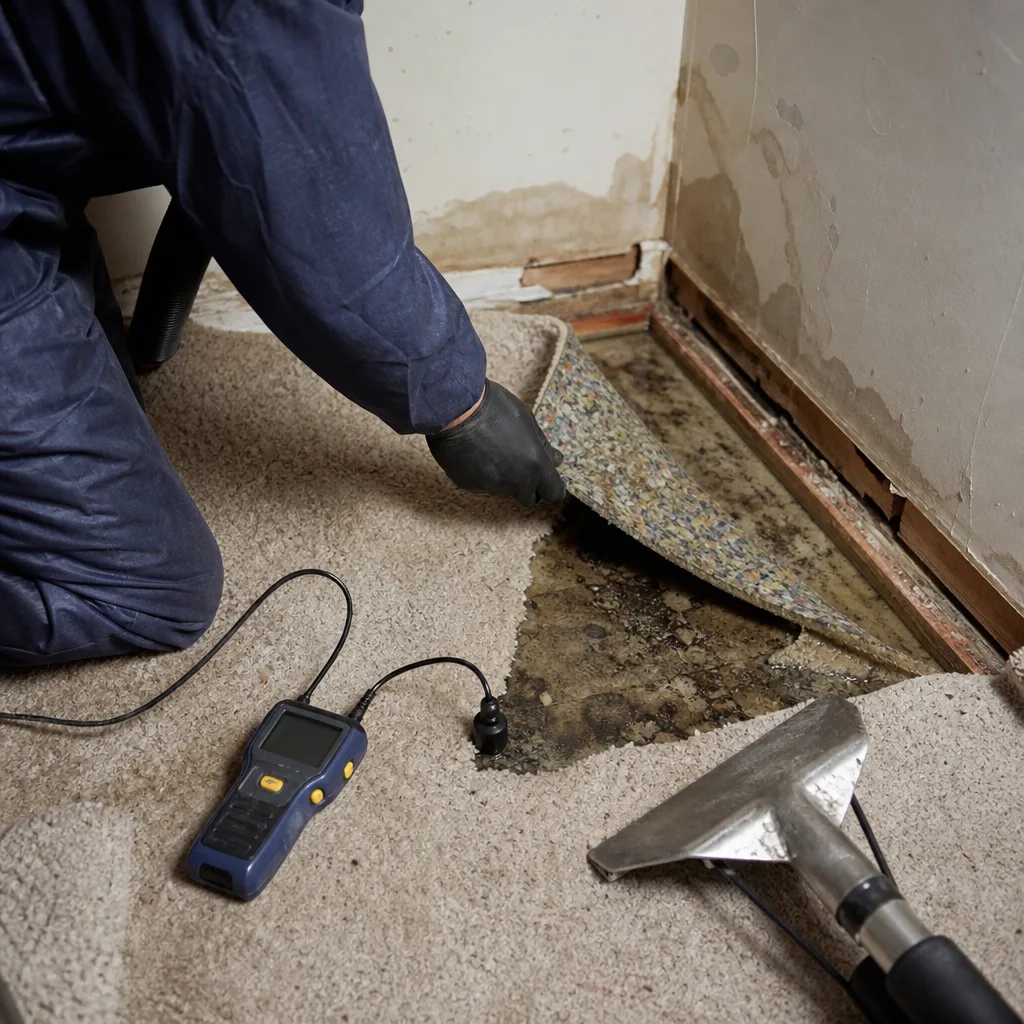
Multi-unit mold losses in Fort Lee generate multiple claims, multiple adjusters, and multiple opportunities for documentation gaps to cost homeowners their coverage. We eliminate that risk from the first hour. Every visit produces a photo record, moisture readings, and a written drying log. Our estimates are built to industry-standard pricing with line-item detail that adjusters recognize and approve.
We coordinate directly with your carrier and, when multiple units are involved, with each unit’s adjuster separately. Our written scope is delivered before any demolition or treatment begins, per Haven Standard, Clause 1. No scope-creep additions once the crew is inside. If you’ve received a competitor’s estimate, we provide a Free Second Opinion at no charge.
What We Provide Your Insurer
- Thorough documentation of the loss, including source-unit identification and vertical migration path
- Photos of all damage, room by room, with thermal imaging of hidden saturation
- Moisture readings and daily drying logs from Dri-Eaz and Phoenix equipment
- A detailed, line-item scope of work with ARB-compliant material specifications
- Direct coordination with your carrier and, for multi-unit losses, each affected unit’s adjuster
Built for Fort Lee’s Loss Calendar
January deep freezes split original galvanized risers in the 1960s-1980s towers, with pipe failures often discovered only when the thaw reveals water stains three floors down. Spring brings driving rain up the Palisades basalt cliffs, forcing infiltration through aged window glazing and spandrel seals that have hardened past their service life. Summer humidity in the Hudson River valley keeps baseline moisture elevated in concrete slab edges and exterior wall cavities, so any additional water event pushes conditions past the 60% relative humidity threshold where mold colonizes actively.
Nor’easters in fall and winter combine wind-driven rain with facade pressurization that overwhelms failing curtain-wall drainage. The lower-lying blocks near the Hudson waterfront, still in the post-Hurricane Sandy flood-hazard awareness zone, see ground-floor and basement units take on Category 2 or 3 water that demands full antimicrobial protocol. Every season in Fort Lee produces mold losses, but the pattern is vertical and interstitial, not surface-level. Our crews plan for that.
Mold Remediation Across Fort Lee’s Neighborhoods
The Horizon House and surrounding high-rise corridor along Bruce Reynolds Boulevard sees the most complex multi-unit losses. Buildings here share original plumbing stacks and elevator-dependent access, so our crews coordinate with building management for freight elevator scheduling and after-hours loading dock use before arriving with dehumidifiers and air movers. The Linwood neighborhood’s slightly lower-density mid-rises, closer to the waterfront, face more facade infiltration from Hudson wind exposure and occasional basement seepage in post-Sandy flood zone blocks.
Along Lemoine Avenue and the Main Street corridor, mixed-use buildings combine residential units above commercial kitchens and laundries, introducing Category 2 gray water sources from below that migrate through shared slab penetrations. The Palisades Interstate Parkway-adjacent blocks at higher elevation catch more wind-driven rain but less groundwater, so mold patterns there trend toward exterior-wall cavity colonization rather than slab-sourced growth. We adjust our thermal imaging protocol and equipment staging for each building type, because a Horizon House tower job and a Lemoine Avenue mixed-use job need different access plans and different drying calculations.
Specialized Mold Remediation Services We Offer in Fort Lee
Mold Inspection & Testing
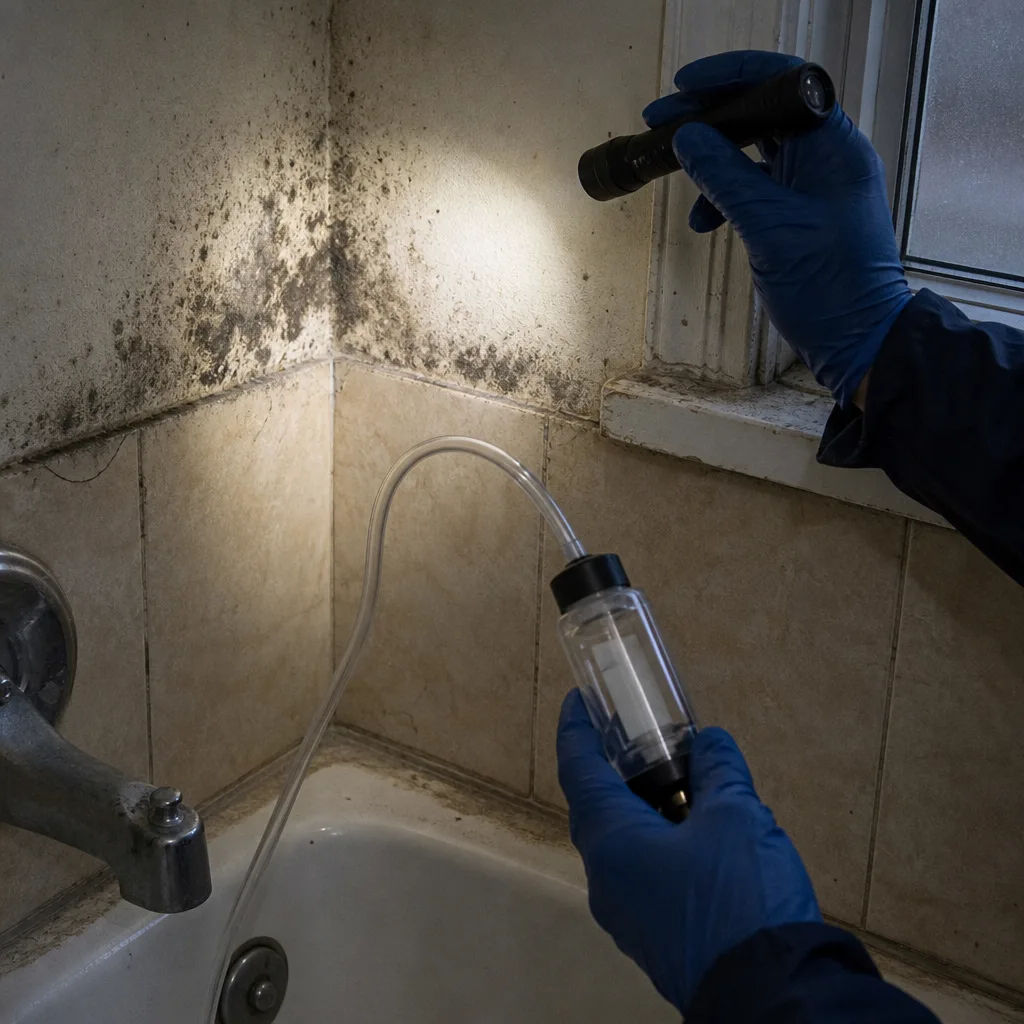
Our Fort Lee inspections include thermal imaging of slab and pipe-chase areas two to four floors above visible damage, plus air and surface sampling sent to independent laboratories for speciation and concentration analysis. We don’t guess at the scope; we measure it, document it, and write it before any work starts.
Mold Removal
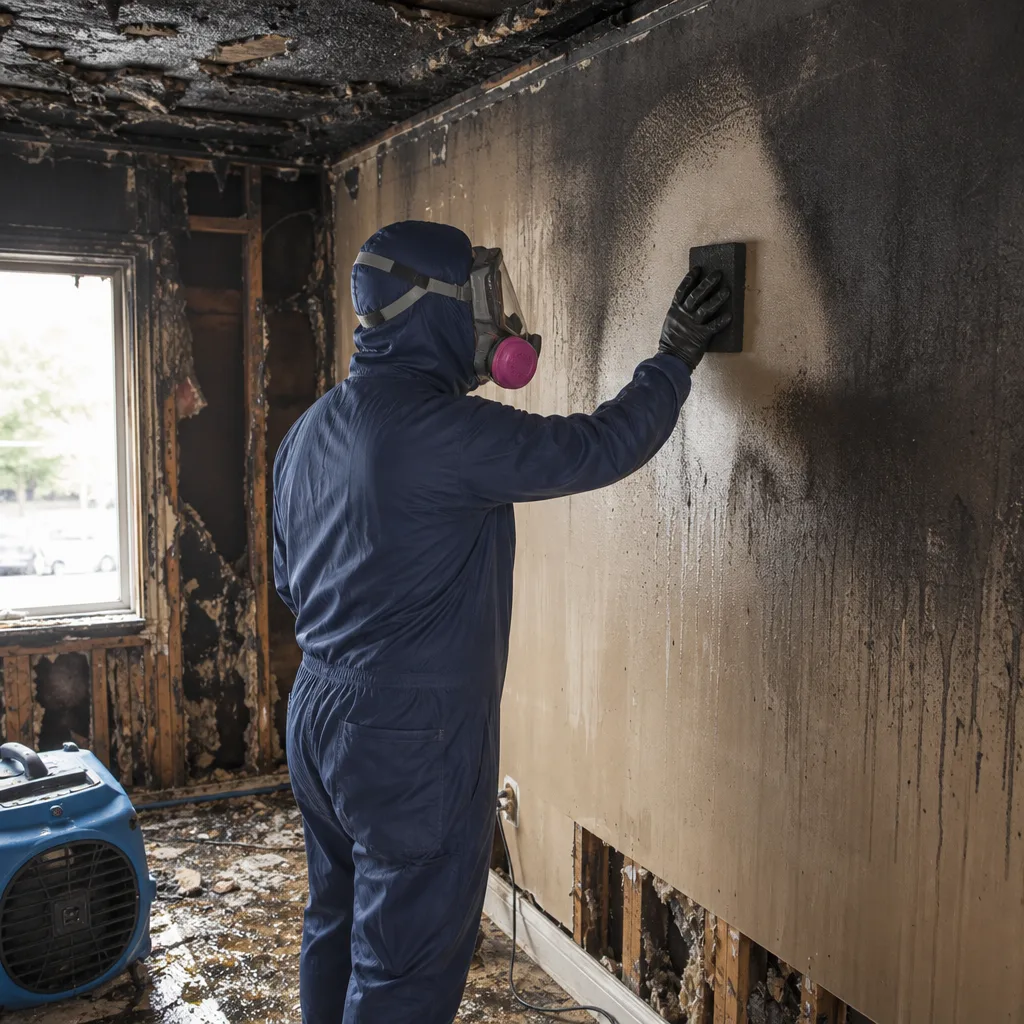
Removal in Fort Lee towers requires containment that protects corridor air quality and shared HVAC systems, not just the affected unit. We seal returns, establish negative air pressure with HEPA scrubbers, and remove porous materials per IICRC S520 protocol, with photo documentation of each square foot for insurance.
Black Mold Remediation
Stachybotrys chartarum and other toxigenic species demand extended containment periods, sealed removal with HEPA vacuum extraction at the point of demolition, and post-remediation clearance testing. In Fort Lee’s occupied towers, we schedule this work within building work-hour rules and use quiet-operation equipment to minimize resident complaints.
Air Quality Restoration
After remediation, we restore breathable air quality through HEPA filtration, activated carbon treatment where volatile organic compounds are present, and third-party verification sampling. For Fort Lee units with shared ventilation risers, we verify that corridor and adjacent unit air quality meets the same standard as the remediated space.
Crawl Space Treatment
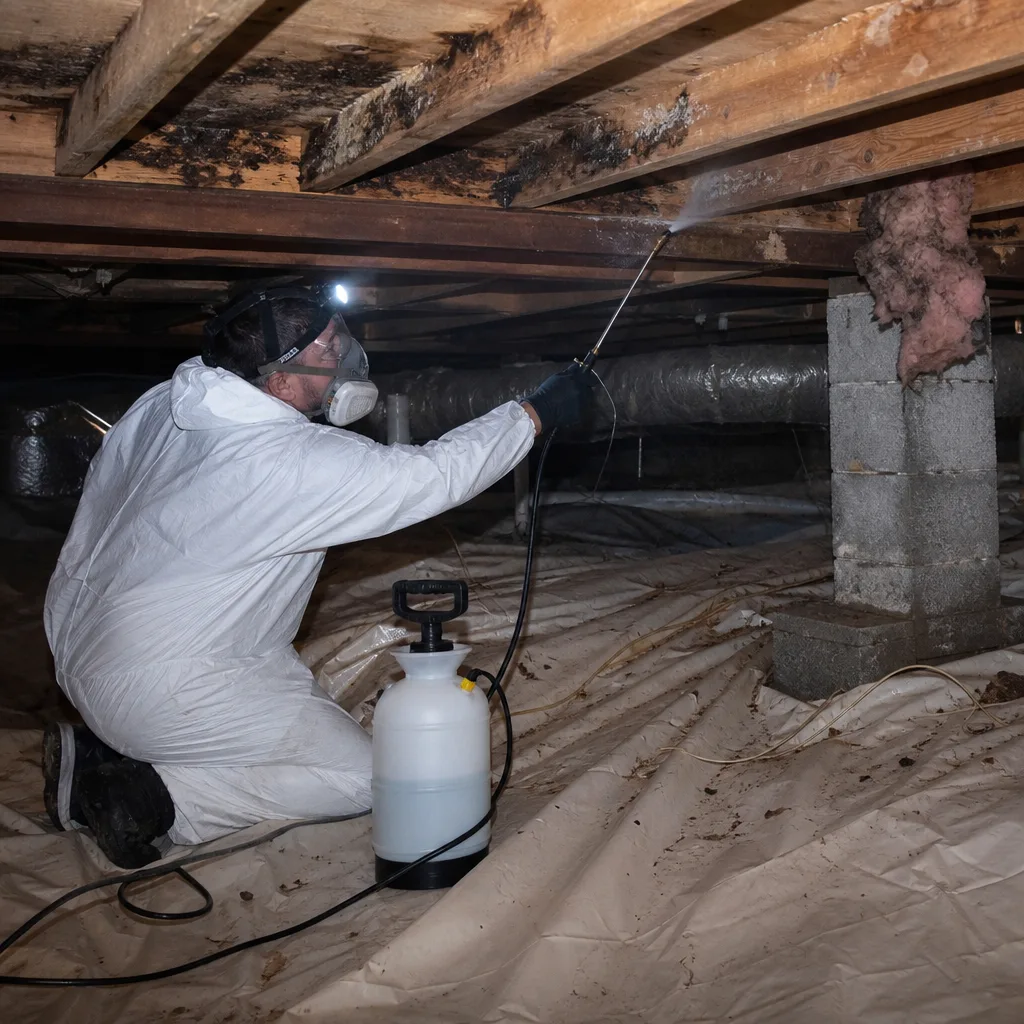
Fort Lee’s limited crawl space inventory is concentrated in lower-lying pre-war and early post-war buildings near the waterfront. These spaces take on groundwater and require vapor barrier installation, dehumidification, and structural drying before any mold treatment is effective.
What happens when you call
- 1
A real person answersNo phone trees - you reach a local pro.
- 2
You get an upfront price rangeHonest numbers before anyone is dispatched.
- 3
A background-checked tech heads outLicensed & insured, dispatched right away.
- 4
You approve before work beginsNothing starts until you say go.
Mold Remediation Costs in Fort Lee, NJ
Containment and remediation of a single-unit mold loss in Fort Lee typically runs $1,800-$3,800 for areas under 100 square feet with Category 1 or 2 water origin and no interstitial slab involvement. Multi-unit losses with vertical migration through shared pipe chases, concrete slab saturation, and Category 3 water exposure range from $4,200-$6,500 per unit, with additional coordination costs for HOA notification and elevator-access scheduling.
Black mold remediation with extended containment, sealed removal, and laboratory clearance testing adds $800-$1,500 per unit. Air quality restoration with HEPA and activated carbon filtration runs $400-$900. Insurance typically covers mold remediation when linked to a covered water loss, though policies vary on mold caps and deductibles. Out-of-pocket costs arise most often when the source is long-term maintenance neglect rather than sudden damage. We provide a written price before any work begins, always, and review competitor estimates free of charge.
We Also Serve Cities Near Fort Lee
Our crews respond throughout the immediate Palisades area, including Fort Lee and neighboring Leonia, Palisades Park, Edgewater, and Ridgefield. Each community shares the Hudson River valley climate and much of the same high-density building stock, though Fort Lee’s concentration of 1960s-1980s towers produces the most complex multi-unit mold patterns we encounter.
Serving Fort Lee, NJ - Our Local Coverage Area
We’re based in the Fort Lee area and know this community well. Use the map below to see our service coverage - if you’re nearby, we can almost certainly help.
Fort Lee Mold Remediation Questions, Answered
In a Fort Lee high-rise, how do you know mold on floor 8 isn’t actually coming from floor 11?
We run thermal imaging and moisture mapping upward through the pipe chase and slab assembly, because the source unit is almost always above the visible damage in Fort Lee’s shared-riser buildings. Our field protocol checks two to four floors vertically before scoping any remediation. Call (845) 875-4326 and we’ll show you exactly what we found.
Does Fort Lee HOA architectural review affect how you rebuild walls, doors, or trim after mold remediation?
Yes, and we plan for it from the first inspection. We document ARB-approved door styles, baseboard profiles, and paint colors before removing anything, then spec replacements to match. Our written scope includes these material approvals so your reconstruction passes review the first time. Call (845) 875-4326 for a free inspection with ARB documentation included.
How fast does mold start in a Fort Lee unit after a pipe or facade leak?
Visible mold can establish within 48-72 hours in Fort Lee’s humid river-valley climate, but hidden colonization in concrete slab edges and wall cavities often precedes surface growth by one to two weeks. That’s why we thermal-image the full vertical path even when only a small spot is visible. Call (845) 875-4326 for immediate moisture mapping.
Can you work quietly and within building work-hour rules in a Fort Lee tower?
We select HEPA scrubbers, air movers, and dehumidifiers for quiet operation specifically for occupied Fort Lee towers, and we coordinate work hours with building management before arrival. Our crews carry the HOA notification paperwork and elevator scheduling requests that keep mitigation moving without noise complaints or work stoppages. Call (845) 875-4326 to schedule around your building’s rules.
What does a Category 2 or 3 water loss mean for mold remediation scope in a Fort Lee high-rise?
Category 2 gray water from appliances or Category 3 black water from sewage or flooding requires removal of all porous materials and antimicrobial treatment of structural elements, per IICRC S520. In Fort Lee’s multi-unit buildings, this also means expanded containment to protect corridor air and adjacent units, plus documentation for each unit’s separate insurance claim. Call (845) 875-4326 for a written scope that separates each unit’s coverage.
Will my insurance cover mold remediation in Fort Lee?
Insurance covers mold remediation when the mold results from a covered sudden water loss, such as a pipe burst or facade leak, though most policies have mold caps between $5,000 and $10,000. Long-term maintenance neglect is typically excluded. We document the sudden loss with photo evidence, moisture logs, and written scope to support your claim. Call (845) 875-4326 for a free inspection and insurance documentation review.
How long does mold remediation take in a Fort Lee high-rise unit?
Single-unit containment, removal, and drying typically take 3-5 days, with an additional 2-3 days for post-remediation air quality verification. Multi-unit losses with slab involvement add 5-7 days for coordination and sequential drying. Reconstruction timing depends on HOA ARC approval, which we build into our project schedule. Call (845) 875-4326 for a timeline written to your specific building.
Can we stay in our Fort Lee unit during mold remediation?
Occupants usually relocate during active remediation in Fort Lee towers because containment barriers block bathroom and kitchen access, and HEPA equipment noise exceeds comfortable levels even with our quiet-operation selection. For small, contained areas with no HVAC connection, limited stay may be possible. We assess this during our free inspection and note it in your written scope. Call (845) 875-4326 to discuss your unit’s layout.
Back to Dry Restoration’s Mold Remediation team serves Fort Lee from our New York City dispatch office, with crews carrying containment gear, thermal imaging, and quiet-operation HEPA equipment specifically configured for the city’s high-rise tower stock. Every job is quoted in writing before work begins, documented with a photo record on every visit, and covered by our 365-Day Done Right Promise under The Haven Standard. We provide a Free Second Opinion on any competitor’s written estimate, and a live person answers every call at (845) 875-4326, 24 hours a day, 7 days a week.
Written by Alicia Brennan, Owner at Back to Dry Restoration, serving Fort Lee since 2011.
Mold Remediation in Nearby Areas