
Last updated September 23, 2026
Free visual inspection and a written scope of work before any mitigation begins - photos, moisture readings, and drying logs go in your claim file
The scope we write is the scope we bill. Anything new gets shown to you, in writing, before we touch it.
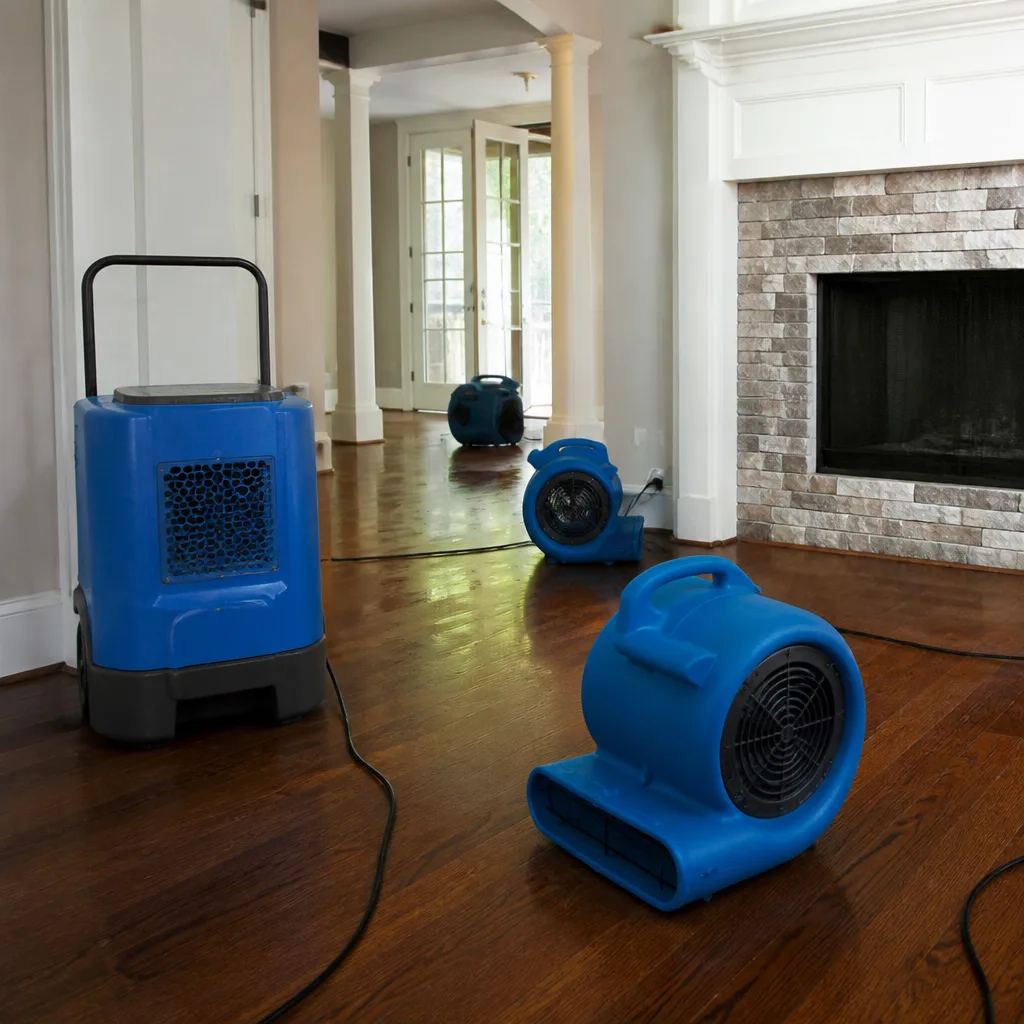

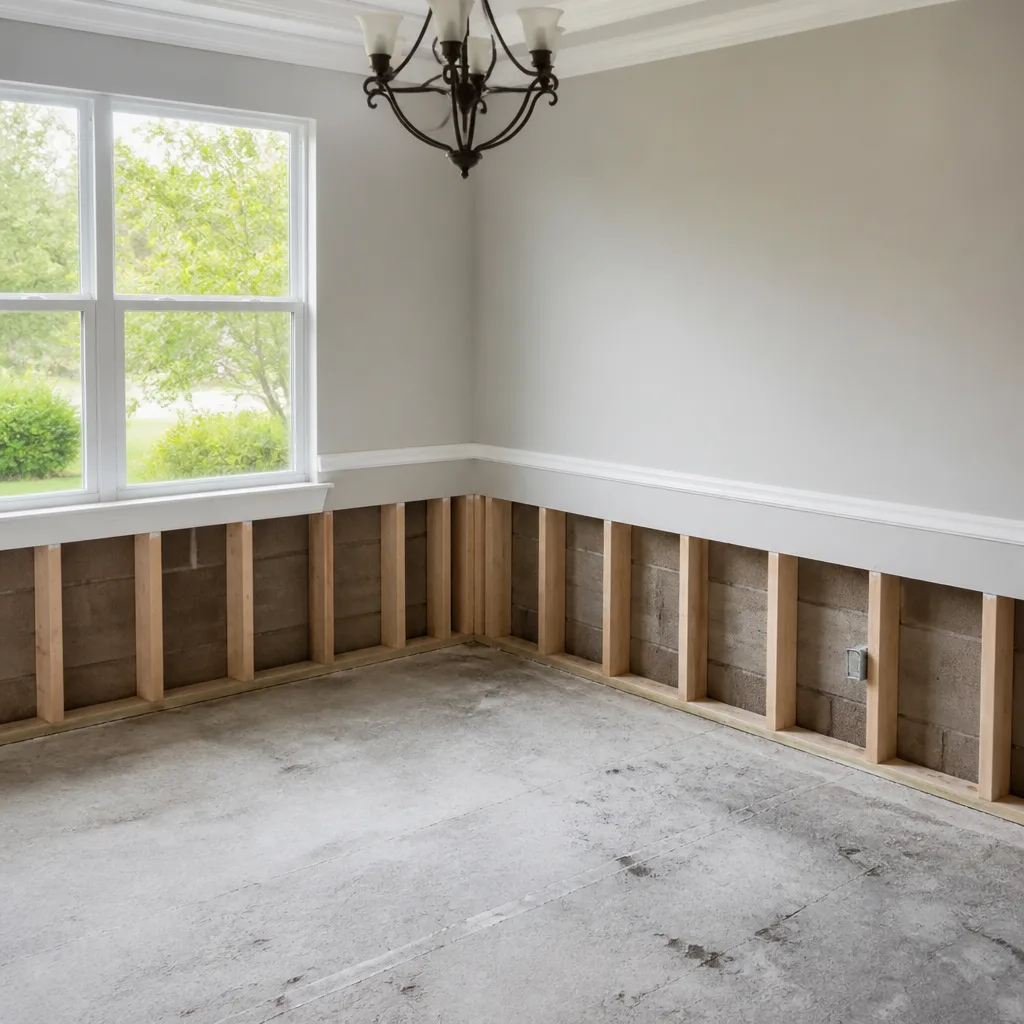
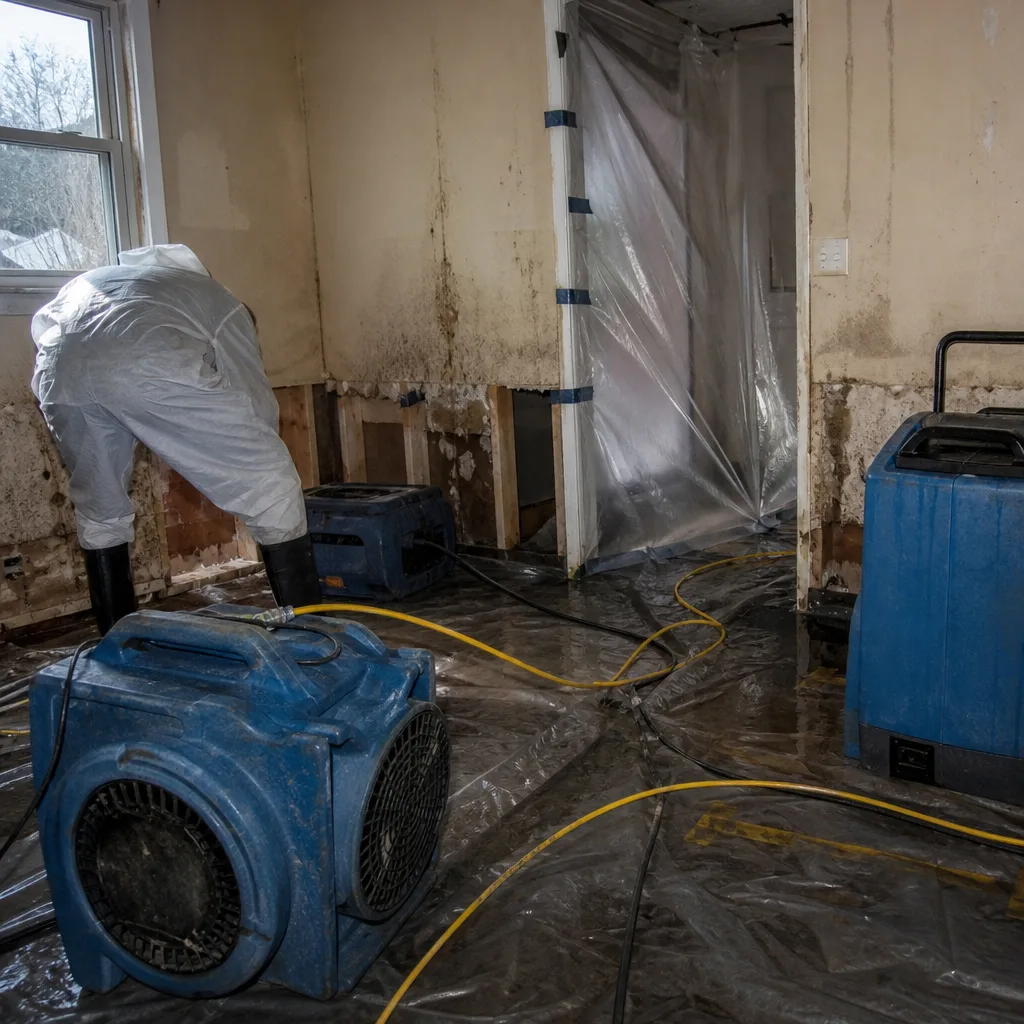 Before
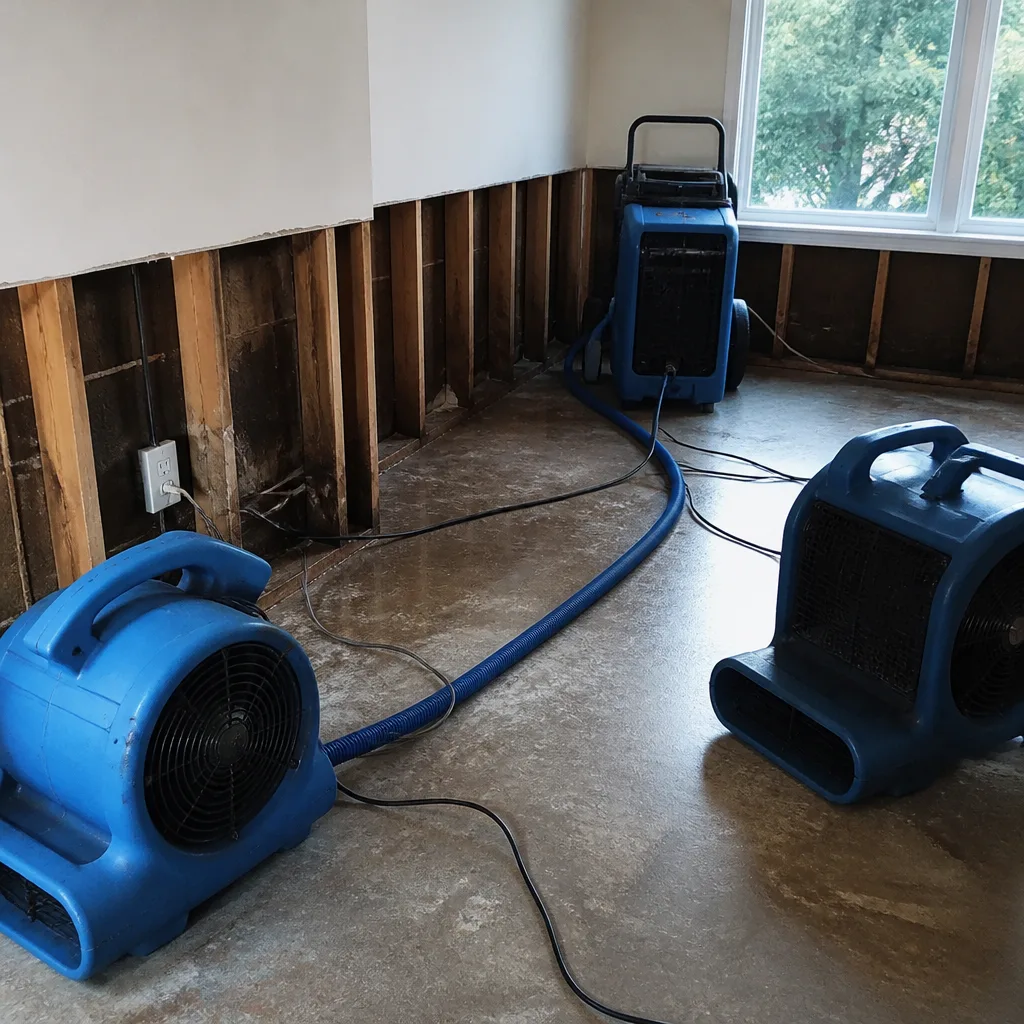 After
After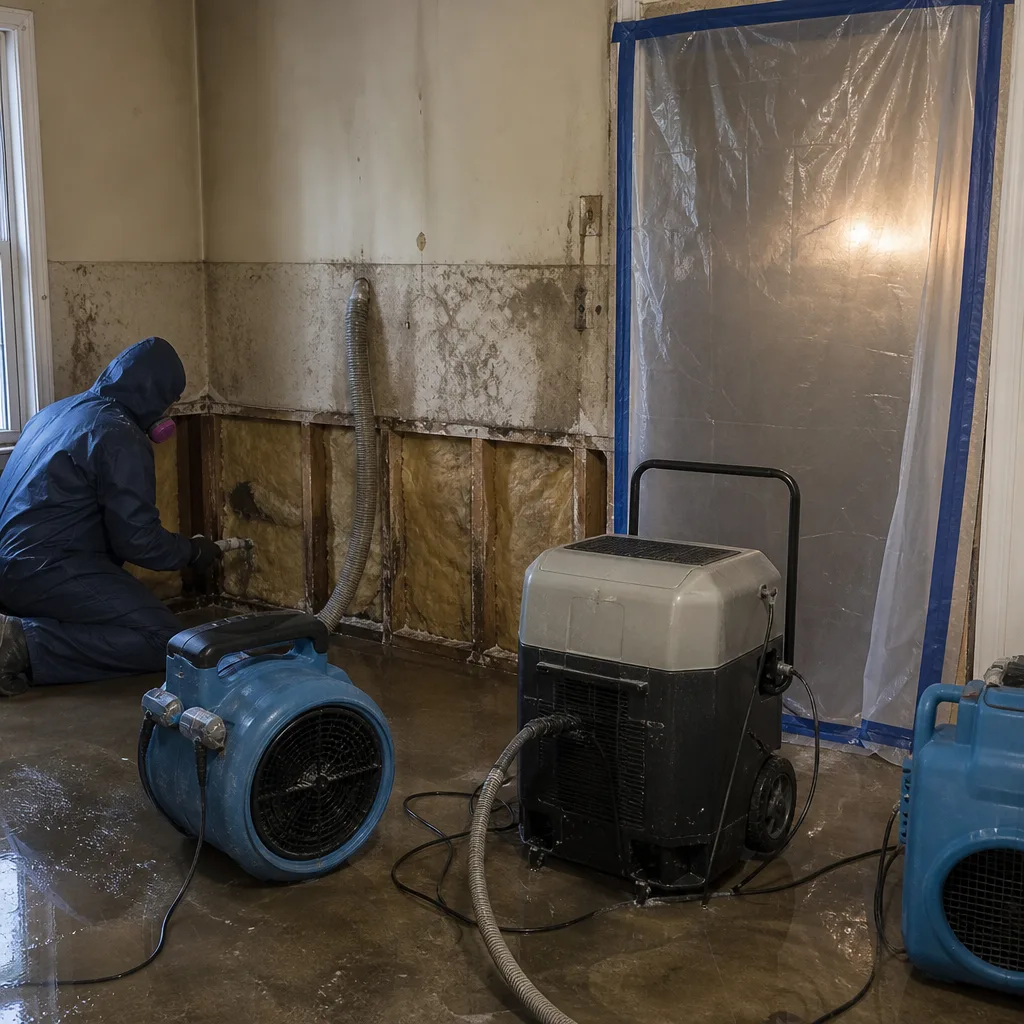 Before
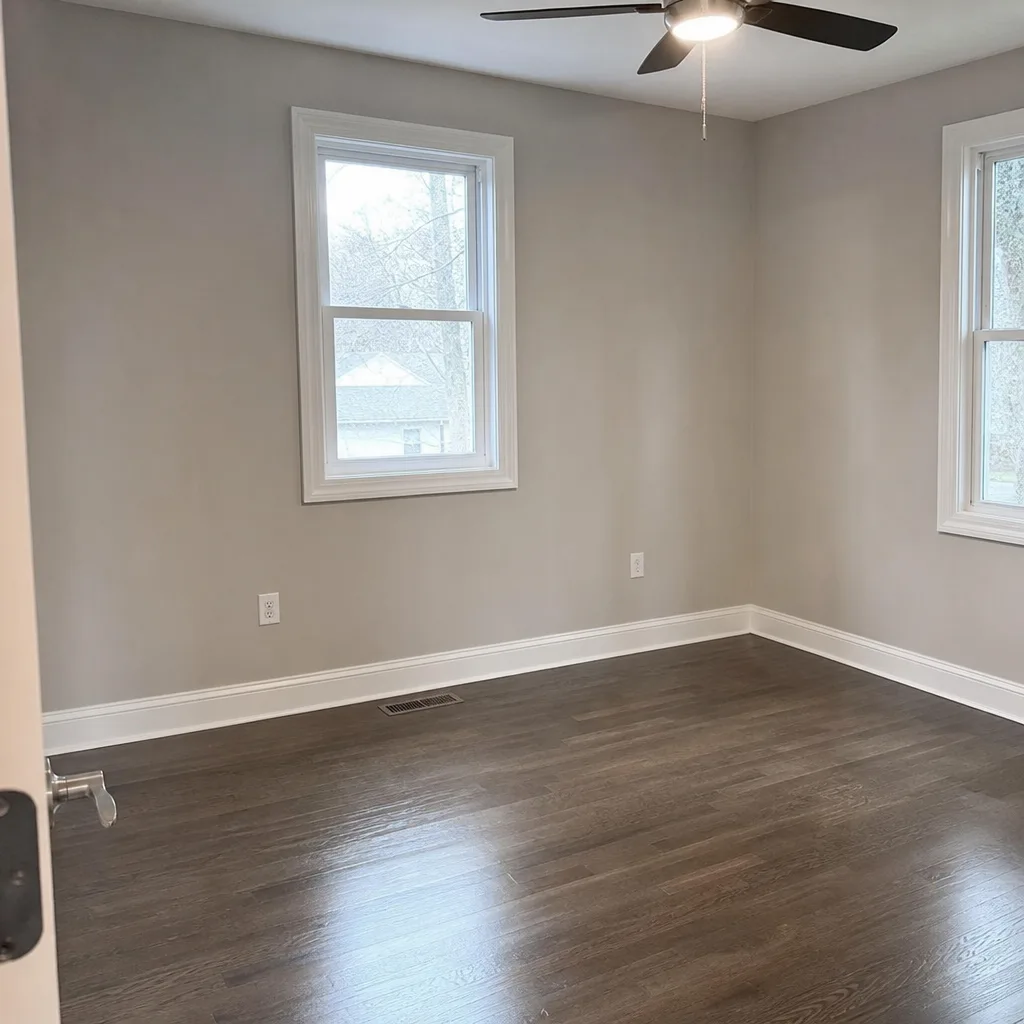 After
After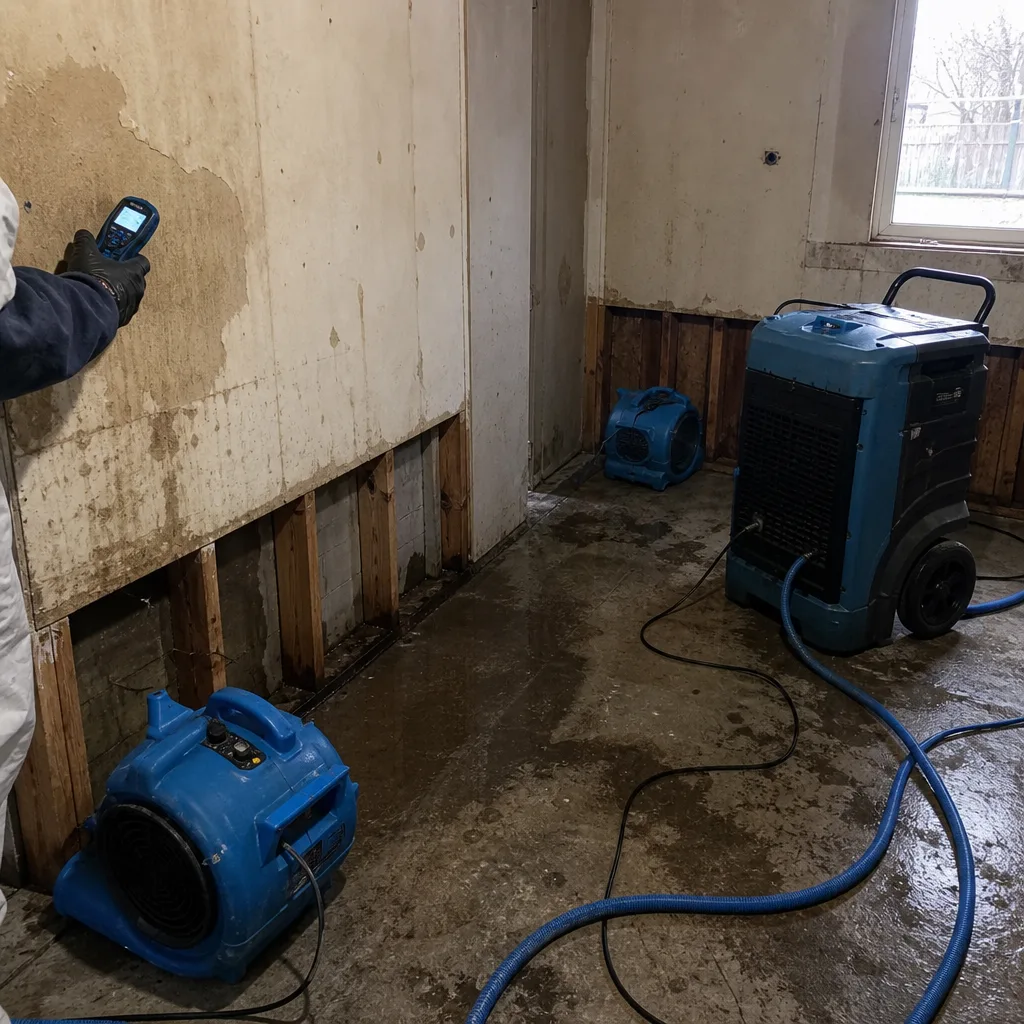 Before
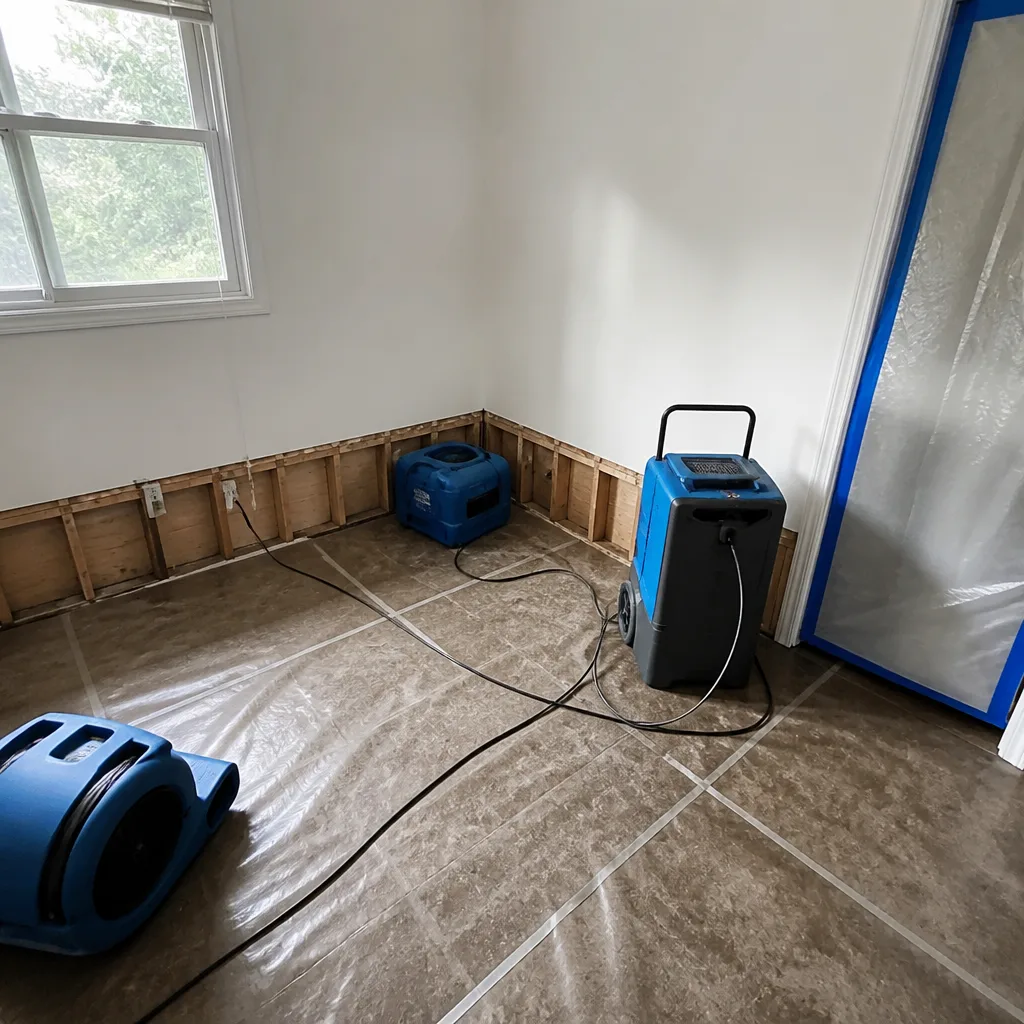 After
AfterWater Damage Restoration Maintenance Checklist for Englewood Homeowners
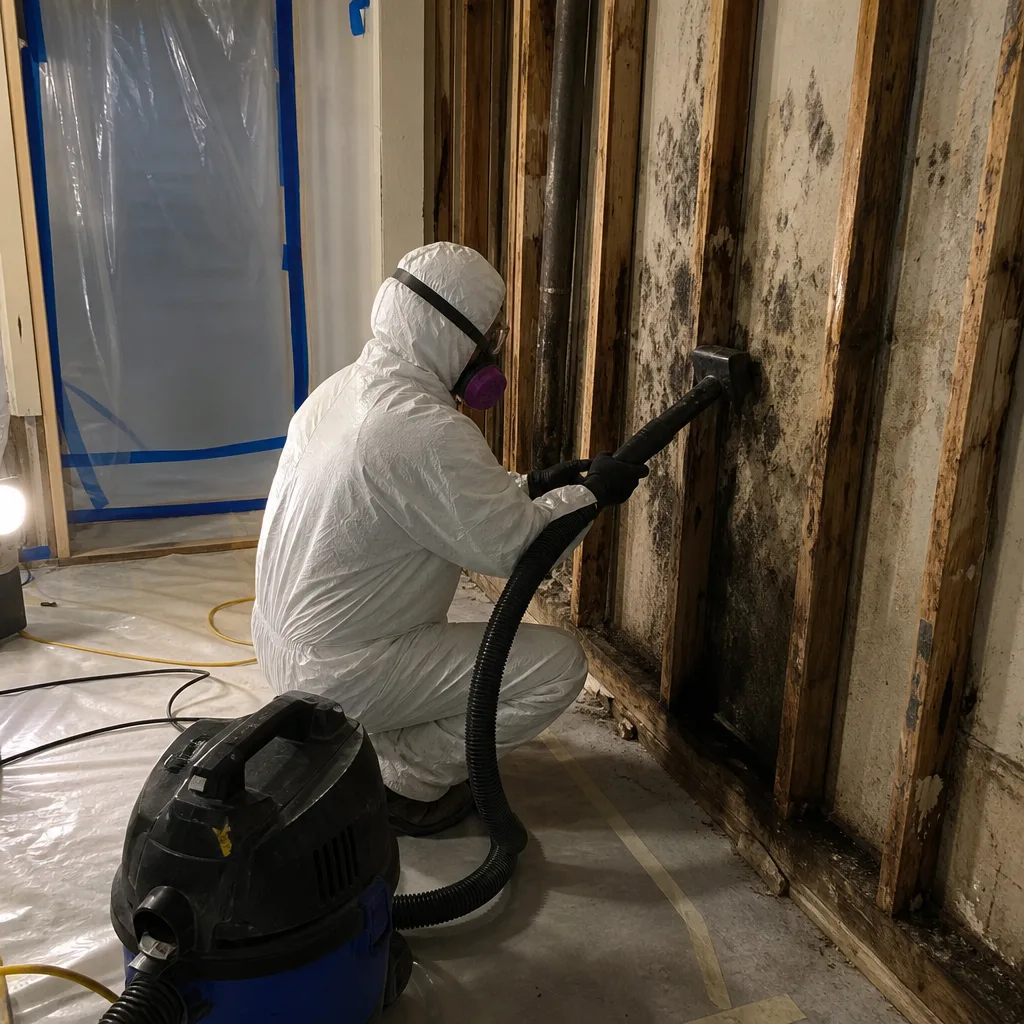
A crawlspace reading above 19% wood moisture content in an Englewood home signals active vapor intrusion - but most homeowners walk past that crawlspace door 200 times a year without owning a $30 pin meter. In our experience since 2011, the difference between a $400 plumbing repair and a $14,000 full-perimeter drying job is often six to eight weeks of undetected moisture accumulation. This guide gives Englewood homeowners specific thresholds, meter types, and monthly pass/fail criteria that turn vague “keep an eye on it” advice into documented evidence. For a deeper dive into professional recovery methods, see our Water Damage Restoration services. You’ll learn exact moisture percentages that demand action, how Englewood’s location in the Overpeck Creek flood plain affects your basement water table, and how to build maintenance records that protect your insurance coverage under New Jersey policy language.
Quick Answer
Englewood homeowners should inspect for water damage monthly using measurable thresholds: wood framing above 16% moisture content, drywall above 1% above baseline, and subfloor readings above 20% all require intervention. Our Damage Restoration Cost Breakdown: The Englewood Homeowner’s Reference for 2026 shows what these thresholds can prevent. A complete maintenance checklist combines pin-meter readings, water pressure testing, drainage verification, and photo documentation organized by location - attic, basement, crawlspace, bathrooms, and exterior grade - to catch problems before they trigger a claim denial for “long-term neglect.”
Table of Contents
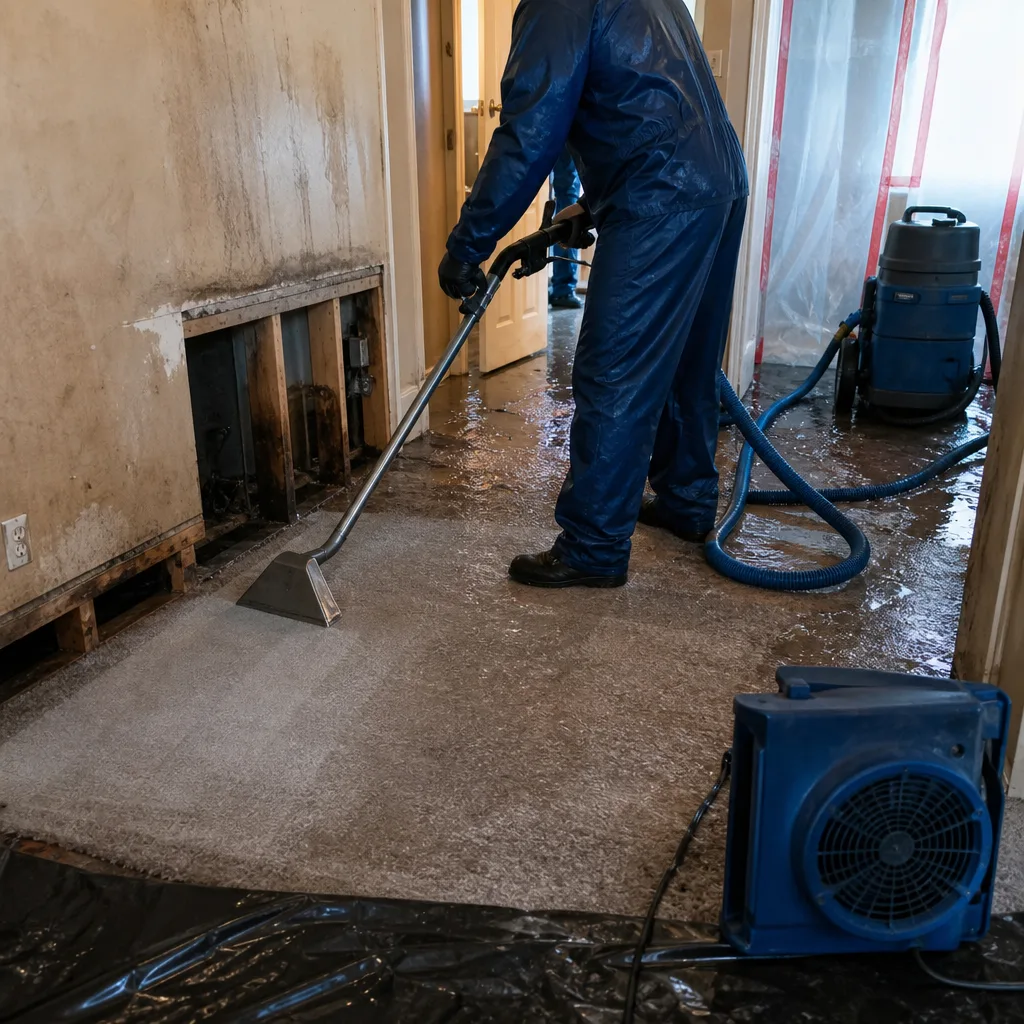
- Moisture Thresholds That Demand Action
- The Meters You Actually Need
- Monthly 12-Point Inspection by Location
- Englewood Drainage Vulnerabilities
- Insurance Documentation That Protects Your Claim
- Maintenance Failures That Void NJ Coverage
- Seasonal Preparation for Englewood Homes
- Common Mistakes to Avoid
- When to Call a Professional
- Frequently Asked Questions
BeforeAfterMoisture Thresholds That Demand Action
Subjective checks - “does it feel damp?” - fail under scrutiny. We’ve reviewed thousands of denied claims where the adjuster’s first question was whether the homeowner had documented moisture readings. These are the specific thresholds that trigger action in Englewood’s climate zone, where summer humidity regularly pushes 75% and winter freeze-thaw cycles stress building envelopes.
Wood Framing and Structural Members
Pin-meter reading above 16%: Schedule targeted drying or source investigation within 72 hours. At 19% - the crawlspace threshold from our opening - you’re in the active decay zone where wood-destroying fungi colonize. We’ve pulled 23% readings from apparently “dry” basement rim joists in Englewood’s older capes and ranches, particularly in homes built before 1985 with untreated lumber.
At 20% and above, structural integrity becomes a genuine concern. The wood fiber saturation point sits at approximately 30%, but strength loss begins well before that. In our drying logs for Water Damage Restoration in Englewood jobs, we document that lumber above 22% requires controlled dehumidification to bring it below 15% before reconstruction can begin - a process that adds days and cost to what could have been a simple plumbing fix.
Drywall and Gypsum Board
Baseline reading plus 1%: Action required. Drywall in conditioned Englewood homes typically stabilizes at 8-12% moisture content. A reading of 13% or higher indicates either active water contact or sustained humidity above 60% in the wall cavity. The critical threshold is 17% - at that point, gypsum core begins to dissolve and paper facing delaminates, creating irreversible damage that requires removal rather than drying.
We see this pattern repeatedly in Englewood’s split-level homes: a slow toilet seal leak at the hall bathroom saturates the subfloor, wicks into the drywall of the room below, and the homeowner notices only when the paint bubbles. A $15 pin meter catches it at 13%; the alternative is a $3,200 bathroom gut when the drywall reaches 19% and mold colonizes the cavity.
Subfloor and Underlayment
Pin-meter reading above 20%: Immediate source identification required. Plywood and OSB subfloors in Englewood homes typically read 10-14% in normal conditions. At 20%, adhesive bonds in engineered flooring begin to fail. At 25%, plywood layers separate (delamination), and OSB swells irreversibly - we’ve measured 3/8″ swell in OSB that required complete subfloor replacement.
The 20% threshold is particularly critical for homes with finished basements over slab. Moisture vapor migrating through slab concrete - common in Englewood’s high water table areas - condenses against the cool subfloor above. Without a vapor barrier or adequate dehumidification, readings climb steadily through the summer months.
Concrete Slab and Masonry
Relative humidity above 80% in enclosed crawlspaces or basements: Dehumidification required. Concrete itself doesn’t “dry” in the same sense as wood; instead, we measure the vapor pressure differential between the slab surface and the ambient air. A calcium chloride test showing emission rates above 3 pounds per 1,000 square feet per 24 hours indicates moisture vapor transmission that will compromise flooring installations.
Air Quality Indicators
Grains per pound (GPP) above 80 in conditioned spaces during summer: Mechanical dehumidification needed. We use Dri-Eaz and Phoenix psychrometric meters on every job to measure GPP - the actual weight of water vapor in air. Englewood’s outdoor GPP regularly hits 110-120 in July and August. A home without adequate dehumidification will see indoor GPP climb to 85-95, creating conditions where condensation forms on cool surfaces and mold growth becomes likely on any organic material above 60% relative humidity for 48 hours or more.
The Meters You Actually Need
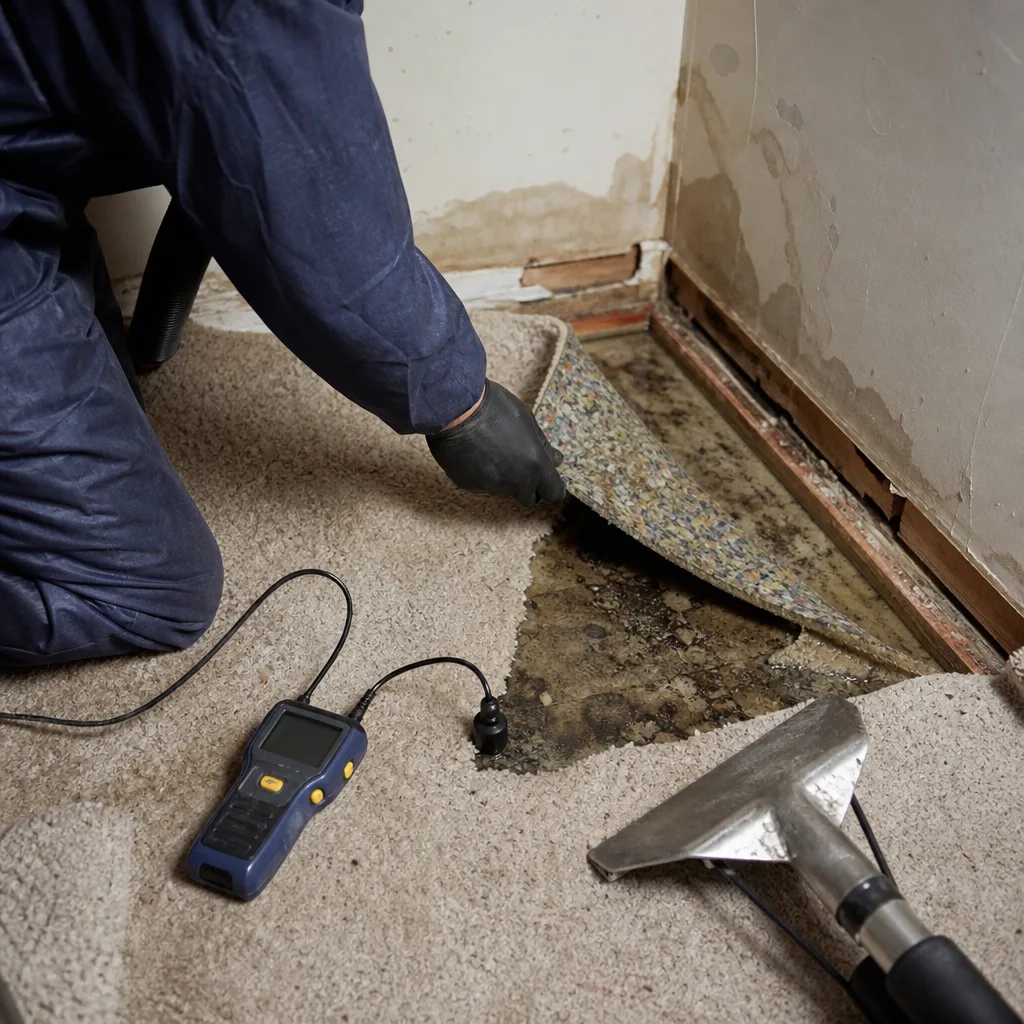
Three instruments cover every threshold in this checklist. Total investment: under $150. Compare that to the average water damage deductible in Bergen County, which runs $2,500-$5,000 on standard HO-3 policies.
Pin-Type Moisture Meter ($25-$45)
Get one with species correction settings - pine, oak, and drywall modes at minimum. We recommend Protimeter or Delmhorst units with digital readouts. The pins must penetrate at least 5/16″ for accurate wood readings; surface-only meters miss the moisture gradient that develops in lumber. Use this for: wood framing, subfloor, hardwood flooring, trim, and structural members. Record readings monthly in the same locations, marked with a small pencil mark you can return to.
Pinless/Search Mode Meter ($60-$90)
Scans up to 3/4″ deep without surface damage. Essential for finished walls, ceilings, and areas where you cannot penetrate paint or drywall. The meter detects density changes caused by moisture - it’s less precise than pin mode but invaluable for initial surveys. We use pinless meters on every DryMark Restoration Englewood home assessment to map the moisture boundary before we commit to any invasive inspection. Use this for: scanning wall and ceiling surfaces, locating moisture pockets behind tile, identifying the extent of suspected leaks.
Infrared Thermometer/Hygrometer Combo ($30-$50)
Measures surface temperature and ambient relative humidity simultaneously. The critical calculation: surface temperature minus dew point. If that difference is less than 4°F, condensation will form on that surface under current conditions. In Englewood’s shoulder seasons, we see this constantly - a 65°F basement wall with 70% RH air will hit dew point and sweat, creating the moisture that feeds mold. Use this for: identifying condensation risk on windows, pipes, and foundation walls; verifying dehumidifier performance; checking bathroom exhaust effectiveness.
When to Upgrade
If your home has experienced prior water damage, or if you live within the Overpeck Creek flood plain boundaries, add a data-logging hygrometer ($80-$120) that records RH and temperature continuously. We deploy these on every drying job - the data creates an unambiguous record of conditions over time, which is exactly what insurance adjusters and mold assessors need to see.
Monthly 12-Point Inspection by Location
Complete this checklist in order, record all readings in a dedicated notebook or spreadsheet, and photograph any condition that fails. Visit our more guides & resources for additional maintenance templates. The inspection takes 35-45 minutes once you’re familiar with it. Pass/fail criteria are absolute - “looks okay” is not a result.
Attic (Monthly, 10 Minutes)
- Roof sheathing moisture: Pin meter at three locations - near ridge, mid-span, and eave. Pass: All readings below 16%. Fail: Any reading 16% or above, or visible staining, mold, or compressed insulation indicating prior leak.
- Bathroom vent termination: Verify exhaust ducts terminate outside, not into attic space. Pass: Metal duct visible at roof or gable vent, insulation intact. Fail: Plastic flex duct, termination in attic, or disconnected joint.
- Chimney/flashing seal: Visual check from attic side for daylight around chimney penetration. Pass: No visible gaps, flashing sealed with proper counter-flashing. Fail: Any daylight, water staining on framing, or deteriorated sealant.
In Englewood’s mature neighborhoods - the tree-lined streets near Depot Square and the historic district - we find attic moisture issues disproportionately in homes with original bathroom vents from the 1960s-1980s. The combination of humid exhaust and inadequate insulation creates condensation on sheathing that reads 18-22% by late summer.
Basement (Monthly, 12 Minutes)
- Slab perimeter and floor: Pinless meter scan of slab near walls and center. Pass: No elevated readings, no efflorescence (white powder indicating mineral deposits from water migration). Fail: Any reading above baseline by 20%, visible efflorescence, or cracking with dampness.
- Sump pump operation: Pour 5 gallons into sump pit, verify pump activates and discharges properly. Pass: Pump activates within 30 seconds, discharge line carries water at least 10 feet from foundation, check valve prevents backflow. Fail: Delayed activation, discharge within 10 feet of foundation, or water returning to pit.
- Water pressure test: Attach gauge to hose bib or washing machine valve. Pass: Static pressure 40-80 PSI, no needle fluctuation indicating thermal expansion or water hammer. Fail: Pressure above 80 PSI (stresses supply lines), below 40 PSI (indicates leak or restriction), or fluctuation more than 5 PSI.
Englewood’s municipal water pressure varies significantly by elevation. Homes in the eastern sections near the Palisades often see 70-85 PSI at the street, while properties west of Broad Avenue may see 45-55 PSI. A pressure reducing valve is essential above 80 PSI - we’ve documented burst supply lines in Englewood homes at 95 PSI that caused $40,000+ basement floods.
Crawlspace (Monthly, 8 Minutes)
- Ground vapor barrier: Visual inspection of polyethylene sheeting. Pass: 6-mil or thicker plastic covering 100% of ground, seams overlapped 12″, sealed to foundation walls. Fail: Torn or displaced plastic, exposed soil, or standing water on barrier.
- Wood moisture at rim joists: Pin meter at four corners and midpoint of longest wall. Pass: All readings below 16%. Fail: Any reading 16% or above, visible mold, or wood discoloration.
- Foundation vent status: Check operability and screening. Pass: Vents open in summer (April-October), closed in winter, intact screens. Fail: Blocked vents, missing screens (rodent entry), or permanently sealed vents without mechanical dehumidification.
The 19% threshold from our opening deserves repetition: in Englewood’s crawlspaces, particularly in the lower-lying areas near Overpeck Creek, we regularly find rim joist readings of 19-24% during humid summer months. The cause is almost always inadequate vapor barrier combined with foundation vents that admit humid outdoor air that condenses on cool joist surfaces. A $40 dehumidifier or proper vapor barrier installation prevents the $8,000-$15,000 crawlspace remediation we perform two to three times monthly in season.
Bathrooms (Monthly, 10 Minutes)
- Toilet seal and supply: Visual inspection of base and shutoff valve. Pass: No staining at floor junction, dry valve and flex line, no corrosion. Fail: Any moisture, staining, or flex line with wire braid corrosion (indicates imminent failure).
- Shower/tub surround: Pinless meter scan of walls adjacent to fixture. Pass: Readings consistent with surrounding walls, no soft spots in tile, intact caulk at all joints. Fail: Elevated readings, missing or cracked caulk, or grout erosion allowing water behind tile.
- Exhaust fan performance: Tissue test - hold tissue to grille, verify suction holds it in place. Pass: Tissue adheres firmly, fan clears mirror fog within 10 minutes. Fail: Weak or no suction, noisy operation, or visible dust buildup indicating blocked duct.
We recommend replacing flex duct with rigid metal duct on bathroom exhausts - the corrugated surface of flex duct traps condensation and lint, reducing airflow by 30-50% over time. In Englewood’s older housing stock, we find this condition in approximately 60% of homes built before 1990.
Englewood Drainage Vulnerabilities
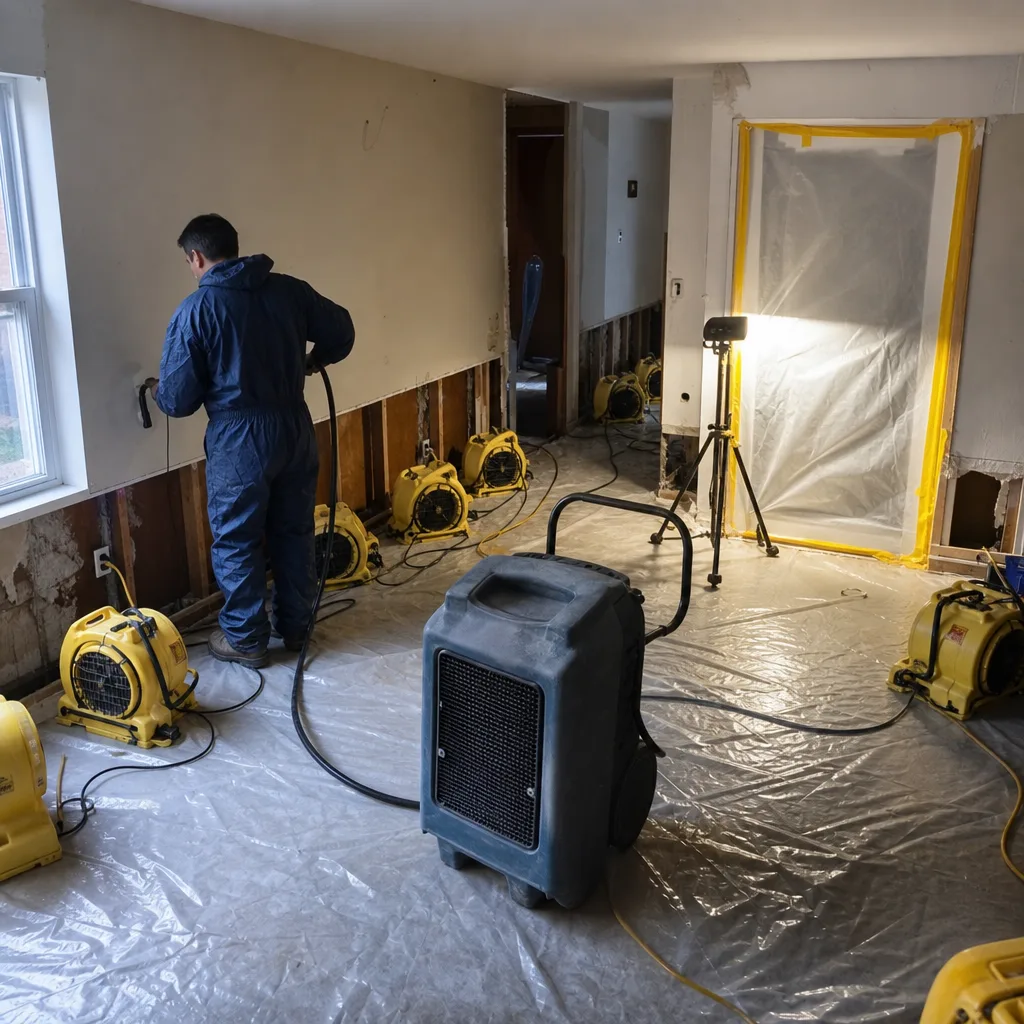
Englewood’s geography creates specific water management challenges that generic checklists ignore. Understanding these local conditions is essential to effective maintenance, as detailed in The Complete Guide to Damage Restoration in Englewood.
The Overpeck Creek Flood Plain
Approximately 30% of Englewood lies within the 100-year flood plain of Overpeck Creek and its tributaries. Properties in these areas - generally east of Broad Avenue and south of Palisade Avenue - experience seasonal water table fluctuations of 3-5 feet. In spring snowmelt and after heavy rains, the water table may sit within 18 inches of basement slab level, creating hydrostatic pressure that forces water through slab cracks and the slab-wall joint.
For homes in this zone, standard sump pump discharge is insufficient. Englewood’s municipal code requires sump discharge to daylight at least 10 feet from foundation walls and prohibits connection to sanitary sewers - a practice we still encounter in DIY installations that creates liability for the homeowner. The 10-foot minimum is critical; shorter discharge distances simply recycle water to the same saturated soil zone.
Foundation Grade Requirements
Bergen County and Englewood building codes require 6 inches of fall in the first 10 feet from foundation walls, with finished grade at least 6 inches below sill plate. We inspect hundreds of Englewood properties annually where landscaping has reversed this grade - mulch beds built up against siding, patio slabs sloped toward the house, or driveway settlement creating a funnel to the basement.
A simple string-line test: stretch a level string from foundation wall to 10 feet out. Measure at the string. If the ground rises toward the house, you have negative grade and water is being directed to your foundation. This condition voids no insurance policies directly, but when combined with a “long-term neglect” finding, it becomes evidence the insurer uses to deny.
Downspout and Gutter Capacity
Englewood’s mature tree canopy - one of its defining characteristics - produces leaf debris that overwhelms standard 5-inch gutters. We recommend 6-inch gutters with 3×4-inch downspouts for homes under significant tree cover, with leaf guards that do not create ice dam conditions in winter. Downspouts must discharge to splash blocks or buried extensions that carry water beyond the 10-foot perimeter.
In the fall, we respond to multiple basement flooding calls in Englewood’s northwest neighborhoods where clogged gutters overflow and saturate the foundation perimeter. The maintenance is simple: clean gutters twice in autumn (mid-October and after final leaf drop), verify downspout flow during rain events, and photograph clean gutters as documentation.
Sump Pump Discharge Law
New Jersey’s Flood Hazard Area Control Act, administered locally through Englewood’s construction office, prohibits sump discharge that increases flooding on neighboring properties. In practice, this means: no discharge to streets or sidewalks without municipal approval; no surface discharge that creates ice hazards in winter; and buried discharge lines must be located to avoid freezing and must include accessible cleanouts.
We document proper discharge configuration on every job - photos of the termination point, measured distance from foundation, and confirmation of check valve installation. This documentation becomes part of the claim file that demonstrates responsible maintenance.
Insurance Documentation That Protects Your Claim
The most common reason for water damage claim denial in New Jersey is not policy exclusion - it’s documentation failure. The adjuster’s determination of “sudden and accidental” versus “long-term neglect” hinges on what you can prove about when the damage started and what you did to prevent it.
The Maintenance Log Format
Create a single document, digital or physical, with these columns: Date, Location, Reading/Condition, Photo File Name, Action Taken, Follow-Up Date. Each monthly inspection gets one entry per checkpoint. The specificity matters: “Basement slab, northwest corner: 12% (pinless), no efflorescence, photo IMG_2047.jpg, no action, check 3/15” is defensible evidence. “Basement looks fine” is worthless.
Store photos with date stamps enabled, or use a phone app that embeds GPS and timestamp metadata. Cloud backup is essential - we’ve had homeowners lose phones in the same flood that damaged their homes, destroying months of documentation.
Professional Inspection Records
Annual plumbing inspections by a licensed New Jersey master plumber create third-party documentation of system condition. Similarly, HVAC maintenance records showing condensate drain cleaning and pan condition support claims involving those systems. We recommend scheduling these inspections in March, before the summer cooling season, and retaining invoices with scope descriptions.
Pre-Loss Property Documentation
Before any loss occurs, photograph every room, closet, and storage area with contents visible. Store these off-site or in cloud storage. After a loss, this documentation proves the extent and value of affected property. We provide photo documentation as a standard deliverable on every Water Damage Restoration in Englewood job - our crews photograph each room before work begins, during the drying process, and at completion. Homeowners should maintain equivalent documentation for their own maintenance activities.
The “Sudden and Accidental” Standard
New Jersey standard HO-3 policies cover water damage that is “sudden and accidental” - a burst pipe, an appliance failure, a storm-driven leak. They exclude damage from “continuous or repeated seepage” over 14 days or more. Your maintenance log is the evidence that establishes when the event occurred and that you were not aware of prior conditions.
Consider this scenario: a toilet supply line bursts at 2 AM while you’re away for the weekend. You return Sunday evening to find the bathroom and hallway saturated. The insurer investigates and finds mold in the vanity base, suggesting longer-term moisture. Your maintenance log showing monthly bathroom checks with dry readings and photos of intact seals for the prior six months rebuts the “long-term” theory and supports coverage.
Maintenance Failures That Void NJ Coverage
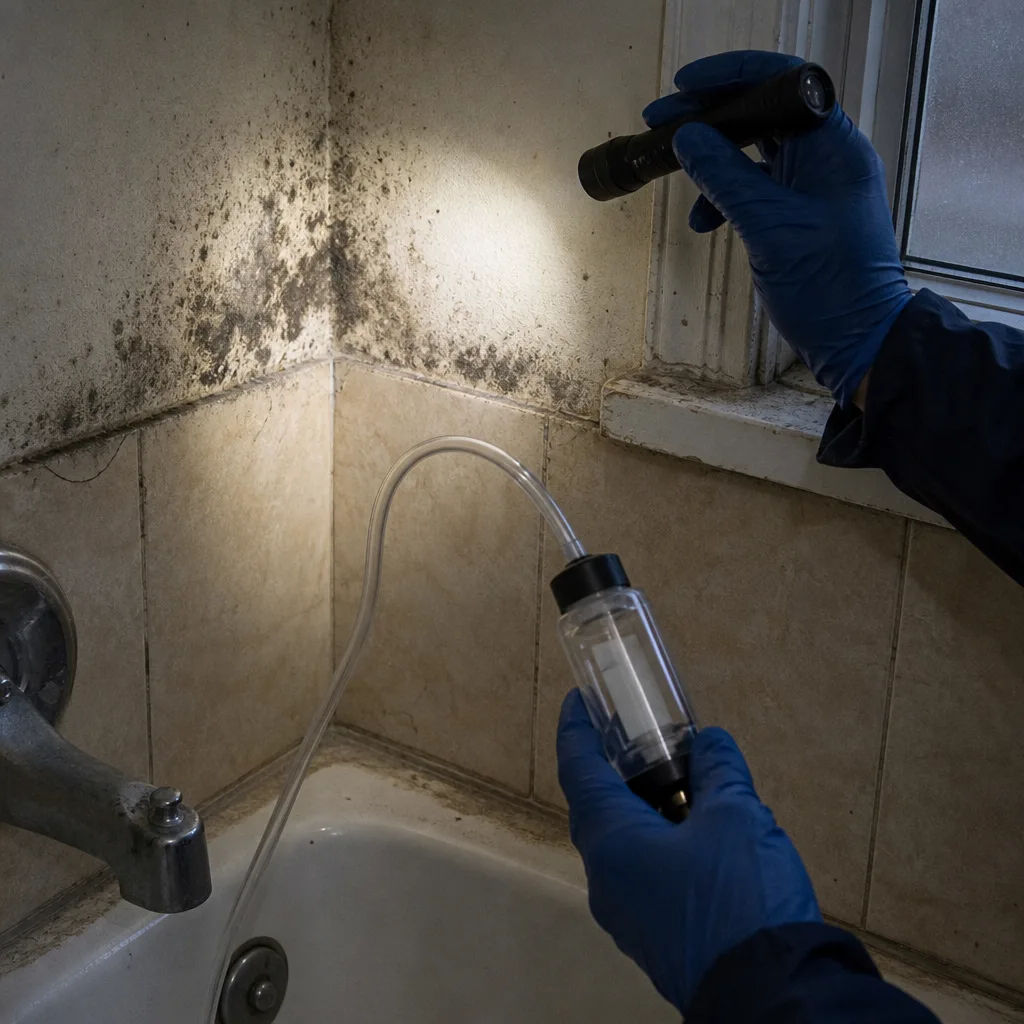
Specific maintenance failures, documented or admitted, trigger automatic exclusions under standard New Jersey homeowner policy language. These are not theoretical - we review denied claims weekly where one of these conditions was present.
Failure to Maintain Heat
NJ policies universally require maintained heating during cold weather. If you shut off utilities during a winter vacation and pipes freeze, the resulting damage is excluded. The maintenance standard: thermostats set to minimum 55°F, or complete winterization including drain-down by a licensed plumber.
Known Roof Defects
A roof with missing shingles, deteriorated flashing, or visible daylight through sheathing that the homeowner was aware of - or should have been aware of through reasonable inspection - creates coverage issues for any water intrusion. Annual roof inspection by a licensed contractor, with written report, satisfies the “reasonable” standard.
Unrepaired Prior Damage
If a prior water loss was not properly remediated - visible stains, musty odors, known mold - and a subsequent event occurs at the same location, insurers argue the “new” damage is continuation of the old. Proper remediation with documentation, or professional Mold Remediation in Englewood when indicated, closes this gap.
Improper Sump Pump Discharge
Connecting sump discharge to sanitary sewer, discharging within 10 feet of foundation, or allowing discharge to create ice hazards on walkways creates liability exclusions. These are code violations that insurers cite as evidence of negligent maintenance.
DIY Plumbing Modifications
Unpermitted plumbing work, particularly supply line modifications using non-standard materials (we’ve seen garden hose used as toilet supply), voids coverage for resulting damage. New Jersey requires licensed plumbers for most supply and waste modifications; permits and inspections create the documentation trail that supports coverage.
Neglected Appliance Hoses
Rubber washing machine hoses should be replaced every 5 years; braided stainless steel every 10-15. Failure to replace deteriorated hoses, documented by visible cracking or bulging, supports a negligence finding. Date your hoses with a marker when installed, and photograph annually.
Seasonal Preparation for Englewood Homes
Englewood’s climate demands specific seasonal adjustments to the maintenance routine. These are not additional tasks - they’re modifications to the monthly checklist timing and thresholds.
Spring (March-May)
Focus: snowmelt saturation, sump pump readiness, gutter clearing from winter ice damage. Increase basement inspection frequency to biweekly during snowmelt period, particularly in Overpeck Creek flood plain properties. Verify sump pump discharge path is clear of winter debris. Test backup power - battery backup or generator - as spring storms often coincide with power outages.
Spring 2023 brought record snowmelt followed by three consecutive weeks of rain to Bergen County. We responded to 47 basement flooding calls in Englewood in a 10-day period; in 31 of those, the sump pump had failed during a power outage or the discharge line was blocked by ice at the termination point.
Summer (June-August)
Focus: humidity control, condensation management, cooling system condensate. Run dehumidifiers in basements and crawlspaces to maintain 50-55% RH - lower than the 60% threshold where mold risk accelerates. Check bathroom and kitchen exhaust fan operation; humidity loads increase with summer shower frequency. Inspect window air conditioner installation for proper slope and drainage; units tilted into the home drain water to the interior.
Fall (September-November)
Focus: gutter capacity, leaf debris, pre-winter plumbing preparation. Clean gutters twice - mid-October and after final leaf drop. Test hose bibs for proper shutoff and drain-down; remove and store hoses. If winterizing a vacation property, schedule licensed plumber for complete drain-down and antifreeze installation in traps and toilets.
Winter (December-February)
Focus: freeze protection, ice dam prevention, heating system reliability. Maintain minimum 55°F thermostat setting even when away. Open cabinet doors under sinks on exterior walls during extreme cold. Verify attic insulation depth - inadequate insulation creates warm roof surfaces that melt snow, which refreezes at eaves forming ice dams. We’ve documented ice dam water intrusion in Englewood’s older homes with original insulation levels of R-19 or less in attics; current code requires R-49.
After any freeze event, inspect visible supply lines in basement and crawlspace for splitting or bulging - damage that may not leak immediately but will fail under pressure when thawed. Document with photos.
Common Mistakes to Avoid
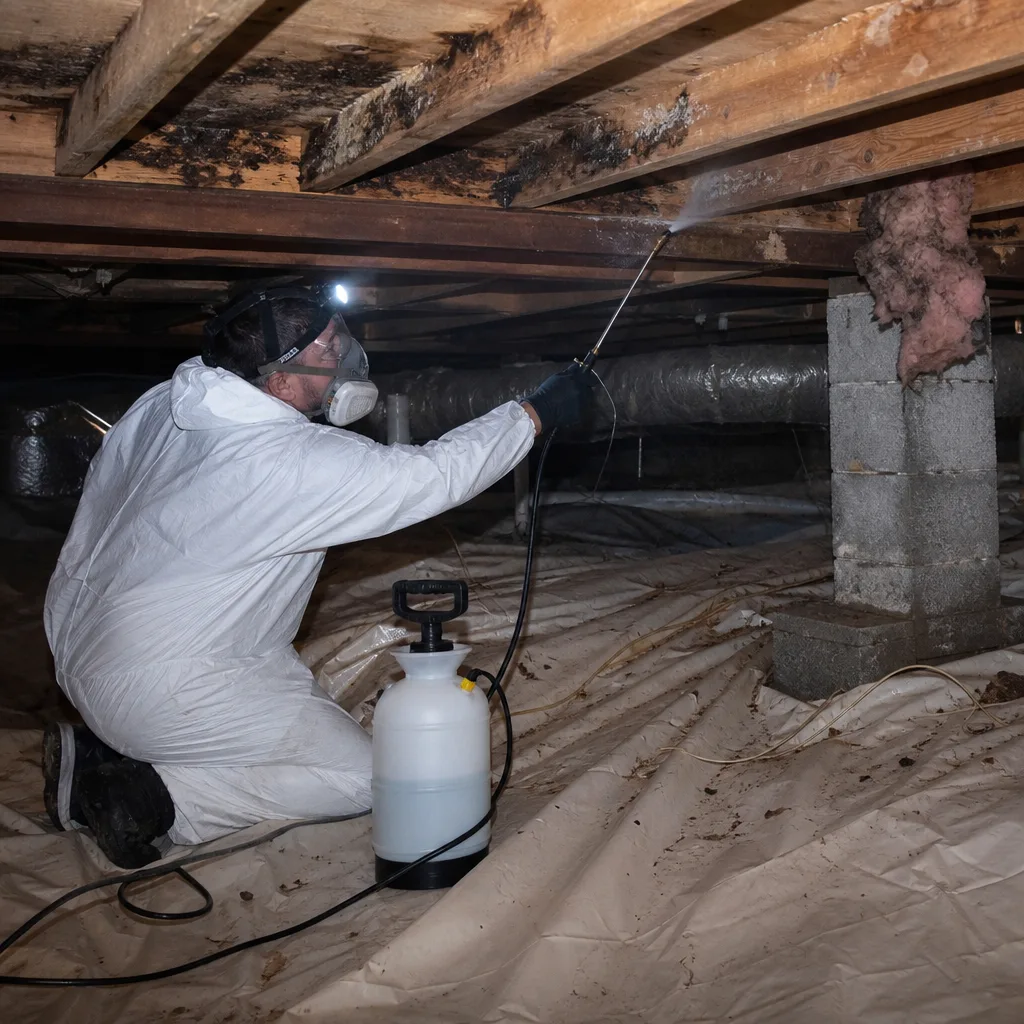
- Relying on visual inspection alone. Water damage is invisible until it’s catastrophic. A wall can read 18% moisture with no visible staining. The $30 pin meter catches what eyes miss.
- Testing in different locations each month. Inconsistent measurement points create data you cannot trend. Mark exact spots with pencil and return to them. A reading that jumps from 12% to 17% at the same location over two months tells a story; random readings of 12% and 17% from different spots tell nothing.
- Ignoring the “minor” leak. A dripping shutoff valve under the kitchen sink produces 30 gallons of water monthly - enough to saturate a cabinet base, wick into subfloor, and initiate mold colonization. We see this exact scenario in Englewood’s pre-war homes with original galvanized supply lines.
- Discharging sump pumps to foundation perimeter. This violates Englewood code and recycles water to the same saturated zone. The 10-foot minimum is not arbitrary - it’s the distance required for water to percolate down before reaching the foundation drainage field.
- Storing documentation only in the home. Cloud backup, email to yourself, or physical copy in safe deposit box. The document you need most is the one most likely to be destroyed in the event that triggers the claim.
- Waiting for “professional” confirmation before acting on threshold readings. If your pin meter reads 19% in the crawlspace, you don’t need a restoration company to tell you that’s a problem. Source identification and dehumidification can start immediately; professional intervention becomes necessary only if source isn’t obvious or readings don’t respond.
When to Call a Professional
Call for professional assessment when: moisture readings exceed thresholds and source is not immediately identifiable; you discover mold growth of any size; water intrusion follows a sewage backup or Category 3 source; structural materials show deformation or deterioration; or your insurance company requests documentation you cannot provide. Speed matters on active water damage - every day of delay adds to the drying timeline and reconstruction cost.
DryMark Restoration Englewood offers free estimates in Englewood - call (845) 875-4326. Our assessments include pin and pinless moisture readings, thermal imaging, and a written scope with pricing before any work begins, per Haven Standard, Clause 1. We document every visit with photo records and provide daily drying logs on all active jobs, producing the evidence that turns restoration invoices into payable claims.
Frequently Asked Questions
A reliable pin-type moisture meter costs $25-$45 and should be your first purchase - it provides the precise wood and drywall readings that form the core of this checklist. Add a pinless meter ($60-$90) when you need to scan finished surfaces without damage. Combined investment under $150, compared to average water damage deductibles of $2,500-$5,000 in Bergen County.
Self-performed maintenance does not void coverage; inadequate or undocumented maintenance may. New Jersey HO-3 policies require that damage be “sudden and accidental” and not result from “continuous or repeated seepage” over 14 days or more. Your maintenance log, with dated readings and photos, is the evidence that establishes the sudden nature of the event and your reasonable care. Call (845) 875-4326 if you need help documenting prior conditions before a loss occurs.
In typical conditions, water wicks horizontally through drywall at 1-2 inches per hour and can saturate a standard 2×4 wall cavity within 24 hours. Mold colonization begins on organic materials at 60% relative humidity within 48-72 hours. These timelines compress in Englewood’s summer humidity, where ambient conditions already approach the mold threshold. For active water intrusion, professional drying should begin within 24 hours to prevent secondary damage.
If you caught the leak within hours, stopped the source, and can verify with meter readings that affected materials returned to below-threshold moisture within 48 hours, professional drying may not be necessary. Document with photos and readings. If materials remain above threshold after 48 hours, or if the leak involved Category 2 (dishwasher, washing machine) or Category 3 (sewage, ground water) water, professional assessment is warranted. We provide free second opinions on any competitor’s written estimate.
Every job includes: written price before work begins (Haven Standard, Clause 1); photo record on every visit; daily moisture logs with psychrometric data; and a 365-Day Done Right Promise under The Haven Standard. This documentation package is designed specifically to support insurance claim approval - it’s the documentation gap that costs homeowners their claims, and it’s why we built the company.
Yes. Properties within the 100-year flood plain experience seasonal water table fluctuations of 3-5 feet, and spring snowmelt can raise the water table to within 18 inches of basement slab level. These homes require more robust sump systems, battery backup power, and more frequent inspection during high-water periods. Even properties outside the formal flood plain may experience elevated water tables during extreme events. Check your property’s flood zone status through FEMA’s Flood Map Service Center and Englewood’s construction office.
The Bottom Line
Water damage prevention in Englewood is not about vigilance - it’s about measurement. The homeowners who avoid catastrophic losses are not more attentive; they’re more precise. They own a $30 pin meter, they record monthly readings at marked locations, they photograph conditions, and they act on thresholds rather than impressions. The maintenance checklist in this guide produces documentation that serves two purposes: catching problems before they require restoration, and protecting insurance coverage when restoration is unavoidable. The Haven Standard was built on the documentation gap that costs homeowners their claims; these practices close that gap before it opens.
Written by Alicia Brennan, Owner at DryMark Restoration Englewood, serving Englewood since 2011.