
Last updated September 23, 2026
Free visual inspection and a written scope of work before any mitigation begins - photos, moisture readings, and drying logs go in your claim file
The scope we write is the scope we bill. Anything new gets shown to you, in writing, before we touch it.
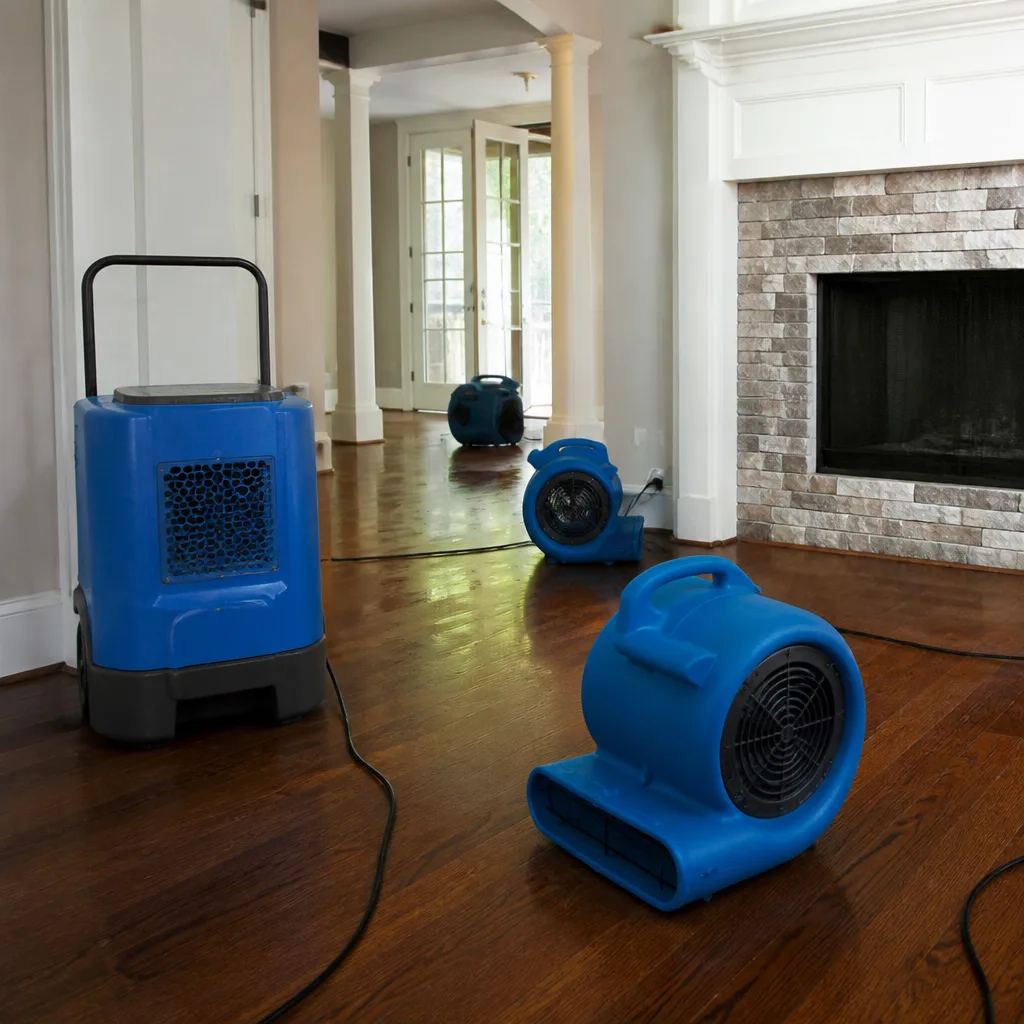

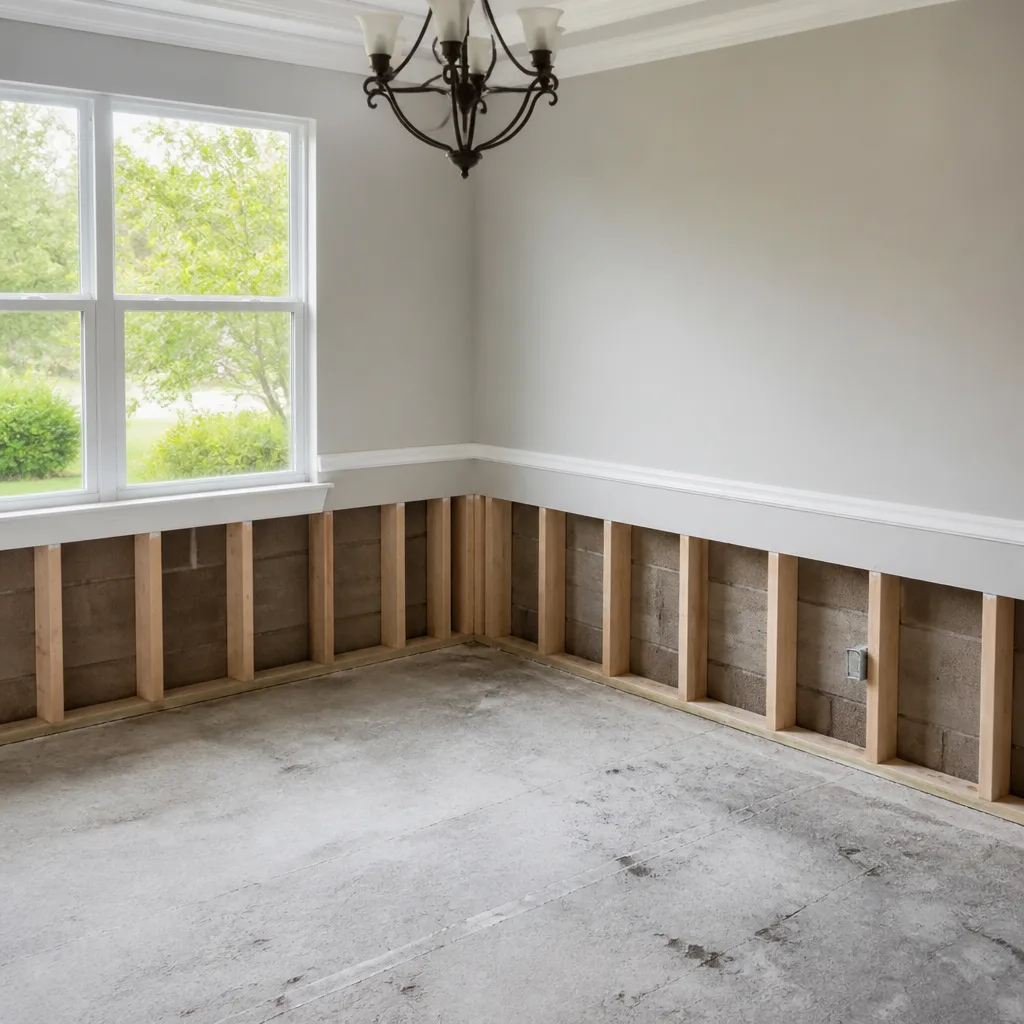
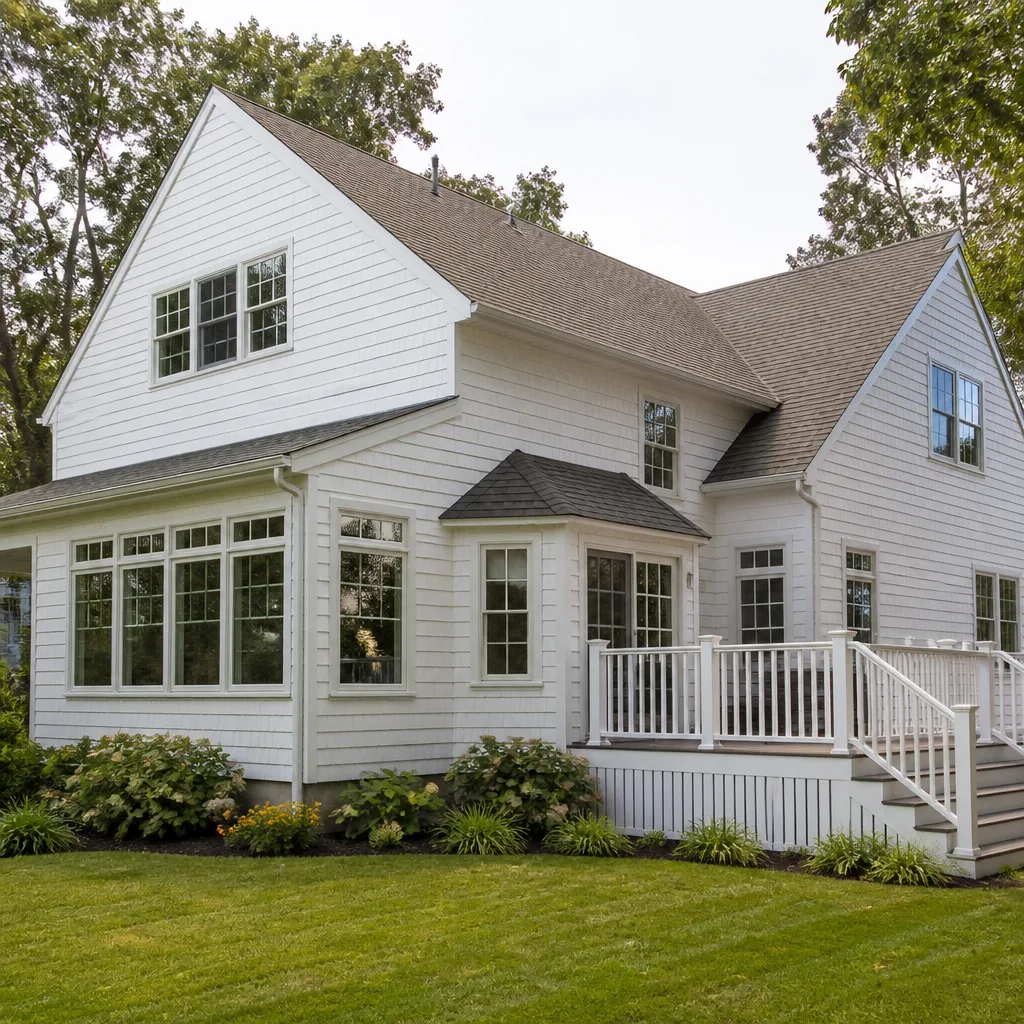
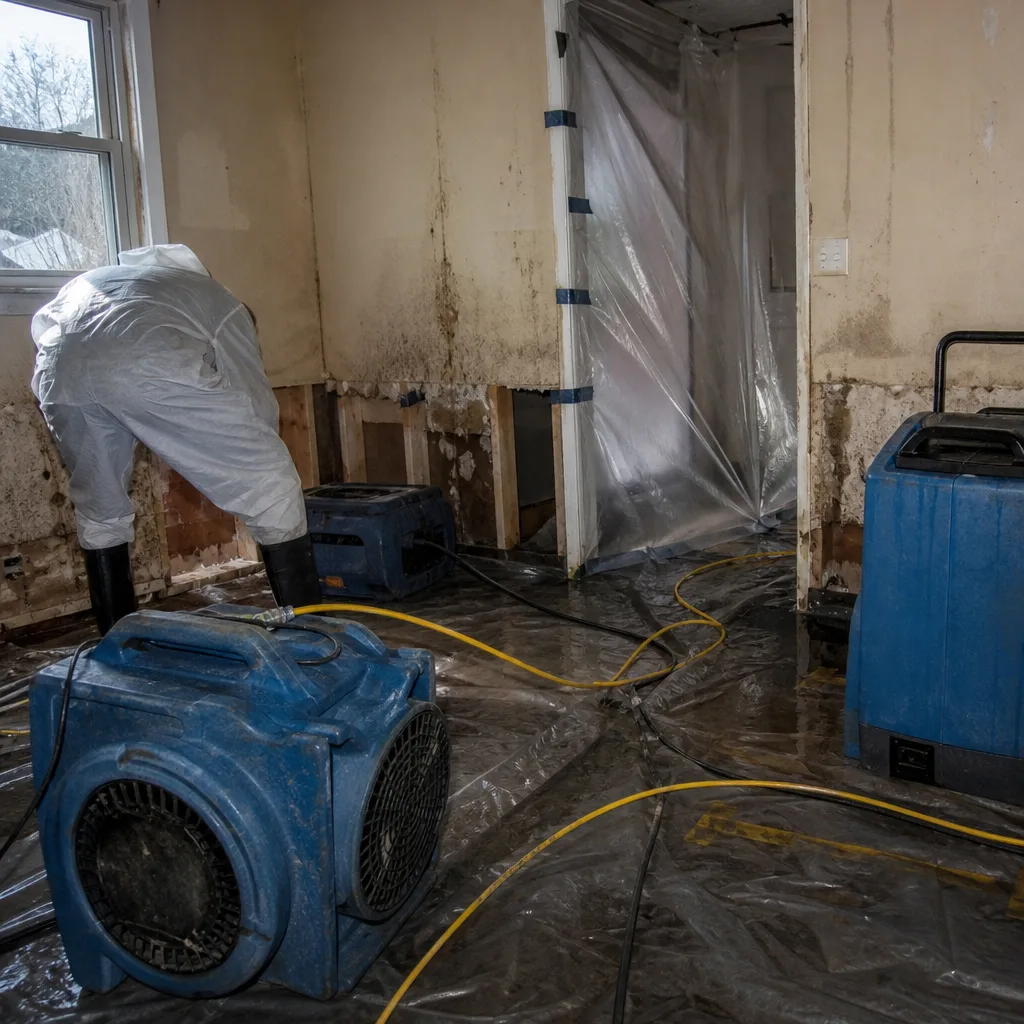 Before
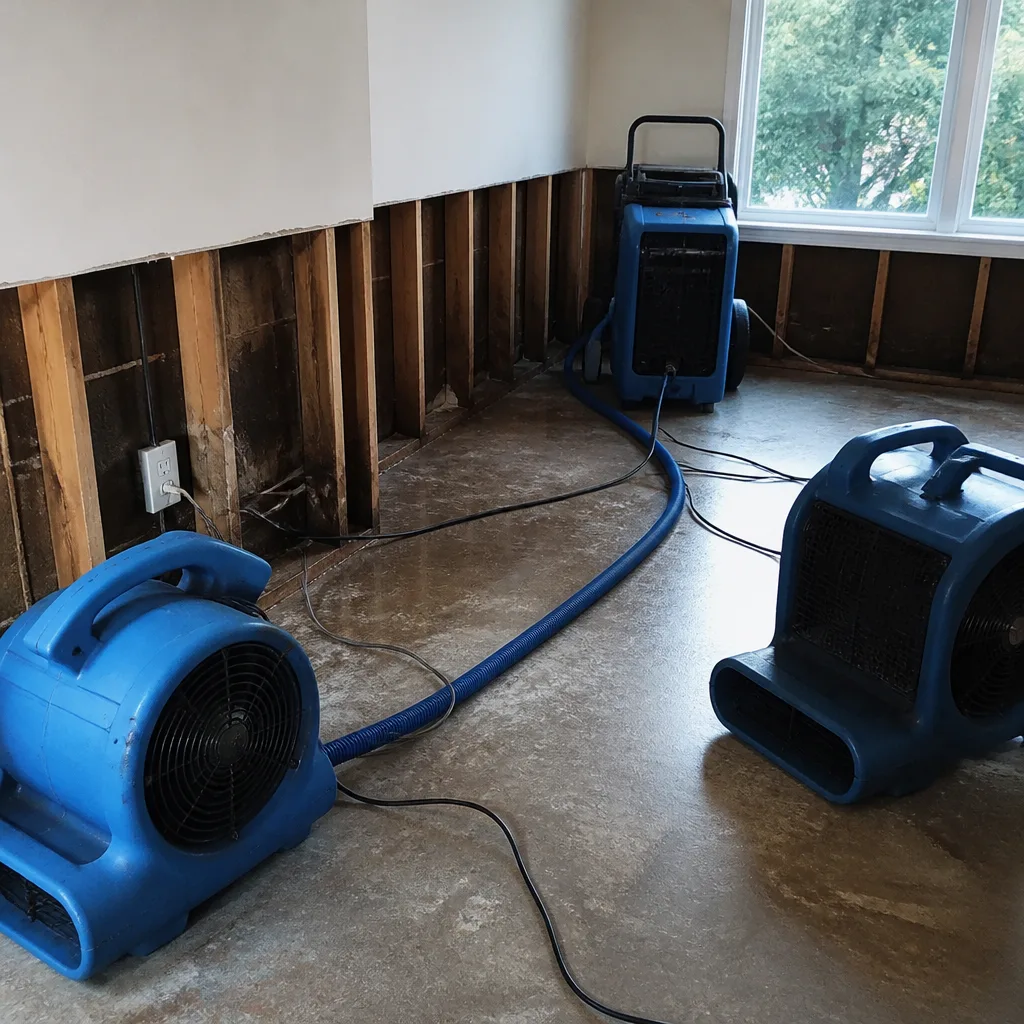 After
After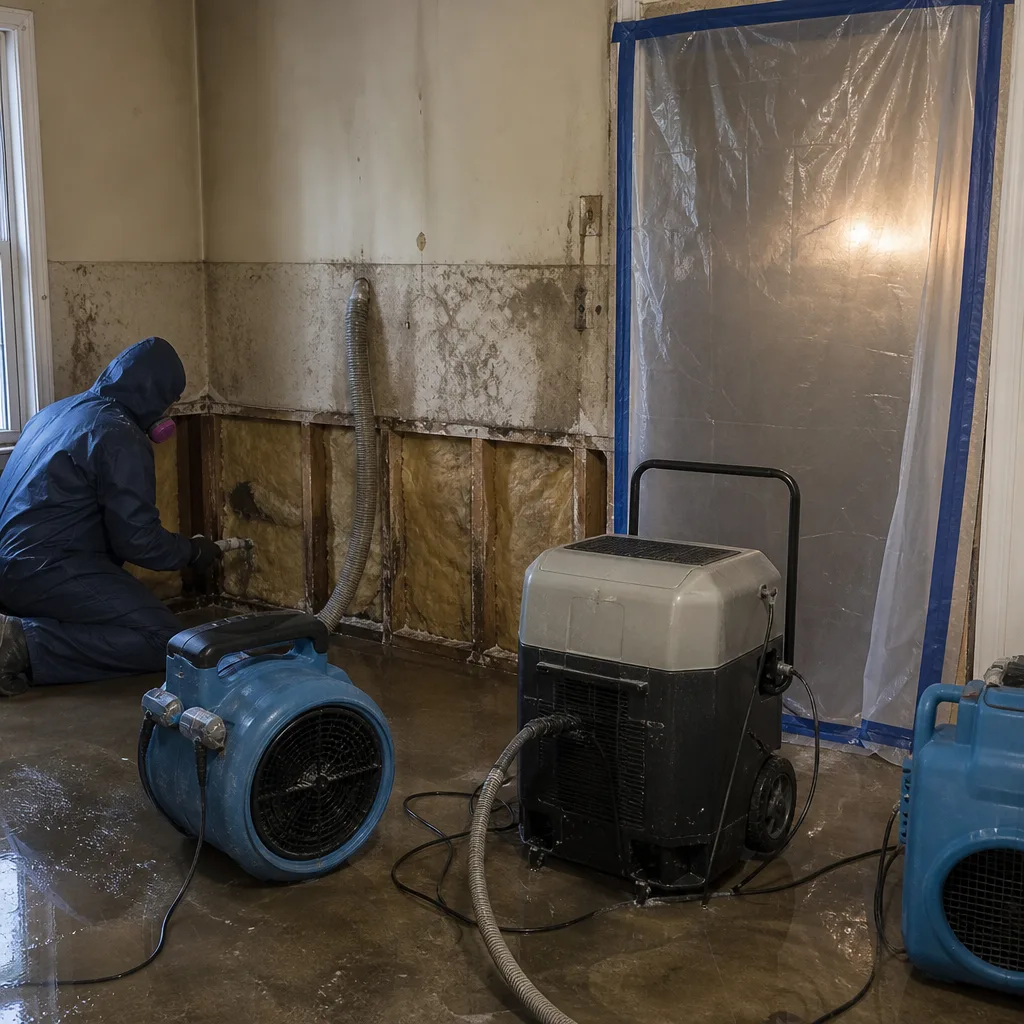 Before
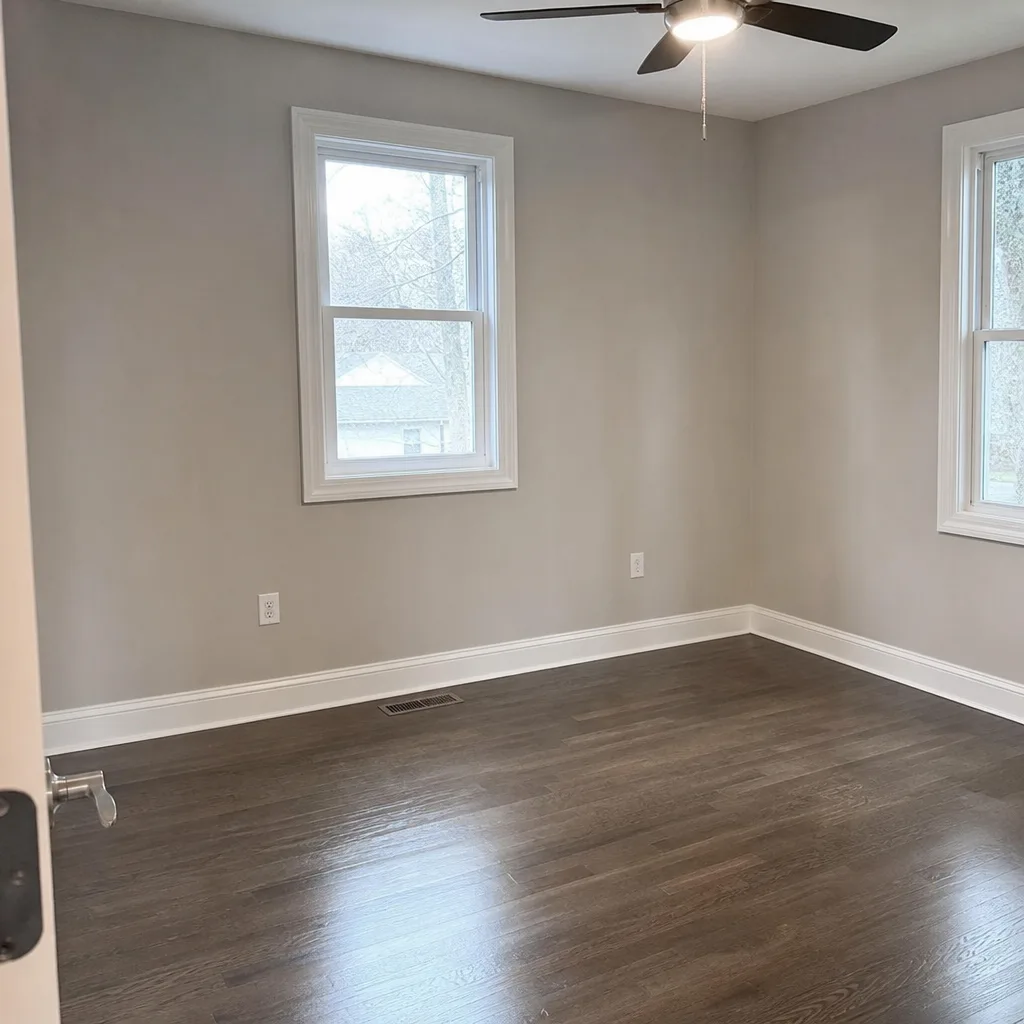 After
After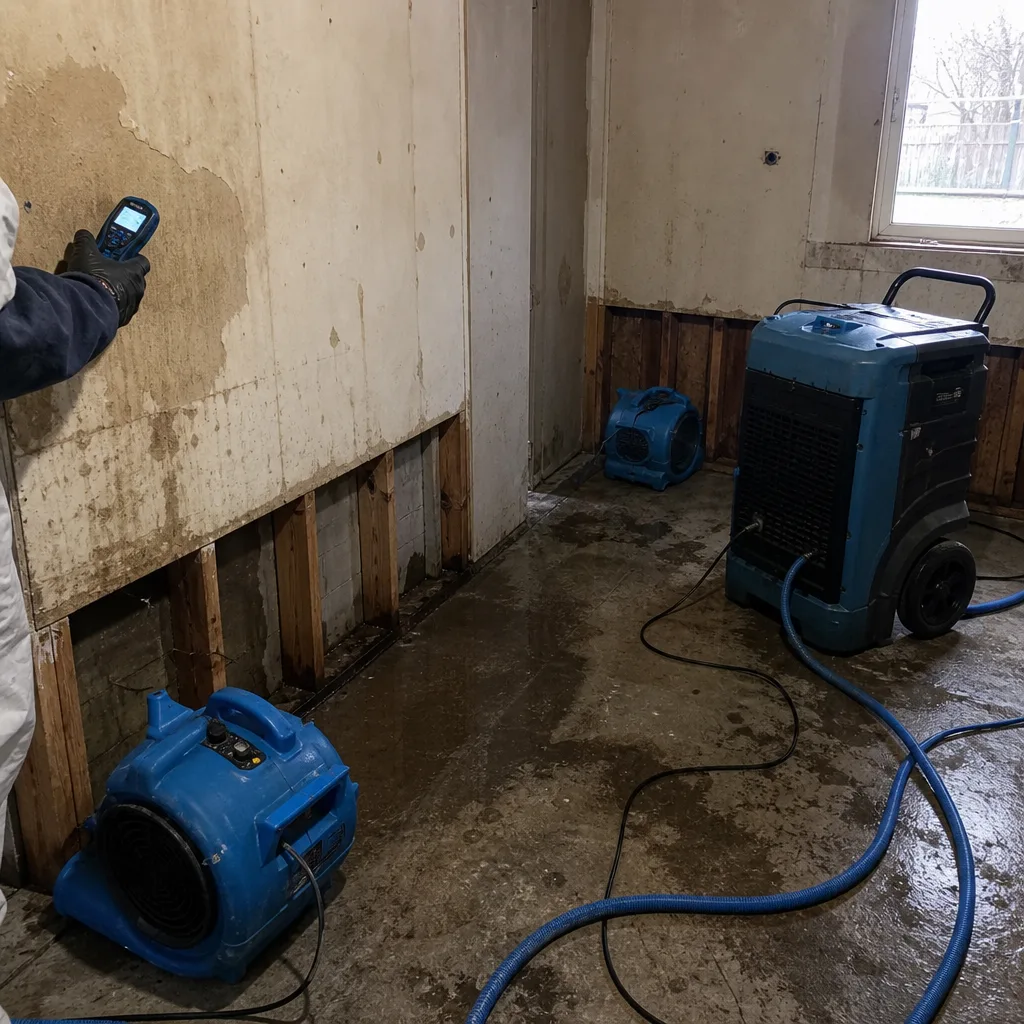 Before
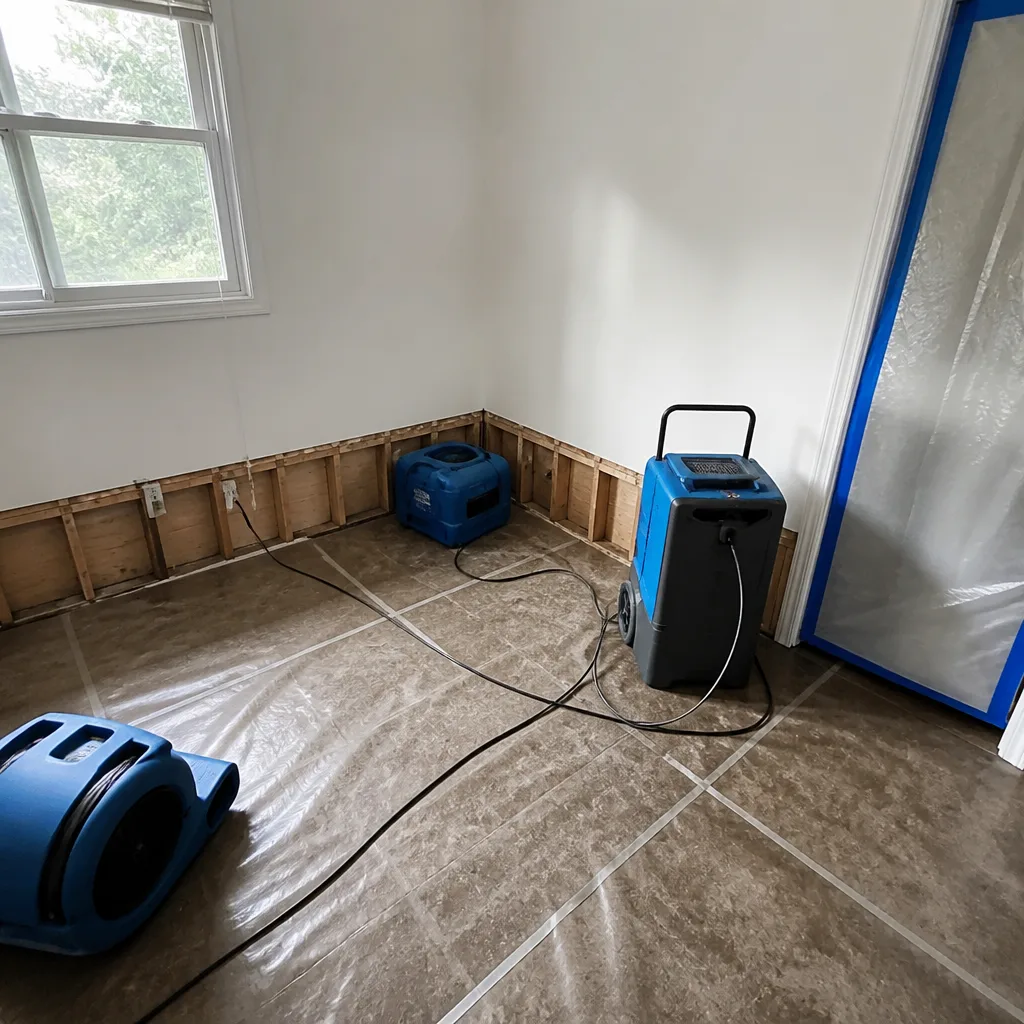 After
AfterDamage Restoration Permits, Codes & Inspections in NJ: What You Need to Know
Replacing more than 25% of a roof surface in New Jersey without a permit is a code violation that can surface as a lien or title defect when you sell - even if the work was done by a licensed contractor who told you a permit wasn’t needed. In Englewood, we’ve reviewed hundreds of restoration files since 2011, and the pattern is consistent: homeowners skip permits to speed up emergency repairs, then discover the omission when their insurance adjuster requests documentation, a municipal inspector flags the work, or a title search halts their closing. This guide explains the specific New Jersey Uniform Construction Code thresholds that trigger permits for restoration work, how Englewood’s inspection office processes emergency approvals, and what unpermitted work actually costs you beyond the initial fine. For more guides & resources, see our blog.
Quick Answer
Most structural restoration work in New Jersey requires a permit under the Uniform Construction Code, including roof replacement exceeding 25% of surface area, electrical system repairs after water or fire damage, mold remediation involving structural removal, and any work affecting load-bearing elements. In Englewood, emergency permits can often be issued same-day for water and fire damage, but the contractor must submit a written scope, proof of insurance, and a licensed subcontractor list before work begins. Unpermitted restoration can void insurance coverage, trigger municipal penalties, and create title defects that surface years later.
Table of Contents
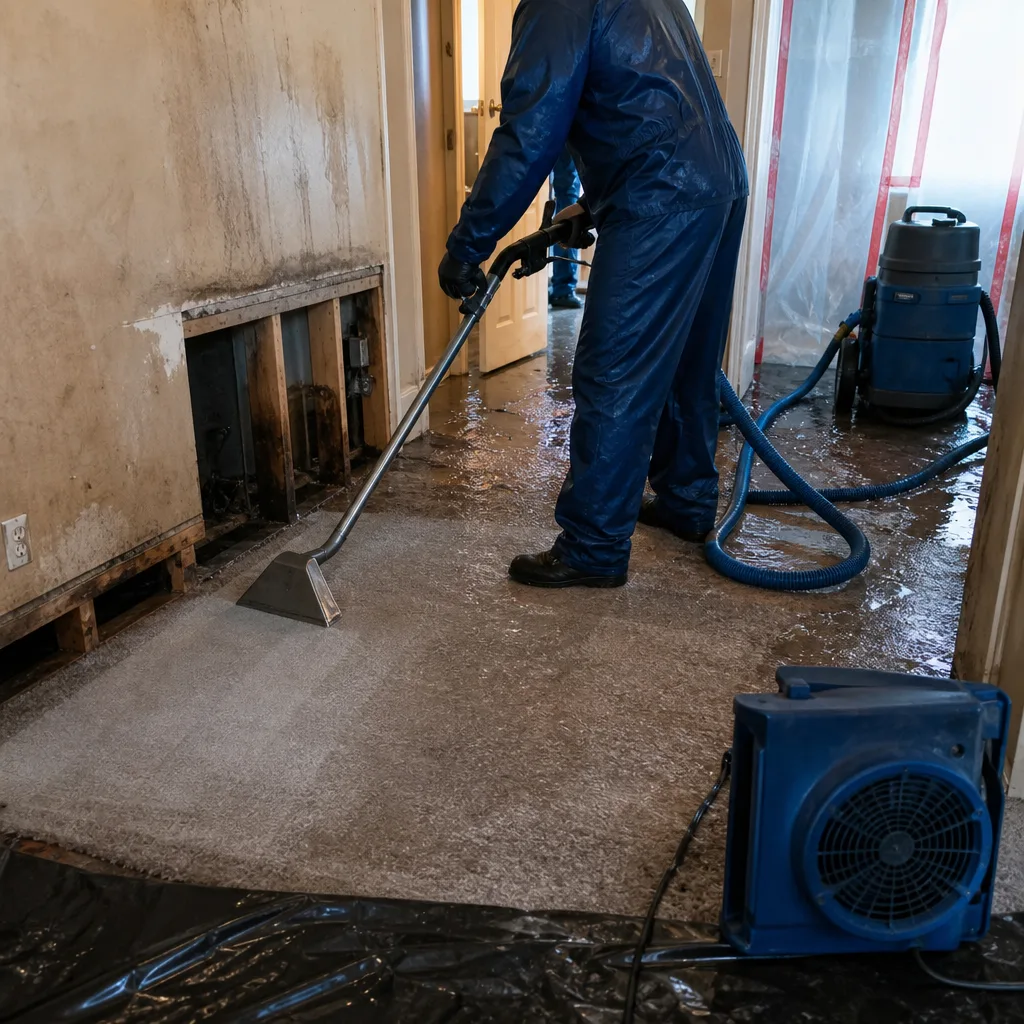
- NJ UCC Permit Thresholds for Restoration Work
- How Englewood Processes Emergency Permits After a Loss
- How Adjusters Use Permit Records to Audit Scope
- Certificate of Occupancy vs. Completion vs. Final Sign-Off
- DEP Notification for Asbestos in Pre-1980 Englewood Construction
- The Real Cost of Unpermitted Restoration Work
- Common Mistakes to Avoid
- When to Call a Professional
- Frequently Asked Questions
BeforeAfterNJ UCC Permit Thresholds for Restoration Work
The New Jersey Uniform Construction Code, adopted under the Statewide Uniform Construction Code Act (N.J.S.A. 52:27D-119 et seq.), divides construction work into categories that determine whether a permit is required, which subcode applies, and who can perform the work. For restoration contractors, the critical distinction is between “ordinary repairs” - which do not require a permit - and “alterations,” “repairs,” or “replacements” that trigger subcode review.
Work That Requires a Construction Permit
Under the UCC, the following restoration activities require a construction permit:
- Roof replacement exceeding 25% of total roof surface area in any 12-month period - this is the threshold that catches most storm-damage repairs in Bergen County
- Structural repairs to load-bearing walls, beams, columns, or foundations, including sistering or replacing joists after water damage
- Window and exterior door replacement where the rough opening is altered or where the unit is not a direct replacement of identical dimensions
- Deck, porch, or balcony repair or replacement involving structural elements
- Foundation waterproofing or repair below grade
- Installation of new plumbing fixtures or alteration of existing drainage lines
Work That Requires an Electrical Permit
Electrical restoration after water or fire damage almost always requires a separate electrical permit under the UCC Electrical Subcode (N.J.A.C. 5:23-3.16). Specific triggers include:
- Replacement of service panels, breakers, or feeders damaged by water intrusion
- Rewiring of circuits where insulation has been compromised by moisture - a common finding in Englewood basement floods where water reaches outlet height
- Installation of temporary electrical service during restoration
- Replacement of hardwired smoke or carbon monoxide detectors as part of fire restoration
We’ve documented cases in Englewood’s older housing stock - particularly in the East Hill and southeast neighborhoods where construction dates to the 1920s through 1950s - where water damage to knob-and-tube wiring remnants triggered full electrical upgrades that required permits the homeowner hadn’t anticipated.
Work That Requires a Plumbing Permit
Plumbing permits apply to:
- Replacement of water heaters, boilers, or furnaces - common after basement flooding
- Repair or replacement of sanitary sewer lines, including damage from tree root intrusion that follows soil saturation
- Installation of backflow prevention devices, often required after sewage backup remediation
- Alteration of gas piping, which requires both plumbing and fire subcode permits
Ordinary Repairs Exemption - And Its Limits
The UCC exempts “ordinary repairs” from permitting, but the definition is narrower than most contractors acknowledge. Ordinary repairs include:
- Patching plaster or drywall in non-fire-rated assemblies, provided no structural members are exposed or altered
- Repainting, refinishing floors, or replacing carpet
- Replacing less than 25% of roof surface with matching materials in any 12-month period
- Replacing broken glass in existing windows
The 25% roof threshold is cumulative. We’ve reviewed Englewood properties where a homeowner replaced 20% of shingles after one storm, then another 15% after a second event eight months later - the second repair triggered a permit requirement that was missed, creating a violation that surfaced at sale.
When Mold Remediation Requires a Permit
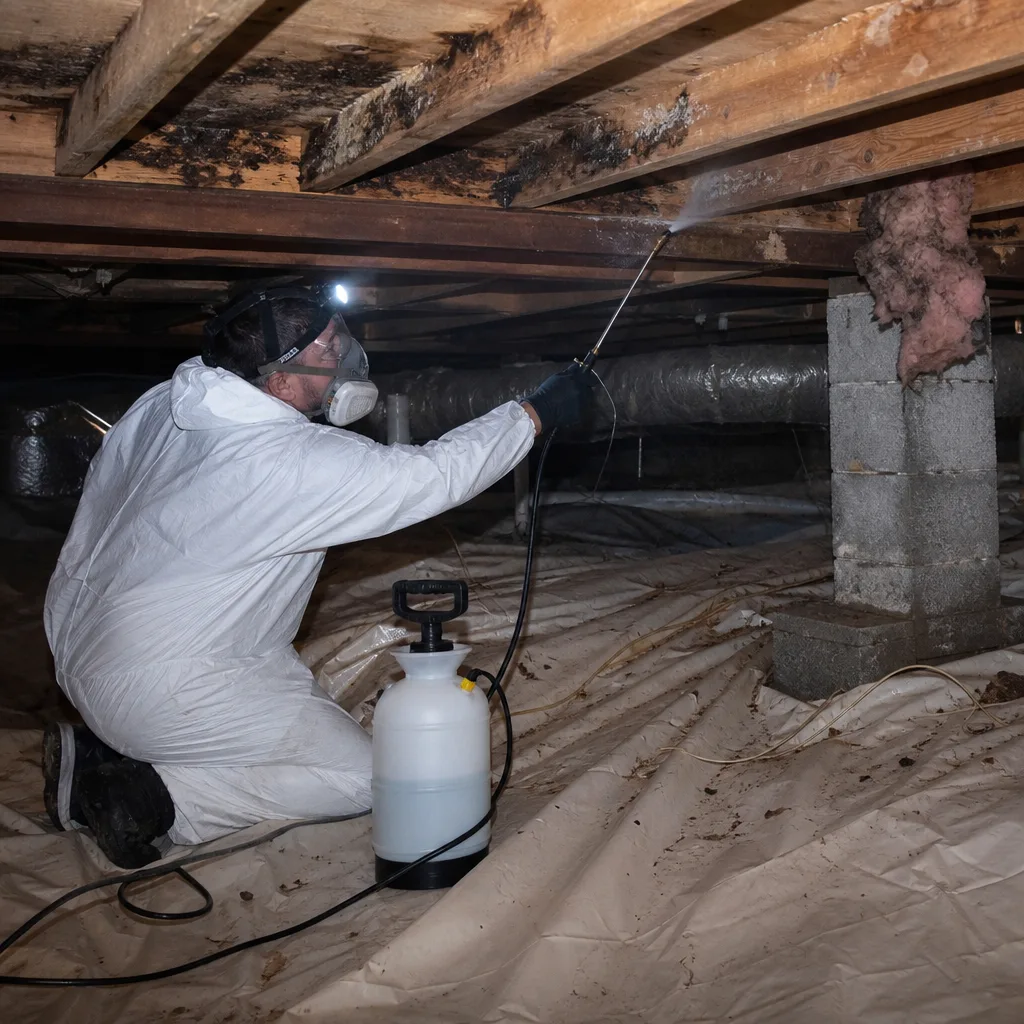
Mold remediation occupies a gray zone. Removal of non-structural materials - drywall, carpet, insulation - typically does not require a construction permit. However, remediation becomes permit-triggering when:
- Structural elements such as studs, joists, or subflooring must be removed or treated
- Containment barriers alter egress or ventilation systems
- Negative air machines exhaust to the exterior through modified openings
- Antimicrobial treatments are applied as part of a protocol requiring engineering controls
In Englewood, where pre-1980 construction with plaster-and-lath walls is common, mold remediation often requires removing substantial plaster to access stud cavities - work that crosses into permit territory when the lath is nailed to structural members that must be exposed.
How Englewood Processes Emergency Permits After a Loss
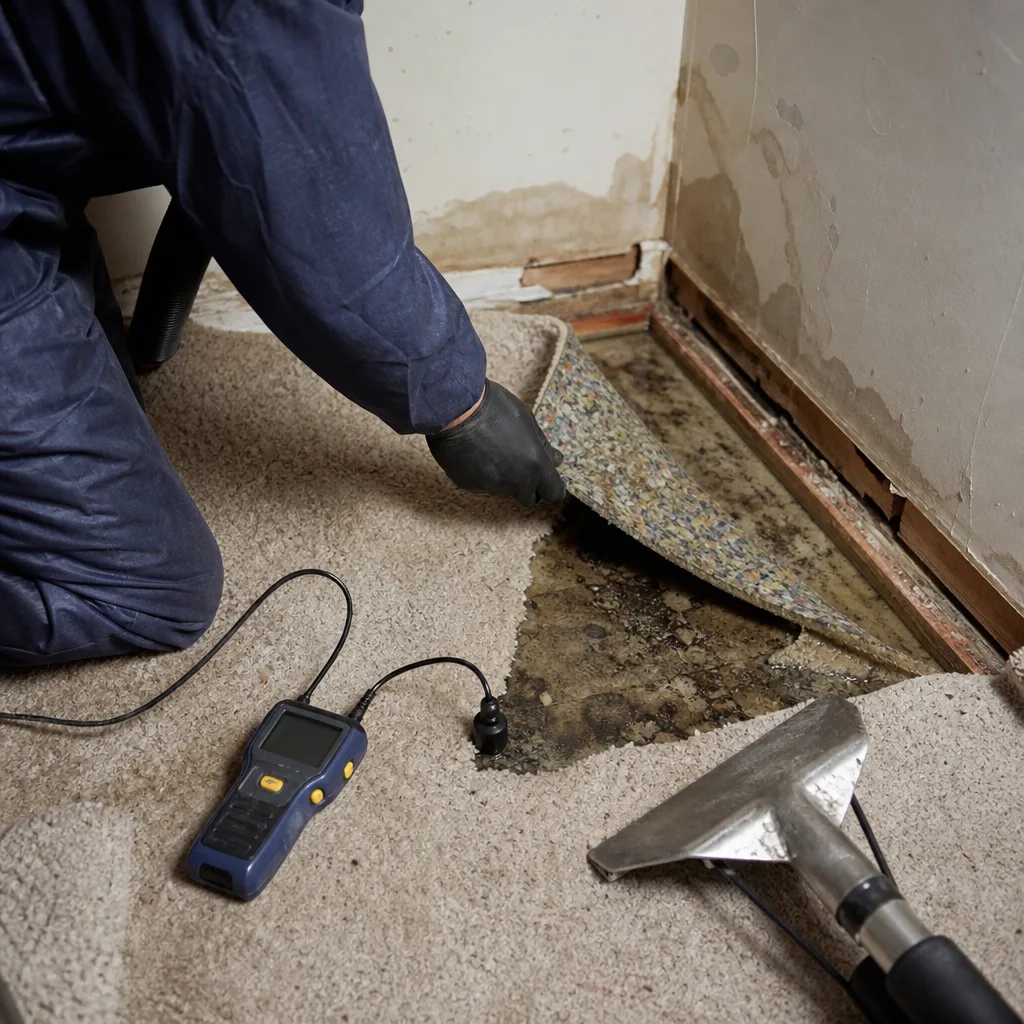
Englewood’s Construction Department, located at the Municipal Building on North Van Brunt Street, administers permits under the UCC through the office of the Construction Official. For emergency restoration work, the process differs from standard permitting in ways that matter for timing, documentation, and contractor qualification.
Standard vs. Emergency Permit Pathways
| Permit Type | Timeline | Documentation Required | When Used |
|---|---|---|---|
| Standard Construction Permit | 10-20 business days for review | Detailed plans, licensed contractor registration, insurance certificates, land survey for setbacks | Planned reconstruction, additions, non-emergency repairs |
| Emergency Repair Authorization | Same day to 48 hours | Written scope of emergency work, contractor license and insurance, photos of damage, affidavit of emergency | Active water intrusion, structural instability, fire damage with exposed elements |
| Electrical Emergency Permit | Same day with licensed electrician | Electrical contractor license, utility disconnect notice if applicable, scope of repair | Water-damaged panels, fire-compromised circuits, safety hazards |
The Emergency Authorization Process in Practice
When water is actively moving through a structure or fire has compromised structural elements, Englewood’s Construction Official can issue an emergency repair authorization that allows work to commence before full plans are submitted. The steps are:
- Contractor notification: The licensed contractor must contact the Construction Department by phone and follow up in writing within 24 hours, describing the emergency and proposed immediate actions.
- Site visit: A building inspector may visit the property to verify the emergency condition - in practice, for large-scale water damage or fire damage, this visit is often waived if photographic documentation is submitted promptly.
- Emergency authorization issuance: The authorization specifies the scope of permitted emergency work, typically limited to stabilization, drying, and removal of damaged materials. It does not authorize reconstruction.
- Full permit application: Within 14 days, the contractor must submit complete permit applications for all work performed under the emergency authorization, including plans for reconstruction.
- Inspection scheduling: Work performed under emergency authorization must be inspected before it is concealed - insulation, drywall, or finishes cannot cover emergency repairs until inspected.
The 14-day window is where restoration projects often stall. Contractors focused on rapid drying and pack-out may neglect the permit filing, leaving homeowners with authorized demolition but no path to reconstruction. At DryMark Restoration Englewood home, we assign permit tracking to a dedicated coordinator on every job that triggers UCC review, ensuring the emergency authorization converts to full permits without gaps.
Contractor Requirements Specific to Englewood
Englewood requires all contractors performing permitted work to:
- Hold a current New Jersey Home Improvement Contractor (HIC) registration or appropriate trade license
- Maintain general liability insurance of at least $1,000,000 per occurrence, with the City of Englewood named as certificate holder
- Register with the Englewood Construction Department before permit issuance - first-time contractors cannot pull permits same-day
- Employ or subcontract licensed tradespeople for electrical, plumbing, and fire protection work
The pre-registration requirement surprises out-of-area contractors who respond to major storm events. We’ve encountered restoration companies from central and south Jersey who arrived in Englewood after Hurricane Ida’s remnants caused basement flooding throughout Bergen County in 2021, only to discover they couldn’t pull emergency permits for several days while their registration processed.
How Adjusters Use Permit Records to Audit Scope
Insurance adjusters review permit records for three purposes: to verify that claimed work was actually performed, to confirm that work was performed by licensed contractors as policy conditions require, and to identify scope elements that may have been omitted or inflated. The permit file is an independent government record that adjusters can access through municipal open records requests or direct inquiry.
The Adjuster’s Permit Review Process
When a restoration claim enters detailed review - typically for claims exceeding $25,000, claims with structural components, or claims where the homeowner has engaged a public adjuster - the insurer’s representative will:
- Request permit copies: The adjuster asks the homeowner or contractor for copies of all permits, approvals, and inspection sign-offs. If these are not produced, the adjuster contacts the municipal construction department directly.
- Cross-reference scope: The permit application scope is compared to the contractor’s invoice. Work invoiced but not permitted, or permitted for a different scope, triggers questions about whether the work was performed as described.
- Verify contractor licensing: The contractor named on the permit is checked against state licensing databases and the insurer’s approved vendor lists. Unlicensed contractors may void coverage under policy exclusions for “work performed by unqualified persons.”
- Check inspection status: Final inspection sign-offs are verified. Work that passed inspection supports the claim; work without final inspection may be held in reserve pending documentation.
Specific Scenarios Where Permits Affect Claim Payment
Unpermitted roof replacement: A homeowner in Englewood’s Liberty Park area had 40% of their roof replaced after wind damage. The contractor advised that permits “weren’t needed for insurance work.” When the $18,000 claim reached review, the adjuster discovered no permit on file. The insurer denied $12,000 of the claim - the portion for work beyond the 25% ordinary repair threshold - and the homeowner paid out of pocket.
Permit scope narrower than invoice: A water damage restoration in southeast Englewood included electrical panel replacement. The electrical permit covered only breaker replacement, not panel replacement. The adjuster reduced the electrical portion of the claim by $3,400, noting that unpermitted panel work could not be verified and might not meet code.
Permit in wrong name: A contractor performed mold remediation under a homeowner’s self-obtained permit rather than as a licensed contractor. The insurer denied the claim entirely, citing policy language requiring work by “licensed professionals” and interpreting the homeowner permit as evidence of DIY work.
Documentation as Claim Defense
The inverse is also true: thorough permit documentation accelerates claim payment. At Water Damage Restoration in Englewood, we provide every adjuster with a permit package that includes the application, all inspection records, and correspondence with municipal officials. This documentation, combined with our daily moisture logs and photo records, produces claim files that rarely enter extended review.
The Haven Standard, Clause 1 - written price before work begins - also serves the claim process. When the scope in our written price matches the permit scope and the final invoice, adjusters have no basis to challenge individual line items.
Certificate of Occupancy vs. Completion vs. Final Sign-Off
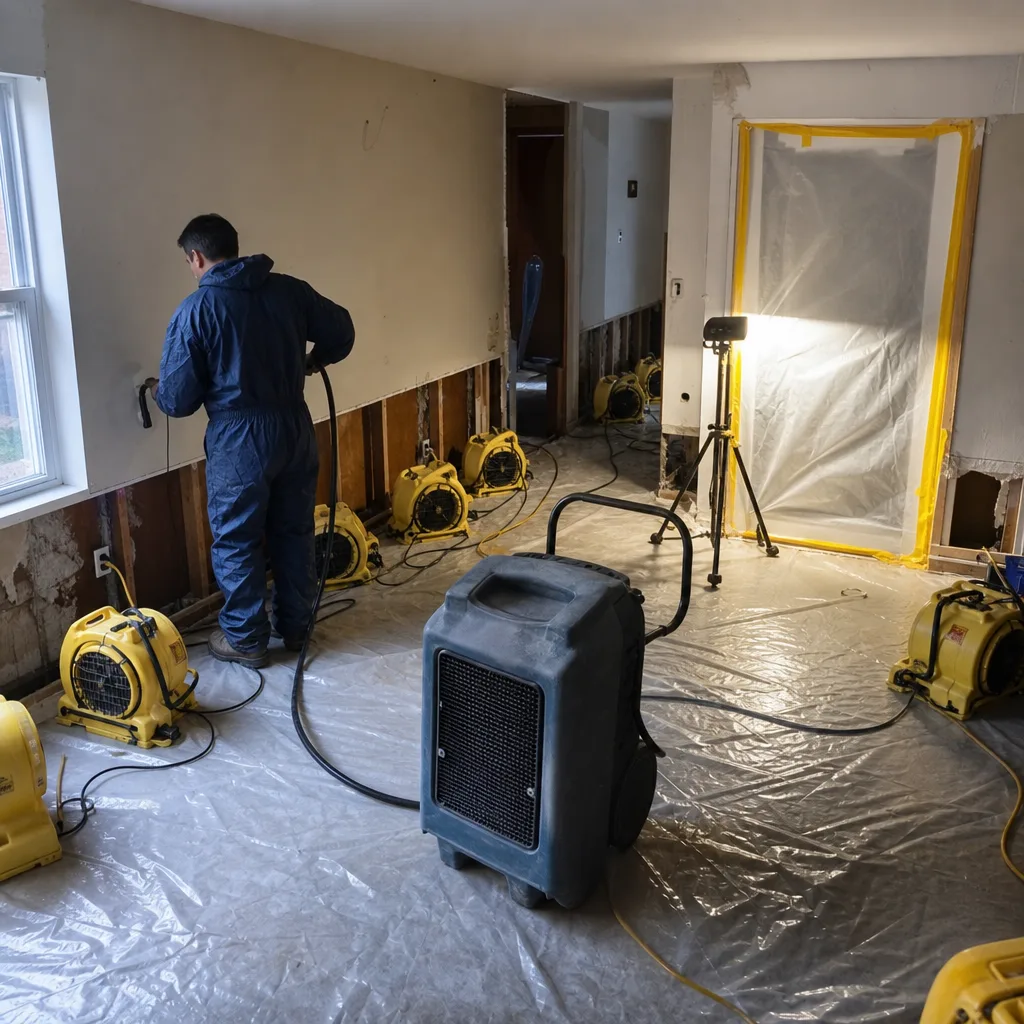
Three documents are commonly confused in restoration work, and the confusion costs homeowners time and money. Each has a distinct legal meaning, a different issuing authority, and different implications for insurance claims and property sale.
Certificate of Occupancy (CO)
A Certificate of Occupancy is issued by the municipal construction official when a building or portion of a building is approved for human occupancy. In restoration contexts, a new or amended CO is required when:
- A building damaged by fire or structural failure is returned to occupied status
- Change of use occurs - for example, a basement converted to living space as part of water damage reconstruction
- Additions or alterations increase the building’s footprint or change egress requirements
Most restoration work does not require a new CO. However, if fire damage requires reconstruction that alters room layouts, or if water damage remediation reveals code violations that must be corrected, the municipality may require CO amendment before the space can be legally occupied. In Englewood, this most commonly arises when basement finishing damaged by flooding is rebuilt with modified egress windows or bedroom additions.
Certificate of Completion
A Certificate of Completion is issued by the contractor, not the municipality. It is a contractual document stating that the work described in the contract has been completed according to specifications. It carries no regulatory weight but serves important functions:
- Triggers final payment under most construction contracts
- Starts warranty periods, including our 365-Day Done Right Promise under The Haven Standard
- Documents the date of substantial completion for insurance purposes
Homeowners should not confuse a contractor’s Certificate of Completion with municipal approval. We’ve reviewed Englewood restoration projects where contractors presented completion certificates while permit inspections remained open, leaving homeowners with finished spaces that could not be legally occupied or sold without further inspection.
Final Inspection Sign-Off
Final inspection sign-off is the municipal construction official’s certification that permitted work complies with the UCC and approved plans. It is recorded on the permit card and in the municipal file. For restoration work, final inspection sign-off is required for:
- All work performed under construction permits - structural, roofing, window replacement
- All electrical and plumbing work
- Fire protection system repairs or replacements
The final inspection sign-off is what insurers require before closing claim files for structural components. Adjusters will not release holdback funds for reconstruction until they receive documentation that final inspection has passed. In our experience, delays at this stage - typically caused by contractors who performed work without permits or who failed to schedule inspections - are the single largest source of claim payment delays beyond 90 days.
Which Document Your Insurer Actually Needs
| Claim Component | Required Document | Common Source of Delay |
|---|---|---|
| Emergency mitigation (water extraction, drying) | Invoice, photo record, moisture logs | None - typically paid without permit documentation |
| Structural repairs (roof, walls, foundation) | Final inspection sign-off | Contractor failed to obtain permit or schedule inspection |
| Electrical restoration | Electrical final inspection certificate | Unlicensed electrician, permit in wrong name |
| Reconstruction with change of use | Certificate of Occupancy or amended CO | Municipal review of egress, occupancy load |
| Warranty and final payment | Contractor Certificate of Completion | Dispute over punch list items |
DEP Notification for Asbestos in Pre-1980 Englewood Construction
New Jersey’s asbestos regulations, administered by the Department of Environmental Protection (DEP) and enforced locally, create specific obligations for restoration work in older buildings. Englewood’s housing stock includes significant pre-1980 construction, particularly in the East Hill historic district and surrounding neighborhoods where homes date to the early 20th century.
The Regulatory Framework
N.J.A.C. 7:1-1 et seq. and the Asbestos Hazard Abatement Subchapters require:
- Asbestos inspection before demolition or renovation of institutional, commercial, or industrial buildings, and of residential buildings with more than four dwelling units
- Notification to DEP at least 10 days before asbestos abatement work begins
- Use of DEP-licensed asbestos abatement contractors and inspectors for all abatement work
- Air monitoring and clearance sampling before reoccupancy
Single-family and two-family homes are exempt from mandatory pre-renovation inspection under federal NESHAP rules, but New Jersey’s broader regulatory environment and insurance practices effectively require asbestos assessment for most significant restoration work.
When Water Damage Triggers Asbestos Concerns
Water damage restoration in pre-1980 Englewood homes commonly encounters asbestos-containing materials (ACMs) in:
- 9×9 inch floor tiles and associated mastic adhesives
- Popcorn ceiling textures and joint compound
- Plaster with asbestos fiber reinforcement
- Pipe insulation and boiler wrapping in basements
- Vermiculite insulation, particularly in attics
When these materials are damaged by water and require removal as part of restoration, the work may cross into abatement territory requiring DEP notification and licensed abatement contractors. The threshold is not the age of the material but the condition and the nature of the disturbance: wet asbestos materials that have begun to degrade, or drying processes that involve significant air movement, may require abatement protocols even when the same material in dry, undisturbed condition would not.
Practical Implications for Restoration Projects
We’ve handled water damage restoration in Englewood homes where the initial scope appeared straightforward - drywall removal, drying, reconstruction - only to discover asbestos-containing plaster or tile that required DEP notification and licensed abatement. The implications include:
- Timeline extension: The 10-day DEP notification period cannot be waived, even for emergency water damage. Emergency stabilization can proceed, but material removal must wait.
- Cost increase: Licensed abatement adds $3 to $8 per square foot for containment, negative air, and clearance testing, compared to standard demolition.
- Documentation requirements: DEP requires waste shipment records, air monitoring reports, and clearance certificates - documentation that becomes part of the restoration file and supports insurance claim payment.
- Contractor qualification: Standard restoration contractors cannot perform asbestos abatement. We maintain relationships with DEP-licensed abatement contractors and coordinate their work within our documented restoration schedules.
For Mold Remediation in Englewood, asbestos assessment is particularly critical. Mold remediation in pre-1980 construction often requires aggressive removal of plaster or drywall that may contain asbestos. We conduct preliminary asbestos assessment before finalizing remediation scope, avoiding the change orders and delays that occur when asbestos is discovered mid-project.
The Real Cost of Unpermitted Restoration Work
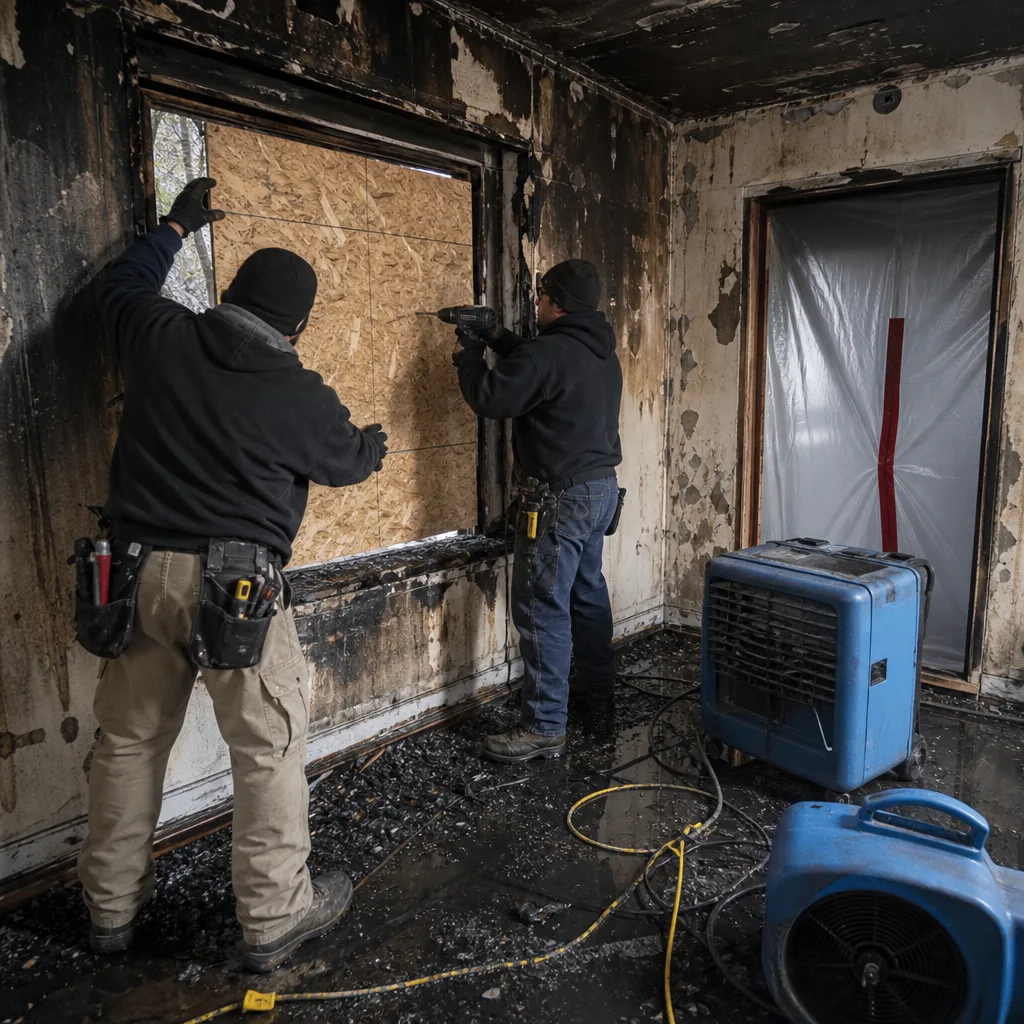
The immediate cost of unpermitted work is often zero - the contractor completes the repair, the homeowner pays, and life continues. The latent costs surface months or years later, typically at the most inconvenient moment.
Title Defects and Sale Obstruction
In New Jersey, sellers must complete a Statement of the Seller disclosure that includes a question about permits obtained for property improvements. Answering inaccurately creates liability; answering accurately may derail the sale. We’ve consulted with Englewood homeowners who discovered, during pre-sale inspection, that:
- A previous owner’s unpermitted basement finishing - completed before their purchase - required $15,000 in remediation to obtain a CO amendment
- Unpermitted roof replacement triggered a lender requirement for engineer certification of structural adequacy
- Unpermitted electrical panel upgrade required full rewiring inspection at a cost of $4,200 before title could clear
These costs typically fall on the current owner, not the contractor who performed the unpermitted work, because statutes of limitation have expired or the original contractor is unidentifiable.
Insurance Coverage Voids and Denials
Homeowners insurance policies contain conditions that can void coverage for losses related to unpermitted work. Specific policy provisions include:
- “Faulty, inadequate, or defective construction” exclusions that apply to unpermitted work that fails and causes subsequent damage
- “Material misrepresentation” provisions that allow rescission of coverage if permit status was misrepresented in the application or claim
- Requirements that repairs be performed by “qualified” or “licensed” contractors, interpreted by some insurers to exclude unpermitted work regardless of contractor licensing
A homeowner in Englewood’s northwest section experienced this sequence: unpermitted bathroom renovation after water damage, subsequent leak from the same plumbing location two years later, and claim denial based on the prior unpermitted work being the “proximate cause” of the new loss - a scenario that underscores why our DIY vs Professional Damage Restoration: The Englewood Homeowner’s Decision Guide recommends verifying contractor licensing before work begins.
Municipal Penalties and Corrective Orders
Englewood’s enforcement of UCC violations includes:
- Fines of $500 to $2,000 per violation for work performed without required permits
- Orders to expose concealed work for inspection, at homeowner expense
- Stop-work orders that halt ongoing restoration until permits are obtained
- Liens for unpaid fines that attach to property title
The exposure order is particularly costly. A homeowner who has finished and painted over unpermitted drywall or electrical work may be required to remove finishes, expose the work for inspection, and then restore finishes - effectively paying for the same work three times.
The Documentation-First Alternative
At Fire & Smoke Damage Restoration in Englewood, we treat permit documentation as a standard deliverable, not an afterthought. Every job file includes: permit applications and approvals, inspection records with dates and inspector names, correspondence with municipal officials, and a final permit status verification. This documentation, combined with our written price before work begins and photo record on every visit, produces restoration records that withstand any adjuster review, title search, or future sale inspection.
Common Mistakes to Avoid
- Accepting a contractor’s verbal assurance that “permits aren’t needed for this.” The UCC thresholds are specific and measurable. A contractor who cannot cite the specific exemption that applies to your work is either uninformed or avoiding accountability. Request the exemption citation in writing.
- Allowing emergency work to proceed without confirming permit status within 48 hours. Emergency authorizations expire, and work performed after expiration is unpermitted. Obtain the emergency authorization number and confirm the full permit filing deadline.
- Paying in full before final inspection sign-off. Contractors who have been paid in full have reduced incentive to schedule and pass final inspection. Structure payment to retain 10-15% until municipal sign-off is documented.
- Failing to verify that the permit is in the contractor’s name, not yours. Homeowner-obtained permits for contractor-performed work create the appearance of DIY work and may void insurance coverage or contractor warranty obligations.
- Ignoring asbestos assessment in pre-1980 Englewood homes. The cost of preliminary asbestos inspection - typically $400 to $800 - is negligible compared to the cost of discovering asbestos mid-project and halting work for DEP notification and abatement.
- Discarding permit documentation after work completion. Permit records should be retained for the life of homeownership plus the applicable statute of limitations. We provide digital permit archives to every client as a standard deliverable.
- Assuming insurance will cover permit-related costs retroactively. Most policies cover only permits obtained in compliance with policy conditions. Unpermitted work that requires later permitting for correction is typically excluded as “faulty construction.”
When to Call a Professional
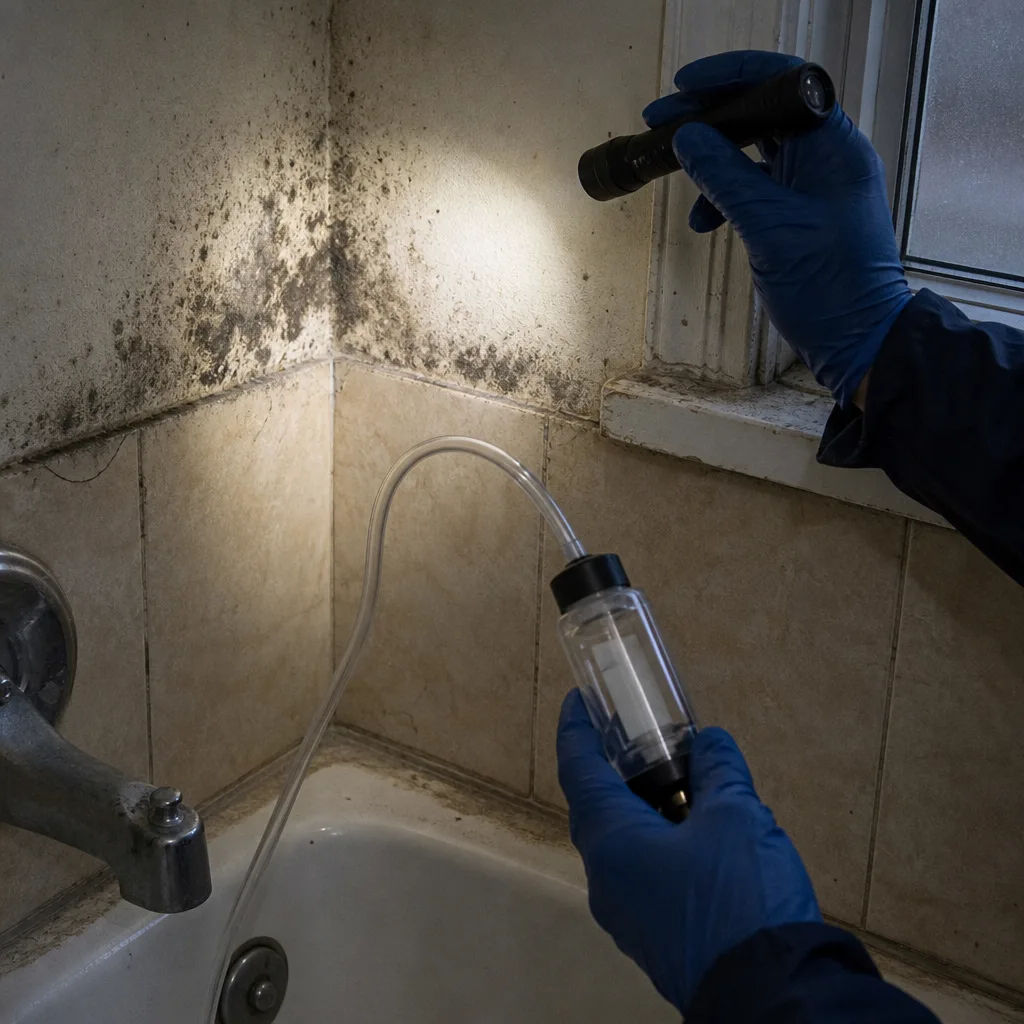
Call a professional restoration contractor when your loss involves structural elements, electrical or plumbing systems, roofing, or any work that may exceed UCC ordinary repair thresholds. The cost of professional permit management is recovered through faster claim payment, avoided penalties, and preserved property value. DryMark Restoration Englewood offers free estimates in Englewood - call (845) 875-4326. We provide a written price before any work starts, documented photo records on every visit, and permit coordination as a standard service, not an upsell. Every job is covered by our 365-Day Done Right Promise under The Haven Standard.
Frequently Asked Questions
Water extraction, drying, and removal of non-structural materials like carpet and drywall typically do not require permits. However, if water damage requires structural repairs, electrical or plumbing replacement, or roof repair exceeding 25% of surface area, permits are required under the UCC. In Englewood, emergency permits can often be obtained same-day for active water intrusion. Call (845) 875-4326 for a written scope and permit assessment - estimates are free.
Yes, for claims exceeding $25,000 or involving structural, electrical, or roofing work. Adjusters routinely verify permit status through municipal records, and unpermitted work may be denied or held in reserve pending documentation. Insurance policies also contain exclusions for losses caused by “faulty construction,” which includes unpermitted work that fails. We document permit status in every file we submit to adjusters.
Englewood’s Construction Department can issue emergency repair authorizations same-day for verified emergencies, provided the contractor is pre-registered and submits required documentation. The contractor must follow up with full permit applications within 14 days. Out-of-area contractors may face delays if they are not pre-registered. We maintain active registration and can typically obtain emergency authorization within hours of initial damage assessment.
A Certificate of Occupancy certifies that a building is approved for human occupancy, typically required only for new construction or change of use. Final inspection sign-off certifies that specific permitted work complies with code, and is required for all structural, electrical, and plumbing restoration. Your insurer needs final inspection sign-off to close structural portions of your claim; a CO is only relevant if your restoration changed the building’s use or occupancy classification.
The licensed contractor performing the work should obtain permits in their name. Homeowner-obtained permits for contractor work create insurance and warranty complications. Under The Haven Standard, Clause 1, we obtain all required permits as part of our written scope, with costs itemized in the price delivered before work begins. Never accept a contractor who asks you to “pull the permit” to save money or time.
Work must stop in the affected area, and DEP notification with 10-day lead time is required before licensed abatement can proceed. Emergency stabilization can continue, but material removal requires licensed abatement contractors, containment, air monitoring, and clearance testing. We conduct preliminary asbestos assessment in pre-1980 Englewood homes before finalizing scope, avoiding the delays and cost overruns of mid-project discovery.
The Bottom Line
New Jersey’s permit requirements for restoration work are specific, enforceable, and increasingly scrutinized by insurers and title companies. The 25% roof threshold, the distinction between emergency authorization and full permits, and the documentation requirements for electrical, plumbing, and asbestos work are not bureaucratic obstacles - they are the framework that distinguishes legitimate restoration from work that creates future liability. In Englewood, where pre-1980 construction and active real estate turnover amplify these risks, permit compliance is a direct protection of property value. The documentation-first approach - written scope, permit tracking, photo records, and final inspection verification - is not merely our preference at DryMark Restoration Englewood. It is the standard that turns restoration invoices into paid claims and protects homeowners from the hidden costs that surface at the worst possible moment.
Written by Alicia Brennan, Owner at DryMark Restoration Englewood, serving Englewood since 2011.