
Last updated September 23, 2026
Free visual inspection and a written scope of work before any mitigation begins - photos, moisture readings, and drying logs go in your claim file
The scope we write is the scope we bill. Anything new gets shown to you, in writing, before we touch it.
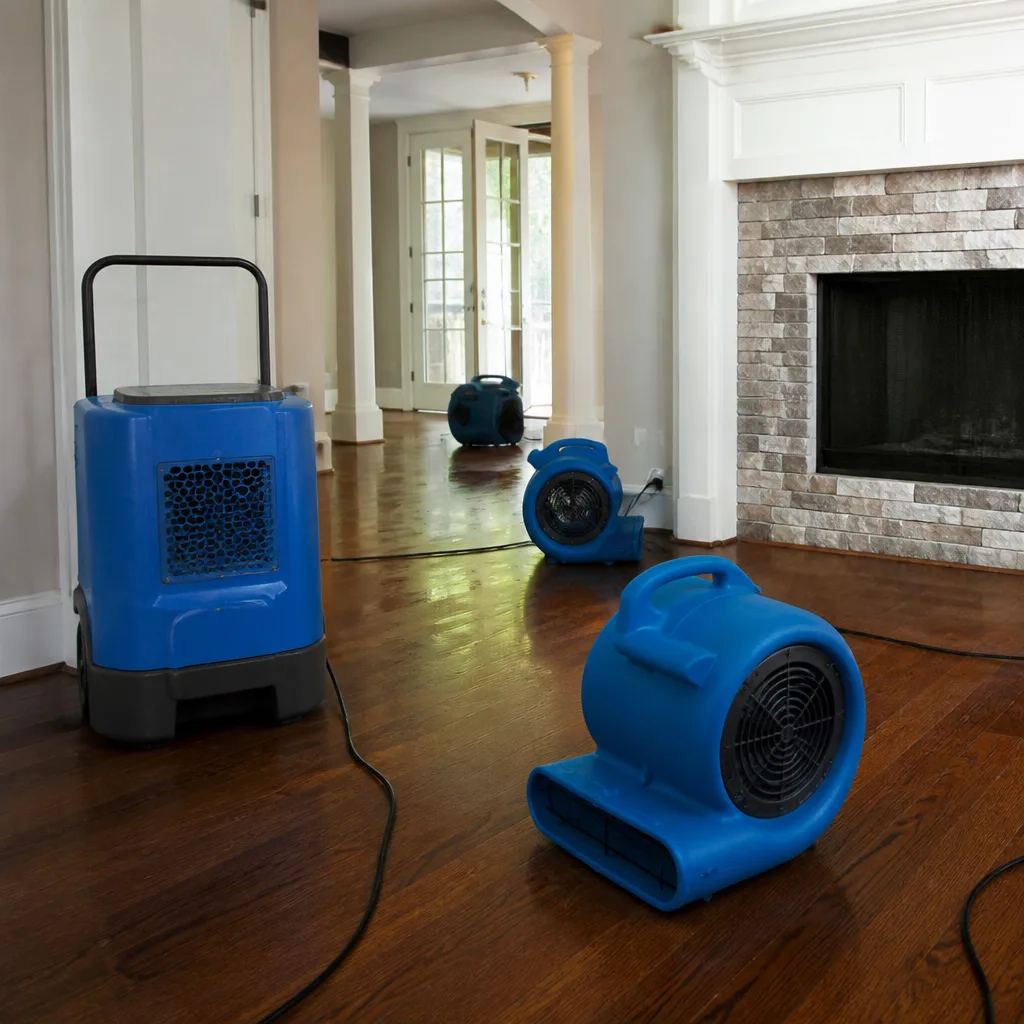
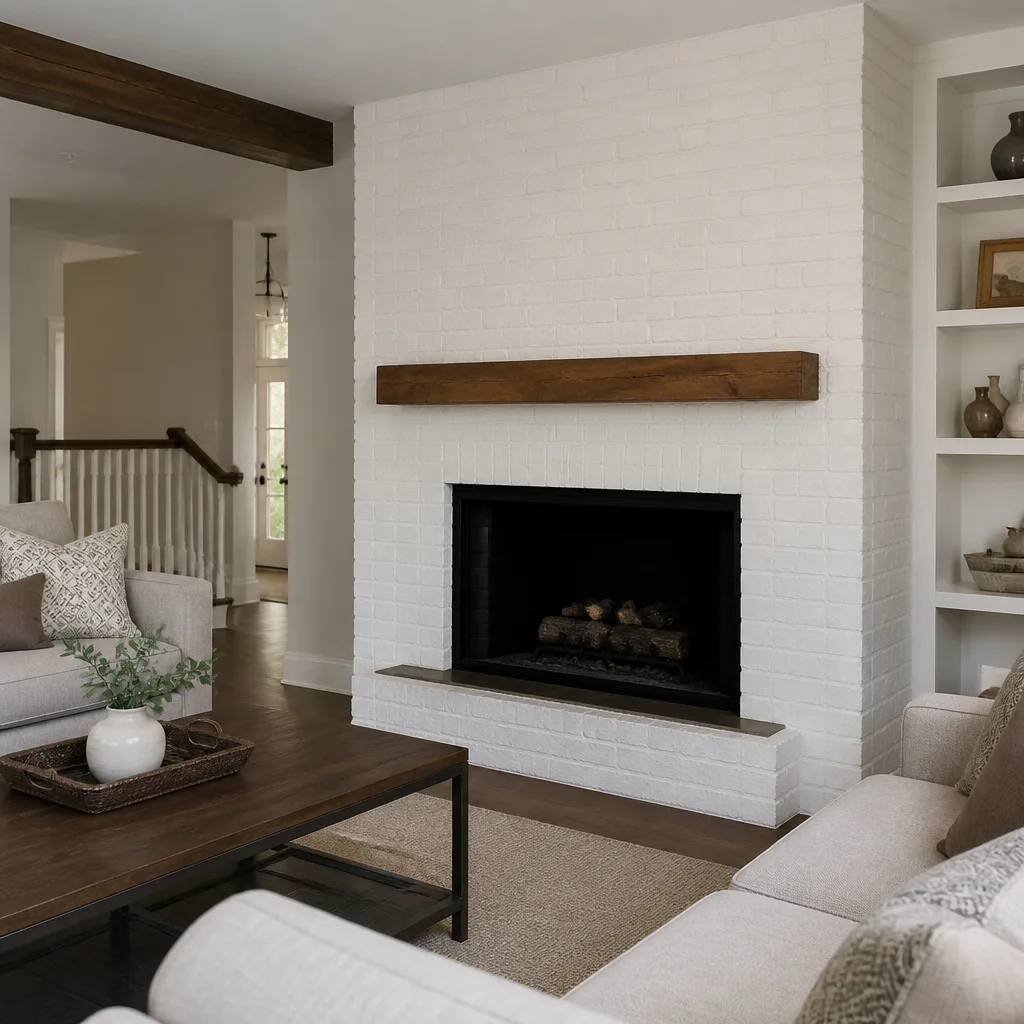
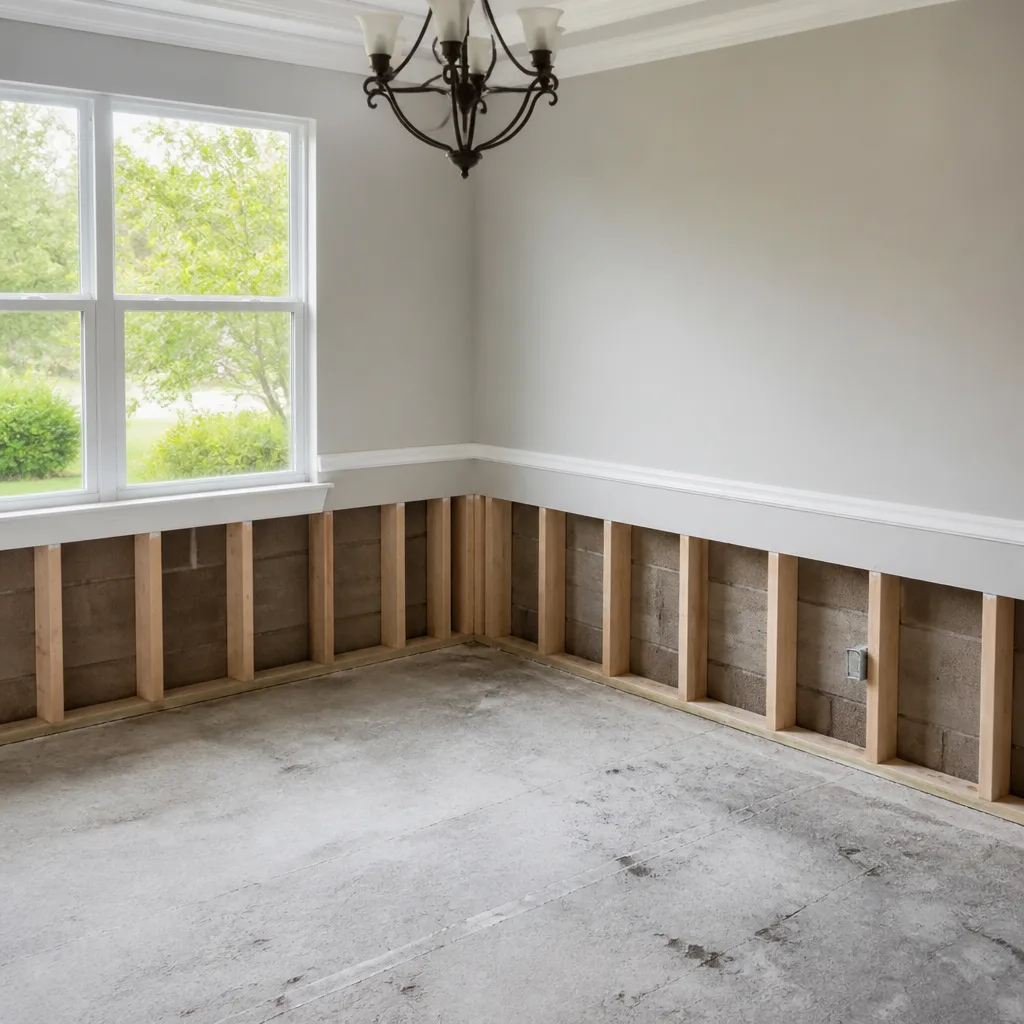
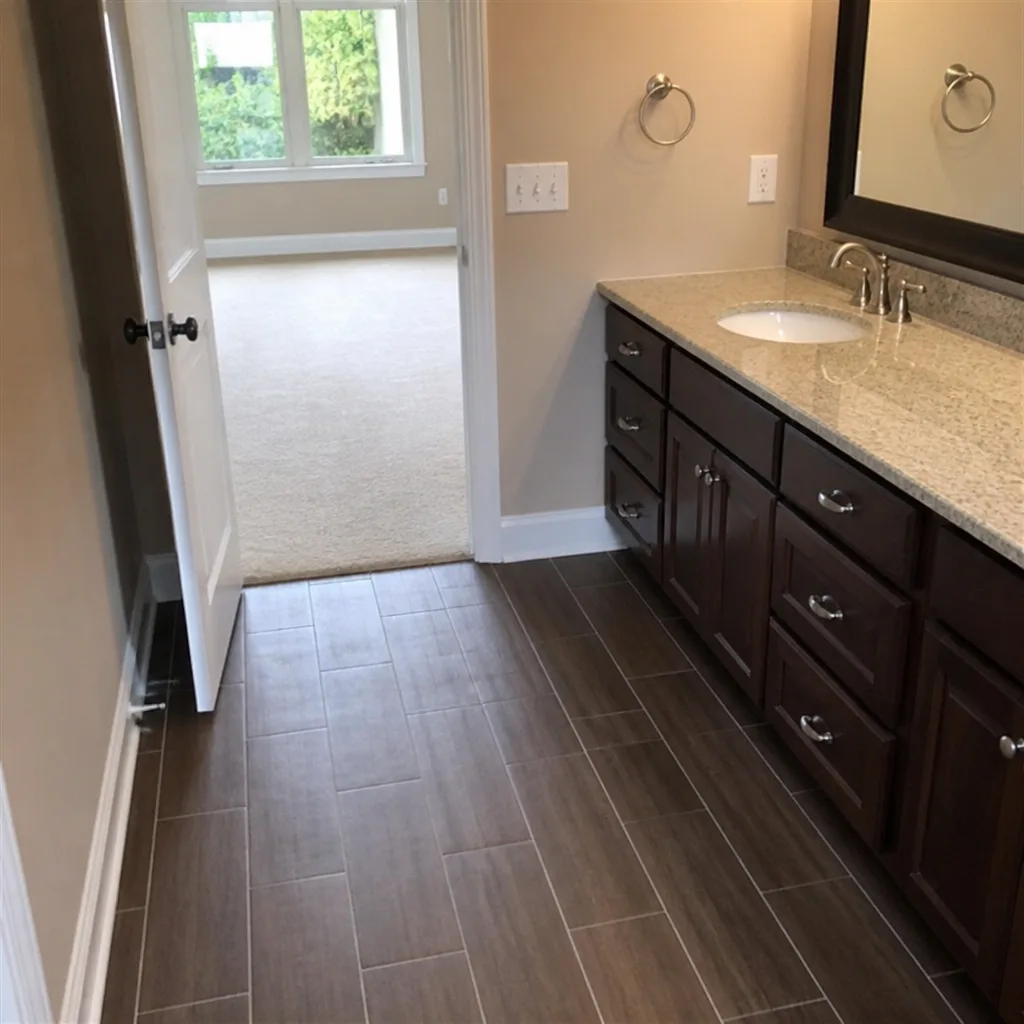
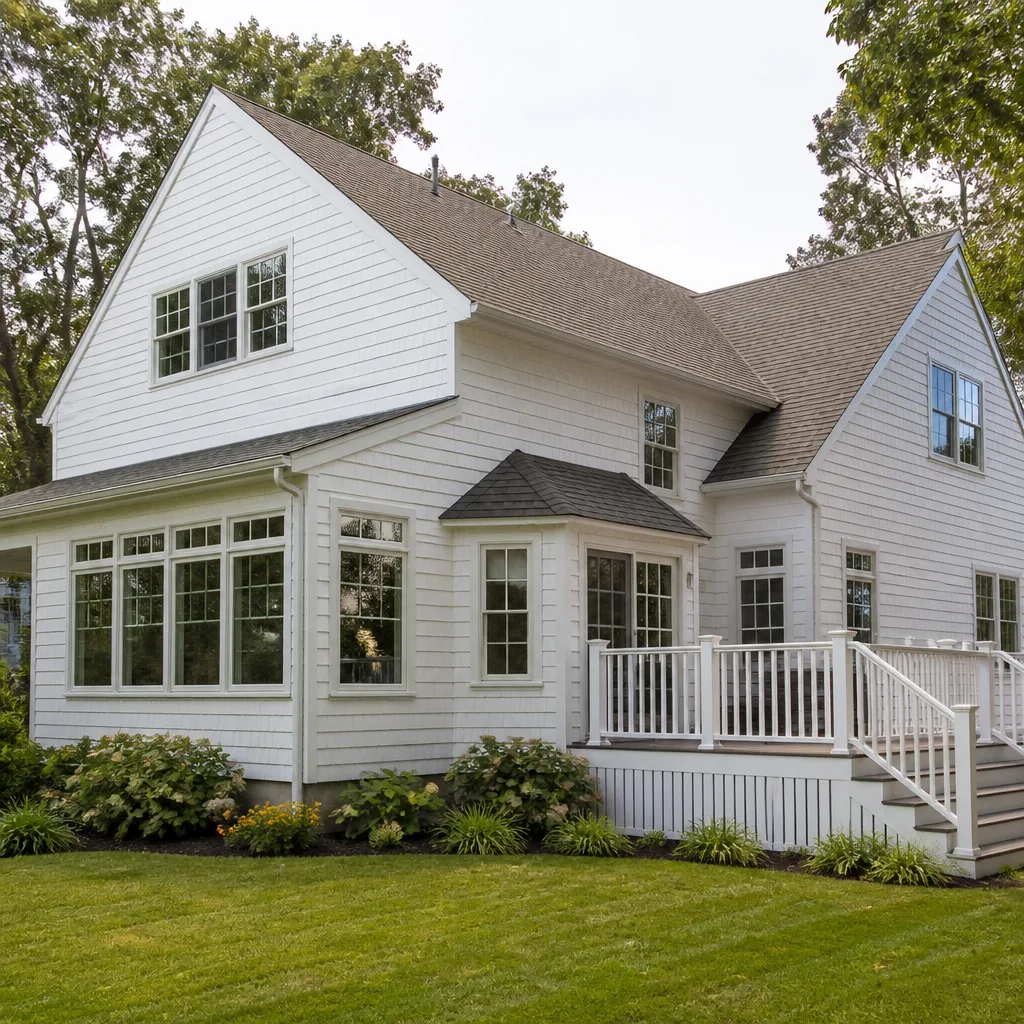
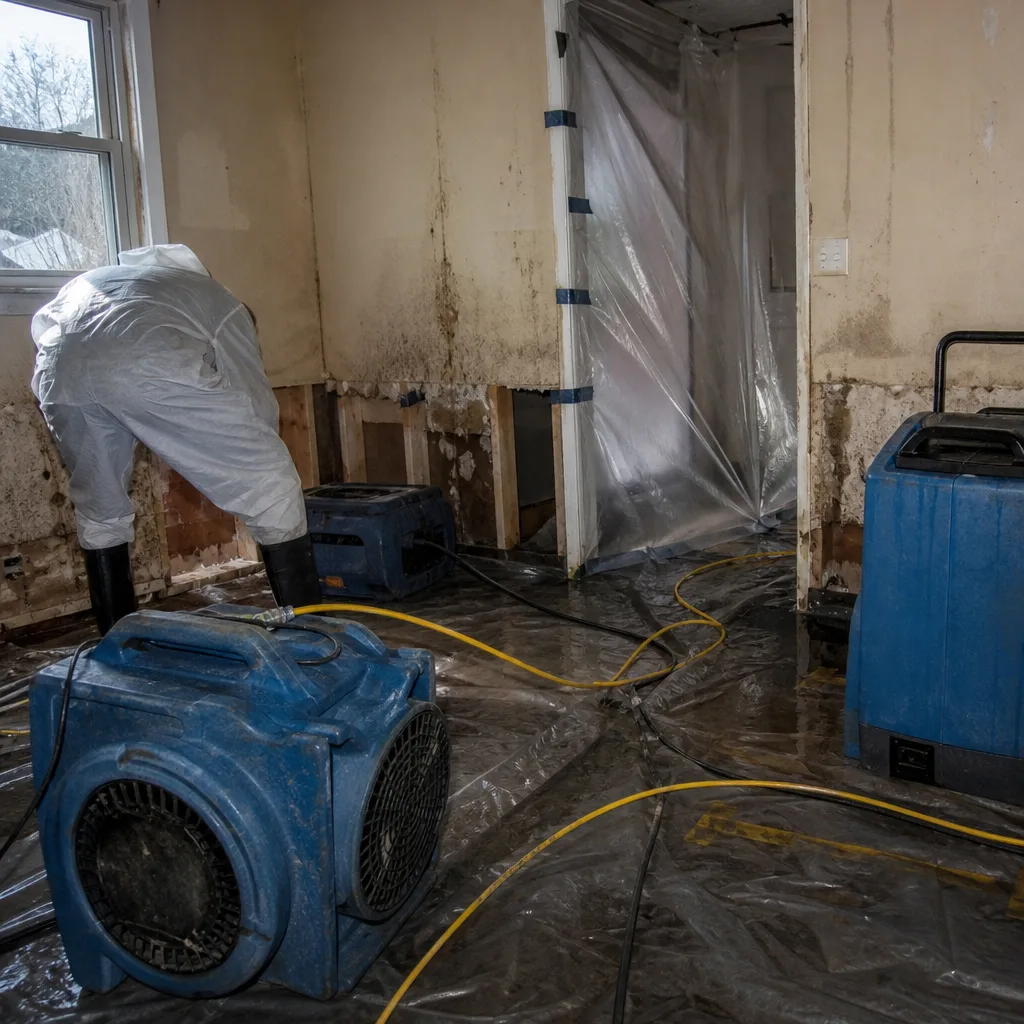 Before
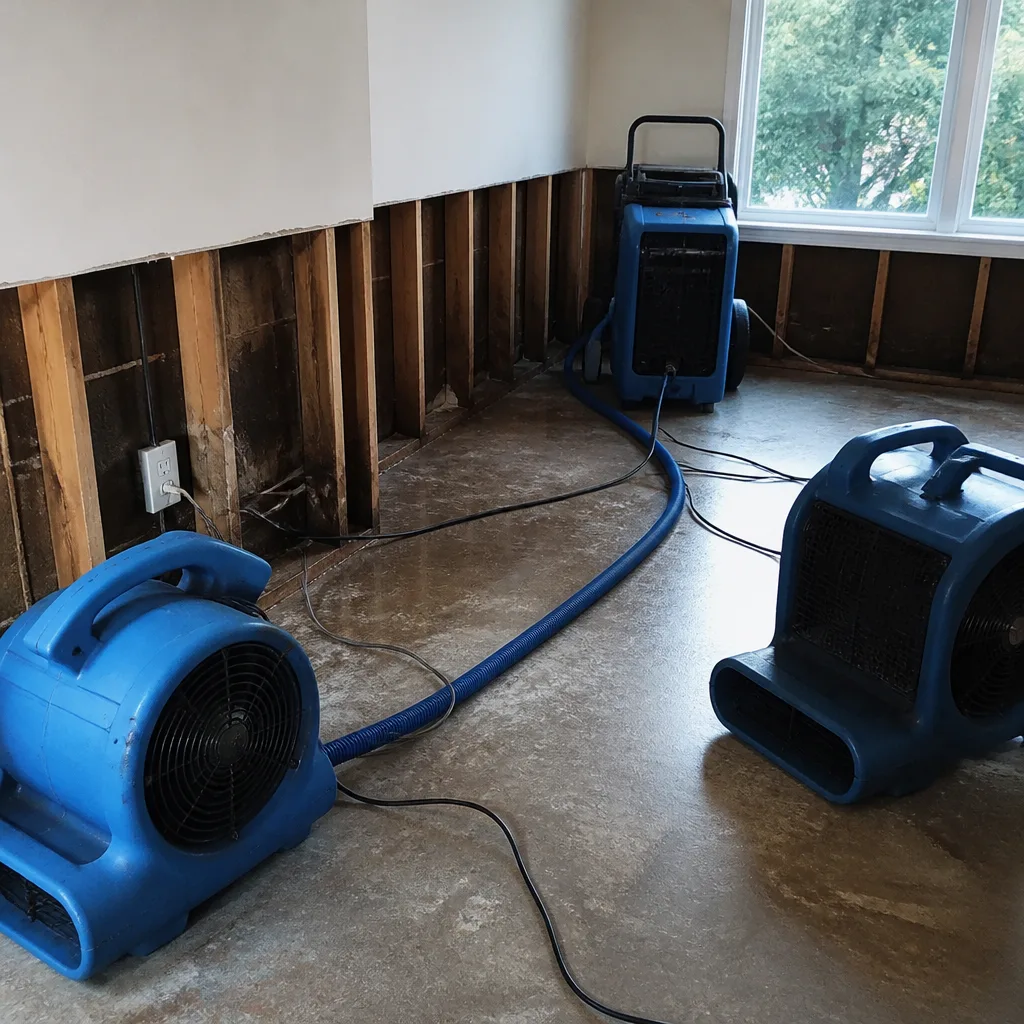 After
After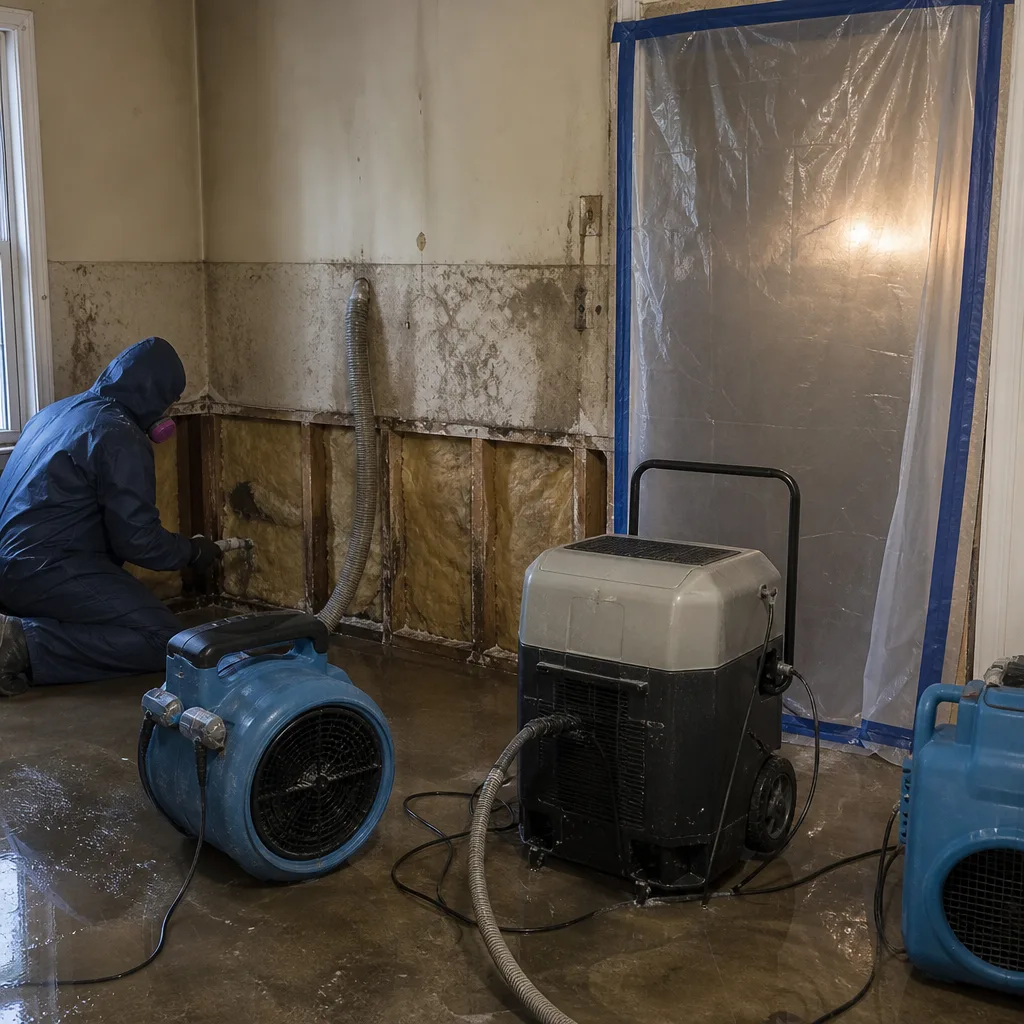 Before
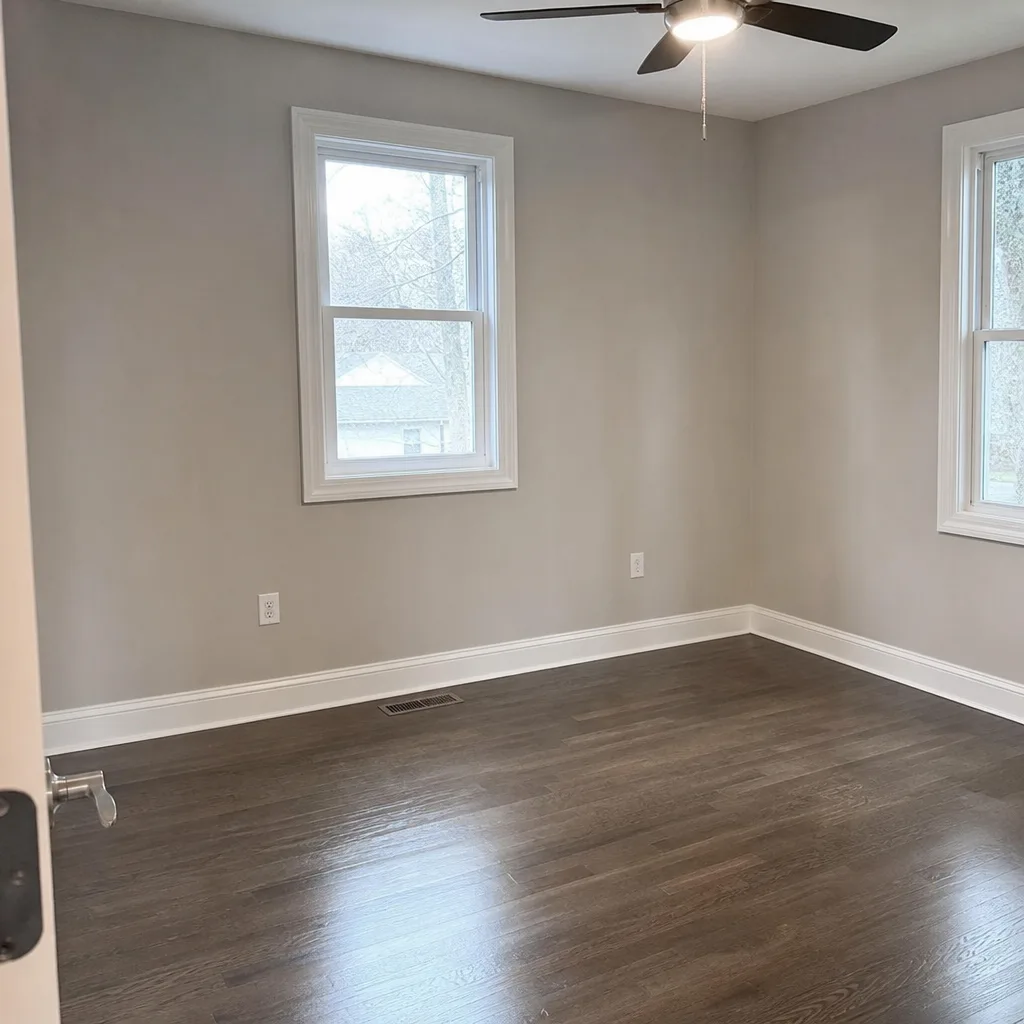 After
After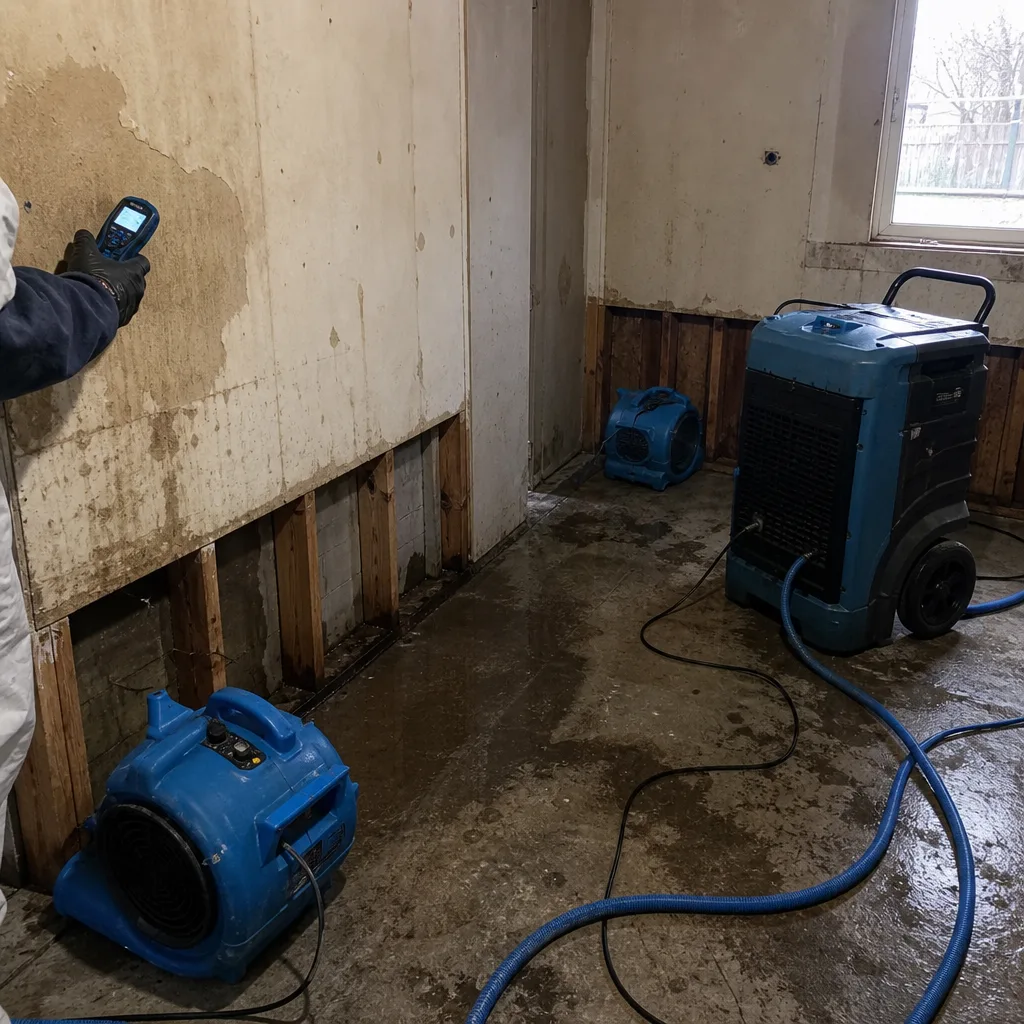 Before
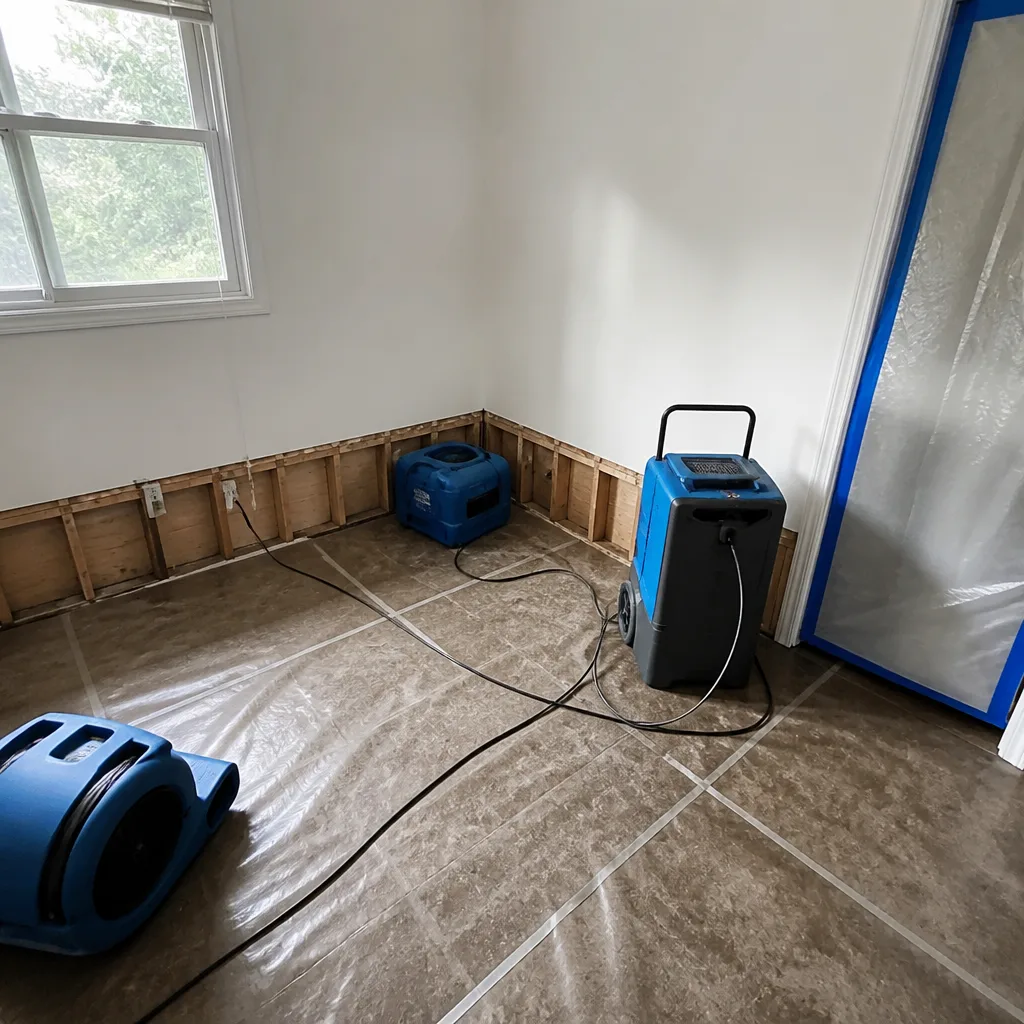 After
AfterDamage Restoration Cost Breakdown: The Englewood Homeowner’s Reference for 2026
The most commonly disputed line item in New Jersey water damage claims is “general contractor overhead and profit” - a standard 10%/10% markup that insurers routinely omit from initial offers, costing homeowners an average of $1,200 to $3,800 per claim. In Englewood, where the median home value sits well above the state average and finished basements are common in neighborhoods like East Hill and the Historic District, that disputed amount often climbs higher. This guide decodes the actual cost structure behind restoration invoices in Bergen County, line by line, so you can read your own estimate, spot padding, and understand exactly what your insurer will and will not reimburse in 2026. For Damage Restoration Warning Signs: A Englewood Homeowner’s Reference Guide, see our companion resource.
Quick Answer
Water damage restoration in Englewood, NJ typically ranges from $3,200 to $8,500 for a standard residential mitigation, with full reconstruction adding $12,000 to $35,000 depending on finish quality. Most homeowners pay their deductible plus any depreciation holdback, while the insurer covers the remainder under RCV policies after proof of completion. The single biggest variable is whether your contractor’s estimate uses Xactimate pricing aligned with current Bergen County labor rates and includes the 10%/10% GC overhead and profit that New Jersey adjusters frequently exclude from initial offers.
Table of Contents
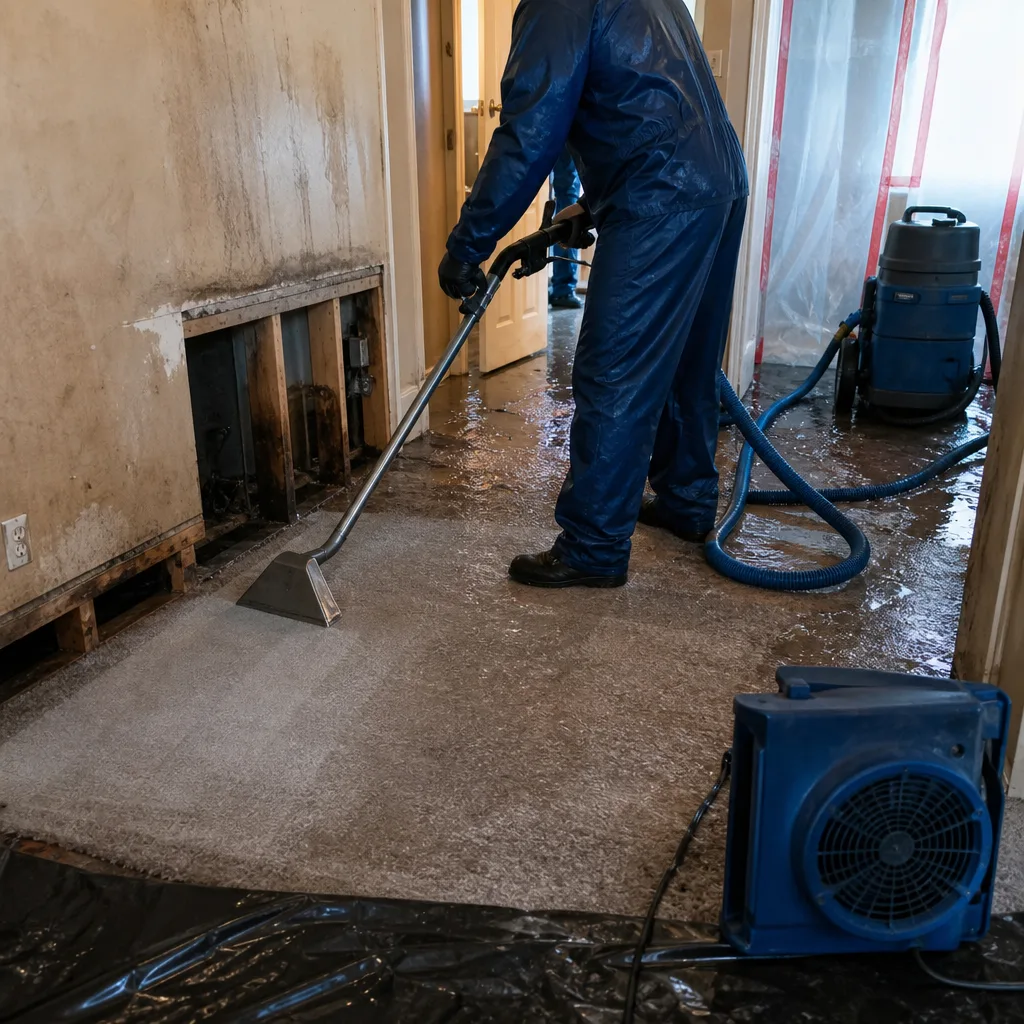
- How Xactimate Pricing Works in Bergen County
- Line-Item Breakdown: A Typical Englewood Water Damage Mitigation
- RCV vs. ACV: How New Jersey Insurers Calculate Your Payout
- Englewood Cost Variables: Disposal, Permits, and Labor Rates
- What a Binding Written Estimate Must Include
- Mold, Fire, and Specialty Restoration Pricing
- How to Spot Padding in a Competitor’s Estimate
BeforeAfterHow Xactimate Pricing Works in Bergen County
Xactimate is the pricing engine that drives nearly every property insurance claim in the United States, and New Jersey is no exception. Insurance carriers, independent adjusters, and most reputable restoration contractors in Englewood use this software to generate line-item estimates. The system pulls from a database of material costs, labor rates, and equipment pricing that is updated monthly and geographically adjusted by county.
Here’s where estimates diverge, and where homeowners get caught. Xactimate sets a “price list” for Bergen County that includes base labor rates for trades like water damage technicians, carpenters, and electricians. But the software also allows for overrides, custom line items, and supplemental requests. Two contractors can price the same water loss in an Englewood colonial and arrive at materially different totals.
The most common sources of variance:
- Labor rate selection: Xactimate offers multiple technician tiers. A contractor using “Water Damage Technician – Level 1” bills at a lower rate than one using “Water Damage Technician – Level 3,” even when the same person performs the work.
- Equipment day counts: Drying equipment is billed per day per unit. A conservative contractor might estimate 3 days of dehumidifier rental; an aggressive one might estimate 5, then supplement later.
- Line item granularity: Some contractors bundle services into broad categories; others itemize every moisture check, every piece of tape, every antimicrobials application. Bundling often obscures actual costs.
- Overhead and profit: The 10% overhead plus 10% profit markup (called “10/10” in the trade) is standard for jobs requiring three or more trades. Yet we regularly see initial adjuster offers from major carriers that simply omit this line, or apply it only to reconstruction while excluding mitigation.
In our experience reviewing competitor estimates for Englewood homeowners, the 10/10 omission is the single largest source of underpayment. A $28,000 reconstruction job becomes a $22,400 offer, and the homeowner is left to negotiate or absorb the gap. Haven Standard, Clause 1 requires that we deliver a written price before work begins, and that price includes every line item we expect to bill, 10/10 included, with no scope-creep additions once our crew is inside.
The other frequent dispute involves “dry standard” verification. Xactimate includes line items for moisture readings and psychrometric monitoring, the daily tracking of temperature, relative humidity, and vapor pressure differential that proves a structure is actually dry. Some contractors skip this documentation to save time, then face adjuster pushback when they bill for extra drying days. Our crews produce daily drying logs with documented photo records on every visit, recorded to IICRC standards, so the invoice matches the evidence.
Line-Item Breakdown: A Typical Englewood Water Damage Mitigation
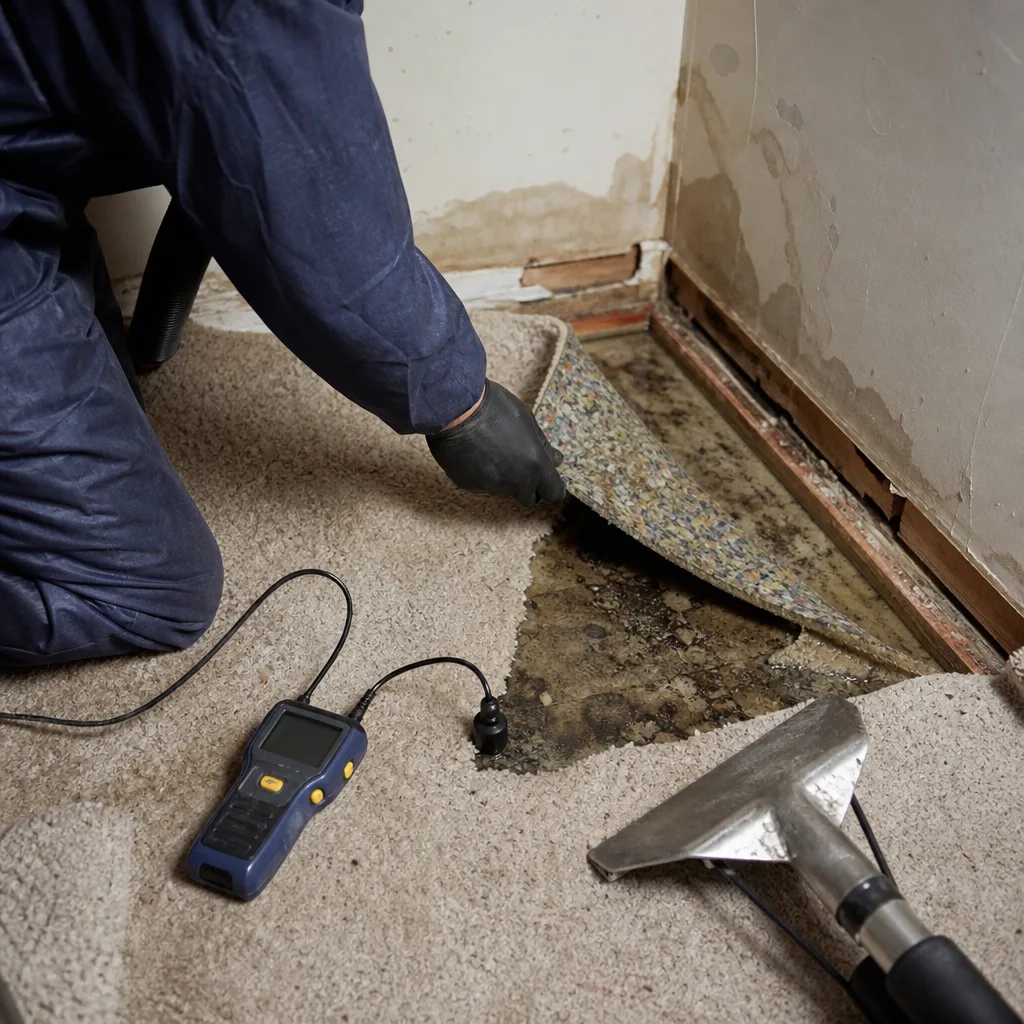
Below is a realistic mitigation invoice for a finished basement water loss in Englewood, approximately 800 square feet affected, with Category 2 water (gray water, no sewage) and no structural drying complications. These figures reflect 2026 Bergen County market rates and Xactimate pricing as of Q1 2026.
| Line Item | Description | 2026 Range |
|---|---|---|
| Water extraction | Truck-mounted or portable extraction, per square foot | $380 - $620 |
| Equipment setup | Dehumidifiers, air movers, axial fans, initial placement | $890 - $1,400 |
| Equipment daily rental | Per day, per machine, typically 3-5 day dry cycle | $145 - $220/day |
| Moisture monitoring | Daily psychrometric readings, moisture mapping, documentation | $180 - $310/day |
| Antimicrobial application | EPA-registered disinfectant, Category 2 or 3 losses | $260 - $450 |
| Content manipulation | Moving furniture, blocking, small item relocation | $340 - $580 |
| Pack-out (if needed) | Inventory, pack, transport, storage per month | $1,200 - $2,800 |
| Demolition (selective) | Remove wet drywall, baseboard, insulation to 2 feet above water line | $680 - $1,100 |
| Debris disposal | Hauling to Bergen County facility, weight-based fees | $220 - $410 |
| Containment (if needed) | Polyethylene barriers, negative air, for isolated drying zones | $380 - $650 |
| Subtotal: Mitigation | $4,673 - $8,540 | |
| GC Overhead & Profit (10/10) | Applied when 3+ trades involved; often disputed by carriers | $467 - $854 |
| Total Mitigation | $5,140 - $9,394 |
Several factors push Englewood jobs toward the higher end of these ranges. Homes in the East Hill area often have plaster and lath construction rather than drywall, requiring slower, more careful drying and specialized equipment like Injectidry systems that force air through wall cavities. Historic District properties may contain lead-based paint or asbestos-containing materials, triggering state-mandated abatement protocols that add $1,500 to $4,000 before mitigation even begins.
The pack-out line item deserves particular attention. In our experience, roughly 40% of Englewood basement losses require some level of content removal, either because the basement serves as primary storage or because the water source (often a failed sump pump during spring storms) saturates stored items before discovery. Pack-out pricing includes inventory documentation, which becomes critical for personal property claims. We photograph every item before it leaves the property, with photos tied to a numbered inventory sheet that we deliver to the homeowner and, with authorization, to their adjuster.
Equipment selection also affects the total. We deploy professional-grade drying systems from Dri-Eaz, Phoenix, XPOWER, and B-Air, with equipment matched to the specific loss: LGR dehumidifiers for deep drying, desiccants for hardwood or plaster, axial fans for open-area air movement. Each machine type carries a different daily rental rate in Xactimate, and the selection should be justified in the estimate narrative.
RCV vs. ACV: How New Jersey Insurers Calculate Your Payout
Your restoration cost and your out-of-pocket cost are rarely the same number. The gap depends on whether your policy pays Replacement Cost Value (RCV) or Actual Cash Value (ACV), and how your carrier applies depreciation schedules.
RCV policies pay the full cost to repair or replace damaged property with materials of like kind and quality, minus your deductible. You typically receive an initial ACV payment (the depreciated amount), then submit proof of completion to recover the depreciation holdback. In New Jersey, most homeowners with mortgages carry RCV coverage because lenders require it.
ACV policies pay only the depreciated value of the damaged property. A 12-year-old carpet with a 15-year life expectancy might be depreciated 80%, leaving you to cover the replacement gap. ACV policies are less common in Englewood’s price bracket but do appear on older homes, rental properties, and policies where the owner selected lower premiums.
New Jersey depreciation schedules vary by material and are not standardized across carriers. Typical ranges we see in Bergen County claims:
- Carpet and pad: 5-7% per year, with most carriers capping at 70-80% total depreciation
- Hardwood flooring: 2-4% per year, with significant variance based on species and finish quality
- Drywall and paint: Often depreciated at 5-10% annually, though some carriers treat paint as maintenance and depreciate aggressively
- Cabinetry: 3-5% per year for stock cabinets, 2-3% for custom or semi-custom; full custom work often resists depreciation in initial offers but requires documentation
- Tile and stone: Minimal depreciation (1-2% annually) due to long expected life, though labor to remove and replace is sometimes depreciated separately from materials
The critical point for Englewood homeowners: depreciation is negotiable. Carriers apply standard tables, but these tables assume average conditions. A 10-year-old kitchen with documented annual maintenance, or original hardwood floors in a Historic District home that have been professionally refinished every 5 years, can support arguments for reduced depreciation. We include condition documentation, maintenance records, and pre-loss photos in our supplemental packages when we believe standard depreciation overstates the actual value loss.
Another New Jersey-specific factor is the “matching” regulation. Under Department of Banking and Insurance guidance, insurers must replace undamaged materials when a reasonable match cannot be obtained for damaged materials. This most commonly affects siding, roofing, and carpet, but can apply to hardwood and tile. If your Englewood home has discontinued flooring and only one room is damaged, the carrier may owe for full contiguous-area replacement. We document discontinuation through manufacturer verification letters and photograph the transition points where new and old materials would meet.
Englewood Cost Variables: Disposal, Permits, and Labor Rates
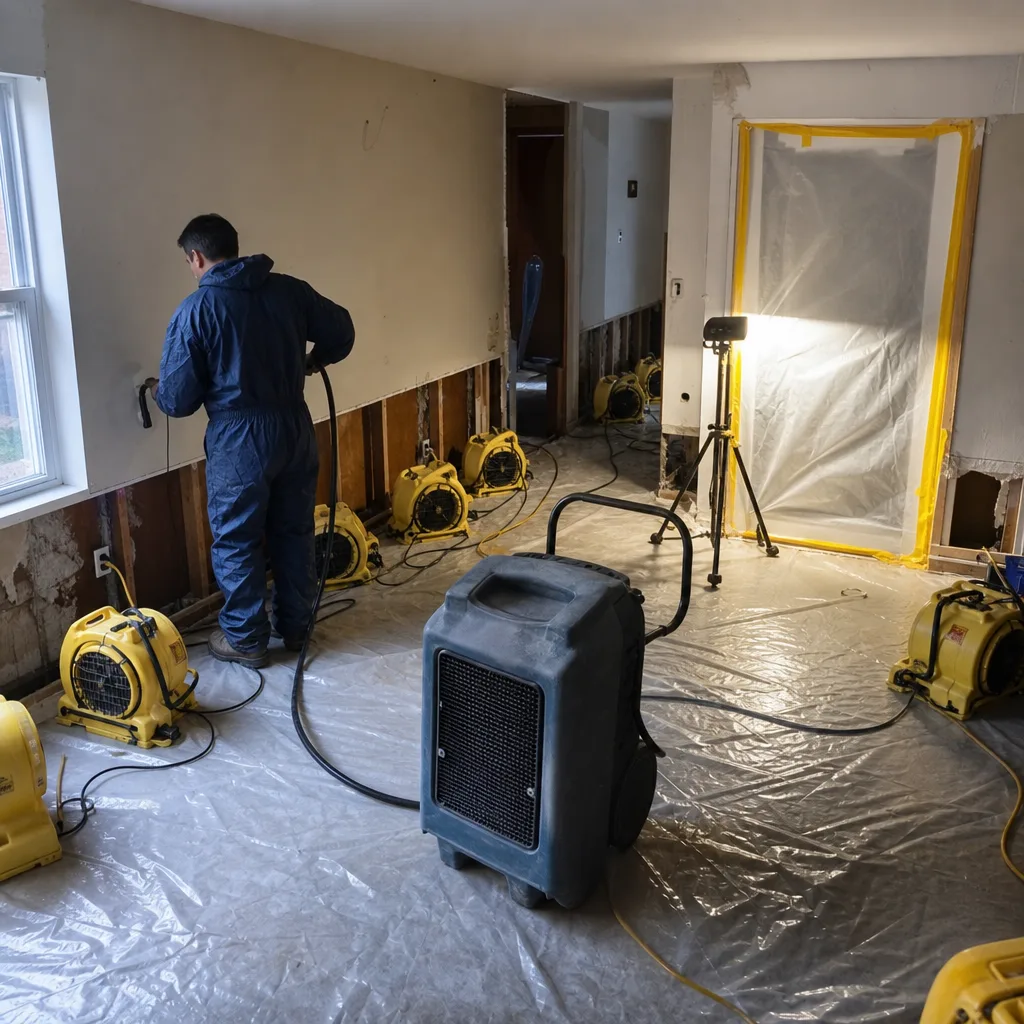
Restoration pricing is never purely about the damage. Local variables in Englewood and Bergen County can add 15-30% to a job that would cost less in other northern New Jersey markets.
Disposal fees at Bergen County solid waste facilities. The Bergen County Utilities Authority operates transfer stations with weight-based tipping fees that increased in 2024 and are scheduled for another adjustment in late 2026. Water-damaged debris is heavy: wet drywall, saturated insulation, and waterlogged carpet pad can exceed standard construction debris weights. We weigh our loads and document disposal receipts, which become line items in the final invoice. Current rates run approximately $78-$95 per ton for standard construction debris, with potential surcharges for loads containing regulated materials.
Permit costs at Englewood’s building department. Any reconstruction involving electrical, plumbing, or structural repair requires permits from the City of Englewood. As of early 2026, residential building permits for repair work run $150-$400 depending on project value, with separate permits for electrical ($75-$150) and plumbing ($75-$125). Jobs in flood-prone areas near the Tenakill Brook or Flat Rock Brook may trigger additional review if the work involves below-grade spaces. Permit timelines in Englewood typically run 5-10 business days for standard repairs, though emergency permits for habitability issues can be expedited. Our project coordinators handle permit applications as part of reconstruction scope, with copies delivered to the homeowner for insurance documentation. For details on local requirements, read Damage Restoration Permits, Codes & Inspections in NJ: What You Need to Know.
Labor rate differentials in the northern NJ market. Bergen County sits in Xactimate’s highest New Jersey labor tier, alongside Morris and Somerset counties. A water damage technician hour bills at roughly 12-18% above the state median. This reflects genuine cost pressures: commercial rent for warehouse and office space near Englewood’s service corridors, fuel costs for fleet vehicles covering dense suburban routes, and competition for skilled technicians who hold IICRC certifications. Contractors who significantly undercut Xactimate labor rates may be using unverified subcontractors, skipping documentation steps, or planning to supplement aggressively after work begins.
Climate and seasonal factors. Englewood’s position in the Pascack Valley creates specific moisture dynamics. Summer humidity regularly pushes relative humidity above 70%, extending drying times and increasing equipment day counts. Winter freeze-thaw cycles stress plumbing in homes built before 1960, particularly in the Historic District, where galvanized supply lines and cast iron drains are common. We’ve documented basement losses in January where the immediate water damage was compounded by frozen HVAC lines in exterior walls, requiring dual mitigation tracks. These compounding factors should appear in the estimate narrative, not surprise the homeowner on day three.
Access and logistics. Narrow driveways in older East Hill neighborhoods, limited street parking near apartment conversions on Palisade Avenue, and multi-story walk-ups without elevators all affect labor efficiency and equipment staging time. Xactimate includes “difficulty factors” for some of these conditions, but they are inconsistently applied. We note access constraints in our written scope so they are visible before work begins, not billed as extras.
What a Binding Written Estimate Must Include
Haven Standard, Clause 1 is uncompromising: a written price is delivered before anyone starts work, every time, with no exceptions. But what makes that written price actually binding, and what missing elements give a contractor room to bill beyond the original figure?
A properly constructed restoration estimate functions as a scope of work, a price agreement, and a documentation baseline. These are the elements we include in every DryMark Restoration Englewood estimate, and what you should demand from any contractor:
- Property identification and loss location. Address, unit number if applicable, specific rooms affected, and approximate square footage. Vague descriptions like “basement water damage” create ambiguity.
- Water category and classification. Category 1 (clean), 2 (gray), or 3 (black), and Class 1-4 based on evaporation load and affected materials. These classifications drive equipment selection, antimicrobial requirements, and safety protocols. A contractor who does not classify the loss is guessing at the scope.
- Line-item equipment list with quantities and day estimates. “Dehumidifiers: 2, estimated 4 days” not “drying equipment as needed.” The latter is an open check.
- Labor hours or unit pricing for each task. Extraction per square foot, moisture monitoring per visit, demolition per linear foot. Unit pricing allows you to verify extensions.
- Material and supply specifications. Antimicrobial product by trade name, drywall type and thickness, insulation R-value, paint sheen and brand tier. Generic descriptions permit substitution with inferior materials.
- Overhead and profit calculation. Explicit 10/10 when applicable, with notation of the trades triggering it. If a contractor says “we’ll add that later,” they are deferring a known dispute to the supplement phase.
- Permit and inspection costs. Identified separately, with responsible party noted. Some contractors bury permits in “administrative fees.”
- Not-to-exceed or fixed-price designation. Is this a guaranteed maximum, or can it grow? Our estimates specify; many competitors’ do not.
- Exclusions and assumptions. What is not included: asbestos testing, lead-safe practices, mold remediation beyond initial antimicrobial application, content cleaning, temporary relocation. These should be stated, not discovered.
- Signature blocks for homeowner and contractor. Both parties sign before work begins. An unsigned estimate is a proposal, not a contract.
The photo record is equally critical. We document the loss condition before any work begins, during each drying visit, and at completion. These photos are date-stamped, geotagged, and delivered as a standard deliverable, never an upsell. In disputes, they prove the scope was necessary and the work was performed. In our experience, adjusters who initially resist line items often accept them when presented with contemporaneous photographic evidence and daily moisture logs showing progressive drying.
One red flag we encounter in Englewood: estimates that reference “industry standard” or “customary practice” without naming the standard. IICRC S500 for water damage, S520 for mold, and S700 for fire and smoke are the actual standards. A contractor who cannot cite chapter and verse is not following a standard; they are following habit.
Mold, Fire, and Specialty Restoration Pricing
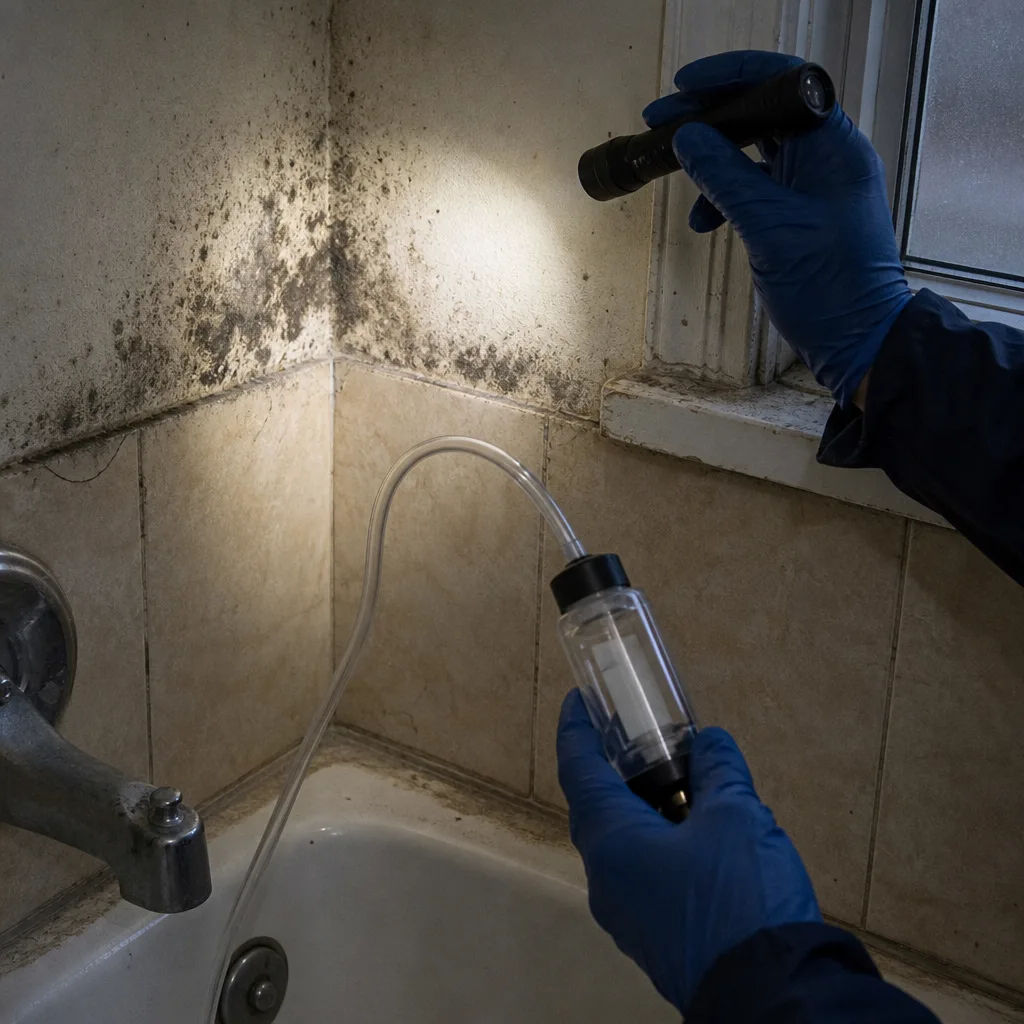
Water mitigation dominates the restoration market in Englewood, but mold remediation, fire damage, and specialty losses follow different pricing structures with their own dispute patterns.
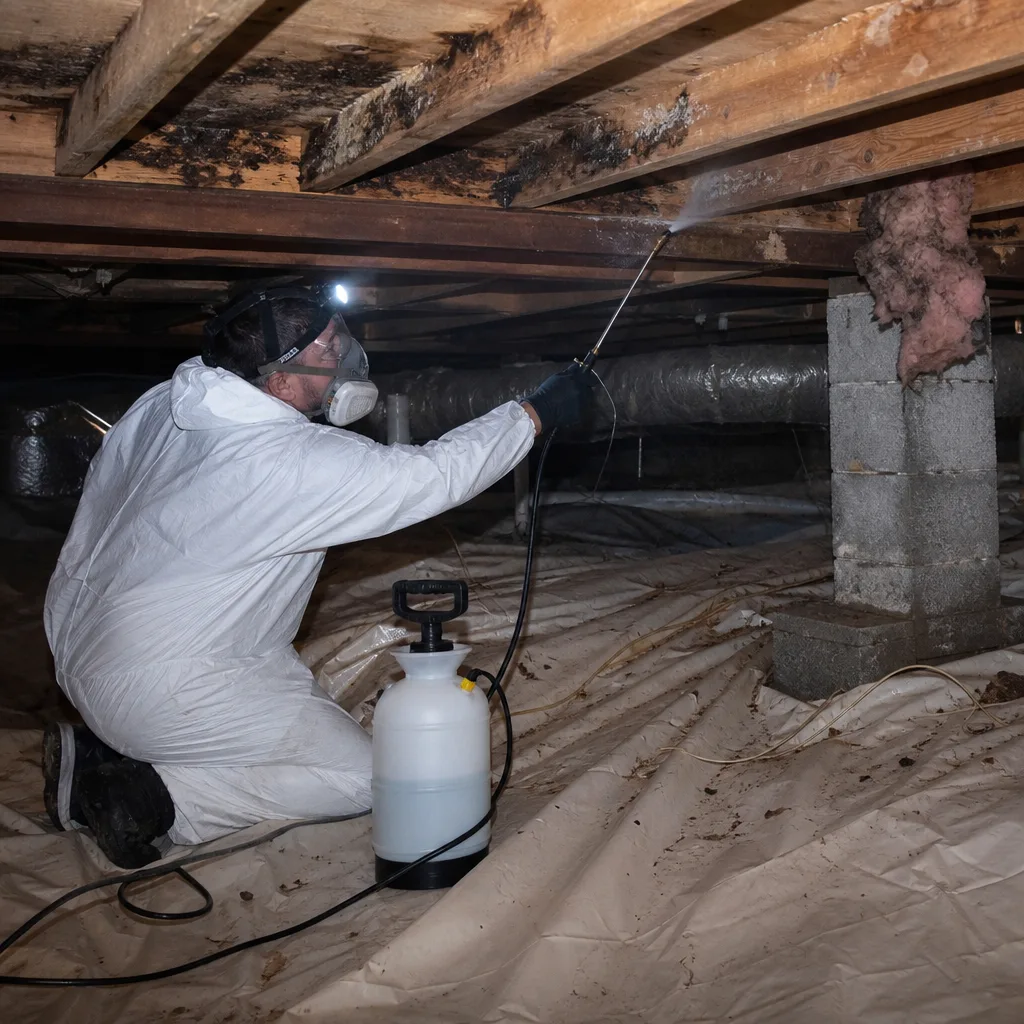
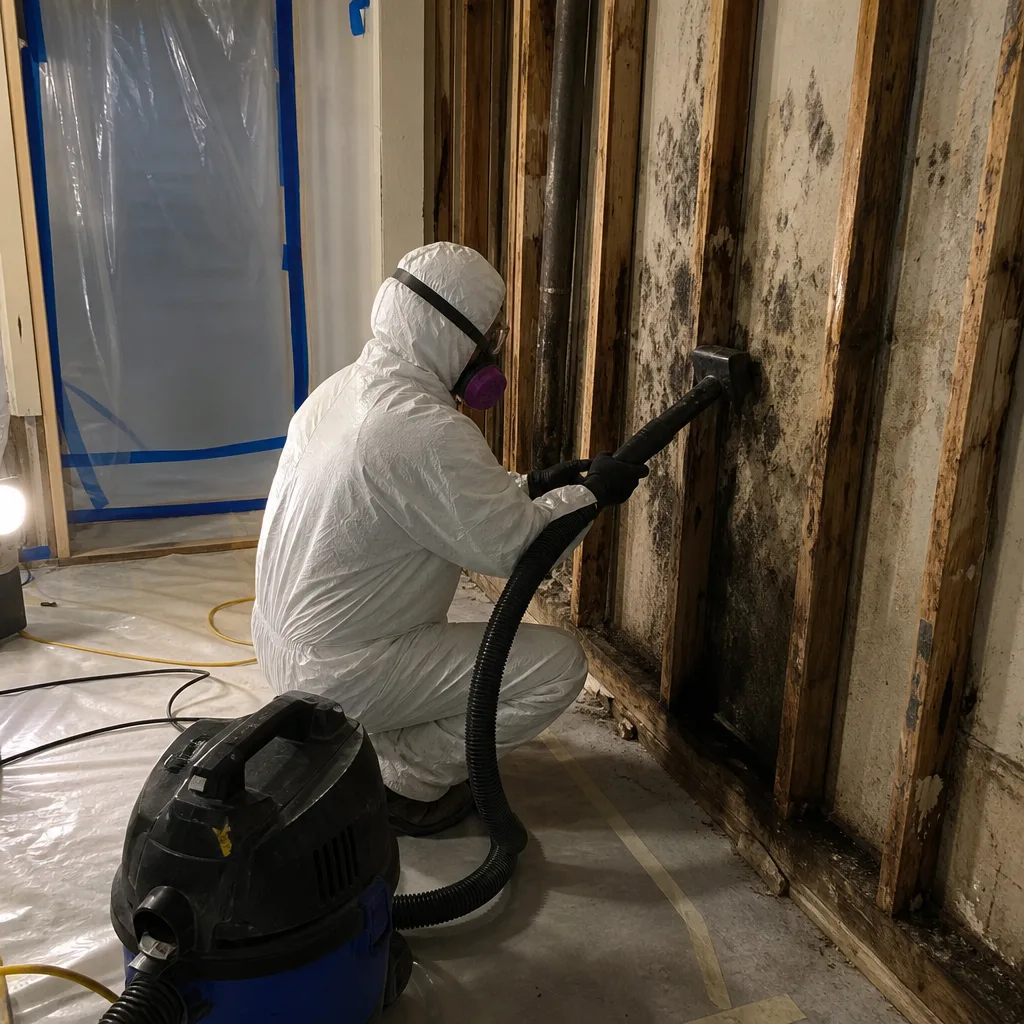
Mold remediation in Englewood typically runs $15 to $30 per square foot of contained area, with significant variance based on accessibility and containment complexity. Attic mold in a 1950s cape cod with limited access and blown-in insulation runs higher than surface mold in a modern basement with open ceiling joists. The critical documentation is the mold assessment protocol, which should specify: species identification (not all mold requires the same remediation approach), square footage of visible growth, air sampling results if performed, containment strategy, and clearance criteria.
New Jersey’s mold regulations are stricter than many states. While there is no single state licensing requirement for mold assessors, the New York Department of Health’s guidelines are frequently referenced by Bergen County health officials, and Englewood’s building department may require post-remediation inspection for certain occupancy types. We coordinate with independent mold assessors when required, never performing assessment and remediation on the same job without disclosure, to avoid conflict of interest.
Insurance coverage for mold is limited in most New Jersey policies. Standard HO-3 policies typically cap mold remediation at $10,000, with some carriers offering buy-up coverage to $50,000. The key coverage question is causation: mold resulting from a covered water loss (sudden pipe rupture) is more likely to be covered than mold from long-term humidity or maintenance neglect. We document the water loss event with photos and moisture readings to establish the causal chain.
Fire and smoke damage pricing is less standardized than water because every fire is unique. A kitchen grease fire with localized structural damage and heavy protein residue might run $8,000-$15,000 for mitigation alone, while a whole-house fire with structural compromise can exceed $100,000 before reconstruction. The critical line items are: emergency board-up and securing, water mitigation from fire suppression, contents inventory and pack-out, structural cleaning, deodorization (thermal fogging, ozone, hydroxyl generators), and reconstruction.
Smoke damage in Englewood’s older homes presents particular challenges. Plaster walls and lathe construction trap odor differently than drywall; century-old hardwood can require multiple passes with specialized cleaning agents. We use hydroxyl generators and thermal fogging systems, with odor clearance verified by third-party testing when required.
Sewage backup and biohazard cleanup carry premium pricing due to PPE requirements, disposal regulations, and health risks. Category 3 water losses in Englewood run 30-50% above Category 2, with mandatory antimicrobial application, potential vaccination verification for technicians, and regulated waste disposal. The Bergen County Utilities Authority has specific acceptance requirements for sewage-impacted materials that affect hauling logistics and costs.
Reconstruction is where many homeowners experience the largest out-of-pocket gaps. Mitigation is often covered at RCV with minimal depreciation, but reconstruction may be subject to stricter scrutiny, matching disputes, and code upgrade limitations. New Jersey’s uniform construction code requires current-code compliance for any repair exceeding 50% of a structure’s value in a 12-month period, which can trigger unplanned electrical, plumbing, or energy code upgrades. We identify potential code triggers during our initial scope and flag them for adjuster discussion before work begins.
How to Spot Padding in a Competitor’s Estimate
Not every high estimate is padded, and not every low estimate is honest. But certain patterns recur in competitor estimates we review during our free second opinion consultations in Englewood. If you’re weighing whether to handle cleanup yourself, our DIY vs Professional Damage Restoration: The Englewood Homeowner’s Decision Guide covers the key trade-offs.
Equipment inflation. Count the dehumidifiers and air movers, then measure the affected space. Xactimate provides equipment calculators based on cubic footage and class of loss. A 400-square-foot basement with 8-foot ceilings needs roughly 1 LGR dehumidifier and 4-6 air movers for a Class 2 loss. A scope calling for 3 dehumidifiers and 12 air movers either misunderstands the science or is maximizing rental revenue.
Phantom labor. Look for labor line items that don’t correspond to visible tasks. “Specialty drying services” without equipment specification, “advanced moisture mapping” separate from standard monitoring, or “technical consultation” that duplicates the project manager’s role. Each labor hour should attach to a specific, verifiable activity.
Missing 10/10 with later supplement. An estimate that omits overhead and profit, then notes “supplement to follow,” is deferring a known cost. The homeowner faces uncertainty, and the carrier faces a surprise. We include 10/10 in our initial scope when trades warrant it, with justification documented.
Vague material specifications. “Paint, interior, flat” could be $18 per gallon contractor-grade or $45 per gallon premium. “Drywall, 1/2 inch” could be standard or mold-resistant in a basement application. Specificity protects both parties.
Unnecessary demolition. Some contractors default to removing all wet materials rather than drying in place, particularly when they also hold reconstruction contracts. In-place drying with Injectidry or similar systems is often viable for plaster, hardwood, and structural lumber if initiated promptly. We document salvageability assessments with moisture readings and photos, preserving materials when drying goals can be met. Browse more guides & resources on restoration, insurance claims, and property protection.
Administrative fees without breakdown. A flat 5% or 10% “administrative fee” with no itemization is often a margin pad. Permits, disposal, and documentation have specific costs that should be stated separately.
Common Mistakes to Avoid
- Waiting for the adjuster before calling a contractor. In Englewood’s humid summers, a 48-hour delay turns a dryable structure into a demolition job. Mitigate first, document everything, then negotiate coverage. Your policy likely requires reasonable emergency measures.
- Accepting the first adjuster estimate without review. Initial offers are often automated, based on photos or brief inspection, and routinely omit 10/10, code upgrades, and proper equipment counts. A written contractor estimate is leverage in the negotiation.
- Signing an estimate without exclusions review. The work not included matters as much as the work included. Mold, asbestos, temporary relocation, and contents cleaning are common exclusions that become expensive surprises.
- Choosing the lowest bid without equipment verification. A low bid may reflect inferior equipment (consumer-grade dehumidifiers rather than LGR units), skipped documentation, or planned supplements. Verify equipment by manufacturer and model.
- Neglecting to document pre-loss condition. Photos of your home before damage establish baseline condition for depreciation disputes. Store them in cloud backup, not just on your phone.
- Failing to verify contractor insurance and licensing. New Jersey requires home improvement contractor registration; ask for the HIC number and verify it through the Division of Consumer Affairs. Ask for certificates of insurance naming you as additional insured during the work period.
- Ignoring the depreciation holdback timeline. RCV policies require proof of completion to release depreciation. Miss the deadline, typically 180 days to 2 years depending on policy, and you forfeit the recovery.
When to Call a Professional
Some situations permit measured homeowner response: a small, contained leak with immediate discovery, no structural materials affected, and prompt drying with fans and dehumidification. Most Englewood water losses do not fit this profile. Call a professional when water has affected drywall, insulation, or flooring; when the source is Category 2 or 3; when mold is visible or suspected; when the loss involves electrical components; or when your insurer has already assigned an adjuster and you need documentation parity.
DryMark Restoration Englewood offers free estimates in Englewood and across Bergen County. Every estimate is delivered in writing before work begins, with line-item detail, equipment specifications, and no hidden supplements. We also provide a free second opinion on any competitor’s written estimate, reviewed against current Xactimate pricing and Bergen County labor rates. Call (845) 875-4326 to schedule.
Frequently Asked Questions
Typical residential water damage mitigation in Englewood ranges from $3,200 to $8,500, with full reconstruction adding $12,000 to $35,000 depending on materials and finish quality. Finished basements in East Hill and homes with plaster construction tend toward the higher end. Call (845) 875-4326 for a written estimate with exact line items.
If you have RCV coverage, yes, minus your deductible and any applicable policy limits, once you submit proof of completion. ACV policies pay only depreciated value, leaving you to cover the gap. The most common underpayment source is omitted 10/10 overhead and profit, which we flag in our initial scope. We also coordinate directly with adjusters and provide photo-documented evidence to support full recovery.
Variance comes from labor tier selection, equipment day counts, line item granularity, and whether 10/10 is included. Some contractors use lower technician rates but bill more hours; others use premium rates with efficient scopes. The estimate with the most detailed line items and explicit assumptions is usually the most reliable, not the highest or lowest total.
For active water losses, DryMark Restoration Englewood maintains live phone coverage 24 hours a day, 7 days a week with no voicemail on emergency lines. Response time depends on current deployment, but we prioritize standing water and Category 3 losses. Reconstruction is scheduled, not dispatched, with written scopes prepared in advance.
Category 1 water affecting less than 10 square feet of non-porous materials may be manageable with prompt homeowner action. Anything involving drywall, insulation, carpet pad, Category 2 or 3 water, or visible mold requires professional equipment and documentation. Self-performed work without moisture verification often leads to mold growth and claim denial for subsequent damage.
We do, with your authorization. Our documentation, daily drying logs, and photo records are formatted for direct adjuster submission. We attend adjuster meetings when requested, provide supplemental estimates for omitted line items, and negotiate 10/10 inclusion. You remain the policyholder and final decision-maker, but you do not need to manage the technical negotiation alone.
The Bottom Line
Restoration pricing in Englewood is not mysterious; it is specific, line-item, and verifiable against published standards. The homeowner who understands Xactimate structure, demands written scope detail, and verifies that 10/10 overhead and profit are included from day one will recover more completely and pay less out of pocket than one who accepts the first adjuster offer or the lowest verbal bid. Documentation is not an extra service; it is the foundation of every payable claim. At DryMark Restoration Englewood, every job begins with a written price, proceeds with a photo record on every visit, and ends with a 365-Day Done Right Promise backed by The Haven Standard.
Written by Alicia Brennan, Owner at DryMark Restoration Englewood, serving Englewood since 2011.