
Last updated September 23, 2026
Free visual inspection and a written scope of work before any mitigation begins - photos, moisture readings, and drying logs go in your claim file
The scope we write is the scope we bill. Anything new gets shown to you, in writing, before we touch it.

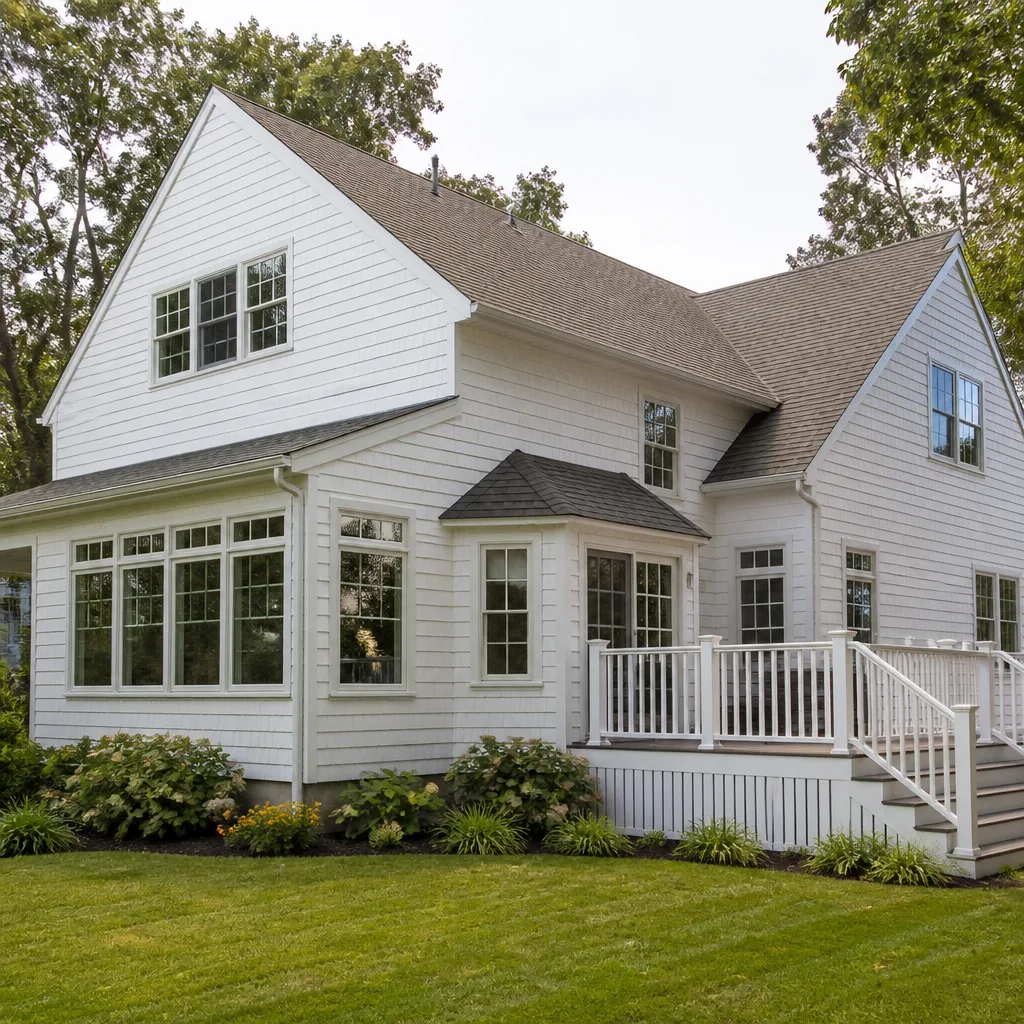
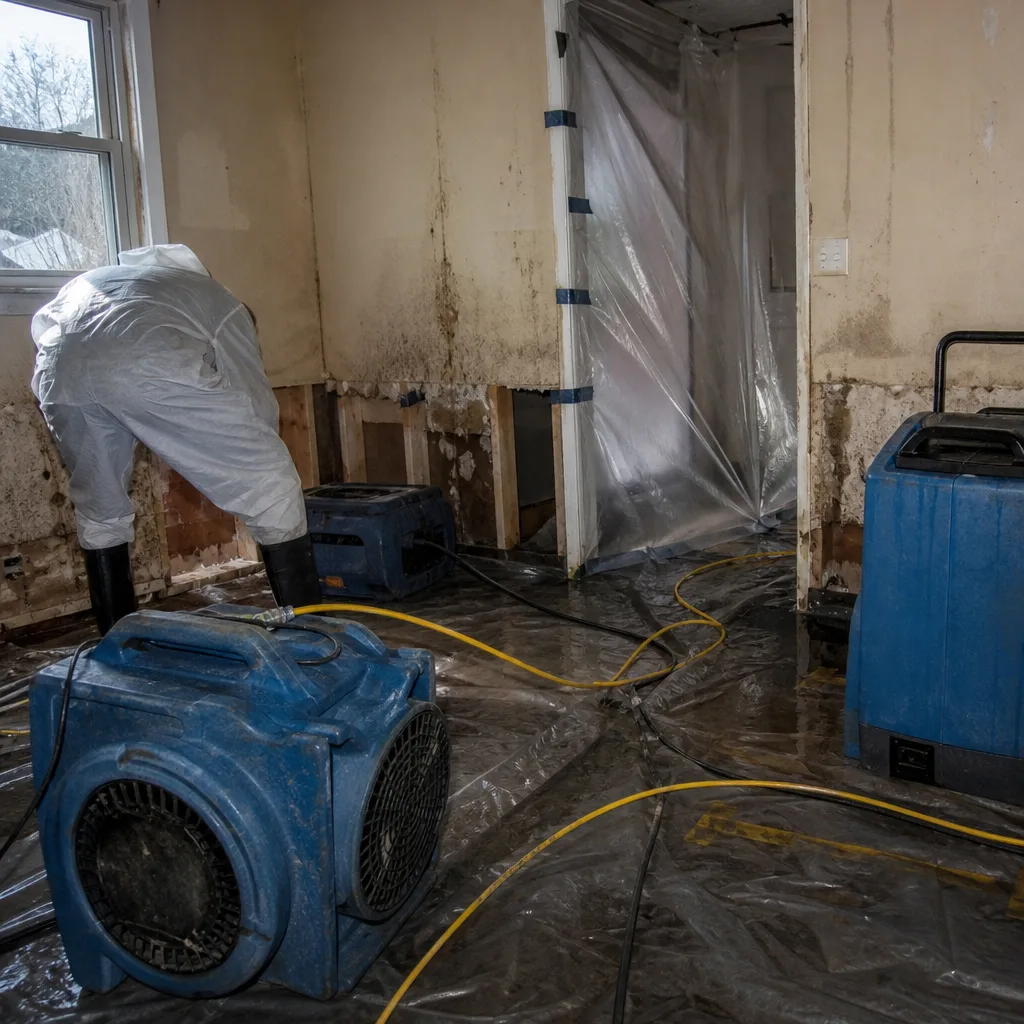 Before
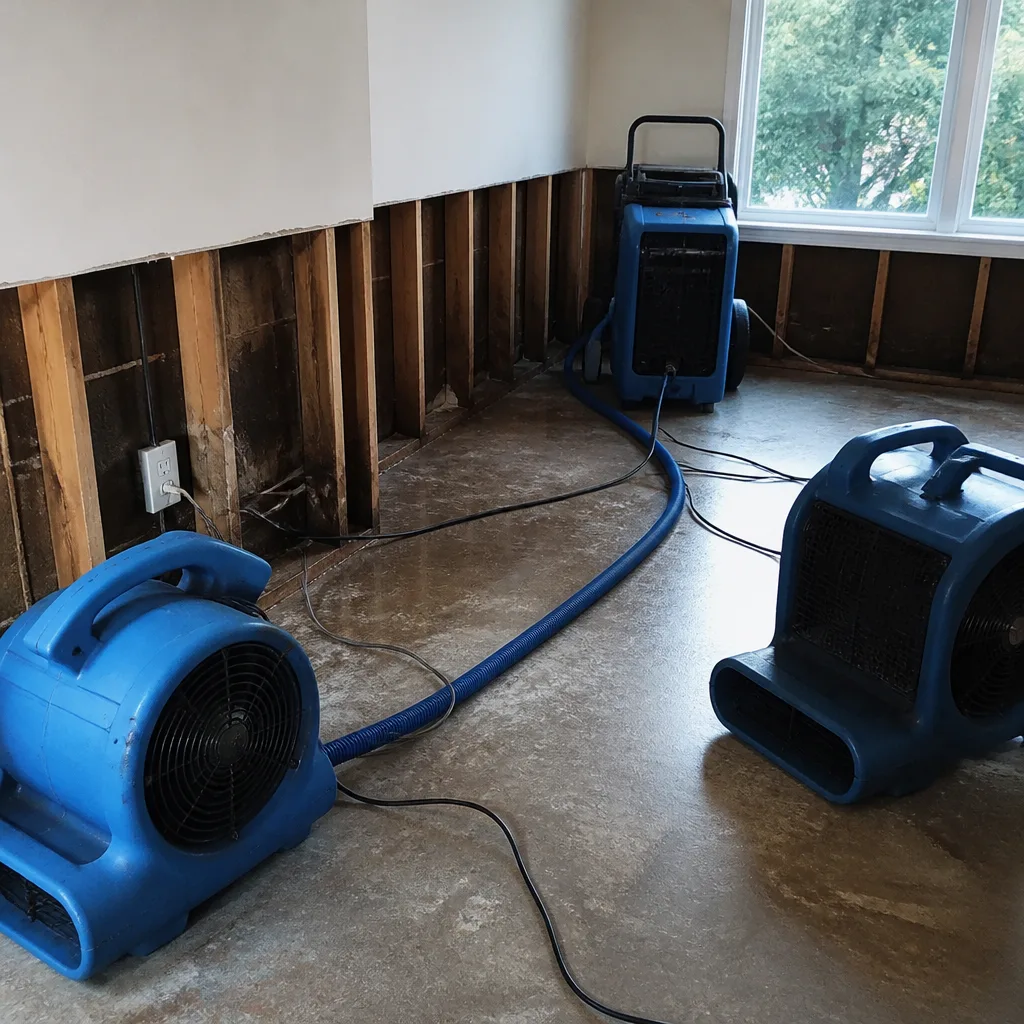 After
After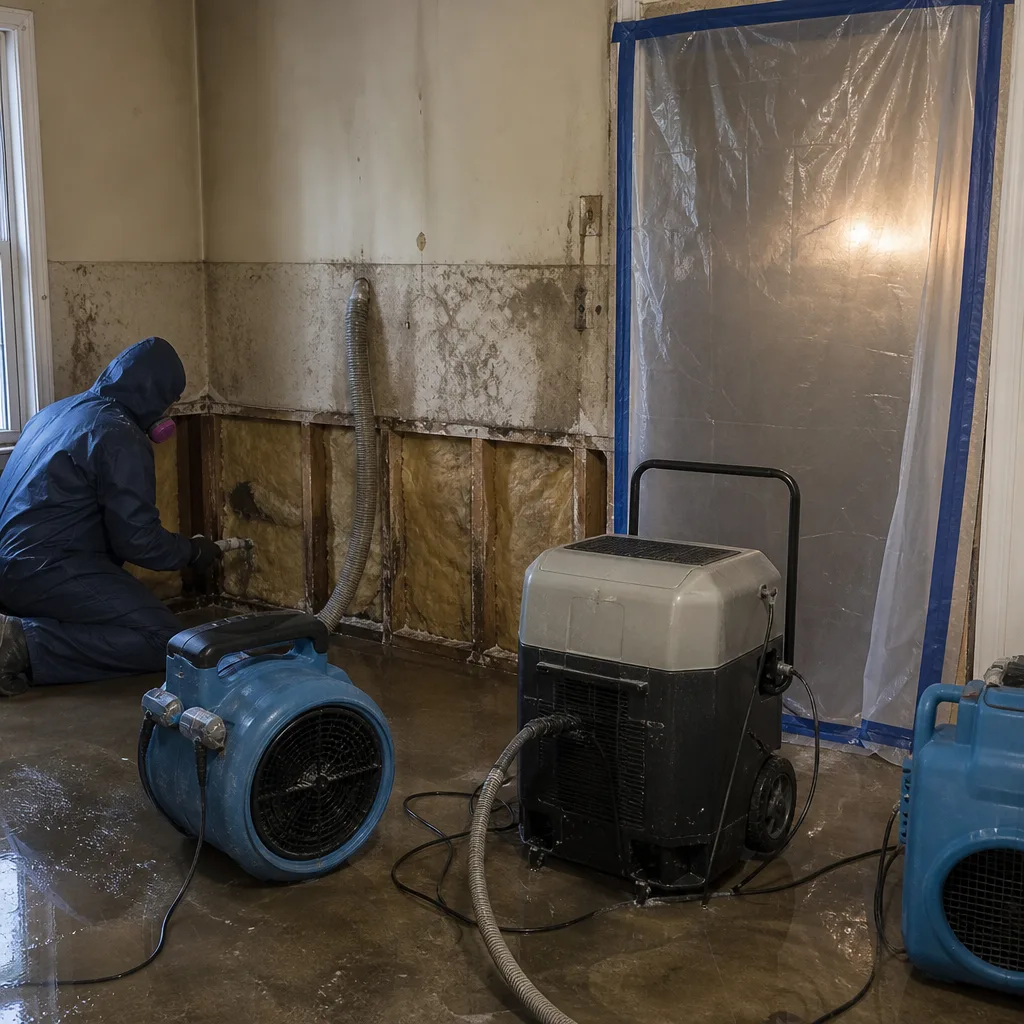 Before
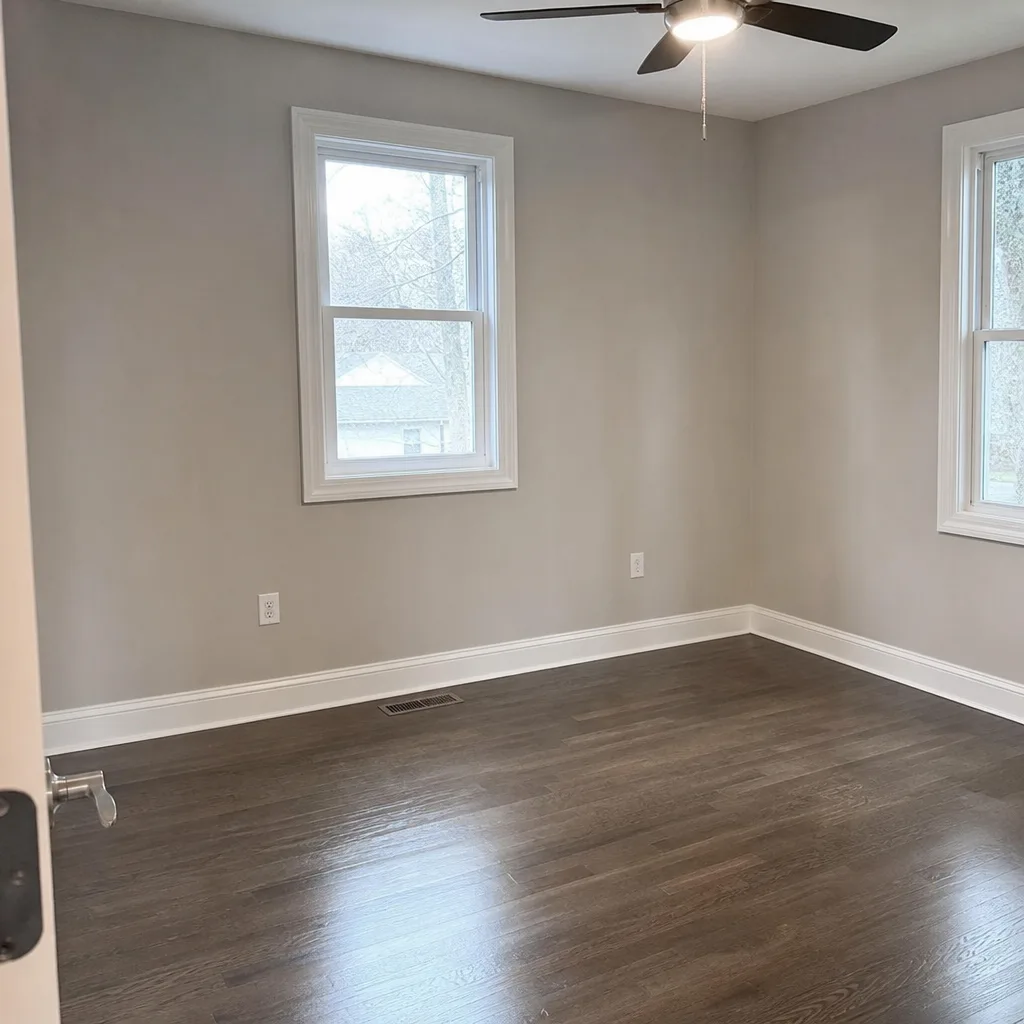 After
After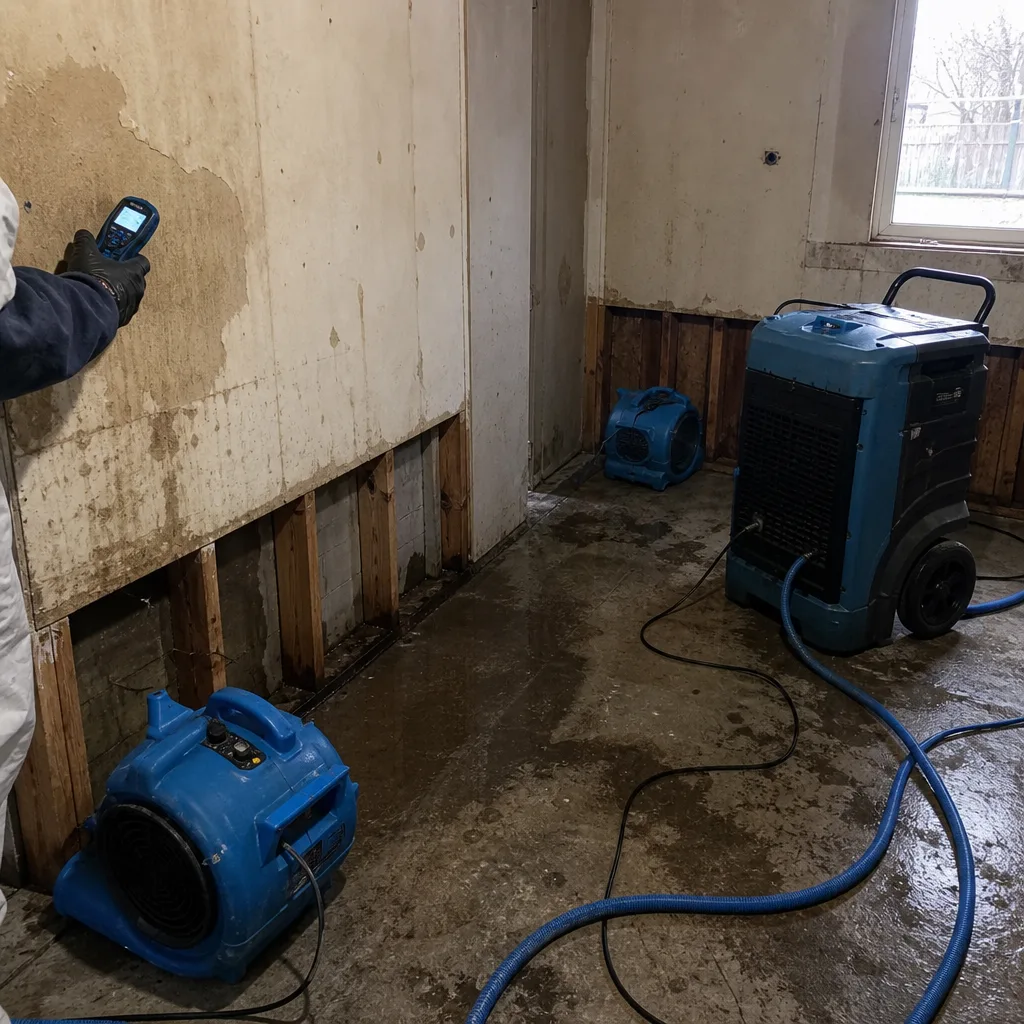 Before
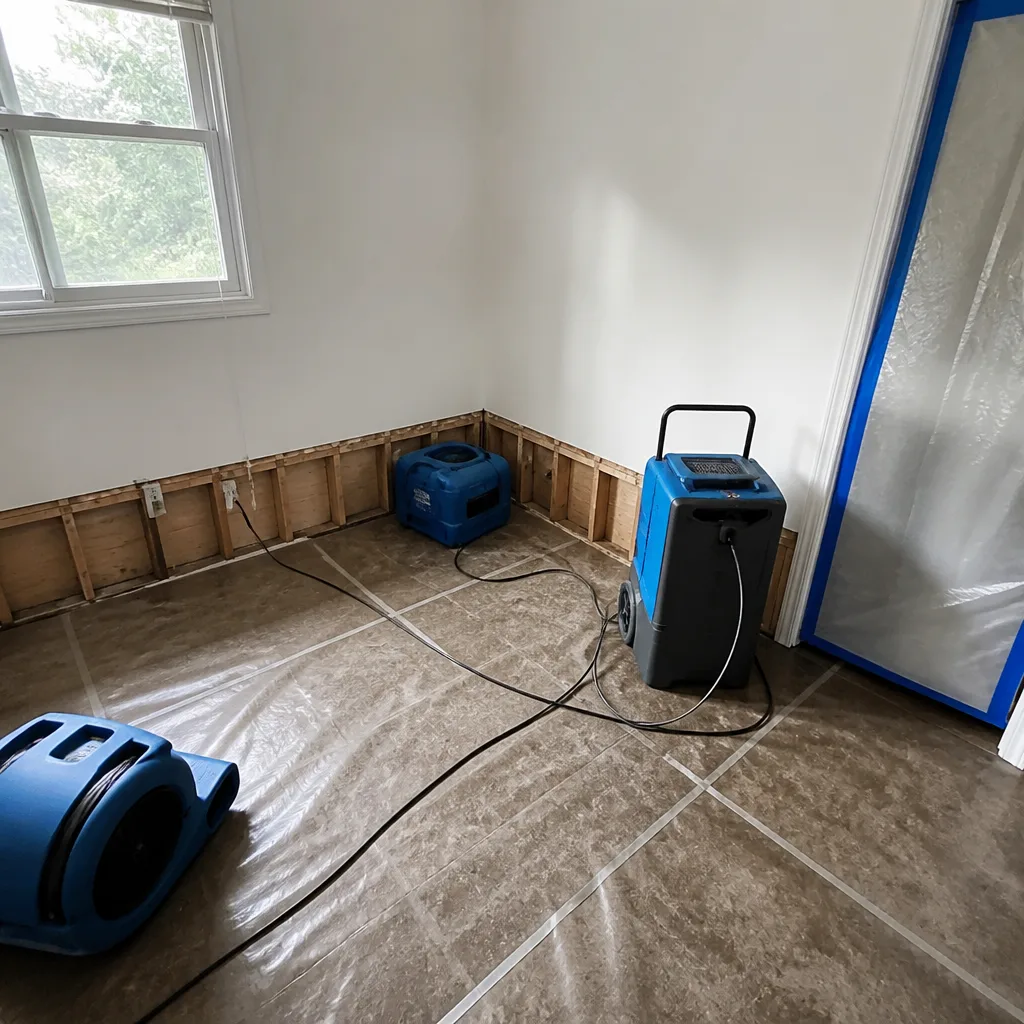 After
AfterSeasonal Damage Restoration Care for Englewood: Year-Round Homeowner’s Guide
Bergen County’s freeze-thaw cycle averages 40 oscillations per winter. Each one expands water trapped in masonry or flashing by 9% in volume, a mechanical force that outpaces most caulk and mortar by year three. In Englewood, where pre-war balloon-frame construction meets clay-heavy soils and dense suburban tree canopy, seasonal damage follows predictable patterns that most homeowners miss until the drywall stains appear. This guide assigns specific inspection tasks and threshold readings to each quarter so you intercept problems during the $200 maintenance window rather than the $20,000 restoration window. For additional seasonal checklists, explore our more guides & resources. We’ll cover wall assembly risks unique to Englewood’s housing stock, hydrostatic pressure calculations, attic ventilation ratios, and how to format a maintenance log that functions as evidence of due diligence if a claim is later disputed.
Quick Answer
Seasonal damage restoration care in Englewood means inspecting four critical systems on a quarterly schedule: plumbing and wall assemblies before winter freeze, foundation drainage during spring snowmelt, attic ventilation through summer humidity, and gutter discharge before fall leaf drop. For a deeper dive, see our Complete Guide to Damage Restoration in Englewood. Homeowners who document these inspections with dated photos and moisture readings reduce restoration costs by catching failures in the maintenance phase rather than the mitigation phase.
Table of Contents
- Winter: Pipe Freeze Risk by Wall Assembly Type
- Spring: Snowmelt, Clay Soils, and Hydrostatic Pressure
- Summer: Attic Moisture and the 1:150 Ventilation Rule
- Fall: The Three-Week Gutter Vulnerability Window
- How to Format a Seasonal Maintenance Log as Evidence
- What Prevention Costs vs. What Restoration Costs
- Common Mistakes to Avoid
- When to Call a Professional
- Frequently Asked Questions
BeforeAfterWinter: Pipe Freeze Risk by Wall Assembly Type
Englewood’s housing stock splits into two distinct wall assemblies, and the difference determines where pipes freeze first. Pre-war balloon-frame homes, common in the East Hill and Liberty Road corridors, have continuous stud cavities running from basement to attic with minimal insulation at the plate lines. Modern platform-framed homes, built after 1960 in areas like the northwest grid near Flat Rock Brook, use sealed cavities with continuous insulation. The failure threshold differs by assembly type.
In balloon-frame construction, pipe freeze typically occurs when exterior wall temperatures at the sill plate drop below 20°F for six consecutive hours. The continuous cavity acts as a chimney, drawing cold air from the foundation up to the attic. We’ve documented freeze events in Englewood homes where interior thermostats read 68°F while cavity temperatures at the second-floor wall dropped to 14°F. The telltale sign is reduced water flow at the upper-floor fixture before complete stoppage.
Platform-frame construction fails differently. The sealed cavities protect pipes longer, but when failure occurs, it tends to be catastrophic: the pipe freezes at the exterior penetration point where insulation was disturbed during a prior repair. The threshold here is lower, typically 15°F sustained for eight hours, but the damage is often hidden inside the wall until spring thaw.
Your winter inspection checklist:
- Locate all water supply lines in exterior walls. In balloon-frame homes, these are typically on the second floor and attic. In platform-frame, check kitchen and bath exterior walls where plumbing penetrates.
- Install remote temperature sensors at sill plates and attic knee walls. Consumer-grade units with logging capability start around $25. Log minimum temperatures weekly.
- Seal visible air leaks at electrical boxes, plumbing penetrations, and baseboard gaps with acoustic sealant, not standard caulk: acoustic sealant remains flexible at -20°F.
- On nights forecast below 18°F, open cabinet doors on exterior walls and run a pencil-thin stream of water from the highest fixture. The energy cost is approximately $2-4 per night; a pipe thaw and repair averages $1,200-3,400 in Englewood.
- Insulate hose bibs with faucet covers rated to -30°F, and verify interior shut-off valves actually close completely. We’ve found 30% of older valves in Englewood homes leak past the seat, allowing residual water to remain in the exterior portion.
If you discover a frozen pipe, do not apply open flame. The temperature differential between ice and pipe wall can cause copper to split when heated unevenly. A properly rated heat cable, applied from the open fixture backward toward the freeze point, is the correct method. Document the freeze location, the temperature log reading, and any visible damage with dated photos. This documentation becomes critical if your insurer later questions whether the loss was sudden and accidental versus gradual deterioration.
Spring: Snowmelt, Clay Soils, and Hydrostatic Pressure
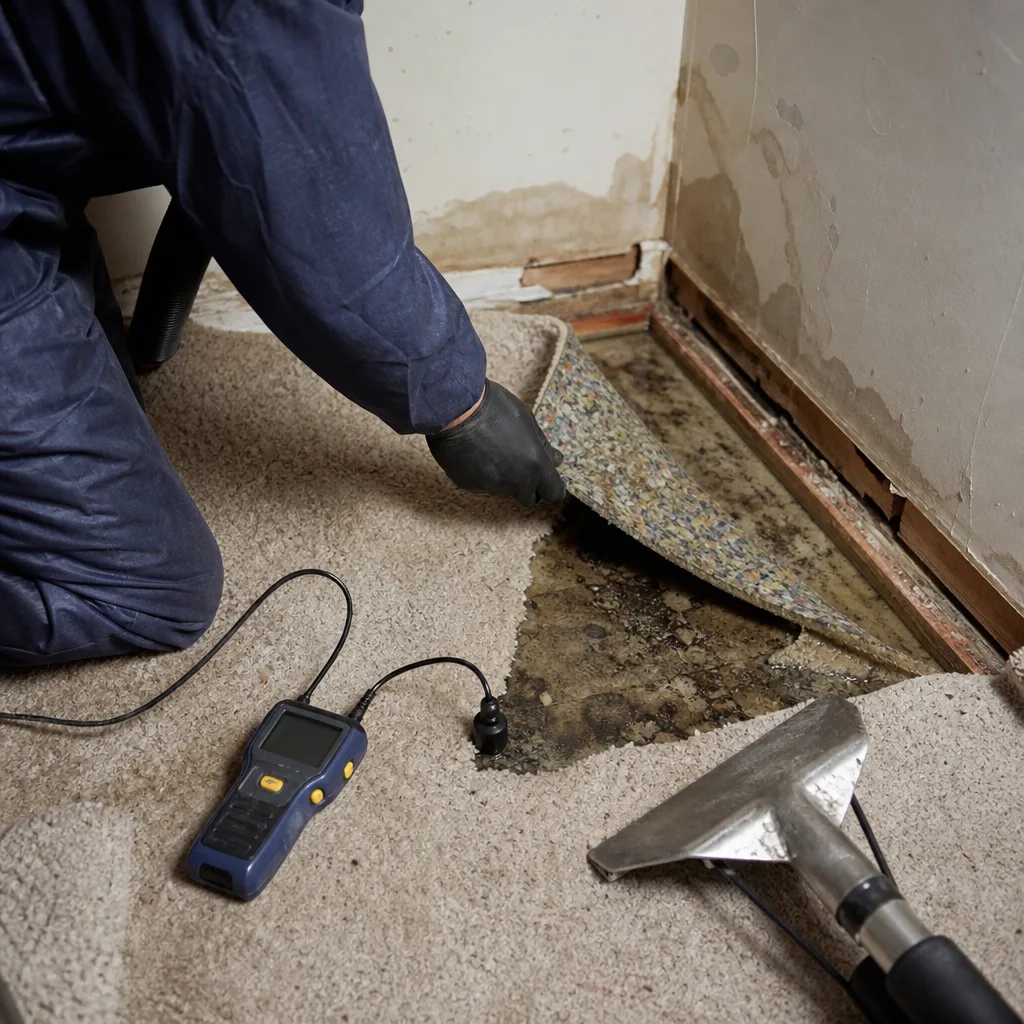
Englewood sits on the Passaic Formation, a geological layer of red shale and dense clay that extends across eastern Bergen County. This soil type has a coefficient of permeability roughly 1/50th of sandy loam. When snowpack melts over a compressed winter base, or when March rain falls on frozen ground, water cannot percolate downward. It moves laterally, and if your foundation is in its path, it exerts hydrostatic pressure.
The pressure calculation is straightforward and worth understanding. At 8 feet of depth, saturated clay exerts approximately 62.4 pounds per cubic foot times the depth, or roughly 500 pounds per square foot against your foundation wall. A standard 8-inch poured concrete wall has an allowable lateral pressure of about 450-600 psf depending on age and reinforcement. The margin is thin, and Englewood’s older homes with stone or block foundations have lower thresholds.
We’ve measured foundation moisture in Englewood basements that spiked from 12% wood moisture content in February to 28% in March without any visible leak. The water was migrating through capillary action in the porous foundation material, driven by the pressure differential between saturated exterior soil and drier interior air. By April, this manifests as efflorescence on block walls, musty odor, or in balloon-frame homes, rot at the sill plate where the foundation meets the continuous wall cavity.
Drainage corrections that reduce hydrostatic pressure:
- Regrade to achieve 6 inches of fall in the first 10 feet from foundation. Englewood’s flat lots in the southeast quadrant near the railroad tracks often need soil addition rather than removal. Use compactable fill, not topsoil, to maintain slope stability.
- Extend downspout discharge to 10 feet from foundation. This is not a recommendation; it’s Englewood ordinance 23-4.2, and inspectors do verify it during resale inspections. Flexible extensions are acceptable but prone to displacement; buried PVC with pop-up emitters is permanent.
- Install a perimeter drain if water tables are chronically high. In the Flat Rock Brook watershed area, we’ve seen seasonal water tables rise to within 18 inches of finished grade. A French drain at footing depth, backfilled with 3/4-inch washed stone and filtered fabric, intercepts lateral flow before it reaches the wall. Cost in Englewood typically runs $85-140 per linear foot for interior installation, $120-180 for exterior with excavation.
- Seal foundation walls with a vapor-permeable masonry coating. Standard waterproof paint traps moisture; a silane-siloxane penetrant allows vapor transmission while blocking liquid water. Apply when walls are dry, typically late May in this climate.
Document your spring inspection with photos of foundation walls, grade slope measurements, and downspout discharge points. Our Water Damage Restoration Maintenance Checklist for Englewood Homeowners provides a complete task list. If you later file a claim for foundation water damage, this record demonstrates due diligence and counters any insurer’s assertion of long-term neglect.
Summer: Attic Moisture and the 1:150 Ventilation Rule
New Jersey building code requires attic ventilation at a ratio of 1:150, meaning one square foot of net free vent area for every 150 square feet of attic floor space. This is not a suggestion for energy efficiency; it’s a moisture control mandate that prevents the conditions that lead to Mold Remediation in Englewood. In our climate zone, summer attic temperatures reach 140°F while nighttime cooling drops the roof deck below the dew point. Without adequate airflow, that moisture condenses on sheathing and begins the fungal colonization process.
Here’s how to calculate whether your Englewood attic meets the code minimum. Measure the attic floor length and width in feet. Multiply to get square footage. Divide by 150. The result is your required net free vent area in square feet. A 1,200 square foot attic needs 8 square feet of net free area. Split this 50/50 between intake (soffit vents) and exhaust (ridge or gable vents). The critical detail: net free area is not the physical vent dimension. A typical 16×8 inch soffit vent with insect screening has a net free area of about 28 square inches, not 128. Manufacturer specifications list the true net free area; use those numbers, not a tape measure.
Englewood’s housing stock presents specific ventilation challenges. Pre-war homes often have minimal or no soffit overhang, making continuous soffit vent installation impossible without structural modification. Some East Hill homes have original slate roofs with no ridge vent and gable vents that were painted shut decades ago. Post-war ranches in the northwest section frequently have adequate vent area but blocked airflow from compressed insulation over the eaves.
Your summer inspection protocol:
- Measure attic floor area and calculate required ventilation. Record the calculation in your maintenance log.
- Inspect soffit vents from the exterior. Look for paint coverage, insect screen integrity, and attic insulation that has been blown or stuffed against the vent opening. Baffles, sometimes called vent chutes, should maintain a 2-inch clear airway between insulation and roof deck.
- Verify exhaust vent operation. Ridge vents should show daylight along the full length; gable vents should have operable louvers or fixed openings free of obstruction. Powered attic ventilators are generally not recommended: they can depressurize the attic and draw conditioned air from the living space, increasing cooling costs without improving moisture control.
- Measure attic moisture content with a pinless moisture meter at three points: near the ridge, at mid-roof, and at the eave. Readings above 16% on wood sheathing indicate a ventilation or roof leak problem requiring investigation. Document each reading with date, location, and photo.
- Check bathroom and kitchen exhaust fan terminations. Ducts must terminate outside the attic envelope, not into the soffit or near a ridge vent where moisture re-enters. In Englewood’s humid July-August period, a single unvented bath fan can add 2-3 gallons of water vapor to attic air daily.
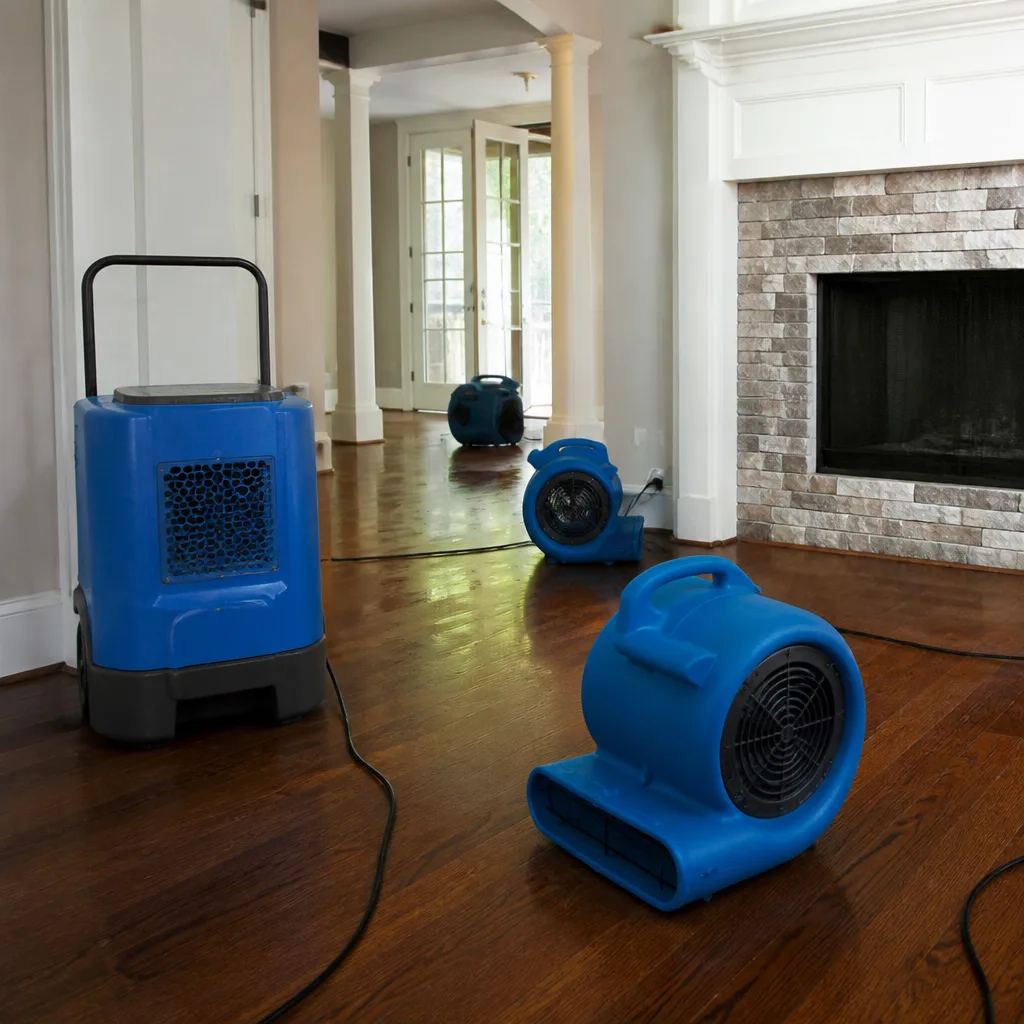
We use professional-grade drying systems from Phoenix and XPOWER when attic moisture has progressed to active mold growth or sheathing damage. The equipment produces psychrometric data - temperature, relative humidity, and vapor pressure differential - that documents the drying environment and supports insurance claim documentation. But the $200 ventilation correction prevents the $8,000-15,000 attic remediation. The math is not complicated.
Fall: The Three-Week Gutter Vulnerability Window
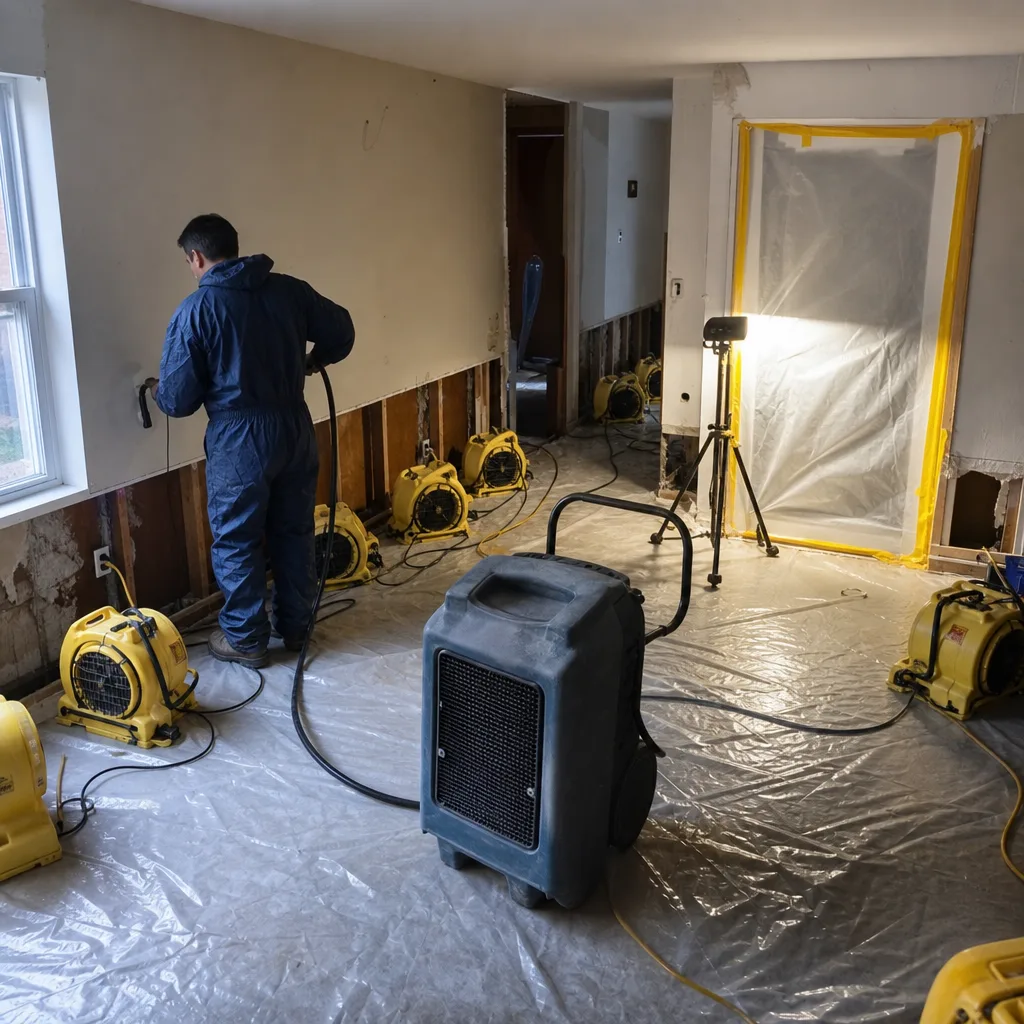
There is a specific interval in Englewood’s autumn, typically mid-October to early November, when three conditions overlap: deciduous canopy has dropped most of its load, temperatures remain above freezing, and rainfall increases ahead of winter storm patterns. During this window, clogged gutters overflow with every rain, and the water has nowhere to go but behind fascia boards, into soffit cavities, and down exterior walls. Then the first freeze arrives, and the trapped water expands with the 9% volume increase that destroys whatever containment it found.
Englewood’s tree density compounds the problem. The city’s mature oak and maple canopy, particularly in the established neighborhoods between Palisade Avenue and Broad Avenue, produces leaf volumes that overwhelm standard gutter systems. A single mature oak can drop 200,000 leaves in a season. Standard 5-inch K-style gutters handle approximately 5,500 square feet of roof area in moderate rainfall; in the concentrated downpours common to Bergen County’s fall nor’easters, that capacity is exceeded when any blockage reduces flow.
The inspection and correction sequence:
- Week 1 of window: Clean gutters and downspouts completely. This means removing debris by hand or with a gutter scoop, then flushing with a hose to verify downspout flow. A garden hose with a pressure nozzle will reveal partial blockages that visual inspection misses.
- Week 2: Verify pitch and hanger spacing. Gutters should slope 1/4 inch per 10 feet toward the downspout. In Englewood’s freeze-thaw climate, hanger brackets loosen as expansion cycles work fasteners out of fascia boards. Spacing should not exceed 24 inches; in snow load zones, 18 inches is preferable.
- Week 3: Install gutter guards or commit to a second cleaning. Mesh guards reduce maintenance but are not maintenance-free; they require annual inspection for shingle granule accumulation. If you skip guards, schedule a second cleaning for late November after the final leaf drop.
The downspout discharge requirement is specific: Englewood ordinance requires water to discharge at least 10 feet from foundation walls, and this distance must be maintained during winter when snow and ice can displace temporary extensions. Buried drain lines to daylight or drywells are the permanent solution. We’ve documented basement water damage in Englewood homes where the only failure was a downspout extension kicked aside by a snowplow or buried by shoveling.
Document your fall gutter work with dated photos showing clean gutters, proper pitch verified with a level, and discharge points. If ice damming occurs later in winter, this record demonstrates that gutter maintenance was not the contributing factor, which matters when adjusters assign causation.
How to Format a Seasonal Maintenance Log as Evidence
Insurance claims for water damage are denied or reduced more often for documentation failures than for coverage exclusions. The most common dispute: the insurer asserts gradual deterioration or homeowner neglect, and the homeowner has no contemporaneous record to counter the claim. A properly maintained seasonal log converts your maintenance efforts into admissible evidence.
The format is specific. Each quarterly entry should contain:
- Date and weather conditions. Not “fall 2024” - “October 14, 2024, 62°F, 0.3 inches rain in previous 24 hours.”
- System inspected and its location. “Second-floor bathroom, north exterior wall, balloon-frame construction.”
- Measurement or observation. “Sill plate temperature sensor minimum reading 34°F for week ending 10/14. No pipe insulation gaps visible. Acoustic sealant at baseboard intact.”
- Photo reference. Each photo filename should match the log entry: “2024-10-14_bath_north_wall_01.jpg” through however many images. Store in cloud backup with date-stamped upload metadata.
- Corrective action if any, with cost. “Replaced failed caulk at window stool, $12.47, Home Depot Englewood.”
- Signature and printed name. A handwritten signature on a printed log, or a digital signature with timestamp, carries more weight than an unauthenticated computer file.
For the moisture readings that matter most, use a calibrated pinless moisture meter and record the manufacturer, model, and calibration date. We recommend annual calibration or replacement for meters used in this context. The reading “16% MC, Delmhorst BD-2100, calibrated 3/2024” is evidence. The reading “felt damp” is not.
Store your log in two locations: physical binder in a fire-resistant container, and scanned PDF in cloud storage with version history. If you ever need to present this to an adjuster or in appraisal, the dual-storage system demonstrates that the record was not created after the fact.
We’ve reviewed hundreds of claims files at DryMark Restoration Englewood home. The claims that pay without dispute are the ones where the homeowner can produce this level of documentation. The claims that drag on for months, or settle for 60 cents on the dollar, are the ones where the only evidence is a memory of “I think I checked that last year.”
What Prevention Costs vs. What Restoration Costs
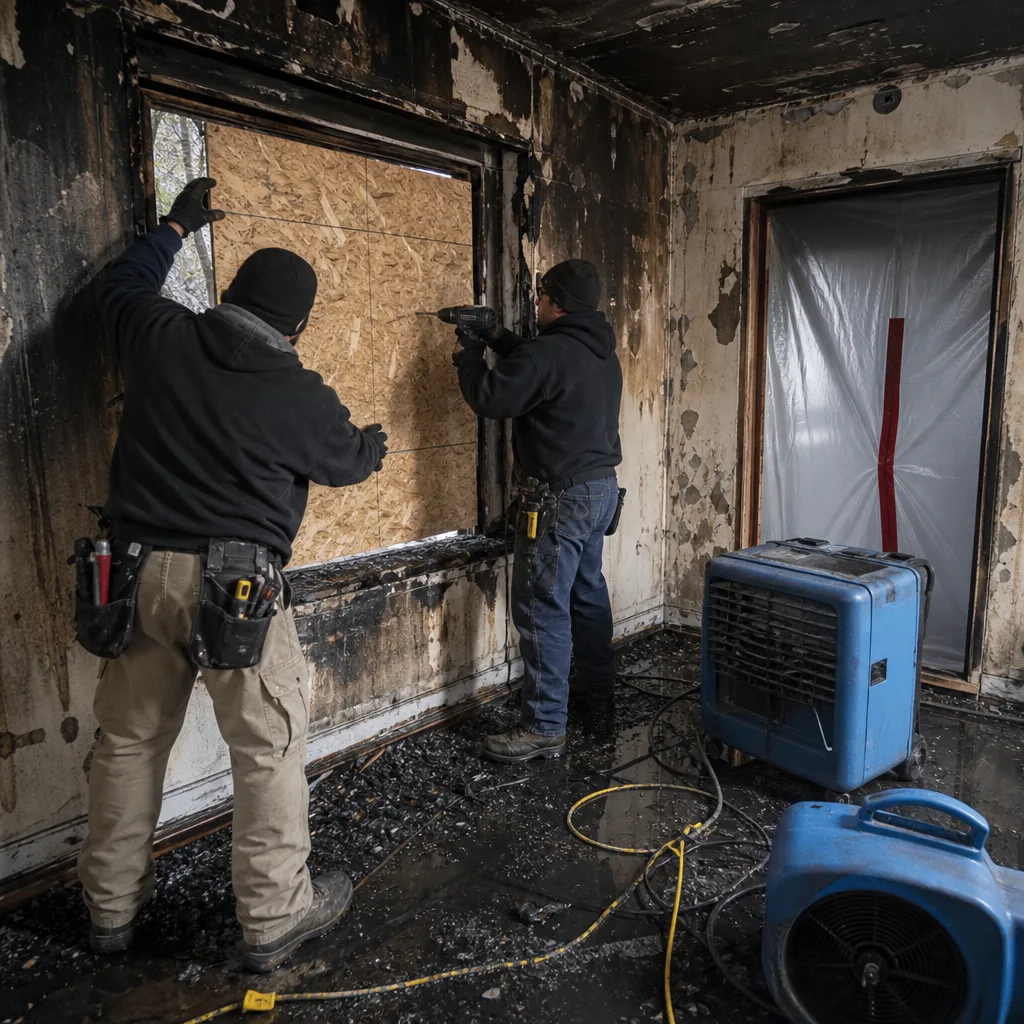
The threshold thesis of this guide: maintenance interventions cost 1-3% of restoration interventions for the same failure mode. For detailed pricing on what restoration actually costs, see our Damage Restoration Cost Breakdown: The Englewood Homeowner’s Reference for 2026. Here are the Englewood-specific numbers we’ve documented across 12,000+ homes restored since 2011, every one with a written price before work started.
| Failure Mode | Prevention Cost | Restoration Cost (Typical Range) | Prevention Action |
|---|---|---|---|
| Frozen pipe, balloon-frame exterior wall | $45-85 (insulation, sealant, temp sensor) | $1,200-3,400 (thaw, repair, drywall) | Seal air leaks, monitor sill plate temp, trickle flow on cold nights |
| Foundation seepage, clay soil hydrostatic pressure | $200-600 (regrade, downspout extension, vapor coating) | $4,500-12,000 (interior drain, sump pump, wall rebuild) | Maintain 6-inch grade fall, 10-foot discharge, seal walls when dry |
| Attic mold, inadequate ventilation | $180-450 (vent installation, baffles, bath fan ducting) | $8,000-15,000 (remediation, sheathing replacement, insulation) | Verify 1:150 ratio, clear soffit vents, terminate exhaust outside envelope |
| Gutter overflow, fascia/soffit rot | $120-300 (cleaning, hanger adjustment, guards) | $2,800-7,500 (fascia replacement, soffit repair, interior wall drying) | Clean in three-week window, verify pitch, permanent discharge |
These restoration ranges assume prompt discovery and professional mitigation. Delayed discovery, where mold has colonized extensively or structural decay has progressed, multiplies costs. We’ve handled Englewood properties where a $200 gutter correction was deferred for three years, resulting in $34,000 in structural repairs, mold remediation, and temporary relocation costs.
The Haven Standard, Clause 1 applies to our restoration work: a written price before any work starts, every time, with no scope-creep additions once the crew is inside. But the better application is preventing the need for our services entirely. Document your prevention spending. It is the cheapest insurance policy you can buy.
Common Mistakes to Avoid
- Using standard caulk on exterior penetrations in balloon-frame walls. Standard acrylic latex caulk becomes brittle below 20°F and fails precisely when you need it most. Acoustic sealant or polyurethane remains flexible to -40°F. The $3 price difference per tube prevents the $1,200 pipe thaw call.
- Assuming a dry basement in February means no spring risk. Frozen soil blocks percolation. The moisture you don’t see in winter arrives with force in March. Spring inspection is mandatory even if winter was uneventful.
- Calculating vent area from physical vent dimensions rather than net free area. This is the most common error we find in Englewood attic inspections. Homeowners install what appears to be adequate venting and still have moisture problems because the actual airflow is 30-50% of what they calculated.
- Cleaning gutters once in late October and calling it done. The three-week window exists because leaf drop is staggered by species. Oak holds leaves late; maple drops early. A single cleaning catches only the early drop, leaving gutters vulnerable during peak fall rainfall.
- Throwing away maintenance receipts and photos. Insurers have successfully denied claims where homeowners performed maintenance but could not prove it. The log format described above exists precisely to prevent this evidentiary failure.
- Waiting for visible damage before calling for assessment. By the time drywall stains appear, the damage behind it has typically progressed for weeks or months. Moisture meters and thermal imaging reveal problems at the $200 stage, before they reach the $20,000 stage. Water Damage Restoration in Englewood includes assessment services that can intercept hidden problems.
When to Call a Professional
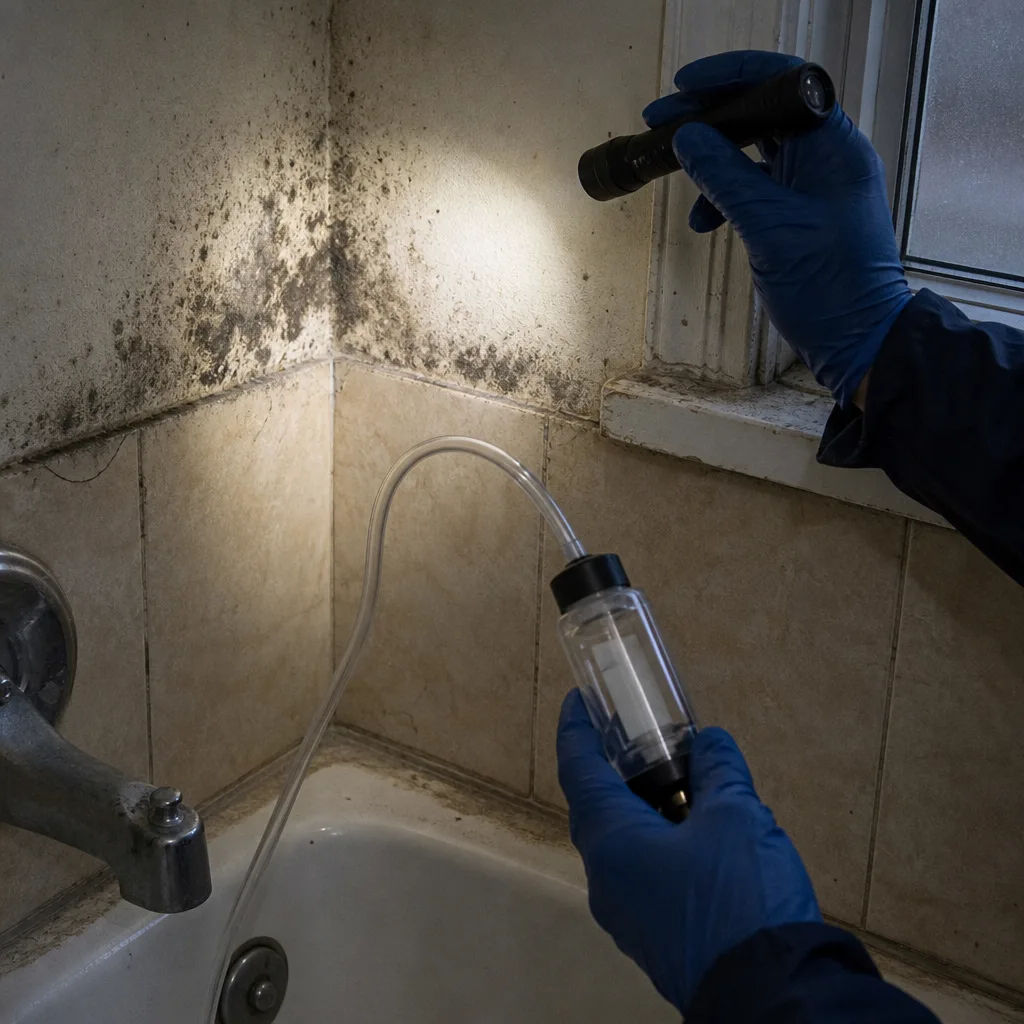
Call for professional assessment when you encounter moisture meter readings above 16% on wood materials, visible mold growth of any size, water stains that expand between inspections, or foundation cracks that show horizontal displacement. These indicators signal that the maintenance window has closed and the restoration window is opening.
For emergency situations - active water intrusion, sewage backup, or fire damage - speed matters. Water migrates at approximately 1 foot per hour through porous materials in the first 24 hours. After 48 hours, mold colonization becomes likely. After 72 hours, structural materials may require replacement rather than drying.
DryMark Restoration Englewood offers free estimates in Englewood. Our technicians arrive with moisture meters, thermal imaging, and documentation protocols that produce the drying logs and photo records insurers require. Call (845) 875-4326. A live person answers every call, 24 hours a day, 7 days a week. No voicemail trees. No next-business-day callbacks while water is still moving.
Frequently Asked Questions
Annual prevention costs for a 2,000-square-foot Englewood home typically range $400-900, covering gutter maintenance, foundation grading verification, attic ventilation assessment, and winter pipe protection. This compares to $4,500-34,000 for typical restoration scenarios when prevention fails. Call (845) 875-4326 for an exact assessment of your home’s specific risk profile - estimates are free.
Insurance coverage for water damage depends on whether the loss was sudden and accidental versus gradual deterioration. A well-documented maintenance log demonstrates due diligence and counters insurer assertions of neglect. Without documentation, you rely on the adjuster’s interpretation of your maintenance history, which rarely favors the homeowner. Start your log this quarter, regardless of past practice.
Live phone coverage is available 24 hours a day, 7 days a week with no voicemail on emergency lines. Dispatch protocols prioritize active water intrusion and sewage backup calls. For emergency mitigation, not reconstruction, response timing is measured from call acceptance to technician arrival. Call (845) 875-4326 and the person who answers can confirm current availability for your address in Englewood.
Attic mold requires remediation, not cleaning, when growth exceeds 10 square feet or involves structural sheathing. Surface cleaning on porous wood materials does not remove fungal hyphae that will regrow under renewed moisture conditions. A professional assessment with moisture mapping and air sampling determines the appropriate scope. We provide a written price before any work starts, with no scope-creep additions, per Haven Standard, Clause 1.
At DryMark Restoration Englewood, we coordinate directly with your adjuster, providing the documented photo record, daily drying logs, and written scope that adjusters need to approve payment. Our documentation protocols were built by a former claims adjuster who understood exactly what documentation gaps cause claims to stall. This direct coordination is included as a standard service, never an upsell.
Englewood’s specific risk factors include: a higher proportion of pre-war balloon-frame construction than newer suburbs, creating continuous wall cavities vulnerable to freeze damage; the Flat Rock Brook watershed area with seasonally high water tables; mature tree canopy density that produces exceptional gutter loading; and clay-heavy Passaic Formation soils that create hydrostatic pressure conditions distinct from sandier soils in western Bergen County. These factors compound rather than simply add, requiring the integrated quarterly approach this guide describes.
The Bottom Line
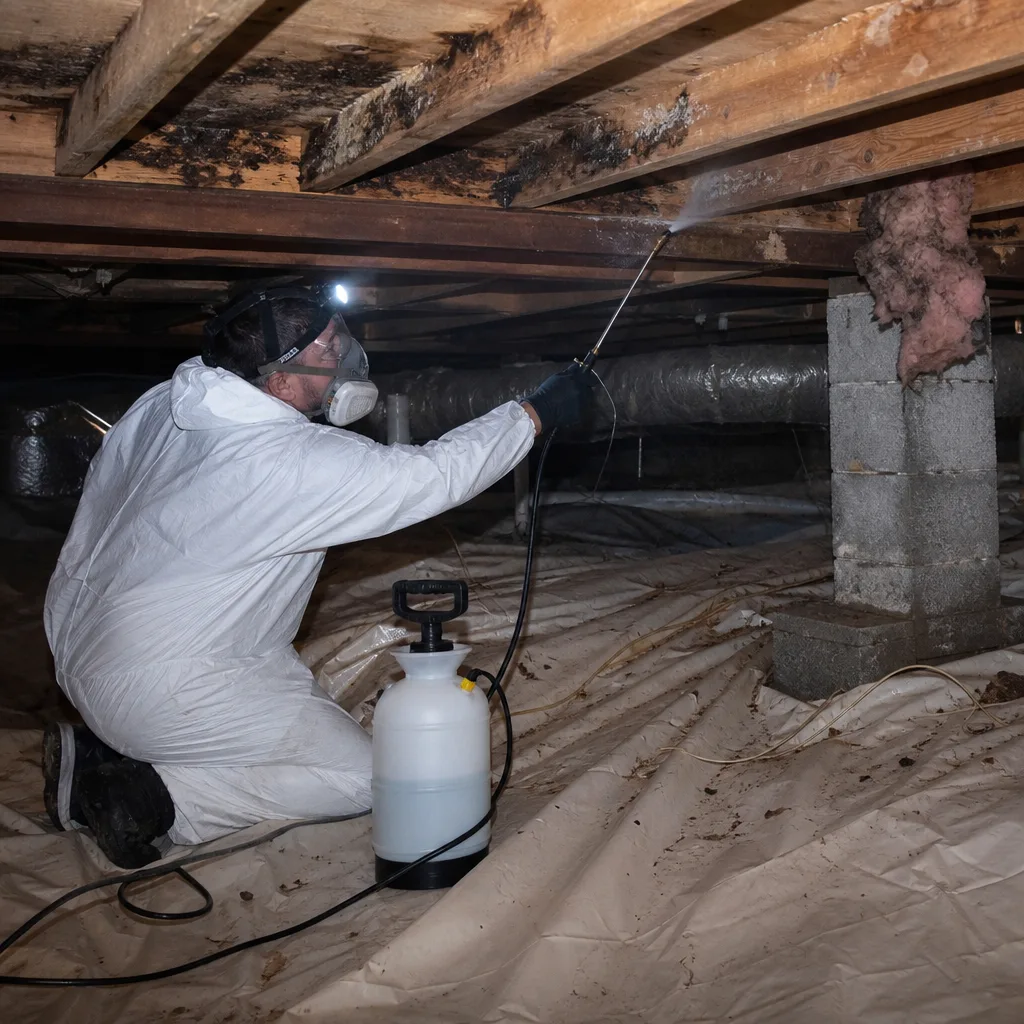
Seasonal damage in Englewood is predictable, measurable, and largely preventable with a disciplined quarterly inspection protocol. The freeze-thaw cycle, clay soil hydrostatic pressure, attic moisture accumulation, and gutter vulnerability window recur every year with mechanical regularity. Homeowners who assign specific inspection tasks to each quarter, record measurements with dated photos, and maintain a signed maintenance log intercept problems at the $200 maintenance stage. Those who wait for visible damage face the $20,000 restoration stage, with documentation gaps that insurers exploit to reduce or deny claims. The choice is not between maintenance effort and restoration cost; it is between maintenance effort now, or maintenance effort plus restoration cost later. The math, like the moisture readings, does not lie.
Written by Alicia Brennan, Owner at DryMark Restoration Englewood, serving Englewood since 2011.