
Last updated September 23, 2026
Free visual inspection and a written scope of work before any mitigation begins - photos, moisture readings, and drying logs go in your claim file
The scope we write is the scope we bill. Anything new gets shown to you, in writing, before we touch it.
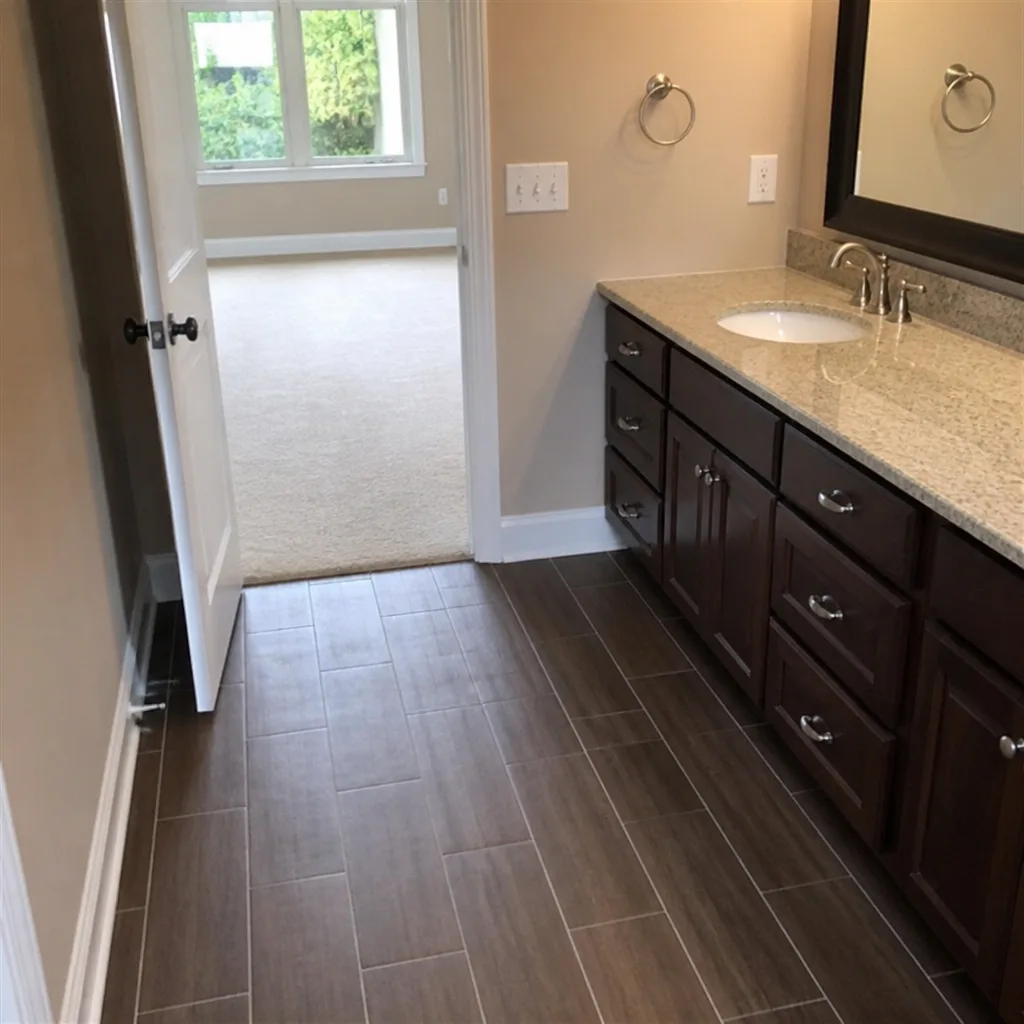
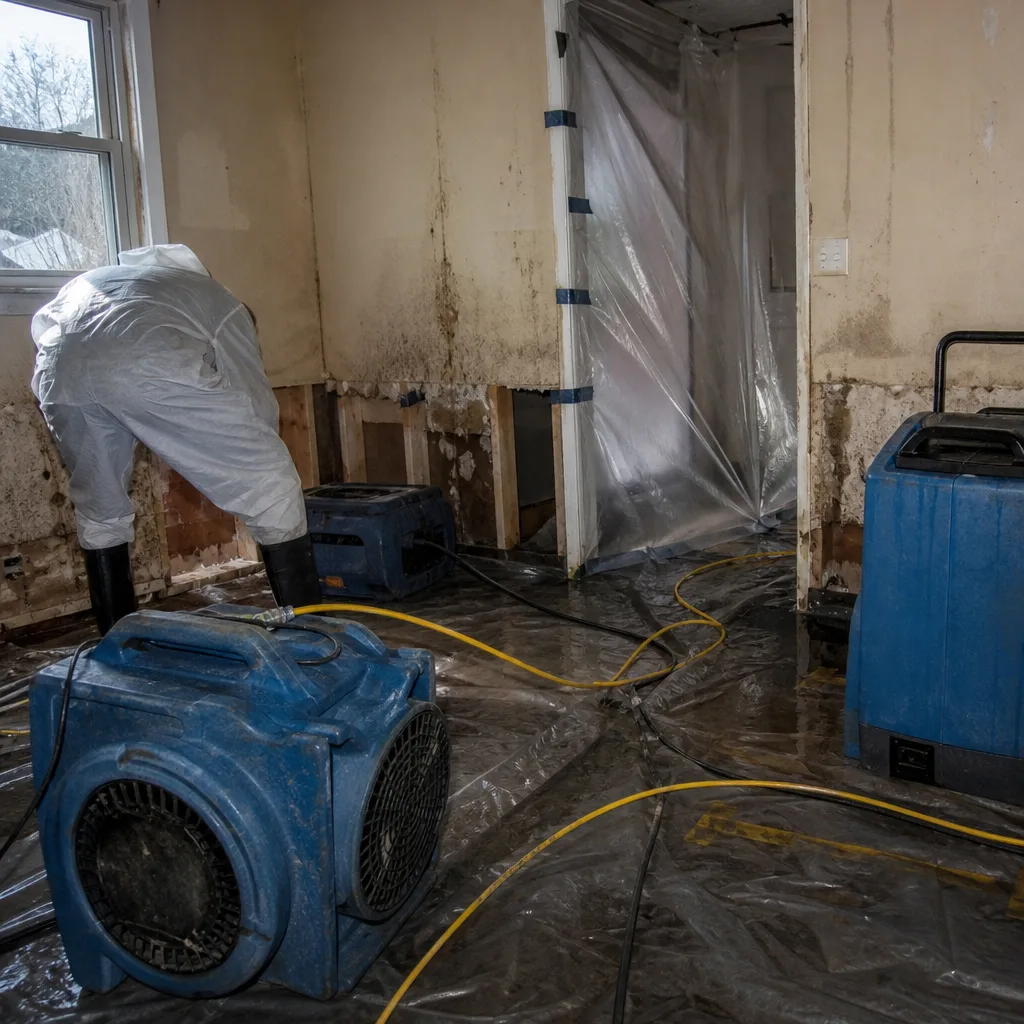 Before
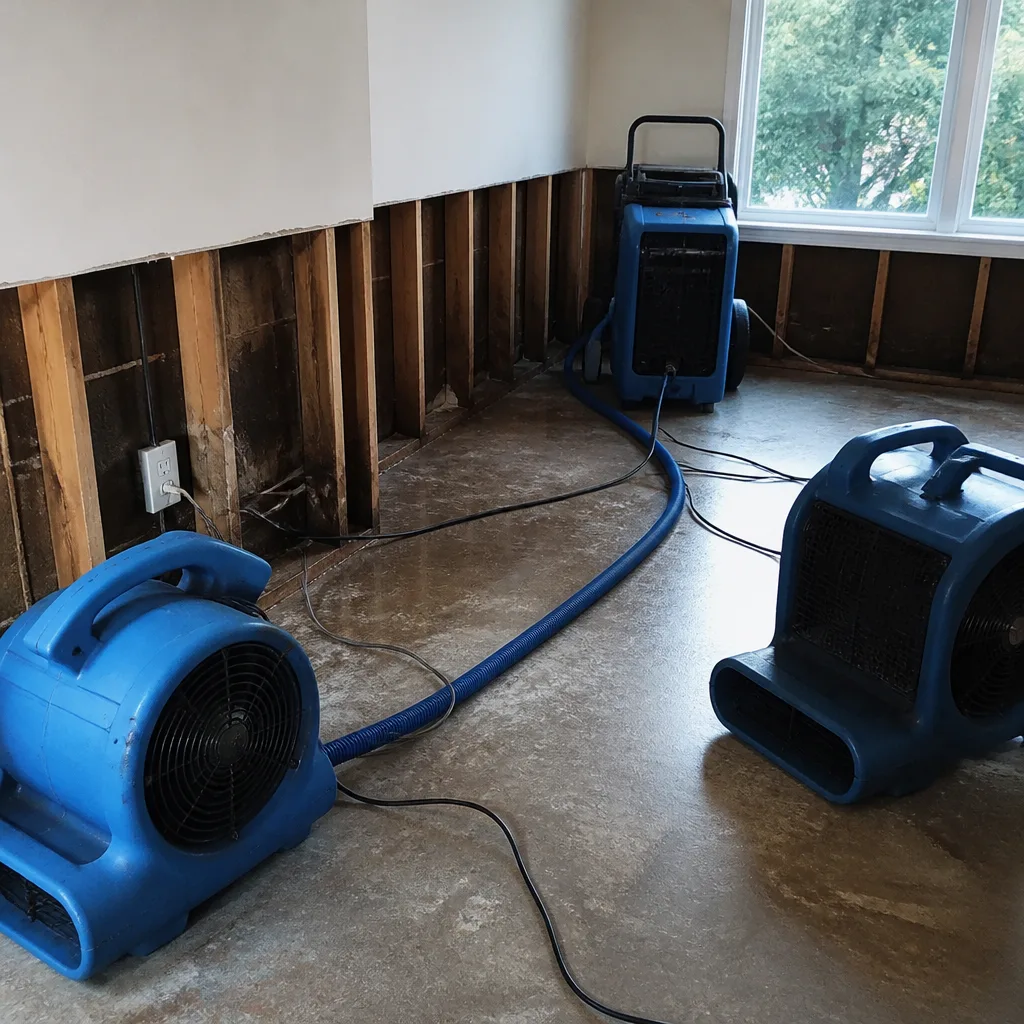 After
After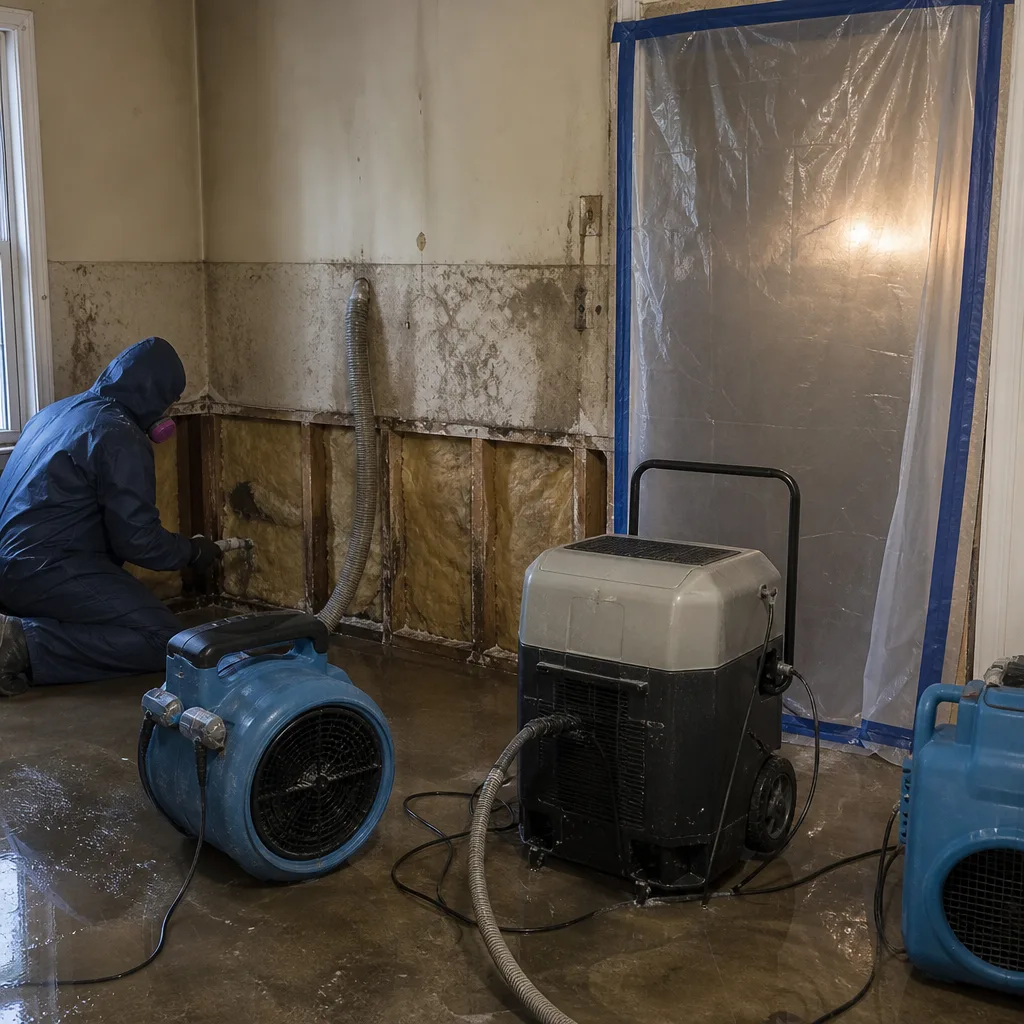 Before
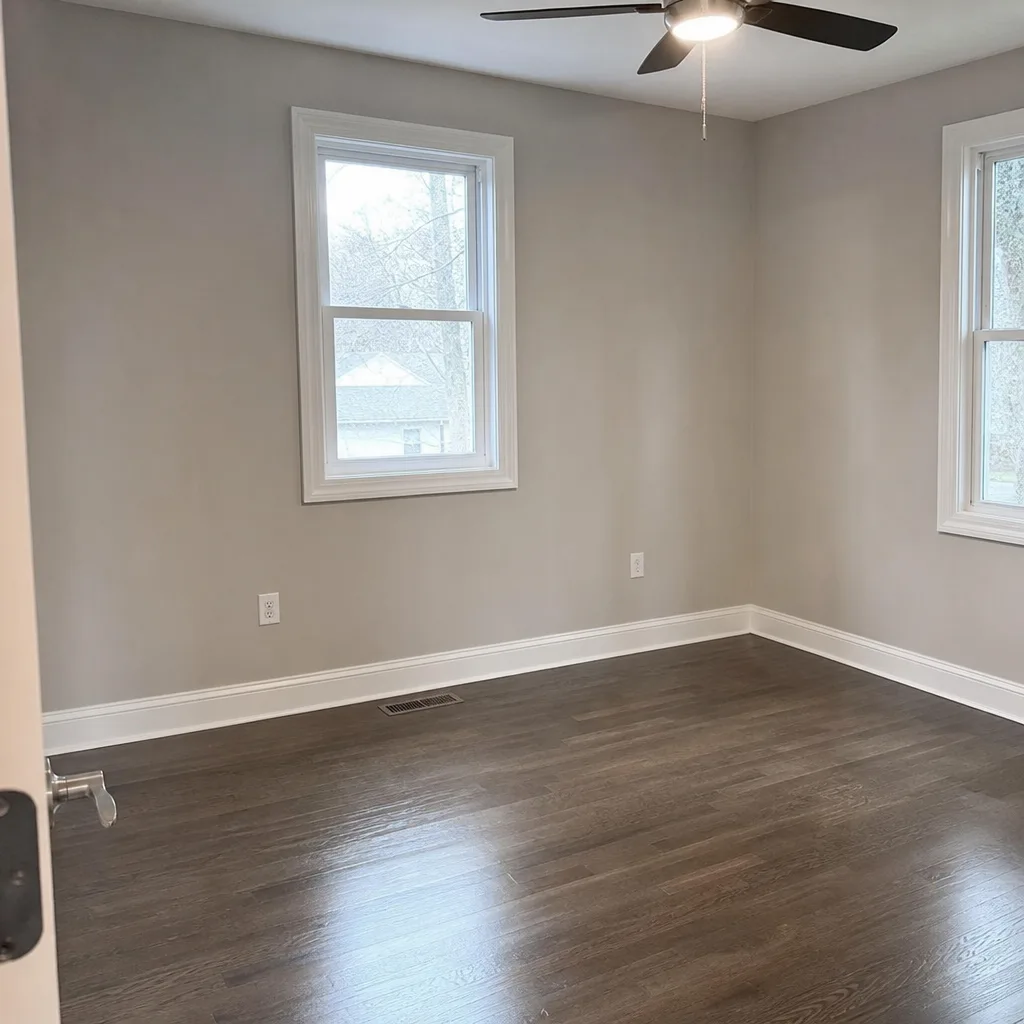 After
After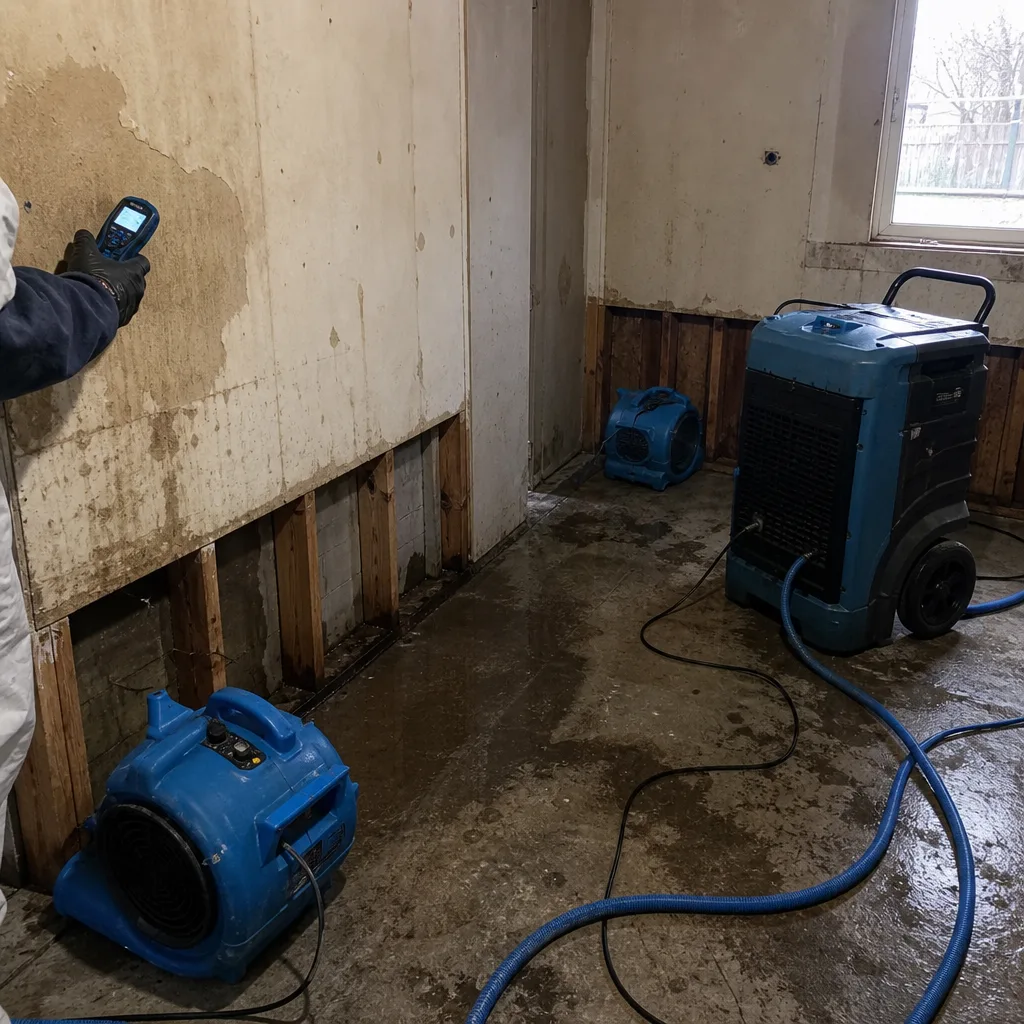 Before
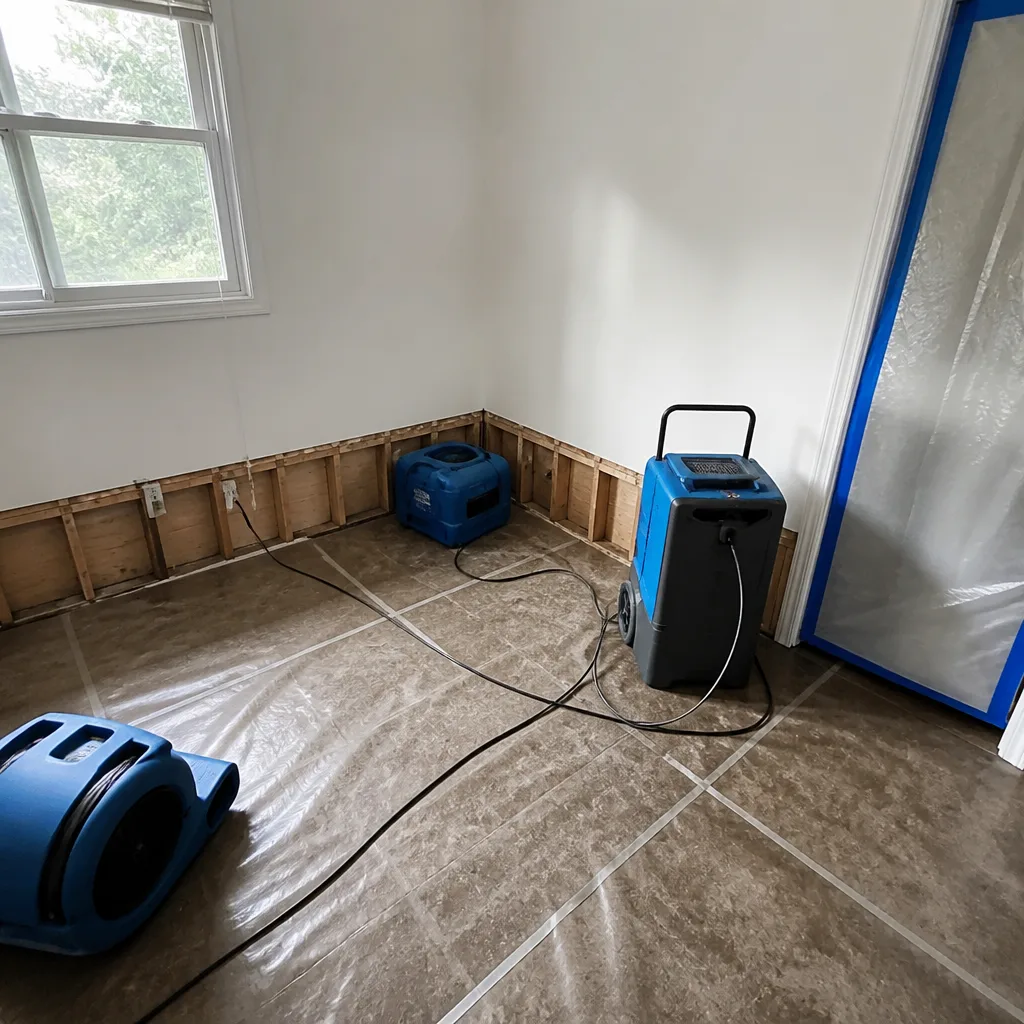 After
AfterDIY vs Professional Damage Restoration: The Englewood Homeowner’s Decision Guide
Every spring, when the Hackensack River swells and Englewood’s older basements take on water, someone in the Bergen County area rents a consumer dehumidifier from the Home Depot on Route 4 and believes the job is handled. Three months later, that same homeowner receives a mold remediation quote that their insurer refuses to cover, because the wall cavities never reached the 40-50% relative humidity target that IICRC S500 requires for documented structural drying. The drywall looked dry. The moisture meter told a different story. In this guide, we’ll show you the exact thresholds where DIY water damage response is genuinely safe, the New Jersey insurance clauses that punish delayed documentation, and the equipment capability gap that separates a weekend project from a payable claim. For more guides & resources on protecting your Englewood home, see our blog.
Quick Answer
DIY damage restoration is appropriate only for Category 1 clean water affecting under 10 square feet, discovered within the first 4 hours, with no insurance claim anticipated. For everything else in Englewood - including any gray or black water, any affected wall cavity, any delay beyond 4 hours, or any situation where insurance documentation matters - professional restoration is the lower-risk choice because self-performed drying almost always fails to produce the photo records, moisture logs, and written scopes that New Jersey insurers require to approve supplemental damage claims.
Table of Contents
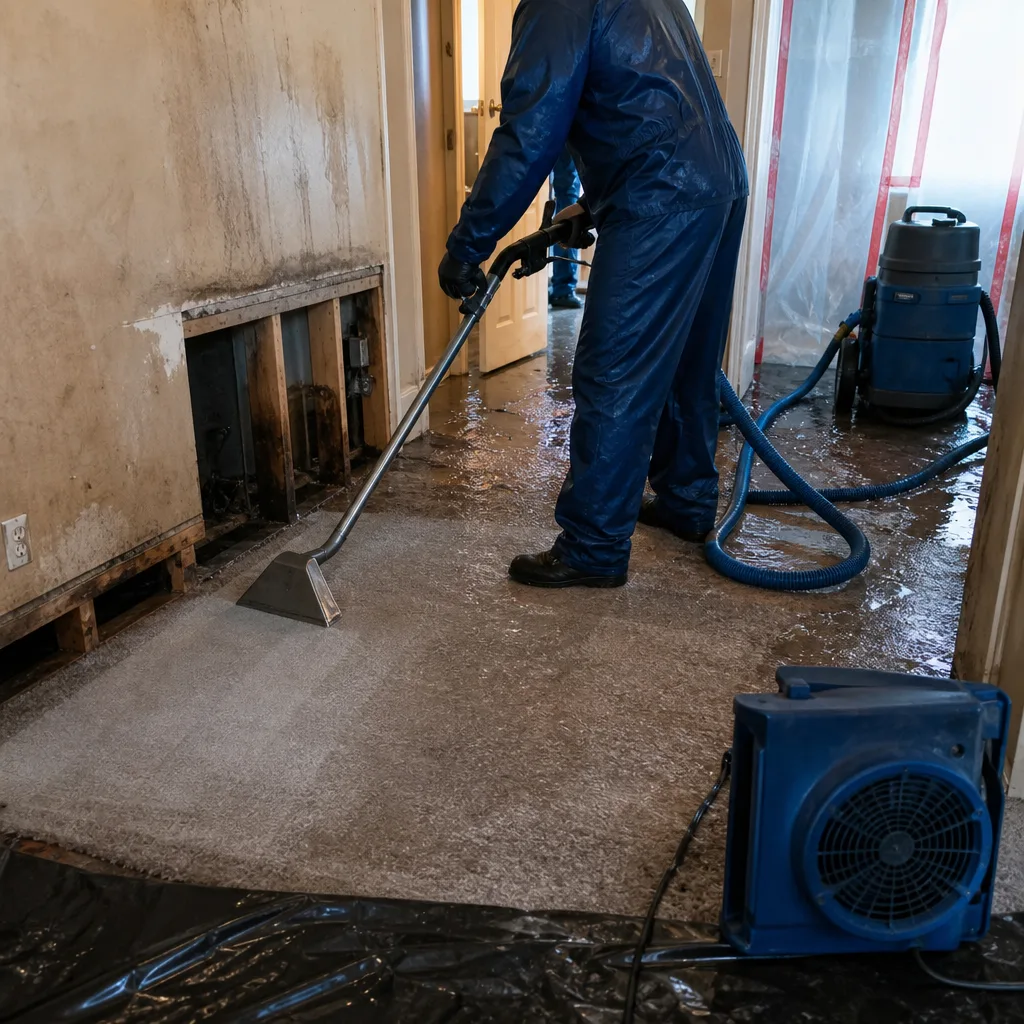
- The Three Conditions Where DIY Is Actually Safe
- The New Jersey Insurance Trap: Prompt Action and Concealment Clauses
- The Equipment Gap: Consumer vs. Professional Drying Systems
- Mold Remediation Liability in Englewood: The Resale Risk
- The Decision Matrix: Four Variables, One Clear Answer
- What Professional Documentation Actually Looks Like
- Cost Reality: When DIY Is More Expensive Than Hiring Out
- Common Mistakes to Avoid
- When to Call a Professional
- Frequently Asked Questions
BeforeAfterThe Three Conditions Where DIY Is Actually Safe
We’ve restored over 12,000 homes since 2011, and we’ve seen DIY drying work exactly three times. Each success shared the same constraints. Miss any one, and the probability of hidden damage rises sharply.
Condition 1: Category 1 water only. This is clean water from a burst supply line, an overflowing sink with no contaminants, or a failed washing machine hose. The moment water contacts soil, carpet backing, or a drain line, it becomes Category 2 gray water. Category 3 black water - sewage, ground flooding, or any water that has passed through building materials - requires professional handling under IICRC standards, full stop. In Englewood, where many homes predate 1960 and have mixed plumbing materials, a supply line failure can shift to gray water faster than you’d expect if it saturates old insulation or vermiculite.
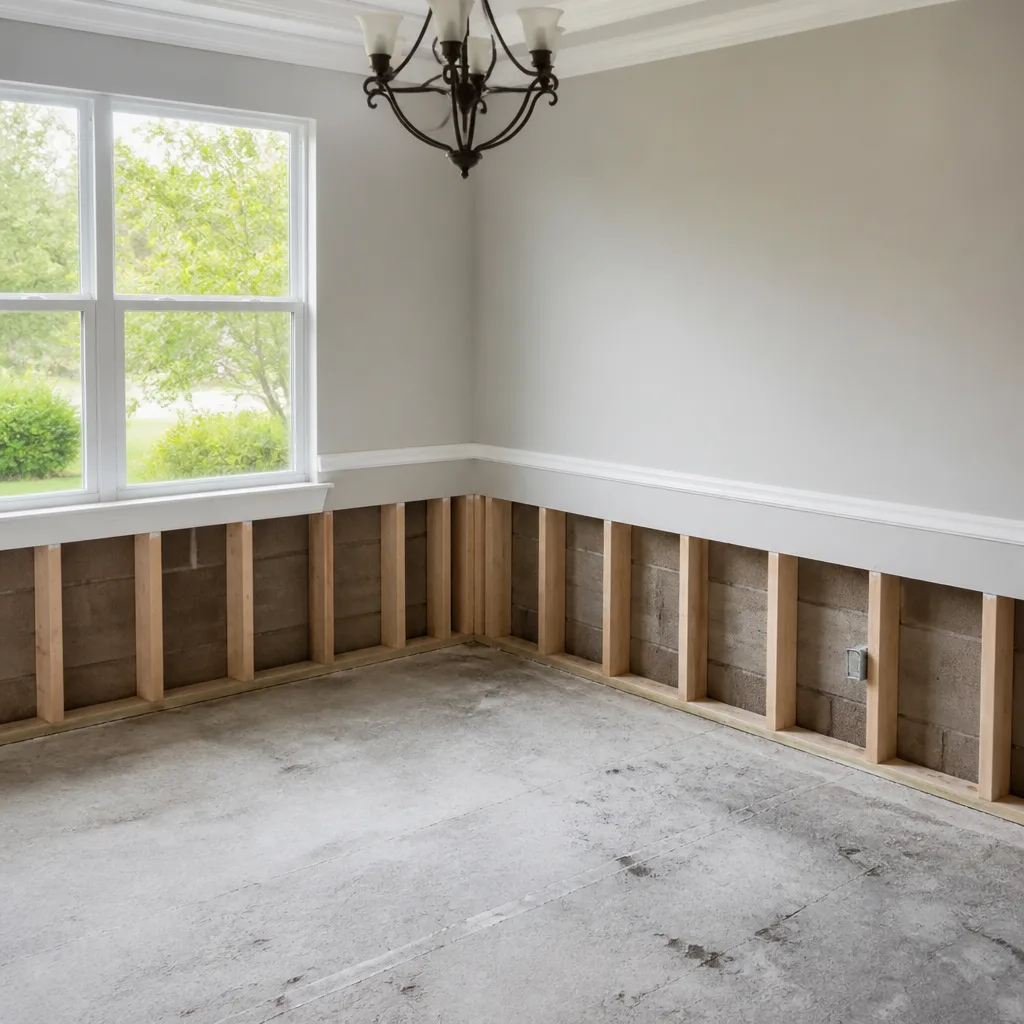
Condition 2: Under 10 square feet of visible surface area, with no wall cavity involvement. This typically means a small puddle on tile or sealed concrete that you can address with a wet/dry vacuum and air movement. The critical threshold is the wall cavity. Once water wicks into drywall, baseboards, or the gap between plaster and lath - common in Englewood’s pre-war housing stock - surface drying becomes irrelevant. The moisture is now in a space you cannot see or reach with consumer equipment.
Condition 3: Discovery within 4 hours, with immediate action and no insurance claim anticipated. The 4-hour window matters because mold colonization begins at 24-48 hours under favorable conditions, but moisture migration into subflooring and wall cavities accelerates within the first hour. If you’re not starting extraction and air movement immediately, you’re already behind. And if you intend to file an insurance claim, DIY response compromises your documentation from the outset - see our Water Damage Restoration Maintenance Checklist for Englewood Homeowners for what proper documentation looks like.
Here’s a simple checklist. If you can check every box, DIY is a reasonable option:
- Water source is confirmed clean (Category 1)
- Affected area is under 10 square feet and entirely on hard, non-porous surfaces
- No water has contacted drywall, baseboards, insulation, or subflooring
- You discovered the damage within 4 hours of the event
- You have no intention of filing an insurance claim
- You own or can immediately obtain a wet/dry vacuum, multiple fans, and a hygrometer to verify relative humidity
Miss even one item, and the risk profile changes. We’ve responded to Englewood homes where a homeowner dried a visible puddle successfully, only to find their oak strip flooring cupped six weeks later because moisture had migrated through the subfloor. The repair cost exceeded what professional drying would have cost by a factor of four.
The New Jersey Insurance Trap: Prompt Action and Concealment Clauses
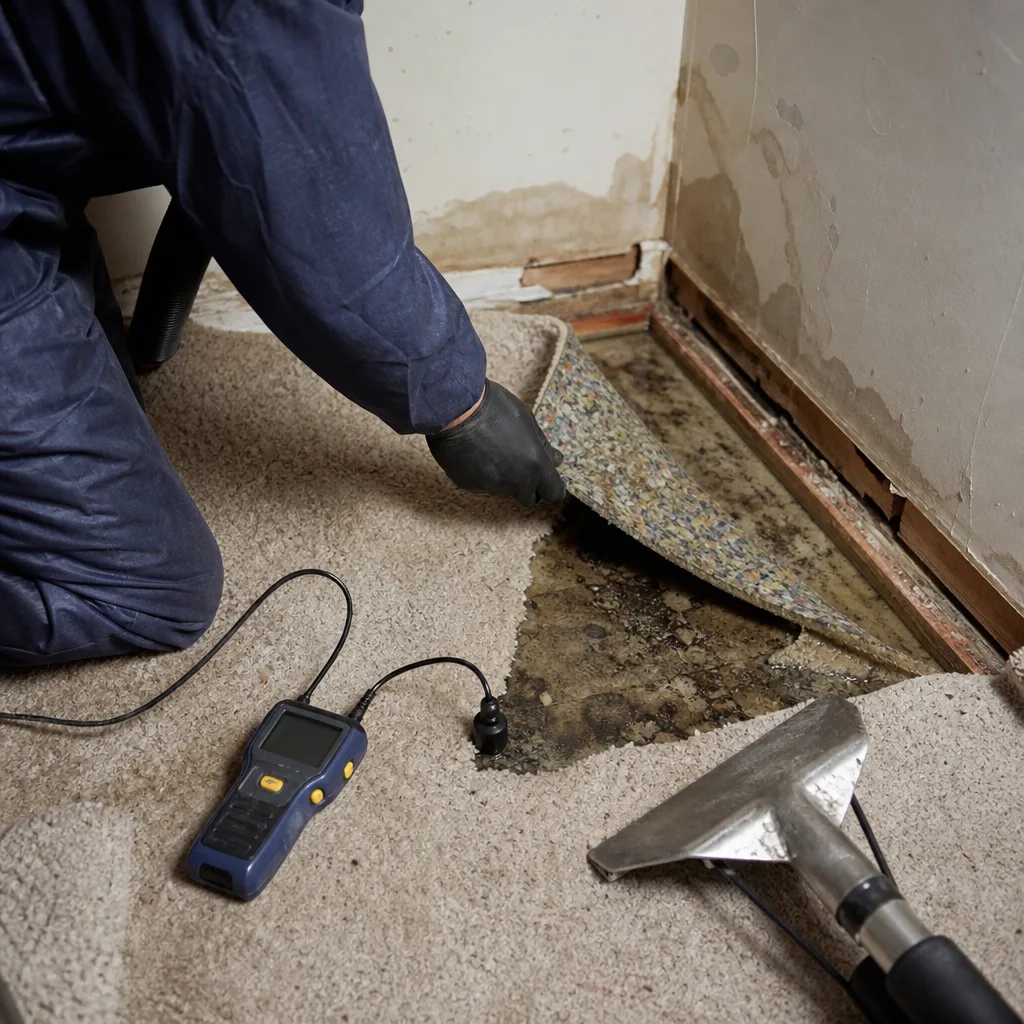
New Jersey homeowner’s insurance policies contain two clauses that most policyholders never read until they’re cited in a denial letter. Both are relevant to the DIY-vs-professional decision.
The Prompt Action Clause. Standard NJ HO-3 policies require the insured to take “reasonable steps” to protect property from further damage after a loss. What constitutes “reasonable” is interpreted by adjusters, not by the homeowner. A consumer dehumidifier running for 72 hours without documented moisture readings rarely qualifies. We’ve reviewed claims where the adjuster denied supplemental mold coverage because the homeowner’s DIY drying - well-intentioned but undocumented - was ruled insufficient to meet the prompt action requirement. The homeowner paid for mold remediation out of pocket.
The Concealment or Fraud Clause. This broader provision allows insurers to void coverage if the insured knowingly conceals or misrepresents material facts about a loss. Where DIY becomes dangerous is in the gray area of “what did the homeowner know, and when?” If you dry visible water yourself, discover mold three months later, and then file a claim, the insurer may argue that your DIY response obscured the true extent of damage at the time of loss. The burden of proof shifts to you to demonstrate that the mold was not present, or not discoverable, when you performed your initial response.
In Englewood specifically, where many homes were built during the 1920s-1950s with plaster-and-lath construction, water moves differently than in modern drywall homes. Plaster is hygroscopic - it absorbs and holds moisture along its entire thickness, not just the surface. A homeowner who judges dryness by touch or visual inspection of plaster is almost always wrong. The moisture remains, the mold follows, and the insurer has grounds to question whether the homeowner’s self-assessment constituted reasonable care.
The professional alternative produces a different record. When Water Damage Restoration in Englewood is performed under IICRC S500 standards, the documentation includes: initial moisture readings by material type (wood, drywall, plaster, concrete), psychrometric data (temperature, relative humidity, vapor pressure differential) recorded at setup and every 24 hours, daily drying logs showing equipment placement and adjustments, and photo documentation of all affected areas before, during, and after drying. This record satisfies the prompt action clause and eliminates concealment risk because the damage was never concealed - it was measured, logged, and reported.
Psychrometric data, to define it plainly, is the measurement of how air holds moisture under specific temperature and pressure conditions. Vapor pressure differential is the force that drives moisture from wet materials into the air; professional drying creates and controls this differential rather than hoping it occurs naturally.
The Equipment Gap: Consumer vs. Professional Drying Systems
The most common DIY mistake we encounter is equipment misunderstanding. A homeowner rents a dehumidifier, runs it for days, and believes the job is complete because the room “feels dry.” The gap between consumer and professional equipment is not incremental - it is categorical.
Consumer dehumidifier ratings vs. reality. Most residential dehumidifiers sold at hardware stores are rated by AHAM (Association of Home Appliance Manufacturers) at 80°F and 60% relative humidity. This test condition is warmer and wetter than most water-damaged environments. At the more realistic condition of 70°F and 60% RH, a typical 50-pint consumer unit extracts approximately 25-30 pints per day. At 70°F and 40% RH - the target range for structural drying - extraction drops to roughly 15 pints per day or less.
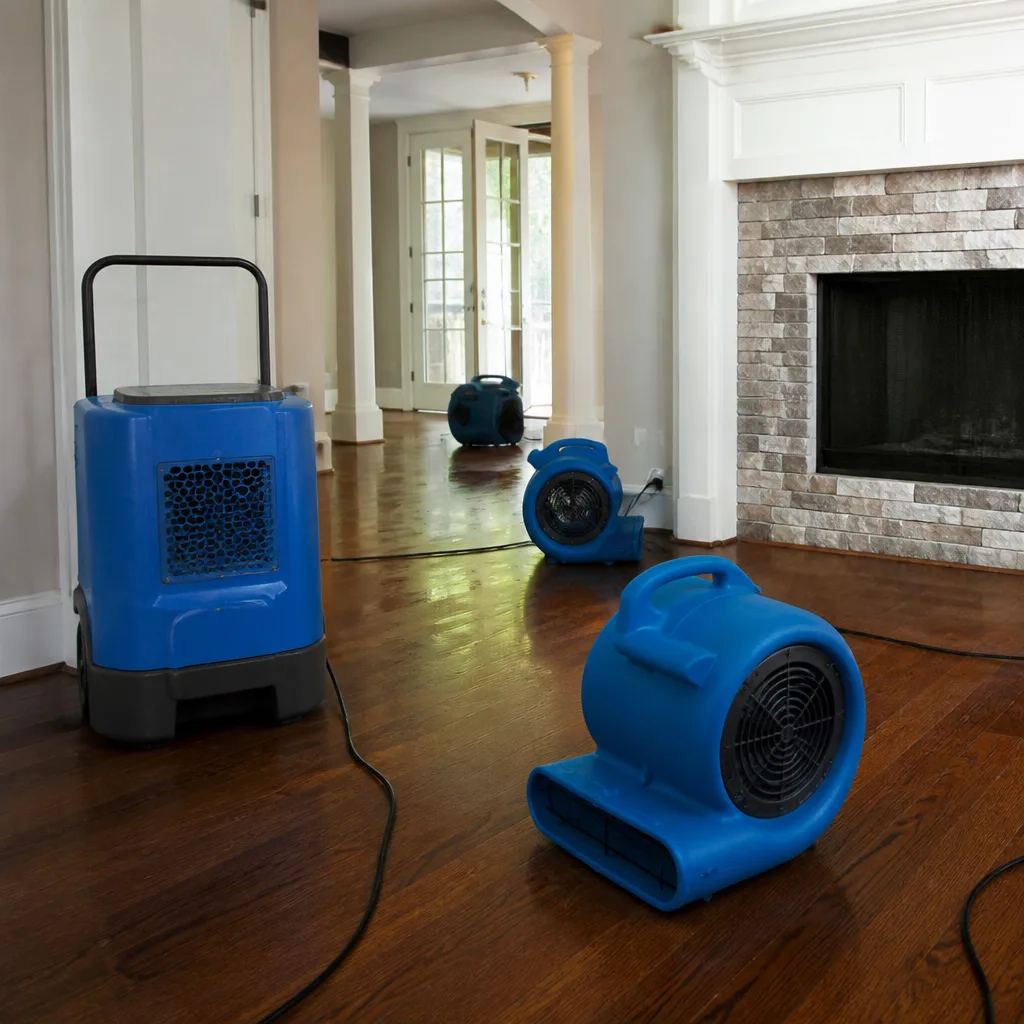
Professional LGR (low-grain refrigerant) units. Commercial LGR dehumidifiers from Phoenix and Dri-Eaz, which we deploy on Englewood jobs, use advanced refrigeration cycles to continue extracting moisture even at low grain temperatures. A standard LGR unit rated at 130 pints AHAM will still extract 80-100 pints per day at 70°F/40% RH. The practical difference: a 1,000-square-foot basement with 2-foot wicking on drywall might require 72 hours with professional LGR units and supplemental air movers. The same space with consumer equipment could require 14-21 days, if it ever reaches target moisture content at all.
Here’s what that gap means in real terms:
| Metric | Consumer 50-Pint Unit | Professional LGR (Phoenix/Dri-Eaz) |
|---|---|---|
| Extraction at 70°F/60% RH | 25-30 pints/day | 80-100 pints/day |
| Extraction at 70°F/40% RH | 15 pints/day or less | 70-90 pints/day |
| Time to dry 1,000 sq ft basement | 14-21 days (uncertain) | 3-5 days (documented) |
| Wall cavity reach | None - surface only | With Injectidry systems: 4-6 inches |
| Moisture documentation | None | Daily logs to IICRC standard |
Injectidry systems deserve specific mention. These are positive-pressure or negative-pressure drying systems that force dry air into wall cavities through small injection ports, or extract moist air through sealed mats attached to the wall surface. They are standard equipment on our DryMark Restoration Englewood home jobs where water has wicked behind baseboards. No consumer rental option replicates this capability. A homeowner can remove baseboards and attempt fan drying, but without controlled air pressure and dehumidification, the cavity simply exchanges moisture with the room air rather than releasing it.
The equipment gap also extends to air movement. Consumer box fans move air at approximately 1,000-2,000 cubic feet per minute (CFM). Professional axial air movers from XPOWER and B-Air deliver 3,000-4,000 CFM with focused velocity profiles designed to create turbulent air across wet surfaces. The goal is not to “dry the room” but to drive a vapor pressure differential at the material surface, accelerating evaporation. This is why professional drying feels aggressive - the air movement is directed, measured, and adjusted based on daily moisture readings, not left running on a timer.
Mold Remediation Liability in Englewood: The Resale Risk
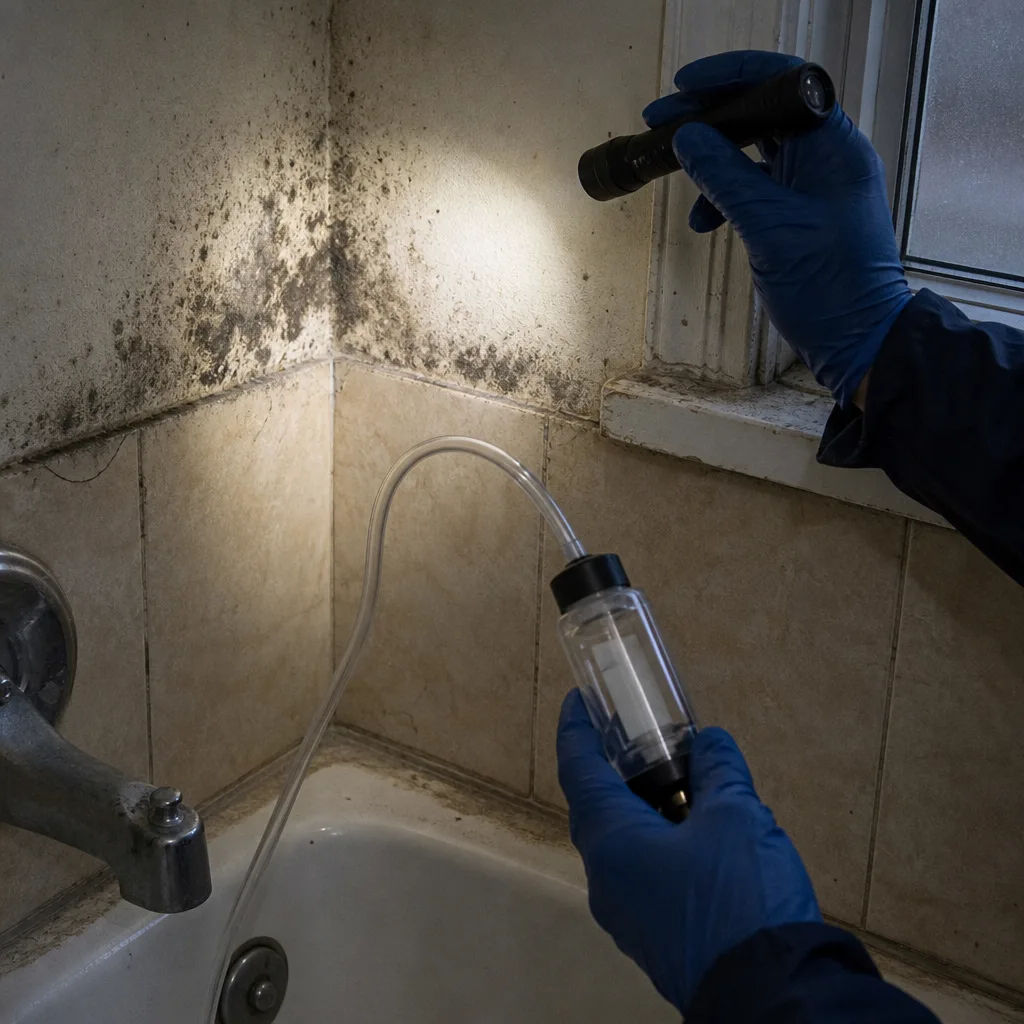
New Jersey has no state law requiring professional mold remediation. A homeowner can clean mold themselves, legally and without permit. The risk arrives later, at resale, in a form that most DIY remediators never consider.
The material disclosure requirement. New Jersey’s seller disclosure form (the Seller’s Property Condition Disclosure Statement) asks directly about “water damage, flooding, or moisture problems” and “mold, mildew, or similar conditions.” A homeowner who performed their own mold cleanup must disclose this. If they do not, and the buyer later discovers evidence of prior mold, the seller faces liability for fraudulent concealment. If they do disclose, the buyer’s inspector will almost always recommend professional verification - which reveals whether the remediation was performed to standard or merely painted over.
We’ve inspected Englewood homes where a seller’s DIY bleach treatment killed surface mold but left viable hyphae in the drywall paper. The buyer’s air sampling showed elevated spore counts, the deal renegotiated or collapsed, and the seller - who believed they’d handled the problem years earlier - faced a delayed sale at a reduced price. The cost of professional remediation at the time of initial discovery would have been a fraction of the eventual loss.
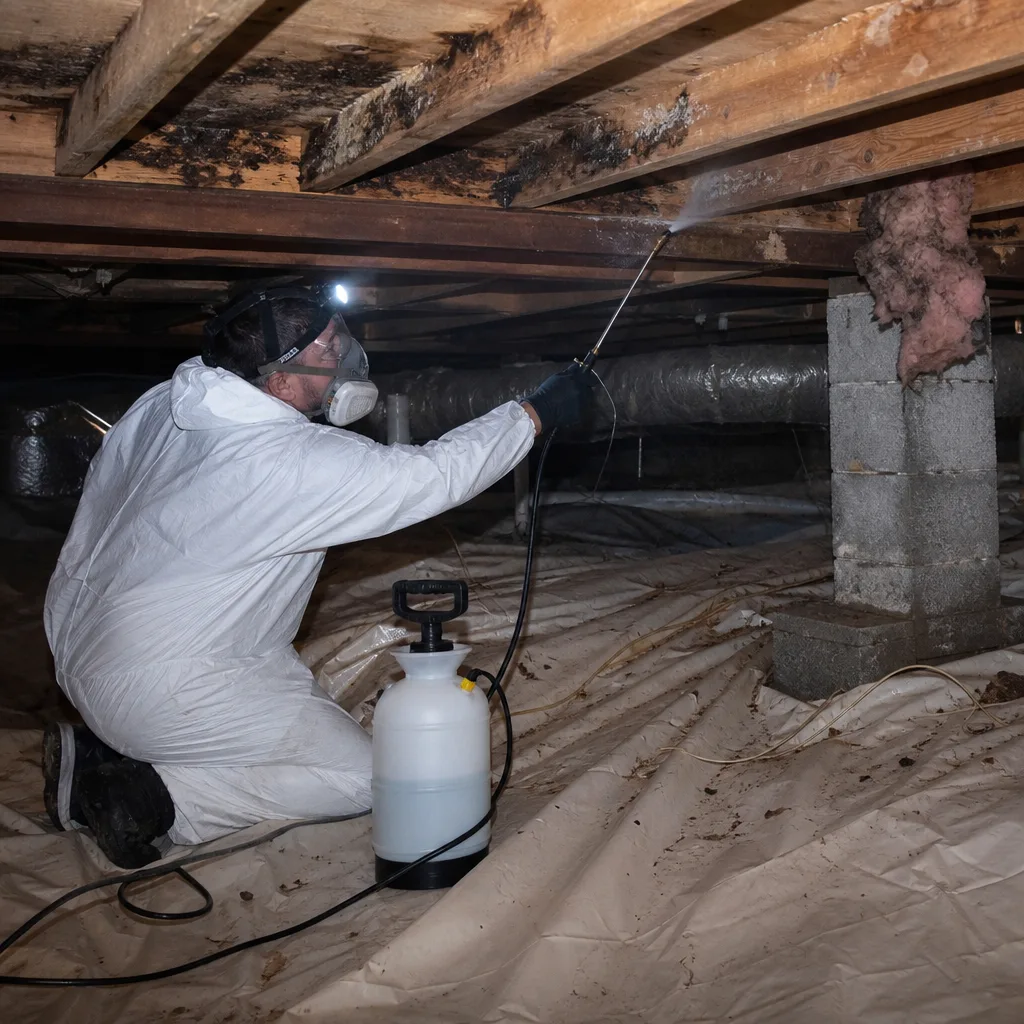
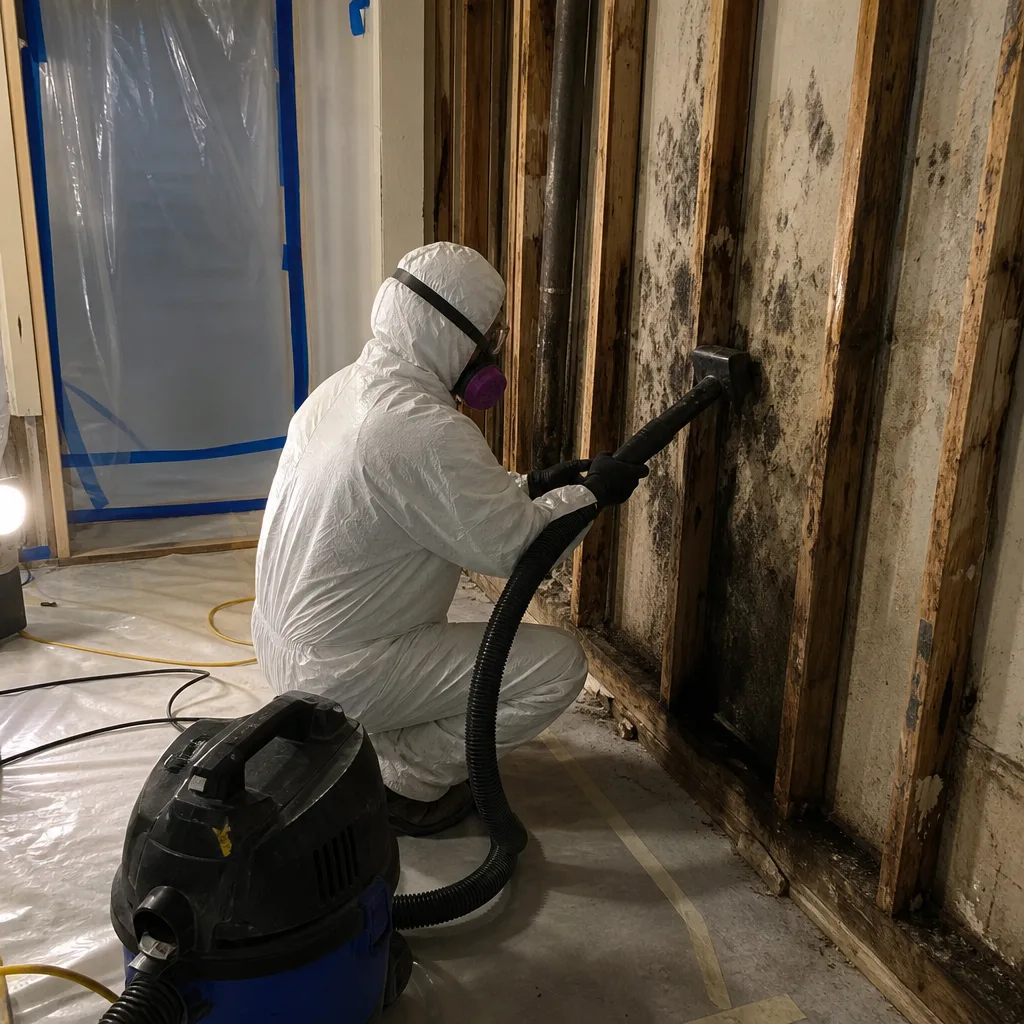
The insurance record gap. Even when DIY mold cleanup appears successful, it creates no documentation trail. If mold recurs - and it often does when moisture sources aren’t identified - the insurer may classify it as a maintenance issue rather than a covered peril. Professional Mold Remediation in Englewood includes moisture source identification, containment with negative air pressure, HEPA filtration, antimicrobial treatment with documented application, and post-remediation verification sampling. This record supports future claims and satisfies buyer due diligence if the home is sold.
In Englewood’s housing market, where median home values exceed $600,000 and buyers routinely conduct environmental assessments, an undocumented mold history is a material defect regardless of how well the cleanup was performed. The documentation is the protection, not just the physical removal.
The Decision Matrix: Four Variables, One Clear Answer
After twelve years and 12,000 jobs, we’ve reduced the DIY-vs-professional question to four variables. Score your situation honestly.
Variable 1: Water Category
- Category 1 (clean supply line): 1 point
- Category 2 (gray water - dishwasher, washing machine, sump backup): 3 points
- Category 3 (black water - sewage, ground flooding, rising water): 5 points - automatic professional
Variable 2: Affected Square Footage
- Under 10 sq ft, hard surface only: 1 point
- 10-100 sq ft, or any wall/baseboard contact: 3 points
- Over 100 sq ft, or multiple rooms: 5 points - automatic professional
Variable 3: Elapsed Time Since Event
- Under 4 hours: 1 point
- 4-24 hours: 3 points
- Over 24 hours: 5 points - automatic professional
Variable 4: Insurance Coverage Status
- No insurance involved, no future claim anticipated: 1 point
- Insurance may be involved, or coverage is uncertain: 3 points
- Claim already filed, or supplemental damage likely: 5 points - automatic professional
Scoring:
- 4-6 points: DIY is reasonable with proper equipment and monitoring
- 7-10 points: Professional strongly recommended; DIY risks hidden damage and documentation failure
- 11-20 points: Professional required; DIY is likely to increase total cost and compromise insurance position
Any single 5-point variable triggers professional recommendation regardless of total score. This is not conservative bias - it’s recognition that Category 3 water, large areas, extended elapsed time, and active insurance claims each introduce risks that compound nonlinearly. A Category 2 gray water loss at 18 hours with insurance involved scores 11 points. The homeowner who attempts DIY here is not saving money; they’re purchasing an uncovered mold remediation six months later.
In Englewood specifically, add one practical consideration: many homes in the East Hill and West Englewood neighborhoods were built with full basements below the water table. Even a Category 1 supply line failure in these homes often involves carpet, paneling, and stored contents that push the effective area well beyond visual estimates. We’ve responded to jobs where the homeowner estimated “maybe 50 square feet” and our moisture mapping revealed 400 square feet of affected subfloor and wall cavity. Professional moisture mapping with thermal imaging and non-penetrating meters prevents this underestimation.
What Professional Documentation Actually Looks Like
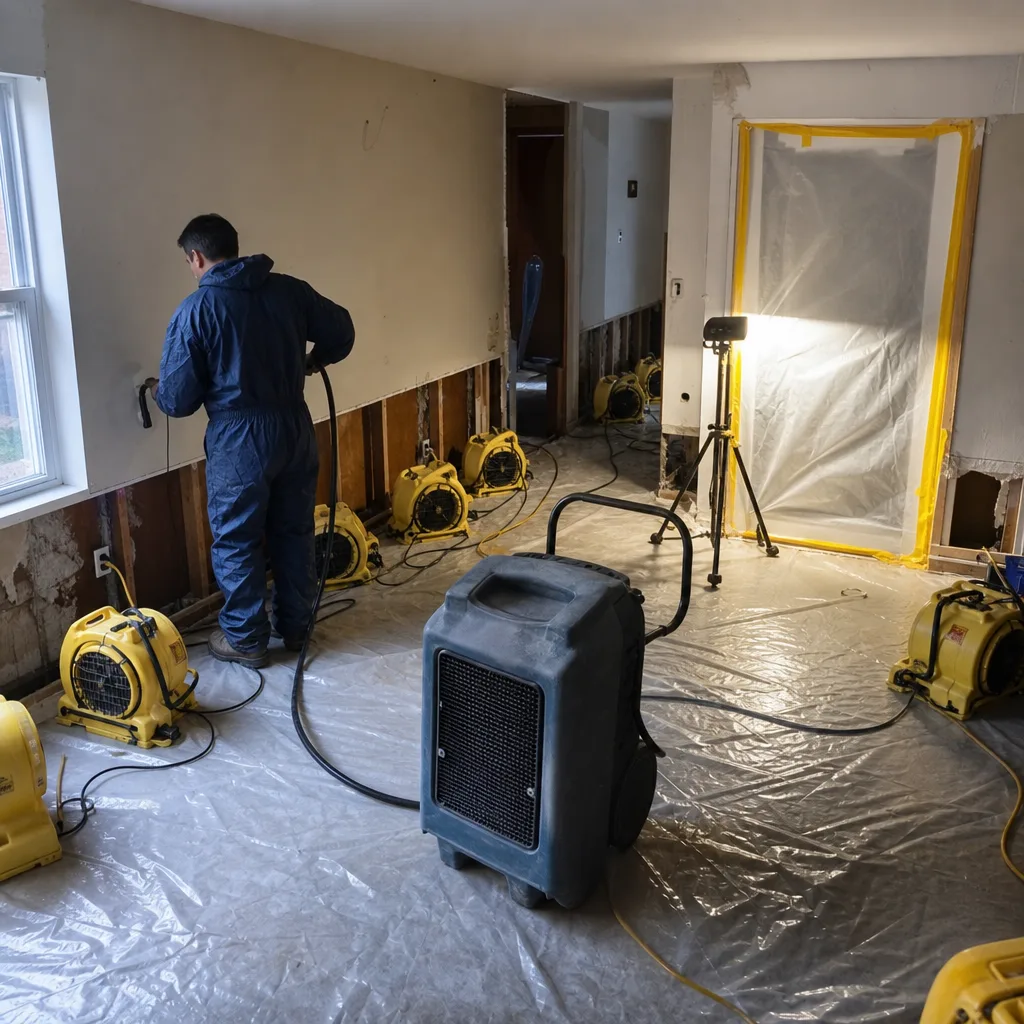
Documentation is where Fire & Smoke Damage Restoration in Englewood and water damage restoration diverge from every other home service. The documentation is not for the homeowner’s peace of mind - it is for the adjuster’s file, and it determines whether the invoice is paid, reduced, or denied.
Here’s what DryMark Restoration Englewood delivers on every job, as standard, with no upsell:
- Written scope and price before work begins. Haven Standard, Clause 1: every job receives a written price before any crew starts work. No exceptions. The scope lists each line item - extraction, demolition, drying equipment, monitoring visits, antimicrobial treatment - with quantities and unit prices. The homeowner signs before work proceeds. This document becomes part of the insurance file.
- Photo record on every visit. Every technician carries a tablet with standardized photo requirements: overview shots of each affected room, close-ups of damage, equipment placement with serial numbers visible, moisture meter readings with the reading displayed in-frame, and post-drying verification. These photos are uploaded to the job file within 24 hours and provided to the homeowner and adjuster on request.
- Daily drying logs with psychrometric data. Each day of drying, we record: ambient temperature, relative humidity, specific humidity, dew point, and vapor pressure differential at multiple room locations; moisture content readings by material type and location; equipment inventory and settings; and technician observations. This log demonstrates that drying progressed according to IICRC S500 standards, not guesswork.
- 365-Day Done Right Promise. Under The Haven Standard, if any aspect of our work is not done right, we make it right. This is a signed warranty, not a verbal assurance. It addresses the homeowner’s concern that restoration work might fail after the crew leaves - a particular risk in Englewood’s seasonal climate, where summer humidity can reactivate residual moisture in improperly dried materials.
- Free Second Opinion on any competitor’s written estimate. If another restoration company has provided a scope and price, we will review it at no charge. This is not a sales tactic; it is a documentation check. We’ve identified estimates that omitted necessary demolition, specified insufficient equipment, or failed to account for HVAC contamination. The homeowner benefits from an independent review before committing.
The cumulative effect of this documentation is that restoration invoices become payable claims. We’ve worked with adjusters who know our reports by format - the moisture readings are where they expect, the photo sequence follows standard numbering, the drying log shows progressive improvement. This predictability reduces adjuster questions, speeds approval, and eliminates the back-and-forth that delays homeowner reimbursement.
DIY restoration produces none of this. The homeowner has photos on their phone, maybe a receipt for the dehumidifier rental, and their own testimony. In a disputed claim, this record rarely prevails against an adjuster’s suspicion that damage was worsened by delayed or inadequate response.
Cost Reality: When DIY Is More Expensive Than Hiring Out
The assumption that DIY saves money holds only when DIY succeeds completely. Partial success - the more common outcome - often increases total expenditure.
Consider a typical Englewood scenario - one we cover in our How to Hire a Damage Restoration Contractor in Englewood: A Step-by-Step Guide - where a washing machine hose fails on the second floor, saturating carpet and pad in a 12×14 bedroom, with water migrating through the subfloor to the ceiling below. The homeowner extracts surface water with a wet/dry vacuum, rents a dehumidifier and fan, and runs them for five days. Visible water disappears. They replace the carpet themselves.
Six weeks later, the ceiling below shows water staining. The subfloor, which never dried because the dehumidifier couldn’t reach the trapped moisture, has delaminated. Mold appears on the ceiling drywall. The homeowner now needs: subfloor replacement in the bedroom, ceiling drywall replacement below, mold remediation in both areas, and repainting. The insurance claim is complicated by the elapsed time and the homeowner’s initial response, which the adjuster questions. Total out-of-pocket cost, even with partial insurance coverage: $8,000-$14,000.
Professional drying of the original loss, with documented completion, would have cost $2,500-$4,000 and preserved full insurance coverage for any subsequent discovery. The “savings” of DIY were negative $4,000-$10,000.
This pattern repeats across damage types. Fire & Smoke Damage Restoration in Englewood is almost never appropriate for DIY because smoke residue is acidic and continues damaging surfaces until professionally cleaned. The homeowner who wipes soot with household cleaner often drives particles deeper into porous materials, increasing the scope of necessary restoration. Similarly, sewage backup (Category 3) requires not just drying but antimicrobial treatment, contamination disposal, and verification sampling - any of which, skipped by a DIY approach, creates health liability and insurance exposure.
The only genuine cost savings we’ve observed are in the narrow DIY-appropriate zone defined earlier: small, clean, immediate, uninsured losses on hard surfaces. Everything else, professional intervention reduces expected total cost when probability of failure and consequence of failure are weighted appropriately.
Common Mistakes to Avoid
- Judging dryness by touch or appearance. In Englewood’s pre-war homes, plaster can feel dry on the surface while retaining 20%+ moisture content at depth. Only a calibrated moisture meter provides reliable assessment.
- Using household bleach on mold. Bleach kills surface mold but leaves viable root structures in porous materials. It also adds moisture, which can worsen the problem. Professional remediation uses EPA-registered antimicrobials applied with controlled methods.
- Running a dehumidifier without air movement. Dehumidification alone creates a boundary layer of dry air at the unit; without directed air movers, wet surfaces don’t release moisture efficiently. This is why professional drying uses both, in calculated ratios.
- Failing to identify the moisture source. We’ve responded to Englewood homes where homeowners dried the same area three times without addressing a leaking foundation crack or failed window well. Each cycle increased mold risk and insurance skepticism. Professional response includes source identification as a mandatory step.
- Discarding damaged materials before documentation. Insurance adjusters need to see what was affected. A homeowner who removes wet carpet and pad before photo documentation has eliminated evidence the adjuster needs to approve replacement. Professional protocols document first, then remove.
- Assuming “it dried on its own” means it dried properly. Natural drying in New Jersey’s humid summers often reaches equilibrium at 60-70% RH - well above the 40-50% target. Materials feel dry because they’ve equilibrated with moist air, not because moisture has been removed.
- Neglecting HVAC contamination. Water-damaged homes frequently have moisture in ductwork, which becomes a distribution system for mold spores. Consumer equipment cannot address this; professional systems require duct inspection and cleaning when indicated.
When to Call a Professional
Call a professional when any of the following apply: water category is 2 or 3; affected area exceeds 10 square feet or involves any wall cavity; elapsed time exceeds 4 hours; insurance coverage is involved or anticipated; the water source is unknown or recurring; any occupant has respiratory conditions or immune compromise; or you simply need documentation that the job was done to standard.
DryMark Restoration Englewood offers free estimates in Englewood - call (845) 875-4326. Every estimate includes a written scope and price before any work begins, per Haven Standard, Clause 1. Our live dispatch answers 24 hours a day, 7 days a week, with no voicemail on emergency lines. If you’ve already received a written estimate from another company, we’ll provide a free second opinion at no charge.
Frequently Asked Questions
Insurance covers sudden and accidental damage, not inadequate response. If your DIY drying fails and mold develops, the insurer may classify the mold as resulting from your failure to take reasonable prompt action, denying that portion of the claim. Professional restoration with IICRC documentation satisfies the prompt action requirement and preserves coverage for discovered damage. Call (845) 875-4326 for an exact quote - estimates are free.
Our live dispatch answers immediately, and we typically arrive within 60-90 minutes for water damage emergencies in Englewood and surrounding Bergen County. Reconstruction and non-emergency work is scheduled after written scope and price agreement, not dispatched for same-day arrival. Call (845) 875-4326 to confirm current response time for your situation.
Visible mold is rarely the complete problem. Mold colonizes along moisture gradients, and what appears on the surface often indicates more extensive growth in wall cavities or behind materials. Professional remediation includes moisture mapping to identify the full extent, containment to prevent spore dispersal during removal, and post-remediation verification. In Englewood’s competitive resale market, undocumented mold cleanup also creates disclosure liability. Call (845) 875-4326 for an assessment - estimates are free.
We coordinate directly with adjusters as part of our standard service. This includes providing the photo record, drying logs, written scope, and moisture readings in the format adjusters expect. We’ve worked with most major carriers serving New Jersey and understand their documentation requirements. You are not responsible for translating our technical data into adjuster language - we handle that as part of the job. Call (845) 875-4326 to discuss your specific claim.
Restoration companies specialize in emergency mitigation - extraction, drying, contamination control - and carry equipment specifically for this work. General contractors typically handle reconstruction after mitigation is complete. Some companies, including DryMark Restoration Englewood, provide both mitigation and reconstruction under one project manager, but the critical distinction is that mitigation must happen immediately with specialized equipment, while reconstruction is scheduled and scoped like any building project. Using a general contractor for emergency drying is like calling a carpenter for a burst pipe - the skills don’t overlap at the critical moment.
Request a written scope with line-item pricing before work begins, per Haven Standard, Clause 1. Compare equipment specifications - LGR dehumidifier count, air mover count, Injectidry or similar cavity systems if needed. Ask for the technician’s IICRC certification number and verify it. Request references from recent jobs in Englewood or similar Bergen County homes. And take advantage of our Free Second Opinion: bring any competitor’s written estimate and we’ll review it at no charge. Call (845) 875-4326 to schedule.
The Bottom Line
The DIY-vs-professional question in damage restoration is not about capability or cost in isolation. It is about whether the work produces documentation that an insurer will accept, a buyer will trust, and a court would recognize. In New Jersey’s claims environment, self-performed restoration almost always fails at least one of these tests, regardless of the physical quality of the work. The three safe conditions for DIY are narrow and specific: Category 1 water, under 10 square feet, within 4 hours, with no insurance involvement. Outside those conditions, professional restoration with documented IICRC-standard drying, written pricing before work begins, and a photo record on every visit is the lower-risk financial and legal choice. For Englewood homeowners facing water, mold, fire, or storm damage, the documentation gap is the problem that determines outcomes - and it is the problem we built our company to solve.
Written by Alicia Brennan, Owner at DryMark Restoration Englewood, serving Englewood since 2011.