
Last updated September 23, 2026
Free visual inspection and a written scope of work before any mitigation begins - photos, moisture readings, and drying logs go in your claim file
The scope we write is the scope we bill. Anything new gets shown to you, in writing, before we touch it.

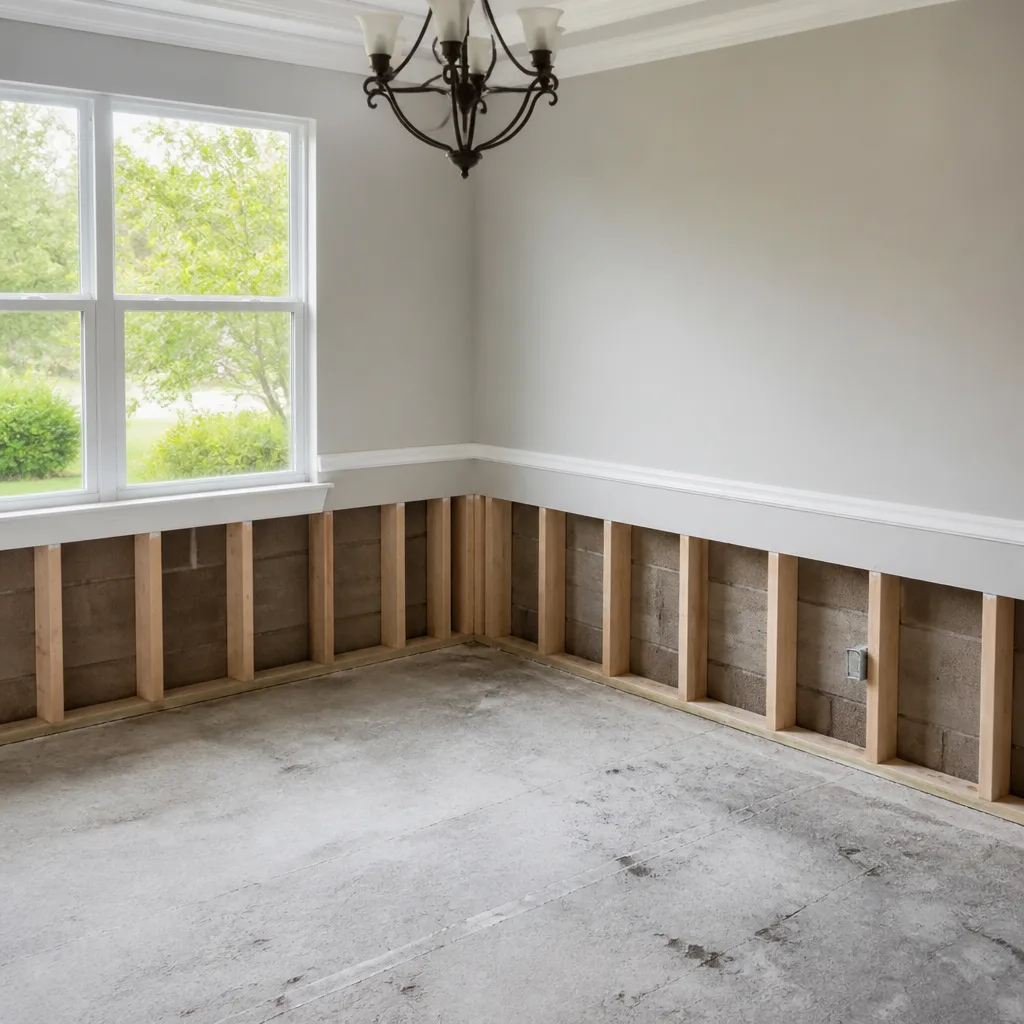
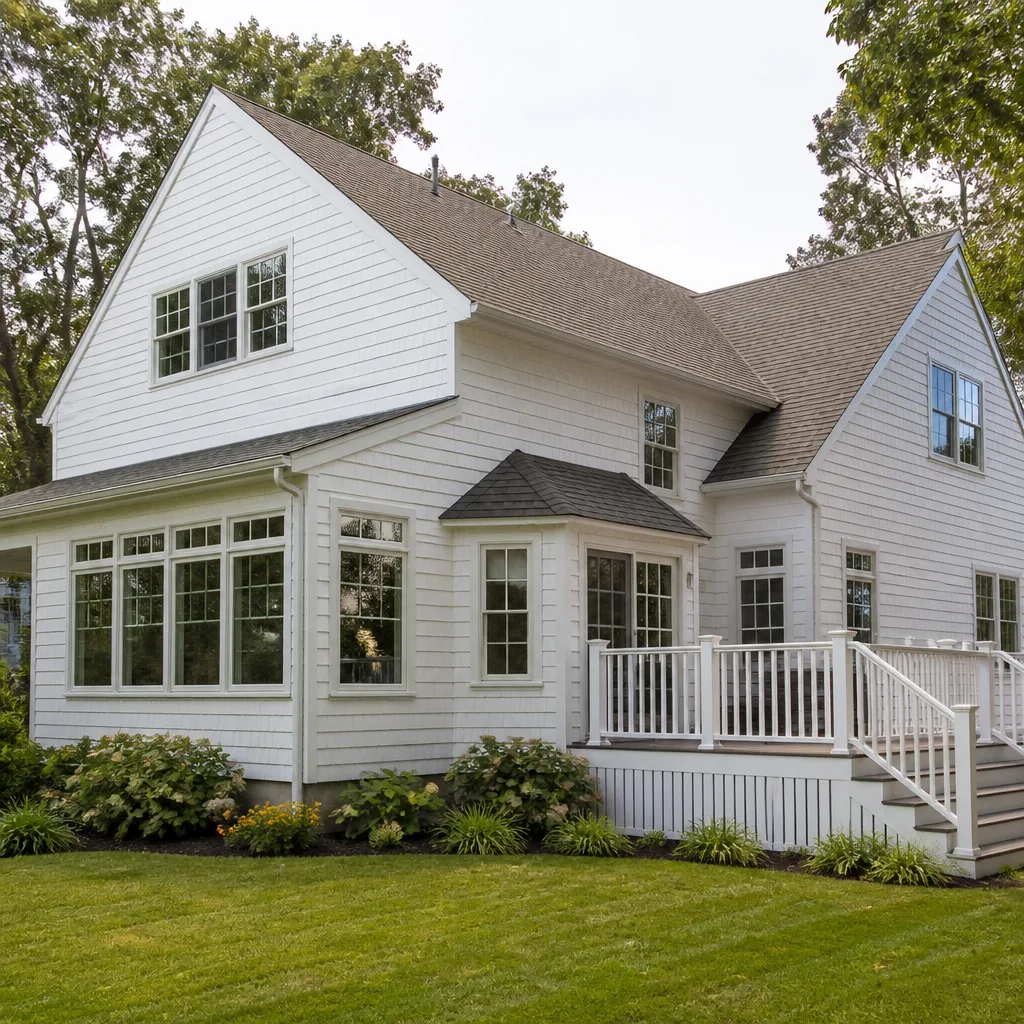
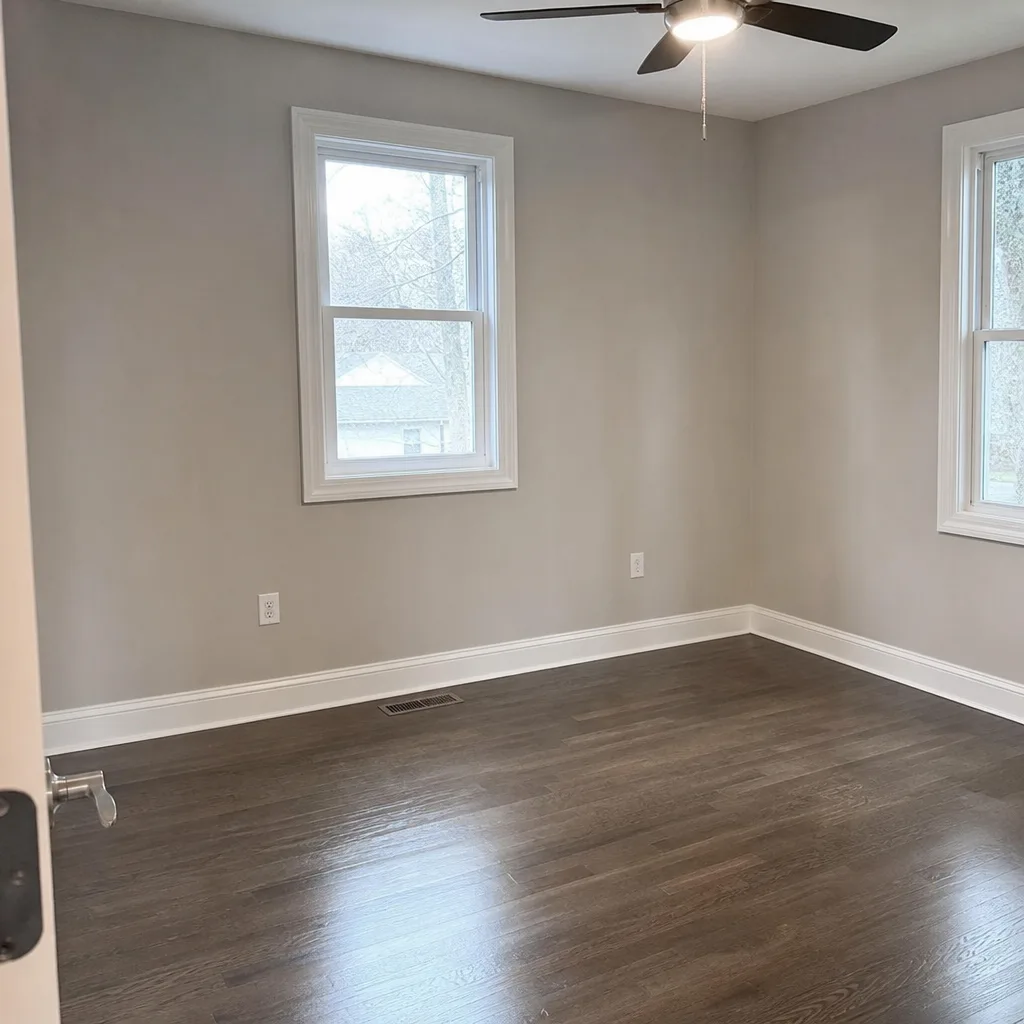
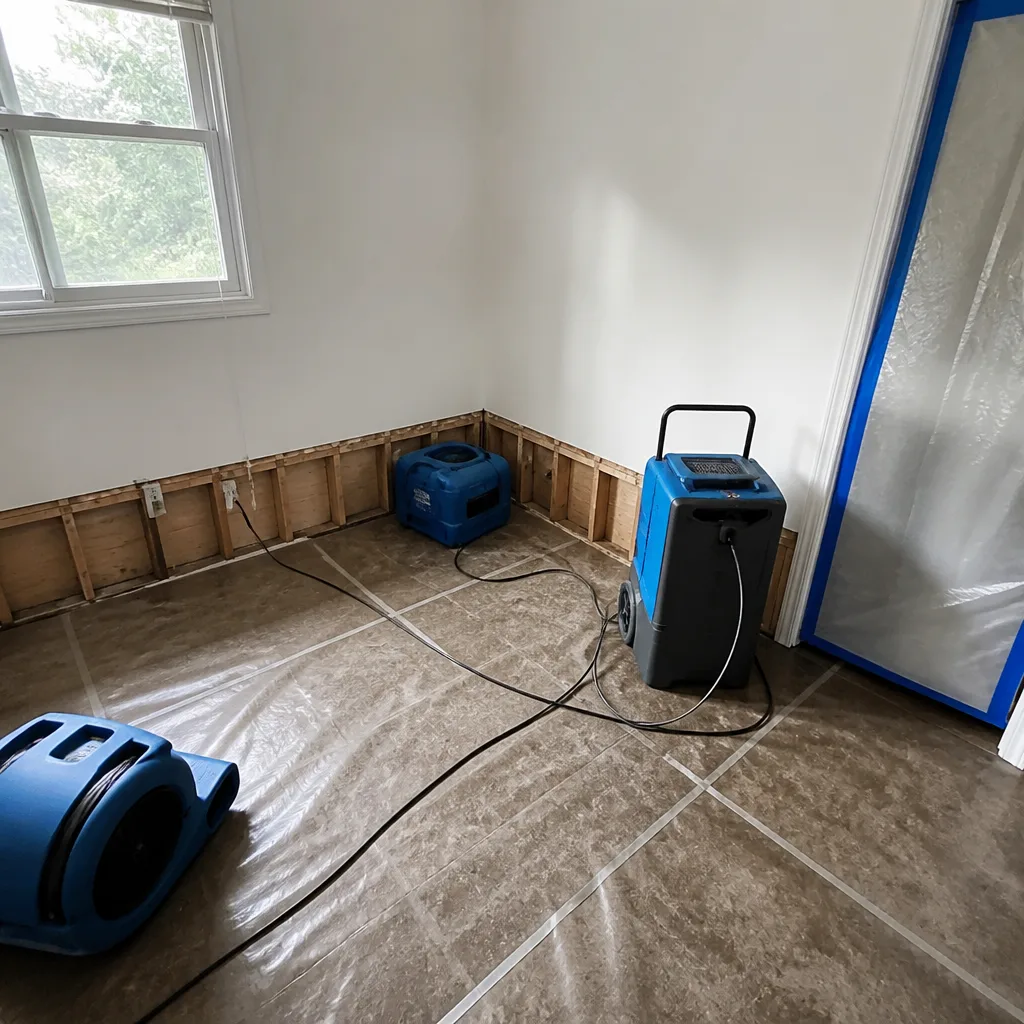
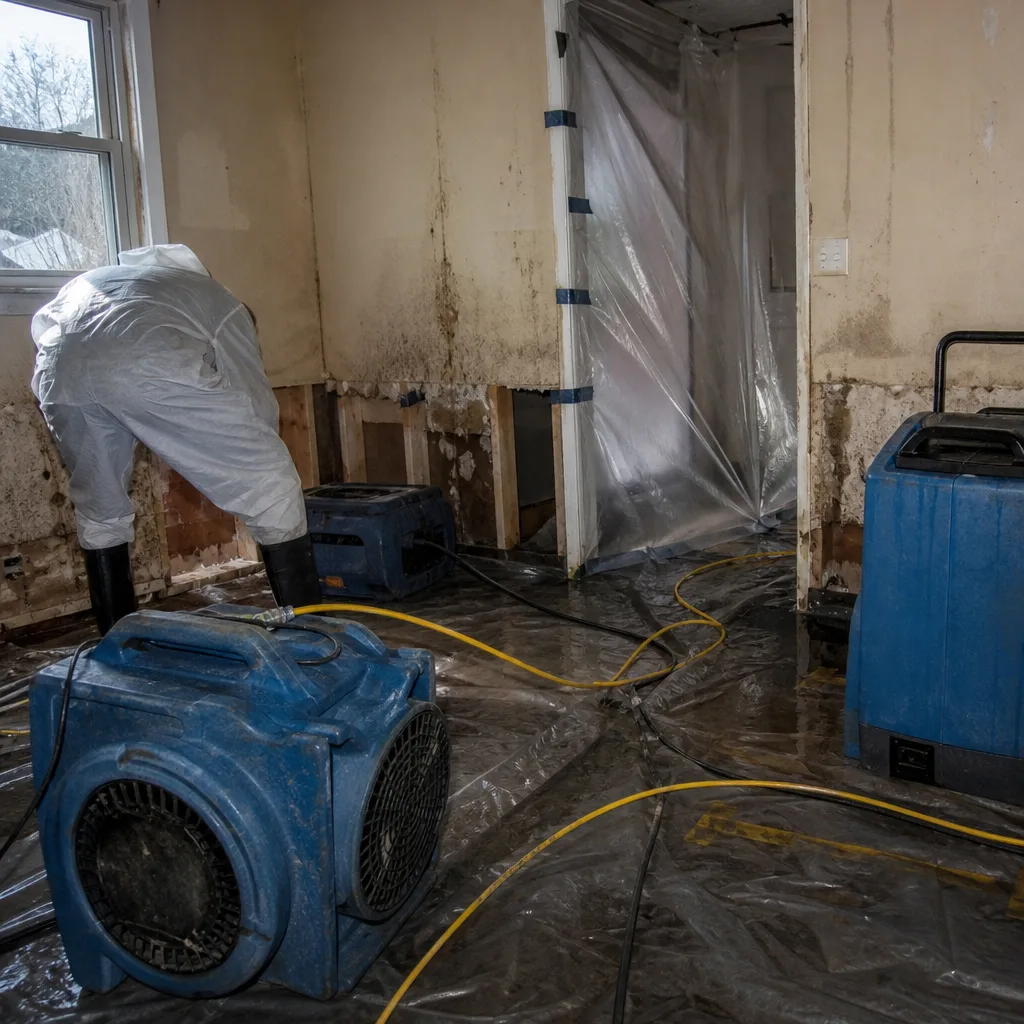 Before
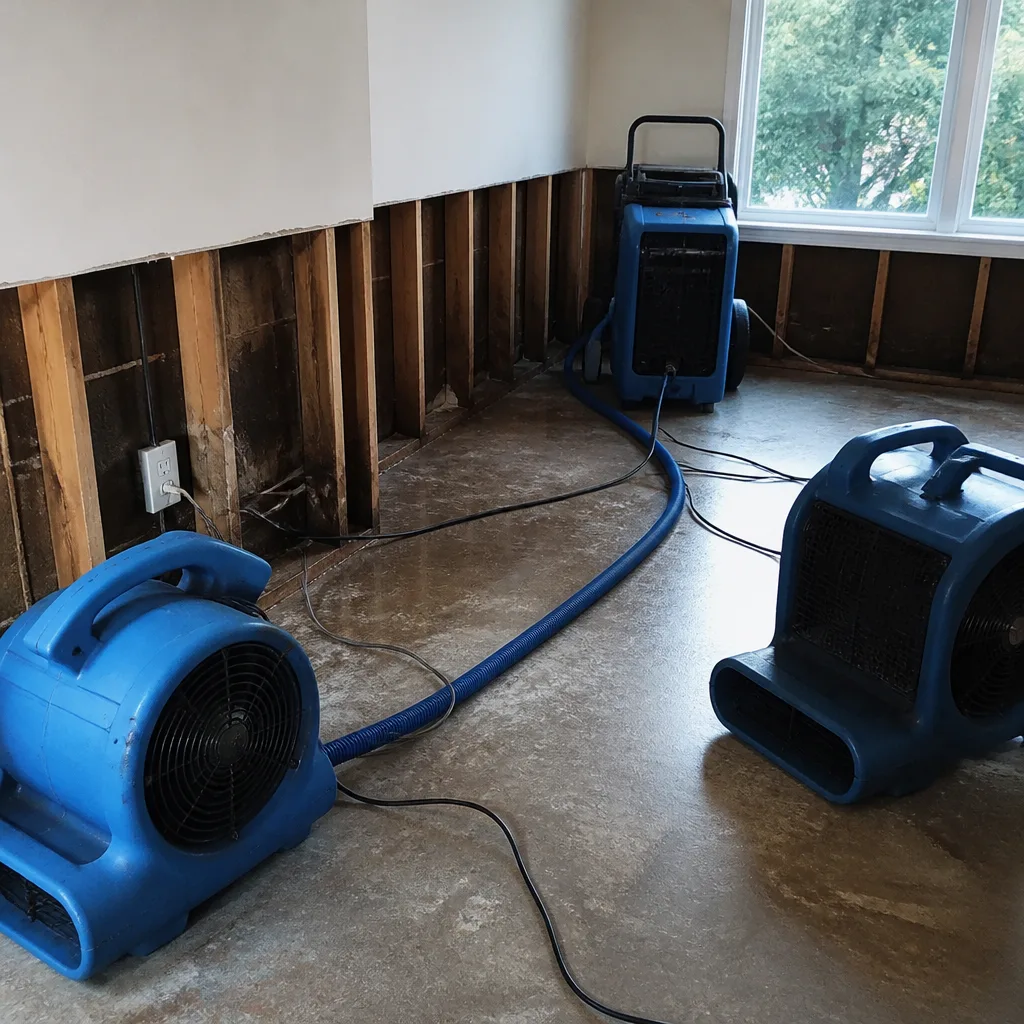 After
After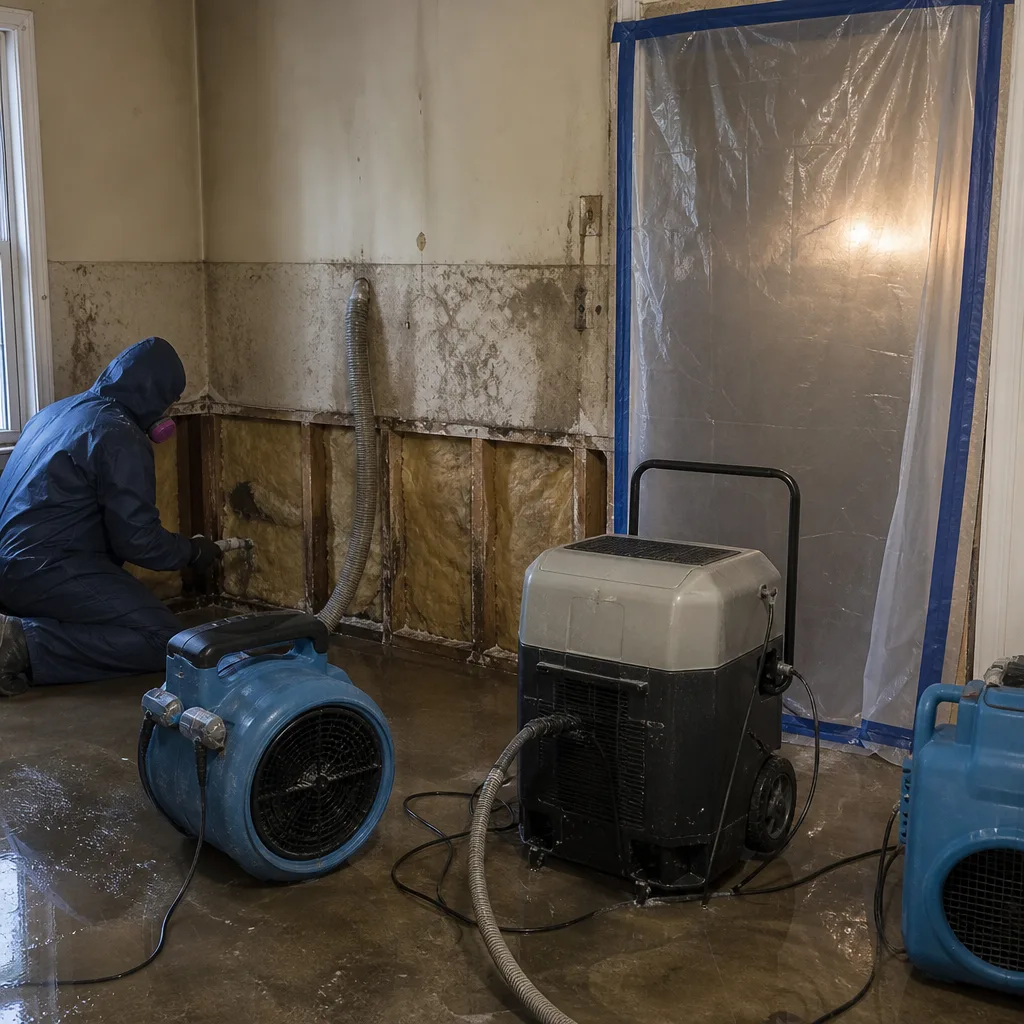 Before
 After
After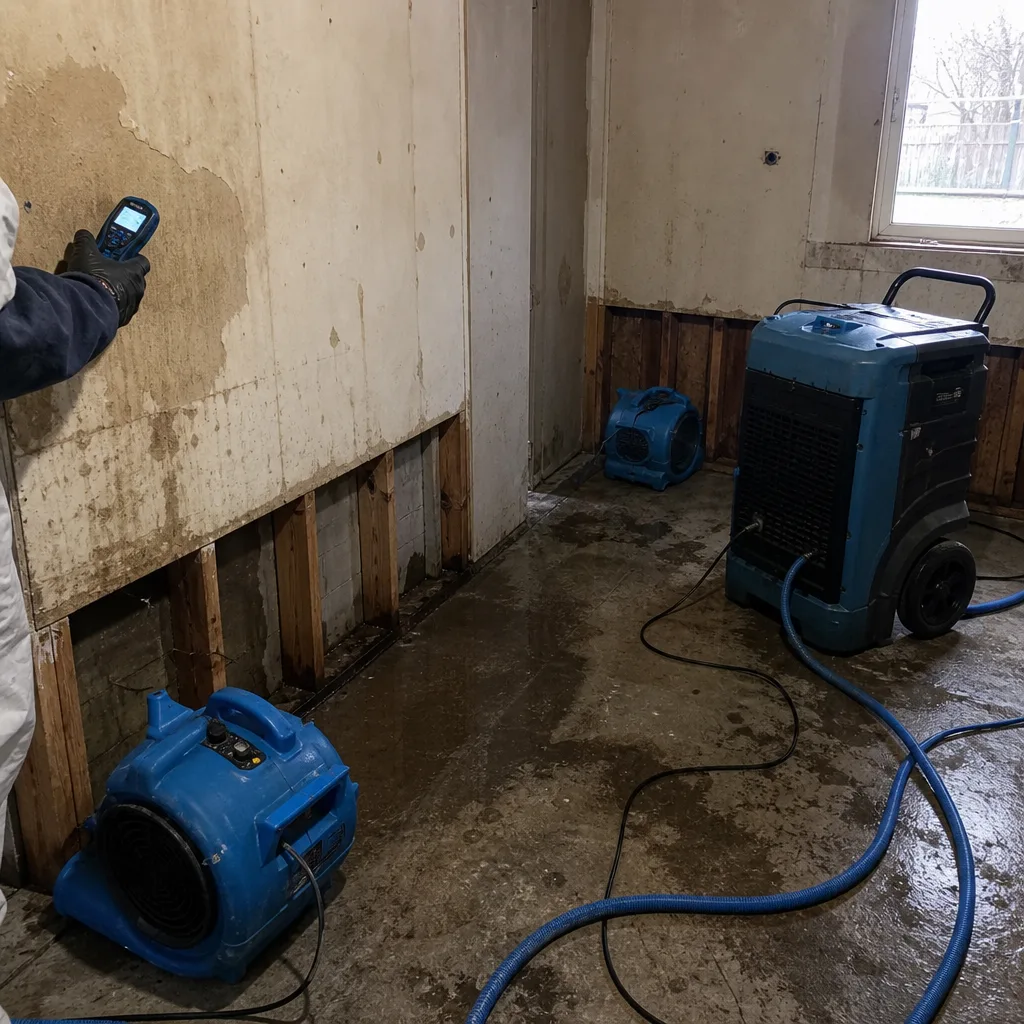 Before
 After
AfterHow to Hire a Damage Restoration Contractor in Englewood: A Step-by-Step Guide
New Jersey requires every restoration contractor to carry a Home Improvement Contractor registration, yet the state does not require a single documented moisture reading. A licensed contractor can legally run dehumidifiers in your Englewood home until the equipment rental period ends, with no measurable standard for when your structure is actually dry. We’ve reviewed competitor invoices from Bergen County jobs where $8,400 in “drying” produced zero daily logs, no psychrometric data, and a final moisture reading taken with a $20 hardware-store pin meter. This guide replaces the generic advice you’ve already read - check reviews, verify licensing - with the documentation tests that separate contractors who can prove their work from those who ask you to trust the process. For more guides & resources on protecting your home, see our blog.
Quick Answer
To hire a damage restoration contractor in Englewood, request five documents before signing anything: a written scope of work, an itemized estimate, an equipment placement plan, a sample daily drying log, and a certificate of insurance naming you as additionally insured. Then verify the contractor’s IICRC certification against the live registry, confirm they cite specific psychrometric drying targets from the S500 standard, and structure payment around documented milestones rather than calendar days. Contractors who cannot produce these items before work begins will not produce them after.
Table of Contents
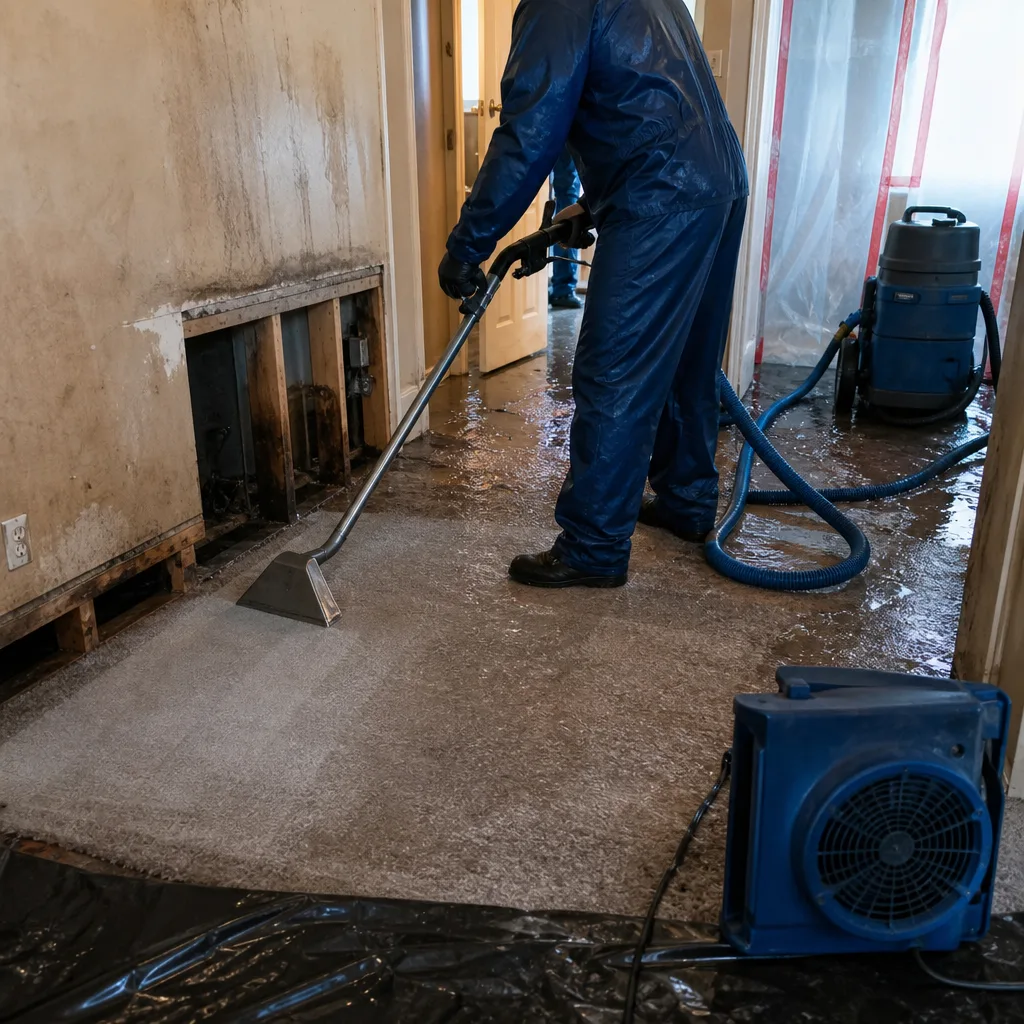
- The Documentation Gap That Costs Englewood Homeowners Their Claims
- The Five Documents to Request Before Signing Anything
- How to Verify IICRC Certification - And Why It Isn’t Enough
- The Exact Drying Standard Your Contractor Should Cite
- Red Flags: Post-Storm Contractor Surges in Bergen County
- How to Structure Payment for Maximum Leverage
- Common Mistakes to Avoid
- When to Call a Professional
- Frequently Asked Questions
- The Bottom Line
BeforeAfterThe Documentation Gap That Costs Englewood Homeowners Their Claims
We started Back to Dry Restoration in 2011 after Alicia Brennan spent years as a claims adjuster watching homeowners lose coverage disputes for one reason: the restoration contractor produced no contemporaneous documentation. The insurer would deny $12,000 in secondary damage by arguing the initial drying was incomplete. The homeowner had no moisture logs to prove otherwise. The contractor had moved on to the next job.
This pattern is especially costly in Englewood, where the housing stock spans pre-war colonials near East Palisade Avenue, mid-century splits in the Liberty Road corridor, and newer construction closer to the Englewood Hospital campus. Older homes in the Fourth Ward often contain plaster and lath assemblies that dry differently than modern drywall - a contractor who documents “two dehumidifiers, three days” without specifying vapor pressure differentials or material-specific moisture content targets is guessing with your structural integrity. See our Seasonal Damage Restoration Care for Englewood: Year-Round Homeowner’s Guide for climate-specific drying considerations.
The water damage restoration industry has no federal oversight. New Jersey’s HIC registration, administered through the Division of Consumer Affairs, verifies insurance and a basic background check but does not inspect job documentation. The IICRC (Institute of Inspection, Cleaning and Restoration Certification) publishes standards like the S500 for water damage and S520 for mold, but compliance is voluntary unless specified in a contract. This means your protection depends entirely on what you require before work begins.
We’ve restored over 12,000 homes since 2011, and the pattern is consistent: the claims that pay without dispute are the ones with daily drying logs, photo-documented moisture readings, and written scopes signed before equipment starts. The claims that drag on for months - or get denied - come from jobs where the homeowner accepted verbal assurances and a handshake.
The Five Documents to Request Before Signing Anything
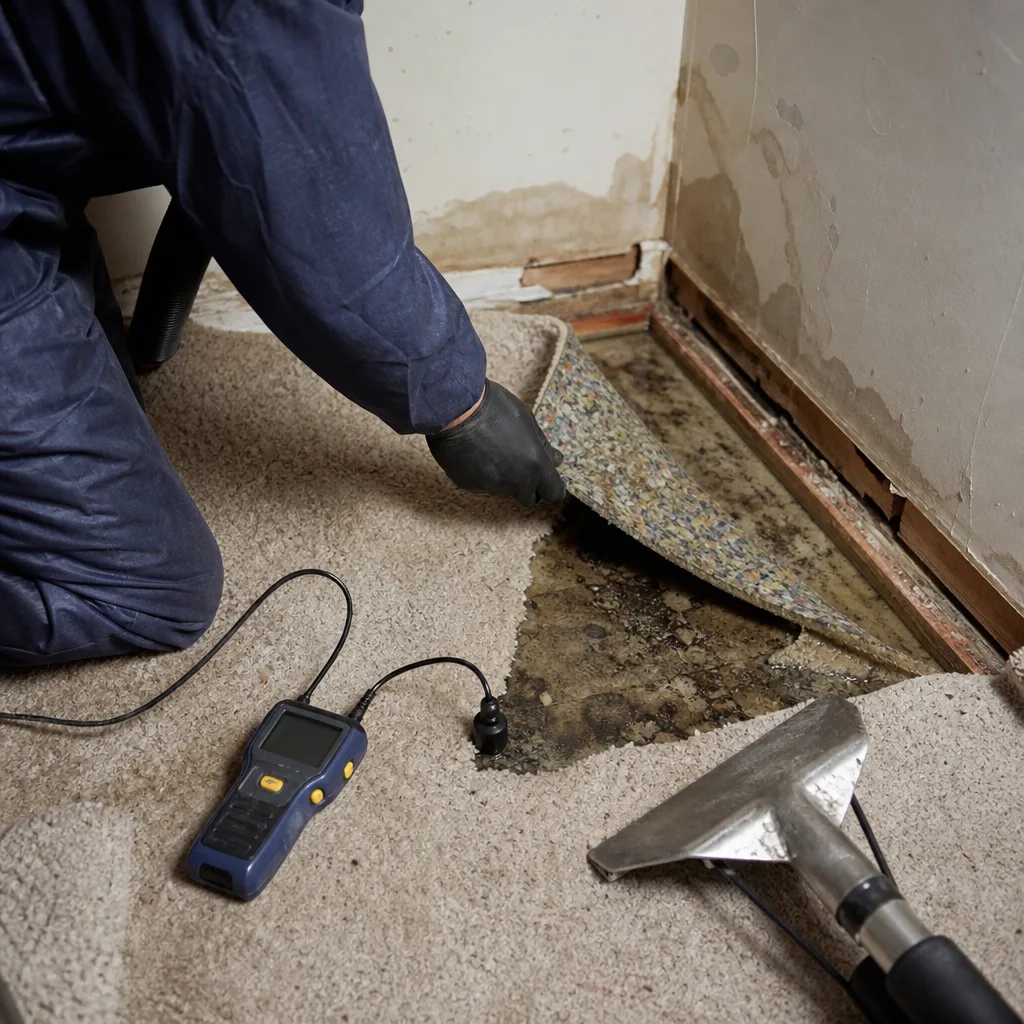
Every contractor will show you insurance certificates and licensing. Few will volunteer the documents that actually protect you. Request these five items and observe which contractors produce them without hesitation.
1. Written Scope of Work
This is not an estimate. A scope defines exactly what will be done, in what sequence, to what areas, using what methods. It should reference material classifications by trade name - “Class 3 water loss, Category 2 contamination, affecting 1,200 square feet of oak strip flooring over plywood subfloor” - not generic language like “dry basement.” Haven Standard, Clause 1 requires a written price before work begins; the scope is the document that makes that price meaningful. Our Complete Guide to Damage Restoration in Englewood explains how proper scoping protects you from surprise charges.
2. Itemized Estimate
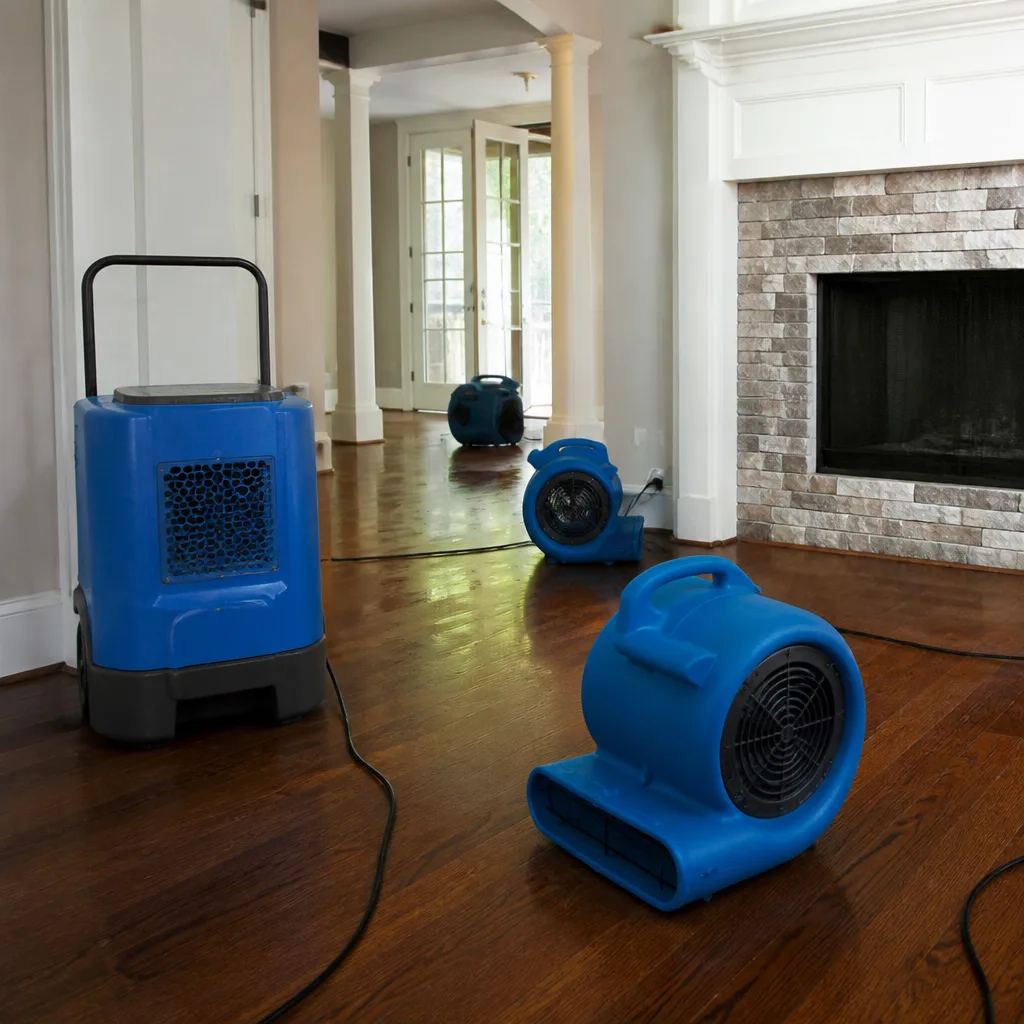
Line-item pricing for equipment, labor, materials, and disposal. You should see separate charges for each dehumidifier by capacity (e.g., Dri-Eaz LGR 7000XLi or Phoenix R200), each air mover, and each day of monitoring. Bundled pricing - “$4,500 for drying” - prevents you from verifying whether equipment was actually deployed or removed on the dates claimed.
3. Equipment Placement Plan
A floor plan or marked photograph showing where each piece of equipment will sit, with counts and capacities. This lets you verify on day one that the contractor delivered what they promised, and it creates a reference for spotting scope creep. In Englewood’s tighter pre-war homes near the downtown corridor, equipment placement also matters for access and safety.
4. Sample Daily Drying Log
This is the document most contractors cannot produce on request. A proper log records: date and time of each reading; room location; moisture content readings for affected materials (wood, drywall, concrete) in percentage; relative humidity and temperature; specific humidity calculations; vapor pressure differential; equipment running and any changes; and technician signature. Ask to see a sanitized log from a previous job. If they balk, they don’t keep them.
5. Certificate of Insurance Naming You as Additionally Insured
Not just proof of insurance - a certificate that names you specifically, for the duration of the project. This ensures their general liability and workers compensation coverage extends to your property during active work. Request it be sent directly from their insurance broker, not handed to you as a photocopy.
At DryMark Restoration Englewood, we provide all five documents before any equipment crosses your threshold. Haven Standard, Clause 1 exists precisely because we watched too many Englewood homeowners sign vague proposals while standing in wet carpet.
How to Verify IICRC Certification - And Why It Isn’t Enough
IICRC certification is the baseline credential in restoration, but it functions like a driver’s license: it confirms training occurred, not that the holder follows traffic laws. Here’s how to verify it properly, then what to check beyond it.
- Get the certification number. Ask for the technician’s specific IICRC ID, not a company claim of “IICRC-certified.” Every certified individual has a unique number.
- Check the live registry. Go to iicrc.org and use the “Find a Certified Pro” tool. Enter the ID. The registry shows current status, expiration date, and specific certifications held (Water Damage Restoration Technician, Applied Structural Drying, etc.).
- Confirm the certification matches the work. A WRT (Water Damage Restoration Technician) without ASD (Applied Structural Drying) has classroom training but not the advanced certification for complex drying scenarios. For mold remediation in Englewood, look for AMRT (Applied Microbial Remediation Technician).
- Ask when they last recertified. IICRC certifications expire. A technician certified in 2016 who never recertified is working from standards that have been updated multiple times.
Here’s what certification alone won’t tell you: whether the technician documents moisture readings daily, whether their company requires photo records on every visit, and whether their estimates are itemized or bundled. We’ve seen IICRC-certified crews in Bergen County run equipment for five days without a single logged reading, then bill for “completed drying” based on touch-and-guess. The certification verified their training. It did not verify their practice.
At Back to Dry, every technician is IICRC-certified, background-checked, and uniformed - but more importantly, every job is documented to IICRC, RIA, and IFA standards with daily logs and photo records included as standard deliverables, never upsells. The certification gets them in your door. The documentation protects your claim.
The Exact Drying Standard Your Contractor Should Cite
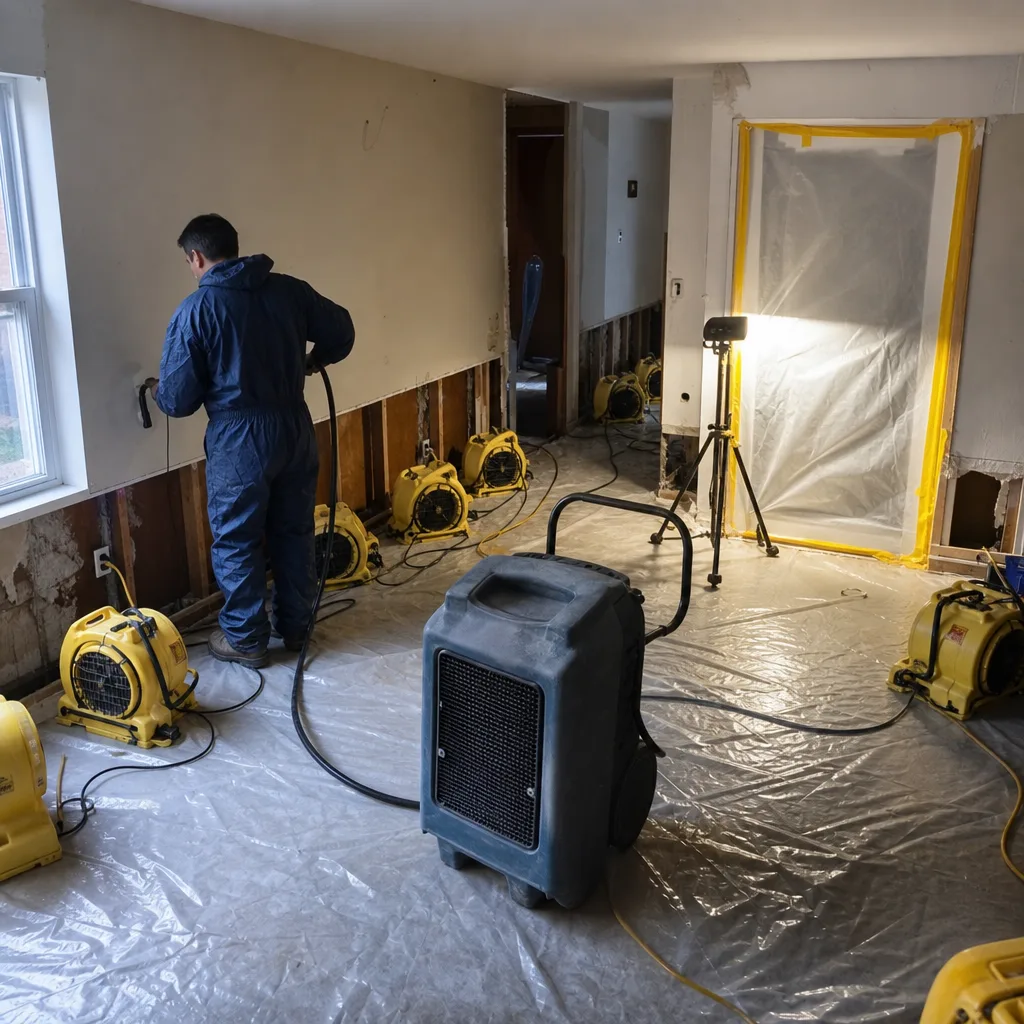
When you ask “how will you know when my house is dry,” the answer should involve specific numbers, not “when it feels dry” or “usually three days.” Here’s what to listen for.
Psychrometric targets. Psychrometrics is the study of air and moisture relationships. Your contractor should cite target conditions for the drying chamber: typically 30-50% relative humidity, 70-80°F temperature, and a vapor pressure differential that drives moisture from wet materials into the air where dehumidifiers can capture it. If they cannot define “vapor pressure differential” in plain language - the pressure difference between moist air at the wet surface and drier air in the room, which determines how fast evaporation occurs - they are not monitoring it.
Material-specific moisture content. Drywall should typically reach 12% or below moisture content. Wood framing, depending on species and local equilibrium, usually 10-16% in the Englewood climate zone. Concrete subfloors require calcium chloride testing or in-situ relative humidity probes, not pin meters. Each material has a different dry standard, and the contractor should specify which standard applies to which material in your home.
The S500 reference. The IICRC S500 Standard and Reference Guide for Professional Water Damage Restoration defines these targets. A contractor who cannot cite chapter and verse - or who has never heard of the S500 - is not following a recognized drying standard. They are following habit.
Ask specifically: “What is your target vapor pressure differential for this job, and how often will you measure it?” A contractor who plans to check once and eyeball the rest is not performing structural drying. They are renting equipment.
Our crews in Englewood use professional-grade drying systems from Dri-Eaz, Phoenix, and XPOWER, with readings logged to the S500 standard every visit. The equipment matters less than the documentation - but the documentation requires equipment capable of producing measurable data.
Red Flags: Post-Storm Contractor Surges in Bergen County
Englewood sits in a vulnerable corridor. The Hackensack River watershed to the west and the urban heat island effect from the New York metro area create microclimate intensification that turns moderate storms into basement-flooding events, particularly in the lower-lying sections near the river. When Hurricane Ida remnants struck in September 2021, we saw the predictable contractor surge - and the predictable scams.
Watch for these specific red flags:
- Out-of-state registrations. A truck with Florida or Texas plates and a hastily printed magnet sign. Check the HIC registration against the New Jersey Division of Consumer Affairs database. Legitimate local contractors maintain permanent local addresses.
- Verbal-only scopes with “assignment of benefits” pressure. The contractor asks you to sign over your insurance claim directly to them, promising to “handle everything.” This removes your leverage and often leads to inflated invoices. New Jersey has restricted AOB agreements, but pressure tactics persist after storms.
- Demands for large upfront deposits. Standard practice is minimal deposit or payment upon documented milestones. A contractor demanding 50% before equipment arrives is often planning to disappear.
- No local referenceable jobs. Ask for three recent Englewood or immediate Bergen County addresses you can drive past. Storm-chasing operations cannot provide them.
- “Emergency service fee” ambiguity. Clarify whether after-hours response carries additional charges, and get it in writing. Some surges involve 3x pricing for standard services.
The pattern repeats: storm hits, out-of-state crews arrive within 48 hours, work fast and document little, then leave before mold appears six weeks later. We’ve been called into Englewood homes six months after a storm-chaser “completed” drying, only to find active mold behind baseboards where moisture was never properly extracted. The homeowner’s insurer denied the mold claim because the original contractor produced no drying logs to prove their work was complete.
How to Structure Payment for Maximum Leverage
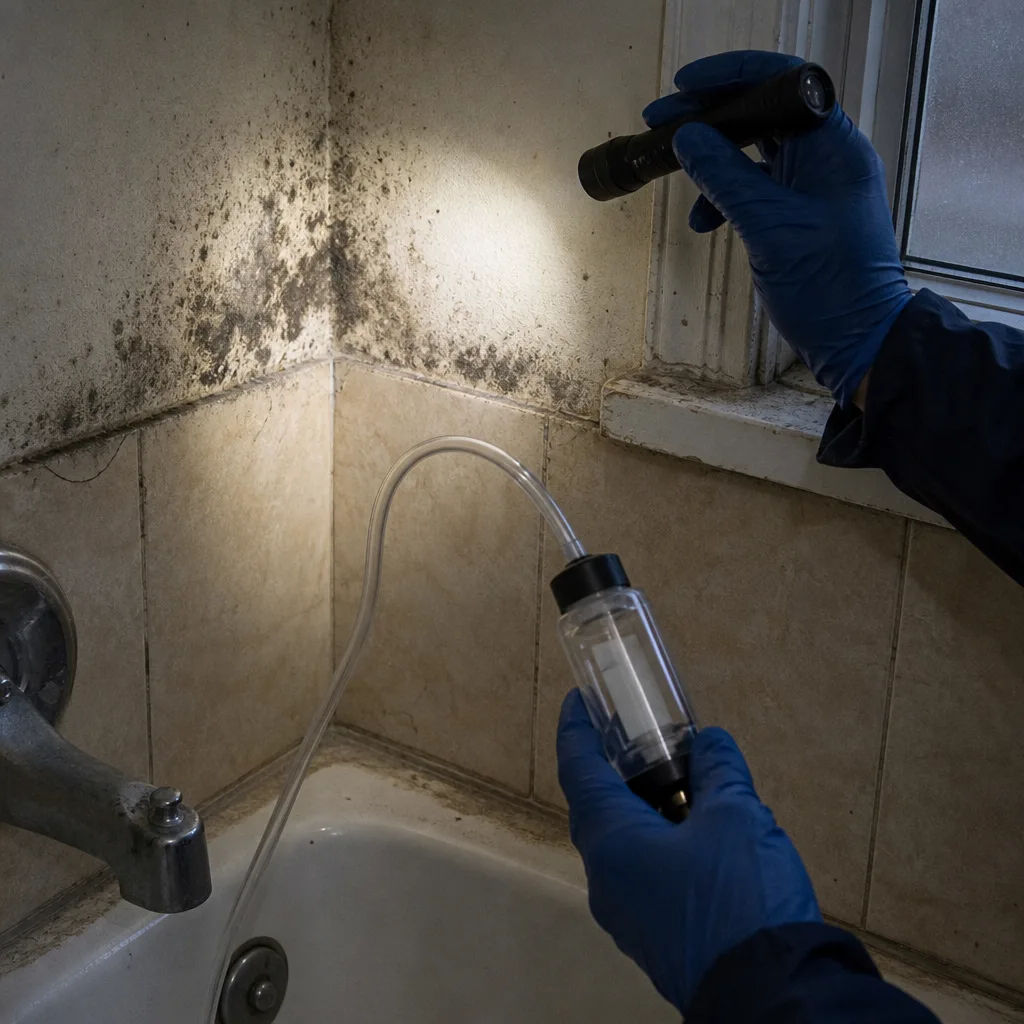
The standard contractor payment schedule - 50% upfront, 50% on completion - transfers all risk to you before work is documented. Here’s a milestone-based structure that retains your leverage through project completion.
- Minimal mobilization deposit (10-15%). Covers initial equipment delivery and setup only. Held in escrow if possible.
- Payment on documented drying progress (30-40%). Released after review of daily logs showing measurable moisture reduction toward S500 targets. Not calendar days - documented progress.
- Payment on completion of drying phase (30-40%). Released after final moisture readings confirm all materials at or below specified targets, with photo documentation.
- Holdback for final walkthrough (10-15%). Retained until you verify no equipment damage, all debris removed, and all documentation delivered: final drying log, photo record, and written completion certificate.
This structure aligns the contractor’s financial incentive with proper documentation. A contractor who resists milestone-based payment often plans to complete work without the logs that would justify each release.
At Back to Dry, we operate under Haven Standard, Clause 1: written price before work begins, with no scope-creep additions once the crew is inside. Our invoices match our estimates because the estimate is based on documented conditions, not guesswork. We also offer a Free Second Opinion on any competitor’s written estimate - bring us their proposal and we’ll review it against IICRC standards at no charge.
Common Mistakes to Avoid
- Accepting “insurance approved” as a credential. Insurers don’t approve contractors; they pay claims based on documentation. Any contractor using this phrase is misleading you about their status.
- Verifying insurance by viewing a photocopy. Certificates of insurance are easily altered. Always request direct transmission from the insurance broker.
- Assuming faster is better. Proper structural drying in an Englewood colonial with plaster walls may take 5-7 days. A contractor promising “dry in 48 hours” is likely removing equipment before the job is done, leaving trapped moisture.
- Neglecting to photograph pre-existing conditions. Before any work begins, document your own photos of the loss area. If the contractor damages undamaged areas during mitigation, you’ll need evidence that predates their arrival.
- Signing blank or incomplete work authorizations. Every signature should attach to a fully completed scope with specific room names, material types, and equipment counts. Blank forms allow unlimited additions.
- Failing to request the drying log template before work starts. If they cannot show you what daily documentation looks like, they do not produce it. This single test eliminates more unqualified contractors than licensing checks.
When to Call a Professional
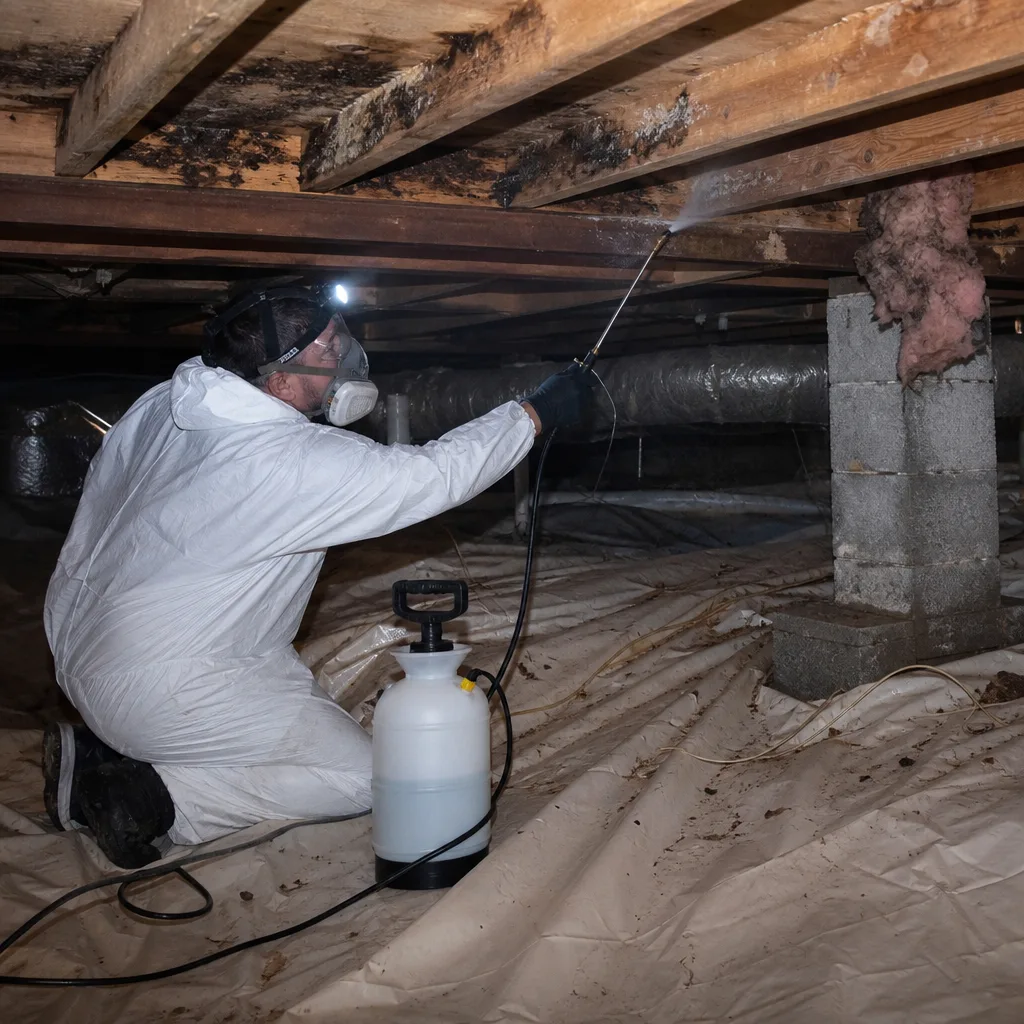
Call immediately when water is actively spreading, when sewage or Category 3 contamination is present, when electrical systems are affected, or when mold is visible and exceeds 10 square feet. For fire and smoke damage, professional assessment is needed before any cleaning attempts, as improper methods can set soot permanently into surfaces.
DryMark Restoration Englewood offers free estimates in Englewood - call (845) 875-4326. Our live dispatch answers every call, 24 hours a day, 7 days a week, with no voicemail trees. Every estimate includes a written scope and itemized pricing before any work begins, backed by our 365-Day Done Right Promise under The Haven Standard.
Frequently Asked Questions
Most Englewood water damage restoration projects range from $3,200 for contained basement drying to $14,000+ for whole-house Category 3 losses with reconstruction. The variance depends on water classification, affected square footage, and whether structural materials require removal. Call (845) 875-4326 for a written estimate with itemized line-item pricing - estimates are free and include a documented moisture assessment. Download our Water Damage Restoration Maintenance Checklist for Englewood Homeowners to prepare before we arrive.
Most homeowners policies cover sudden and accidental water damage from burst pipes, appliance failures, or storm intrusion, but exclude gradual leaks and flooding without separate flood coverage. The single biggest factor in claim approval is documentation quality: daily drying logs, photo records, and written scopes that prove the damage was properly mitigated. We coordinate directly with adjusters and provide the documentation package that supports full claim payment.
For active water losses, DryMark Restoration Englewood dispatches within 60-90 minutes of your call, 24 hours a day, 7 days a week. Response time matters because water migrates through walls and subfloors within hours, turning a contained loss into a multi-room mitigation. Reconstruction and non-emergency work is scheduled and scoped in writing, not dispatched for same-day arrival.
Category 1 clean water losses under 150 square feet on hard surfaces may be manageable with proper extraction and drying equipment. Anything involving Category 2 or 3 contamination, porous materials like drywall or carpet pad, or hidden cavities behind walls requires professional equipment and documentation. Self-cleaning without proper drying documentation also jeopardizes your insurance claim if secondary damage develops.
You retain control of your claim, but a documentation-first contractor should coordinate directly with your adjuster, providing moisture logs, photo records, and written scopes that justify the invoice. Be wary of contractors who ask you to sign over claim management or who refuse to speak with adjusters - both patterns suggest documentation problems. We provide direct adjuster coordination as a standard service, with all documentation delivered simultaneously to you and your carrier.
Walk away. No legitimate restoration contractor needs a signature under pressure; water damage does not worsen meaningfully in the time it takes you to review documents. Specifically, never sign an assignment of benefits, never sign a blank work authorization, and never provide payment before receiving a written scope and itemized estimate. The contractors who apply pressure are typically the ones whose documentation won’t survive scrutiny.
The Bottom Line
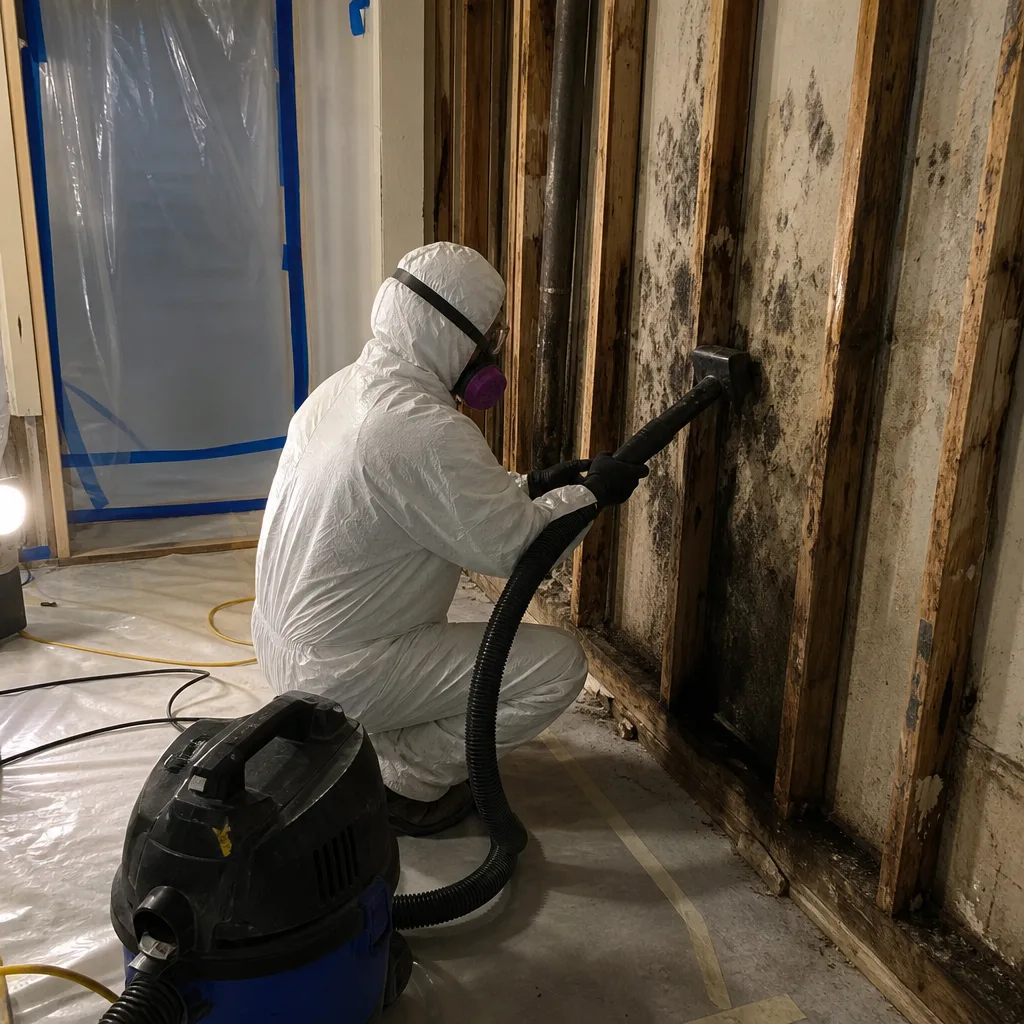
Hiring a restoration contractor in Englewood is not a review-counting exercise. New Jersey’s licensing verifies basic credentials, not documentation quality. The contractors who protect your home and your claim are the ones who can show you a sample drying log before work begins, cite specific S500 psychrometric targets, and accept payment tied to documented milestones rather than calendar days. Require the five documents. Verify the certification against the live registry. Test their drying knowledge with specific questions. The time you spend before signing is the time you won’t spend fighting your insurer six months later.
Written by Alicia Brennan, Owner at DryMark Restoration Englewood, serving Englewood since 2011.