
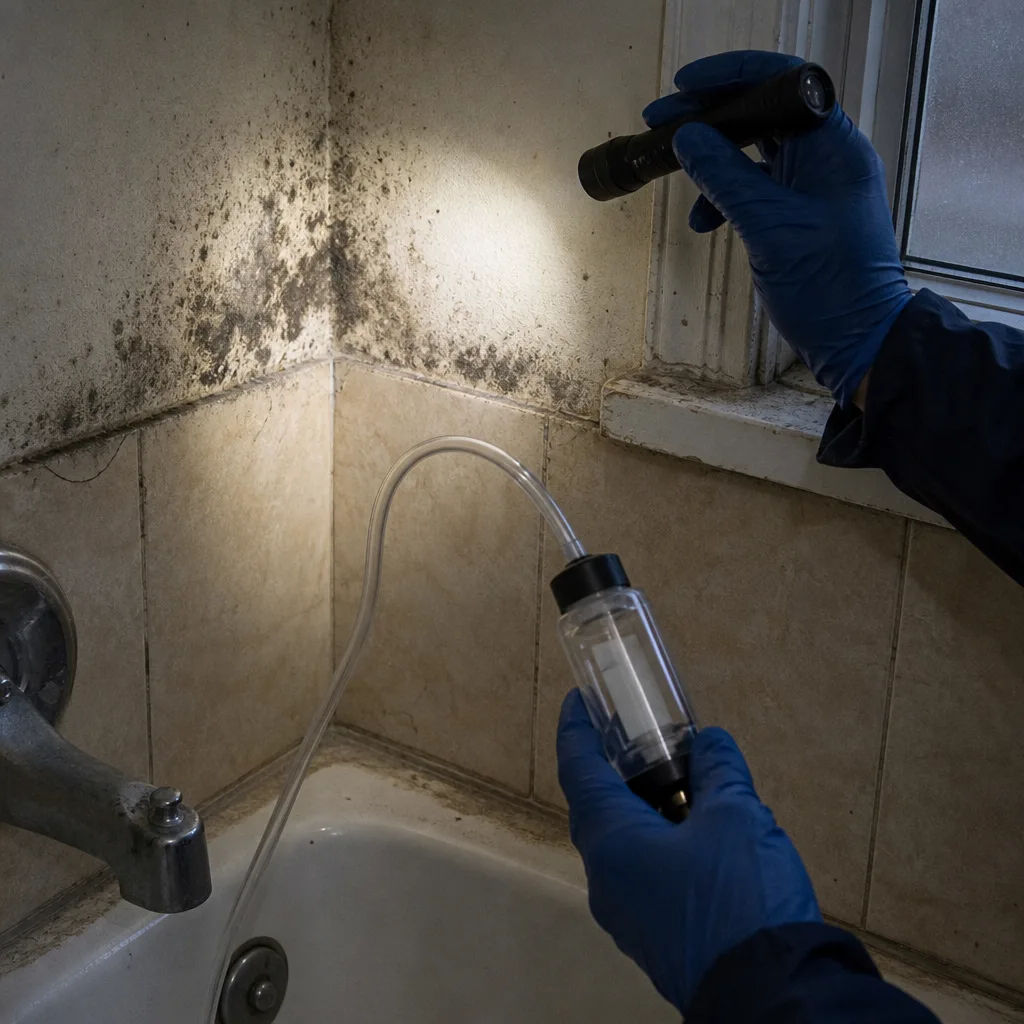
Free visual inspection and a written scope of work before any mitigation begins - photos, moisture readings, and drying logs go in your claim file
The scope we write is the scope we bill. Anything new gets shown to you, in writing, before we touch it.
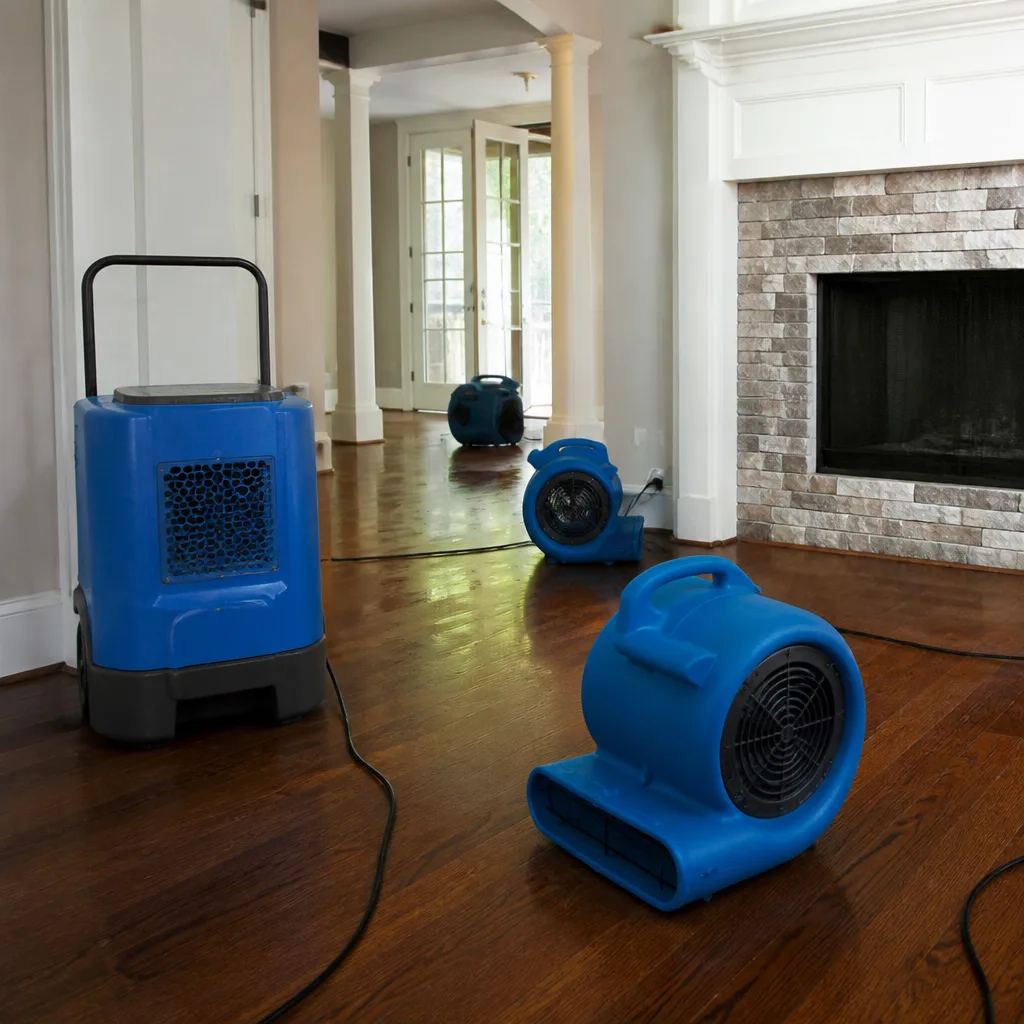
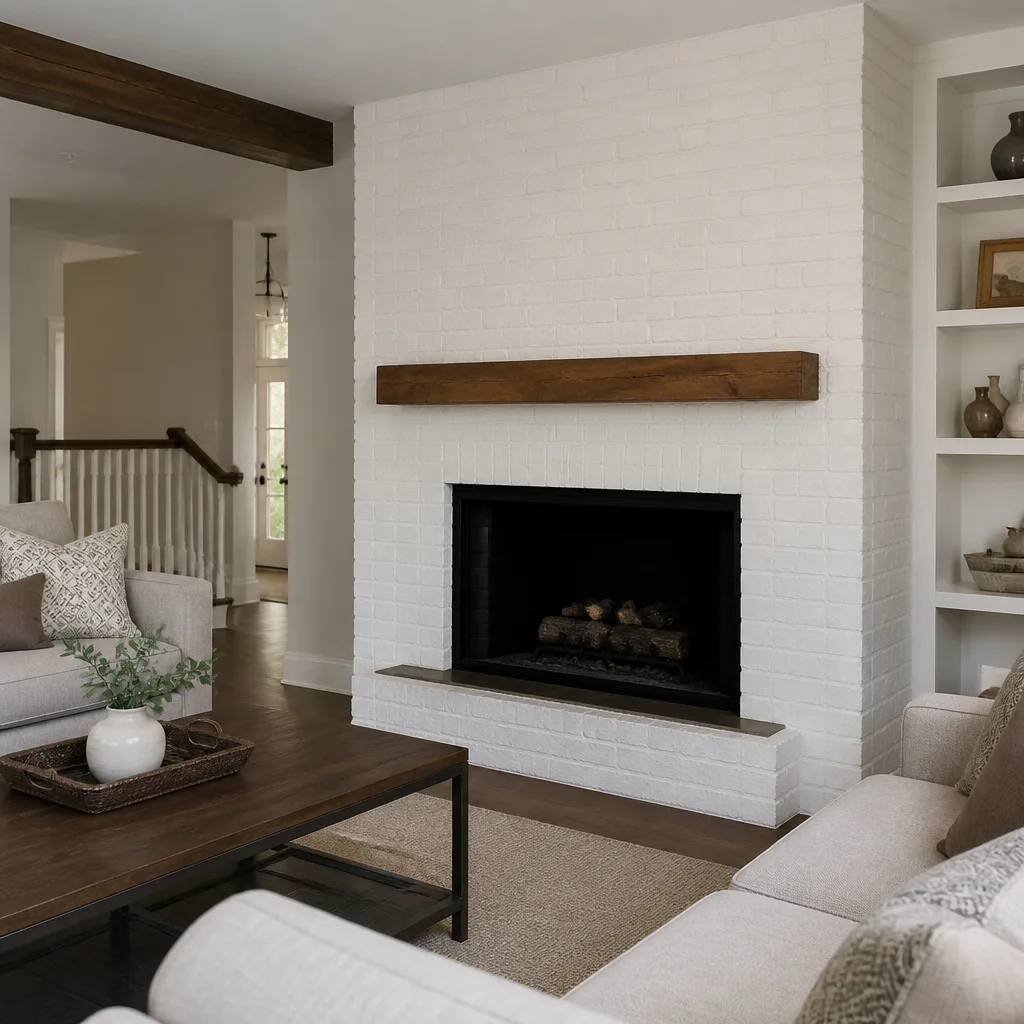
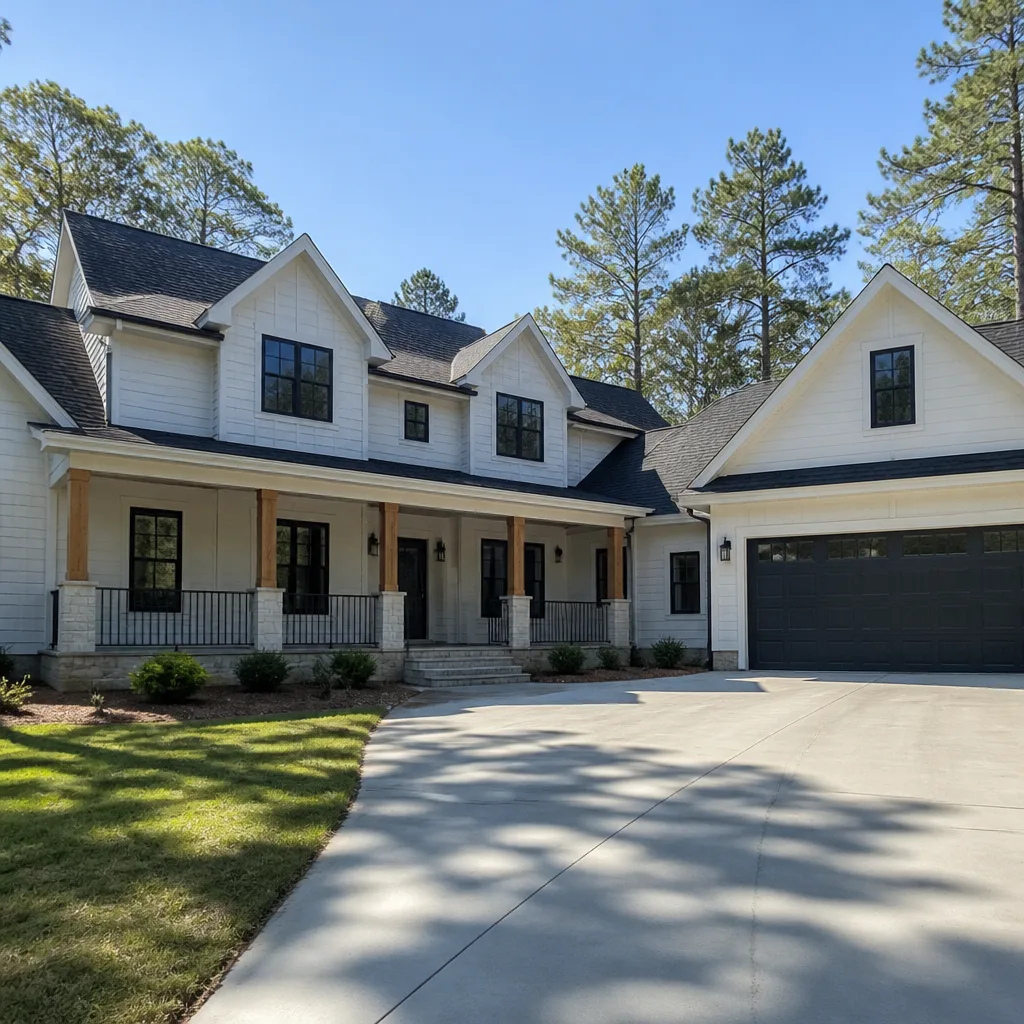
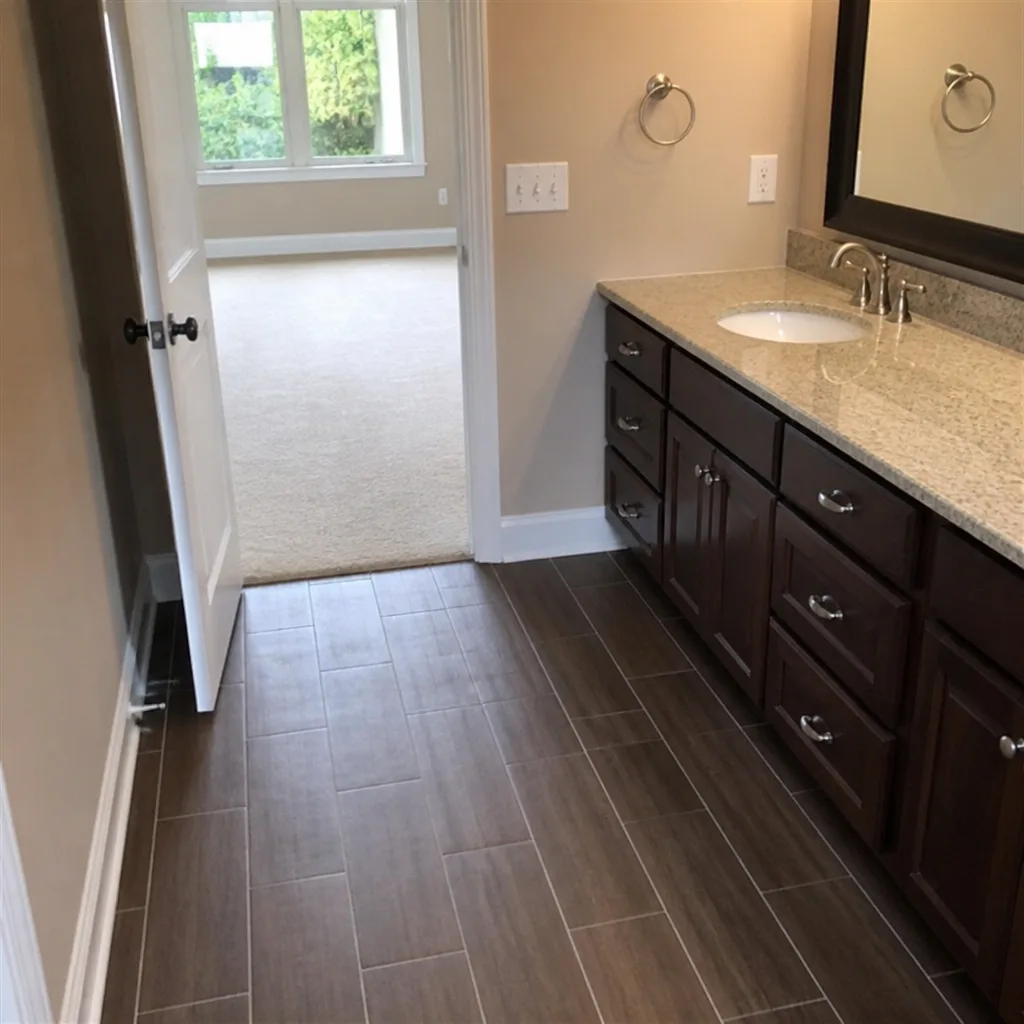
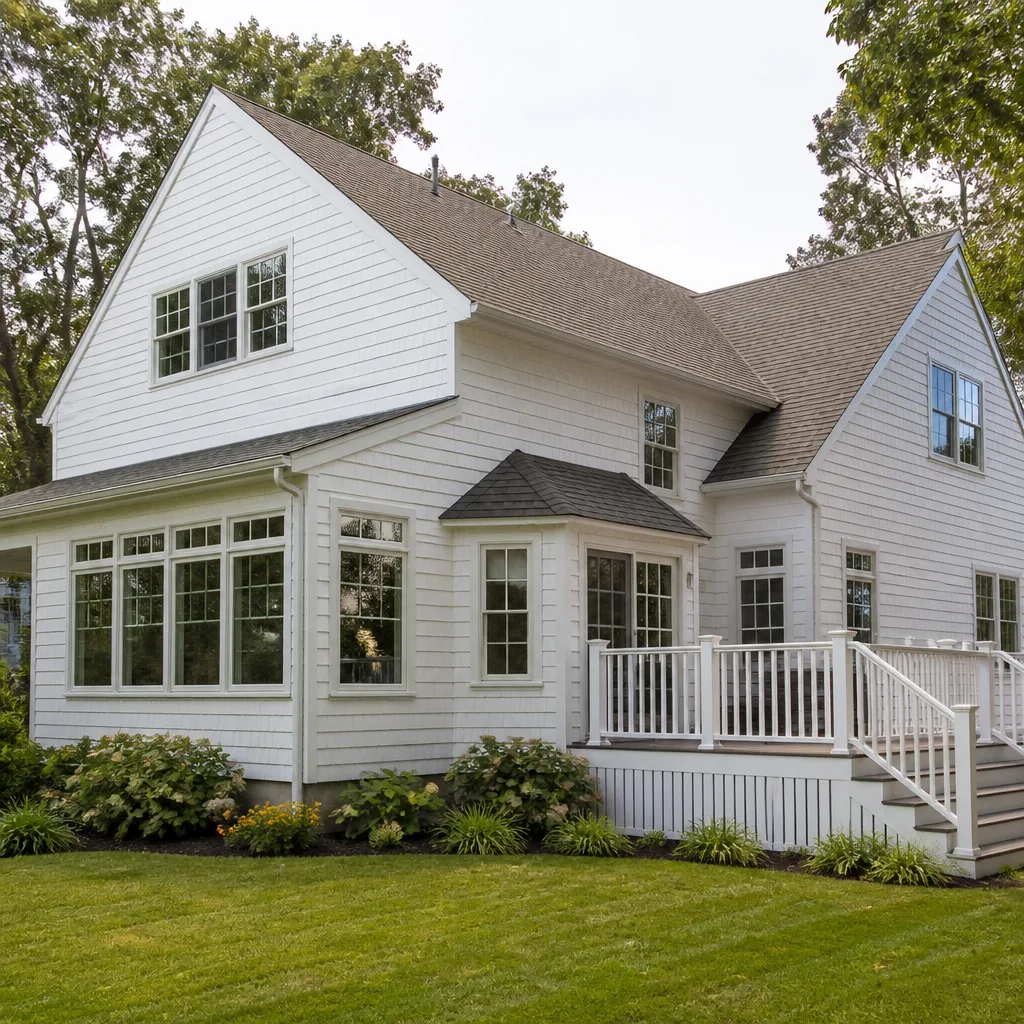
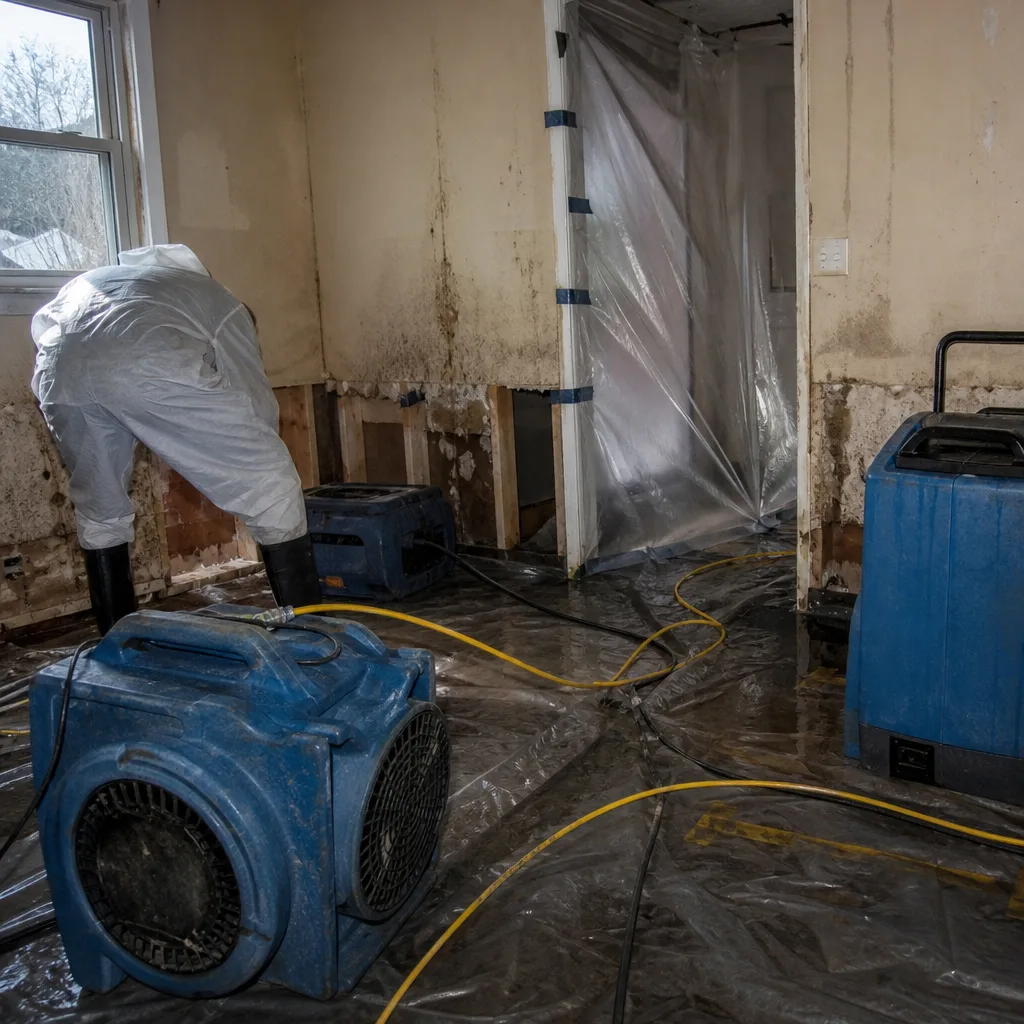 Before
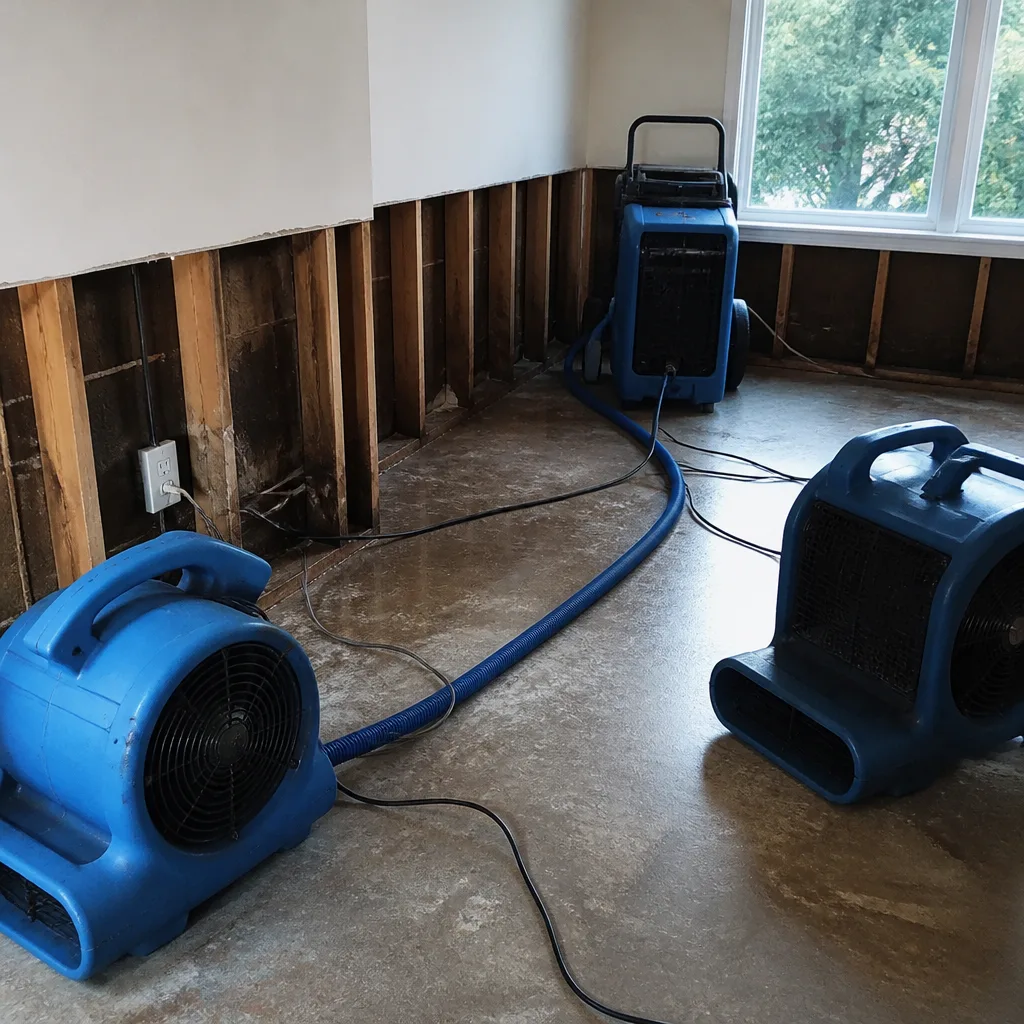 After
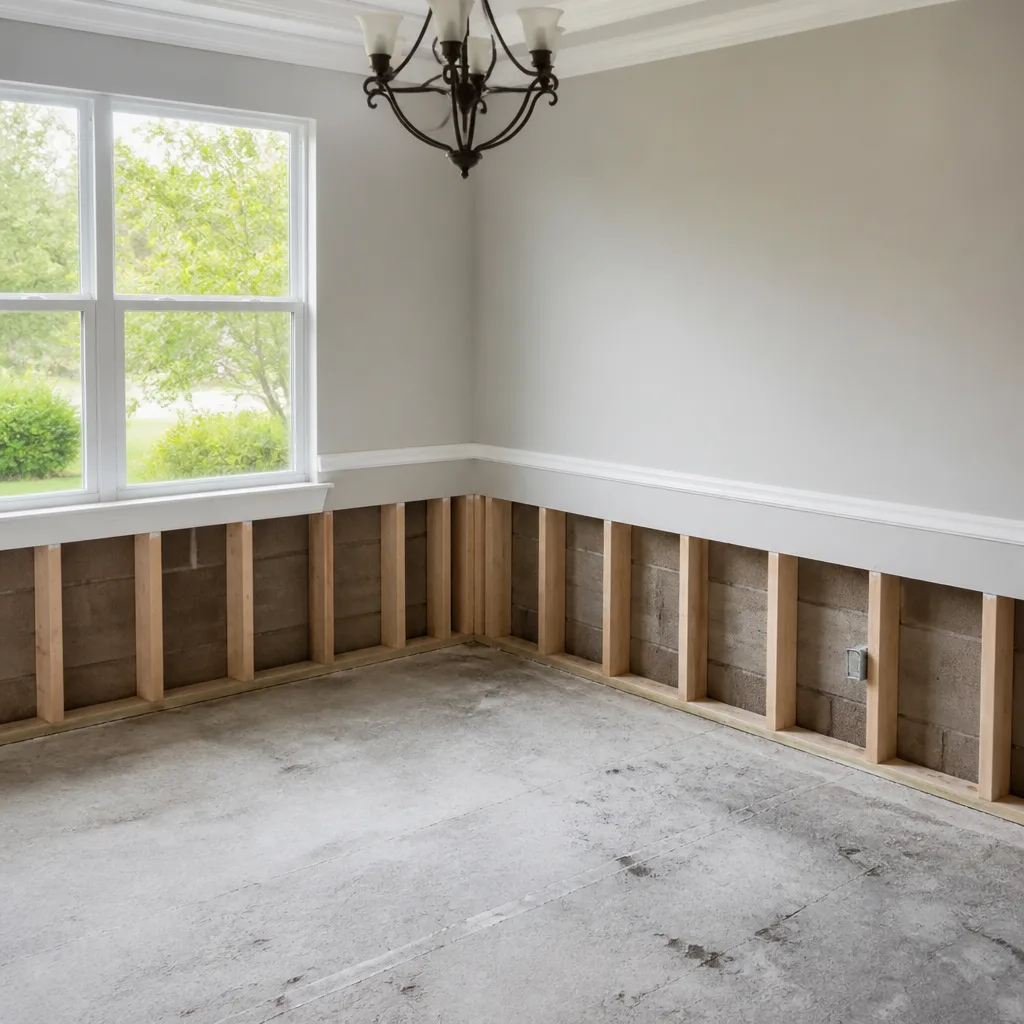
After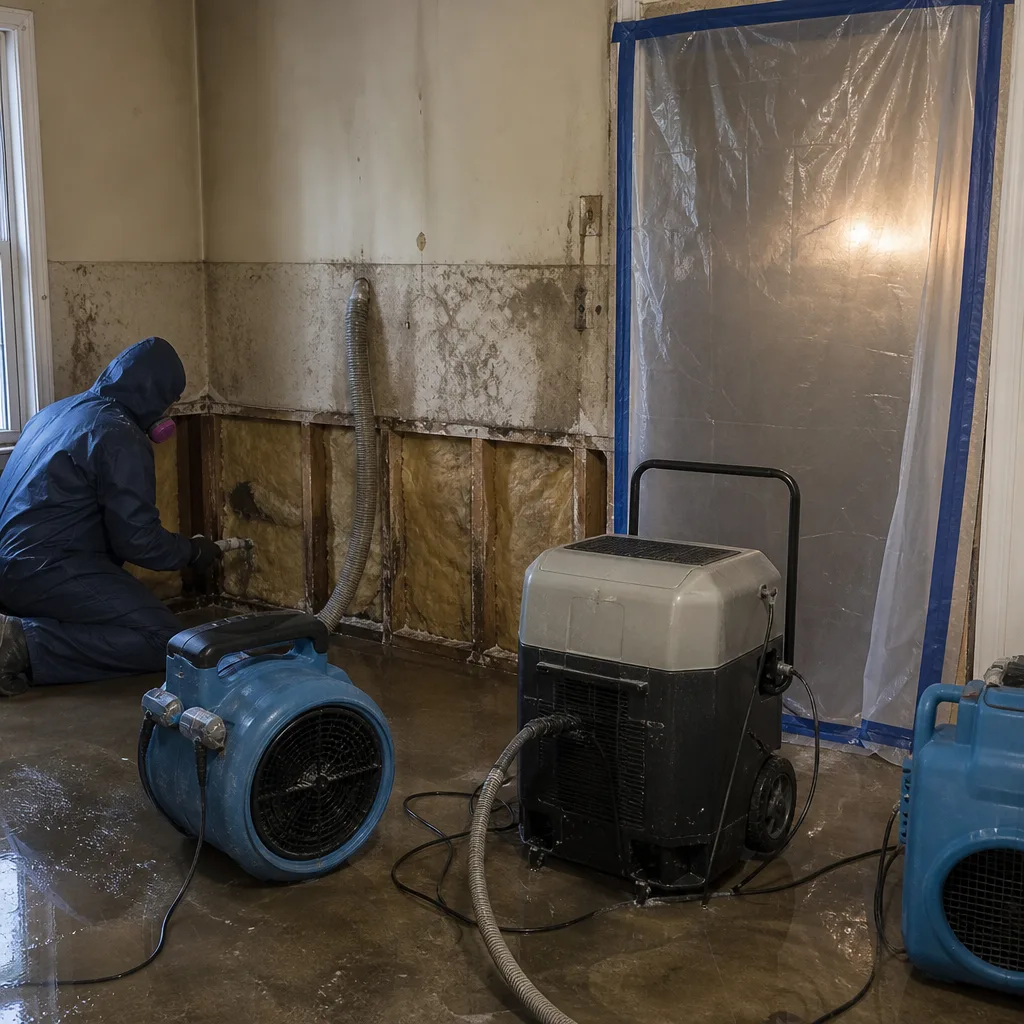 Before
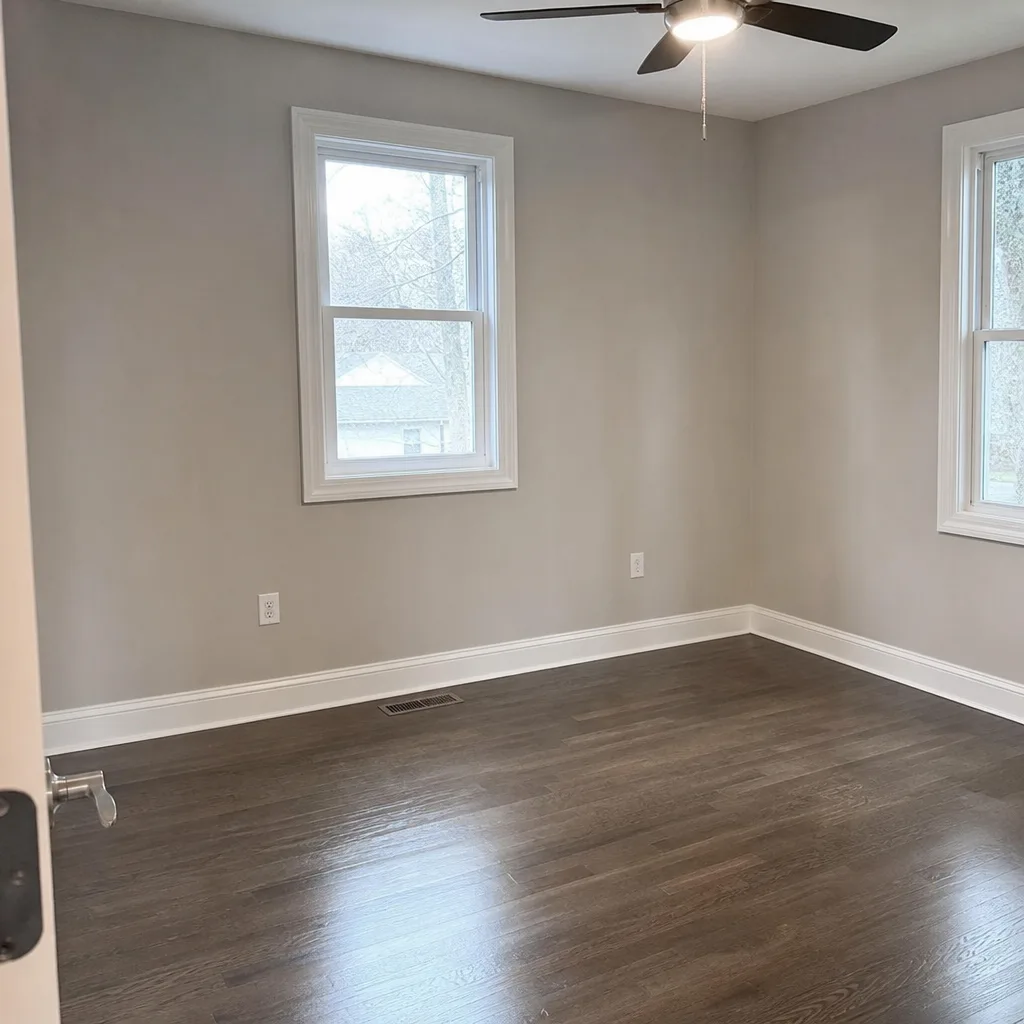 After
After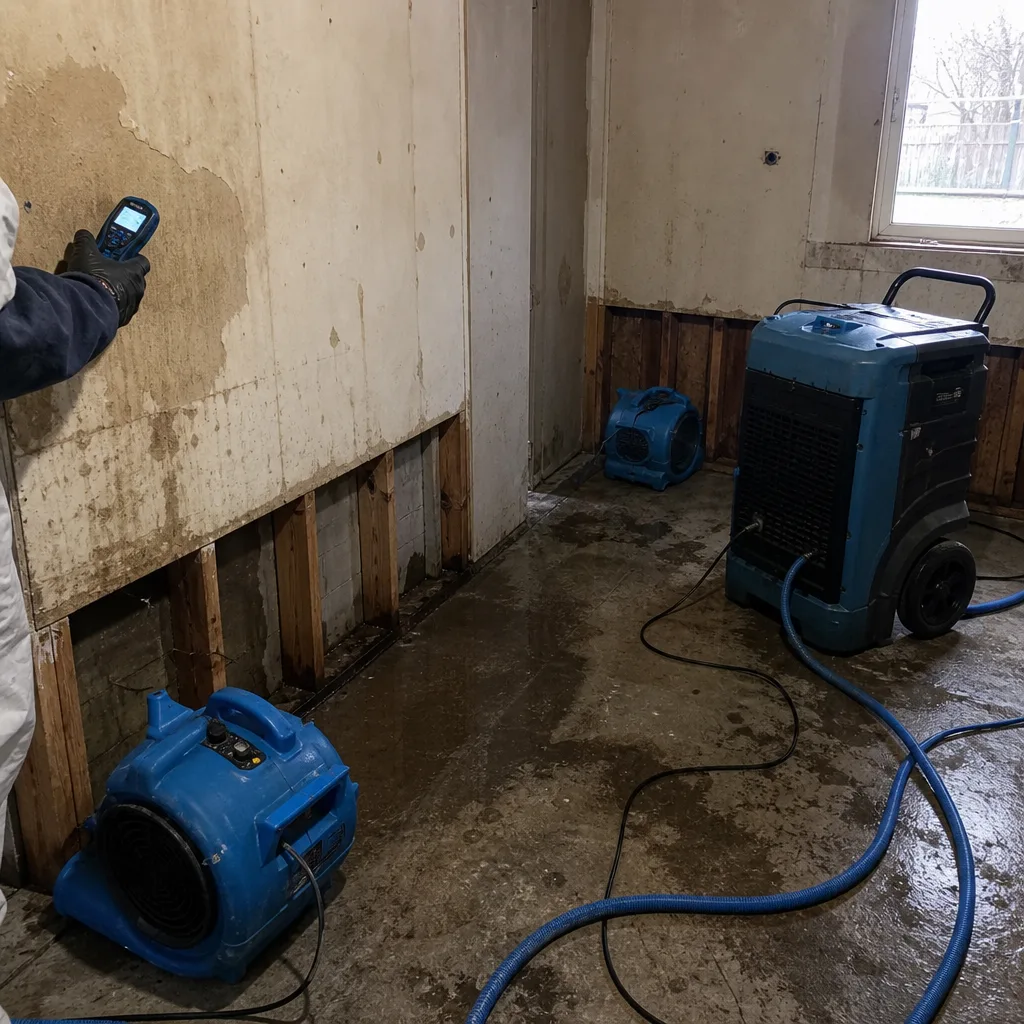 Before
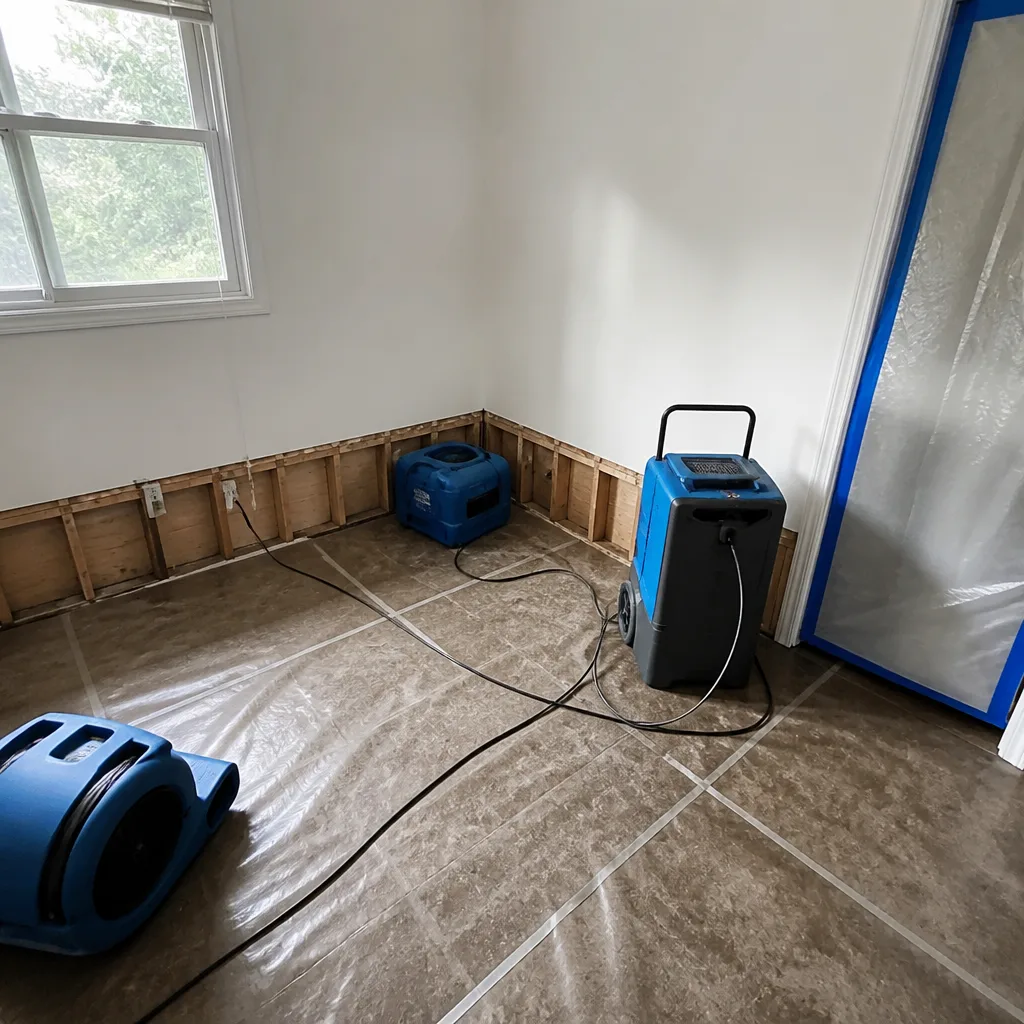 After
After24/7 Emergency Water Damage Restoration in Washington Heights
Water damage restoration in Washington Heights typically runs $2,800-$6,500 for a standard multi-family unit, with emergency extraction starting at $450-$950 and crews usually on-site within 45 minutes of your call. Call (845) 875-4326 now - a live person answers every time, 24 hours a day, 7 days a week, with no voicemail trees while water is still moving through your building.
We dispatch from our New York City office and route crews directly into Washington Heights - Hudson Heights, Fort Tryon, the Audubon corridor - with equipment sized for the neighborhood’s tight service entrances and century-old buildings. The first hour determines whether you’re looking at extraction and drying or a full gut with mold remediation behind original lath-and-plaster. We provide a free visual inspection on arrival, document everything with photos, and deliver a written price before any work begins. Haven Standard, Clause 1.
Understanding Water Damage Restoration Severity in Washington Heights Properties
Water damage in Washington Heights falls into three categories under IICRC standards, and the neighborhood’s building stock makes each one more complicated than it appears. Category 1 is clean water from a broken supply line - rare here, since most pre-war buildings still run aged galvanized pipe that introduces corrosion and biological material the moment it fails. Category 2, gray water with chemical or biological contamination, is the baseline for most Washington Heights calls: steam condensate from over-fired boilers, dishwasher discharge in rent-stabilized units with original plumbing, or sump pump failures in below-grade spaces. Category 3, black water from sewage or ground flooding, requires full PPE and antimicrobial treatment - we see this in basement units near the 181st Street corridor after heavy rain overwhelms century-old combined sewers.
Moisture mapping with thermal imaging is non-negotiable in these buildings. Original clay tile flues, lath-and-plaster walls, and horsehair plaster create void spaces where water travels horizontally across multiple units before showing at the ceiling. A surface reading of 16% moisture content on plaster can mask 80%+ saturation in the wood lath behind it. Our crews use psychrometric data - temperature, relative humidity, and vapor pressure differential - to calculate exactly how much moisture the air can hold and how quickly we can remove it without cracking historic plaster. Tertiary drying, the final phase where bound water is pulled from dense materials, often takes 72-96 hours in Washington Heights versus 48 hours in modern drywall construction.
Why Washington Heights Property Owners Choose DryMark Restoration Englewood
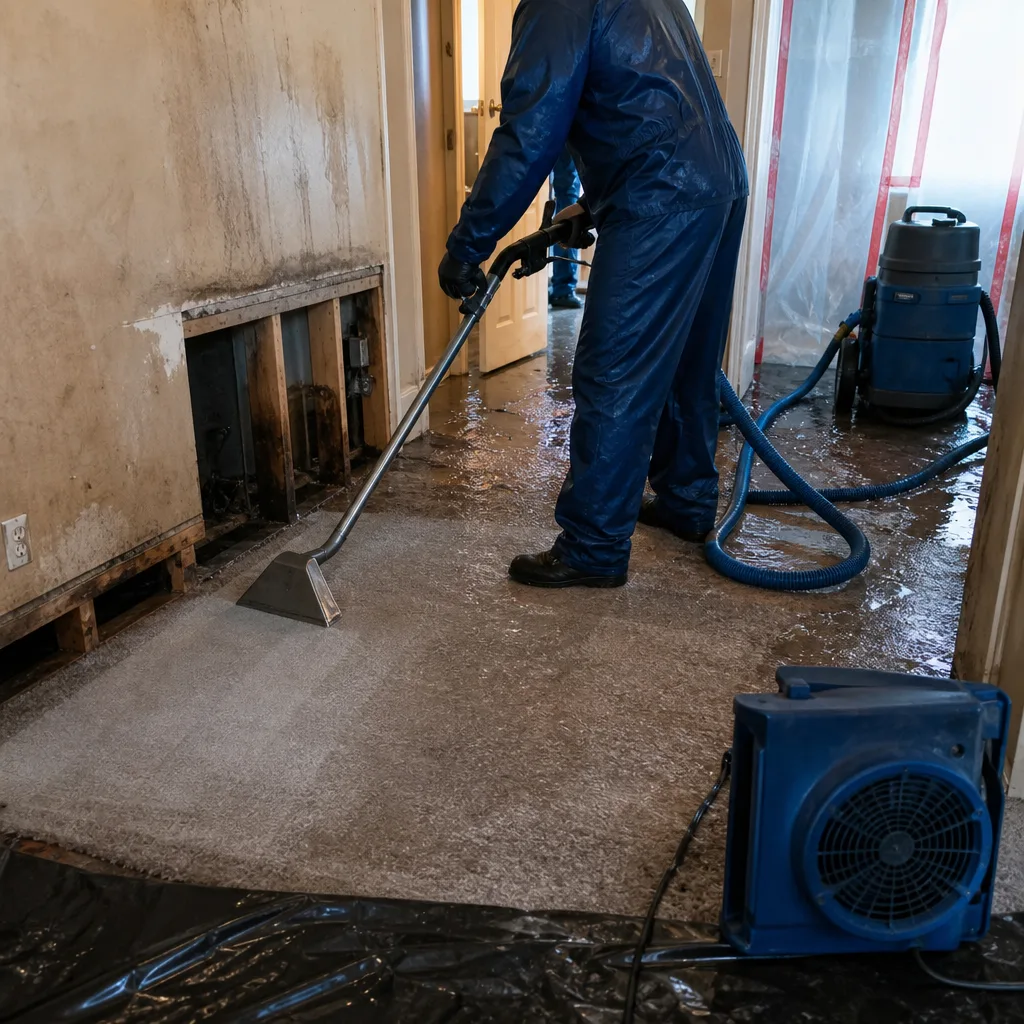
- 45-minute response commitment to any address in Washington Heights, with crews carrying equipment sized for 36-inch pre-war service entrances and freight elevators that may date to the 1920s.
- 24/7 live answer - a real person, never an automated system - because water doesn’t wait for business hours, and neither do boiler over-fires that flood 10 units at once.
- IICRC-certified crews holding WRT (Water Damage Restoration Technician) and AMRT (Applied Microbial Remediation Technician) certifications, with training on NYC DEP asbestos abatement and Local Law 1 lead-paint protocols.
- Free visual inspection on every call, with moisture readings taken at multiple wall depths and a documented photo record started before any equipment is placed.
- Direct insurance billing and adjuster coordination - critical in Washington Heights, where a single building event can involve 10-15 separate tenant policies.
- One team from extraction to reconstruction, so the crew that mapped your moisture on day one is the same crew that verifies dry standard on day five and repairs the plaster.
BeforeAfterOur Water Damage Restoration Process
1. Inspection & Assessment
We arrive with thermal imaging cameras, penetrating and non-penetrating moisture meters, and borescopes for inspecting behind plaster. In Washington Heights’s pre-war buildings, we immediately assess for asbestos pipe lagging and lead paint per NYC DEP and Local Law 1 requirements - testing before demolition, every time. You get a written scope with line-item pricing before any work begins.
2. Water Extraction & Stabilization
Standing water is removed with truck-mounted extraction systems or portable units for buildings without basement access. We document water category, affected square footage, and material classifications by trade name - Category 2 water in a 1940s bathroom with original lead-soldered copper and galvanized steel receives different antimicrobial treatment than a Category 1 supply-line break in a renovated kitchen.
3. Structural Drying & Dehumidification
We deploy Phoenix dehumidifiers, Dri-Eaz air movers, and Injectidry systems for wall-cavity drying - critical in lath-and-plaster construction where moisture hides in void spaces. Daily moisture logs track specific humidity readings at each monitoring point, producing the documented drying curve that insurance carriers require for payment.
4. Cleaning & Sanitization
All affected surfaces receive antimicrobial treatment appropriate to water category. In Washington Heights’s dense multi-family buildings, we use HEPA air scrubbers to prevent cross-contamination to adjacent units during the drying phase - negative air pressure containment when Category 2 or 3 water is involved.
5. Asbestos & Lead-Safe Remediation
Before any demolition in unrenovated pre-war buildings, we implement NYC DEP asbestos abatement containment and Local Law 1 lead-safe work practices. This is not optional in Washington Heights - original asbestos pipe lagging and lead paint are present on virtually every job in rent-stabilized buildings that have never been gut-renovated. Our crews are trained and equipped for this baseline requirement.
6. Repairs & Restoration
We repair or replace damaged materials to pre-loss condition - plaster repair matching original texture, hardwood floor refinishing, tile work, and full reconstruction when demolition was required. The 365-Day Done Right Promise applies to all work: if it’s not done right, we make it right, backed by The Haven Standard in writing.
Need Emergency Water Damage Restoration in Washington Heights Now?
Crews minutes away, answering live 24 hours a day. The sooner we start, the less it costs.
Working With Your Insurance Company
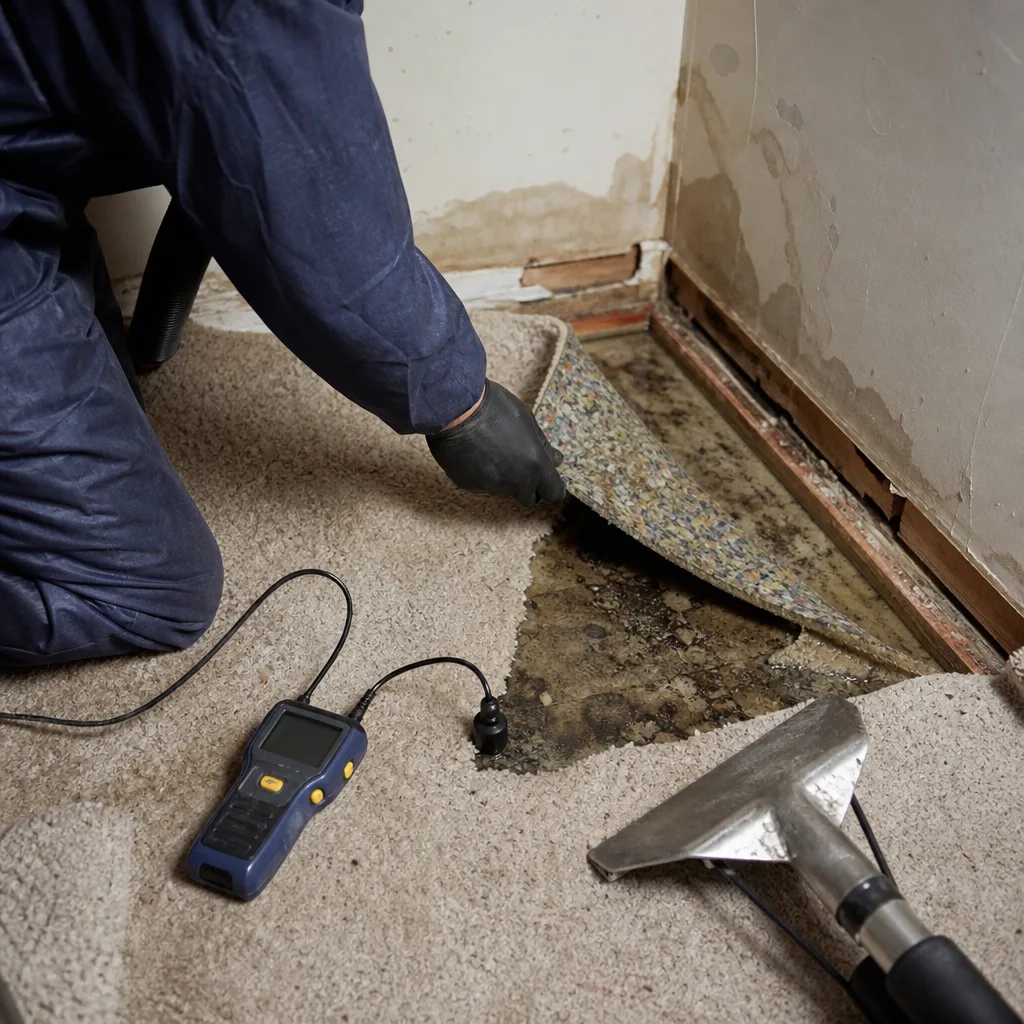
Documentation from the first hour is what turns a restoration invoice into a claim an insurer pays without a fight. We learned this the hard way - our founder, Alicia Brennan, spent years as a claims adjuster watching homeowners lose tens of thousands because the restoration company took no photos, wrote no drying logs, and couldn’t prove the wall was actually wet. That documentation gap is why Back to Dry exists.
We produce industry-standard estimates using Xactimate or comparable platforms, communicate directly with your adjuster, and provide the evidence package that carriers require. In Washington Heights, where a single boiler event can generate 10-15 separate claims in one building, clear documentation per unit, per policy, per tenant is the difference between paid claims and denied ones. We coordinate with managing agents and individual tenants to keep scopes separate and documented.
What We Provide Your Insurer
- Thorough documentation of the loss
- Photos of all damage, room by room
- Moisture readings and drying logs
- A detailed, line-item scope of work
- Direct coordination with your carrier
Built for Washington Heights’s Loss Calendar
January brings the deepest freeze risk. Single-digit nights stress the original galvanized supply lines and pneumatic thermostat systems in pre-war buildings; when a boiler over-fires to compensate, condensate backs up through failing steam traps and scalding water weeps through lath-and-plaster ceilings across every unit on the riser. We’ve handled building-wide events on Bennett Avenue and Fort Washington Avenue where 12 units flooded simultaneously from one boiler malfunction.
March and April deliver freeze-thaw cycling that attacks century-old mortar joints and parapet walls on Washington Heights’s highest elevations. Water infiltrates at roof edges and runs down interior brick cavities, appearing as ceiling stains in top-floor units weeks after the actual breach. Summer thunderstorms can overwhelm combined sewers in below-grade spaces near Broadway’s commercial corridor. October through December brings nor’easter season and the pre-winter push on aging heating systems that triggers the January pattern early. Each season demands different equipment configurations and different documentation priorities for insurance.
Water Damage Restoration Across Washington Heights’s Neighborhoods
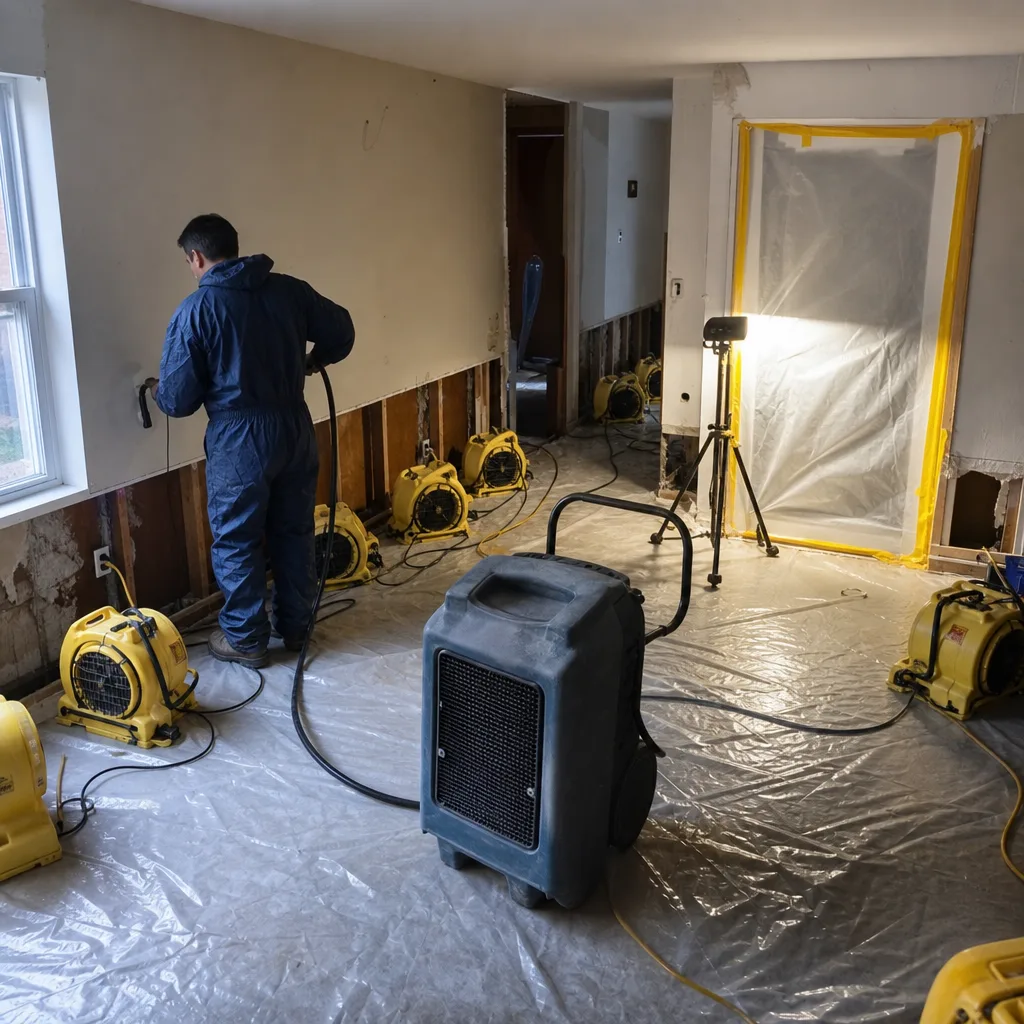
In Hudson Heights, the neighborhood’s northwest corner above 181st Street near Fort Tryon Park, we serve dense blocks of 1920s elevator buildings with original single-pipe steam and limited basement access. Crews carry portable extraction equipment up service stairs when freight elevators are out, and we coordinate with co-op boards who manage their own maintenance staff but need certified restoration for insurance claims.
The Audubon corridor along Audubon Avenue and the lower 160s mixes rent-stabilized walk-ups with newer construction. Here we see more supply-line breaks in renovated units adjacent to original plumbing in neighboring apartments - the interface between old and new systems creates pressure differentials that blow fittings at connection points.
Fort George, east of Broadway toward Highbridge Park, has some of the oldest housing stock in Washington Heights, with 1910s New Law tenements that never received comprehensive updates. Asbestos pipe lagging is universal in these buildings, and our containment protocols are active on every job before any wall is opened.
Along St. Nicholas Avenue and the 190th Street corridor, we respond to chronic parapet and roof-edge infiltration in top-floor units - the Manhattan schist ridge exposes these buildings to wind-driven rain that finds every crack in century-old mortar. Moisture mapping always includes the wall cavities below apparent ceiling stains, because water runs down interior brick before it shows.
Specialized Water Damage Restoration Services We Offer in Washington Heights
Emergency Water Extraction
We extract standing water from any Washington Heights building type - walk-up, elevator, or basement commercial space - with equipment matched to access constraints. A typical extraction in a pre-war one-bedroom runs $450-$950; full-building events with multiple units start at $2,200 and scale with affected square footage and water category. Call (845) 875-4326 for exact pricing - estimates are free.
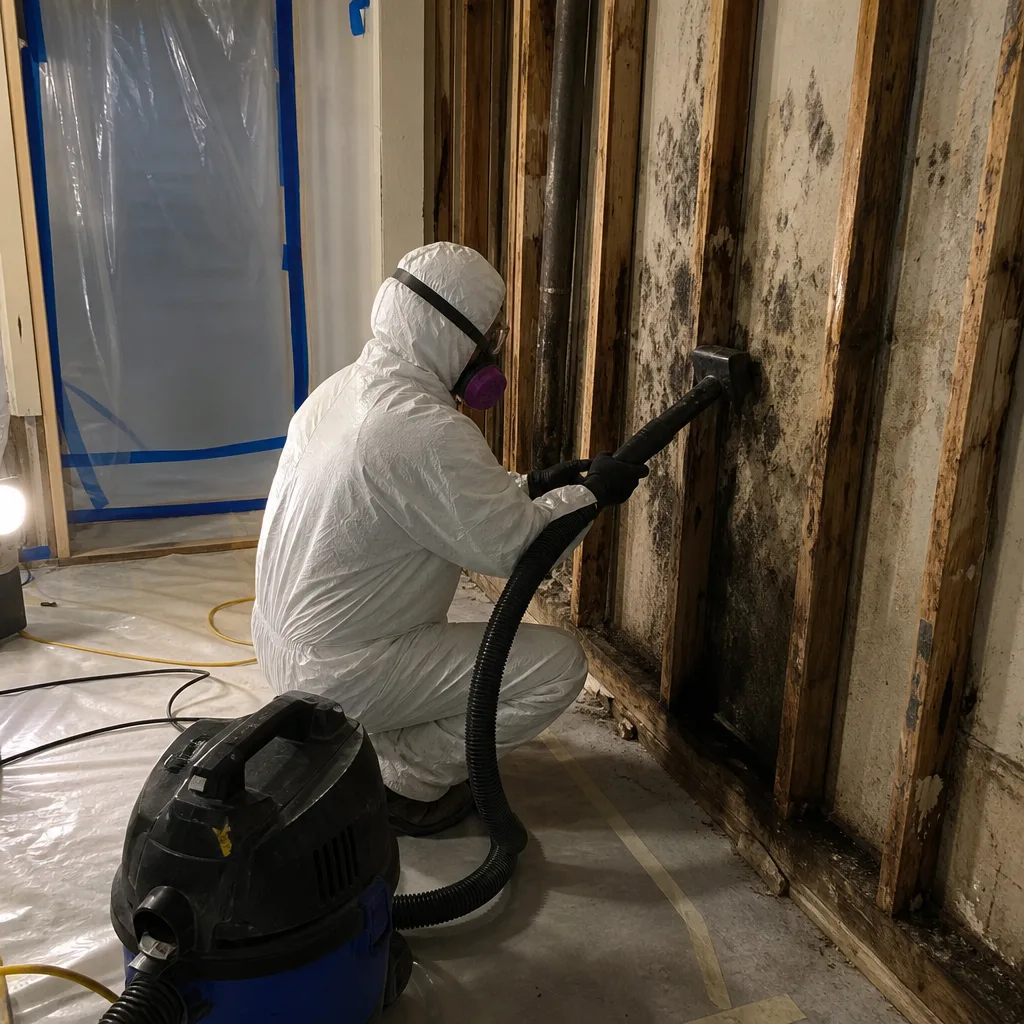
Structural Drying & Dehumidification
Our crews deploy Phoenix LGR dehumidifiers and Dri-Eaz axial air movers sized for the cubic volume of Washington Heights’s high-ceilinged pre-war rooms. Drying a standard 800-square-foot unit with lath-and-plaster walls typically takes 3-5 days at $1,800-$3,400, with daily moisture logs provided to your insurer. Hidden moisture in clay tile flues and wall cavities extends timelines; we find it with thermal imaging, not guesswork.
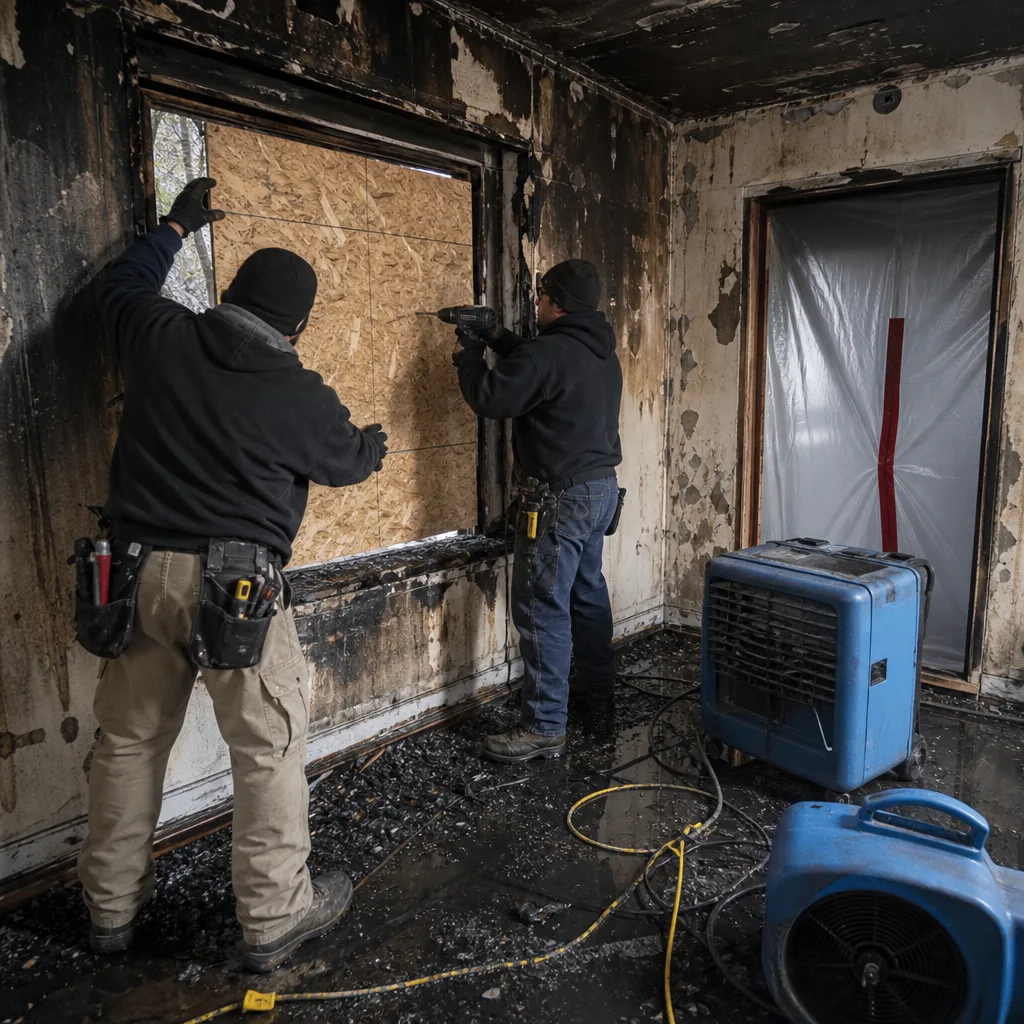
Flood Cleanup
Category 3 flood cleanup from sewage backup or ground infiltration requires full PPE, antimicrobial treatment, and disposal of porous materials per IICRC S500 standards. In Washington Heights’s below-grade spaces near combined sewers, we coordinate with NYC DEP for proper waste disposal and document chain of custody for insurance.
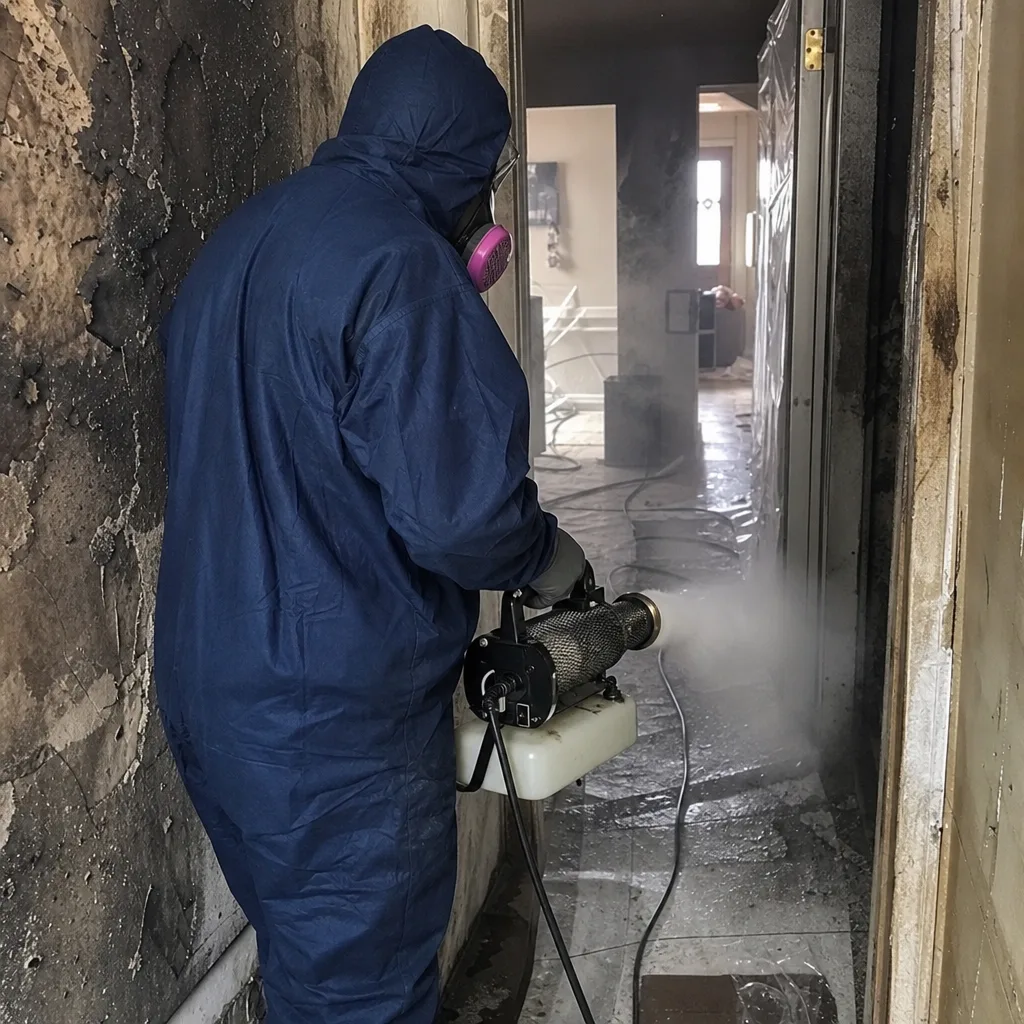
Burst Pipe Restoration
We don’t just dry the damage - we document the failure point for your claim. Original galvanized pipe, lead-soldered copper, or failed steam traps each tell a different story to your adjuster. Burst pipe restoration in Washington Heights typically ranges $2,800-$6,500 for a single unit, with full documentation of material classification and cause of loss.
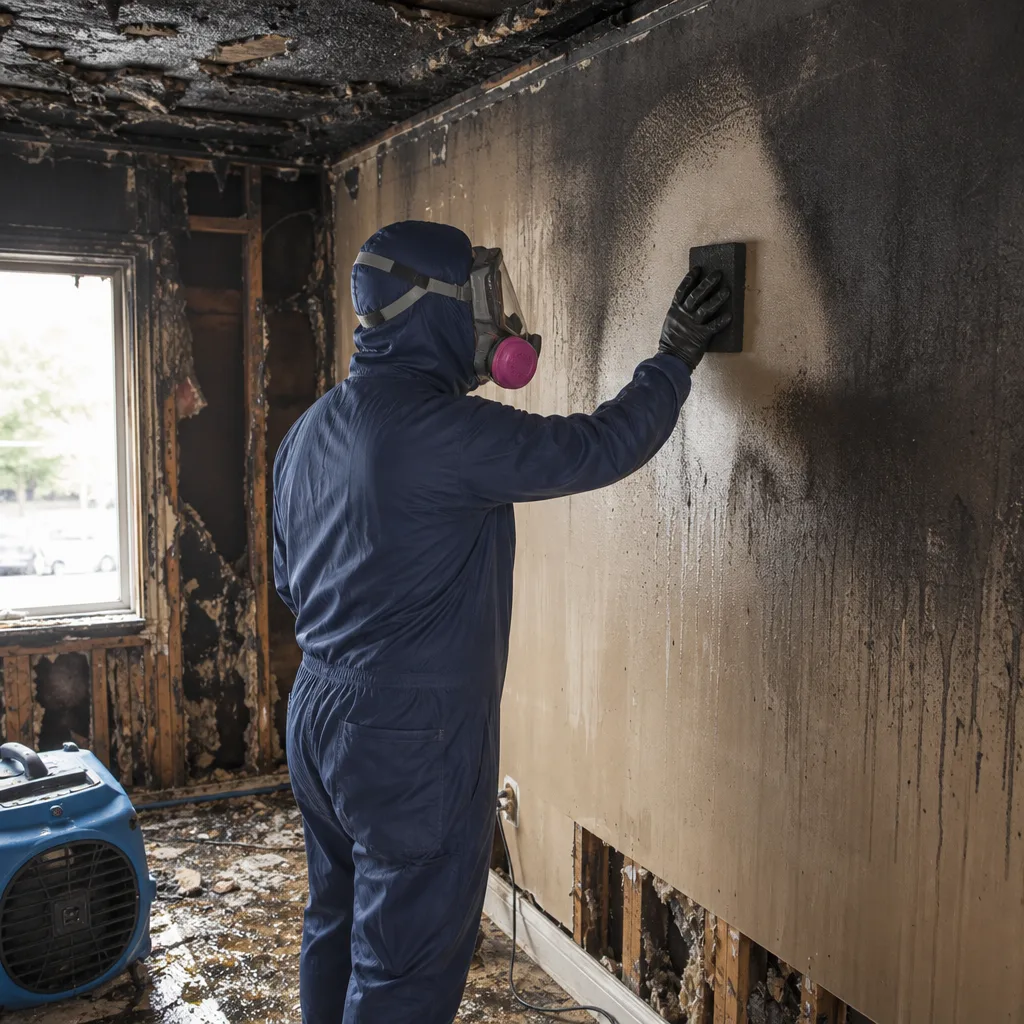
Basement Water Removal
Washington Heights’s limited below-grade space is mostly commercial or storage, with access through narrow areaways and bulkheads. We use portable extraction and submersible pumps with proper discharge permitting, documenting water source and category for insurance.
Ceiling & Roof Leak Water Damage
Chronic parapet infiltration in top-floor units requires moisture mapping that tracks water migration down interior brick cavities. We dry the full path, not just the visible stain, and document the exterior breach for your roofer’s repair and your insurance claim.
What happens when you call
- 1
A real person answersNo phone trees - you reach a local pro.
- 2
You get an upfront price rangeHonest numbers before anyone is dispatched.
- 3
A background-checked tech heads outLicensed & insured, dispatched right away.
- 4
You approve before work beginsNothing starts until you say go.
Water Damage Restoration Costs in Washington Heights, NY
Water damage restoration in Washington Heights runs higher than outer-borough averages because of the building stock - lath-and-plaster demolition is slower than drywall, asbestos and lead protocols add mandatory steps, and multi-unit events require separate documentation per tenant. Here’s what we see in this market:
| Service | Typical Range in Washington Heights |
|---|---|
| Emergency water extraction (single unit) | $450 - $950 |
| Structural drying & dehumidification (3-5 days) | $1,800 - $3,400 |
| Full restoration with plaster repair (single unit) | $2,800 - $6,500 |
| Multi-unit building event (5+ apartments) | $8,500 - $22,000+ |
| Category 3 sewage cleanup with disposal | $4,200 - $8,900 |
What moves the price: water category (Category 1 to 3), affected square footage, whether asbestos/lead protocols are triggered, and whether demolition is required. Insurance typically covers sudden and accidental water damage from plumbing failures; gradual leaks and maintenance issues are usually excluded. We provide a written scope with exact pricing before any work begins - Haven Standard, Clause 1 - and offer a Free Second Opinion on any competitor’s written estimate.
We Also Serve Cities Near Washington Heights
Our crews respond throughout upper Manhattan and the west Bronx, including Washington Heights and neighboring Water Damage Restoration service areas: Riverdale, Kingsbridge, Morningside Heights, and Harlem. Same documentation standards, same live-answer dispatch, same written price before work begins.
Serving Washington Heights, NY - Our Local Coverage Area
We’re based in the Washington Heights area and know this community well. Use the map below to see our service coverage - if you’re nearby, we can almost certainly help.
Washington Heights Water Damage Restoration Questions, Answered
My Washington Heights pre-war building just had a boiler over-fire that flooded multiple apartments - how do you handle a job with 10+ tenants and separate insurance policies?
We assign a dedicated project manager who documents each unit separately with individual moisture maps, photo records, and written scopes - never one combined invoice that creates claims chaos. We got a call from a managing agent on Bennett Avenue in Hudson Heights after a January over-fire sent scalding condensate through a sixth-floor ceiling and down the riser - water was dripping into three separate rent-stabilized apartments by the time our tech arrived. Because the building had never been gutted, we immediately bagged friable asbestos pipe lagging with containment and tested the plaster for lead per Local Law 1 before touching any wall. We ran moisture mapping and structural drying across all three units with Phoenix dehumidifiers and Dri-Eaz air movers, logged moisture readings daily, and completed the work without a single tenant having to vacate. Each tenant received their own documentation package for their individual claim. Call (845) 875-4326 to discuss your building’s specific situation.
Do you have to test for asbestos and lead before starting water extraction in an unrenovated Washington Heights building?
Yes - in Washington Heights’s unrenovated rent-stabilized buildings, asbestos pipe lagging and lead paint are the baseline, not the exception. NYC DEP asbestos abatement and Local Law 1 lead-safe work practices are mandatory before any demolition that disturbs these materials. Our crews are trained and equipped for this; we test on arrival and implement containment immediately if hazards are present. This is not an upsell or optional step - it’s the law, and it’s documented in your written scope. Call (845) 875-4326 and we’ll explain exactly what testing your building requires.
How fast can an emergency water extraction crew get to Washington Heights, and how do you deal with parking?
Our commitment is 45 minutes to any Washington Heights address, 24 hours a day, 7 days a week. We dispatch from our New York City office and know the neighborhood’s parking constraints - alternate-side regulations, fire hydrants, and the limited loading zones on narrow side streets. Our crews carry portable equipment that doesn’t require curbside truck access for initial extraction, and we coordinate with building staff for freight elevator use or service stair access. Call (845) 875-4326 now - a live person answers, never voicemail.
Can a steam condensate leak behind plaster walls in a Washington Heights walk-up be dried without tearing out the walls?
Sometimes - it depends on moisture readings at multiple wall depths and whether the plaster is intact or delaminated. We use Injectidry systems and targeted air movers to create vapor pressure differentials that pull moisture from wall cavities through small access points, preserving original plaster when possible. If moisture readings behind the lath remain above 16% after 72 hours of aggressive drying, or if the plaster has separated from the lath, controlled demolition with asbestos/lead protocols is the only safe option. We document every reading and show you the data before recommending demolition. Call (845) 875-4326 for a free inspection with moisture mapping.
What should a Washington Heights co-op or condo board do when a top-floor unit keeps leaking at the parapet every wet winter?
Document every event with photos, moisture readings, and written scopes - three documented incidents typically trigger insurance coverage for the underlying structural repair that your roofer needs to perform. We provide the documentation package that proves the leak is not maintenance-related neglect but a covered peril, including moisture mapping that tracks water migration down interior brick cavities to show the full path of damage. Without this evidence, carriers often deny the structural repair and only cover the cosmetic interior damage. Call (845) 875-4326 - we’ll inspect, document, and build the file your board needs.
Will my insurance cover water damage restoration in Washington Heights?
Sudden and accidental water damage from plumbing failures, boiler malfunctions, and storm infiltration is typically covered under standard HO-6 and building policies. Gradual leaks, maintenance issues, and flood damage from exterior rising water usually are not - though NFIP flood policies cover the latter. We document cause of loss, material classification, and moisture readings to support your claim, and we coordinate directly with your adjuster. Our daily drying logs and photo records are specifically formatted for insurance review. Call (845) 875-4326 - we’ll review your policy type and explain what’s likely covered before any work begins.
How long does structural drying take in a Washington Heights pre-war building?
Standard drywall construction dries in 48-72 hours; Washington Heights’s lath-and-plaster, clay tile flues, and dense masonry typically require 72-120 hours for full structural drying. We don’t guess - we log moisture readings daily at multiple depths and locations, and we don’t remove equipment until readings confirm dry standard per IICRC guidelines. Rushing this phase means mold growth within 24-48 hours and a much larger, more expensive remediation. Your written scope includes the projected timeline based on your specific building’s materials and the moisture readings we take on day one. Call (845) 875-4326 for exact timing after inspection.
Can we stay in our apartment during water damage restoration?
Often yes, for Category 1 and 2 water damage with contained drying zones and HEPA air scrubbers running. Category 3 sewage contamination, extensive demolition, or multi-unit events with shared HVAC may require temporary relocation - we coordinate with your insurance for additional living expenses documentation when that’s necessary. In the Bennett Avenue case we handled, three rent-stabilized tenants remained in their units throughout drying because we contained work areas, ran negative air pressure, and scheduled equipment checks around their schedules. Your specific situation depends on water category, square footage affected, and whether asbestos/lead containment is active. Call (845) 875-4326 and we’ll assess your unit’s habitability during work.
Water damage in Washington Heights doesn’t follow the playbook written for suburban drywall construction. The pre-war building stock, rent-stabilized tenant landscape, and regulatory environment around asbestos and lead mean you need a restoration company that documents first and explains later - because sloppy documentation costs homeowners their claims, and we’ve seen what that looks like. Every job we take gets a written price before work begins, a photo record on every visit, daily moisture logs formatted for insurance review, and the 365-Day Done Right Promise backed by The Haven Standard.
Call (845) 875-4326 now. A live person answers 24 hours a day, 7 days a week. Estimates are free. Written prices are guaranteed before any work starts. And if you have a competitor’s written estimate, we’ll review it at no charge - our Free Second Opinion is available on every call.
Written by Alicia Brennan, Owner at Back to Dry Restoration, serving Washington Heights since 2011.
Water Damage Restoration in Nearby Areas