Free visual inspection and a written scope of work before any mitigation begins - photos, moisture readings, and drying logs go in your claim file
The scope we write is the scope we bill. Anything new gets shown to you, in writing, before we touch it.
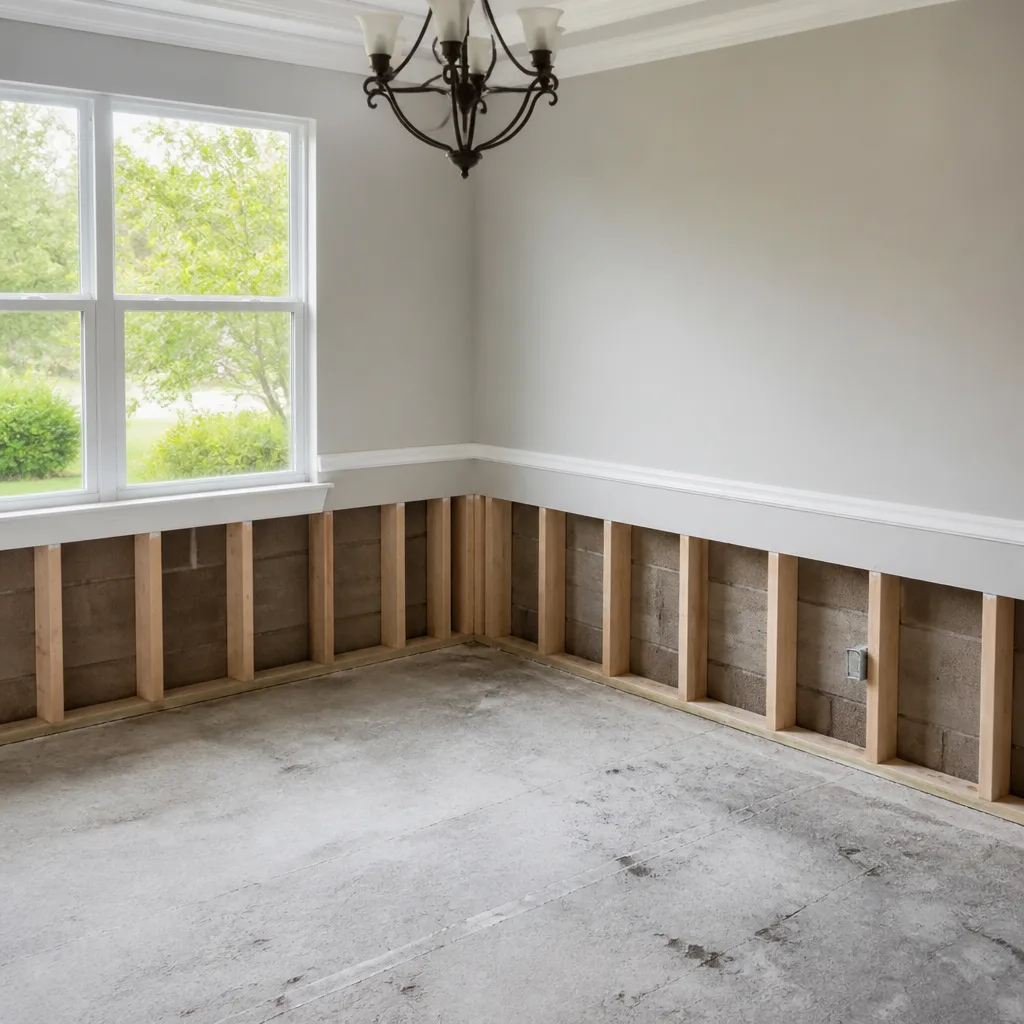
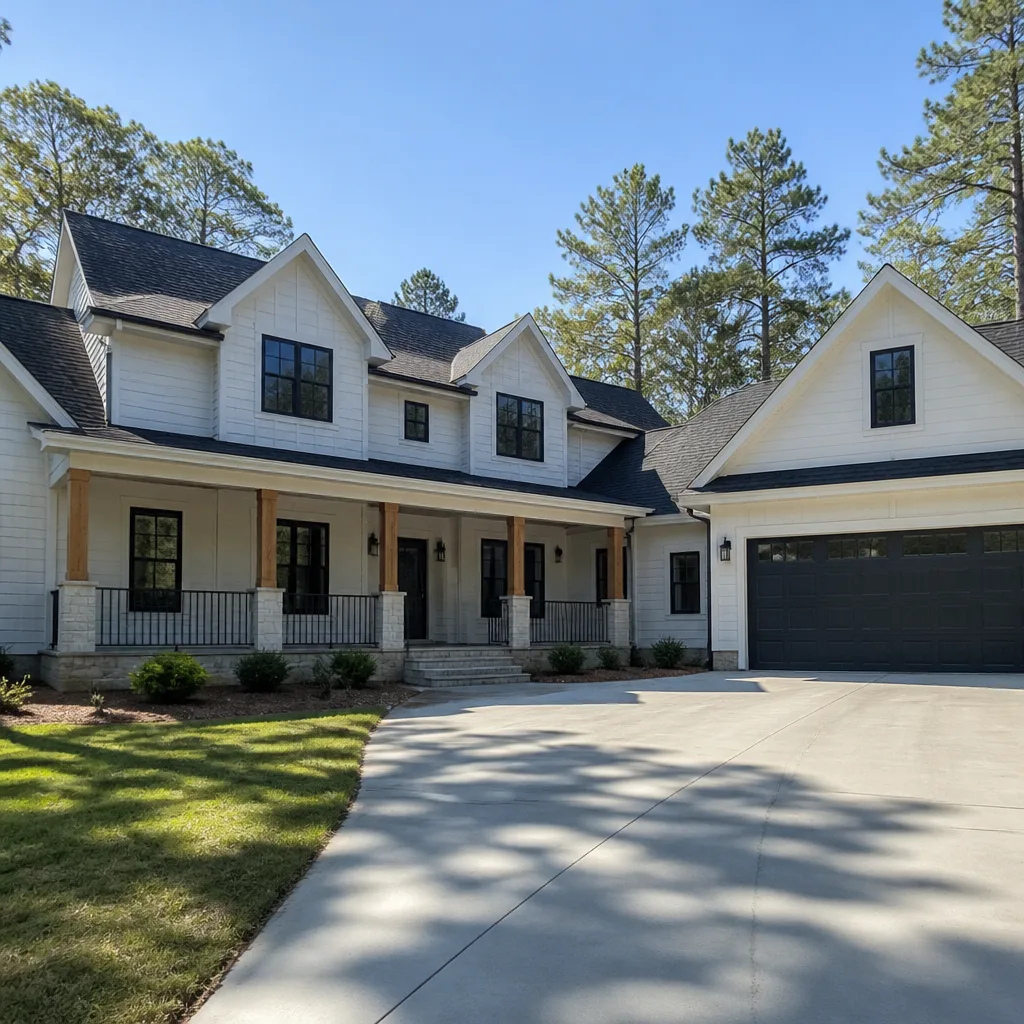
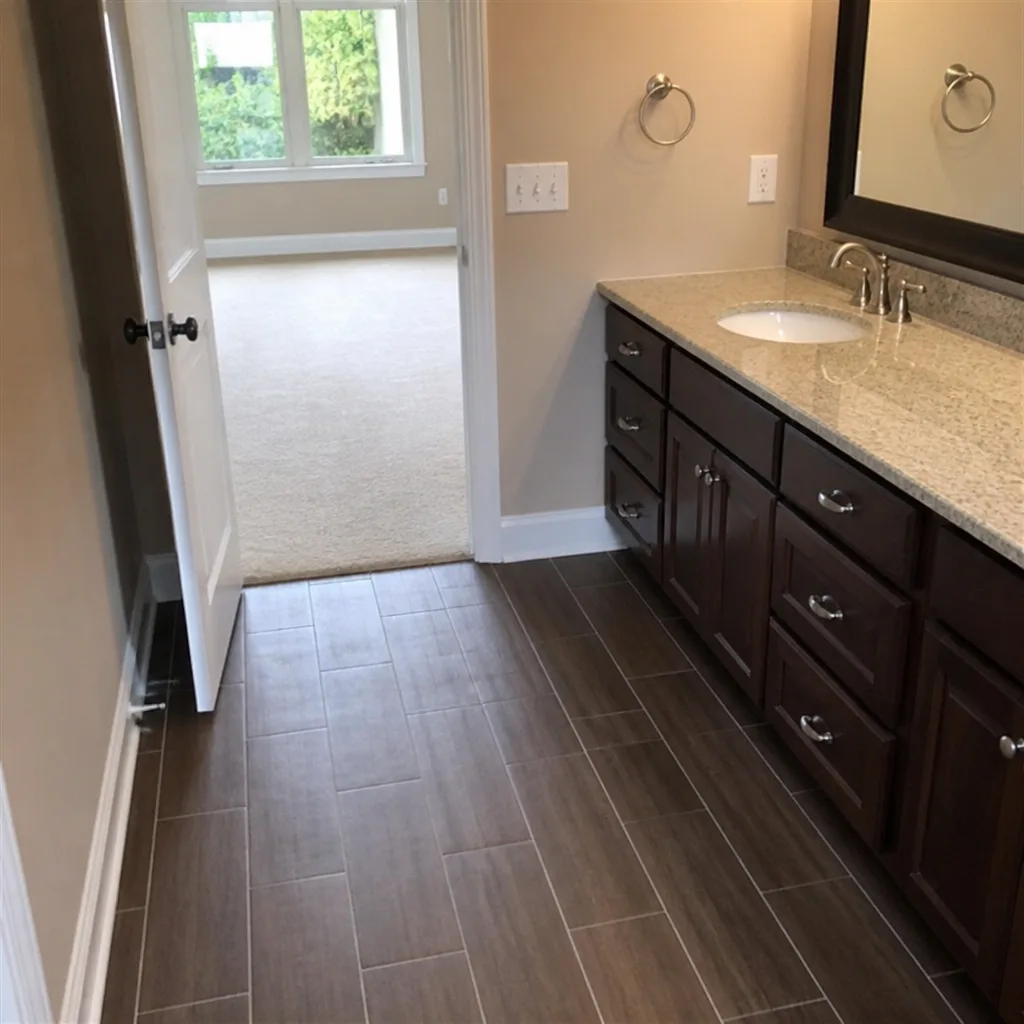
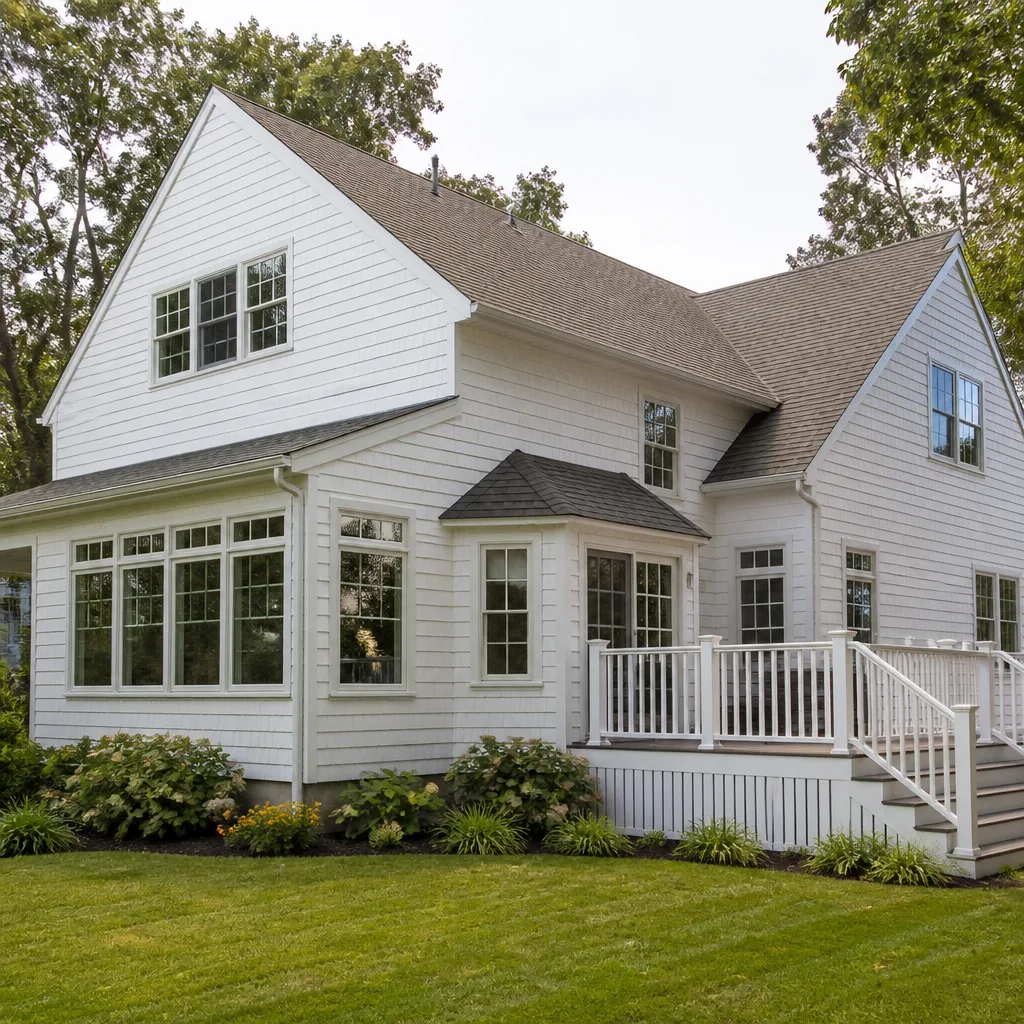
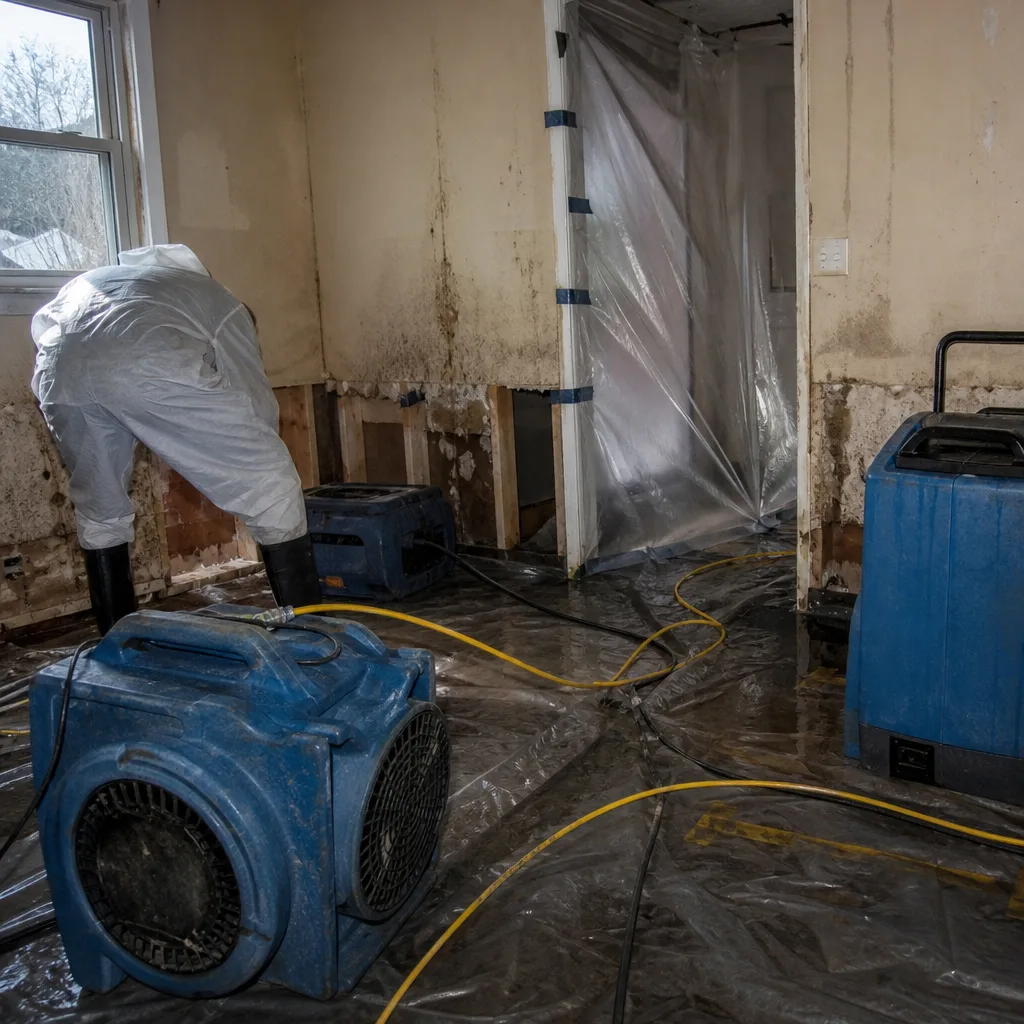 Before
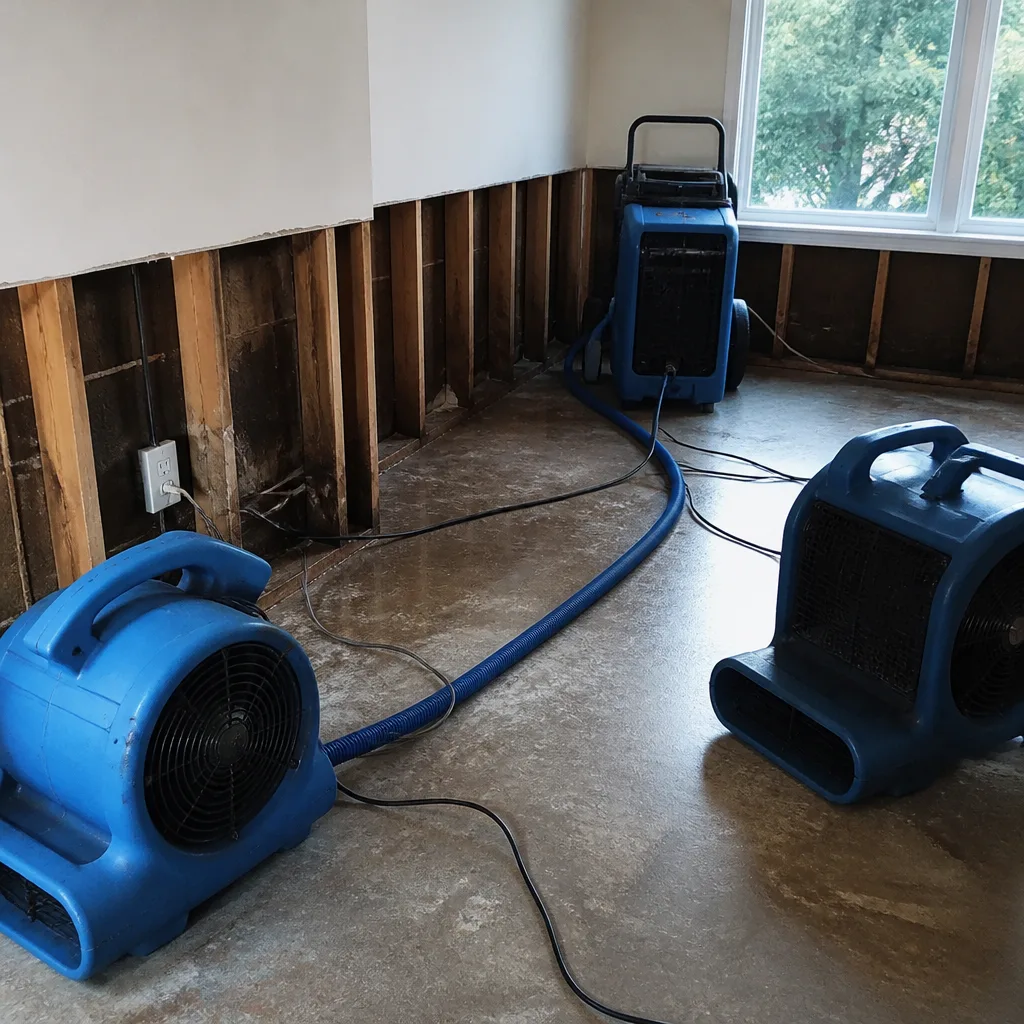 After
After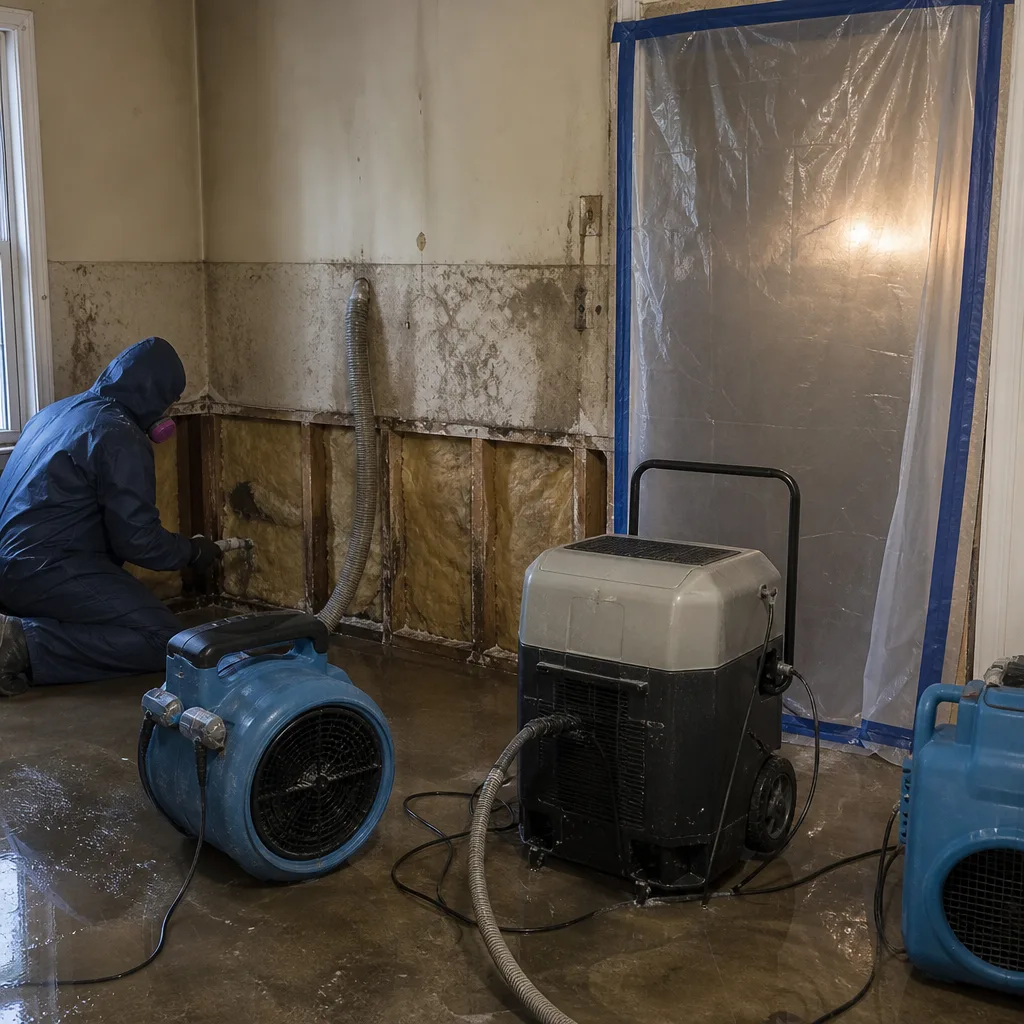 Before
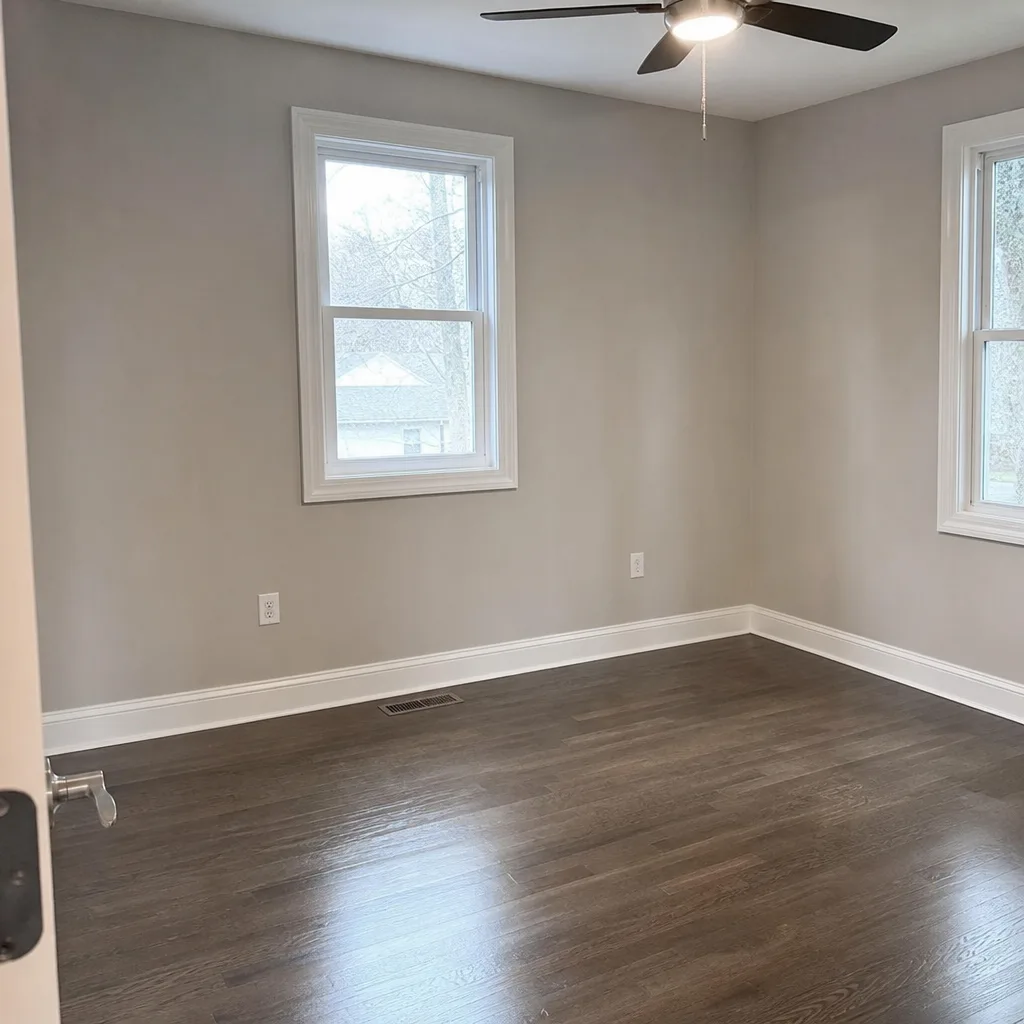 After
After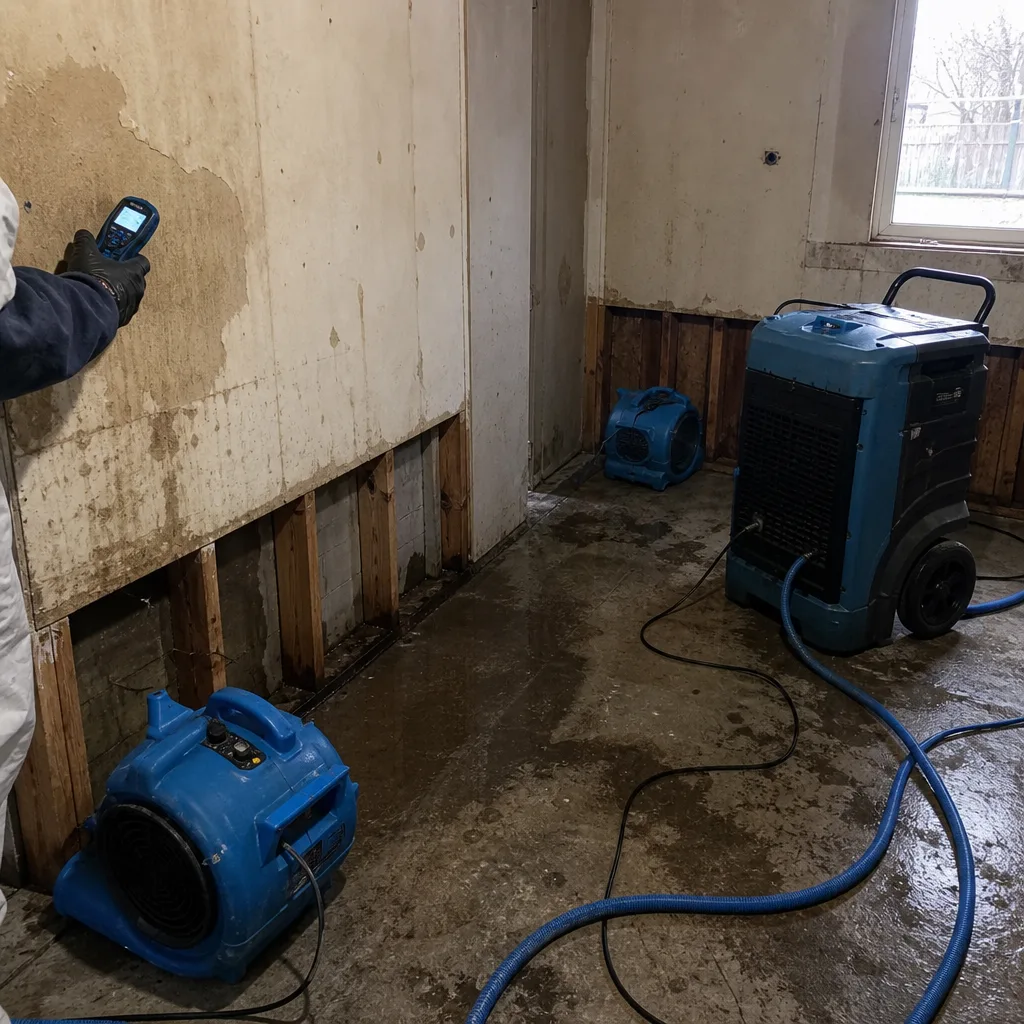 Before
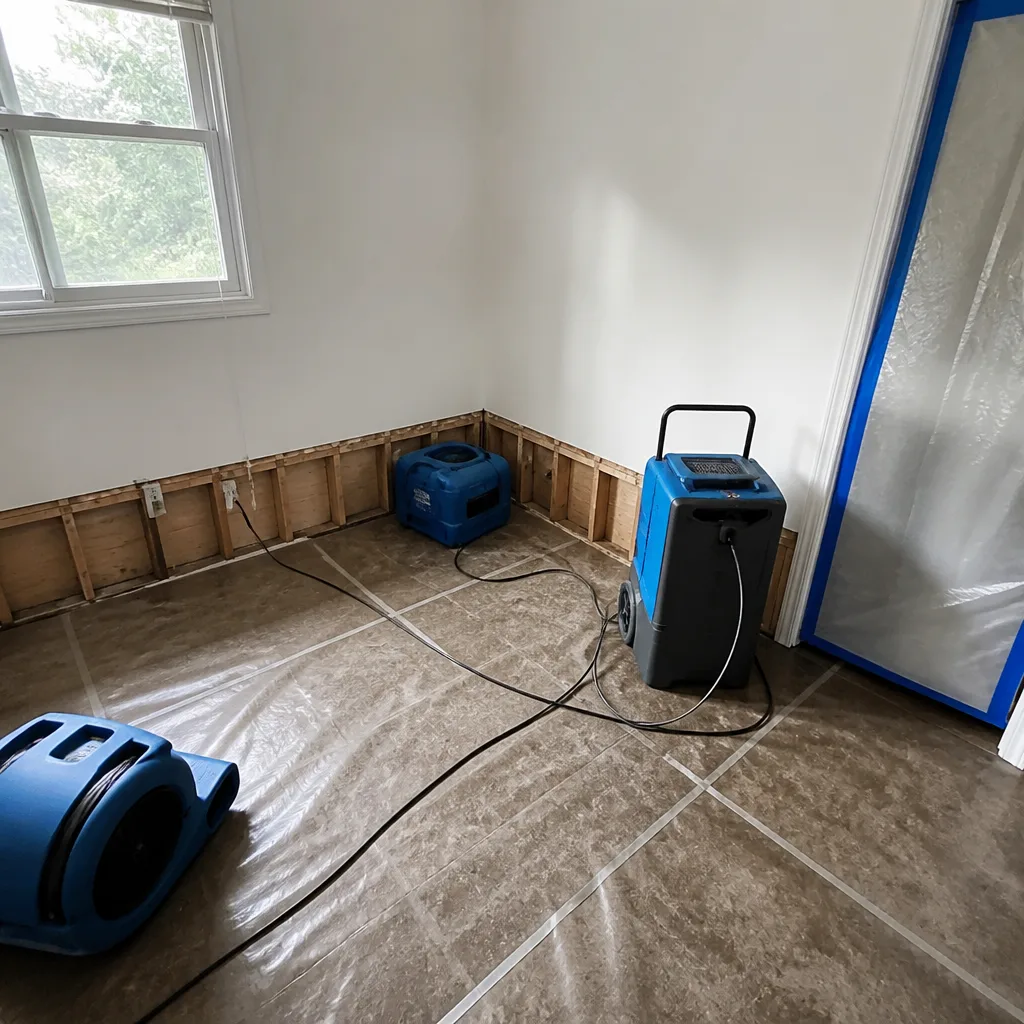 After
After24/7 Emergency Fire & Smoke Damage Restoration in Washington Heights
A fire in your Washington Heights apartment or building demands immediate response. Call (845) 875-4326 now and a live person will answer, 24 hours a day, 7 days a week. Our crews are dispatched from our New York City office and typically reach Washington Heights properties within 45 minutes. The first hour after a fire determines how far smoke and soot migrate through shared walls, risers, and dumbwaiter chases in these dense pre-war buildings. We offer a free visual inspection on arrival, and we document every damaged surface with photos before any work begins.
Understanding Fire & Smoke Damage Restoration Severity in Washington Heights Properties
Fire damage in Washington Heights follows patterns shaped by the neighborhood’s housing stock: dense blocks of 1910s-1940s brick walk-ups and elevator buildings with original lath-and-plaster walls, clay tile flues, and single-pipe steam systems. Soot residue types range from dry particulate (fast-burning paper and wood) to wet, sticky residue from slow-burning synthetics and plastics. Smoke migration is the hidden threat; in these old buildings, smoke travels through open pipe chases, dumbwaiter shafts, and gaps around cast-iron risers, depositing acidic soot in units far from the fire source.
The severity scale we use on every Washington Heights job starts with Class 1 (small, contained fire, light smoke, minimal structural damage) and extends to Class 4 (heavy smoke throughout multiple units, structural compromise, significant contents damage). Tertiary smoke damage, where odor has penetrated deep into porous plaster and original hardwood, requires vapor pressure differential management, specialized thermal fogging, and sometimes sealed encapsulation. We measure this with psychrometric data, tracking temperature, relative humidity, and vapor pressure to determine when materials have truly returned to equilibrium, not just when they look clean.
Why Washington Heights Property Owners Choose DryMark Restoration Englewood
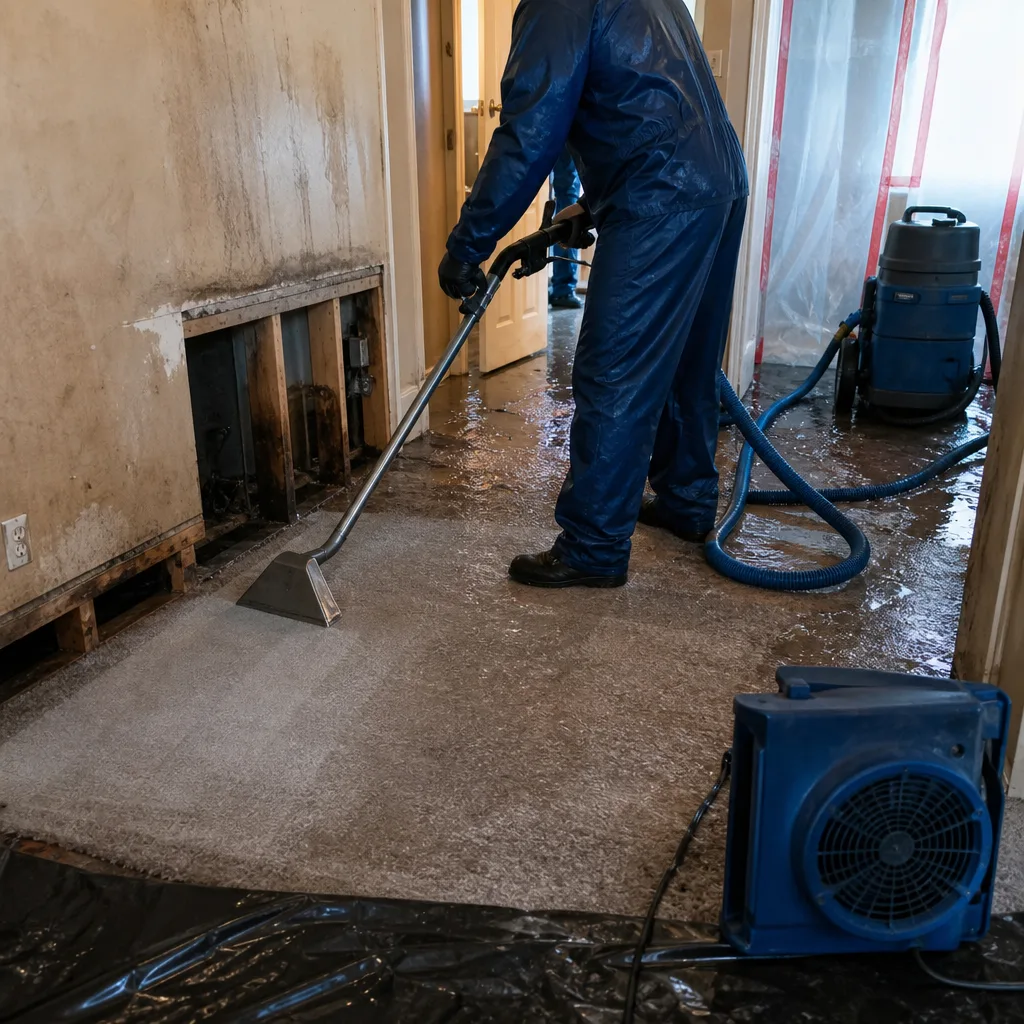
- 45-minute response commitment to Washington Heights from our New York City dispatch office, with crews carrying board-up materials and HEPA equipment on every truck.
- 24/7 live answer: a real person picks up every call, never an automated system or voicemail tree, because fire damage doesn’t wait for business hours.
- IICRC-certified crews holding FSRT (Fire and Smoke Restoration Technician) and WRT (Water Damage Restoration Technician) certifications, trained to the RIA and IFA standards that insurers recognize.
- Free visual inspection on every call, with a written scope and price delivered before any work starts, every time, with no exceptions.
- Direct insurance billing and adjuster coordination, with photo-documented estimates formatted to carrier specifications.
- One team from emergency board-up through final reconstruction, so no handoff gaps between mitigation and rebuild.
BeforeAfterOur Fire & Smoke Damage Restoration Process
1. Inspection & Assessment
We photograph every affected surface, test soot residue type with chem sponges, and map smoke migration using thermal imaging to find hidden deposits in wall cavities and chase spaces. Moisture readings are logged at every ceiling and wall to document pre-existing conditions, critical in Washington Heights’s pre-war buildings where old leaks often lurk behind plaster.
2. Emergency Board-Up & Stabilization
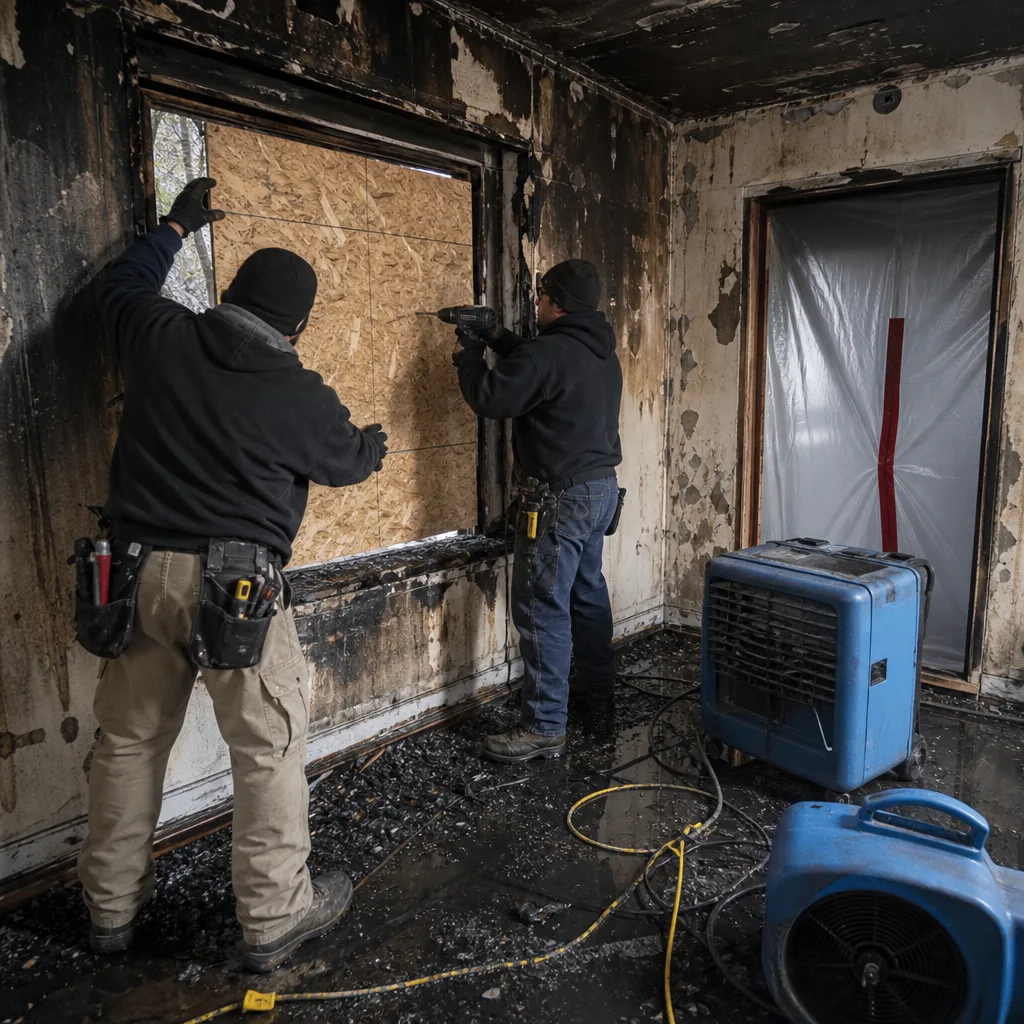
Our crew secures breached windows, doors, and roof lines with fire-rated plywood and weatherproof tarps. In Washington Heights’s security-focused buildings, we coordinate with superintendents to preserve lobby door hardware, rolling-code remotes, and alley-load access points rather than forcing entry and leaving the building exposed.
3. Smoke & Soot Removal
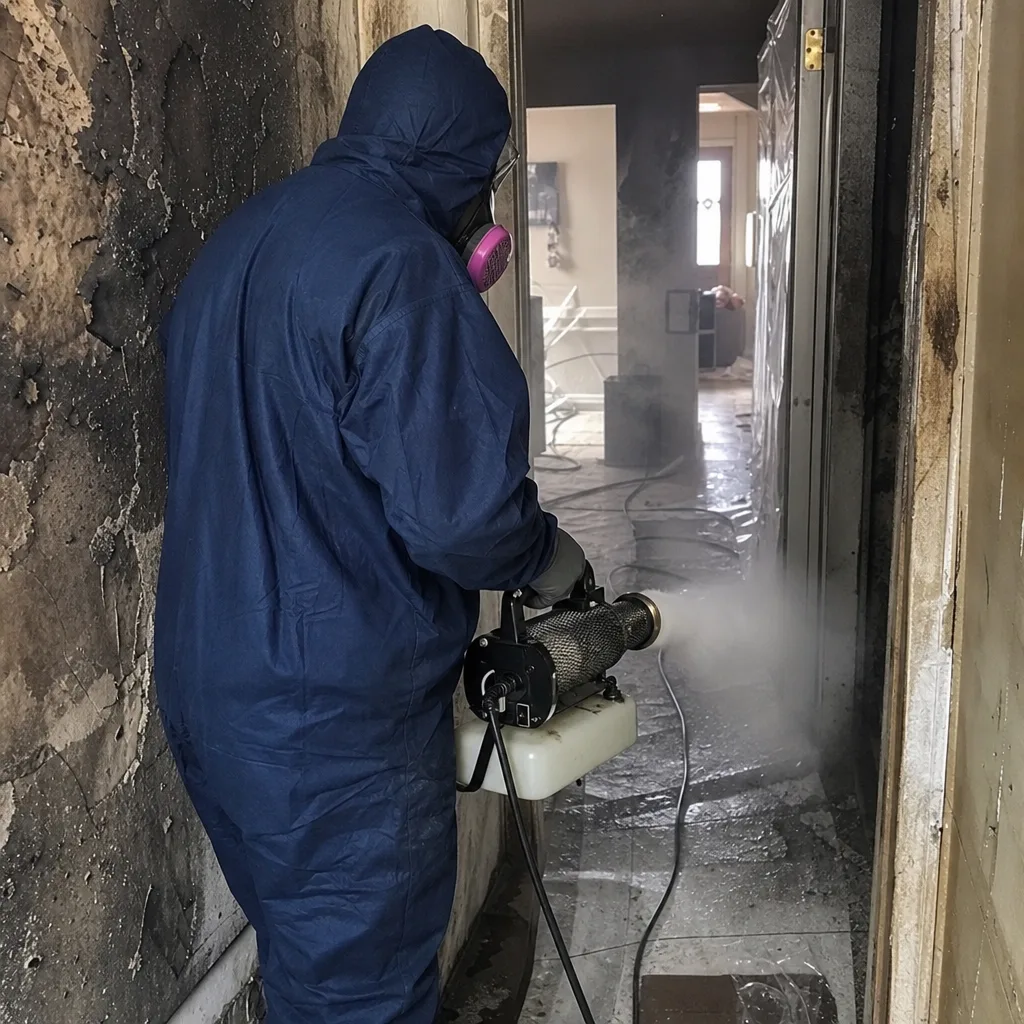
Dry soot is HEPA-vacuumed before any liquid cleaning agent touches it; wet residue requires pH-specific detergents matched to the burned material. We use Dri-Eaz and Phoenix air scrubbers with activated carbon filters to capture airborne particulate during this phase, protecting unaffected units from cross-contamination.
4. Odor Removal & Deodorization
Hydroxyl generators break odor molecules at the source without evacuating residents from adjacent units, while thermal fogging penetrates deep into porous lath-and-plaster where smoke has settled. XPOWER air movers maintain controlled airflow to prevent odor redeposition during treatment.
5. Contents Cleaning & Pack-Out
Salvageable items are inventoried, photographed, and transported to our facility for ultrasonic cleaning, ozone treatment, or specialized textile restoration. Non-salvageable contents are documented for insurance replacement with detailed descriptions and depreciation calculations.
6. Repairs & Restoration
Structural repair follows only after NYC DEP asbestos clearance and Local Law 1 lead-paint protocols are satisfied. We replace damaged lath-and-plaster with matching materials, restore original trim profiles, and provide a 365-Day Done Right Promise backed by The Haven Standard on all reconstruction work.
Need Emergency Fire & Smoke Damage Restoration in Washington Heights Now?
Crews minutes away, answering live 24 hours a day. The sooner we start, the less it costs.
Working With Your Insurance Company
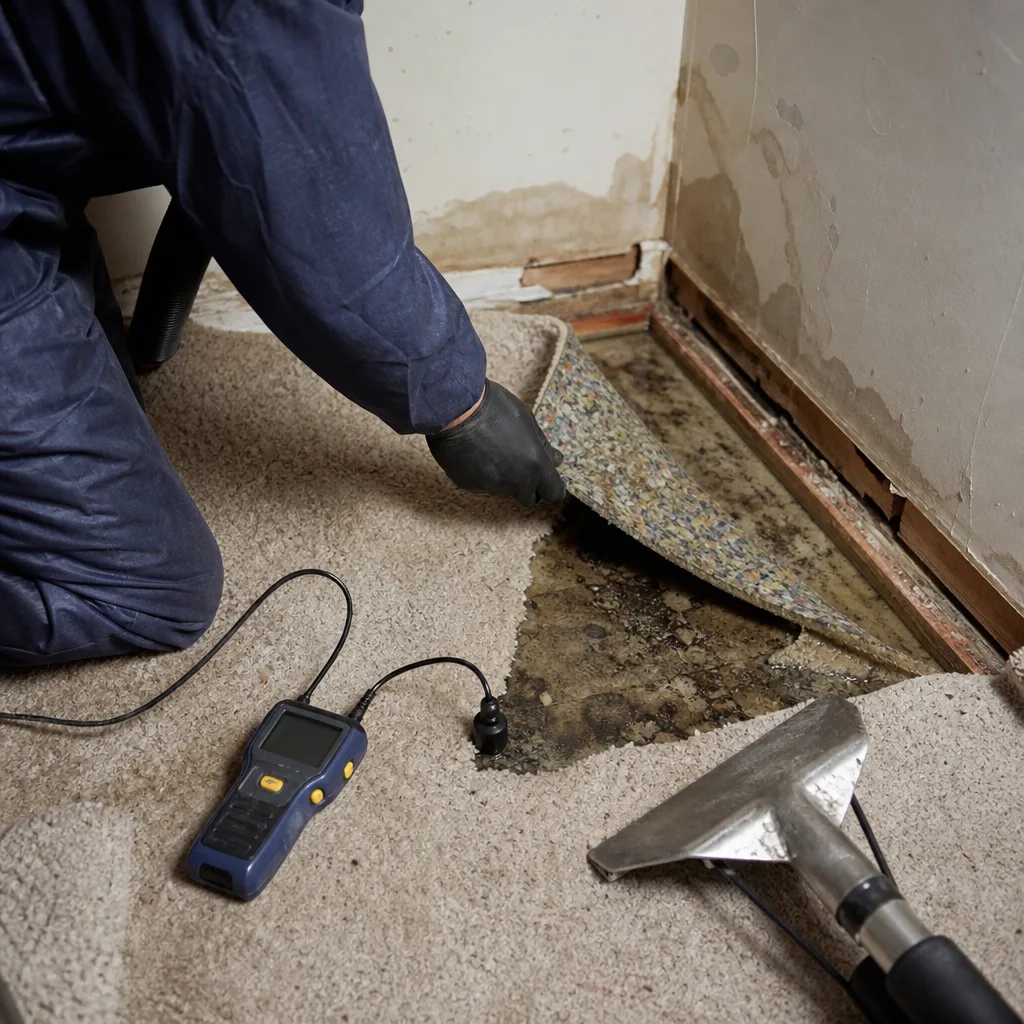
Fire claims in Washington Heights are rarely simple. A single building fire often involves multiple tenant policies, a master building policy, and sometimes a separate boiler or equipment policy when the fire originated in a mechanical room. From our first hour on site, we document with the thoroughness that turns restoration invoices into payable claims: room-by-room photo records, moisture readings and drying logs, material classifications by trade name, and line-item scopes written to Xactimate or Symbility standards.
Our Fire & Smoke Damage Restoration team communicates directly with your adjuster, providing the evidence that answers their questions before they ask them. Alicia Brennan founded Back to Dry in 2011 after years as a claims adjuster; she built this company around the documentation gap that costs homeowners their settlements. That origin is why we deliver a written price before work begins on every job, with no scope-creep additions once the crew is inside. Haven Standard, Clause 1.
What We Provide Your Insurer
- Thorough documentation of the loss
- Photos of all damage, room by room
- Moisture readings and drying logs
- A detailed, line-item scope of work
- Direct coordination with your carrier
Built for Washington Heights’s Loss Calendar
January brings the deepest freeze risk. Single-pipe steam boilers in Washington Heights’s unrenovated buildings are over-fired to combat cold snaps, and when condensate traps fail, scalding water weeps through original plaster ceilings across every unit on the riser. A boiler over-fire event can generate simultaneous damage claims in 10 to 15 apartments, each with separate tenants and separate insurance policies, all in the same building. Fire risk spikes too: portable space heaters overload aging electrical systems, and candles during heating outages cause preventable structure fires.
Spring thaw reveals the damage winter hid. Parapet walls on these century-old brick facades, stressed by freeze-thaw cycling on the Manhattan schist ridge, leak into top-floor units. Summer brings kitchen fire season, with open windows creating draft paths that pull smoke through entire floor plates. Fall’s heating-system startup is when we see the most smoke and fire calls originating in basement boiler rooms, with smoke pushed through risers and dumbwaiter chases into units three floors above the source.
Fire & Smoke Damage Restoration Across Washington Heights’s Neighborhoods
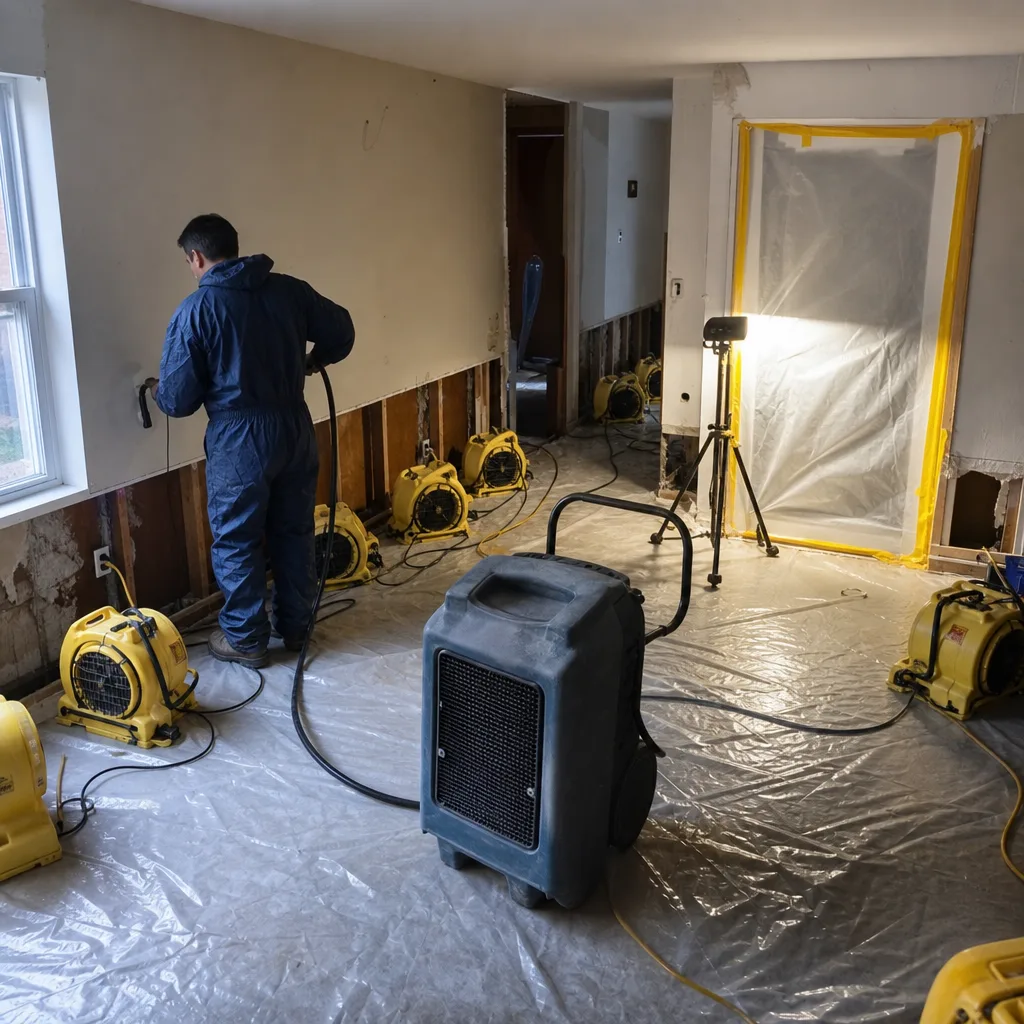
Hudson Heights, the neighborhood’s northwestern corner above 181st Street near the George Washington Bridge, is defined by Art Deco elevator buildings and pre-war co-ops with original clay tile flues and cast-iron drains. Fires here often involve kitchen grease ignition in compact galley kitchens, with smoke traveling through shared ventilation ducts into neighboring units. Our crews know the loading constraints on Pinehurst Avenue and the Hudson Heights building access protocols.
Fort Tryon and the area surrounding the Cloisters sees similar building stock but with more owner-occupied co-ops, meaning faster insurance decisions and more direct owner involvement in scope approvals. The steep grades on Fort Washington Avenue affect our equipment staging; we plan truck placement and hose runs before arrival.
West of Broadway, the blocks toward the river hold some of the neighborhood’s oldest New Law tenements, with narrower stairs, original dumbwaiters still in service, and alley-load entries that require coordinated access. A fire on these blocks demands board-up planning that preserves building security systems while sealing the breach.
East Washington Heights, toward Amsterdam Avenue and the medical center corridor, mixes pre-war residential with institutional buildings. Smoke migration into hospital-adjacent properties carries additional regulatory sensitivity; we coordinate containment with building management to maintain air quality standards for vulnerable occupants.
Specialized Fire & Smoke Damage Restoration Services We Offer in Washington Heights
Fire Damage Cleanup
We remove charred structural materials, damaged contents, and compromised insulation, with every demolition decision preceded by hazmat assessment. In Washington Heights’s pre-war buildings, this means testing for asbestos pipe lagging and lead paint before any wall opens, per NYC DEP and Local Law 1 requirements.
Smoke & Soot Removal
Dry, wet, and protein-based soot residues each demand different cleaning chemistry and mechanical action. We identify residue type on site, then deploy HEPA vacuuming, chem sponge cleaning, or ultrasonic treatment as appropriate. Original lath-and-plaster walls require gentler methods than modern drywall to avoid destroying the substrate.
Odor Removal & Deodorization
Smoke odor in Washington Heights’s old buildings penetrates deep into porous plaster, original hardwood flooring, and wool insulation. We combine hydroxyl generation, thermal fogging, and activated carbon filtration, with moisture-controlled airflow to prevent odor redeposition. Odor treatment continues until independent air sampling confirms clearance, not until the room merely smells acceptable to our noses.
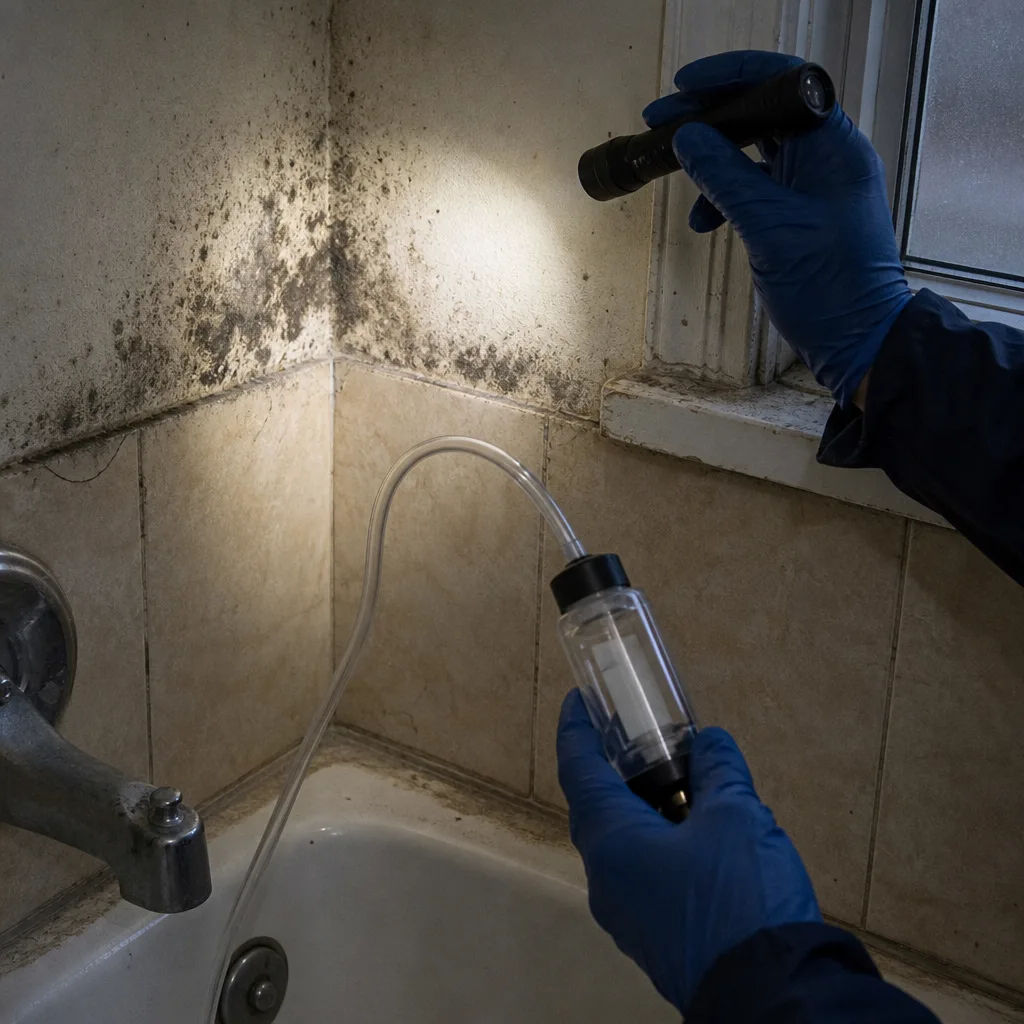
Contents Cleaning & Pack-Out
Tenant possessions in rent-stabilized units often represent decades of residency. We inventory every item with photo documentation, clean salvageable textiles and hard goods at our facility, and store them in climate-controlled conditions until the unit is reconstructed. Non-salvageable items receive detailed replacement documentation for insurance claims.
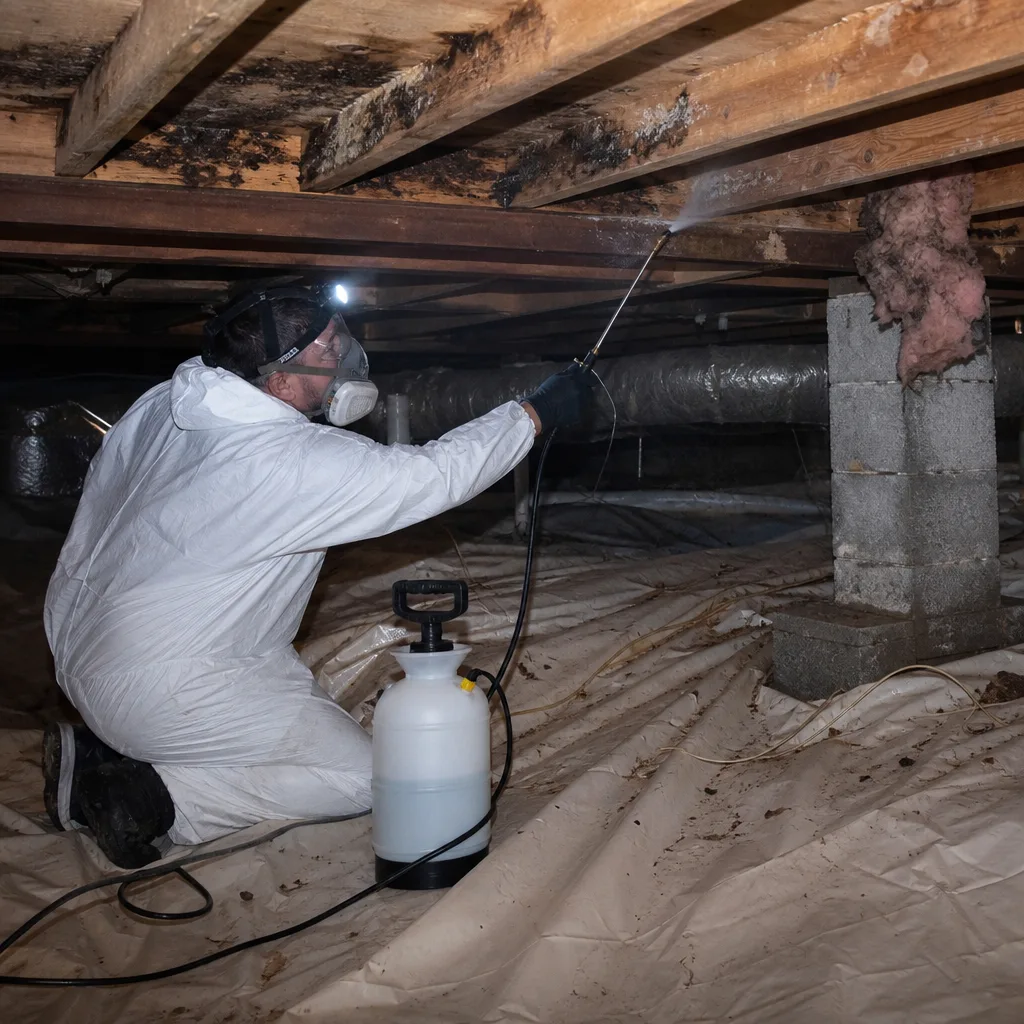
Emergency Board-Up & Tarping
Our trucks carry fire-rated plywood, weatherproof tarps, and temporary security hardware. In Washington Heights’s buildings with rolling-code lobby access and alley-load service entries, we coordinate with superintendents to maintain security while sealing the breach. A board-up that breaks the building’s access system is worse than no board-up at all.
What happens when you call
- 1
A real person answersNo phone trees - you reach a local pro.
- 2
You get an upfront price rangeHonest numbers before anyone is dispatched.
- 3
A background-checked tech heads outLicensed & insured, dispatched right away.
- 4
You approve before work beginsNothing starts until you say go.
Fire & Smoke Damage Restoration Costs in Washington Heights, NY
Smoke and soot cleanup for a single Washington Heights apartment typically runs $2,800-$6,500, depending on square footage, residue type, and whether hazmat abatement is required. Multi-unit smoke migration jobs, where soot has traveled through chases and risers into neighboring apartments, range from $8,000-$22,000. Contents pack-out and cleaning adds $1,500-$4,500 per unit. Emergency board-up and tarping is usually $800-$2,200 for standard window and door breaches.
What moves the price: the presence of asbestos or lead paint requiring DEP-certified abatement before demolition ($3,500-$12,000 additional); the number of affected units in a multi-unit migration; and whether structural elements (floor joists, roof decking) require replacement. Most Washington Heights fire damage claims are covered by homeowners or renters insurance, with our team billing your carrier directly. We provide a free second opinion on any competitor’s written estimate. Call (845) 875-4326 for a firm, written scope and price before any work begins.
We Also Serve Cities Near Washington Heights
Our Washington Heights crews respond throughout upper Manhattan and the west Bronx, including Riverdale, Kingsbridge, Morningside Heights, and Harlem. Building stock and fire damage patterns in these neighborhoods share characteristics with Washington Heights, and we apply the same documentation protocols and hazmat assessment standards on every call.
Serving Washington Heights, NY - Our Local Coverage Area
We’re based in the Washington Heights area and know this community well. Use the map below to see our service coverage - if you’re nearby, we can almost certainly help.
Washington Heights Fire & Smoke Damage Restoration Questions, Answered
Can smoke from a fire in one Washington Heights apartment reach the units next door?
Yes, and it usually does. In Washington Heights’s pre-war buildings, smoke travels through open dumbwaiter chases, pipe risers, and gaps around cast-iron drains that have settled over a century. We regularly find soot deposition two or three floors above and below the fire source. Our thermal imaging and borescope inspection maps this migration before cleaning begins, so we don’t leave hidden residue that causes odor complaints weeks later. Call (845) 875-4326 for a free inspection.
Why can’t you just tear out the burned ceiling right away?
Because the ceiling and the pipes above it almost certainly contain asbestos pipe lagging and lead paint, and disturbing either without NYC DEP and Local Law 1 protocol exposes residents, workers, and the building owner to liability. We test first, abate under certified containment if needed, then demolish. Skipping this step is faster and illegal. We document the hazmat clearance for your insurer and your building’s records.
How do you handle board-up without breaking the building’s door hardware?
We coordinate directly with the superintendent or managing agent before arrival. Our trucks carry temporary security hardware compatible with rolling-code remotes and magnetic lobby locks common in Washington Heights elevator buildings. We secure the breach without disabling the building’s access system, and we never force a door that serves multiple tenants. If your building has specific security protocols, we’ll follow them and document our compliance.
How fast do you need to get drying equipment in after soot and smoke work?
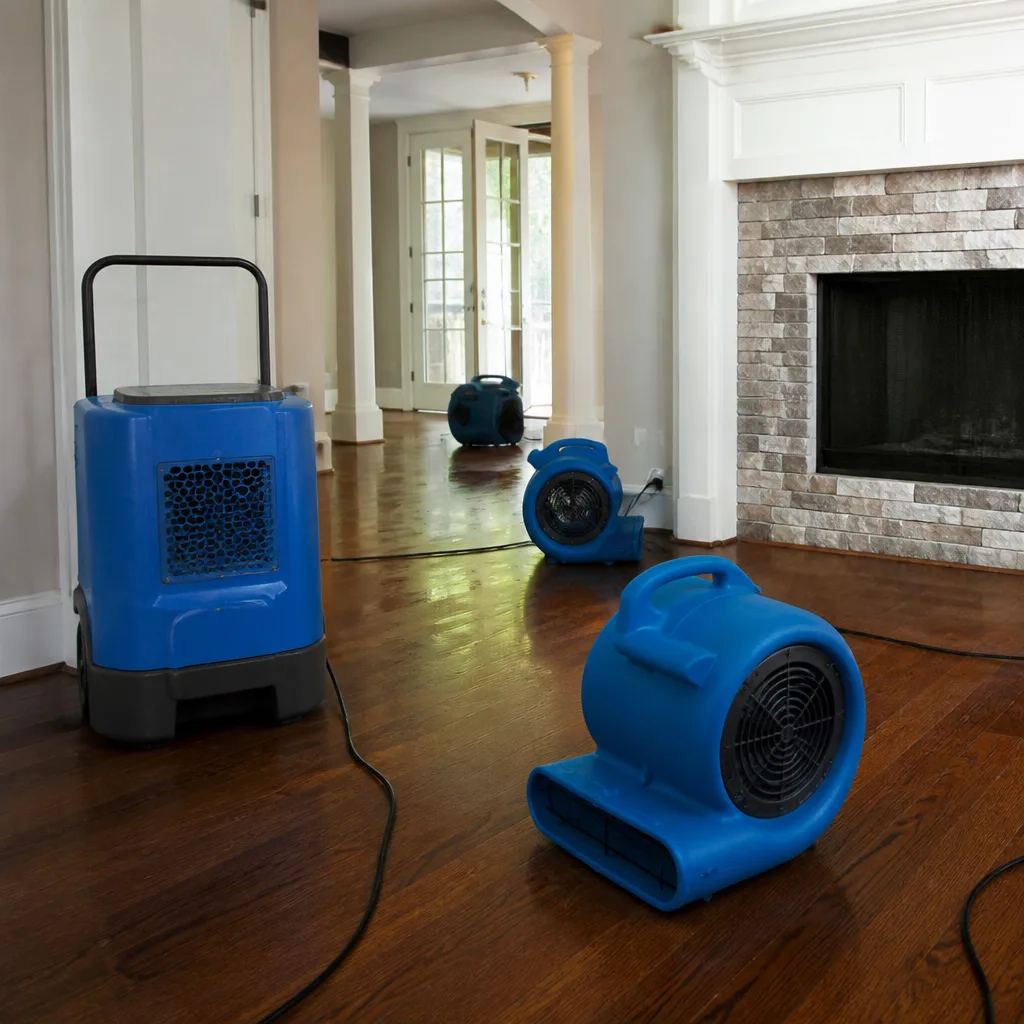
Within hours, not days. Fire suppression water and the moisture from steam systems that often accompany these calls will activate mold behind lath-and-plaster within 48-72 hours. We log moisture readings at every affected surface during the initial inspection, then deploy Dri-Eaz and Phoenix dehumidifiers with air movers sized to the cubic footage. Drying continues until daily moisture logs show readings at or below 12% wood moisture content and 4% drywall moisture content. Call (845) 875-4326 to schedule immediate deployment.
Will the fire smell come back after you clean?
Not if the job is done correctly. Odor recurrence means incomplete source removal, inadequate deodorization of porous materials, or moisture left behind that reactivates residue. We treat odor with hydroxyl generators and thermal fogging, then verify with independent air sampling before declaring the job complete. Our 365-Day Done Right Promise, backed by The Haven Standard, covers any odor return; if it comes back, we return and make it right at no charge.
How long does fire and smoke restoration take in a typical Washington Heights apartment?
A contained single-unit job with no structural damage typically takes 5-10 business days from board-up to final cleaning. Multi-unit smoke migration jobs extend to 2-4 weeks, with hazmat abatement adding 3-7 days. Reconstruction of damaged plaster, trim, and flooring follows separately, scheduled and priced in writing like any remodel. We provide a detailed timeline with your written scope before work begins.
Can we stay in the apartment during smoke restoration?
Usually not during the active cleaning phase. Soot removal and deodorization generate airborne particulate that respiratory systems shouldn’t process, and hydroxyl generators require controlled airflow that makes normal occupancy impractical. For multi-unit buildings, we often can restore adjacent units while residents remain, using HEPA containment and negative air pressure. Your specific situation depends on the fire class and migration pattern; we’ll advise during the free inspection.
Are your technicians certified for fire and smoke restoration specifically?
Yes. Our lead technicians hold IICRC FSRT (Fire and Smoke Restoration Technician) certification, with additional WRT (Water Damage Restoration Technician) credentials because fire jobs in Washington Heights almost always involve water damage from suppression or steam systems. All work is documented to IICRC, RIA, and IFA standards, producing the daily logs and photo records that insurers require for claim payment. We can produce certification documentation on request.
Fire damage in Washington Heights demands a crew that understands pre-war building systems, NYC hazmat law, and the documentation standards that turn restoration costs into paid insurance claims. We’ve restored more than 12,000 homes since 2011, every one with a written price before work started and a documented record when the crew left. If you’re facing fire or smoke damage now, call (845) 875-4326. A live person will answer, and we’ll have a crew en route within the hour.
Written by Alicia Brennan, Owner at Back to Dry Restoration, serving Washington Heights since 2011.
Fire & Smoke Damage Restoration in Nearby Areas