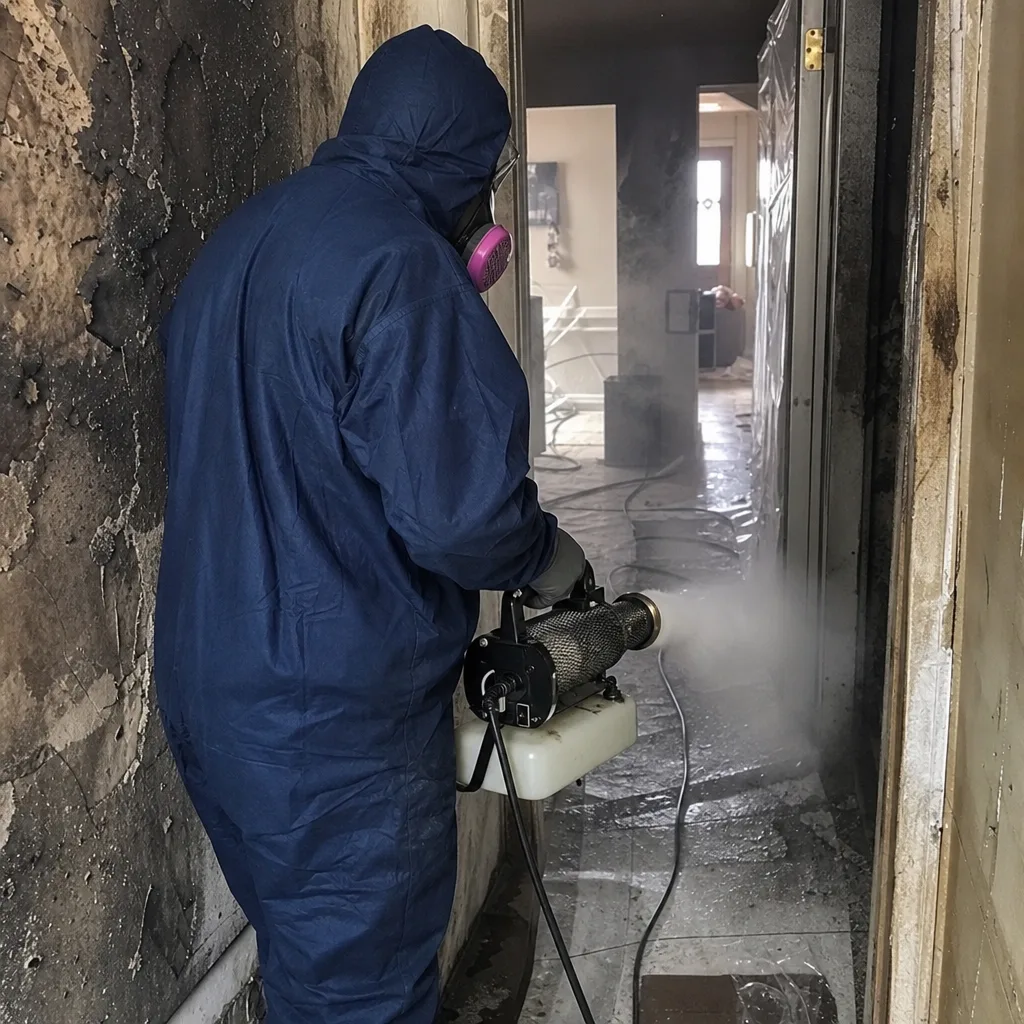
Free visual inspection and a written scope of work before any mitigation begins - photos, moisture readings, and drying logs go in your claim file
The scope we write is the scope we bill. Anything new gets shown to you, in writing, before we touch it.
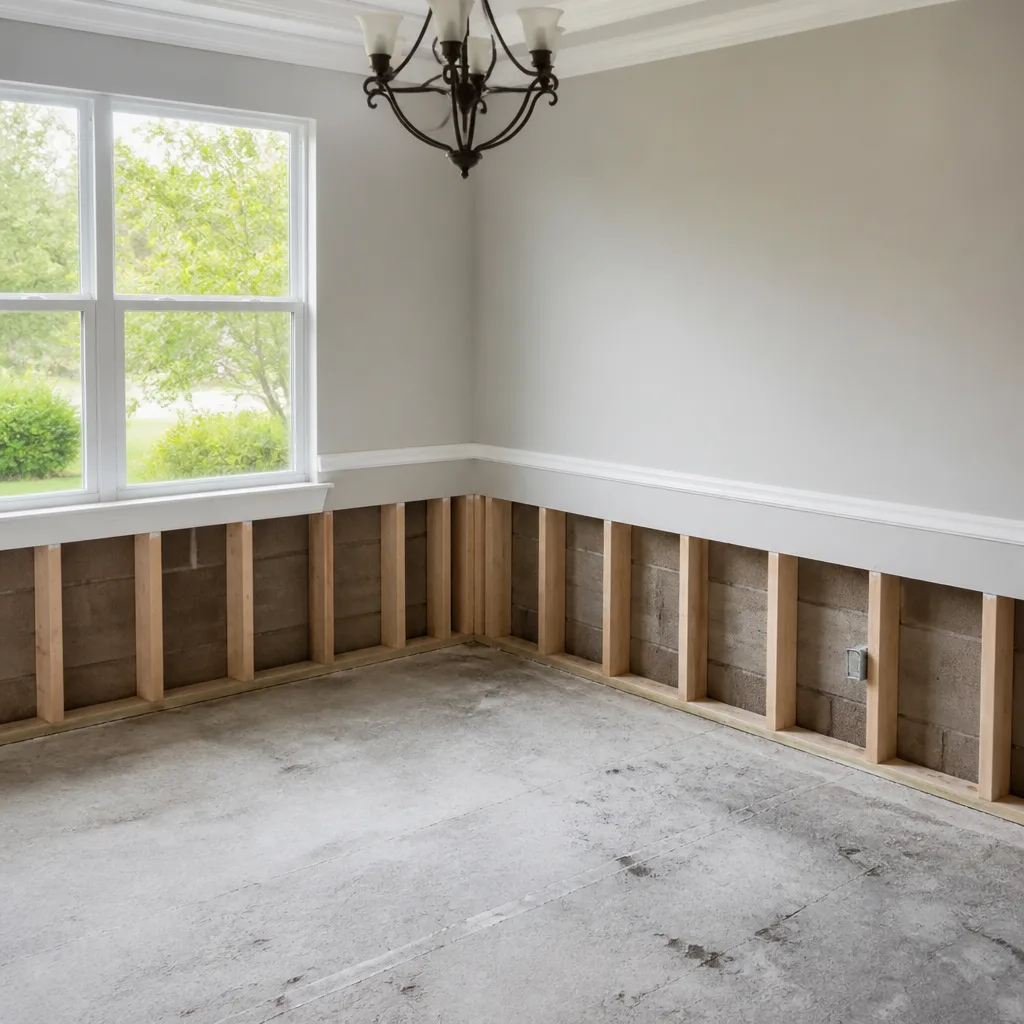
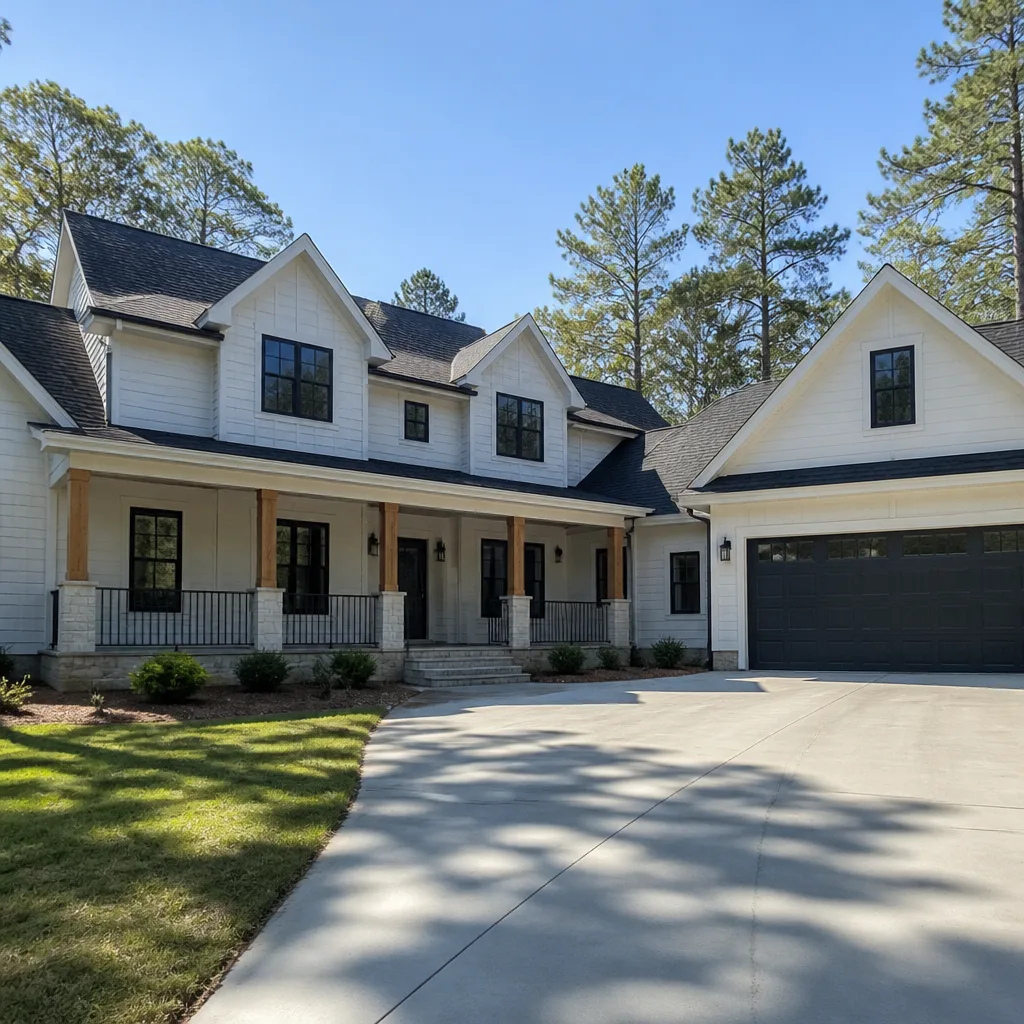
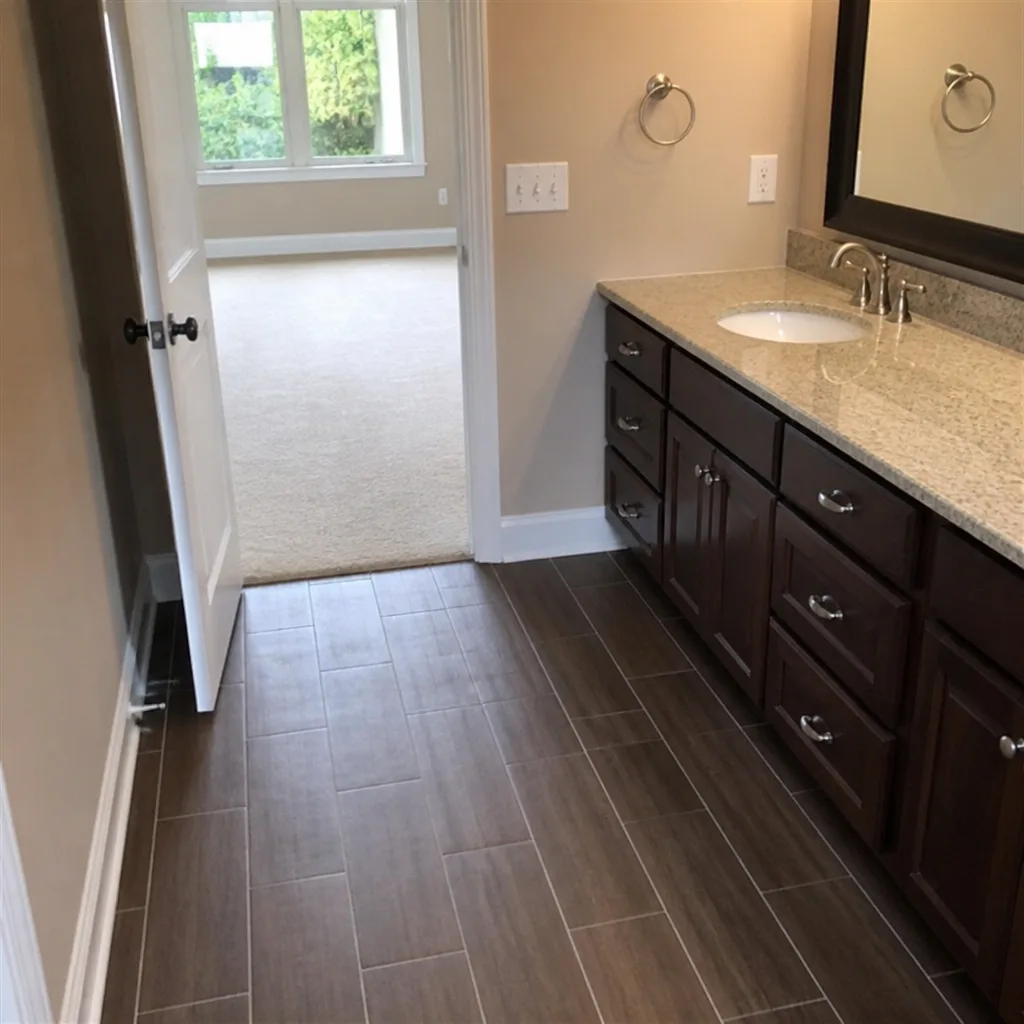
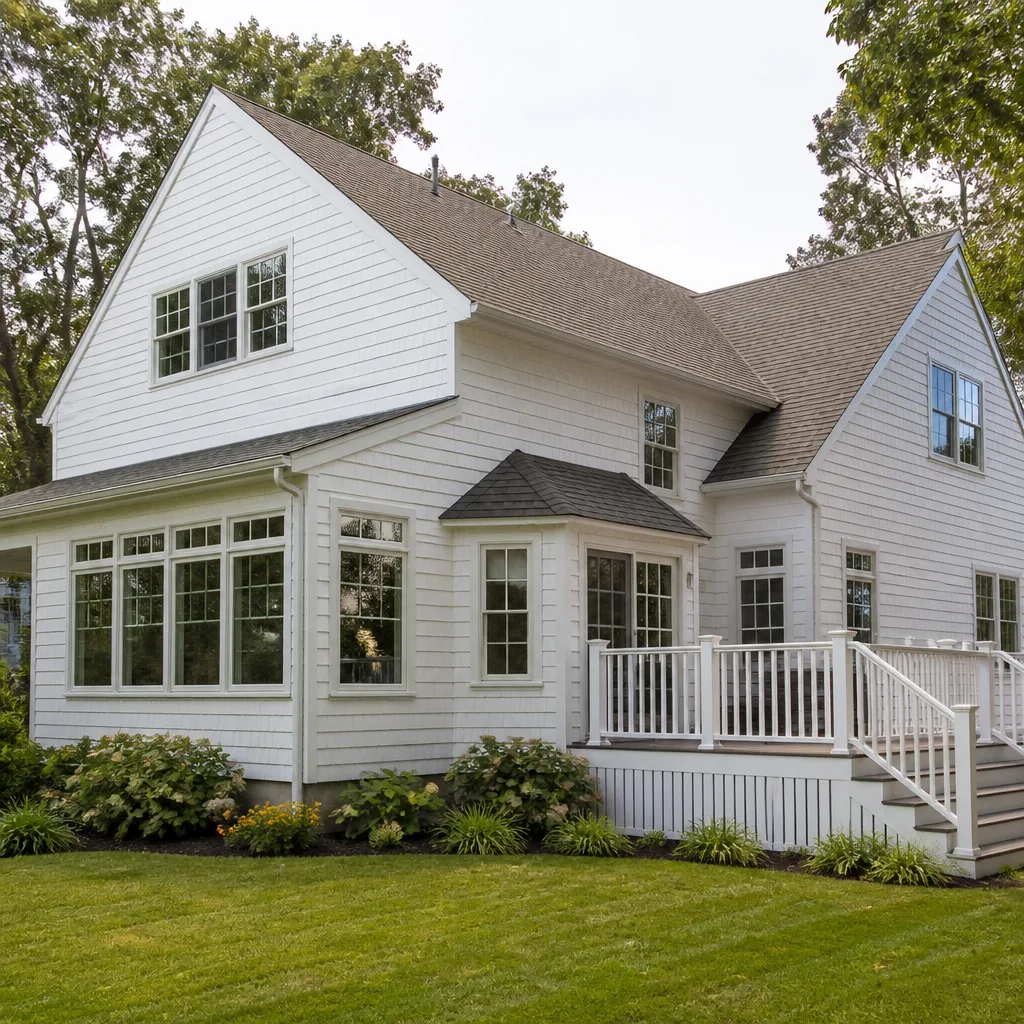
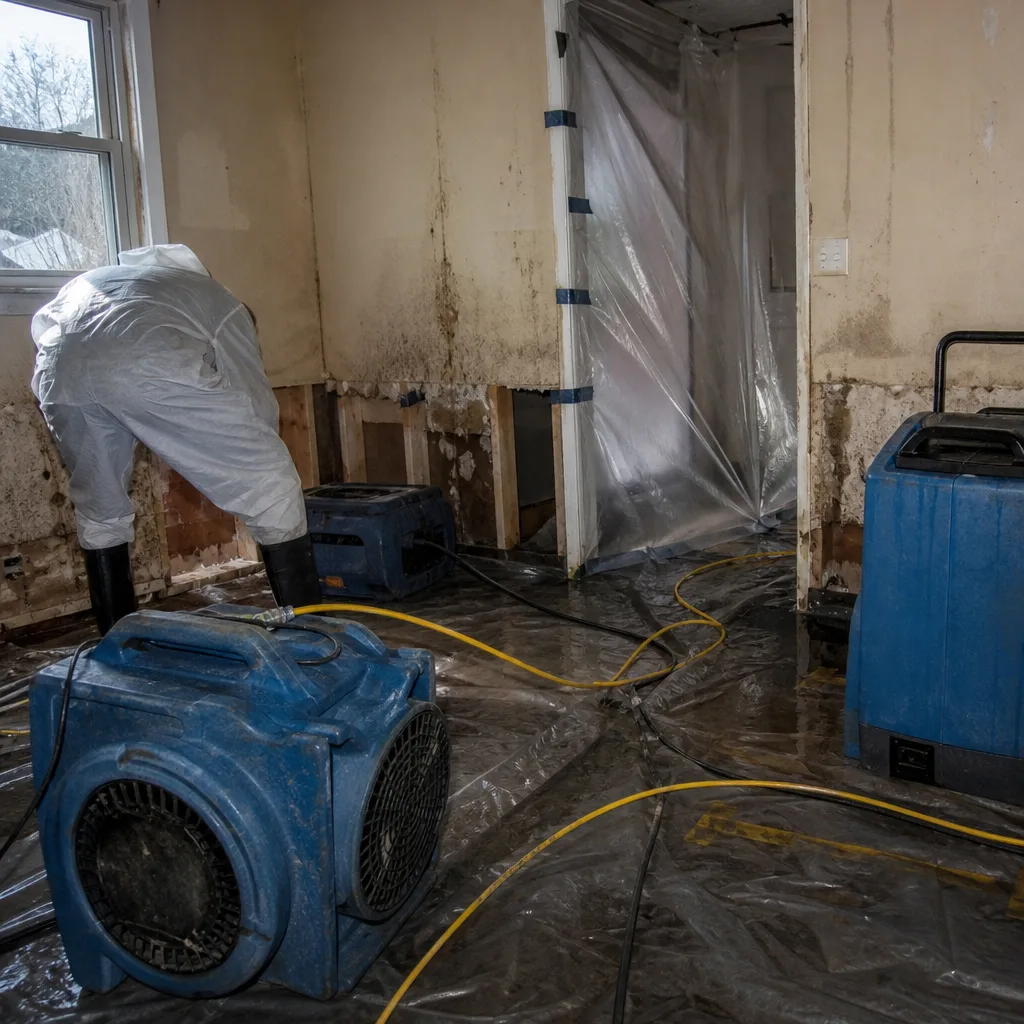 Before
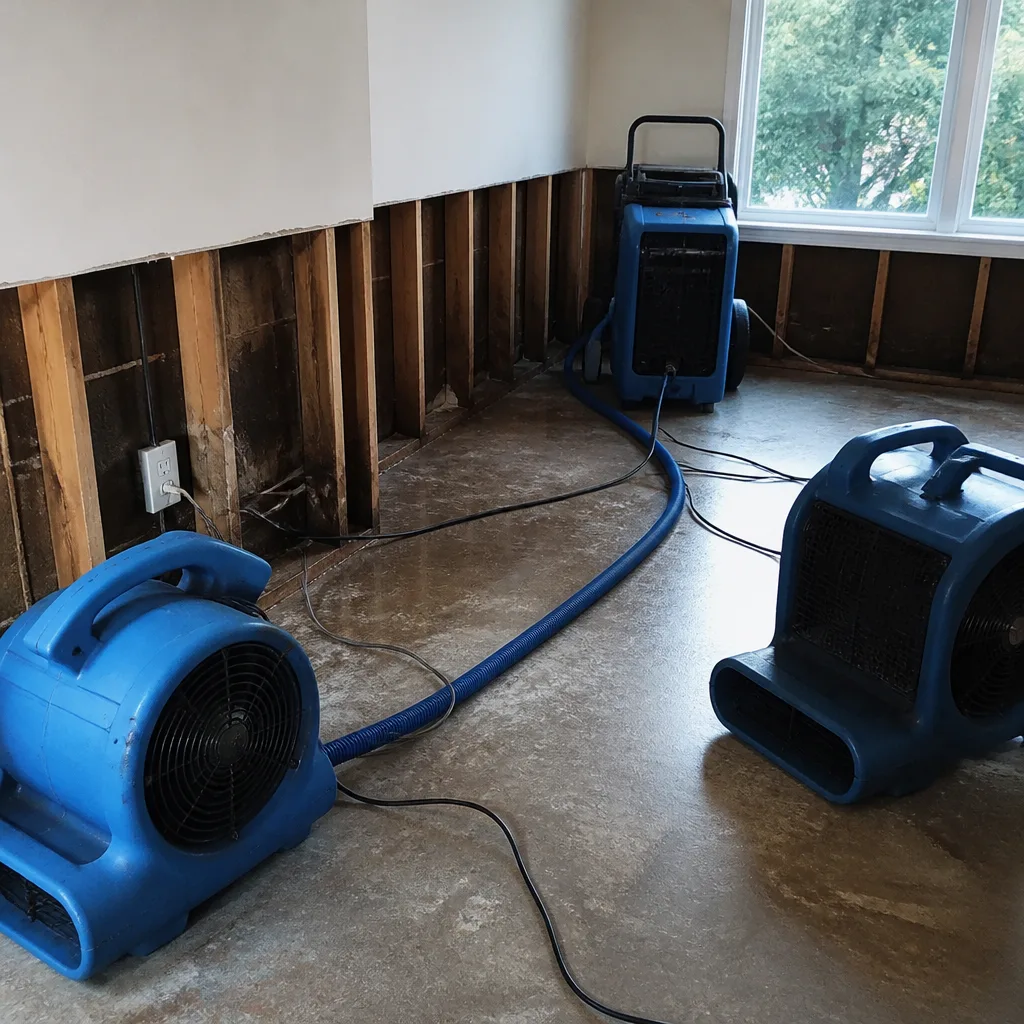 After
After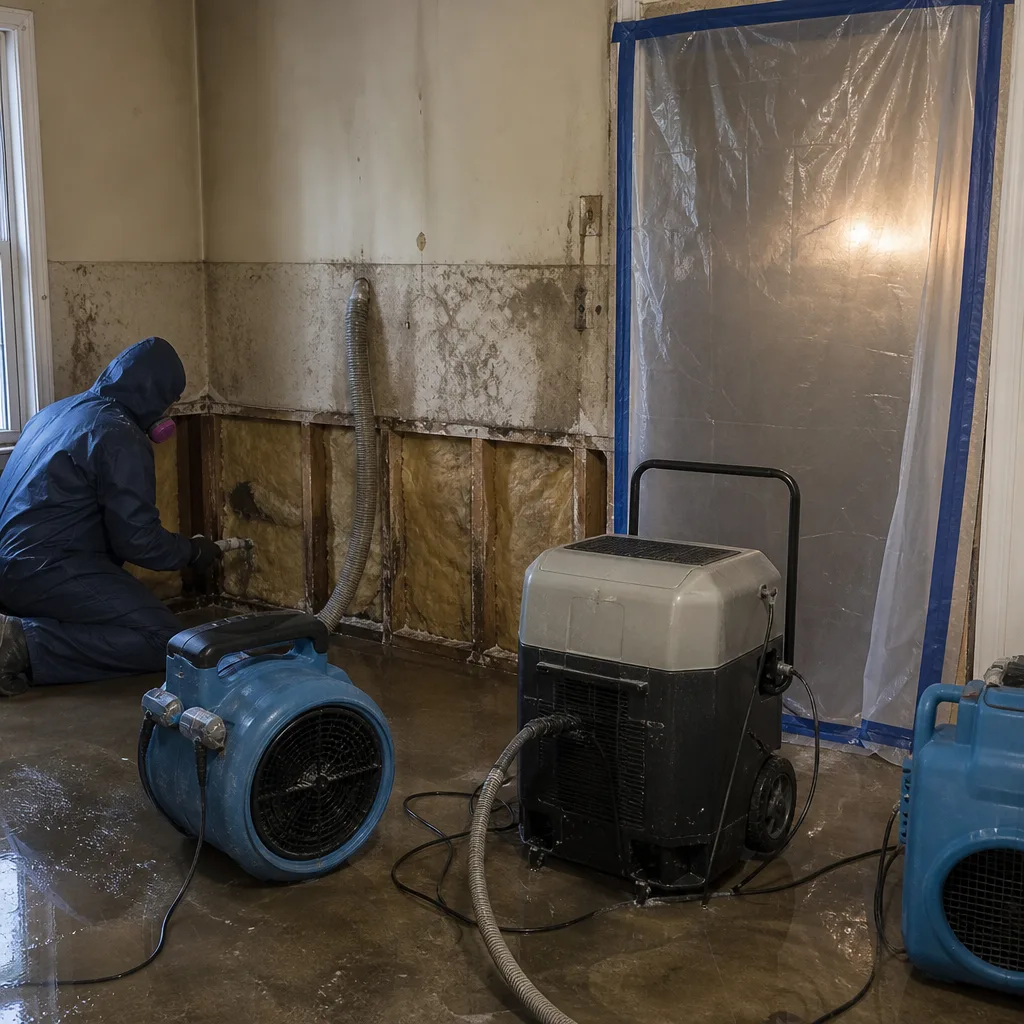 Before
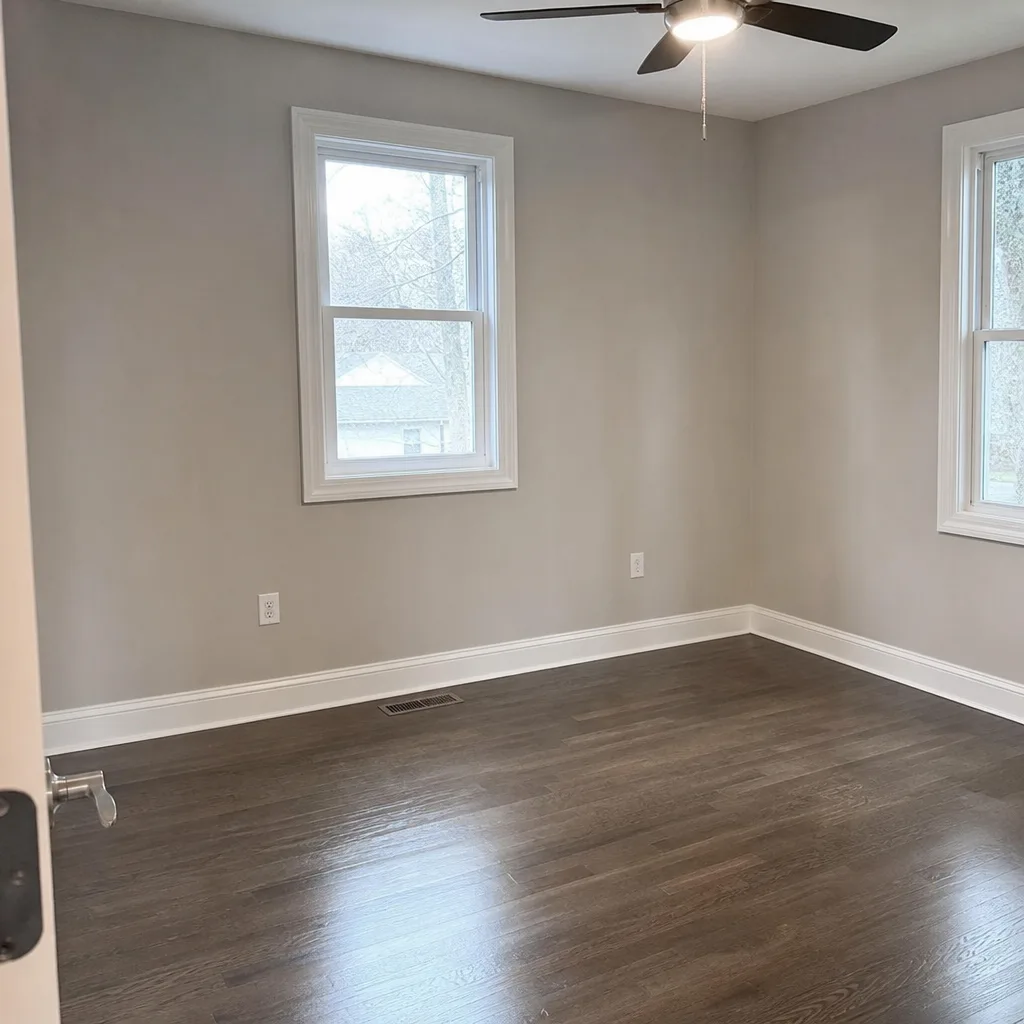 After
After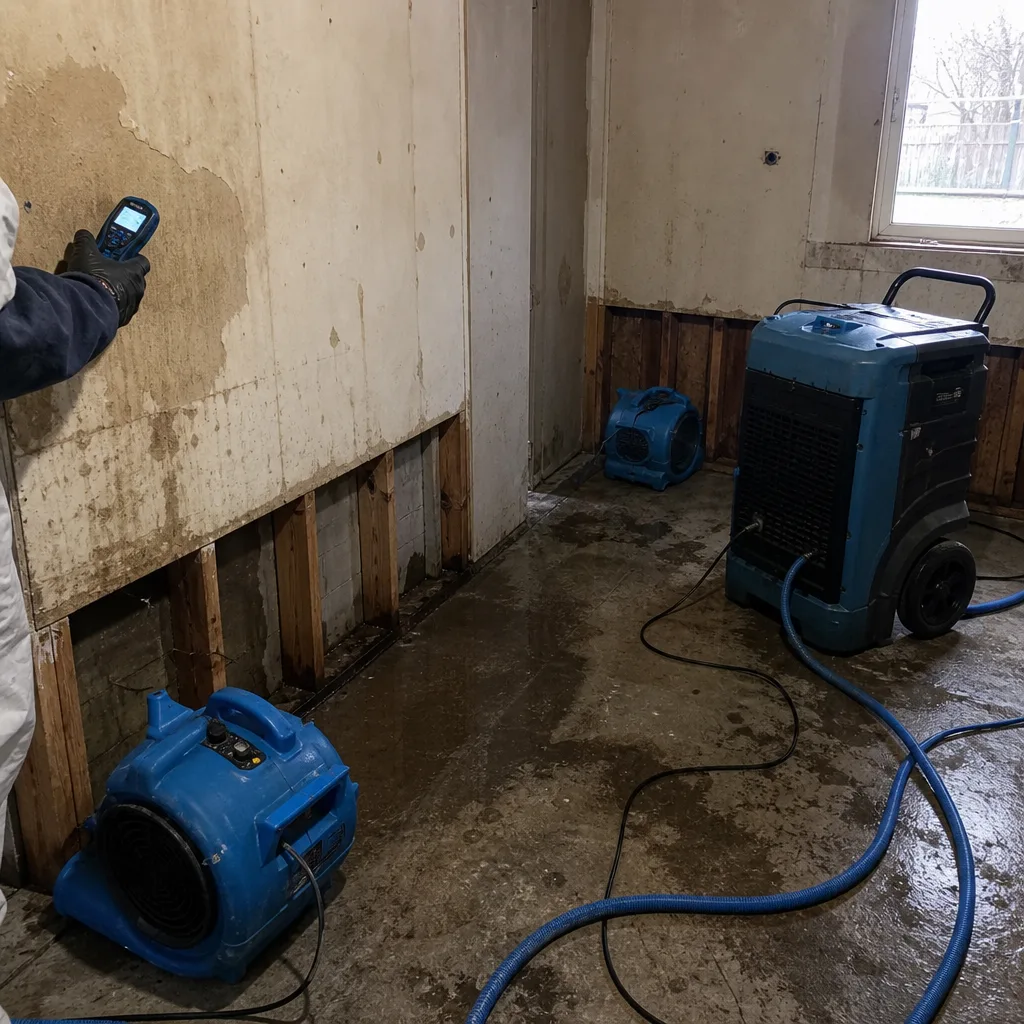 Before
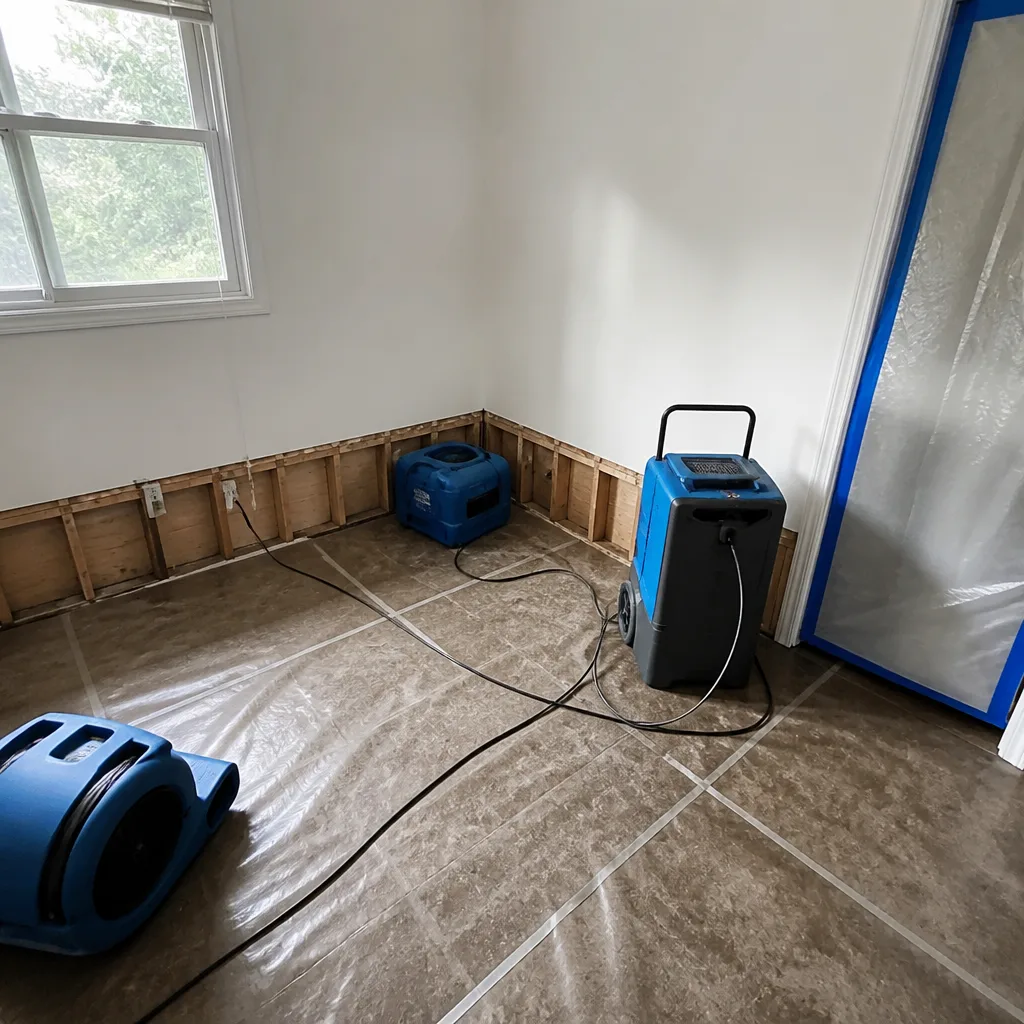 After
After24/7 Emergency Water Damage Restoration in Harlem
Water damage in Harlem spreads fast through old plaster, shared masonry, and original cast-iron stacks. Call (845) 875-4326 now and a live person answers, 24 hours a day, no voicemail. Our crews dispatch from our New York City office and typically reach Hamilton Heights, Central Harlem, and East Harlem within 45 minutes. The first hour determines whether you’re looking at extraction and drying or a full gut, mold remediation, and reconstruction. We arrive with moisture meters, thermal imaging, and extraction equipment to stop migration before it reaches the neighbor’s unit.
Every emergency call starts with a free visual inspection. We document what we find with photos and moisture readings, then deliver a written price before any work begins. Haven Standard, Clause 1. No exceptions.
Understanding Water Damage Restoration Severity in Harlem Properties
Water damage breaks into three categories, and in Harlem’s housing stock, the category often escalates faster than owners expect. Category 1 is clean water from a supply line. Category 2 carries contaminants, typical when a dishwasher or washing machine line fails. Category 3 is grossly contaminated, the standard outcome when Harlem’s combined sewers back up into a basement garden apartment during a summer cloudburst or nor’easter.
Harlem’s buildings complicate every category. The five- to six-story pre-war tenements along Adam Clayton Powell Jr. Boulevard and the attached brownstones south of 125th Street were built between 1880 and 1920 with plaster-and-lath walls that absorb moisture for days before showing surface damage. Original galvanized supply lines, still common in buildings that haven’t undergone full repiping, corrode from the inside and fail without warning. Cast-iron drain stacks develop longitudinal cracks that leak silently into wall cavities. By the time a Harlem owner sees staining, the moisture has already reached the structural masonry party wall and started lateral migration into the adjacent building.
We map moisture with penetrating meters and thermal imaging, then classify materials by porosity and saturation. Non-salvageable plaster, waterlogged insulation, and compromised subfloors get documented for the insurer before removal. Psychrometric data, vapor pressure differential, and specific humidity guide our drying strategy, not guesswork.
Why Harlem Property Owners Choose DryMark Restoration Englewood
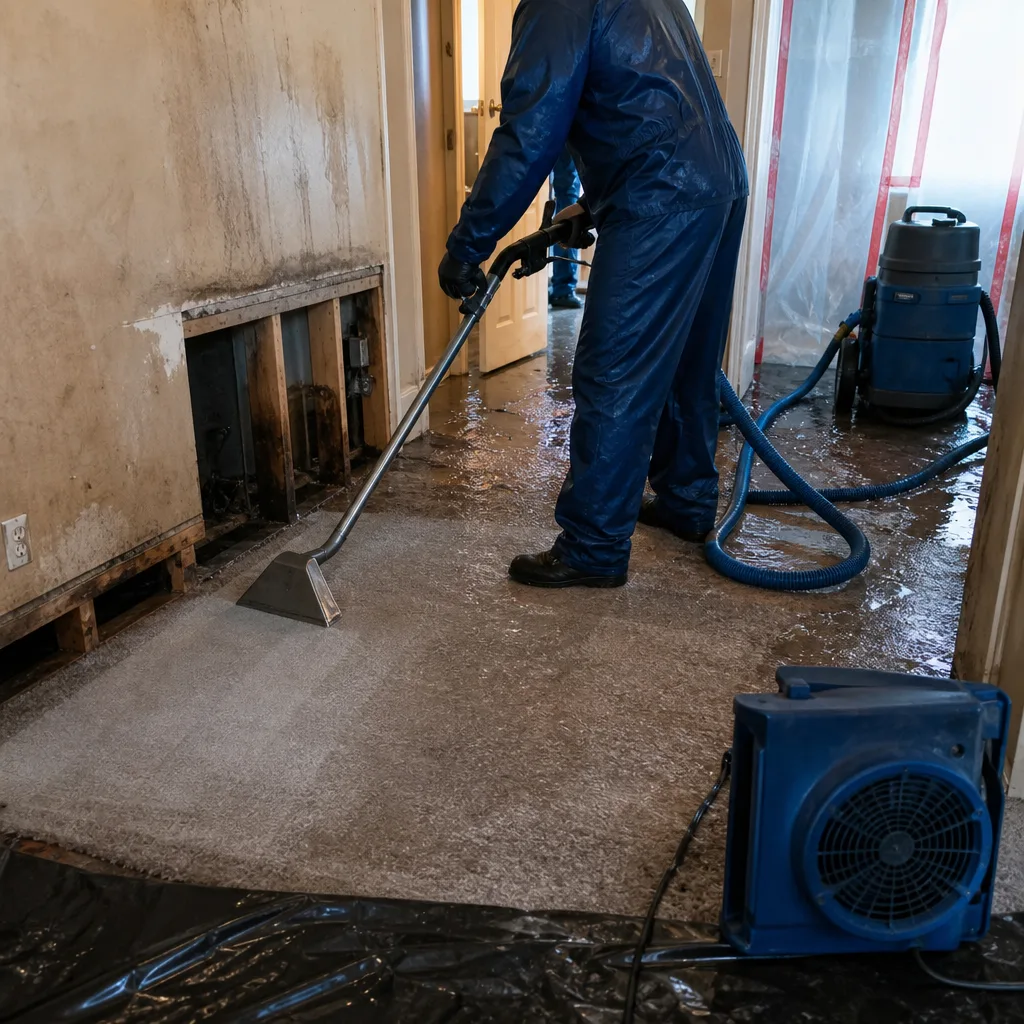
- 45-minute response commitment to Harlem from our New York City dispatch office, with crews carrying extraction and drying equipment ready for immediate deployment.
- 24/7 live answer by a real person, never an automated system or voicemail tree, because water doesn’t wait for business hours and neither do we.
- IICRC-certified crews holding WRT (Water Damage Restoration Technician) and ASD (Applied Structural Drying) credentials, with AMRT (Applied Microbial Remediation Technician) certification for mold-prone Harlem basements.
- Free visual inspection with documented moisture readings and photos before any commitment or contract.
- Direct insurance billing and adjuster coordination, with our documentation package designed to produce payable claims without dispute.
- One team from extraction through reconstruction, eliminating the handoff gaps where jobs stall and moisture returns.
BeforeAfterOur Water Damage Restoration Process
1. Inspection & Assessment
We arrive with FLIR thermal imaging, penetrating moisture meters, and hygrometers to map the full extent of saturation. In Harlem’s brownstones and tenements, we check party walls for lateral migration and test suspect materials for asbestos and lead before disturbing anything. Every finding gets photographed and logged.
2. Extraction & Stabilization
Standing water comes out first with truck-mounted extraction or portable units from Dri-Eaz and Phoenix, depending on building access. We deploy containment barriers and negative air if Category 2 or 3 water is present. Power and HVAC get assessed for safety before any electrical equipment operates in wet conditions.
3. Drying & Dehumidification
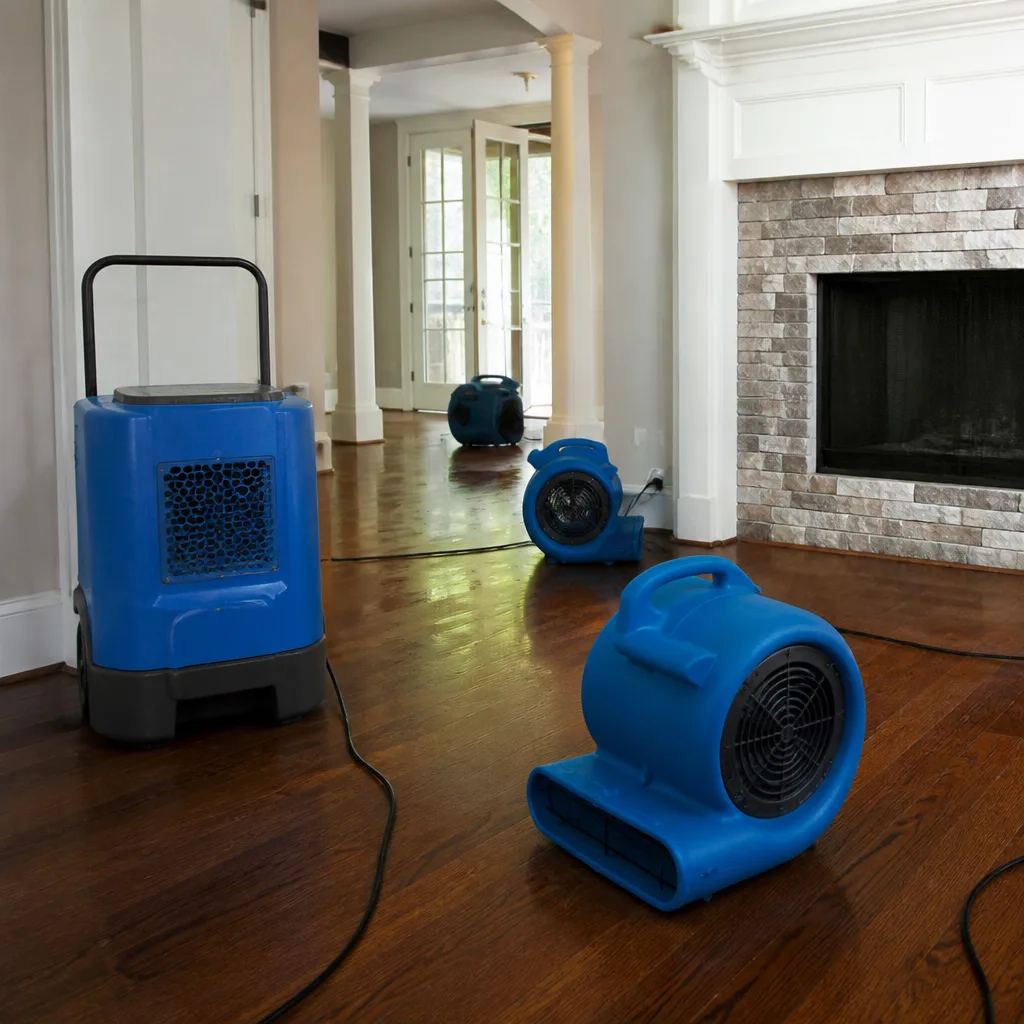
We calculate the exact cubic footage and vapor load, then position air movers, LGR dehumidifiers from Dri-Eaz and Phoenix, and specialized drying systems like Injectidry for hardwood floors and wall cavities. Daily moisture logs track progress to the dry standard, documented to IICRC S500 protocols.
4. Cleaning & Sanitization
Category 2 and 3 losses receive antimicrobial treatment of affected surfaces. HEPA air scrubbers from XPOWER run continuously during this phase. In Harlem’s NYCHA developments and multi-unit buildings, we coordinate with building management on access and safety notifications.
5. Lead & Asbestos Clearance Coordination
Pre-1978 Harlem buildings require NYC DEP testing and abatement clearance before full restoration. We maintain the containment, protect unaffected areas, and coordinate with certified abatement contractors so the job doesn’t stall for weeks on compliance. This step is where national franchises often fail in Harlem’s market.
6. Repairs & Restoration
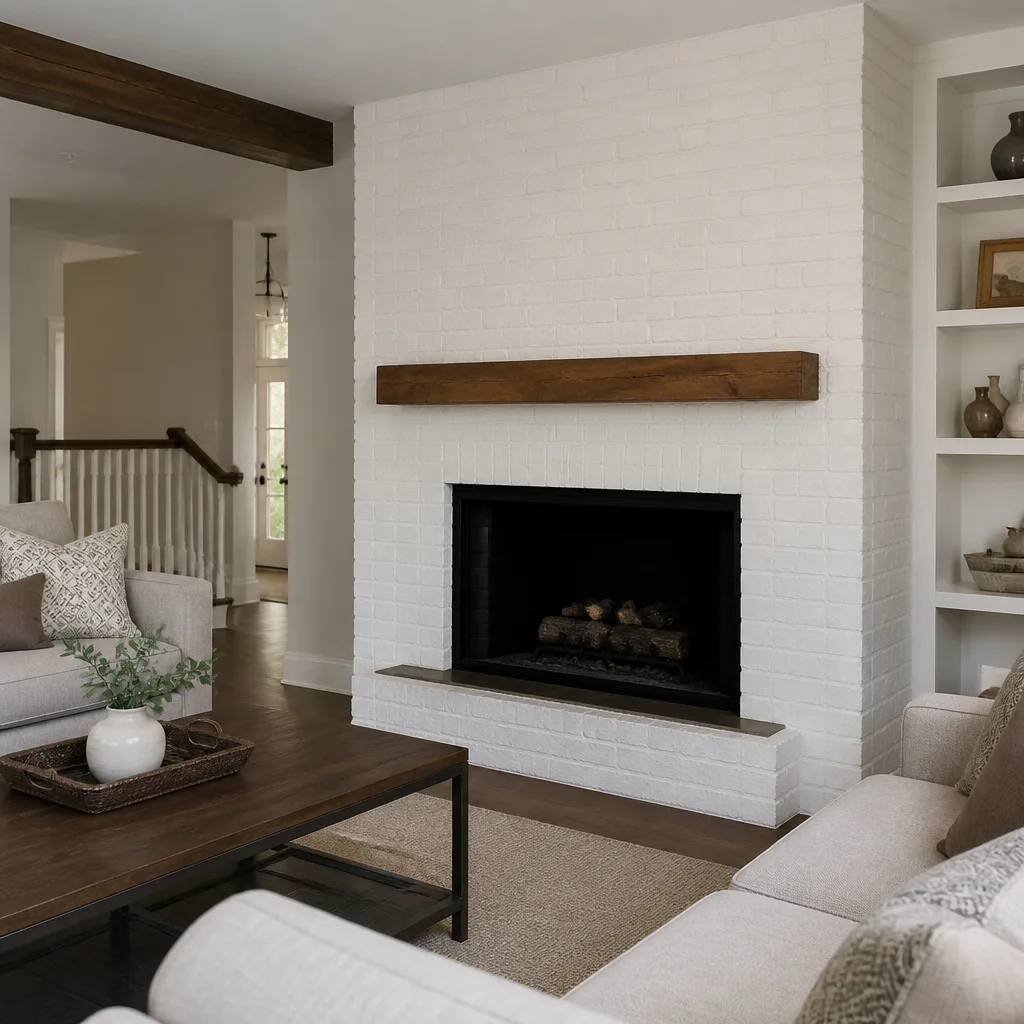
Once dry and cleared, we rebuild with a written scope and firm price. Plaster repair, hardwood restoration, tile work, and finish carpentry are performed by our own crews, not subcontractors who disappear between phases. The 365-Day Done Right Promise covers everything.
Need Emergency Water Damage Restoration in Harlem Now?
Crews minutes away, answering live 24 hours a day. The sooner we start, the less it costs.
Working With Your Insurance Company
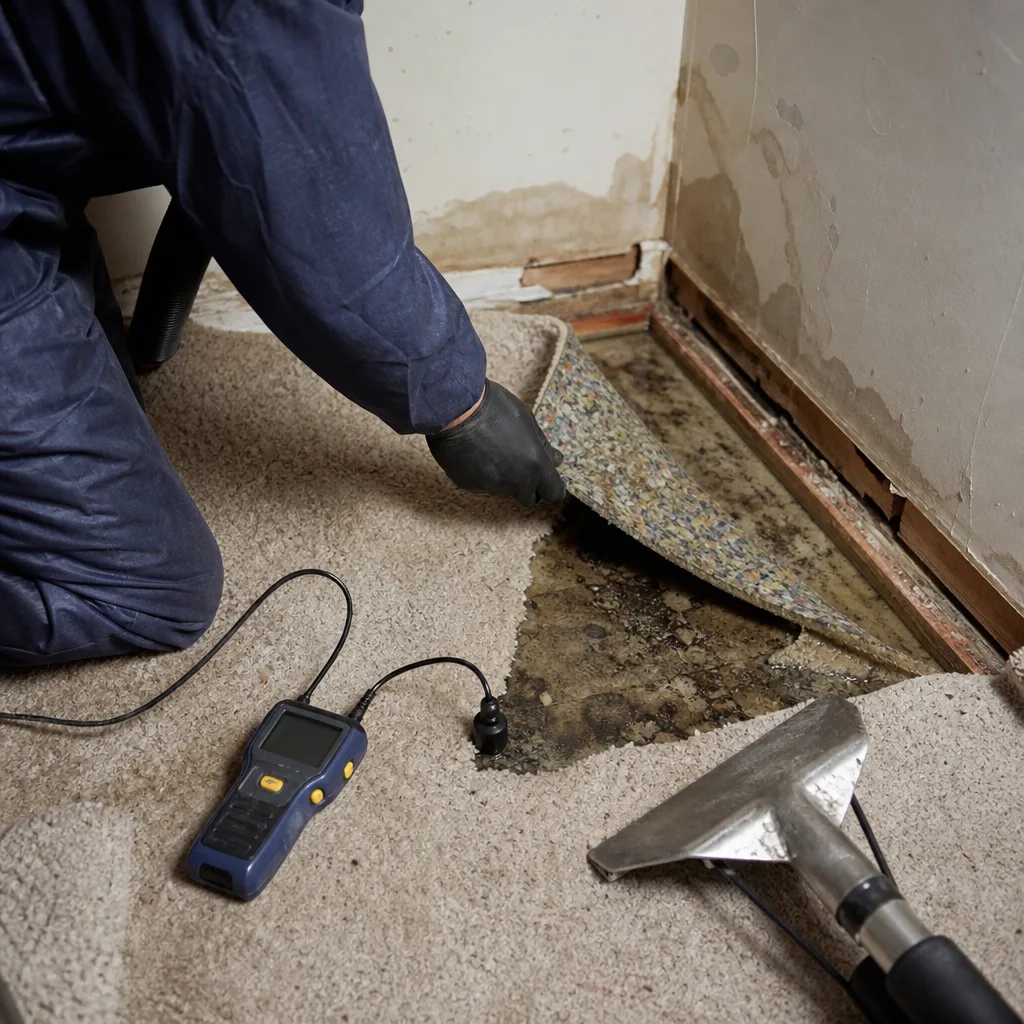
Insurance claims succeed or fail on documentation. We know because our founder, Alicia Brennan, spent years as a claims adjuster watching restoration invoices get denied for missing photos, incomplete moisture logs, and scopes that didn’t match the policy language. Every Water Damage Restoration job we perform in Harlem is documented from the first hour with the evidence your adjuster needs to approve payment without a fight.
We photograph every room, record moisture readings at every visit, and maintain daily drying logs that show psychrometric conditions and equipment placement. Our estimates follow industry-standard Xactimate pricing. We speak directly with your carrier, submit documentation on your behalf, and flag coverage issues before they become disputes. If you’ve already received a competitor’s estimate, bring it to us. Our Free Second Opinion reviews their scope at no charge.
What We Provide Your Insurer
- Thorough documentation of the loss
- Photos of all damage, room by room
- Moisture readings and drying logs
- A detailed, line-item scope of work
- Direct coordination with your carrier
Built for Harlem’s Loss Calendar
January’s deep freezes split galvanized supply lines in uninsulated chase walls. February and March bring freeze-thaw cycles that destroy mortar pointing in century-old masonry parapets, driving chronic top-floor leaks that reappear every winter on St. Nicholas Avenue and Frederick Douglass Boulevard. Spring snowmelt and basement seepage hit the garden-level units below grade. Summer’s intense cloudbursts, increasingly frequent in the NY metro, overwhelm Harlem’s aging combined sewer system and back up into converted basement apartments with Category 3 contamination.
Fall nor’easters compound the problem, saturating roofs already compromised by summer heat cycling. And year-round, the original cast-iron and galvanized plumbing in Harlem’s 1880-1920 housing stock fails without warning. We plan our crew rotations and equipment staging around this calendar, keeping LGR dehumidifiers and Injectidry hardwood systems ready for the predictable surge patterns.
Water Damage Restoration Across Harlem’s Neighborhoods
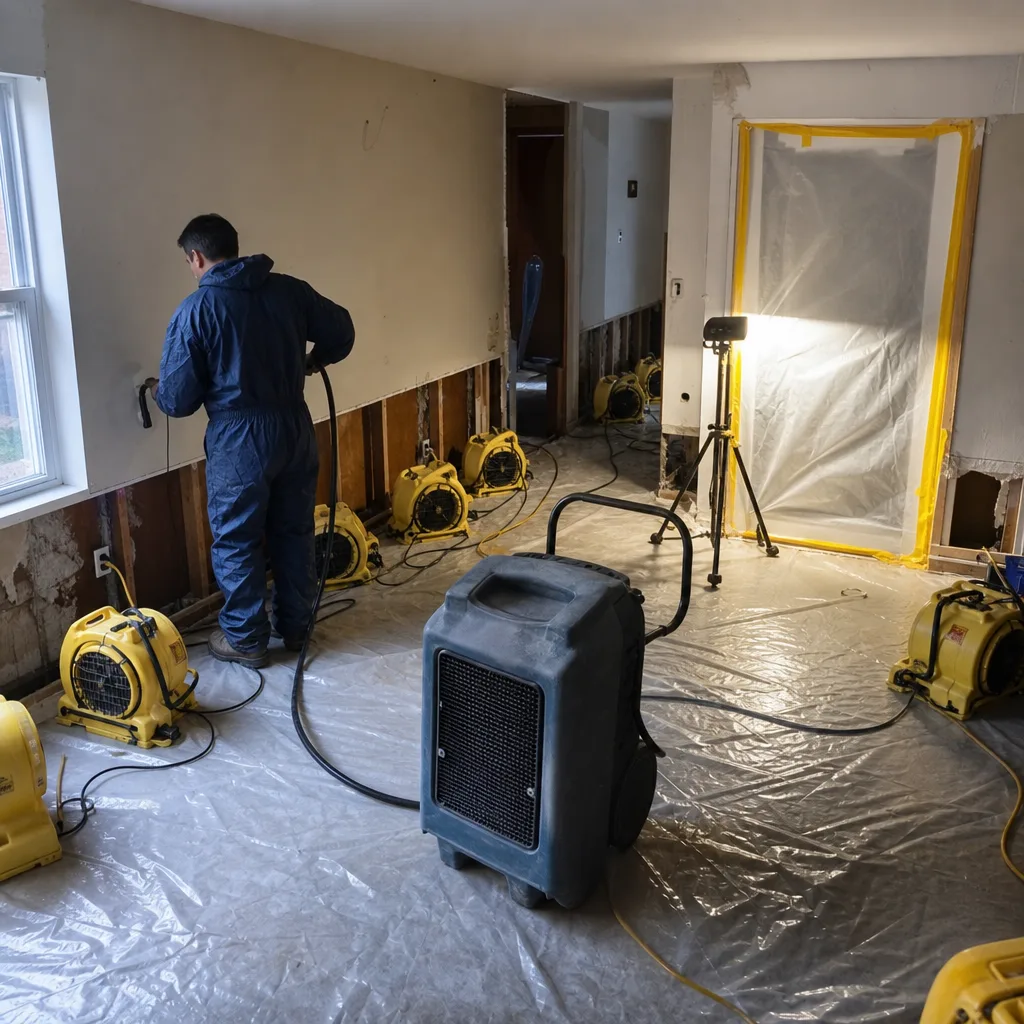
Central Harlem, roughly from 110th to 125th Street between Fifth and St. Nicholas Avenues, is dense with five- to six-story tenements and landmarked brownstone rows. The tenements often hold original plaster-and-lath walls and galvanized plumbing that conceal leaks for days. We respond to burst stack failures here several times each winter, and the challenge is always tracing the source through multiple occupied units with no original drawings.
Hamilton Heights, northwest of 135th Street toward the Hudson, preserves some of the finest intact brownstone blocks in Manhattan. These attached structures share structural masonry party walls, so a supply line failure in one building routinely floods the basement of its neighbor. Our crew responded in Hamilton Heights when a 1968 unpermitted bathroom supply line burst inside a party wall, sending Category 2 water into the adjacent brownstone’s basement garden apartment. We performed water extraction in both units, ran moisture mapping across the shared masonry, set up containment with air movers and dehumidification, and completed structural drying under separate scopes of work for each owner. The tricky part was tracing the run through three separately-deeded structures with no drawings - each required its own DOB notification before we could open the wall.
East Harlem, from 96th to 142nd Street east of Fifth Avenue, mixes pre-war tenements with NYCHA developments including the Harlem River Houses and Drew Hamilton Houses. Private restoration contractors must navigate distinct procurement and inspection rules for public housing, and we maintain the certifications and relationships to do so. East Harlem also sees repeated flooding from the Harlem River during storm surge events.
Morningside Heights, along the Columbia University corridor, includes institutional buildings and converted academic housing with complex fire suppression and HVAC systems that introduce their own water damage risks. We coordinate with university facilities management and private owners alike.
Specialized Water Damage Restoration Services We Offer in Harlem
Emergency Water Extraction
Standing water gets worse every minute it sits. In Harlem’s basements, where garden apartments sit below grade and original cast-iron drains back up, we extract with truck-mounted systems or portable units depending on access constraints. Typical extraction for a flooded Harlem basement runs $800-$1,800 depending on volume and contamination level.
Structural Drying & Dehumidification
We calculate vapor load and deploy LGR dehumidifiers from Dri-Eaz and Phoenix plus high-velocity air movers positioned for optimal airflow patterns. In Harlem’s thick plaster walls, drying takes longer than modern drywall construction, and we document daily moisture readings until materials reach the established dry standard. A typical structural drying job in Harlem runs $1,500-$4,200 for a single unit, longer for brownstones with lateral migration.
Flood Cleanup
Harlem’s combined sewer backups and storm surges deliver Category 3 water requiring full PPE, antimicrobial treatment, and careful disposal. We contain the affected area, protect adjacent units, and coordinate with NYC DEP on any required testing. Flood cleanup in Harlem typically ranges $3,500-$8,500 depending on square footage and contamination.
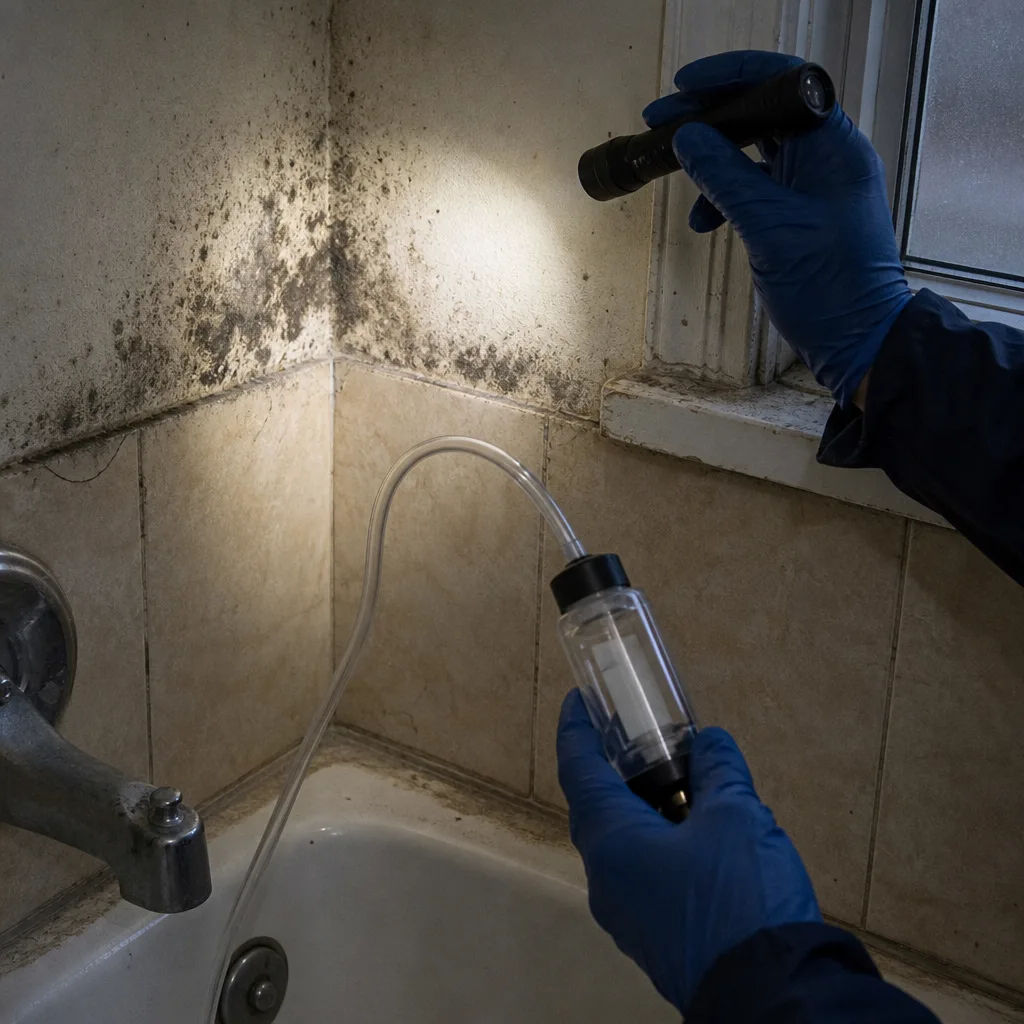
Burst Pipe Restoration
Galvanized and original cast-iron lines fail without warning in Harlem’s pre-war buildings. We extract, dry, and document the full extent of damage, including concealed saturation in party walls and ceiling cavities. Burst pipe restoration with drying runs $2,200-$5,500 in Harlem’s market.
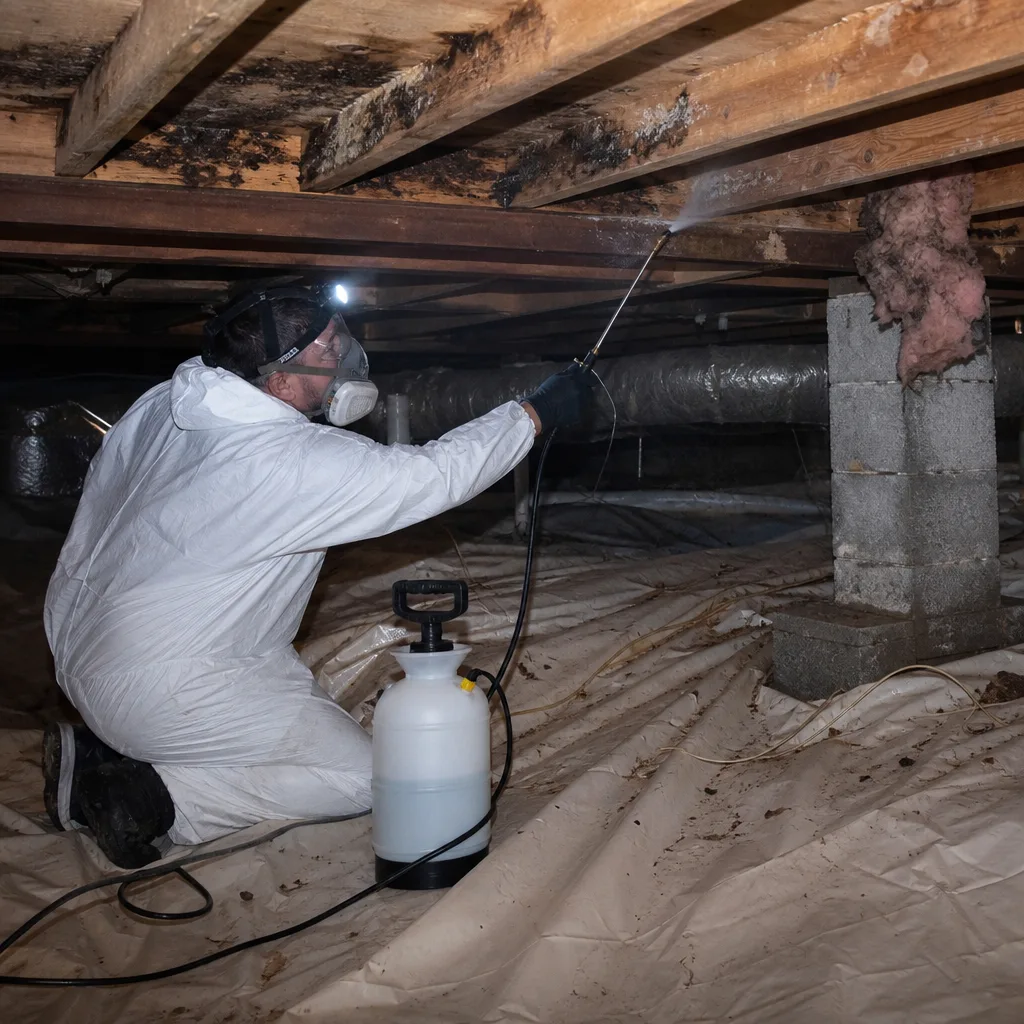
Basement Water Removal
Harlem’s converted basement apartments are uniquely vulnerable to sewer backup and hydrostatic pressure. We pump, extract, sanitize, and dry, then test for residual contamination before any reconstruction begins. Basement water removal and drying in Harlem typically costs $1,200-$3,800.
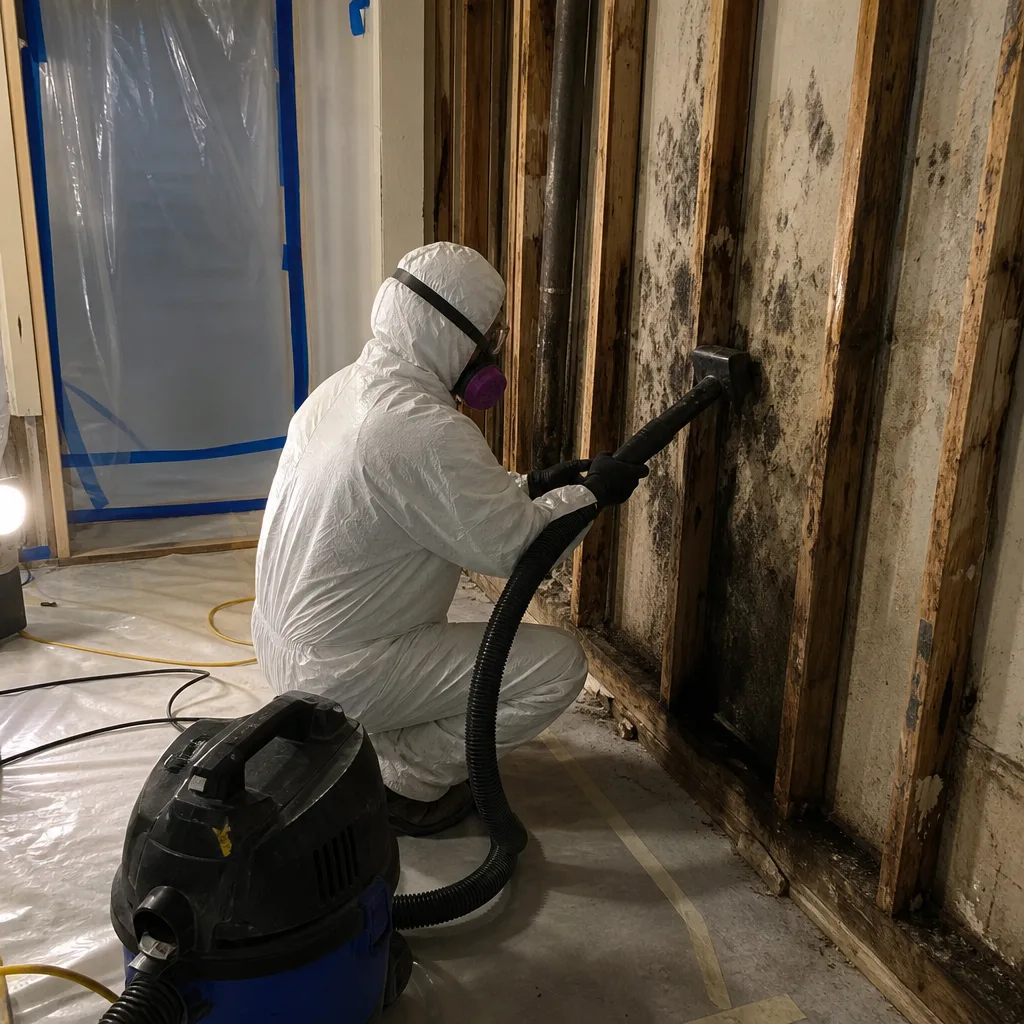
Ceiling & Roof Leak Water Damage
Failed parapet mortar and compromised roofing on Harlem’s century-old masonry buildings drive chronic top-floor leaks. We trace the source, document the path, dry affected plaster and framing, and rebuild. Ceiling and roof leak restoration in Harlem runs $1,800-$6,000 depending on whether the leak has compromised structural elements.
What happens when you call
- 1
A real person answersNo phone trees - you reach a local pro.
- 2
You get an upfront price rangeHonest numbers before anyone is dispatched.
- 3
A background-checked tech heads outLicensed & insured, dispatched right away.
- 4
You approve before work beginsNothing starts until you say go.
Water Damage Restoration Costs in Harlem, NY
Water damage restoration in Harlem carries cost factors you won’t find in newer markets. Mandatory lead and asbestos testing on pre-1978 buildings adds $400-$1,200 before mitigation can begin. Multi-property coordination through shared brownstone party walls multiplies scope complexity. And the density of attached construction limits equipment staging and access, extending labor hours.
| Service | Typical Range in Harlem |
|---|---|
| Emergency water extraction | $800 - $1,800 |
| Structural drying & dehumidification | $1,500 - $4,200 |
| Basement water removal | $1,200 - $3,800 |
| Burst pipe restoration (with drying) | $2,200 - $5,500 |
| Flood cleanup (Category 3) | $3,500 - $8,500 |
| Ceiling/roof leak restoration | $1,800 - $6,000 |
| Lead/asbestos testing (pre-1978) | $400 - $1,200 |
Insurance typically covers sudden and accidental water damage from burst pipes and storm intrusion. Sewer backup requires specific endorsement. We review your policy, document everything for your adjuster, and deliver a written price before work starts so there are no surprises. Call (845) 875-4326 for a free inspection and firm scope.
We Also Serve Cities Near Harlem
Our crews respond throughout upper Manhattan and the west Bronx, including Water Damage Restoration in Harlem and surrounding communities. We regularly serve Riverdale and Kingsbridge to the north, where similar pre-war housing stock faces comparable freeze-thaw and aging infrastructure challenges. Washington Heights and Morningside Heights share Harlem’s brownstone and tenement typology, with the same lateral migration and compliance requirements. Dispatch and scheduling are coordinated from our New York City office.
Serving Harlem, NY - Our Local Coverage Area
We’re based in the Harlem area and know this community well. Use the map below to see our service coverage - if you’re nearby, we can almost certainly help.
Harlem Water Damage Restoration Questions, Answered
A pipe burst in our Harlem brownstone and the water is soaking into the neighbor’s wall - whose job is this?
Both properties need separate scopes, separate insurers, and separate DOB notifications, even though the source is one pipe. We handle the coordination. Our moisture mapping traces the full migration path through shared masonry, then we contain, extract, and dry each unit under its own written scope and price. Call (845) 875-4326 and we’ll assess both properties during the same visit.
Do you have to test for lead and asbestos before water damage mitigation in a pre-war Harlem tenement?
Yes, NYC DEP regulations require testing before disturbing pre-1978 plaster, paint, or suspect building materials. We coordinate certified testing and maintain containment during the clearance period. Starting demolition without clearance triggers stop-work orders that add weeks. We build this sequence into every Harlem job from 1880-1920 stock.
Why does my top-floor Harlem apartment keep getting ceiling damage every winter?
Failed mortar pointing in your building’s masonry parapet or limestone cornice allows water to infiltrate, freeze, and expand through the freeze-thaw cycle. We see this repeatedly on the same buildings along St. Nicholas Avenue and Frederick Douglass Boulevard. Restoration requires roof-level masonry repair, not just interior drying, or the damage returns next winter. We document the source for your insurer and scope the full repair.
Our basement garden apartment flooded during a nor’easter - is that clean water or Category 3?
Almost certainly Category 3. Harlem’s combined sewer system backs up during intense rainfall, delivering grossly contaminated water with pathogens and chemicals. We treat it as Category 3 until proven otherwise, with full PPE, antimicrobial treatment, and disposal protocols. Don’t let a crew tell you it’s “mostly rainwater” to avoid the containment cost. Call (845) 875-4326 for proper classification and documentation.
Can you trace a leak in a Harlem building that was illegally subdivided decades ago?
Yes, but it takes longer and requires accessing multiple units, sometimes across separately-owned buildings. We use thermal imaging, acoustic leak detection, and selective moisture mapping to trace unpermitted plumbing runs with no drawings. Each building owner must grant access and receive separate DOB notification. We’ve traced leaks through three connected brownstones in Hamilton Heights; the key is patience and documentation at every step.
How fast can you actually get to Harlem?
Our New York City dispatch office routes crews to Hamilton Heights, Central Harlem, and East Harlem within 45 minutes for emergency calls. We answer live 24 hours a day. The sooner we start extraction, the less lateral migration occurs through shared party walls, and the lower your total restoration cost. Call (845) 875-4326 now.
Will my insurance cover water damage restoration in Harlem?
Sudden and accidental damage from burst pipes and storm intrusion is typically covered. Sewer backup requires specific endorsement on most policies. We review your coverage, photograph everything, and submit documentation that aligns with standard claim language. Our daily drying logs and photo records are designed to produce payable claims. Bring us a competitor’s estimate for our Free Second Opinion.
How long does structural drying take in a Harlem brownstone?
Three to seven days for standard drywall construction, but Harlem’s original plaster-and-lath walls hold moisture longer and dry more slowly. Thick masonry party walls add time. We don’t guess; we measure daily with penetrating meters and maintain drying logs until every material hits the established dry standard. Rushing this phase guarantees mold and callback. Call (845) 875-4326 for an inspection and realistic timeline.
Written by Alicia Brennan, Owner at Back to Dry Restoration, serving Harlem since 2011 under The Haven Standard.
Water Damage Restoration in Nearby Areas