
Free visual inspection and a written scope of work before any mitigation begins - photos, moisture readings, and drying logs go in your claim file
The scope we write is the scope we bill. Anything new gets shown to you, in writing, before we touch it.
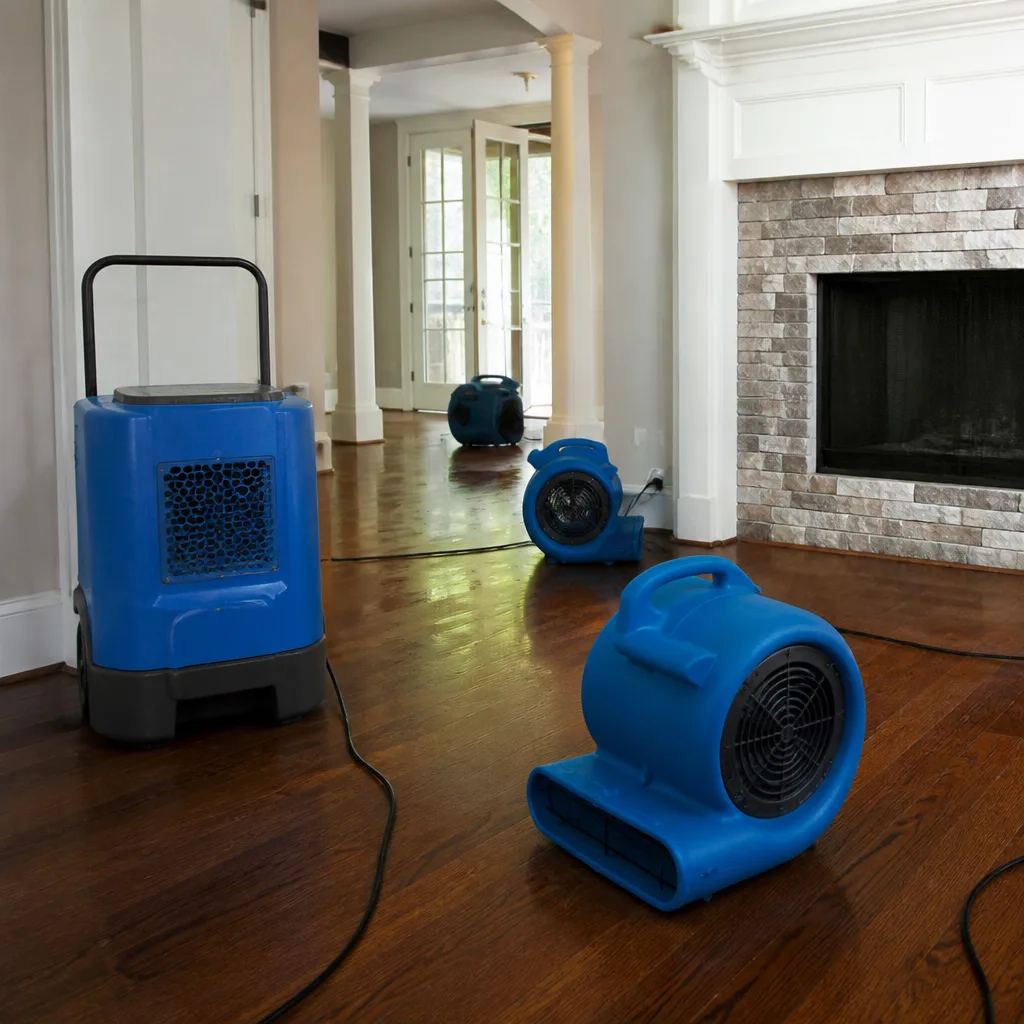
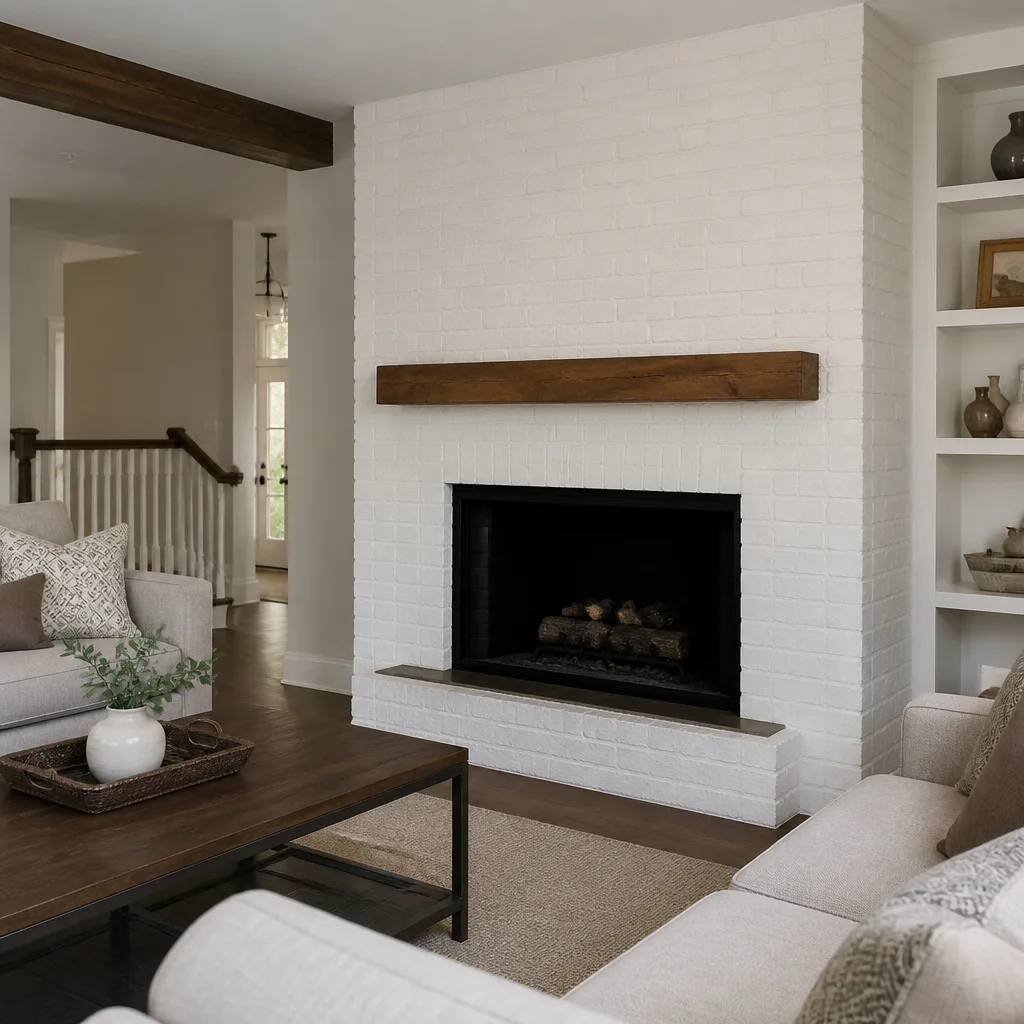
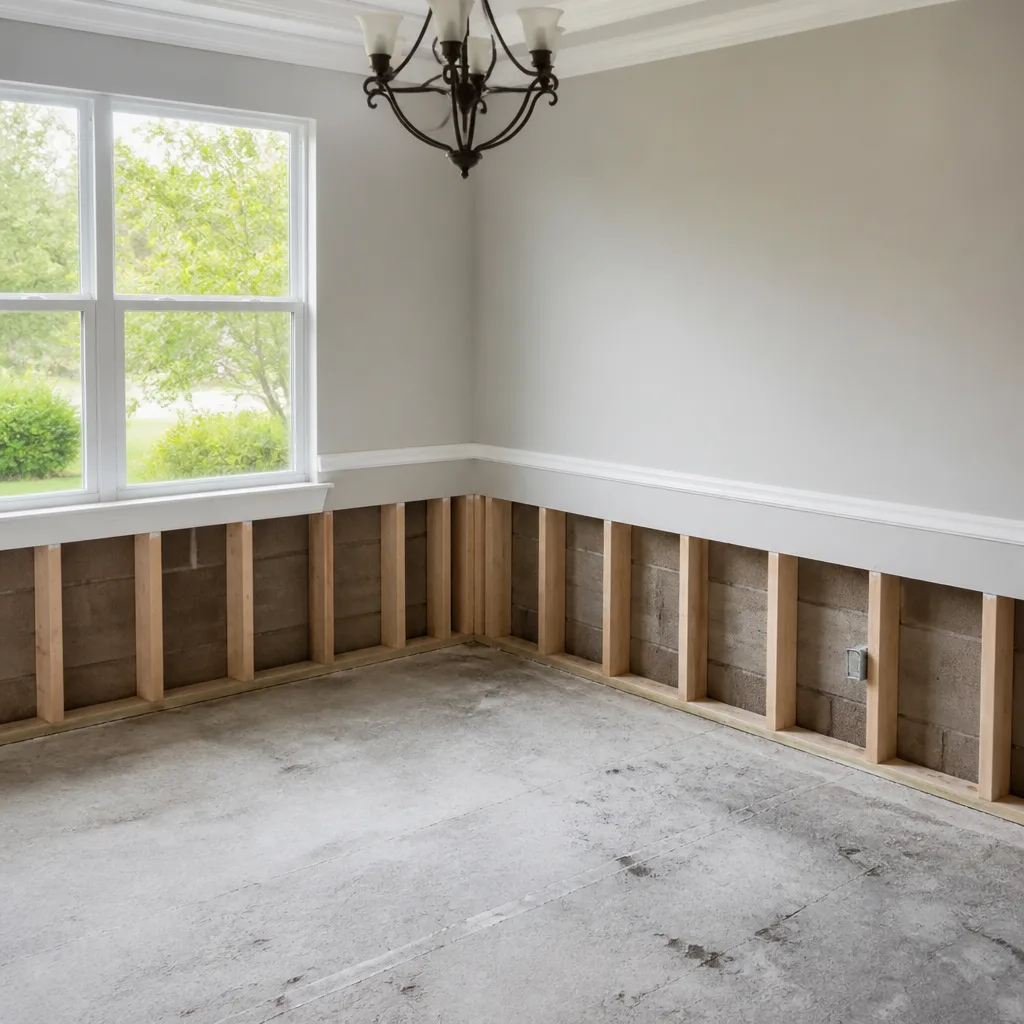
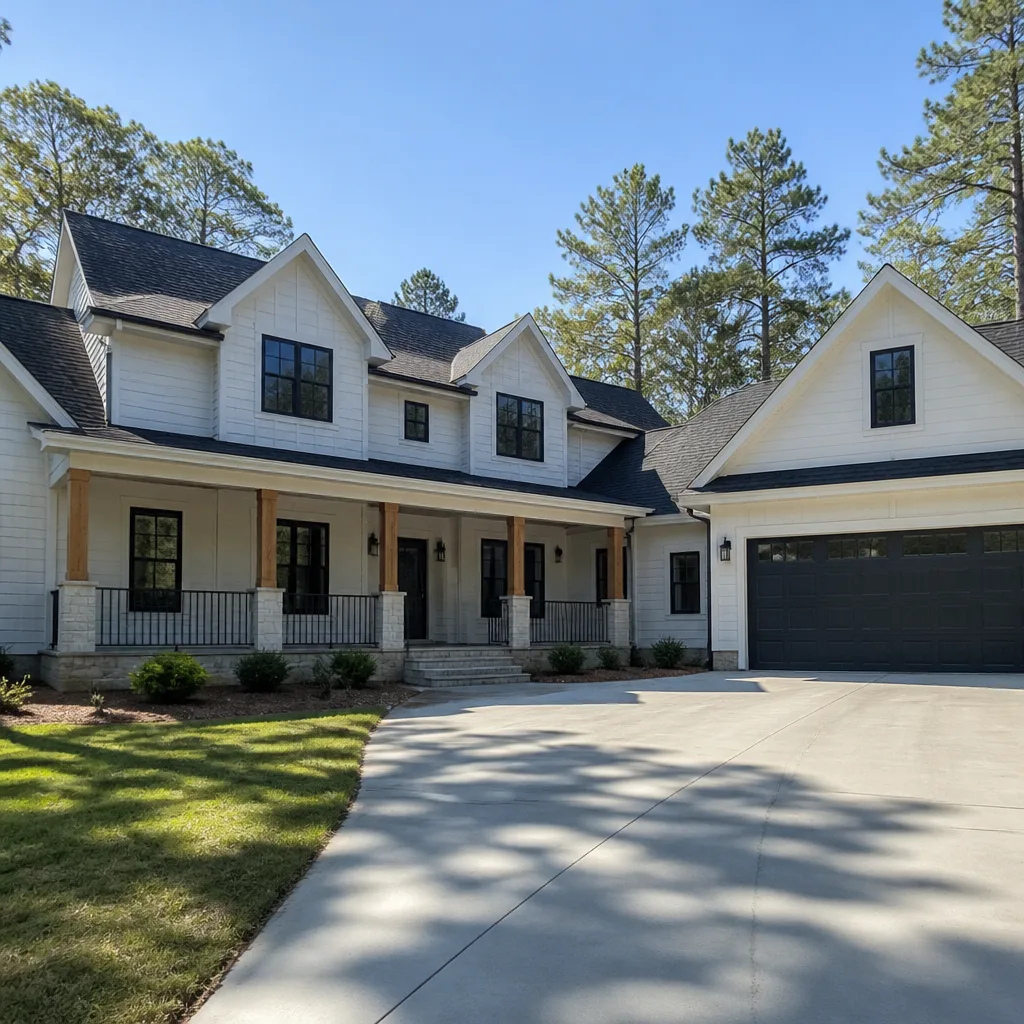
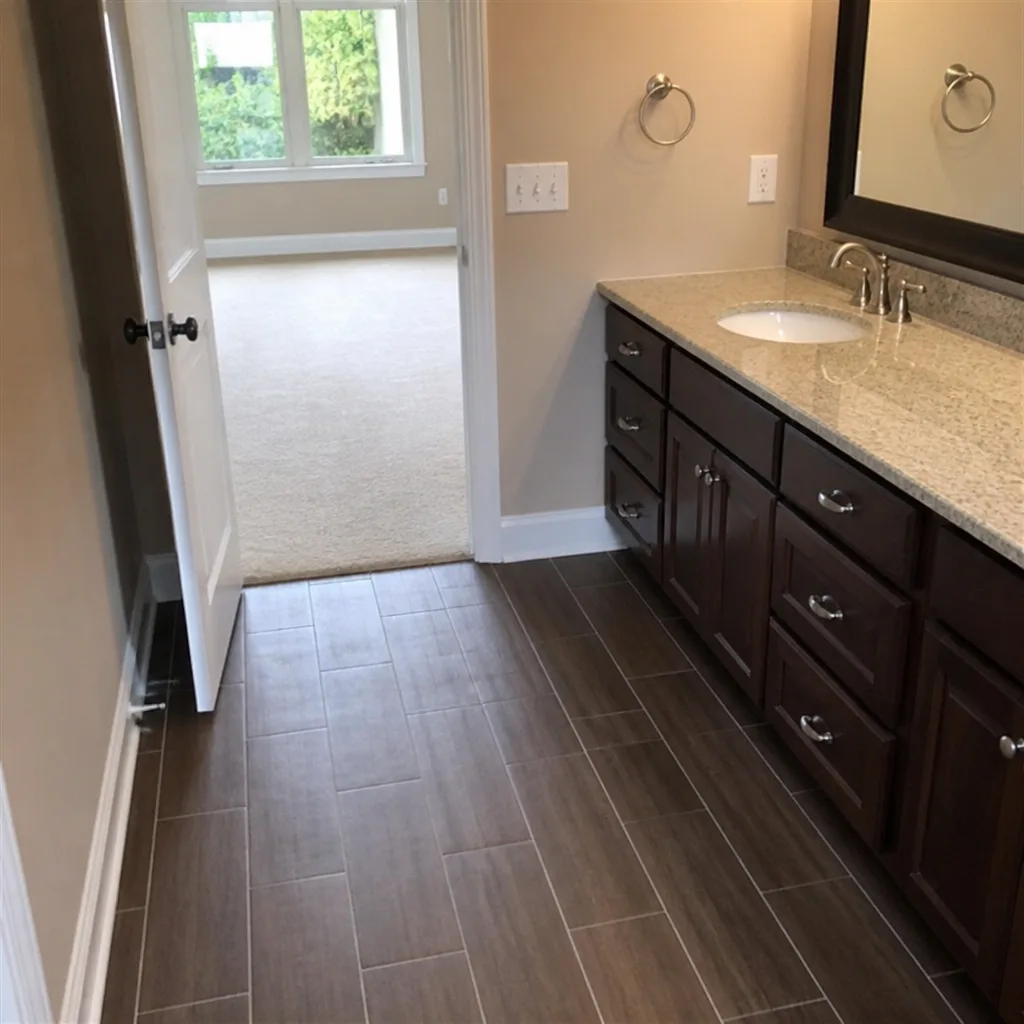
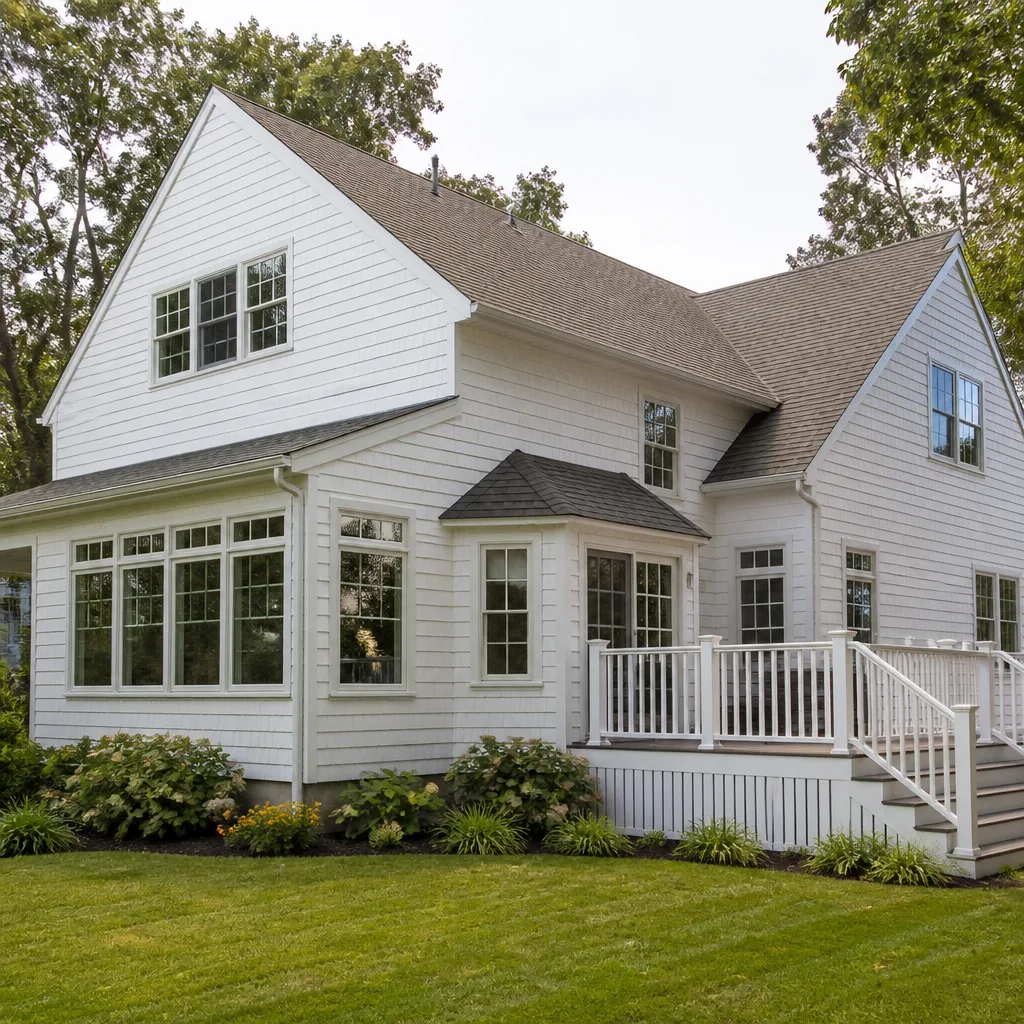
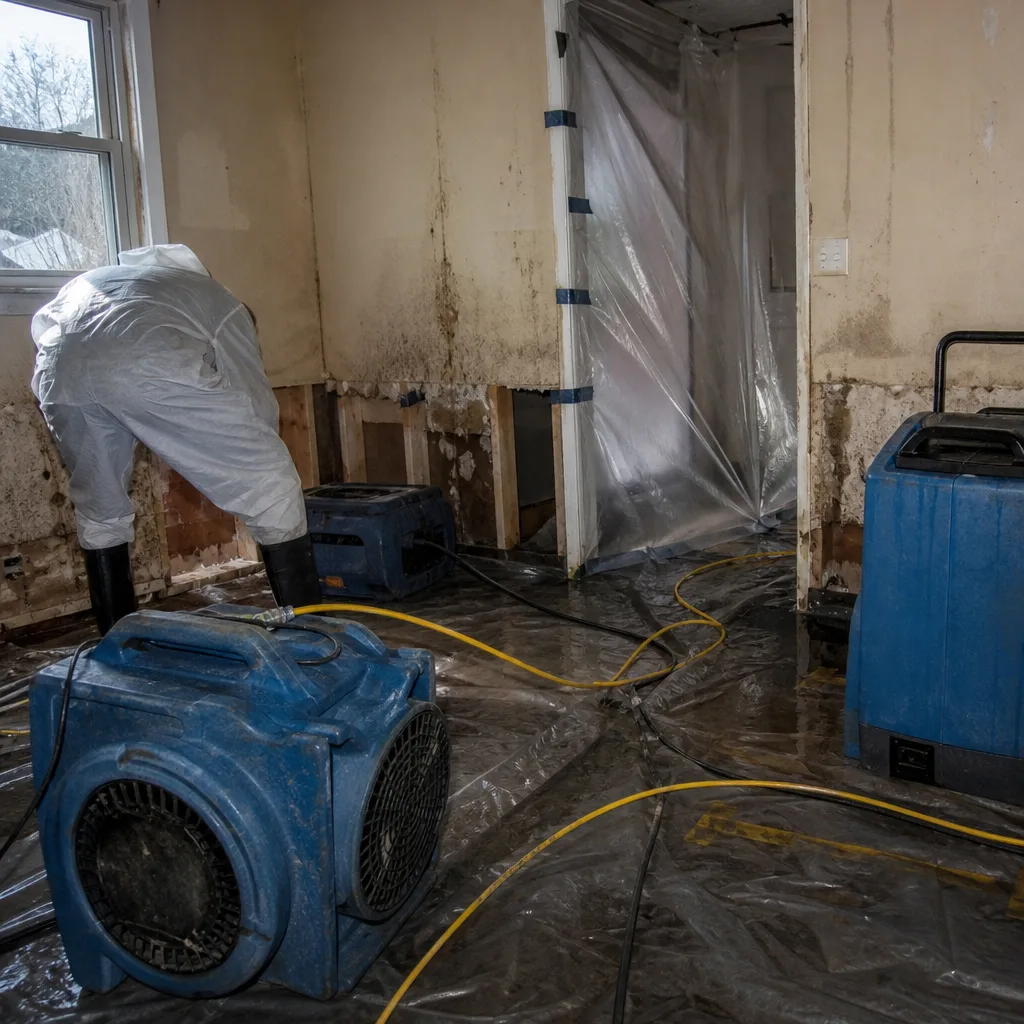 Before
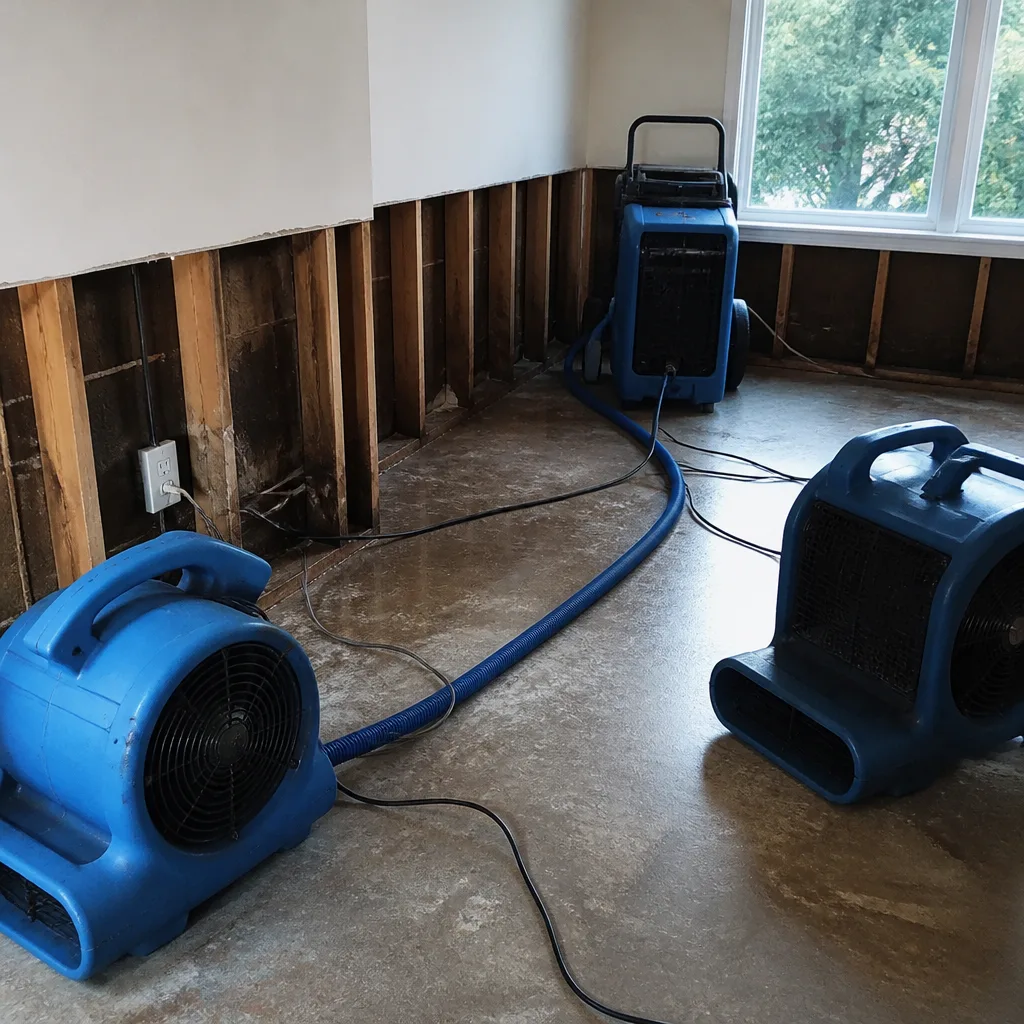 After
After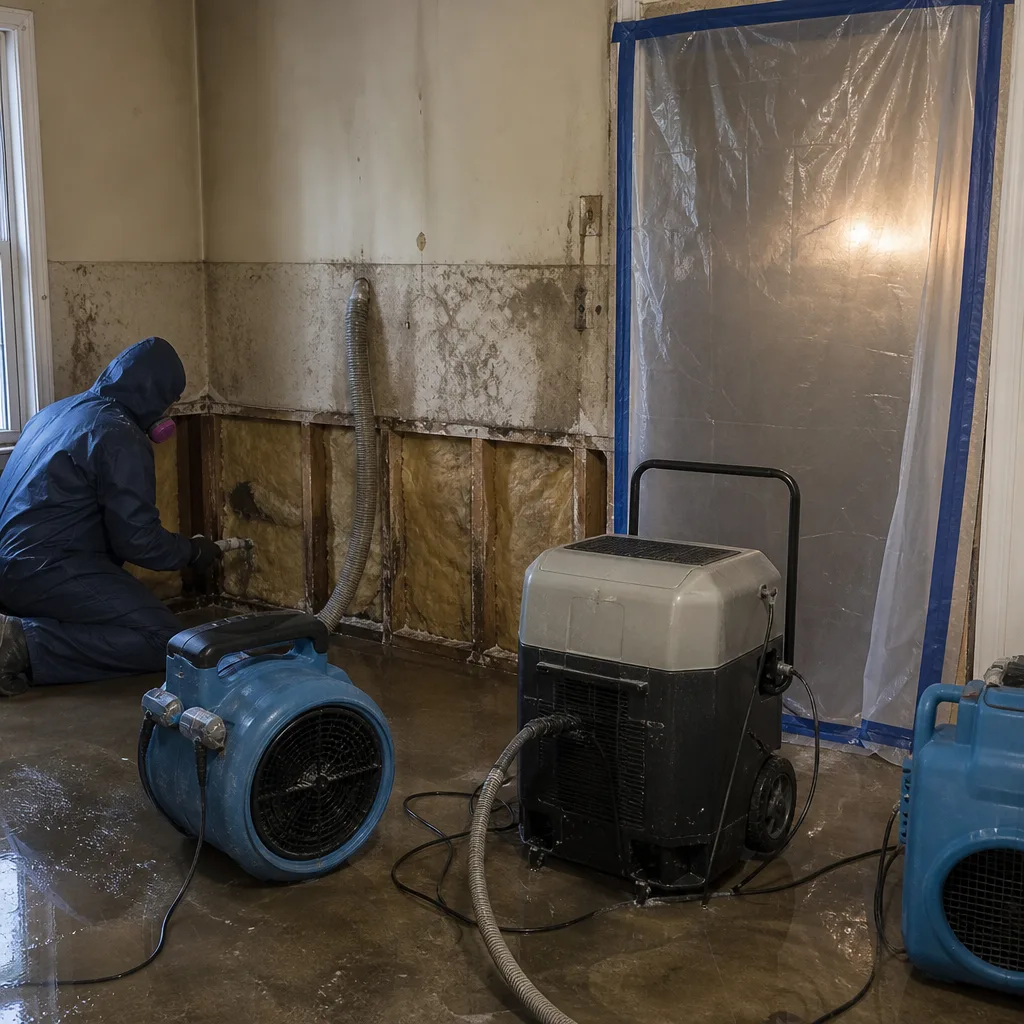 Before
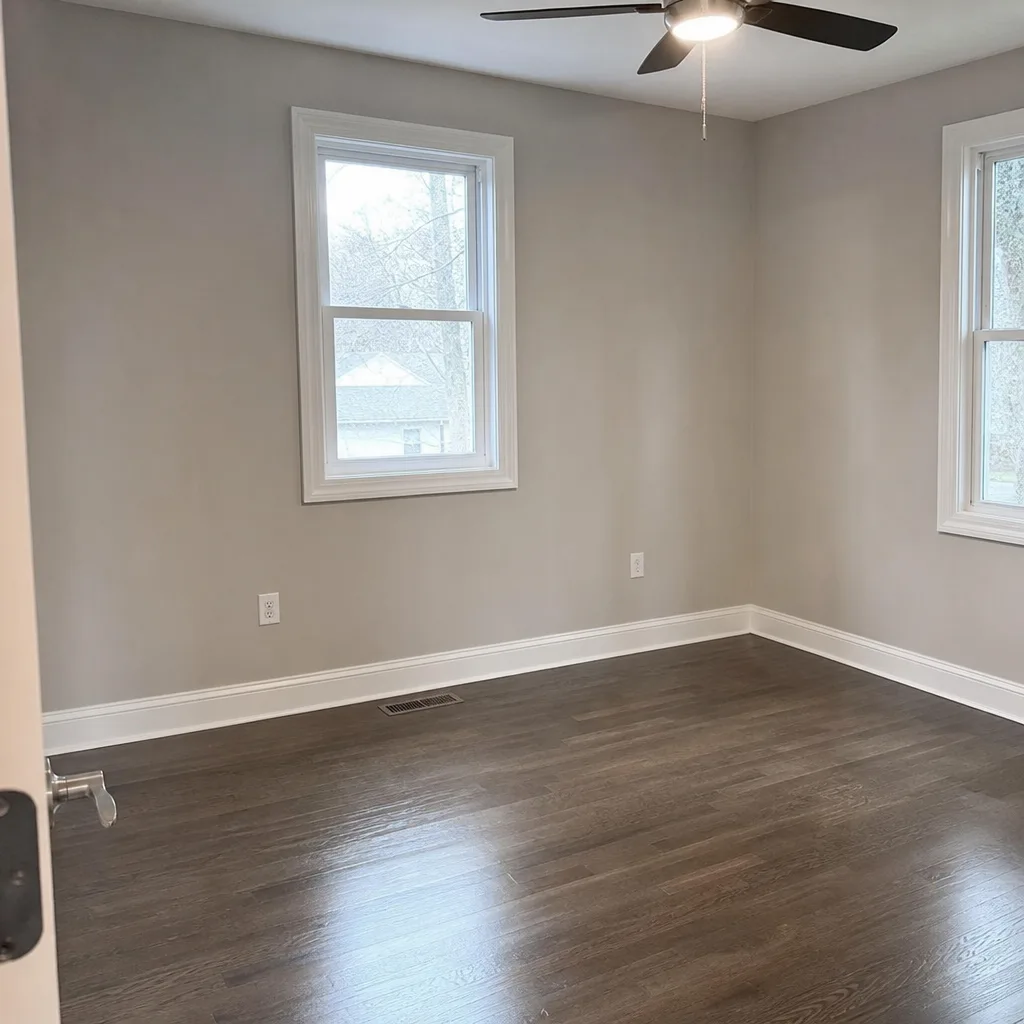 After
After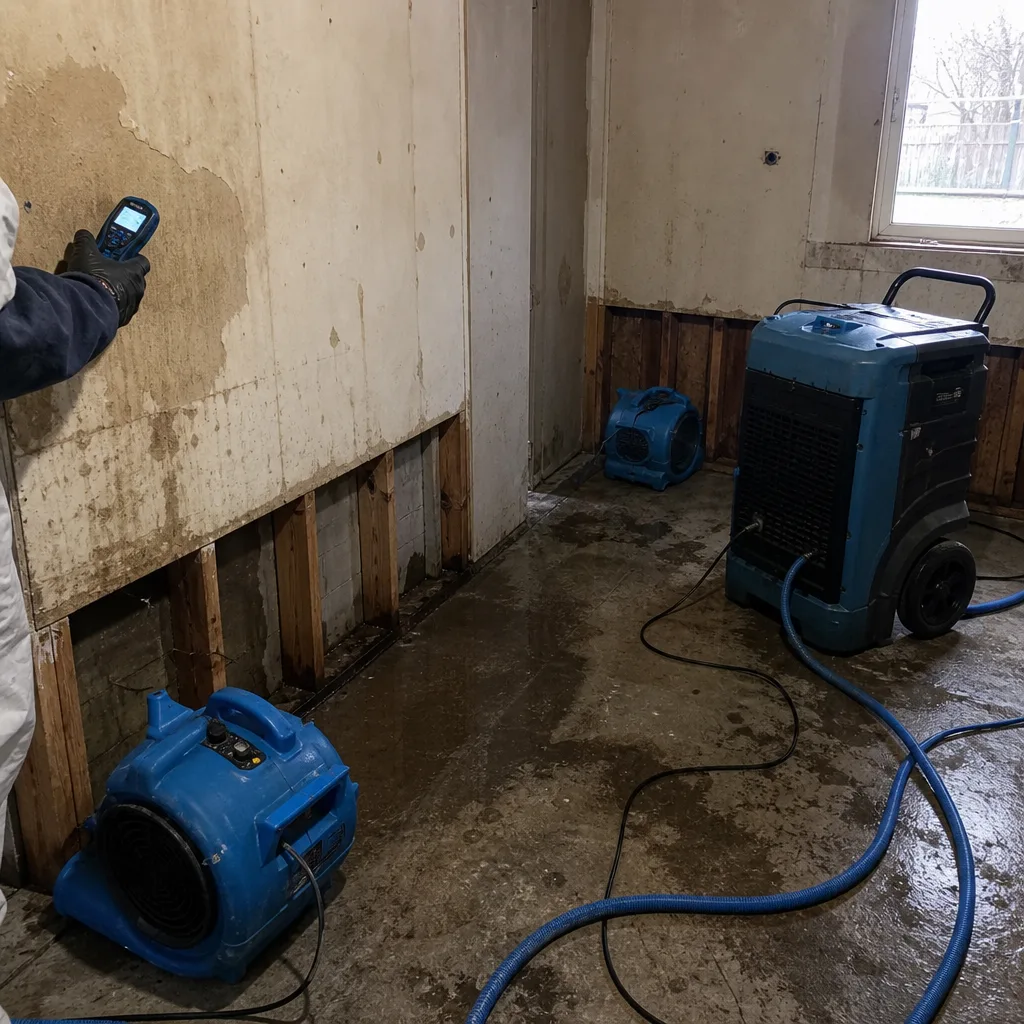 Before
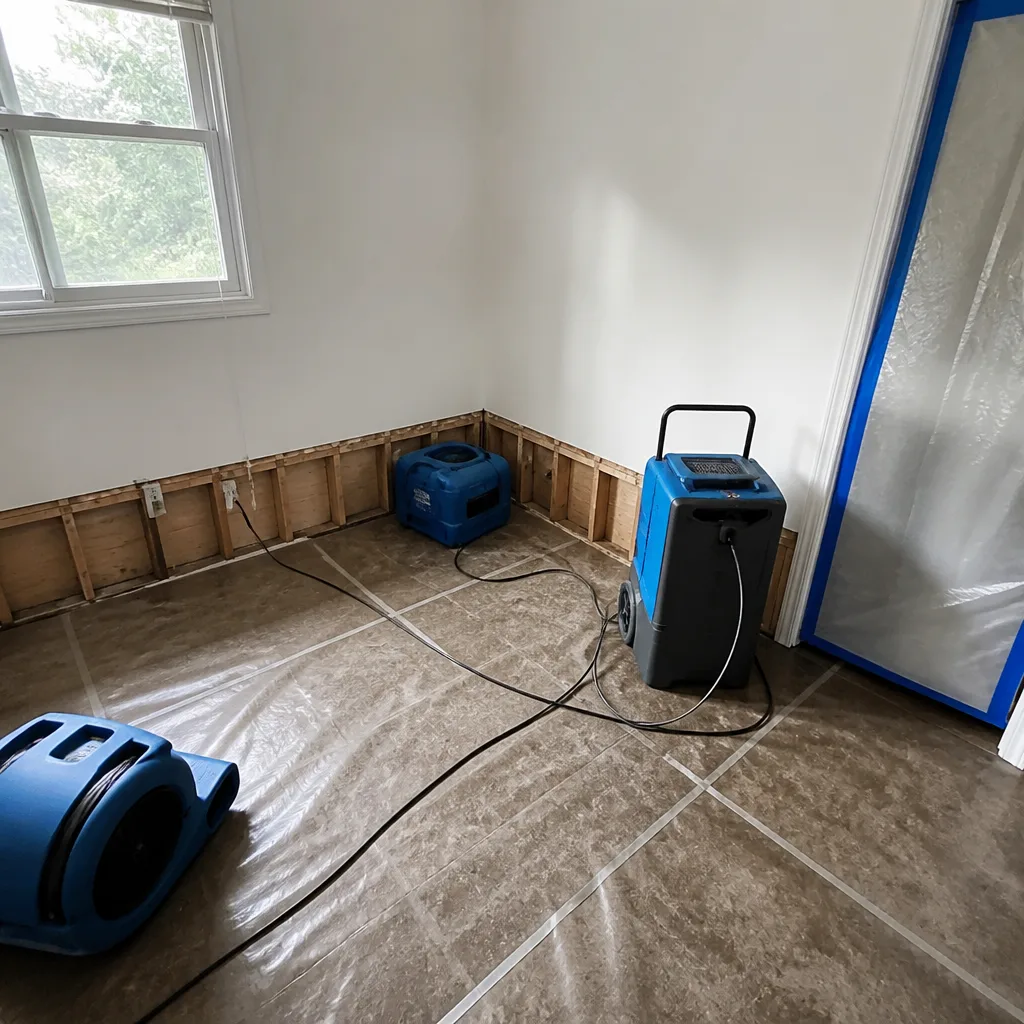 After
After24/7 Emergency Water Damage Restoration in Ridgefield Park
Water damage restoration in Ridgefield Park typically runs $2,800-$7,500 for a standard residential job, with emergency extraction starting around $450 and full structural drying adding $1,200-$3,400 depending on affected square footage and material saturation. Crews from our Water Damage Restoration in Ridgefield Park division answer live at (845) 875-4326, 24 hours a day, with no voicemail trees. We dispatch within 45 minutes to addresses across the village because water moves fast through older foundations, and every hour of delay adds moisture to framing, insulation, and finished surfaces that could have been saved.
The first hour determines whether a Ridgefield Park basement job stays under $4,000 or balloons past $10,000 with mold remediation and reconstruction. We provide a free visual inspection on arrival, document pre-loss condition with photos, and deliver a written price before any equipment runs - Haven Standard, Clause 1.
Understanding Water Damage Restoration Severity in Ridgefield Park Properties
Water damage in Ridgefield Park falls into three categories under IICRC standards. Category 1 is clean water from a burst supply line or overflowing sink. Category 2, gray water, carries contaminants from washing machines, dishwashers, or sump pump failures. Category 3, black water, includes sewage backup and storm-drain backflow - the type we see most often in Ridgefield Park’s low-lying zones after tidal surge events push the Hackensack River into municipal drains.
Moisture mapping with thermal imaging and penetrating hygrometers tells us what the eye cannot: how far water has wicked up drywall, whether block walls are saturated behind finished surfaces, and if vapor pressure differentials are trapping moisture in rim-joist cavities. Structural drying then uses psychrometric data - temperature, relative humidity, and specific humidity readings - to calculate exactly how much dehumidification capacity a space requires. A 1920s Cape Cod basement on a 40-foot lot in Ridgefield Park dries differently than a new-construction slab; the older poured-concrete walls are porous, the footing drains are often original clay tile, and the sump pits may lack backup power.
We classify every job by water category, material class (porous vs. non-porous), and drying zone before setting equipment. Getting this wrong means mold in 48 to 72 hours in a village where many basements have never fully dried between flood cycles.
Why Ridgefield Park Property Owners Choose DryMark Restoration Englewood
- 45-minute response commitment to any address in Ridgefield Park, with crews staged for the Bergen County corridor.
- 24/7 live answer - a real person, never an automated system or callback queue, because water does not wait for business hours.
- IICRC-certified crews holding WRT (Water Damage Restoration Technician) and AMRT (Applied Microbial Remediation Technician) credentials, with license numbers verified before dispatch.
- Free visual inspection on every call, documented with photos from the threshold inward.
- Direct insurance billing with adjuster coordination included; we do not ask homeowners to float restoration costs.
- One team from extraction to reconstruction - no handoffs between contractors that lose documentation or delay drying.
BeforeAfterOur Water Damage Restoration Process
1. Inspection & Assessment
We arrive with moisture meters, thermal imaging cameras, and borescopes to map the full extent of saturation. In Ridgefield Park, this always includes checking foundation drain tiles and sump pits before setting equipment - tidal backflow often enters from below while the slab surface looks dry. We document pre-loss condition room by room and classify the water category before any work begins.
2. Extraction & Stabilization
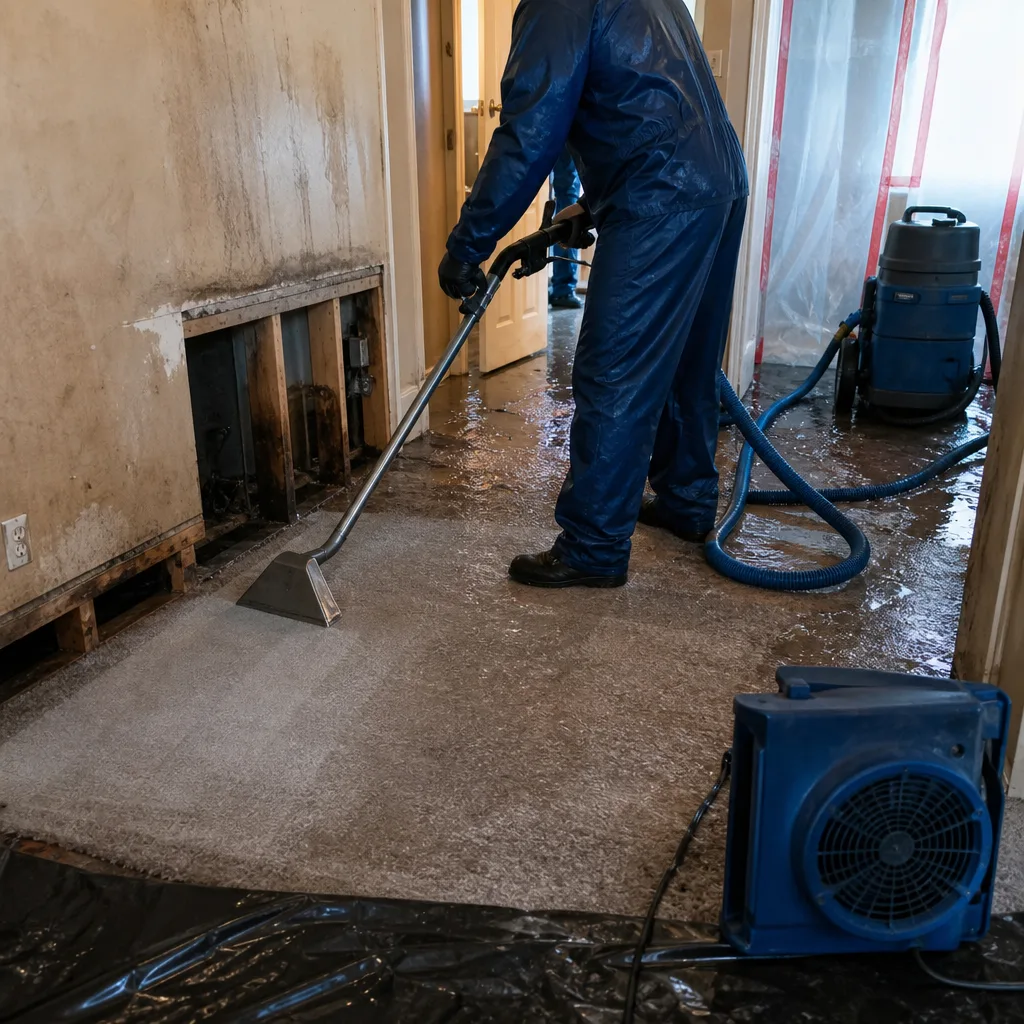
Standing water comes out first with truck-mounted extractors and weighted vacuum squeegees on hard surfaces. For carpeted basements, we use subsurface extraction tools to pull water from pad and backing. If the source is active, we stop it - shutting supply lines, securing electrical hazards, or pumping sump pits to capacity.
3. Structural Drying & Dehumidification
We deploy Dri-Eaz and Phoenix LGR dehumidifiers sized to the space’s cubic footage and vapor load, plus XPOWER and B-Air air movers positioned for laminar airflow across wet surfaces. Injectidry wall-cavity drying panels pull moisture from behind finished walls without full demolition when conditions allow. Daily moisture logs track specific humidity and grain depression until materials reach established drying goals.
4. Cleaning & Sanitization
Category 2 and 3 water jobs receive antimicrobial treatment of affected surfaces, HEPA vacuuming of particulate, and disposal of contaminated porous materials per IICRC S500 standards. We document all removed materials with photos for the insurance file.
5. Mold & Microbial Assessment
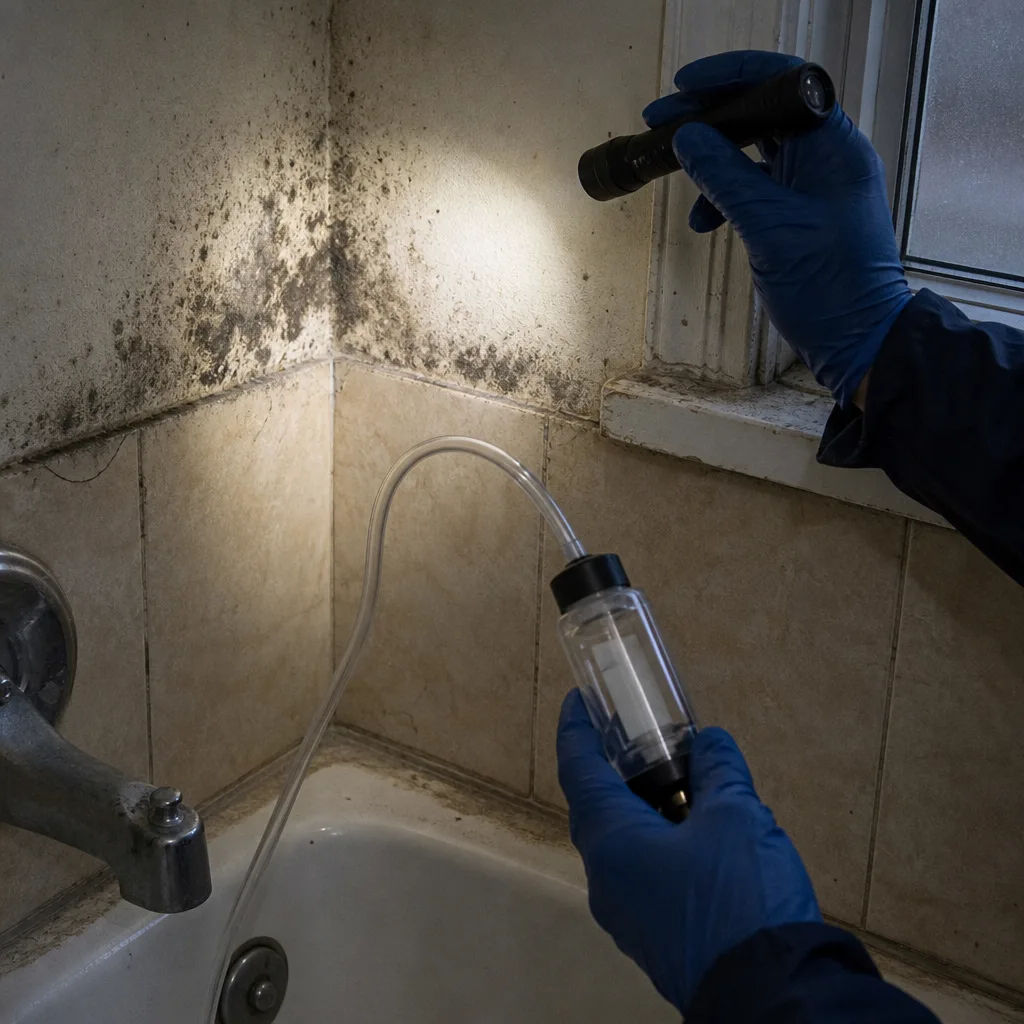
In Ridgefield Park, this step is not optional. We pull finished basement panels to inspect rim-joist cavities and block-wall interiors for dormant mold colonies from prior flood cycles. If we find growth, containment goes up, air scrubbers run negative pressure, and we treat or remove affected materials before closing any wall. This is where generic crews fail: they dry the floor and leave hidden mold to bloom on the next surge.
6. Repairs & Restoration
Once drying goals are met and microbial clearance is documented, we rebuild - replacing drywall, flooring, trim, and insulation with materials matched to pre-loss condition. A written scope, agreed before work started, governs every line item. The 365-Day Done Right Promise applies to all reconstruction under The Haven Standard.
Need Emergency Water Damage Restoration in Ridgefield Park Now?
Crews minutes away, answering live 24 hours a day. The sooner we start, the less it costs.
Working With Your Insurance Company
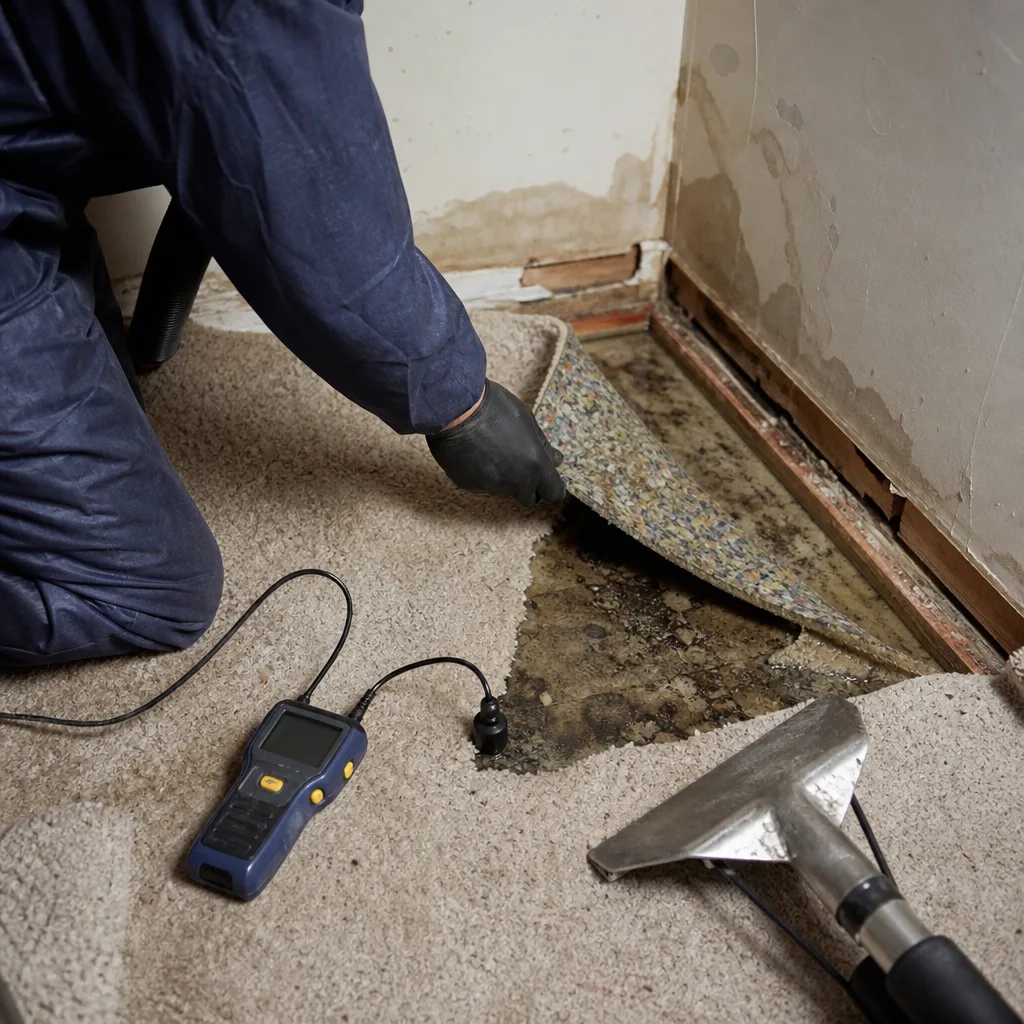
Insurance claims succeed or fail on documentation. We know this because Alicia Brennan founded Back to Dry Restoration in 2011 after years as a claims adjuster watching homeowners lose coverage over missing photos, incomplete scopes, and moisture readings that were never logged. Our Water Damage Restoration team produces the file an adjuster needs to approve payment without dispute.
From the first hour on site, we photograph every room, every material, every source of water. We record moisture content percentages in wood framing, drywall, and concrete. We maintain daily drying logs with psychrometric readings that prove the structure was returned to pre-loss condition. Our estimates follow industry-standard Xactimate pricing, and we coordinate directly with your carrier’s adjuster - no phone-tag, no delayed responses, no homeowner stuck mediating between contractor and insurer.
What We Provide Your Insurer
- Thorough documentation of the loss
- Photos of all damage, room by room
- Moisture readings and drying logs
- A detailed, line-item scope of work
- Direct coordination with your carrier
Built for Ridgefield Park’s Loss Calendar
January deep freezes split copper supply lines in uninsulated crawl spaces and exterior walls of 1940s colonials. February and March bring thaw cycles that overwhelm footing drains already compromised by decades of Hackensack River backflow. April through June, spring storms and convective downpours funnel runoff into the river corridor; Ridgefield Park’s near-sea-level elevation means even moderate tidal surges from Newark Bay push water up through storm drains into streets and basements.
July and August thunderstorms hit fast and hard, with village streets flooding before drainage systems can clear. September through November, nor’easters and tropical remnants compound the tidal dynamic - this is when we see the worst basement events, water rising through floor drains while rain barely falls. December freezes the cycle again.
Hurricane Ida in 2021 accelerated repeat-loss claims across Ridgefield Park. Many homeowners we now serve had their first flood that September; others had their third. The pattern is clear: tidal backflow, not rainfall alone, drives the village’s water damage calendar.
Water Damage Restoration Across Ridgefield Park’s Neighborhoods
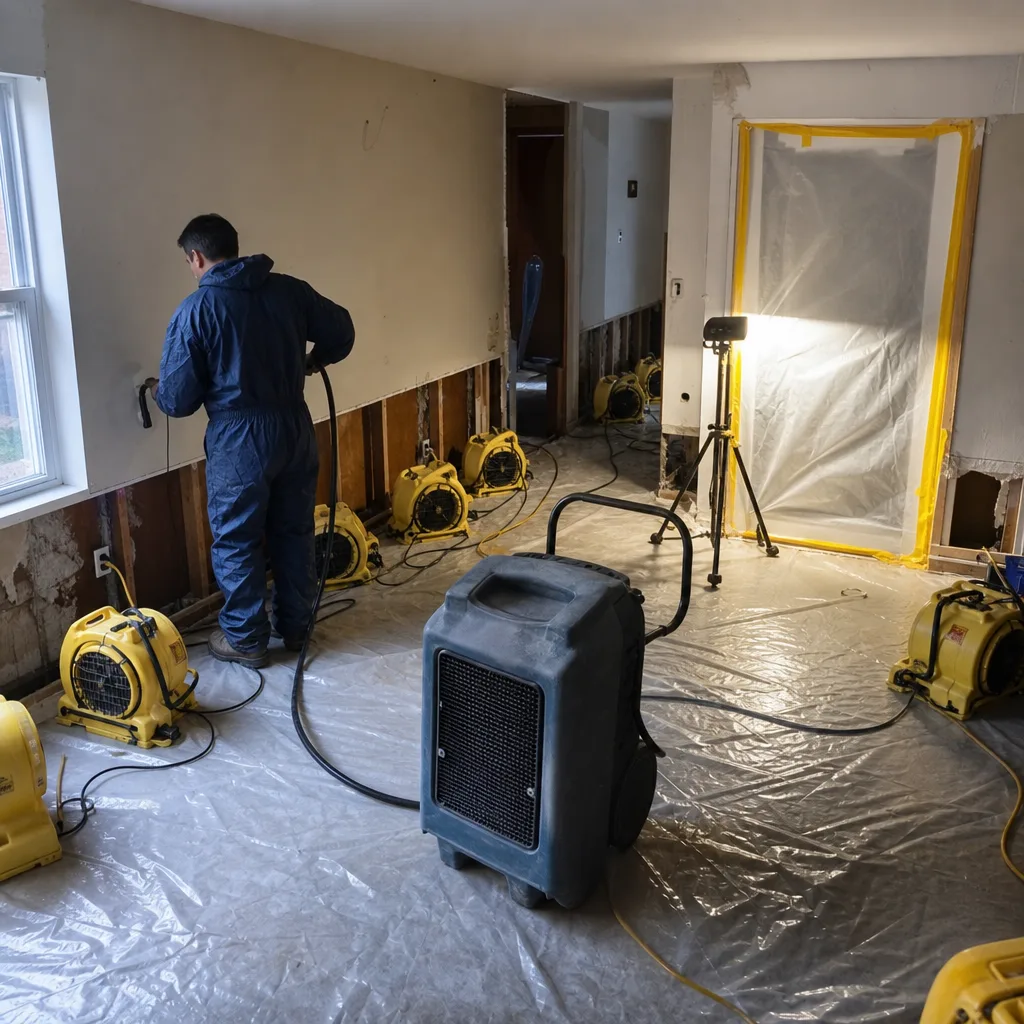
Teaneck Road and the River Edge line mark the western edge of our Ridgefield Park service area, where two-family Cape Cods on small lots sit close enough to the Hackensack River that sump pumps run year-round. On a two-family Cape Cod off Teaneck Road near the River Edge line, a repeat client called after a nor’easter pushed water up through the floor drain while the streets stayed dry. Our tech pulled the finished paneling on the rim-joist cavity, found old dormant black mold from a prior flood cycle, set containment, ran an antimicrobial treatment, and used Injectidry wall-drying panels plus Phoenix dehumidifiers to bring the framing inside drying goals. Moisture mapping showed the block wall was still wicking days later, so we documented pre-loss condition and the sump discharge line as part of the scope of work before closing it up.
The downtown corridor along Main Street and Broad Avenue mixes older commercial buildings with converted residential units; flat roofs and aging parapet walls leak during wind-driven rain, and shared party walls complicate drying when one unit floods. North toward Overpeck County Park, the elevation rises slightly and flood frequency drops, but we still see burst pipes and water heater failures in 1950s ranches with original copper plumbing.
East of the New Jersey Turnpike, the industrial fringe along Industrial Avenue and the riverfront has its own pattern: warehouse and light-manufacturing spaces with large bay doors that seal poorly, allowing storm surge to enter at grade. These jobs require rapid extraction and commercial-grade dehumidification to protect inventory and equipment.
Wherever we work in Ridgefield Park, we know the route, the building types, and the failure modes. Dispatch and scheduling are coordinated from our New York City office; crews serve Ridgefield Park locally with no lag time.
Specialized Water Damage Restoration Services We Offer in Ridgefield Park
Emergency Water Extraction
Standing water must leave within hours, not days. Our truck-mounted extractors handle thousands of gallons per hour, and we deploy weighted squeegees and rover units for deep carpet extraction. In Ridgefield Park’s dense neighborhood streets, we park close and run hoses to minimize setup time - critical when the Hackensack River is still rising.
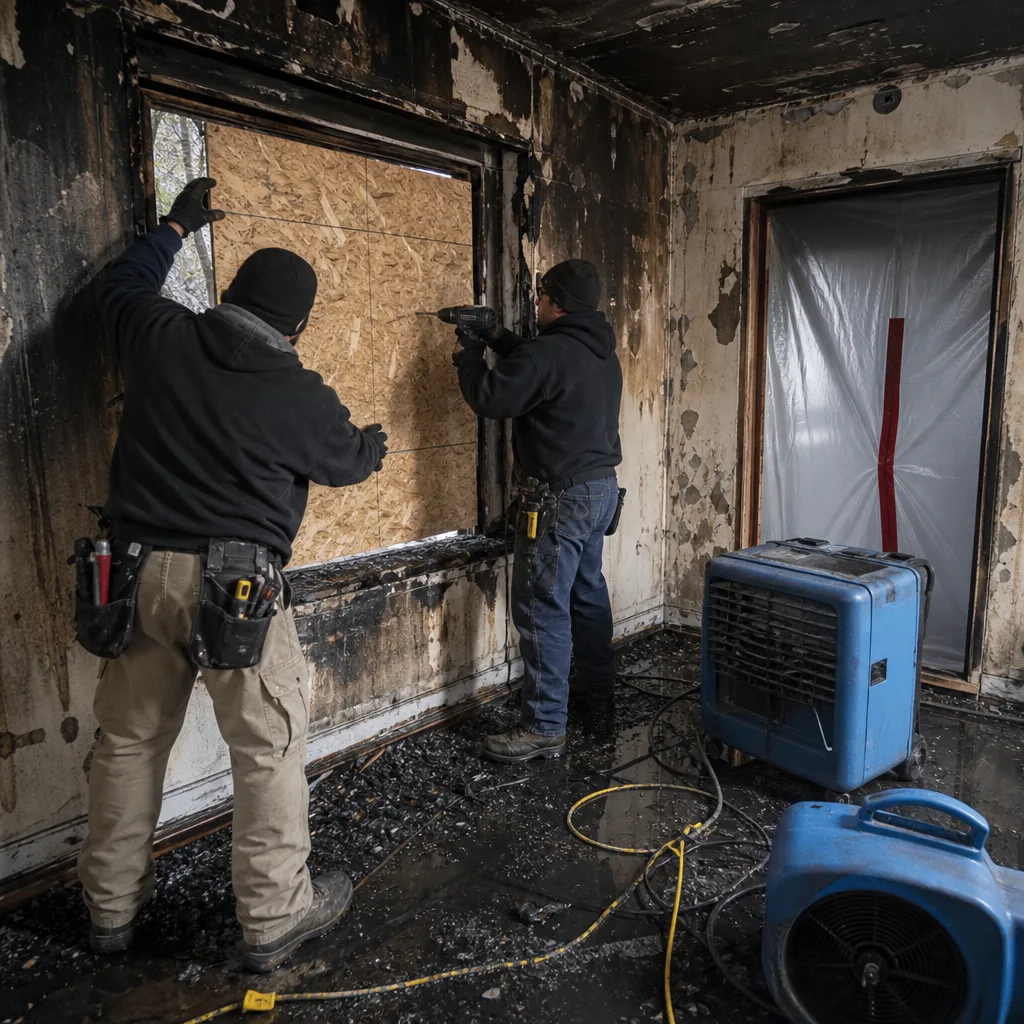
Structural Drying & Dehumidification
We size dehumidification to the space, not guess. A saturated 800-square-foot basement with 8-foot block walls might need three Phoenix 200 HT LGR units plus six air movers running for 72 hours, with daily moisture logs proving progress. Tidal backflow jobs often require extended drying because block walls wick moisture for days after the floor looks dry.
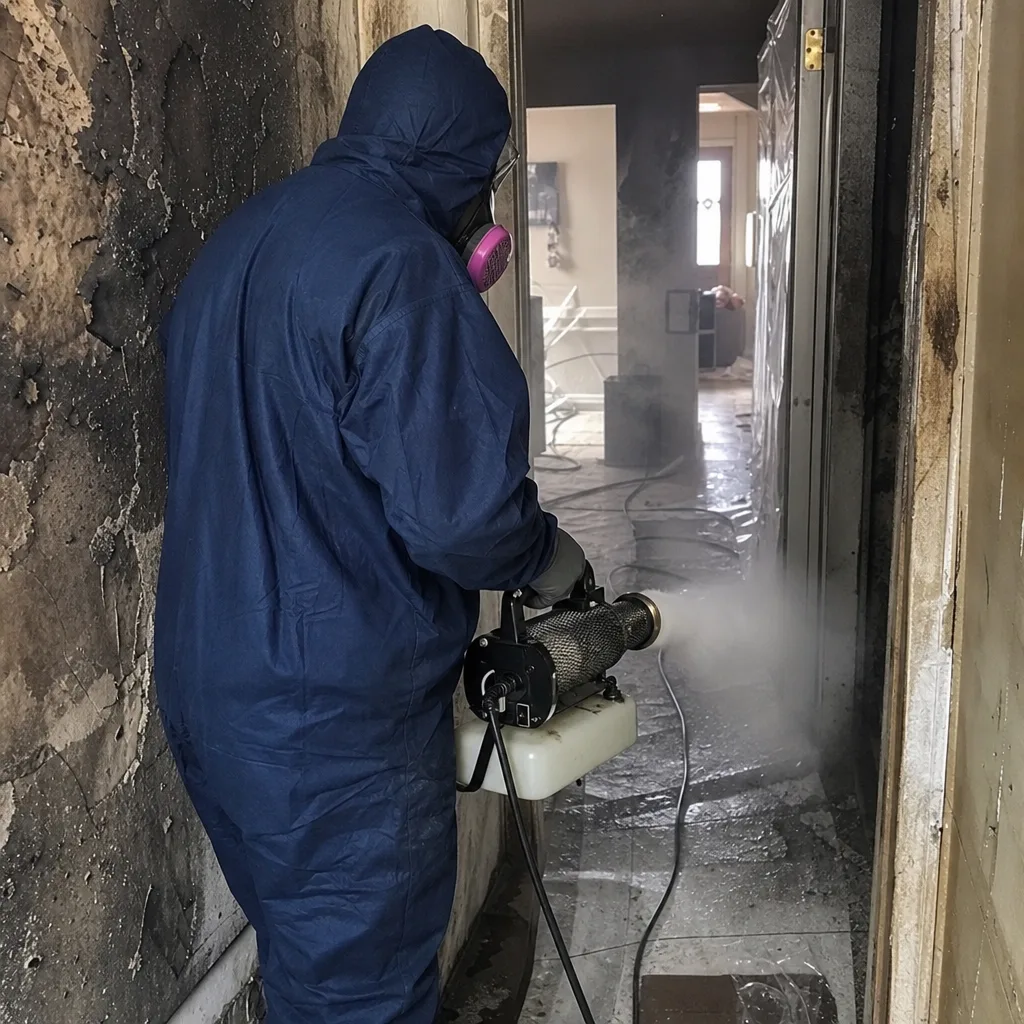
Flood Cleanup
Flood jobs in Ridgefield Park are rarely clean water. Storm-drain backflow carries silt, petroleum residue, and biological contaminants from the Hackensack River corridor. We treat these as Category 2 or 3, remove saturated porous materials, and sanitize remaining structure before drying begins. Skipping this step traps contamination in the building envelope.
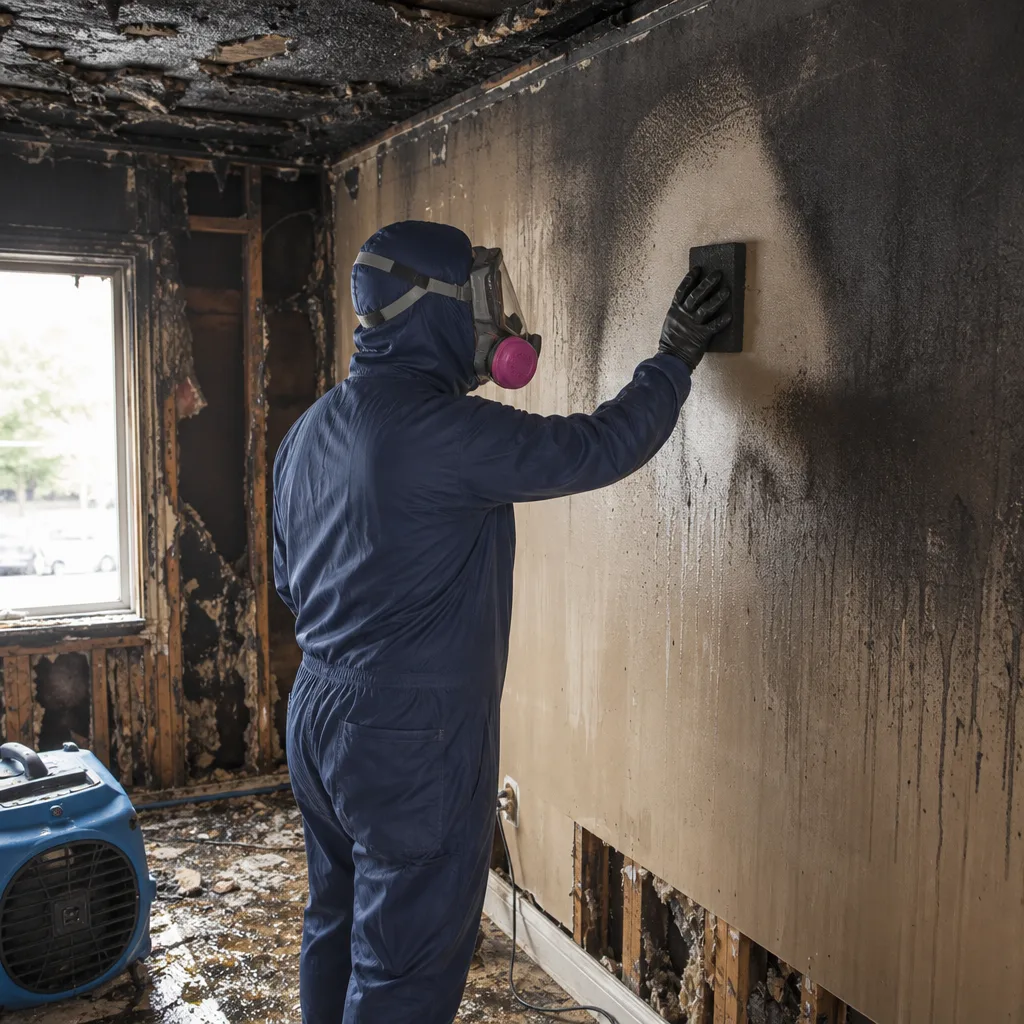
Burst Pipe Restoration
January freezes split pipes in exterior walls and unheated crawl spaces common in 1920s and 1930s Ridgefield Park housing. We extract, dry, and document the line that failed for the insurance file - adjusters need proof the loss was sudden and accidental, not gradual leakage excluded by policy.
Basement Water Removal
This is our most frequent Ridgefield Park call. Because Ridgefield Park’s tidal stretch of the Hackensack River backs water through storm drains during Newark Bay surges - with no local rainfall required - basement floods here can start from underneath a slab that was never wet on top, so we check foundation drain tiles and sump pits before we ever set an air mover. Many basements have recurring black mold colonies behind paneling and in rim-joist cavities that never fully dried between flood cycles, so scoping work here almost always includes pulling finished basement walls to check for years of hidden microbial growth, not just the most recent event.
What happens when you call
- 1
A real person answersNo phone trees - you reach a local pro.
- 2
You get an upfront price rangeHonest numbers before anyone is dispatched.
- 3
A background-checked tech heads outLicensed & insured, dispatched right away.
- 4
You approve before work beginsNothing starts until you say go.
Water Damage Restoration Costs in Ridgefield Park, NJ
Emergency water extraction in Ridgefield Park typically starts at $450-$850 for a standard residential basement with up to 1,000 square feet of standing water. Structural drying and dehumidification adds $1,200-$3,400 depending on equipment count and days on site. Full-service restoration including limited demolition, antimicrobial treatment, and reconstruction runs $4,500-$12,000 for typical residential jobs; larger commercial spaces or extensive mold remediation can exceed this range.
| Service Component | Typical Range in Ridgefield Park |
|---|---|
| Emergency water extraction (residential) | $450 - $850 |
| Structural drying & dehumidification | $1,200 - $3,400 |
| Category 3 flood cleanup with sanitation | $2,800 - $6,500 |
| Full restoration with reconstruction | $4,500 - $12,000+ |
| Mold remediation (if required) | $1,500 - $5,000 additional |
What moves the price: water category (Category 3 requires more remediation), affected square footage, whether finished materials must be removed, and whether mold was pre-existing from prior flood cycles. Insurance typically covers sudden and accidental water damage; gradual leakage or maintenance issues may not. We document the cause for your adjuster and provide a Free Second Opinion on any competitor’s written estimate.
We Also Serve Cities Near Ridgefield Park
Our crews respond throughout the Bergen County corridor, including Little Ferry with its own Hackensack River flood exposure, Bogota and its mix of pre-war and post-war housing stock, Palisades Park with dense multi-family construction and aging infrastructure, and Leonia where elevation changes create different water damage patterns than Ridgefield Park’s flat floodplain.
Serving Ridgefield Park, NJ - Our Local Coverage Area
We’re based in the Ridgefield Park area and know this community well. Use the map below to see our service coverage - if you’re nearby, we can almost certainly help.
Ridgefield Park Water Damage Restoration Questions, Answered
Why do Ridgefield Park basements flood when it isn’t even raining hard?
The tidal Hackensack River at Ridgefield Park backs water through municipal storm drains during Newark Bay surges, flooding basements with no local rainfall. Because the village sits on a flat floodplain at near-sea-level elevation, even moderate tidal events push water up through floor drains and into sump pits while streets stay dry. We check foundation drains and sump discharge lines before setting drying equipment, because the water source is often sub-slab, not roof or surface runoff. Call (845) 875-4326 for a free inspection if you suspect tidal backflow.
Do you have to pull my finished basement walls after every flood?
Not every flood requires full demolition, but in Ridgefield Park we almost always inspect behind finished basement paneling because many basements have never fully dried between flood cycles. Dormant black mold colonies in rim-joist cavities reactivate with new moisture, and block walls wick tidal water for days after the floor surface looks dry. We use borescopes and moisture meters to determine if materials can be dried in place; if we find hidden mold or saturated insulation, we document it, remove affected materials, and dry the cavity before closing. The decision is data-driven, not automatic. Call (845) 875-4326 and we’ll show you what we find.
How fast does mold grow in a wet Ridgefield Park basement?
Mold can begin active growth in 48 to 72 hours on organic materials at moisture content above 16 percent. In Ridgefield Park’s older basements with chronically damp block walls and poor ventilation, that timeline compresses because spores from prior flood cycles are already present. We measure moisture content in wood framing and drywall with calibrated meters; if readings are above drying goals at 48 hours, we expand dehumidification or remove affected materials. Daily moisture logs prove we stayed ahead of microbial growth. Call (845) 875-4326 if your basement has been wet more than a day.
What is the difference between category 1, 2 and 3 water in a flood job here?
Category 1 is clean water from a burst supply pipe or overflowing sink. Category 2, gray water, carries contaminants from sump pumps, washing machines, or dishwasher discharge. Category 3, black water, includes sewage backup and storm-drain backflow from the Hackensack River - the type we see most often in Ridgefield Park’s low zones after tidal surge. Category 3 water requires removal of saturated porous materials, antimicrobial treatment, and often more extensive reconstruction. Misclassifying storm-drain backflow as Category 1 is a common error that leaves contamination in the structure. We test and classify before drying begins. Call (845) 875-4326 for proper assessment.
Do you document drying logs and moisture readings for my insurance claim?
Yes. Daily drying logs with moisture content percentages, relative humidity, temperature, and specific humidity readings are standard on every job, included as a deliverable, never an upsell. We also provide room-by-room photos, a detailed line-item scope, and direct adjuster coordination. This documentation-first approach is why Alicia Brennan founded the company in 2011 - to close the gap that costs homeowners their claims. Call (845) 875-4326 and we’ll explain what your adjuster will receive.
How fast can your crew actually get to my Ridgefield Park address?
We commit to 45 minutes from call to arrival anywhere in Ridgefield Park, with crews staged for the Bergen County corridor. Live answer 24 hours a day means no callback delays while water spreads. The first hour determines whether salvageable materials can be saved or must be removed. Call (845) 875-4326 now and we’ll confirm ETA to your address.
Will my insurance cover the full restoration, or will I pay out of pocket?
Sudden and accidental water damage from burst pipes, appliance failures, or storm events is typically covered by standard homeowners policies, minus your deductible. Gradual leakage, maintenance issues, or flood damage from rising surface water may require separate flood insurance through NFIP. We document the cause of loss from the first hour, produce industry-standard estimates, and coordinate directly with your adjuster to establish coverage before work proceeds. Our written scope prevents surprise costs. Call (845) 875-4326 and we’ll review your situation.
Can we stay in the house while you dry it out?
Occupancy depends on water category, affected areas, and equipment noise. Category 1 water in a contained basement with separate HVAC may allow upstairs occupancy during drying. Category 2 or 3 water, or contamination in living spaces, typically requires temporary relocation for health and safety. We assess this on arrival and discuss options before setting equipment. Dehumidifiers and air movers run continuously and are loud; we place them for effectiveness, not convenience. Call (845) 875-4326 and we’ll evaluate your specific layout.
Water damage in Ridgefield Park follows patterns we’ve documented across thousands of jobs since 2011: tidal backflow through storm drains, chronically damp block walls in 1920s-1950s housing, and hidden mold behind finished basement panels that generic crews miss. We check foundation drains before setting air movers, pull paneling to inspect rim-joist cavities, and produce the daily moisture logs and photo records that turn restoration invoices into paid insurance claims. Every job gets a written price before work starts, Haven Standard, Clause 1, and every repair is covered by our 365-Day Done Right Promise.
Written by Alicia Brennan, Owner at Back to Dry Restoration, serving Ridgefield Park since 2011.
Water Damage Restoration in Nearby Areas