
Free visual inspection and a written scope of work before any mitigation begins - photos, moisture readings, and drying logs go in your claim file
The scope we write is the scope we bill. Anything new gets shown to you, in writing, before we touch it.
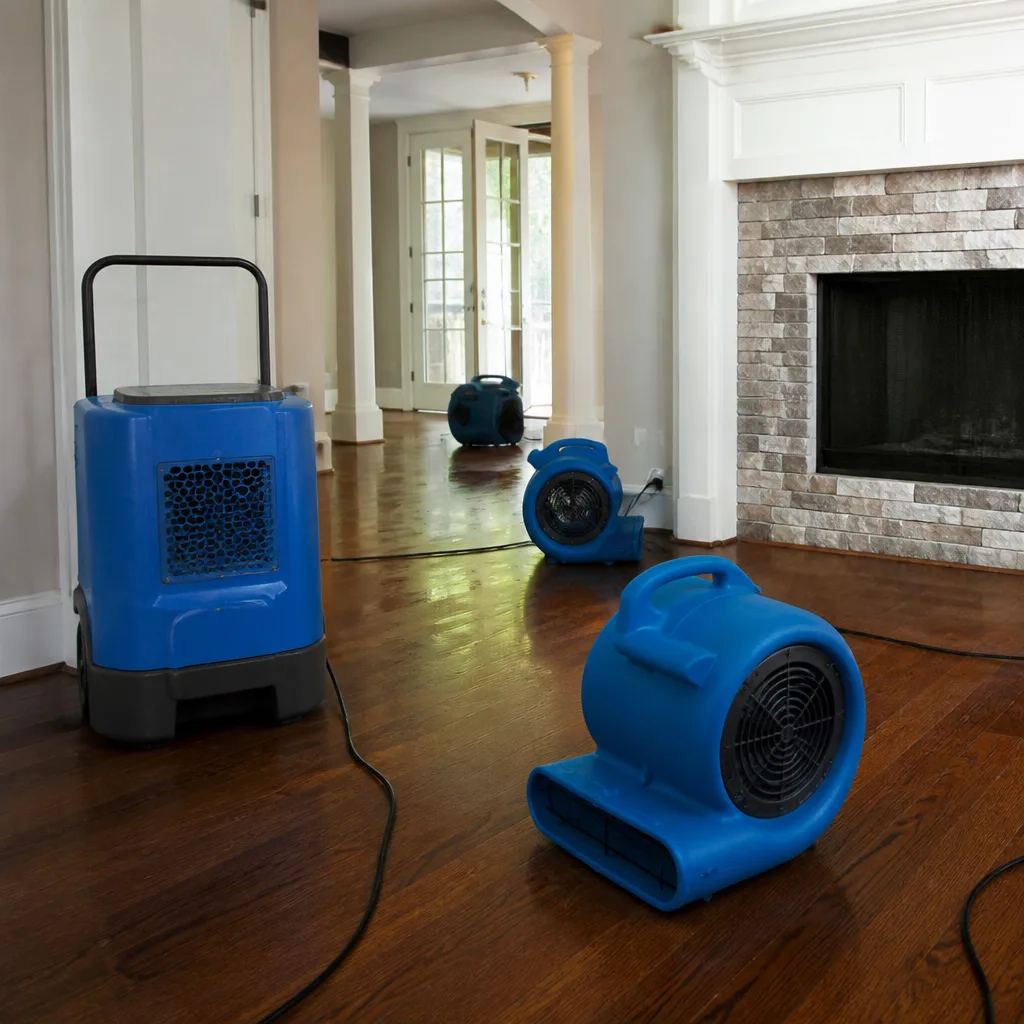

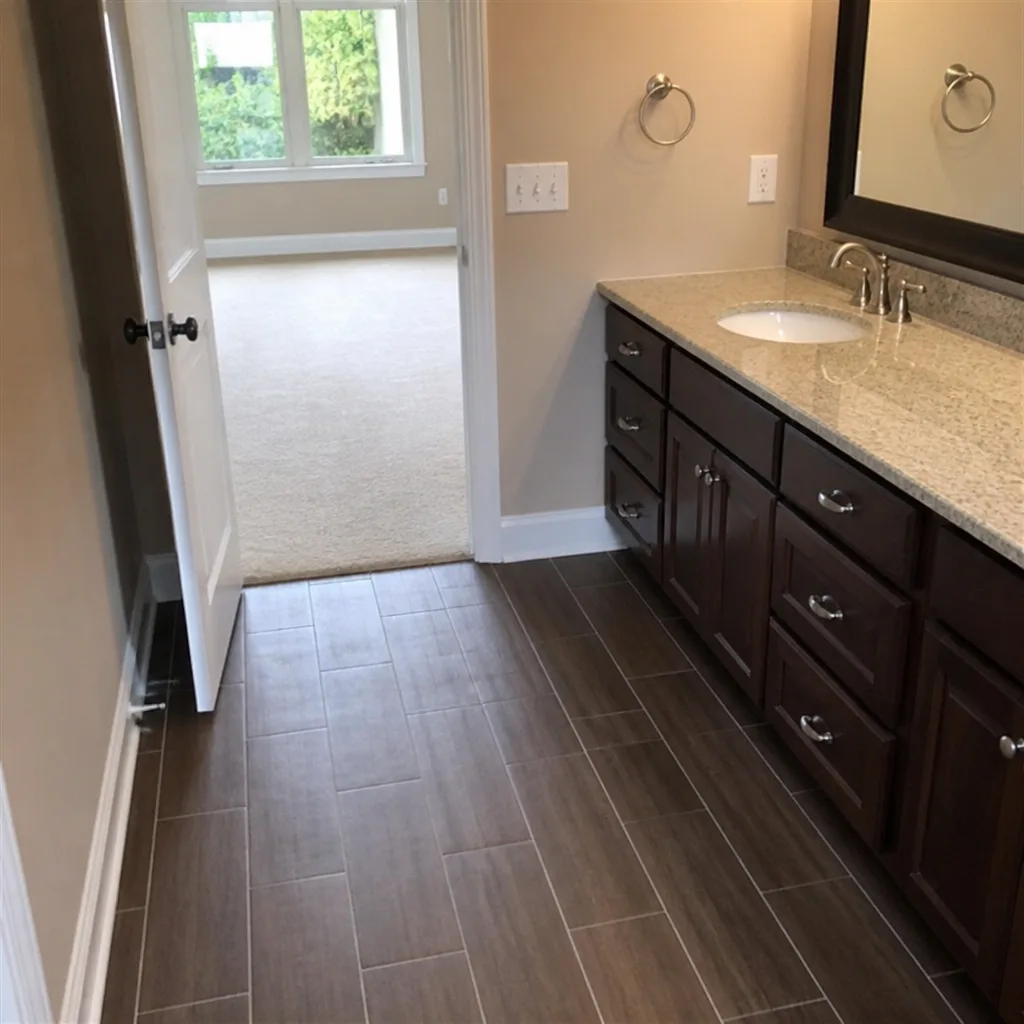
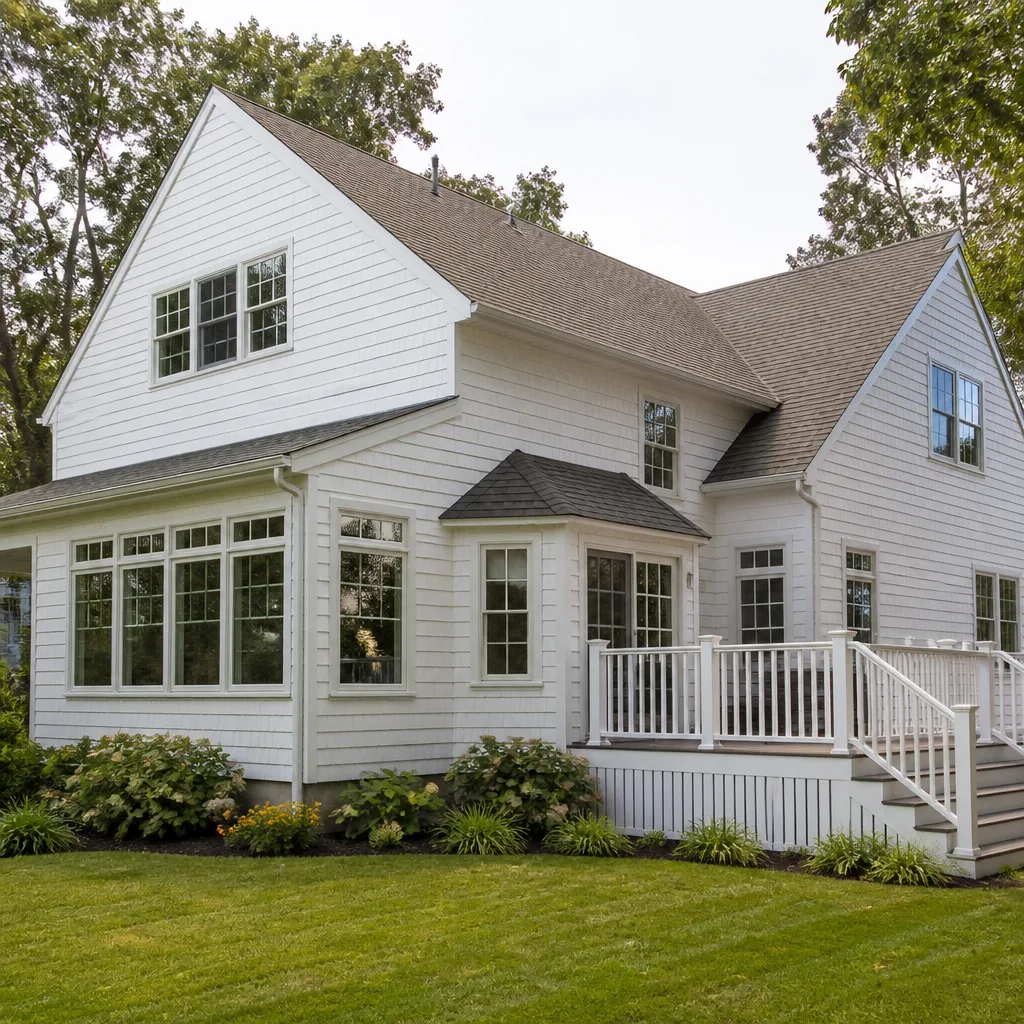
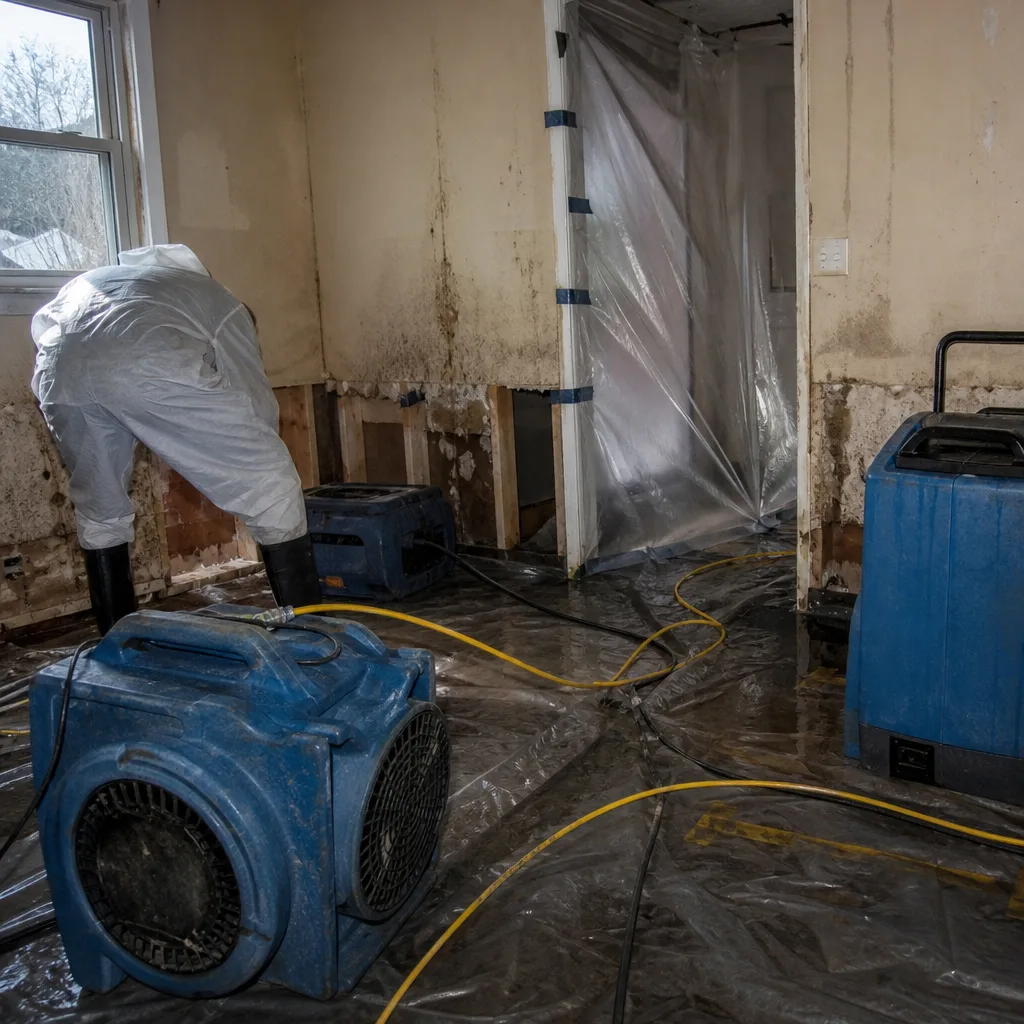 Before
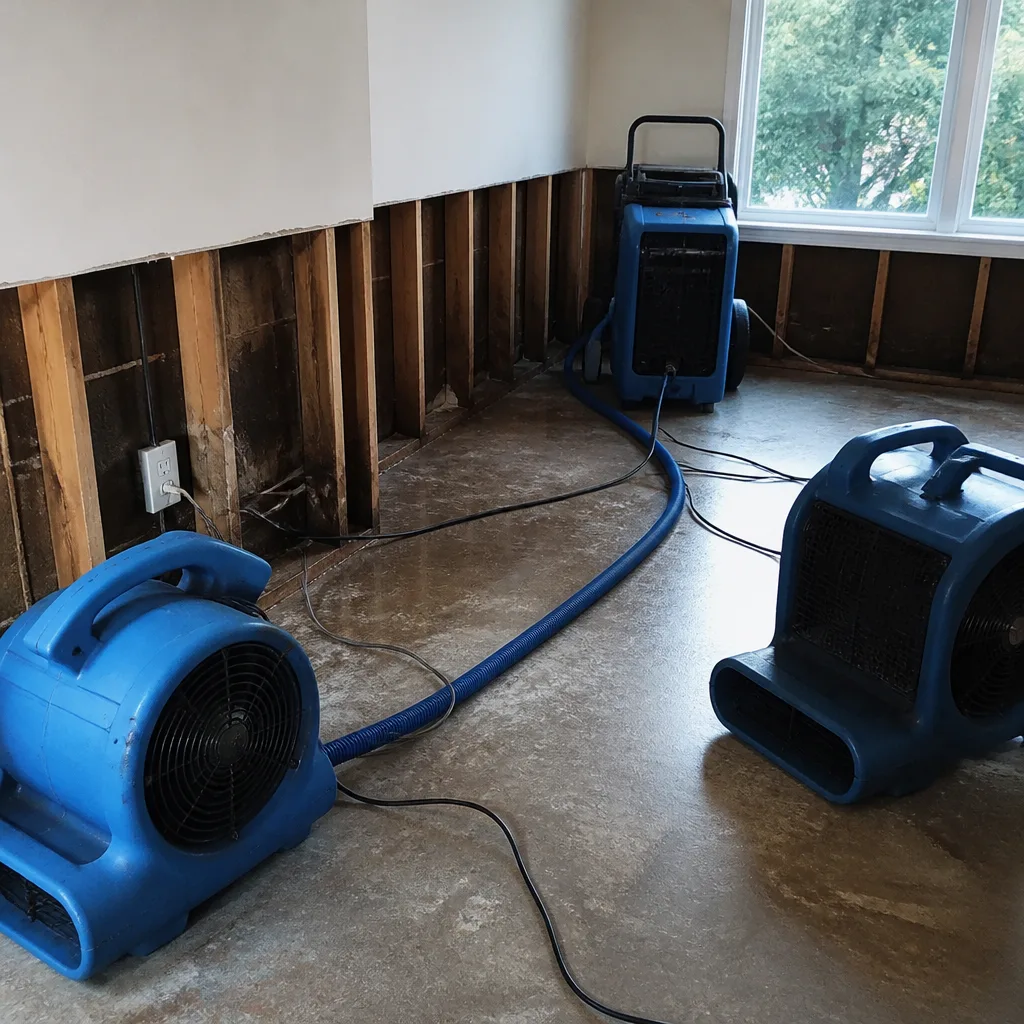 After
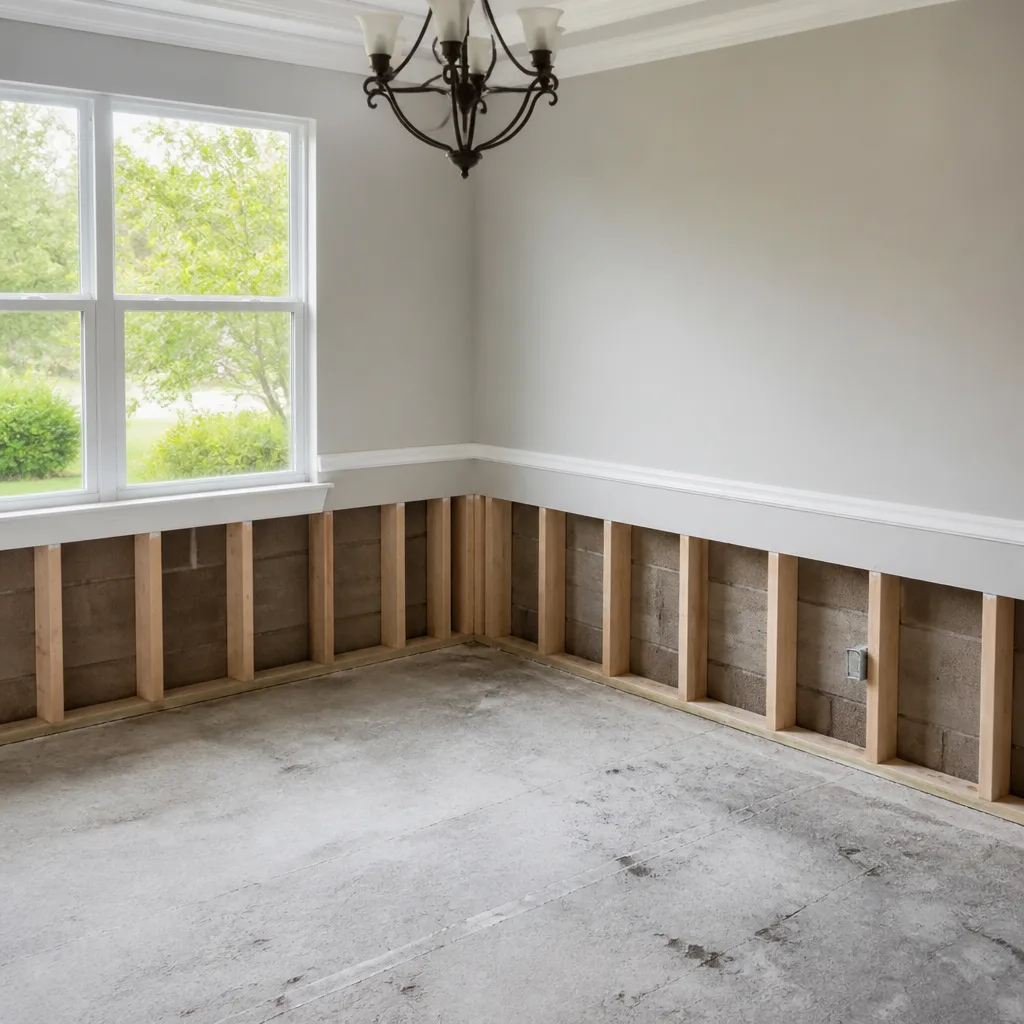
After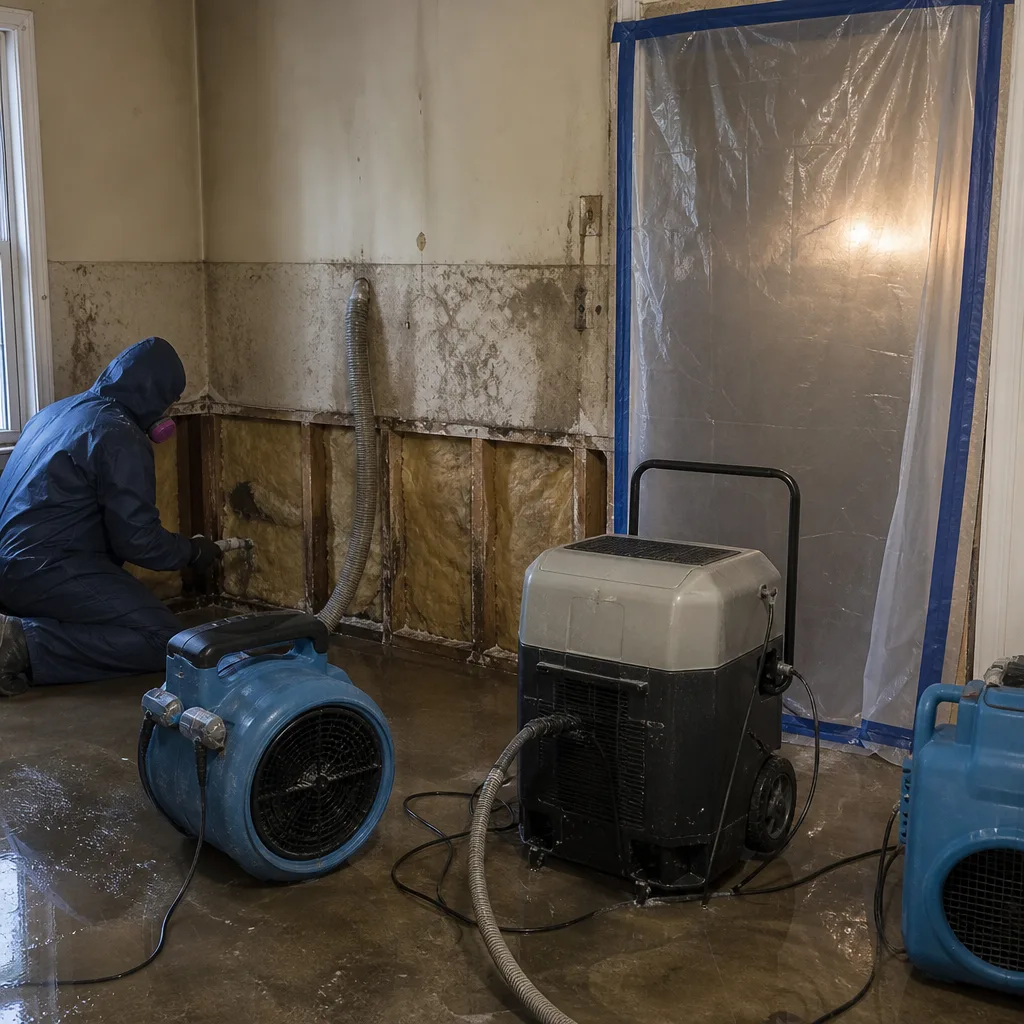 Before
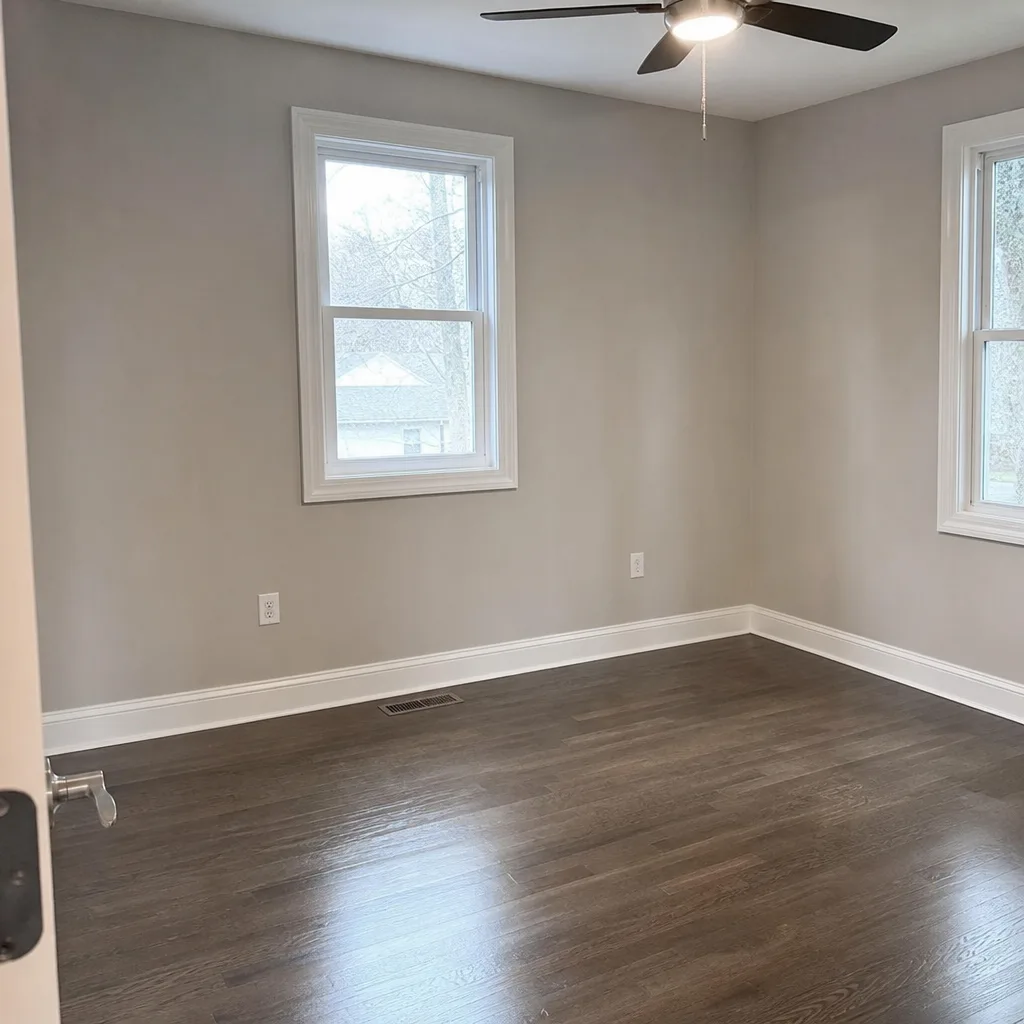 After
After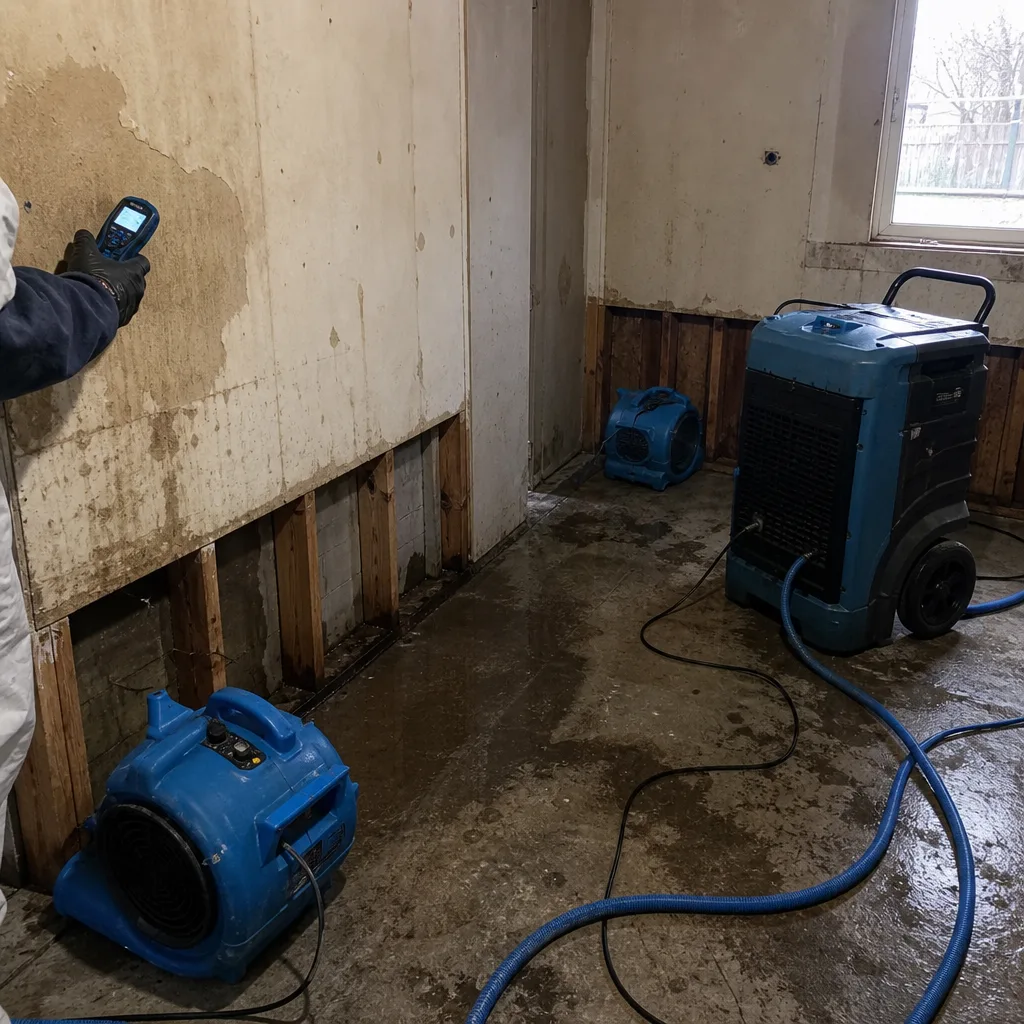 Before
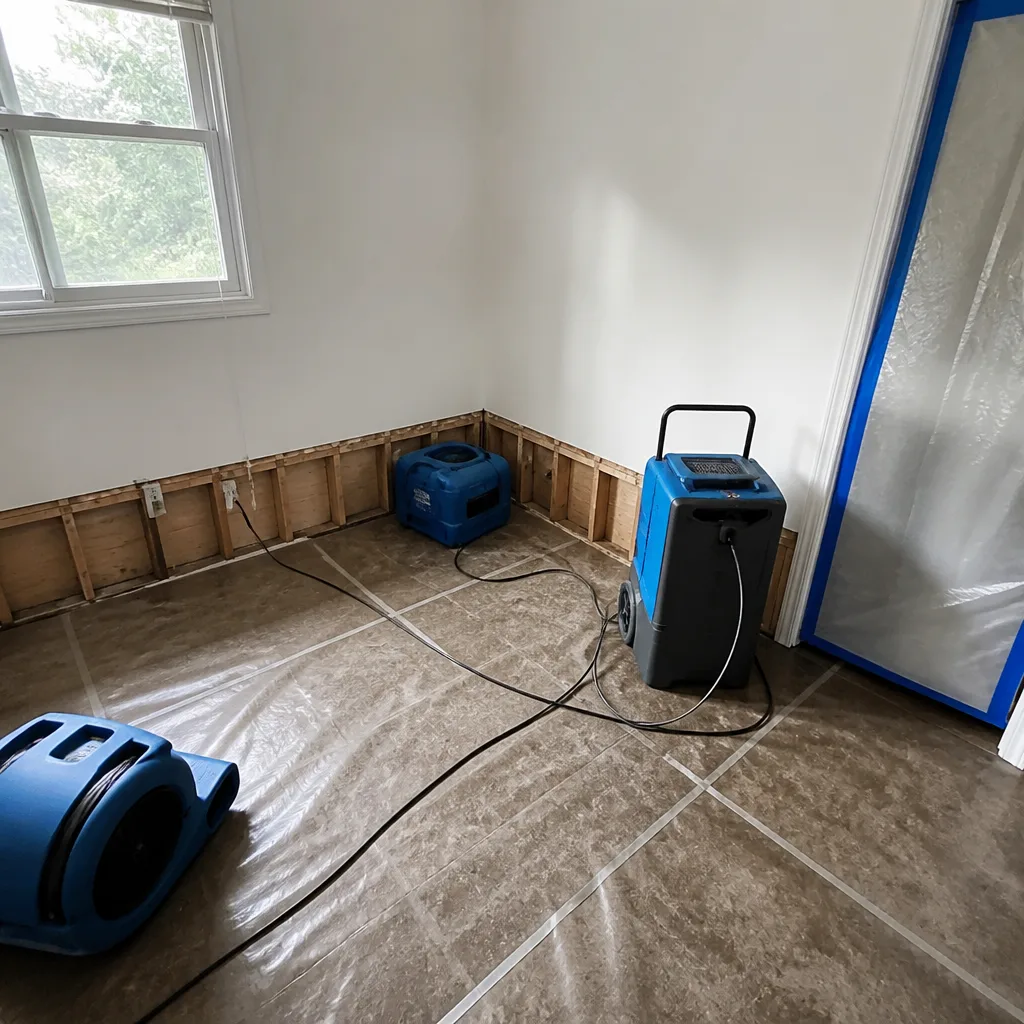 After
After24/7 Emergency Water Damage Restoration in Morningside Heights
Water damage in a Morningside Heights pre-war building rarely stays in one unit. A failed radiator vent on the eighth floor can saturate horsehair plaster and old-growth hardwood through three apartments before anyone calls for help. That’s why our Water Damage Restoration crews answer live, 24 hours a day, 7 days a week at (845) 875-4326 - no voicemail, no callback queue. We dispatch from our New York City office and typically arrive in the Morningside Heights corridor within 45 minutes. The first hour determines whether we dry materials in place or strip them out. The longer moisture sits in plaster lathe and cast-iron stacks, the more square footage crosses from Category 1 to Category 2, and the more likely your claim requires secondary documentation. Our free visual inspection includes moisture mapping with thermal imaging so you know exactly what’s wet before any equipment runs.
Understanding Water Damage Restoration Severity in Morningside Heights Properties
Water damage classification in Morningside Heights follows IICRC protocols, but the neighborhood’s building stock changes what each category means in practice. Category 1 water - clean supply-line or condensate discharge - becomes Category 2 within 24-48 hours when it soaks through decades of accumulated dust and organic material in plaster wall cavities. In a 1920s masonry tower on Claremont Avenue, that timeline compresses because horsehair plaster holds moisture like a sponge and provides ideal substrate for microbial growth.
Category 3, or black water, enters the picture when aging cast-iron stacks fail or sewage backups occur in basement utility rooms. These buildings weren’t built with modern fall ratios or PVC cleanouts. Moisture mapping with penetrating meters and infrared cameras lets us trace migration paths that follow structural channels invisible to the eye - critical when water has been traveling through successive floors before discovery.
Structural drying here requires psychrometric control: managing vapor pressure differential between wet materials and the ambient air to pull moisture without over-drying. Too aggressive, and plaster cracks; too slow, and mold colonizes behind intact surfaces. Our daily drying logs record grain depression, relative humidity, and temperature at each dehumidifier placement - the documentation that turns a restoration invoice into a payable claim.
Why Morningside Heights Property Owners Choose DryMark Restoration Englewood
- 45-minute response commitment to the Morningside Heights corridor, measured from dispatch confirmation to crew arrival at your building entrance.
- 24/7 live answer by a real person, never an automated system - emergency lines ring to our operations center, not a voicemail tree.
- IICRC-certified crews holding WRT (Water Damage Restoration Technician) and ASD (Applied Structural Drying) credentials, with AMRT (Applied Microbial Remediation Technician) on call for Category 2 and 3 losses.
- Free visual inspection with moisture mapping and thermal imaging before any equipment is placed or any price is discussed.
- Direct insurance billing with photo-documented estimates formatted to carrier standards - we coordinate with your adjuster, not around them.
- One team from extraction through reconstruction: no handoffs between mitigation and rebuild contractors that delay completion and fragment warranty responsibility.
BeforeAfterOur Water Damage Restoration Process
1. Inspection & Assessment
We arrive with penetrating moisture meters, thermal imaging cameras, and hygrometers to map the full extent of water migration. In Morningside Heights pre-war buildings, this means checking two floors above and below the visible damage - radiator condensate travels through structural channels before surfacing as stains. We document every reading with photos and establish a drying goal in grains per pound.
2. Extraction & Stabilization
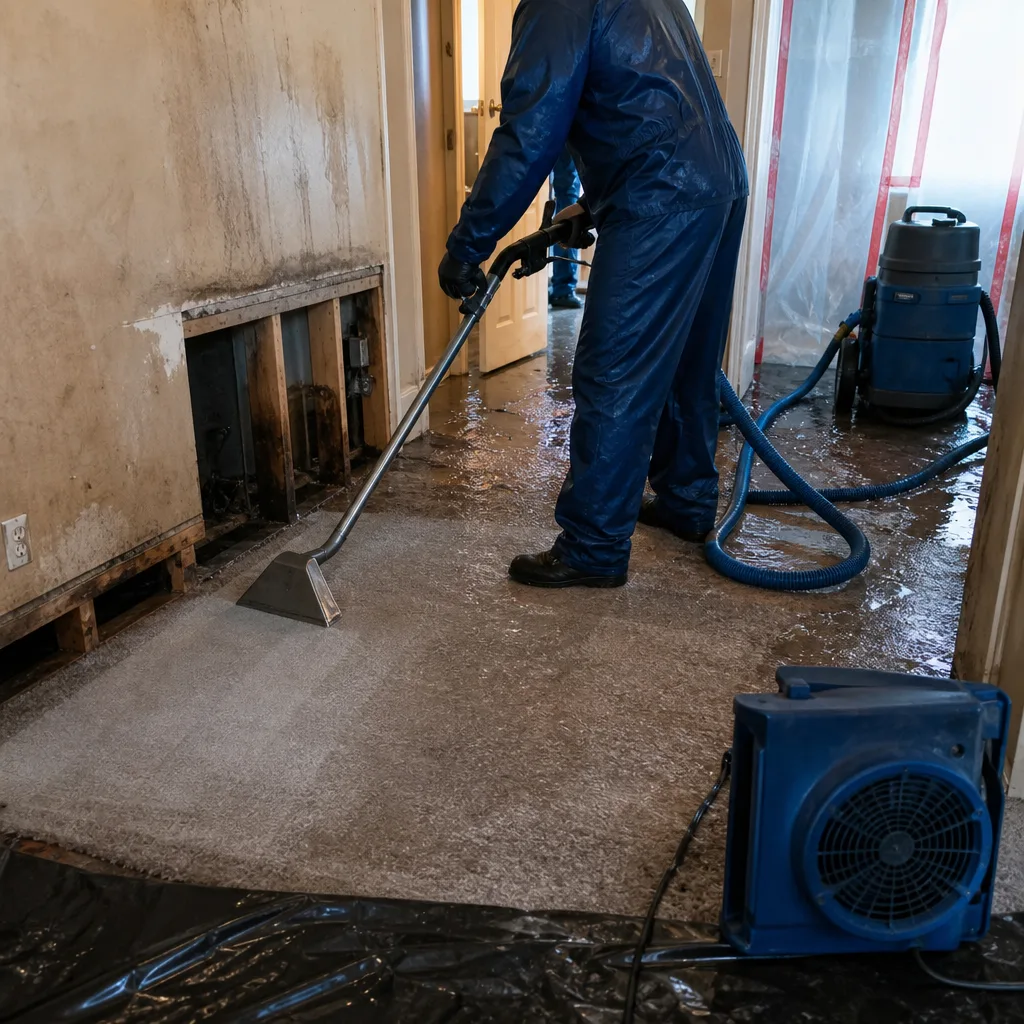
Standing water is removed with weighted extraction wands and portable flood pumpers. For saturated carpets or pad, we evaluate salvageability against IICRC standards - in institutional buildings with asbestos-containing mastic or lead-paint layers, removal triggers abatement protocols that extend timelines. We stabilize the loss to prevent further migration while the scope is finalized.
3. Drying & Dehumidification
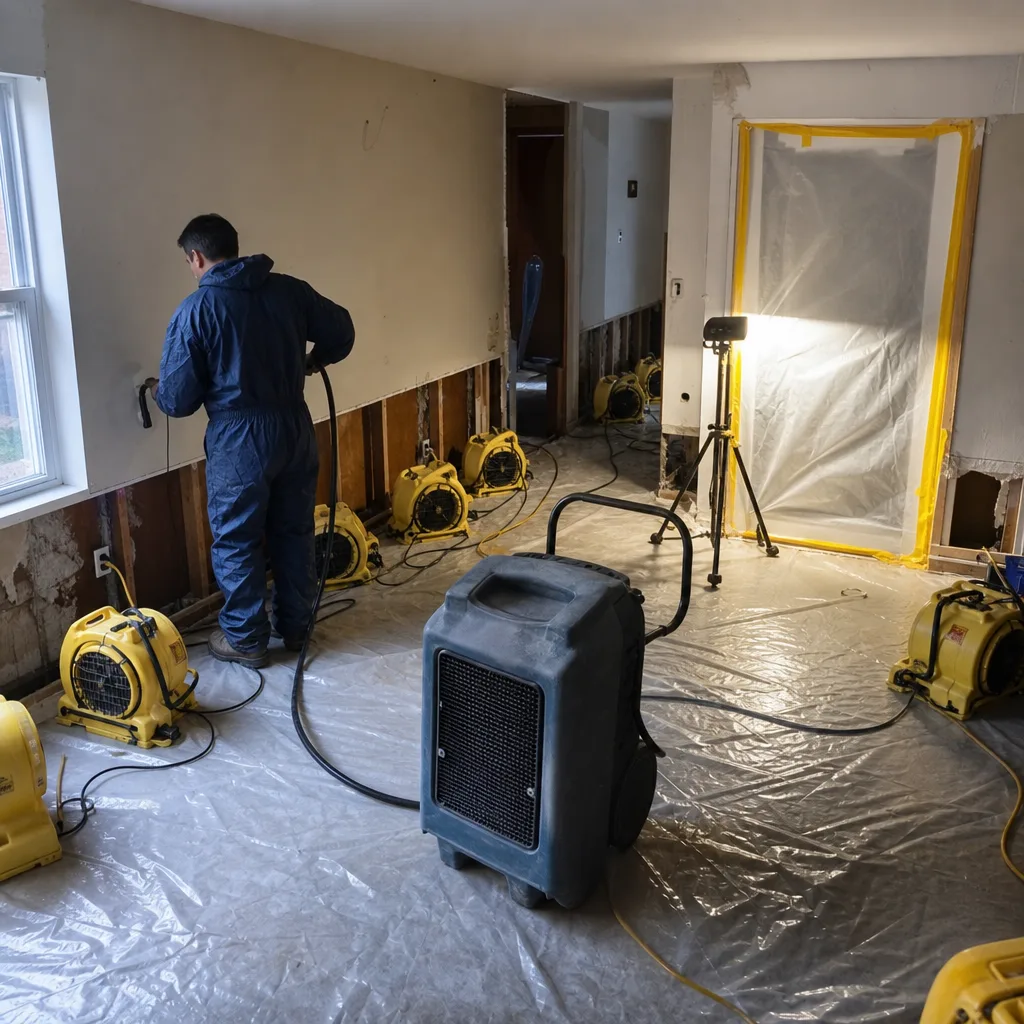
We deploy Dri-Eaz and Phoenix LGR dehumidifiers with axial air movers positioned for laminar airflow across wet surfaces. Vapor pressure differential drives the drying rate - we calculate and adjust daily. Injectidry systems dry wall cavities from the inside out, preserving horsehair plaster that aggressive exterior airflow would crack. Daily moisture logs track progress to the drying standard.
4. Cleaning & Sanitization
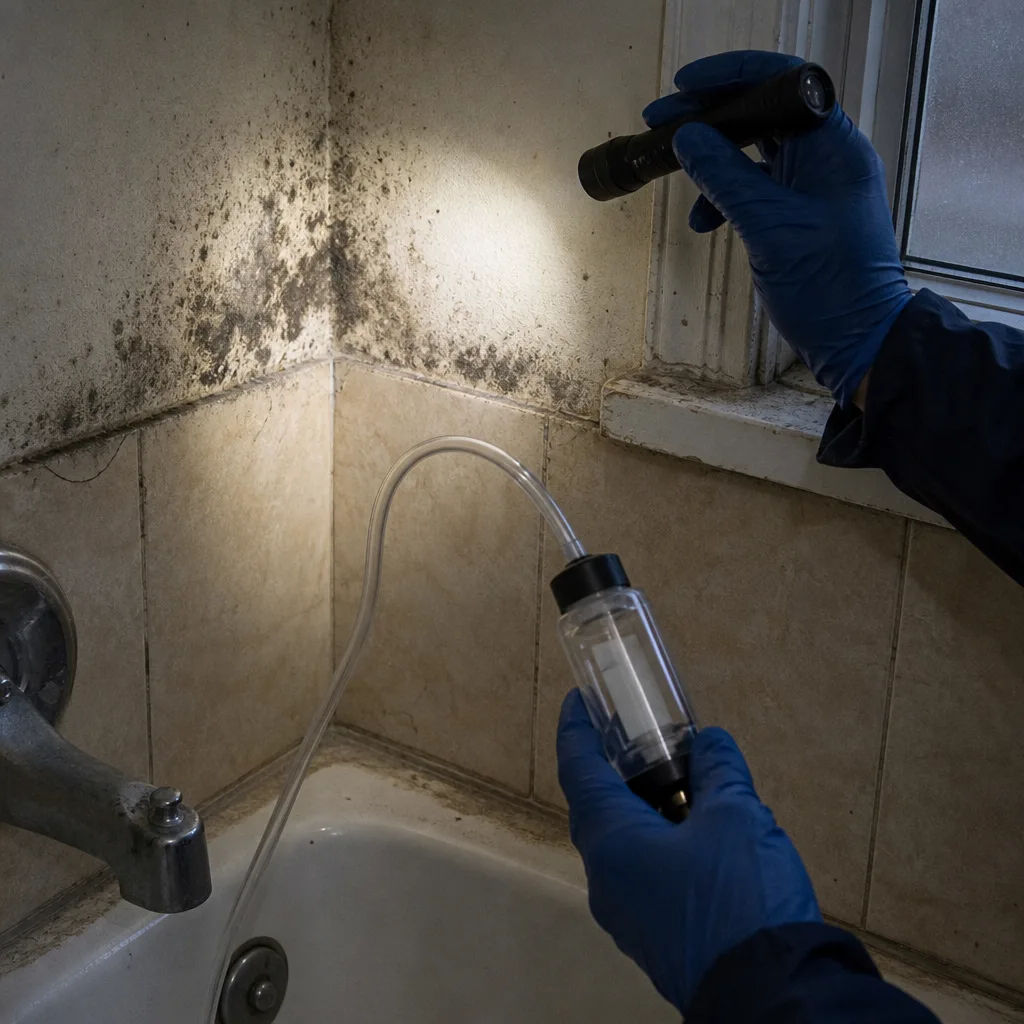
Antimicrobial treatment follows IICRC S520 guidelines for water-damaged environments. In multi-unit Morningside Heights buildings, we use HEPA air scrubbers to maintain negative pressure and prevent cross-contamination to adjacent units during the cleaning phase. All products are documented by SDS sheet for the building’s facilities file.
5. Specialty Treatment: Pre-War Material Preservation
Horsehair plaster, ornate millwork, and old-growth hardwood require controlled drying rates that modern materials don’t. We use desiccant dehumidification and reduced airflow velocities to prevent checking in floorboards and delamination in plaster keys. When salvage is marginal, we document condition with photos and written assessment for the property owner’s decision - per Haven Standard, Clause 1, no work proceeds without a written price.
6. Repairs & Restoration
Our reconstruction team replaces removed materials to match existing profiles - custom millwork replication, plaster repair with compatible lime-base compounds, and hardwood weaving to blend patches. The same crew that dried the structure completes the rebuild, carrying the 365-Day Done Right Promise on all work.
Need Emergency Water Damage Restoration in Morningside Heights Now?
Crews minutes away, answering live 24 hours a day. The sooner we start, the less it costs.
Working With Your Insurance Company
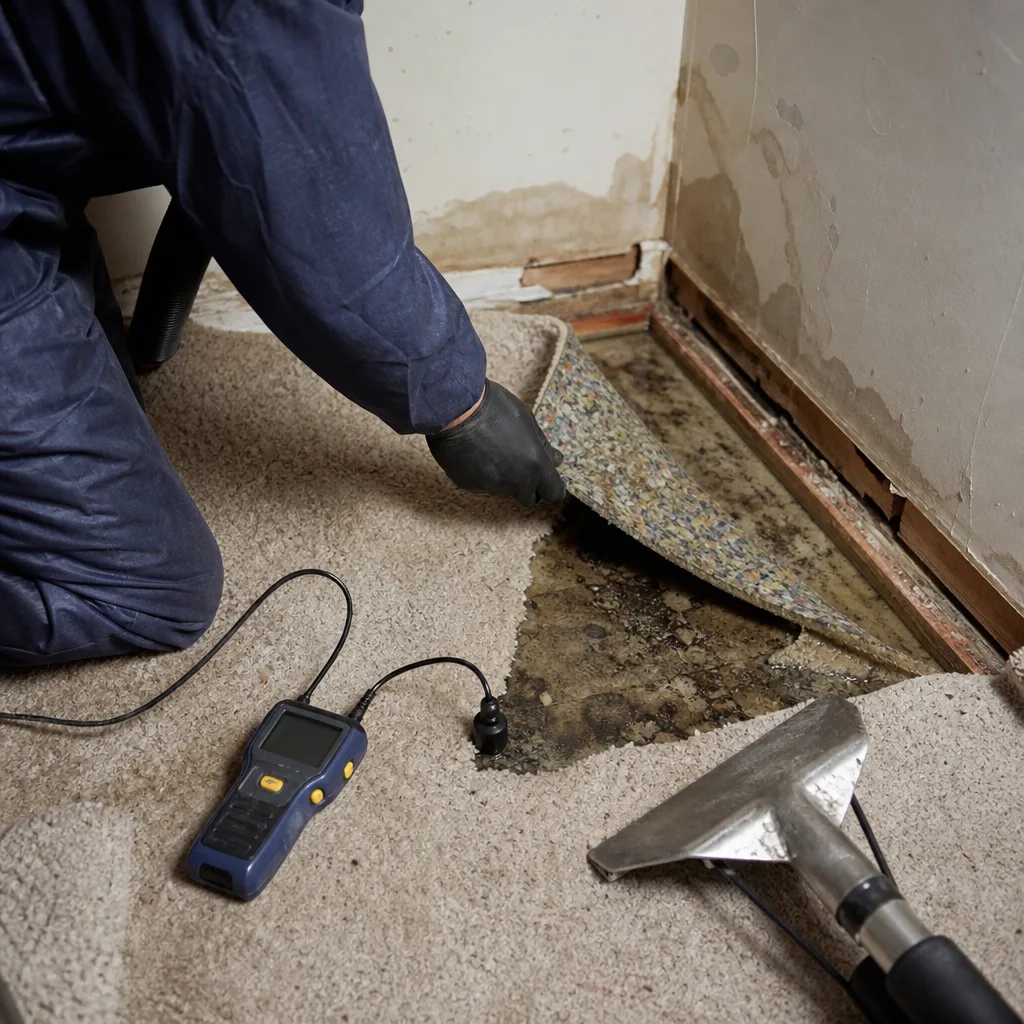
Insurance claims for water damage in Morningside Heights institutional buildings involve an extra layer: university or seminary facilities departments often hold the master policy, and individual unit owners or tenants have separate coverage that may or may not overlap. We document from the first hour to clarify these boundaries. Our estimates follow Xactimate or Symbility pricing standards, and we provide direct adjuster coordination - not merely a claim number left on a voicemail.
Photo documentation begins before any equipment touches the floor. Every room, every angle, every moisture reading is recorded with timestamps. This matters when a carrier questions whether damage was pre-existing or whether drying was completed to standard. Our files have supported claims through audit and appraisal.
What We Provide Your Insurer
- Thorough documentation of the loss with narrative timeline
- Photos of all damage, room by room, with moisture meter readings visible
- Daily moisture readings and drying logs to IICRC S500 standards
- A detailed, line-item scope of work with unit costs and quantities
- Direct coordination with your carrier’s adjuster, including field meetings
Built for Morningside Heights’s Loss Calendar
January through March, deep freezes split aging galvanized supply lines in perimeter walls and freeze-thaw cycling cracks terra-cotta parapets and cornice details on the escarpment-facing facades. Water enters through envelope failures that mimic roof leaks but originate in masonry, not membrane. April’s thaw brings basement seepage in lower-lying sections near Morningside Park’s drainage basin. Summer thunderstorms stress flat-roof drainage systems original to these buildings - 4-inch leaders on 15,000 square feet of roof area that modern codes would never approve. October through December, heating season startup triggers the radiator condensate failures that define this market: air vents stuck closed, steam hammer splitting cast-iron fittings, condensate backing up through returns and tracking down through multiple floors of occupied units. Each season produces distinct damage signatures, and our crews recognize them from the first moisture reading.
Water Damage Restoration Across Morningside Heights’s Neighborhoods
West 116th Street to 125th Street, between Morningside Park and Riverside Park, the building stock shifts block by block - and so do our response protocols. Near Columbia’s Morningside campus core, around College Walk and Low Library, we coordinate with Columbia Facilities for access to academic and residential buildings; work windows are tighter, and documentation requirements exceed standard residential claims. The corridor along Broadway west of campus mixes institutional housing with private co-ops, where board approval for emergency entry can add hours to our start time - we build that into our initial timeline discussion.
South of 116th, toward the Cathedral of St. John the Divine, seminary-owned properties present similar institutional access patterns with smaller facilities staffs. On Morningside Drive and Claremont Avenue, the masonry towers sit closest to the escarpment edge, where wind-driven rain exploits parapet weaknesses most aggressively. West 120th and 122nd Streets, with their concentration of Barnard College residence halls, see peak water loss calls during winter break and summer session turnover - heating system restarts after shutdown periods, with no occupants present to catch early signs. We maintain pre-loaded contact protocols for the major institutional property managers in each zone so dispatch isn’t delayed by after-hours phone trees.
Specialized Water Damage Restoration Services We Offer in Morningside Heights
Emergency Water Extraction
Portable flood pumpers and weighted extraction wands remove standing water from hardwood, carpet, and tile surfaces. In Morningside Heights buildings with original oak or maple floors over plank subflooring, extraction must happen before boards cup permanently - typically within 72 hours of saturation. We extract first, then assess.
Structural Drying & Dehumidification
This is the core service for Morningside Heights’s pre-war stock. Dri-Eaz and Phoenix LGR units maintain 40-50% relative humidity while air movers create controlled airflow across wet plaster and hardwood. Injectidry systems dry wall cavities without removing intact horsehair plaster. Daily psychrometric data - temperature, relative humidity, specific humidity, and vapor pressure - is logged and delivered as part of the documentation package. Tertiary drying, the final phase where bound water releases slowly from dense materials, often takes 30-50% longer in these buildings than in postwar construction.
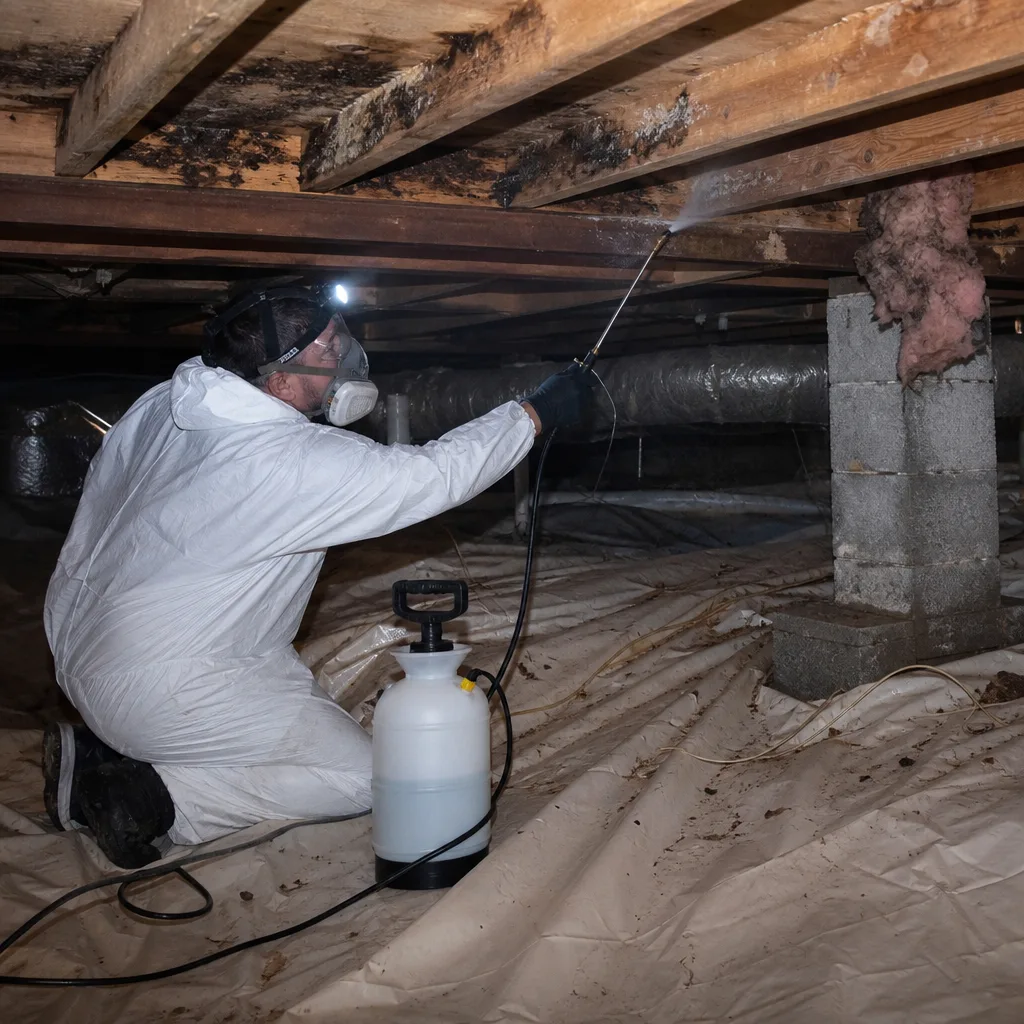
Flood Cleanup
Street-level flooding is less common on the Morningside Heights ridge than in lower Manhattan, but basement utility rooms and sub-cellar mechanical spaces do take water during extreme events. Category 3 flood cleanup requires full PPE, antimicrobial treatment, and controlled demolition of porous materials. We coordinate with DEP and building management for sewer backflow verification before cleanup begins.
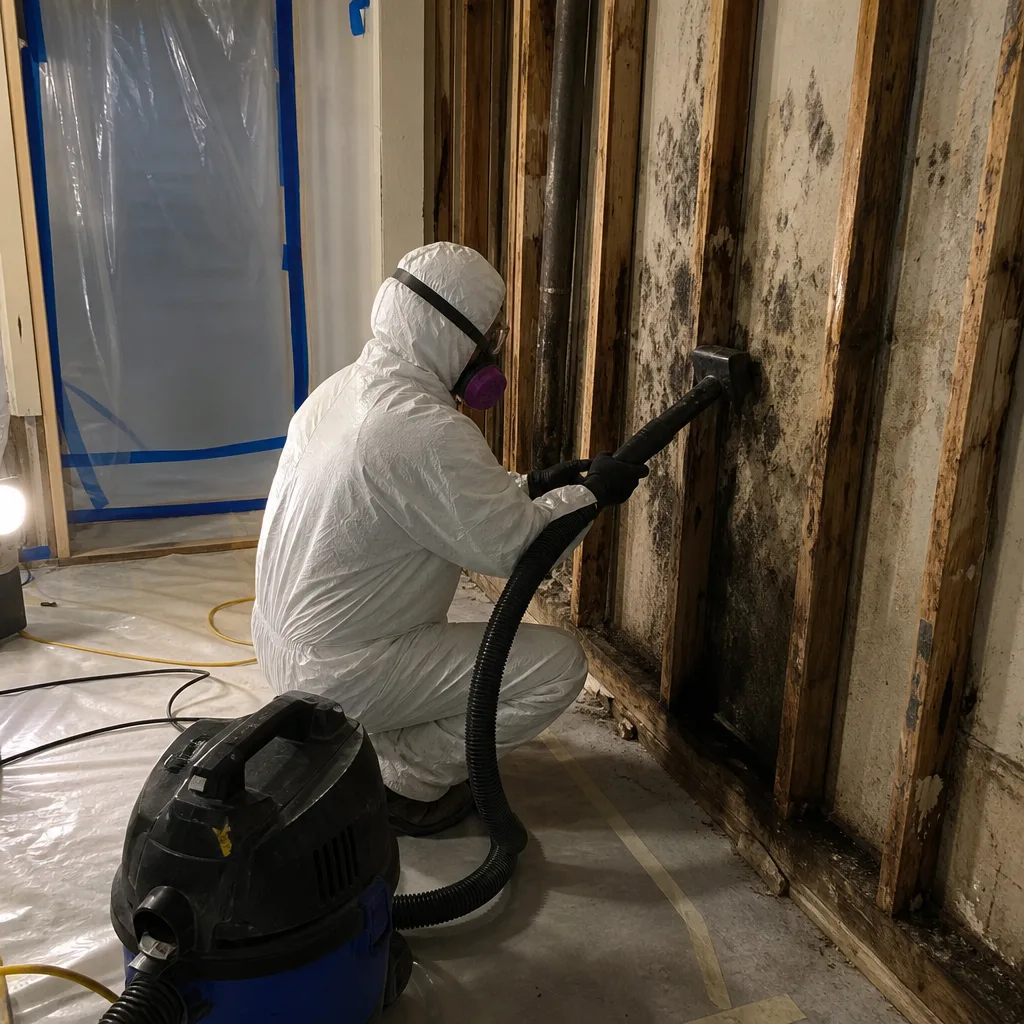
Burst Pipe Restoration
Galvanized supply lines and original cast-iron stacks fail with corrosion fatigue, often at threaded joints or where hangers have stressed the pipe wall. We extract water, dry affected assemblies, and document the line failure with photos for the plumber’s reference and the insurance file. In institutional buildings, we flag whether the failed section is common-area piping (master policy) or branch line to a unit (individual coverage).
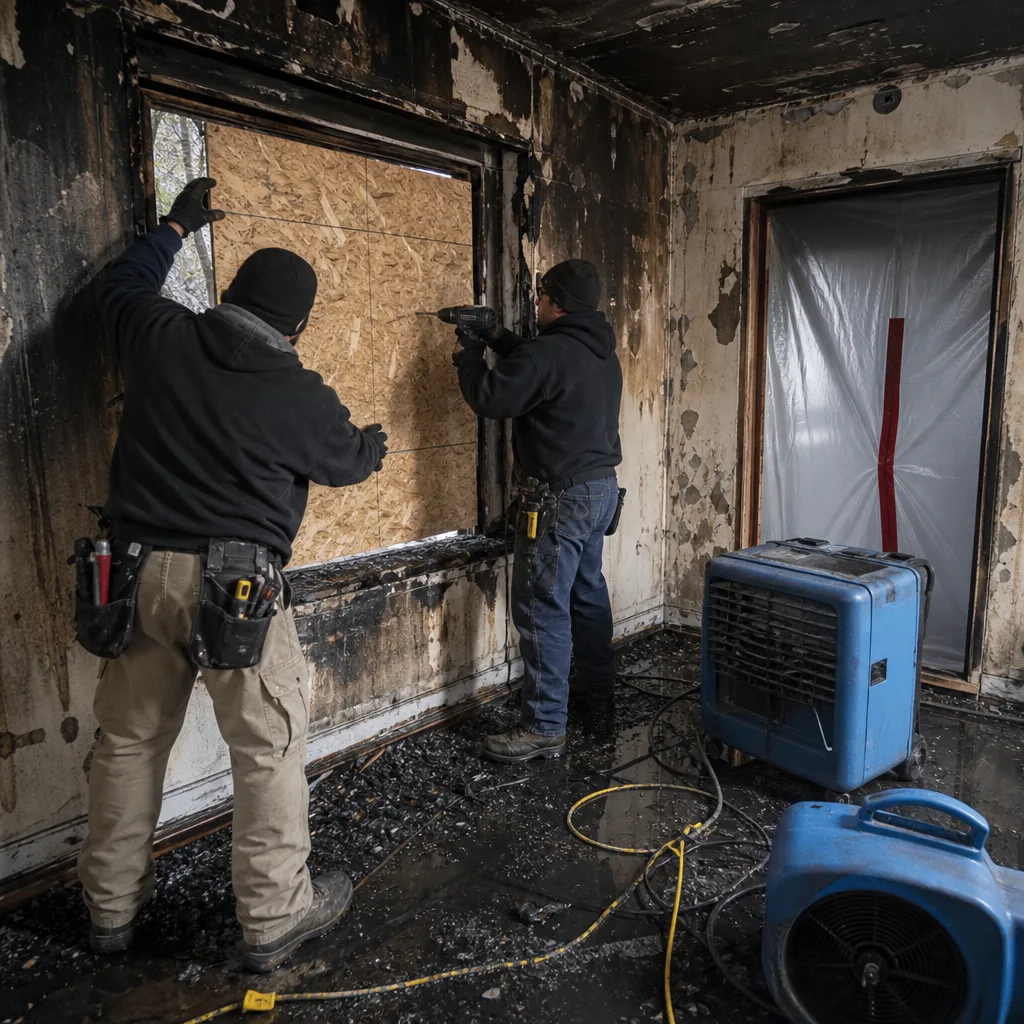
Basement Water Removal
Below-grade spaces in Morningside Heights buildings house boilers, electrical service, and storage. Water removal requires pump sizing for the volume and discharge routing that doesn’t violate DEP regulations. We assess for hydrostatic pressure damage to foundation walls and slab integrity while dewatering.
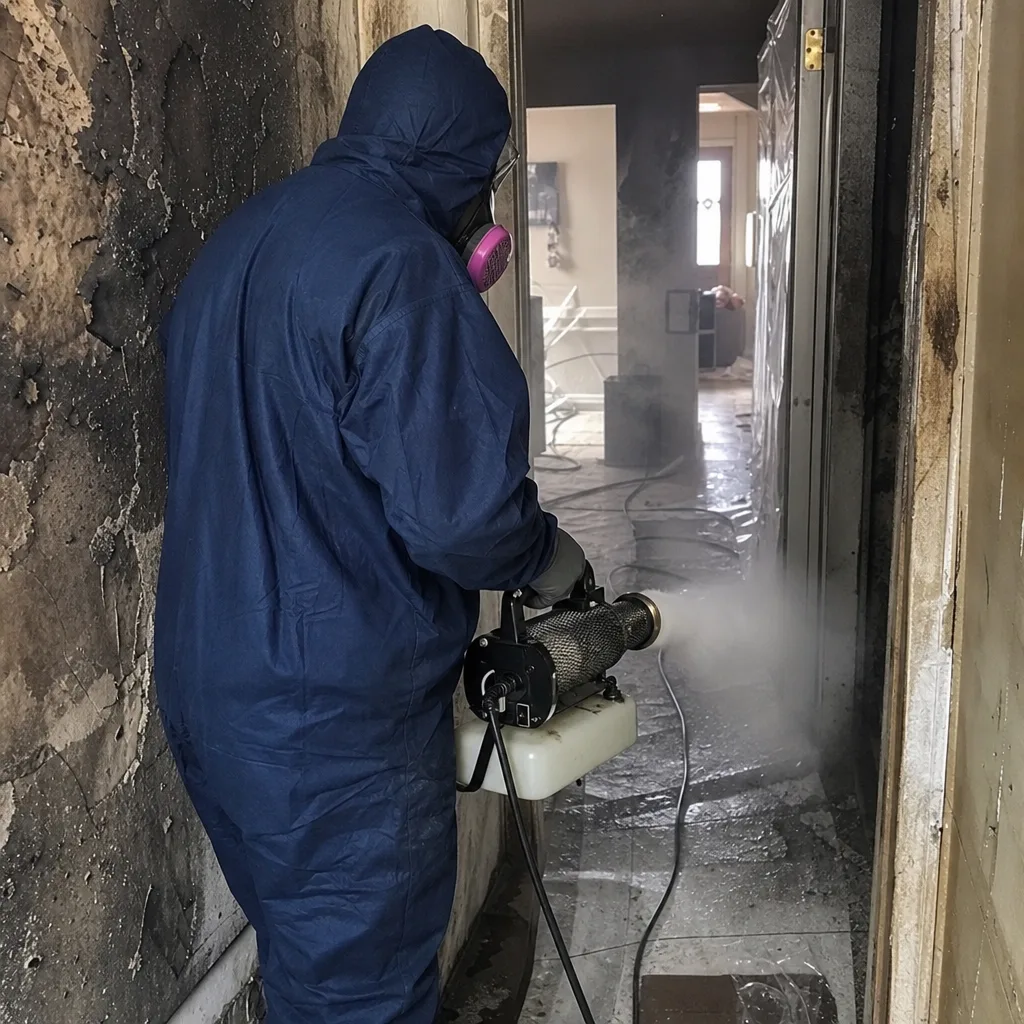
Ceiling & Roof Leak Water Damage
Stains on ornamental plaster ceilings demand careful diagnosis. The source may be roof membrane failure, parapet cap displacement, cornice deterioration from freeze-thaw, or - in heating season - radiator condensate tracking through structural channels. We trace the actual source before treating the symptom, then dry plaster in place where possible to preserve decorative molding profiles that can’t be replicated at reasonable cost.
What happens when you call
- 1
A real person answersNo phone trees - you reach a local pro.
- 2
You get an upfront price rangeHonest numbers before anyone is dispatched.
- 3
A background-checked tech heads outLicensed & insured, dispatched right away.
- 4
You approve before work beginsNothing starts until you say go.
Water Damage Restoration Costs in Morningside Heights, NY
Water damage restoration pricing in Morningside Heights runs higher than outer-borough postwar construction due to material sensitivity, institutional access requirements, and the multi-unit scope of typical losses. Based on our 12,000+ jobs since 2011, here are the ranges we see in this market:
| Service | Typical Range in Morningside Heights |
|---|---|
| Emergency water extraction (up to 1,000 sq ft) | $450 - $850 |
| Structural drying & dehumidification (3-5 day setup) | $1,800 - $3,400 |
| Injectidry cavity drying (per wall section) | $320 - $580 |
| Horsehair plaster repair (per ceiling, moderate damage) | $1,200 - $2,600 |
| Old-growth hardwood floor drying/salvage attempt | $850 - $1,900 |
| Full Category 3 flood cleanup with demolition | $4,500 - $9,200 |
| Multi-unit moisture mapping and documentation | $650 - $1,100 (institutional) |
What moves the price: number of affected floors, plaster vs. drywall construction, whether asbestos or lead-paint abatement is triggered, and whether the loss involves institutional procurement review. Insurance typically covers sudden and accidental water damage from supply lines or weather-related envelope failure; gradual deterioration or maintenance neglect is often excluded. Haven Standard, Clause 1: we deliver a written price before any work begins - every job, no exceptions. Bring a competitor’s written estimate and we’ll provide a Free Second Opinion at no charge.
We Also Serve Cities Near Morningside Heights
Our crews respond throughout upper Manhattan and the west Bronx. We regularly handle water damage restoration in Morningside Heights and neighboring Riverdale, Kingsbridge, Washington Heights, and Harlem - each with distinct building stock and loss patterns, all served under the same documentation standards and 365-Day Done Right Promise.
Serving Morningside Heights, NY - Our Local Coverage Area
We’re based in the Morningside Heights area and know this community well. Use the map below to see our service coverage - if you’re nearby, we can almost certainly help.
Morningside Heights Water Damage Restoration Questions, Answered
A pipe failed in our pre-war Morningside Heights building - why are multiple apartments affected?
Water follows the path of least resistance through structural channels in masonry construction. In these 1905-1935 towers, plaster-and-lathe walls, floor joist bays, and pipe chases create vertical and horizontal pathways that bypass unit boundaries. A steam radiator air-vent failure on the tenth floor can send condensate through horsehair plaster to units on the eighth and ninth before anyone below sees a stain. Our moisture mapping traces the full migration path so all affected units are included in the scope and documentation. Call (845) 875-4326 for a free inspection - estimates are free.
Can horsehair-plaster walls and old-growth hardwood floors be dried in place, or do they have to come out?
Often yes, if drying begins within 24-48 hours and the water is Category 1 or early Category 2. We use desiccant dehumidification and reduced-velocity air movement to release bound water without thermal shock that cracks plaster or checks floorboards. Saturated plaster lathe with visible mold growth, or hardwood cupped beyond 1/8 inch, typically requires removal. We document salvageability with moisture readings and photos before recommending either path. Call (845) 875-4326 for a free inspection - estimates are free.
Radiator water on the floor - is that Category 1 or something worse?
Steam condensate from a heating system starts as Category 1 - clean water - but its classification degrades based on what it contacts and how long it sits. In Morningside Heights pre-war buildings, condensate often travels through wall cavities containing decades of dust, debris, and degraded organic material before reaching the floor, pushing it to Category 2 within hours. We test and classify on arrival, then document the basis for the determination. Call (845) 875-4326 for a free inspection - estimates are free.
How does a university-managed building change how a water damage job gets handled here?
Institutional ownership means the facilities department controls building access, work scheduling, and often the master insurance policy. We coordinate directly with Columbia, Barnard, or seminary facilities staff - not around them - and format our documentation to their procurement standards. This adds a layer of approval but prevents disputes later. Our experience with these chains means we know the contacts, the forms, and the timeline. Call (845) 875-4326 for a free inspection - estimates are free.
Do Morningside Heights’ freeze-thaw cycles on the ridge cause interior water damage separate from pipe failures?
Yes. The escarpment elevation exposes masonry parapets and terra-cotta facades to more extreme temperature cycling than lower Manhattan. Water infiltrates through cracked coping stones, failed mortar joints, and deteriorated cornice details, then tracks down interior walls - often appearing as ceiling stains that mimic roof leaks but originate in vertical envelope failure. We diagnose the actual source with thermal imaging and moisture mapping before treating the interior damage. Call (845) 875-4326 for a free inspection - estimates are free.
How fast can your crew actually get to a Morningside Heights building?
We commit to 45 minutes from dispatch confirmation to arrival at your building entrance, measured across our Morningside Heights response history. Dispatch is coordinated from our New York City office. The variable is often institutional building access - we maintain after-hours contacts for major properties to minimize that delay. Call (845) 875-4326 and a live person answers immediately - no voicemail.
Will insurance cover water damage restoration in my Morningside Heights apartment?
Sudden and accidental water damage from supply line failure, weather-related envelope breach, or heating system malfunction is typically covered under standard HO-6 or master building policies. Gradual leaks, maintenance neglect, or flood from rising groundwater usually are not. We document the loss to support coverage determination and coordinate directly with your adjuster. Our photo records and drying logs have supported thousands of payable claims. Call (845) 875-4326 for a free inspection - estimates are free.
What should I do in the first 30 minutes after discovering water damage?
Shut off the water source if it’s a supply line and you can locate the valve safely. Do not enter standing water if electrical equipment is submerged - that’s a genuine electrocution hazard. Call (845) 875-4326 immediately; our live dispatcher will guide you through immediate safety steps while the crew is en route. Do not start removing materials or running household fans - uncontrolled airflow can drive moisture deeper into plaster cavities and complicate documentation. Call (845) 875-4326 - a live person answers 24 hours a day.
Water damage in Morningside Heights isn’t a standard residential loss. The building stock, the institutional ownership structures, and the silent multi-floor migration patterns that define this neighborhood require a restoration company that documents before it demolishes and prices before it performs. That’s what The Haven Standard requires, and what we’ve delivered since 2011.
Written by Alicia Brennan, Owner at Back to Dry Restoration, serving Morningside Heights since 2011.
Water Damage Restoration in Nearby Areas