Free visual inspection and a written scope of work before any mitigation begins - photos, moisture readings, and drying logs go in your claim file
The scope we write is the scope we bill. Anything new gets shown to you, in writing, before we touch it.
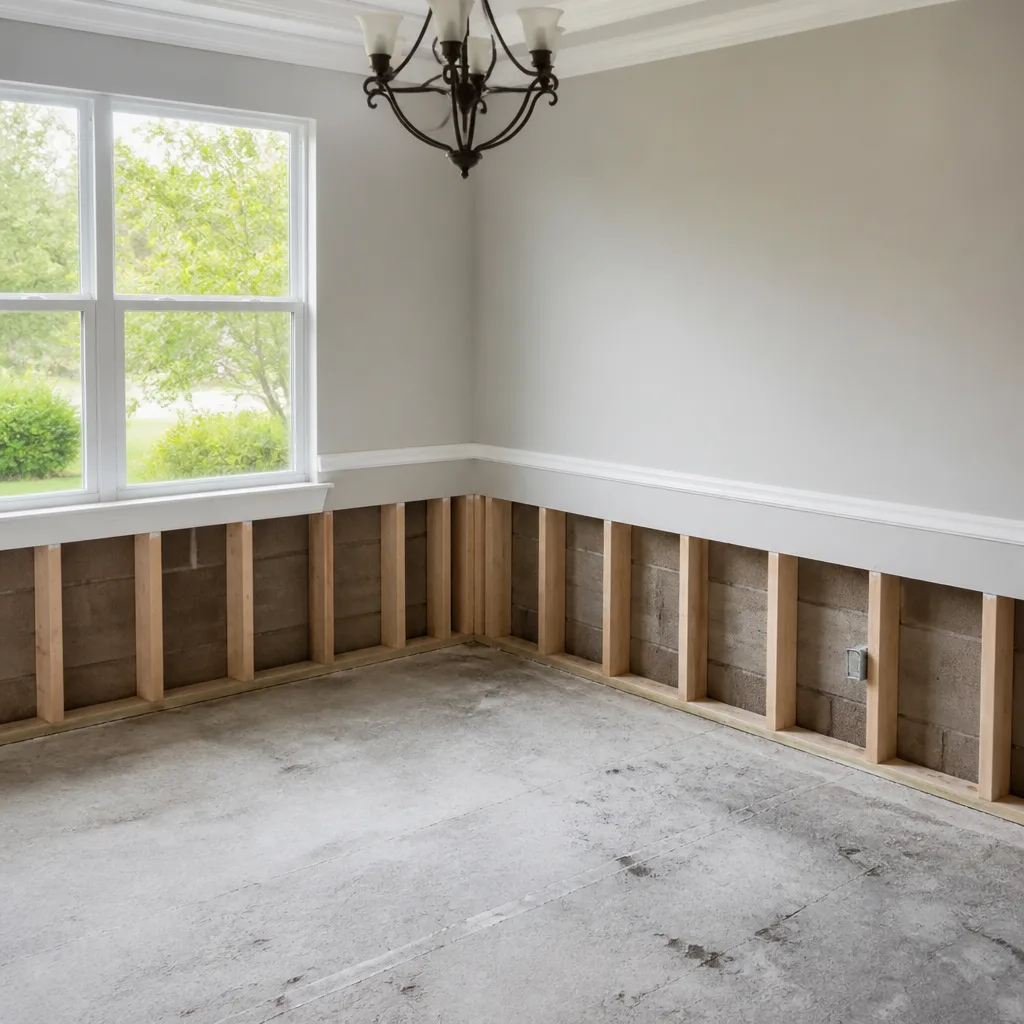
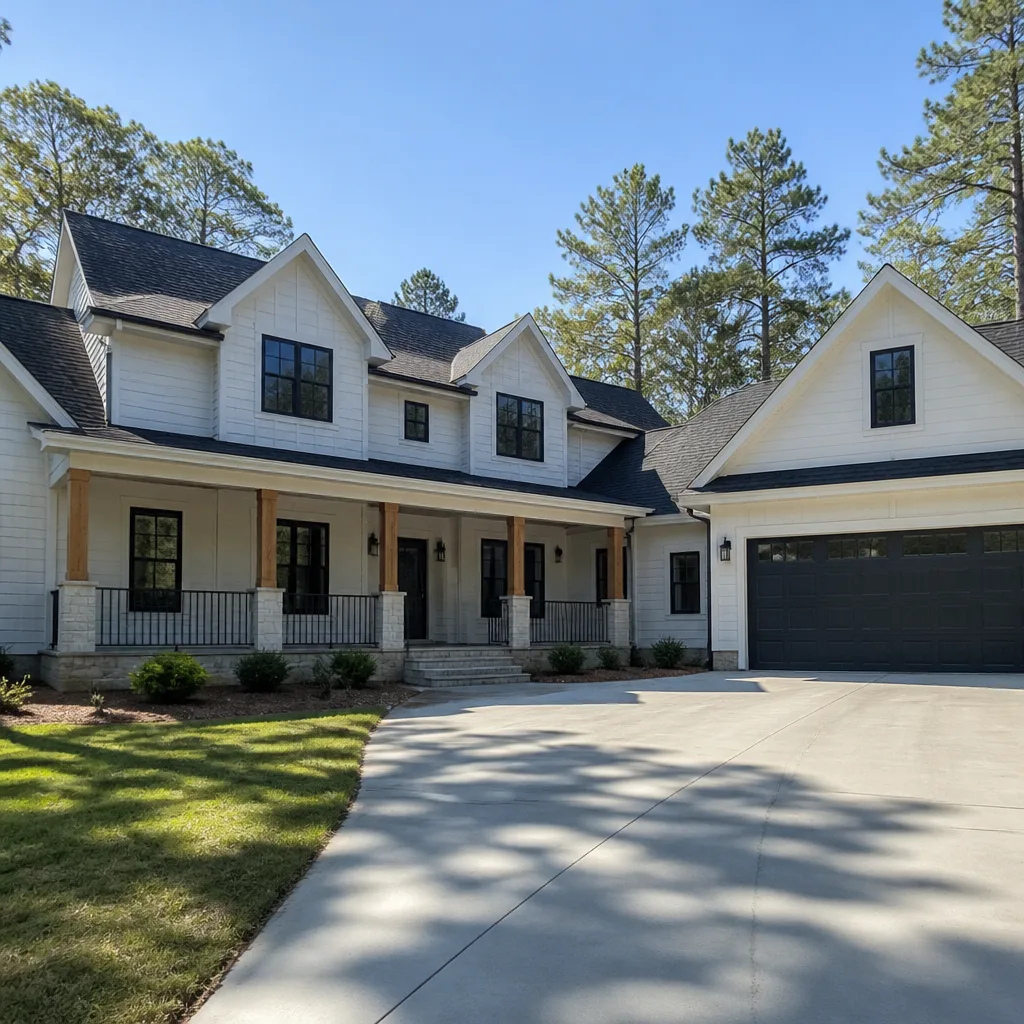
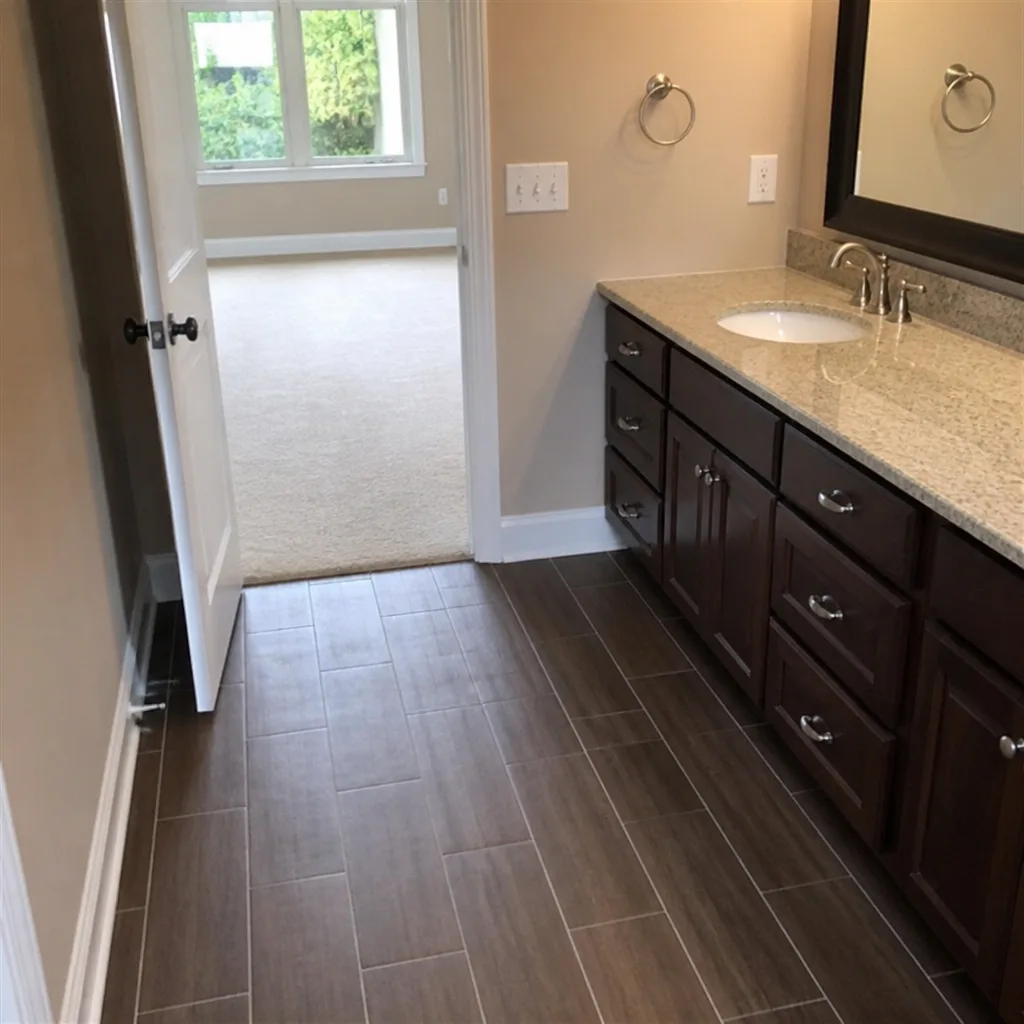
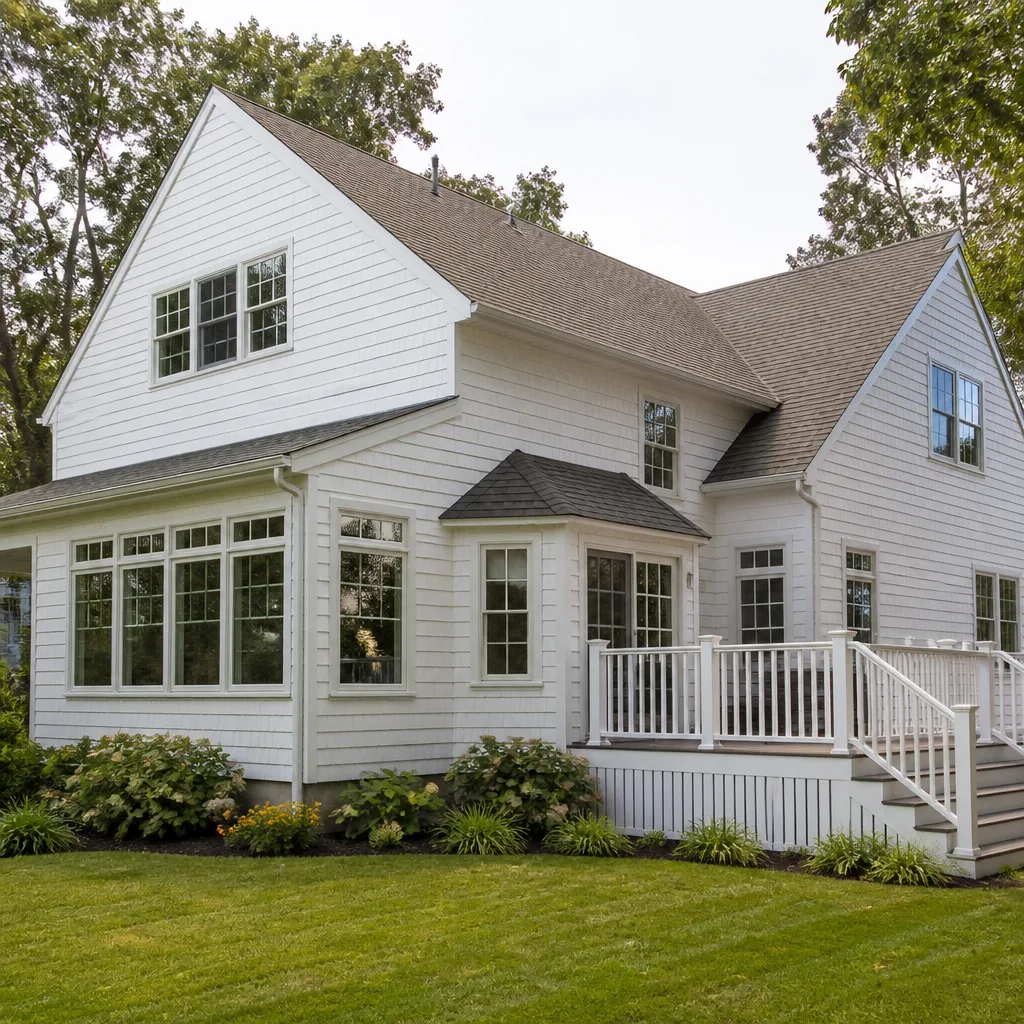
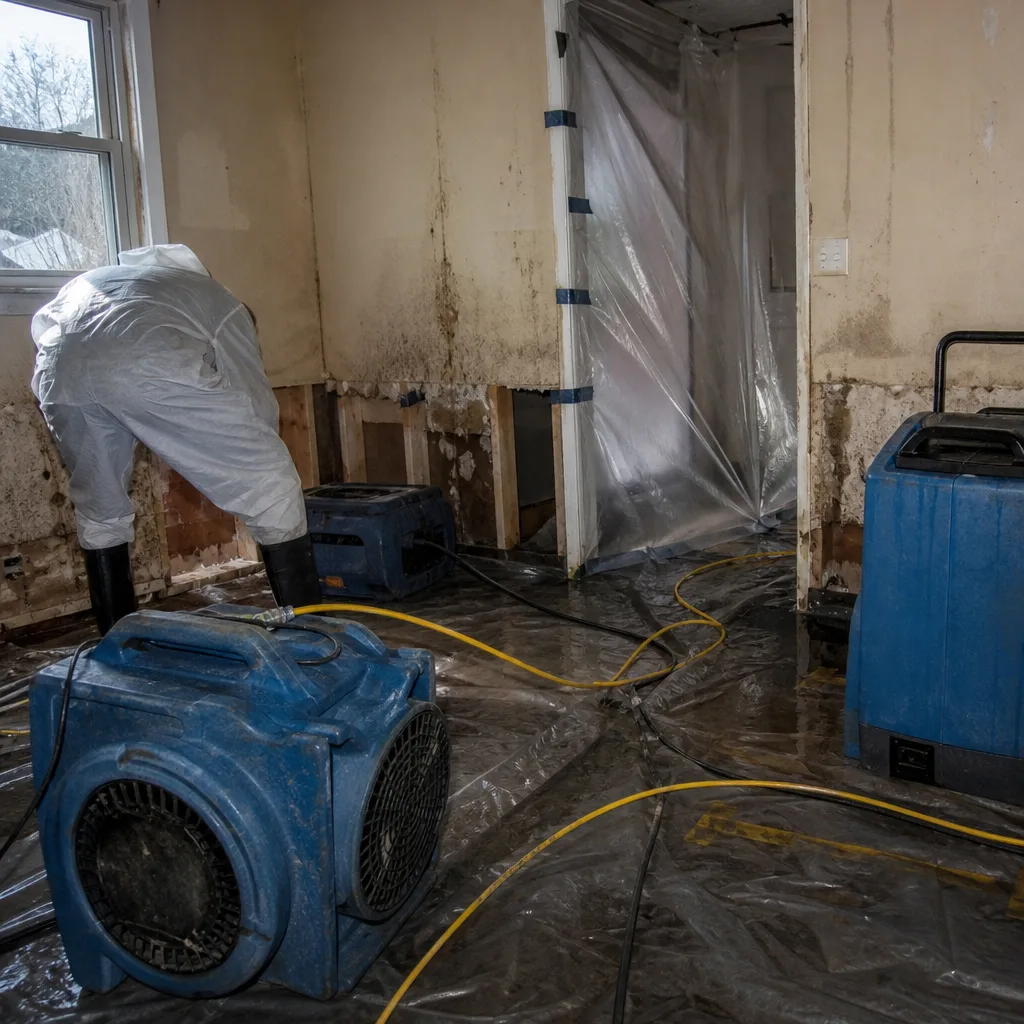 Before
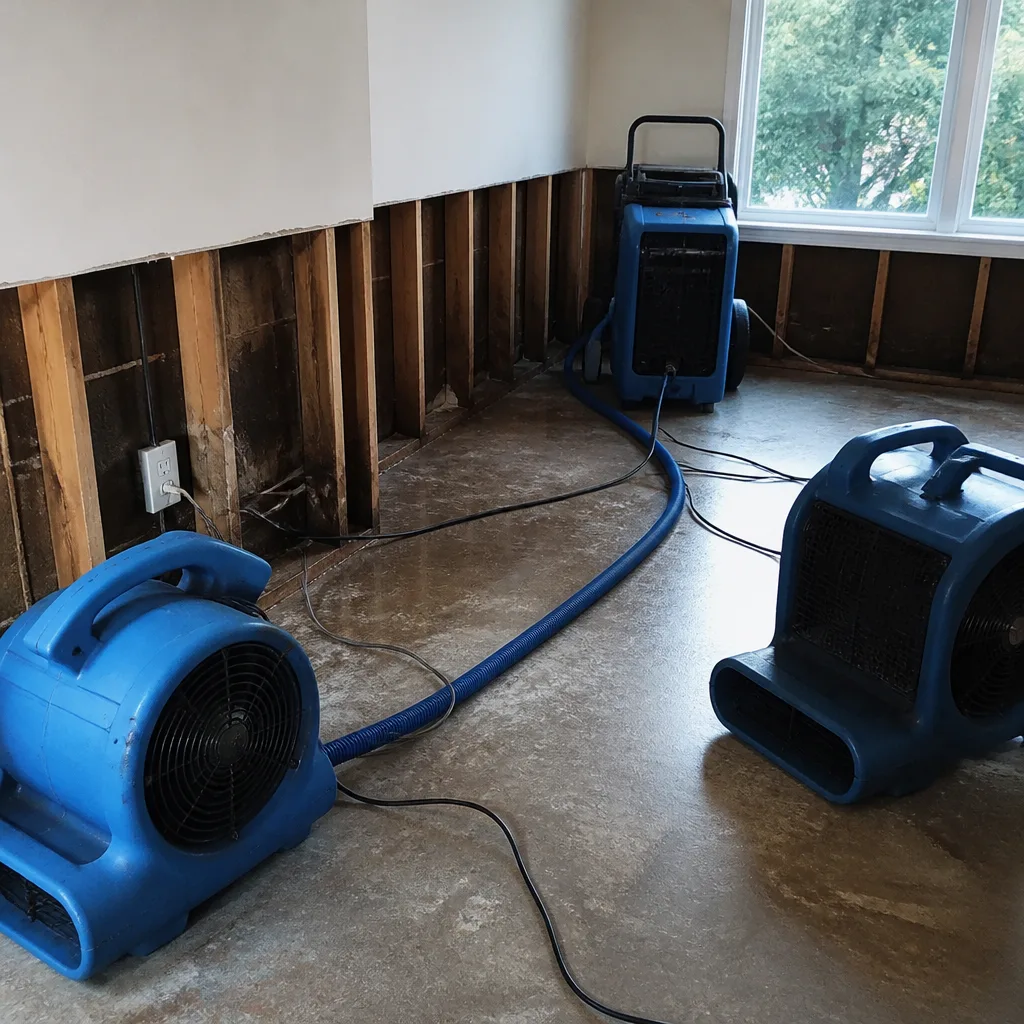 After
After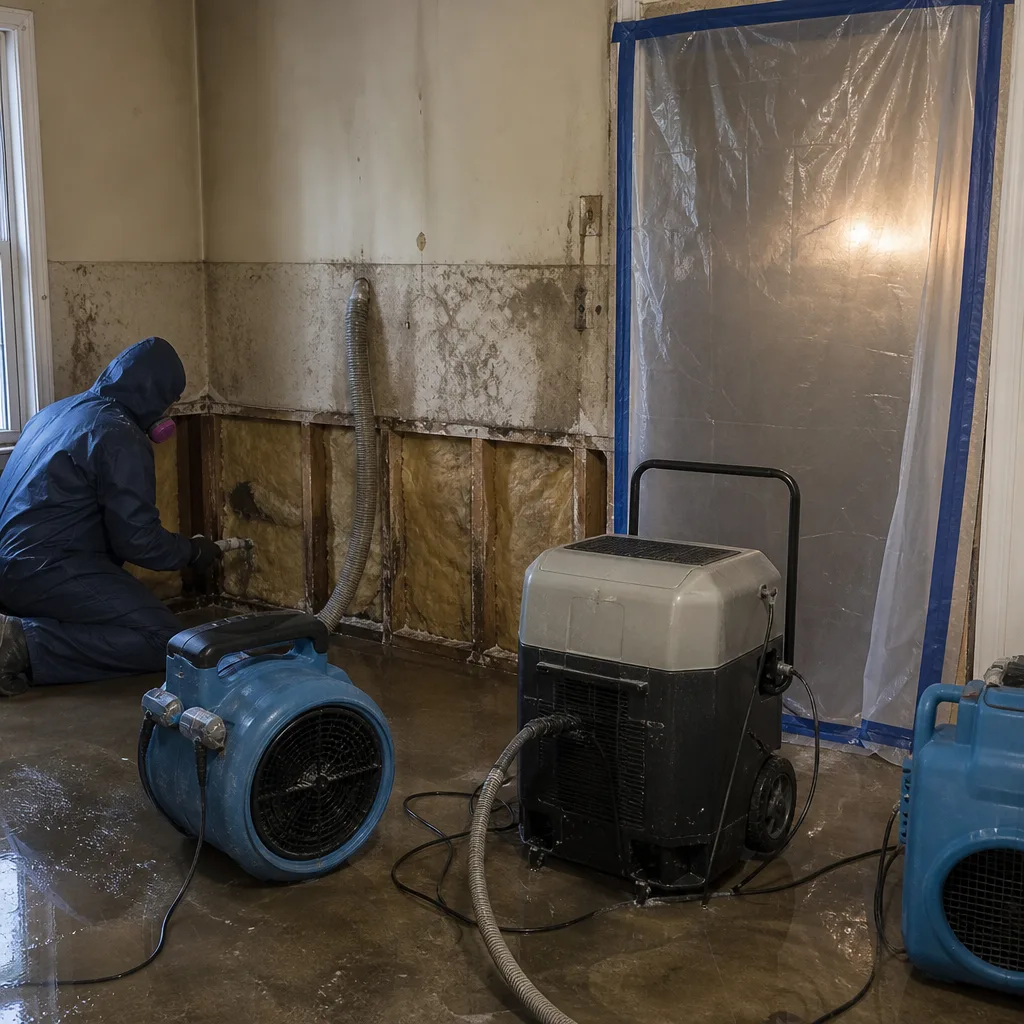 Before
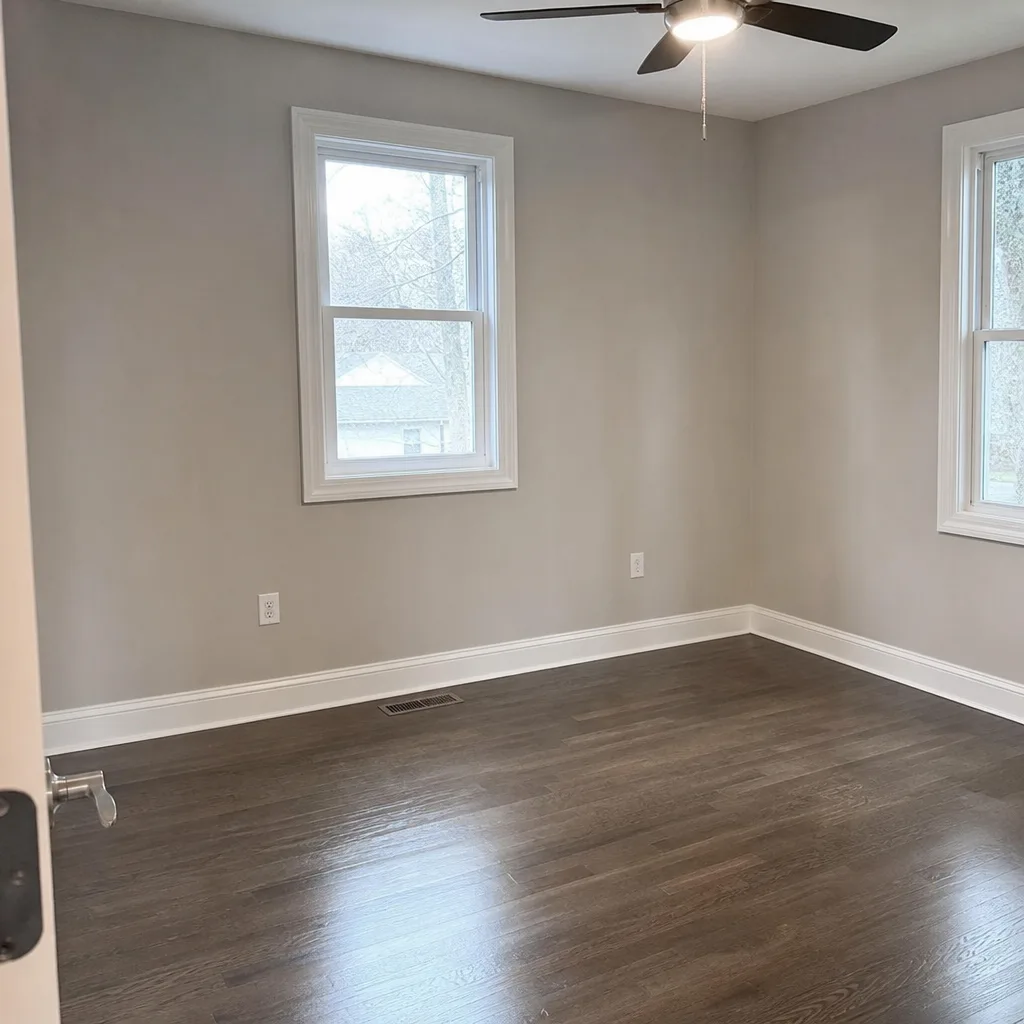 After
After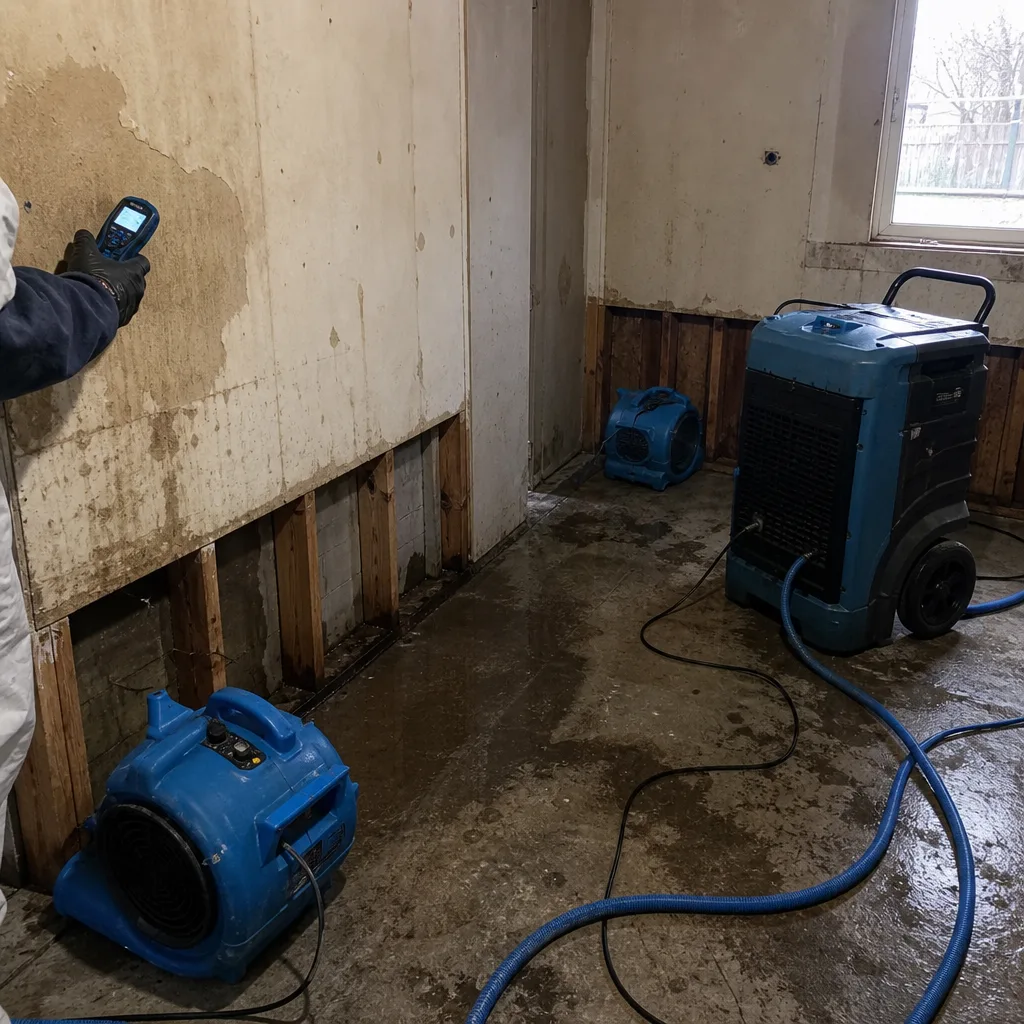 Before
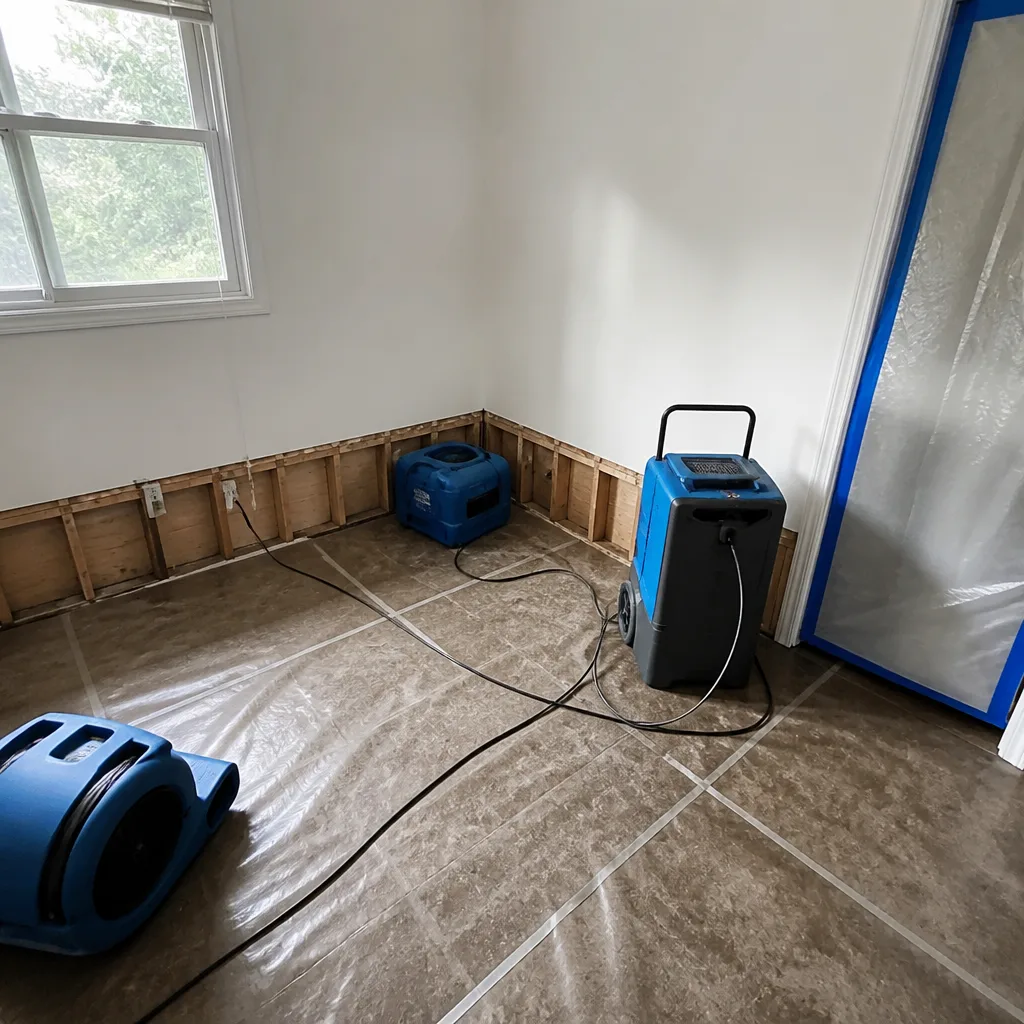 After
After24/7 Emergency Fire & Smoke Damage Restoration in Morningside Heights
Fire and smoke damage in a Morningside Heights pre-war apartment typically costs $4,200-$18,500 to restore, and our crews are on-site within 45 minutes of your call to (845) 875-4326. We answer live, 24 hours a day, because smoke residues begin etching plaster and setting into hardwood within the first hour after suppression. The first hour is when you save the horsehair plaster, the original millwork, and the contents that make these 1905-1935 buildings worth restoring rather than gutting.
Our Morningside Heights crews carry IICRC-FSRT certification (Fire and Smoke Restoration Technician) and deploy from our New York City office with containment, HEPA air scrubbers, and thermal imaging already loaded. We do not ask you to “call for a quote.” Haven Standard, Clause 1: a written price before any work starts, every time, with no exceptions. That written scope is what your insurer, your co-op board, or your university facilities department needs to release funds and approve access.
Fire & Smoke Damage Restoration is not a single service. It is a sequence of documented steps, each one photographed and logged, that moves a building from emergency stabilization back to pre-loss condition.
Understanding Fire & Smoke Damage Restoration Severity in Morningside Heights Properties
Smoke damage in Morningside Heights follows the architecture. The neighborhood’s 6-15 story masonry towers were built with cast-iron stack chases that run vertically through every floor, original plaster-and-lath ceilings with horsehair binding, and steam-heat radiator risers that double as conduits for smoke migration. A kitchen fire on the 7th floor of a West 116th Street building does not stay on the 7th floor. Smoke travels through the stack chase, finds gaps around the radiator supply lines, and deposits acidic soot on the ornate plaster ceilings three floors up and two floors down.
We classify fire and smoke losses by residue type and migration path, not just by the room where the fire started. Dry smoke residues from fast-burning, high-heat fires leave a powdery, less adhesive deposit that responds to dry cleaning sponges and HEPA vacuuming. Wet smoke residues from slow, smoldering fires in a pre-war kitchen, heavy with plastics and synthetic materials, produce a sticky, smeary film that bonds to plaster and requires solvent-based cleaning followed by thermal fogging or ozone treatment. Protein residues from grease fires are nearly invisible but carry a rancid odor that penetrates porous materials and demands enzymatic cleaners and vapor-phase deodorization.
The real severity driver in Morningside Heights is not the fire itself. It is the building system that distributes the damage. Cast-iron stacks, steam risers, and the continuous air gaps in 120-year-old masonry create migration paths that a postwar building simply does not have. Our assessments start with smoke pattern mapping and moisture readings in the stack chase, not just in the fire room.
Why Morningside Heights Property Owners Choose DryMark Restoration Englewood
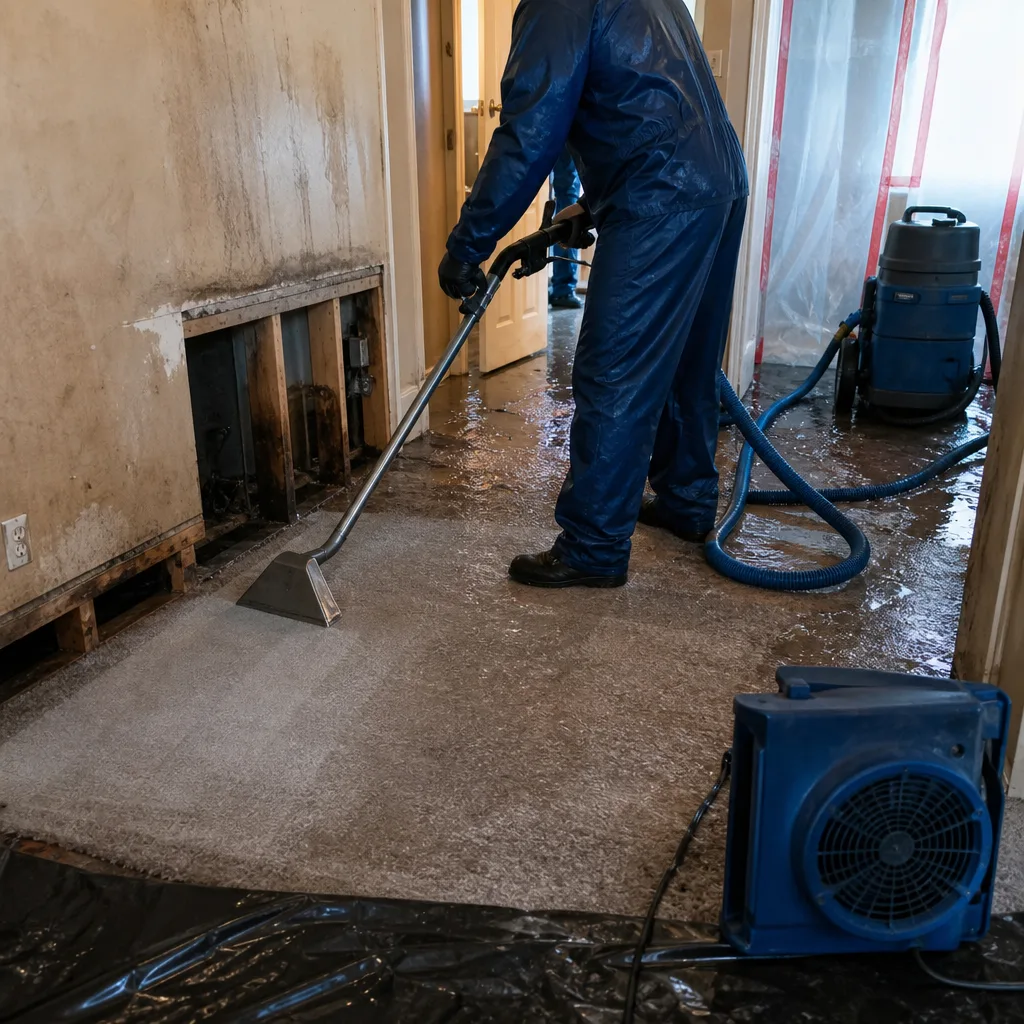
- 45-minute response commitment to Morningside Heights, with crews staged for the institutional access protocols these buildings require.
- 24/7 live answer by a real person, never an automated system or voicemail tree, because a facilities department calling at 2 a.m. needs a human who understands Columbia’s contractor badging requirements.
- IICRC-certified crews carrying FSRT (Fire and Smoke Restoration Technician), WRT (Water Damage Restoration Technician), and AMRT (Applied Microbial Remediation Technician) credentials, with license numbers documented on every job file.
- Free visual inspection with written scope delivered before any work begins, per Haven Standard, Clause 1.
- Direct insurance billing with photo-documented estimates formatted for adjuster review, including daily drying logs that turn restoration invoices into payable claims.
- One team from emergency board-up through structural fire repair, so the crew that documented pre-loss condition is the crew that signs off on the rebuild.
BeforeAfterOur Fire & Smoke Damage Restoration Process
1. Inspection & Assessment
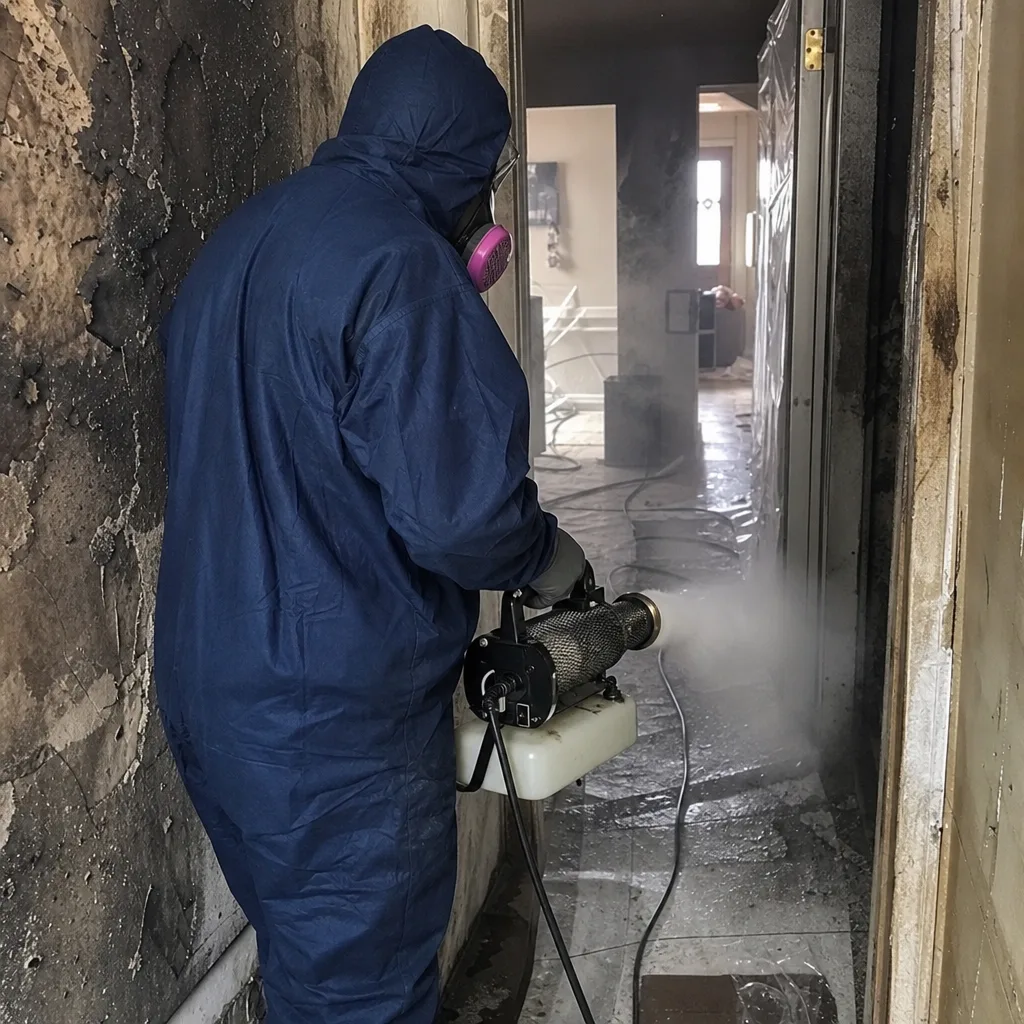
We arrive with thermal imaging cameras, hygrometers, and smoke residue test kits to map visible and hidden damage. In Morningside Heights pre-war buildings, this includes the stack chase, radiator risers, and the gaps between plaster and masonry where smoke migrates. Every reading is logged with a time-stamped photo.
2. Emergency Board-Up & Tarping
Broken windows, compromised doors, and damaged roof sections are secured to prevent weather intrusion and unauthorized entry. On institutional properties, our board-up scope is written to meet facilities department specifications for after-hours access and contractor badging.
3. Contents Cleaning & Pack-Out
Salvageable furniture, textiles, and personal property are inventoried, photographed, and transported to our climate-controlled cleaning facility. Non-salvageable items are documented for insurance replacement with pre-loss condition photos. Antique hardwood and period millwork receive specialized handling.
4. Smoke & Soot Removal
Dry, wet, and protein residues are identified and treated with the appropriate cleaning chemistry. Horsehair plaster and original millwork in Morningside Heights buildings are tested for porosity before any solvent application. HEPA air scrubbers run continuously during this phase to capture airborne particulate.
5. Odor Removal & Deodorization
Thermal fogging, ozone treatment, and hydroxyl generation penetrate porous materials where smoke odor hides. In pre-war buildings with continuous air gaps and shared stack chases, we run vapor-phase deodorization through the entire vertical chase to prevent odor recurrence in adjacent units.
6. Structural Fire Repair & Documentation
Charred or compromised framing, plaster, and flooring are repaired or replaced with materials matched to pre-loss condition. Every repair is photographed, moisture-mapped, and submitted with a final drying log to the facilities department or adjuster for sign-off. Haven Standard, Clause 6: 365-Day Done Right Promise.
Need Emergency Fire & Smoke Damage Restoration in Morningside Heights Now?
Crews minutes away, answering live 24 hours a day. The sooner we start, the less it costs.
Working With Your Insurance Company
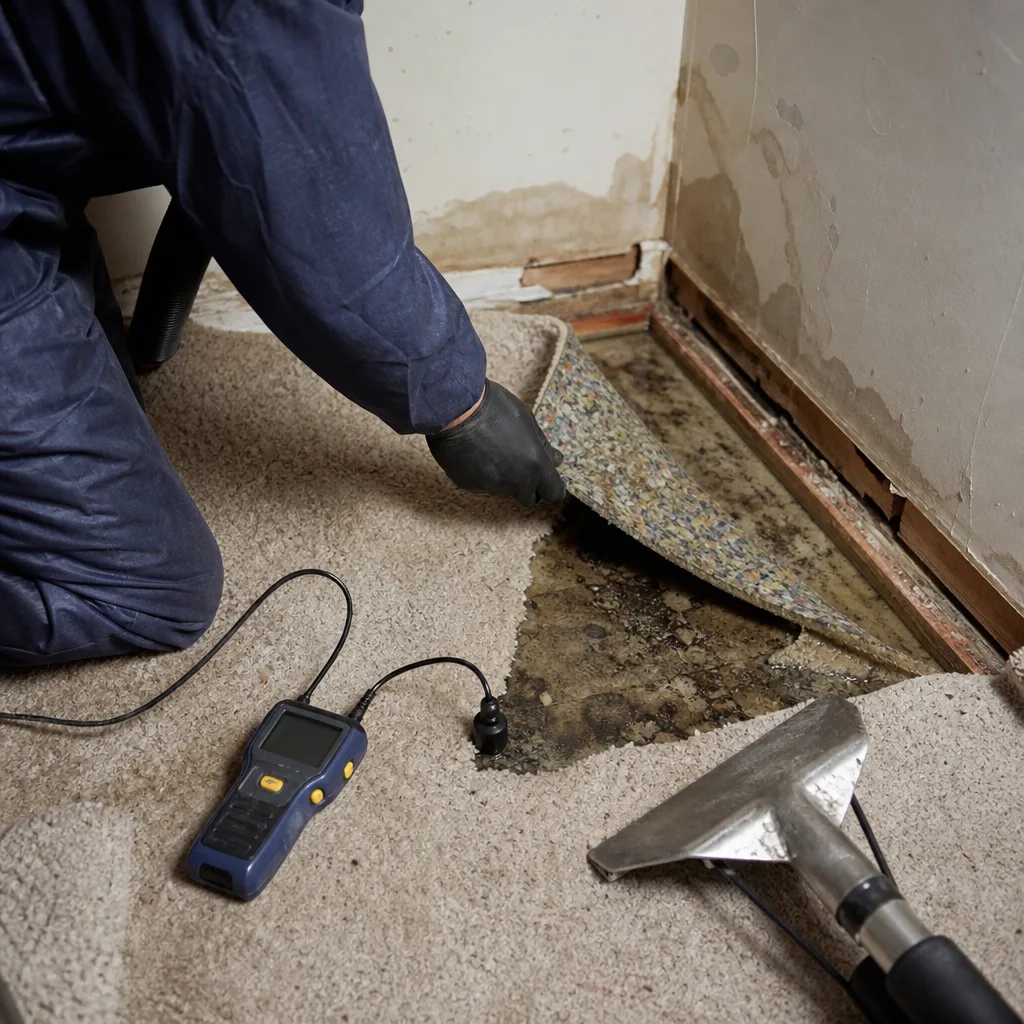
Fire claims fail on documentation gaps. The adjuster needs to see when the loss started, where smoke traveled, what was damaged, what was saved, and why each line item was necessary. We begin that documentation the moment we arrive, not after the work is done. Our estimates are formatted to Xactimate standards, the industry language that adjusters read daily, and we coordinate directly with your carrier’s field adjuster rather than handing you a bill to submit on your own.
On a West 116th Street pre-war tower managed by a university facilities office, a kitchen fire on the 7th floor sent smoke through the original cast-iron stack chase and into the ornate plaster ceilings of three units. Our techs ran moisture mapping and smoke readings floor by floor, set containment and air movers with HEPA filtration, then packed out damaged contents for off-site cleaning while we documented pre-loss condition of the horsehair-plaster walls and hardwood before any demolition. Because the building was institutional, our scope of work had to be walked through the facilities department before board-up and structural fire repair could begin, which we built into the drying logs so the university procurement chain could release the job on schedule.
What We Provide Your Insurer
- Thorough documentation of the loss with time-stamped arrival photos
- Photos of all damage, room by room, including stack chase and riser interiors
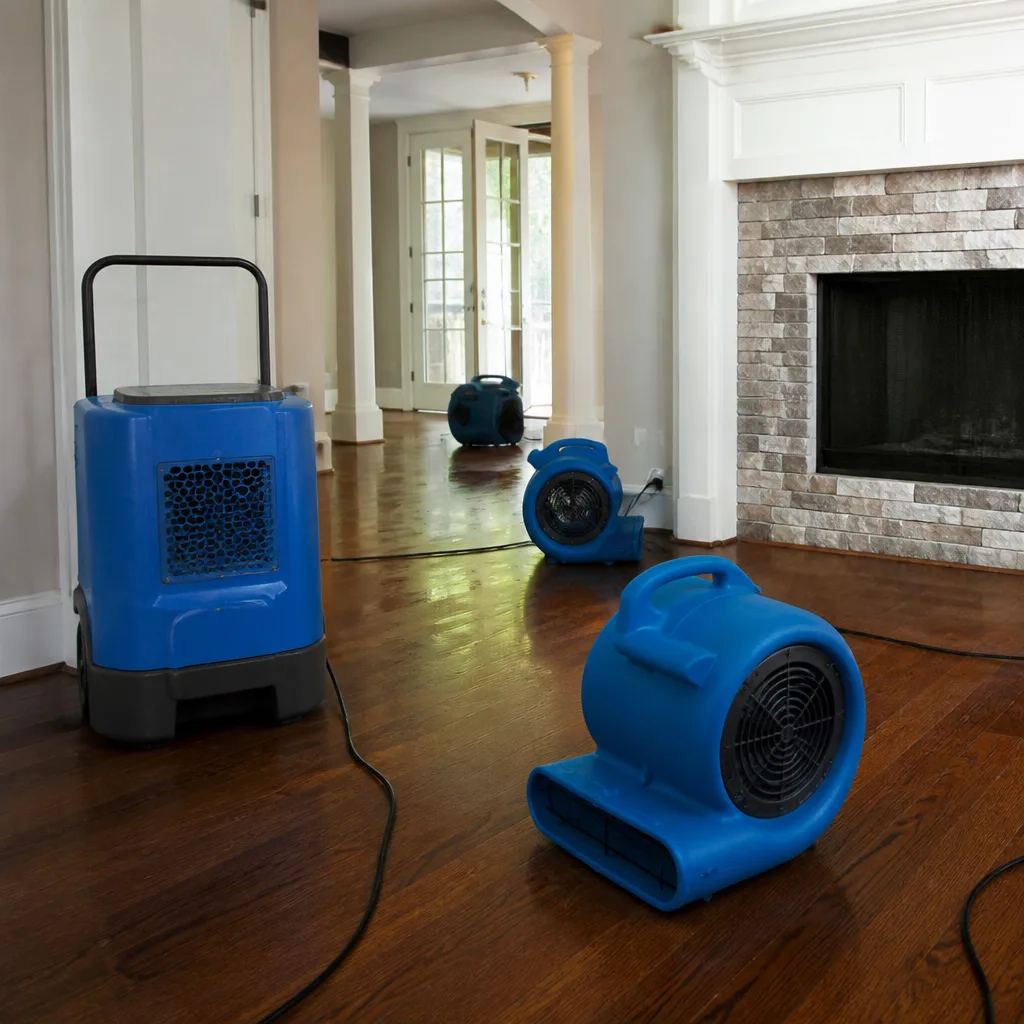
- Moisture readings and drying logs from Dri-Eaz and Phoenix equipment
- A detailed, line-item scope of work with material classifications by trade name
- Direct coordination with your carrier and, when required, institutional facilities sign-off
Built for Morningside Heights’s Loss Calendar
January deep freezes drive the worst fire season in Morningside Heights. Steam-heat systems running at maximum capacity develop vent failures and pipe splits that flood units while tenants use space heaters, candles, and improvised cooking setups as backup heat. The combination of overloaded electrical in 1920s wiring and open flame produces kitchen fires that escalate fast. February and March bring freeze-thaw cycling on the exposed masonry parapets of the Morningside Drive ridge, cracking terra-cotta and opening envelope failures that let water track alongside electrical runs.
Spring is radiator season. Condensation and air-vent failures in the neighborhood’s steam-heat systems send water down through successive floors of plaster before anyone reports it. Summer thunderstorm flash flooding is less severe on the Morningside Heights escarpment than in lower-lying Manhattan, but lightning strikes and electrical fires spike in July and August. Fall heating-system startups in September and October produce the year’s second peak in fire calls, as boilers that sat idle for months develop ignition failures and puff-backs that send soot through entire buildings.
Nor’easters and winter storm surges are not the primary threat here. The primary threat is the building itself: 120-year-old electrical, steam heat pushed to its limit, and the cast-iron infrastructure that distributes both water and smoke with equal efficiency.
Fire & Smoke Damage Restoration Across Morningside Heights’s Neighborhoods
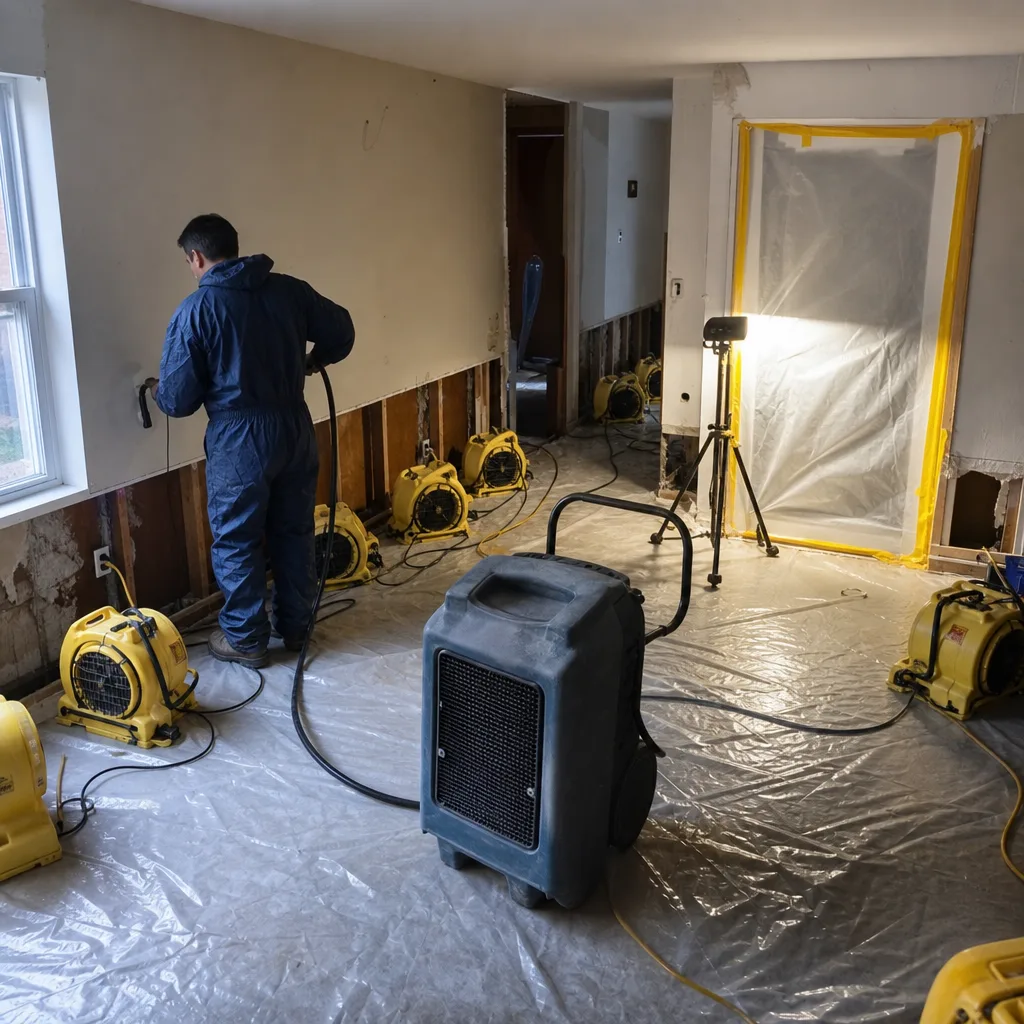
Morningside Heights is not uniform. West 116th Street between Amsterdam and Morningside Drive is dense with Columbia-owned faculty housing and Barnard dormitories, where every restoration job runs through a facilities department with its own contractor badging, after-hours access rules, and procurement release schedule. Our crews arrive with Columbia ID protocols already understood, because a 45-minute response means nothing if security turns you away at the loading dock.
The Cathedral Parkway corridor, running east from Morningside Park toward Central Park West, mixes institutional buildings with pre-war co-ops and a few postwar slabs. Co-op boards here are more independent than Columbia facilities but equally documentation-hungry, and our written scopes are formatted for board package review. The blocks south of 120th Street, toward Manhattanville, include more recently developed property but still sit atop the same aging infrastructure, with shared steam plants and cast-iron stacks that do not respect property lines.
Morningside Drive itself, perched on the escarpment above Morningside Park, catches the worst winter winds. Parapet failures and cornice water infiltration are chronic here, and fire damage in these buildings often includes secondary water damage from suppression that has been sitting in wall cavities since the FDNY left. We moisture-map the park-facing elevations first, because that is where the hidden damage lives.
Specialized Fire & Smoke Damage Restoration Services We Offer in Morningside Heights
Fire Damage Cleanup
We remove charred debris, test structural integrity, and document pre-loss condition of period materials before any demolition begins. In Morningside Heights pre-war stock, that means horsehair plaster, old-growth hardwood, and ornamental millwork that generic contractors discard before testing whether non-invasive drying with Injectidry systems can save it.
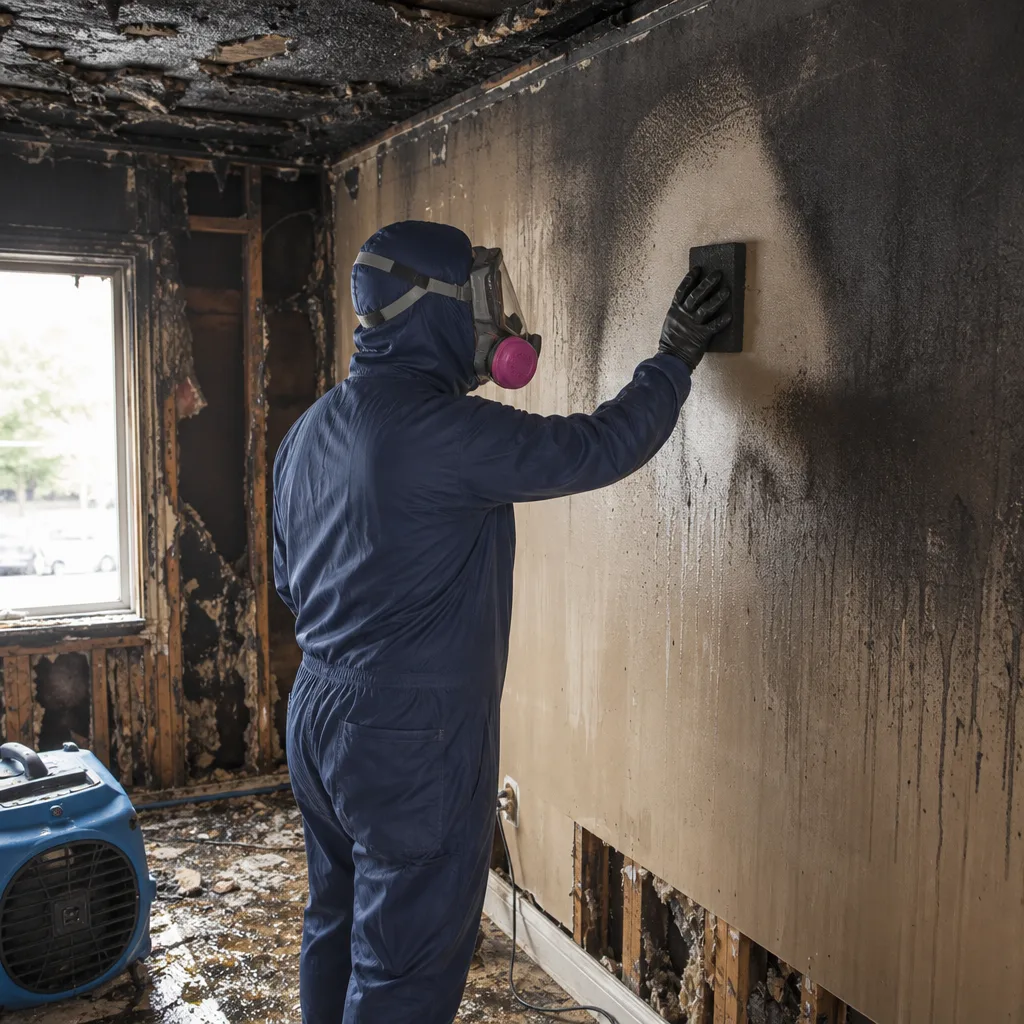
Smoke & Soot Removal
Dry, wet, and protein residues are identified by spot testing and treated with chemistry matched to the residue type. Smoke pulled into cast-iron stacks and radiator risers during heating season redistributes to upper and lower units, a systemic issue unique to 1905-1935 masonry towers that demands chase-by-chase cleaning, not surface wiping.
Odor Removal & Deodorization
Thermal fogging, ozone treatment, and hydroxyl generation reach porous materials where smoke odor hides. In Morningside Heights buildings with continuous air gaps and shared vertical chases, we run vapor-phase deodorization through the entire stack to prevent odor recurrence, because the smell that returns in October was never fully removed in March.
Contents Cleaning & Pack-Out
Antique furniture, period textiles, and personal property are inventoried, photographed, and transported to our climate-controlled facility for ultrasonic cleaning, dry cleaning, or specialized restoration. Pre-loss condition documentation supports insurance replacement for non-salvageable items. We have packed out entire apartments of inherited furnishings while the plaster dried in place.
Emergency Board-Up & Tarping
Broken windows, compromised doors, and damaged roof sections are secured to prevent weather intrusion and unauthorized entry. On institutional properties, our board-up specifications include after-hours access protocols and facilities department sign-off, because a tarp that cannot be inspected by university procurement is a tarp that delays the entire job.
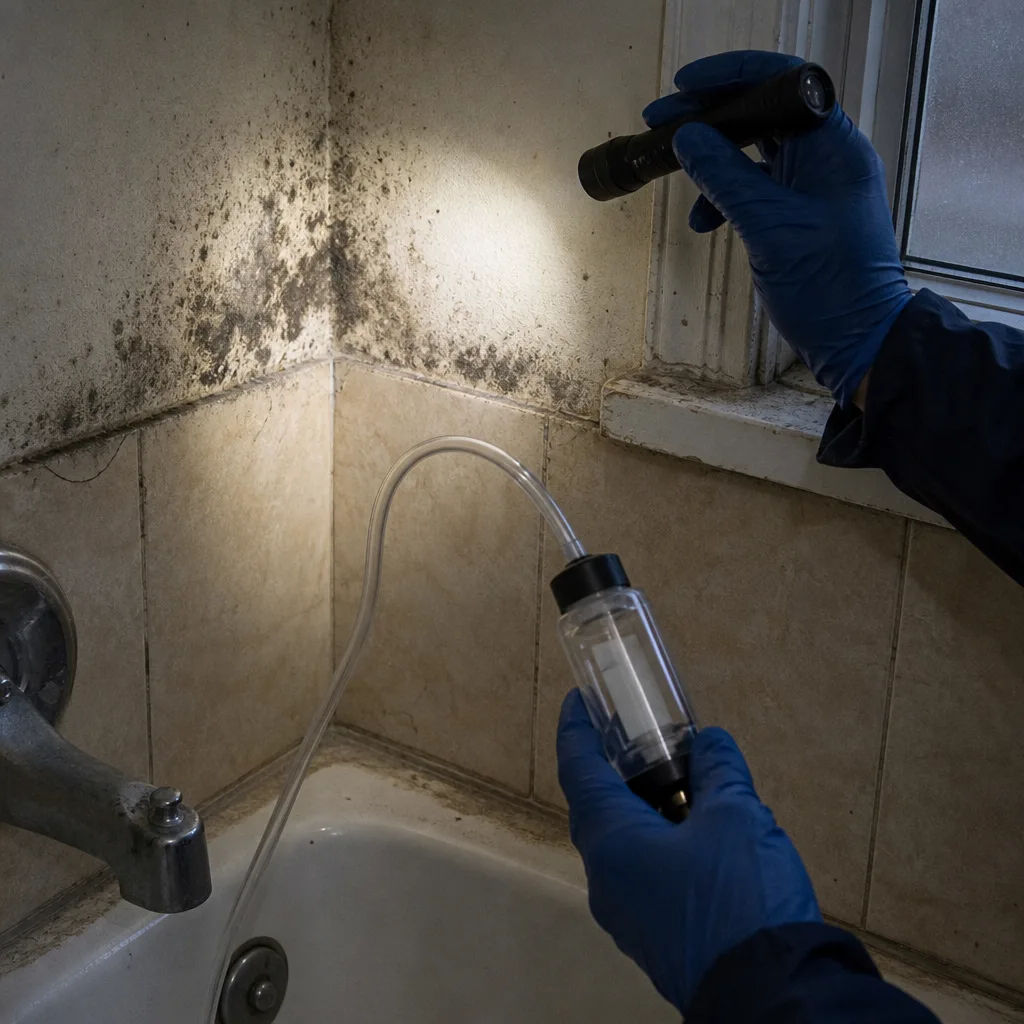
What happens when you call
- 1
A real person answersNo phone trees - you reach a local pro.
- 2
You get an upfront price rangeHonest numbers before anyone is dispatched.
- 3
A background-checked tech heads outLicensed & insured, dispatched right away.
- 4
You approve before work beginsNothing starts until you say go.
Fire & Smoke Damage Restoration Costs in Morningside Heights, NY
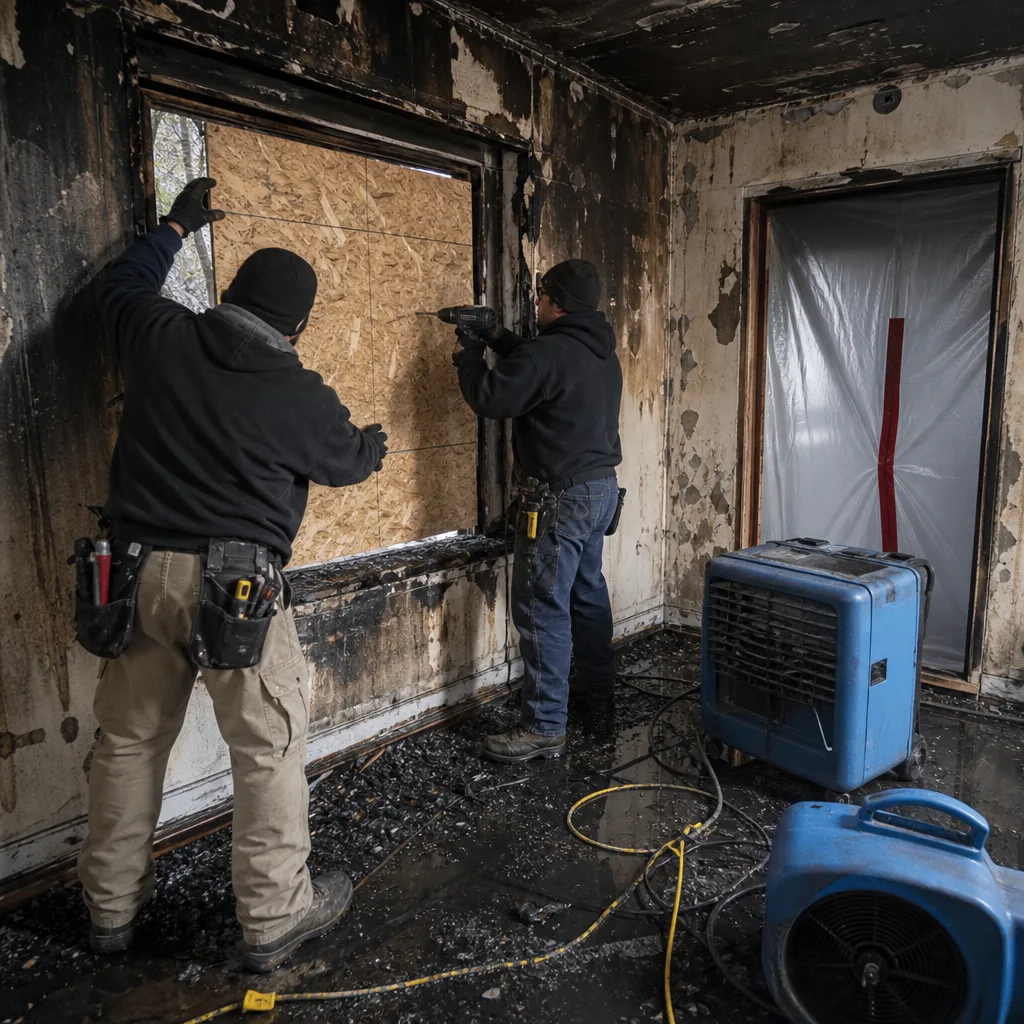
A typical light smoke and soot cleanup in a Morningside Heights studio or one-bedroom runs $4,200-$7,800. Moderate damage with pack-out, deodorization, and selective plaster repair in a two-bedroom pre-war unit runs $8,500-$14,200. Heavy structural fire damage with full stack-chase remediation, contents restoration, and reconstruction of multiple rooms runs $15,000-$35,000 or more, depending on the institutional approval timeline.
What moves the price: the number of affected rooms, the vertical migration through shared chases, the salvageability of period materials, and the speed of facilities department sign-off on institutional properties. Insurance typically covers direct fire and smoke damage, plus secondary water damage from suppression, when documentation is submitted promptly. Out-of-pocket costs arise from coverage limits, deductible amounts, and the gap between replacement cost and actual cash value on older finishes.
Haven Standard, Clause 1: a written price before any work starts, every time, with no exceptions. Our free visual inspection produces a firm, line-item scope that your adjuster can review before any equipment is deployed. Free Second Opinion on any competitor’s written estimate: bring their quote and we will review it at no charge.
We Also Serve Cities Near Morningside Heights
Our crews respond from the New York City office to Riverdale, where pre-war co-ops on the Hudson share Morningside Heights’s institutional ownership patterns; Kingsbridge, with its mix of pre-war and postwar stock; Washington Heights, where the same 1905-1935 masonry towers dominate; and Harlem, with its own historic housing stock and evolving facilities management landscape. Each neighborhood gets the same documentation-first protocol, adjusted for local building systems and ownership structures.
Serving Morningside Heights, NY - Our Local Coverage Area
We’re based in the Morningside Heights area and know this community well. Use the map below to see our service coverage - if you’re nearby, we can almost certainly help.
Morningside Heights Fire & Smoke Damage Restoration Questions, Answered
Why do smoke odor calls in Morningside Heights pre-war buildings often keep coming back after the visible soot is gone?
Smoke odor returns because the original cleaning addressed surfaces, not the migration paths. In Morningside Heights’s 1905-1935 masonry towers, smoke travels through cast-iron stack chases, gaps around radiator risers, and continuous air gaps between plaster and masonry. Visible soot on the ceiling is the symptom. The odor source is the deposit inside the chase, the riser cavity, and the porous horsehair plaster itself. We run vapor-phase deodorization through the entire vertical chase and test with thermal fogging verification before signing off. Call (845) 875-4326 for an inspection that traces the real path.
Will a fire in my Morningside Heights co-op require university or facilities approval before restoration starts?
If your building is owned or managed by Columbia University, Barnard College, or an affiliated seminary, yes. Institutional properties run restoration scopes through facilities departments and procurement chains that individual contractors cannot bypass. Our estimates are formatted for this review, and we build facilities sign-off time into the drying logs so the schedule is transparent from day one. Independent co-op boards have their own approval processes, typically faster but equally documentation-dependent. Call (845) 875-4326 and we will identify your building’s approval path during the initial call.
Do you handle pack-out and contents cleaning when the damaged unit is full of antique furniture and old-growth hardwood?
Yes. Contents cleaning and pack-out is standard on every job that requires it, not an upsell. Antique furniture, period textiles, and old-growth hardwood receive specialized handling: inventory photography, climate-controlled transport, ultrasonic or solvent cleaning matched to the material, and storage until the structure is restored. Non-salvageable items are documented for insurance replacement with pre-loss condition photos. We have packed out entire apartments of inherited furnishings while the plaster dried in place. Call (845) 875-4326 to schedule pack-out assessment.
How early does mold become a real concern after a fire or water event in a Morningside Heights apartment?
Mold colonization begins 48-72 hours after water intrusion, and fire suppression in a pre-war building often introduces water to wall cavities that dry slowly. Horsehair plaster, lath channels, and the gaps between masonry and finish materials hold moisture longer than modern drywall. We moisture-map these cavities with thermal imaging and deploy low-grain refrigerant dehumidifiers and Injectidry systems to dry from the inside out. If mold is already present, our AMRT-certified crews contain the area and run HEPA air scrubbers before any demolition begins. Call (845) 875-4326 for moisture mapping that catches colonization before it spreads.
What does a fire and smoke job in an older Morningside Heights building usually involve beyond cleanup?
Beyond surface cleaning, the job involves stack-chase remediation, radiator riser inspection, moisture mapping of plaster and lath, documentation of pre-loss condition for insurance, coordination with institutional facilities departments, and reconstruction with materials matched to period specifications. The 365-Day Done Right Promise covers every phase, from emergency board-up through final walkthrough. A written price before work starts, every time, with no scope-creep additions. Call (845) 875-4326 for a written scope that details exactly what your building needs.
How fast can your crew actually get to Morningside Heights?
We commit to 45 minutes from call to on-site for emergency fire and smoke damage in Morningside Heights. Our crews stage from the New York City office with equipment already loaded, and we understand the institutional access protocols that can delay entry if not handled correctly. The clock starts when you speak to a live person, not when you navigate a phone tree. Call (845) 875-4326 and a human answers, 24 hours a day.
Will my insurance cover fire and smoke restoration, or will I pay out of pocket?
Homeowner’s and renter’s policies typically cover direct fire and smoke damage, plus secondary water damage from suppression, minus your deductible. Coverage disputes usually arise from documentation gaps, not from the damage itself. We provide photo-documented estimates in Xactimate format, direct adjuster coordination, and daily drying logs that justify every line item. Out-of-pocket costs are limited to deductible amounts and any coverage limits on finishes. Call (845) 875-4326 and we will review your policy’s likely coverage during the free inspection.
What should I do in the first 30 minutes after a fire is extinguished in my Morningside Heights building?
Ensure everyone is safe and accounted for, then call (845) 875-4326 before touching anything. Do not attempt to clean soot yourself, dry smoke residue can be ground into plaster and become permanent with the wrong chemistry. Do not use electrical outlets near the fire room if suppression water is present. If the building is institutional, notify your facilities department or resident manager immediately, their approval timeline affects every subsequent step. Our live dispatcher will guide you through immediate safety checks while the crew is en route.
Back to Dry Restoration has operated under The Haven Standard since 2011, founded by a former claims adjuster who built the company around the documentation gap that costs homeowners their claims. Every one of the 12,000+ homes we have restored received a written price before work started and a documented record when the crew left. Alicia Brennan leads the company today with the same protocol: evidence first, then restoration.
Written by Alicia Brennan, Owner at Back to Dry Restoration, serving Morningside Heights since 2011.
Fire & Smoke Damage Restoration in Nearby Areas