Free visual inspection and a written scope of work before any mitigation begins - photos, moisture readings, and drying logs go in your claim file
The scope we write is the scope we bill. Anything new gets shown to you, in writing, before we touch it.

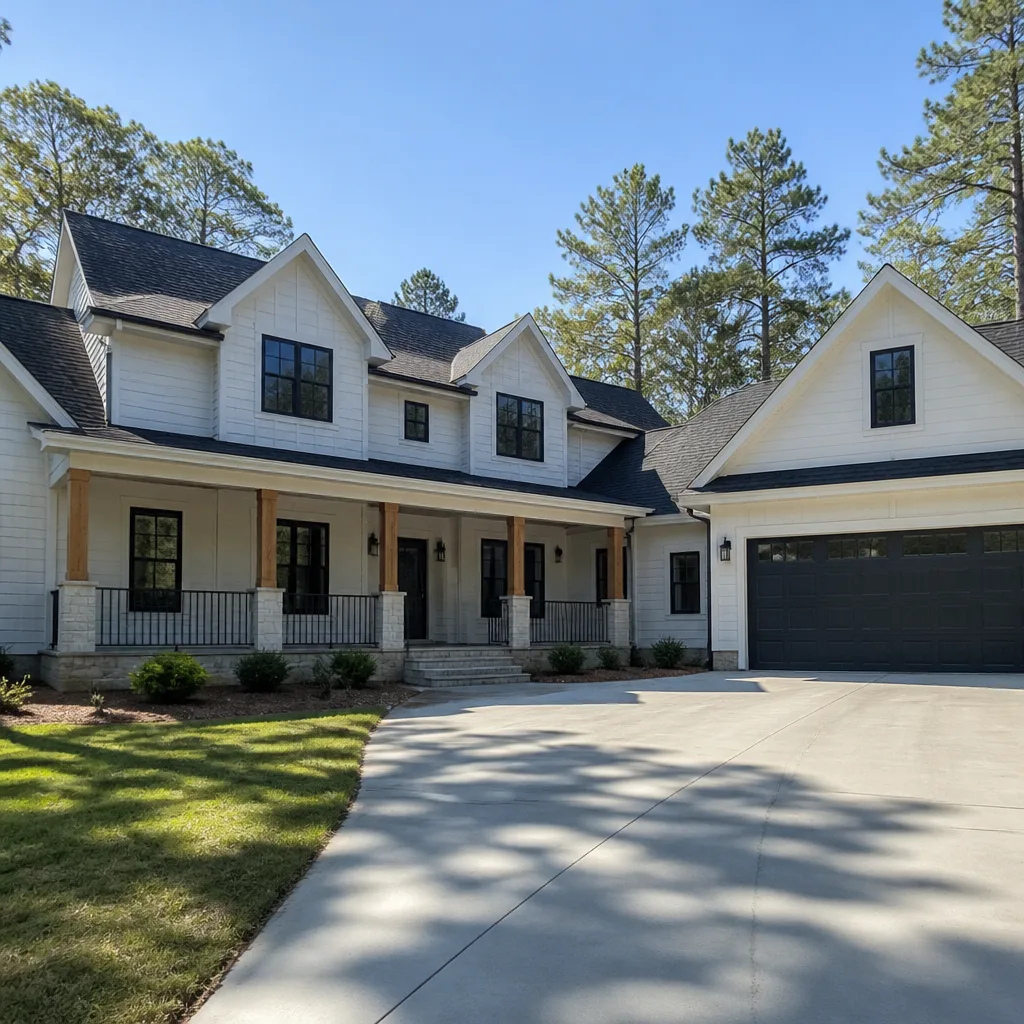
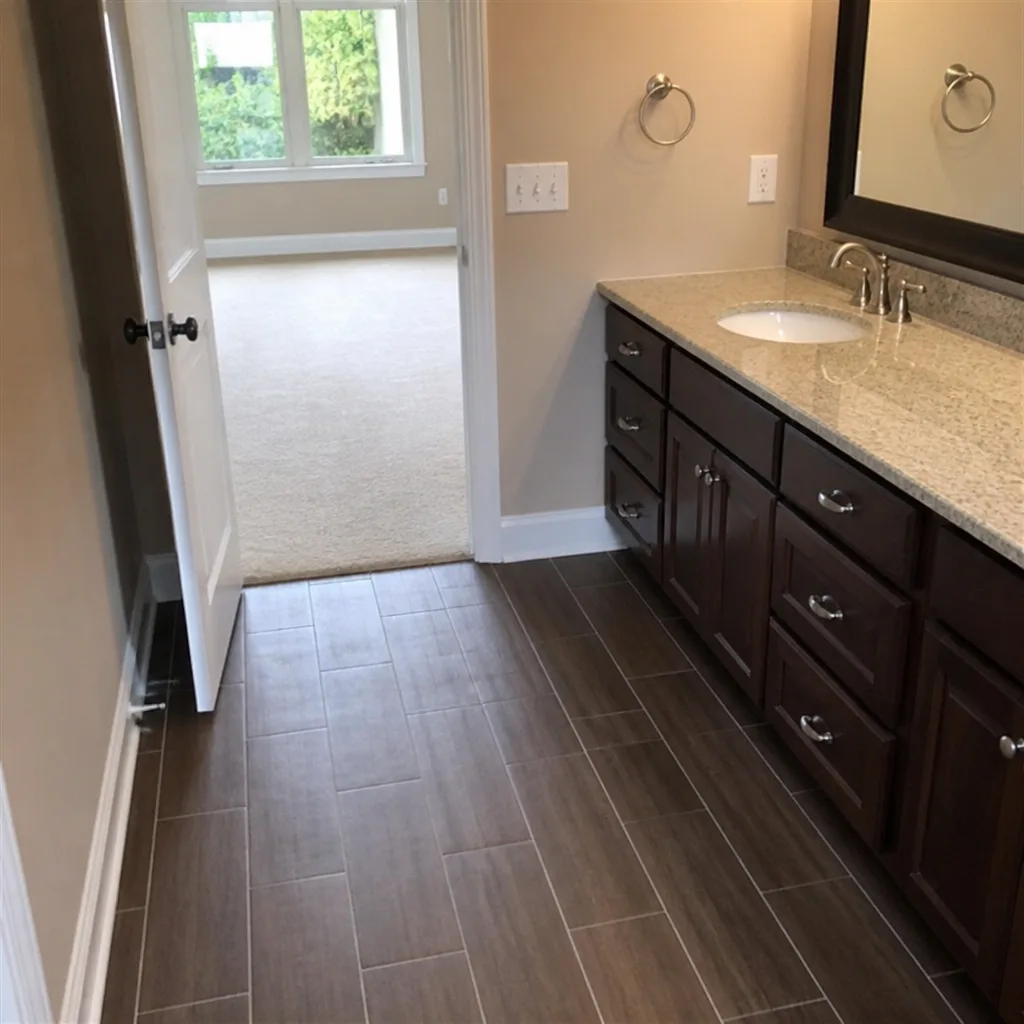
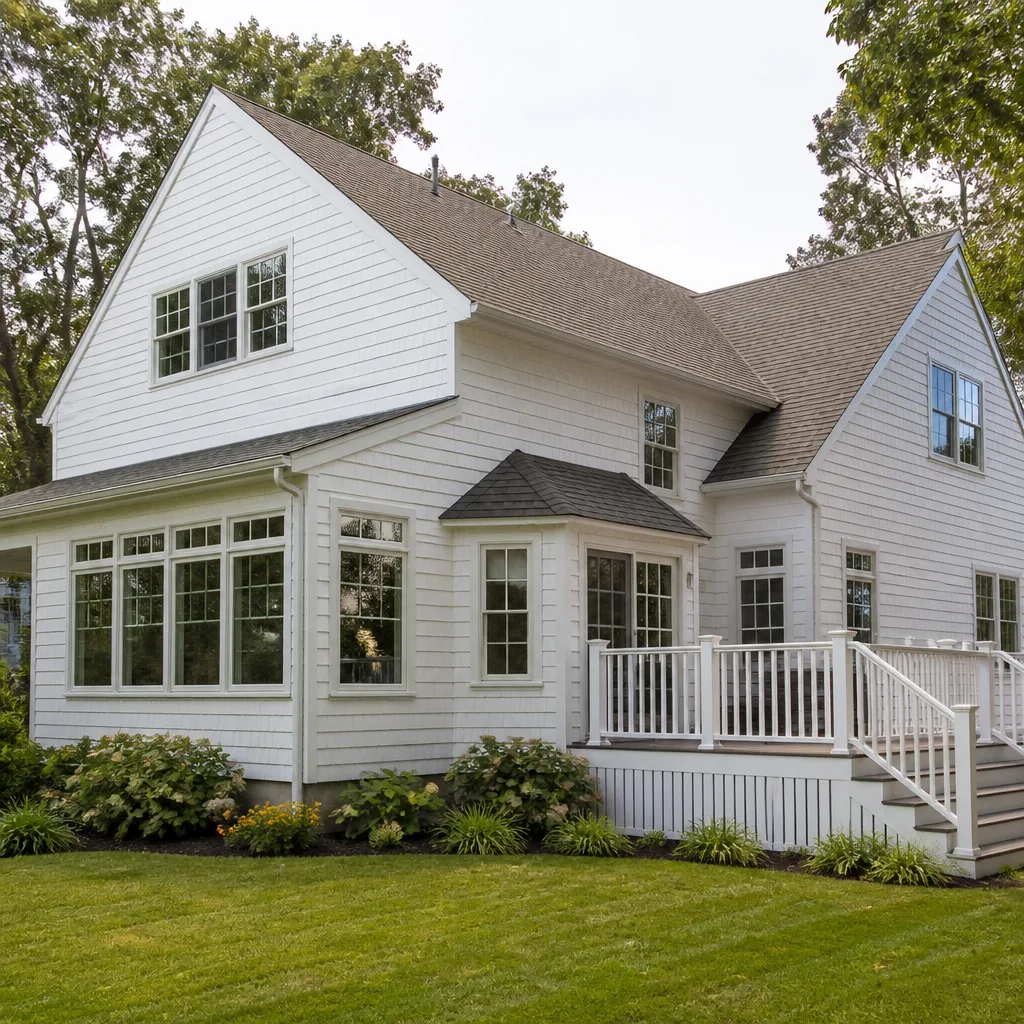
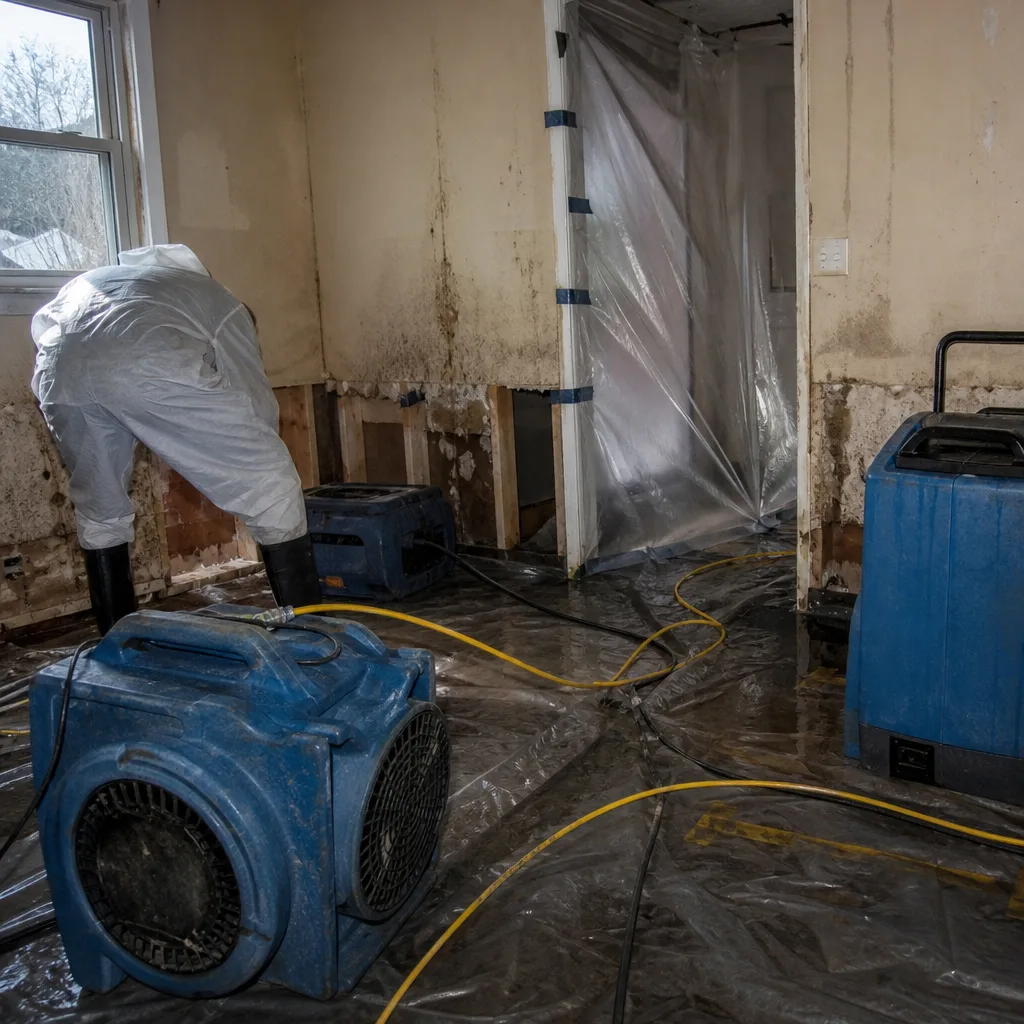 Before
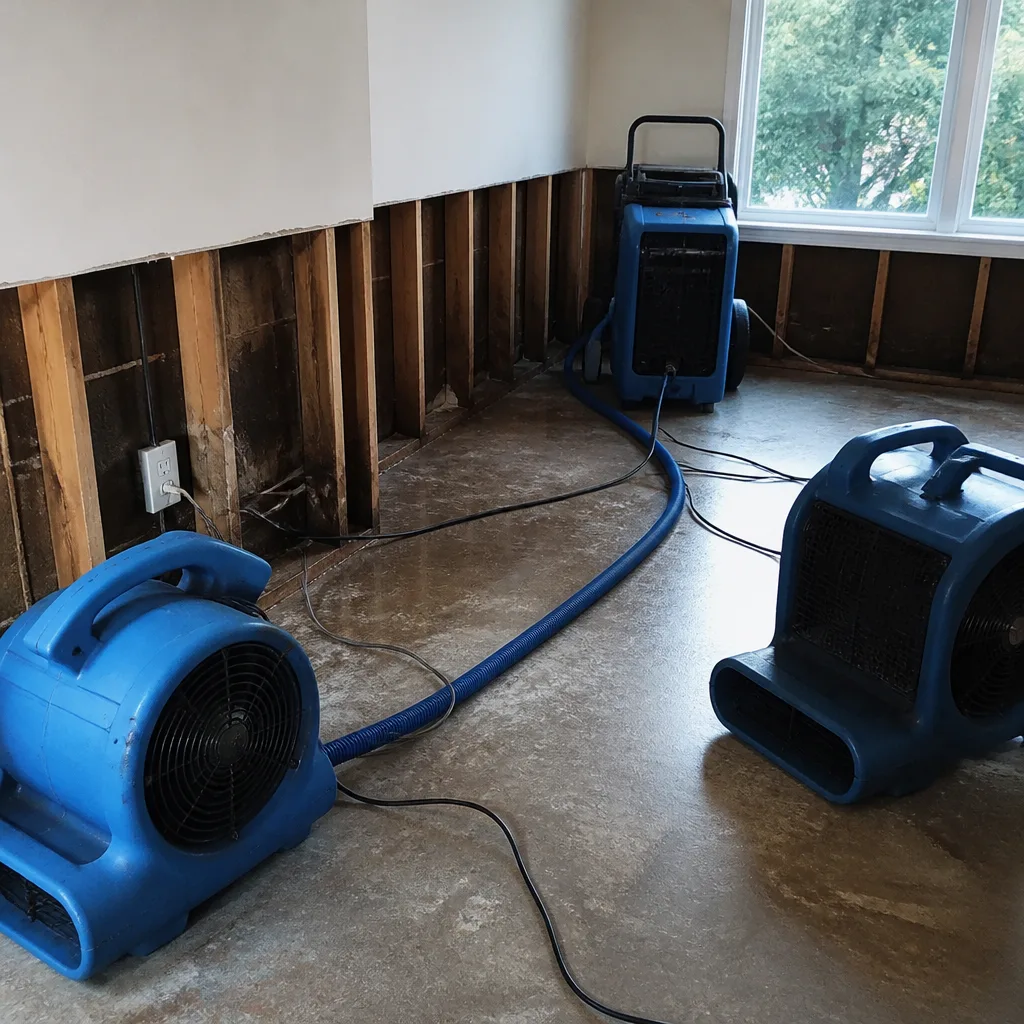 After
After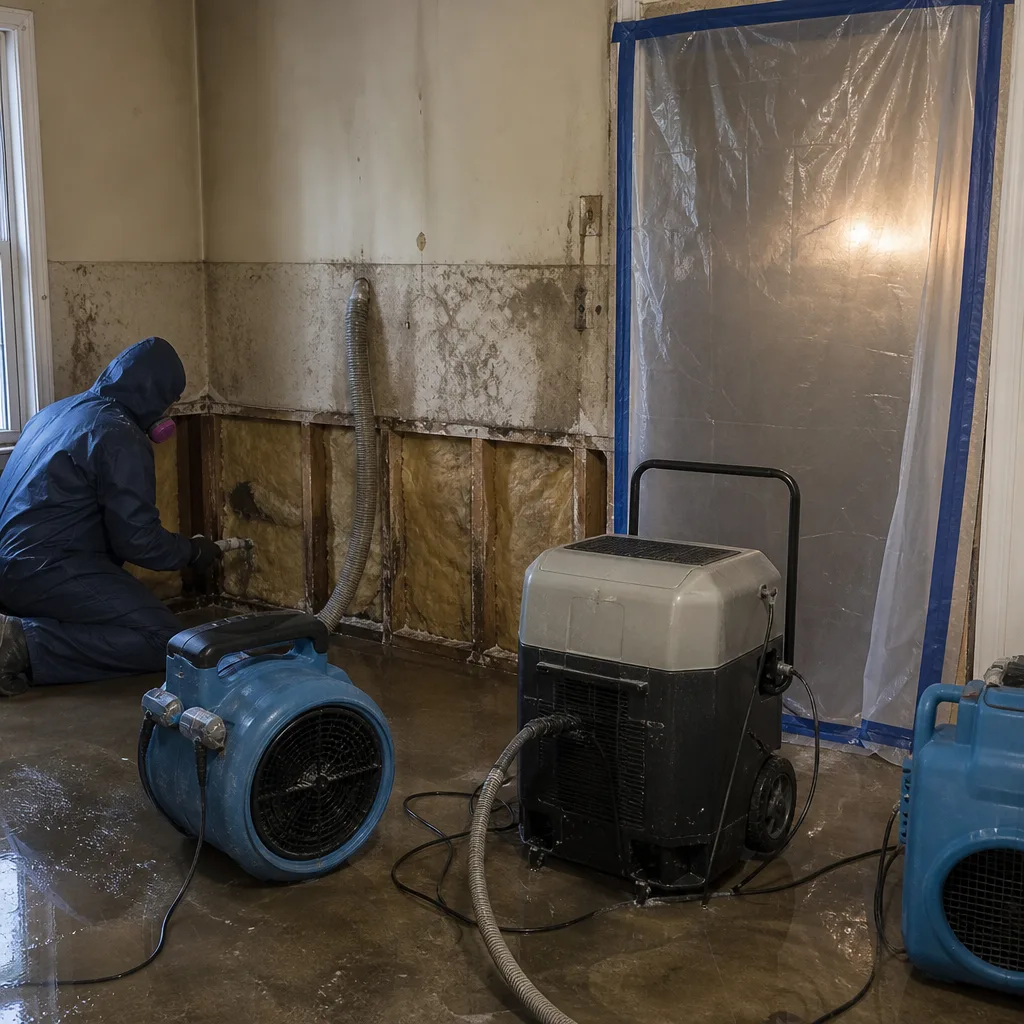 Before
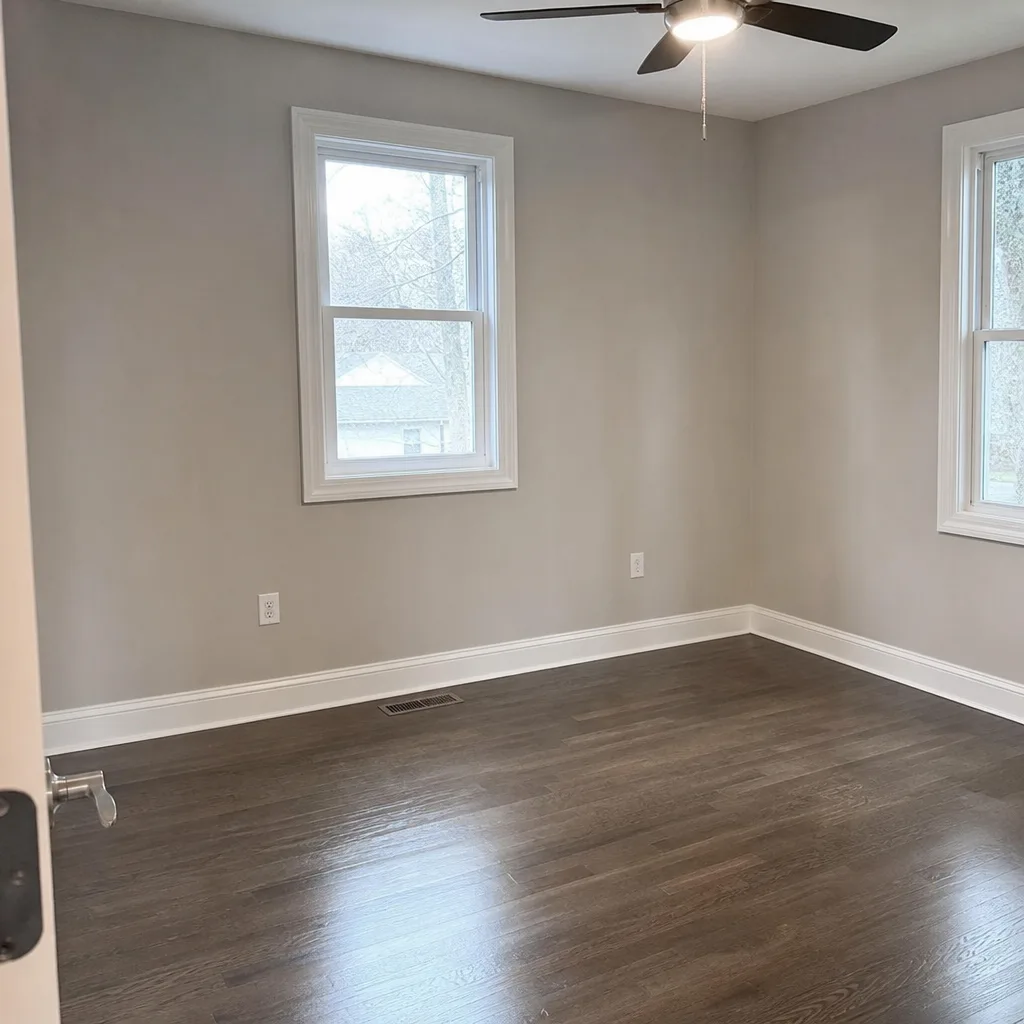 After
After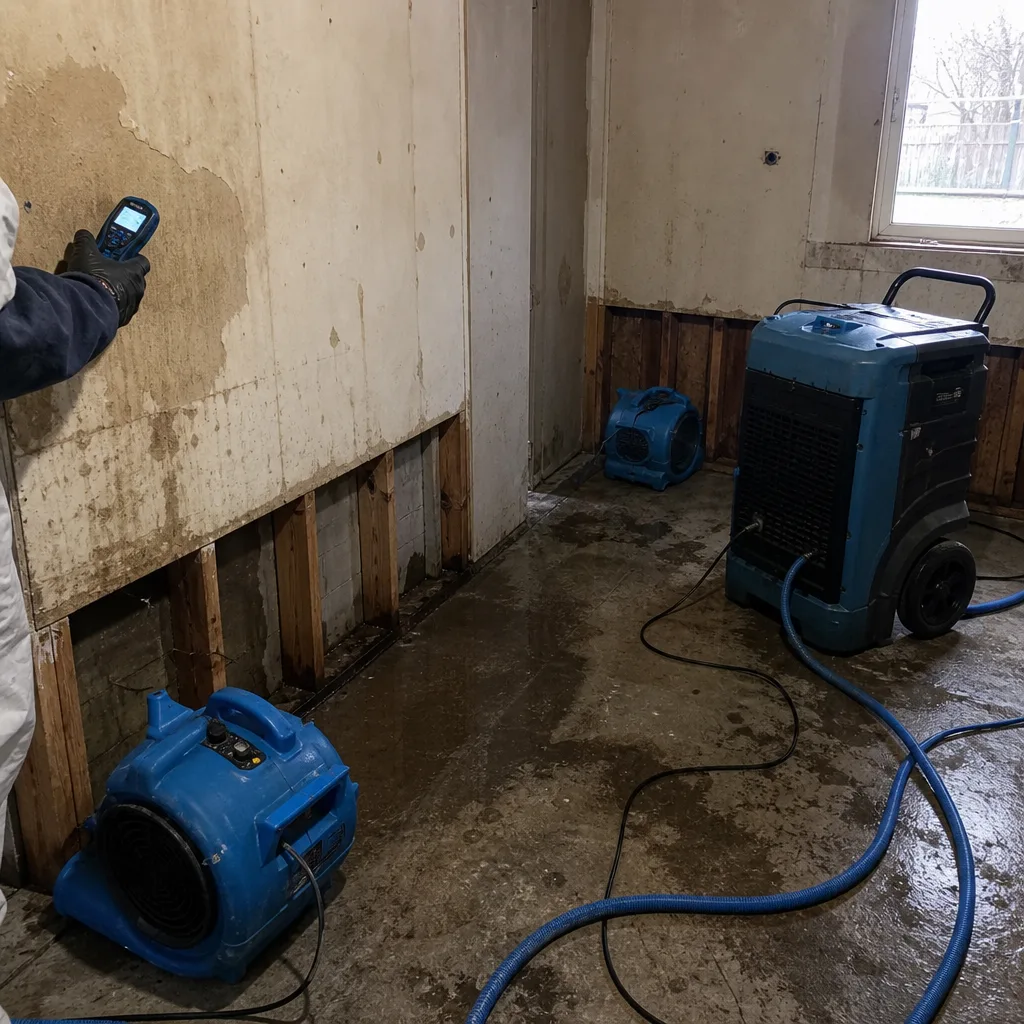 Before
 After
After24/7 Emergency Water Damage Restoration in Hackensack
Water damage restoration in Hackensack typically costs $1,800-$6,500 depending on category, square footage, and whether the loss involves a single unit or a multi-family row building. Most emergency calls in the Hackensack area receive a crew on-site within 45 minutes, and our phones are answered live at (845) 875-4326 every hour of every day. The first hour matters because Category 1 water becomes Category 2 in roughly 24 hours and Category 3 in 48 to 72 hours, and in Hackensack’s older attached housing stock, water migrates through shared party-wall cavities long before visible damage appears in adjacent units.
Our Water Damage Restoration team dispatches from our New York City office with crews already positioned to serve Hackensack locally. We do not charge for the initial visual inspection, and we bring moisture meters, thermal imaging, and documentation equipment on every arrival so nothing gets guessed.
Understanding Water Damage Restoration Severity in Hackensack Properties
Water damage falls into three categories under IICRC S500 standards, and Hackensack’s river-corridor geography pushes a disproportionate share of losses into Category 3. Category 1 is clean water from a broken supply line or overflowing sink. Category 2 is gray water with chemical or biological contamination, such as dishwasher discharge or sump pump failure. Category 3 is black water: sewage, seawater, or water that has passed through building materials or the ground, carrying pathogens and requiring full antimicrobial treatment and containment.
In Hackensack, the distinction between Category 1 and Category 3 is not always obvious at the door. The tidal Hackensack River drains toward Newark Bay, which means this city floods from two independent mechanisms: upstream rain and coastal high tide. A Nor’easter dropping 3-4 inches on Bergen County can push river water back through Hackensack’s combined storm and sanitary drains even when the storm looks modest. After Hurricane Sandy, FEMA remapped large swaths of Hackensack into Special Flood Hazard AE zones. The same riverside blocks call us back storm after storm. Crews working purely inland Bergen County towns like Paramus or Ridgewood simply do not encounter this compounding risk.
Hackensack’s residential fabric is heavily weighted toward attached 2-4 family brick row buildings and pre-WWII apartment houses from the 1920s-1940s. Many retain original cast-iron drain stacks and galvanized supply lines that corrode and fail under stress, turning a water loss into a multi-unit remediation job. The tight party-wall construction means a single roof breach, ice dam, or pipe failure can migrate horizontally through shared cavities before a tenant notices damage. Moisture mapping with thermal imaging and pinless meters is non-negotiable on these structures. Psychrometric data, vapor pressure differential, and grain depression readings guide our drying plans and are logged daily.
Why Hackensack Property Owners Choose DryMark Restoration Englewood
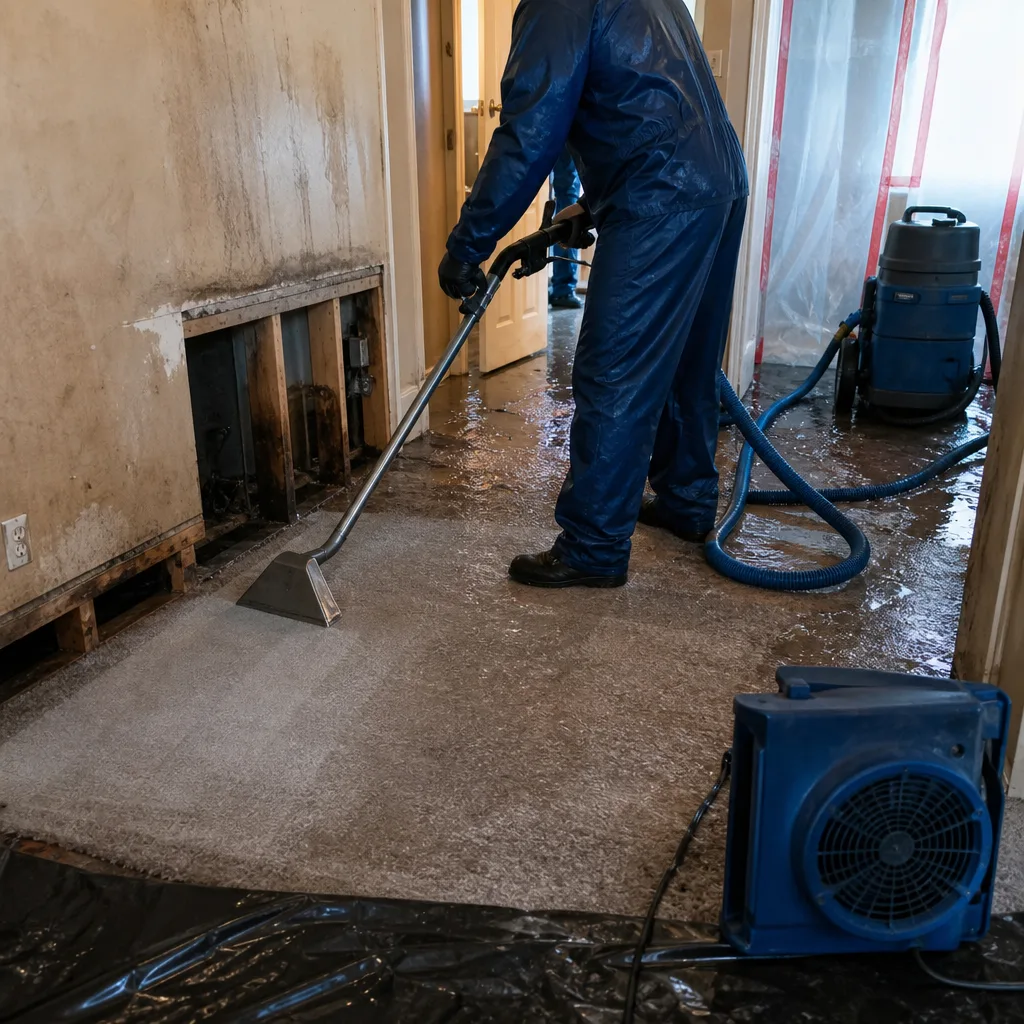
- 45-minute response commitment to Hackensack addresses, with crews carrying extraction and drying equipment on every truck so no time is lost to a second dispatch.
- 24/7 live answer: a real person picks up every call, never an automated system or voicemail tree, because water does not wait for business hours.
- IICRC-certified crews holding WRT (Water Damage Restoration Technician), FSRT (Fire & Smoke Restoration Technician), and AMRT (Applied Microbial Remediation Technician) credentials, with license numbers documented on every job file.
- Free visual inspection with moisture readings and photo documentation before any work is discussed or priced.
- Direct insurance billing and adjuster coordination, with every invoice supported by room-by-room photos, drying logs, and line-item scopes that turn restoration bills into payable claims.
- One team from extraction through reconstruction: the same crew that pumps your basement returns to hang drywall and reinstall flooring, so nothing gets lost in handoffs.
BeforeAfterOur Water Damage Restoration Process
1. Inspection & Assessment
We arrive with moisture meters, thermal imaging cameras, and hygrometers to map the full extent of the loss. In Hackensack’s pre-WWII row buildings, this means checking adjacent units and shared wall cavities, not just the room with visible water. A written scope and price are delivered before any work begins, per Haven Standard, Clause 1.
2. Water Extraction & Stabilization
Standing water is removed with truck-mounted and portable extraction systems. For basement floods in Hackensack’s lower-elevation blocks east of Main, we test water category on arrival; combined sewer surcharge can elevate a seemingly clean basement flood to Category 3, changing the entire protocol.
3. Structural Drying & Dehumidification
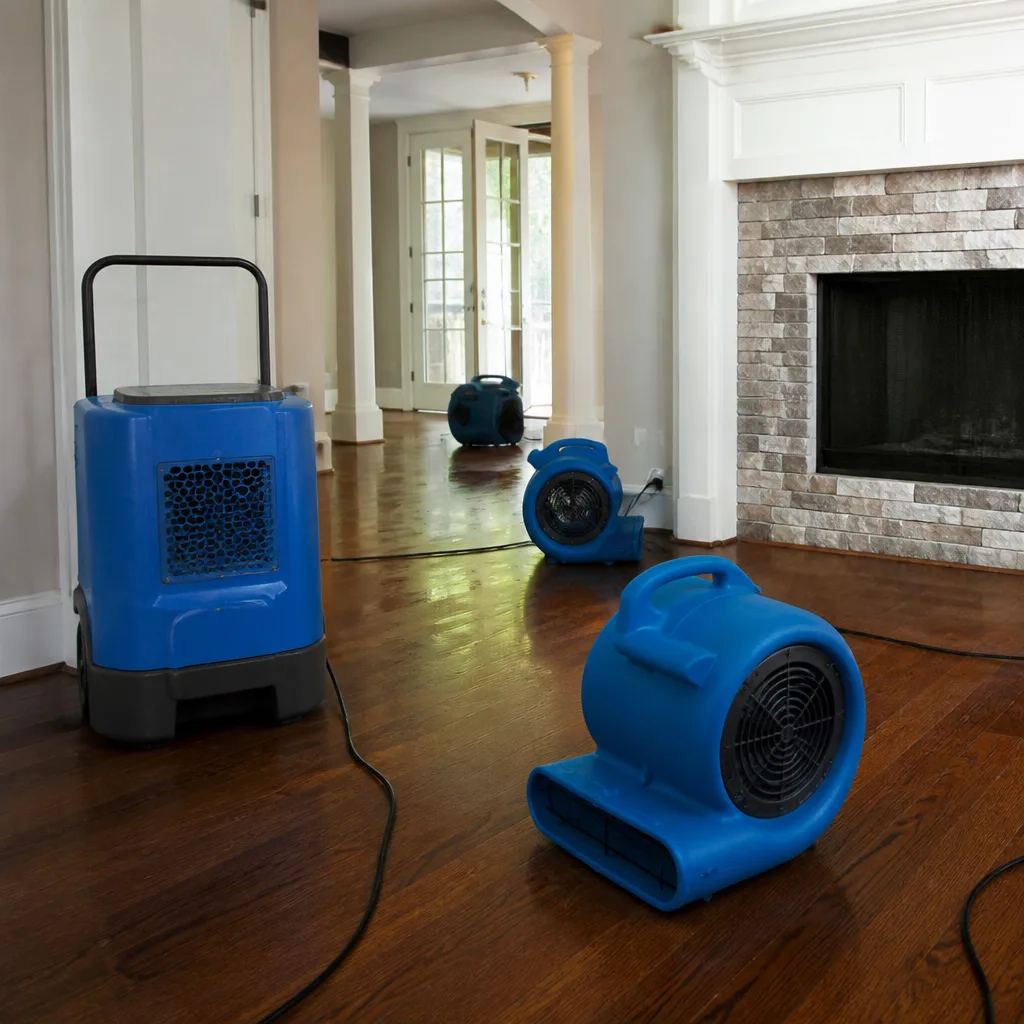
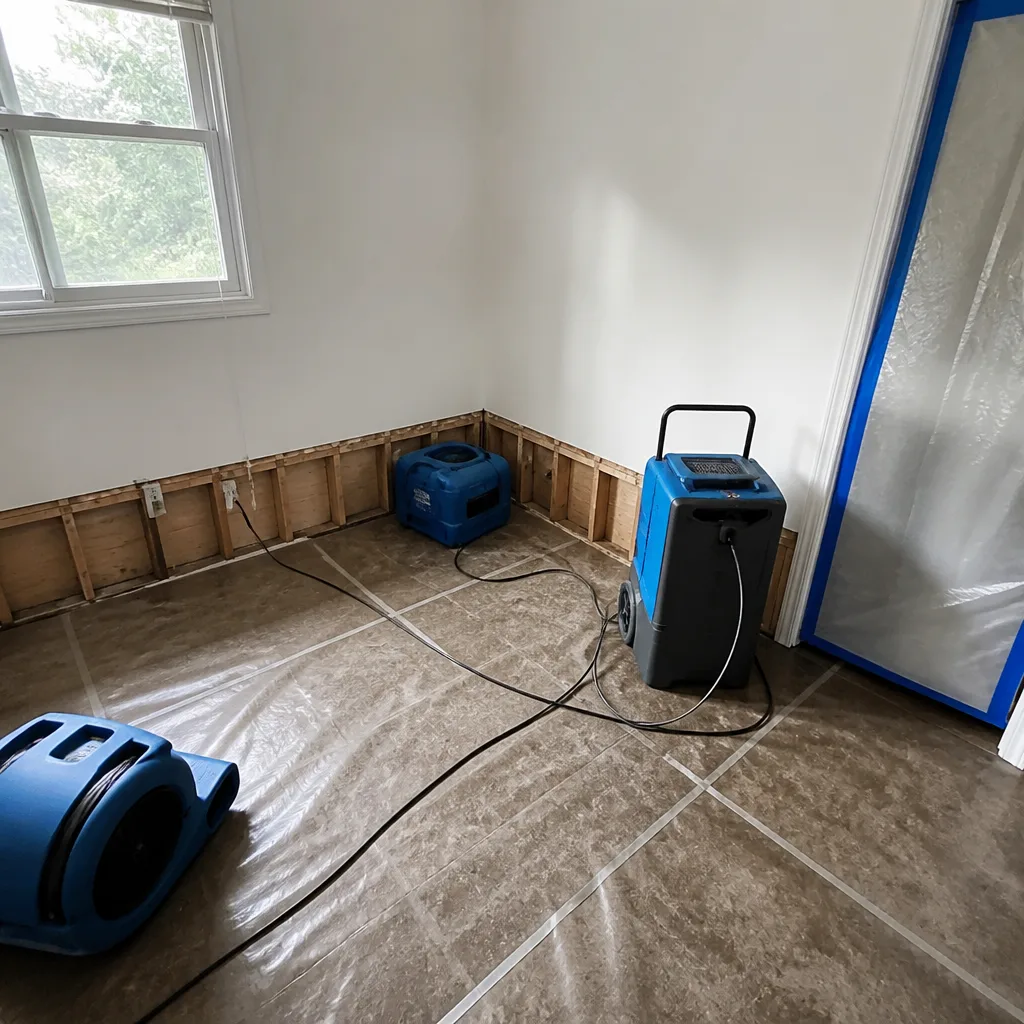
We deploy Dri-Eaz and Phoenix low-grain refrigerant dehumidifiers, B-Air and XPOWER air movers, and Injectidry cavity-drying systems to force dry air into wall voids and subfloors. Daily moisture logs track specific humidity, temperature, and grain depression until materials return to established dry standards.
4. Cleaning & Sanitization
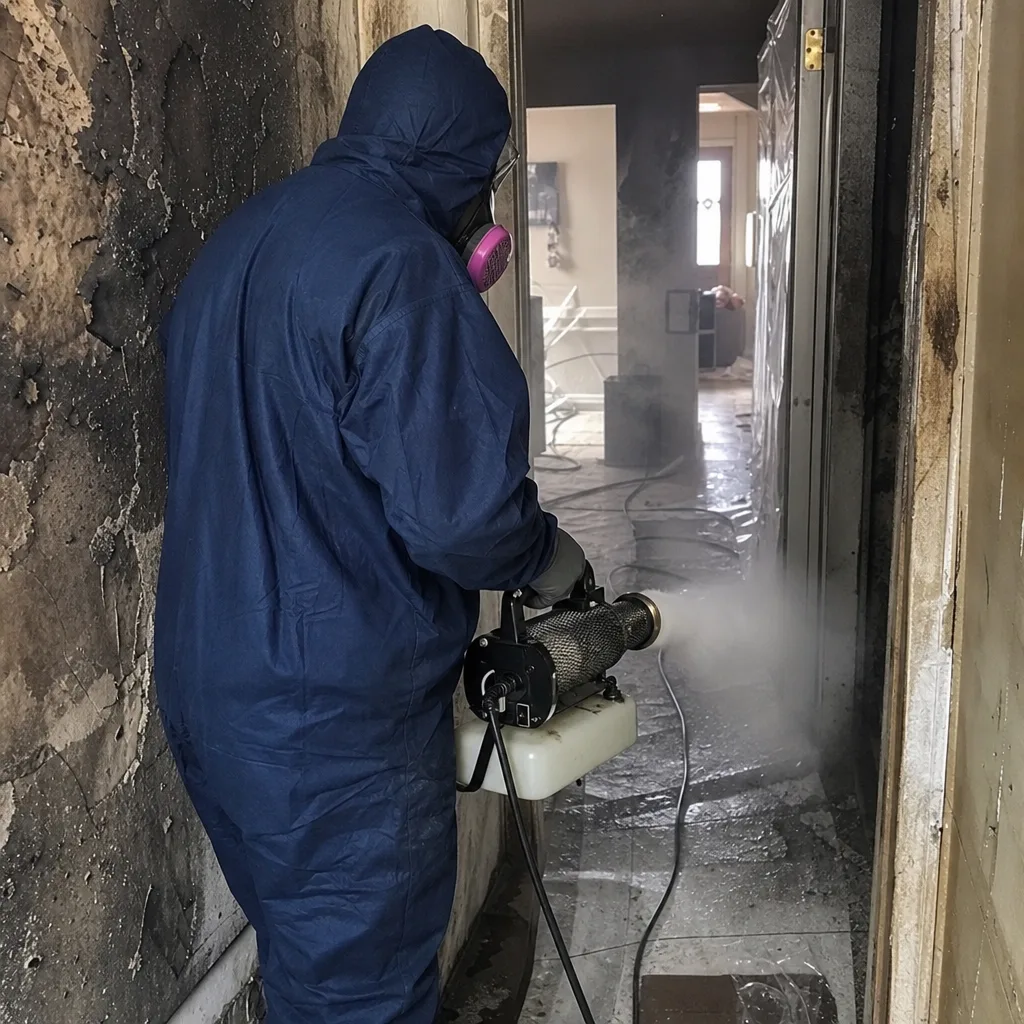
Category 2 and 3 losses receive antimicrobial treatment with EPA-registered products. HEPA air scrubbers run inside containment barriers to capture airborne particles. All work is documented to IICRC, RIA, and IFA standards.
5. Antimicrobial & Containment Treatment
For Hackensack’s Category 3 river-corridor floods, we establish polyethylene containment, negative air pressure with HEPA filtration, and full surface disinfection before any reconstruction begins. Skipping this step is why some properties develop recurring mold issues after apparent drying.
6. Repairs & Restoration
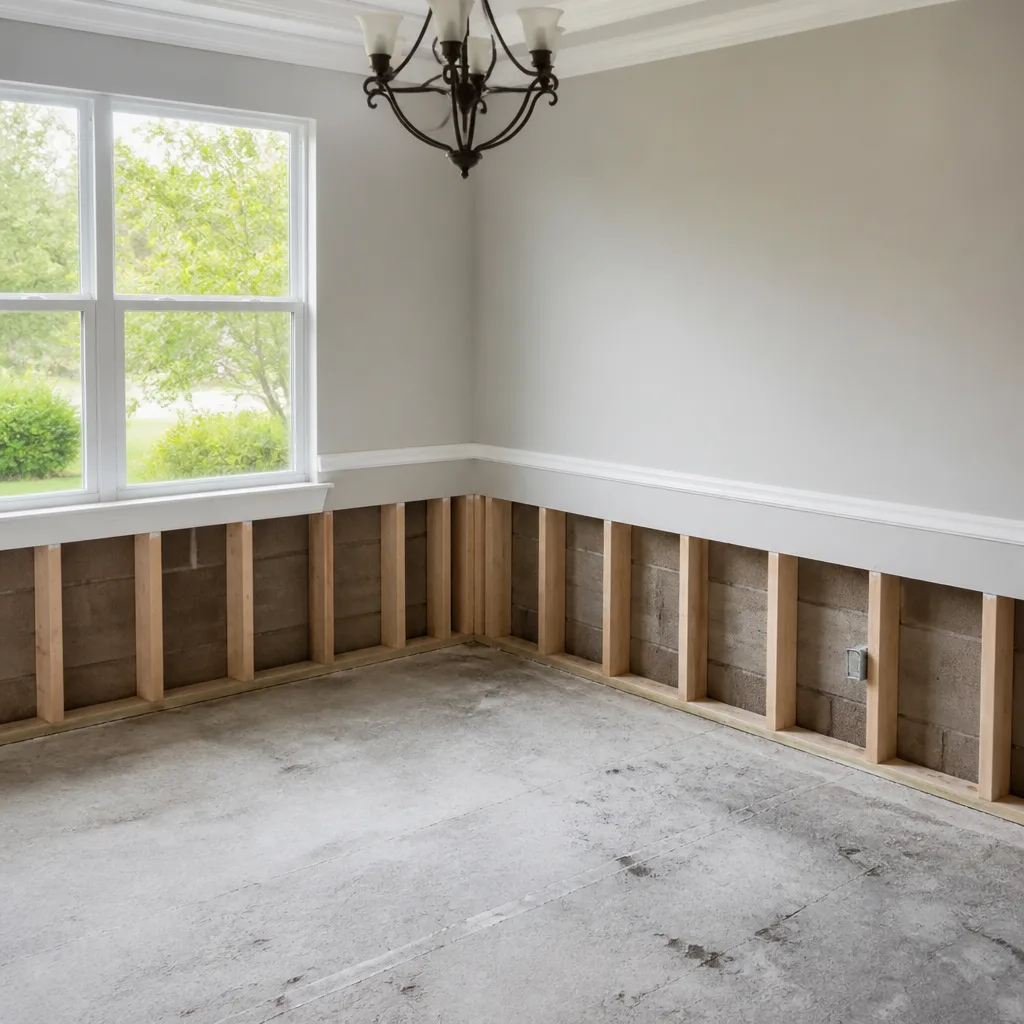
We replace flood-cut drywall, reinstall flooring, repair plumbing, and restore the property to pre-loss condition. Every repair is backed by our 365-Day Done Right Promise under The Haven Standard: if it’s not done right, we make it right.
Need Emergency Water Damage Restoration in Hackensack Now?
Crews minutes away, answering live 24 hours a day. The sooner we start, the less it costs.
Working With Your Insurance Company
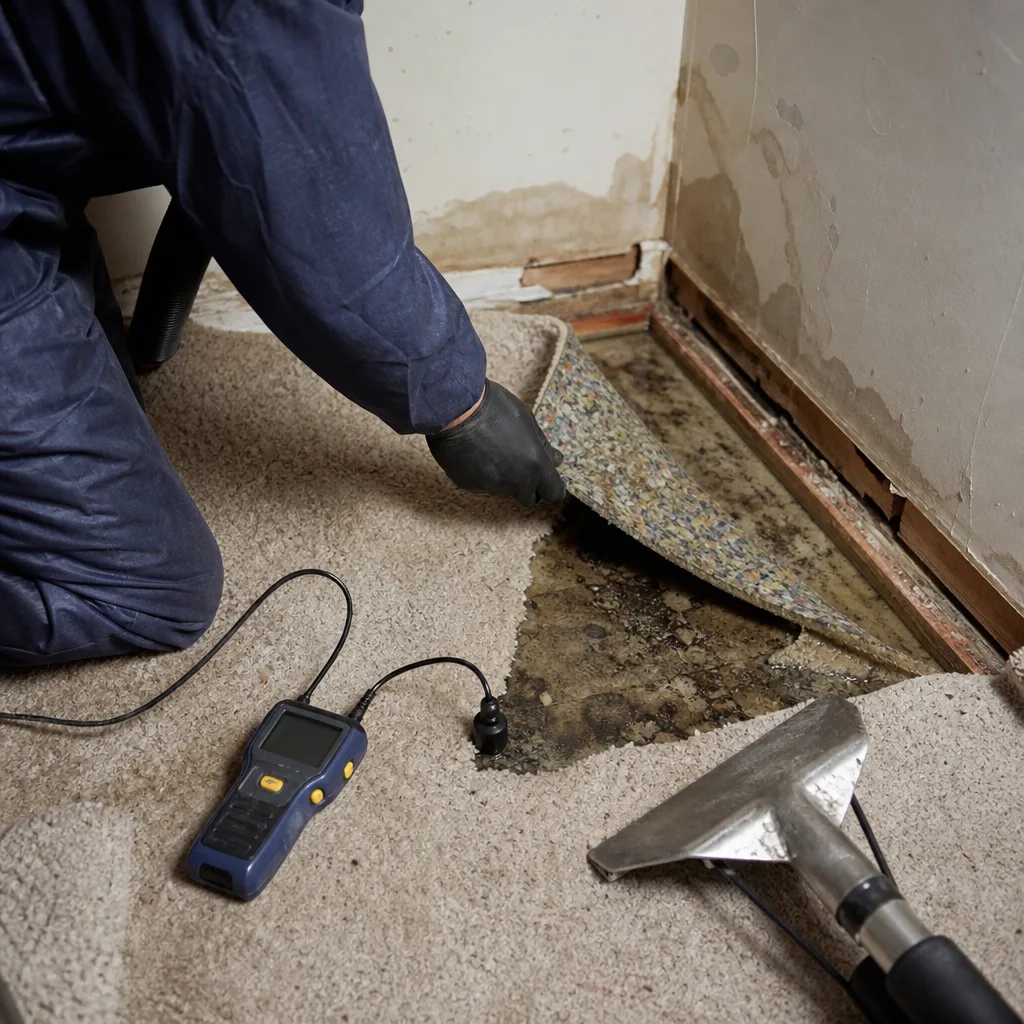
Insurance claims succeed or fail on documentation. Back to Dry was founded in 2011 by a former claims adjuster who built the company around the documentation gap that costs homeowners their claims. We begin photographing and logging from the first hour, and every job file includes a complete record of the loss, the response, and the restoration.
Our estimates are written in industry-standard Xactimate format, and we coordinate directly with your adjuster rather than handing you a bill to argue over. In Hackensack’s multi-unit buildings, this matters particularly: one loss can trigger multiple policies, and clear documentation of where the water originated and which units were affected prevents coverage disputes between carriers.
What We Provide Your Insurer
- Thorough documentation of the loss
- Photos of all damage, room by room
- Moisture readings and drying logs
- A detailed, line-item scope of work
- Direct coordination with your carrier
Built for Hackensack’s Loss Calendar
January and February bring deep freezes that burst galvanized supply lines in Hackensack’s pre-WWII housing stock. These pipes were not designed for modern pressure or temperature cycling, and they fail at joints and corrosion points. Spring thaw saturates ground that frozen soil could not absorb, pushing hydrostatic pressure against basement walls and forcing seepage through century-old mortar joints. Summer thunderstorms deliver localized flash flooding; the Hackensack River corridor sees this compounded when storm intensity coincides with high astronomical tides. Late autumn through spring is sustained Nor’easter season, and these are the events that drive the tidal-plus-precipitation compounding specific to this river corridor. We keep additional crews and equipment staged for Hackensack from October through April because the loss calendar is predictable.
Last winter we took a call on lower-elevation blocks just east of Main, where a modest overnight rain coincided with a high tide on the tidal Hackensack River; the combined sewer surcharged and a pre-WWII brick row basement came up as Category 3 black water rather than clean seepage, so we ran full containment and antimicrobial treatment before any structural drying. What made this job distinctly Hackensack wasn’t the water, it was the building: the 1920s-1940s attached row still had its original cast-iron drain stack, and the loss had migrated horizontally through the shared party-wall cavity into the unit next door before the second tenant noticed. We moisture-mapped both units, pulled the contaminated drywall to the flood cut, set Dri-Eaz and Phoenix air movers with XPOWER HEPA scrubbers inside containment, logged daily moisture readings, and rebuilt with galvanized and stainless hardware rated for the salt air.
Water Damage Restoration Across Hackensack’s Neighborhoods
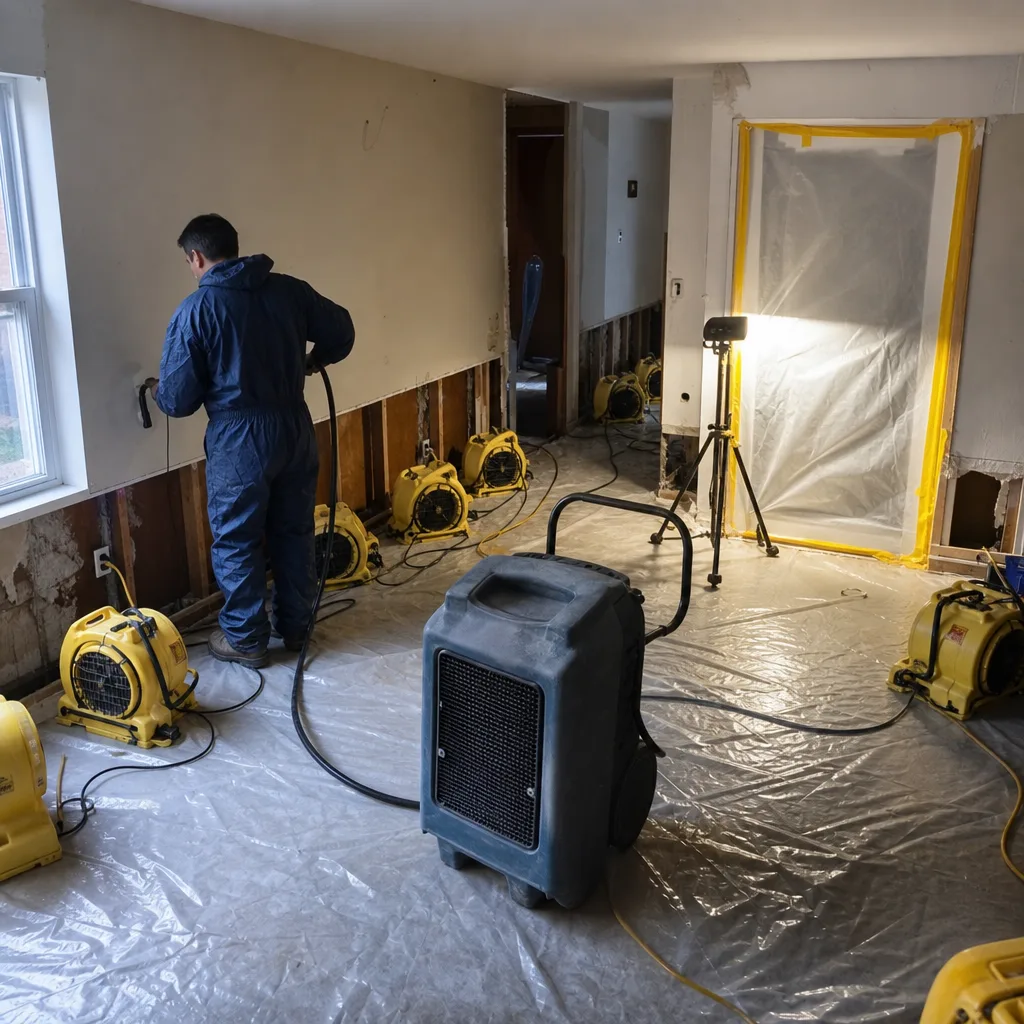
The area around Hackensack University Medical Center and the adjacent professional district sees frequent calls from converted medical office buildings and mid-century apartment towers with flat roofs and aging parapet flashing. Ice dams and wind-driven rain find the gaps. Crews working these buildings document roof assembly failures carefully because the same defect often affects multiple units in vertical stacks.
The blocks along River Street and adjacent to the Hackensack River County Park face the most direct tidal compounding risk. Properties here have been remapped into AE flood zones, and basement water removal calls after moderate rain are almost always Category 3 until proven otherwise. We test, we contain, then we extract.
Central Hackensack around Main Street and the Essex Street corridor is dense with the 2-4 family brick rows that define this city’s housing stock. A burst pipe restoration here routinely becomes a multi-unit job. Our moisture mapping protocol includes adjacent units as standard, not as an add-on, because missing horizontal migration through party walls is the most common error we see from crews unfamiliar with this construction type.
The Fairmount section and areas west of Route 80 include more single-family and small multi-family stock from the postwar period. These buildings have newer plumbing but still sit on the same river-corridor drainage system. Basement water removal here can present as clean groundwater, but we still test for sewer surcharge because the dividing line is elevation, not neighborhood character.
Specialized Water Damage Restoration Services We Offer in Hackensack
Emergency Water Extraction
Truck-mounted and portable extraction systems remove standing water within hours of your call. In Hackensack’s Category 3 river-corridor floods, extraction is preceded by containment setup and followed immediately by antimicrobial treatment, not by waiting for a separate crew.
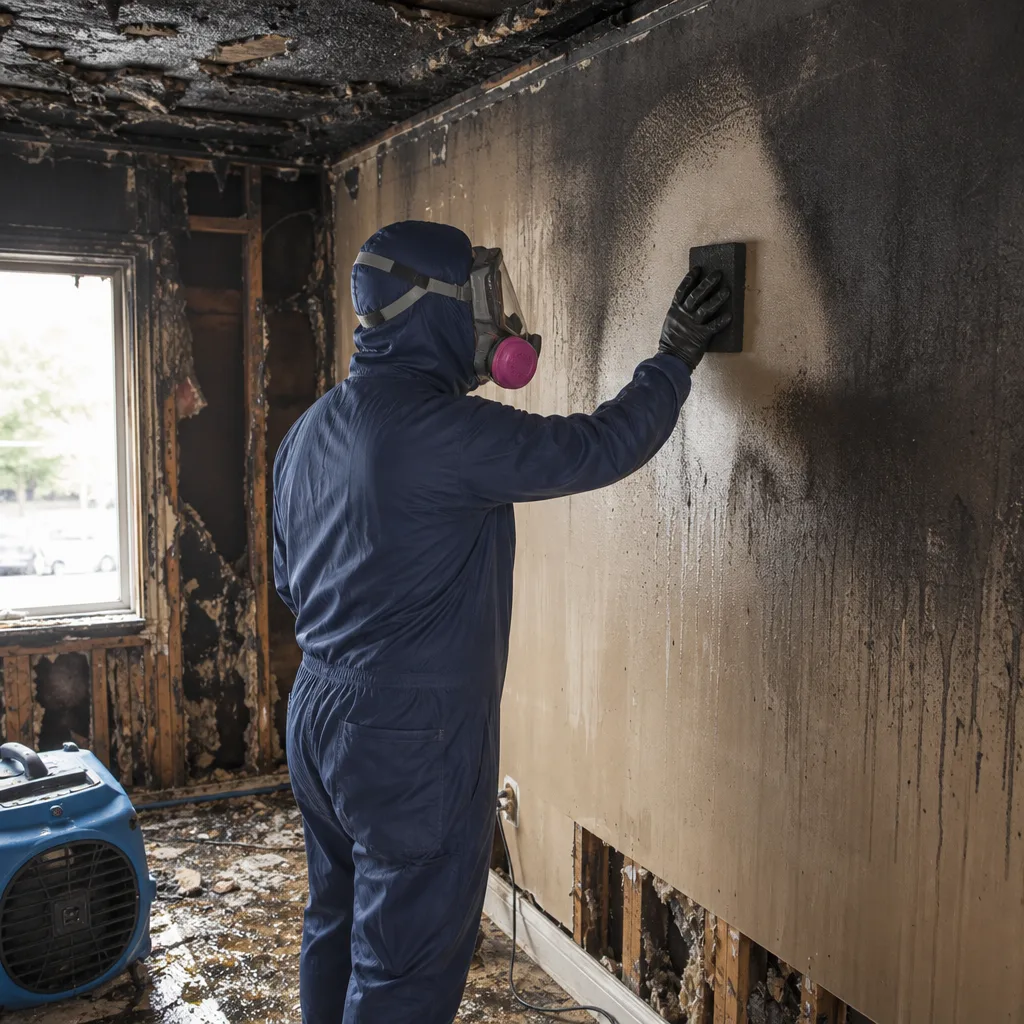
Structural Drying & Dehumidification
Low-grain refrigerant dehumidifiers and targeted air movement reduce moisture content in wood framing, concrete, and gypsum to established dry standards. Daily moisture logs document progress and justify equipment removal to your insurer.
Flood Cleanup
Hackensack flood cleanup requires understanding whether the source is clean precipitation, river water, or surcharged combined sewer. We determine category on arrival and adjust protocol accordingly. Tidal flooding in this city does not respond to pump-out-only treatment.
Burst Pipe Restoration
Galvanized and cast-iron plumbing in Hackensack’s older housing stock fails at predictable points: corrosion at threads, freeze damage at exterior walls, and stress at original stack penetrations. We repair the plumbing, dry the structure, and restore finishes with one coordinated scope.
Basement Water Removal
Basements in Hackensack’s lower-elevation blocks, particularly east of Main, are vulnerable to combined sewer surcharge during coincident rain and high tide. We pump, test water category, contain if needed, and dry to completion with documented daily readings.
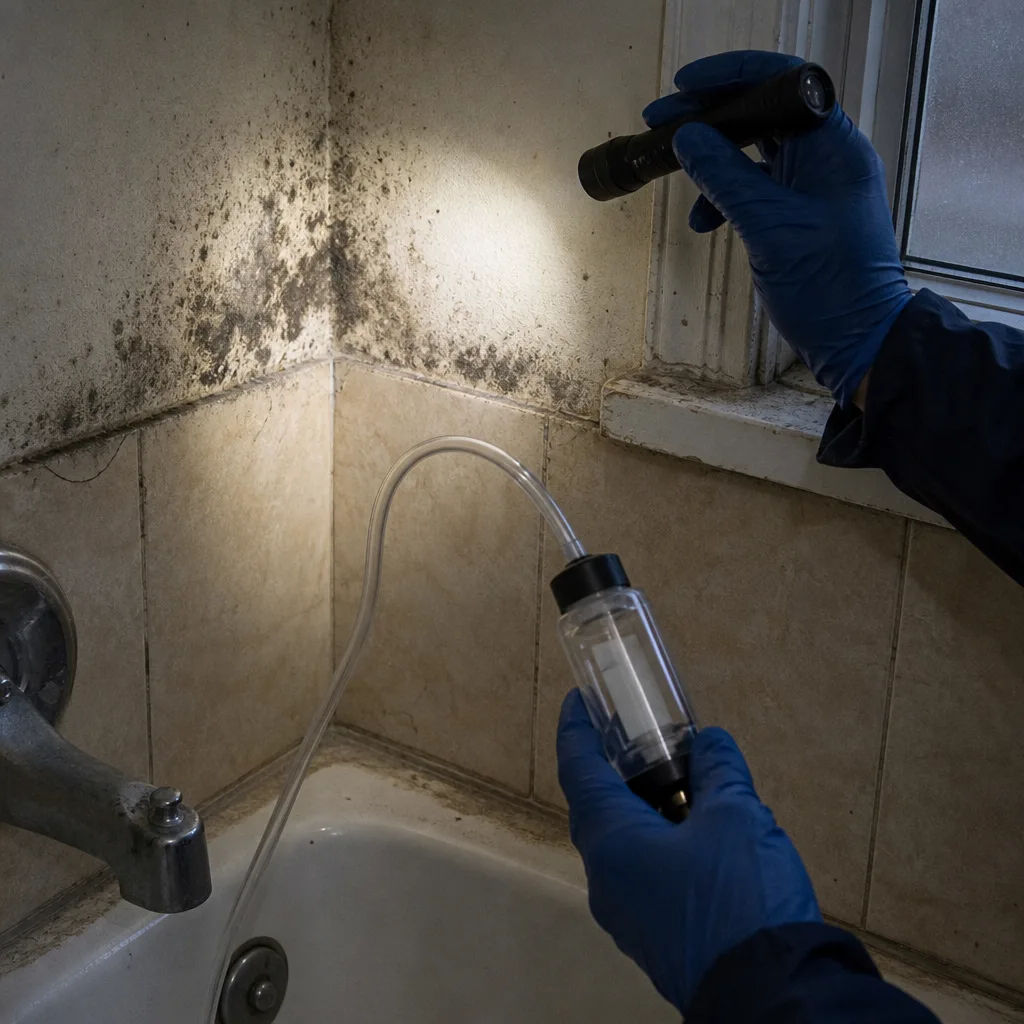
Ceiling & Roof Leak Water Damage
Flat and low-slope roofs on Hackensack’s apartment houses and commercial conversions fail at parapets, drains, and penetrations. We trace water paths through ceiling assemblies, remove saturated insulation, and dry structural decking before mold establishes.
What happens when you call
- 1
A real person answersNo phone trees - you reach a local pro.
- 2
You get an upfront price rangeHonest numbers before anyone is dispatched.
- 3
A background-checked tech heads outLicensed & insured, dispatched right away.
- 4
You approve before work beginsNothing starts until you say go.
Water Damage Restoration Costs in Hackensack, NJ
| Service | Typical Range in Hackensack |
|---|---|
| Emergency water extraction (single room) | $350 - $850 |
| Basement water removal (Category 1, single unit) | $1,800 - $3,200 |
| Basement water removal (Category 3, with containment) | $3,500 - $6,500 |
| Structural drying & dehumidification (per day) | $180 - $340 |
| Multi-unit row building (2-4 family, full remediation) | $4,500 - $12,000+ |
| Written inspection with moisture readings | Free |
What moves the price: water category (Category 3 requires containment, antimicrobial treatment, and longer drying), affected square footage, whether the loss has migrated to adjacent units through party walls, and whether materials require removal versus in-place drying. Insurance typically covers sudden and accidental water losses; gradual leaks and maintenance issues may not. We deliver a written price before work begins, every time, with no scope-creep additions once the crew is inside, per Haven Standard, Clause 1. Bring a competitor’s written estimate and we will review it at no charge.
We Also Serve Cities Near Hackensack
Our crews respond throughout the immediate Hackensack area and to neighboring communities including Hackensack, Bogota, Lodi, Hasbrouck Heights, and Ridgefield Park. The same river-corridor flood dynamics affect Bogota and Ridgefield Park directly; Lodi and Hasbrouck Heights see related drainage challenges from the same watershed. Documentation standards and response times are identical across our entire service area.
Serving Hackensack, NJ - Our Local Coverage Area
We’re based in the Hackensack area and know this community well. Use the map below to see our service coverage - if you’re nearby, we can almost certainly help.
Hackensack Water Damage Restoration Questions, Answered
Why does my Hackensack basement flood during a normal rainstorm when my friends in Ridgewood stay dry?
The tidal Hackensack River drains toward Newark Bay, so your basement floods from two mechanisms at once: rain falling on the watershed and high tide pushing river water backward through combined storm and sanitary drains. Ridgewood sits at higher elevation on a different drainage system with no tidal compounding. A 3-inch rain event that Ridgewood handles easily can surcharge Hackensack’s lower-elevation blocks when it coincides with an astronomical high tide. Call (845) 875-4326 for a free inspection of your basement’s vulnerability and a written mitigation scope.
Why do you treat river-adjacent basement water as Category 3 instead of just pumping it out?
Because Hackensack’s aging combined sewer infrastructure regularly surcharges during heavy rain events, basement water in the blocks closest to the river frequently contains pathogens from sanitary sewage cross-contamination. Category 3 water requires full containment, antimicrobial treatment, and removal of porous materials that cannot be disinfected. Pumping without testing and containment leaves contaminated material in place and exposes occupants to health risk. We test on arrival, document the category, and proceed accordingly. Call (845) 875-4326 for a free visual inspection.
How fast do you need to get to a water loss in a Hackensack 2-4 family row building?
Within the first hour is ideal; within four hours is critical. In Hackensack’s attached brick rows, water migrates horizontally through shared party-wall cavities and original cast-iron stack penetrations. By the time a tenant in the adjacent unit notices damage, the loss has already spread. Our 45-minute response commitment includes moisture mapping of adjacent units as standard. The sooner we establish containment and extraction, the smaller the affected area and the lower the final restoration cost. Call (845) 875-4326 and a live person will dispatch crews immediately.
What actually fails first in Hackensack’s older multifamily buildings when a pipe lets go?
Original galvanized supply lines corrode from the inside, thinning at threads and joints until they fail under pressure or thermal stress. Cast-iron drain stacks crack at hubs and offsets, particularly where they pass through fire-rated party walls. The failure point is rarely visible until water appears. When it does, the water follows the path of least resistance through century-old mortar joints and shared wall cavities. We replace failed original piping with modern materials rated for current pressure and code, and we moisture-map adjacent units before declaring the job dry. Call (845) 875-4326 for a free inspection.
Will my Hackensack water damage job need more than one visit?
Yes. A proper water damage restoration requires multiple visits over several days: initial extraction and setup, daily moisture monitoring and equipment adjustment, verification drying to established standards, then repair and reconstruction. In Hackensack’s river corridor, we also schedule follow-up inspections after the next significant rain event to confirm that mitigation measures are holding. Every visit is documented with photos and moisture logs. We do not consider a job complete until the data supports it. Call (845) 875-4326 to schedule your initial inspection.
How do I know if my water damage is covered by insurance?
Sudden and accidental water losses, such as burst pipes or storm damage, are typically covered under standard homeowners policies. Gradual leaks, maintenance issues, and flooding from outside rising water require separate flood insurance, which many Hackensack property owners in AE zones carry post-Sandy. We document the cause and timing of your loss from the first hour and coordinate directly with your adjuster to establish coverage. Our photo records and written scopes support your claim. Call (845) 875-4326 and we will review your situation at no charge.
Can we stay in the home during water damage restoration?
For Category 1 losses affecting a single room, often yes. For Category 2 or 3 losses, or any loss involving multiple units in a Hackensack row building, temporary relocation is usually recommended until containment is established and air quality is verified. We do not guess at safety; we measure particulate levels and document them. If relocation is necessary, we provide the documentation your insurer needs to process additional living expense coverage. Call (845) 875-4326 to discuss your specific situation.
What certifications do your Hackensack crews hold?
Our technicians hold IICRC WRT (Water Damage Restoration Technician), FSRT (Fire & Smoke Restoration Technician), and AMRT (Applied Microbial Remediation Technician) credentials. All work is documented to IICRC, RIA, and IFA standards. License numbers are recorded on every job file and available on request. Background checks and verification are completed before any technician arrives at your property. Call (845) 875-4326 to verify credentials or schedule service.
Written by Alicia Brennan, Owner at Back to Dry Restoration, serving Hackensack since 2011 under The Haven Standard.
Water Damage Restoration in Nearby Areas