Free visual inspection and a written scope of work before any mitigation begins - photos, moisture readings, and drying logs go in your claim file
The scope we write is the scope we bill. Anything new gets shown to you, in writing, before we touch it.
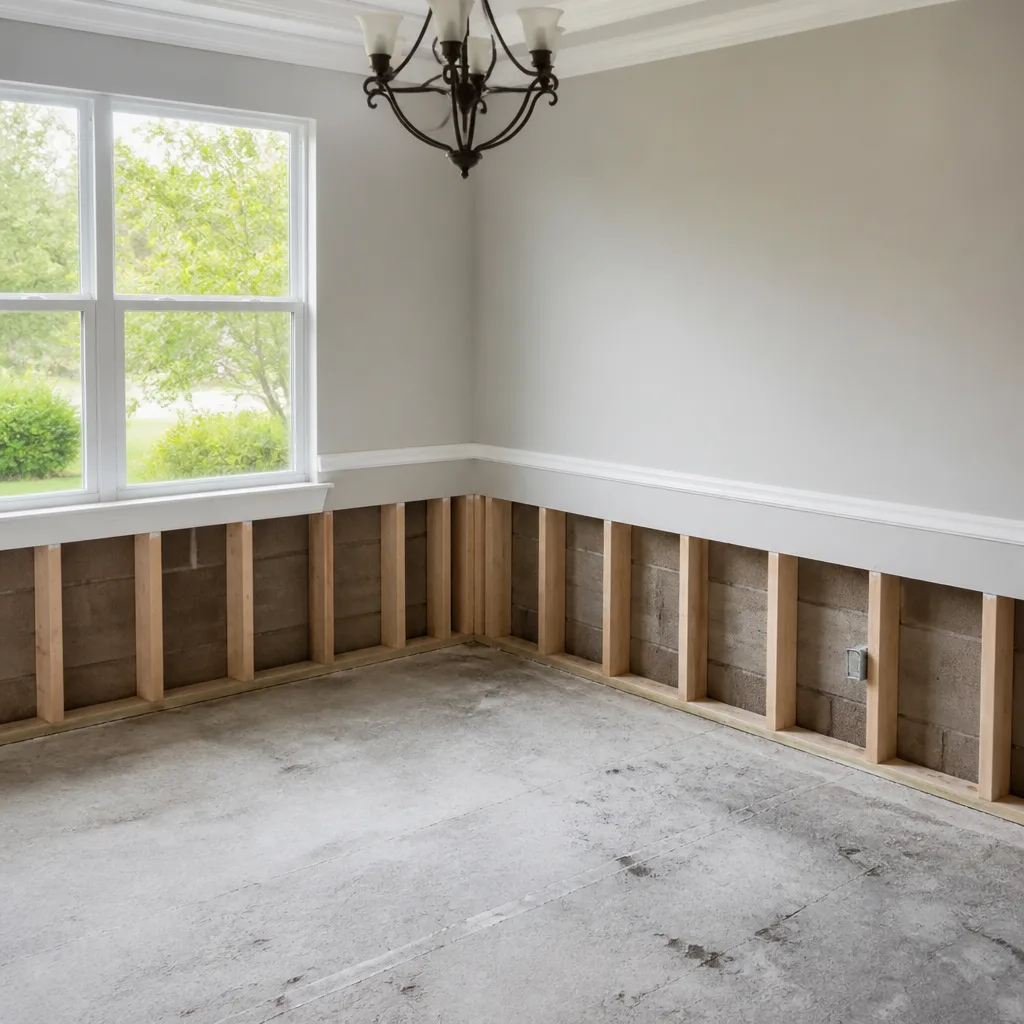
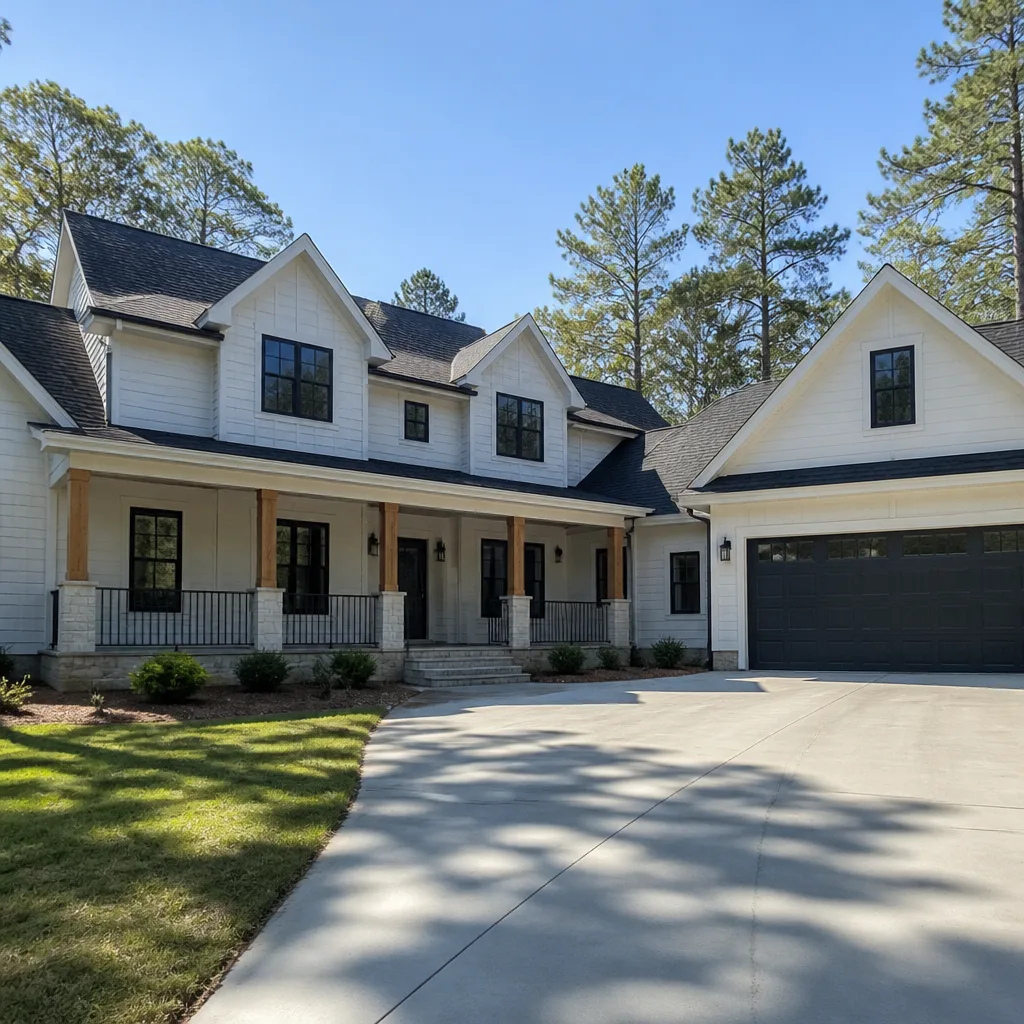
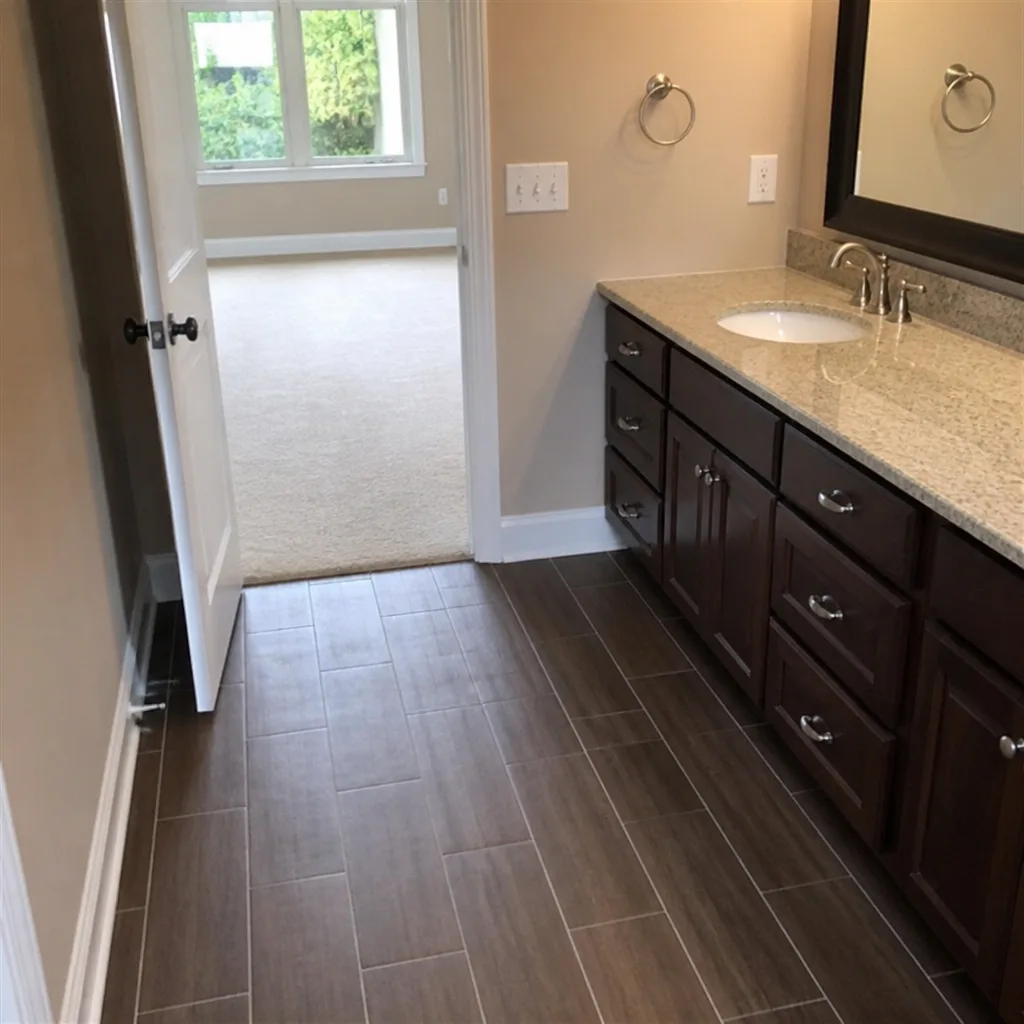
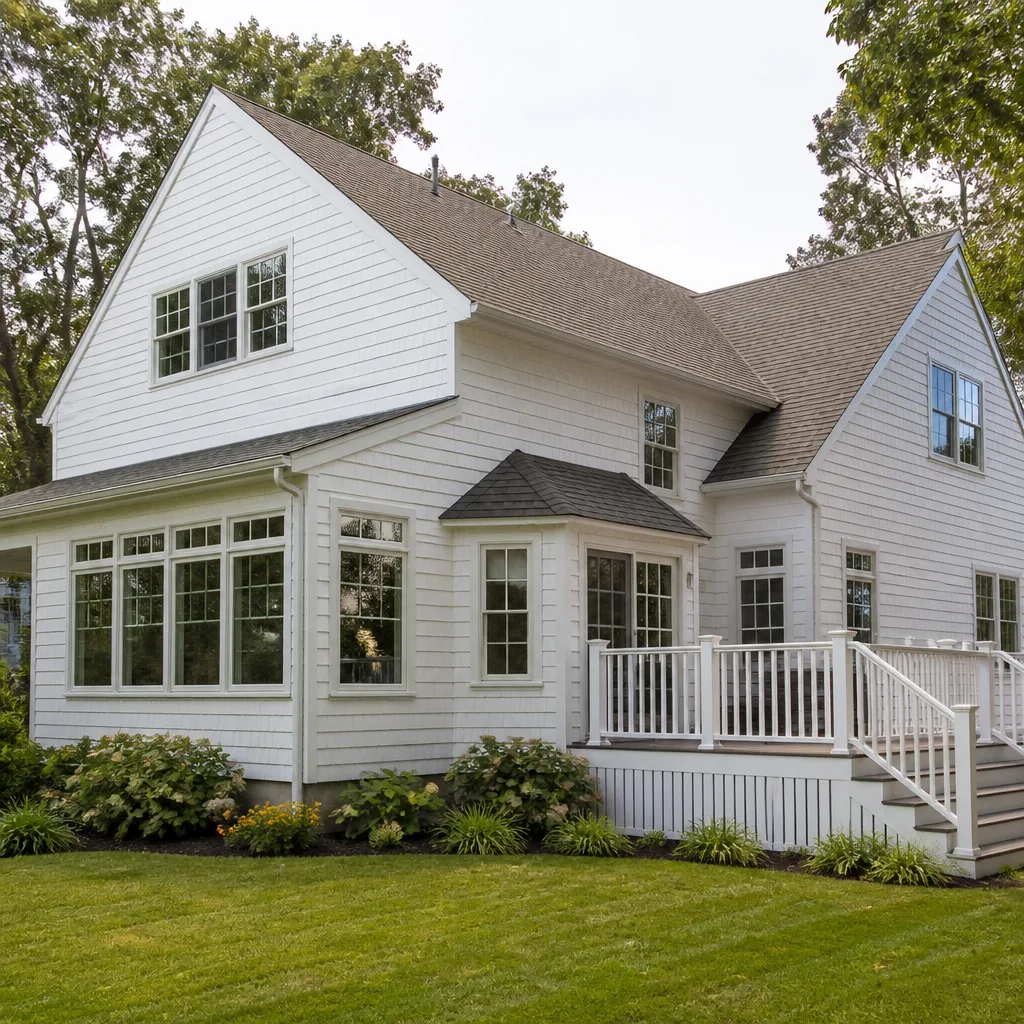
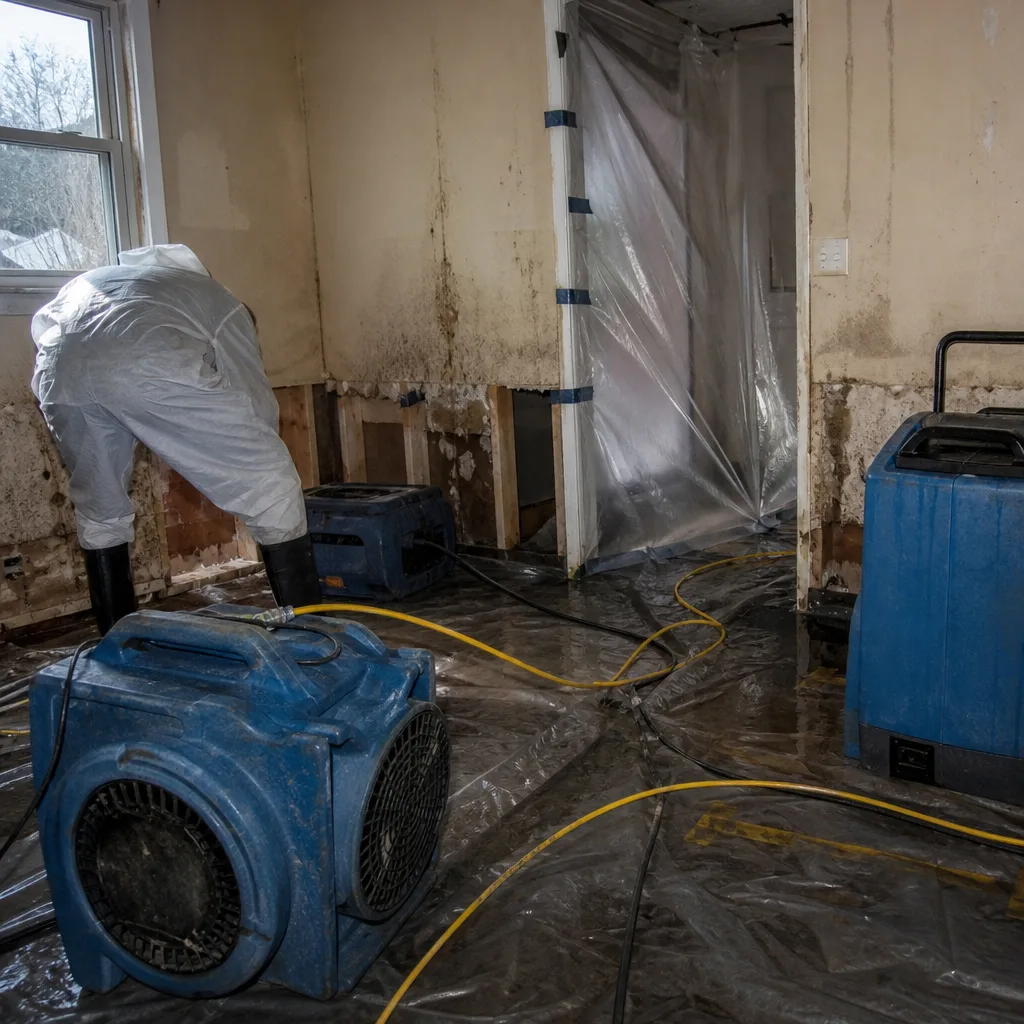 Before
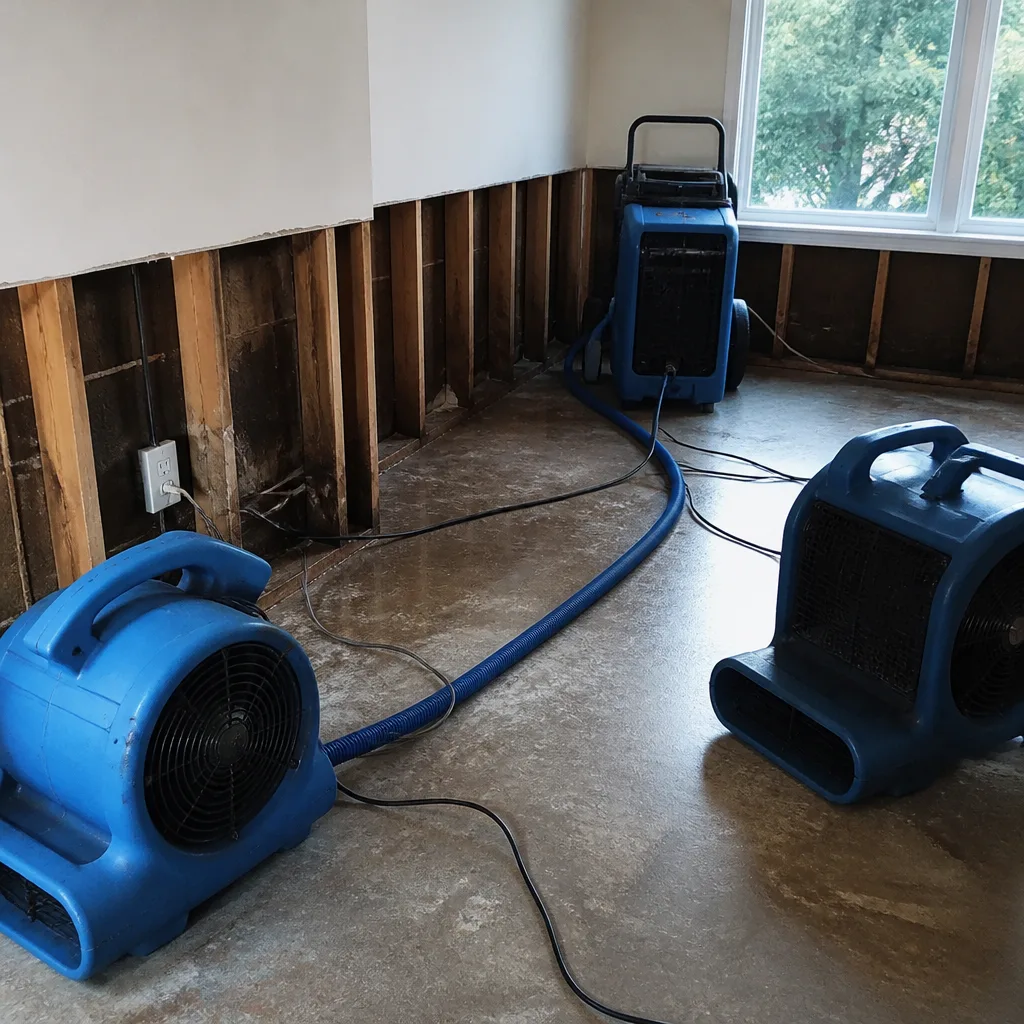 After
After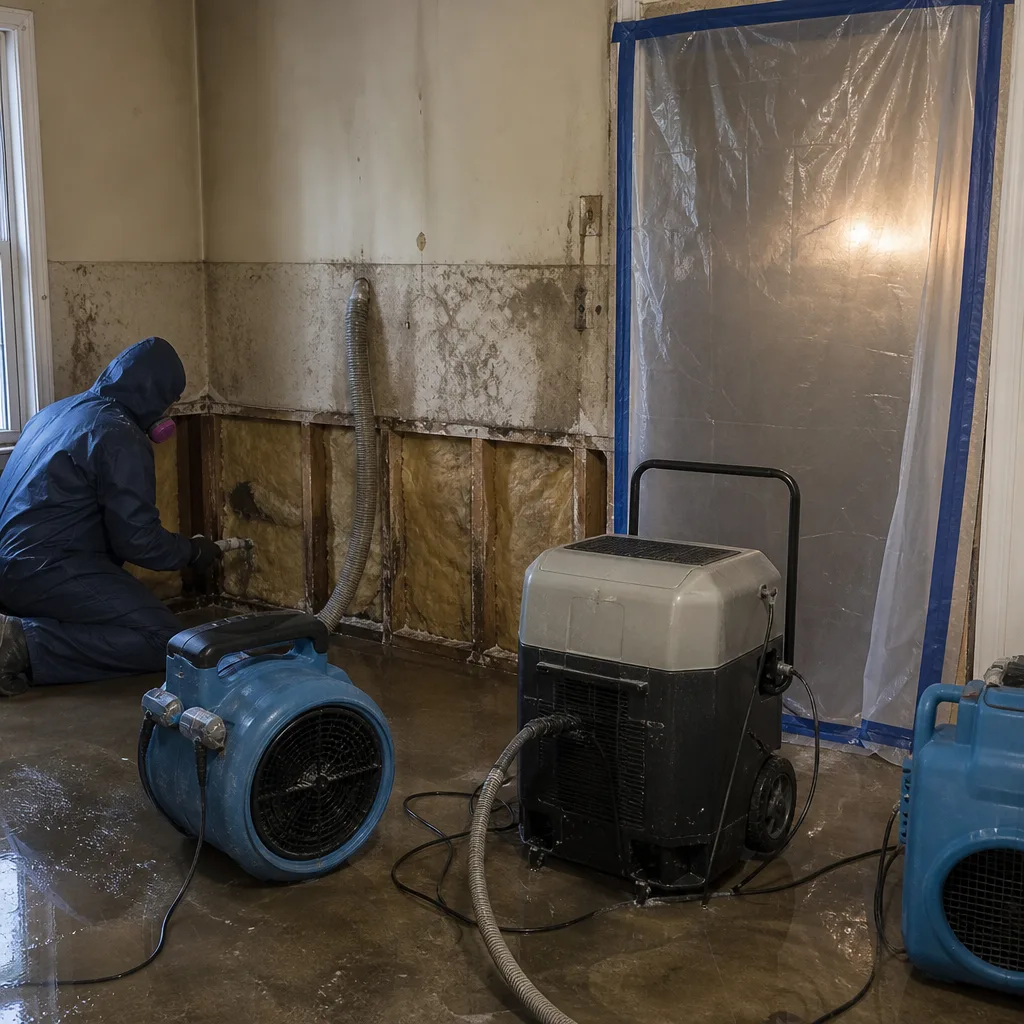 Before
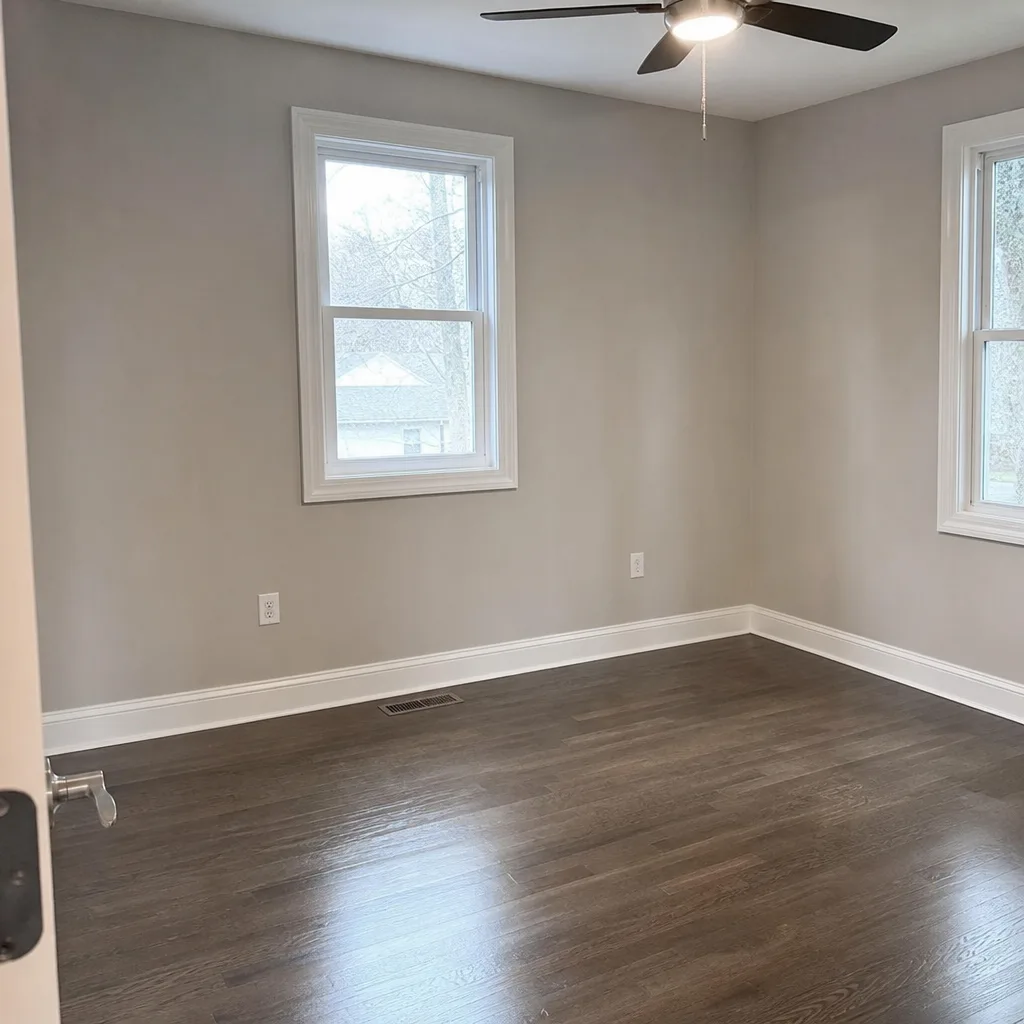 After
After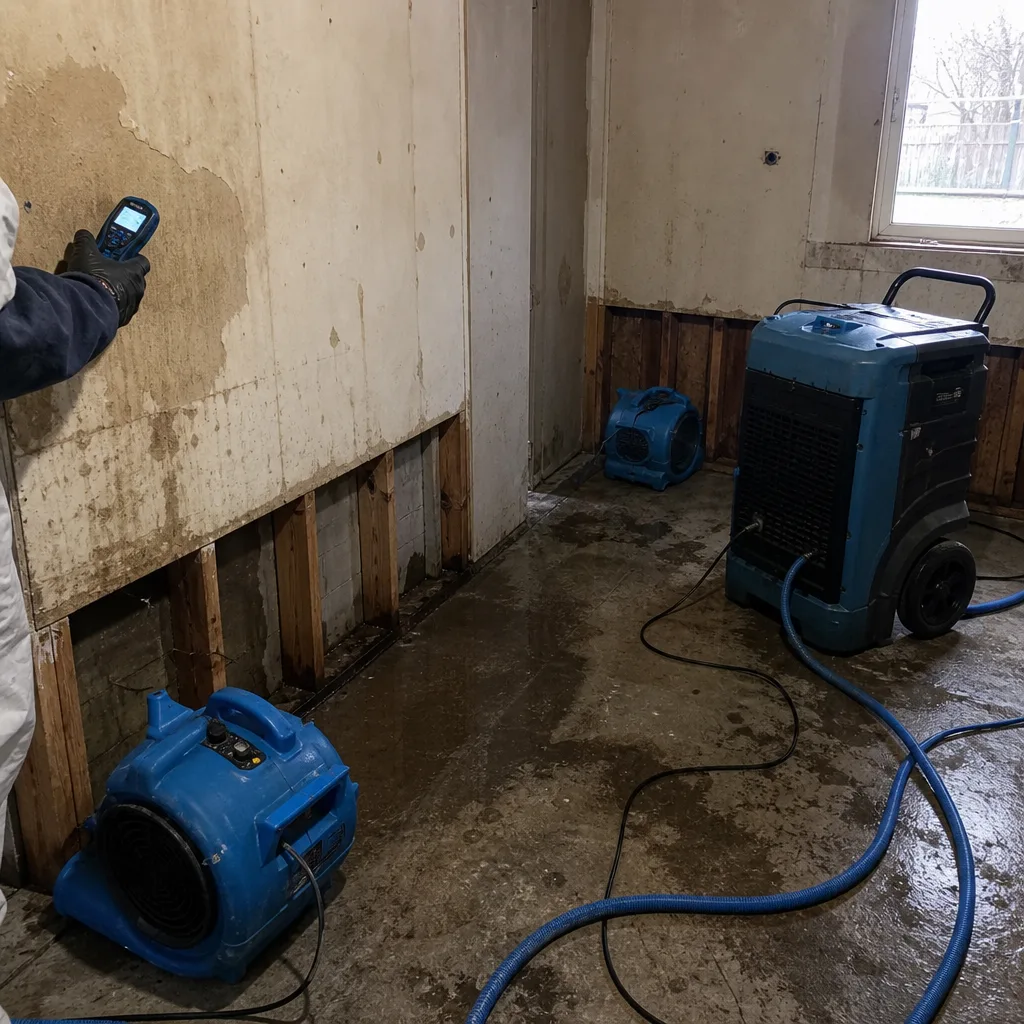 Before
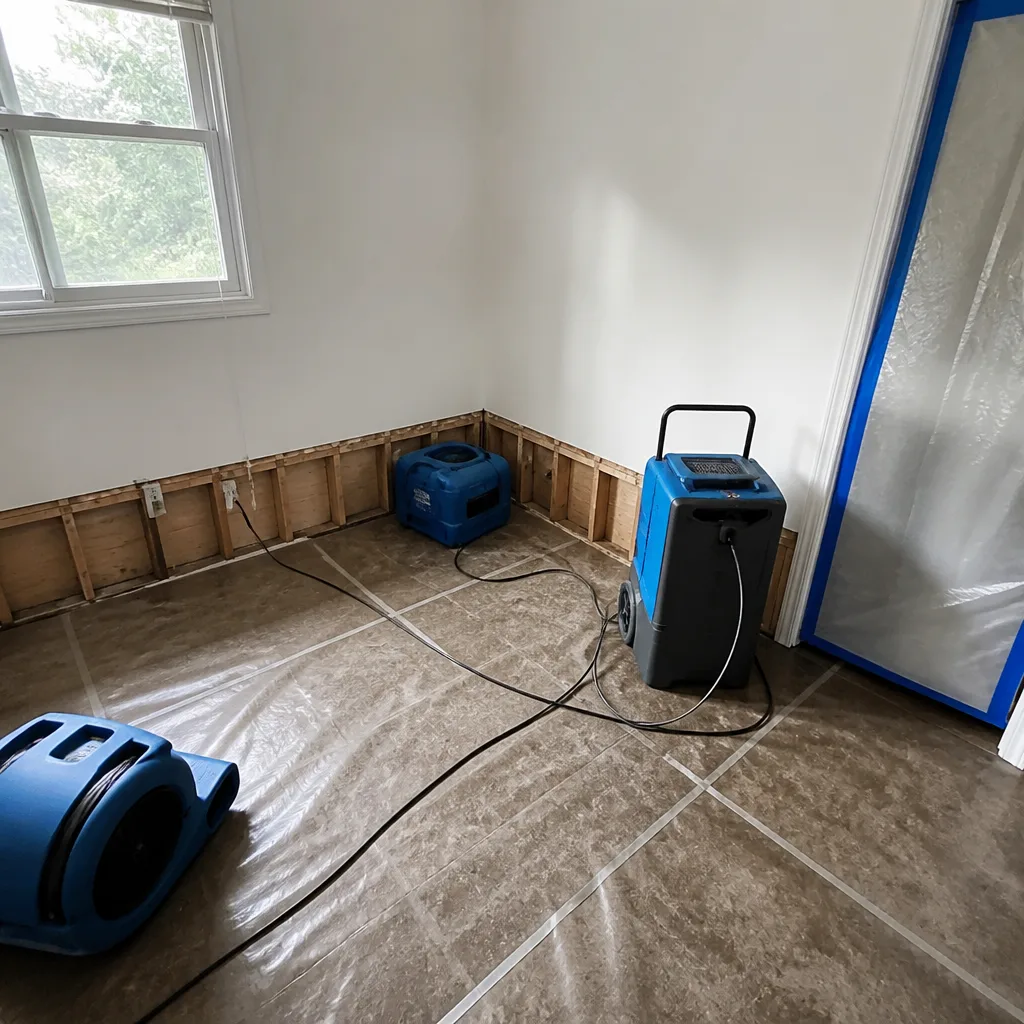 After
After24/7 Emergency Water Damage Restoration in Fairview
Water damage restoration in Fairview, NJ typically costs $2,800-$6,500 for a standard residential extraction and drying job, with emergency response available within 45 minutes of your call. Our crews are stationed to reach Fairview properties fast because water doesn’t wait, and neither do we. Call (845) 875-4326 now and a live person will answer, 24 hours a day, 7 days a week. No voicemail trees. No next-day callbacks while your basement fills.
The first hour after a water loss determines whether you’re looking at a three-day dryout or a three-week reconstruction. In Fairview’s densely packed multifamily housing, that hour is even more critical. Water moves through shared party walls, rubble-stone foundations, and common drainage planes faster than most property owners realize. Our Water Damage Restoration team dispatches with moisture meters, thermal imaging, and extraction equipment already loaded. We’ll perform a free visual inspection, document everything with photos, and give you a written price before any work begins. Haven Standard, Clause 1.
Understanding Water Damage Restoration Severity in Fairview Properties
Water damage is classified by contamination level, not just volume. Category 1 water is clean supply-line water. Category 2 carries significant contamination, think sump pump failures or dishwasher discharge. Category 3 is grossly contaminated: sewage, groundwater intrusion, or flooding that has passed through soil or building materials. In Fairview, what looks like a simple basement leak is often Category 2 or 3 because hillside runoff pushes through deteriorated drain tile and rubble-stone foundations, picking up bacteria, silt, and whatever’s been sitting in that 90-year-old wall cavity.
Our crews use moisture mapping to establish the full extent of migration, not just the puddle you can see. We measure vapor pressure differential, the force that drives moisture from wet materials into the air, to determine how many air movers and dehumidifiers a given space needs. Psychrometric data, temperature, relative humidity, and specific humidity, gets logged daily. In Fairview’s older brick and wood-frame structures built between the 1920s and 1950s, plaster and lath assemblies hold more moisture than modern drywall and release it more slowly, extending drying curves by 24 to 48 hours compared to newer construction.
We classify every loss correctly on arrival. Misclassifying Category 2 hillside runoff as Category 1 clean water means salvageable materials stay in place when they should come out. That error costs property owners their health and their claims.
Why Fairview Property Owners Choose DryMark Restoration Englewood
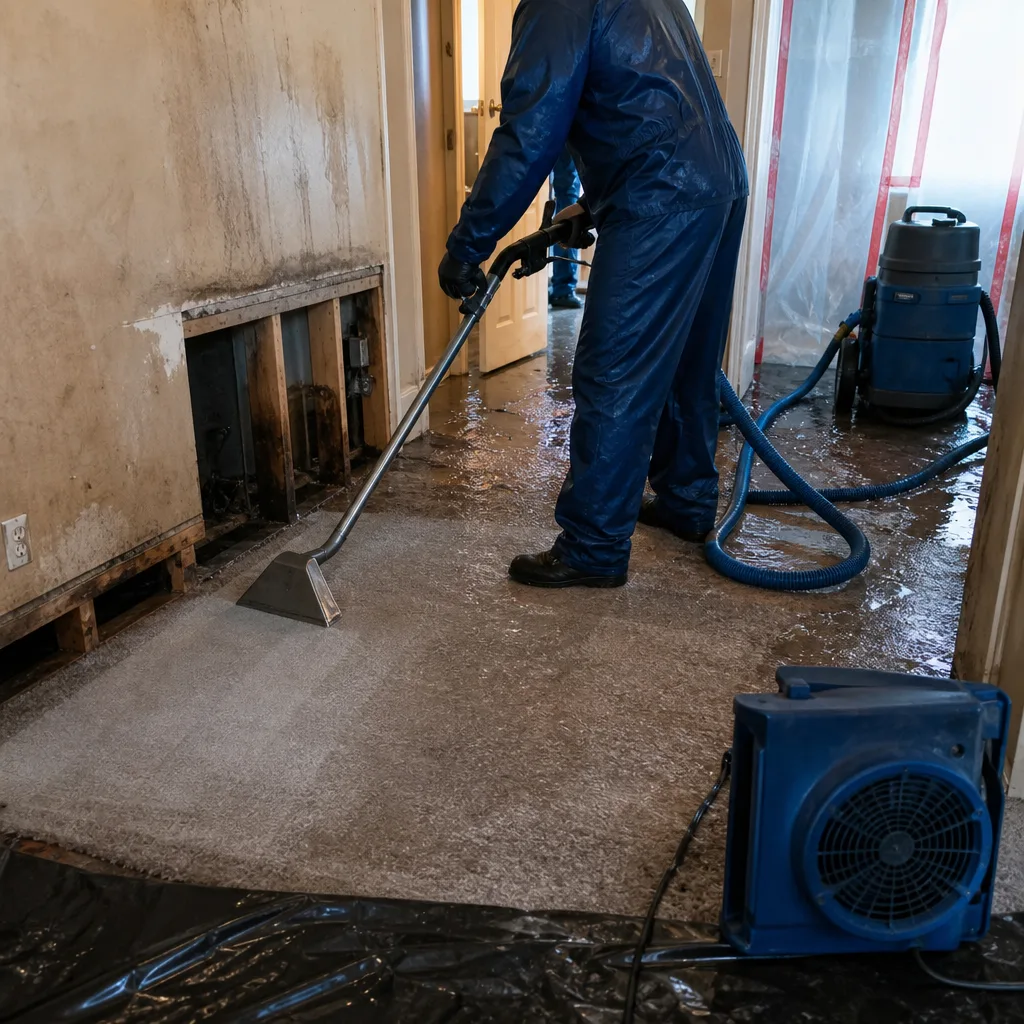
- 45-minute response commitment to Fairview properties, with crews dispatched from our New York City coordination office and equipment pre-loaded for immediate extraction.
- 24/7 live answer, a real person, never an automated system, picks up every emergency call within three rings.
- IICRC-certified crews holding WRT (Water Damage Restoration Technician) and AMRT (Applied Microbial Remediation Technician) certifications, with license numbers documented on every job file.
- Free visual inspection and moisture assessment before any commitment, with findings explained in plain language and a written scope delivered same-day.
- Direct insurance billing with photo-documented estimates, daily drying logs, and adjuster coordination handled by our in-house claims team.
- One team from extraction to reconstruction, no handoffs between contractors, no gaps in documentation, no finger-pointing if something needs correction.
BeforeAfterOur Water Damage Restoration Process
1. Inspection & Assessment
We arrive with thermal imaging cameras, pin and non-invasive moisture meters, and hygrometers to map the full water migration pattern. In Fairview, this always includes the neighboring unit’s shared wall and the common drainage plane. We document every reading with photos and classify the water category before any equipment runs.
2. Water Extraction & Stabilization
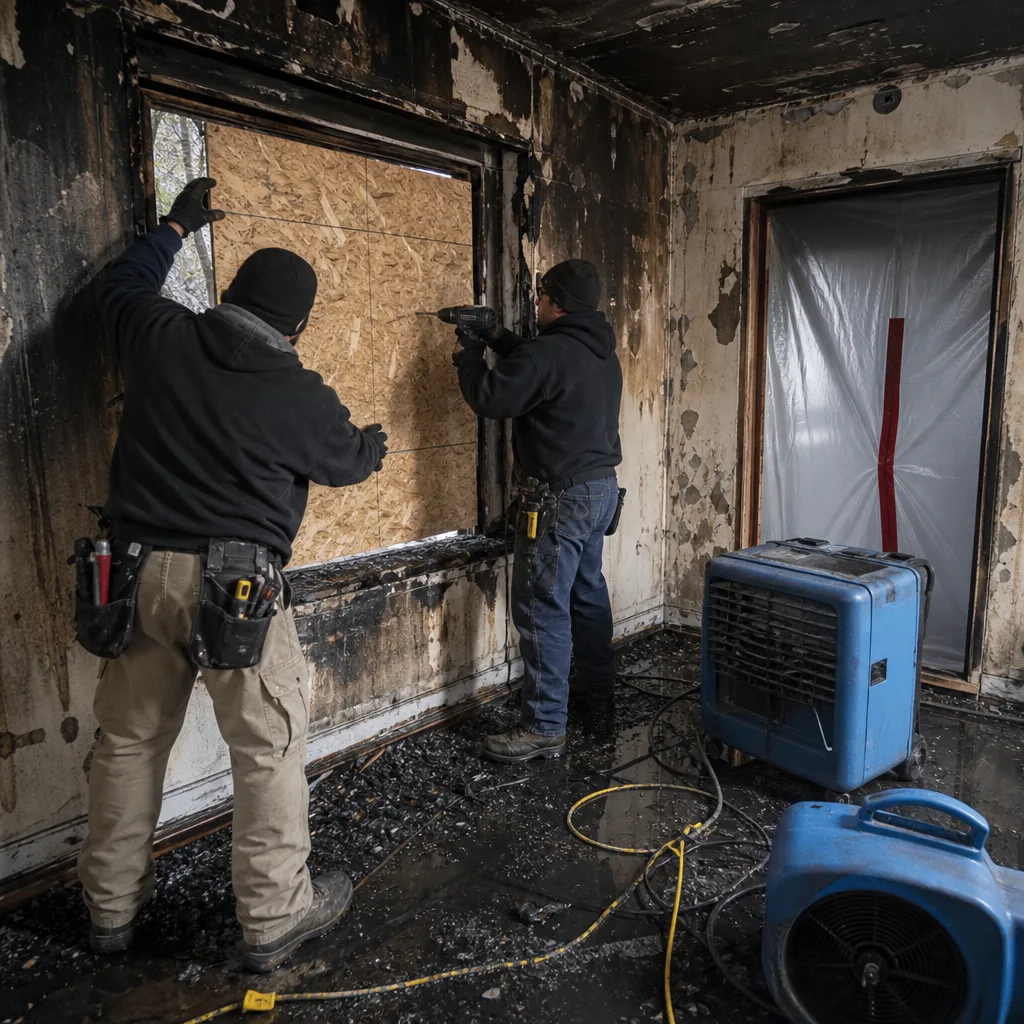
Standing water comes out first, using truck-mounted extraction systems and portable units for tight basement access. We remove saturated carpet pad, baseboards, and any porous materials that won’t dry within the IICRC S500 timeline. The goal is to remove what we can’t save before mold gets a foothold.
3. Structural Drying & Dehumidification
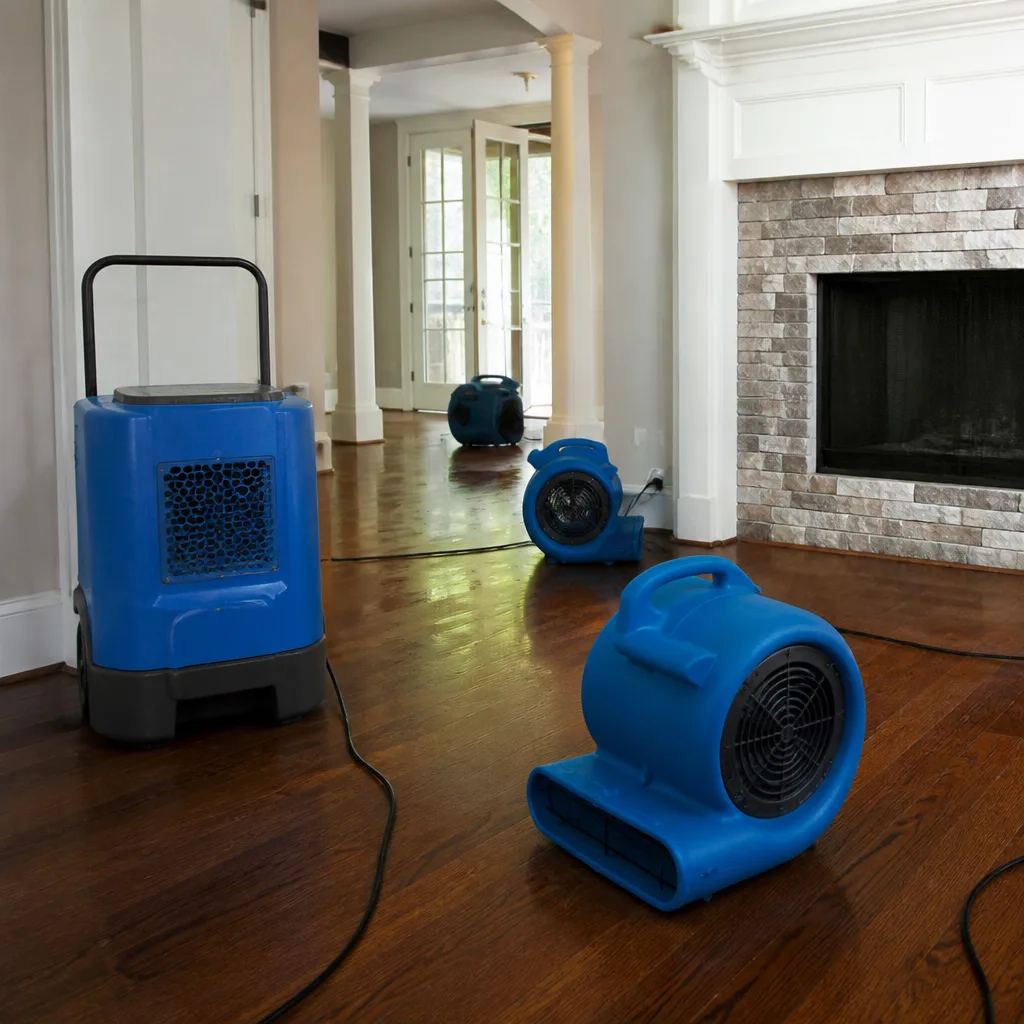
We deploy Dri-Eaz and Phoenix low-grain refrigerant dehumidifiers, coupled with axial and centrifugal air movers positioned to create controlled airflow across wet surfaces. In Fairview’s multifamily buildings, we often need to establish separate drying chambers in adjacent units to prevent cross-contamination and ensure the shared wall dries evenly.
4. Cleaning & Sanitization
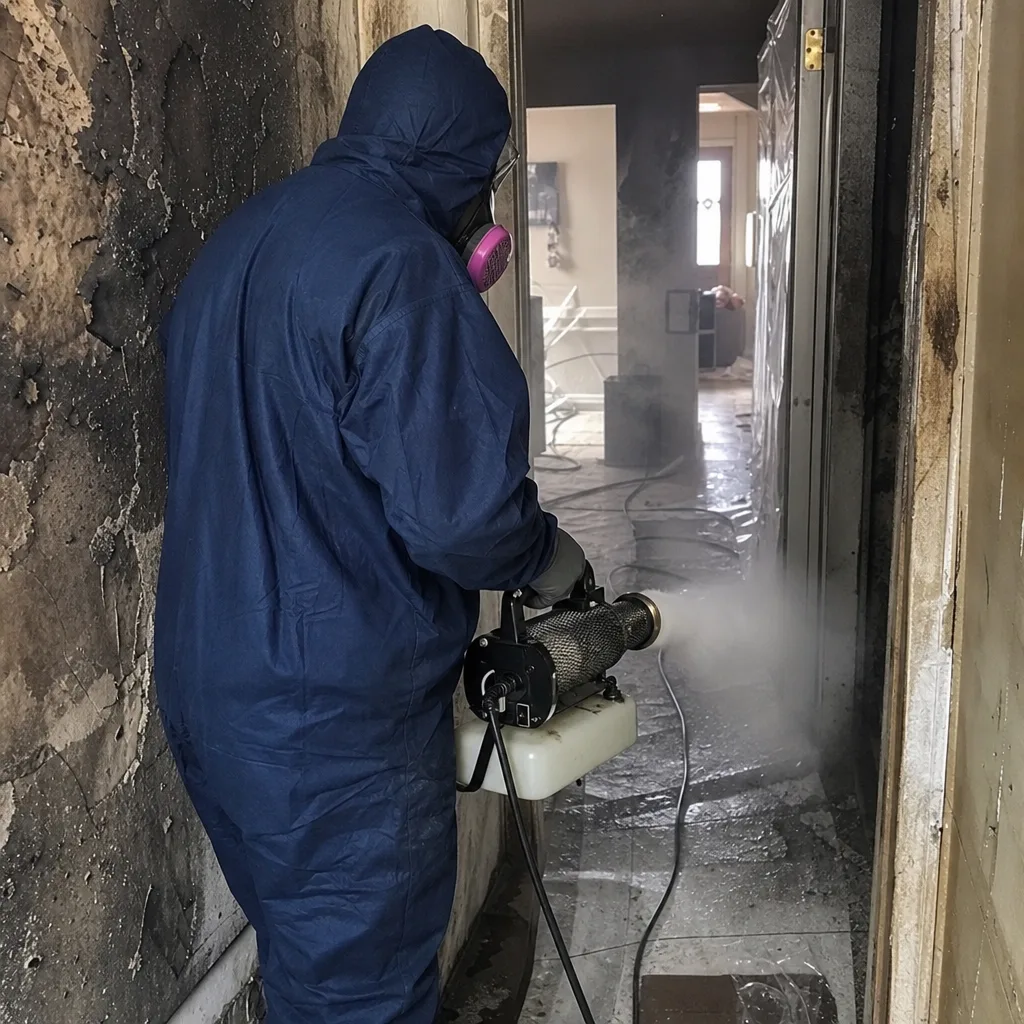
Category 2 and 3 losses receive antimicrobial treatment to affected surfaces, with HEPA air scrubbers running during application to capture airborne particulates. We follow IFA and RIA protocols for contamination control, documenting product application and dwell times for your insurer.
5. Moisture Verification & Tertiary Drying
We don’t guess when drying is complete. Daily moisture logs track every affected material until readings return to pre-loss or industry-standard equilibrium moisture content. Tertiary drying, targeted heat or desiccant systems for dense assemblies like plaster or engineered flooring, runs as needed. No equipment comes out until the numbers say it’s time.
6. Repairs & Restoration
Once dry, we deliver a written reconstruction scope with line-item pricing. Drywall, flooring, trim, paint, whatever was removed gets rebuilt to match. The same crew that extracted the water often handles the rebuild, so they know exactly what was behind every wall.
Need Emergency Water Damage Restoration in Fairview Now?
Crews minutes away, answering live 24 hours a day. The sooner we start, the less it costs.
Working With Your Insurance Company
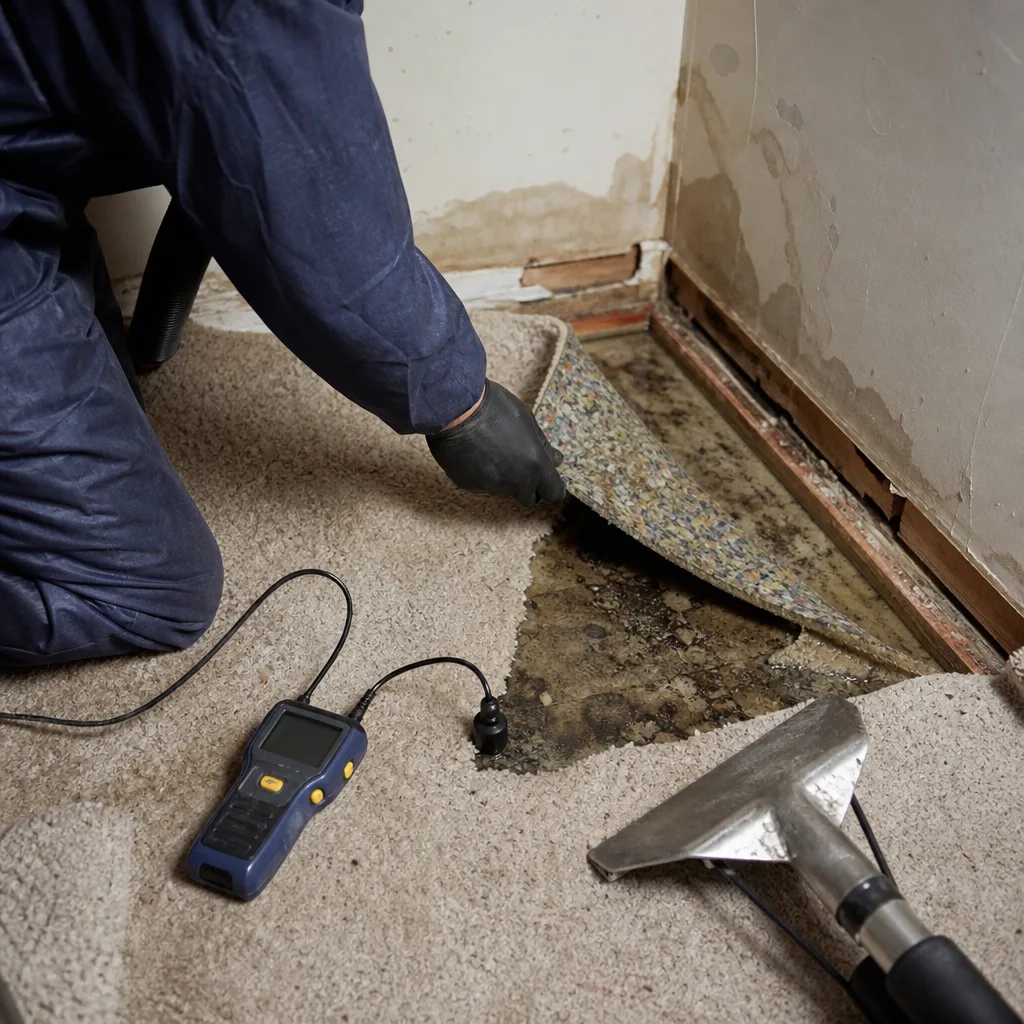
Documentation from the first hour is what turns a restoration invoice into a paid claim. We know this because DryMark Restoration Englewood was built by a former claims adjuster who watched too many homeowners lose coverage over incomplete files. Our process produces the evidence your carrier needs: dated photos, moisture readings, drying logs, and a detailed scope written to Xactimate standards.
We speak adjuster. We document to IICRC, RIA, and IFA standards. We coordinate directly with your carrier’s representative so you’re not chasing paperwork while trying to live in a construction zone. Our in-house claims team handles estimate submission, supplement requests, and coverage disputes. You get copies of everything.
What We Provide Your Insurer
- Thorough documentation of the loss
- Photos of all damage, room by room
- Moisture readings and drying logs
- A detailed, line-item scope of work
- Direct coordination with your carrier
Built for Fairview’s Loss Calendar
Fairview’s position on the Palisades escarpment creates a compressed, weather-driven busy season that inland Bergen County towns don’t experience. Late January through March brings the worst of it: freeze-thaw cycles push hillside runoff through deteriorated drain tile and against rubble-stone foundations with enough pressure to force water through mortar joints that looked sound in October. We see basement flooding calls spike 40 to 60 percent during these weeks.
Nor’easters add another punch, particularly when snowpack melts fast and the frozen ground can’t absorb the surge. Summer tropical remnants funneling up the Hudson corridor create a secondary peak in August and September, often with wind-driven rain finding gaps in aging flashing and roof systems. The borough’s steep topography means water doesn’t pool, it runs, and it runs against the uphill foundations of buildings that were never designed for that hydraulic load.
Our crews carry extra submersible pumps and portable extraction units from March through April, and we pre-position desiccant dehumidifiers before every major forecasted storm. Fairview properties don’t fail gradually. They fail when the ground thaws and the rain hits at the same time.
Water Damage Restoration Across Fairview’s Neighborhoods
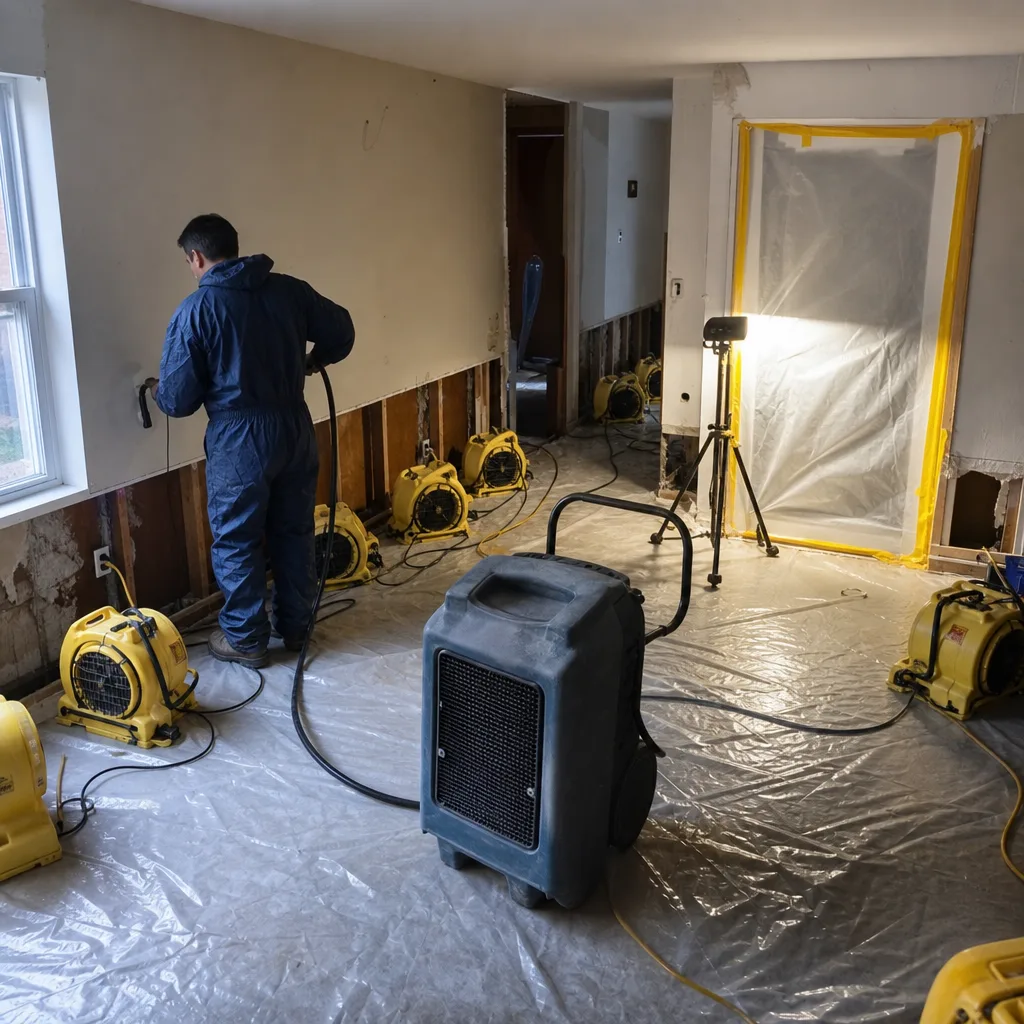
We respond to calls across Fairview’s full footprint, and the loss patterns shift block by block. Off Bergen Boulevard and the surrounding corridors, the 1920s and 1930s three-family brick buildings dominate. These structures share party walls so tightly that a water loss in one unit almost always requires moisture mapping in the next. Our crews know to knock on the neighbor’s door before we set up the first air mover.
Near the Fairview border with Cliffside Park, closer to the Hudson River overlook, the housing stock shifts slightly toward two-family wood-frame structures on even narrower lots. Here, the common drainage plane between buildings is sometimes just a few feet of concrete or compacted soil. After heavy rain, groundwater pressure against these foundations can force water through basement slab joints that property owners didn’t know existed.
The uphill zones toward the Palisades ridge see the most severe hillside runoff. Properties on streets like those feeding into Anderson Avenue sit directly in the path of snowmelt and stormwater channeling down the escarpment. We’ve replaced more compromised drain-tile systems in this zone than anywhere else in Fairview. The downhill blocks toward Route 1/9 trade ridge runoff for tighter lot lines and older combined sewer connections, where backups during intense rainfall present a different category of contamination risk.
Every Fairview neighborhood gets the same protocol: assess the source, map the migration, check the neighbor, classify the water, and document before touching anything.
Specialized Water Damage Restoration Services We Offer in Fairview
Emergency Water Extraction
When a supply line bursts at 2 a.m. or a nor’easter fills your basement before dawn, we extract standing water within the hour. Our truck-mounted systems handle thousands of gallons per hour, and portable units reach Fairview’s tight basement stairwells where bulkheads don’t exist. Every extraction is photo-documented and moisture-mapped before we leave.
Structural Drying & Dehumidification
We don’t just dry what you can see. Using Dri-Eaz and Phoenix equipment documented to IICRC standards, we establish drying goals based on your building’s specific materials and the measured vapor pressure differential. In Fairview’s plaster-and-lath construction, this often means running dehumidifiers 20 to 30 percent longer than in modern drywall homes. We log every reading daily.
Flood Cleanup
Floodwater in Fairview is rarely clean. Whether it’s Hudson River storm surge backing through combined sewers or hillside runoff pushing through foundation walls, we treat every flood loss as potentially contaminated. Full PPE, antimicrobial application, and HEPA air scrubbing are standard, not upsells.
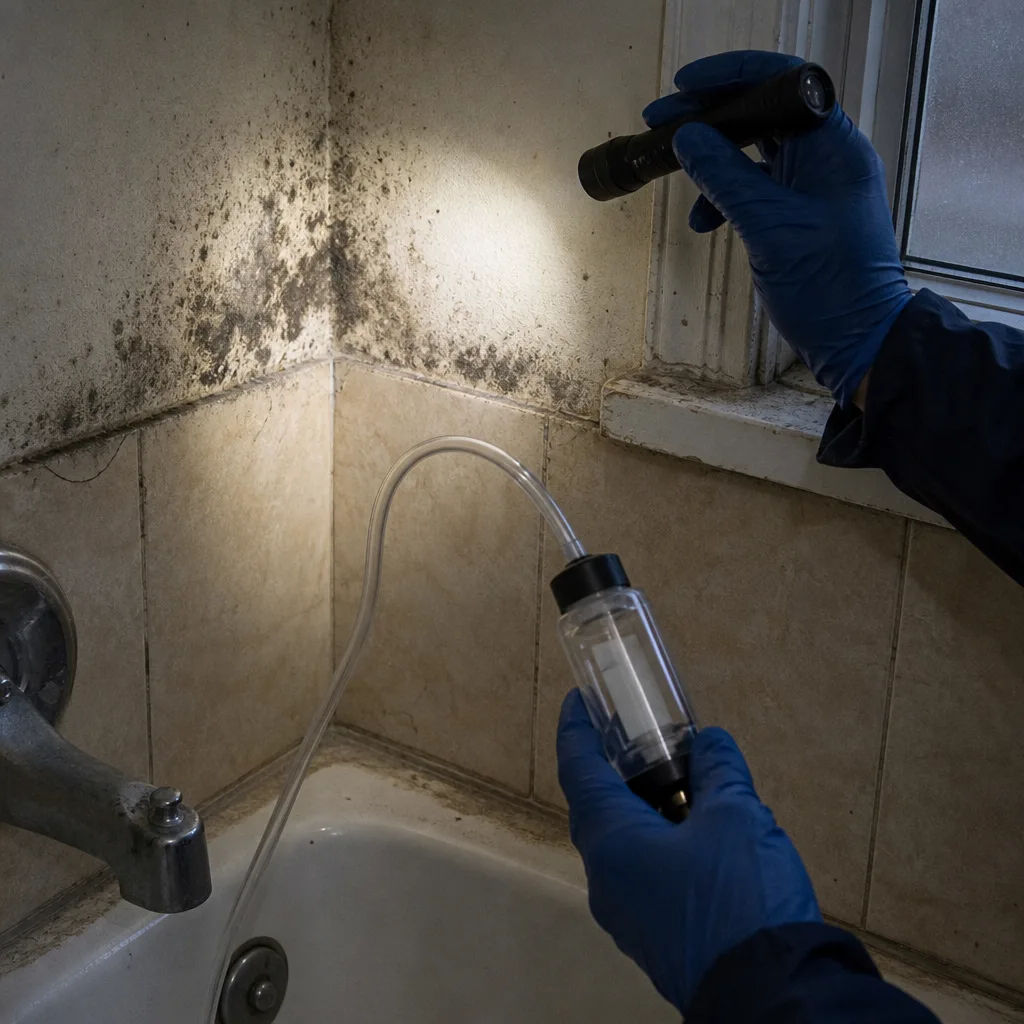
Burst Pipe Restoration
Fairview’s older copper and galvanized supply lines, combined with freeze-thaw stress on exterior walls, make winter pipe bursts a recurring call type. We extract the water, dry the affected assemblies, and coordinate with licensed plumbers to replace the failed section. Your written scope includes every step.
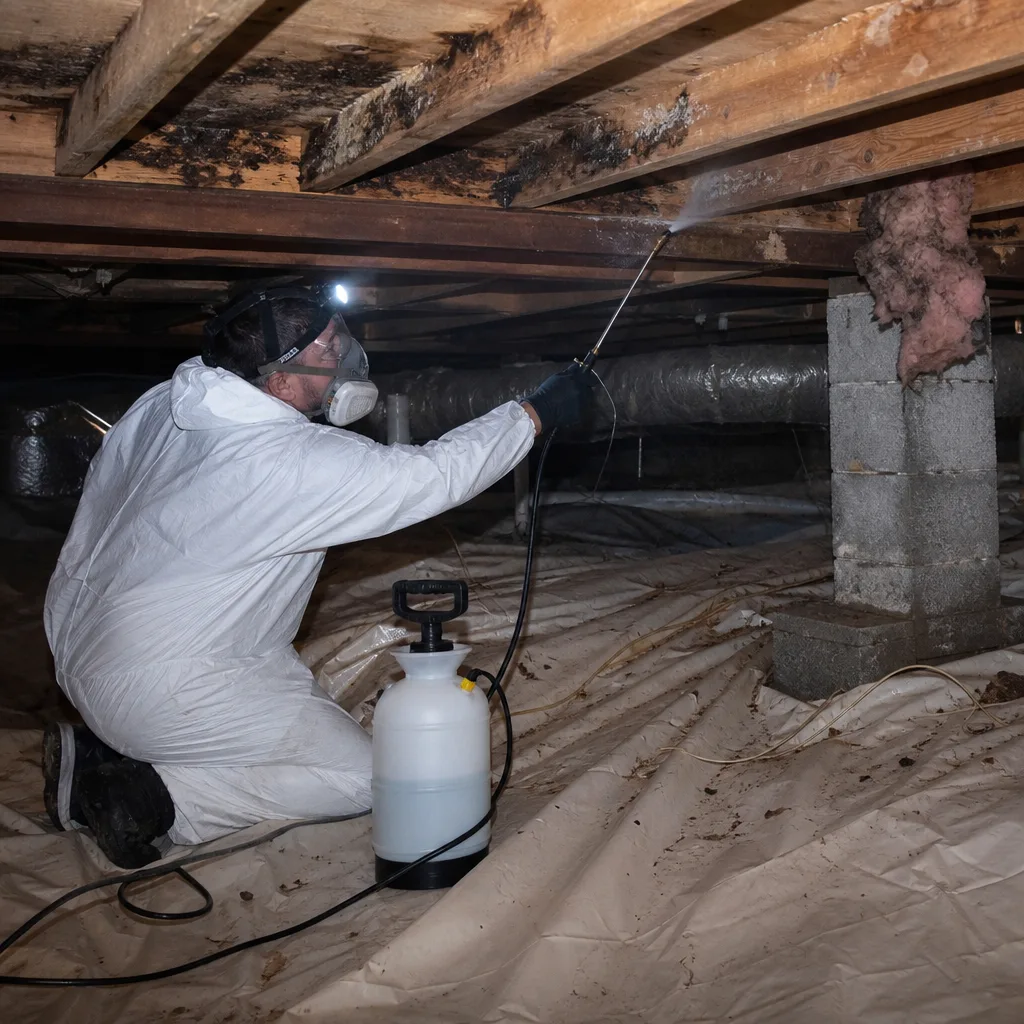
Basement Water Removal
Basements in Fairview are where water goes to stay. Low ceilings, rubble-stone walls, and failed drain tile create conditions where water wicks upward for days after the visible flood is gone. We remove water, dry masonry to measurable standards, and identify the entry point so your waterproofing contractor can fix it permanently.
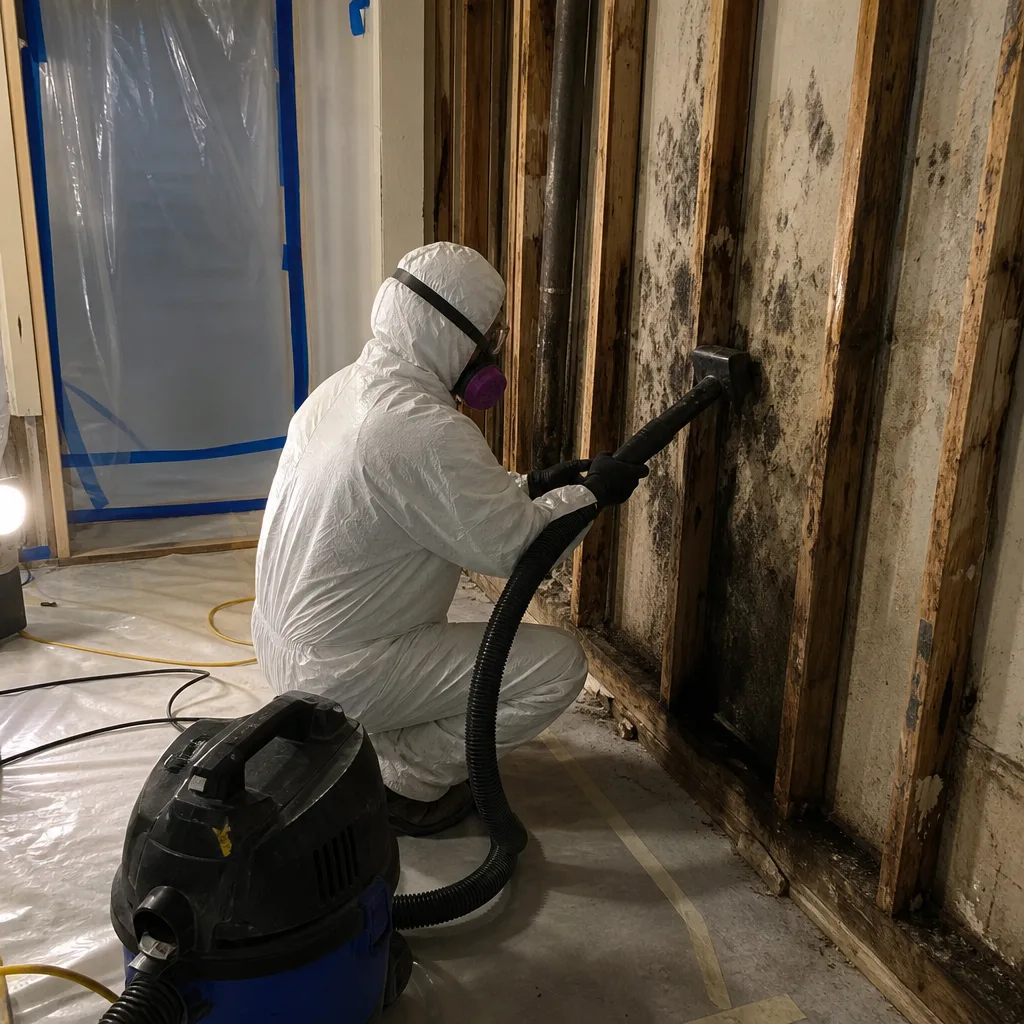
Ceiling & Roof Leak Water Damage
Flat and low-slope roofs common on Fairview’s multifamily buildings trap water behind parapet walls and deteriorated flashing. We trace the leak path, remove saturated ceiling material before it collapses, and dry the cavity with Injectidry systems that push conditioned air through small access holes rather than tearing out entire ceilings.
What happens when you call
- 1
A real person answersNo phone trees - you reach a local pro.
- 2
You get an upfront price rangeHonest numbers before anyone is dispatched.
- 3
A background-checked tech heads outLicensed & insured, dispatched right away.
- 4
You approve before work beginsNothing starts until you say go.
Water Damage Restoration Costs in Fairview, NJ
Here is what water damage restoration actually costs in Fairview’s market, based on the jobs we’ve completed and the scopes we’ve written:
| Service | Typical Range in Fairview |
|---|---|
| Emergency water extraction (up to 1,000 sq ft) | $1,200 - $2,400 |
| Structural drying & dehumidification (3-5 day standard) | $2,800 - $5,200 |
| Category 2/3 flood cleanup with antimicrobial treatment | $4,500 - $8,500 |
| Basement water removal with rubble-stone foundation drying | $3,200 - $6,800 |
| Burst pipe restoration with limited demolition | $2,500 - $5,500 |
| Full reconstruction after water damage | $8,000 - $25,000+ |
What moves the price: water category (Category 3 costs 40 to 60 percent more than Category 1 due to contamination protocols), affected square footage, material type (plaster and hardwood dry slower than drywall and carpet), and whether the loss migrated to adjacent units. Insurance typically covers sudden and accidental water damage from supply lines, storms, and most appliance failures. Gradual leaks and maintenance-related seepage often fall outside coverage.
We deliver a written price before work starts, every time, with no scope-creep additions once the crew is inside. Haven Standard, Clause 1. Bring a competitor’s written estimate and we’ll review it free. Call (845) 875-4326 for your inspection.
We Also Serve Cities Near Fairview
Our crews respond daily across the Bergen County Hudson waterfront corridor. If you’re in Fairview or the surrounding area, we’re already nearby: Cliffside Park to the south, Ridgefield to the west, Edgewater along the riverfront, and Palisades Park to the north. Same crews, same equipment, same written-price guarantee.
Serving Fairview, NJ - Our Local Coverage Area
We’re based in the Fairview area and know this community well. Use the map below to see our service coverage - if you’re nearby, we can almost certainly help.
Fairview Water Damage Restoration Questions, Answered
Why does water damage in Fairview so often affect the neighboring home?
Because Fairview’s lots are among the smallest and most densely built in Bergen County, a water loss in one unit almost routinely migrates through shared party walls or the common drainage plane into the adjacent home. Our crews assess neighbor properties as a standard first step on every call, not an afterthought. This shared-wall migration risk is far less acute in the flat, more spread-out Bergen County suburbs just a few miles west. Call (845) 875-4326 if you suspect water has crossed into your unit from next door.
What time of year does Fairview see the most water intrusion calls?
Late winter through early spring represents the concentrated surge, when freeze-thaw cycles and snowmelt against the Palisades slope push groundwater pressure to its peak against Fairview’s older foundations. Summer tropical remnants create a secondary peak in August and September. The borough’s escarpment position compresses the busy season compared to inland towns. If you’re seeing moisture now, it won’t improve without intervention. Call (845) 875-4326 for a free inspection.
Does a basement leak in an older Fairview home count as clean water?
Almost never. Hillside runoff pushing through deteriorated drain tile and rubble-stone foundations picks up soil bacteria, silt, and whatever contaminants have accumulated in wall cavities over decades. We classify this as Category 2 or 3 water, meaning porous materials that look salvageable often must come out, and antimicrobial treatment is standard protocol. Misclassifying it as Category 1 clean water would leave your property and your claim exposed. We test and classify on arrival. Call (845) 875-4326.
How quickly do you need to start drying after a water loss in a Fairview multifamily?
Within 24 hours, and preferably within the first 4 to 6 hours. Mold begins growing on wet drywall in 24 to 48 hours, and in Fairview’s shared-wall buildings, that timeline applies to your neighbor’s unit too. Our 45-minute response commitment exists because we’ve seen what happens when drying starts on day two instead of hour two: demolition doubles, costs rise, and insurance coverage gets disputed. Call (845) 875-4326 for immediate dispatch.
What equipment and standards does DryMark Restoration use for Fairview water damage jobs?
We deploy professional-grade drying systems from Dri-Eaz, Phoenix, XPOWER, B-Air, and Injectidry, documented to IICRC S500, RIA, and IFA standards. Every job gets daily moisture logs, photo documentation, and psychrometric data tracking. Our crews hold WRT and AMRT certifications, and we follow The Haven Standard on every call: written price before work begins, photo record on every visit, and our 365-Day Done Right Promise. Call (845) 875-4326 to discuss your specific loss.
Will my insurance cover water damage restoration in Fairview?
Most sudden and accidental water damage is covered: burst supply lines, storm intrusion through damaged roofs or windows, and appliance failures. Gradual leaks, maintenance-related seepage, and flooding from outside without separate flood coverage typically are not. We document every loss to insurance-standard formats, coordinate directly with your adjuster, and provide the photo evidence and drying logs that support your claim. Call (845) 875-4326 and we’ll review your coverage situation during the free inspection.
How long does structural drying take in a typical Fairview home?
Standard drying runs 3 to 5 days for drywall and framing in good conditions. Fairview’s older plaster-and-lath construction often extends this to 5 to 7 days because plaster holds more moisture and releases it more slowly. We don’t pull equipment until moisture readings confirm materials have returned to pre-loss or equilibrium levels. Daily drying logs track every day. Call (845) 875-4326 for a timeline based on your specific materials and loss category.
Can we stay in our home during water damage restoration?
Sometimes, depending on the loss category, affected areas, and whether HVAC systems are compromised. Category 1 losses contained to a basement often allow upstairs occupancy with air scrubbers running. Category 2 or 3 losses, or any loss affecting sleeping areas or HVAC, usually require temporary relocation for health and safety. We assess this on every call and document our recommendation for your insurer, who may cover additional living expenses if displacement is necessary. Call (845) 875-4326 to discuss your situation.
Written by Alicia Brennan, Owner at DryMark Restoration Englewood, serving Fairview and the Bergen County Hudson corridor since 2011.
Water Damage Restoration in Nearby Areas