
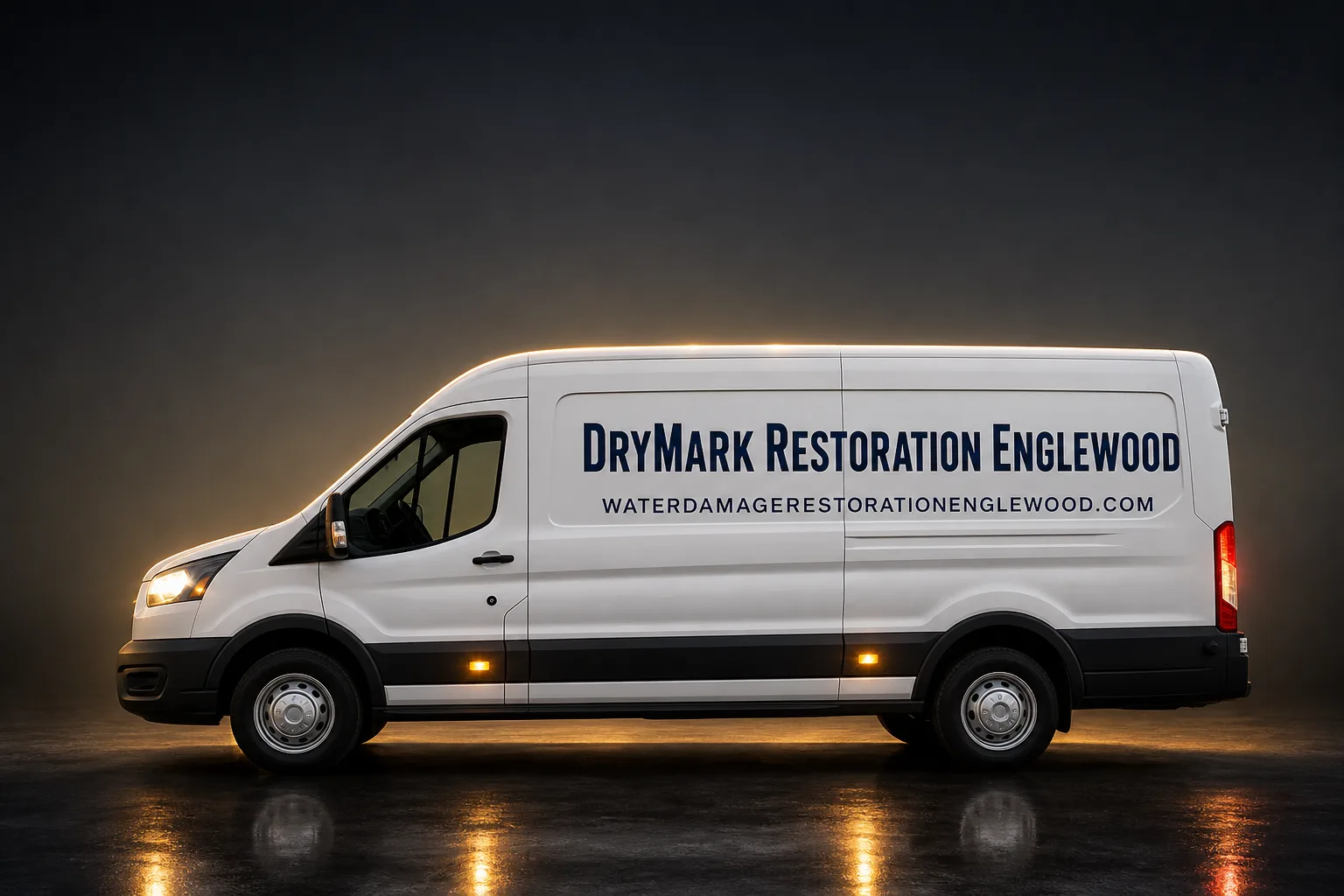
Free visual inspection and a written scope of work before any mitigation begins - photos, moisture readings, and drying logs go in your claim file
The scope we write is the scope we bill. Anything new gets shown to you, in writing, before we touch it.
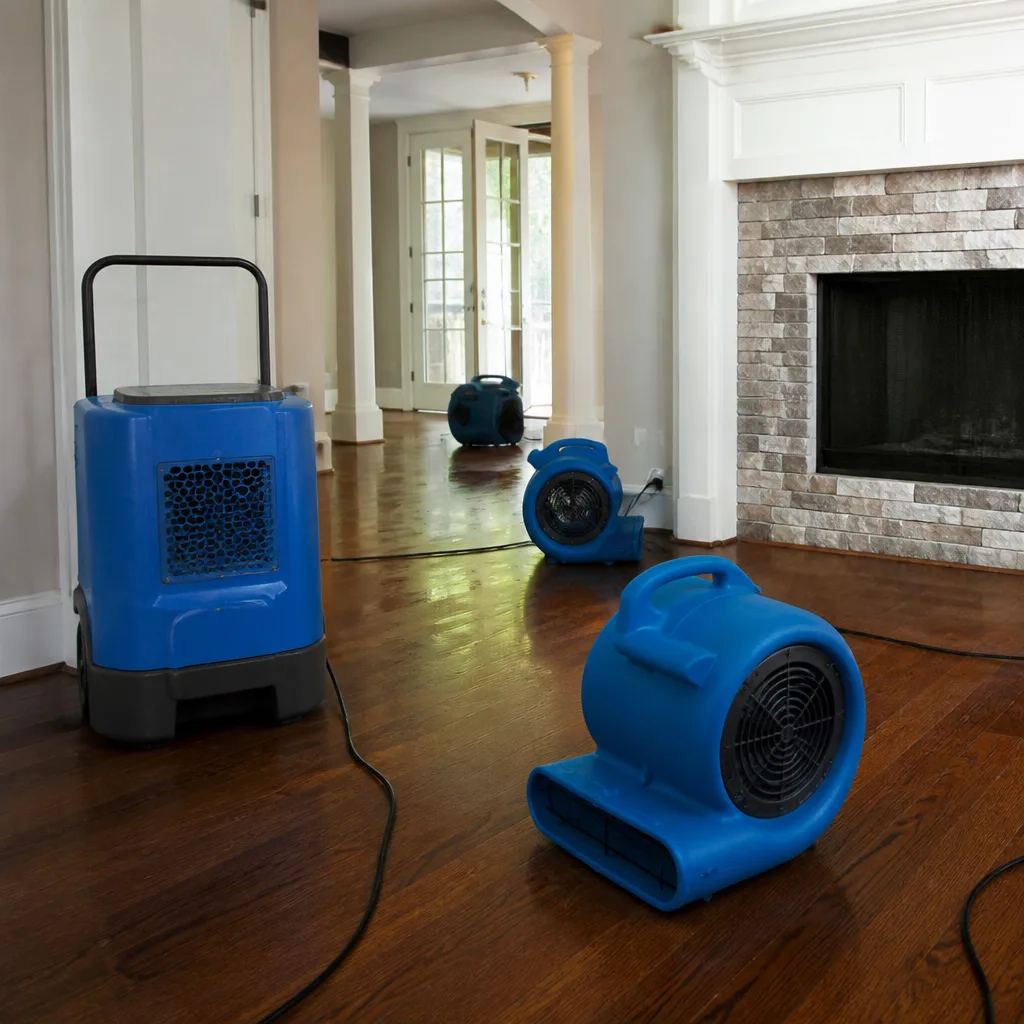
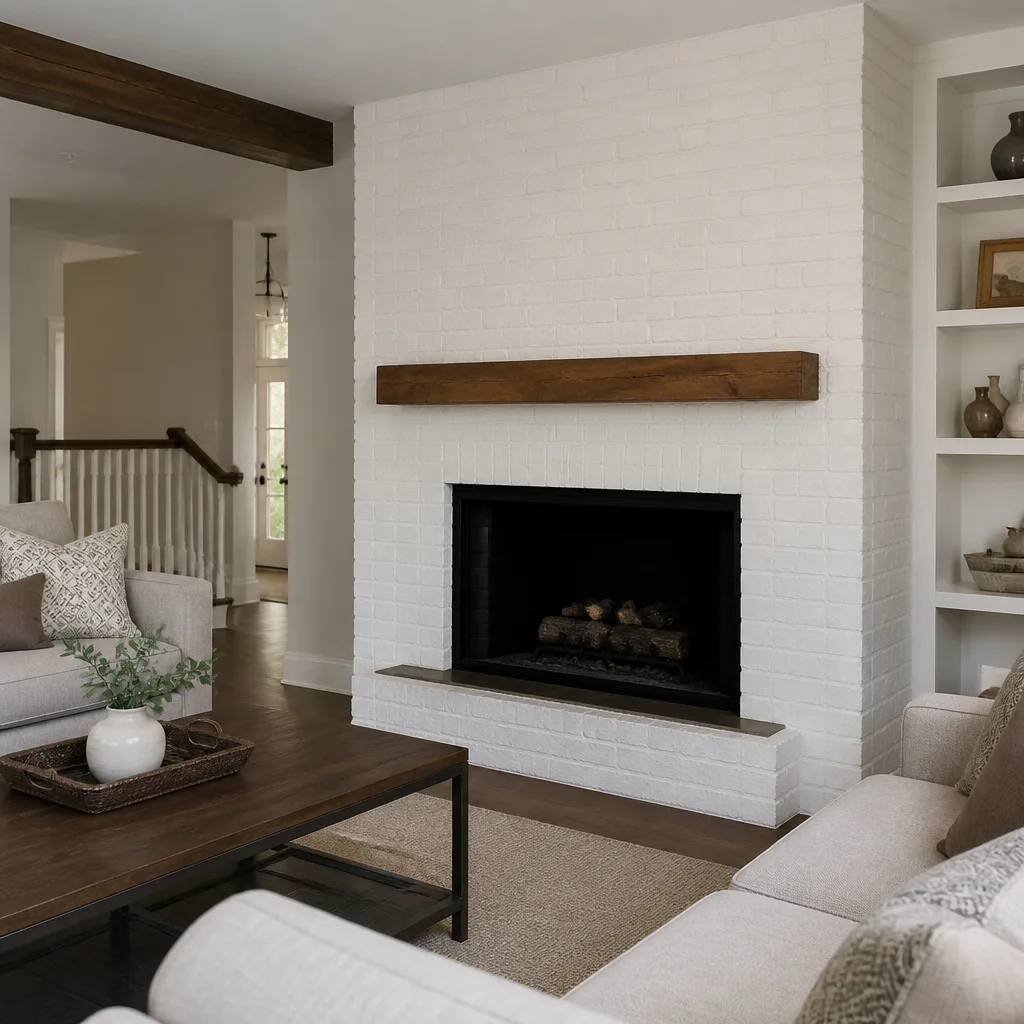
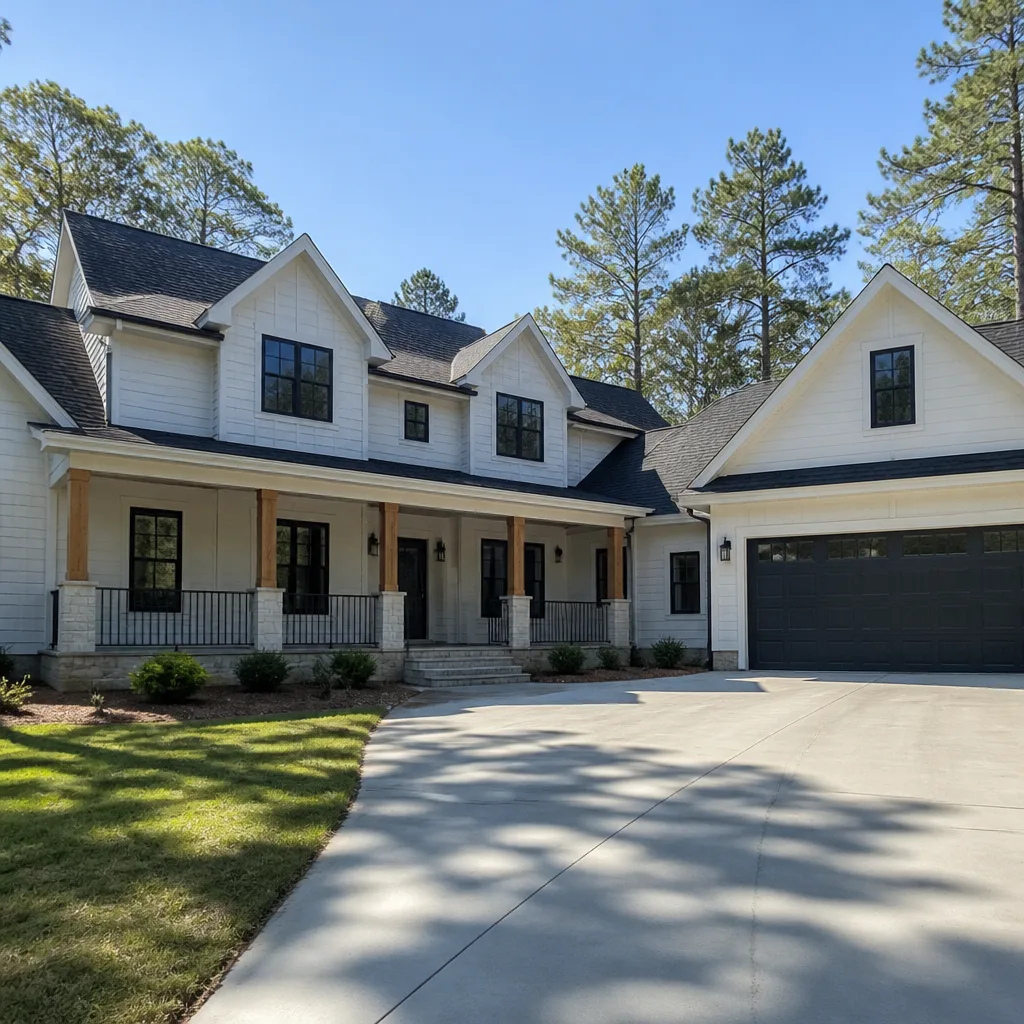
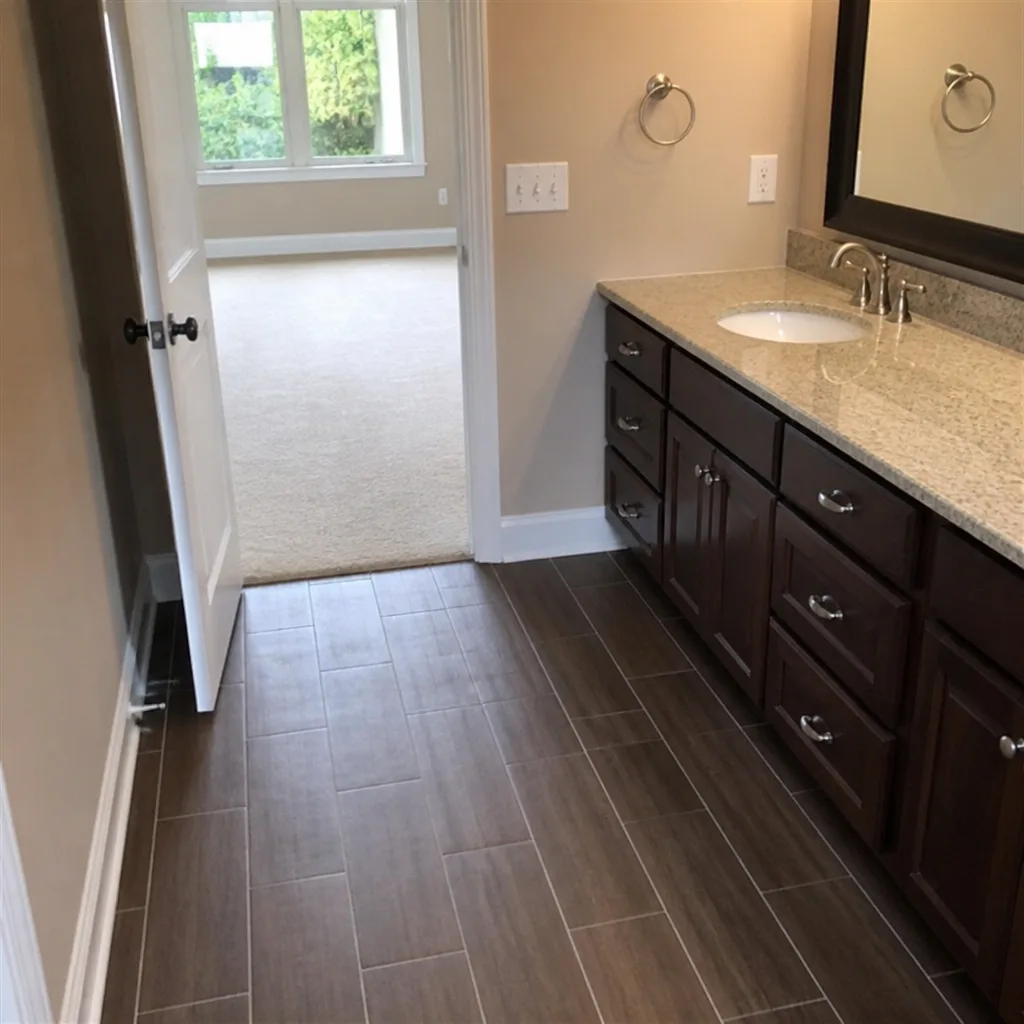
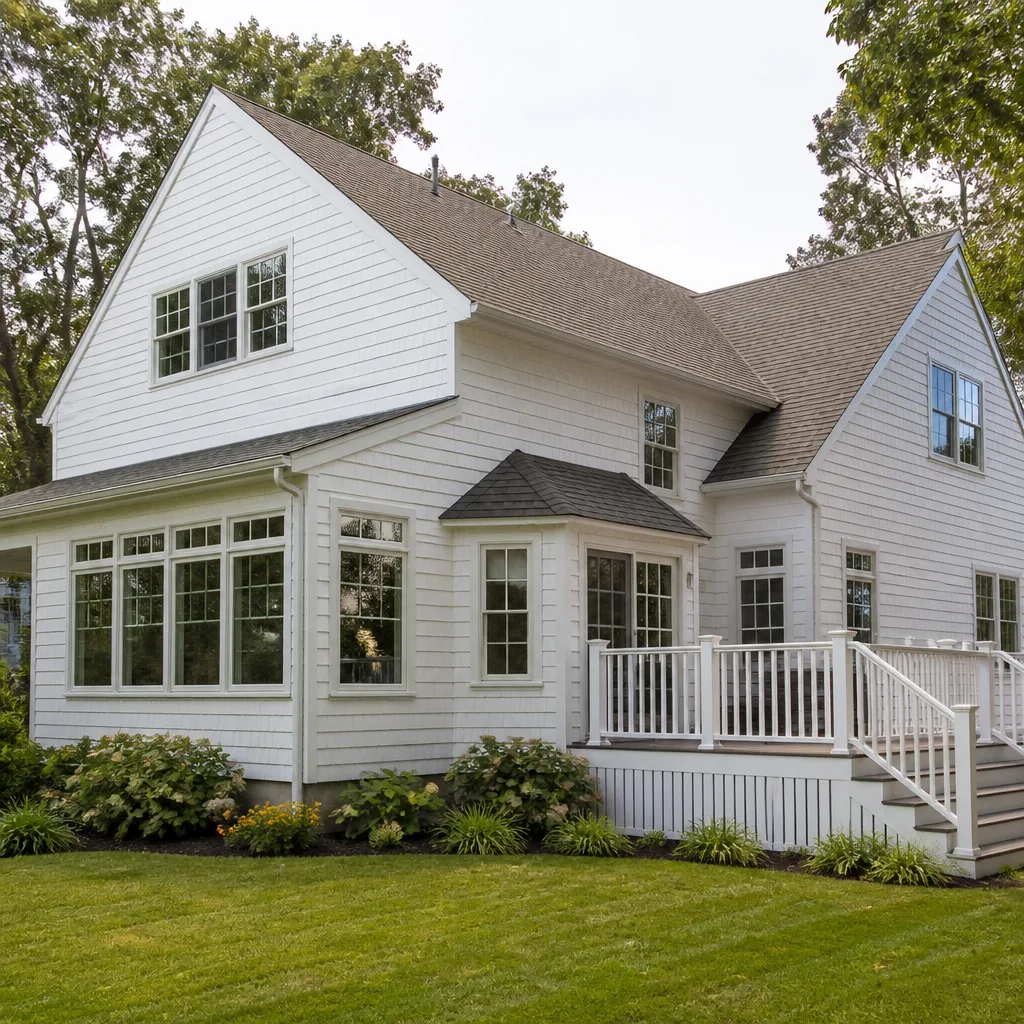
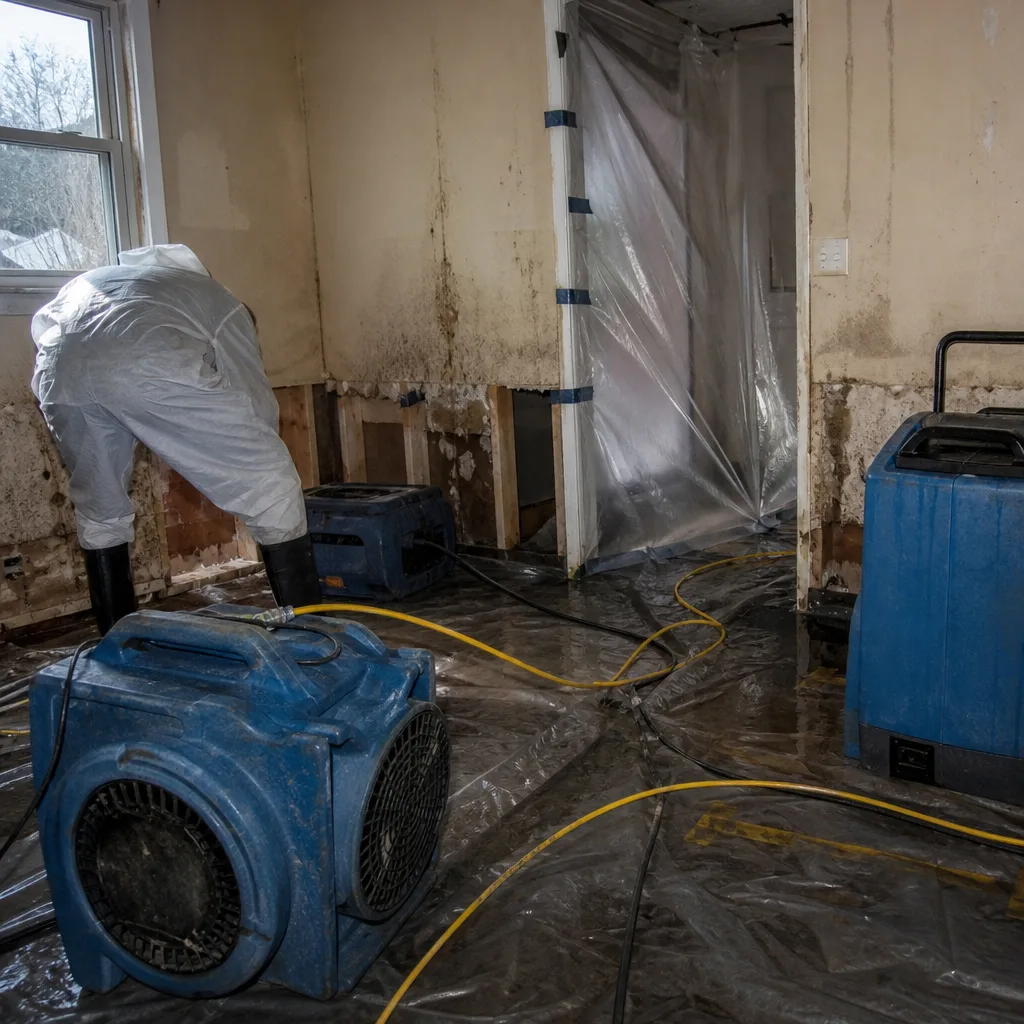 Before
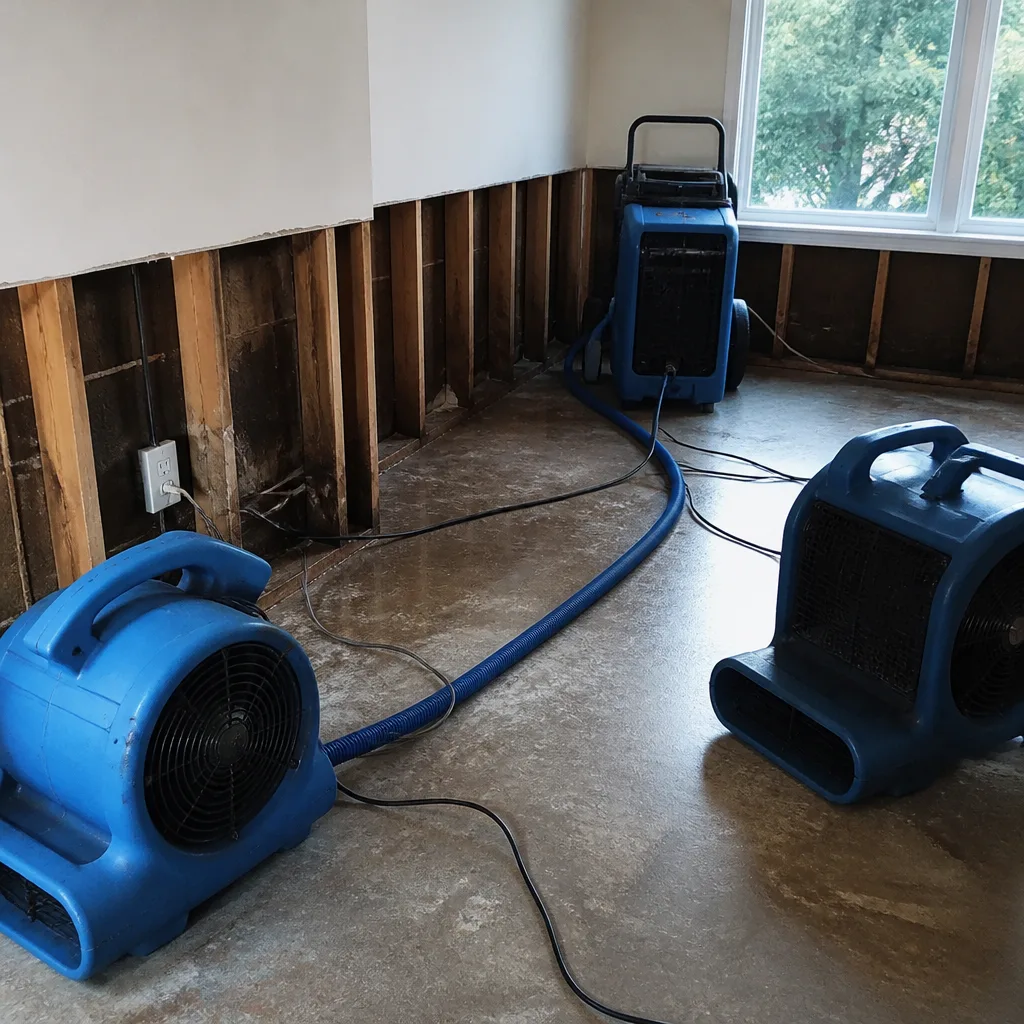 After
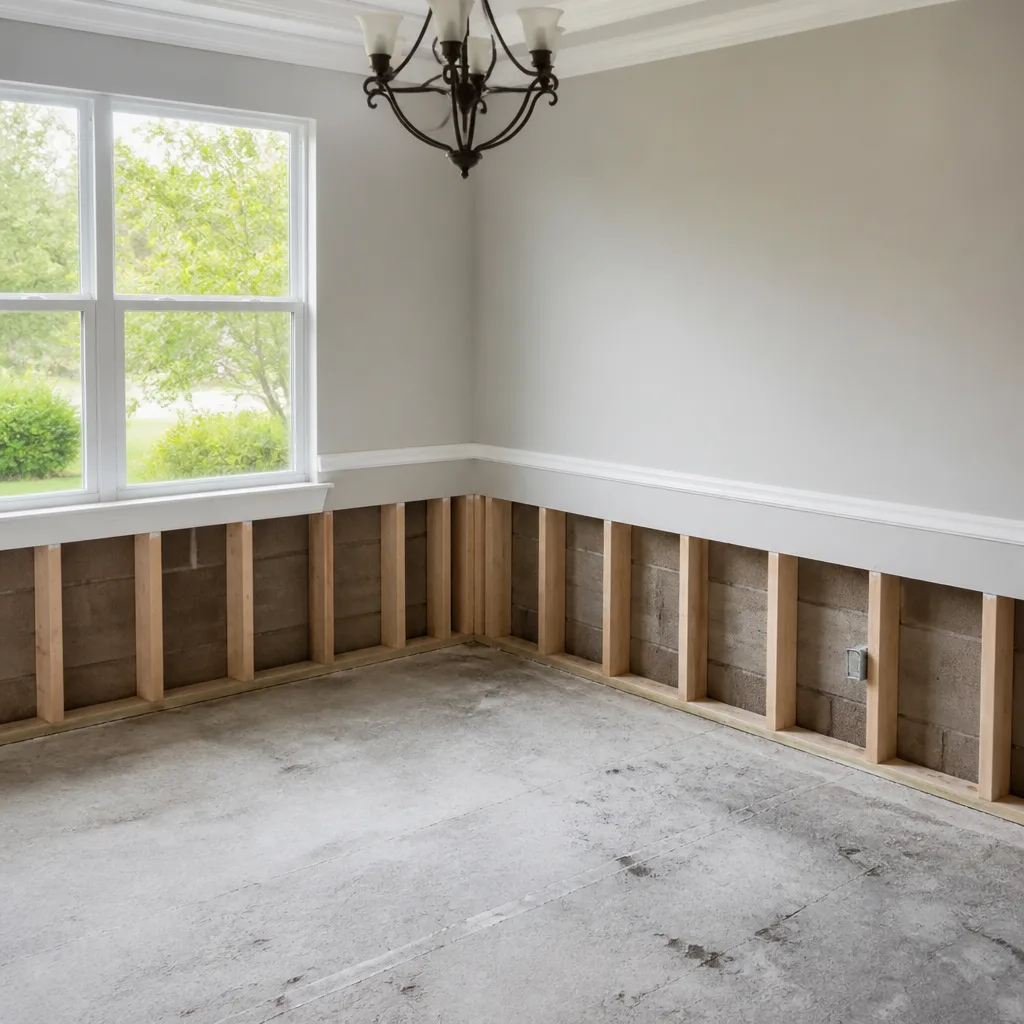
After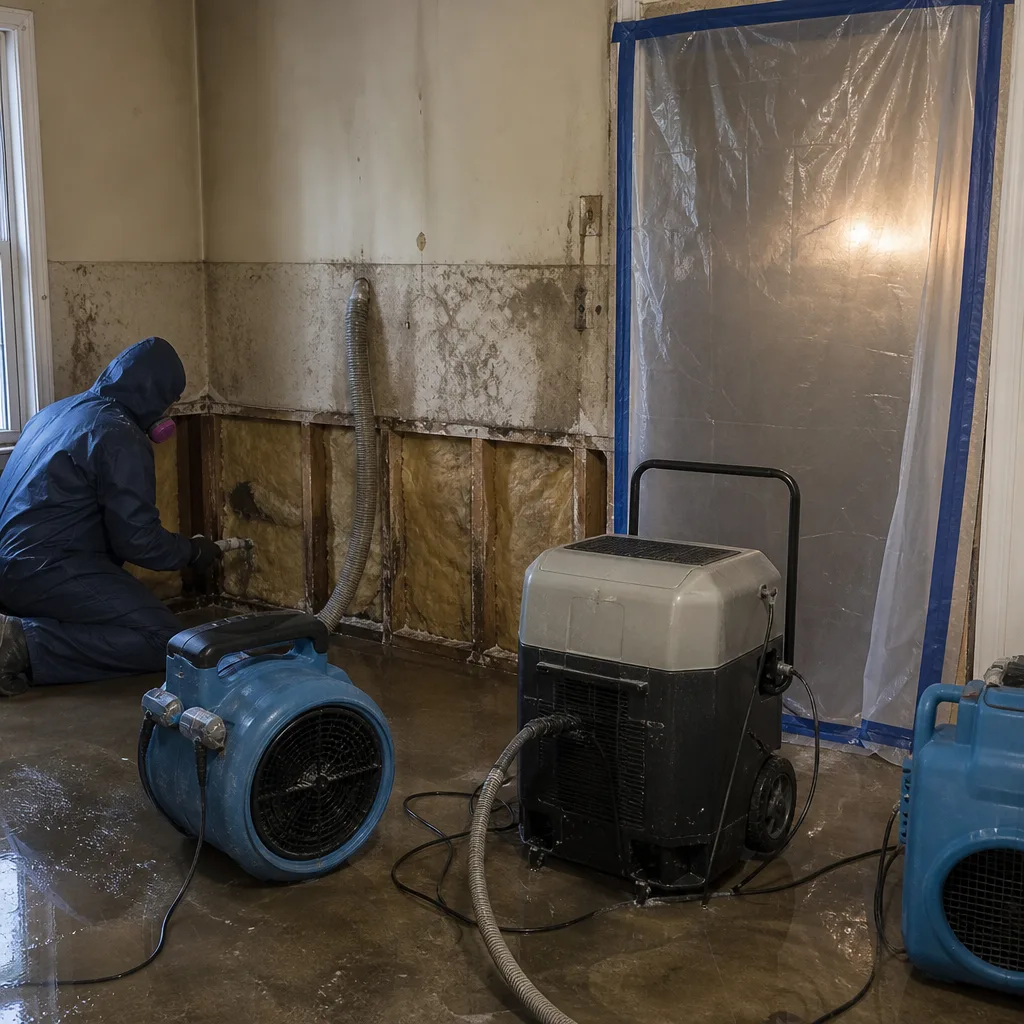 Before
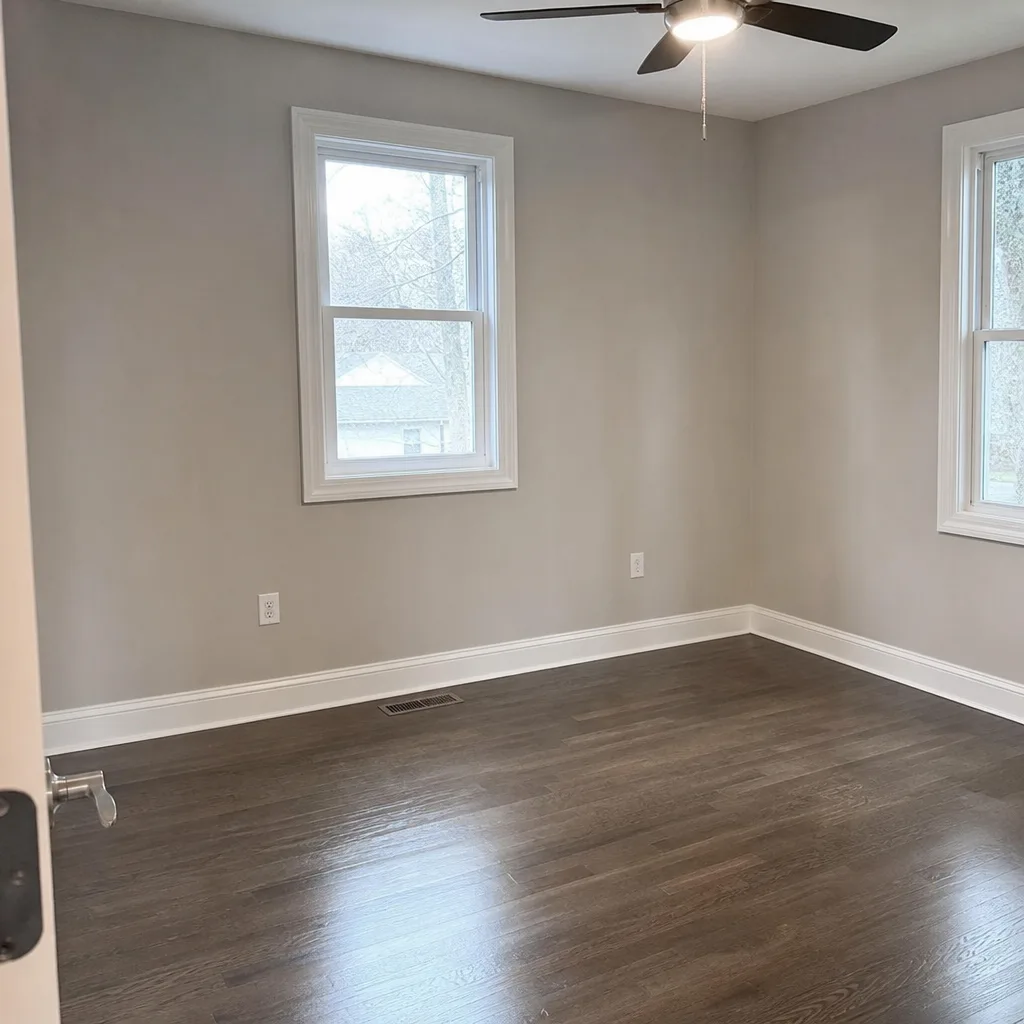 After
After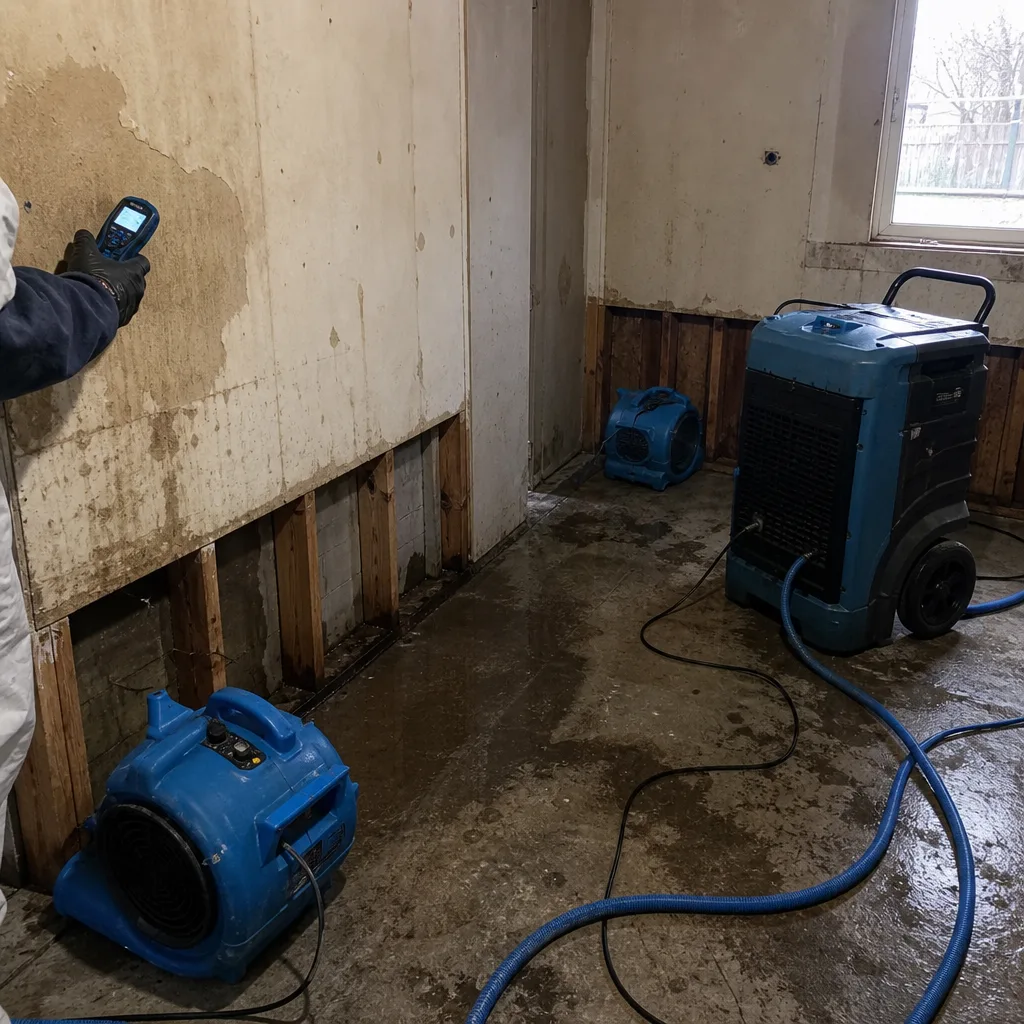 Before
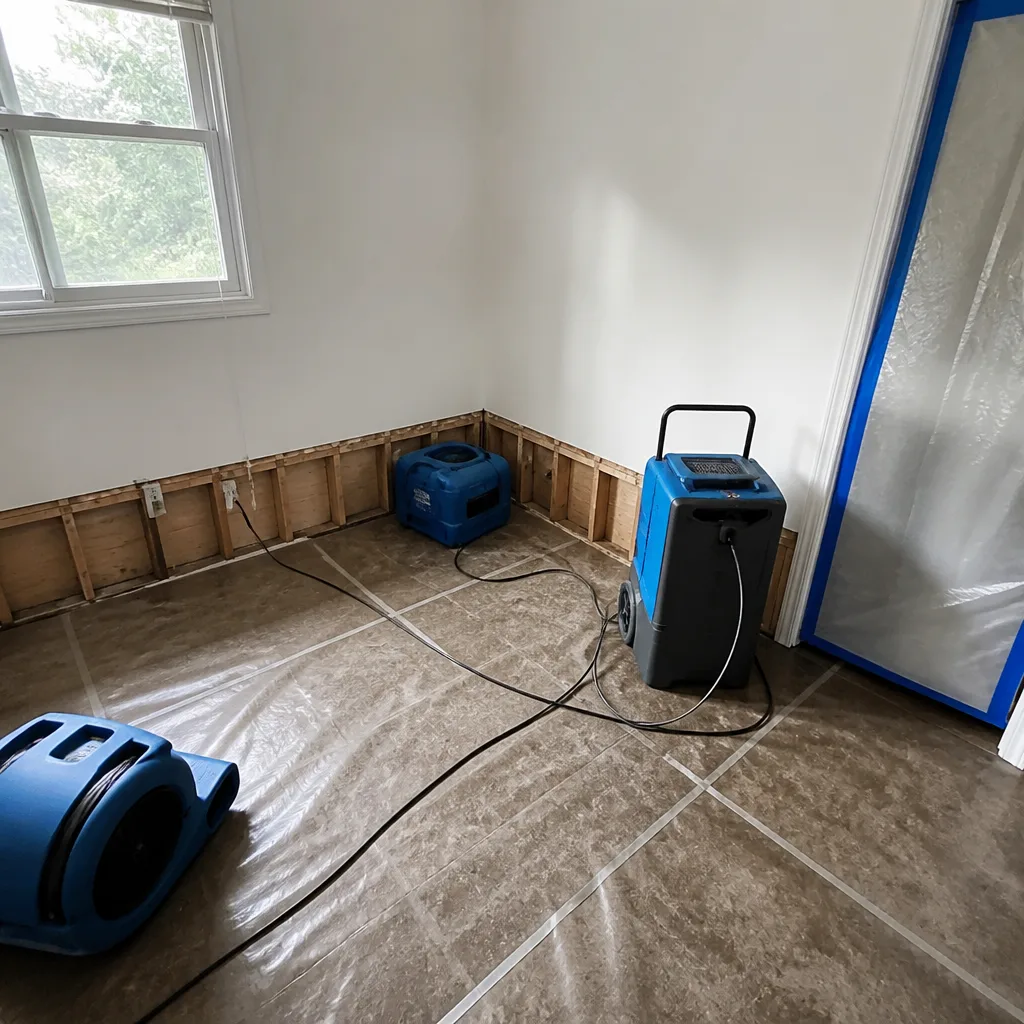 After
After24/7 Emergency Water Damage Restoration in Englewood
Water damage in Englewood homes typically costs $2,800-$7,500 to mitigate, with emergency extraction starting at $450-$950 depending on affected square footage and water category. Our crews answer live at (845) 875-4326 every hour of every day, including holidays, because water doesn’t wait for business hours. When a pipe bursts on a January night or a summer thunderstorm overwhelms your drainage, the first 60 minutes determine whether you’re looking at controlled drying or full gut-and-rebuild territory. We dispatch from our metro coordination office with crews already positioned in the Englewood area, and we arrive with moisture meters, thermal imaging, and extraction equipment, not a clipboard and a promise to return tomorrow. Every emergency call includes a free visual inspection and a written scope before any work begins, per Haven Standard, Clause 1.
Understanding Water Damage Restoration Severity in Englewood Properties
Water damage classification follows IICRC protocols: Category 1 is clean water from a supply line, Category 2 carries significant contamination from appliances or sump failures, and Category 3 is grossly contaminated from sewage or floodwater intrusion requiring full PPE and antimicrobial treatment. In Englewood, the distinction matters enormously because the same 1920s Tudor can present all three categories depending on the source, and the plaster walls, balloon-frame construction, and unfinished basements common to the city’s pre-1950 housing stock alter how moisture migrates.
We map every loss with thermal imaging and penetrating moisture meters, then establish psychrometric targets, the measurable balance of temperature, humidity, and air movement that forces evaporation from wet materials. Vapor pressure differential, the force that drives moisture from wet areas to dry air, is harder to achieve in Englewood’s solid masonry and thick plaster assemblies than in modern drywall construction. Tertiary drying, the final phase where bound moisture is removed from dense materials, often requires 7-14 days in these older homes versus 3-5 days in new construction. Our Water Damage Restoration team documents each phase with daily moisture logs, photos, and equipment readings, the documentation that turns restoration invoices into payable claims.
Why Englewood Property Owners Choose DryMark Restoration Englewood
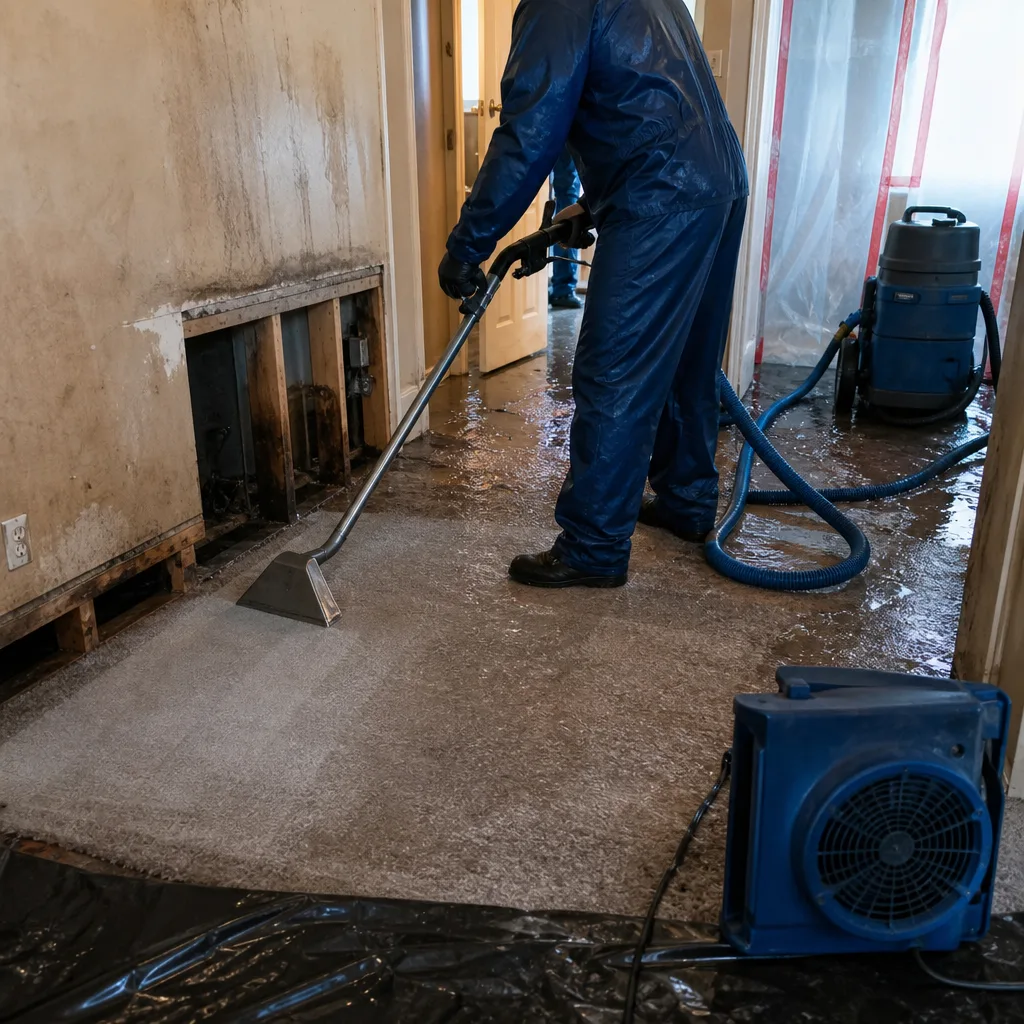
- 45-minute response commitment to Englewood addresses, with crews staged for Bergen County emergency dispatch.
- 24/7 live answer, always a real person, never an automated system or voicemail tree, on every call to (845) 875-4326.
- IICRC-certified crews holding WRT (Water Damage Restoration Technician) and FSRT (Fire & Smoke Restoration Technician) certifications, with AMRT (Applied Microbial Remediation Technician) on mold-prone Englewood jobs.
- Free visual inspection at every property, with moisture readings taken before any commitment or contract.
- Direct insurance billing and adjuster coordination, including photo-documented estimates in Xactimate format.
- One team from extraction through reconstruction, no handoffs to unknown subcontractors, with the same crew leader on every visit.
BeforeAfterOur Water Damage Restoration Process
1. Inspection & Assessment
We arrive with FLIR thermal imaging, Tramex moisture meters, and hygrometers to map the full extent of water migration. In Englewood’s pre-WWII homes, we pay particular attention to balloon-frame wall cavities and plaster keys that hide moisture from surface inspection. You receive a written scope and firm price before any equipment runs.
2. Extraction & Stabilization
Standing water is removed with truck-mounted extraction systems and weighted carpet wands. For hardwood floors in Englewood’s historic properties, we deploy mat-based negative-pressure systems that pull water through the flooring without forcing it deeper into the subfloor.
3. Drying & Dehumidification
We position Dri-Eaz and Phoenix low-grain refrigerant dehumidifiers alongside XPOWER and B-Air axial air movers, calculating equipment counts by cubic footage and material permeance. Injectidry cavity-drying systems dry behind plaster and inside wall assemblies without demolition. Daily moisture logs track progress to IICRC drying standards.
4. Cleaning & Sanitization
Category 2 and 3 losses receive antimicrobial treatment with EPA-registered products, followed by HEPA air scrubbing to capture airborne particulates. We document all product applications with lot numbers and dwell times for insurance review.
5. Specialty Treatment: Historic Finish Preservation
Englewood’s period millwork, ornate plaster, and custom built-ins require moisture control precise enough to dry without cracking, warping, or delamination. We adjust drying rates with targeted airflow and humidity buffering, and we source matching materials before any irreversible removal.
6. Repairs & Restoration
Our reconstruction team restores damaged areas to pre-loss condition, with finish matching that respects the character of Englewood’s high-value housing stock. The 365-Day Done Right Promise, stamped under The Haven Standard, covers all workmanship.
Need Emergency Water Damage Restoration in Englewood Now?
Crews minutes away, answering live 24 hours a day. The sooner we start, the less it costs.
Working With Your Insurance Company
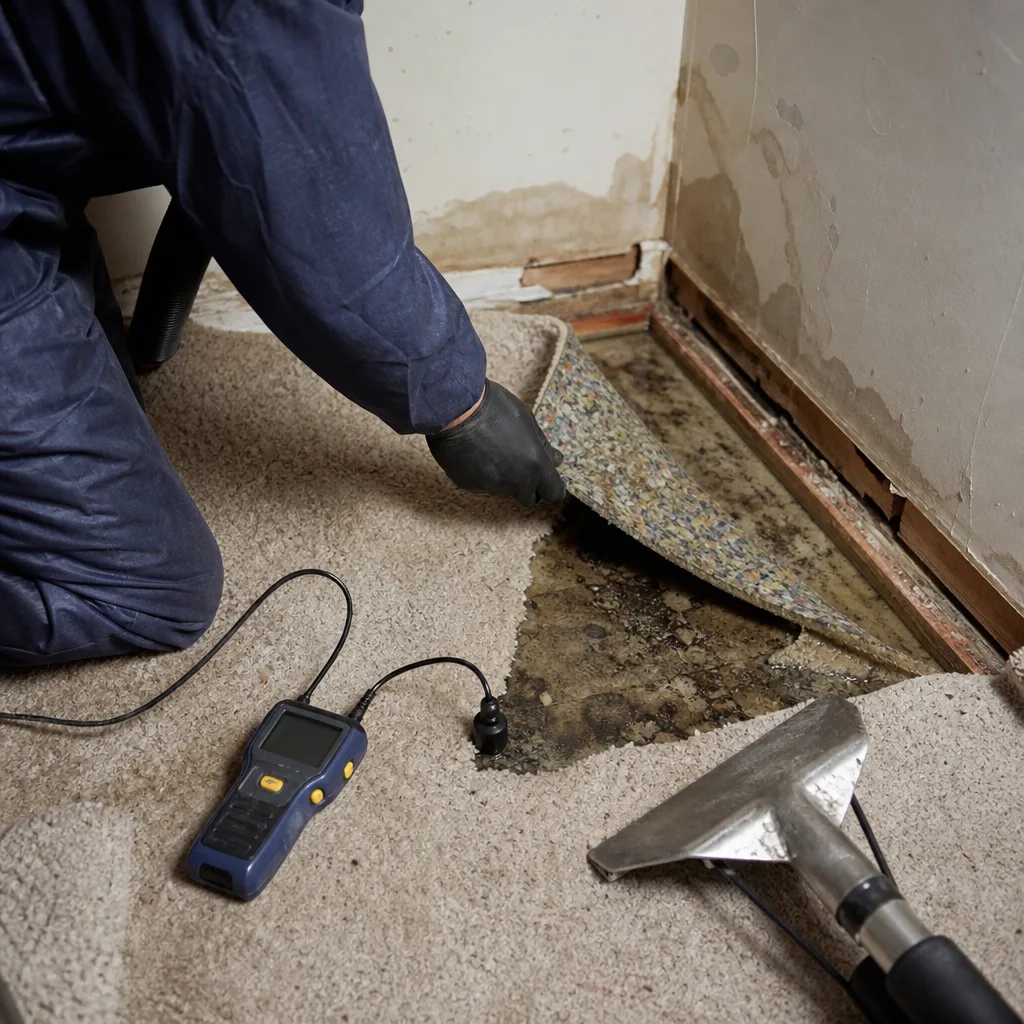
Insurance claims fail when documentation does. We learned this from our founder’s years as a claims adjuster, and we built every process to prevent it. From the first hour on your Englewood property, we photograph all affected areas, record moisture readings by room and material, and maintain daily drying logs that show exactly when each assembly returned to acceptable moisture content. Our estimates follow industry-standard Xactimate pricing, and we communicate directly with your adjuster, not through you as a messenger. The photo record, the written scope, and the moisture documentation are standard deliverables on every job, never upsells.
What We Provide Your Insurer
- Thorough documentation of the loss
- Photos of all damage, room by room
- Moisture readings and drying logs
- A detailed, line-item scope of work
- Direct coordination with your carrier
Built for Englewood’s Loss Calendar
January deep freezes split aging galvanized supply lines in Englewood’s pre-1950 housing stock, particularly in poorly insulated balloon-frame attics where pipes run through unconditioned spaces. The freeze-thaw cycle repeats weekly in hard winters, and we’ve responded to the same addresses multiple times in a single season when homeowners don’t realize the pipe insulation has degraded. Spring thaw brings basement seepage in the lower-lying blocks near Flat Rock Brook, where the natural drainage gradient funnels runoff into foundations regardless of sump pump capacity. Summer thunderstorms deliver flash flooding in under an hour, and Bergen County’s position in the nor’easter track means September through November brings sustained wind-driven rain that finds every compromised flashing and deteriorated mortar joint. Hurricane Ida in 2021 proved what Superstorm Sandy had already shown: Englewood’s topography amplifies storm impact in ways flat neighboring towns don’t experience.
Water Damage Restoration Across Englewood’s Neighborhoods
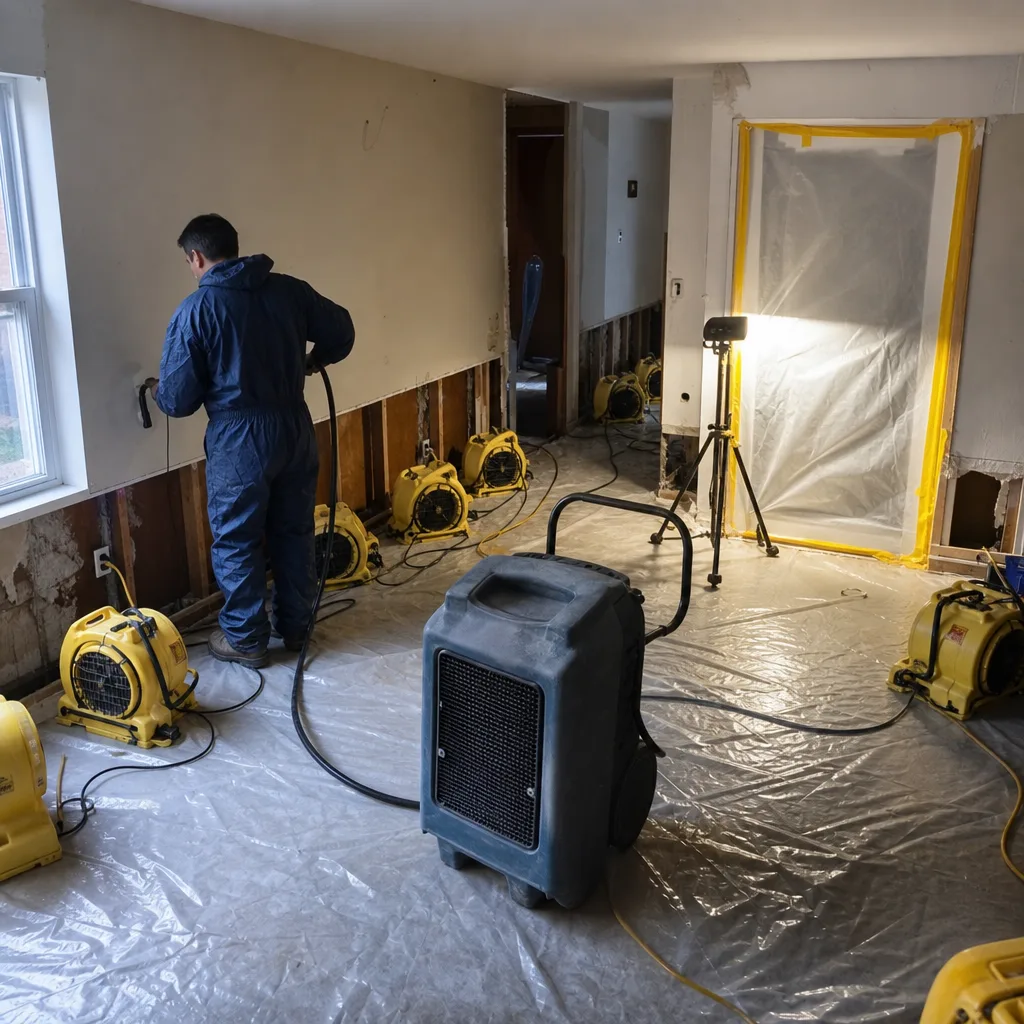
Knickerbocker Road and the surrounding East Hill area contain some of Englewood’s most substantial pre-WWII homes, large Colonials and Tudors with original plaster, wide oak flooring, and custom millwork that demands finish-preserving drying protocols. We were called to a 1920s Tudor on Knickerbocker Road after a nor’easter overwhelmed the original galvanized supply lines, sending Category 2 water through the plaster walls and original millwork. Our crew performed water extraction, set up moisture mapping and structural drying with Dri-Eaz air movers and Phoenix dehumidifiers, and used Injectidry to dry behind the plaster without removing the ornate detailing. We matched the period trim and documented pre-loss condition for the adjuster, turning a potentially destructive loss into a precise, finish-preserving mitigation.
The lower residential streets draining toward Flat Rock Brook, including blocks near Mackay Park and along the brook’s tributary system, suffer recurring basement flooding from storm runoff that the sloping terrain concentrates. Restoration contractors working this corridor quickly learn they are servicing the same addresses repeatedly. The real value we provide in this zone is preventive waterproofing paired with remediation, because dry-out alone won’t stop the next rain event from producing the same loss.
Englewood’s west side, toward the Tenafly border, includes newer construction but also significant 1940s-1960s ranch and split-level homes with their own vulnerability: original copper or galvanized supply lines at end-of-life, and slab-on-grade foundations where water intrusion has nowhere to go but up into flooring systems. The commercial corridors along Palisade Avenue and Dean Street present mixed-use buildings with flat roofs, aging parapet walls, and tenant-occupied spaces where water damage requires coordinated access and documented chain-of-custody for tenant property.
Specialized Water Damage Restoration Services We Offer in Englewood
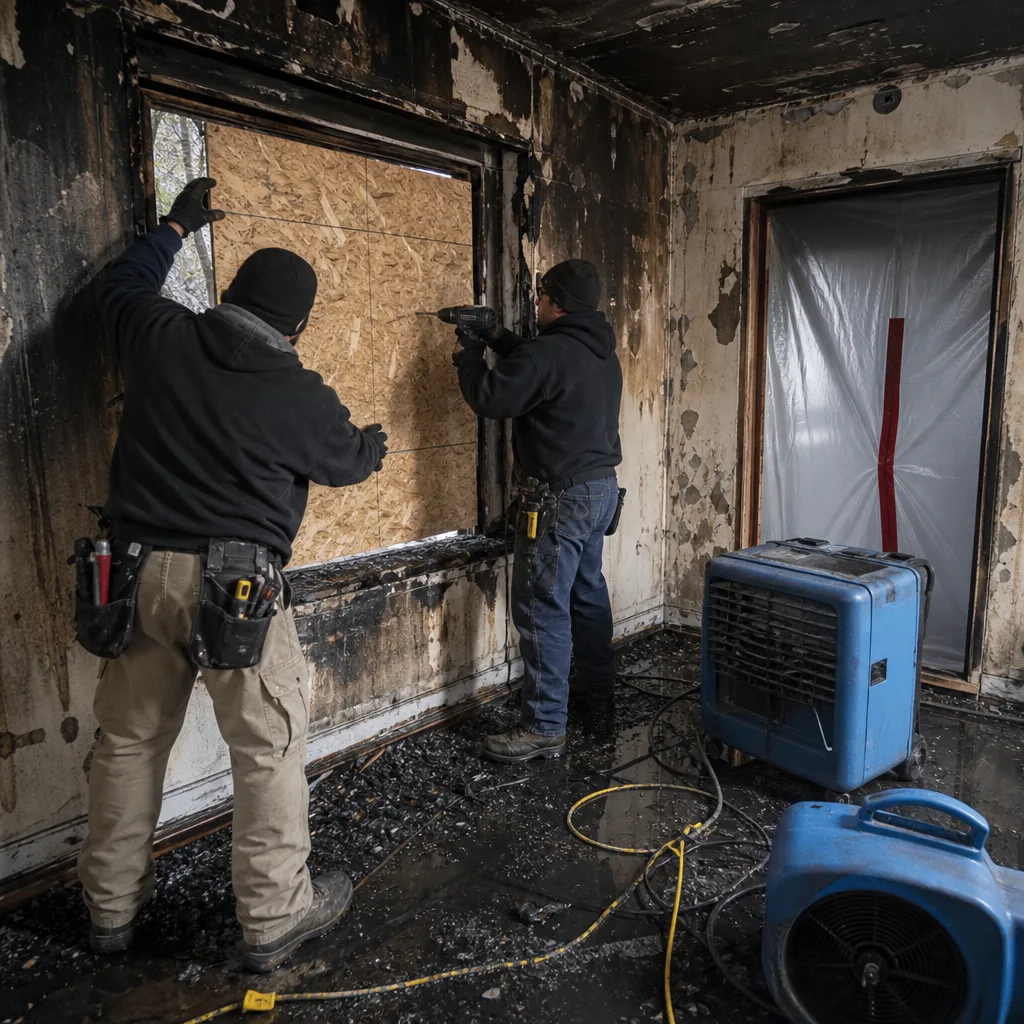
Emergency Water Extraction
Standing water begins destroying structural materials within hours, and in Englewood’s dense plaster and hardwood assemblies, the window for salvage is narrower than with modern materials. Our truck-mounted extraction systems remove thousands of gallons per hour, with weighted extraction wands for carpet and mat systems for hardwood. Emergency extraction in Englewood typically runs $450-$950 for residential properties, with commercial losses scaled by square footage.
Structural Drying & Dehumidification
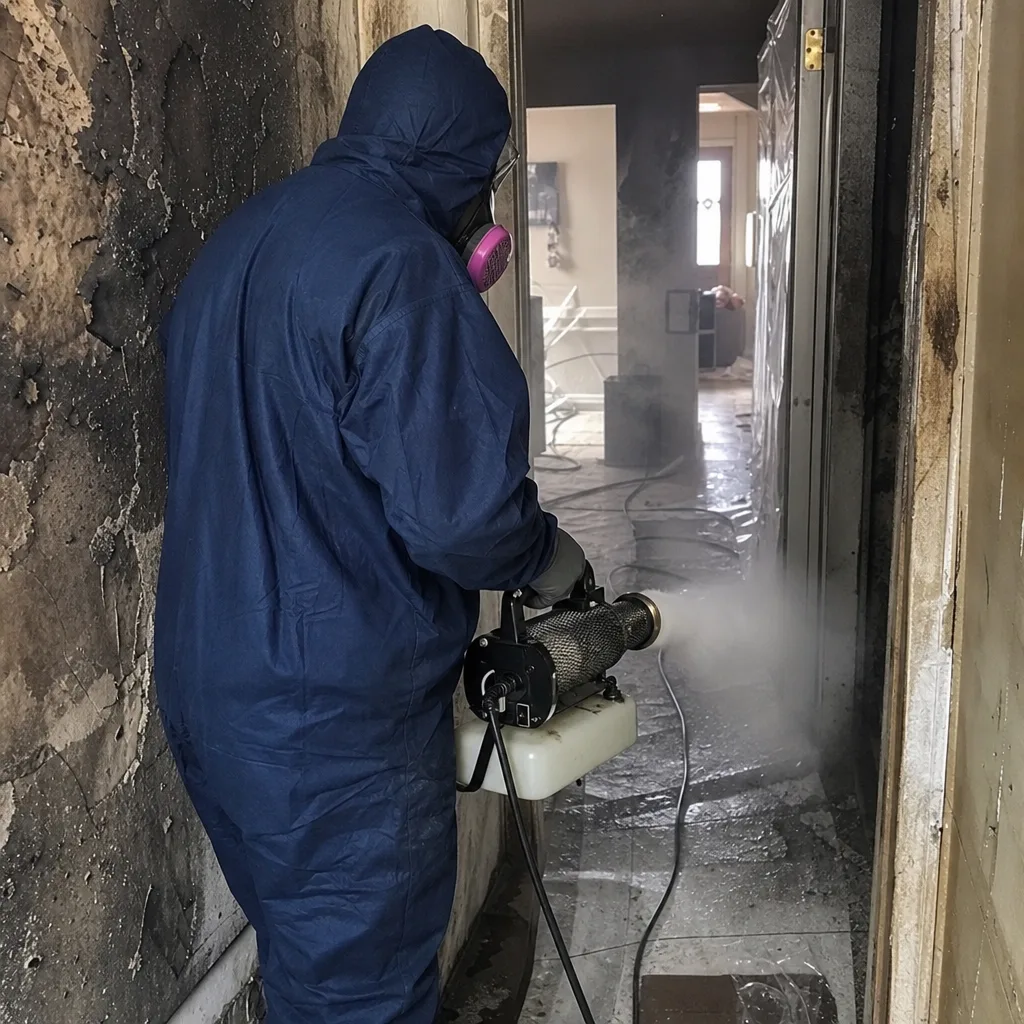
We calculate drying equipment loads based on psychrometric principles, not rules of thumb, because Englewood’s pre-war construction requires precise control. Low-grain refrigerant dehumidifiers pull moisture to levels that prevent secondary damage, while Injectidry and other cavity-drying systems address hidden assemblies. Structural drying for a typical Englewood basement or first floor runs $1,800-$4,200 for a 5-7 day drying cycle, with daily moisture logs provided to your adjuster.
Flood Cleanup
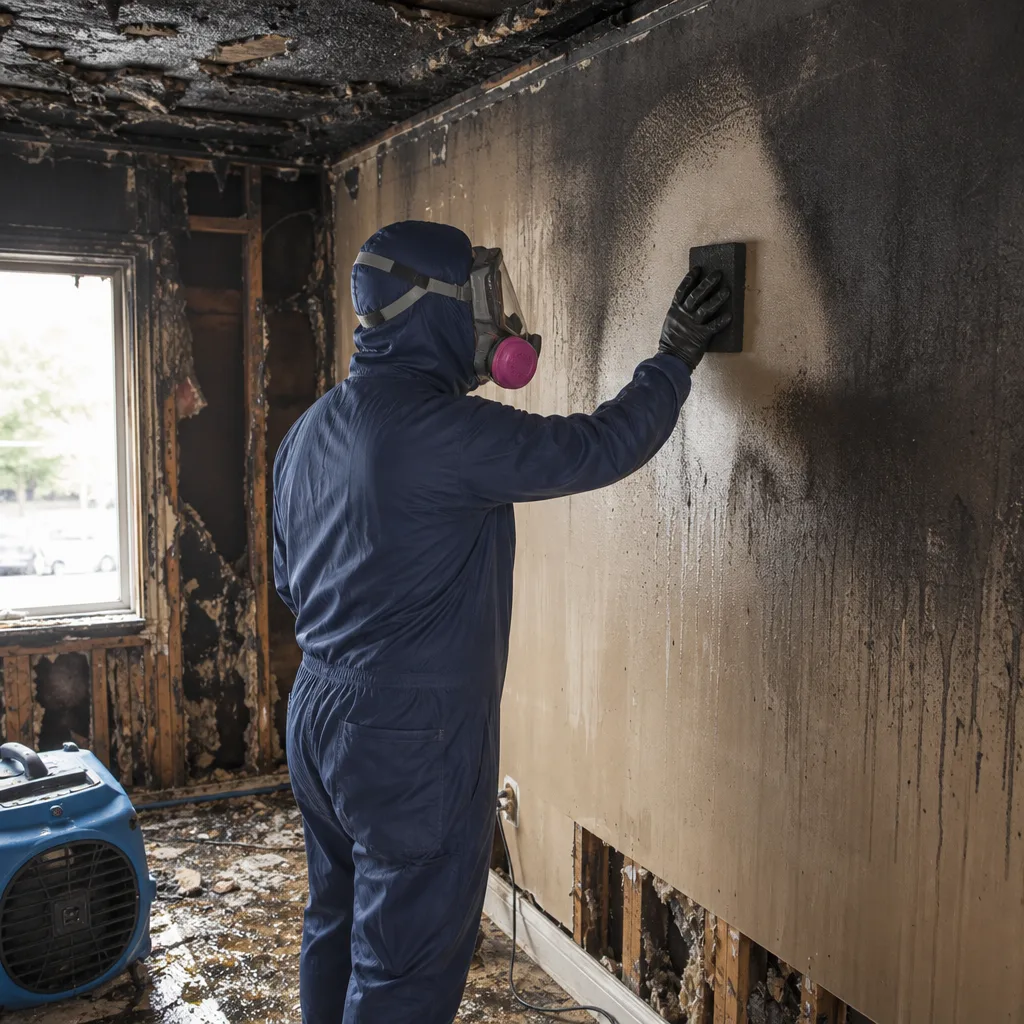
Englewood’s Flat Rock Brook watershed makes flood cleanup a recurring service in lower-lying residential blocks. We treat floodwater as Category 3 contamination until proven otherwise, with full PPE, antimicrobial treatment, and air scrubbing. Flood cleanup involving contamination runs $3,500-$8,500 depending on affected area and required demolition.
Burst Pipe Restoration
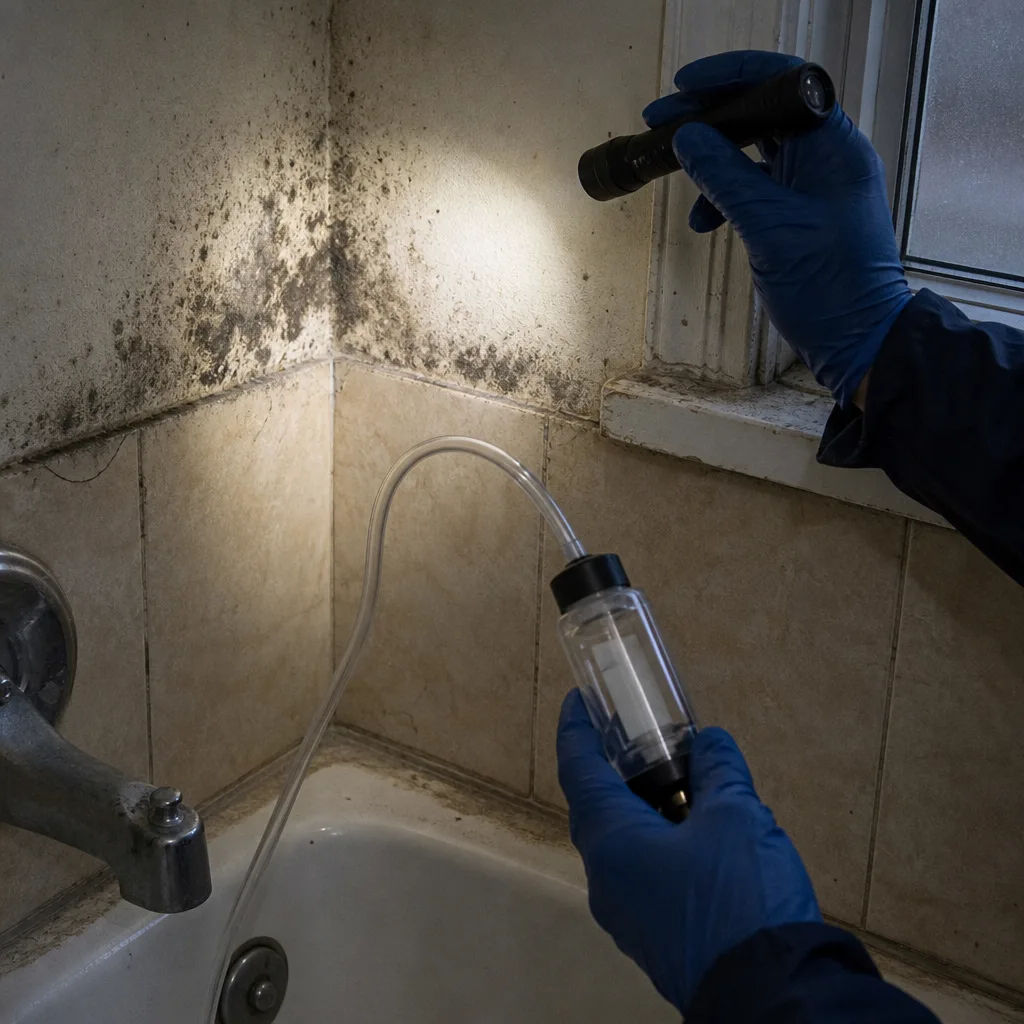
Winter freeze-thaw damage in Englewood’s poorly insulated attics and crawl spaces splits copper and galvanized lines with regularity. We extract, dry, and document the water loss, then coordinate with licensed plumbers for permanent repair, with our reconstruction team restoring finishes to match. Burst pipe restoration in Englewood typically ranges $2,200-$6,000 including drying and finish repair.
Basement Water Removal
Englewood’s sloping terrain means basement water removal is often the same property, same basement, different storm. We extract, dry, and then assess whether French drains, sump upgrades, or exterior waterproofing are warranted to break the cycle. Basement water removal and drying runs $1,600-$4,800, with preventive waterproofing scoped separately.
Ceiling & Roof Leak Water Damage
Ice dams in Englewood’s older housing stock force water under shingles and into soffits, while wind-driven rain finds compromised flashing on pre-WWII roof geometries. We trace water migration with thermal imaging, dry affected assemblies, and document roof damage for insurance coverage determinations.
What happens when you call
- 1
A real person answersNo phone trees - you reach a local pro.
- 2
You get an upfront price rangeHonest numbers before anyone is dispatched.
- 3
A background-checked tech heads outLicensed & insured, dispatched right away.
- 4
You approve before work beginsNothing starts until you say go.
Water Damage Restoration Costs in Englewood, NJ
Water damage restoration in Englewood runs $2,800-$7,500 for typical residential losses, with simpler Category 1 clean-water extractions at the lower end and Category 3 flood losses requiring extensive demolition at the upper. Emergency water extraction alone: $450-$950. Structural drying and dehumidification: $1,800-$4,200. Burst pipe restoration with finish repair: $2,200-$6,000. Full flood cleanup with contamination protocol: $3,500-$8,500.
What moves the price: water category (clean vs. contaminated), affected square footage, material types (plaster and hardwood cost more to dry and restore than drywall and carpet), and whether the loss requires specialty equipment like Injectidry for cavity drying. Insurance typically covers sudden and accidental water damage from burst pipes or storm intrusion, but not long-term seepage or maintenance-related failures. We provide a written price before any work begins, per Haven Standard, Clause 1, and we offer a Free Second Opinion on any competitor’s written estimate.
We Also Serve Cities Near Englewood
Our crews respond throughout Bergen County, including Englewood Cliffs, where Palisades cliff-side drainage creates unique foundation pressures; Tenafly, with its own substantial pre-war housing and similar freeze-thaw vulnerability; Leonia, where the marshy lowlands near Overpeck Creek produce distinct seepage patterns; and Bogota, with compact residential blocks and aging infrastructure that mirrors Englewood’s challenges on a smaller scale.
Serving Englewood, NJ - Our Local Coverage Area
We’re based in the Englewood area and know this community well. Use the map below to see our service coverage - if you’re nearby, we can almost certainly help.
Englewood Water Damage Restoration Questions, Answered
How fast can you get to my Englewood property?
We typically arrive within 45 minutes of your call to (845) 875-4326, with crews staged for Bergen County dispatch from our metro coordination office. Live answer is guaranteed 24 hours a day, every day. Call now if water is active in your home.
Will my insurance cover water damage restoration in Englewood?
Most homeowners policies cover sudden and accidental water damage from burst pipes, appliance failures, or storm intrusion, but exclude gradual seepage or maintenance issues. We document your loss from hour one with photos, moisture readings, and written scopes that support coverage determinations, and we bill your carrier directly. Call (845) 875-4326 and we’ll review your policy language with you.
Do I need full remediation or just water extraction?
Extraction removes standing water; remediation addresses moisture trapped in materials and prevents secondary damage like mold or structural decay. In Englewood’s plaster and balloon-frame construction, extraction alone is never sufficient, hidden moisture persists and mold can establish within 24-48 hours. We scope full structural drying with moisture mapping on every job. Call for a free visual inspection.
How much does water damage restoration cost compared to nearby towns?
Englewood’s costs run comparable to Tenafly and Englewood Cliffs, slightly higher than Bogota due to larger average home size and more complex pre-war construction requiring specialty drying and finish matching. Typical range: $2,800-$7,500. We provide a firm written price before work begins, per Haven Standard, Clause 1. Call (845) 875-4326 for your specific scope.
How long does structural drying take in Englewood’s older homes?
Modern drywall construction dries in 3-5 days; Englewood’s plaster, solid masonry, and dense hardwood typically require 7-14 days for complete tertiary drying. We don’t remove equipment until moisture readings confirm materials have reached IICRC-standard equilibrium moisture content, documented in daily logs. Call to discuss your timeline.
Can my family stay in the home during water damage restoration?
For Category 1 losses affecting limited areas, often yes, with containment and air scrubbing. Category 2 or 3 contamination, or whole-house drying with extensive equipment noise, usually requires temporary relocation. We assess livability at inspection and advise based on your specific loss. Call (845) 875-4326 to discuss your situation.
What certifications do your technicians hold?
Our lead technicians hold IICRC WRT (Water Damage Restoration Technician), with FSRT (Fire & Smoke Restoration Technician) and AMRT (Applied Microbial Remediation Technician) certifications on staff for complex losses. All work is documented to IICRC, RIA, and IFA standards. Ask to see current certification cards at any job.
What should I do in the first 30 minutes after discovering water damage?
Shut off the water source if you can locate it safely, turn off electricity to affected areas if water is near outlets or panels, and call (845) 875-4326 for immediate dispatch. Don’t enter standing water if electrical hazard exists, and don’t attempt DIY extraction on contaminated water. The first hour determines your recovery scope.
Why do basements in Englewood’s lower residential streets flood repeatedly even after a proper dry-out?
Englewood’s sloping terrain funnels storm runoff downhill toward Flat Rock Brook and its tributaries, creating a natural drainage gradient that directs water into the same low-lying basements regardless of how well the previous dry-out was performed. Proper remediation restores the interior, but only preventive waterproofing, French drains, sump upgrades, or exterior grading changes address the root cause. We assess both on every recurring-loss property.
How quickly does mold become a concern after water damage in Englewood’s older homes?
Mold colonization begins 24-48 hours after water intrusion in organic materials, and Englewood’s pre-WWII plaster, horsehair binders, and balloon-frame cavities provide ideal substrate. Hidden moisture behind plaster or inside wall assemblies accelerates growth because these areas don’t dry without targeted equipment. We deploy moisture mapping and cavity drying specifically to prevent this timeline from advancing. Call immediately if water has been present more than 24 hours.
What’s the difference between Category 1, 2, and 3 water, and why does it matter for my Englewood home?
Category 1 is clean water from a supply line, Category 2 carries significant contamination from appliances or sump failures, and Category 3 is grossly contaminated from sewage or flooding. The category determines PPE requirements, antimicrobial protocols, and which materials must be removed versus restored. In Englewood’s historic homes with original plaster and millwork, accurate categorization prevents unnecessary demolition of irreplaceable finishes. We test and document category at inspection.
Can you dry behind original plaster walls and millwork in Englewood’s historic homes without tearing them out?
Yes. We use Injectidry cavity-drying systems and controlled psychrometric drying to remove moisture from behind plaster and inside wall assemblies without destructive removal. The key is precise vapor pressure management, too aggressive and plaster cracks, too slow and mold establishes. Our crews are trained specifically on pre-WWII construction drying protocols. Call to discuss preservation options for your property.
Do Englewood’s freeze-thaw cycles really cause more burst pipe damage than in neighboring towns?
Yes, for two reasons specific to Englewood’s housing stock: the higher-elevation properties have more extreme temperature exposure, and the pre-1950 balloon-frame attics are poorly insulated by modern standards, with original galvanized or aging copper lines running through unconditioned spaces. Neighboring towns with newer construction and better insulation experience fewer freeze-thaw failures. We see the pattern in our dispatch records every winter.
Call (845) 875-4326 now for 24/7 live answer and emergency dispatch to any address in Englewood. Written price before work begins. Free visual inspection. Every job documented to insurance standards.
Written by Alicia Brennan, Owner at Back to Dry Restoration, serving Englewood since 2011.
Water Damage Restoration in Nearby Areas