
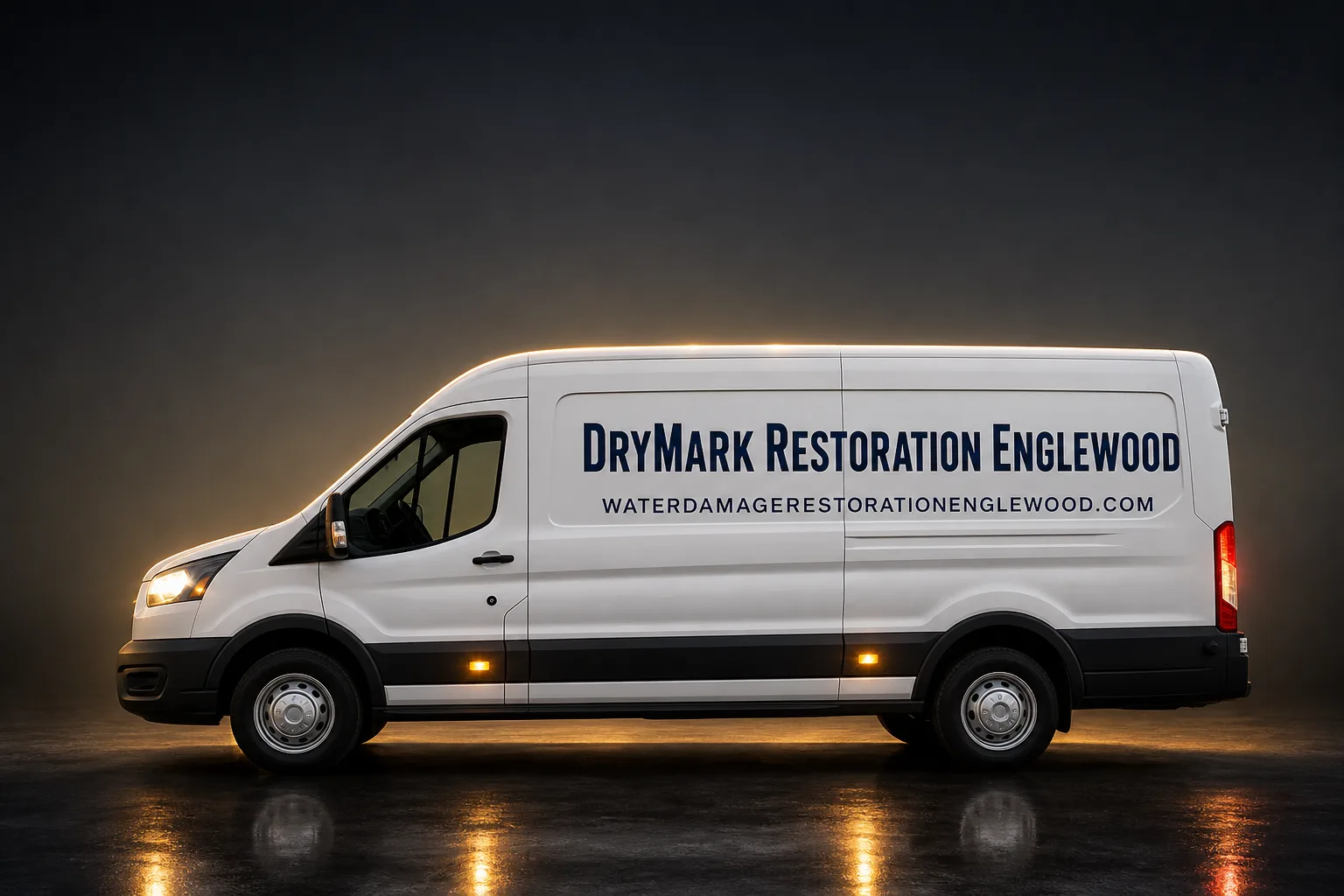
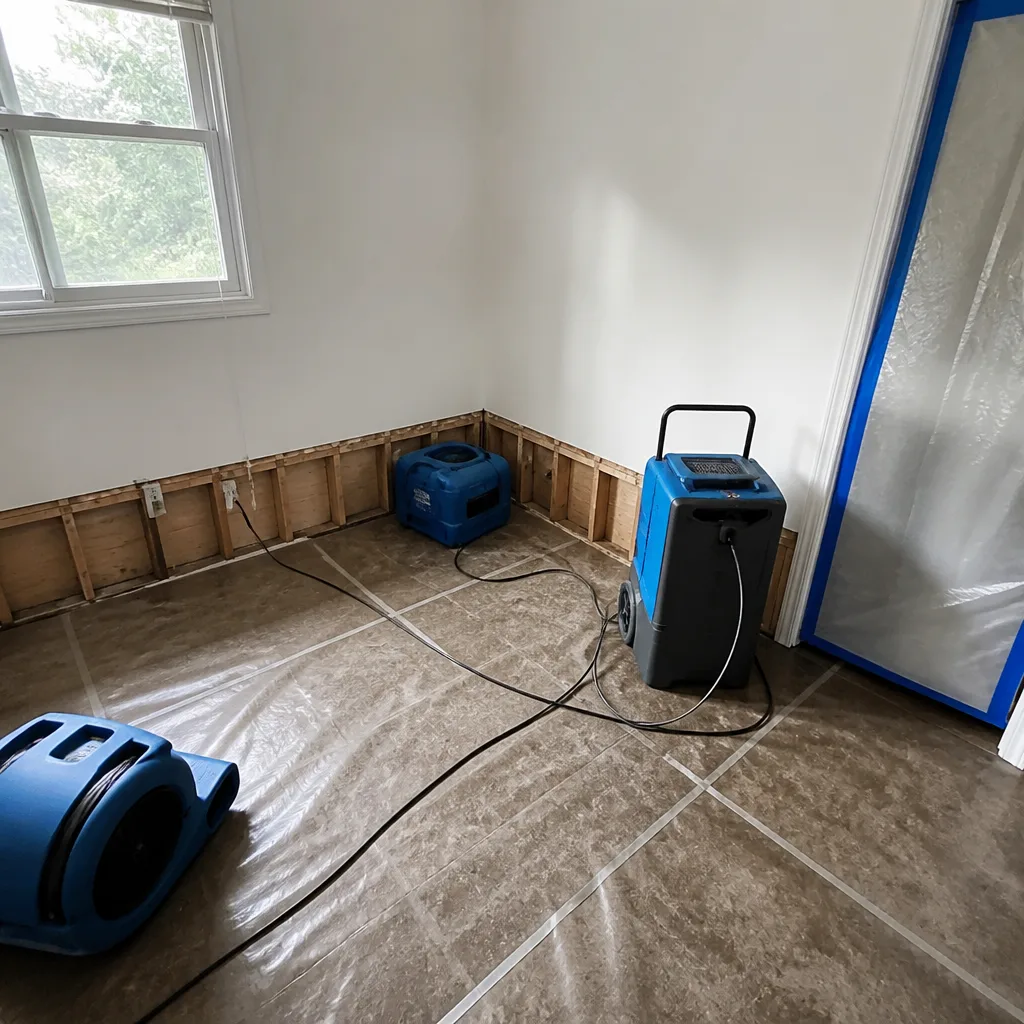
Free visual inspection and a written scope of work before any mitigation begins - photos, moisture readings, and drying logs go in your claim file
The scope we write is the scope we bill. Anything new gets shown to you, in writing, before we touch it.
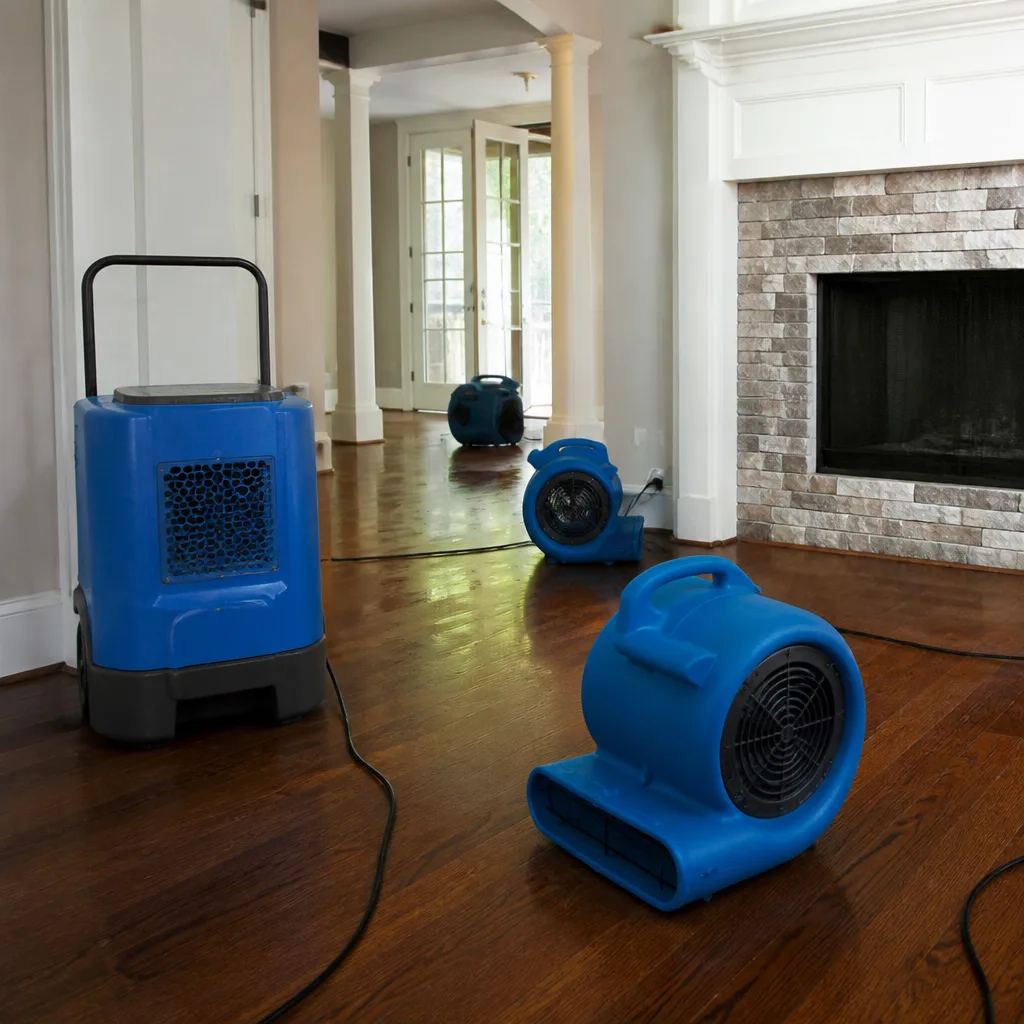
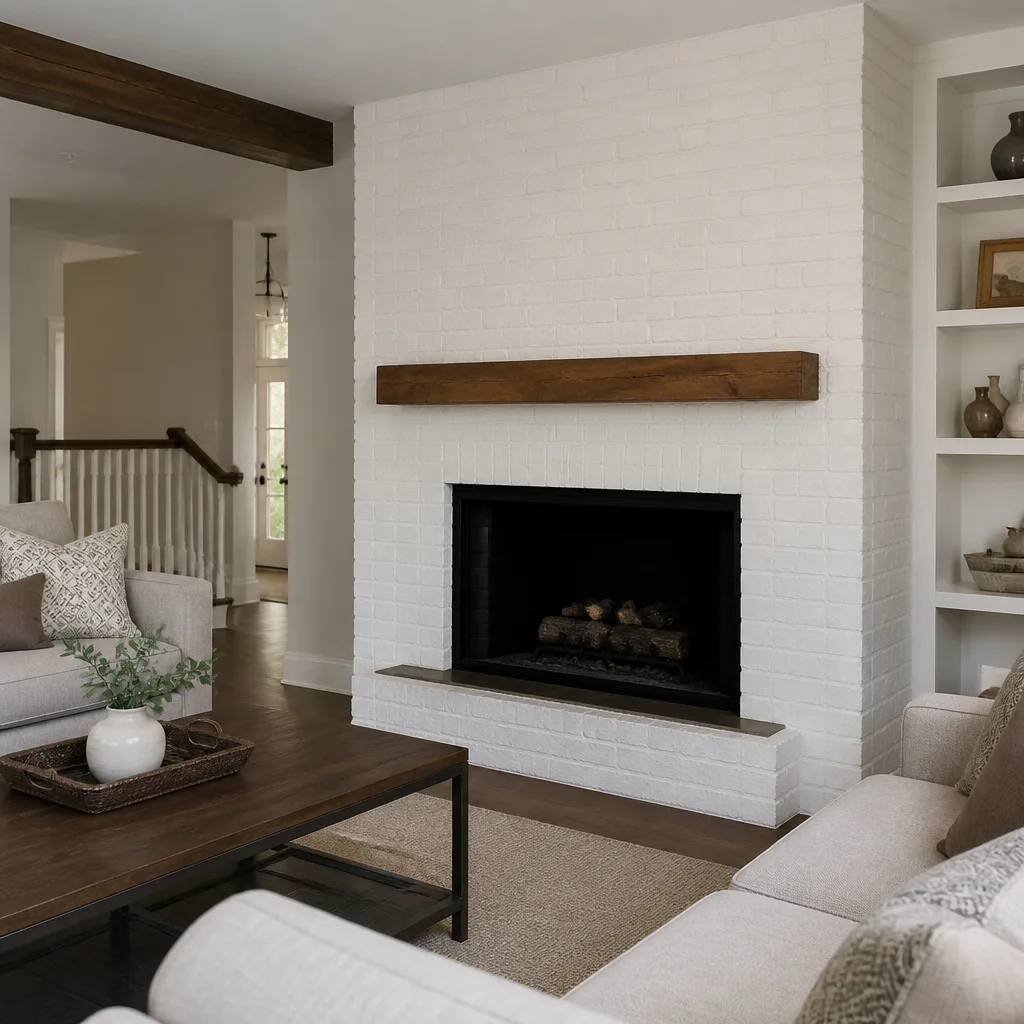
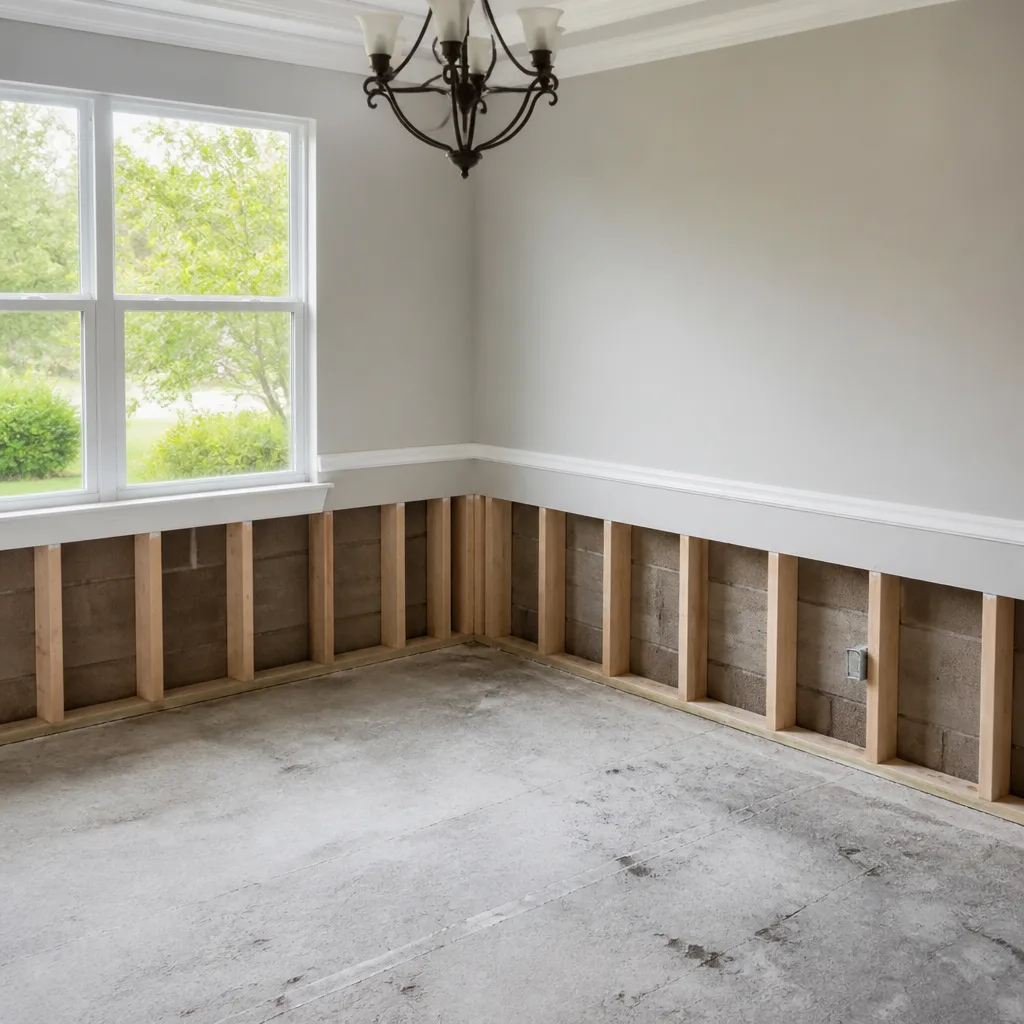
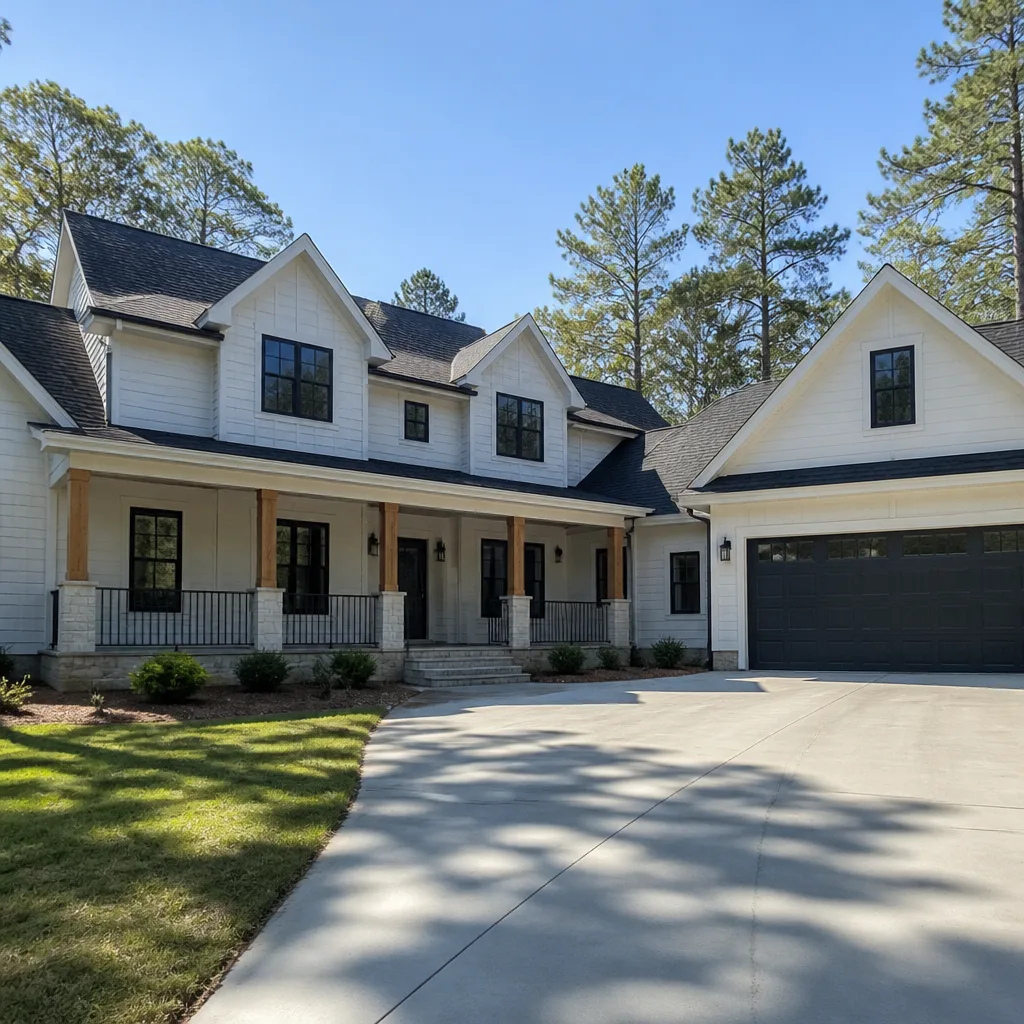
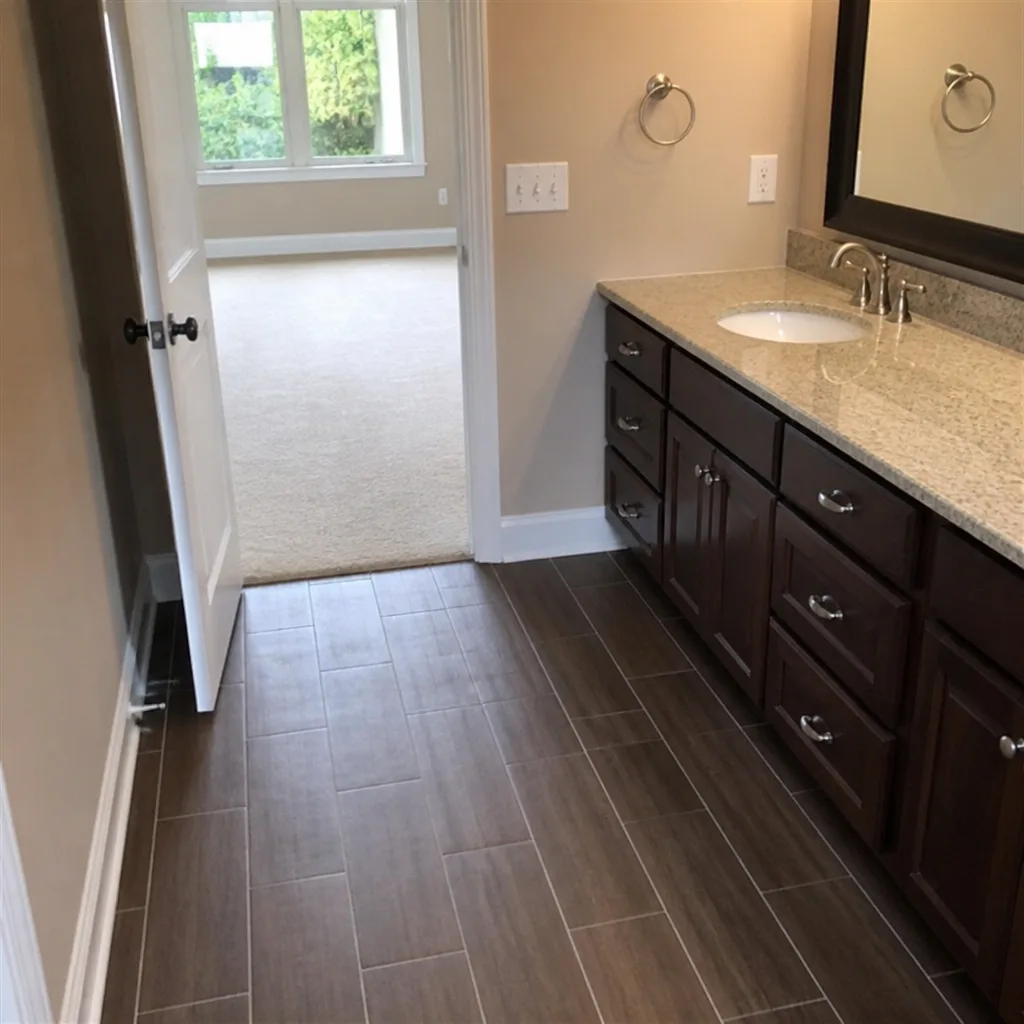
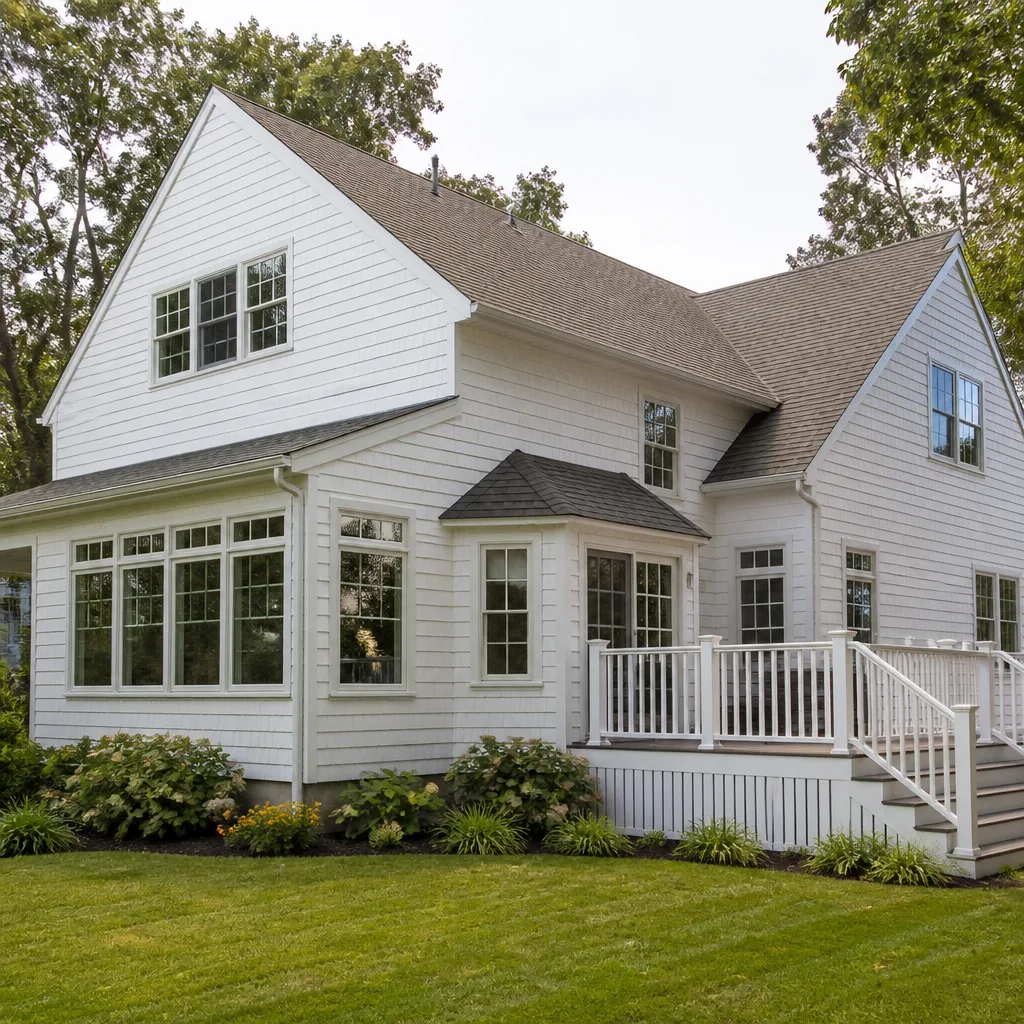
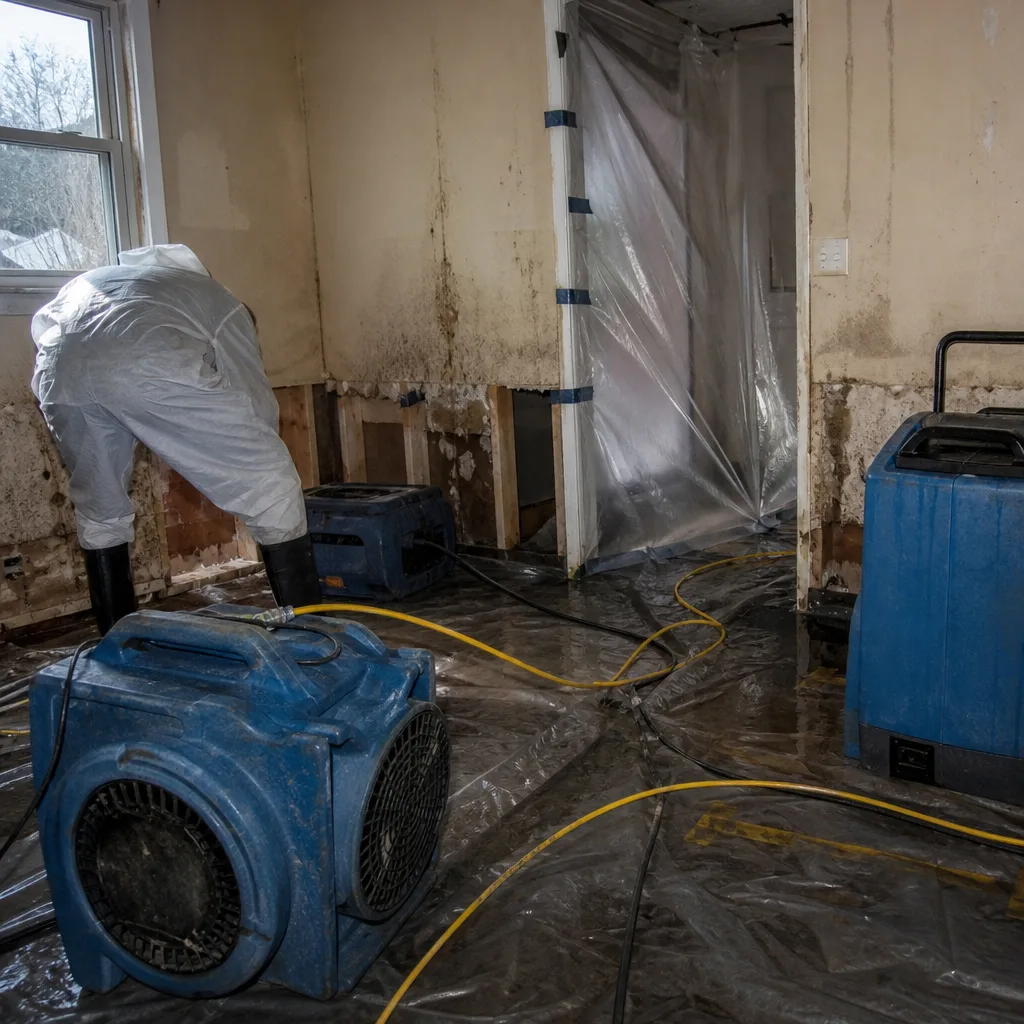 Before
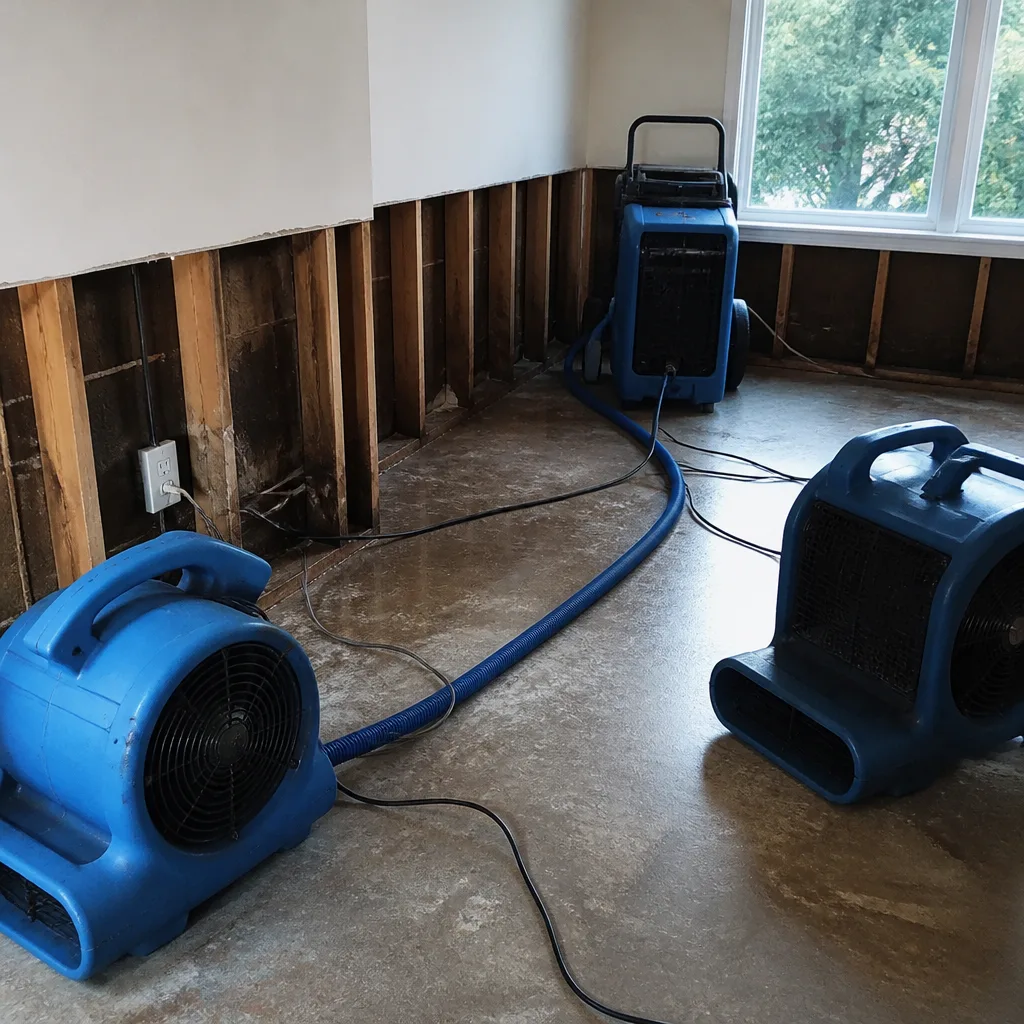 After
After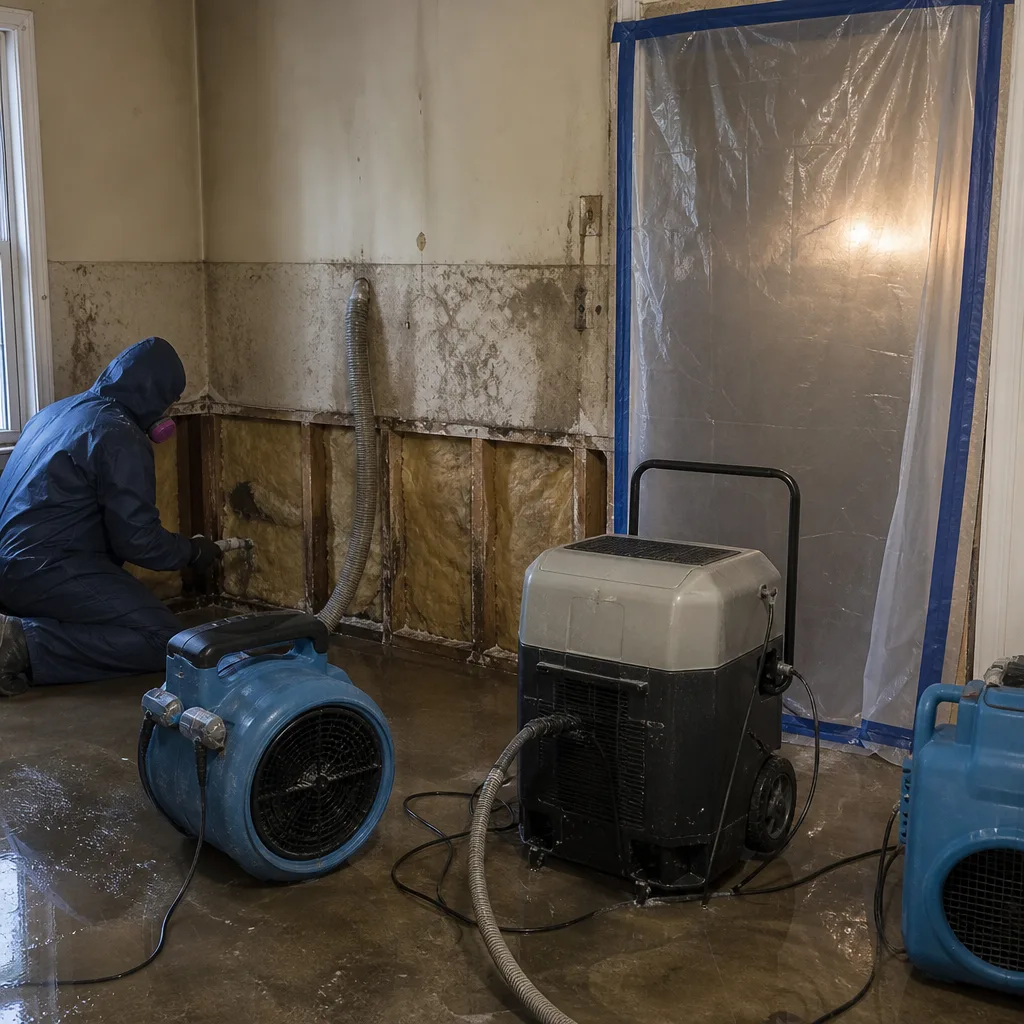 Before
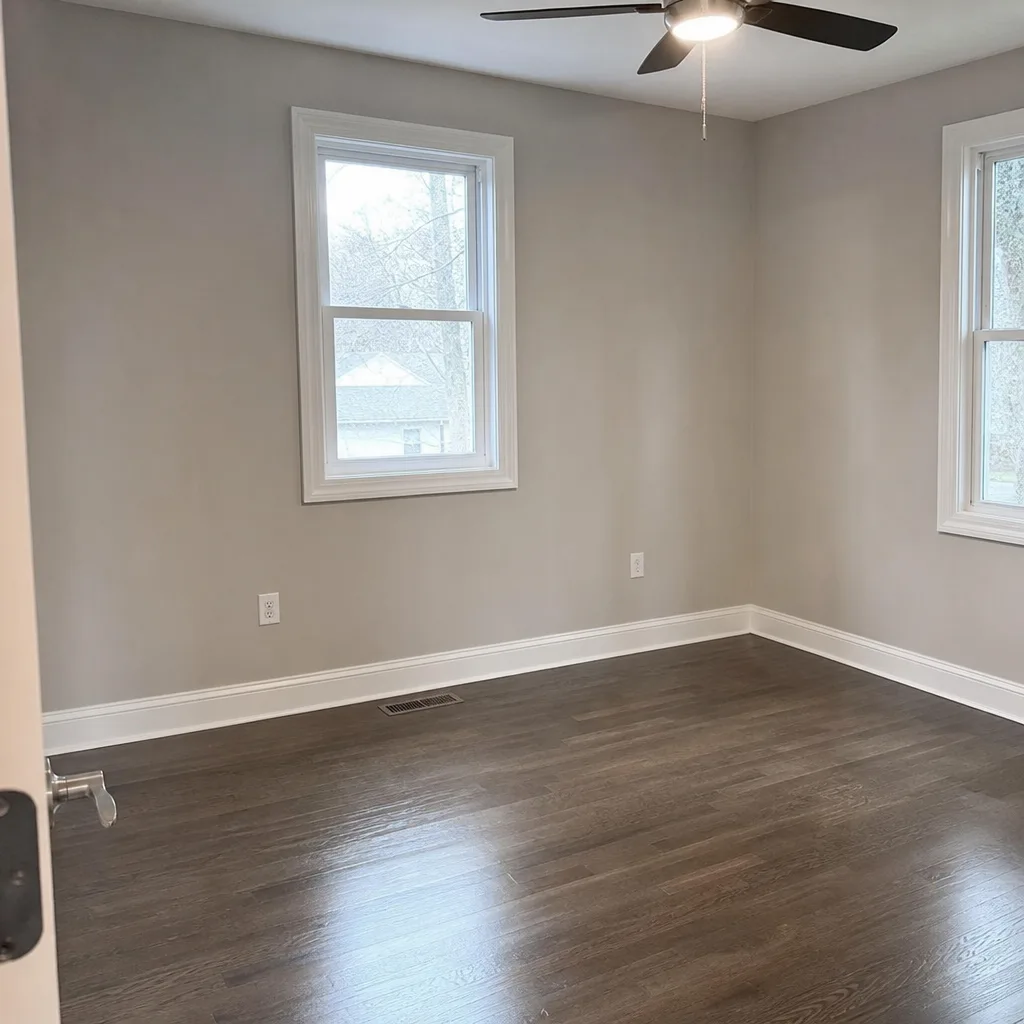 After
After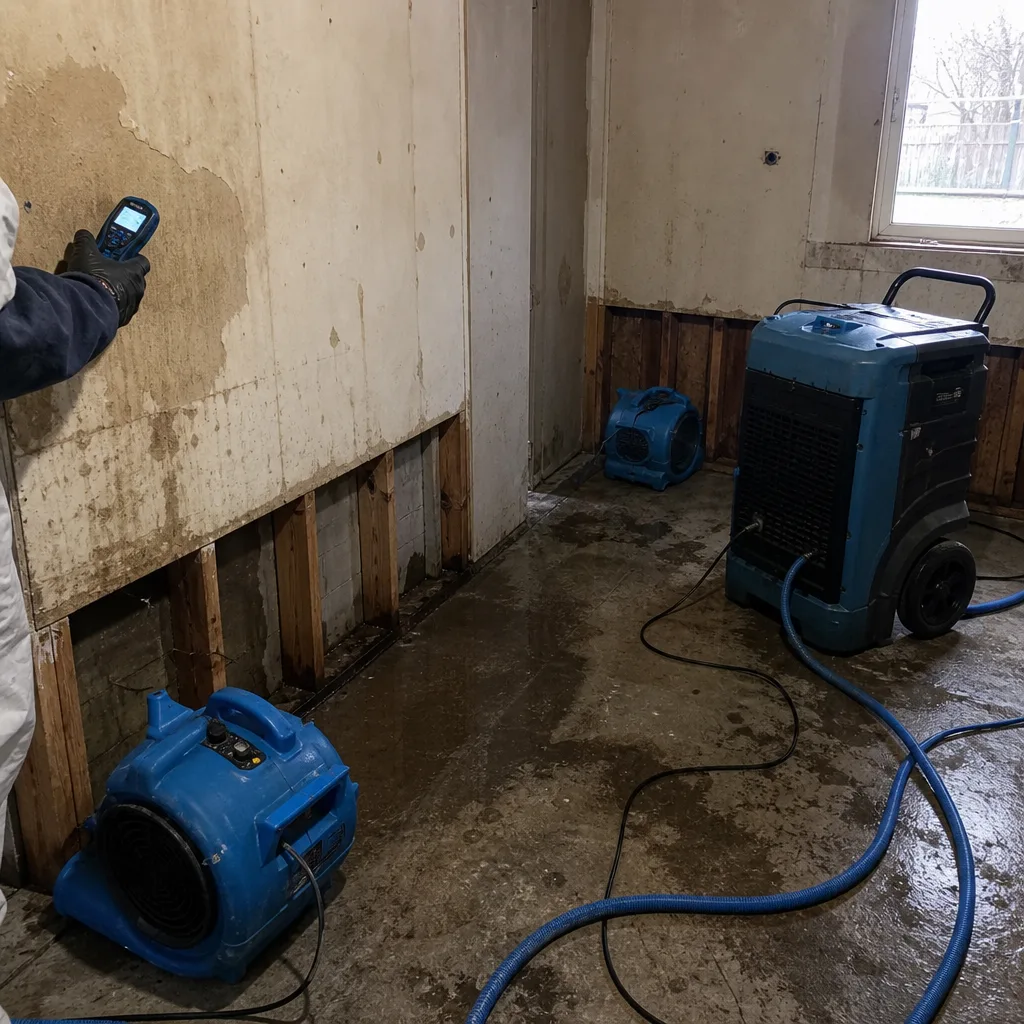 Before
 After
After24/7 Emergency Water Damage Restoration in Tenafly
Water damage in Tenafly spreads fast through plaster-and-lath walls and original hardwood subfloors. Call (845) 875-4326 now and a live person will answer, 24 hours a day, no voicemail. Our crews are dispatched from our New York City office and typically reach Tenafly properties within 45 minutes. The first hour determines whether we can dry in place or must demo irreplaceable period materials. We arrive with thermal imaging cameras, moisture meters, and extraction equipment to stop the migration before it reaches decorative crown molding, custom millwork, or slate roof decking.
Every emergency call includes a free visual inspection and a written scope of work before any equipment runs. Haven Standard, Clause 1.
Understanding Water Damage Restoration Severity in Tenafly Properties
Water damage in Tenafly homes falls into three categories that determine both safety protocol and restoration cost. Category 1 water - a burst supply line or overflowing sink - remains clean for 24 hours but degrades quickly in older homes where galvanized pipes and original hardwood floors harbor pre-existing contamination. Category 2, or gray water, carries chemical or biological loads from dishwasher drains, washing machine hoses, or sump pump failures common in Lost Brook-area basements during spring thaw. Category 3, black water, originates from sewage backup or ground flooding and demands full antimicrobial treatment plus controlled demolition of porous materials.
Tenafly’s 1910-1955 housing stock complicates every classification. Plaster-and-lath walls absorb water differently than modern drywall, wicking moisture vertically through horsehair plaster and wooden lath strips that can appear surface-dry while holding saturation deep in the wall cavity. Slate and clay-tile roofs - standard on Tudor Revival homes throughout the borough - shed water until they don’t; a single cracked slate or failed flashing directs concentrated flow into roof decking and ceiling plaster that may not show staining for days. Our moisture mapping protocol uses psychrometric data, measuring vapor pressure differential between affected and unaffected areas to locate hidden saturation before mold colonization begins.
Category misclassification is the most expensive error we see in Tenafly. A crew unfamiliar with historic construction may treat a Category 2 basement seepage event as simple extraction, missing the wicking up stone foundation walls and into floor joists that turns a $3,200 drying job into a $14,000 mold remediation within 72 hours.
Why Tenafly Property Owners Choose DryMark Restoration Englewood
- 45-minute response commitment to Tenafly properties, with crews staged for Palisades ridge and low-lying corridor access.
- 24/7 live answer - a real person, never an automated system or voicemail tree, because water does not wait for business hours.
- IICRC-certified crews holding WRT (Water Damage Restoration Technician) and FSRT (Fire & Smoke Restoration Technician) credentials, with AMRT (Applied Microbial Remediation Technician) certification on every mold-prone Tenafly job.
- Free visual inspection with thermal imaging and moisture readings documented before any commitment.
- Direct insurance billing with photo-documented drying logs that adjusters recognize and pay without dispute.
- One team from extraction through reconstruction - no handoffs between subcontractors that lose context about your home’s original materials.
BeforeAfterOur Water Damage Restoration Process
1. Inspection & Assessment
We map moisture across all affected surfaces using FLIR thermal imaging, penetrating and non-penetrating hygrometers, and psychrometric calculations. In Tenafly’s older homes, we specifically identify plaster-and-lath versus drywall, original hardwood versus subfloor, and slate roof decking condition. Every reading is logged for your insurer.
2. Extraction & Stabilization
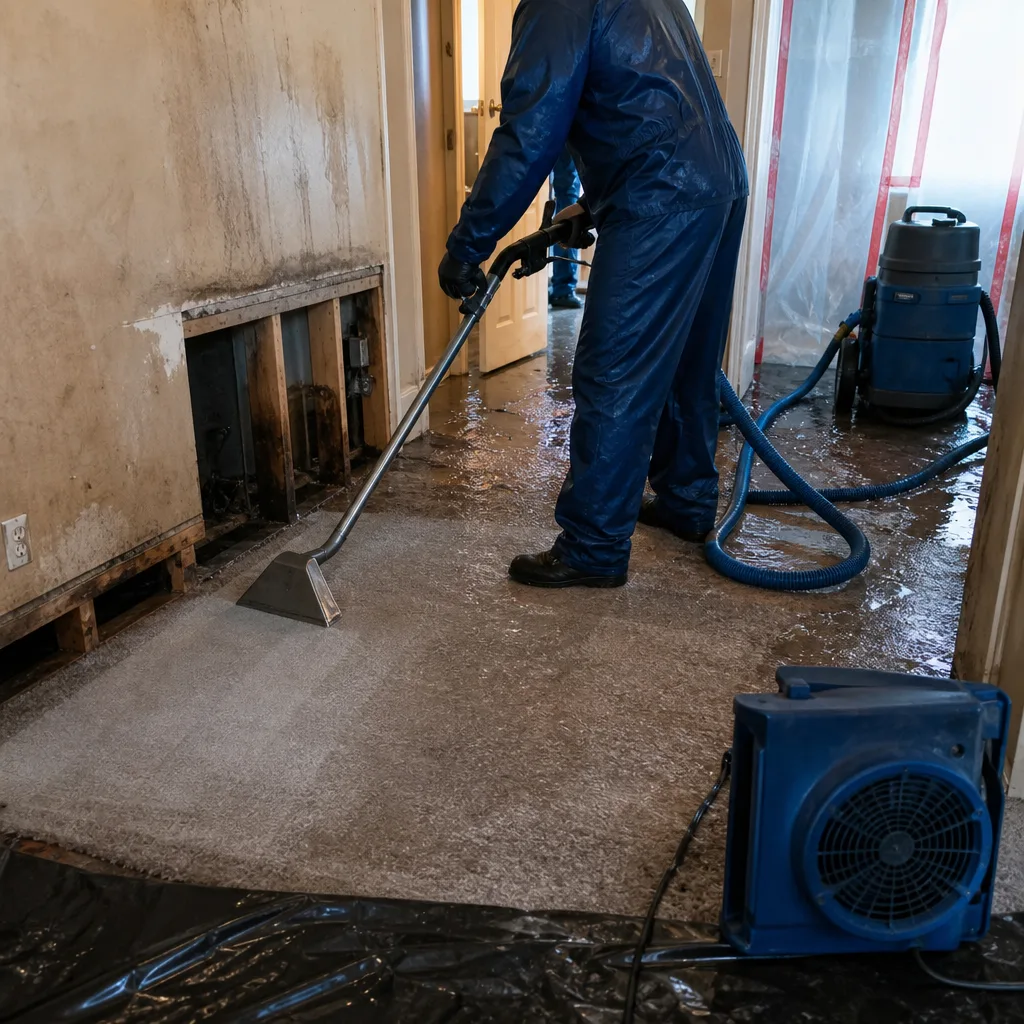
Standing water is removed with truck-mounted extraction systems and weighted vacuum heads that pull from carpet pad and subfloor. For Tenafly basements with stone or brick foundations, we deploy submersible pumps and establish containment to prevent cross-contamination between affected and clean zones.
3. Structural Drying & Dehumidification
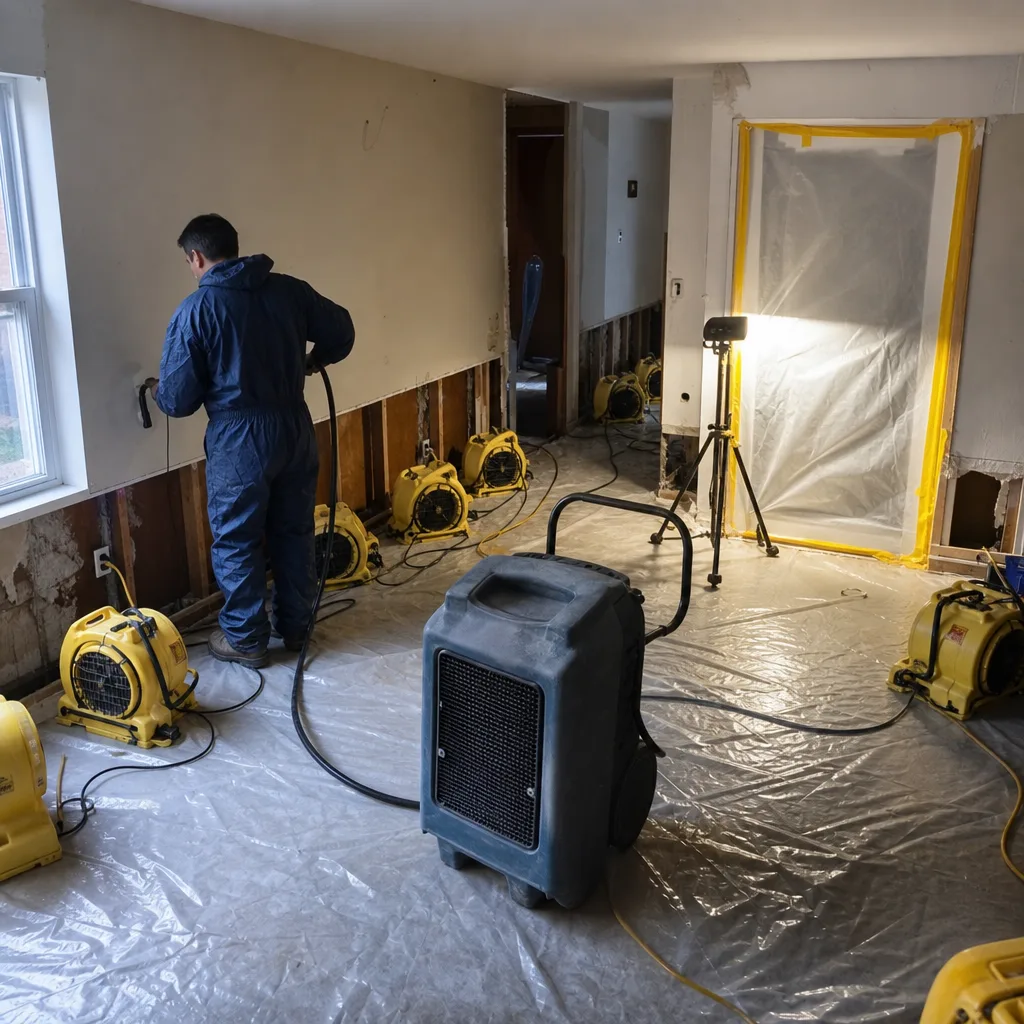
We deploy Dri-Eaz and Phoenix LGR dehumidifiers, XPOWER and B-Air air movers, and Injectidry cavity-drying systems to force dry air through wall cavities without removing plaster. In Tenafly’s decorative ceiling jobs, Injectidry hoses thread through minimal access holes to preserve crown-molding profiles while achieving tertiary drying goals.
4. Cleaning & Sanitization
All affected surfaces receive antimicrobial treatment appropriate to water category, with HEPA air scrubbers running continuous filtration. Original hardwood floors in Tenafly Colonials get specialized wood-floor drying mats that pull moisture through the grain without cupping or buckling.
5. Period-Matched Material Assessment
Our team documents every original finish - plaster profile, millwork pattern, clay tile specification - and sources matching materials through specialty suppliers before any irreversible demolition occurs. This step is unique to Tenafly’s historic housing stock and prevents the adjuster rejections that follow flat-drywall replacements.
6. Repairs & Restoration
Reconstruction follows the written scope exactly, with photo documentation at each phase. The 365-Day Done Right Promise applies to all work, and your final packet includes complete drying logs, moisture readings, and the signed Haven Standard warranty.
Need Emergency Water Damage Restoration in Tenafly Now?
Crews minutes away, answering live 24 hours a day. The sooner we start, the less it costs.
Working With Your Insurance Company
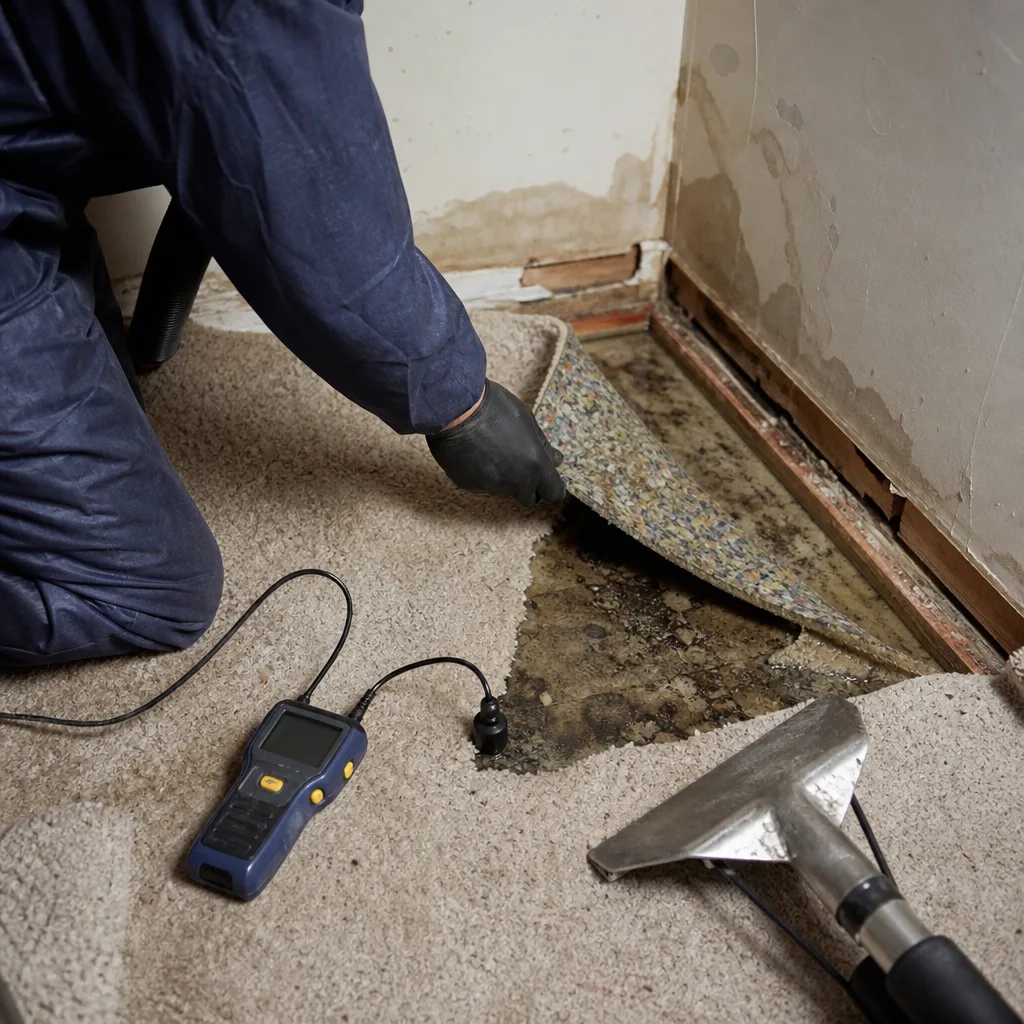
Insurance claims fail when documentation gaps let adjusters deny line items. We close those gaps from the first hour. Every DryMark Restoration Englewood crew photographs all damage before touching anything, records moisture readings at prescribed intervals, and produces daily drying logs that meet IICRC, RIA, and IFA standards. Our estimates are built on industry-standard pricing databases that carriers recognize, and we communicate directly with your adjuster to resolve scope questions before they become disputes.
The Haven Standard requires a written price before work begins - Clause 1 - so your insurer receives a complete, line-item scope with no surprise additions once the crew is inside. If you’ve received another company’s estimate, we provide a Free Second Opinion at no charge.
What We Provide Your Insurer
- Thorough documentation of the loss
- Photos of all damage, room by room
- Moisture readings and drying logs
- A detailed, line-item scope of work
- Direct coordination with your carrier
Built for Tenafly’s Loss Calendar
January deep freezes split copper supply lines in unheated Tenafly mudrooms and third-floor bath loops, with burst pipe restoration calls peaking when temperatures drop below 15°F for consecutive nights. February ice dams form on the complex rooflines of Tudor homes - multiple gables, dormers, and slate valleys that trap meltwater until it backs under flashing and saturates ceiling plaster. March and April bring the Palisades ridge snowmelt that concentrates in Lost Brook drainage channels, producing basement seepage through stone foundations that homeowners mistake for one-time events.
May through September thunderstorms drive roof-puncture claims when mature oaks and maples drop limbs on slate surfaces that crack rather than flex. October nor’easters repeat the ice-dam cycle with wind-driven rain that finds every flashing compromise. November freeze-thaw cycles finish any slate or clay tile that summer heat stress has weakened. Understanding this calendar means our crews arrive with season-appropriate equipment and expectations: Injectidry systems for winter ceiling cavities, submersible pumps and vapor barriers for spring basement protocols, and tarp-and-containment rigs for fall storm response.
Water Damage Restoration Across Tenafly’s Neighborhoods
East Hill properties, with their elevated Palisades positions and mature tree canopy, see the highest frequency of roof-puncture and ice-dam water damage. Our crews approach these homes expecting slate or clay-tile roofing, complex gutter systems, and plaster ceilings with custom profiles that demand cavity drying rather than demolition. The response route from our New York City office uses Route 9W and Palisade Avenue for fastest access.
Lost Brook corridor homes sit in Tenafly’s lowest drainage basin, where spring thaw and heavy rain produce predictable basement seepage through stone and brick foundations. We’ve developed specific protocols for these properties: vapor barrier installation, foundation-joint monitoring, and dehumidification systems sized for below-grade stone mass that holds moisture longer than concrete block.
Downtown Tenafly’s tighter lots and older utility infrastructure see more supply-line bursts and sewer backup events, with Category 3 water requiring full antimicrobial treatment and controlled demolition of finished basement spaces. The commercial-residential mix here also means faster response matters more - water in a ground-floor retail space with residential above affects multiple policyholders.
West Englewood Avenue corridor properties, many converted from 1920s estates to modern family homes, present hybrid construction challenges: original plaster walls with later additions in drywall, mixed roofing materials, and renovated kitchens where modern appliances connect to aging supply lines. Our moisture mapping distinguishes original from added construction to target drying precisely.
Specialized Water Damage Restoration Services We Offer in Tenafly
Ceiling & Roof Leak Water Damage
Slate and clay-tile roofs on Tenafly’s Tudor and Colonial homes fail at flashing points, valleys, and ice-dam edges. We extract water from ceiling cavities using Injectidry systems that preserve decorative plaster and crown molding, then document every damaged tile and profile for period-matched replacement. A drywall patch is not acceptable here, and we build scopes that adjusters approve the first time.
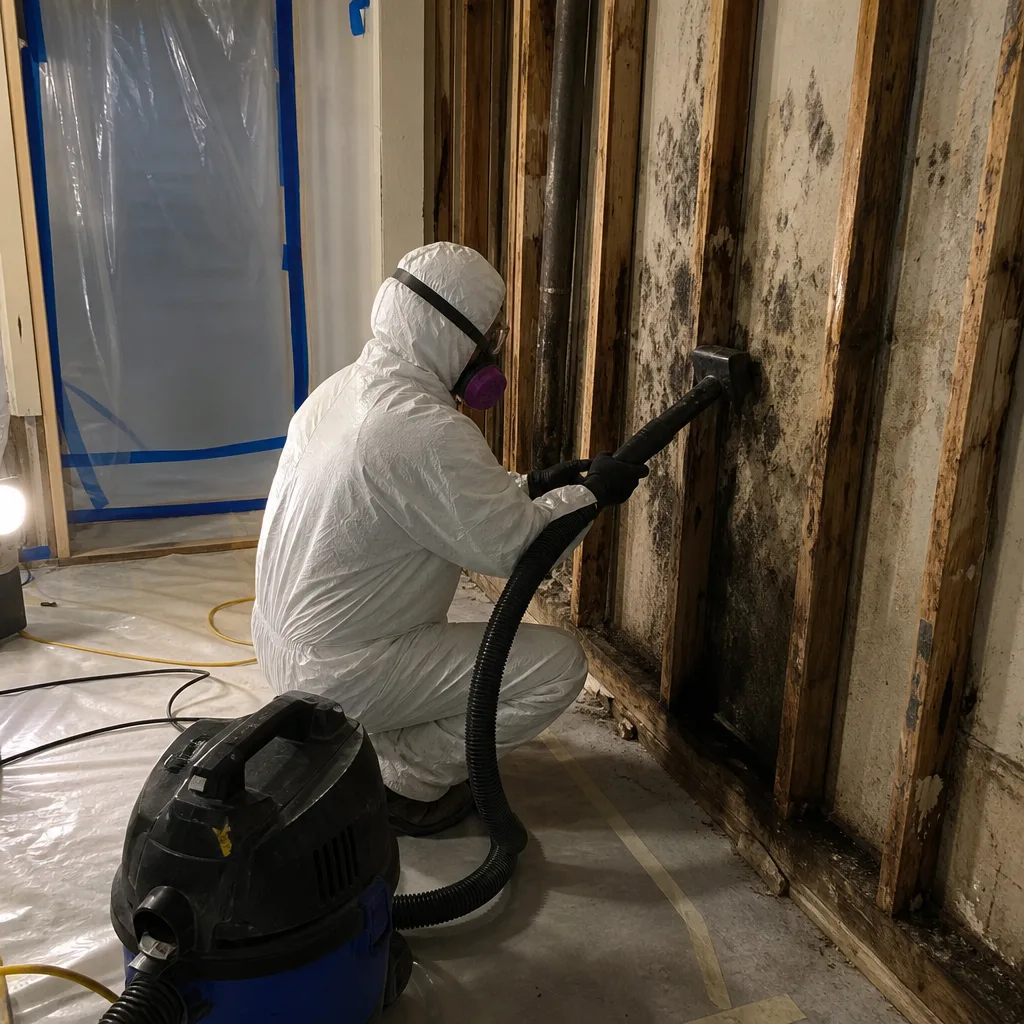
Basement Water Removal
Lost Brook-area basements take water through stone foundations, window wells, and failed sump systems. We pump to finished floor level, then deploy LGR dehumidifiers and air movers sized for the thermal mass of stone and brick that standard equipment underestimates. Without this step, moisture remains trapped and mold colonizes within 48 hours.
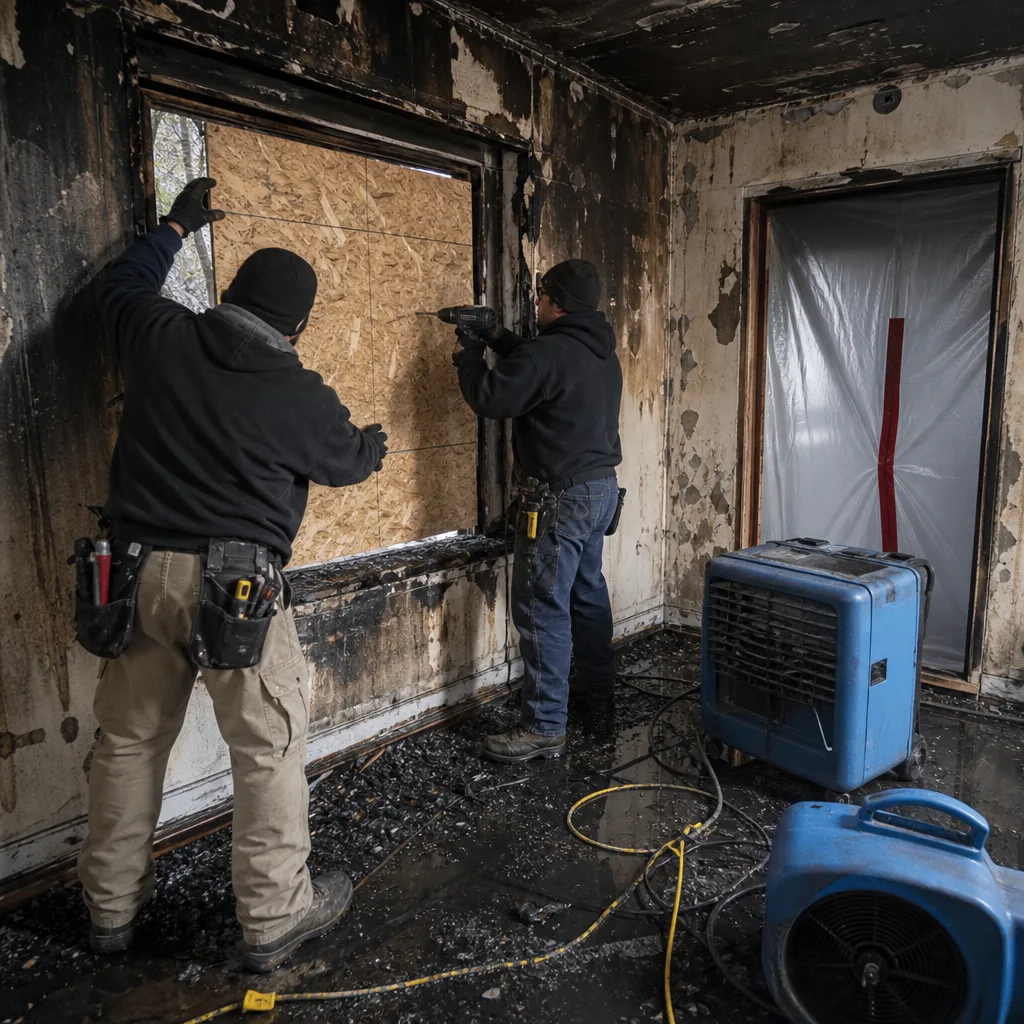
Structural Drying & Dehumidification
Our Dri-Eaz and Phoenix dehumidifiers, paired with XPOWER and B-Air air movers, achieve IICRC-standard drying goals for plaster-and-lath, original hardwood, and modern materials alike. Daily moisture logs track vapor pressure differential until equilibrium is reached, producing the documentation that turns restoration invoices into paid claims.
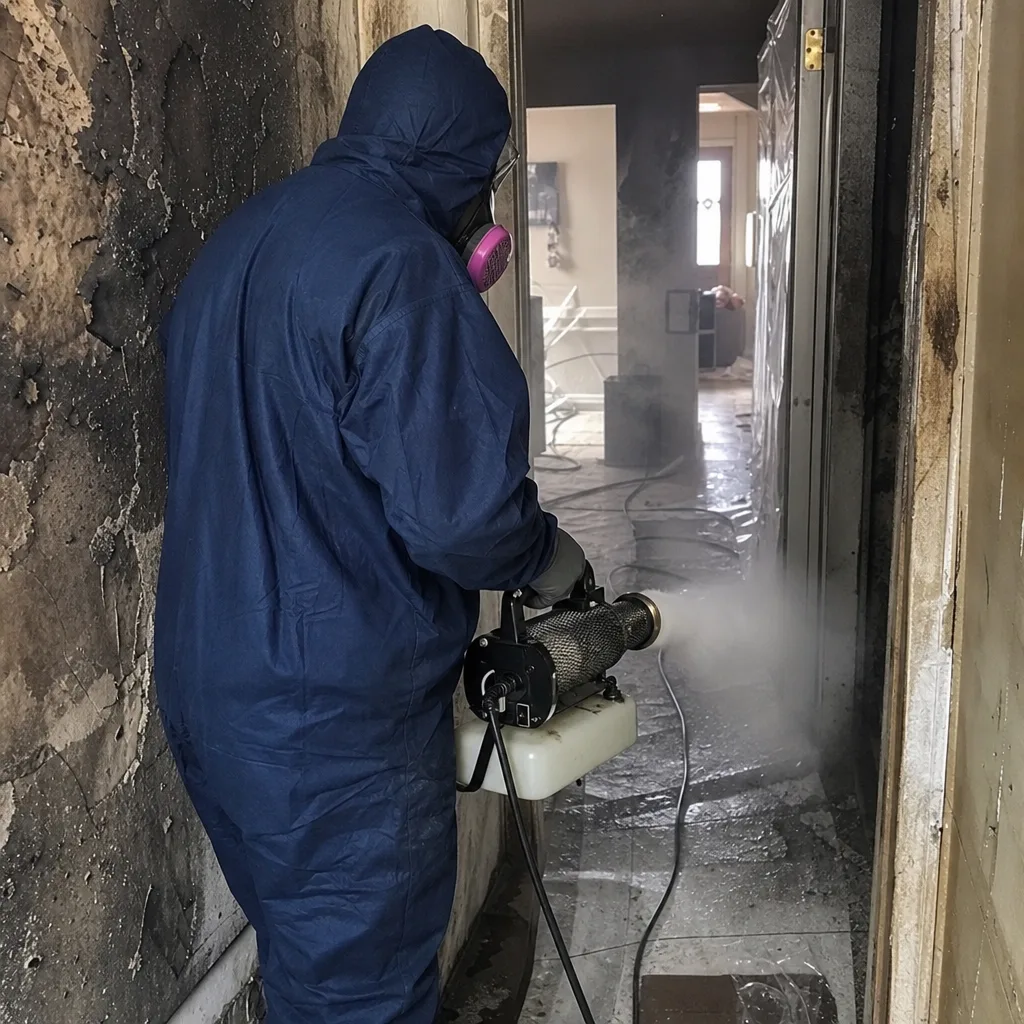
Emergency Water Extraction
Truck-mounted extraction with weighted vacuum heads removes standing water from carpet, pad, and subfloor in a single pass. For Tenafly’s original hardwood floors, we switch to specialized wood-floor extraction tools that prevent grain-raising and cupping while pulling maximum moisture.
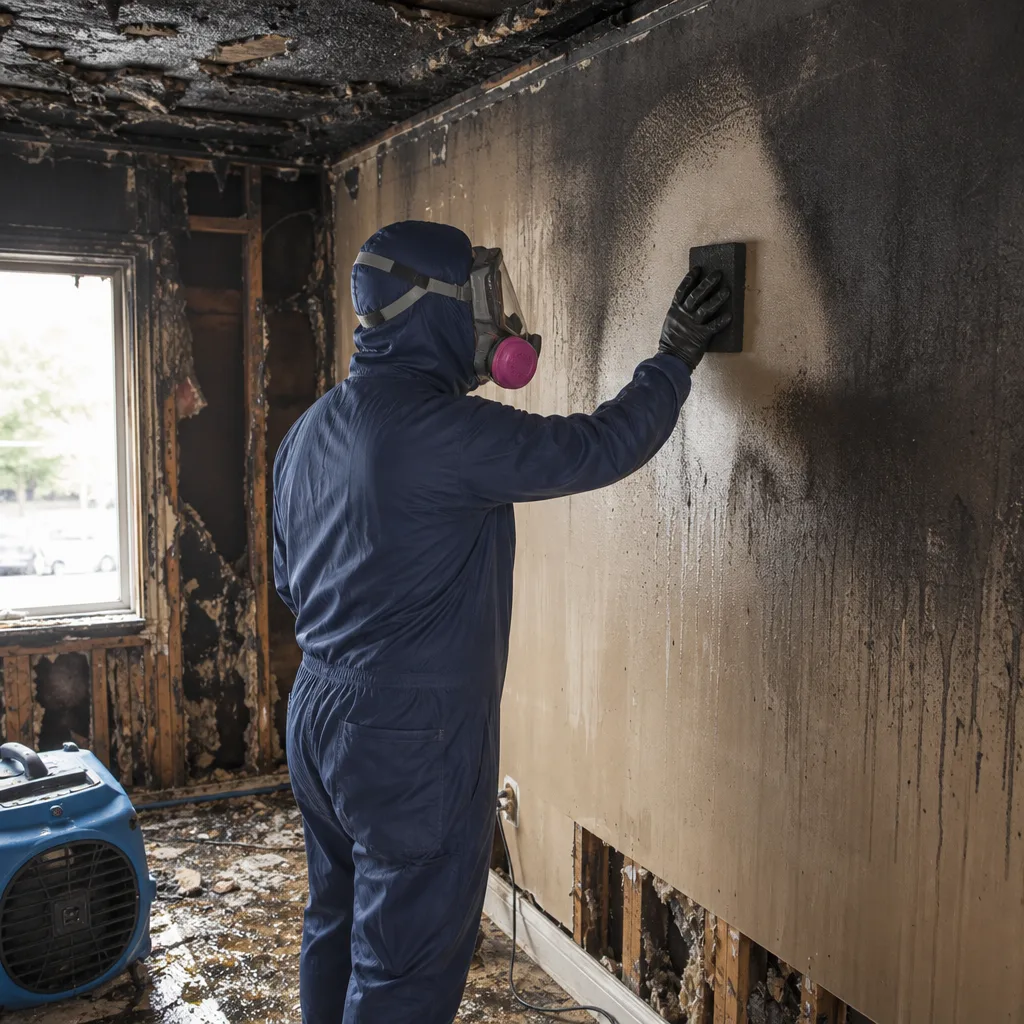
Flood Cleanup
Ground flooding and storm surge in low-lying Tenafly areas brings Category 3 contamination requiring full PPE, antimicrobial treatment, and disposal of porous materials. We establish containment, run HEPA air scrubbers, and produce waste manifests that satisfy both EPA requirements and your adjuster’s documentation needs.
Burst Pipe Restoration
January freezes split copper in unheated spaces throughout Tenafly’s older homes. We extract, dry, and scope replacement of damaged finishes, with particular attention to pipe routing through plaster walls where access must be minimized and repairs concealed to match original surfaces.
What happens when you call
- 1
A real person answersNo phone trees - you reach a local pro.
- 2
You get an upfront price rangeHonest numbers before anyone is dispatched.
- 3
A background-checked tech heads outLicensed & insured, dispatched right away.
- 4
You approve before work beginsNothing starts until you say go.
Water Damage Restoration Costs in Tenafly, NJ
Tenafly’s market runs higher than regional averages because period-matched materials and specialty labor are not optional. A typical emergency water extraction with limited drying runs $1,800-$3,400. Structural drying and dehumidification for a standard basement or first floor reaches $3,200-$6,500. Ceiling and roof leak restoration with Injectidry cavity drying and plaster preservation ranges $4,500-$9,200. Full flood cleanup with Category 3 decontamination, demolition, and reconstruction on a finished basement starts at $8,500 and can exceed $18,000 for larger homes with original finishes.
What moves the price: water category (Category 3 requires more treatment), affected square footage, material type (plaster and slate cost more to match than drywall and asphalt), and whether the job requires specialty sourcing. Insurance typically covers sudden and accidental water damage; gradual seepage or maintenance-related failure may not. We document the loss cause precisely to support your coverage position. Every job starts with a free visual inspection and written scope - Haven Standard, Clause 1 - so you know the exact price before work begins. Call (845) 875-4326 for your estimate.
We Also Serve Cities Near Tenafly
Our Water Damage Restoration crews respond throughout the immediate area, including Tenafly‘s neighbors: Englewood, with its mix of historic homes and newer construction; Englewood Cliffs, where Palisades elevation creates unique drainage patterns; Leonia, with similar pre-war housing stock and basement seepage challenges; and Bogota, where older infrastructure and tighter lots produce concentrated service-line failure rates. The same documentation standards, equipment, and period-matched restoration expertise apply across every community we serve.
Serving Tenafly, NJ - Our Local Coverage Area
We’re based in the Tenafly area and know this community well. Use the map below to see our service coverage - if you’re nearby, we can almost certainly help.
Tenafly Water Damage Restoration Questions, Answered
Why can’t a Tenafly plaster ceiling just be replaced with drywall after a pipe leak?
Because flat drywall cannot replicate the decorative crown-molding profiles that define Tenafly’s 1920s-1950s interiors, and Bergen County adjusters writing scopes for these properties routinely reject drywall replacements as failing to match existing finishes. Our Injectidry cavity-drying protocol preserves original plaster where possible, and when replacement is necessary, we source custom-fabricated profiles from specialty millwork shops. Call (845) 875-4326 for a free inspection and written scope.
How quickly does mold grow in a Tenafly basement after Lost Brook flooding?
Mold colonization begins 24-48 hours after water intrusion in Tenafly’s stone-foundation basements, where the thermal mass of stone and brick maintains moisture levels that gypsum block or concrete would shed faster. Our crews deploy within 45 minutes to begin extraction and establish drying protocols before fungal growth starts. The daily moisture logs we produce document that prevention for your insurer. Call (845) 875-4326 for immediate response.
What do you do when nor’easters puncture a slate roof on a Tudor home?
We tarp the breach immediately to stop active intrusion, then run moisture mapping across the plaster-and-lath ceiling below to determine whether Injectidry cavity drying can preserve the decorative profile or whether controlled demolition and custom millwork replacement is required. Every damaged slate is photographed for adjuster scope approval, and we source matching replacement tile before any irreversible work begins. Call (845) 875-4326 for emergency tarping and assessment.
Can you match original millwork and tile in a Tenafly Colonial after water damage?
Yes, through our network of specialty suppliers and custom fabrication shops that reproduce period profiles, hardwood species, and clay-tile specifications. We document every original finish before touching anything, and the written scope specifies matching materials that adjusters approve because the documentation meets matching-regulation standards. Haven Standard, Clause 1 requires this specificity in writing before work starts. Call (845) 875-4326 for a free inspection.
Why is a drywall patch not acceptable for water damage on Tenafly’s Arts-and-Crafts bungalows?
Arts-and-Crafts bungalows in Tenafly feature original plaster with distinctive profile moldings, built-in cabinetry with custom millwork, and hardwood finishes that are integral to the home’s character and value. A drywall patch destroys that cohesion and triggers adjuster rejection because matching regulations require like-kind replacement. Our scopes specify period-matched restoration, not commodity substitution. Call (845) 875-4326 for a written scope that protects your home’s value.
How fast can DryMark Restoration Englewood actually get to Tenafly?
Our crews are dispatched from our New York City office and typically reach Tenafly properties within 45 minutes, with live phone coverage 24 hours a day, 7 days a week. The Palisades ridge route via Route 9W and Palisade Avenue provides consistent access even during weather events that slow regional traffic. Call (845) 875-4326 and a live person answers immediately.
Will insurance cover water damage restoration in my Tenafly home?
Sudden and accidental water damage - burst pipes, storm intrusion, appliance failures - is typically covered under standard homeowners policies in New Jersey. Gradual seepage, maintenance neglect, or flood damage from outside rising water usually requires separate flood coverage. We document the loss cause precisely, produce industry-standard estimates, and coordinate directly with your adjuster to support coverage determination. Our photo records and drying logs are built specifically to withstand claim scrutiny. Call (845) 875-4326 for documentation that protects your claim.
Do I need full remediation or just water extraction?
Extraction alone is rarely sufficient in Tenafly’s older homes, where plaster-and-lath walls, stone foundations, and hardwood floors retain hidden moisture that standard extraction cannot reach. Without structural drying to IICRC standards, that residual moisture produces mold, wood rot, and structural compromise within weeks. Our free inspection includes thermal imaging and moisture mapping that shows exactly what extraction missed, and the written scope specifies the full drying protocol required. Haven Standard, Clause 1. Call (845) 875-4326 for the complete assessment.
After a nor’easter drove rain through a cracked slate roof on a 1928 Tudor near Lost Brook, our crew ran moisture mapping across the plaster-and-lath walls and used Injectidry to dry the decorative ceiling cavity without demo. We set containment and air movers, logged moisture readings daily in a drying logs report, and finished with antimicrobial treatment so the original crown molding profiles could be preserved. The pack-out and structural drying plan let the adjuster sign off on period-matched repairs instead of a flat drywall replacement.
Written by Alicia Brennan, Owner at DryMark Restoration Englewood, serving Tenafly since 2011 under The Haven Standard.
Water Damage Restoration in Nearby Areas