
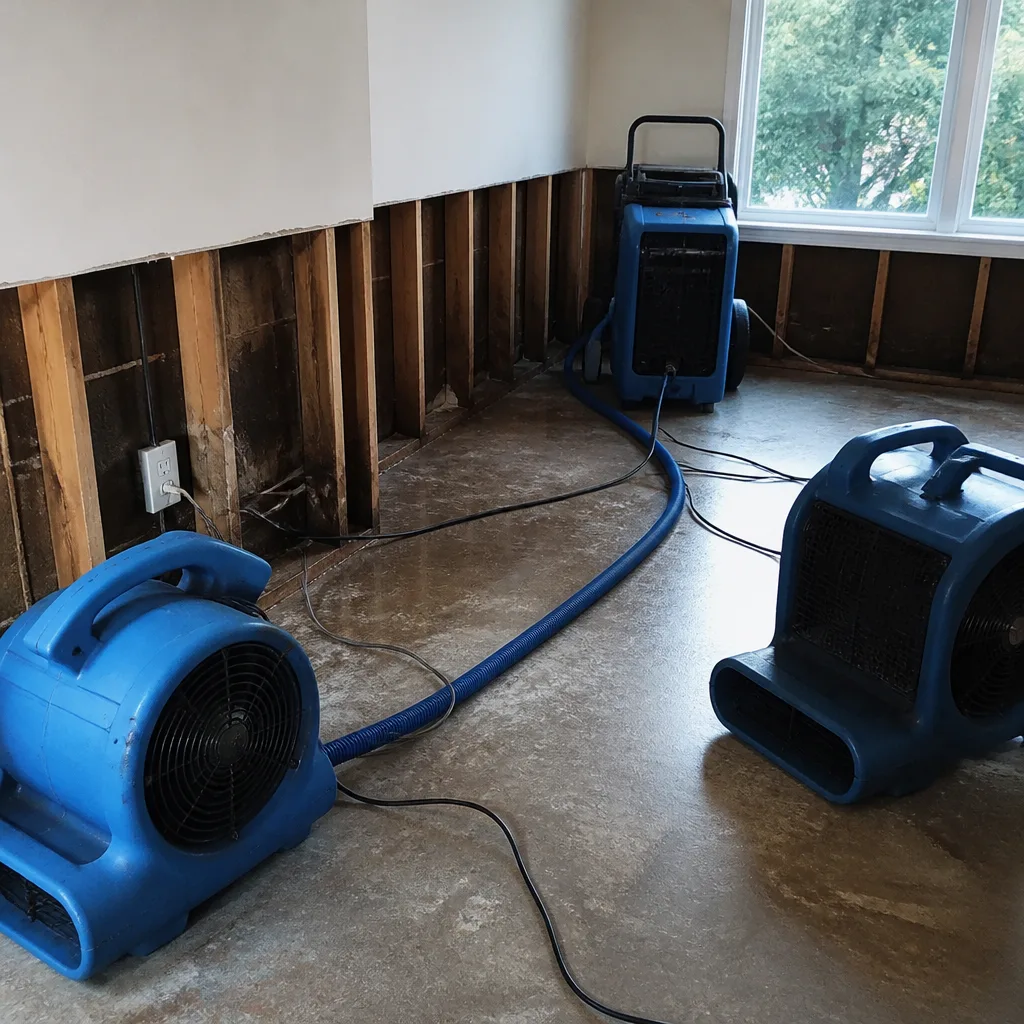
Free visual inspection and a written scope of work before any mitigation begins - photos, moisture readings, and drying logs go in your claim file
The scope we write is the scope we bill. Anything new gets shown to you, in writing, before we touch it.
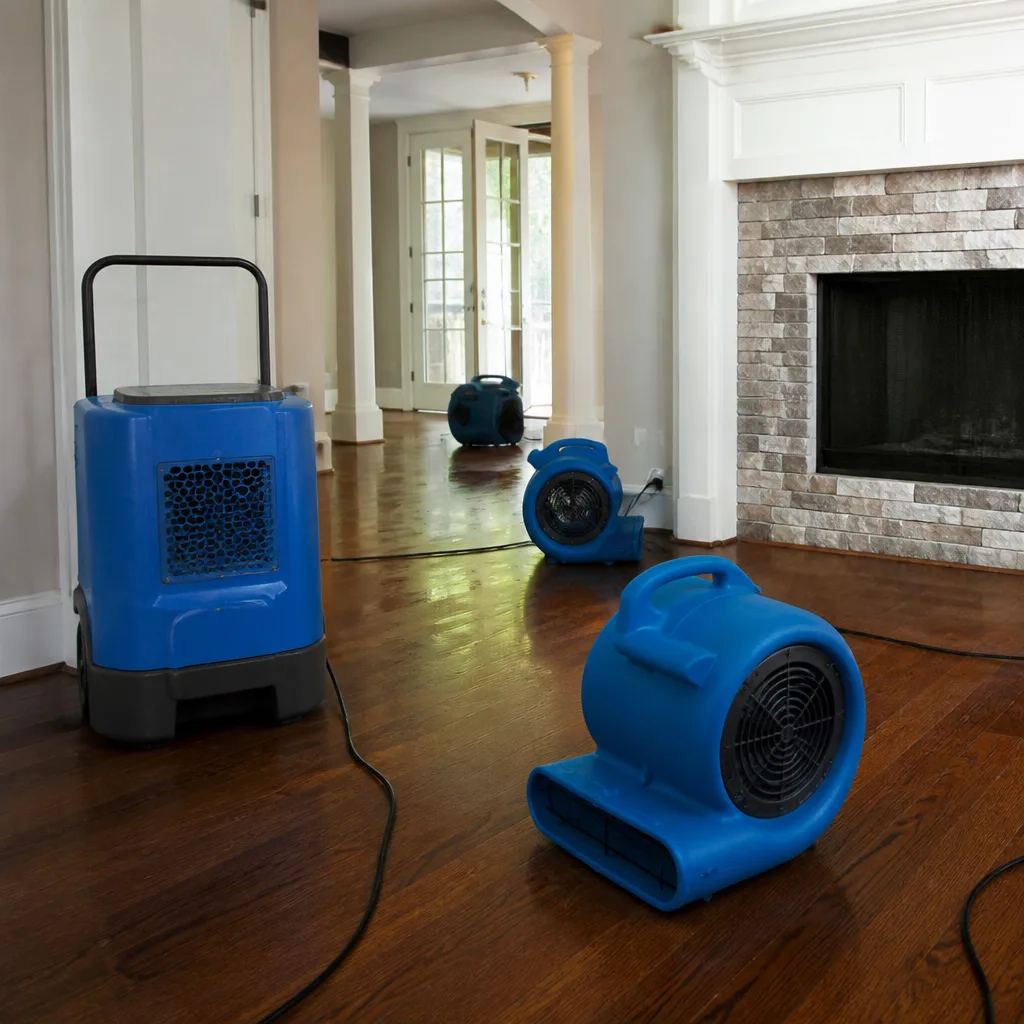
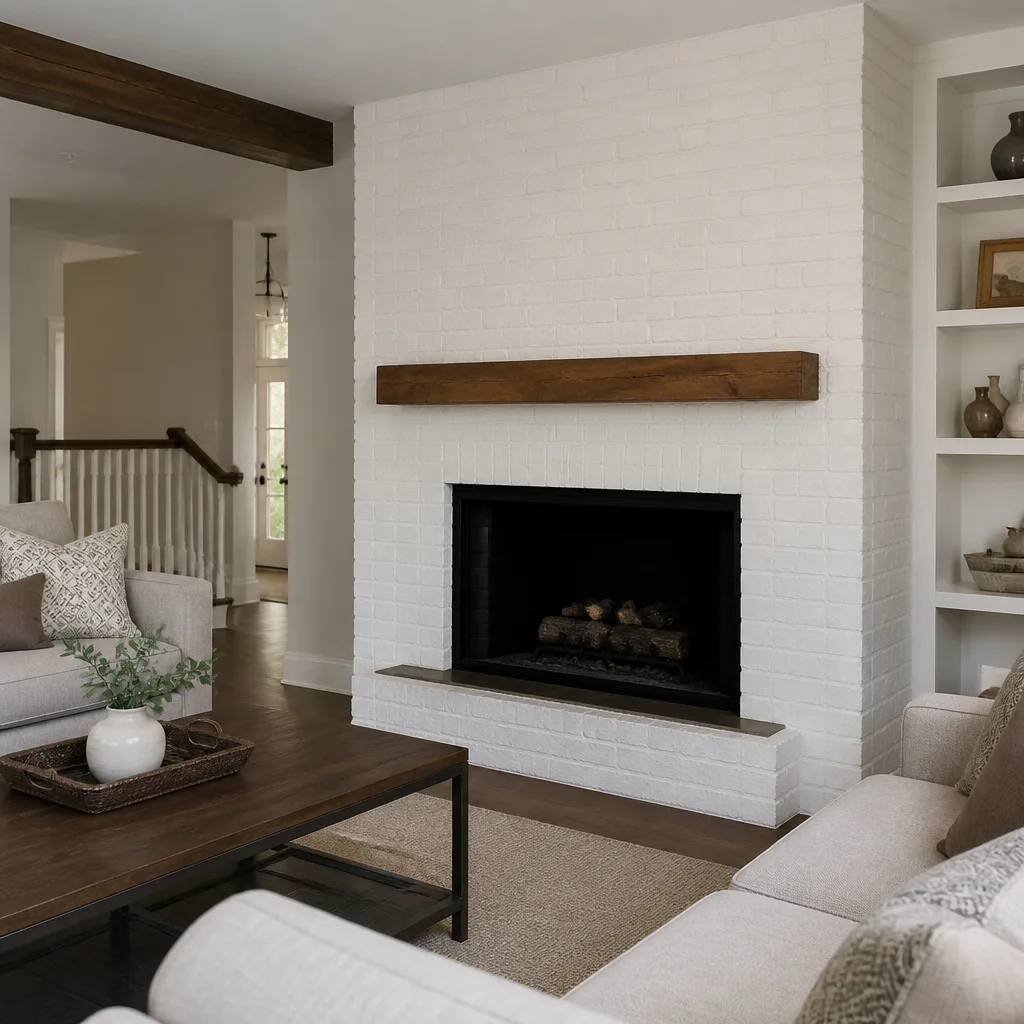
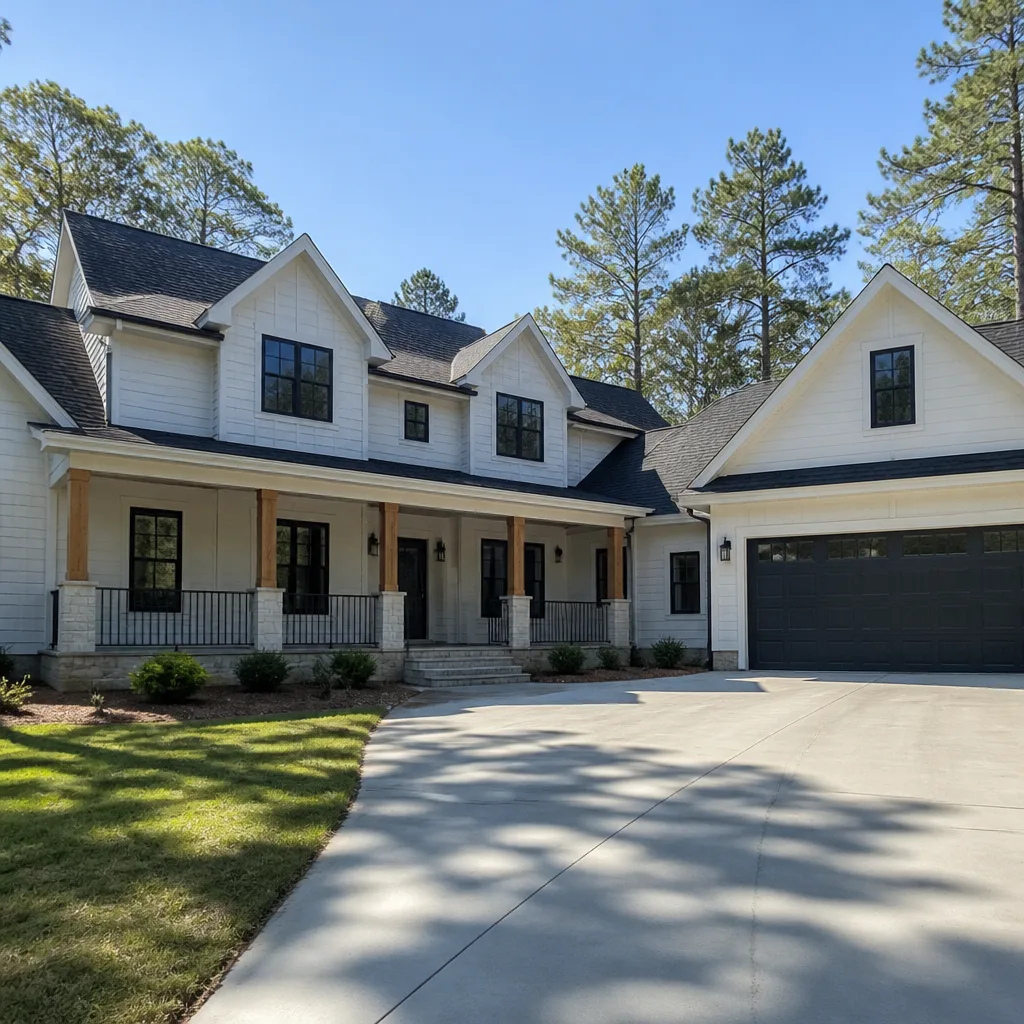
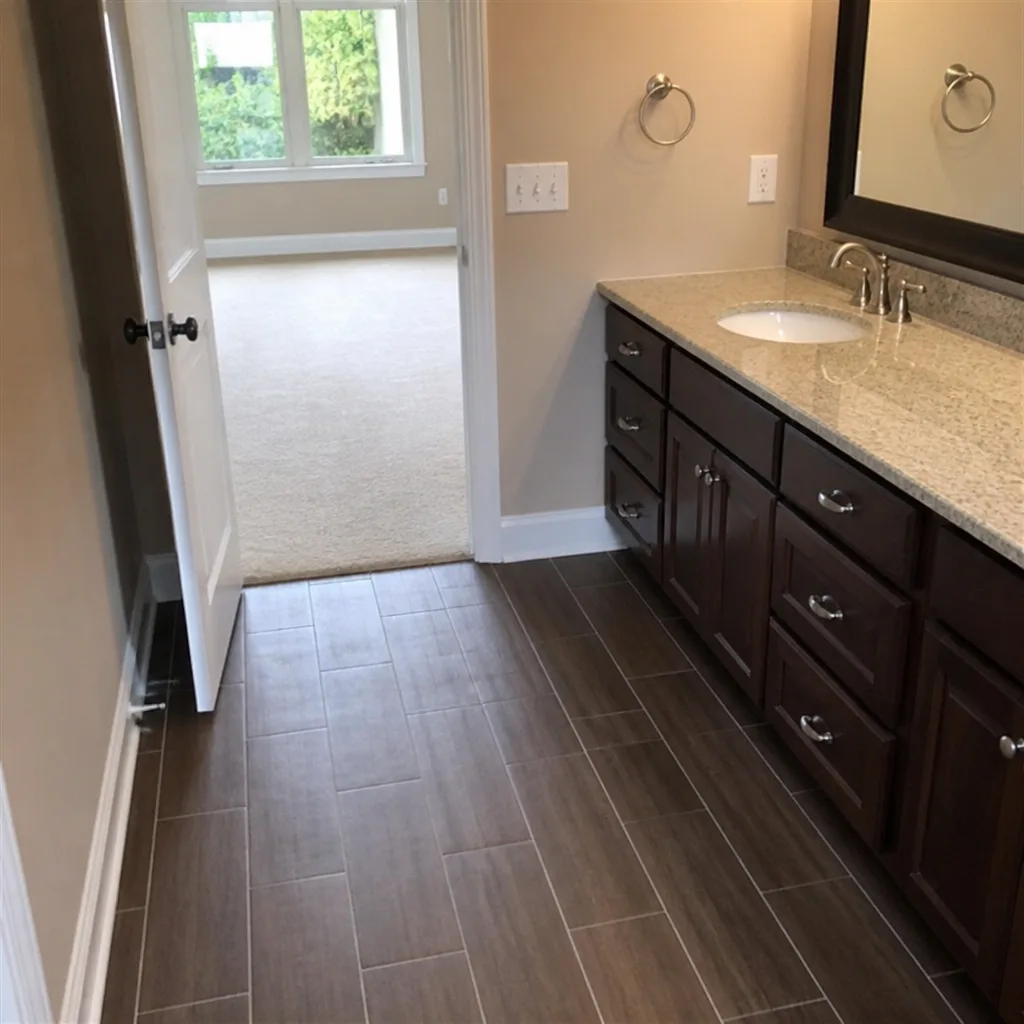
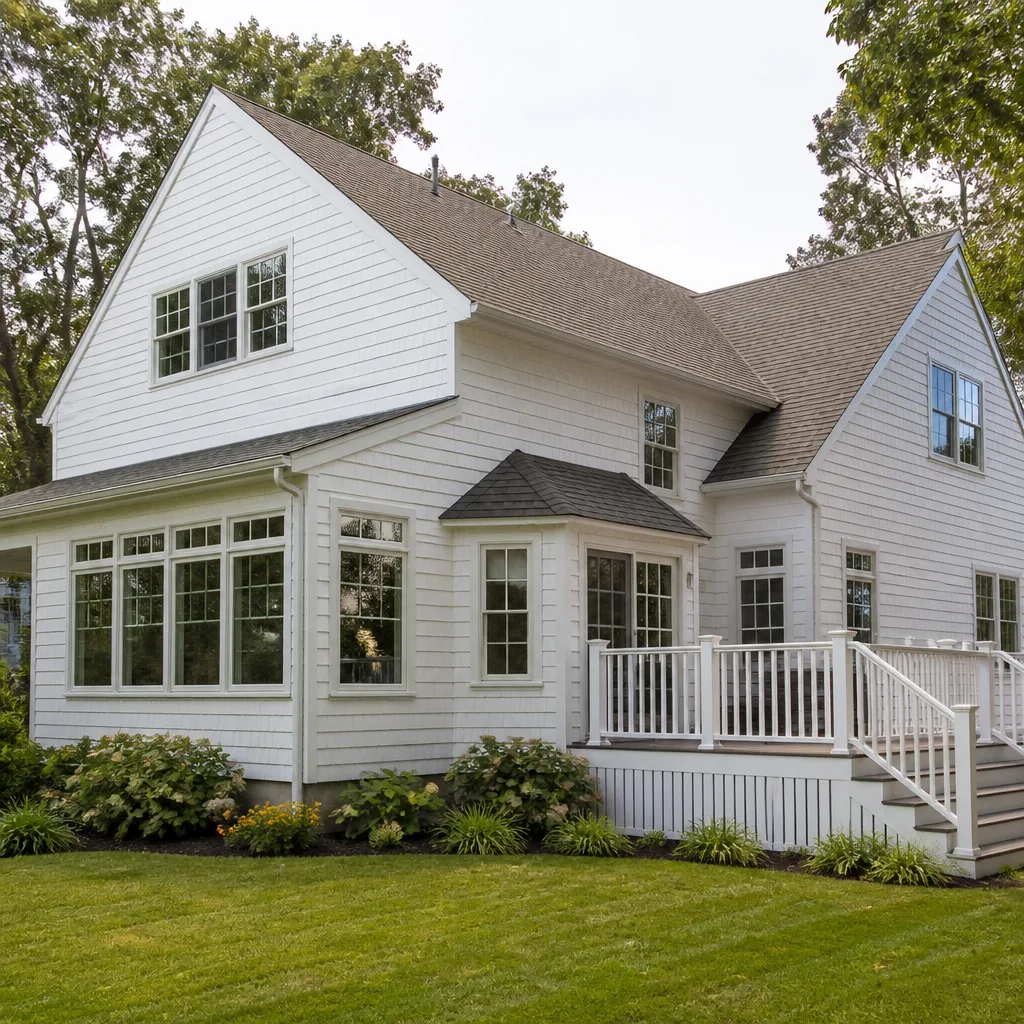
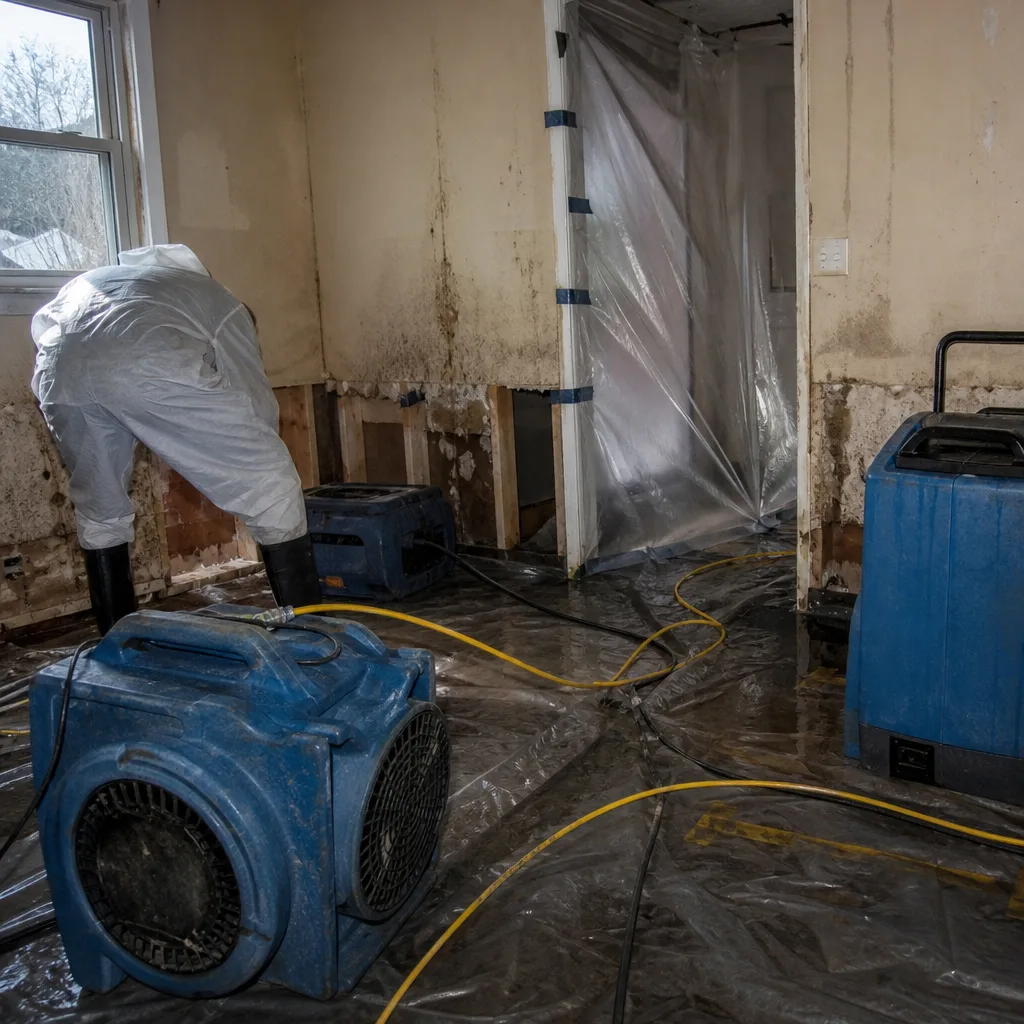 Before
 After
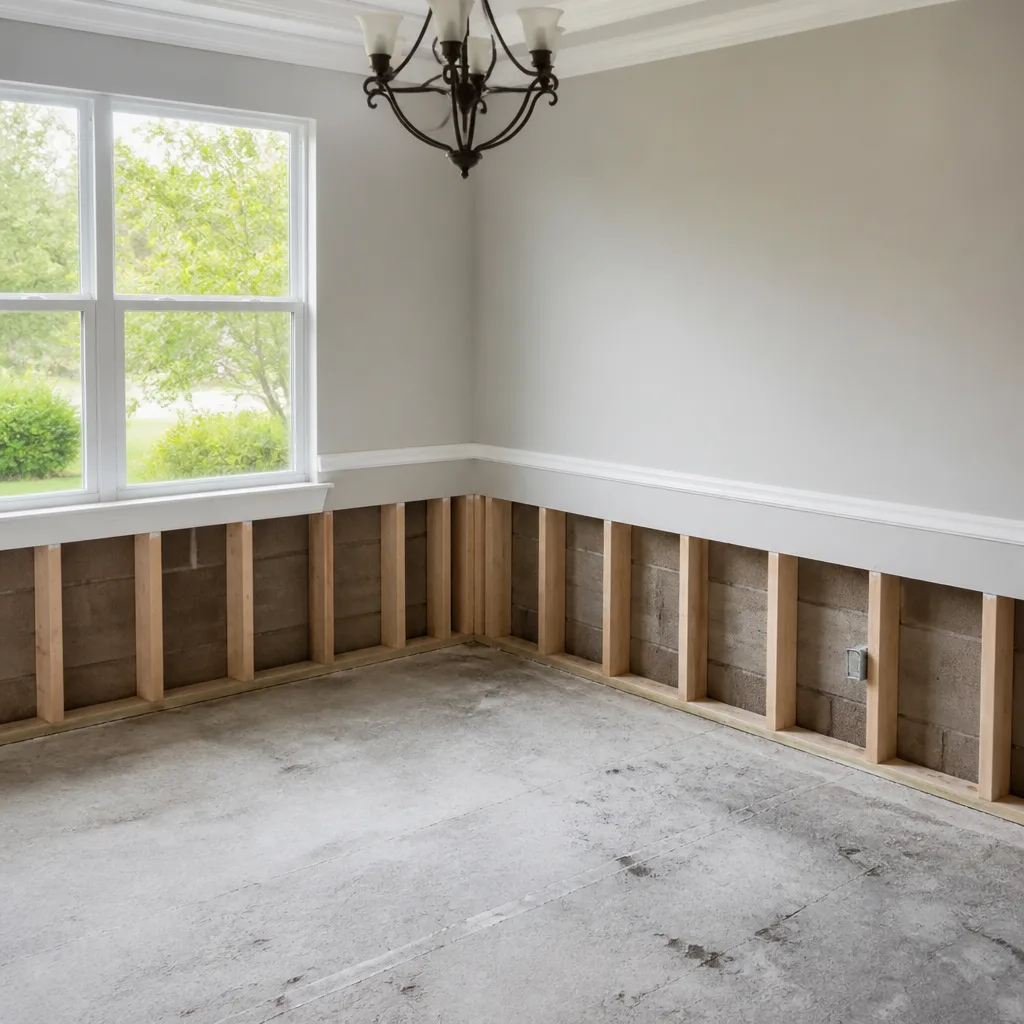
After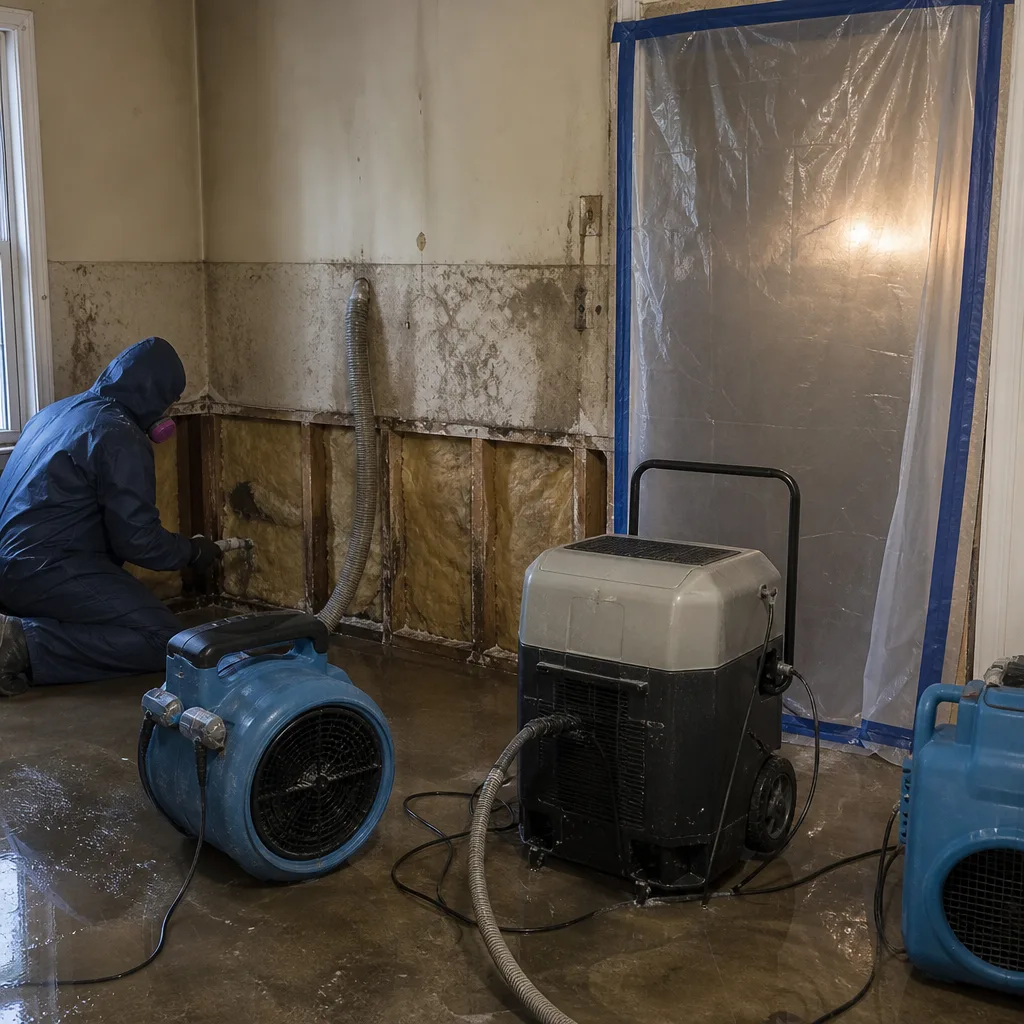 Before
 After
After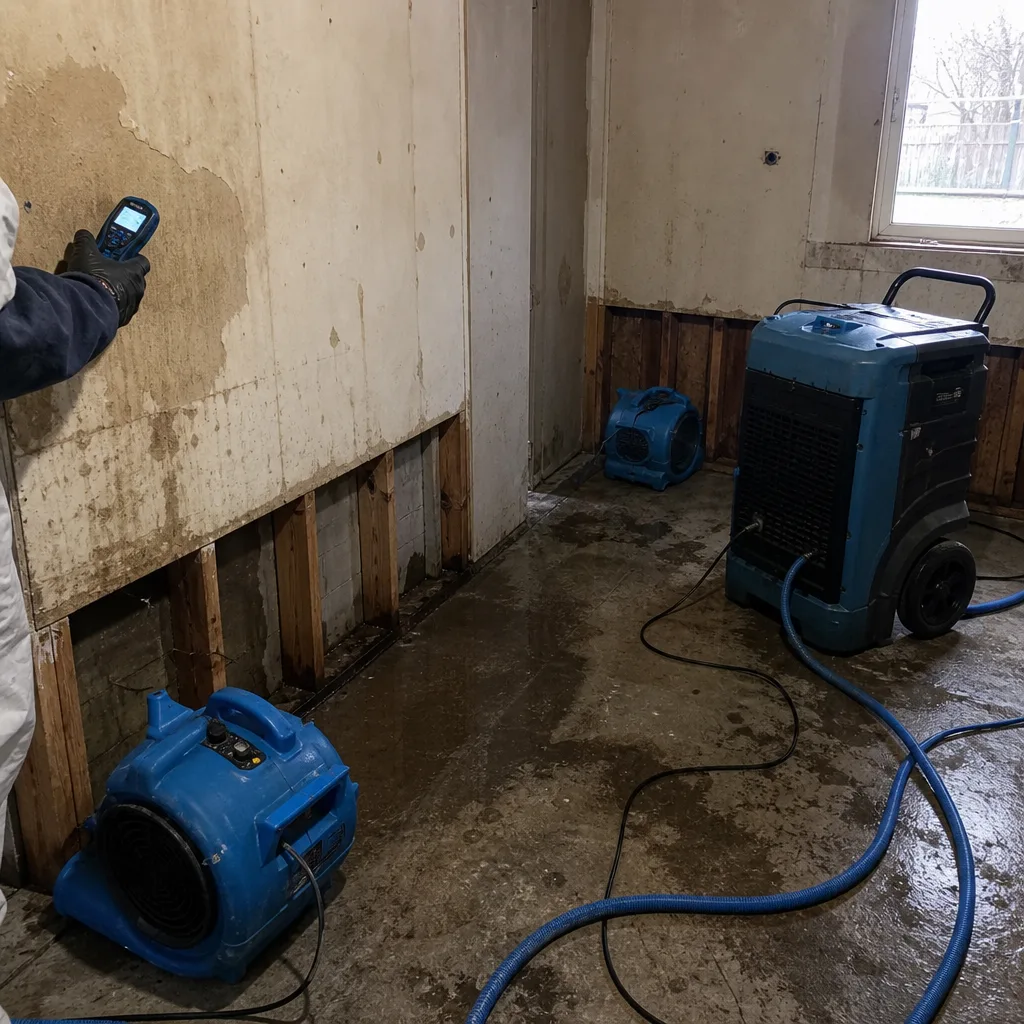 Before
 After
After24/7 Emergency Mold Remediation in Tenafly
Mold remediation in Tenafly typically runs $1,800-$6,500 depending on affected square footage, with most contained basement and crawl space jobs falling between $2,400-$4,200. Crews from our Tenafly response zone can be on-site within 45 minutes, and we answer live at (845) 875-4326 every hour of every day. The first 24-48 hours after water intrusion are when mold colonizes framing and plaster; after that, remediation costs multiply as containment expands and specialty treatments for mycotoxin-producing species become necessary.
We start every Tenafly call with a free visual inspection and moisture mapping through our Tenafly Water Damage Restoration service. Our technician documents the loss with photos before any equipment moves, then delivers a written price before work begins - Haven Standard, Clause 1. No verbal estimates, no scope-creep once the crew is inside.
Understanding Mold Remediation Severity in Tenafly Properties
Mold contamination is classified by affected area, material porosity, and species hazard level. Category 1 (under 10 square feet, non-porous surfaces) may be addressed with HEPA vacuuming and antimicrobial application. Category 2 (10-100 square feet, mixed porous and non-porous) requires full containment with negative air pressure, air scrubbing, and controlled demolition of unsalvageable materials. Category 3 (over 100 square feet or involving toxigenic species such as Stachybotrys chartarum) demands full containment, PPE for technicians, and third-party clearance testing before occupancy resumes.
Tenafly’s housing stock skews the severity curve upward. The borough’s 1910-1955 Tudor and Colonial Revival homes sit on the eastern slope of the Palisades, so heavy rain and snowmelt sheet downhill toward Lost Brook and other drainage channels and wick into stone or brick foundations - meaning most mold jobs here start as recurring basement and crawl space intrusion, not a one-time pipe burst. That water then feeds plaster-and-lath walls and decorative plaster ceilings, which hold and release moisture far longer than modern paper-faced drywall, so moisture mapping and structural drying have to run longer before any containment comes down. A “small” Tenafly job by square footage often requires Category 2 or 3 protocols because of the material complexity and the chronic moisture source.
Why Tenafly Property Owners Choose DryMark Restoration Englewood
- 45-minute response commitment to Tenafly properties - our crews stage from the New York City metro office with equipment pre-loaded for Palisades-slope basement and crawl space jobs.
- 24/7 live answer: a real person picks up every call, never an automated system or voicemail tree, because mold spreads on its own schedule.
- IICRC-certified crews holding WRT (Water Damage Restoration Technician), AMRT (Applied Microbial Remediation Technician), and FSRT (Fire & Smoke Restoration Technician) credentials - license numbers provided on request.
- Free visual inspection with documented photo record before any scope is written or price is delivered.
- Direct insurance billing with daily moisture logs and drying documentation formatted for Bergen County adjuster review.
- One team from microbial remediation through reconstruction - no handoff to unknown subcontractors, and the same technician who scoped your job supervises the clearance test.
BeforeAfterOur Mold Remediation Process
1. Inspection & Assessment
We arrive with thermal imaging cameras, hygrometers, and moisture meters to map affected areas invisible to the eye. In Tenafly’s older homes, we pay particular attention to plaster-and-lath wall cavities and the gap between hardwood flooring and subfloor, where Palisades-slope moisture lingers. Every reading is logged for the adjuster’s file.
2. Containment & Air Filtration
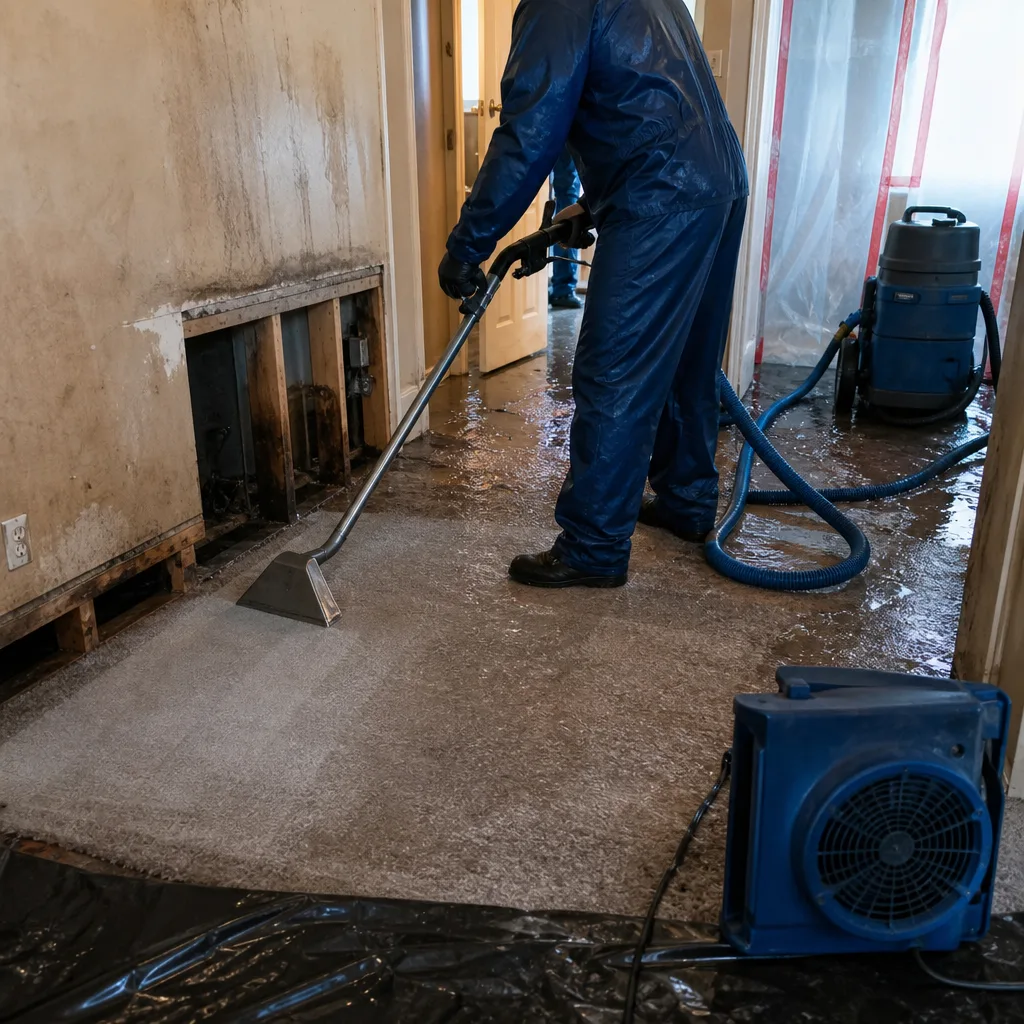
We establish polyethylene containment barriers and negative air pressure using HEPA-filtered air scrubbers (Austin Air HealthMate Plus or equivalent) to prevent cross-contamination to unaffected rooms. Tight-clearance Tenafly townhomes and alley-load properties require custom containment configurations; we measure doorways and stairwells before any plastic goes up.
3. Moisture Control & Structural Drying
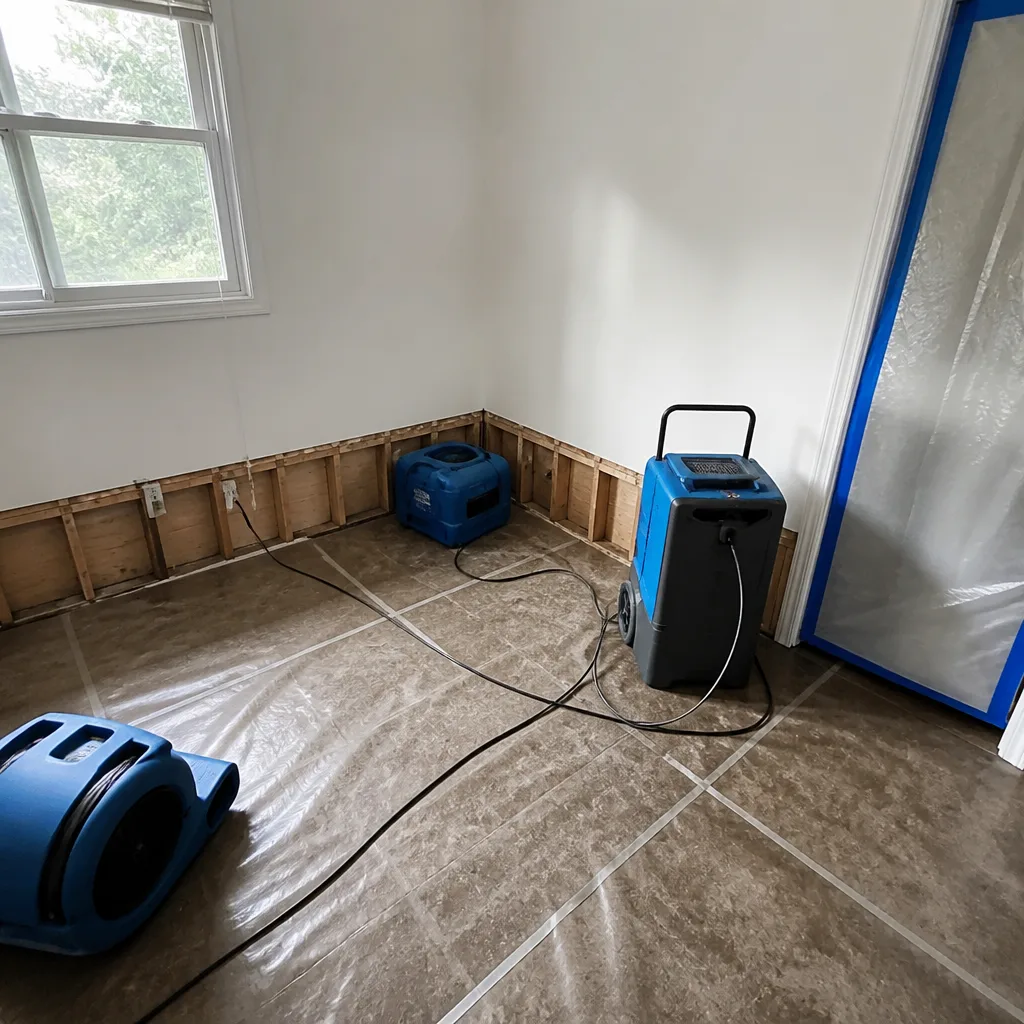
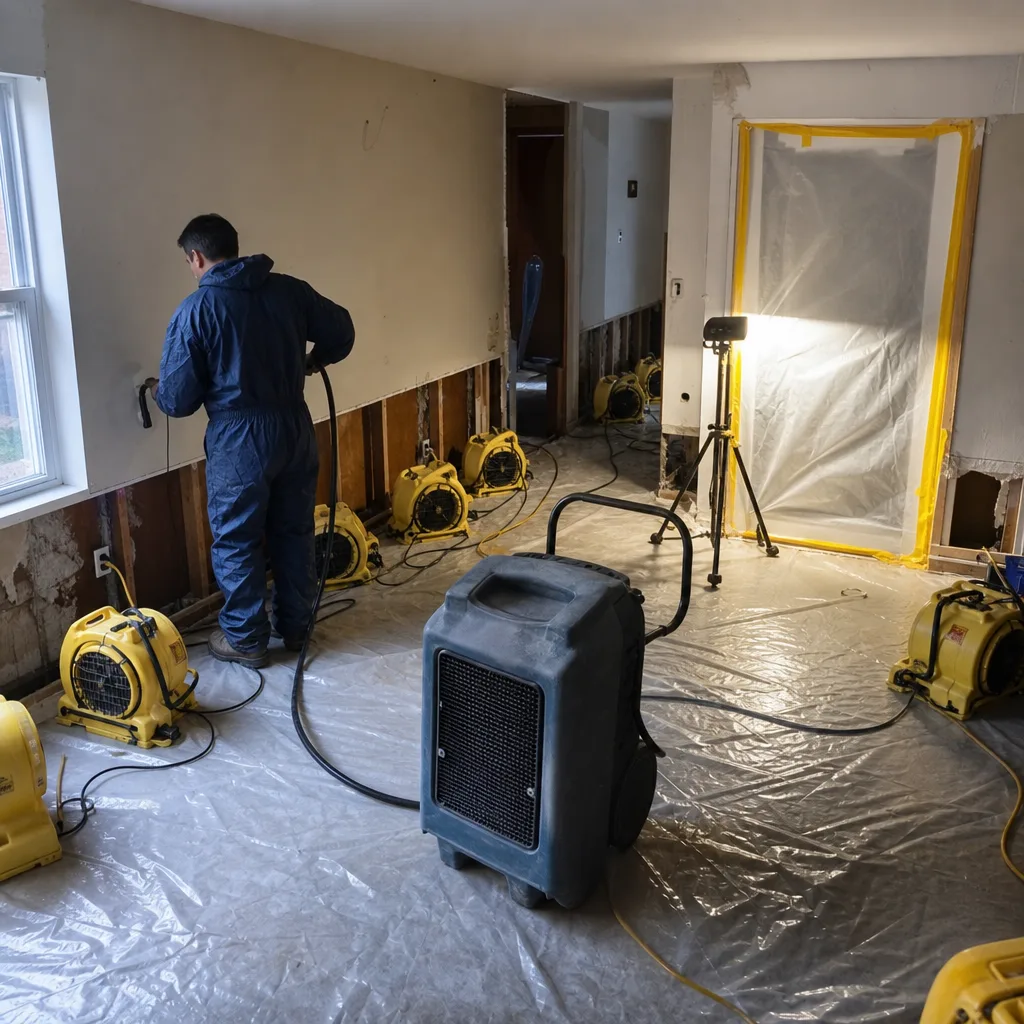
Before demolition, we attempt in-place drying using Injectidry mat systems for hardwood floors, Dri-Eaz LGR dehumidifiers, and Phoenix axial air movers positioned for vapor pressure differential - the measurable force that drives moisture from wet materials into dry air. Daily psychrometric data (temperature, relative humidity, grains per pound) is recorded and delivered to your insurer.
4. Controlled Demolition & Cleaning
Unsalvageous materials are removed under containment using HEPA vacuuming and damp-wiping with EPA-registered antimicrobial solutions. In Tenafly’s historic homes, we preserve original decorative plaster crown profiles and custom millwork wherever moisture readings permit, documenting each decision with photos for the scope of work.
5. Antimicrobial Treatment & Air Quality Restoration
We apply botanical or synthetic antimicrobial agents (per IICRC S520 standards) to all affected framing and subfloors, then run HEPA air scrubbers continuously until airborne spore counts drop below outdoor baseline. Third-party clearance testing is available and recommended for Category 3 jobs or when occupants have respiratory sensitivities.
6. Repairs, Reconstruction & Moisture Control
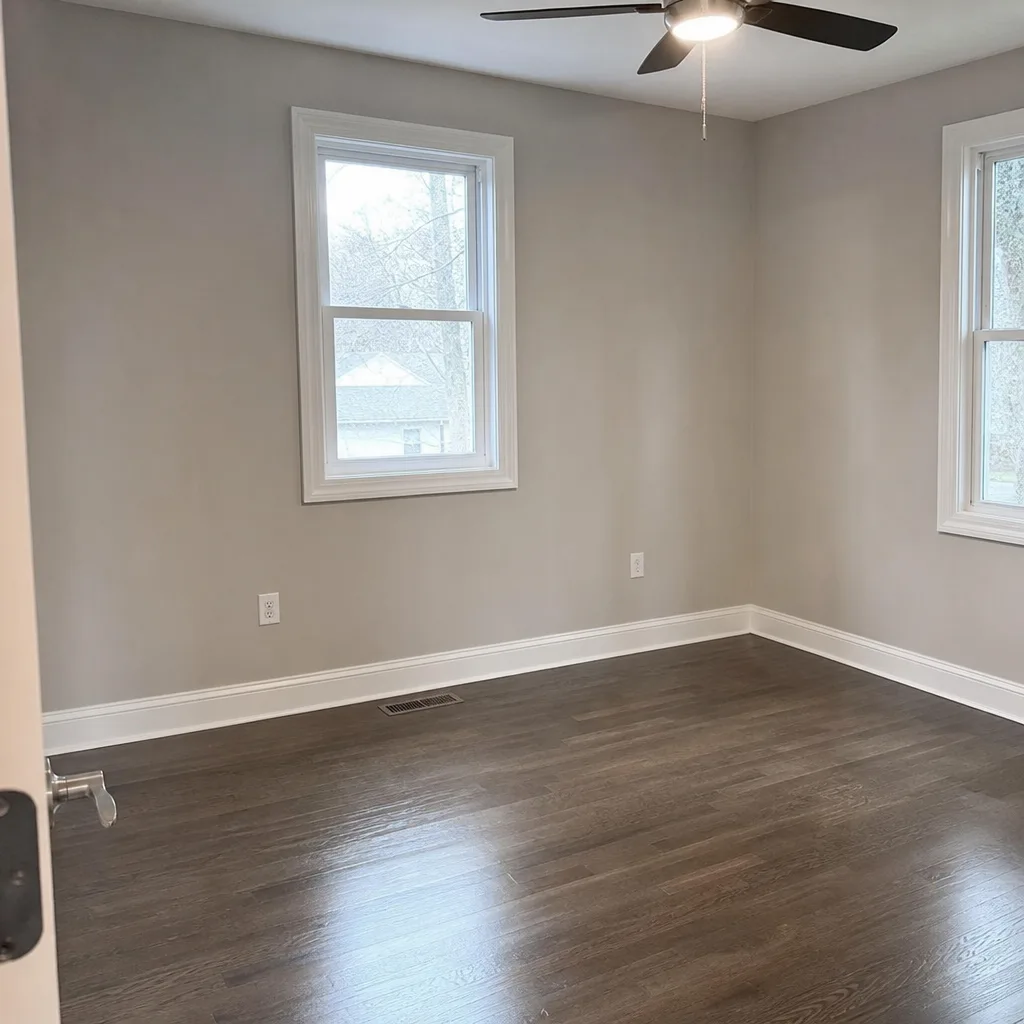
Our carpenters match original finishes - plaster crown profiles, hardwood species, slate or clay-tile roofing - and install permanent moisture control systems: sump pumps, French drains, or dehumidification units sized to the cubic footage of your Tenafly basement or crawl space. Every repair carries our 365-Day Done Right Promise under The Haven Standard.
Need Emergency Mold Remediation in Tenafly Now?
Crews minutes away, answering live 24 hours a day. The sooner we start, the less it costs.
Working With Your Insurance Company
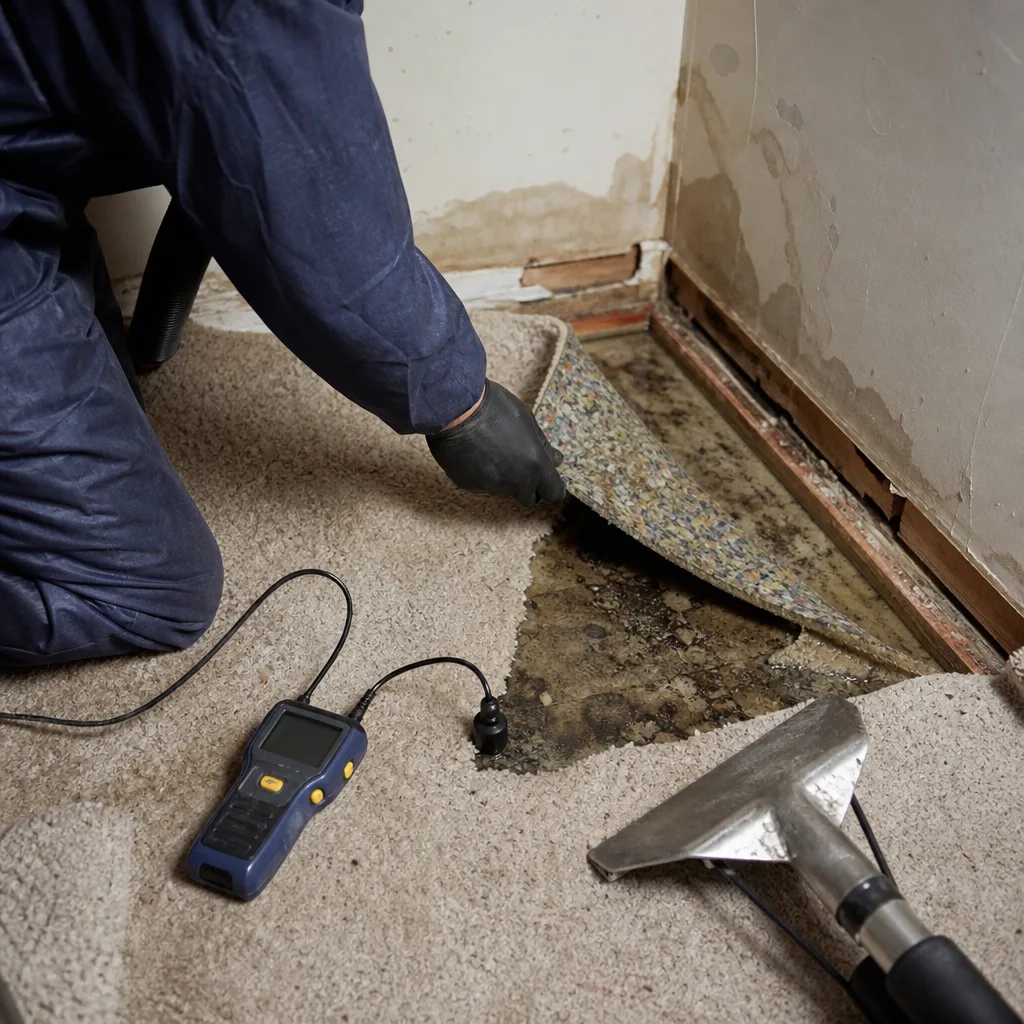
Mold claims succeed or fail on documentation. Back to Dry Restoration was founded in 2011 by a former claims adjuster who built the company around the documentation gap that costs homeowners their claims - the missing moisture readings, the undated photos, the scope that doesn’t match the estimate. We close that gap on every Tenafly job.
From the first hour, we produce a photo-documented record: thermal images showing moisture migration, moisture meter readings with date and time stamps, and a written scope of work with line-item pricing before any remediation begins. We speak directly with your Bergen County adjuster, provide supplemental documentation when scope disputes arise, and format our drying logs to the standards that carriers expect. Direct billing is available with most major insurers.
What We Provide Your Insurer
- Thorough documentation of the loss
- Photos of all damage, room by room
- Moisture readings and drying logs
- A detailed, line-item scope of work
- Direct coordination with your carrier
Built for Tenafly’s Loss Calendar
January through March brings deep freezes and ice dams on the complex rooflines of Tenafly’s Tudor homes - meltwater backs up under slate and clay tiles, then drips into attic spaces and down plaster-and-lath wall cavities. By April, spring thaw combines with Palisades-slope snowmelt to overwhelm foundation drainage, producing the recurring basement seepage we see on streets near Lost Brook. Summer thunderstorms hit fast and hard; the borough’s dense canopy of mature oaks and maples sheds branches that puncture roofing and clog gutters, directing water into soffits and second-floor bedrooms.
September through November is peak hurricane remnant and nor’easter season. Saturated ground loses its ability to accept more water, so foundation hydrostatic pressure rises and sump pumps fail. December’s freeze-thaw cycles crack older terra-cotta sewer laterals, introducing Category 3 black water into basements and creating the anaerobic conditions that fuel rapid mold colonization. We keep our Mold Remediation crews and equipment staged for each phase of this calendar.
Mold Remediation Across Tenafly’s Neighborhoods
The East Hill area above Engle Street holds some of the borough’s largest 1920s Tudor Revival estates - slate roofs, multiple chimneys, and full third floors with dormered windows. Mold jobs here typically trace to ice dam intrusion or chimney flashing failure, and the scale of affected space means containment has to span multiple rooms with stairwell isolation. We stage equipment through service entrances and coordinate with property managers for homes under estate or trust ownership.
The central borough around Tenafly Road and Washington Street mixes center-hall Colonials with post-war splits closer to the Leonia border. These homes have tighter lots and alley-load garages, so our crews use compact Dri-Eaz and XPOWER equipment that fits through 32-inch basement doorways. The Lost Brook corridor and streets draining toward the east - including portions of County Road - see the highest concentration of recurring foundation seepage; we’ve installed permanent dehumidification systems in more than a dozen crawl spaces in this zone since 2019.
The south end near Englewood Cliffs sees newer construction but shares the same Palisades drainage dynamics. Townhome clusters here have shared foundation walls, so mold in one unit often signals moisture migration from a neighbor’s failed waterproofing. We coordinate multi-unit assessments when HOA boards or property managers request them.
Specialized Mold Remediation Services We Offer in Tenafly
Mold Inspection & Testing
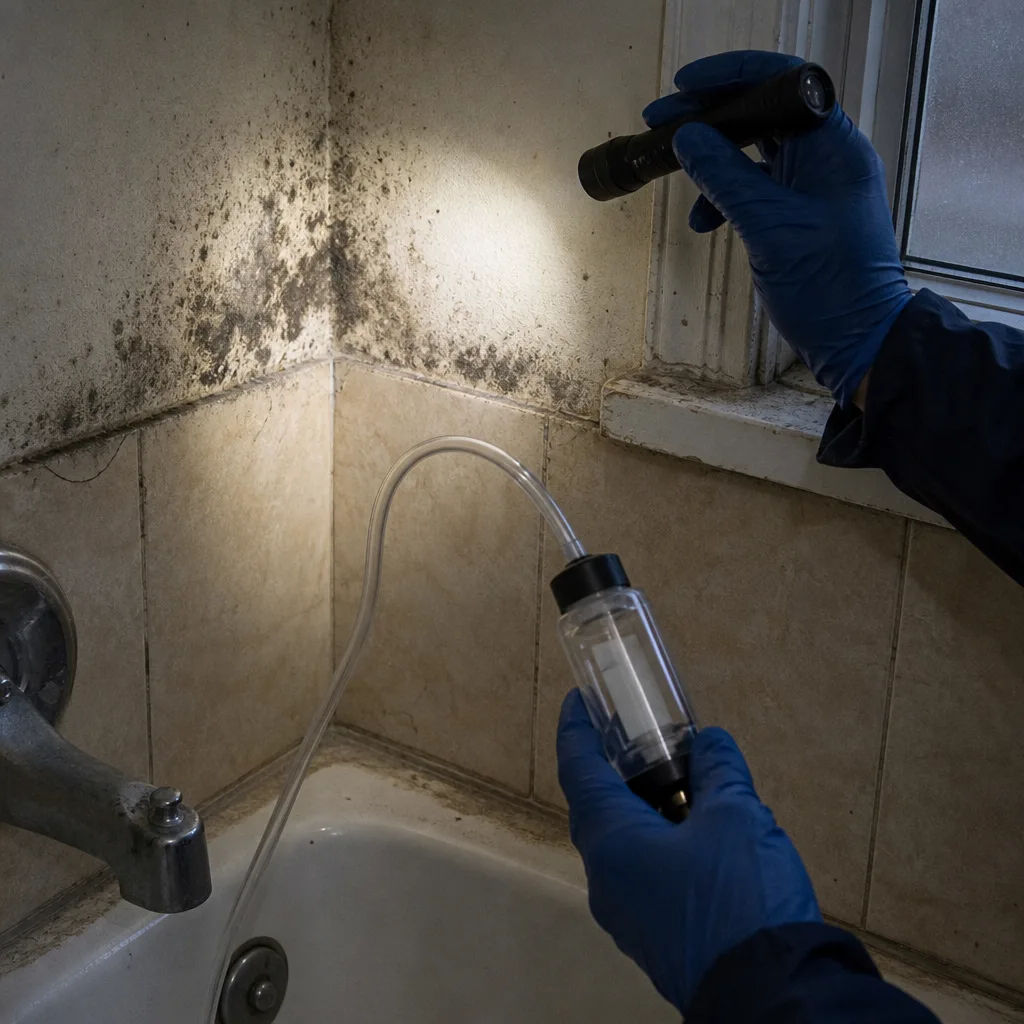
Our AMRT-certified technicians conduct visual inspection, moisture mapping, and air sampling for viable spore counts. In Tenafly’s historic homes, we focus on plaster-and-lath cavity investigation and subfloor moisture detection that standard home inspectors miss. Lab results return in 48-72 hours; we scope remediation from the data, not from guesswork. A typical inspection in Tenafly runs $350-$650.
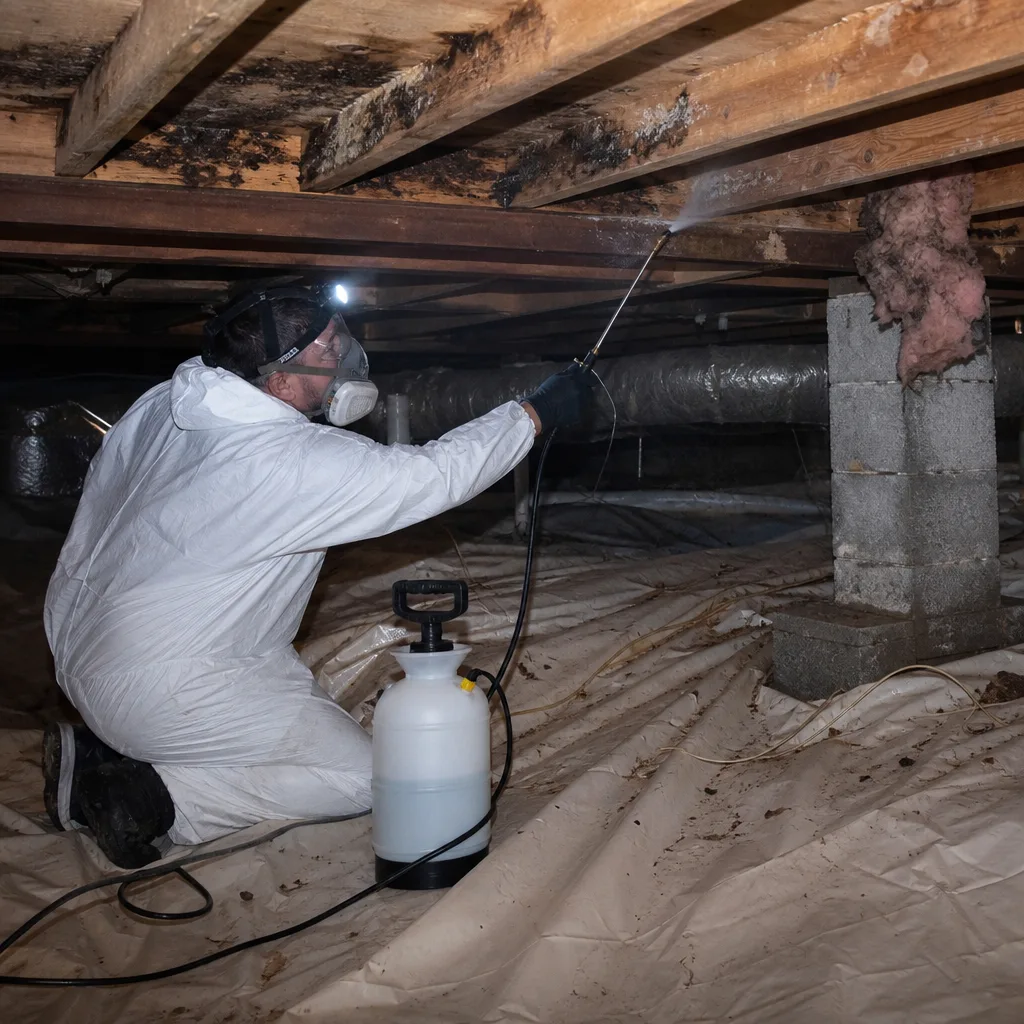
Mold Removal
Containment, HEPA filtration, and controlled demolition of unsalvageable materials followed by antimicrobial treatment and clearance verification. For Tenafly’s decorative plaster ceilings, we prioritize in-place drying and spot remediation over full demo when moisture readings support it. Standard removal jobs range $2,400-$5,800 depending on containment complexity.
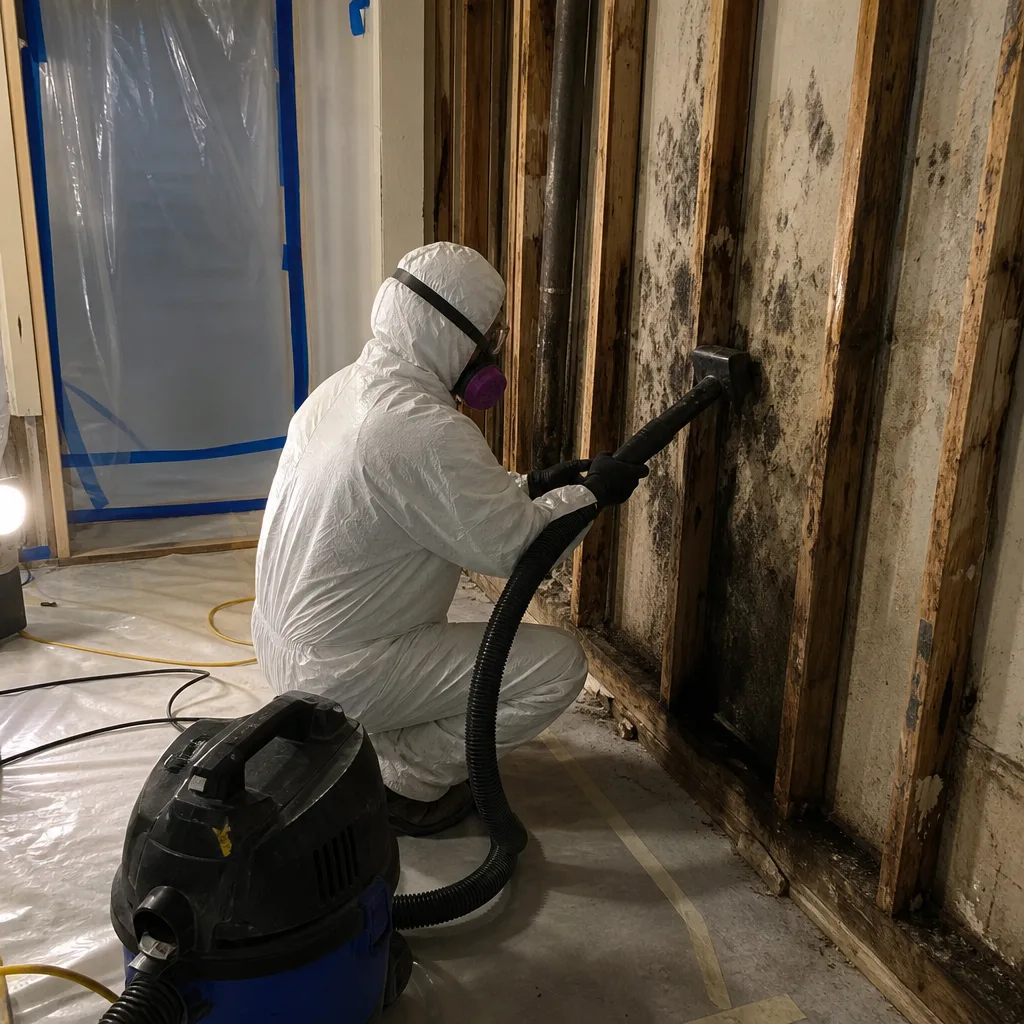
Black Mold Remediation
Toxigenic species including Stachybotrys chartarum require full PPE, enhanced containment, and extended air scrubbing. We document chain-of-custody for all removed materials and recommend third-party clearance testing before occupancy. Black mold protocols in Tenafly’s older homes with plaster-and-lath substrates typically run $4,200-$8,500.
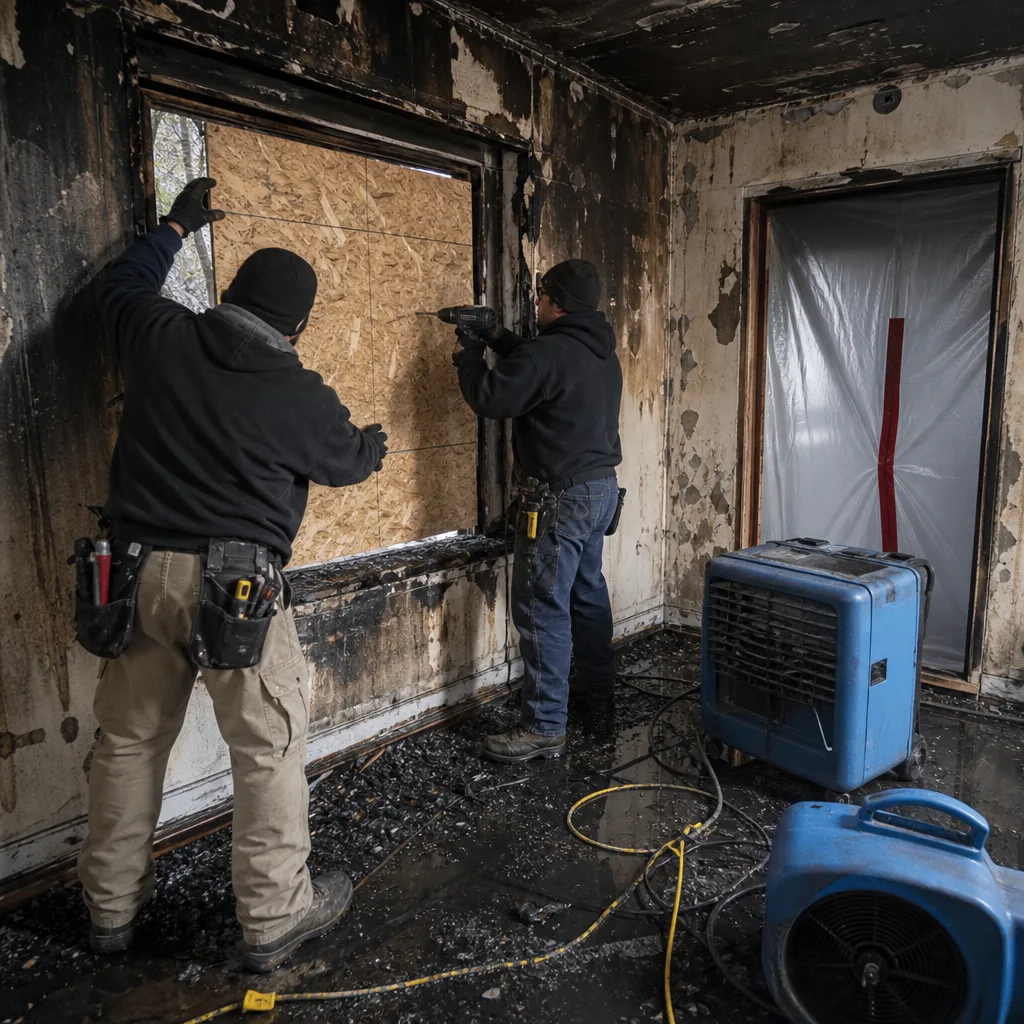
Air Quality Restoration
Post-remediation, we run HEPA scrubbers and measure airborne particulate until spore counts match or fall below outdoor baseline. For Tenafly homes with finished basements used as living space, we install continuous air quality monitoring as an optional add-on. Standalone air quality restoration runs $800-$1,800.
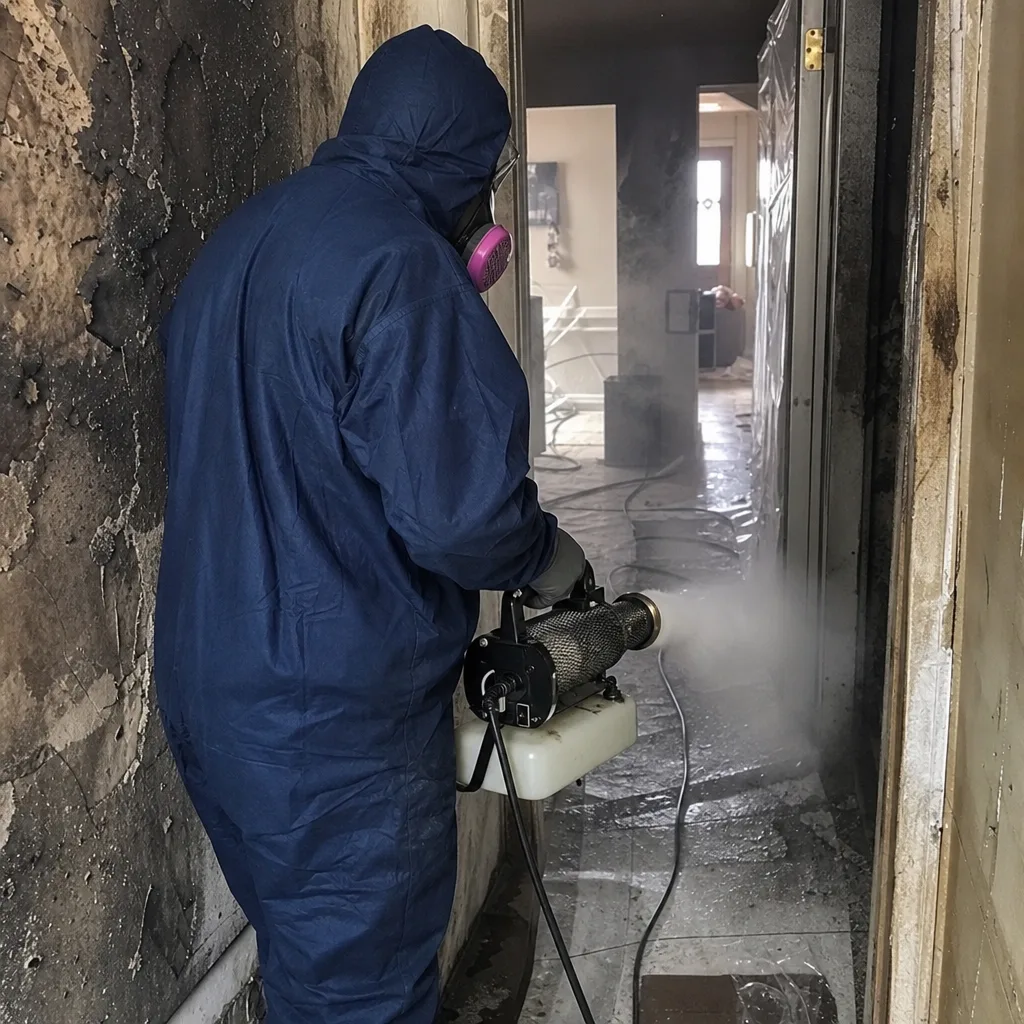
Crawl Space Treatment
The majority of Tenafly mold jobs originate in crawl spaces fed by Palisades-slope drainage. We remove contaminated vapor barriers, treat joists and subflooring with antimicrobial agents, and install permanent moisture control: sump pumps, perimeter drains, or commercial dehumidifiers sized to the space. Crawl space remediation typically costs $2,800-$5,200.
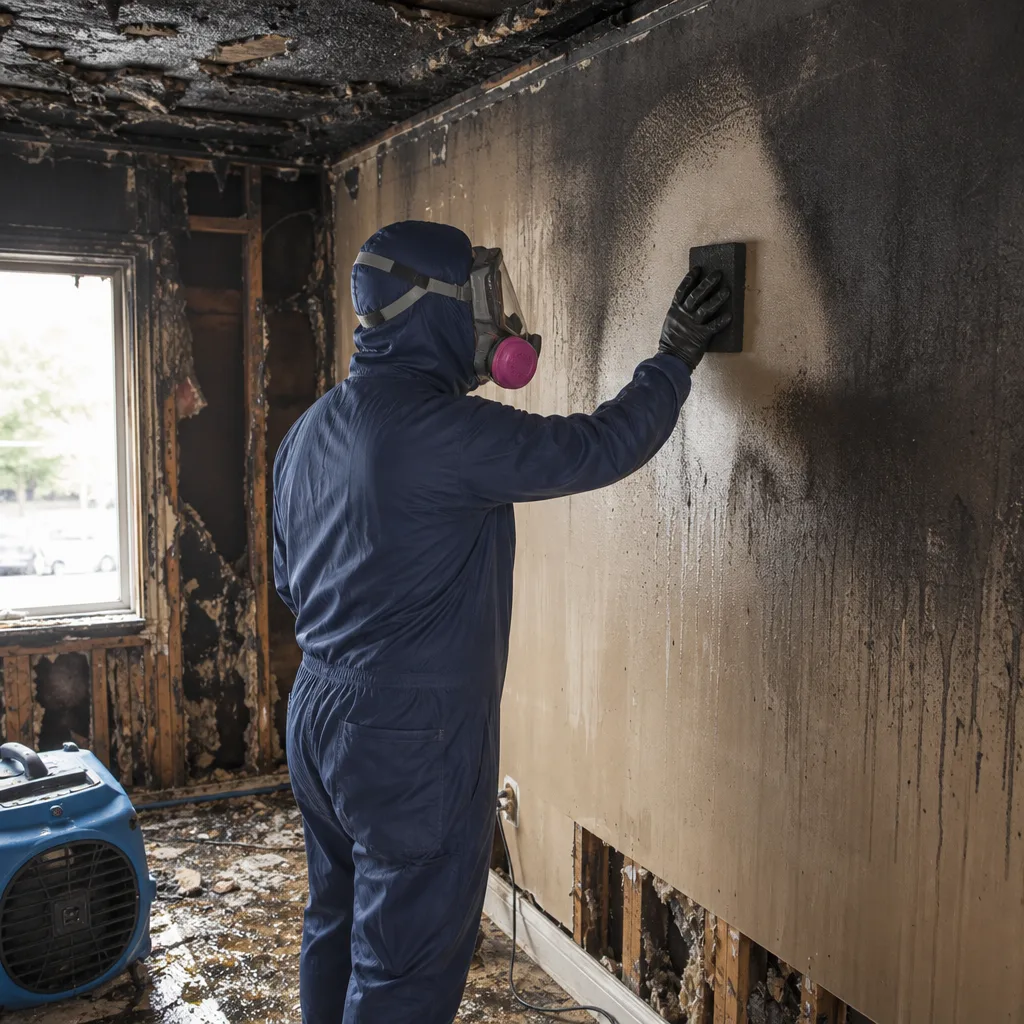
Moisture & Humidity Control
Without permanent humidity control, Palisades-slope seepage re-wets joists and mold returns within weeks. We install Aprilaire or Santa Fe dehumidification systems with condensate pumps and remote humidity monitoring, then warranty the installation under The Haven Standard. Systems run $1,200-$2,800 installed.
What happens when you call
- 1
A real person answersNo phone trees - you reach a local pro.
- 2
You get an upfront price rangeHonest numbers before anyone is dispatched.
- 3
A background-checked tech heads outLicensed & insured, dispatched right away.
- 4
You approve before work beginsNothing starts until you say go.
Mold Remediation Costs in Tenafly, NJ
| Service | Typical Range in Tenafly |
|---|---|
| Mold Inspection & Testing | $350 - $650 |
| Contained Mold Removal (under 100 sq ft) | $1,800 - $3,200 |
| Standard Mold Remediation (100-300 sq ft) | $2,400 - $5,800 |
| Black Mold / Category 3 Protocol | $4,200 - $8,500 |
| Crawl Space Remediation | $2,800 - $5,200 |
| Moisture & Humidity Control System | $1,200 - $2,800 |
| Air Quality Restoration / Clearance | $800 - $1,800 |
What moves the price: affected square footage, material type (plaster-and-lath costs more to remediate correctly than drywall), accessibility (tight-clearance townhomes require more labor hours), and whether the moisture source has been permanently resolved. Insurance typically covers mold remediation when it results from a covered water loss - burst pipe, ice dam, storm intrusion - but may exclude long-term maintenance issues like unresolved foundation seepage. We review your policy language and document the loss origin to support your claim. Call (845) 875-4326 for a free inspection and written scope; Haven Standard, Clause 1 applies to every job.
We Also Serve Cities Near Tenafly
Our crews respond daily to mold remediation calls in Tenafly and the surrounding Bergen County corridor: Englewood, with its mix of pre-war apartments and single-family homes; Englewood Cliffs, where Palisades-slope drainage patterns mirror Tenafly’s; Leonia, with its own concentration of 1920s housing stock; and Bogota, where tighter lots and older foundations produce similar moisture challenges. Dispatch and scheduling are coordinated from our New York City office; crews serve each municipality locally with equipment configured for that area’s building types.
Serving Tenafly, NJ - Our Local Coverage Area
We’re based in the Tenafly area and know this community well. Use the map below to see our service coverage - if you’re nearby, we can almost certainly help.
Tenafly Mold Remediation Questions, Answered
How fast does mold start in a Tenafly basement after Palisades-slope seepage?
Mold colonization begins 24-48 hours after water intrusion on organic materials like wood framing, paper-faced drywall, or the horsehair plaster common in Tenafly’s pre-1955 homes. The cooler basement temperatures in Palisades-slope properties actually slow initial growth but extend the colonization window; by day 5-7, visible growth is likely on joists and subflooring. If your basement took water this week, call (845) 875-4326 for a free moisture inspection - waiting for visible mold costs significantly more to remediate.
Will you have to tear out the original plaster-and-lath walls and decorative plaster ceilings in my Tenafly Tudor?
Not if moisture readings support in-place drying. Our first attempt is always to dry plaster-and-lath in situ using Injectidry mat systems and targeted dehumidification, because demolition of original decorative crown profiles triggers immediate adjuster rejection in Bergen County. We only demo when moisture content remains above 16% after 72 hours of documented drying, and we photo-document every reading for the scope of work. Call (845) 875-4326 for an assessment of your specific walls.
How do you handle mold in a tight-clearance Tenafly townhome or alley-load property?
We measure every doorway, stairwell, and basement hatch before arriving, then configure compact Dri-Eaz and XPOWER equipment that fits through 32-inch openings. Containment is built in sections rather than as a single wall, and negative air is maintained with portable HEPA units rather than trailer-mounted systems. Our crew lead walks the access route with you before any equipment moves to confirm the plan. Call (845) 875-4326 to schedule a site-specific assessment.
Does a crawl space in Tenafly need ongoing humidity control after remediation?
Yes - this is the most common failure mode we correct from other contractors’ work. Palisades-slope seepage is a permanent geographic condition, not a one-time event. Without a dehumidifier or sump system sized to the cubic footage and seasonal groundwater table, joist moisture content will rebound and mold will return within weeks. We install Aprilaire or Santa Fe systems with remote monitoring and warranty the installation under The Haven Standard. Call (845) 875-4326 for a crawl space humidity evaluation.
My Tenafly home had ice dams this winter and now smells musty in the upstairs bedrooms - what’s involved?
Ice dam meltwater has likely entered your attic and migrated down exterior wall cavities into the bedroom ceiling and insulation. We start with thermal imaging to trace the water path, then test plaster-and-lath moisture content and inspect cavity insulation for saturation. Remediation typically involves attic air sealing, targeted drying of wall cavities with Injectidry, and replacement of wet insulation; bedroom ceilings are preserved when readings permit. A typical ice-dam-related mold job in Tenafly runs $2,800-$5,400. Call (845) 875-4326 for a free inspection.
How fast can you actually get to my Tenafly property?
Our response commitment is 45 minutes from dispatch to on-site arrival for properties within the Tenafly response zone. Calls are answered live 24 hours a day; no voicemail, no next-business-day callback. The crew that responds carries containment materials, HEPA equipment, and moisture detection tools pre-loaded for Palisades-slope basement and crawl space conditions. Call (845) 875-4326 now if you’re seeing or smelling mold - speed limits containment size and final cost.
Will my insurance cover mold remediation in Tenafly?
Coverage depends on the water origin. Sudden and accidental losses - burst pipes, ice dams, storm intrusion - typically trigger mold remediation coverage under standard HO-3 policies. Long-term seepage or maintenance-related moisture is usually excluded. We document the loss origin with photos, moisture readings, and material analysis to support your adjuster’s coverage determination, then bill your carrier directly when coverage is confirmed. Call (845) 875-4326 and we’ll review your situation before any work is scoped.
What should I do in the first 30 minutes after discovering mold in my Tenafly home?
Stop the water source if it’s active and safe to do so. Do not disturb visible mold - agitation releases spores and can spread contamination. Turn off HVAC systems to prevent air circulation through affected areas. Then call (845) 875-4326. Our technician will guide you through immediate containment steps by phone while en route, and will arrive with documentation equipment to begin the photo record and moisture mapping that your insurer will need.
Written by Alicia Brennan, Owner at Back to Dry Restoration, serving Tenafly since 2011.