
Free visual inspection and a written scope of work before any mitigation begins - photos, moisture readings, and drying logs go in your claim file
The scope we write is the scope we bill. Anything new gets shown to you, in writing, before we touch it.
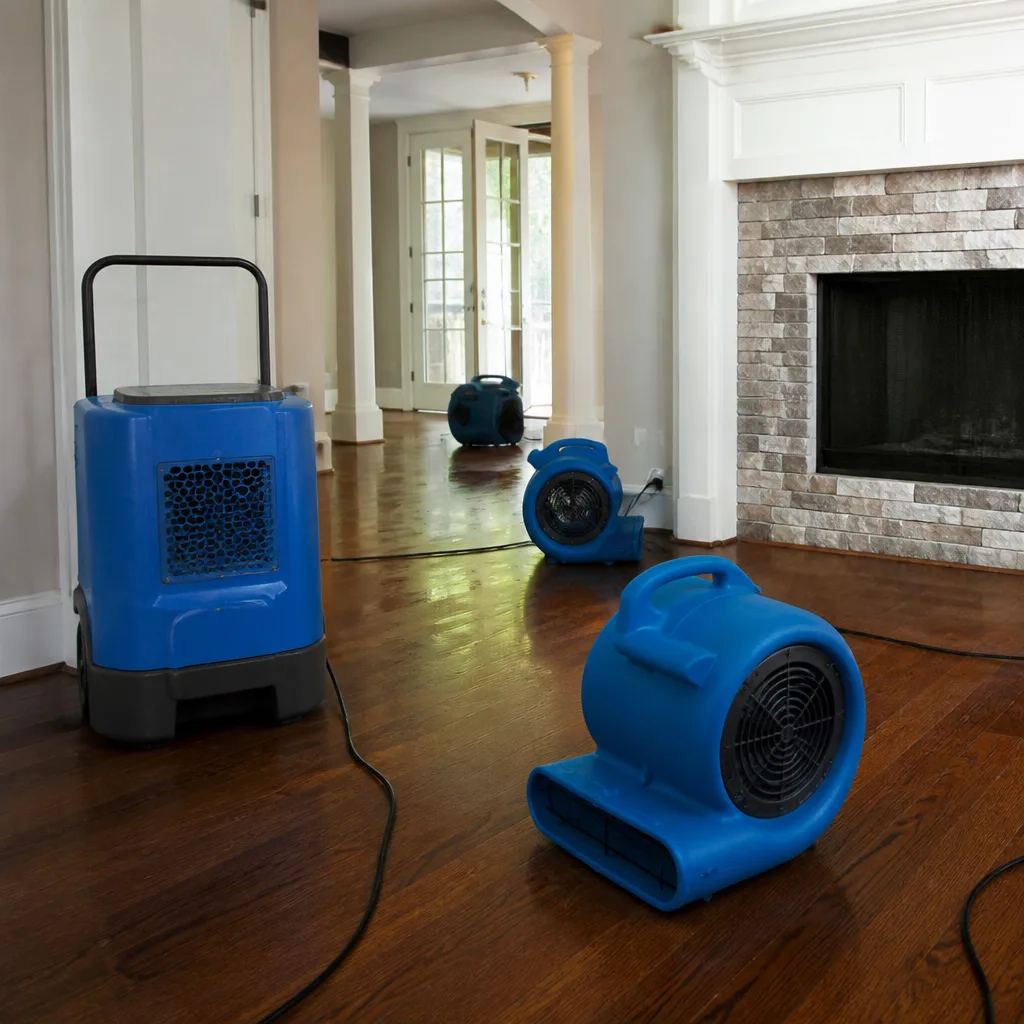
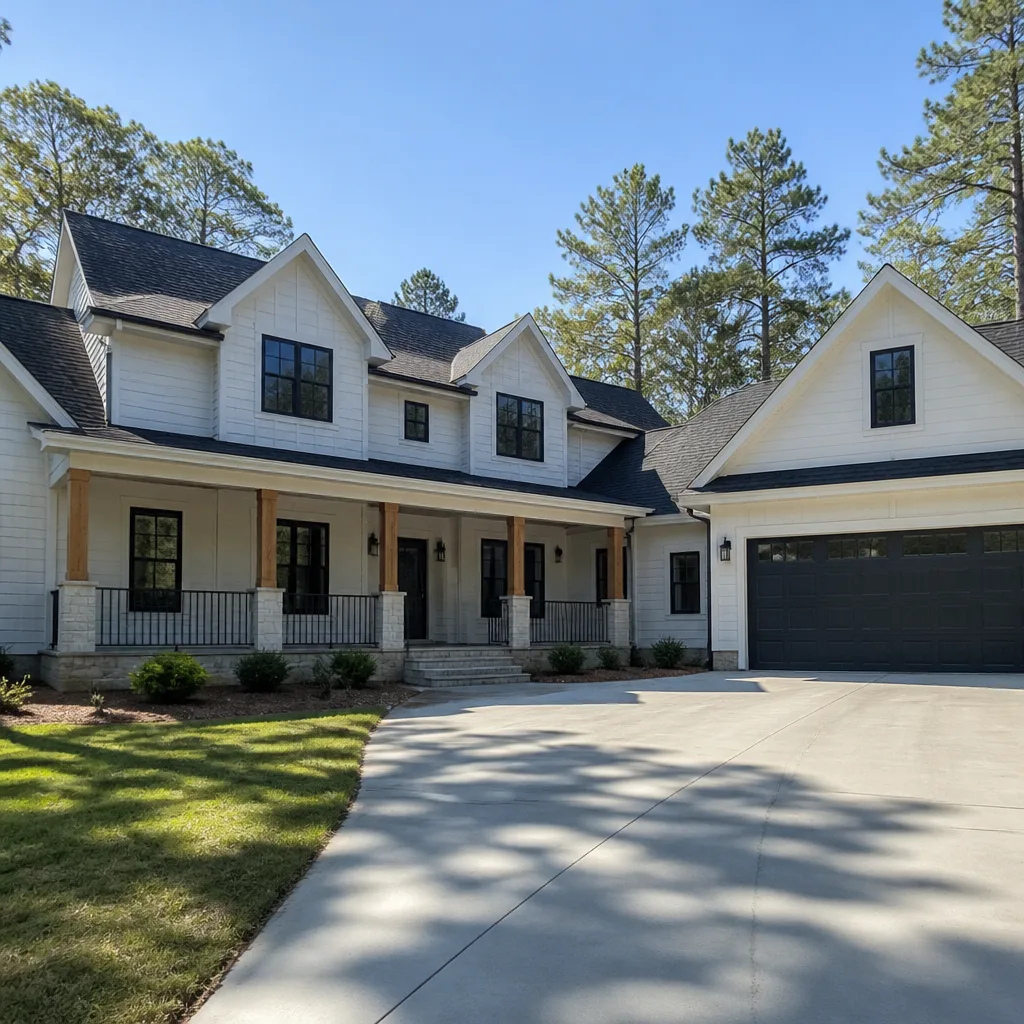
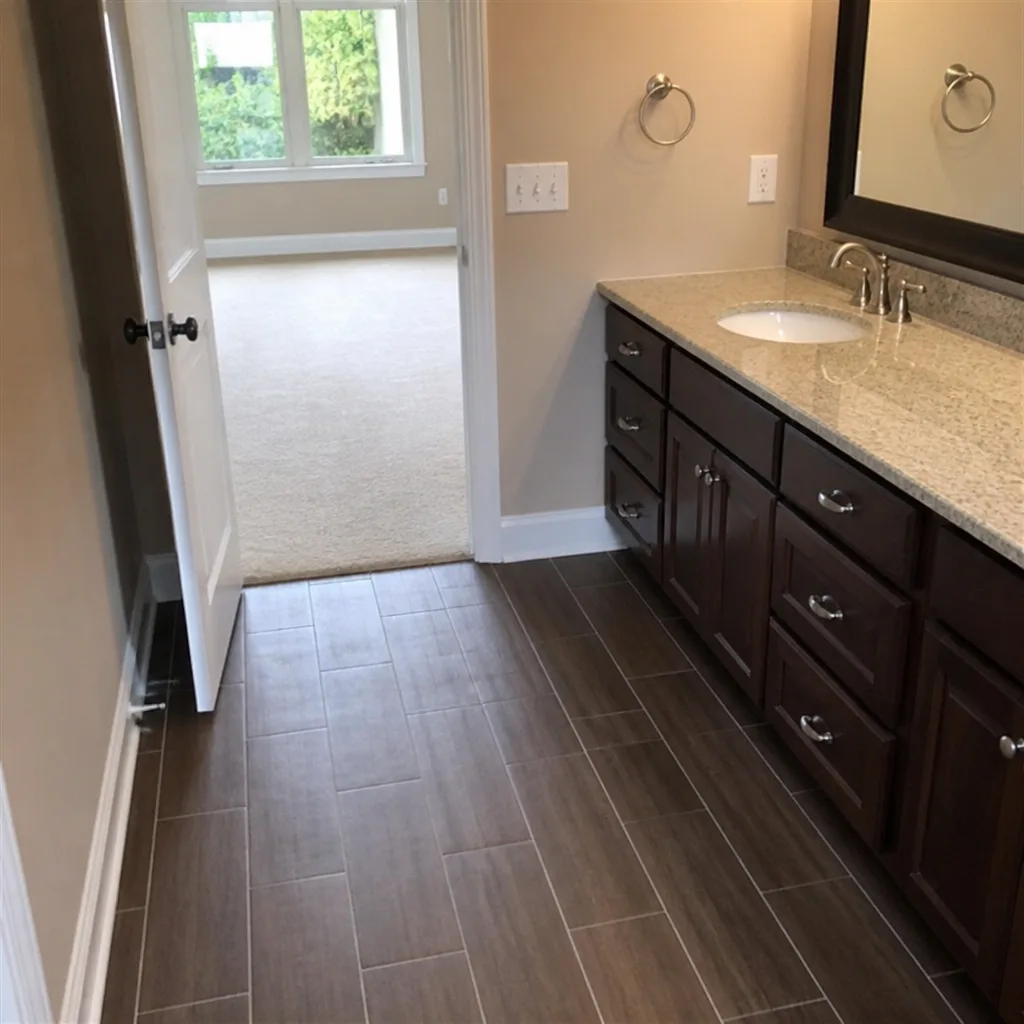
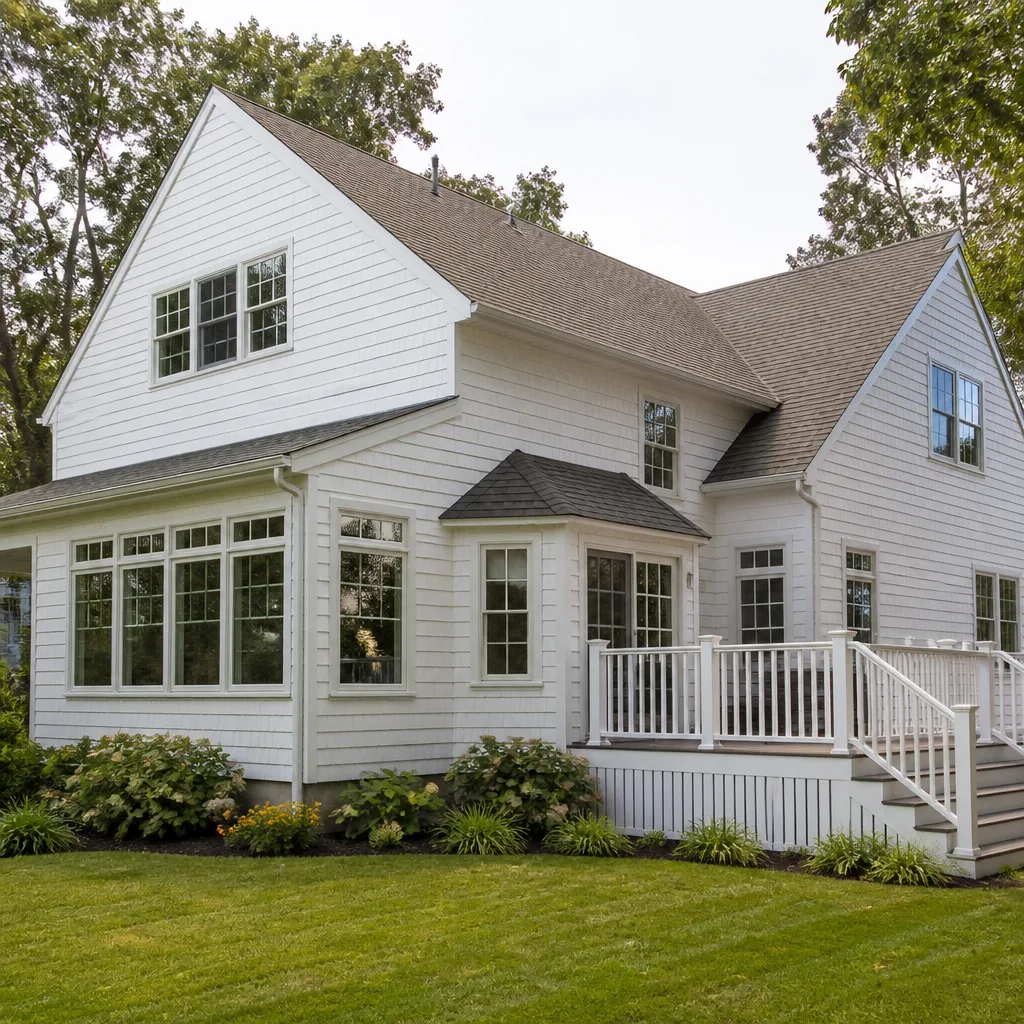
 Before
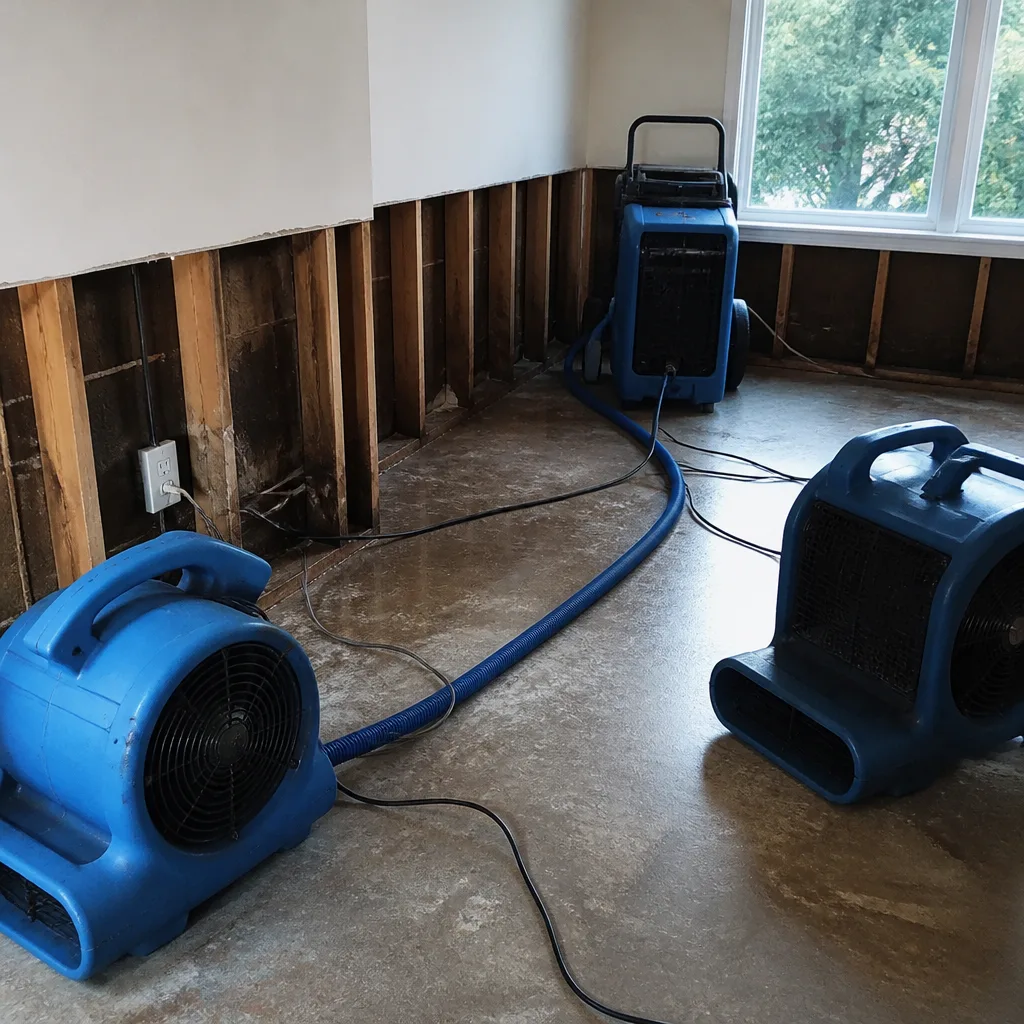 After
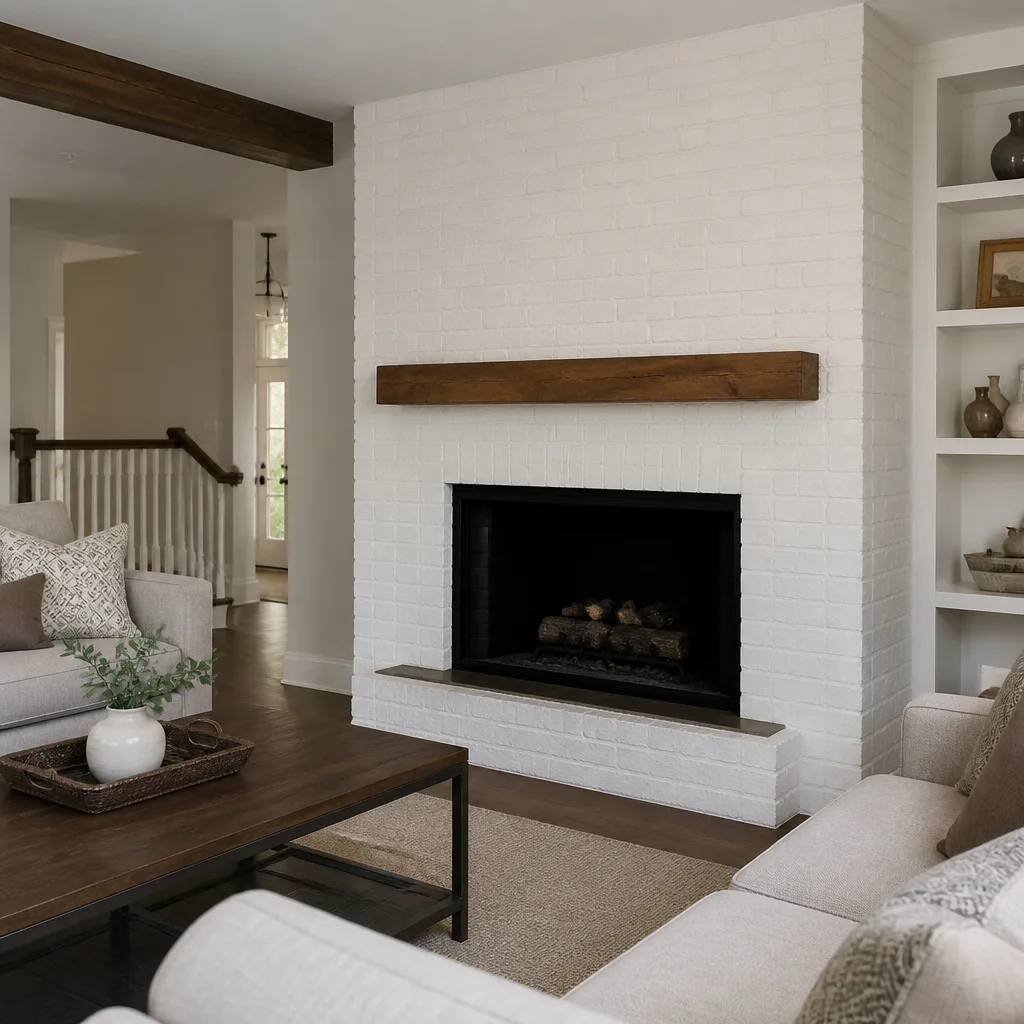
After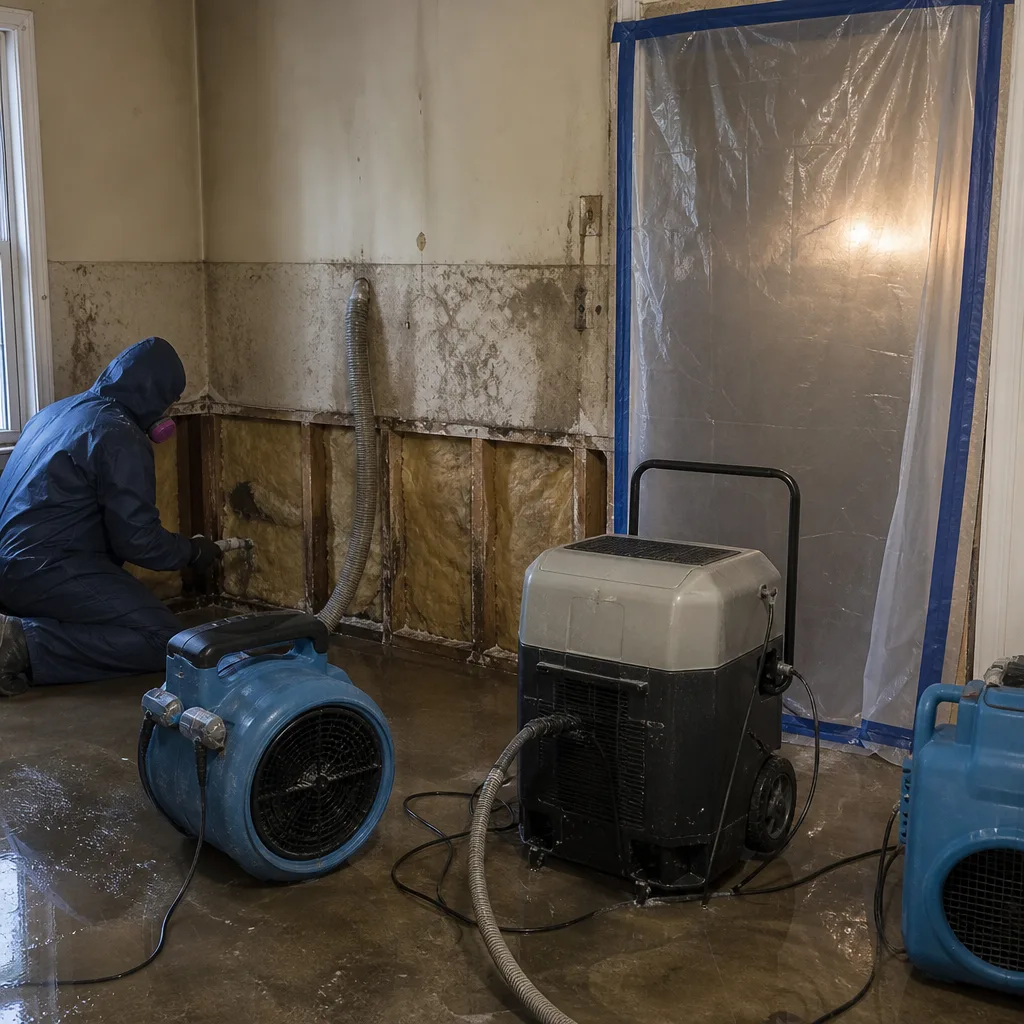 Before
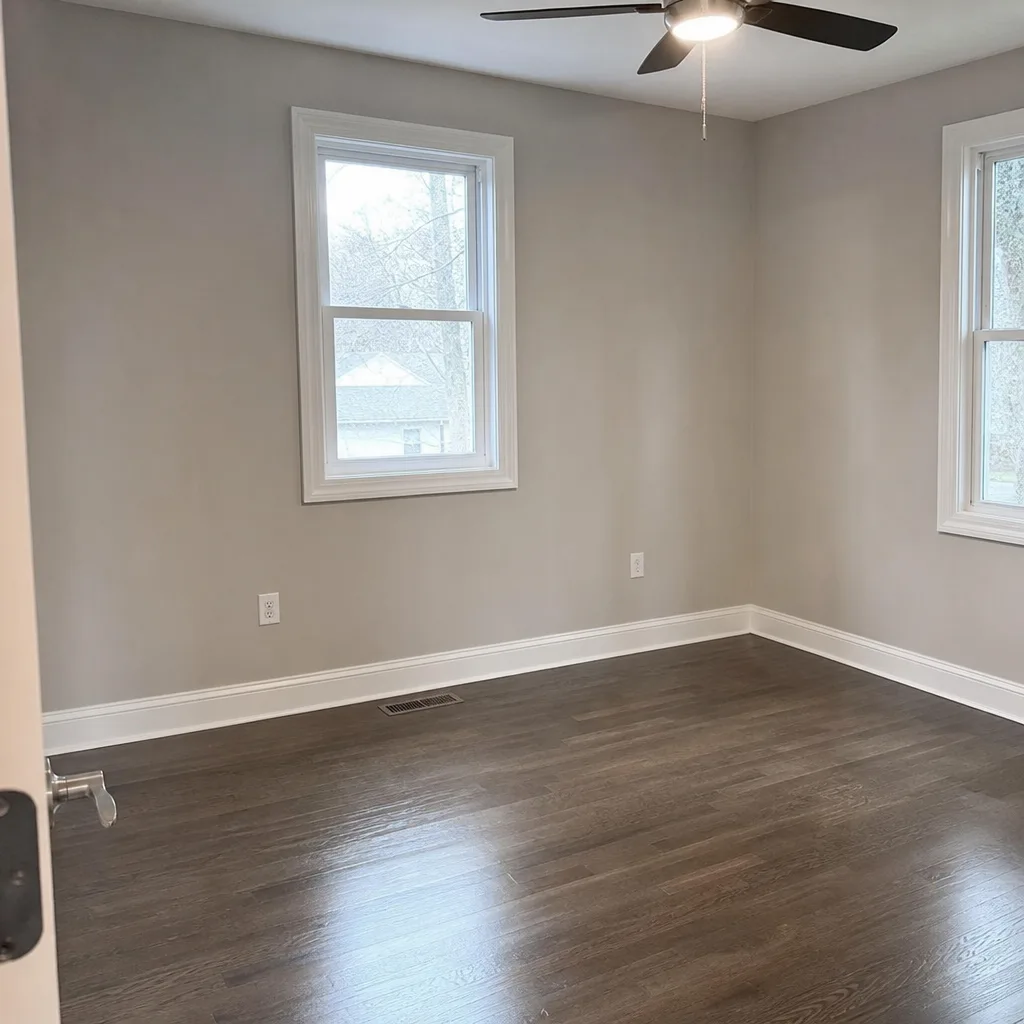 After
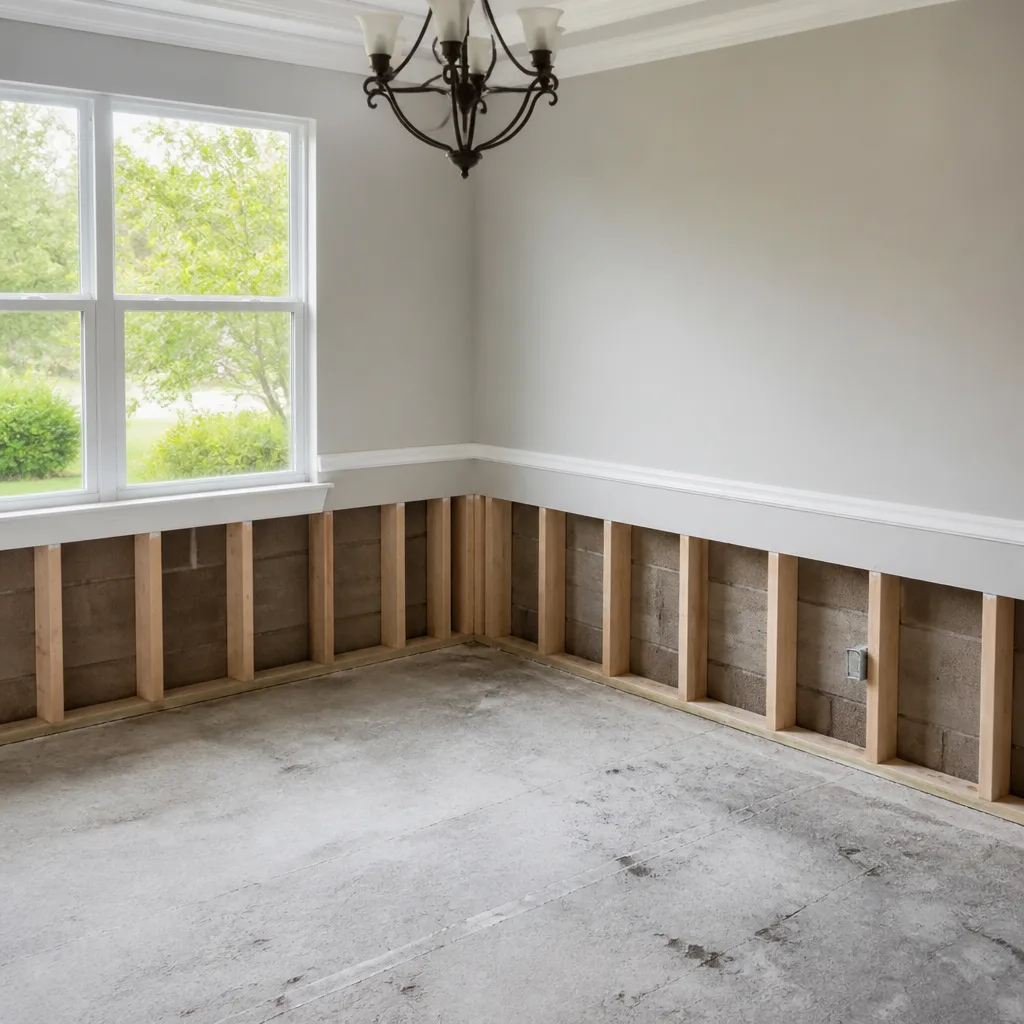
After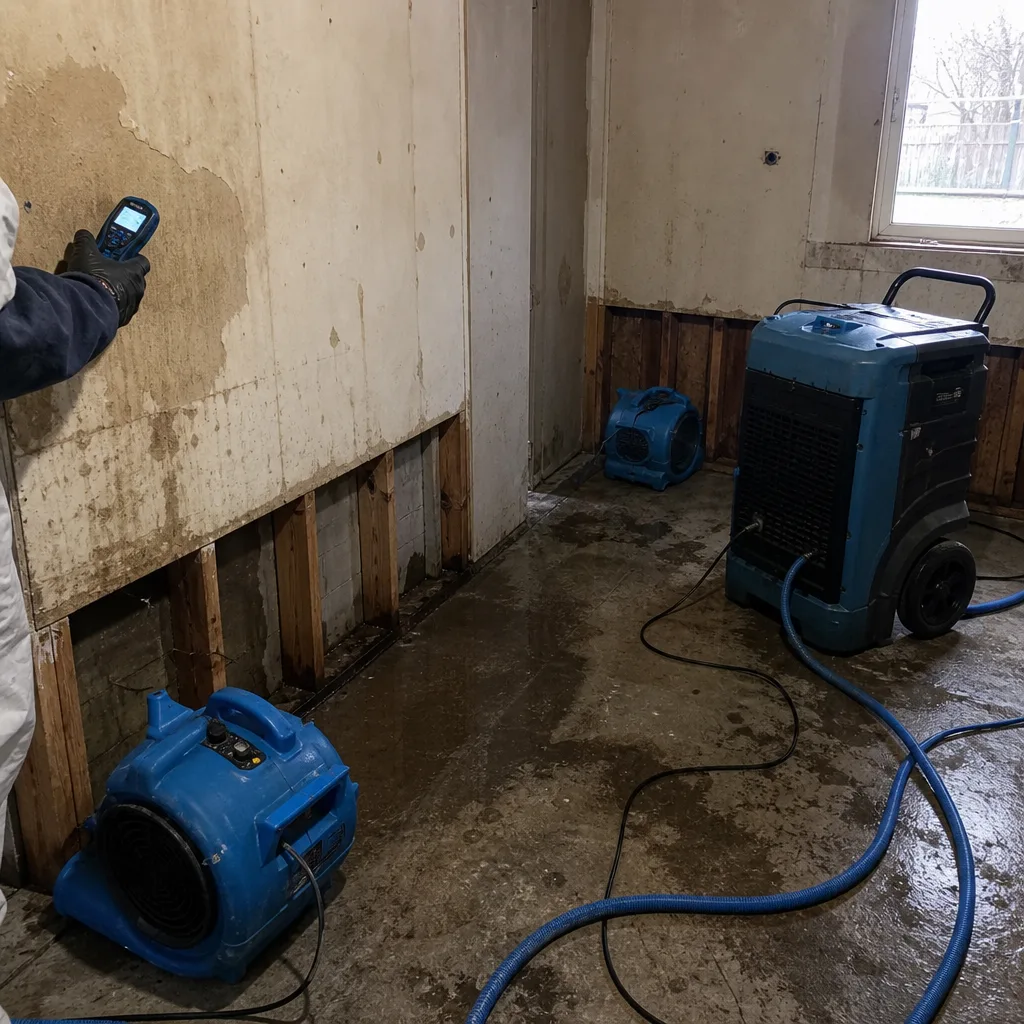 Before
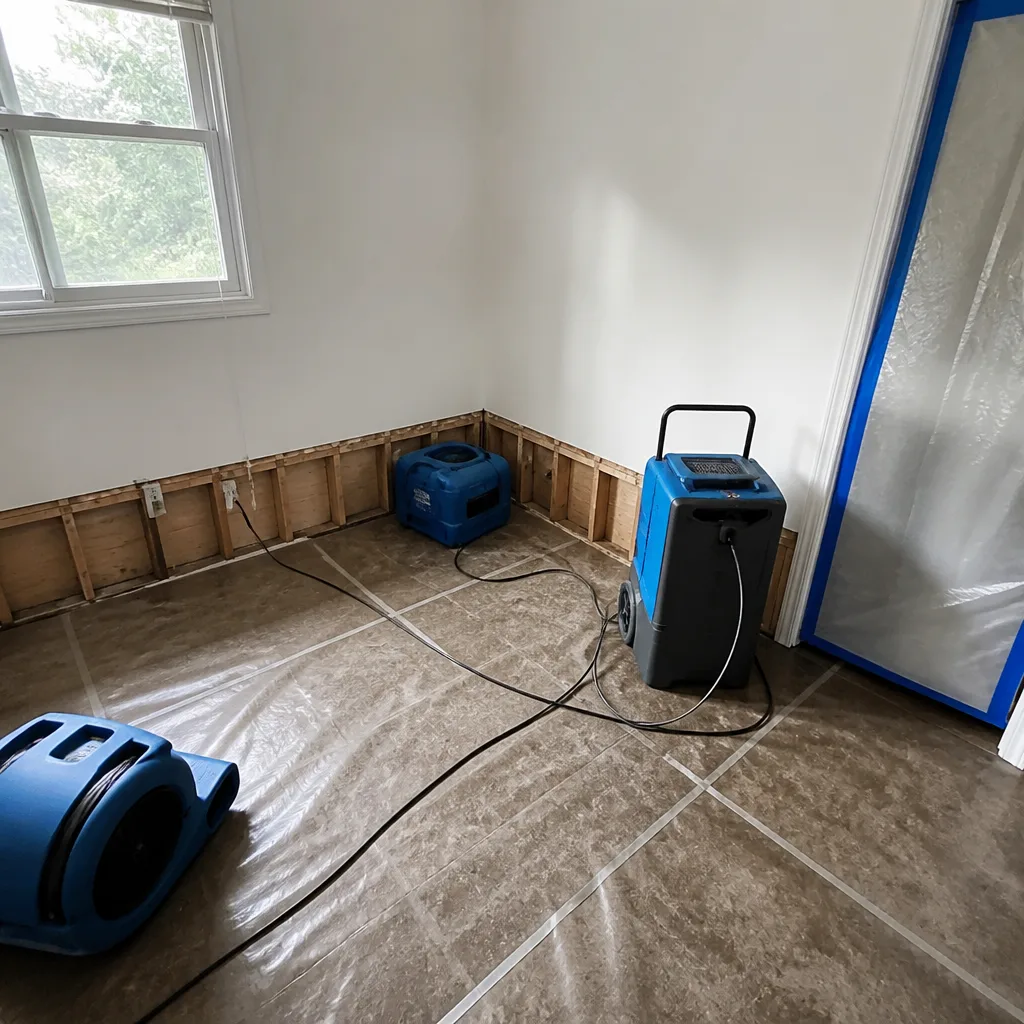 After
After24/7 Emergency Mold Remediation in Hackensack
Mold remediation in Hackensack typically runs $1,800-$4,500 for contained residential jobs, with full-structure treatments in multifamily buildings reaching $8,000-$15,000. Call (845) 875-4326 and a live person answers, 24 hours a day, 7 days a week - no voicemail, no callback queue. Crews dispatch to Hackensack within 45 minutes of your call, and we perform a free visual inspection before any work is discussed.
The first hour matters because mold colonizes wet drywall and cellulose materials within 24-48 hours of water intrusion. In Hackensack’s pre-WWII brick row buildings, moisture migrates horizontally through shared party-wall cavities long before visible growth appears on interior surfaces. Waiting means the colony spreads behind walls, the remediation area expands, and the written price under Haven Standard, Clause 1, climbs with it. Our Mold Remediation team documents every moisture reading from arrival so your insurer sees when the loss started and why the scope is what it is.
Understanding Mold Remediation Severity in Hackensack Properties
We classify mold contamination by affected square footage, material porosity, and the water category that fed the growth. Category 1 clean water from a burst supply line demands less aggressive containment than Category 3 black water from a surcharged combined sewer - and in Hackensack, the distinction is not academic.
The blocks east of Main Street, in the lower-elevation corridor toward the Hackensack River, routinely present Category 3 intrusions after nor’easters coincide with high tide. That classification triggers full personal protective equipment, negative-air containment with HEPA filtration, and antimicrobial application beyond what standard mold removal requires. The 1920s-1940s brick apartment houses and 2-4 family rows that dominate Hackensack’s housing stock add complexity: original cast-iron drain stacks corrode, galvanized supply lines fail under pressure, and tight party-wall construction lets moisture travel between units before any tenant reports a problem.
We map moisture with thermal imaging and penetrating hygrometers, then classify every affected material as salvageable or non-salvageable per IICRC S520 standards. Tertiary drying - the final phase where vapor pressure differentials equalize deep in wall cavities - takes longer in masonry construction than in modern frame houses. We document psychrometric data daily so the drying log proves the structure reached equilibrium before we sign off.
Why Hackensack Property Owners Choose DryMark Restoration Englewood
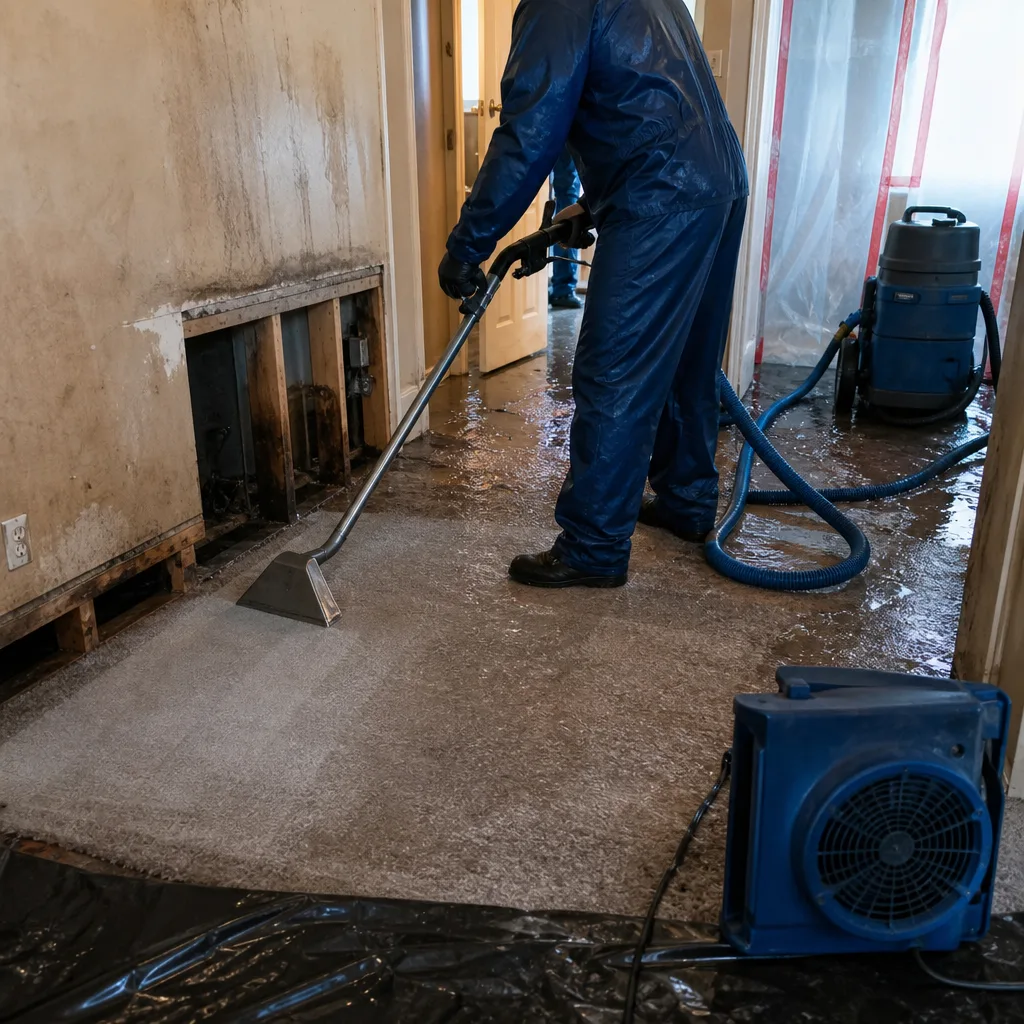
- 45-minute response commitment to Hackensack from dispatch, with crews staged for Bergen County emergency calls.
- 24/7 live answer - a real person, never an automated system - on every call to (845) 875-4326.
- IICRC-certified crews holding WRT (Water Damage Restoration Technician), AMRT (Applied Microbial Remediation Technician), and FSRT (Fire & Smoke Restoration Technician) credentials where the job demands cross-training.
- Free visual inspection at your Hackensack property before any written price is prepared.
- Direct insurance billing with photo-documented scopes and daily drying logs submitted to your adjuster.
- One team from containment through reconstruction - no handoffs to unknown subcontractors.
BeforeAfterOur Mold Remediation Process
Inspection & Assessment
We arrive with moisture meters, thermal imaging cameras, and borescopes to inspect wall cavities without destructive testing. In Hackensack’s older multifamily buildings, we check adjacent units and common areas because party-wall migration is routine. Every finding is photographed and logged before we prepare your written scope.
Containment & Air Filtration
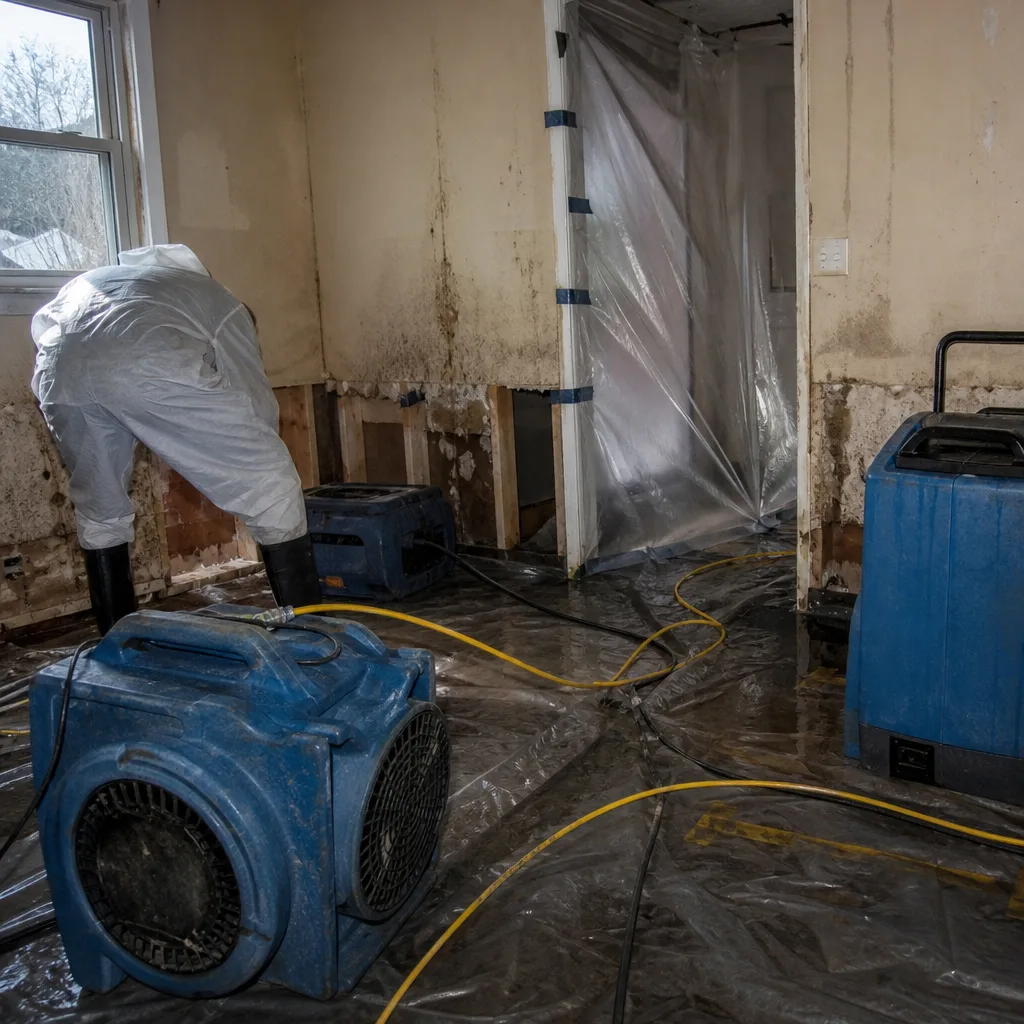
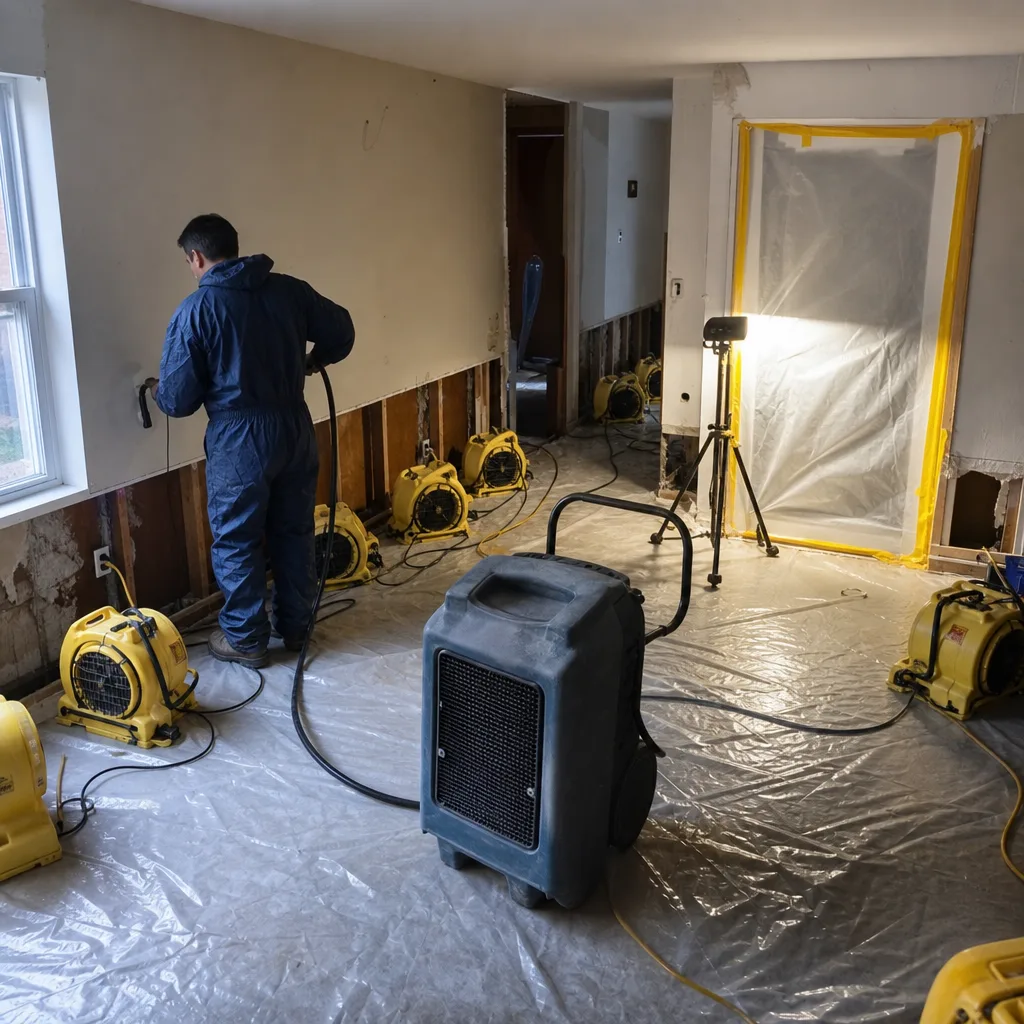
We establish negative-pressure containment with 6-mil polyethylene barriers and HEPA air scrubbers running at 4-6 air changes per hour. For Category 3 black-water intrusions east of Main Street, containment extends to full room isolation with decontamination chambers for equipment and personnel.
Removal of Contaminated Materials
Non-salvageable drywall, insulation, carpet, and baseboard are removed per IICRC S520 and bagged for proper disposal. We cut 12-24 inches beyond visible growth to capture hidden colonization in Hackensack’s plaster-and-lath or drywall-over-brick assemblies. Every removal is photo-documented.
Cleaning & Antimicrobial Treatment
Remaining structural materials are HEPA-vacuumed and treated with EPA-registered antimicrobial solutions. For black mold remediation in Hackensack’s river-adjacent properties, we apply sporicidal agents rated for Category 3 water backgrounds, not standard mildewcides.
Drying & Dehumidification
We deploy Dri-Eaz and Phoenix LGR dehumidifiers alongside XPOWER and B-Air air movers positioned to create controlled airflow across wet surfaces. In masonry construction, drying timelines extend 3-5 days beyond frame houses; we log daily moisture readings until equilibrium is proven, not assumed.
Repairs & Restoration
Our reconstruction crew replaces removed materials to match existing finishes. In Hackensack’s historic rows, we source compatible trim, plaster, and flooring. Every repair is covered by the 365-Day Done Right Promise under The Haven Standard - if it’s not done right, we make it right.
Need Emergency Mold Remediation in Hackensack Now?
Crews minutes away, answering live 24 hours a day. The sooner we start, the less it costs.
Working With Your Insurance Company
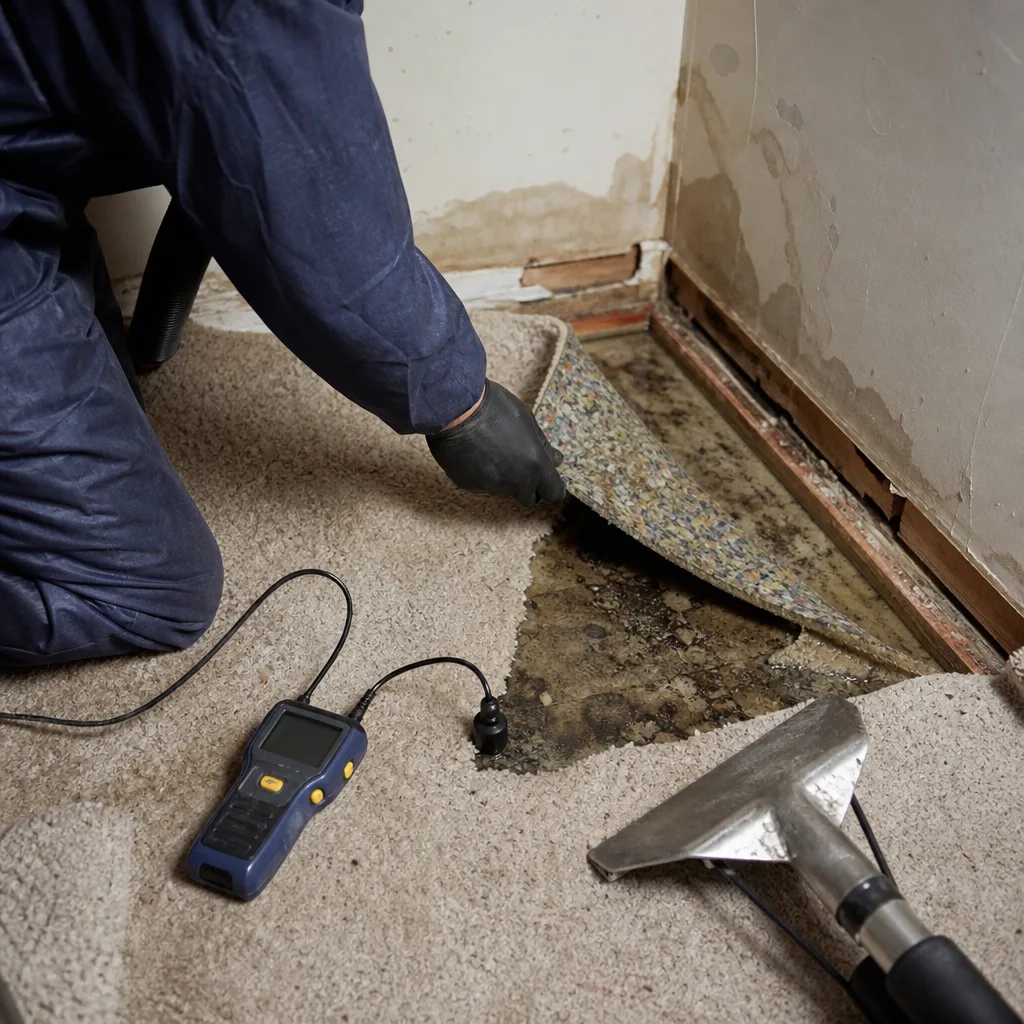
We built our documentation protocols around what insurers actually pay - and deny. Alicia Brennan founded Back to Dry Restoration in 2011 after working as a claims adjuster and watching homeowners lose legitimate coverage because the restoration invoice lacked moisture readings, dated photos, or a line-item scope tied to the original loss.
From our first hour on your Hackensack property, we photograph every affected room, record moisture content percentages on structural materials, and maintain daily drying logs that track temperature, relative humidity, and specific humidity. Your adjuster receives a complete file: the initial loss documentation, the written scope approved before work began (Haven Standard, Clause 1), progress photos from every visit, and final clearance readings. We coordinate directly with your carrier’s representative and answer coverage questions with evidence, not advocacy.
What We Provide Your Insurer
- Thorough documentation of the loss
- Photos of all damage, room by room
- Moisture readings and drying logs
- A detailed, line-item scope of work
- Direct coordination with your carrier
Built for Hackensack’s Loss Calendar
January through March brings deep freezes that burst galvanized supply lines in Hackensack’s unheated crawl spaces and exterior walls. The thaw that follows drives basement seepage through century-old foundations. April and May deliver spring rains on saturated ground; in the AE flood zones remapped after Hurricane Sandy, that means recurring intrusion in the same properties we treated the previous year.
June through September thunderstorms hit fast and hard, overwhelming aging gutters and flat roofs on 1920s apartment houses. October through December is nor’easter season, and this is where Hackensack diverges from inland Bergen County. Storms dropping 3-4 inches of rain routinely coincide with high tides on the tidal Hackensack River, backing water through combined storm and sanitary drains in low-lying blocks. The result is sustained seasonal demand for basement water extraction and mold remediation that peaks from late autumn through spring - and a pattern of repeat losses in river-adjacent buildings that purely rainfall-driven towns do not experience.
Mold Remediation Across Hackensack’s Neighborhoods
The blocks east of Main Street, toward the river and the Anderson Street corridor, present our most complex calls. These are the lowest-elevation properties in the city, many in FEMA AE zones, with combined sewer infrastructure that surcharges during tidal events. Mold remediation here begins with correct water classification - Category 3, not Category 1 - and extends to full biohazard containment protocols. We have returned to the same 1920s brick rows on Prospect Avenue and Sherman Street after successive storm seasons.
The area around Hackensack University Medical Center and the State Street corridor mixes pre-war apartment houses with mid-century institutional buildings. Condominium associations here face particular documentation requirements; we provide individual unit scopes, common-area assessments, and the drying logs that association insurers demand for coverage decisions.
Along River Street and the Essex Street corridor, newer construction on former industrial parcels sits adjacent to historic residential blocks. The contrast in building envelopes means mold sources differ: modern HVAC systems with inadequate dehumidification in tight envelopes versus century-old masonry with chronic vapor drive. We adjust equipment and timelines accordingly - Dri-Eaz dehumidifiers sized for cubic footage, air mover placement calculated for each wall assembly.
The neighborhoods near Foschini Park and along the riverfront greenway see recreational flooding that becomes residential when tide gates fail. Properties here require moisture and humidity control systems as preventive infrastructure, not just post-loss remediation.
Specialized Mold Remediation Services We Offer in Hackensack
Mold Inspection & Testing
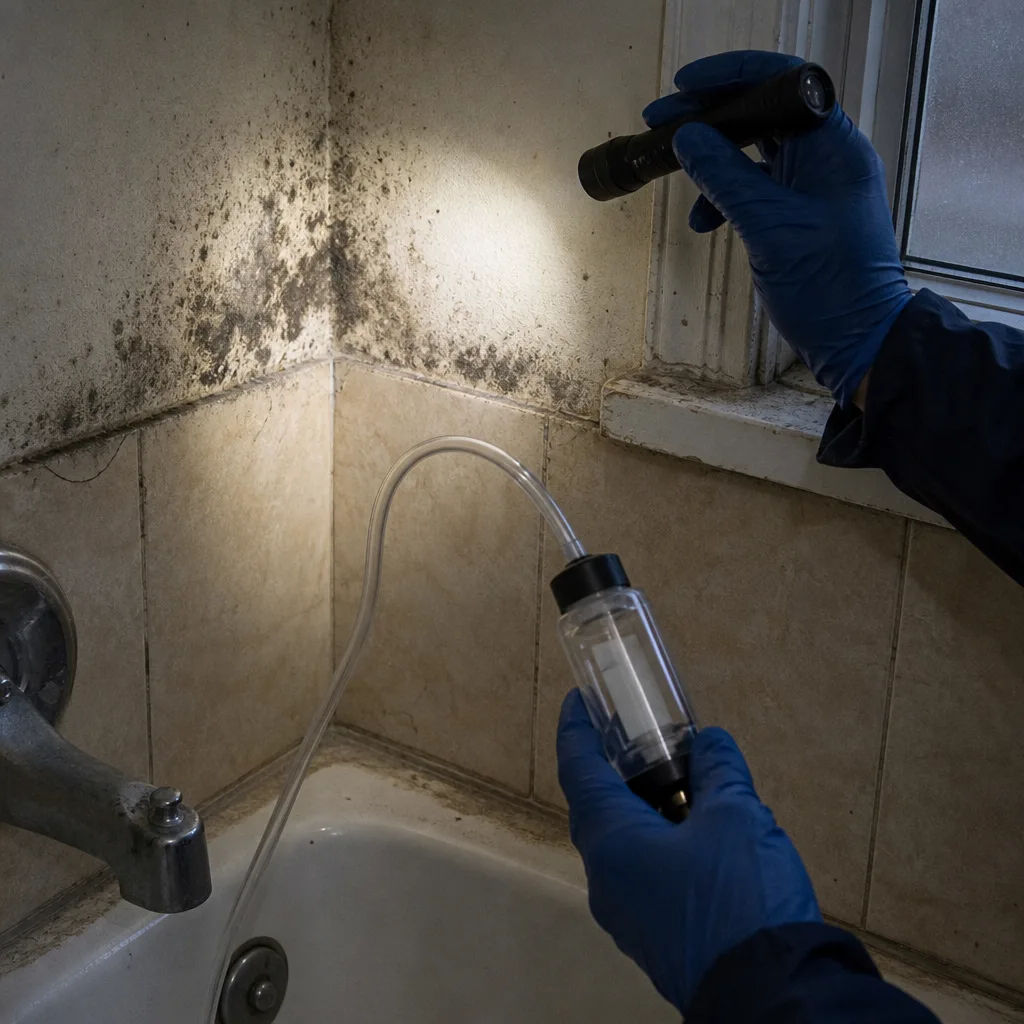
We perform visual inspection, moisture mapping, and air sampling with laboratory analysis for species identification. In Hackensack’s multifamily buildings, we sample adjacent units when party-wall migration is suspected. The written report includes remediation recommendations and the documentation your insurer needs for coverage verification.
Black Mold Remediation
Stachybotrys chartarum and other toxigenic species require enhanced containment, PPE, and disposal protocols. In Hackensack’s Category 3 black-water environments east of Main Street, black mold colonization is frequently secondary to sewage intrusion; we address both the water classification and the fungal contamination with appropriate antimicrobial and sporicidal treatments.
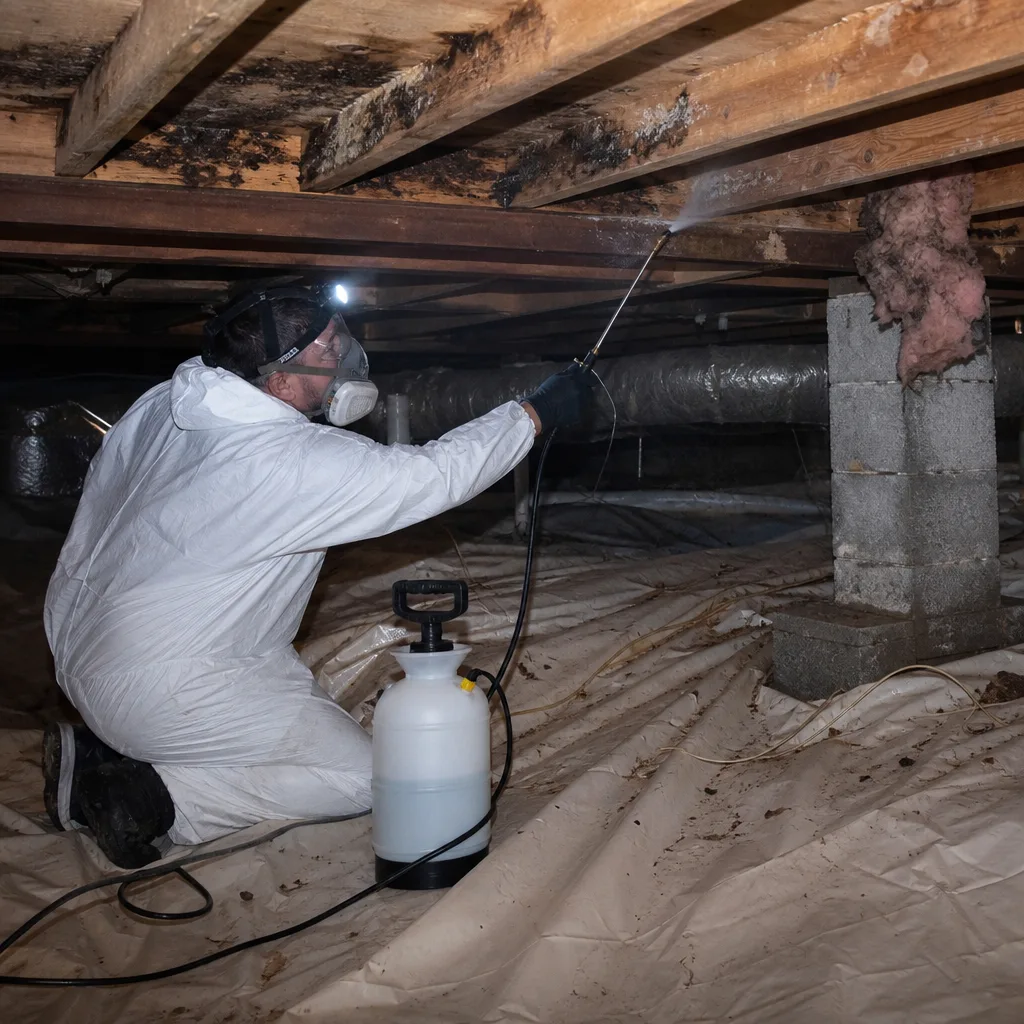
Air Quality Restoration
Post-remediation, we run HEPA air scrubbers and perform clearance sampling to verify airborne spore counts have returned to background levels. For Hackensack apartment buildings with shared HVAC, we inspect and clean ductwork where cross-contamination has occurred.
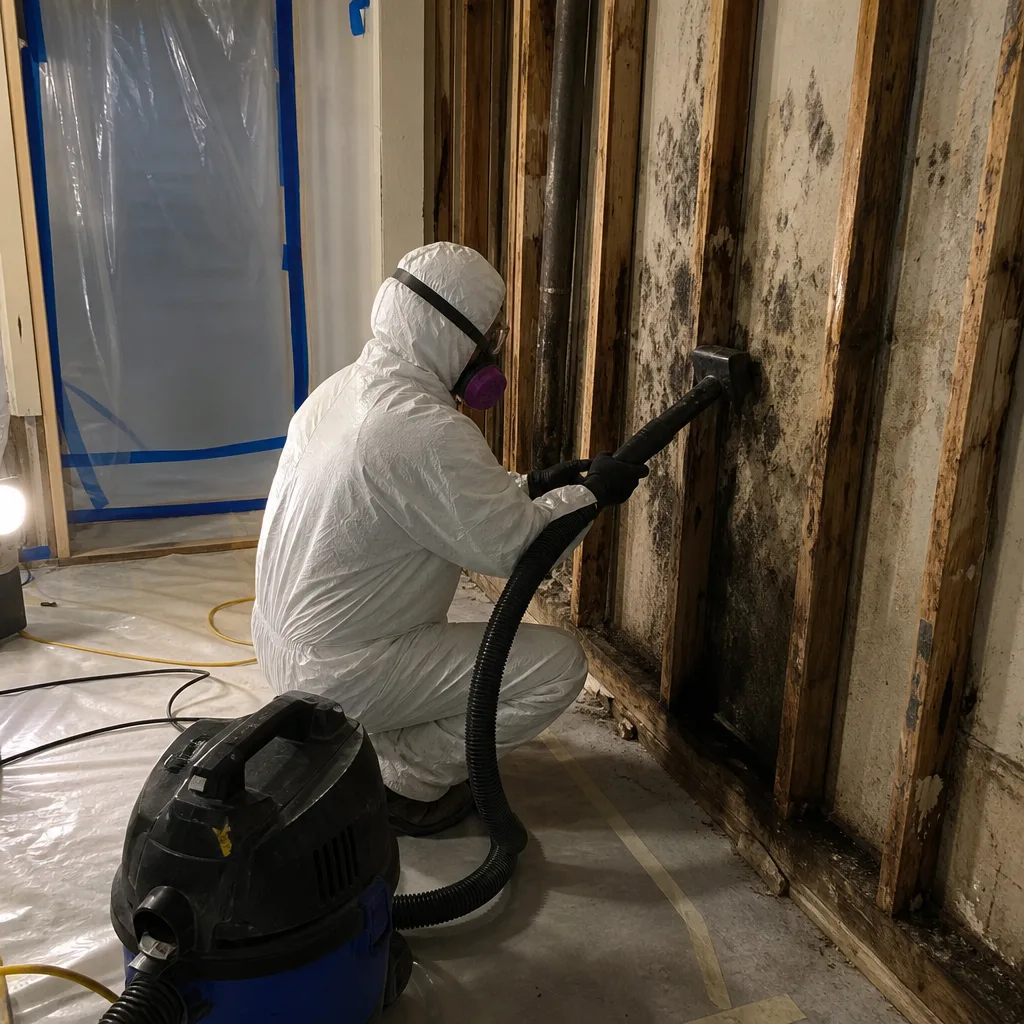
Crawl Space Treatment
Many Hackensack row buildings have shallow, vented crawl spaces with dirt floors and chronic humidity. We install vapor barriers, seal vents, and deploy permanent dehumidification to prevent the conditions that drive recurring mold growth.
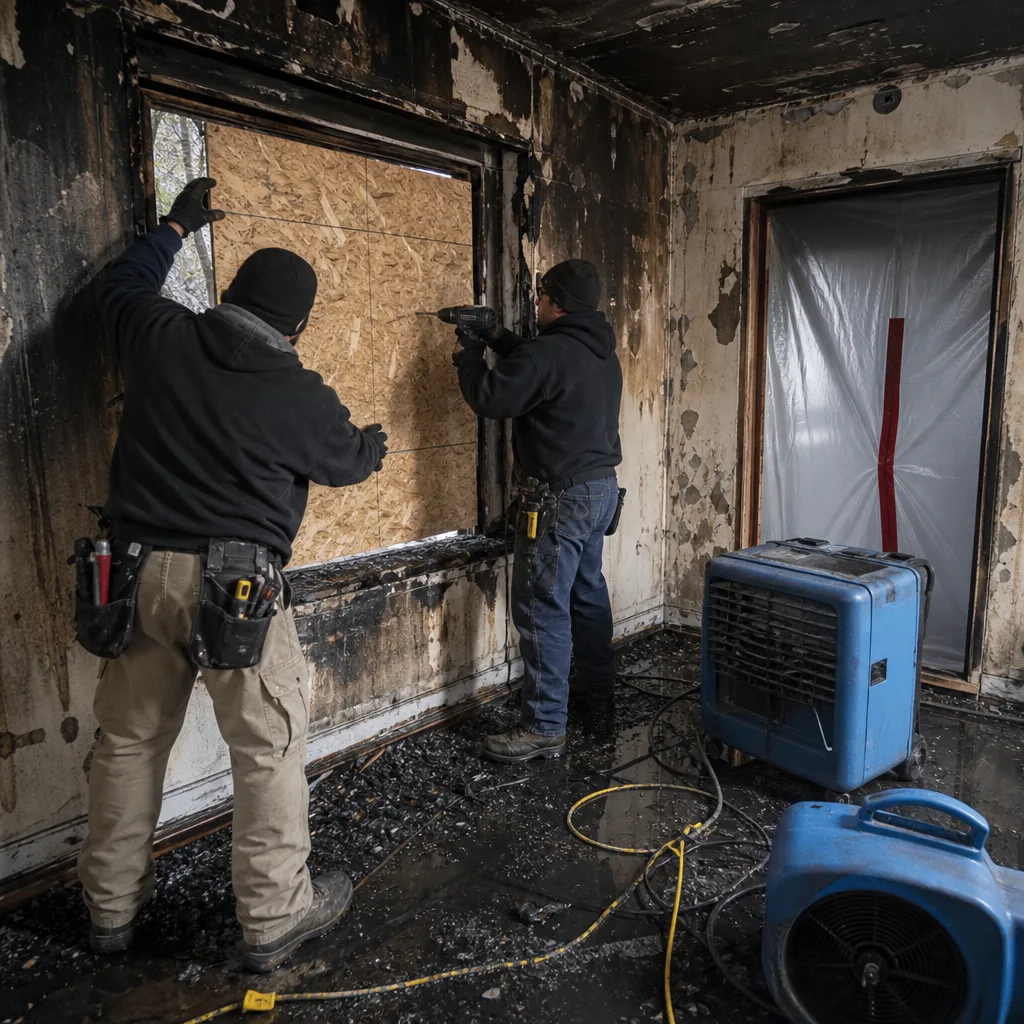
Moisture & Humidity Control
For properties in recurring flood zones, we design and install humidity control systems sized to the building envelope. In Hackensack’s masonry construction, this means equipment rated for higher latent loads than standard residential dehumidifiers can handle.
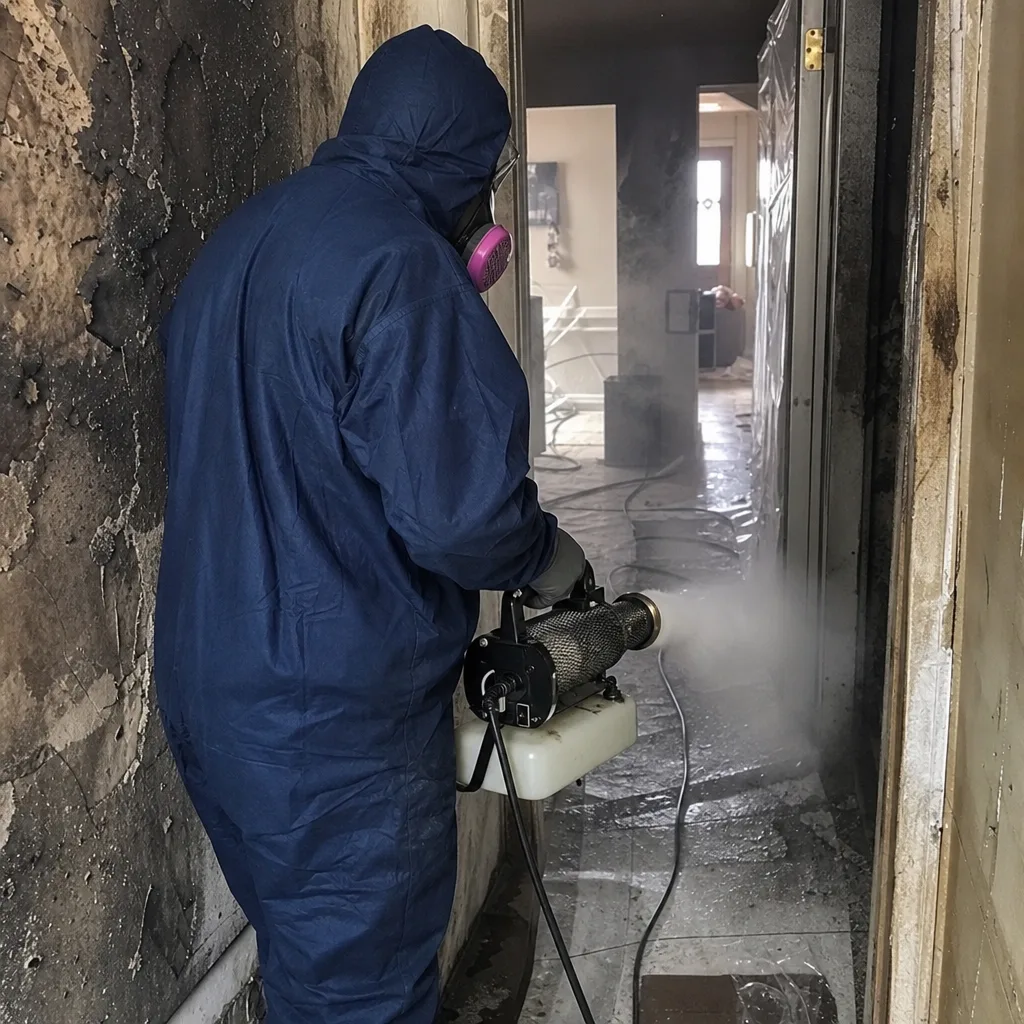
What happens when you call
- 1
A real person answersNo phone trees - you reach a local pro.
- 2
You get an upfront price rangeHonest numbers before anyone is dispatched.
- 3
A background-checked tech heads outLicensed & insured, dispatched right away.
- 4
You approve before work beginsNothing starts until you say go.
Mold Remediation Costs in Hackensack, NJ
| Service | Typical Range in Hackensack |
|---|---|
| Contained area mold removal (under 10 sq ft) | $1,800 - $3,200 |
| Single-room remediation with containment | $3,500 - $6,500 |
| Basement full remediation (Category 1 water source) | $4,500 - $8,000 |
| Basement full remediation (Category 3 black water, east of Main) | $7,500 - $15,000 |
| Multifamily unit with party-wall extension | $8,000 - $18,000 |
| Air quality testing and clearance documentation | $450 - $850 |
| Crawl space moisture control system installation | $2,800 - $5,500 |
What moves the price: the water category that caused the mold (Category 3 requires more labor and disposal), the square footage of affected and removed materials, whether containment must extend to multiple units in a row building, and whether the structure requires extended drying in masonry cavities. Insurance typically covers mold remediation when it results from a covered water loss; we document that causation from arrival. Haven Standard, Clause 1 applies: you receive a written price before any work begins, with no scope-creep additions once the crew is inside. Bring a competitor’s written estimate and we will review it at no charge - our Free Second Opinion.
We Also Serve Cities Near Hackensack
Our crews respond throughout central Bergen County: Mold Remediation in Hackensack is coordinated from our New York City dispatch office, with local response to Bogota, Lodi, Hasbrouck Heights, and Ridgefield Park. The same 45-minute commitment, the same written-price guarantee, the same documentation standards apply in each city.
Serving Hackensack, NJ - Our Local Coverage Area
We’re based in the Hackensack area and know this community well. Use the map below to see our service coverage - if you’re nearby, we can almost certainly help.
Hackensack Mold Remediation Questions, Answered
Why does mold keep coming back in my Hackensack basement even after I clean it?
Surface cleaning with bleach or vinegar does not address the moisture source or hidden colonization in wall cavities. In Hackensack’s pre-WWII row buildings, moisture migrates horizontally through shared party walls and re-feeds mold after visible surfaces appear clean. We map moisture with thermal imaging, establish proper drying with dehumidification, and install humidity control where the structure requires it. Call (845) 875-4326 for a free inspection - we will show you where the moisture is actually hiding.
Is a basement flood east of Main Street treated differently than one in a higher-elevation part of Hackensack?
Yes. Basement intrusions east of Main Street are frequently Category 3 black-water events from surcharged combined sewers, not Category 1 clean groundwater. That classification requires full containment, biohazard PPE, antimicrobial treatment rated for sewage backgrounds, and extended drying timelines. Treating it as clean water skips critical steps and leaves mold spores, bacteria, and contamination behind. Call (845) 875-4326 - we classify correctly from arrival.
How does the tidal river affect mold remediation timelines in Hackensack’s AE flood zones?
The tidal Hackensack River creates compounding flood risk - upstream rainfall plus coastal surge - that inland Bergen County towns do not face. Properties in AE zones remapped after Sandy experience recurrent intrusions, so remediation must address not just current mold but the structural conditions that invite repeat growth. We scope extended drying timelines for masonry saturation and recommend permanent moisture control where the flood pattern is established. Call (845) 875-4326 to discuss your property’s flood history.
What does mold remediation look like in a 1920s-1940s brick row building with shared party walls?
We inspect adjacent units for moisture migration before cutting containment. Party-wall cavities are accessed through strategic openings, dried with injected airflow from Injectidry systems, and monitored with daily moisture readings until equilibrium is proven. Reconstruction matches original plaster, trim, and flooring to maintain the building’s character. The written scope specifies unit boundaries and common-area responsibilities before work begins. Call (845) 875-4326 for a row-building assessment.
Do you test the air quality after mold removal in Hackensack multifamily buildings?
Yes. We perform post-remediation air sampling with laboratory analysis to verify spore counts at or below background levels. In multifamily buildings, we sample the remediated unit, adjacent units where party-wall migration was suspected, and common hallways where HVAC may have distributed spores. The clearance report is included as standard documentation for your insurer and building management. Call (845) 875-4326 to schedule remediation with certified clearance testing.
How fast can your crew actually get to my Hackensack property?
We commit to 45 minutes from dispatch to arrival in Hackensack, 24 hours a day, 7 days a week. A live person answers (845) 875-4326 - no voicemail, no callback queue. Crews carry containment materials, HEPA scrubbers, and moisture detection equipment on every truck so assessment begins immediately.
Will my insurance cover mold remediation in Hackensack?
Insurance covers mold remediation when it results from a sudden, accidental water loss that is itself a covered peril - burst pipes, storm intrusion, appliance failure. Long-term maintenance neglect is typically excluded. We document the water source, timeline, and causation from our first hour on site, then submit that evidence with your scope to the adjuster. Direct billing is available with most carriers. Call (845) 875-4326 and we will review your policy implications at the free inspection.
Can my family stay in the home during mold remediation?
For contained, single-area remediation with negative-air isolation, occupants often remain in unaffected portions of the home. For Category 3 black-water intrusions, whole-structure contamination, or multifamily buildings with shared HVAC, temporary relocation is recommended and may be covered under your policy’s additional living expenses. We specify occupancy status in the written scope before work begins so there are no surprises. Call (845) 875-4326 to discuss your specific situation.
After a March nor’easter coincided with a high tide on the Hackensack River, we were called to a 1920s brick row building off Main Street where a backed-up combined sewer had pushed black water through the basement and into the party-wall cavity. Our techs established containment, ran moisture mapping with thermal imaging, performed water extraction on the Category 3 intrusion, applied antimicrobial treatment, and set up Dri-Eaz dehumidification and air movers for an extended structural drying timeline. The mold that had begun colonizing the wet drywall within 48 hours was remediated, and we provided full drying logs and a scope of work for the landlord’s insurance claim.
That job illustrates why Hackensack requires restoration contractors who understand the city’s dual flood mechanism - tidal surge compounding upstream rainfall - and who document every step for the insurers who will review the claim. We have served this market since 2011, restored over 12,000 homes, and built our protocols around the documentation gap that costs homeowners their coverage.
Call (845) 875-4326 for a free visual inspection and written price before any work begins. Haven Standard, Clause 1 guarantees it.
Written by Alicia Brennan, Owner at Back to Dry Restoration, serving Hackensack since 2011.
Mold Remediation in Nearby Areas