Free visual inspection and a written scope of work before any mitigation begins - photos, moisture readings, and drying logs go in your claim file
The scope we write is the scope we bill. Anything new gets shown to you, in writing, before we touch it.
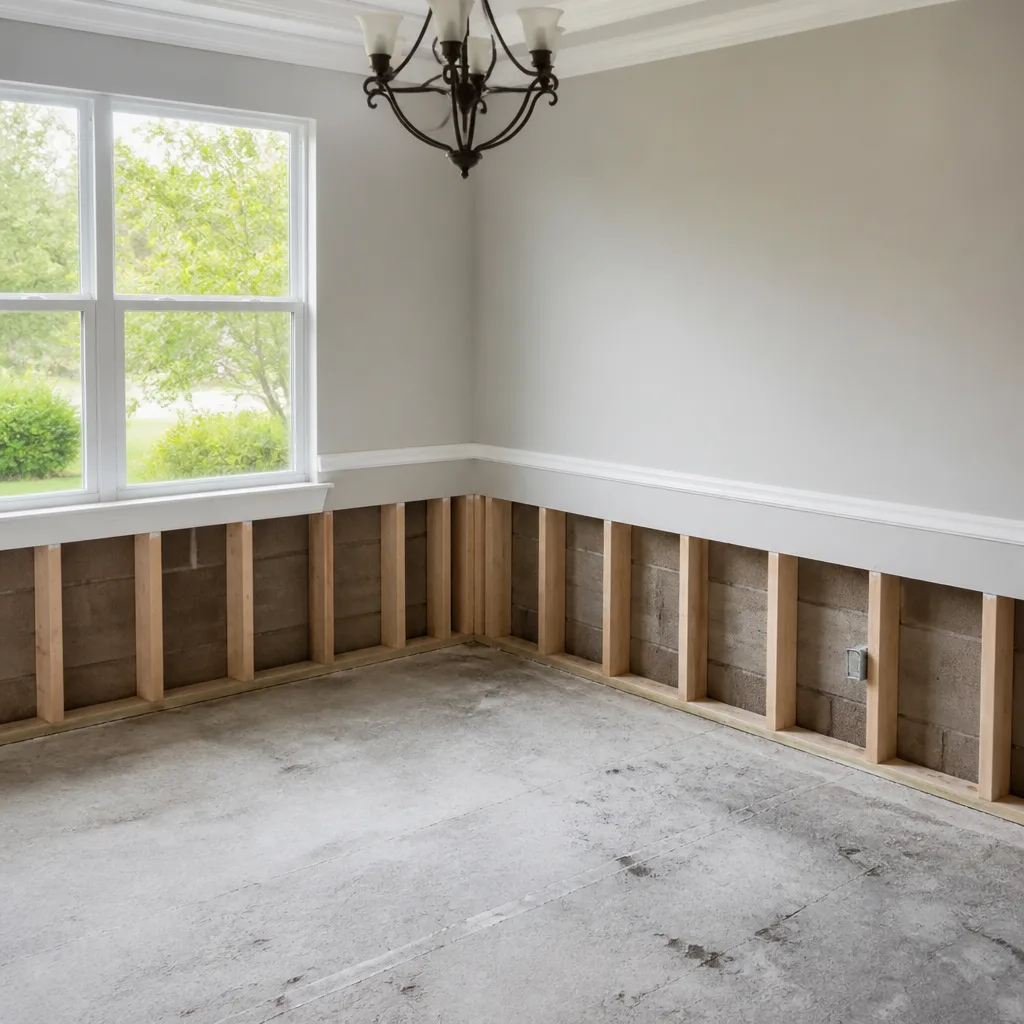
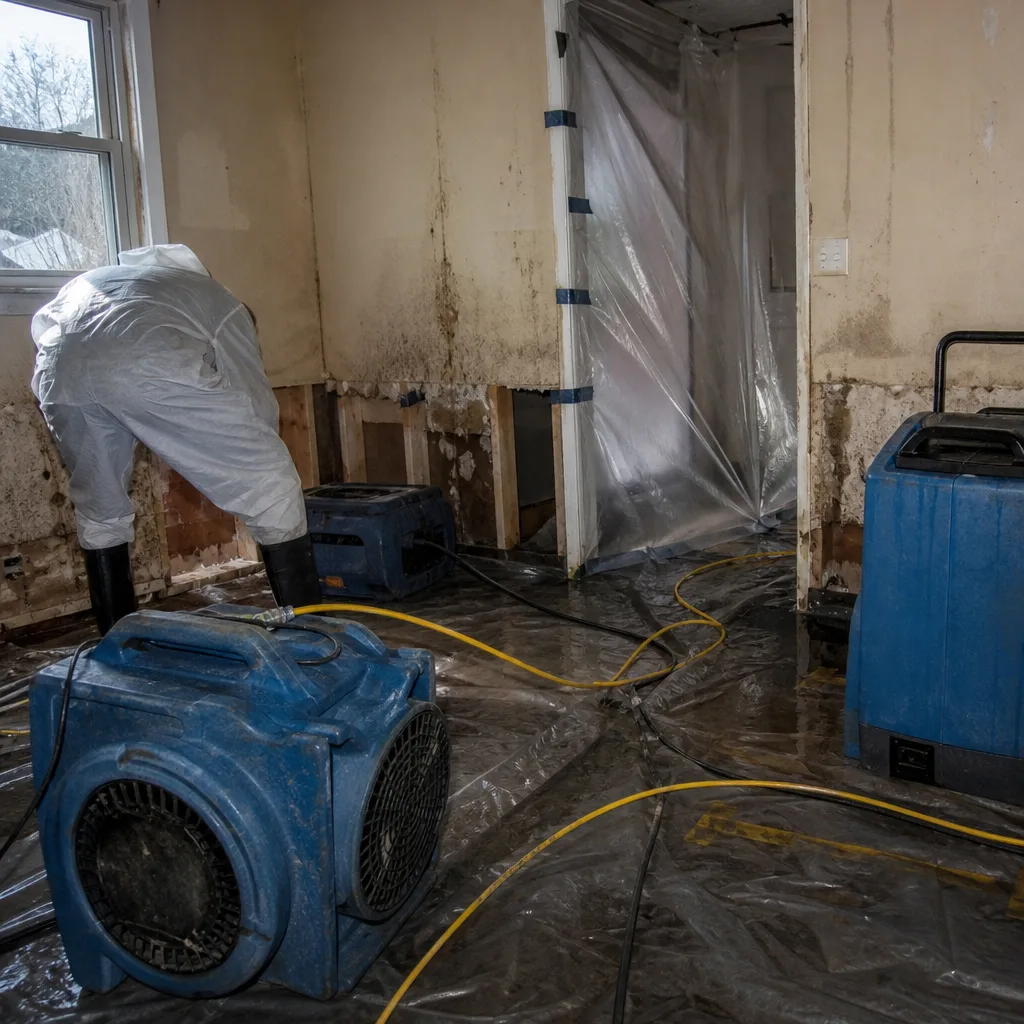 Before
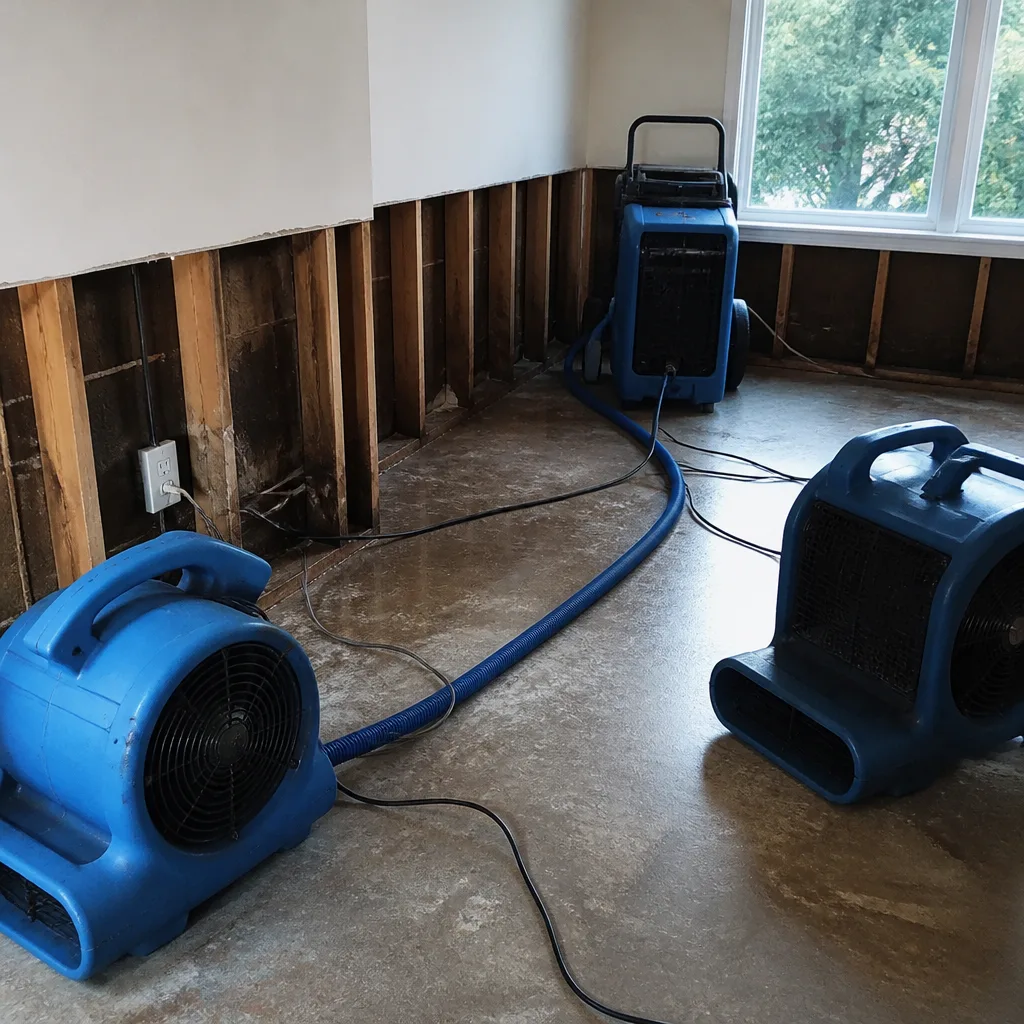 After
After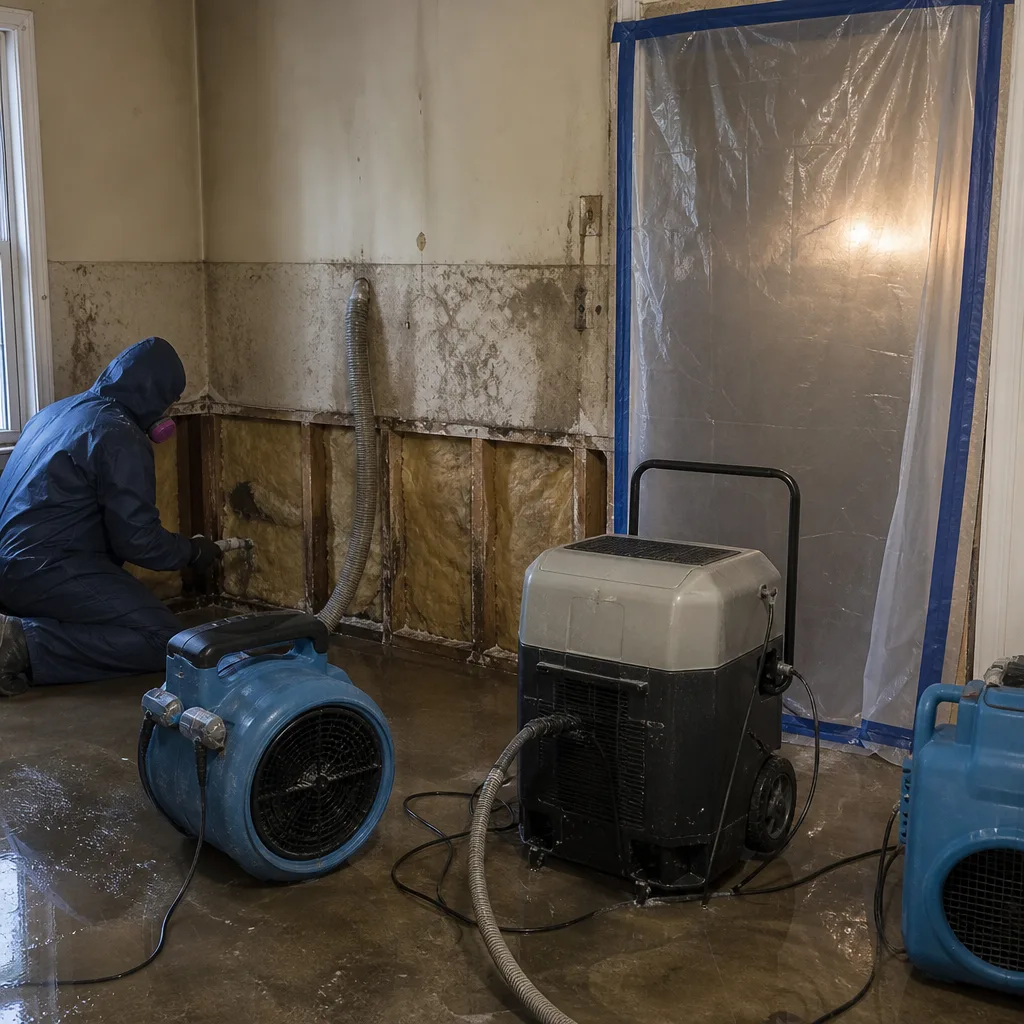 Before
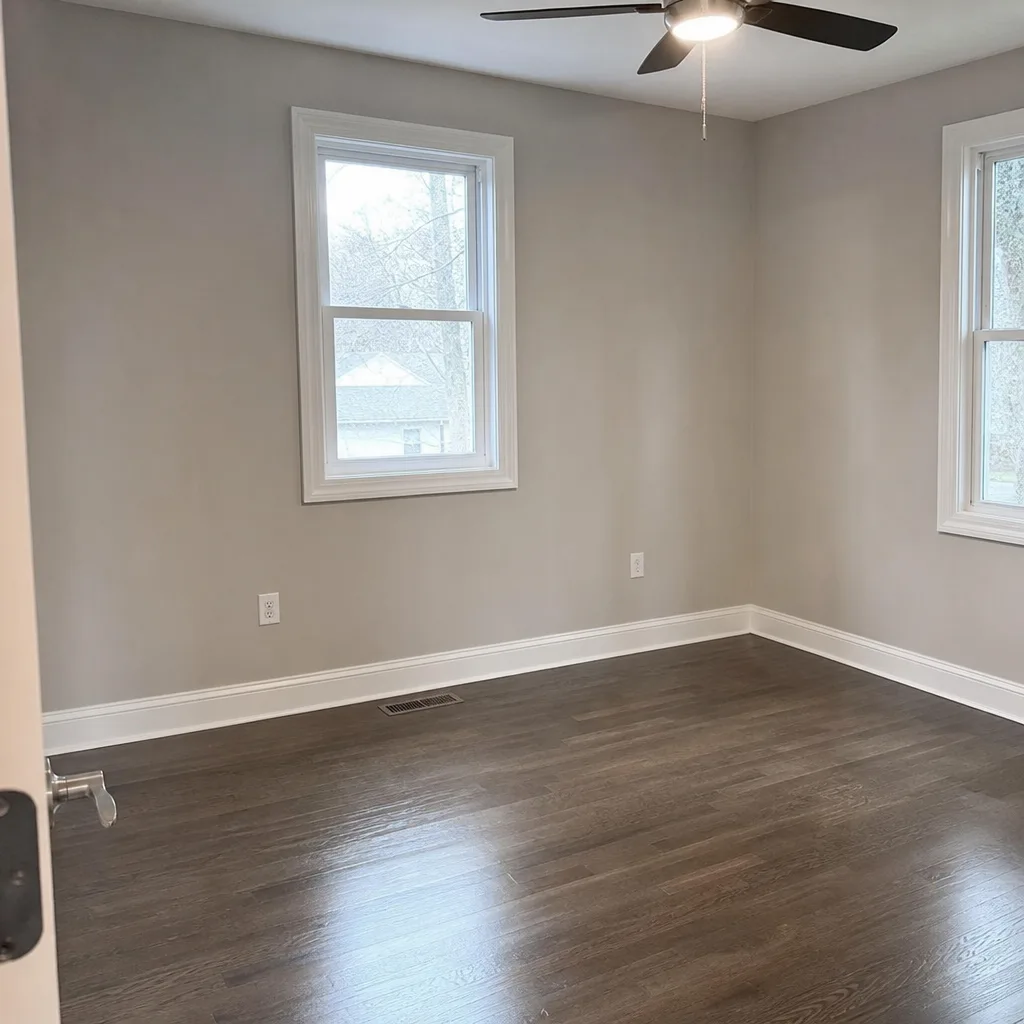 After
After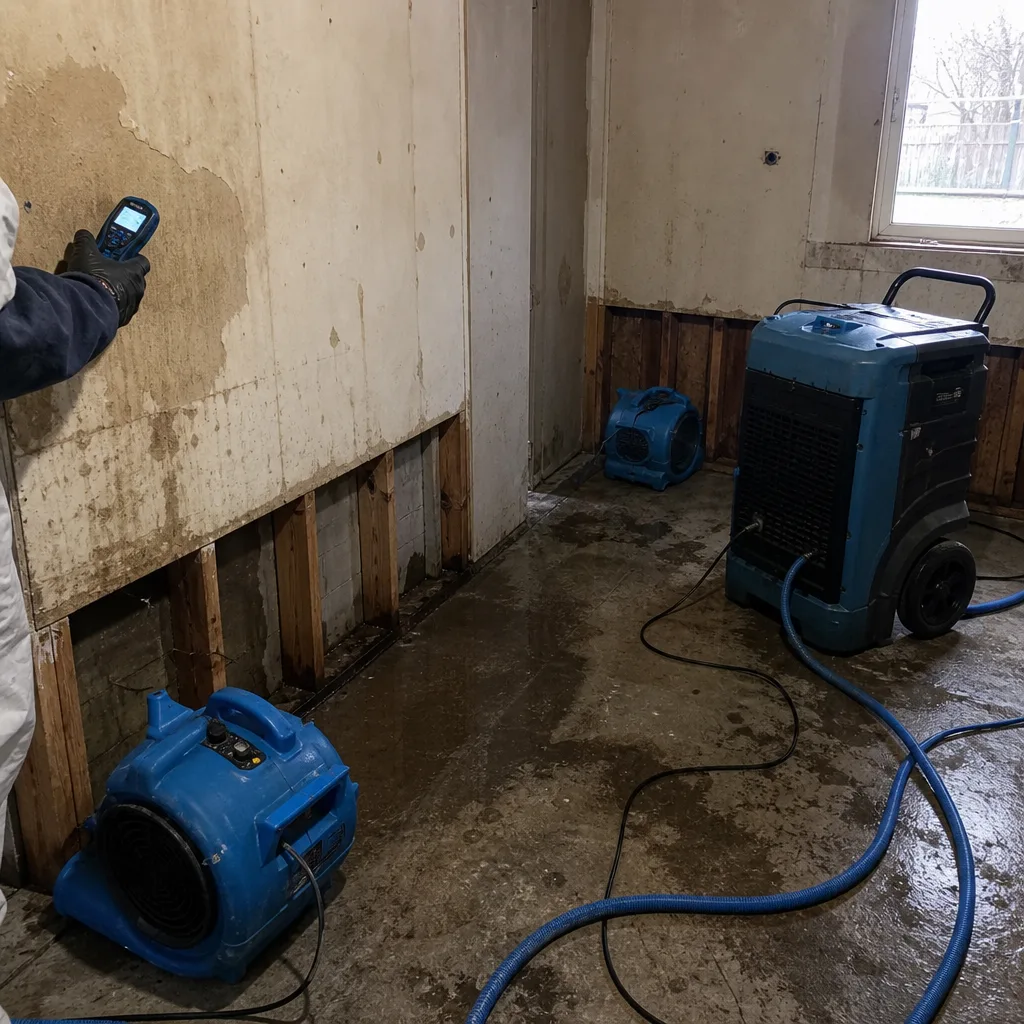 Before
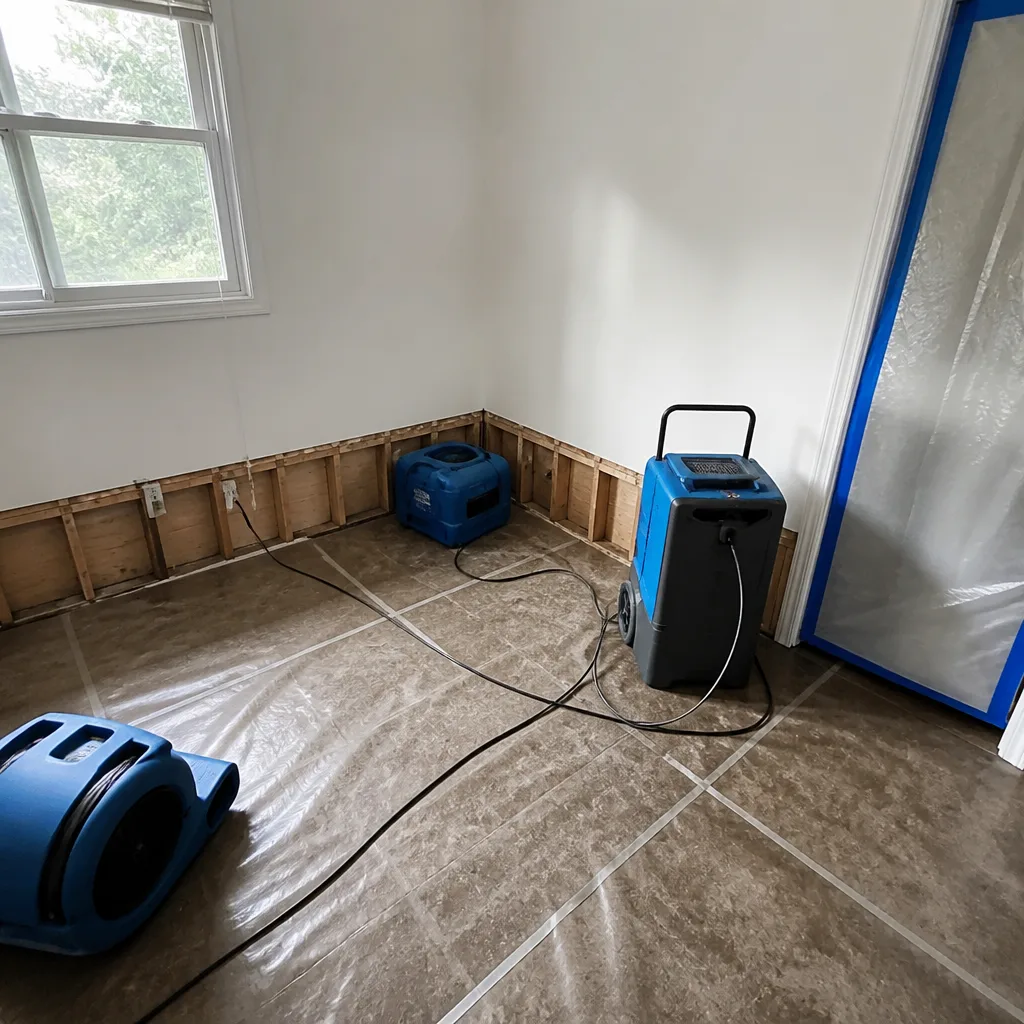 After
After24/7 Emergency Mold Remediation in Edgewater
Call (845) 875-4326 now and you’ll reach a live person, not a voicemail tree. Our crews dispatch to Edgewater within 45 minutes of your call, 24 hours a day, 7 days a week. The first hour after water intrusion is when mold spores germinate on wet drywall, carpet backing, and wood framing. Wait until morning, and you’re measuring the problem in days of remediation instead of hours of mitigation. We offer a free visual inspection on every call, and we bring moisture meters, thermal imaging, and hygrometers to that first visit so we can show you exactly what’s wet, not just tell you.
Understanding Mold Remediation Severity in Edgewater Properties
Mold damage in Edgewater falls into three containment tiers based on square footage, substrate type, and whether the growth is in a conditioned living space or a common-element wall. Level I covers isolated patches under 10 square feet on non-porous surfaces, typically handled with HEPA vacuuming and antimicrobial wipe-down inside limited containment. Level II addresses 10 to 100 square feet, requiring full poly sheeting containment, negative air pressure with HEPA scrubbers, and personnel in respirators and Tyvek suits. Level III, anything over 100 square feet or involving HVAC contamination, demands critical containment with airlocks, continuous HEPA filtration, and third-party clearance testing before re-occupancy.
Edgewater’s building stock shapes which tier we see most. The post-1990s luxury high-rises along River Road, built on former Alcoa and Hess industrial brownfields, have concrete slabs and steel stud construction that can harbor Category 2 water in wall cavities for weeks without visible surface mold. Meanwhile, the older mid-century homes on upper streets near the Palisades cliff base have plaster-and-lath or early drywall with organic paper facing that supports rapid Stachybotrys colonization once moisture exceeds 16% wood moisture equivalent. We map every job with thermal imaging and pinless moisture meters before declaring a scope, because the visible surface rarely tells the full story in either building type.
Why Edgewater Property Owners Choose DryMark Restoration Englewood
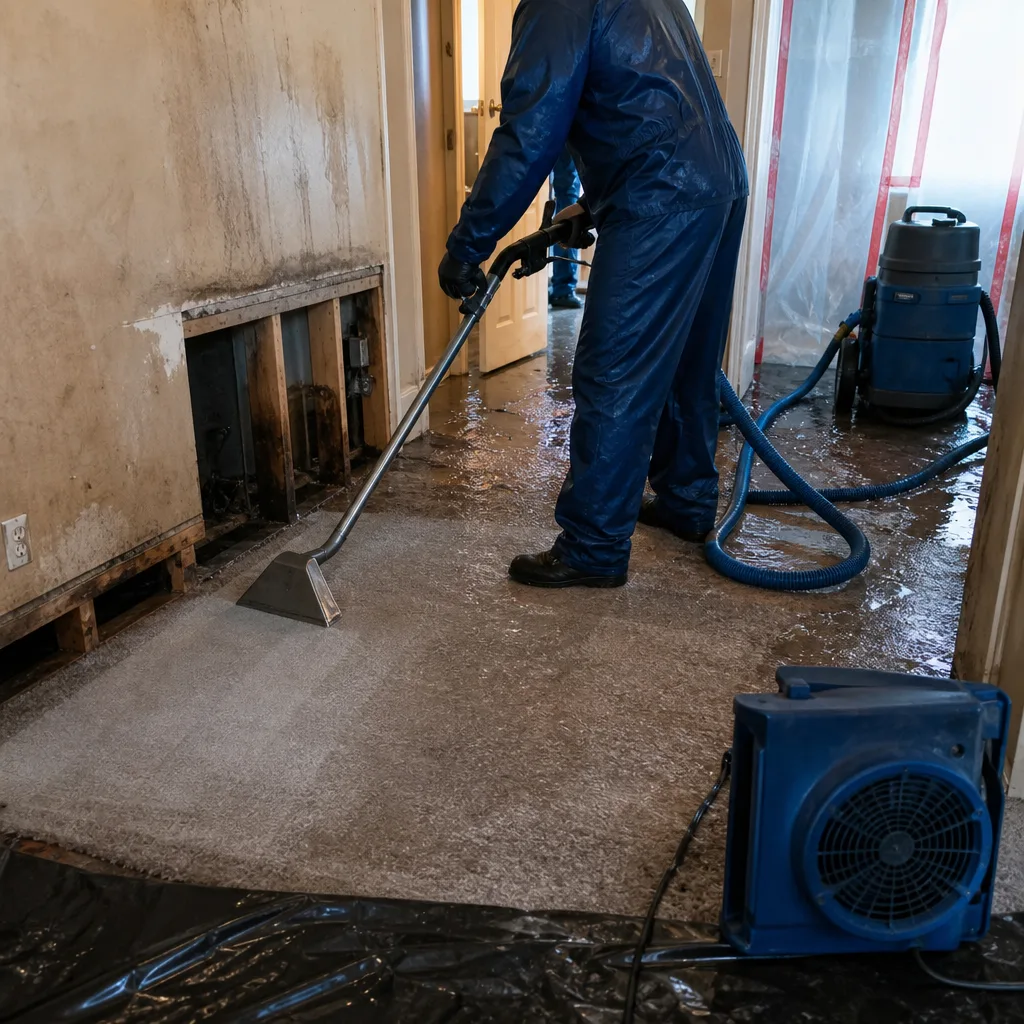
- 45-minute response commitment to Edgewater from our New York City dispatch office, with crews already staged for Bergen County calls.
- 24/7 live answer by a real person, never an automated system, never a callback promise while water keeps moving.
- IICRC-certified crews holding WRT (Water Damage Restoration Technician), AMRT (Applied Microbial Remediation Technician), and FSRT (Fire & Smoke Restoration Technician) credentials.
- Free visual inspection with moisture mapping and thermal imaging on every initial visit, no obligation.
- Direct insurance billing and adjuster coordination, with photo-documented scopes that match industry-standard estimate formats.
- One team from containment to reconstruction, so no handoff gaps between the remediation crew and the rebuild crew.
BeforeAfterOur Mold Remediation Process
Inspection & Assessment
We arrive with FLIR thermal cameras, Tramex moisture meters, and hygrometers to map the full moisture perimeter, not just the visible stain. In Edgewater’s cliff-side homes, we specifically test for groundwater migration through the Palisades basalt, which standard surface readings miss. You receive a written scope with line-item pricing before any work begins, Haven Standard, Clause 1.
Containment & Air Filtration
We erect poly sheeting containment with negative air pressure maintained by HEPA scrubbers, typically Phoenix or Dri-Eaz units rated at 500+ CFM. Airlocks prevent cross-contamination into unaffected spaces. In Edgewater’s high-rise condos, we coordinate with building management to seal HVAC returns and protect common corridors.
Moisture Source Elimination
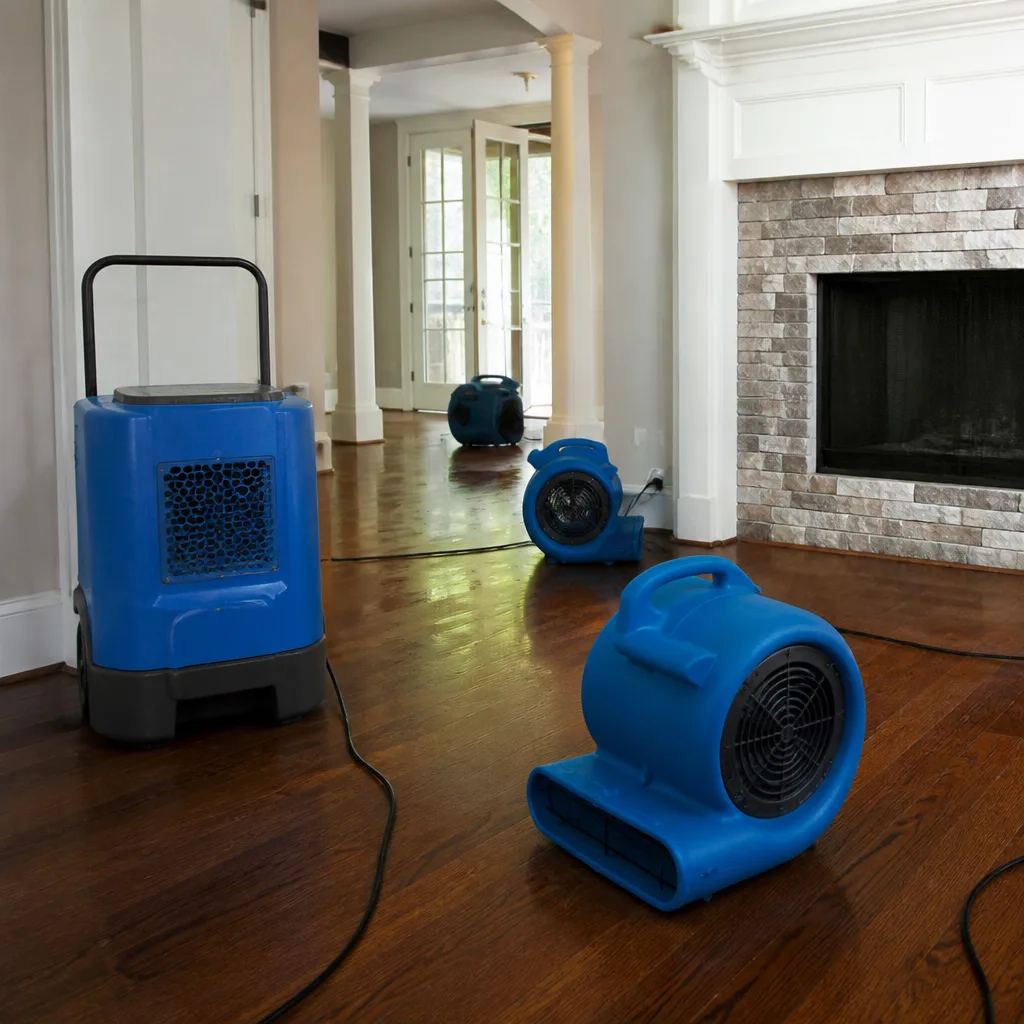
Standard evaporative drying with air movers and dehumidifiers works for surface moisture, but Edgewater’s cliff-side foundations often need more. When our moisture mapping shows active groundwater wicking through fractured basalt, we specify negative-side waterproofing, typically an Injectidry system applied to the interior foundation face, so the wall cavity stays dry after we leave.
Removal & Cleaning
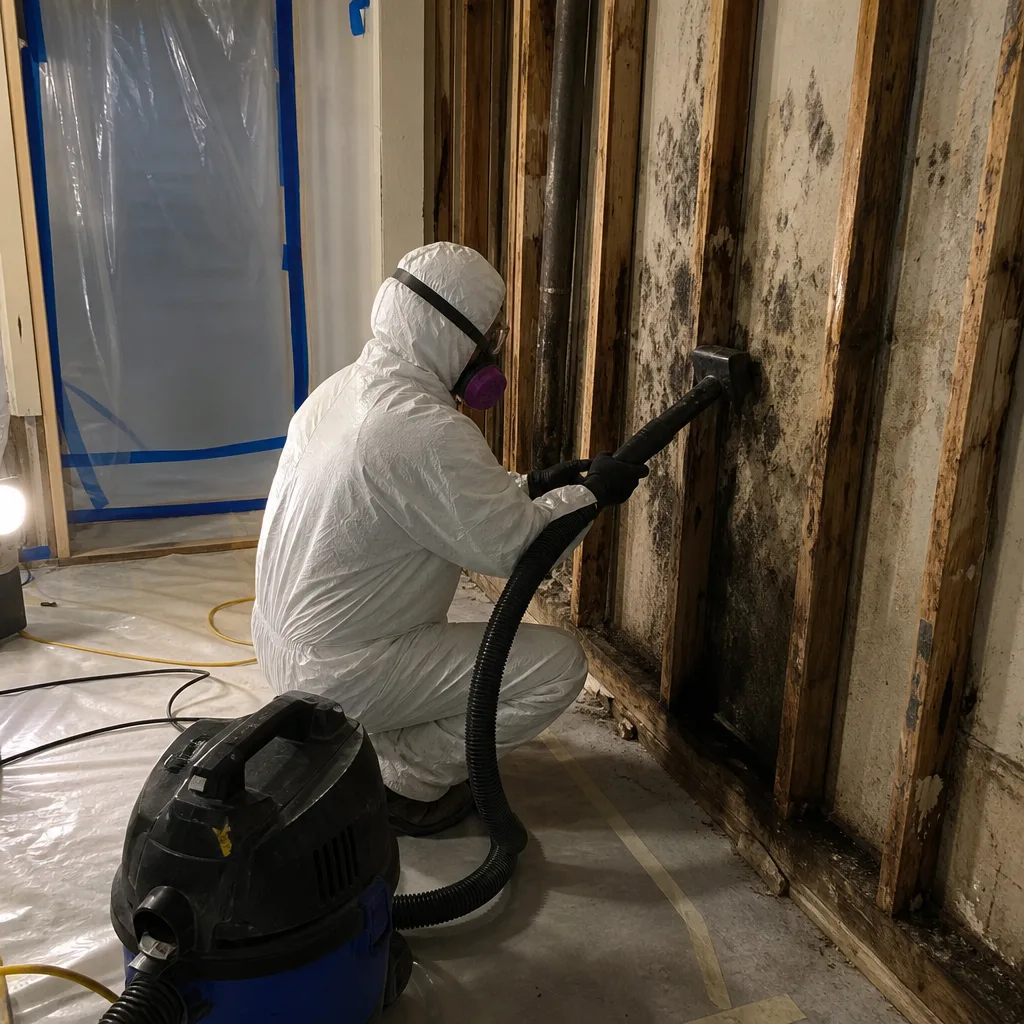
Non-salvageable porous materials, drywall, insulation, and carpet padding are removed under containment and bagged for proper disposal. Hard surfaces receive HEPA vacuuming followed by antimicrobial treatment. We document every square foot removed with photos for your insurer and your records.
Antimicrobial Treatment & Air Scrubbing
We apply EPA-registered antimicrobials to all affected and adjacent surfaces, then run HEPA scrubbers continuously until airborne spore counts drop below outdoor baseline levels. In Edgewater’s post-1990s high-rises, we treat both sides of common-element wall cavities, not just the unit-facing drywall, to prevent hidden growth that can affect dozens of residents.
Clearance Testing & Restoration
Third-party clearance testing confirms airborne mold levels are safe before we remove containment. Then our reconstruction crew replaces drywall, insulation, flooring, and trim to match existing finishes. Every visit produces a photo record, and the job closes with our 365-Day Done Right Promise under The Haven Standard.
Need Emergency Mold Remediation in Edgewater Now?
Crews minutes away, answering live 24 hours a day. The sooner we start, the less it costs.
Working With Your Insurance Company
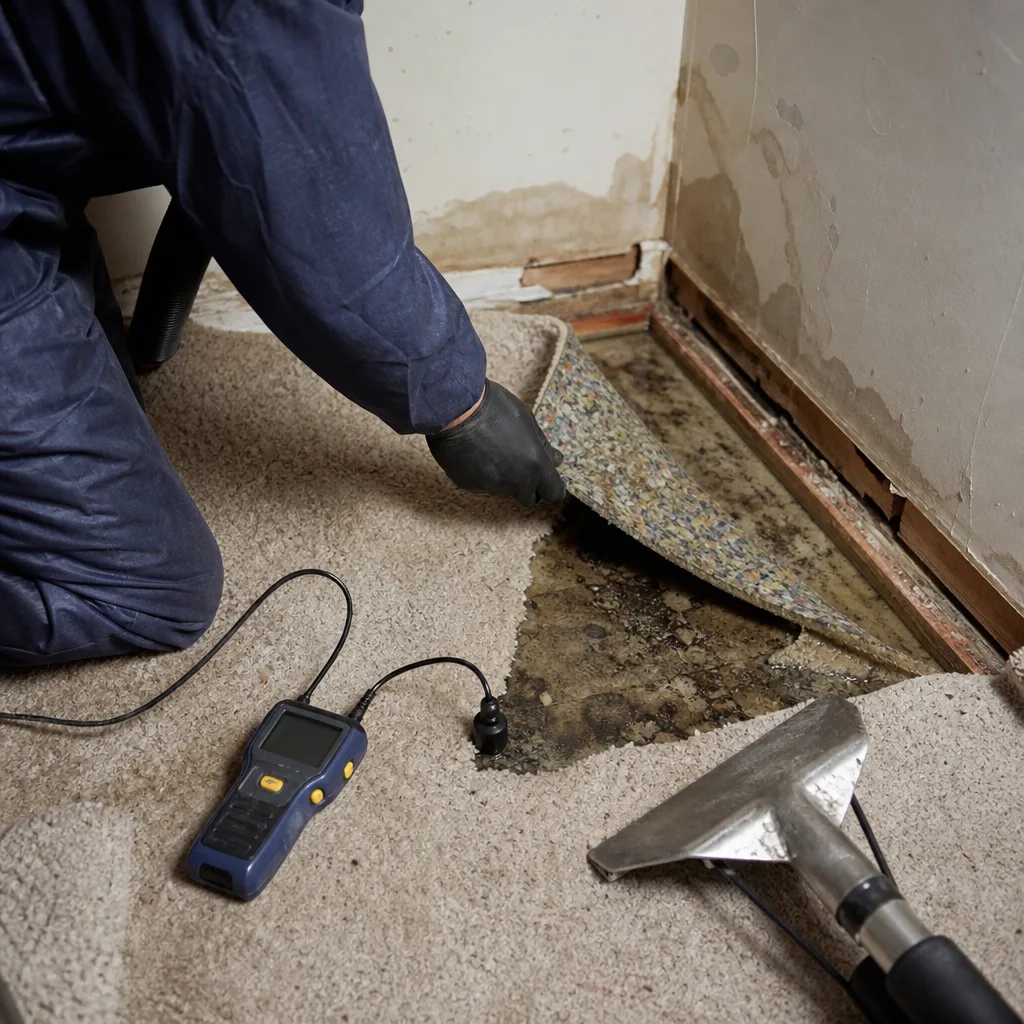
We document from the first hour because we’ve seen what happens when documentation is thin. Our founder, Alicia Brennan, built Back to Dry in 2011 after years as a claims adjuster watching homeowners lose coverage over missing photos and unsigned scopes. Every Edgewater job starts with a photo record, continues with daily moisture logs and psychrometric data, and ends with a line-item estimate in the format your carrier expects.
We speak directly with adjusters, not through you as a relay. Our written scopes include material classifications, affected square footage, and equipment specifications that match Xactimate and Symbility pricing databases. If your carrier disputes a line item, we defend it with the photo and moisture-reading evidence we collected on day one.
What We Provide Your Insurer
- Thorough documentation of the loss
- Photos of all damage, room by room
- Moisture readings and drying logs
- A detailed, line-item scope of work
- Direct coordination with your carrier
Built for Edgewater’s Loss Calendar
January’s deep freezes split supply lines in upper-street homes where older copper runs through unconditioned crawl spaces against the Palisades cliff. The thaw in March opens groundwater pathways through that same fractured basalt, and we see the first wave of foundation seepage calls. May through September brings convective thunderstorms that overwhelm Edgewater’s narrow drainage corridor between river and cliff, flooding ground-floor storage units in River Road condos with Category 2 runoff. October to April is nor’easter season, when sustained easterly winds push Hudson River surge against the waterfront bulkheads and into below-grade parking garages.
Summer humidity compounds everything. Edgewater’s riverfront location keeps ambient moisture higher than inland Bergen County, and air conditioning systems in the high-rises can create vapor pressure differentials that draw that moisture into cooler wall cavities. We run dehumidification and humidity control programs year-round in Edgewater, not just after acute water events.
Mold Remediation Across Edgewater’s Neighborhoods
The River Road corridor, from the George Washington Bridge approach north to the borough line, is dense with post-1990s luxury towers like The Alexander, The Promenade, and Riverwalk Place. Ground-floor and below-grade spaces in these buildings, built on reclaimed industrial land, are chronically vulnerable to storm surge and have complex common-element insurance structures. We coordinate remediation scopes with condo associations and individual unit owners simultaneously, documenting which walls are common elements versus limited common elements versus unit boundaries.
Undercliff Avenue and the upper streets pressed against the Palisades, including sections of River Road above the commercial strip, hold Edgewater’s older housing stock and its most persistent moisture problem. We were called to a carriage-house-style home on Undercliff Avenue after a nor’easter pushed water through the foundation wall and into a below-grade gym with custom wood doors and smart-home-integrated lighting. The homeowner had already run a Dri-Eaz dehumidifier for a week and thought it was dry, but our moisture mapping found the basalt face was still wicking groundwater into the wall cavity. We installed an Injectidry negative-side waterproofing system, ran XPOWER air movers and Phoenix dehumidifiers inside containment, and monitored with daily drying logs; the wood doors were stabilized in place, and the smart-home gear came through with only a pack-out of the padded flooring.
The commercial and mixed-use blocks along River Road between Route 5 and the waterfront serve retail and restaurant tenants with different occupancy pressures, tight business-interruption timelines, and after-hours access constraints. We schedule containment work to minimize revenue loss and provide documentation that supports business-interruption claims.
Specialized Mold Remediation Services We Offer in Edgewater
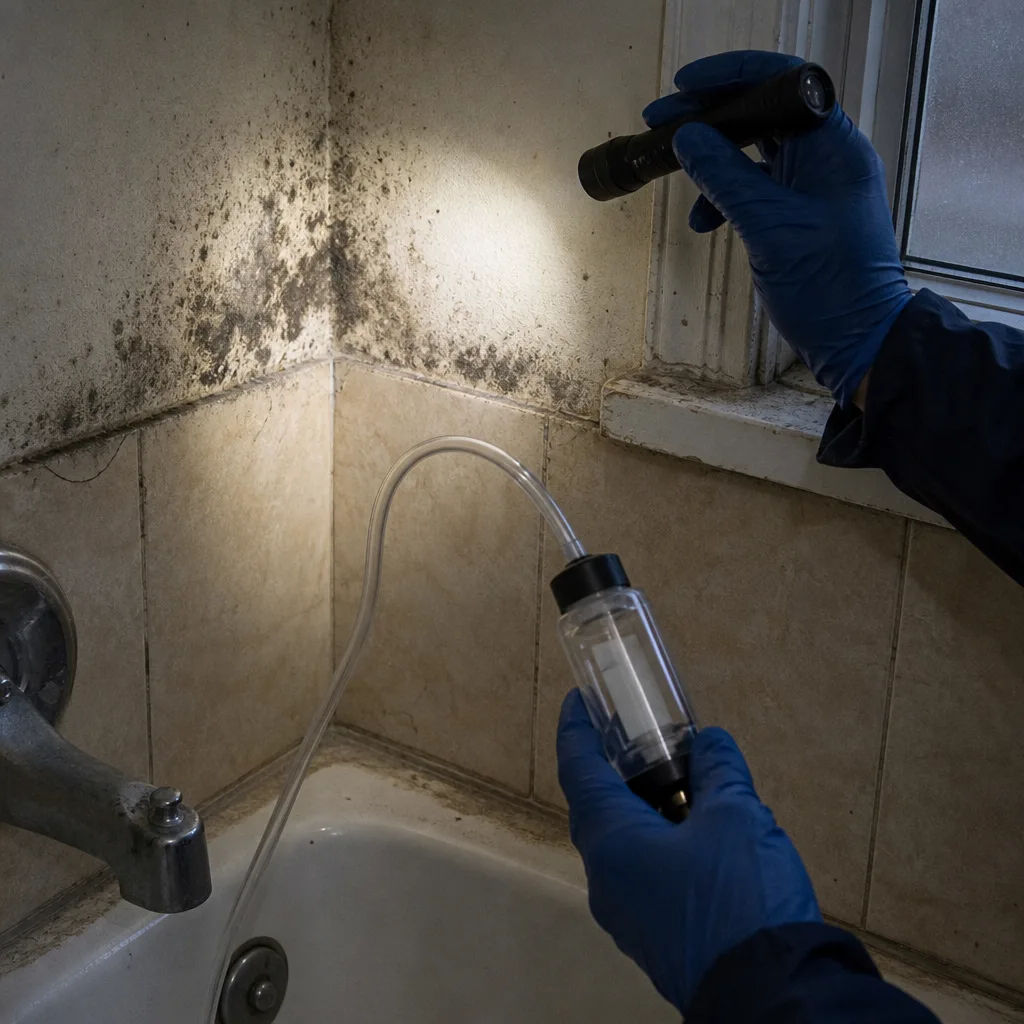
Mold Inspection & Testing
Our inspections start with moisture mapping and thermal imaging, not guesswork. In Edgewater’s high-rise condos, we inspect common-element wall cavities with borescopes when surface readings suggest hidden growth. Air and surface samples go to independent labs; we don’t perform our own testing to avoid conflict of interest. A typical mold inspection in Edgewater runs $350-$650 for residential units, $800-$1,400 for commercial or multi-unit common areas.
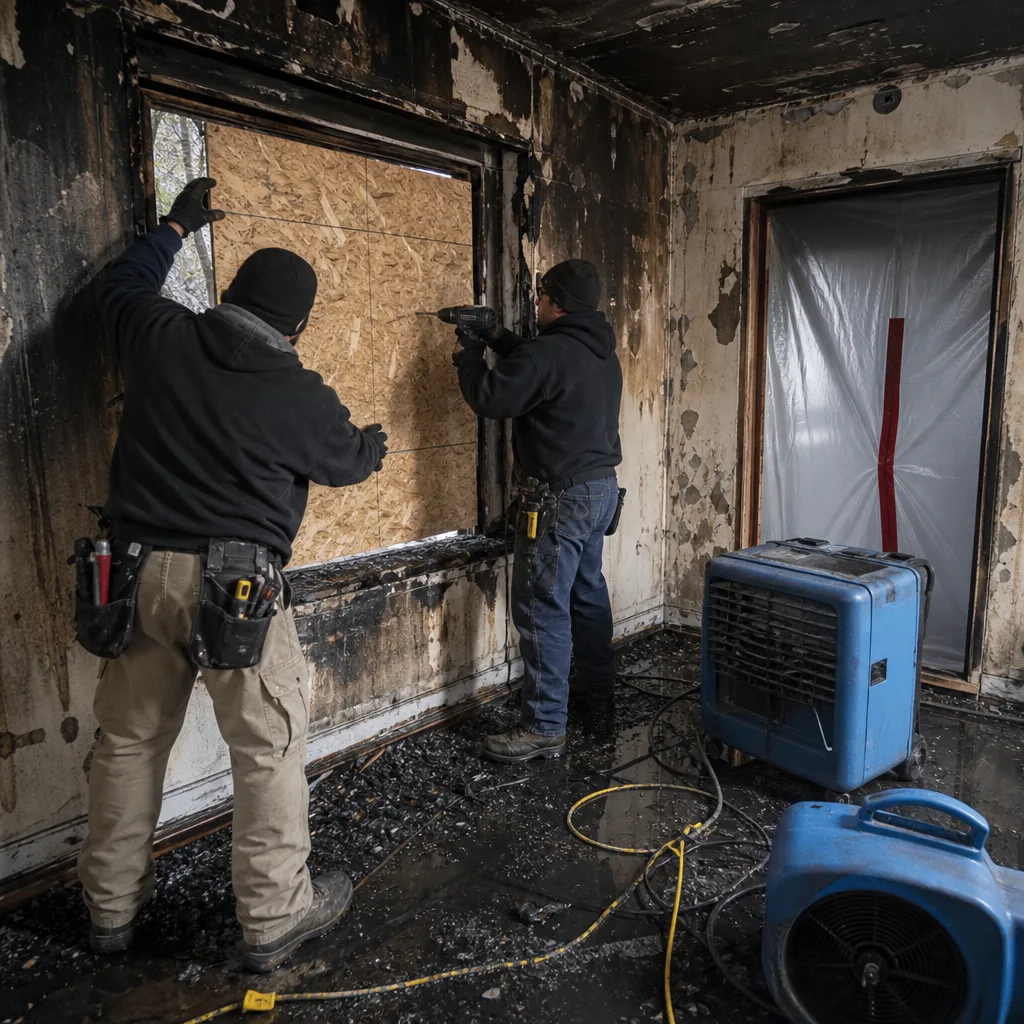
Mold Removal
Removal means controlled demolition of non-salvageable materials under containment, followed by HEPA cleaning and antimicrobial treatment of remaining substrates. In Edgewater’s steel-stud and concrete-slab high-rises, we often find that drywall and insulation must come out while the structural shell remains. Removal-only projects in Edgewater range from $1,200 for isolated Level I containment to $8,500+ for multi-room Level III with common-element coordination.
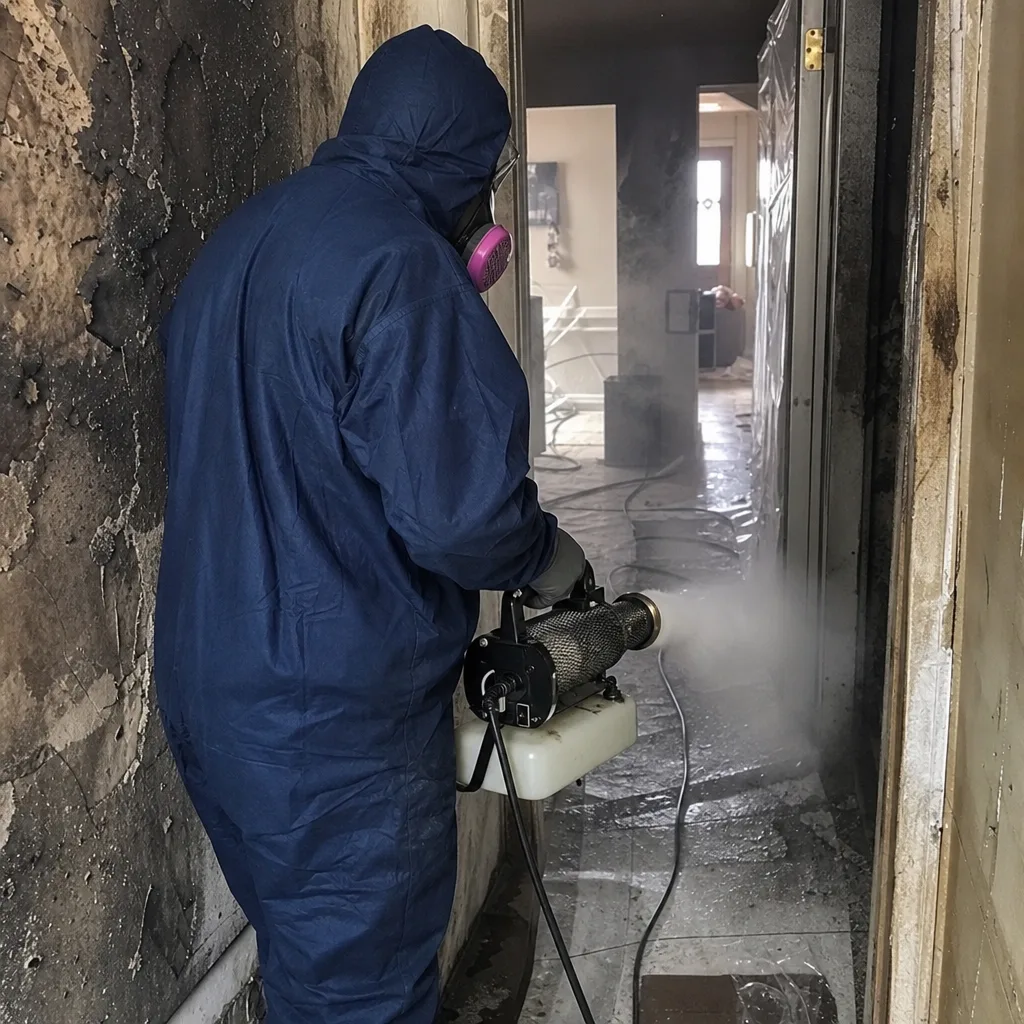
Black Mold Remediation
Stachybotrys chartarum and similar toxigenic species require the same containment rigor as any Level II or III remediation, with additional attention to spore suppression during disturbance. We don’t use scare tactics about “black mold,” but we do follow EPA and IICRC protocols strictly because these species produce mycotoxins that demand careful handling. Edgewater’s older homes with cellulose-rich substrates and chronic moisture are where we most often encounter this.
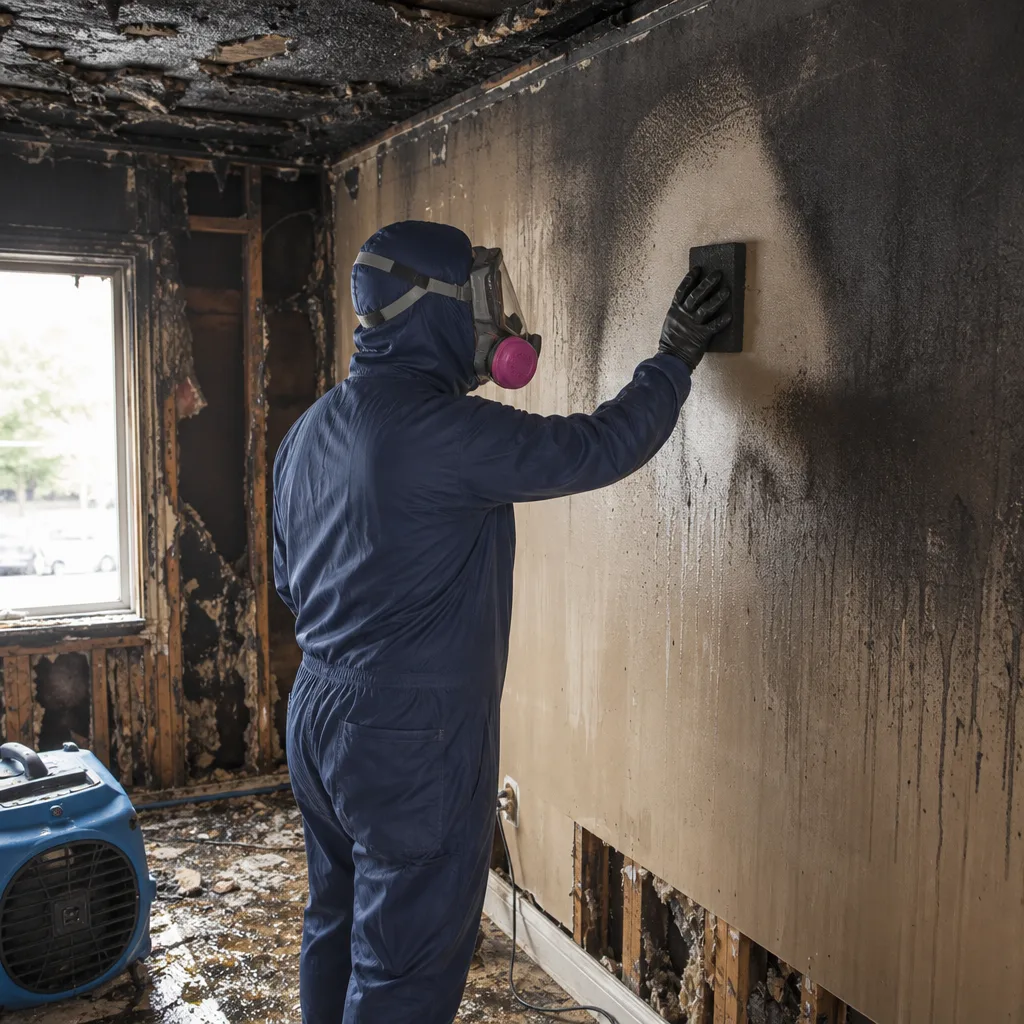
Air Quality Restoration
After remediation, we run HEPA scrubbers until third-party air sampling confirms spore counts at or below outdoor baseline. In Edgewater’s tight high-rise units with limited natural ventilation, this step is critical. We also evaluate HVAC contamination and specify duct cleaning or coil treatment when our inspection finds spore deposition in the mechanical system.
Crawl Space Treatment
Edgewater’s cliff-side homes have crawl spaces and partial basements where groundwater from the Palisades creates chronic humidity. We install vapor barriers, dehumidification, and drainage where appropriate, always with moisture monitoring to confirm the solution works. Standard evaporative drying alone fails here.
Moisture & Humidity Control
Our humidity control programs use Dri-Eaz and Phoenix dehumidifiers sized to the space, with daily psychrometric logging that tracks temperature, relative humidity, and vapor pressure differential. In Edgewater, we keep these programs running longer than inland jobs because the riverfront ambient moisture fights back harder. Ongoing humidity control monitoring runs $85-$150 per day for residential, $200-$400 for commercial.
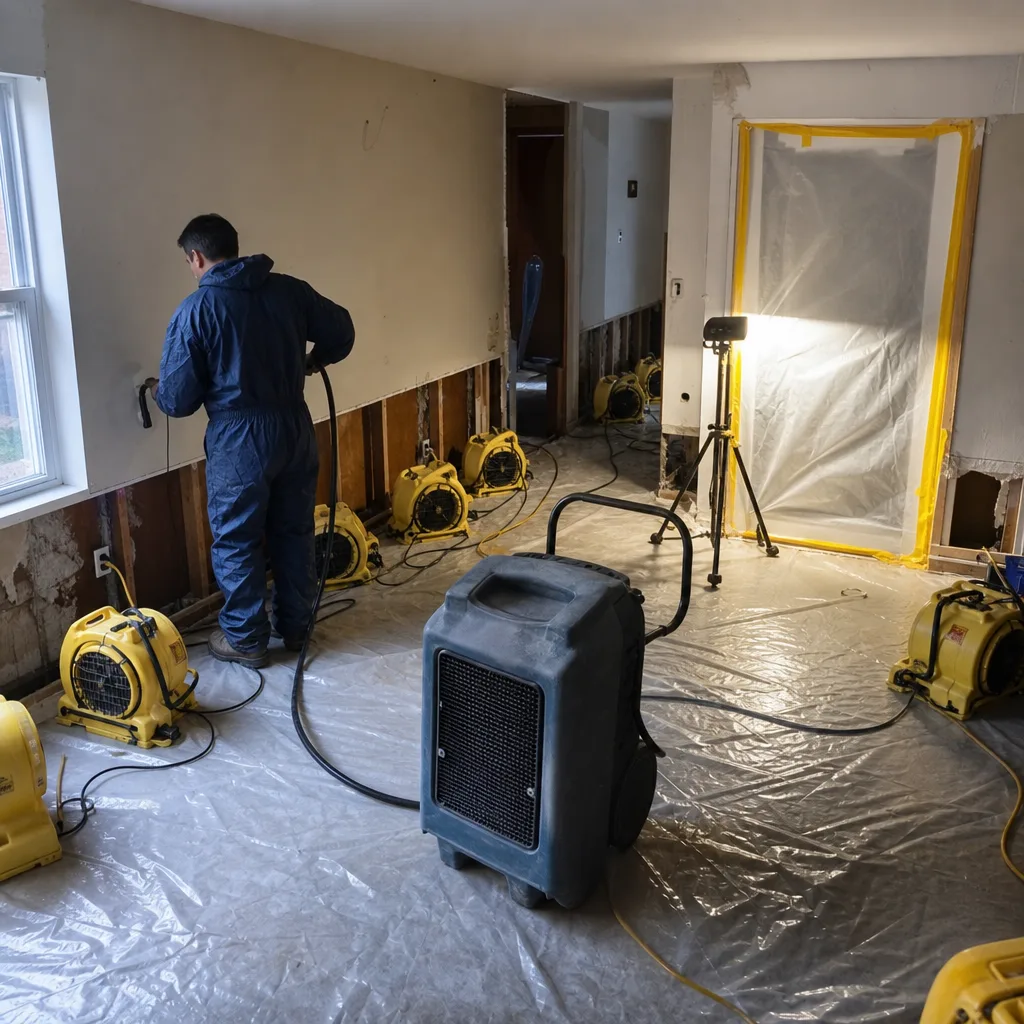
What happens when you call
- 1
A real person answersNo phone trees - you reach a local pro.
- 2
You get an upfront price rangeHonest numbers before anyone is dispatched.
- 3
A background-checked tech heads outLicensed & insured, dispatched right away.
- 4
You approve before work beginsNothing starts until you say go.
Mold Remediation Costs in Edgewater, NJ
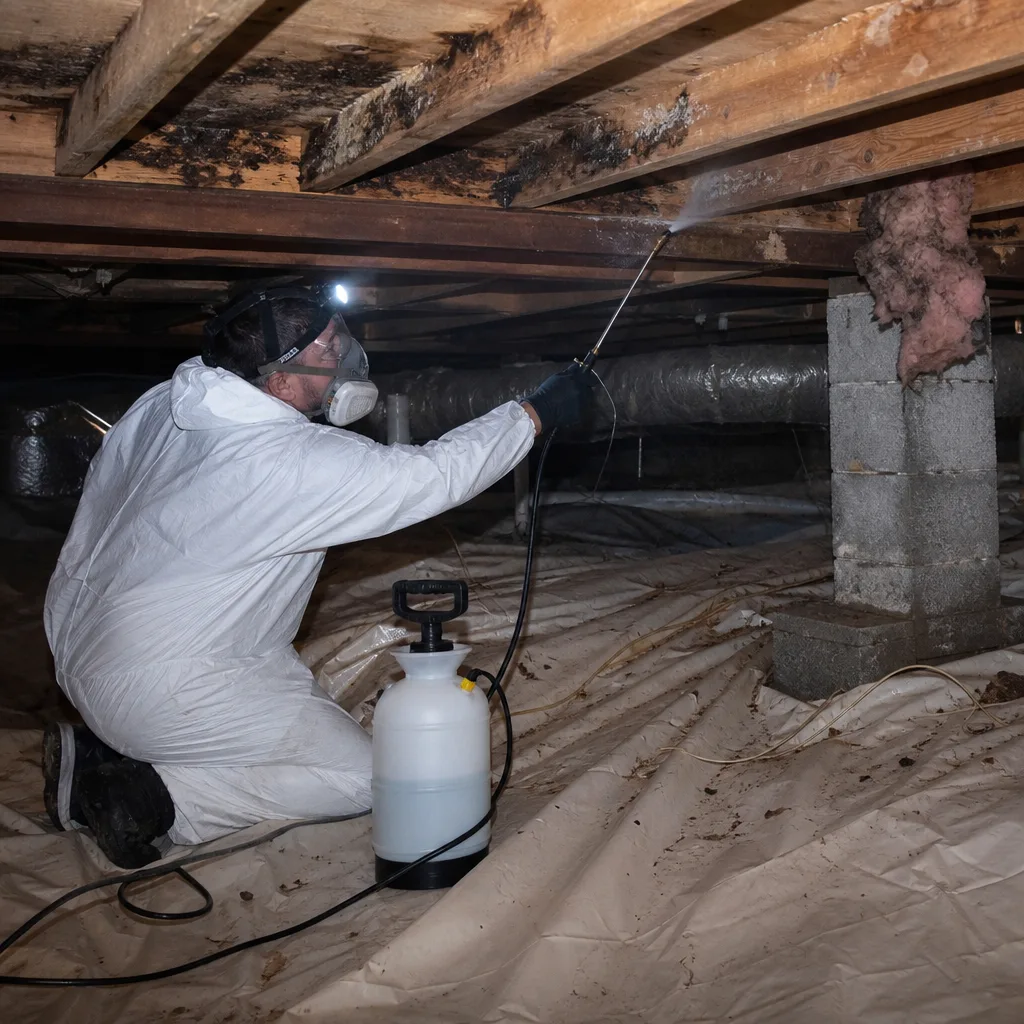
Here’s what mold remediation actually costs in Edgewater’s market:
| Service | Typical Range |
|---|---|
| Level I mold inspection & spot remediation | $1,200 - $2,800 |
| Level II multi-room containment with air scrubbing | $3,500 - $7,500 |
| Level III whole-area remediation with clearance testing | $8,000 - $18,000+ |
| Crawl space / basement waterproofing add-on | $2,500 - $6,000 |
| Post-remediation reconstruction (drywall, paint, trim) | $45 - $85 per square foot |
What moves the price: square footage of affected area, whether containment must protect common corridors or adjacent units, the need for negative-side waterproofing on cliff-side foundations, and whether third-party clearance testing is required by your insurer or condo association. Most Edgewater homeowners carry coverage for sudden and accidental water damage that leads to mold, but gradual leaks and maintenance-related moisture are typically excluded. We review your policy language and document the loss origin to support covered claims. Every job starts with a free visual inspection and a written scope before work begins, Haven Standard, Clause 1.
We Also Serve Cities Near Edgewater
Our crews respond throughout the lower Bergen County corridor from the same staging that covers Edgewater. We regularly handle mold remediation in Edgewater and the surrounding communities: Cliffside Park, with its dense pre-war apartments and Hudson River exposure; Fort Lee, where high-rise density rivals Edgewater’s and Palisades groundwater affects cliff-side buildings similarly; Ridgefield, with a mix of residential and light commercial properties; and Palisades Park, where basement seepage from the cliff formation is a recurring pattern we know well.
Serving Edgewater, NJ - Our Local Coverage Area
We’re based in the Edgewater area and know this community well. Use the map below to see our service coverage - if you’re nearby, we can almost certainly help.
Edgewater Mold Remediation Questions, Answered
Why does mold keep coming back in Edgewater homes near the Palisades even after we dry the visible wet area?
Groundwater migrates through fractured Palisades basalt directly against your foundation wall, so the cavity behind the drywall stays wet even when the surface reads dry. Standard air movers and dehumidifiers can’t overcome active water intrusion; you need negative-side waterproofing to stop the source. Call (845) 875-4326 and we’ll moisture-map the full wall assembly to show you exactly where the water is coming from.
How fast does mold grow after a storm-surge flood in a ground-floor Edgewater waterfront condo?
Mold germinates on wet drywall within 24 to 48 hours of water intrusion, and in Edgewater’s humid riverfront climate, colonization accelerates compared to inland locations. After Hurricane Sandy, we documented active growth in ground-floor River Road units within 72 hours of surge recession. Speed matters: the difference between mitigation at day 2 and remediation at day 14 is often tens of thousands of dollars and weeks of displacement. Call (845) 875-4326 for immediate dispatch.
Does our condo association need a different mold remediation scope of work than a single-family home in Edgewater?
Yes, because condo common elements, limited common elements, and unit boundaries are defined in your master deed and bylaws, and remediation across those lines requires coordination with the association’s insurance as well as your own. We document which materials are association responsibility versus unit owner responsibility, and we provide separate line-item scopes for each carrier. Call (845) 875-4326 and we’ll review your building’s specific governing documents at the free inspection.
What equipment do you use for crawl space treatment and humidity control in Edgewater’s cliff-side homes?
We deploy Dri-Eaz and Phoenix low-grain refrigerant dehumidifiers sized to crawl space volume, with remote hygrometers that log temperature and relative humidity daily. For active groundwater intrusion through Palisades basalt, we specify Injectidry negative-side waterproofing systems rather than relying on evaporation alone. XPOWER air movers create airflow within containment when needed. All equipment is documented to IICRC, RIA, and IFA standards, with daily logs that become part of your insurance file.
During a nor’easter, how does Edgewater’s geography change the way you handle mold remediation compared to inland Bergen County?
Edgewater’s narrow corridor between Hudson River and Palisades cliffs funnels stormwater runoff with little buffer, so equivalent rainfall produces higher flooding rates than inland towns. Simultaneously, easterly winds push river surge against waterfront bulkheads while groundwater pressure increases on the cliff side. Mold remediation here must account for both threats, often in the same building, where standard Bergen County protocols address only one. Our Mold Remediation teams carry equipment and expertise for both scenarios on every Edgewater call.
Will my insurance cover mold remediation in Edgewater?
Most Edgewater homeowners policies cover mold remediation when it results from a covered sudden and accidental water event, burst pipe, appliance failure, or storm damage. They typically exclude mold from gradual leaks, poor maintenance, or groundwater seepage unless you carry specific endorsements. We document the loss origin with photos and moisture readings to establish causation for your adjuster, and we provide direct billing coordination. Call (845) 875-4326 and we’ll review your coverage context at no charge.
How long does mold remediation take in Edgewater?
Level I spot remediation completes in 1 to 2 days. Level II multi-room containment typically runs 3 to 5 days of active work plus 48 hours of air scrubbing before clearance testing. Level III whole-area projects in Edgewater’s high-rises or cliff-side homes with groundwater complications can extend to 2 weeks, especially when negative-side waterproofing is required. Reconstruction adds time based on material lead times and condo association approval processes.
Can we stay in our home during mold remediation?
For Level I work, yes, with containment isolating the work area. For Level II and III, we typically recommend temporary relocation, especially when HVAC systems are involved or when toxigenic species are present. In Edgewater’s high-rise condos, we also coordinate with building management on common-area access and elevator scheduling, which may affect whether staying is practical. We discuss occupancy decisions at the inspection and include any relocation considerations in your written scope.
Written by Alicia Brennan, Owner at Back to Dry Restoration, serving Edgewater since 2011 under The Haven Standard.
Mold Remediation in Nearby Areas