
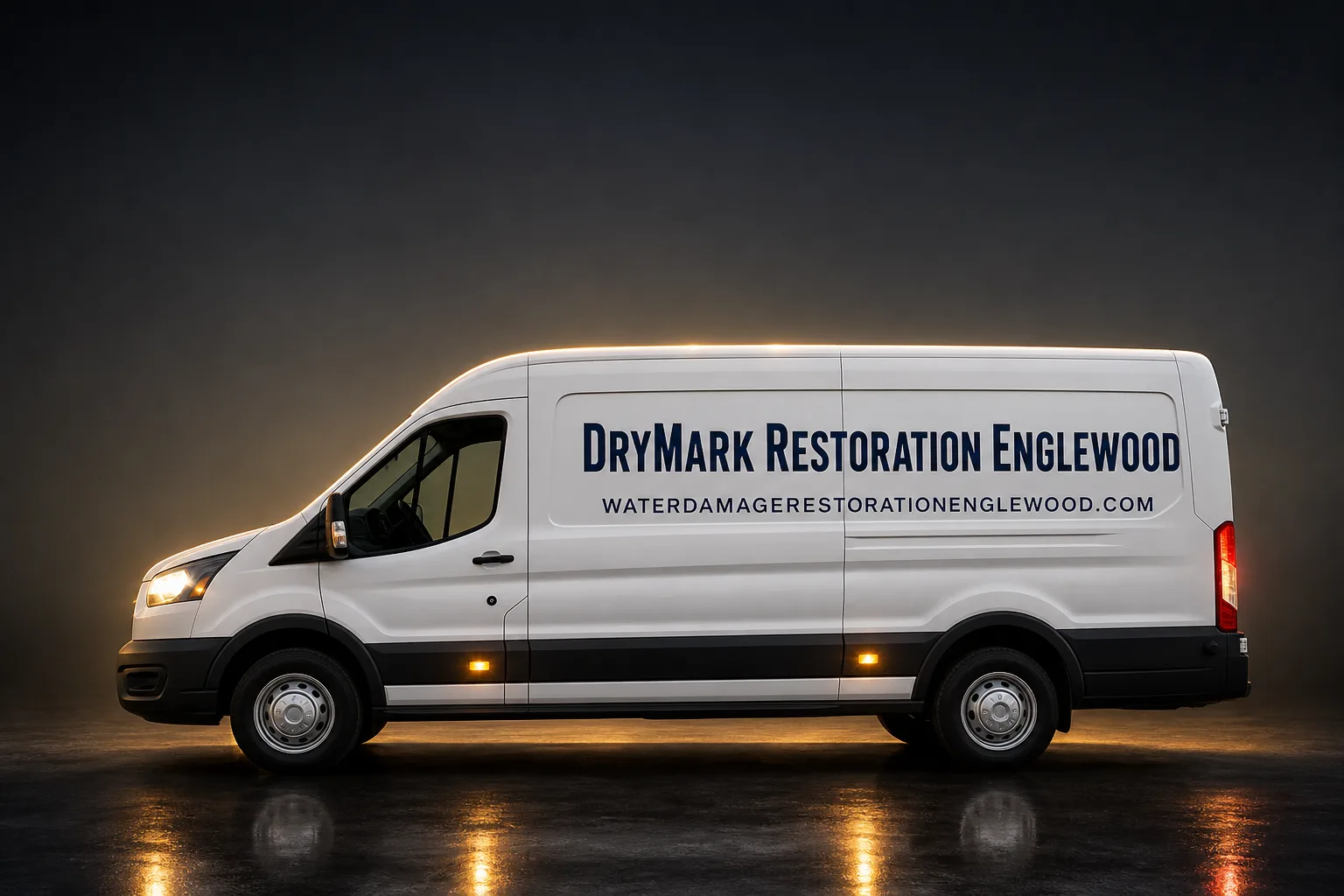
Free visual inspection and a written scope of work before any mitigation begins - photos, moisture readings, and drying logs go in your claim file
The scope we write is the scope we bill. Anything new gets shown to you, in writing, before we touch it.
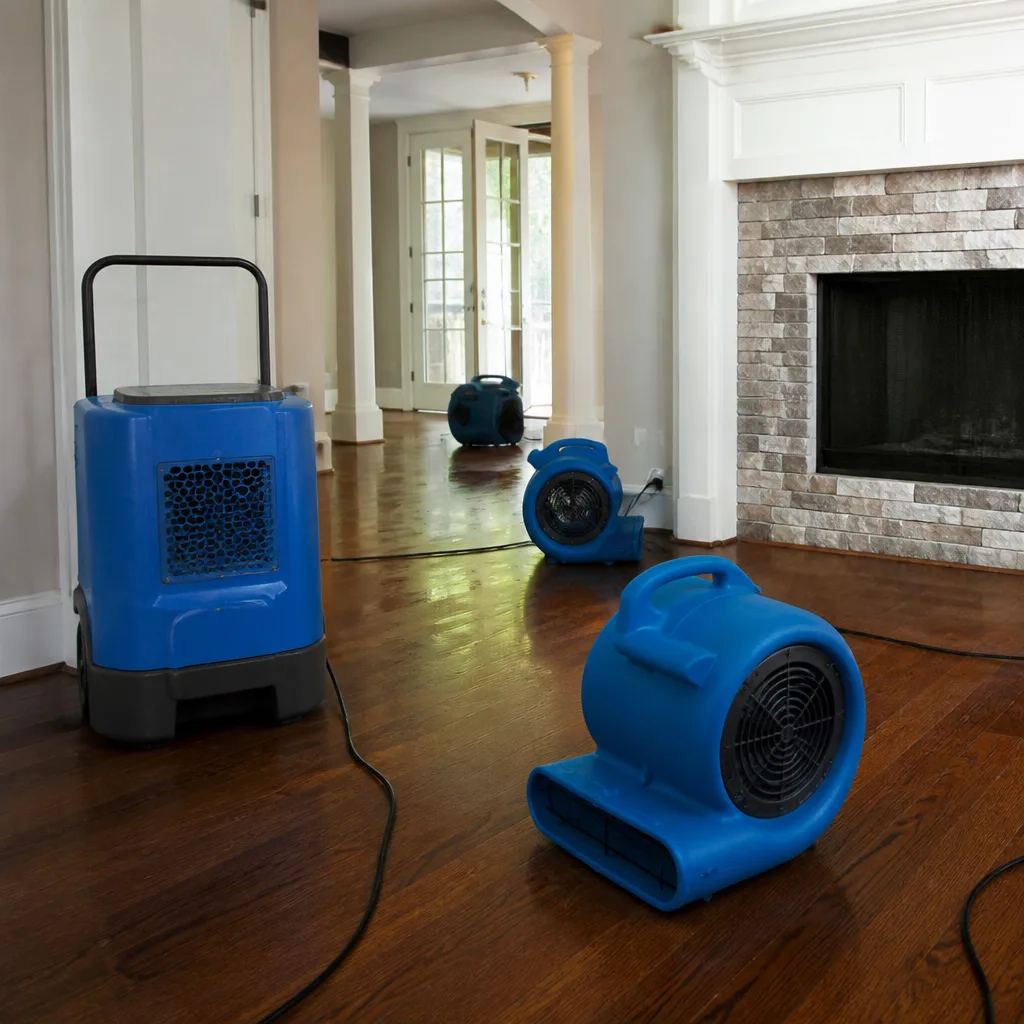

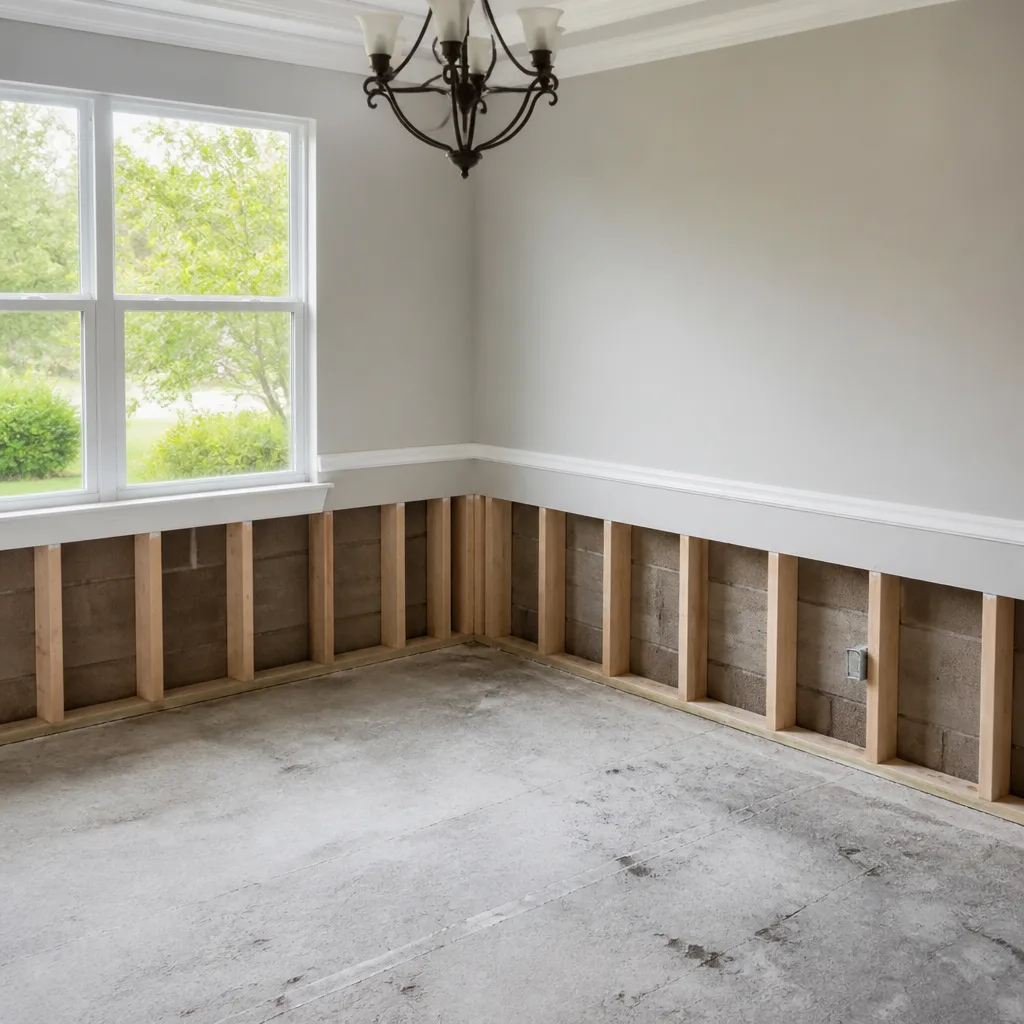
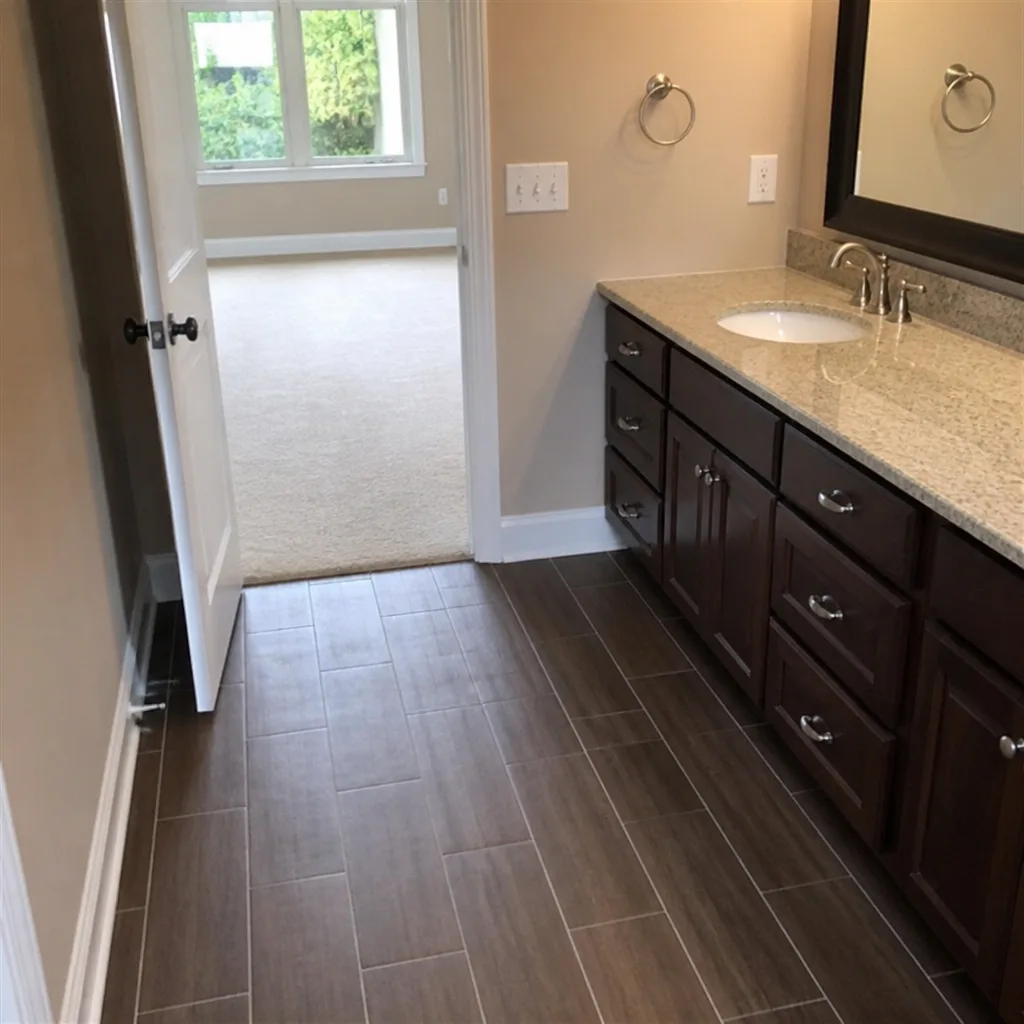
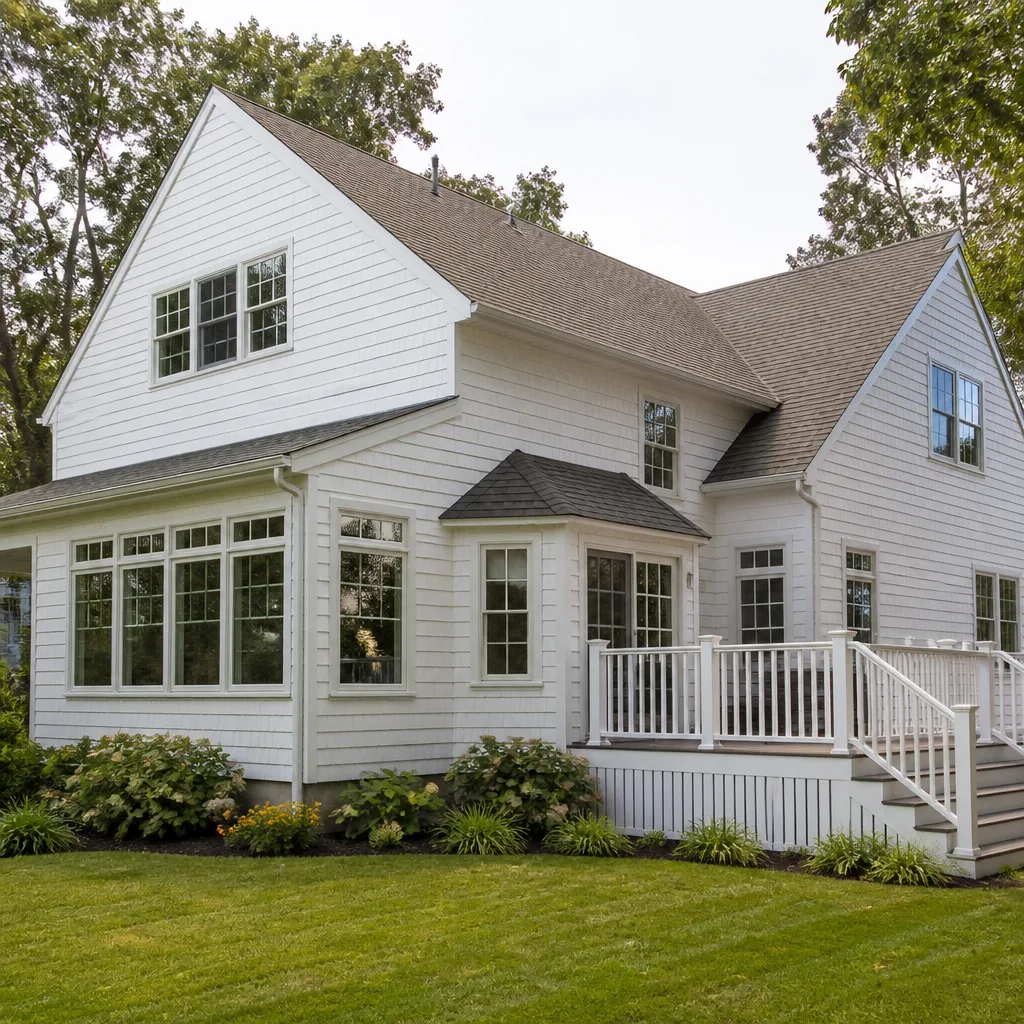
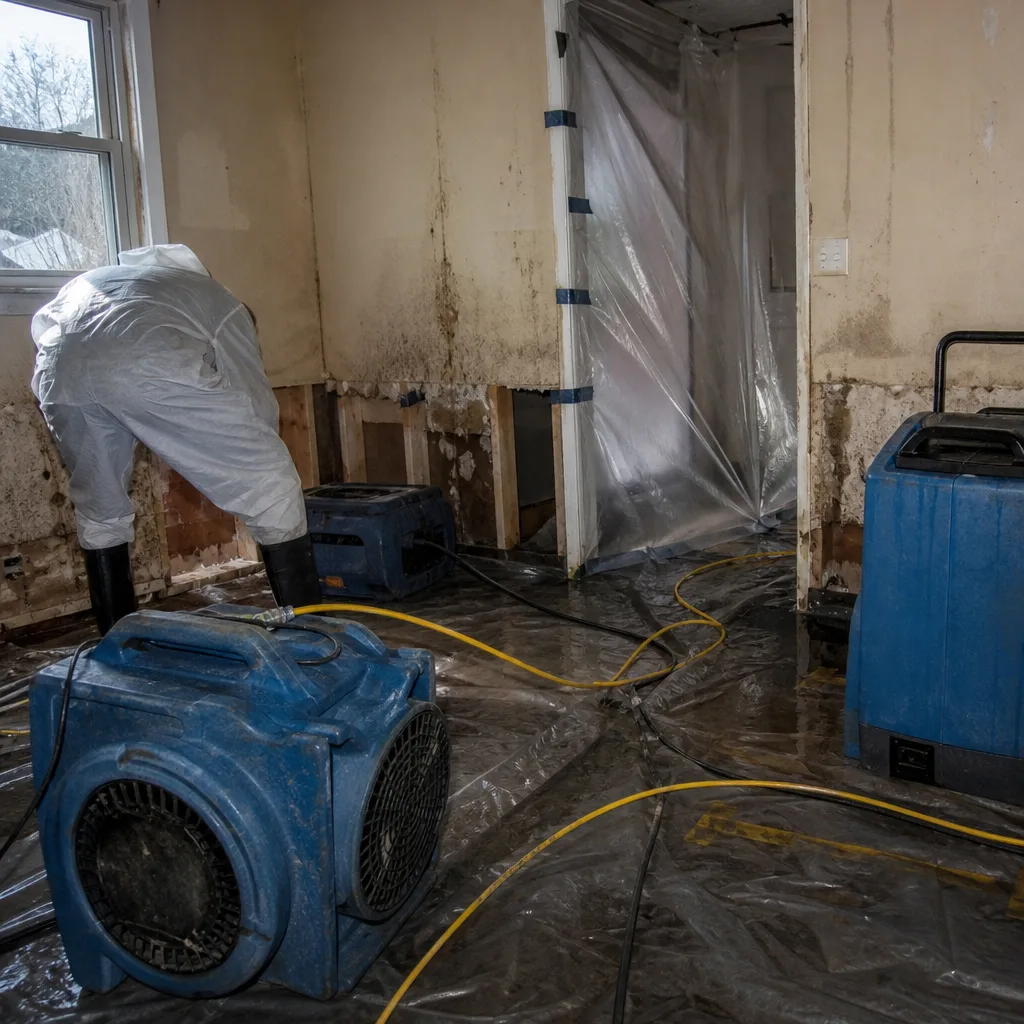 Before
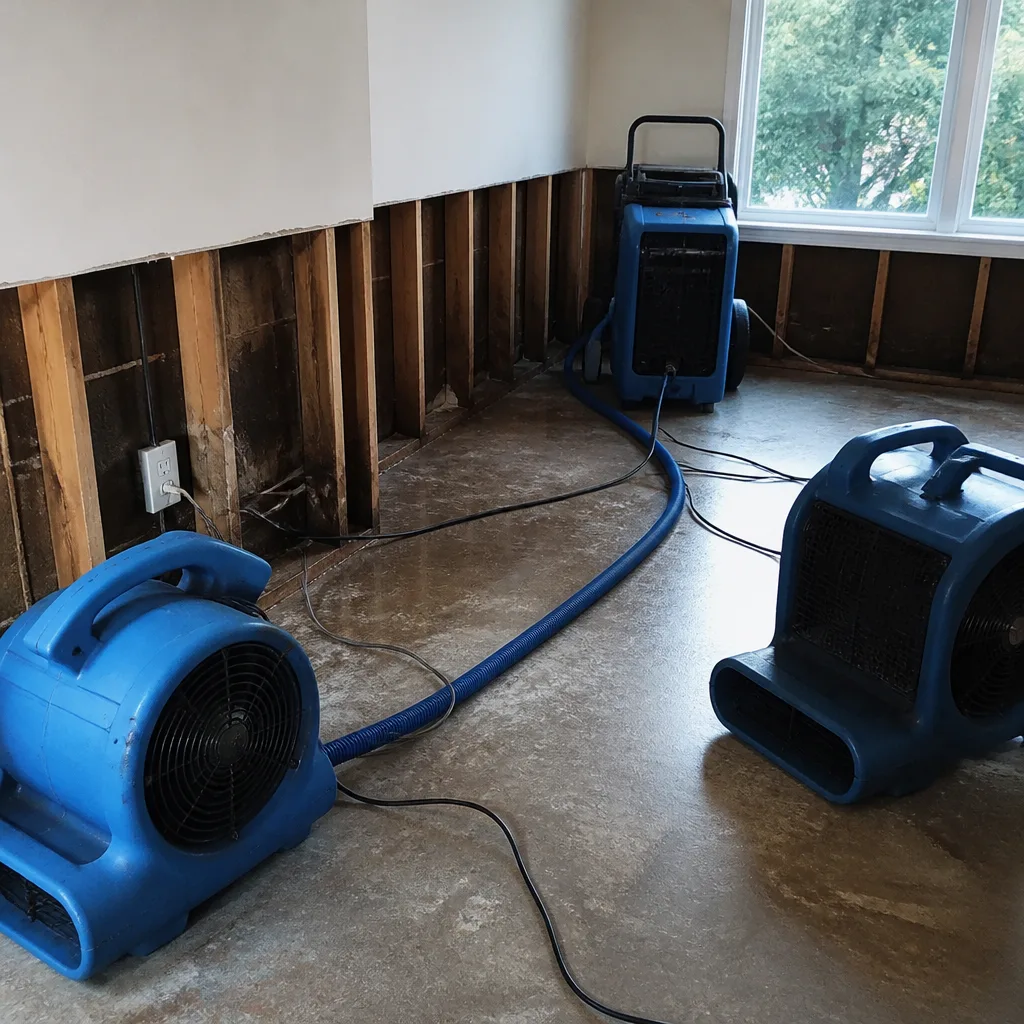 After
After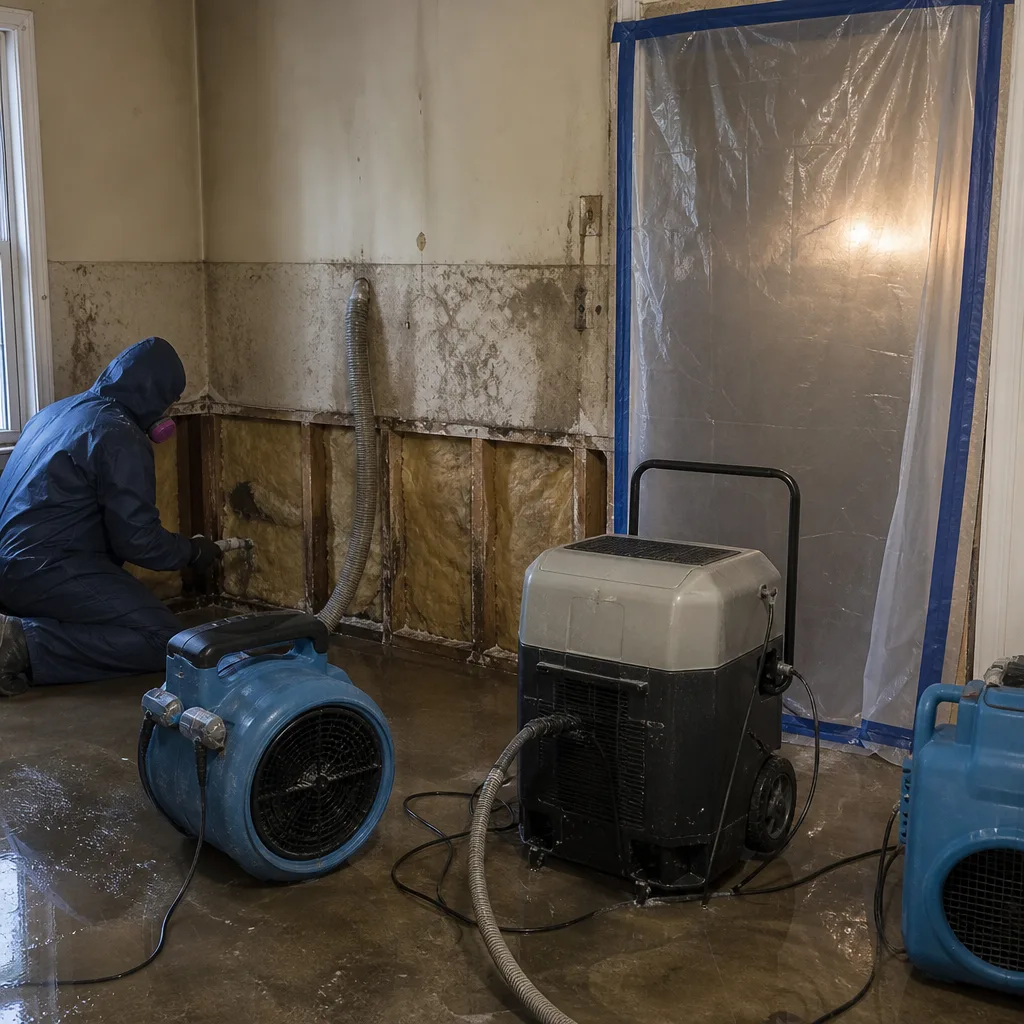 Before
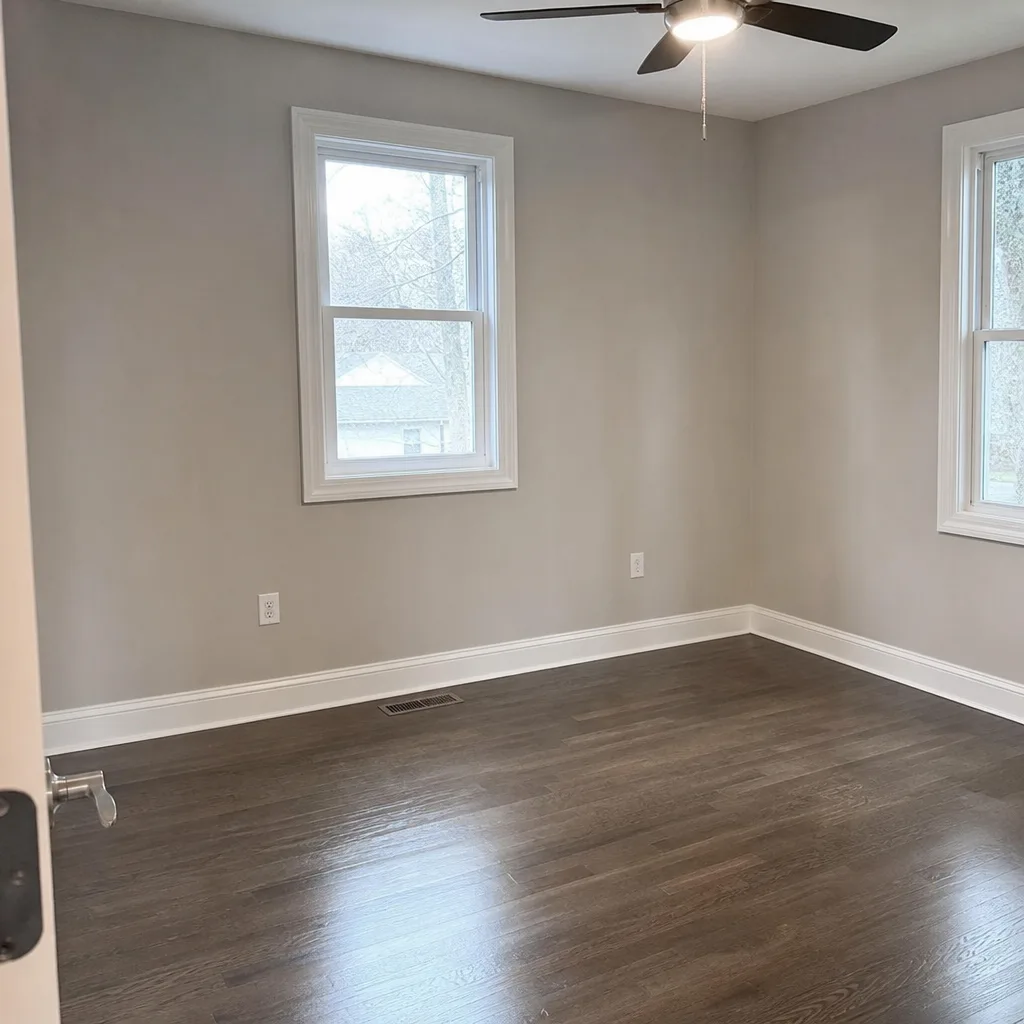 After
After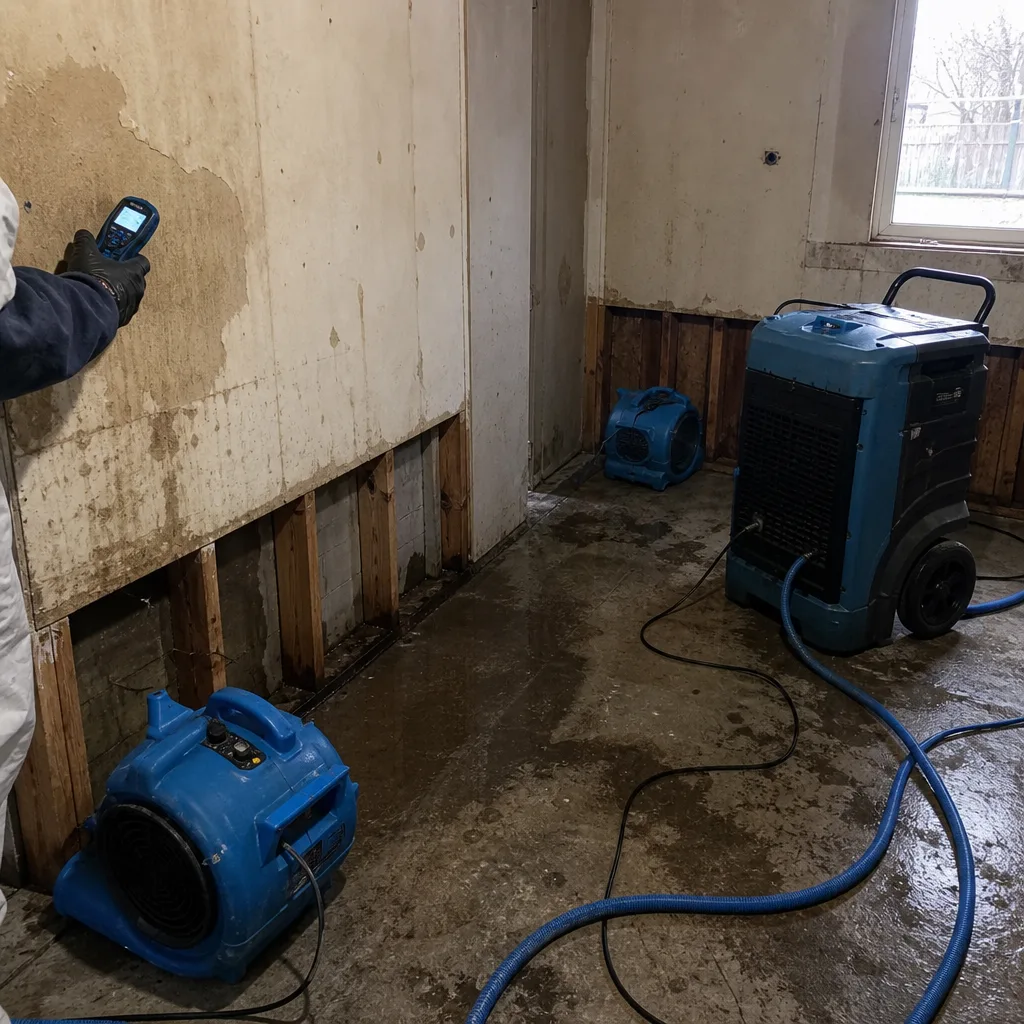 Before
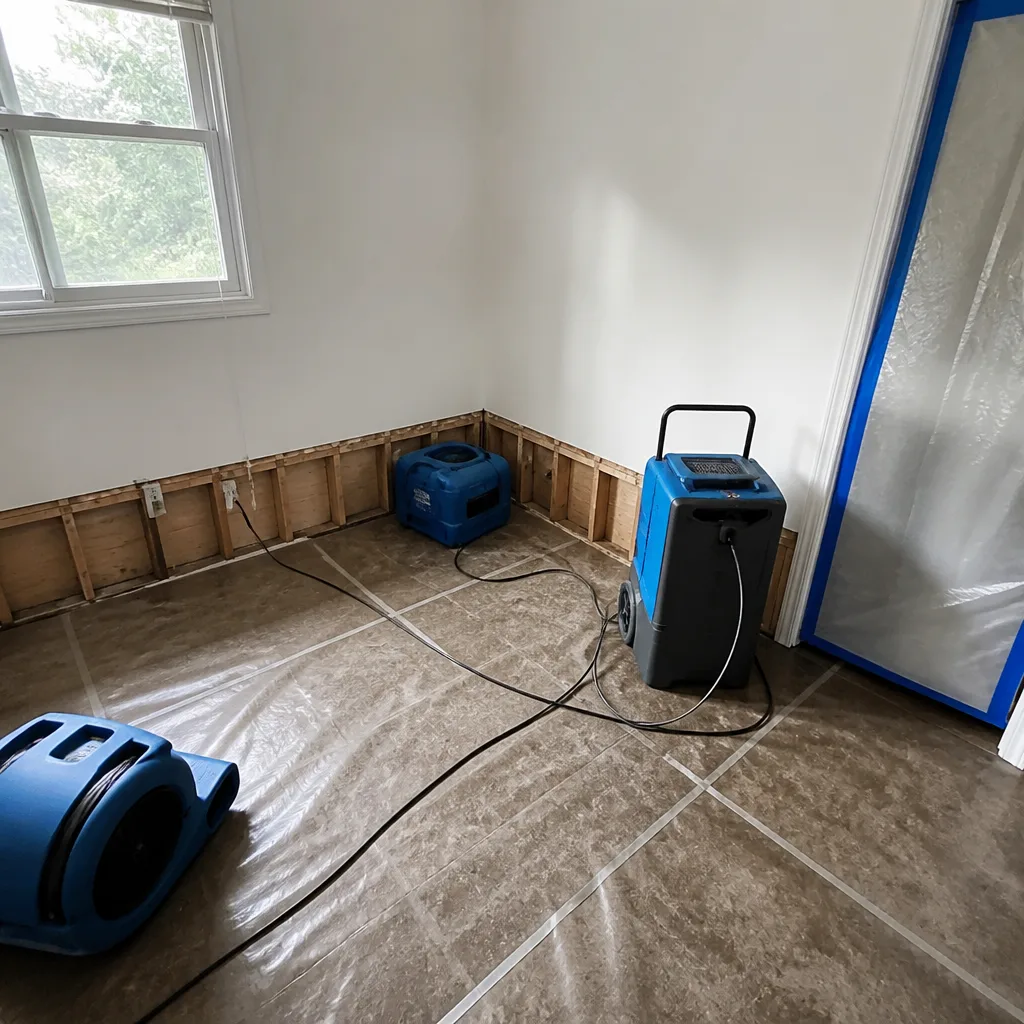 After
After24/7 Emergency Mold Remediation in Bogota
Mold in a Bogota basement can establish active growth within 24 to 72 hours of water intrusion, and our crews are minutes away across the borough. Call (845) 875-4326 now for live dispatch, any hour, any day. A real person answers every call. We offer free visual inspection and moisture mapping, and we dispatch with containment equipment and HEPA filtration ready to deploy. The first hours matter because mold that stays wet behind finished walls will spread through balloon-frame cavities and into HVAC returns, turning a contained basement job into a whole-house air-quality problem.
Understanding Mold Remediation Severity in Bogota Properties
Mold severity in Bogota is measured by affected square footage, material classification, and the category of water that initiated growth. Category 1 water, or clean water from a supply line, presents lower biological risk but still demands rapid structural drying. Category 2, gray water from sump failures or seepage, introduces contaminants that accelerate mold colonization. Category 3, black water from sewage backup or river flooding, requires full removal of porous materials and antimicrobial treatment of all remaining substrates.
Bogota’s housing stock, almost entirely pre-1960, complicates every severity assessment. Plaster-and-lath walls hold moisture longer than modern drywall and provide organic substrate for mold. Balloon-frame construction allows vertical migration inside cavities. Masonry-block basements, the norm here, wick groundwater through mortar joints and create chronic humidity zones behind finished surfaces. We classify every Bogota job with moisture-content readings, thermal imaging for hidden colonization, and air sampling where occupants report respiratory symptoms. Our Mold Remediation team documents each reading to IICRC S500 and S520 standards.
Why Bogota Property Owners Choose DryMark Restoration Englewood
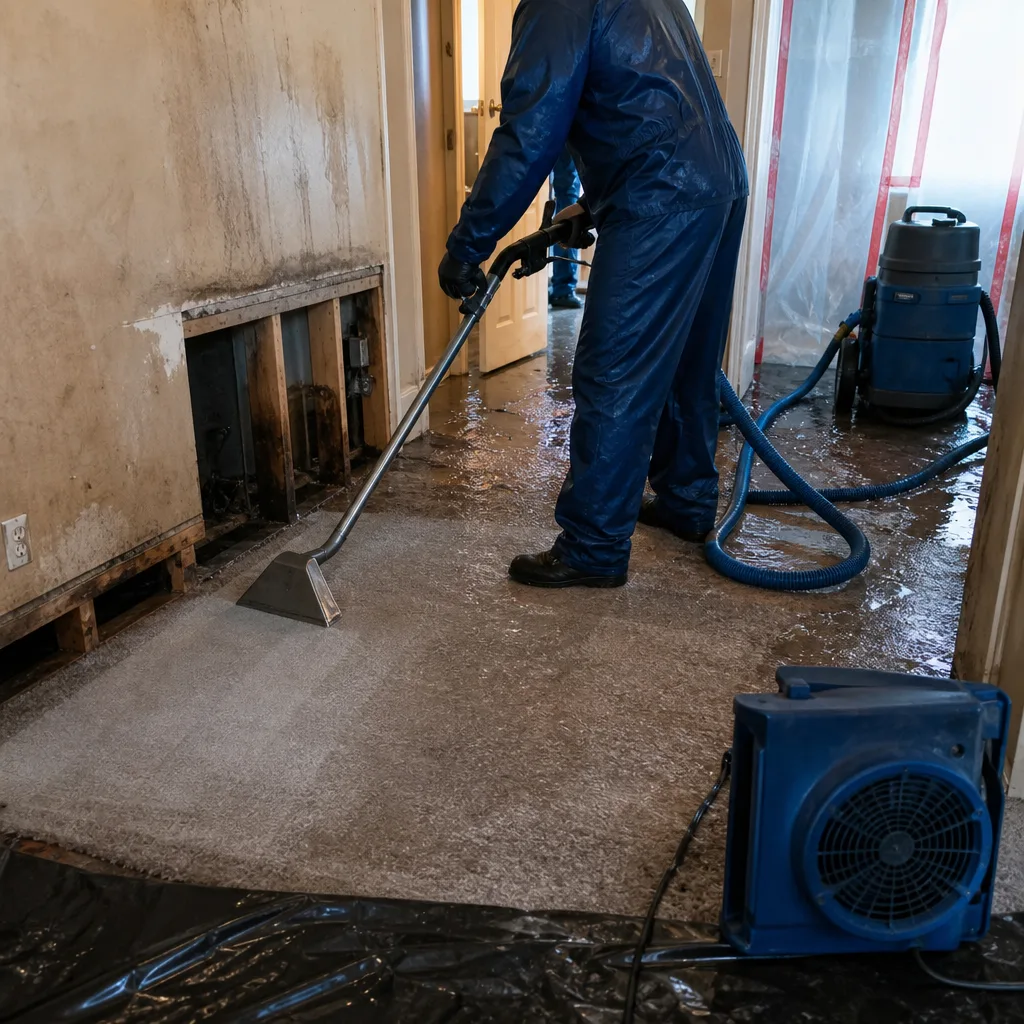
- 45-minute response commitment to Bogota addresses, with crews staged for borough-wide mobilization when groundwater events hit multiple blocks simultaneously.
- 24/7 live answer by a real person, never an automated system or voicemail tree, because mold questions at 2 a.m. deserve a human who can dispatch.
- IICRC-certified crews holding WRT (Water Damage Restoration Technician), AMRT (Applied Microbial Remediation Technician), and FSRT (Fire & Smoke Restoration Technician) credentials where dual-loss scenarios apply.
- Free visual inspection with moisture mapping and thermal imaging, producing documented findings before any scope or price is discussed.
- Direct insurance billing with photo-documented estimates and adjuster coordination, so Bogota homeowners are not left negotiating claim details alone.
- One team from containment to reconstruction, eliminating handoff gaps that let moisture linger and mold return.
BeforeAfterOur Mold Remediation Process
1. Inspection & Assessment
We map moisture content across all affected and adjacent materials using thermal imaging, penetrating and non-penetrating hygrometers, and psychrometric data collection. In Bogota’s pre-1960 homes, we specifically inspect balloon-frame wall cavities and plaster-and-lath substrates for hidden colonization. Every reading is logged.
2. Containment & Air Filtration
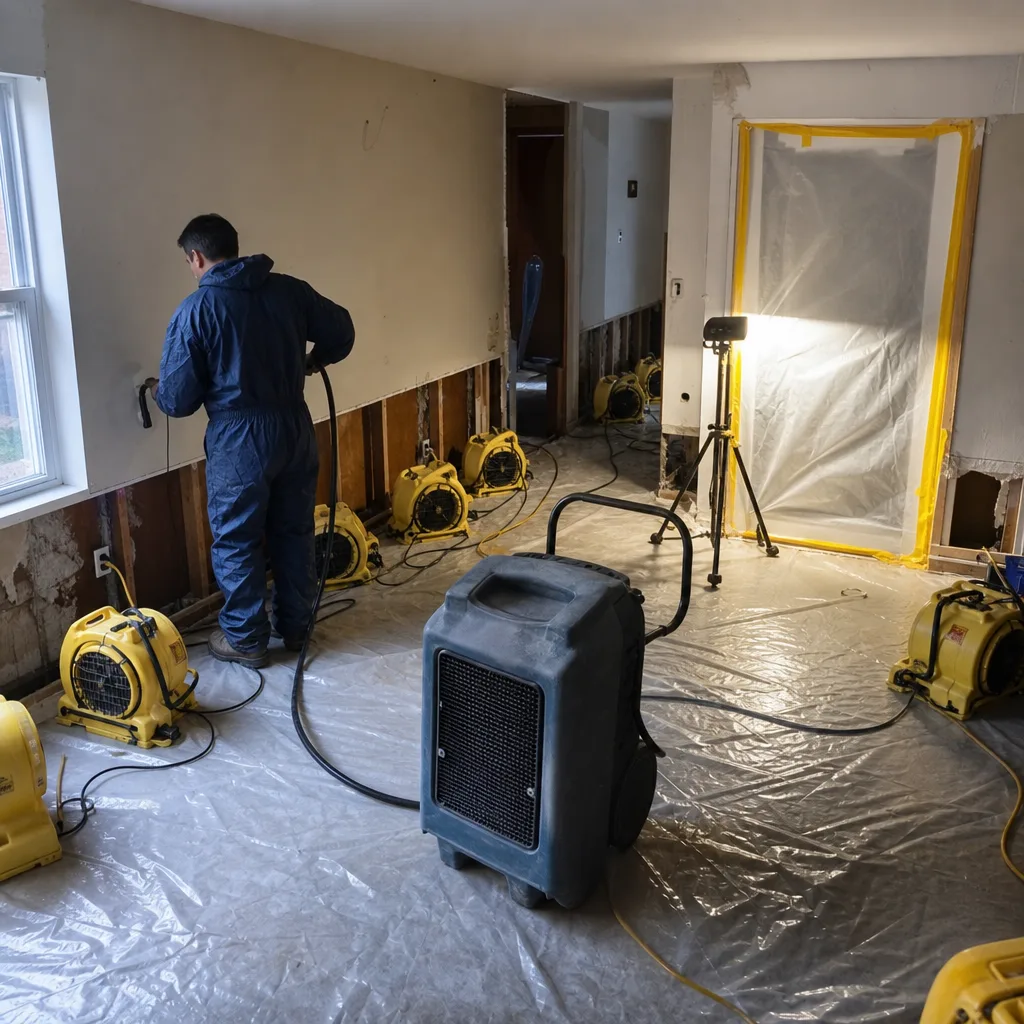
We establish negative-pressure containment with 6-mil polyethylene barriers and HEPA air scrubbers to prevent spore migration to unaffected areas. For whole-basement jobs common in Bogota’s below-grade mold scenarios, we calculate air changes per hour to maintain containment integrity.
3. Moisture Control & Structural Drying
We deploy Dri-Eaz and Phoenix dehumidification systems with targeted air movement to reduce vapor pressure differential, the force that drives moisture from wet materials into dry air. Daily moisture logs track progress to IICRC S500 drying goals, documented for insurance review.
4. Removal & Antimicrobial Treatment
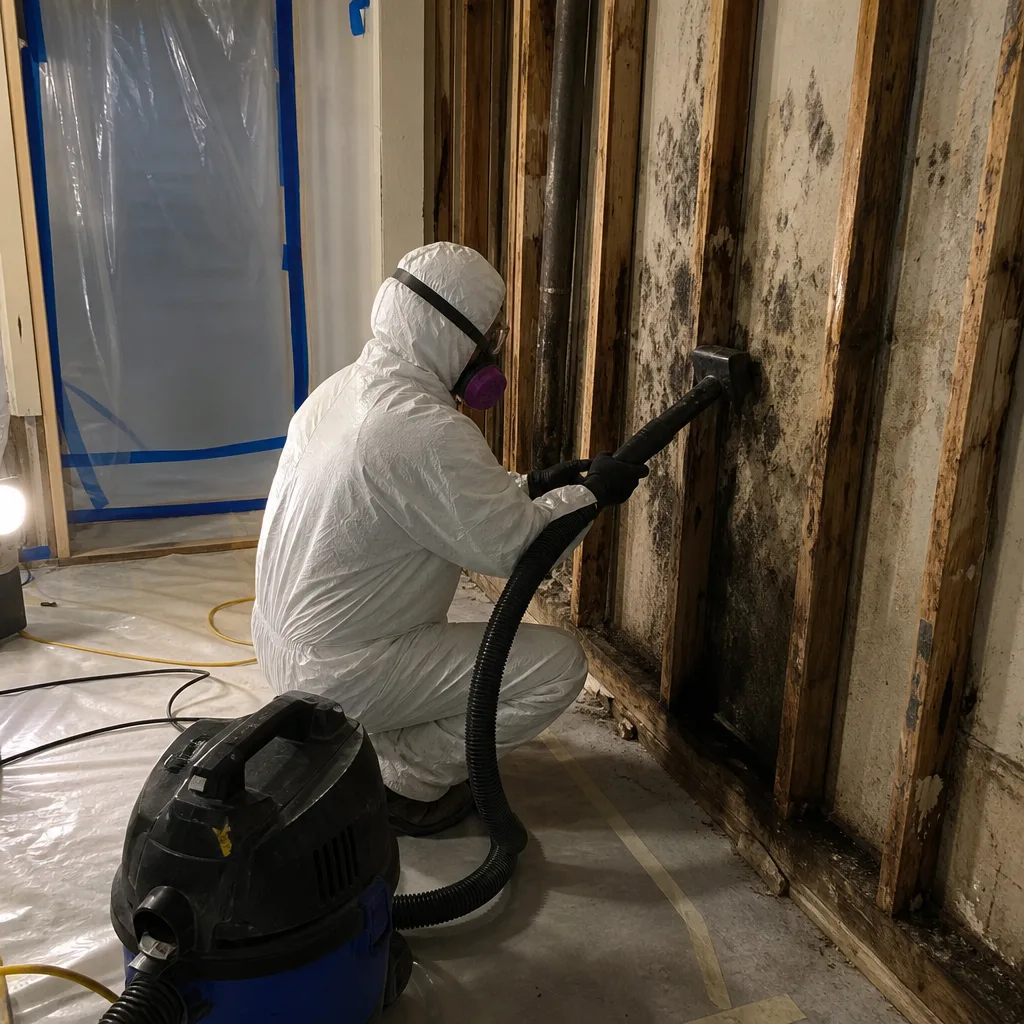
Non-salvageable porous materials, drywall, insulation, and degraded paneling are removed under containment. Remaining hard surfaces receive EPA-registered antimicrobial treatment. We do not spray visible mold and call the job finished; we verify the substrate is dry and spore counts are controlled.
5. Air Quality Restoration & Clearance
Post-remediation air sampling validates that airborne spore counts match outdoor baseline levels. For Bogota homes with chronic groundwater intrusion, we add crawl space treatment and whole-home humidity control recommendations to prevent recurrence.
6. Repairs & Moisture-Proofing
Our reconstruction crew replaces removed materials with moisture-resistant equivalents where code allows. We document the finished condition with photos and a written scope completion, then activate the 365-Day Done Right Promise under The Haven Standard.
Need Emergency Mold Remediation in Bogota Now?
Crews minutes away, answering live 24 hours a day. The sooner we start, the less it costs.
Working With Your Insurance Company
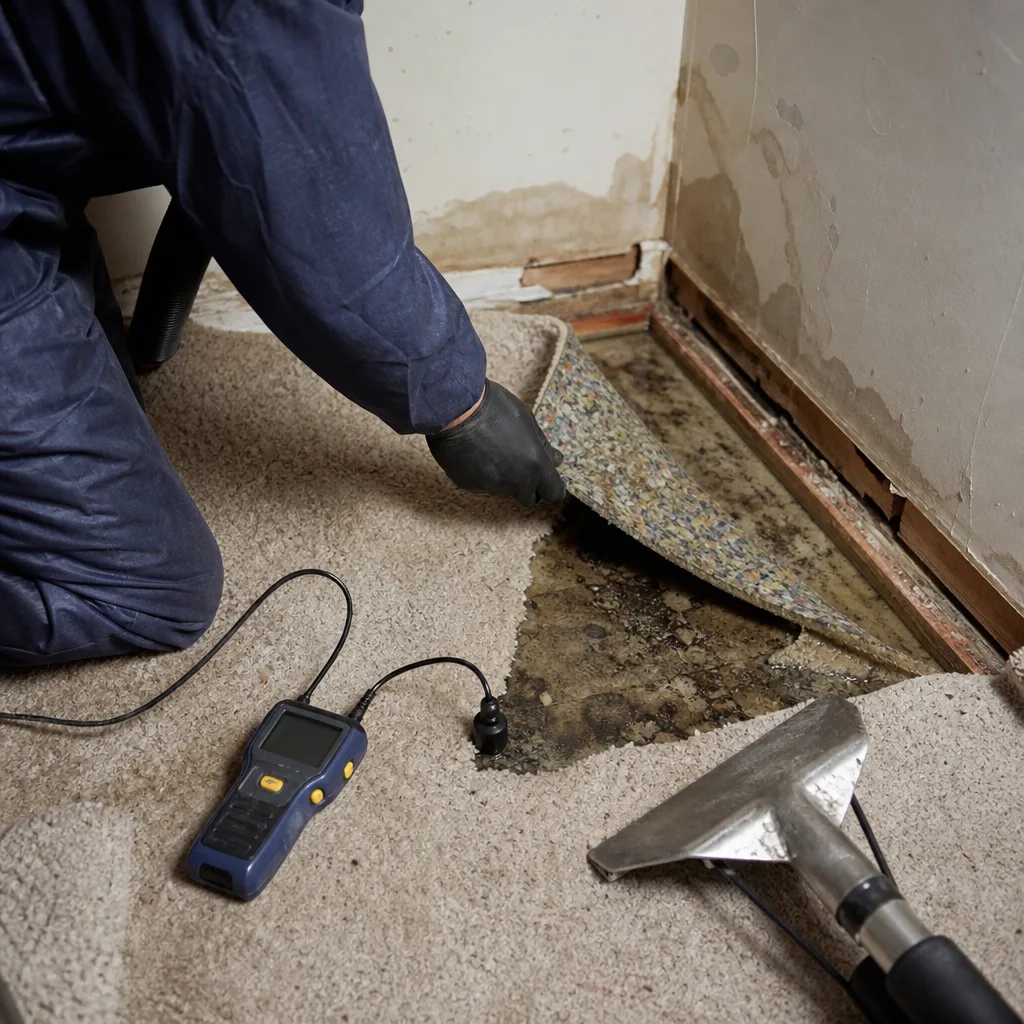
Insurance claims for mold damage succeed or fail on documentation quality. We begin photo documentation on arrival, before any materials are disturbed, and we maintain that record through every visit. Our estimates are prepared to industry-standard formats that adjusters recognize, with line-item scopes tied to moisture readings and material classifications.
We speak directly with your carrier’s adjuster, provide drying logs that demonstrate structural drying was achieved before reconstruction began, and coordinate supplemental requests when hidden damage extends the scope. For Mold Remediation in Bogota jobs triggered by covered water losses, we document the causal chain so mold remediation is not excluded as a secondary, uncovered peril.
What We Provide Your Insurer
- Thorough documentation of the loss
- Photos of all damage, room by room
- Moisture readings and drying logs
- A detailed, line-item scope of work
- Direct coordination with your carrier
Built for Bogota’s Loss Calendar
January through March brings freeze-thaw cycling that cracks mortar joints in Bogota’s aging masonry foundations. Water enters through new pathways, often unnoticed until basement humidity spikes and mold appears behind baseboards. April and May deliver spring rains on saturated ground; the Hackensack River corridor sees water table rise that pushes groundwater through slab and block walls borough-wide.
June through September thunderstorms can overwhelm aging municipal storm infrastructure, especially in Bogota’s western blocks nearest the river. October through December nor’easters are the most concentrated threat, a single storm capable of raising groundwater levels across entire streets in unison. We maintain standby capacity for these neighborhood-scale events because we have seen how a single nor’easter can generate simultaneous calls from homes on the same block, all with the same failure mode: finished basements with wet block walls and hidden mold colonies.
Mold Remediation Across Bogota’s Neighborhoods
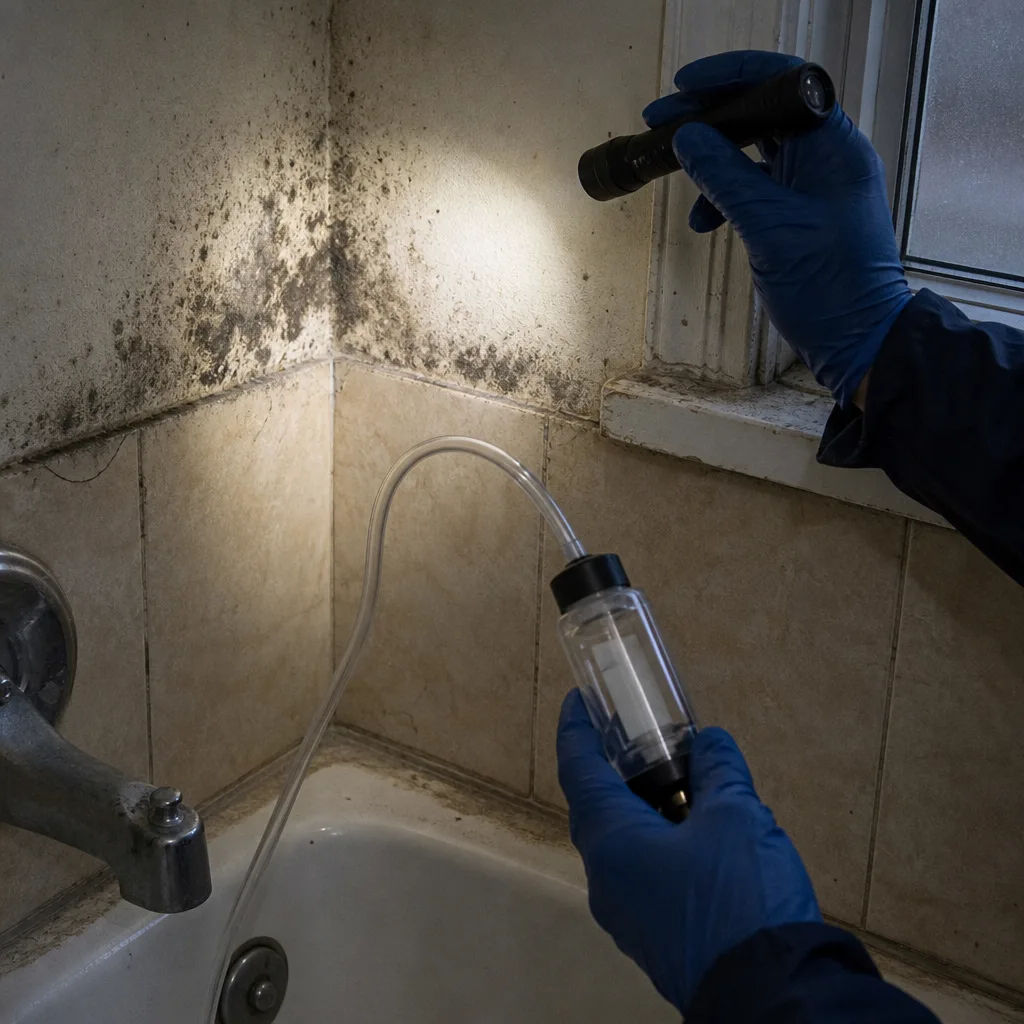
Bogota is compact, but its 0.7 square miles contain distinct response patterns. The western blocks along the Hackensack River, including streets feeding into River Road, experience the most concentrated groundwater intrusion. After significant rain, we see service calls cluster here street by street, not house by house, because shared grade and uniformly old basements create nearly simultaneous water table breaches. Our crews learn to stage equipment for multi-home mobilization in this corridor.
The central borough around West Main Street and Larch Avenue contains dense 1920s-1950s Cape Cods and two-family colonials on tight lots. These homes often have original cast-iron or galvanized plumbing that fails catastrophically, and their balloon-frame construction lets moisture migrate vertically from basement to attic before occupants notice. We prioritize thermal imaging of wall cavities in this zone.
The eastern blocks toward Teaneck border sit marginally higher but still on Bogota’s flat grade. Homes here see more sump-pump-dependent basements, and mold often follows pump failure during power outages. We recommend battery backup systems as part of our moisture control consultations in this area. Dispatch and scheduling for all Bogota zones are coordinated from our New York City office, with crews serving the borough locally.
Specialized Mold Remediation Services We Offer in Bogota
Mold Inspection & Testing
We offer independent mold inspection with air and surface sampling, moisture mapping, and thermal imaging. In Bogota’s pre-1960 housing, we specifically target plaster-and-lath wall systems and masonry-block basement interfaces where mold hides behind apparently dry surfaces. Lab results typically return within 48 hours.
Mold Removal
Our removal protocol follows IICRC S520 guidelines for containment, negative air pressure, and proper disposal. For Bogota’s chronic groundwater scenarios, removal without moisture control is temporary; we address the water source or the mold returns.
Black Mold Remediation
Stachybotrys chartarum and other toxigenic species require enhanced containment and PPE. We do not alarm homeowners with unnecessary biohazard language, but we do follow strict protocols for spore containment and post-remediation clearance testing.
Air Quality Restoration
Whole-home air scrubbing with HEPA filtration, duct inspection, and post-remediation air sampling to verify spore counts have returned to outdoor baseline. Critical in Bogota’s balloon-frame homes where mold has migrated through wall cavities into HVAC returns.
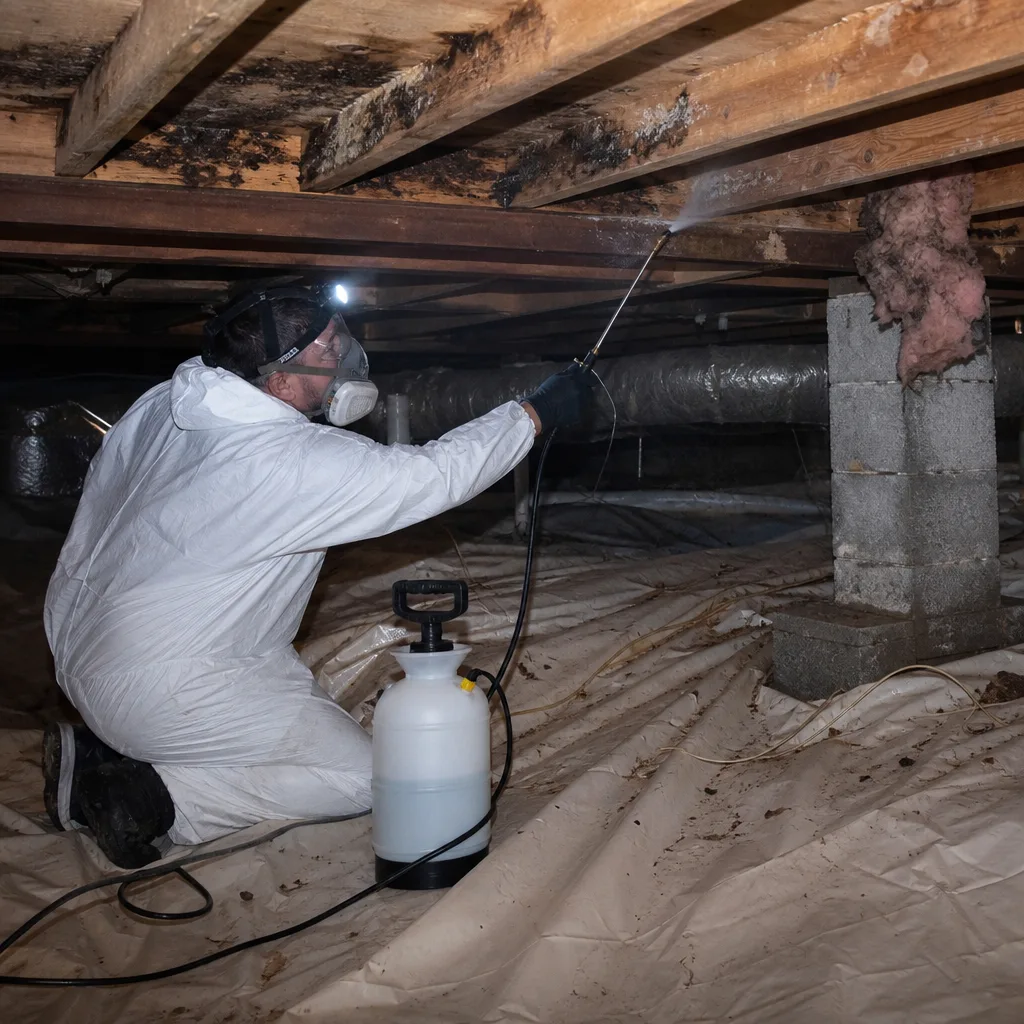
Crawl Space Treatment
Bogota’s older homes often have dirt-floor crawl spaces with chronic humidity. We install vapor barriers, dehumidification, and sealed access systems to transform these spaces from mold incubators into dry, usable zones.
Moisture & Humidity Control
Our most important service for Bogota’s groundwater-driven mold problems. We install permanent dehumidification, grade exterior drainage where accessible, and specify sump pump upgrades with battery backup. Without this step, remediation is a repeating expense.
What happens when you call
- 1
A real person answersNo phone trees - you reach a local pro.
- 2
You get an upfront price rangeHonest numbers before anyone is dispatched.
- 3
A background-checked tech heads outLicensed & insured, dispatched right away.
- 4
You approve before work beginsNothing starts until you say go.
Mold Remediation Costs in Bogota, NJ
A typical mold inspection with moisture mapping in Bogota runs $250-$450. Contained basement remediation for a single affected wall area, including removal, treatment, and drying, typically ranges $1,800-$3,400. Whole-basement jobs with finished surface removal, multiple wall areas, and air quality restoration run $4,500-$8,500. Crawl space treatment with vapor barrier installation adds $2,000-$4,500 depending on square footage and access conditions.
What moves the price: finished versus unfinished basement (more removal), plaster-and-lath versus drywall (longer drying, more labor), whether air quality testing and clearance documentation are required, and whether moisture control upgrades are included. Insurance typically covers mold remediation when it results from a covered water loss, such as sudden pipe failure or storm intrusion, but may exclude long-term maintenance-related mold. We provide a written price before work begins, Haven Standard, Clause 1, and we offer a Free Second Opinion on any competitor’s written estimate.
We Also Serve Cities Near Bogota
Our crews respond daily to mold emergencies in Ridgefield Park, where Hackensack River flooding mirrors Bogota’s patterns; Hackensack, with its mix of pre-war and mid-century stock; Little Ferry, another low-lying river corridor town with basement-driven mold; and Leonia, where hillside drainage creates different but equally persistent moisture problems.
Serving Bogota, NJ - Our Local Coverage Area
We’re based in the Bogota area and know this community well. Use the map below to see our service coverage - if you’re nearby, we can almost certainly help.
Bogota Mold Remediation Questions, Answered
How fast can mold start growing in a Bogota basement after a nor’easter raises the water table?
Active mold colonization can begin within 24 to 72 hours of water intrusion, and in Bogota’s chronically humid masonry-block basements, we often see visible growth within 5 to 7 days after a nor’easter pushes the water table above slab level. The borough’s flat grade means groundwater lingers against foundation walls longer than in sloped terrain, so the growth window extends even after surface water recedes. Call (845) 875-4326 for immediate moisture mapping if your basement smells musty or feels damp after any significant rain event.
Why does mold keep returning to my finished Bogota basement after I clean it?
Surface cleaning of visible mold on drywall or paneling leaves the masonry-block wall and concrete slab behind it wet from persistent groundwater intrusion, so mold returns within weeks. In Bogota’s pre-1960 housing, hydrostatic pressure against block walls is nearly continuous during wet seasons; without dehumidification and often exterior drainage correction, any surface treatment is temporary. We address the moisture source as part of every remediation scope, or we do not take the job.
What is the difference between Category 1, 2, and 3 water in a Bogota mold job?
Category 1 is clean water from a supply line or sump pump discharging groundwater; Category 2 is gray water with contaminants from seepage through soil or failed drainage; Category 3 is black water from sewage backup or Hackensack River flooding. In Bogota, we see Category 2 most frequently, basement seepage that carries soil bacteria and elevates mold risk beyond what clean water would create. Category 3 requires full removal of porous materials and more aggressive antimicrobial protocols. We classify on arrival and document the determination for insurance.
Does Bogota’s freeze-thaw cycle make basement mold worse in late winter?
Yes. January-through-March freeze-thaw cycling accelerates cracking in older mortar joints and masonry foundations throughout Bogota, creating new pathways for water intrusion just as homeowners seal basements against cold air and reduce ventilation. The result is wet walls in a stagnant environment, ideal for mold establishment before spring rains even begin. We see a predictable surge in calls during late February and early March as these cracks thaw and leak.
Can our crew handle a Bogota block where several neighbors call about basement mold at once?
Yes. We have staged for neighborhood-scale mobilization in Bogota’s western blocks near the Hackensack River, where shared grade and aging storm infrastructure cause simultaneous water table rises across entire streets. After a nor’easter pushed the water table up across Bogota, we ran moisture mapping on a 1940s Cape Cod on West Main Street and found the poured-concrete basement walls reading elevated and a finished rec-room panel already showing black mold behind its baseboard. We set up containment, removed the affected drywall, applied antimicrobial treatment, and brought in Dri-Eaz dehumidification and air movers to finish structural drying to IICRC S500 standards, with drying logs documented for the scope of work. Our equipment inventory and crew scheduling are built for exactly this scenario.
Will my insurance cover mold remediation in Bogota?
Insurance covers mold remediation when it results from a sudden, accidental water loss that is itself a covered peril, such as a burst pipe or storm-driven intrusion through a failed window well. Long-term maintenance-related mold, slow leaks, or humidity buildup without a triggering event is typically excluded. We document the causal chain from water loss to mold growth, photograph the original point of intrusion, and coordinate directly with your adjuster to establish coverage. Bring any denial or competitor estimate for our Free Second Opinion.
How long does mold remediation take in a typical Bogota home?
A contained single-wall basement job typically requires 3 to 5 days for removal, treatment, and structural drying to IICRC standards. Whole-basement remediation with finished surface removal runs 5 to 10 days, plus reconstruction time. Bogota’s plaster-and-lath walls extend drying timelines compared to modern drywall builds. We do not rush drying; we log daily moisture readings and certify achievement of drying goals before reconstruction begins.
Can my family stay in the home during mold remediation?
For contained, single-area basement jobs with negative air pressure and HEPA filtration maintained, occupants often remain in the home with the basement sealed off. For whole-basement jobs, extensive wall-cavity work in balloon-frame construction, or any toxigenic species involvement, we recommend temporary relocation until clearance testing confirms safe spore counts. We discuss this determination openly during the inspection phase, with no pressure either way.
Written by Alicia Brennan, Owner at Back to Dry Restoration, serving Bogota and the Hackensack River corridor since 2011.
Mold Remediation in Nearby Areas